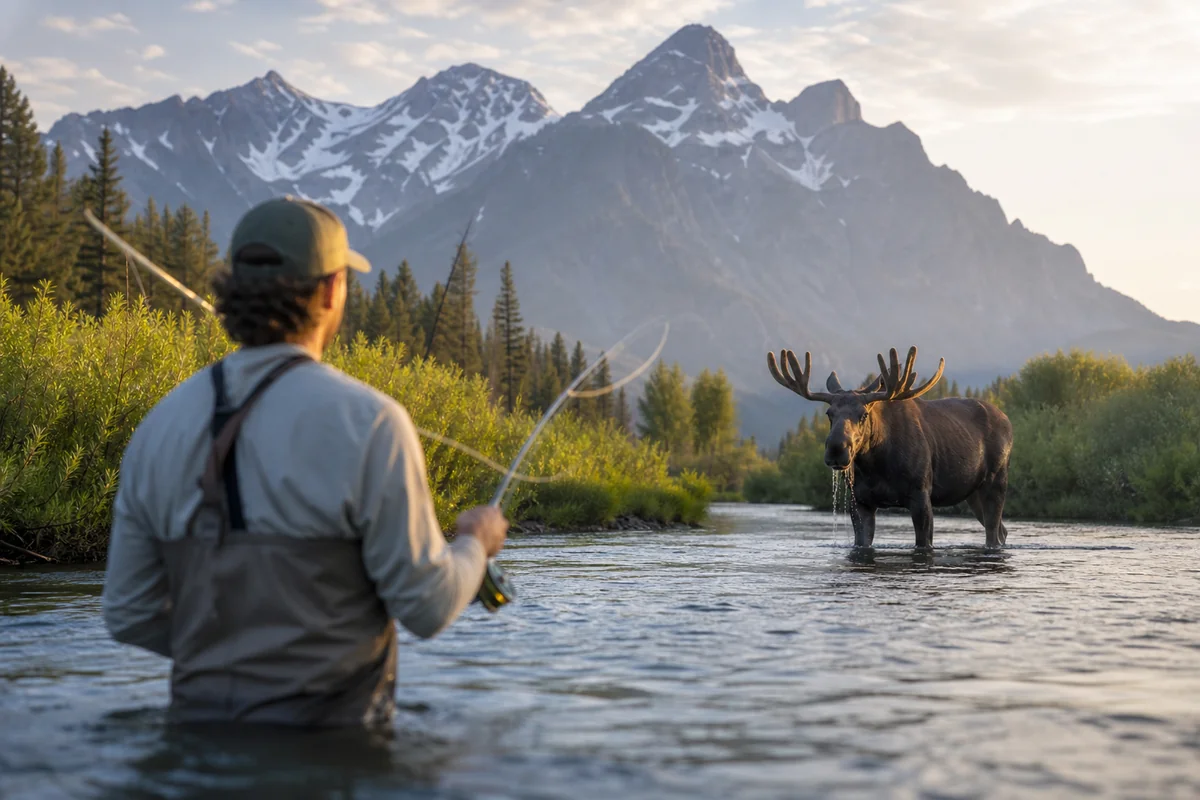
I was chest-deep in the Gallatin River, my fly line tangled in a willow branch behind me, when a bull moose emerged from the tree line thirty feet away.
He stood there for a full minute, water dripping from his massive rack, completely uninterested in the fumbling angler invading his morning routine. That moment—equal parts terrifying and transcendent—captures everything I love about outdoor adventures in Montana.
After twelve years of exploring this state, from the prairie grasslands along the Hi-Line to the jagged peaks of the Beartooths, I’ve accumulated enough trail miles, river days, and campfire stories to fill a book.
This guide is my attempt to share what actually works, what’s overhyped, and what hidden gems you absolutely cannot miss.
- Best hiking: Glacier National Park’s Highline Trail and the lesser-known Jewel Basin
- Best fishing: Armstrong Spring Creek for technical dry-fly work, Madison River for beginners
- Best wildlife: Lamar Valley in early morning, National Bison Range for guaranteed sightings
- Best seasons: July-September for hiking, June for wildflowers, September-October for fishing
- Don’t skip: Hot springs after long hikes (Chico, Bozeman, Norris)
- Most overrated: Some Glacier parking lot at peak summer—go early or skip
Liked this article?
Add Roaming Montana as a preferred source so you see more of our articles and guides on Google.
Why Montana Outdoor Activities Hit Different
I’ve hiked in Colorado, kayaked in Washington, and backpacked across Utah’s canyon country. Montana delivers something none of those places can replicate: genuine wildness without the crowds.
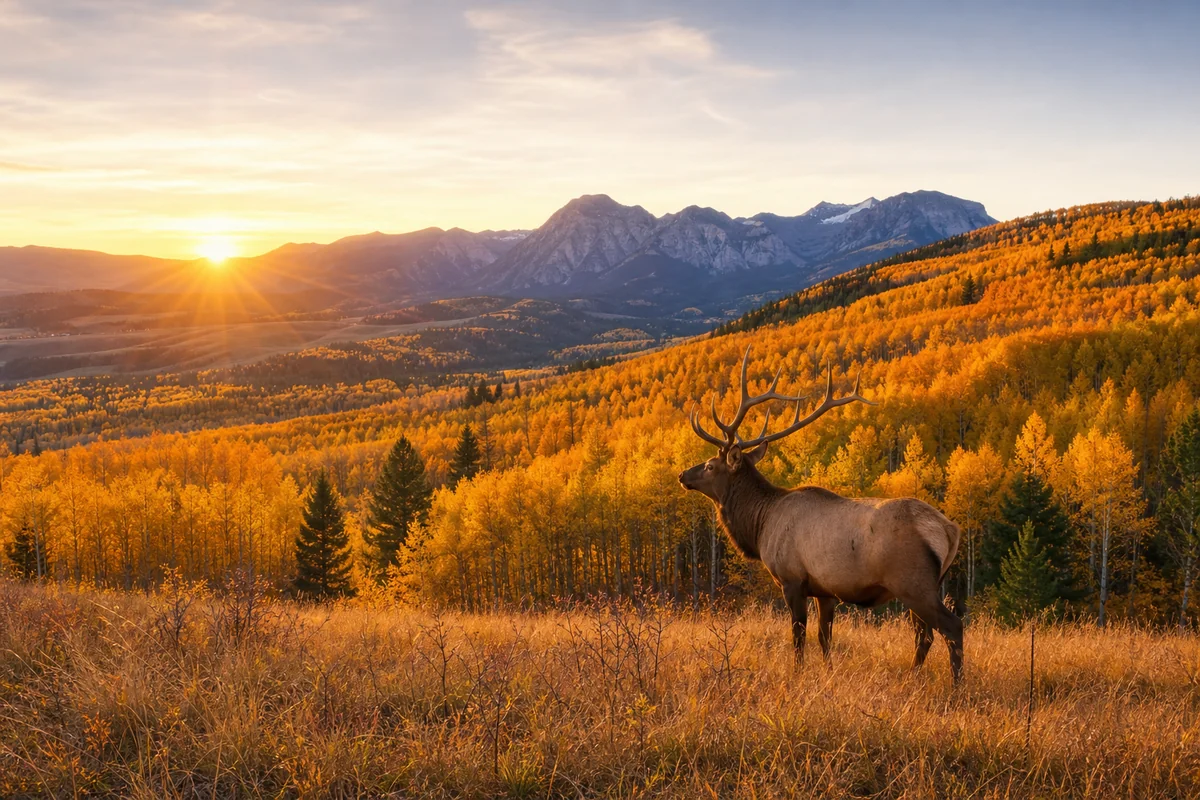
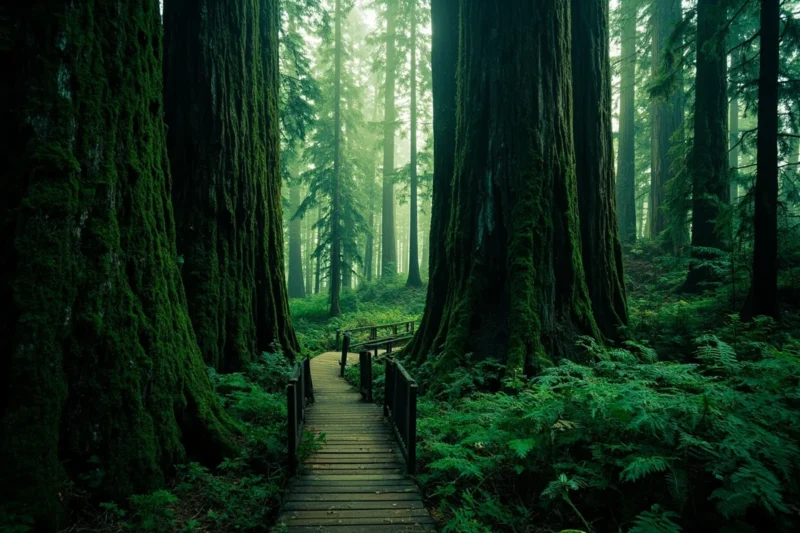
During a five-day backpacking trip in the Bob Marshall Wilderness last August, I didn’t see another human being for 72 hours straight. I did see a grizzly sow with cubs at 200 yards, a wolverine (still can’t believe that one), and more elk than I could count. That level of solitude simply doesn’t exist in most American wilderness areas anymore.
The state’s sheer variety also sets it apart. Within a single weekend, you can fly fish a blue-ribbon trout stream, summit a 10,000-foot peak, soak in natural hot springs, and watch the Northern Lights dance above a prairie landscape. I’ve done exactly that itinerary multiple times, and it never gets old.
Hiking in Montana: From Day Hikes to Deep Wilderness
Glacier National Park: The Crown Jewel
Let me be direct about Glacier: it deserves every ounce of hype it receives, but timing and strategy matter enormously.
The Highline Trail remains my favorite hike in the entire state. When I walked it last July, starting at Logan Pass at 6:30 AM before the shuttle crowds arrived, I had the trail nearly to myself for the first three miles. The exposure at the start—where you grip a cable bolted into the cliff face—isn’t for everyone, but after that initial section, you’re rewarded with the most spectacular ridgeline walk in the Northern Rockies.
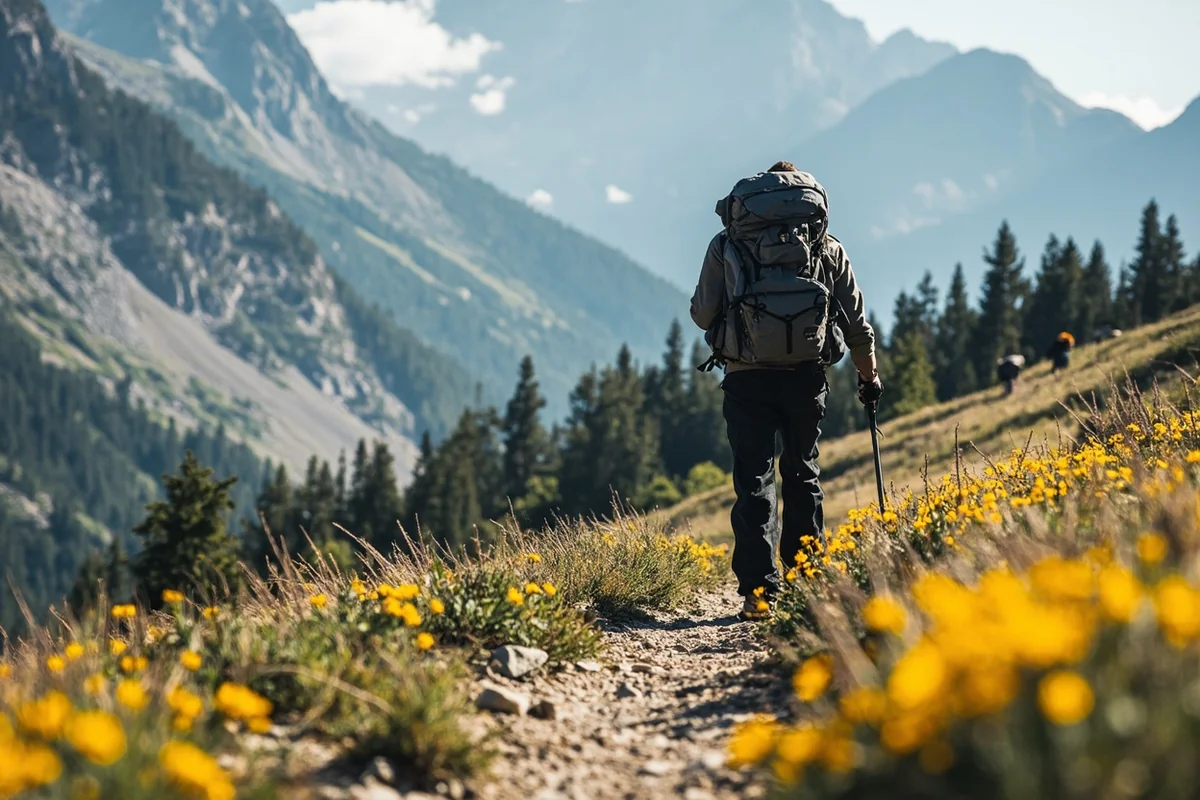
I always recommend continuing past Haystack Butte to the Granite Park Chalet. The total out-and-back is about 15 miles, but if you arrange a shuttle, you can descend via the Loop Trail and cut it to 11.8 miles one-way. Pack layers—I’ve experienced 40-degree temperature swings on this trail in a single afternoon.
For a less crowded alternative, the Ptarmigan Tunnel hike out of Many Glacier genuinely surprised me. The tunnel itself—hand-cut through the mountain in the 1930s—frames a dramatic view of the Belly River drainage. When I emerged through the tunnel during my September visit, the larches had turned gold, and I stood there speechless for five minutes.
Jewel Basin: My Secret Favorite
When Glacier feels too crowded (July and August weekends, I’m looking at you), I head to Jewel Basin Hiking Area instead.
This 15,000-acre wilderness tucked between Hungry Horse Reservoir and the Swan Range contains 35 miles of trails connecting 27 alpine lakes. During a three-day trip last summer, I camped at three different lakes and encountered maybe a dozen other hikers total.
The trailhead at Camp Misery (yes, really) climbs steeply for the first mile, but then opens into rolling alpine terrain that feels like Montana’s version of Scotland’s highlands. Bring your fishing rod—nearly every lake holds hungry cutthroat trout that rarely see artificial flies.
The Beartooth Mountains: Serious Terrain for Serious Hikers
If you want to feel genuinely small in the universe, spend time in the Beartooths.
The Beaten Path, a 26-mile traverse from East Rosebud to Cooke City, ranks among America’s most dramatic multiday hikes. I completed it over four days two Septembers ago, and the section above tree line—roughly 15 miles of moonscape-like plateau—altered my understanding of what wilderness means.
Be warned: weather in the Beartooths changes faster than anywhere else I’ve hiked. I’ve been sunburned and hypothermic within the same six-hour window. Pack for all four seasons regardless of your hiking dates.
| Trail/Area | Difficulty | Best Season | Crowd Level |
|---|---|---|---|
| Highline Trail (Glacier) | Moderate | July-September | High |
| Jewel Basin | Moderate | July-October | Low |
| Beaten Path (Beartooths) | Strenuous | Late July-September | Low-Medium |
| Avalanche Lake (Glacier) | Easy | June-October | Very High |
| Pine Creek Lake (Paradise Valley) | Moderate-Strenuous | June-October | Medium |
Fly Fishing in Montana: The Real Deal
I’ll admit my bias upfront: fly fishing is why I originally moved to Montana, and it’s why I’ve stayed.
The Madison River: Where Dreams Come True
The Madison between Quake Lake and Ennis delivers exactly what you see in fly fishing films—big rainbow and brown trout rising to dry flies against a backdrop of the Madison Range.
During the salmon fly hatch last June (typically the second or third week of the month), I watched a 22-inch brown trout sip size 4 stoneflies off the surface like a bass eating breadcrumbs. That hatch turns even mediocre casters into believers.
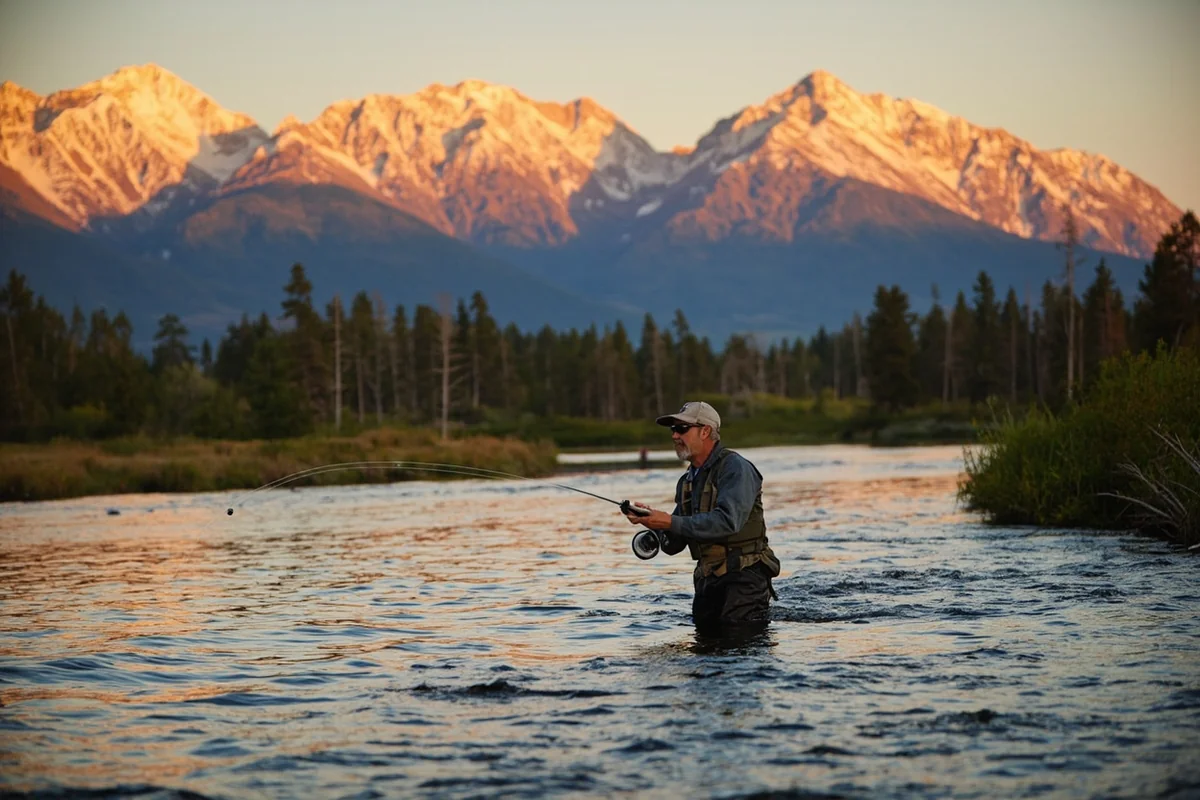
For beginners, I recommend the stretch between $3 Bridge and Varney Bridge. The wading is manageable, and local guides from places like Montana Troutfitters in Bozeman know exactly where the fish hold. Expect to pay around $550-650 for a full-day guided float trip for two anglers, including lunch and all equipment.
Armstrong Spring Creek: Technical Paradise
Armstrong Spring Creek near Livingston is where I go when I want to be humbled.
The crystal-clear water reveals every trout, and believe me, they see you too. During my most recent visit last October, I spent 45 minutes sight-casting to a single fish before finally getting the presentation right. That trout measured 19 inches and earned every bit of my respect.
Access requires a reservation and a rod fee (currently $225 per rod per day), but it’s worth it for the education alone. If you can catch fish here, you can catch fish anywhere.
The Missouri River: Overlooked and Outstanding
Many visitors skip the Missouri below Holter Dam because it doesn’t fit the Rocky Mountain aesthetic. Their loss.
This tailwater fishery runs cold and consistent year-round, producing some of the largest trout in the state. I’ve had 50-fish days here—something that simply doesn’t happen on more famous waters. The town of Craig exists almost entirely to serve anglers, and local guides at Wolf Creek Angler have shown me water I’d never find on my own.
Wildlife Watching: More Than Just Yellowstone
Lamar Valley: The American Serengeti
Yes, it’s technically in Wyoming, but every Montana trip should include a dawn visit to Lamar Valley.
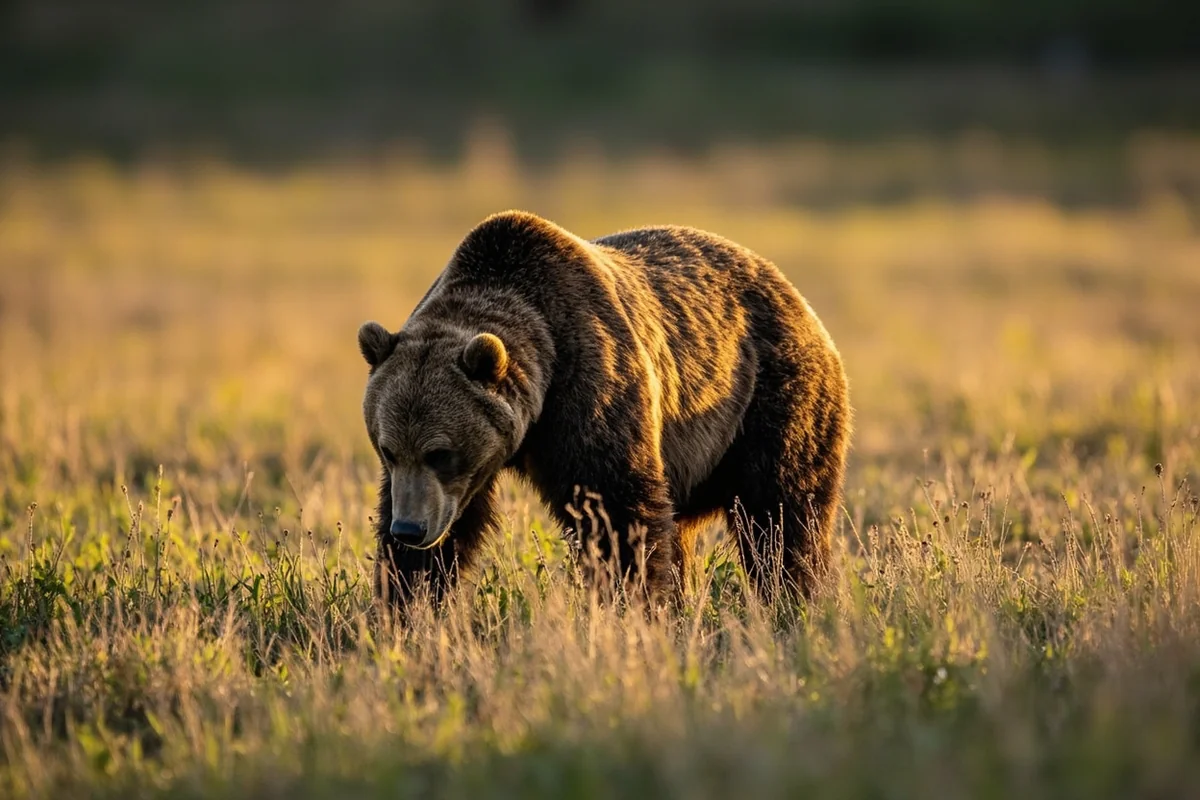
Last September, I arrived at the Lamar Buffalo Ranch pullout at 5:30 AM. By 7:00 AM, I’d watched wolves from the Junction Butte Pack take down a cow elk, observed a cinnamon-phase black bear digging for ground squirrels, and counted six different grizzlies foraging on the hillsides.
Bring a spotting scope—you’ll need at least 20x magnification to really appreciate what’s happening at distance. I use a Vortex Viper HD 15-45×65 and consider it essential equipment for Yellowstone wildlife watching.
National Bison Range: The Underrated Alternative
When Yellowstone crowds get overwhelming, the National Bison Range near Moiese offers guaranteed bison sightings without the chaos.
The 19-mile Red Sleep Mountain Drive (open late May through early October) winds through prime habitat where 350-500 bison roam alongside elk, pronghorn, deer, and bighorn sheep. During my spring visit, I watched two bull bison sparring just 30 feet from my car—closer and more dramatic than anything I’ve experienced in Yellowstone.
Missouri Breaks: Prairie Wilderness
Eastern Montana doesn’t get the press it deserves, but the Upper Missouri Breaks National Monument changed how I think about wildlife.
On a canoe trip through this remote landscape last May, I spotted elk herds on the breaks, prairie rattlesnakes sunning on rocks, and more wild bird species than I could identify. The Charles M. Russell National Wildlife Refuge adjacent to the monument protects elk, bighorn sheep, and reintroduced bison across 1.1 million acres.
Most visitors float the Wild and Scenic portion of the Missouri River on multiday canoe trips. I used Missouri River Outfitters in Fort Benton for shuttle logistics—essential unless you’re arranging your own vehicle shuffle.
Water Sports Beyond Fishing
Whitewater Rafting: The Gallatin River
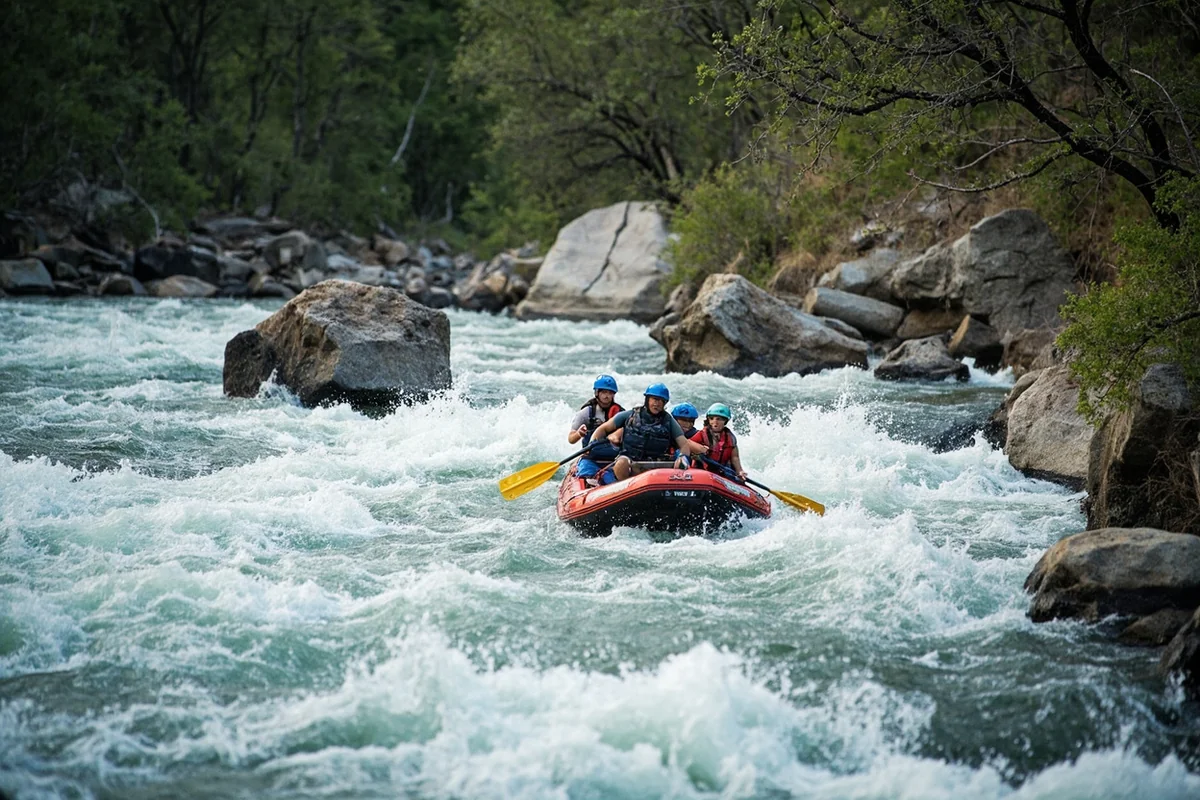
The Gallatin Canyon between Big Sky and Bozeman offers the most accessible whitewater experience in the state.
The “Mad Mile” section delivers Class III-IV rapids depending on water levels. When I ran it last June at 2,500 cfs, the holes at House Rock and Screaming Left were genuinely intimidating. By August, the same run mellowed into a Class II float suitable for families.
Geyser Whitewater Expeditions has been running this stretch since 1978, and their guides know every eddy and rock by name. Half-day trips run around $90-100 per person.
Flathead Lake: Montana’s Inland Ocean
Flathead Lake covers 191 square miles of remarkably clear water—visibility reaches 30+ feet in summer.
I prefer the east shore, where Wild Horse Island State Park offers day-trip kayak adventures. The island’s 2,000 acres harbor bighorn sheep, deer, and wild horses (hence the name). During my August visit, I paddled around the entire island, stopping at empty beaches to swim in water warmer than I expected.
Boat rentals are available from various marinas in Polson, Bigfork, and Lakeside. Expect to pay around $350-450 per day for a pontoon boat suitable for a family.
Stand-Up Paddleboarding: Alpine Lake Edition
SUP boarding on mountain lakes has become my go-to way to beat July heat.
Seeley Lake, Holland Lake, and Placid Lake all offer calm water, rental options, and spectacular scenery. Holland Lake’s boat dock rents SUPs for $25 per hour, and the view of the Holland Peak cirque from the water genuinely feels like something from a travel poster.
Winter Activities: The Forgotten Season
Most visitors only consider Montana between June and September, but winter transforms the landscape into something equally spectacular.
Cross-Country Skiing at Lone Mountain Ranch
Lone Mountain Ranch outside Big Sky maintains 85 kilometers of groomed Nordic trails—the most extensive system in the state.
During a February visit, I skied for three days straight without repeating a single trail. The Ousel Falls connector takes you through old-growth forest before descending to a frozen waterfall. Equipment rental and trail passes together cost around $60 per day.
Snowshoeing in Yellowstone
Winter transforms Yellowstone’s geyser basins into otherworldly landscapes where steam creates ice ghosts on every tree and shrub.
Guided snowshoe tours from Mammoth Hot Springs reach destinations impossible in summer crowds. On a recent trip, my group of six spent two hours at Grand Prismatic Spring with nobody else in sight—a sharp contrast to the mob scene of July.
Downhill Skiing: Big Sky vs. Whitefish
I’ve skied both resorts extensively, and they offer genuinely different experiences.
Big Sky delivers terrain—5,850 acres of skiable terrain, including the infamous Big Couloir if you’re brave enough for mandatory rappel access. The vertical drop exceeds 4,300 feet, the most in America. However, the base area feels corporate and expensive.
Whitefish Mountain Resort retains a local, laid-back vibe that Big Sky lost years ago. The snow quality rivals anything in the Rockies, and lift tickets cost significantly less. Plus, downtown Whitefish offers après-ski options that actually feel authentically Montana.
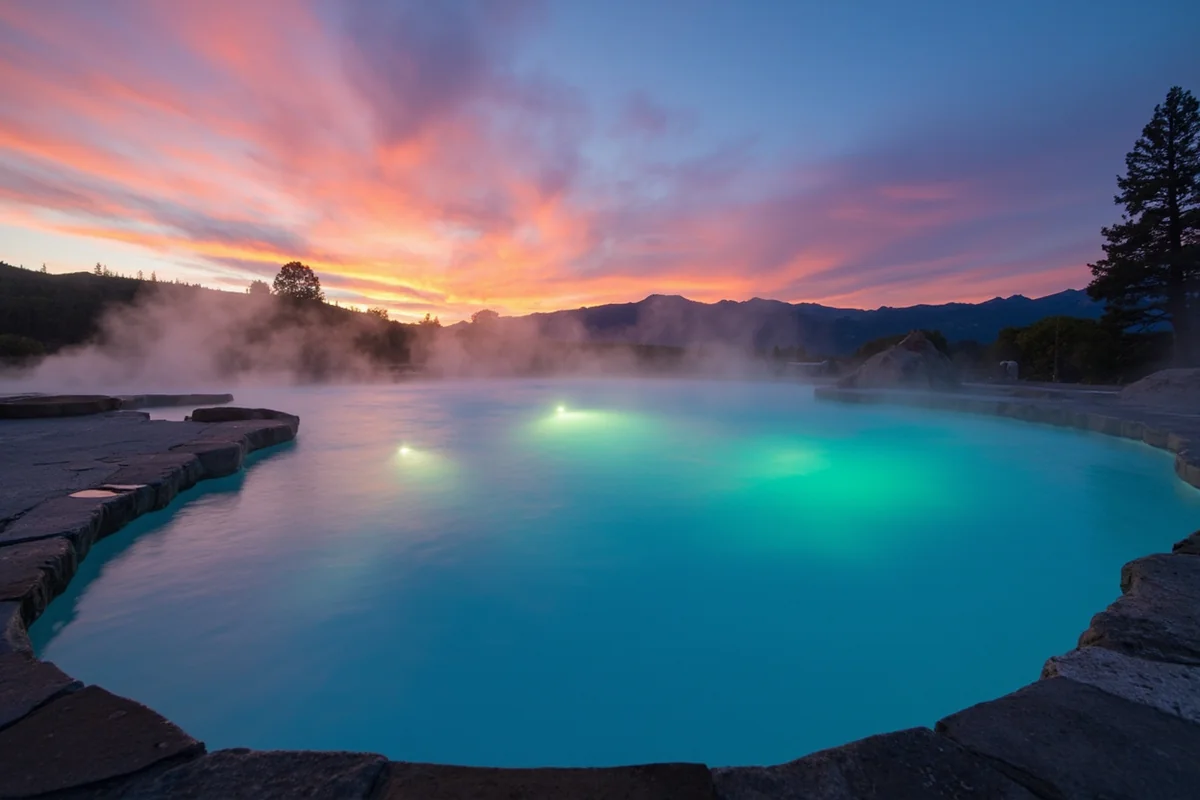
Hot Springs: The Perfect End to Any Outdoor Day
Montana sits atop a geothermal wonderland, and soaking after a hard hike has become my signature move.
Chico Hot Springs
Chico Hot Springs in Paradise Valley has operated since 1900, and the main pool maintains a perfect 96-103°F year-round.
After hiking Pine Creek Lake (5.5 miles round trip, 3,000 feet of elevation gain), there’s no better feeling than sinking into those mineral-rich waters while watching the Absaroka Range catch evening light. The on-site saloon and dining room mean you don’t have to leave until you’re good and ready.
Bozeman Hot Springs
Bozeman Hot Springs lacks the historic ambiance of Chico but compensates with convenience and variety.
Twelve different pools ranging from 59°F to 106°F mean you can design your own hydrotherapy experience. I particularly like the dry sauna followed by the cold plunge pool—Scandinavian style. Admission runs $12 for adults, and they’re open until 10 PM most nights.
Norris Hot Springs
Norris Hot Springs near Ennis might be my favorite for the overall experience.
The wooden-sided pool holds about 20 people maximum, creating an intimate atmosphere. Live music plays most weekends, and the on-site food (think elk burgers and locally sourced salads) exceeds typical pool-bar standards. I’ve ended many Madison River fishing days here, comparing notes with other anglers about which flies worked.
Rock Climbing and Mountaineering
Hyalite Canyon: The Local’s Gym
Hyalite Canyon south of Bozeman serves as Montana’s premier rock climbing destination.
The granite walls offer hundreds of routes from 5.4 to 5.13, with most concentrated around the Practice Wall and Water Tower areas. During my most recent climbing weekend, I worked a challenging 5.10a on perfect stone while watching ice climbers (Hyalite is famous for frozen waterfalls) on the adjacent routes.
Granite Peak: The State High Point
At 12,807 feet, Granite Peak stands as Montana’s highest and most challenging summit.
I climbed it five years ago via the Southwest Couloir route, and I’ll be honest—it humbled me. The approach alone covers 10+ miles through the Absaroka-Beartooth Wilderness, and the final summit scramble involves Class 4 rock that would rate technical climbing anywhere else. Two days minimum, ideally three, and solid mountaineering experience required.
Mountain Biking: Trails for Every Level
Whitefish Trail System
The Whitefish Trail project has created one of the best mountain bike networks in the Northern Rockies.
Over 50 miles of purpose-built singletrack wind through forests, across ridgelines, and along Whitefish Lake’s shores. The Lion Mountain Loop offers intermediate riders a perfect introduction—flowy descents, manageable climbs, and views of both Big Mountain and the Flathead Valley.
Bangtail Ridge
Closer to Bozeman, Bangtail Ridge delivers expert-level terrain with lung-burning climbs and technical descents.
The full out-and-back covers about 20 miles, but most riders tackle shorter segments. During last August’s ride, the alpine wildflowers were peaking, and I stopped so many times for photographs that my riding buddies threatened to leave me.
Practical Planning: What You Actually Need to Know
Best Times to Visit for Each Activity
- Hiking: July through September offers the best conditions, though high country trails may hold snow into early July. September brings cooler temps, fewer bugs, and fall colors.
- Fishing: June through October works, but September and October deliver lower water levels, reduced crowds, and spawning brown trout.
- Wildlife: Early morning and late evening year-round. Spring (April-May) brings newborn animals; fall (September-October) features elk rut and bears fattening for winter.
- Winter sports: December through March for consistent snow, though early season conditions vary dramatically by year.
What to Pack That People Forget
- Bear spray: Not optional. I carry Counter Assault brand and have used it once (a bluff charge on a trail near Cooke City—the spray worked perfectly).
- Layers: Temperature swings of 40+ degrees happen regularly. I never hike without a puffy jacket regardless of the forecast.
- Sun protection: Montana’s elevation intensifies UV exposure. I’ve been seriously sunburned at 9,000 feet even on overcast days.
- Paper maps: Cell service doesn’t exist in most backcountry areas. Download offline maps or carry USGS topos.
Permits and Reservations
Glacier National Park now requires vehicle reservations from late May through early September. The reservation system opens in March, and prime dates sell out within hours. I set calendar reminders and treat it like buying concert tickets.
Wilderness permits aren’t required for most Montana backcountry, but some popular areas (Bob Marshall Wilderness, Absaroka-Beartooth) have specific regulations about group sizes and campfire use. Always check current conditions with local ranger districts.
Budget Considerations
Montana isn’t cheap, but smart planning helps.
- National Forest campgrounds run $15-25 per night—dramatically less than gateway town hotels.
- Guided activities (fishing, rafting, horseback riding) typically cost $150-350 per person per day.
- Shoulder seasons (May-June, September-October) offer lower accommodation prices and better availability.
- Gas stations are sparse in rural Montana—fill up whenever you see one, even if you don’t technically need it.
My Honest Assessment: What’s Worth It and What’s Not
After all these years, I’ve formed strong opinions about what genuinely deserves your time.
Absolutely Worth It
- Any trail in Glacier before 8 AM
- Lamar Valley at dawn
- Floating the Missouri through the Gates of the Mountains
- A guided fly fishing day on your first visit (the learning curve is steep)
- Hot springs after literally any outdoor activity
Overrated or Skippable
- Going-to-the-Sun Road at midday in July (traffic kills the magic)
- Yellowstone’s Old Faithful in summer (see it in winter instead)
- Generic “wildlife tours” from Bozeman (rent your own car and wake up early)
- Crowded trailheads without starting before 7 AM
Montana’s outdoor activities reward planning, early mornings, and a willingness to venture beyond the obvious destinations. After twelve years of exploring, I still encounter new places that stop me in my tracks. That’s the thing about this state—it’s genuinely too big and too wild for any single person to fully know.
Come with realistic expectations, prepare properly for the conditions, and leave room for spontaneity. The moose that changed my morning on the Gallatin River? I wasn’t looking for him. But that’s exactly why Montana keeps drawing me back—you never know what’s waiting around the next bend.
Frequently Asked Questions
What are the best outdoor activities to do in Montana for first-time visitors?
For first-time visitors, I highly recommend hiking in Glacier National Park, fly fishing on the Blackfoot River, and wildlife watching in Yellowstone’s northern reaches. Whitewater rafting on the Gallatin River and horseback riding through the Bob Marshall Wilderness are also unforgettable Montana experiences. Most outfitters offer half-day trips starting around $75-150 per person, making it easy to sample multiple activities during your trip.
When is the best time to visit Montana for hiking and outdoor recreation?
The sweet spot for Montana outdoor activities is mid-June through September when most trails are snow-free and temperatures range from 60-85°F. July and August offer the warmest weather and longest days, though trails can get crowded near Glacier and Yellowstone. If you’re planning high-elevation hikes like the Highline Trail, wait until early July when snowmelt typically clears the passes.
How much does a week-long outdoor adventure trip to Montana cost?
A moderate week-long Montana adventure typically runs $1,500-2,500 per person including lodging, meals, and activities. Budget travelers camping and cooking their own meals can manage on $800-1,200, while guided fishing trips, backcountry horseback expeditions, and lodge stays can push costs to $4,000 or more. National park entrance fees are $35 per vehicle for a 7-day pass, and guided activities like rafting or fishing average $150-400 per day.
What should I pack for outdoor activities in Montana during summer?
Pack layers even in summer since Montana mountain temperatures can swing 40 degrees in a single day. I always bring a rain jacket, base layers, sturdy hiking boots, bear spray ($40-50 at local outfitters), and sun protection since UV exposure intensifies at elevation. Don’t forget a water filtration system for backcountry trips and binoculars for wildlife spotting along roads and trails.
Do I need a guide for fly fishing in Montana or can beginners fish on their own?
Beginners can absolutely fish on their own with a Montana fishing license ($25 for a 2-day non-resident permit or $86 for the season), though hiring a guide dramatically increases your chances of landing trout. A full-day guided float trip on legendary waters like the Madison or Missouri River costs $500-650 for two anglers and includes gear, instruction, and access to prime spots. I’d recommend at least one guided day to learn local techniques before venturing out solo.
How far apart are Montana’s main outdoor destinations and how should I plan my route?
Montana is massive, so distances matter when planning. Glacier National Park to Yellowstone’s north entrance is roughly 340 miles (5-6 hours), while Missoula to Bozeman takes about 3 hours covering 200 miles on I-90. I suggest basing yourself in Bozeman for Yellowstone access and southwestern Montana fishing, then driving north to Whitefish or Kalispell for Glacier exploration. Build in scenic driving days along Going-to-the-Sun Road and the Beartooth Highway rather than rushing between destinations.
Are there dangerous wildlife concerns during Montana outdoor activities?
Grizzly bears and mountain lions are present throughout Montana’s backcountry, so carrying bear spray and knowing how to use it is essential on any hike. Make noise on trails, store food in bear canisters or hung from trees, and never approach wildlife for photos. Moose can actually be more aggressive than bears when startled, so give them at least 75 feet of space, especially cows with calves in spring and bulls during fall rut.
Sources
- https://www.nps.gov/parkhistory/online_books/lewisandclark/site4.htm
- https://www.fs.usda.gov/recarea/lolo/recarea/?recid=10326
- https://www.fs.usda.gov/activity/bitterroot/recreation/hiking/?actid=50&recid=60222
- https://fwp.mt.gov/stateparks/flathead-lake
- https://commons.wikimedia.org/wiki/File:The_Garden_of_One_Thousand_Buddhas
- https://commons.wikimedia.org/wiki/File:Roger_Dean_Inspirations,_Lewis_and_Clark_Caverns