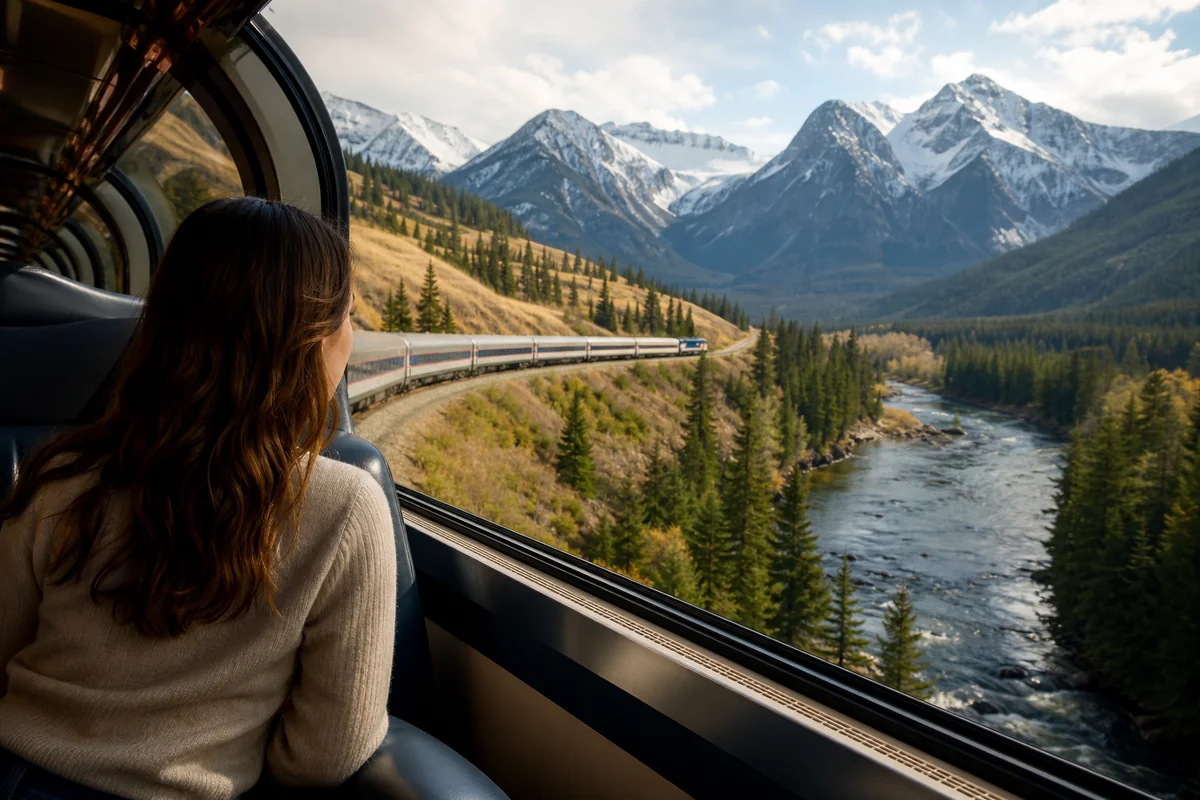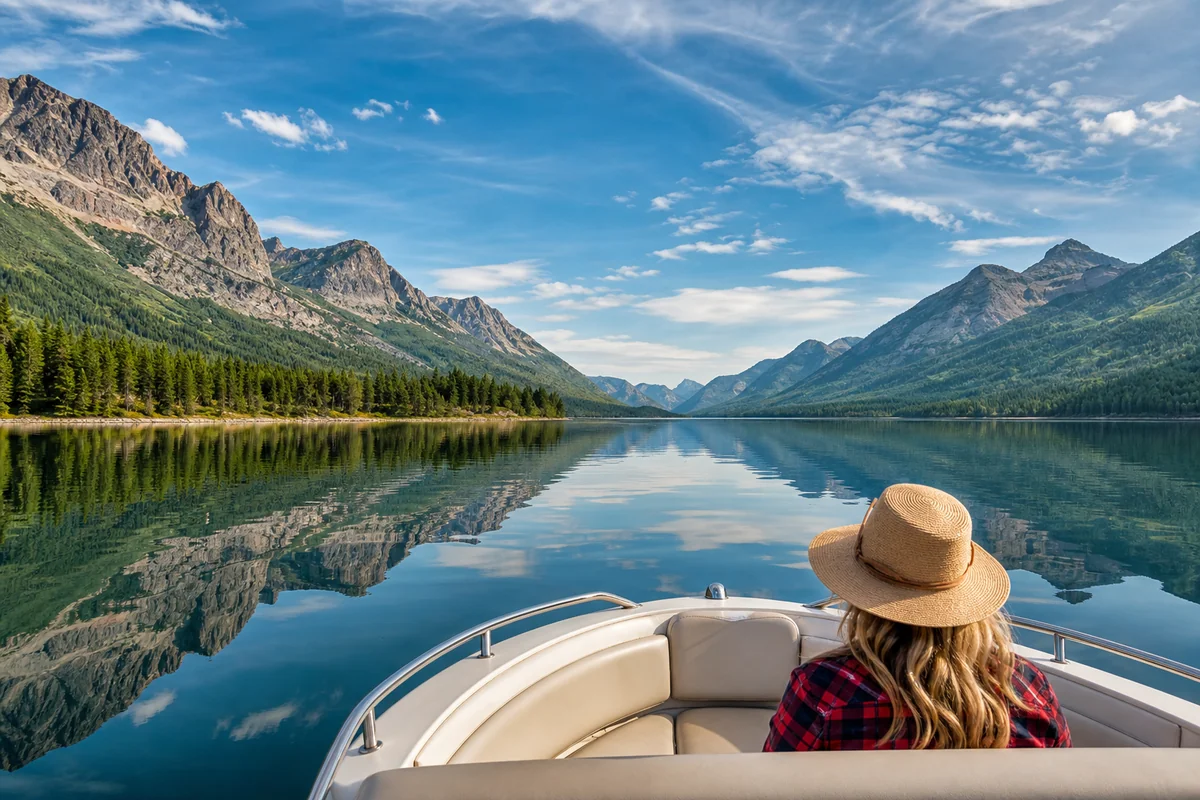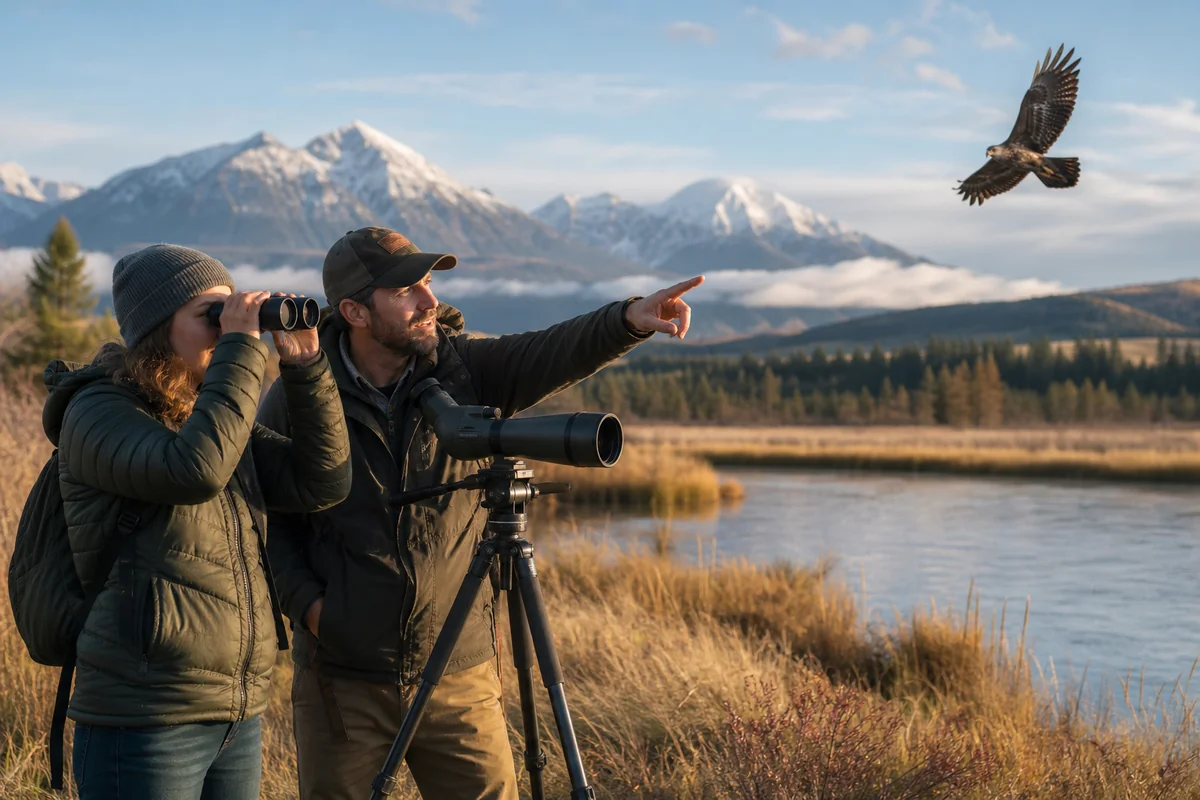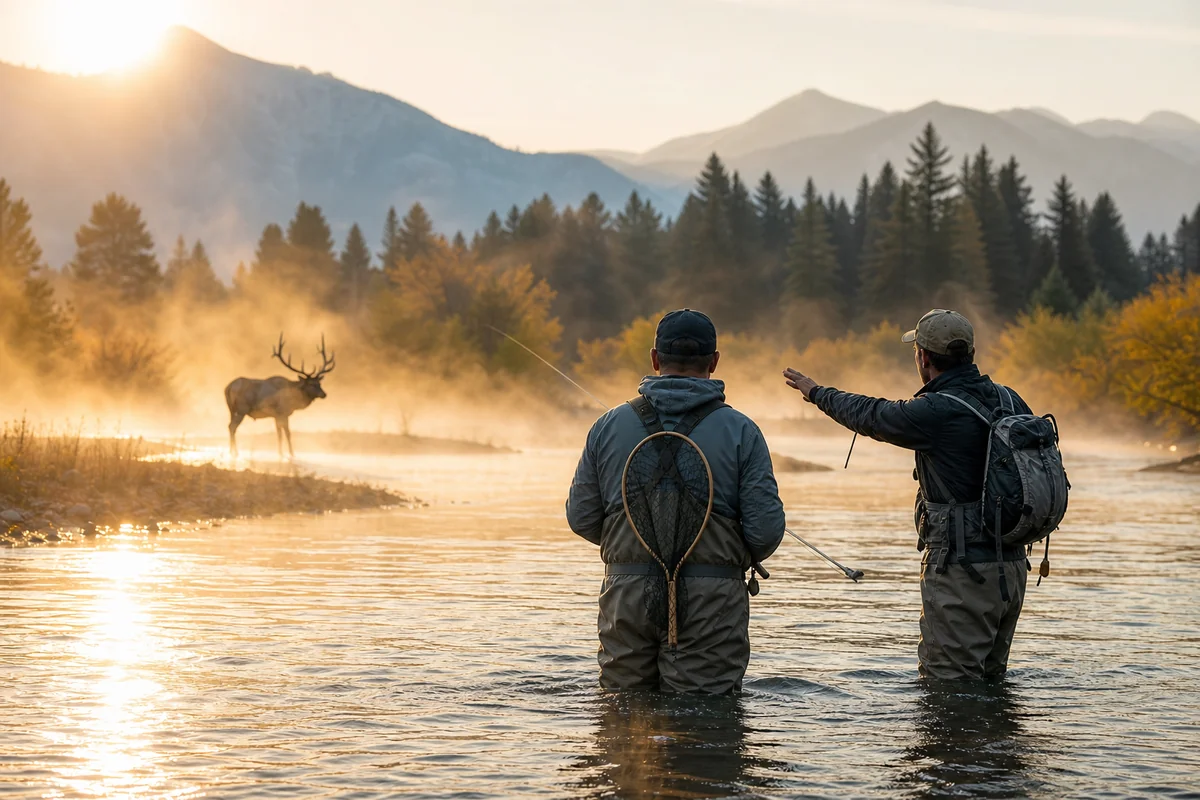
Standing chest-deep in the Madison River at dawn, watching a bull elk emerge from the morning mist while my fly fishing guide whispered instructions, I realized something profound: Montana reveals itself differently when you have someone who knows its secrets.
That moment last September crystallized why I’ve spent the past five years exploring every type of Montana tour imaginable—from Red Bus rides through Glacier to backcountry pack trips in the Bob Marshall Wilderness.
- Glacier National Park tours book out 3-4 months in advance—reserve early, especially for Red Bus and boat tours
- Wildlife tours in the Greater Yellowstone ecosystem have 95%+ success rates May-October
- Budget $150-400/person for most day tours; multi-day adventures range $300-800/day
- Small group tours (8 or fewer) consistently deliver better experiences than large bus tours
- Shoulder seasons (May-June, September-October) offer lower prices and thinner crowds
- Local guides provide access and knowledge impossible to replicate independently
Liked this article?
Add Roaming Montana as a preferred source so you see more of our articles and guides on Google.
Why Montana Tours Are Worth Every Dollar
I’ll be honest—I used to be a stubborn independent traveler. Why pay someone to show me around when I have Google Maps and a decent sense of adventure?
Then I spent three hours stuck in Glacier National Park traffic during my first DIY visit, missed the mountain goats everyone was photographing at Logan Pass, and ended up at a mediocre restaurant because I didn’t know any better.
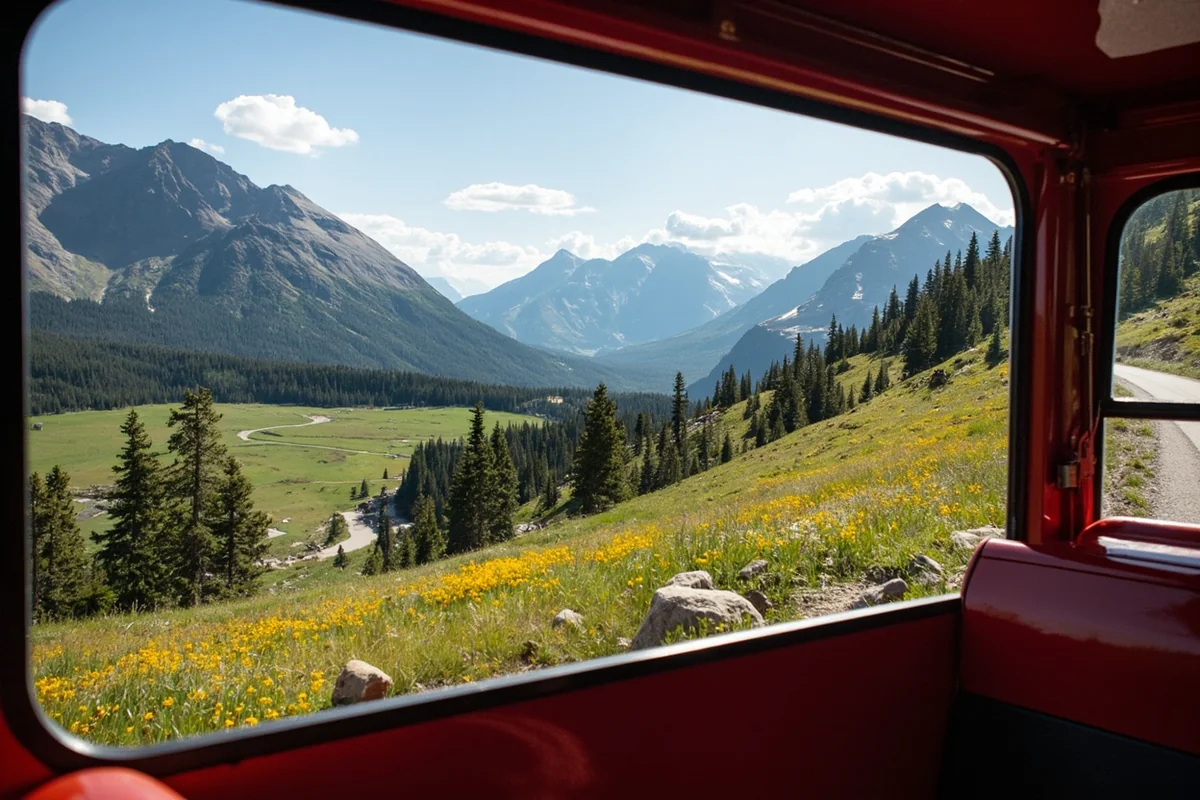
Compare that to my Red Bus tour two years later: we departed West Glacier at 7 AM, beat the crowds by two hours, and our driver—a 15-year veteran named Marcus—pointed out a grizzly sow with cubs that I never would have spotted on my own.
He knew exactly where to find wild huckleberries, told us stories about the park’s Indigenous history, and recommended a family-owned café in Polebridge that changed my life.
The math became clear: paying for expertise saved me time, frustration, and actually delivered experiences I couldn’t access alone.
Glacier National Park Tours: The Crown Jewel
Glacier deserves its reputation, but experiencing it properly requires planning that borders on obsessive. Here’s what I’ve learned from six visits.
Red Bus Tours: The Iconic Experience
The historic Red Buses—”Jammers” as locals call them—have been rolling through Glacier since the 1930s. Their roll-back canvas tops offer unobstructed views that no other vehicle can match.
I’ve taken three different Red Bus routes, and each delivered something unique. The Crown of the Continent tour runs the full Going-to-the-Sun Road, roughly 4 hours one-way.
Last summer, I did the Big Sky Circle tour from East Glacier, which offered better wildlife sighting opportunities along the Two Medicine area.
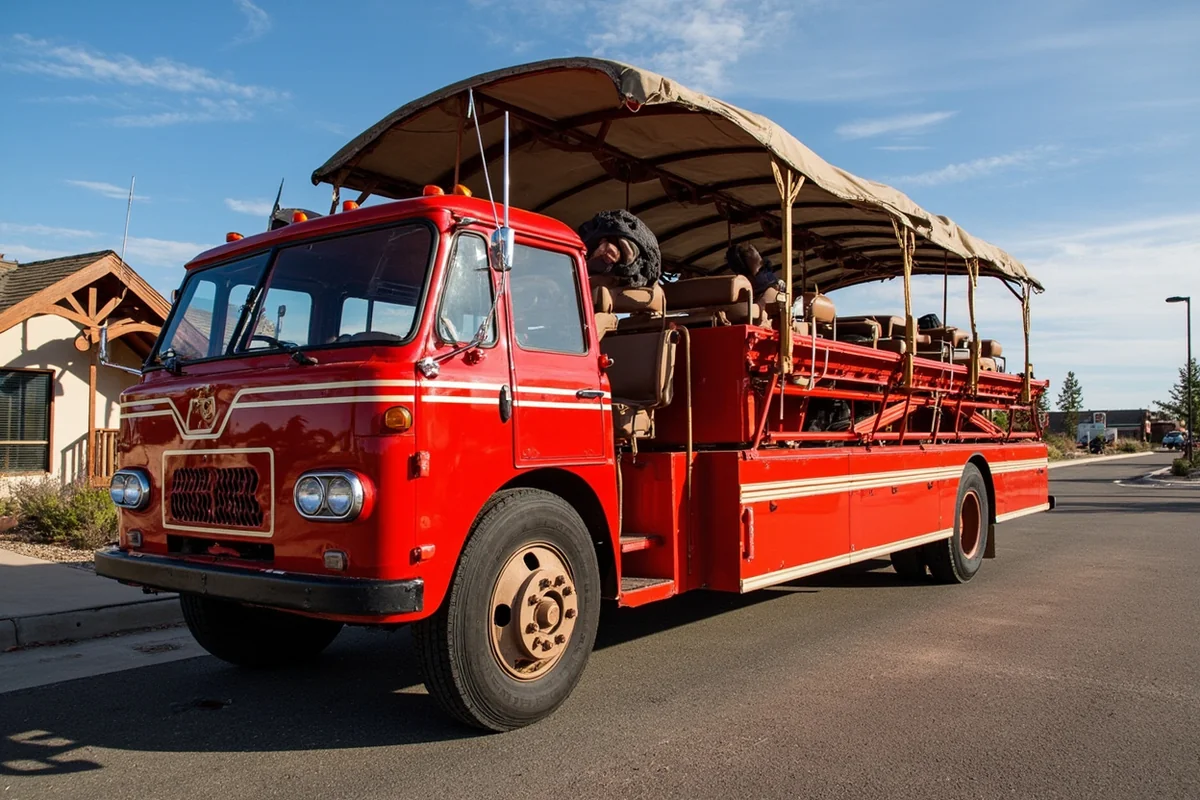
Booking reality check: During my July visit, I tried to book a Red Bus tour two weeks out and everything was sold out. The sweet spot is 90-120 days before your trip. Prices range from $50 for the shorter Lake McDonald tour to $125 for the full Going-to-the-Sun experience.
Boat Tours You Shouldn’t Miss
The historic wooden boats on Glacier’s lakes are operated by Glacier Park Boat Company, a family that’s been running these tours since the 1930s. I’ve done four of them now, and each lake has its own personality.
Lake McDonald: The shortest tour (1 hour) and easiest to book last-minute. The water’s remarkable clarity—you can see 30+ feet down—never gets old.
Two Medicine Lake: My personal favorite. The boat ride combines with an optional hike to Twin Falls, and the smaller crowds create a more intimate atmosphere. During my September trip, we saw maybe 20 other people total.
St. Mary Lake: The most dramatic scenery. When I went last June, the wildflowers along the shore were peaking, and Wild Goose Island looked exactly like the postcards.
Many Glacier (Swiftcurrent and Josephine): This is the prime wildlife territory. The guides practically guarantee grizzly bear sightings from the boats, and during my August visit, they delivered—two bears foraging on the hillside within the first twenty minutes.
| Lake | Tour Length | Price (Adult) | Best For | Booking Difficulty |
|---|---|---|---|---|
| Lake McDonald | 1 hour | $20-25 | Easy introduction | Moderate |
| Two Medicine | 45 min + optional hike | $18-22 | Solitude seekers | Easy |
| St. Mary | 1.5 hours | $30-35 | Photography | Difficult |
| Many Glacier | 2-3 hours (both lakes) | $35-45 | Wildlife viewing | Very Difficult |
Guided Hikes That Transformed My Glacier Experience
Ranger-led programs are free and excellent, but the private guiding companies offer something different: smaller groups, customized difficulty levels, and full-day adventures into less-traveled terrain.
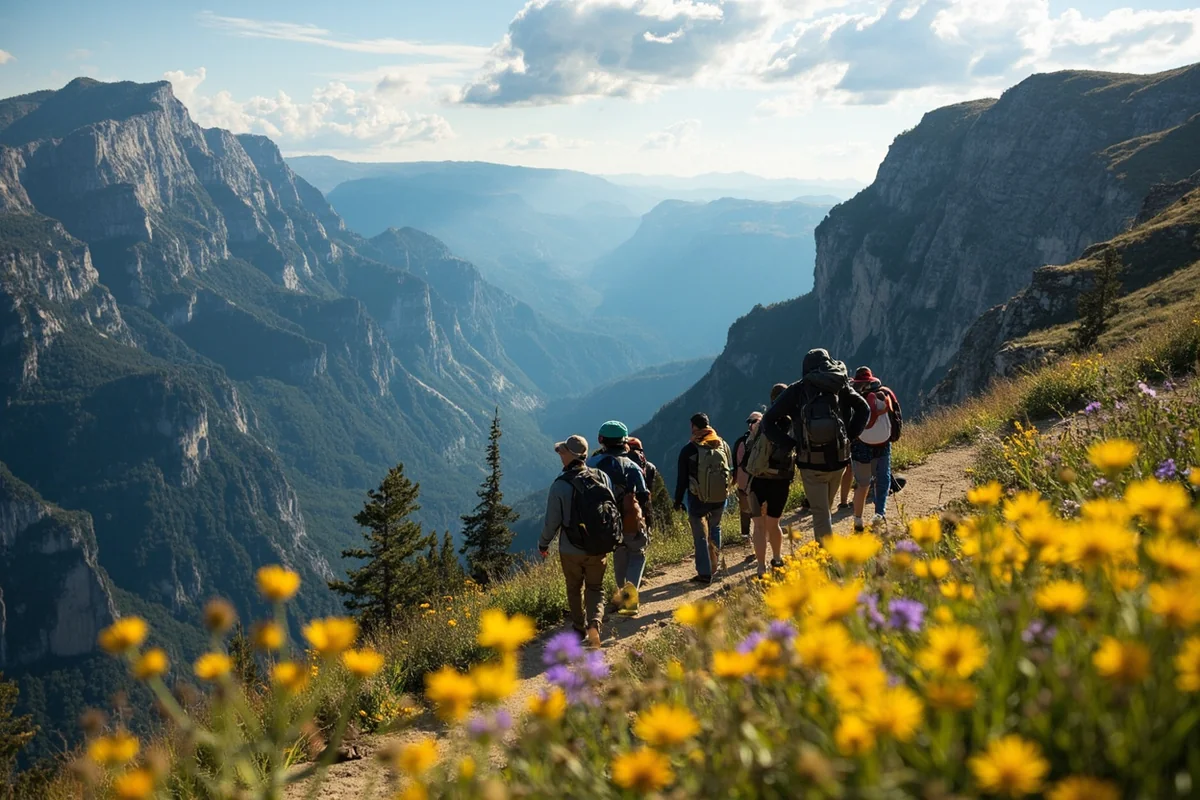
Glacier Guides has been my go-to. I did their Highline Trail guided hike last August, and having an expert pointing out geological features, identifying wildflowers, and knowing exactly where mountain goats tend to congregate made the 11.4-mile trek far richer than my previous solo attempt.
For those new to hiking at altitude, I’d recommend their easier Avalanche Lake tour. The guides pace perfectly for mixed-ability groups, and they carry bear spray so you don’t have to.
Yellowstone Tours From Montana’s Side
Most people approach Yellowstone from Wyoming, but the Montana entrances—North through Gardiner and Northeast through Cooke City—offer distinct advantages.
Lamar Valley Wildlife Safaris
This is where Montana’s Yellowstone tours absolutely shine. The Lamar Valley, accessible from the Northeast entrance, is North America’s Serengeti.
I’ve done wildlife tours with three different outfitters: Yellowstone Safari Company, In Our Nature, and Wildlife Expeditions of Teton Science Schools. All three were excellent, but my most memorable experience was a dawn safari with Yellowstone Safari Company last October during the elk rut.
Our guide, Mike, had been tracking wildlife in the park for 22 years. He knew individual wolves by sight, understood exactly where the Lamar Canyon Pack would be hunting, and had Swarovski spotting scopes powerful enough to watch a grizzly’s whiskers twitch from a mile away.
That morning, we watched wolves take down an elk. I’m not exaggerating when I say it was the most visceral wildlife experience of my life. That’s not something you stumble into on your own.
What I’d recommend: The early morning tours (departing 5-6 AM) consistently outperform afternoon trips. Wildlife is most active at dawn, and you beat the crowds from West Yellowstone that clog roads by 10 AM.
Expect to pay $350-500 for a full-day private safari, or $175-250 per person for small group tours. Worth every penny.
Winter Yellowstone: Snowcoach Adventures
When the roads close to regular vehicles in November, Yellowstone transforms into something magical—and accessible only by snowcoach or snowmobile.
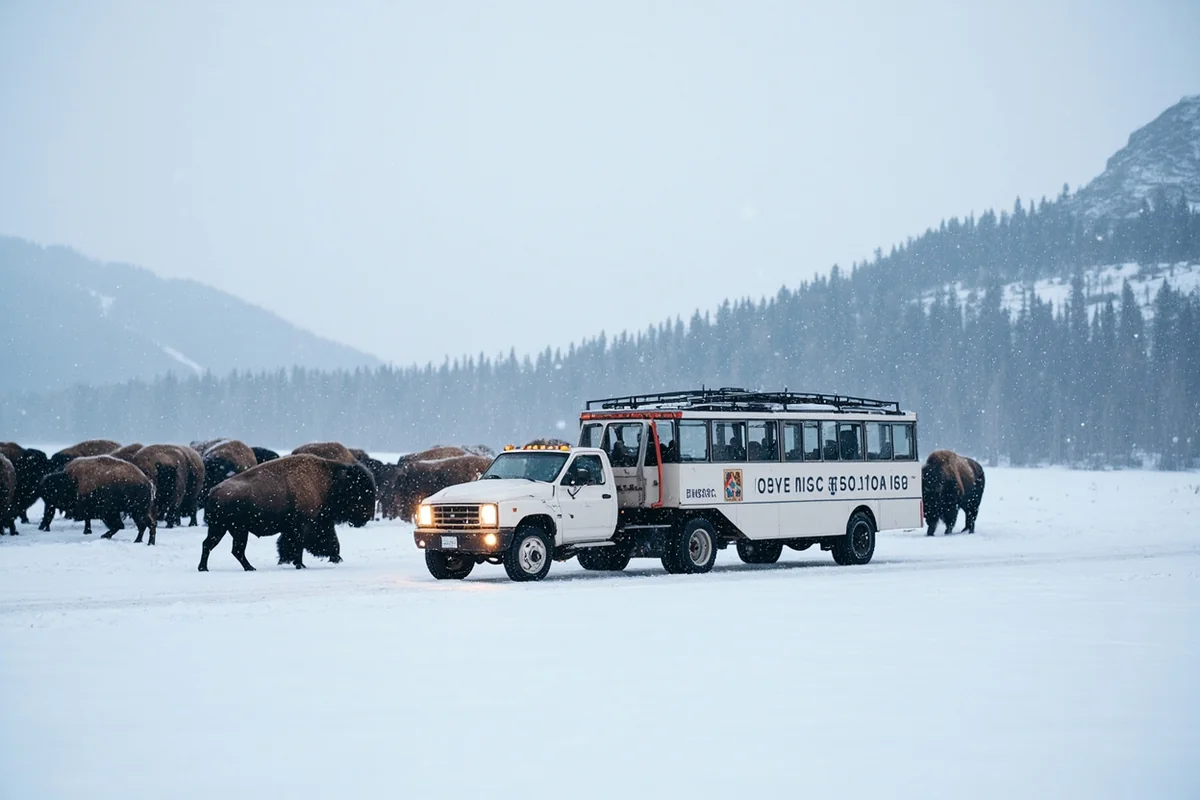
I did a snowcoach tour from Mammoth to Old Faithful last February, and it’s now my favorite way to experience the park. The geysers exploding into frigid air, steam rising off the rivers, bison struggling through chest-deep snow—it’s otherworldly.
Yellowstone Forever and Yellowstone Vacations both run quality snowcoach tours. The heated vehicles are surprisingly comfortable, and guides stop frequently for wildlife viewing and photography.
One honest caveat: winter tours require serious cold-weather gear. The day I visited, it was -15°F at Old Faithful. Layering is not optional.
Fly Fishing Tours: Montana’s Quiet Obsession
Montana has over 450 blue-ribbon fishing streams. The guided fishing experience here is genuinely world-class, whether you’re a complete beginner or an experienced angler.
What a Full-Day Float Trip Actually Looks Like
My first guided float was on the Madison River with a company out of Ennis. I’d never cast a fly rod before.
By noon, I’d caught and released four rainbow trout, learned to read water, and understood why Montanans are quietly obsessed with this sport.
Here’s how a typical day unfolds: Your guide picks you up around 6-7 AM, often with coffee. You drive to a put-in spot—guides choose based on current conditions, not tourist logic. They handle all the gear, tie flies, row the drift boat, spot fish, and coach your casting.
Lunch is usually included and often surprisingly good—my last guide served smoked trout he’d caught himself with fresh sourdough.
You fish until late afternoon, often covering 8-12 river miles, then take out at a pre-arranged spot where vehicles are waiting.
The Rivers Worth Touring
Madison River: My favorite for consistent action. The section between Quake Lake and Ennis produces reliably, and the scenery of the Madison Range never disappoints.
Missouri River: The tailwater section below Holter Dam offers some of Montana’s largest trout. More technical fishing, but the rewards are massive fish.
Yellowstone River: Wild and undammed for 670 miles. The stretch through Paradise Valley is particularly gorgeous, with the Absaroka Range towering on both sides.
Bighorn River: The trophy fishery. Guides report average catches of 20+ fish per boat on good days, with many over 20 inches.
Expect to pay $500-650 for a full-day guided float for one or two anglers, including lunch and all equipment. Half-days run $300-400. The value is exceptional compared to other destination fisheries worldwide.
Horseback and Pack Trips: The Real Montana
This is where Montana’s tourism industry connects to its ranching heritage. The state has more horses per capita than any other, and trail riding traditions run deep.
Day Rides That Exceed Trail Pony Expectations
Skip the resort operations that line up 20 horses nose-to-tail. Instead, seek out working ranches that offer riding experiences.
320 Guest Ranch south of Big Sky gave me the best day ride I’ve done in Montana. Our group of four spent six hours riding through national forest land, crossed streams, climbed to a ridgeline with Yellowstone Park views, and our guide—a third-generation Montana rancher—shared stories about grizzly encounters and winter cattle drives that couldn’t be more authentic.
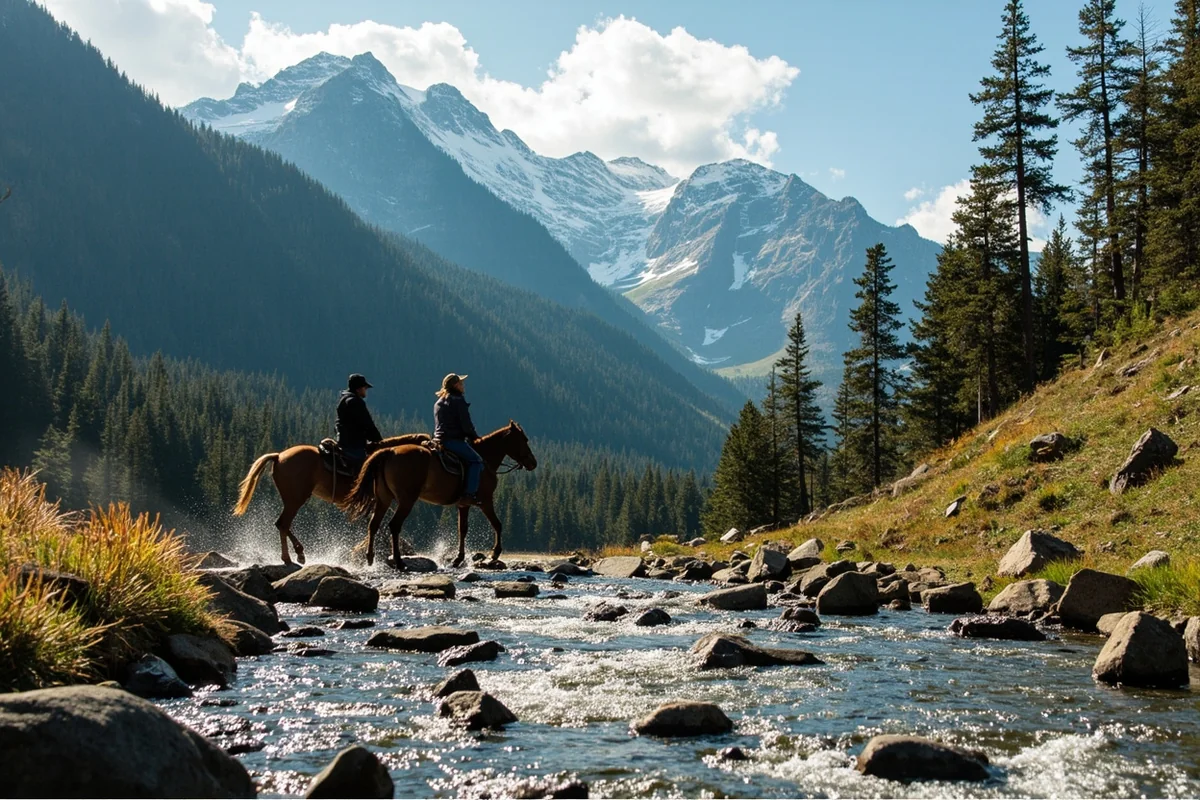
Triple Creek Ranch near Darby offers luxury-tier riding for those who want to pair saddle time with gourmet cuisine and massage. I visited as a gift to myself after a particularly demanding work period, and the combination was restorative in ways I hadn’t anticipated.
Multi-Day Pack Trips: The Ultimate Montana Tour
For the definitive Montana experience, nothing compares to a wilderness pack trip. You ride into roadless areas on horseback, camp in traditional wall tents, eat Dutch oven-cooked meals, and fish pristine backcountry streams.
I spent five days in the Bob Marshall Wilderness with A Lazy H Outfitters last July. No cell service, no roads within miles, just 1.5 million acres of wild country.
We covered about 35 miles over five days, camping at three different sites. The outfitters packed everything—food, tents, sleeping gear—on mules, so all I carried was a daypack with layers and water.
The first evening, watching elk graze in an alpine meadow while our cook prepared ribeye steaks over an open fire, I understood something about Montana that reading about never conveys. This is how people have traveled this land for centuries.
Pack trips typically run $400-800 per person per day, with most operations requiring 4-7 day minimums. It’s a significant investment, but it’s also a once-in-a-lifetime experience for most people.
Adventure Tours for Adrenaline Seekers
Montana’s landscape lends itself to heart-pumping activities, and guided tours make them accessible regardless of skill level.
Whitewater Rafting
I’ve rafted three Montana rivers with guides, each offering distinctly different character.
The Gallatin River near Big Sky is my recommendation for first-timers wanting genuine whitewater. Class III-IV rapids feel exciting without being genuinely dangerous, and Geyser Whitewater Expeditions runs a tight operation. Their safety protocols are evident without being overbearing.
The Alberton Gorge on the Clark Fork, west of Missoula, delivers the most consistent big water I’ve found in the state. My spring trip there—during peak runoff—produced waves that completely swamped our raft. Exhilarating doesn’t begin to cover it.
For families or those wanting gentler experiences, the Flathead River near Glacier offers scenic floats with occasional mild rapids. I took my nephew on a half-day trip last summer, and it was the perfect introduction.
Half-day rafting tours run $60-100; full days with lunch hover around $100-150.
Zip Line and Aerial Adventures
Montana Wild Zipline near Glacier has the longest zip line course in the state—nine lines covering 2.5 miles of forest canopy. I went expecting a tourist trap and came away genuinely impressed. The guides were safety-focused but fun, and the views of Flathead Lake from the highest platforms were spectacular.
Moonlight Basin near Big Sky operates a mountain coaster and additional zip lines at elevation. The alpine setting makes the experience feel integrated with the landscape rather than imposed upon it.
Cultural and Historical Tours
Montana’s human history runs deep—Native American heritage spanning thousands of years, mining boomtowns, ghost towns, and the darkest days of the American frontier.
Little Bighorn Battlefield Tours
This is sacred ground, and visiting with a guide—especially a Crow or Northern Cheyenne guide—provides crucial perspective that self-guided tours miss entirely.
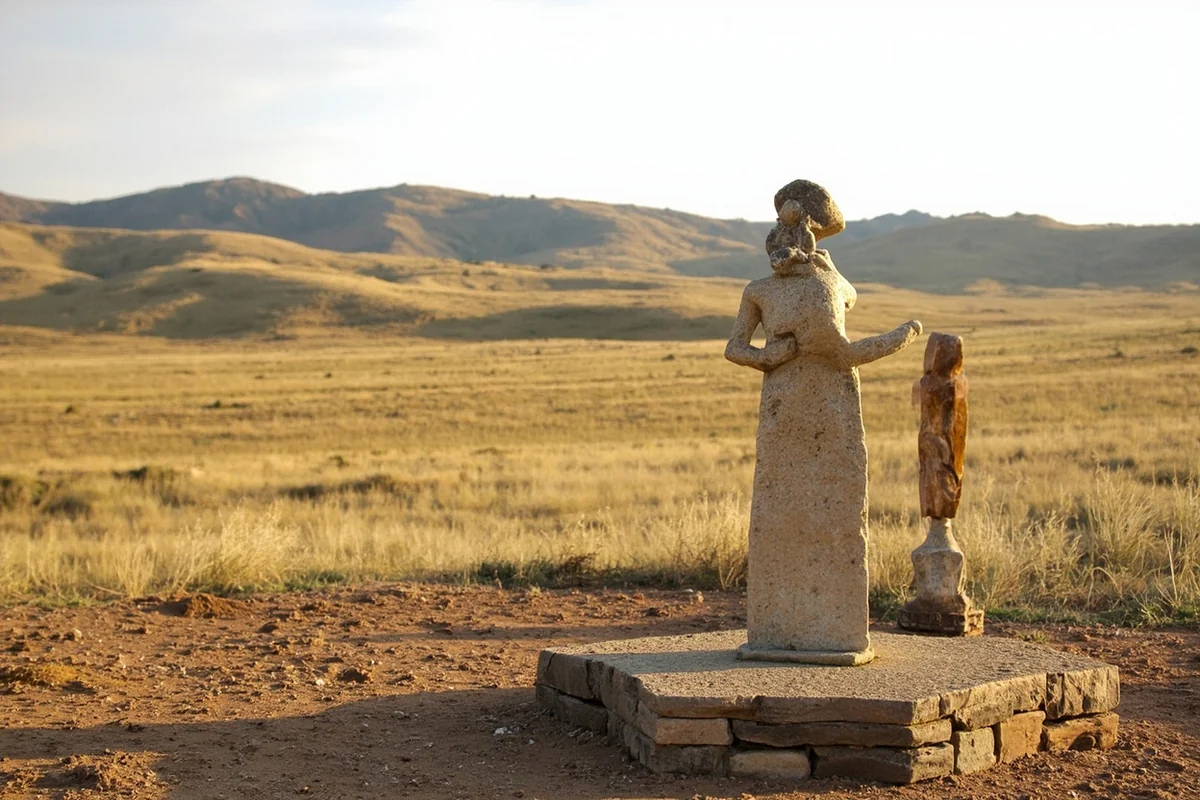
Apsáalooke Tours is Crow-owned and operated. My guide, whose family has lived on this land for generations, offered context about the battle that fundamentally shifted my understanding. This wasn’t a simple cowboys-and-Indians narrative; it was a complex military engagement with moral dimensions that still resonate.
The guided walk takes about 90 minutes and costs roughly $50 per person. Money extremely well spent.
Mining Heritage Tours
Butte’s underground mine tours through the World Museum of Mining give you a visceral sense of what copper extraction actually meant. Descending into the Orphan Girl Mine, hearing your guide explain the dangers workers faced daily, seeing the cramped tunnels and primitive equipment—it’s American industrial history made physical.
The Virginia City/Nevada City complex offers a different angle: preserved ghost towns that haven’t been Disney-fied. The Alder Gulch Short Line Railroad connects the two towns, and the self-guided walking tours through authentic 1860s buildings are surprisingly affecting.
Practical Planning: What I Wish I’d Known Earlier
Booking Timelines That Actually Work
Peak Season (July-August):
– Glacier Red Bus Tours: Book 120+ days out
– Yellowstone wildlife safaris: Book 60-90 days out
– Fly fishing guides: Book 30-60 days out for weekends
– Whitewater rafting: Usually available with 2-3 days notice
Shoulder Season (May-June, September-October):
– Everything is easier to book
– Prices often 15-25% lower
– Wildlife viewing often better (migration periods)
– Weather more unpredictable
What Tour Prices Actually Include
Always clarify these specifics before booking:
– Park entrance fees (often NOT included for Glacier/Yellowstone tours)
– Meals and snacks
– Equipment (fishing gear, bear spray, binoculars)
– Gratuities (typically 15-20% for guides, not included)
– Transportation from your lodging
– Photos or video taken during the tour
Tipping Etiquette
Montana guides work hard and depend on gratuities. My rule of thumb:
– Day tour guides: 15-20% of tour cost
– Fishing guides: $100-150 for full day, $50-75 for half day
– Wilderness outfitters: $50-100 per person per day
– River rafting guides: $20-30 per person for half-day
Cash is preferred and appreciated.
Small Group vs. Large Bus Tours
I’ve done both extensively, and my strong preference is small groups (8 or fewer). Here’s why:
Large bus tours save money but sacrifice flexibility. When our 45-person bus stopped at a grizzly sighting last year, by the time everyone got cameras out, the bear was gone.
Small groups can pull over instantly, adjust schedules for weather, and provide personalized attention. The extra $50-100 per person delivers proportionally more value.
Seasonal Considerations
Spring (April-June)
Pros: Newborn wildlife, waterfalls at peak flow, minimal crowds
Cons: Many high-elevation tours not yet operating, unpredictable weather, some roads closed
My best spring tour was a wildlife safari in early May when we watched a grizzly bear with two cubs just emerged from their den. The bears were so close to the road—and so unconcerned about our vehicle—that I could hear them breathing.
Summer (July-August)
Pros: All tours operating, best weather, longest days, alpine flowers blooming
Cons: Maximum crowds, highest prices, booking difficulty, afternoon thunderstorms
If you must visit in summer, book everything possible in advance and choose early morning tours to beat crowds and heat.
Fall (September-October)
Pros: Elk rut, golden larches, thinning crowds, reasonable prices, crisp air
Cons: Shorter days, some tours ending season, weather shifts quickly
This is my favorite touring season. The September shoulder season in Glacier is particularly special—warm enough for comfortable hiking, cool enough for active wildlife, quiet enough to feel remote.
Winter (November-March)
Pros: Unique snowcoach access, fewer visitors, magical landscapes, northern lights opportunities
Cons: Limited tour options, extreme cold, significant snow, some areas inaccessible
Winter tours require commitment but deliver extraordinary experiences. The Yellowstone snowcoach trip I mentioned earlier was challenging but unforgettable.
How to Choose the Right Tour for You
After dozens of Montana tours, here’s my decision framework:
First-time visitors: Start with a Red Bus tour in Glacier or a Lamar Valley wildlife safari. These deliver iconic Montana moments efficiently.
Active travelers: Guided hiking, whitewater rafting, or fly fishing. Physical engagement creates deeper connection to the landscape.
Luxury seekers: Guest ranch experiences, private wildlife safaris with premium equipment, or multi-day pack trips with full outfitter service.
Families with kids: Boat tours on Glacier’s lakes, scenic float trips on the Flathead, horseback day rides at established ranches.
Photography enthusiasts: Wildlife safaris with guides who understand composition needs, or fall tours during peak color.
History buffs: Little Bighorn guided tours, Butte mining heritage, Lewis and Clark trail experiences.
Final Thoughts: The Tour Mindset
After years exploring Montana independently and with guides, I’ve settled into a hybrid approach. I use tours strategically for experiences where local expertise meaningfully enhances the outcome—wildlife, fishing, wilderness access, cultural interpretation.
But I’ve also learned that tours aren’t just about the activity. They’re about human connection. The guides I’ve met—fishing legends, former park rangers, fifth-generation ranchers, Indigenous storytellers—have shaped my understanding of Montana more profoundly than any guidebook.
The best Montana tours don’t just show you the landscape. They introduce you to people who have dedicated their lives to understanding it. That relationship, I’ve found, is worth paying for.
Montana will knock you flat with its beauty regardless of how you experience it. But a good guide will help you understand why it matters, and that understanding has a way of staying with you long after the trip ends.
Frequently Asked Questions
What are the best guided tours to take in Montana for first-time visitors?
For first-time visitors, I highly recommend Glacier National Park bus tours along the Going-to-the-Sun Road, wildlife safari tours in Yellowstone’s Lamar Valley, and historic ghost town tours near Virginia City. These guided Montana tours give you expert local knowledge and take the stress out of navigating unfamiliar terrain, typically ranging from $75-$200 per person depending on duration.
When is the best time to book Montana tours for ideal weather and wildlife viewing?
The sweet spot for Montana tours is mid-June through September when roads are fully open and wildlife is active. I’ve found that early morning tours in July and August offer the best chances to spot grizzly bears, wolves, and elk. Book popular Glacier and Yellowstone tours at least 4-6 weeks in advance during peak summer season.
How much do Montana tours typically cost and what’s included?
Montana tour prices vary widely, from $50 for half-day fishing excursions to $400+ for full-day helicopter tours over Glacier National Park. Most guided bus and van tours run $100-$175 per person and include transportation, a knowledgeable guide, and sometimes lunch. I always check whether park entrance fees are included, as that can add $35 per vehicle at Glacier or Yellowstone.
What should I wear and bring on a guided tour in Montana?
Layer up regardless of season—Montana weather changes fast, and I’ve experienced 40-degree temperature swings in a single day. Bring sturdy hiking shoes, a rain jacket, sunscreen, binoculars for wildlife viewing, and at least 2 liters of water per person. Most tour operators recommend wearing neutral colors on wildlife tours to avoid startling animals.
Are Montana tours suitable for families with young children?
Many Montana tours welcome families, though age restrictions apply for activities like whitewater rafting (usually 6+) and horseback riding (often 7+). Scenic bus tours through Glacier National Park and gentle float trips on the Flathead River work great for kids of all ages. I suggest booking private family tours when traveling with children under 5, as they offer more flexibility for breaks and shorter attention spans.
How far in advance should I book popular Montana tours during summer?
For peak summer months (June-August), book Glacier National Park Red Bus tours and Yellowstone wildlife safaris 6-8 weeks ahead, as they sell out quickly. Smaller outfitter tours for fly fishing, horseback riding, and river rafting can often be booked 2-3 weeks out. I always have backup tour dates in mind since Montana’s most popular experiences fill up fast with visitors traveling from across the US.
Can I combine multiple Montana tours into a single trip itinerary?
Absolutely—many visitors combine a 2-day Glacier National Park tour with a Flathead Lake boat cruise and a half-day whitewater rafting trip for a well-rounded Montana experience. Keep in mind that Glacier and Yellowstone are about 350 miles apart (roughly 6 hours driving), so plan accordingly if visiting both parks. I recommend working with local tour companies that offer multi-day packages, which often save 15-20% compared to booking separately.
Sources: