The first time I drove into Anaconda, I nearly missed the turnoff because I was too busy staring at the massive smokestack piercing the sky like some industrial monument from another era.
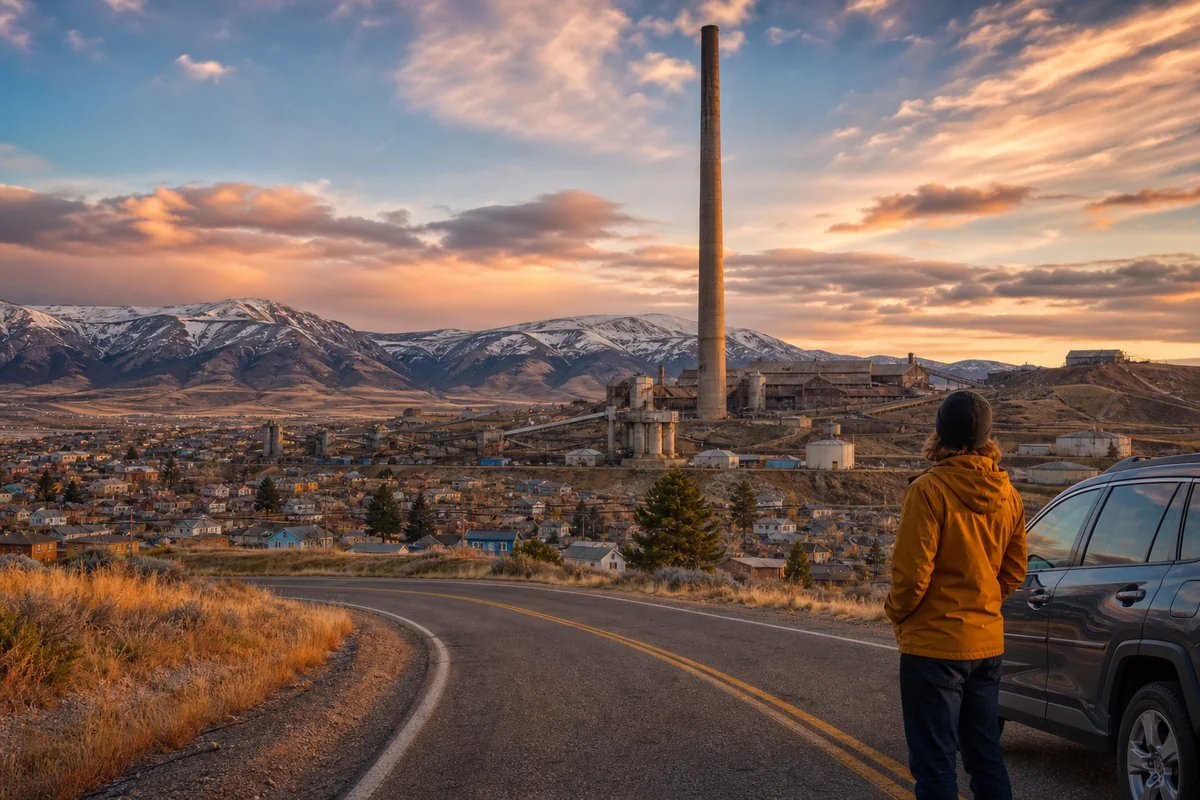
That 585-foot Anaconda Smelter Stack—taller than the Washington Monument—stopped me in my tracks and made me realize this small Montana town had stories most travelers never bother to hear.
- Anaconda sits just 25 miles west of Butte, offering a quieter alternative with equally rich copper mining history
- The Jack Nicklaus-designed Old Works Golf Course is built on a former copper smelting site—completely unique in the world
- Georgetown Lake provides year-round recreation just 15 minutes away
- Washoe Park and its copper-themed attractions make for easy family-friendly exploration
- Best visited May through October for outdoor activities, though winter brings excellent ice fishing and cross-country skiing
- Budget 2-3 days to experience everything Anaconda has to offer
Liked this article?
Add Roaming Montana as a preferred source so you see more of our articles and guides on Google.
Why Anaconda Deserves a Spot on Your Montana Itinerary
Most travelers racing between Yellowstone and Glacier blow right past Anaconda on Interstate 90, never realizing what they’re missing. I made that mistake myself on my first Montana road trip back in 2018.
It wasn’t until a Butte local insisted I double back that I discovered this town of roughly 9,000 people sitting in the Deer Lodge Valley. Now, after multiple visits spanning different seasons, I consider Anaconda one of Montana’s most underrated destinations.
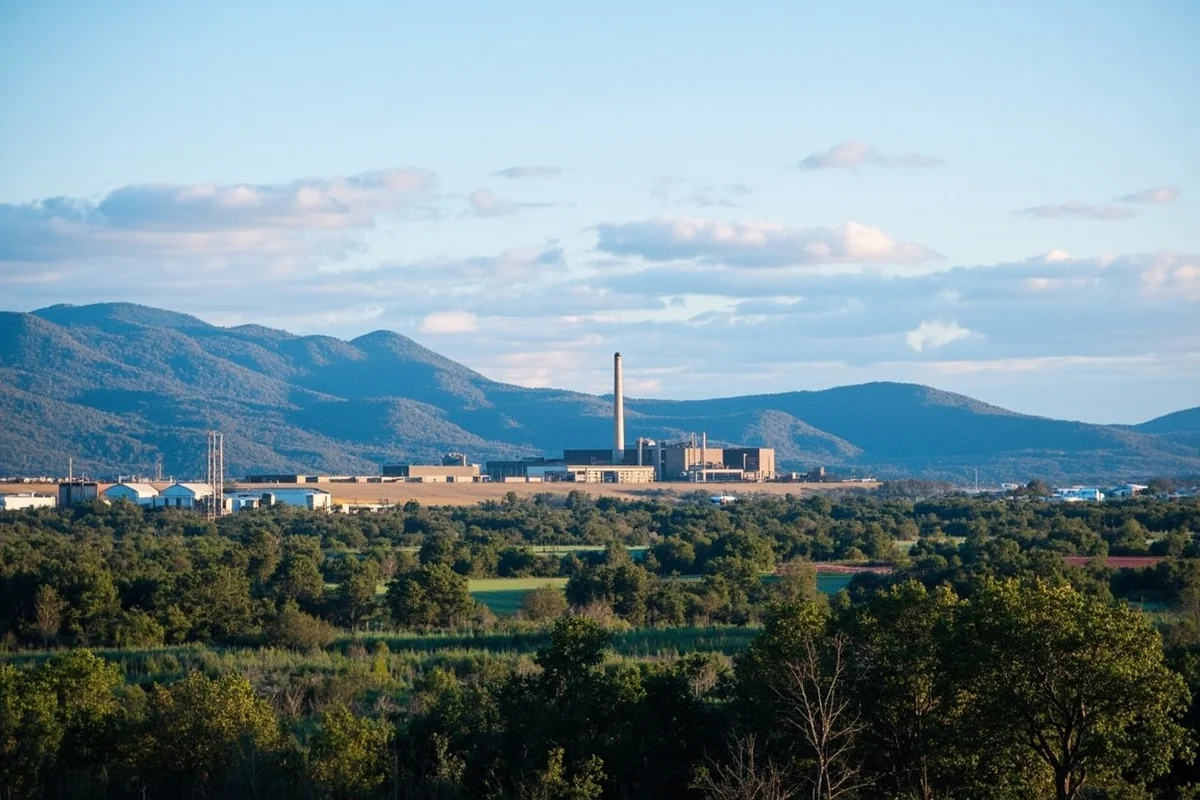
The town exists because of copper. Marcus Daly, one of Montana’s famous “Copper Kings,” established the smelting works here in 1883 to process ore from Butte’s mines. At its peak, Anaconda’s smelter processed more copper than anywhere else on Earth.
That industrial heritage doesn’t just define the town’s past—it shapes nearly everything visitors experience today, from the golf course fairways to the museum exhibits to the very soil beneath your feet.
Getting to Anaconda: Routes and Logistics
Anaconda sits along Montana Highway 1, about 25 miles west of Butte and roughly 115 miles southeast of Missoula. If you’re flying in, Bert Mooney Airport in Butte is the closest option, though Missoula International offers more flight choices.
During my last summer visit, I flew into Missoula and rented a car for the drive. The route along I-90 East takes about an hour and forty-five minutes, but I strongly recommend adding an extra hour by taking the scenic Pintler Veterans Memorial Highway (Highway 1) portion of the journey.
From Butte, the drive west on Highway 1 takes only 25 minutes. I’ve made this drive dozens of times, and the valley views never get old—especially in late September when the aspens turn gold against the dark evergreens.
| Starting Point | Distance | Drive Time | Best Route |
|---|---|---|---|
| Butte | 25 miles | 25 minutes | Highway 1 West |
| Missoula | 115 miles | 1 hr 45 min | I-90 East to Exit 208 |
| Helena | 85 miles | 1 hr 20 min | I-15 South to I-90 West |
| Yellowstone (West Entrance) | 175 miles | 3 hours | Highway 20 to I-15 North |
One practical note: gas stations in Anaconda close earlier than you might expect. On a recent trip, I learned this the hard way when I rolled in at 9:30 PM with my fuel light on. Fill up in Butte if you’re arriving late.
The Historic Downtown: Where Copper History Comes Alive
Anaconda’s downtown surprised me with its architectural grandeur. These aren’t the modest wooden storefronts you see in most small Montana towns—these are substantial brick and stone buildings that hint at the wealth that once flowed through here.
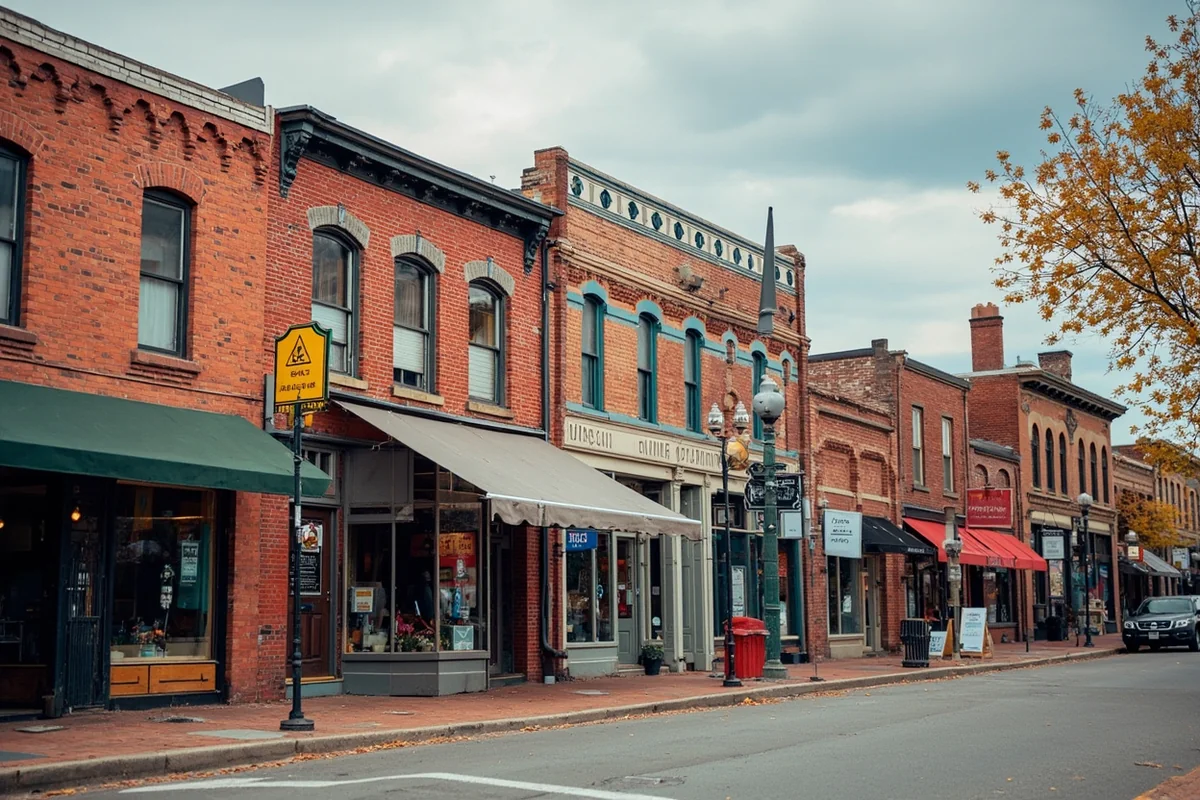
The Washoe Theatre: An Art Deco Masterpiece
I’ll be honest—I walked past the Washoe Theatre three times before finally going inside, and I still regret not entering sooner. This 1936 movie palace ranks among the five most beautiful theaters in the country, according to the Smithsonian Institution.
The interior is pure art deco extravagance: hand-painted murals, intricate metalwork, and a color palette of copper, silver, and gold that pays homage to Montana’s mining heritage. They still show movies here, and catching a film costs just a few dollars.
During my visit last October, I watched a classic horror movie during their Halloween series. Sitting in those original seats, surrounded by Nouveau Deco opulence, felt like time travel.
Anaconda Visitor Center and Local Museum
The visitor center on East Commercial Avenue operates out of a restored railway depot. The volunteers here are genuine fountains of local knowledge—one gentleman spent 45 minutes telling me about his grandfather’s work in the smelter, pointing out specific buildings visible from the window.
The small museum inside won’t take long to explore, but the mining artifacts and photographs provide crucial context for everything else you’ll see in town. I recommend starting here before exploring anywhere else.
Old Works Golf Course: Playing Golf on Toxic Waste (Really)
This is going to sound strange, but the Old Works Golf Course might be the most fascinating golf experience I’ve ever had—and I’ve played courses on four continents.
Jack Nicklaus designed this 18-hole championship course directly on the former site of the original copper smelting works. The Environmental Protection Agency helped fund its construction as part of one of the nation’s largest Superfund cleanups.
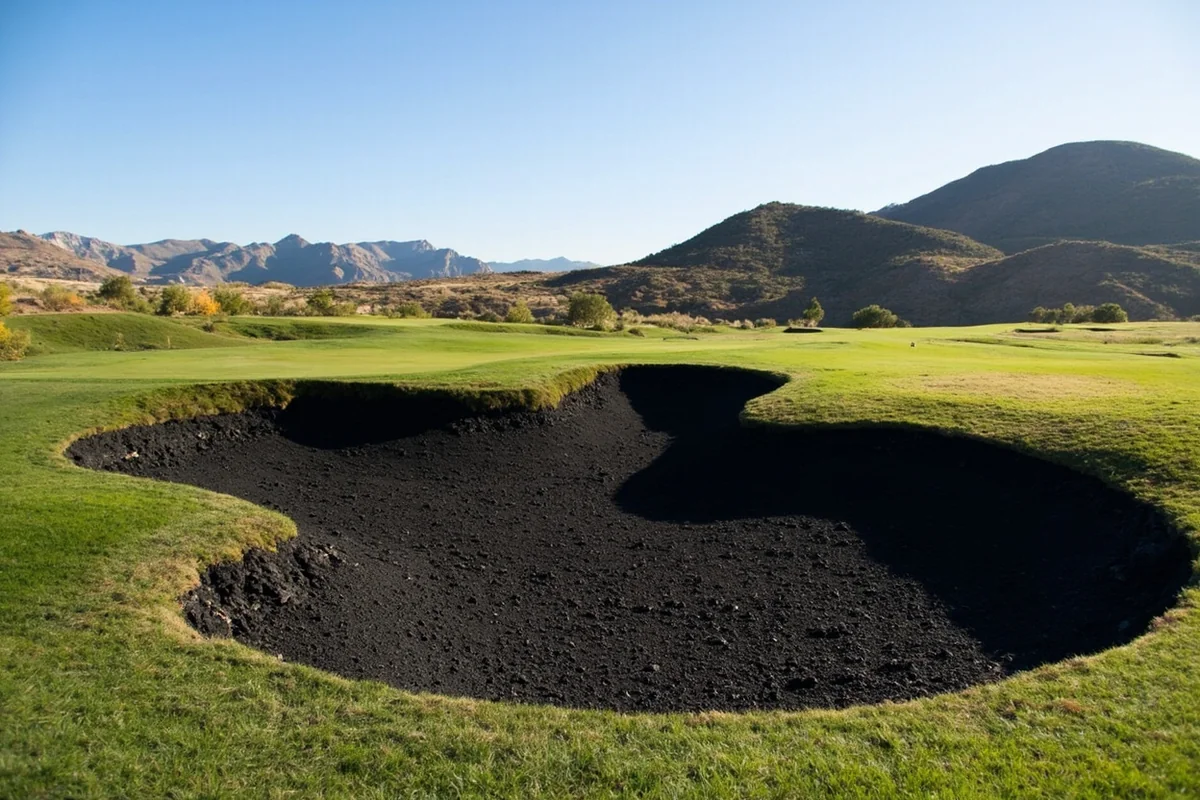
The Black Sand Bunkers
Instead of traditional white sand, the bunkers here contain black slag—the glassy waste product from copper smelting. I’ve played here twice, and watching my ball sitting in those jet-black bunkers against the green fairways never stops being surreal.
The slag is completely safe now, and frankly, it plays better than regular sand. My shots came out cleaner than expected.
Practical Golf Information
Green fees run around $40-65 depending on season and day of week, which feels like a steal for a Nicklaus Signature course. The season typically runs May through October, weather dependent.
I recommend booking tee times at least a week in advance for summer weekends. The pro shop staff are incredibly helpful—on my first visit, one of them drew me a map of notable smelter ruins visible from various holes.
The course measures 7,705 yards from the championship tees, but don’t let that intimidate you. Multiple tee options make it enjoyable for all skill levels. I played from the middle tees and shot my handicap, though the altitude (about 5,300 feet) added distance to every club.
Outdoor Adventures Beyond Golf
While Old Works gets most of the attention, Anaconda serves as a basecamp for some seriously underrated Montana outdoor recreation.
Georgetown Lake: The Hidden Gem
Just 15 miles west of Anaconda, Georgetown Lake sits at 6,400 feet elevation, surrounded by the Anaconda-Pintler Wilderness. I’ve visited in both summer and winter, and it’s a completely different experience each time.
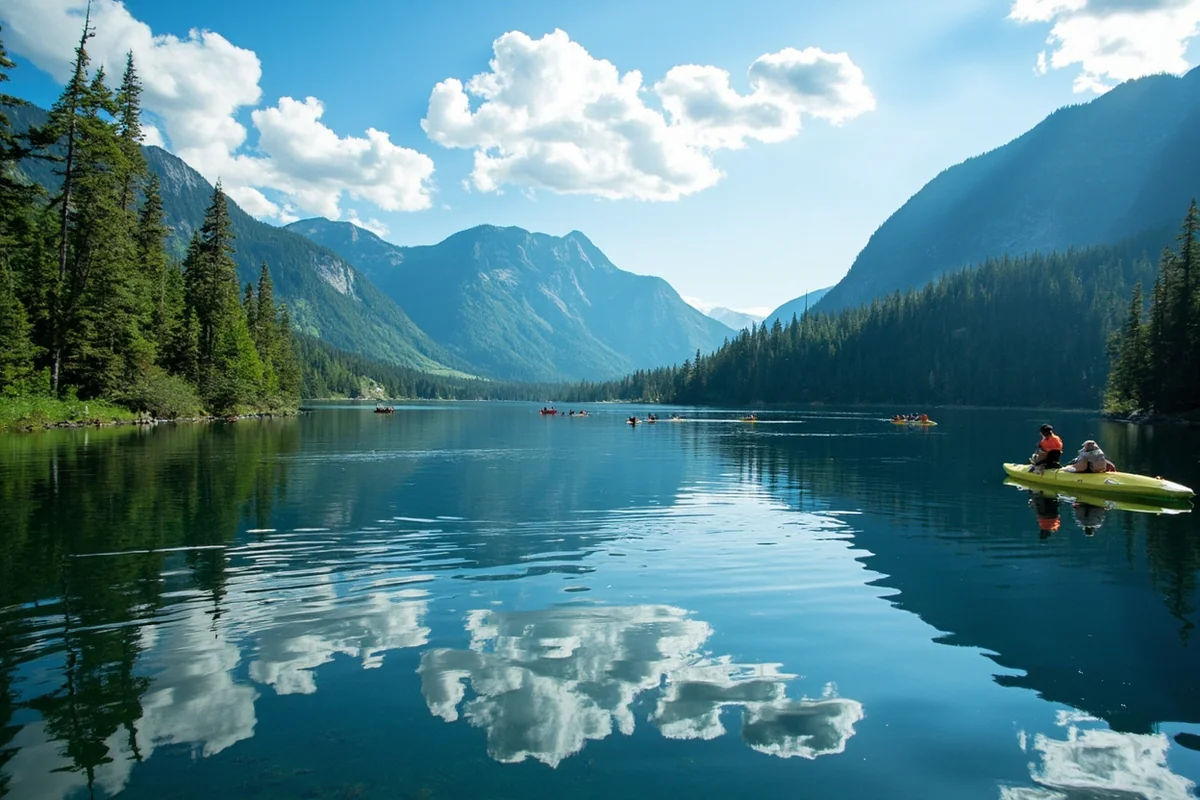
In July, I rented a kayak from Georgetown Lake Lodge and spent an entire afternoon paddling the 2,800-acre reservoir. The fishing was incredible—rainbow trout, kokanee salmon, and the occasional brook trout.
The lake is relatively shallow, which means it warms up enough for swimming by late June. I wouldn’t call it “warm” by any stretch—this is Montana, after all—but it’s refreshing on a hot summer day.
Winter transforms Georgetown Lake into an ice fishing paradise. During a December visit, I watched dozens of ice fishing shelters dotting the frozen surface, some quite elaborate. Cross-country skiing trails crisscross the surrounding area, and Anaconda locals swear the snow quality rivals any resort.
Discovery Ski Area
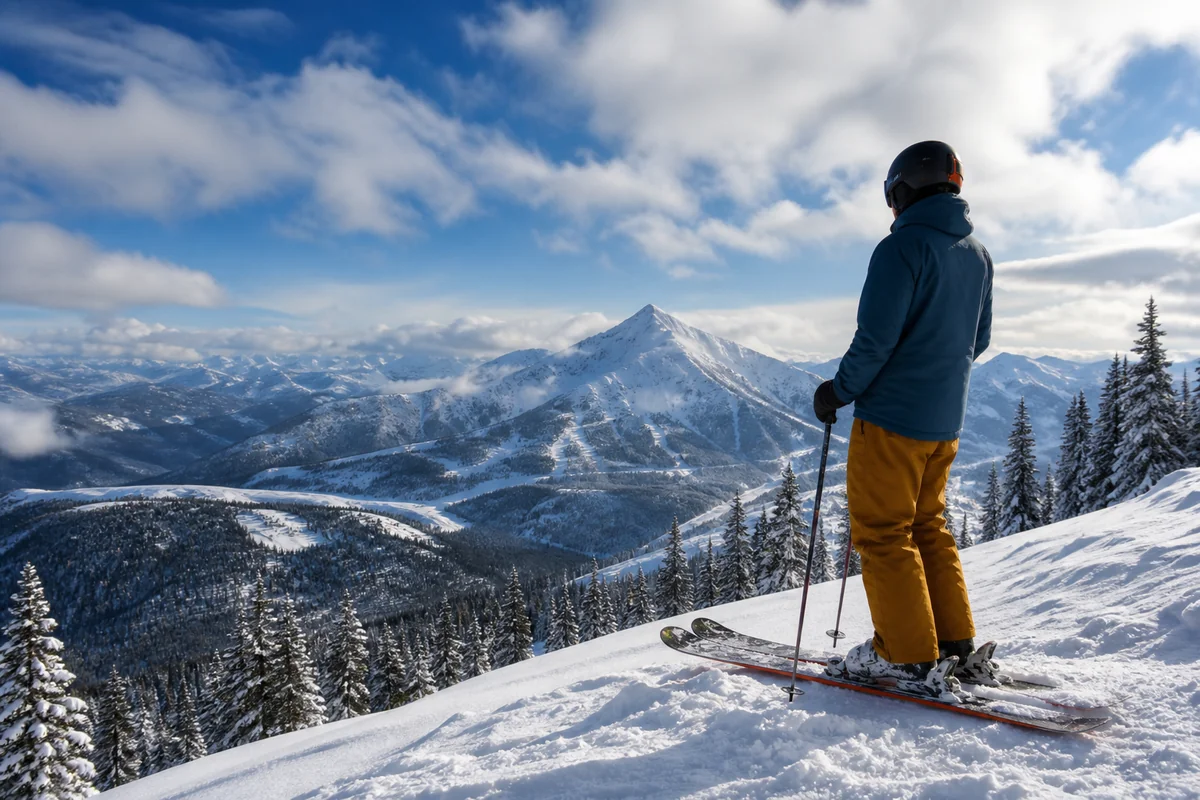
Speaking of skiing, Discovery Ski Area sits just 20 miles from Anaconda near Georgetown Lake. This family-owned resort flies under the radar compared to Big Sky or Whitefish, but that’s precisely the appeal.
I skied here during a February trip and practically had the mountain to myself on a Tuesday. Lift tickets cost a fraction of the major resorts, and the 2,200 feet of vertical drop provides plenty of varied terrain.
The runs lean intermediate to advanced, with some genuinely challenging chutes for experts. If you’re learning or bringing kids, the bunny slopes and patient instructors make it welcoming for beginners too.
Hiking the Anaconda-Pintler Wilderness
The Anaconda-Pintler Wilderness encompasses over 158,000 acres of rugged mountain terrain, and the trailheads are remarkably accessible from town.
My favorite hike is the trail to Storm Lake, starting from the Middle Fork trailhead. The 10-mile round trip gains about 1,900 feet of elevation and passes through some of the most pristine alpine scenery I’ve encountered in Montana.
I completed this hike last August, starting at 6 AM to beat the afternoon thunderstorms that roll through most summer days. The wildflowers in the meadows near the lake were extraordinary—entire hillsides of purple lupine and Indian paintbrush.
For something easier, the Warren Park trails near town offer gentle walks suitable for families. I’ve seen moose here twice, both times in early morning near the creek.
The Anaconda Smelter Stack: Visiting the Icon
You can’t discuss Anaconda without addressing the massive smokestack visible from virtually everywhere in the valley.
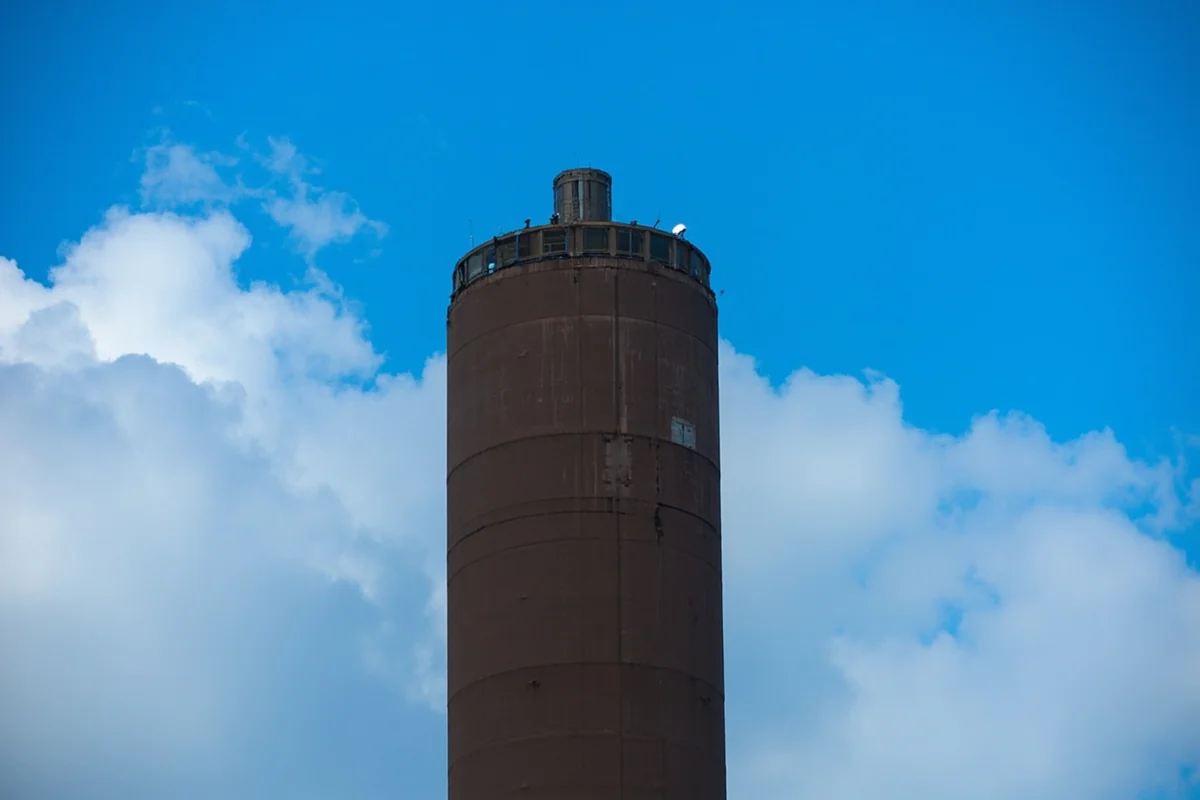
At 585 feet tall, the Anaconda Smelter Stack is the tallest surviving masonry structure in the world. It’s taller than the Washington Monument, taller than the Great Pyramid of Giza.
Here’s what most guides don’t tell you: you can’t actually walk right up to it. The stack sits within an active Superfund cleanup site, and access is restricted. However, you can get excellent views from the Stack Vista observation point on the hill above.
I drove up there during golden hour on my last visit, and the evening light made the brick structure glow orange against the Pintler Mountains. It’s a genuinely moving sight—this enormous monument to industrial ambition and the thousands of workers who built Montana’s economy.
The Anaconda Smelter Stack State Park, managed by Montana Fish, Wildlife and Parks, offers interpretive signs explaining the smelting process and the site’s environmental cleanup. Budget about 30 minutes for the viewpoint visit.
Washoe Park: Family-Friendly Exploration
Washoe Park spreads across 28 acres in the heart of Anaconda and makes for an easy half-day visit, especially with children.
The park’s main attraction is the Copper Village Museum, a collection of historic buildings relocated here from around the region. I wandered through old miners’ cabins, a schoolhouse, and a general store, each filled with period artifacts.
The splash pad near the playground is wildly popular in summer. During a July afternoon visit, I counted at least 40 kids cooling off while parents relaxed in the shade.
Washoe Park also contains a small swimming pool, tennis courts, and picnic facilities. The mature trees provide welcome shade, and the grounds are impeccably maintained.
Where to Eat in Anaconda
I’ll be straight with you: Anaconda isn’t a culinary destination. This is working-class Montana, and the food reflects that—hearty, unpretentious, and reasonably priced.
Barclay II Supper Club
The Barclay II became my default dinner spot after a local recommended it on my second visit. This is old-school Montana dining: dim lighting, wood paneling, and steaks that hang off the plate.
I ordered the ribeye medium-rare, and it arrived exactly as requested with a baked potato the size of my fist. The salad bar looks dated but offers genuinely fresh options.
Donivan’s Coffee Bar
For breakfast and coffee, Donivan’s on East Park Avenue is the answer. The espresso drinks are surprisingly excellent, and their breakfast burritos fueled multiple early morning hikes.
The owners are friendly and chatty—they recommended several hikes and told me which trails to avoid due to recent bear activity.
O’Bella Italian Eatery
When I wanted something beyond typical steakhouse fare, O’Bella delivered satisfying Italian food at reasonable prices. The chicken parmesan was legitimately good, and the portions were generous.
Grocery Options
Anaconda has a Safeway for basic groceries, which I appreciated when stocking up for hiking snacks. A few smaller markets carry local products. Don’t expect Whole Foods, but you won’t starve.
Where to Stay: Accommodation Options
Anaconda’s lodging options are limited but cover the basics. Most visitors stay in Butte (more selection) or Georgetown Lake (prettier setting), but staying in town has its advantages.
In-Town Options
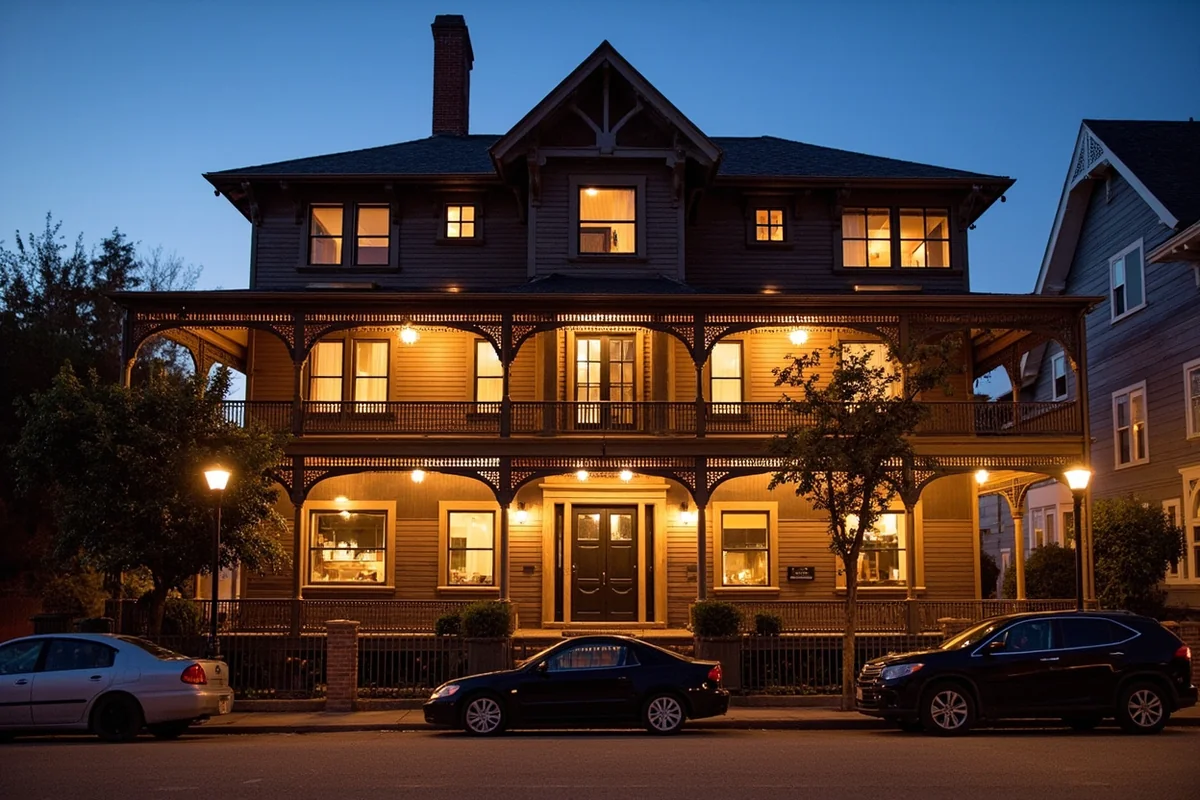
The Celtic House Inn is a charming bed and breakfast in a restored Victorian home. I stayed here on my most recent trip and loved the personal touches—fresh cookies in the afternoon, local tips from the owners, and a breakfast that kept me full until dinner.
The Seven Gables Resort on the outskirts of town offers hotel-style rooms at budget-friendly rates. It’s nothing fancy, but the rooms are clean and the beds comfortable.
Georgetown Lake Lodging
For a more scenic stay, Georgetown Lake Lodge and the surrounding cabin rentals put you right on the water. I rented a lakefront cabin for three nights last summer, and waking up to that mountain view made the 15-minute drive to town worthwhile.
Several vacation rentals on Airbnb and VRBO offer cabins ranging from rustic to quite comfortable. Book early for summer weekends—they fill up fast.
Camping
Multiple Forest Service campgrounds surround Georgetown Lake. Flint Creek Campground was my choice for a July camping trip—the sites sit among the trees with easy lake access.
First-come, first-served sites fill by Friday afternoon in summer. If you want a guaranteed spot, consider Lost Creek State Park, about 20 miles from Anaconda, which takes reservations.
Best Time to Visit Anaconda
The optimal time depends entirely on your interests.
Summer (June-August)
Peak season brings the best weather for hiking, golf, and water activities. Daytime temperatures hover in the 75-85°F range, though nights cool to the 40s and 50s. This is when Georgetown Lake shines and the Old Works course is in prime condition.
The downside? Higher prices, busier trails, and afternoon thunderstorms that roll in like clockwork.
Fall (September-October)
My personal favorite time to visit. The crowds thin dramatically, fall colors paint the valleys gold and crimson, and the golf course remains playable into October most years.
Weather becomes unpredictable—I’ve experienced 70-degree days and surprise snowstorms in the same week. Pack layers.
Winter (November-March)
If you’re into skiing, ice fishing, or cross-country skiing, winter offers a completely different Anaconda experience. Georgetown Lake freezes solid, Discovery Ski Area opens, and you’ll have the town essentially to yourself.
Expect temperatures well below freezing, significant snowfall, and shorter daylight hours.
Spring (April-May)
Shoulder season brings muddy trails and unpredictable weather. Georgetown Lake ice-out usually happens in May, and the golf course opens mid-May in typical years.
I’d only recommend spring for budget travelers willing to gamble on weather.
Day Trip Combinations
Anaconda works well as a day trip from Butte or as part of a larger Montana itinerary. Here’s how I’d structure it.
Combined with Butte
The two towns are so close that combining them makes sense. I typically spend a full day exploring Butte’s Berkeley Pit and underground mine tours, then dedicate another day to Anaconda’s Old Works and Georgetown Lake.
Pintler Scenic Route
Highway 1 between Anaconda and Drummond is one of Montana’s most beautiful drives. I’ve incorporated Anaconda into road trips between Missoula and Butte by taking this route instead of I-90.
The 60-mile stretch passes Philipsburg (stop at the Sweet Palace candy store) and skirts the Anaconda-Pintler Wilderness. Budget at least two hours for this drive with stops.
Big Hole Valley Extension
About 50 miles south of Anaconda, the Big Hole National Battlefield commemorates the 1877 Nez Perce War. Combined with the charming town of Wisdom and excellent fly fishing on the Big Hole River, this makes for a memorable two-day extension.
What to Know Before You Go
A few practical considerations I wish someone had shared before my first visit.
Altitude Matters
At 5,300 feet elevation, Anaconda sits high enough to affect some visitors. I felt fine, but my hiking partner experienced mild headaches until he increased his water intake. If you’re coming from sea level, take it easy the first day.
Cell Service and WiFi
Coverage in town is adequate with major carriers. Once you’re at Georgetown Lake or on wilderness trails, expect dead zones. Download offline maps before venturing out.
Wildlife Awareness
Bears—both black and grizzly—inhabit the surrounding wilderness. Carry bear spray on hikes, make noise on the trail, and store food properly when camping.
I encountered a black bear on the Storm Lake trail, though it ran off before I could even process what I was seeing. Most wildlife encounters are non-events if you’re prepared.
Cash vs. Cards
Most businesses accept cards, but some smaller operations remain cash-only. I’d recommend carrying $50-100 in cash just in case.
Final Thoughts: Is Anaconda Worth Your Time?
After multiple visits spanning several years, I can confidently say Anaconda rewards travelers willing to look beyond surface-level tourism.
This isn’t Yellowstone or Glacier—it doesn’t have the instant wow factor of those marquee destinations. What it offers instead is something increasingly rare: an authentic Montana town where the history is tangible, the people are genuinely welcoming, and the landscape doesn’t feel overrun.
The Old Works golf course remains one of the most unique sporting experiences I’ve had anywhere. Georgetown Lake provides recreation without the crowds. And that smelter stack—standing silently against the mountain backdrop—tells a story about American industry and environmental reckoning that feels remarkably relevant.
Whether you spend a few hours or several days, Anaconda offers something that generic tourist towns cannot: a real sense of place, forged in copper and still evolving.
Frequently Asked Questions
What is Anaconda Montana known for and is it worth visiting?
Anaconda is known for its rich copper mining history, the iconic Anaconda Smelter Stack (one of the tallest masonry structures in the world), and its proximity to outdoor recreation at Georgetown Lake. I found it absolutely worth visiting for history buffs and outdoor enthusiasts, plus it’s a great affordable base for exploring southwestern Montana without the tourist crowds.
How far is Anaconda Montana from Yellowstone National Park?
Anaconda is approximately 150 miles north of Yellowstone’s West Entrance, which takes about 2.5-3 hours to drive via Highway 287. While it’s not the closest gateway town, many travelers use Anaconda as a quieter stopover when road-tripping between Glacier and Yellowstone National Parks.
What is the best time of year to visit Anaconda Montana?
The best time to visit Anaconda is June through September when temperatures are pleasant (60-80°F) and outdoor activities like hiking, fishing, and golfing at Old Works Golf Course are in full swing. Winter visitors come for cross-country skiing and ice fishing at Georgetown Lake, but expect cold temperatures dropping below 0°F.
What should I pack for a trip to Anaconda Montana?
Pack layers regardless of season since mountain weather changes quickly, and bring sturdy hiking shoes if you plan to explore nearby trails. I always recommend sunscreen and a good water bottle for the high-altitude sun, plus a rain jacket even in summer since afternoon thunderstorms are common.
How much does it cost to visit Anaconda Montana for a weekend?
A weekend in Anaconda is budget-friendly compared to Montana resort towns, with hotels averaging $80-120 per night and meals at local restaurants running $12-25 per person. Expect to spend around $300-500 total for a couple including lodging, food, gas, and activities like a round at Old Works Golf Course ($45-75 green fees).
What are the top things to do in Anaconda Montana?
Must-do activities include touring the Washoe Theatre (a stunning Art Deco movie palace), playing golf at the unique Old Works Golf Course built on a reclaimed smelter site, and fishing or kayaking at Georgetown Lake just 15 miles away. History lovers should visit the Copper Village Museum and take a driving tour past the massive Anaconda Smelter Stack.
Are there good restaurants and places to stay in Anaconda Montana?
Anaconda has solid local dining options including Barclay II Supper Club for steaks and Classic Cafe for hearty breakfasts, though don’t expect upscale or trendy spots. For lodging, the Hickory House Inn and Fairmont Hot Springs Resort (10 miles away) are popular choices, and I recommend booking ahead during summer weekends when Georgetown Lake draws crowds.