I’ve crossed Montana from the Idaho border to the North Dakota line more times than I can count, in every season, and I still keep a running list of places I haven’t been yet. That’s the thing about Big Sky Country — the more you see, the longer your list gets.
Quick Answer — Best Things to Do in Montana
Montana’s top activities span two national parks (Glacier and Yellowstone), the Beartooth Highway, Flathead Lake, over 80 ghost towns, geothermal hot springs, world-class fly fishing rivers, a 14-site dinosaur trail, and a film-set landscape made famous by the Yellowstone TV series. Start with Going-to-the-Sun Road, the Lamar Valley at dawn, and one night at a hot spring. Everything else builds from there.
- Montana’s 33 must-do experiences span Glacier, Yellowstone’s northern range, the Beartooth Highway, Flathead Lake, the Montana Dinosaur Trail, and a string of overlooked ghost towns and hot springs
- Best season for most activities: mid-July through mid-September; shoulder-season visits (June, September) deliver better wildlife and far fewer crowds
- Budget at least 7–10 days — Montana is the fourth-largest state and the driving distances are genuinely deceptive
- You’ll need a car, layered clothing, bear spray, and a loose itinerary that leaves room for unplanned stops
- This guide ranks 33 things based on years of personal visits, with practical timing, cost, and difficulty info for each
Liked this article?
Add Roaming Montana as a preferred source so you see more of our articles and guides on Google.
All 33 Things to Do in Montana — At a Glance
Here’s the full list, ranked roughly by significance and uniqueness. Each is covered in detail further down.
- Drive Going-to-the-Sun Road through Glacier National Park
- Watch wolves at sunrise in Lamar Valley, Yellowstone’s “Serengeti of North America”
- Cruise the Beartooth Highway — 68 miles of switchbacks at 11,000 feet
- Hike to Grinnell Glacier while the glacier still exists
- Hike the Highline Trail from Logan Pass — Glacier’s signature alpine traverse — see my Glacier hiking guide
- Soak at Chico Hot Springs outside Yellowstone’s north entrance
- Boat, kayak, or cherry-pick on Flathead Lake — largest natural freshwater lake west of the Mississippi — see my boating in Montana guide
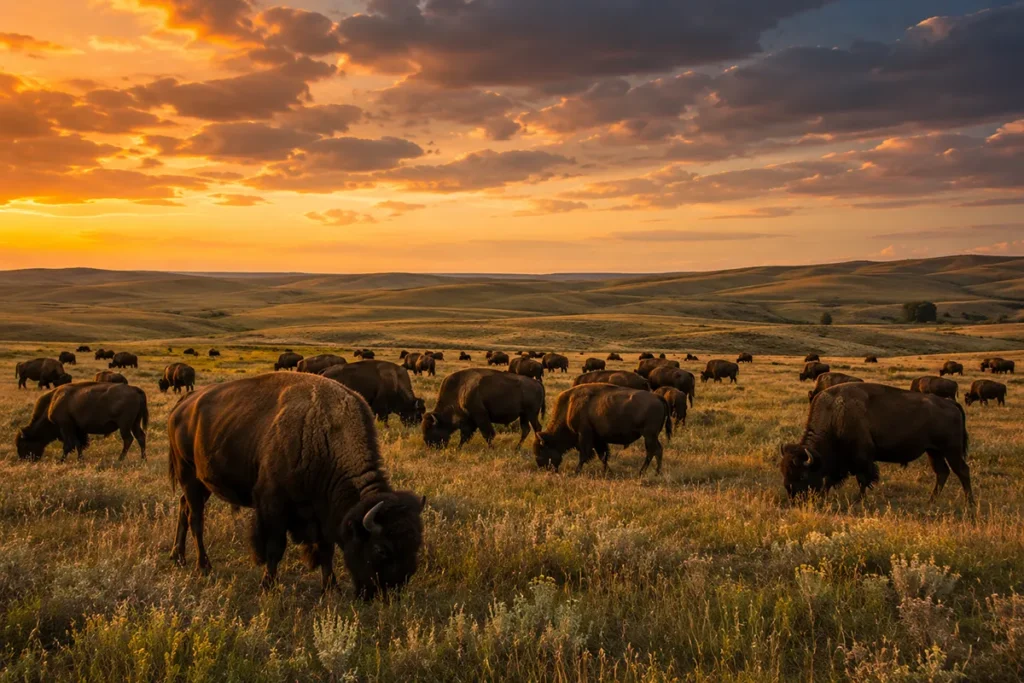
- See bison up close at the National Bison Range near Moiese
- Walk the travertine terraces at Mammoth Hot Springs in Yellowstone
- Visit the Museum of the Rockies in Bozeman for the country’s best T. rex collection
- Wander Bannack Ghost Town, Montana’s first territorial capital — see my Montana ghost towns guide
- Tour Lewis and Clark Caverns State Park near Three Forks
- Fly fish the Madison, Gallatin, or Blackfoot Rivers
- Catch a real Montana rodeo in Livingston, Augusta, or Wolf Point
- Ride the Lone Peak Tram at Big Sky Resort to 11,166 feet — see my Montana ski resorts guide
- See live wolves and grizzlies at the Grizzly & Wolf Discovery Center in West Yellowstone
- Explore Garnet Ghost Town, the best-preserved ghost town in Montana
- Spend a weekend in Whitefish for mountain-town charm without the Aspen prices
- Raft the Middle Fork of the Flathead River along Glacier’s boundary
- Hike to Ousel Falls outside Big Sky for an easy waterfall payoff — see my Montana waterfalls guide
- Camp at Makoshika State Park in Montana’s eastern badlands
- Walk the Little Bighorn Battlefield with a ranger-led tour
- See 2,000-year-old rock art at Pictograph Cave State Park near Billings
- Soak at Lolo or Elkhorn Hot Springs — less crowded alternatives to Chico — see my Montana hot springs guide
- Walk the historic Last Chance Gulch in Helena — see my Helena things-to-do guide
- Step into the 1860s at Virginia City & Nevada City
- Hike the M Trail in Missoula for a quick city-and-river panorama
- ⭐ Follow the Montana Dinosaur Trail — 14 sites, fossil digs, and a Prehistoric Passport (new)
- ⭐ Visit Wild Horse Island State Park by boat across Flathead Lake (new)
- ⭐ Hunt Yellowstone TV show filming locations across Paradise Valley and beyond (new)
- ⭐ Explore Montana’s craft brewery trail — 80+ breweries with world-class scenery (new)
- ⭐ Drive through the American Prairie Reserve — North America’s largest conservation project (new)
- ⭐ Ride the Flathead Lake Alpine Coaster — Montana’s first and only mountain coaster (new)
For the full picture of Montana’s biggest attractions, also see my 21 must-visit Montana attractions and my Montana bucket list.
Top 10 Montana Experiences Compared
| # | Attraction | Region | Best Season | Time Needed | Cost | Difficulty |
|---|---|---|---|---|---|---|
| 1 | Going-to-the-Sun Road | Northwest | Jul–Sep | Half day | Park pass ($35) | Easy (drive) |
| 2 | Lamar Valley wolves | Southwest | May–Jun, Nov–Feb | Dawn–dusk | Park pass | Easy |
| 3 | Beartooth Highway | South-Central | Jun–Oct | Half day | Free | Easy (drive) |
| 4 | Grinnell Glacier hike | Northwest | Jul–Sep | Full day | Park pass | Moderate |
| 5 | Highline Trail | Northwest | Jul–Sep | Full day | Park pass | Moderate |
| 6 | Chico Hot Springs | Southwest | Year-round | Half day | $15–30/soak | Easy |
| 7 | Flathead Lake | Northwest | Jun–Sep | Full day | Varies | Easy |
| 8 | National Bison Range | Northwest | Year-round | Half day | $5/vehicle | Easy |
| 9 | Montana Dinosaur Trail | Multiple regions | Apr–Oct | 1–7 days | Varies by site | Easy |
| 10 | Wild Horse Island | Northwest | May–Sep | Half day | ~$45/pp boat | Easy–Moderate |
Always verify current entry fees, hours, and permit requirements before your visit — Montana operating details change seasonally.
Understanding Montana Before You Go
Let me be honest about something most travel guides skip: Montana is enormous. We’re talking the fourth-largest state in the country, roughly the size of Germany. I’ve made the mistake of trying to “do Montana” in a long weekend, and it simply doesn’t work.
On my first trip, I naively thought I could drive from Glacier National Park to Yellowstone in an afternoon. Six hours later, still rolling through endless golden grasslands, I learned my lesson.
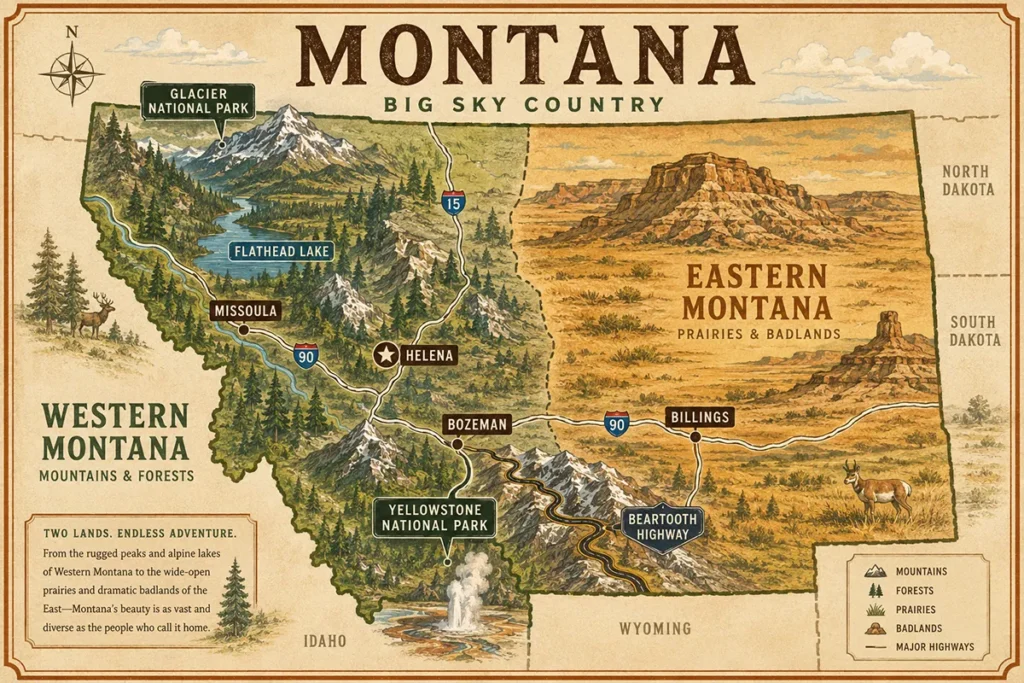
The state divides into two distinct regions: Western Montana, with its dramatic mountains, dense forests, and ski-town culture, and Eastern Montana, where the landscape flattens into prairies, badlands, and big agricultural country. Most first-time visitors focus on the western half, and honestly, that’s where I’d start too — but the eastern side is where the genuine solitude lives.
A few things to plan for before you arrive:
- You need a rental car. Public transport is essentially nonexistent outside Bozeman, Missoula, and Billings.
- Cell service is spotty. Download offline maps for Google Maps or use a dedicated app like onX Backcountry before heading into the parks or wilderness.
- Carry bear spray, always. Not pepper spray — bear spray. It’s $40–50 and you should know how to use it before you need to.
- Pack for 30–40°F temperature swings even in summer. A 90°F afternoon can drop to 45°F by midnight at altitude.
For a deeper breakdown of timing, see my guide to the best time to visit Montana.
The Detailed 33: Each Experience Explained
1. Drive Going-to-the-Sun Road
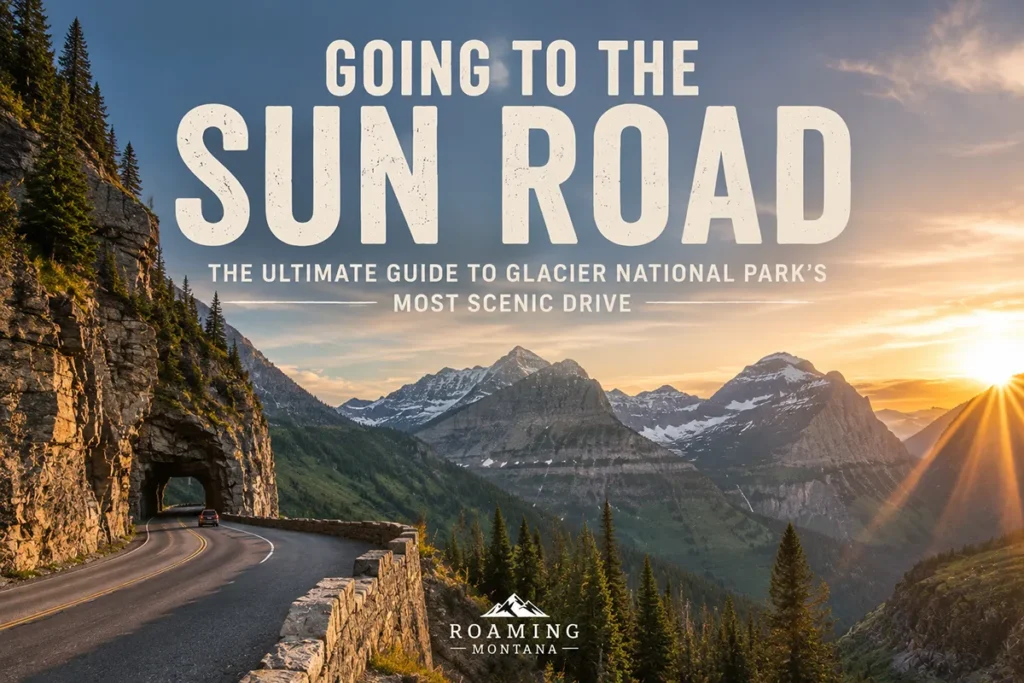
Glacier National Park’s 50-mile alpine road crosses the Continental Divide at Logan Pass — one of the great mountain drives in North America.
I’ve driven it seven times and still hold my breath going over the Garden Wall section. Vehicle reservations required late May through early September via recreation.gov. Book the moment they open — they sell out in minutes. Full guide at Going-to-the-Sun Road.
Best time: Mid-July through early September (fully open)
Cost: $35/vehicle 7-day park pass
2. Watch Wolves at Sunrise in Lamar Valley
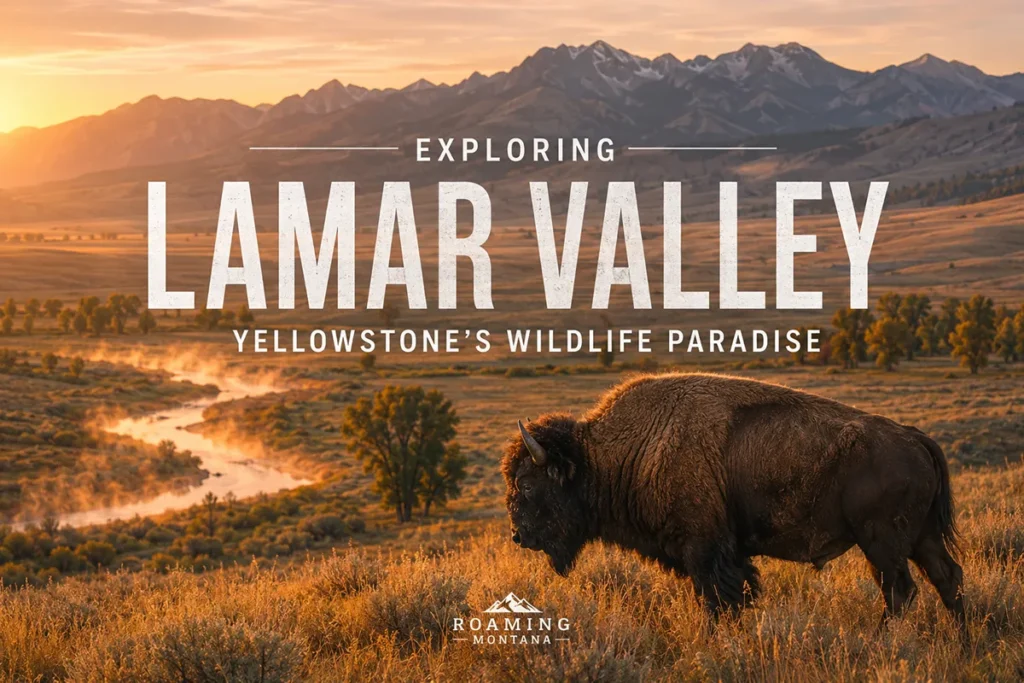
The Lamar Valley in Yellowstone’s northern range is the best wildlife viewing in the contiguous United States. Period.
During a spring visit I spotted wolves, grizzlies, a wolverine, and bison nursing calves in a single morning without moving from one pull-off.
Bring binoculars and a spotting scope if you have one. Dawn and dusk are the only times that matter. Full guide at Lamar Valley.
Best time: May–June and November–February
Cost: $35/vehicle park pass
3. Cruise the Beartooth Highway
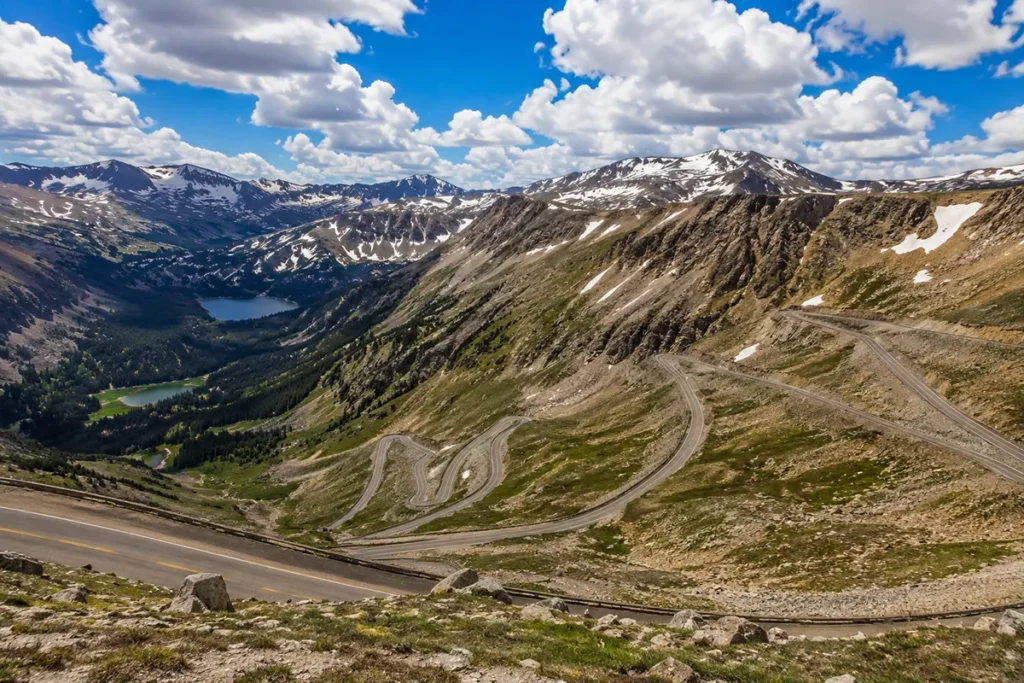
US-212 from Red Lodge to Yellowstone’s northeast entrance climbs to 10,947 feet through switchbacks, alpine meadows, and snowfields visible even in July.
Charles Kuralt called it the most beautiful drive in America. He was right. Open late May through mid-October; expect road closures during summer storms. Start in Red Lodge, which deserves its own overnight.
Best time: Late June–September
Cost: Free (fuel + time)
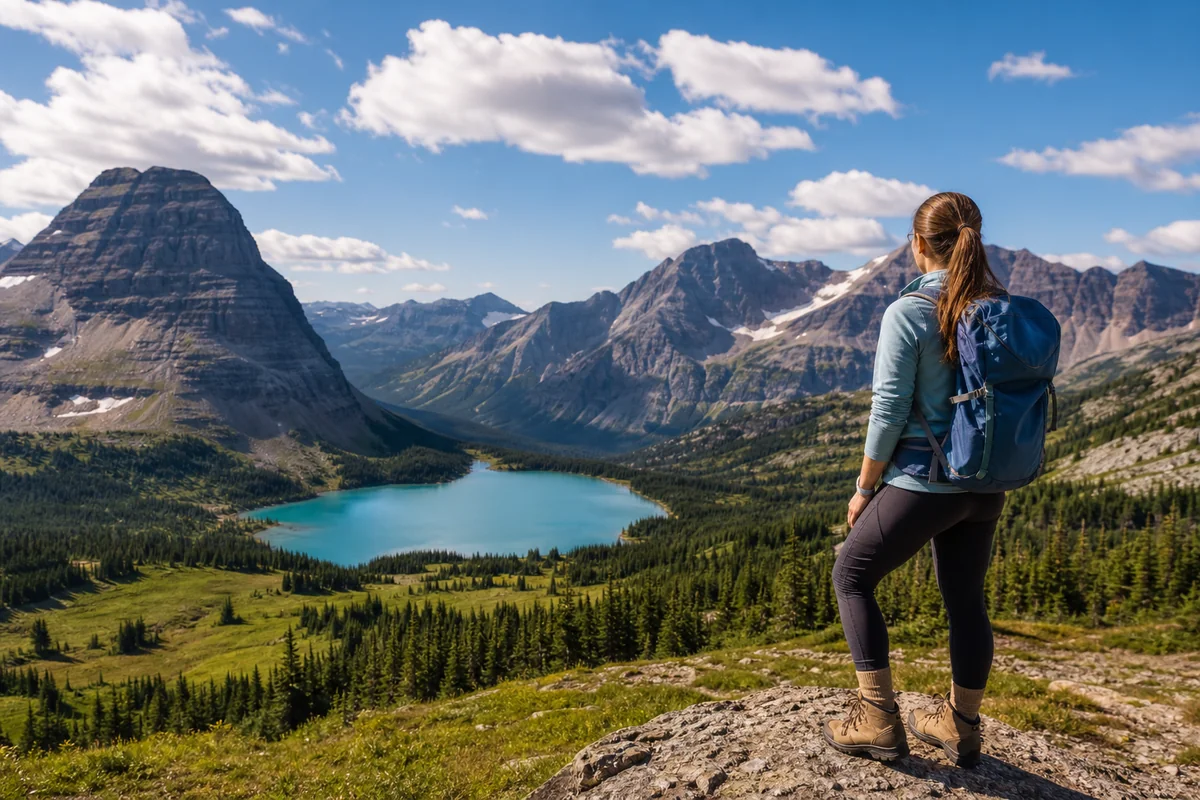
4. Hike to Grinnell Glacier
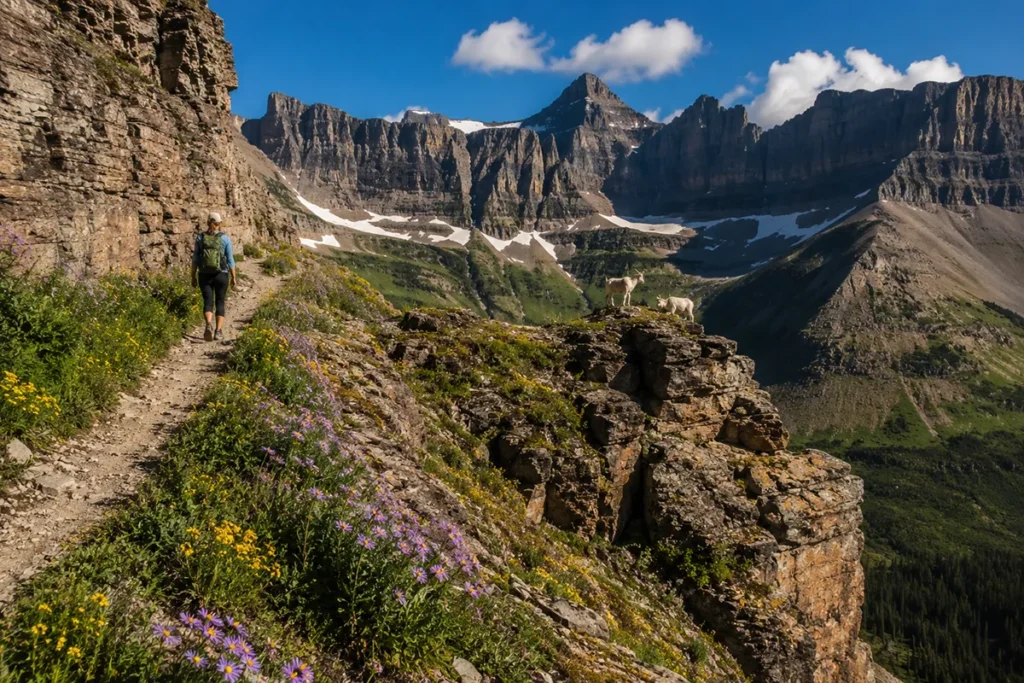
The 11.6-mile round-trip hike to Grinnell Glacier in Glacier National Park delivers what many consider the most visually dramatic hike in Montana: turquoise glacial lakes, mountain goats on the trail, and an ancient glacier that has lost more than 80% of its volume since the park’s founding. Do this while you can. The glacier is actively retreating each year.
Best time: Mid-July through September
Cost: Park pass
Difficulty: Moderate
5. Hike the Highline Trail
The Highline Trail traverses alpine meadows at 6,600 feet along the Garden Wall with thousand-foot drop-offs that make even experienced hikers catch their breath.
The 11.8-mile point-to-point from Logan Pass to Waterton Valley is Glacier’s signature experience. Take the morning shuttle to Logan Pass; hike to the Loop; catch the shuttle back.
For the full Glacier trail breakdown, see my best hikes in Glacier National Park guide.
Best time: July–September
Difficulty: Moderate with exposure
6. Soak at Chico Hot Springs
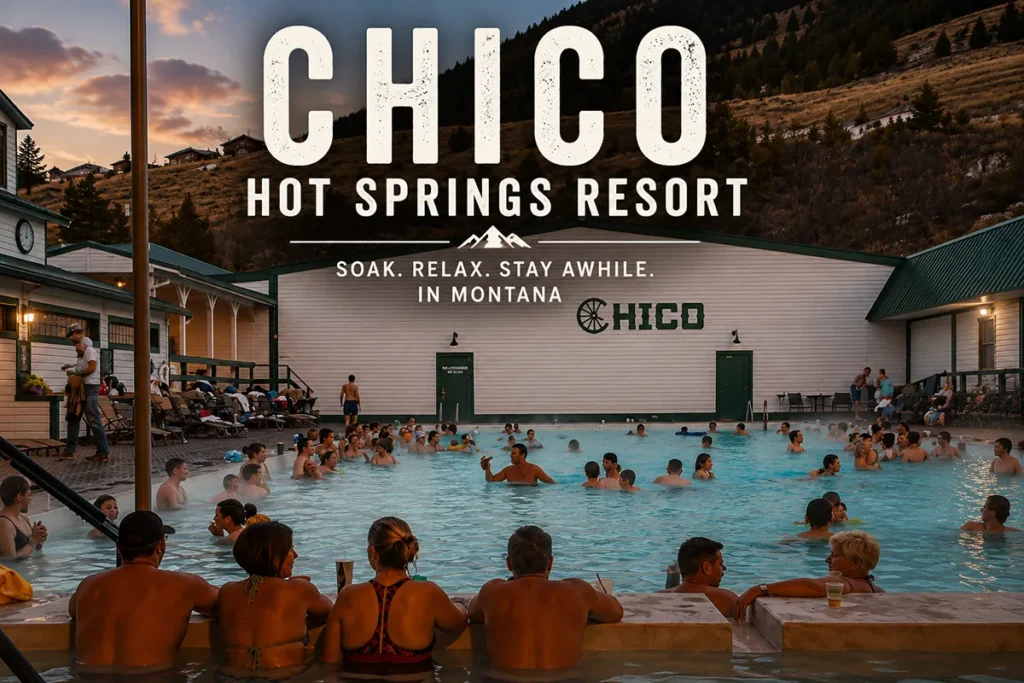
Operating since 1900 in the Paradise Valley, Chico Hot Springs maintains a 96°F outdoor pool year-round with a restaurant, saloon with live music, and the kind of Montana authenticity that newer resorts can’t manufacture.
I’ve soaked here in December snowstorms watching steam rise against the peaks. Full guide at Chico Hot Springs.
Best time: Year-round
Cost: ~$10–15/soak day rate
7. Flathead Lake: Boat, Kayak, Cherry-Pick
At 197 square miles, Flathead Lake is the largest natural freshwater lake west of the Mississippi. Rent a kayak in Bigfork or Polson, cherry-pick off roadside stands on the east shore in late July, or book a boat tour to Wild Horse Island.
The water is clear enough to see the bottom at 30 feet. For planning, see my boating in Montana guide.
Best time: June–September
Cost: Varies
8. National Bison Range near Moiese
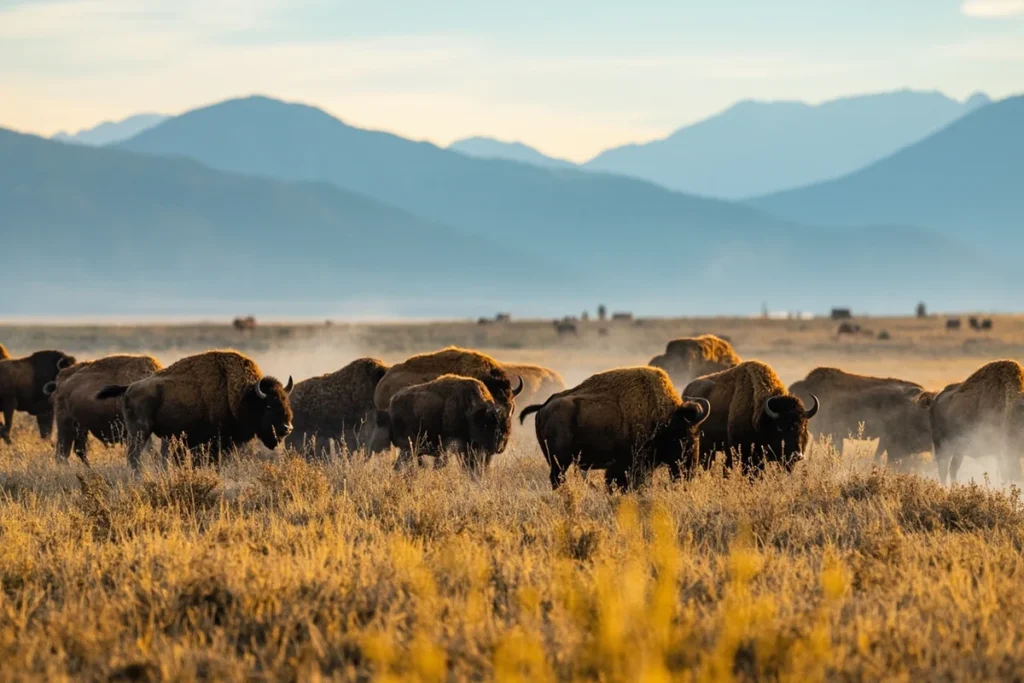
The National Bison Range offers guaranteed bison viewing on a scenic 19-mile driving loop through the Mission Valley. Around 350–500 bison year-round, plus pronghorn, elk, deer, and raptors.
The approach along the Flathead River with the Mission Mountains rising beyond is one of the great Montana driving views.
Best time: May–October. Cost: $5/vehicle
Time: 2–3 hours
9. Mammoth Hot Springs Terraces
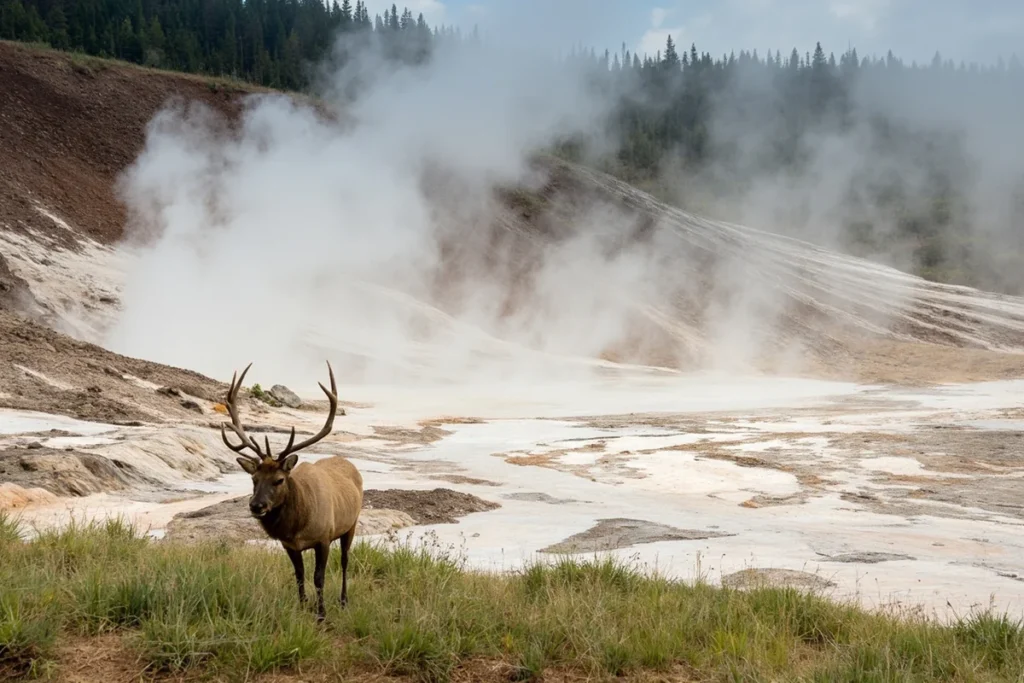
Yellowstone’s Mammoth area gives you travertine terraces — mineral-rich water depositing brilliant white and orange mineral formations — that look genuinely alien.
The Upper Terraces loop boardwalk is 1.75 miles and easily handled in 45 minutes. It’s the one area of Yellowstone that’s genuinely accessible regardless of hiking ability.
Best time: Year-round (near north entrance, always open)
Cost: Park pass
10. Museum of the Rockies, Bozeman
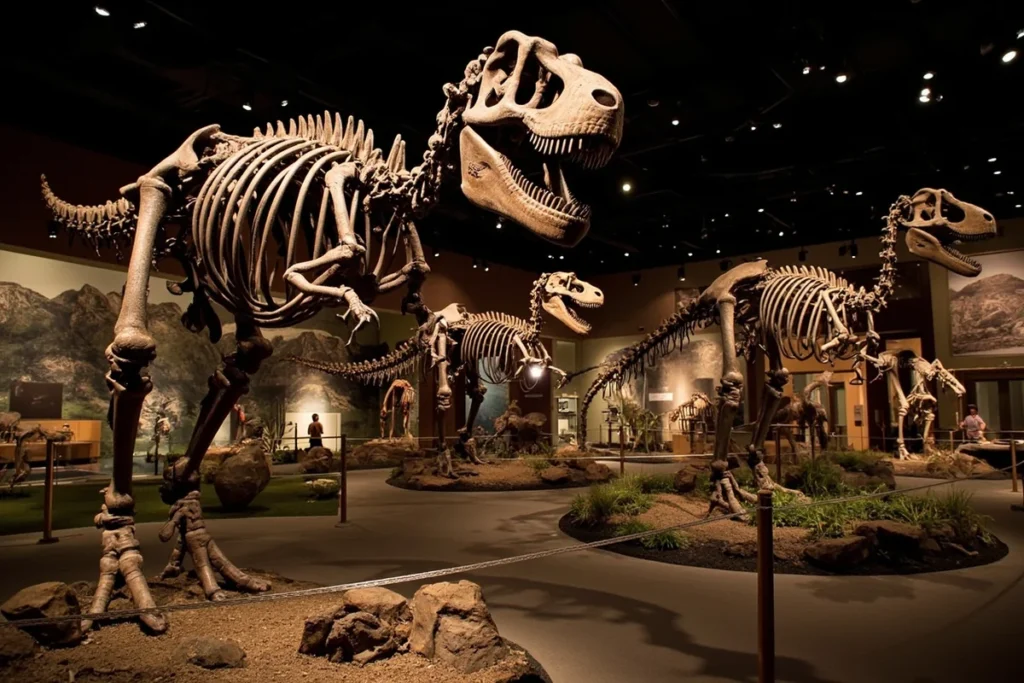
A Smithsonian-affiliated institution at Montana State University housing one of the world’s most significant dinosaur collections. Paleontologist Jack Horner — who advised on the Jurassic Park films — built this collection.
The T. rex specimens are the highlight, but the planetarium and temporary exhibits make this a genuine 3-hour stop.
Cost: ~$15–20/adult
11. Bannack Ghost Town
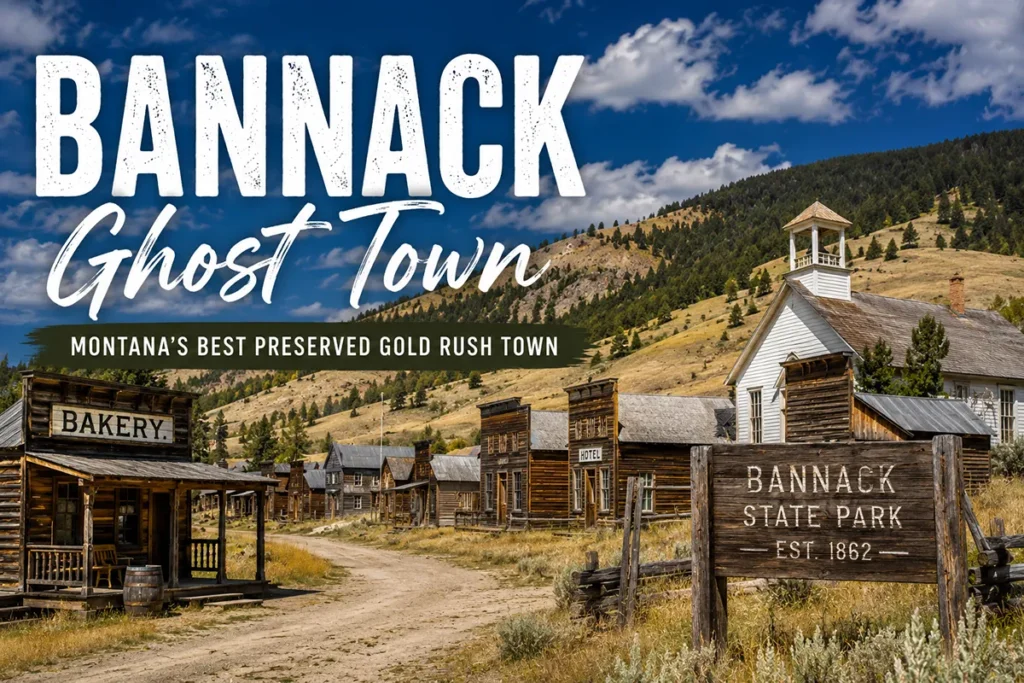
Montana’s first territorial capital is now a state park where over 60 historic structures still stand from the 1860s gold rush — hotel, church, school, gallows, and miners’ cabins in various states of dignified decay. No reconstruction, no costumed actors — just weathered wood and silence.
See my Montana ghost towns guide.
Best time: Late spring through fall
Cost: ~$6/adult
12. Lewis and Clark Caverns State Park
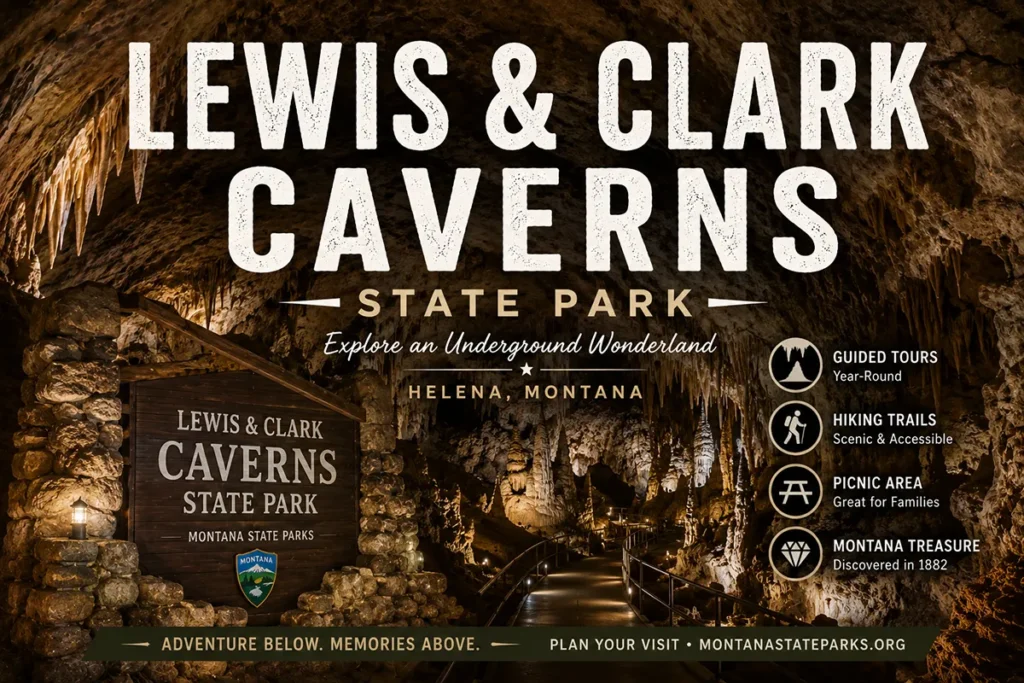
Montana’s most decorated cave system, between Helena and Bozeman. Guided tours (seasonally, late April through October) take you through limestone chambers formed over millions of years.
The contrast between the stark Montana landscape outside and the dripping cave formations inside is arresting. [Verify current tour times and fees at stateparks.mt.gov.]
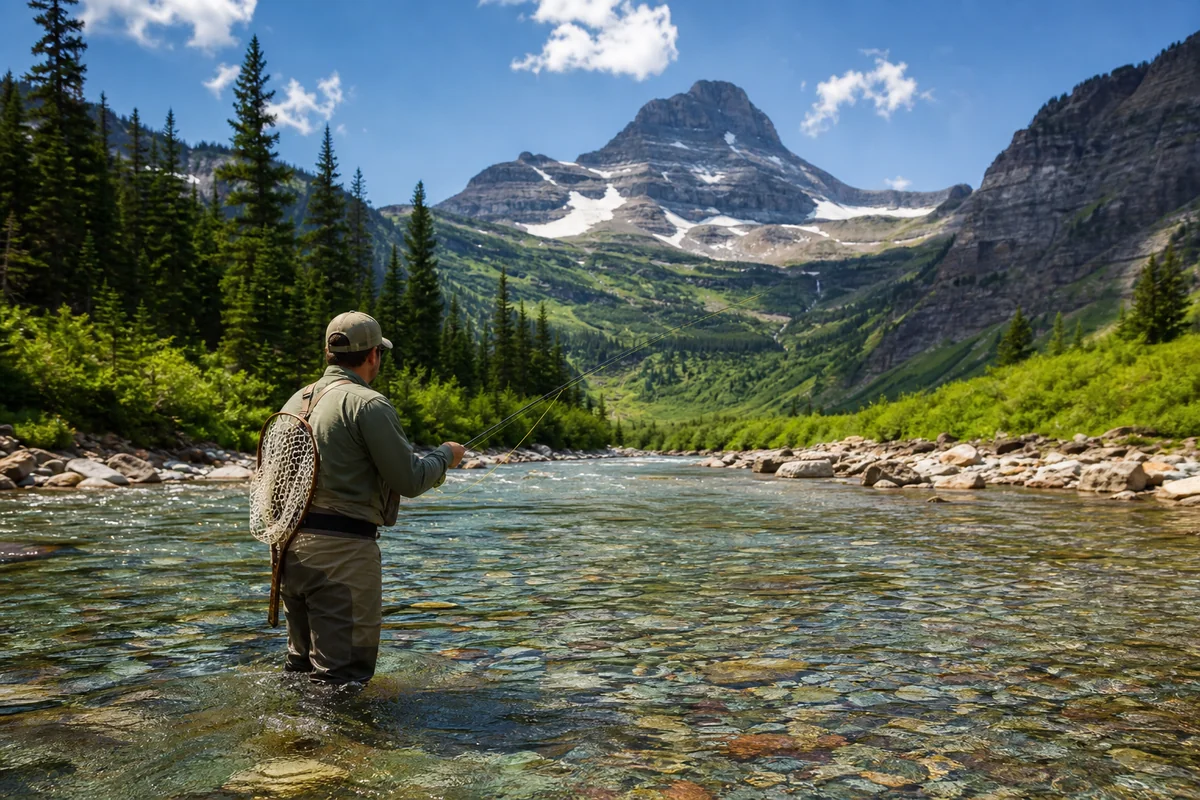
13. Fly Fish the Madison, Gallatin, or Blackfoot

Montana essentially invented American fly fishing culture — “A River Runs Through It” wasn’t fiction. The Madison River outside Ennis is the most celebrated, with salmon fly hatch in June that borders on absurd.
For beginners, hire a guide (half-day: ~$250, full day: ~$500–600) on the Blackfoot River near Missoula. All you need is a Montana fishing license and the willingness to get wet.
See my Montana outdoor activities guide.
14. A Real Montana Rodeo
The Augusta American Legion Rodeo (June) draws riders from across the Mountain West to a tiny town of 300 people. The Wolf Point Wild Horse Stampede (July) is one of Montana’s most authentic.
The Livingston Roundup (July 4th weekend) is the most accessible from a gateway city. These aren’t tourist events — they’re genuine community gatherings where the competition is real.
15. Lone Peak Tram at Big Sky
The tram to the 11,166-foot summit of Lone Peak runs both winter (ski access) and summer (hiking and views).
The 360-degree view from the top — Yellowstone, the Gallatin Range, the Madison Valley — is unequalled by any other readily accessible viewpoint in south-central Montana. No hiking required to get to the top; serious hiking available from the summit.
See my Montana ski resorts guide.
16. Grizzly & Wolf Discovery Center, West Yellowstone

The Grizzly & Wolf Discovery Center is an AZA-accredited wildlife park housing grizzly bears, gray wolves, and river otters — all non-releasable animals rescued from wild situations.
You’ll see wolves and grizzlies closer and more reliably here than in Yellowstone proper. I’ve watched a grizzly work through a series of food-enrichment puzzles for 20 minutes straight.
Cost: ~$15–20/adult
Time: 1.5–2 hours
17. Garnet Ghost Town
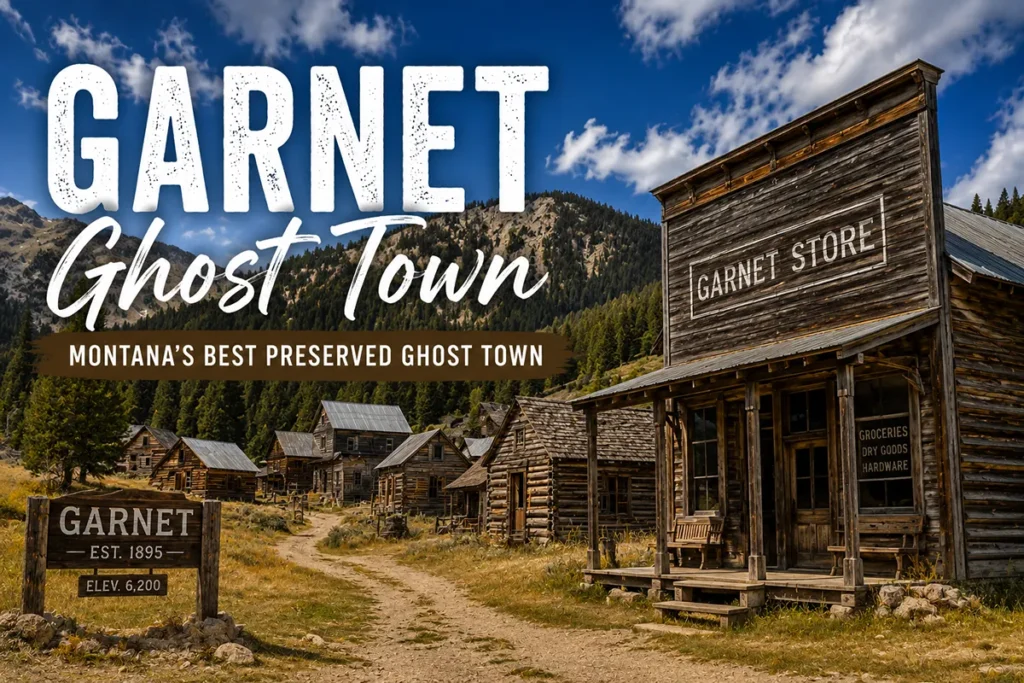
Located in the mountains east of Missoula via a rough forest road, Garnet is the best-preserved ghost town in Montana. The hotel, saloon, mine machinery, and a cluster of cabins still stand in the forest.
January–April, the road is closed to vehicles, making it accessible only by snowmobile or cross-country ski — a genuinely haunting winter experience. Summer access via high-clearance vehicle.
18. Weekend in Whitefish
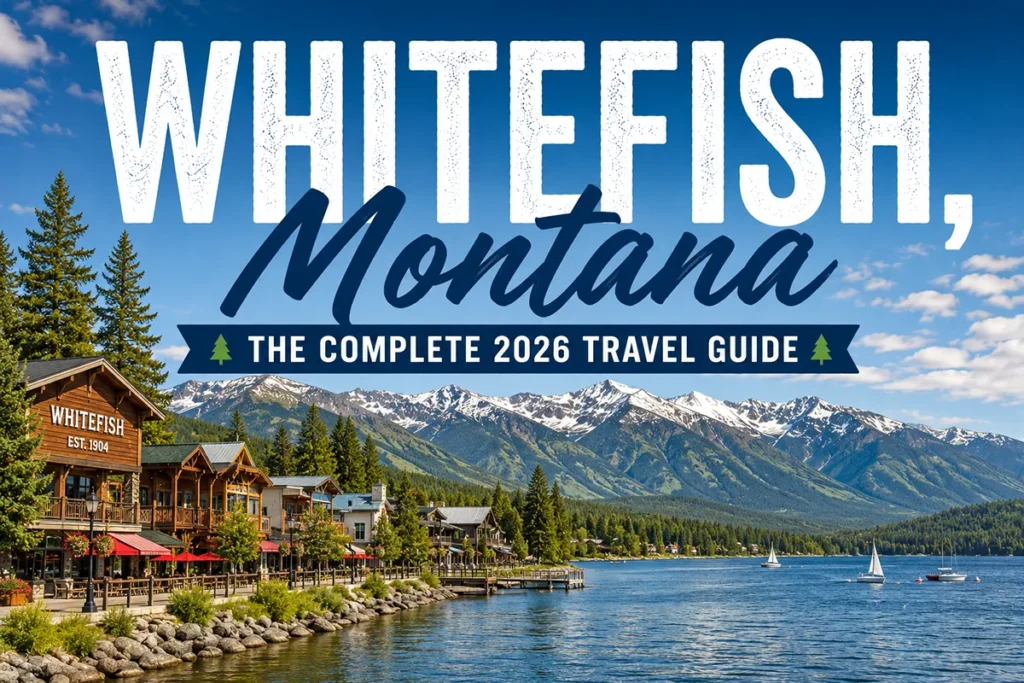
Montana’s most charming resort town, 30 miles from Glacier’s west entrance. Downtown is walkable, the restaurants punch above their weight, the lake is clean and swimmable, and Whitefish Mountain Resort runs activities year-round.
July prices are steep but July quality justifies it. Fall is the sweet spot for value and atmosphere. Full city guide available.
19. Raft the Middle Fork of the Flathead
The river that forms Glacier’s southern boundary offers Class III rapids through old-growth forest, with wildlife — ospreys, herons, bears — visible from the water.
Half-day trips (~$70–90) run from outfitters near West Glacier. This is the most accessible whitewater rafting in Montana without sacrificing quality.
20. Ousel Falls, Big Sky
A 90-minute round-trip hike outside Big Sky delivers a 40-foot waterfall and a creek canyon that produces natural mist on warm days. The trail is wide and well-maintained, making it the easiest waterfall payoff in southwest Montana.
For the full Montana waterfall inventory, see my Montana waterfalls guide.
21. Makoshika State Park
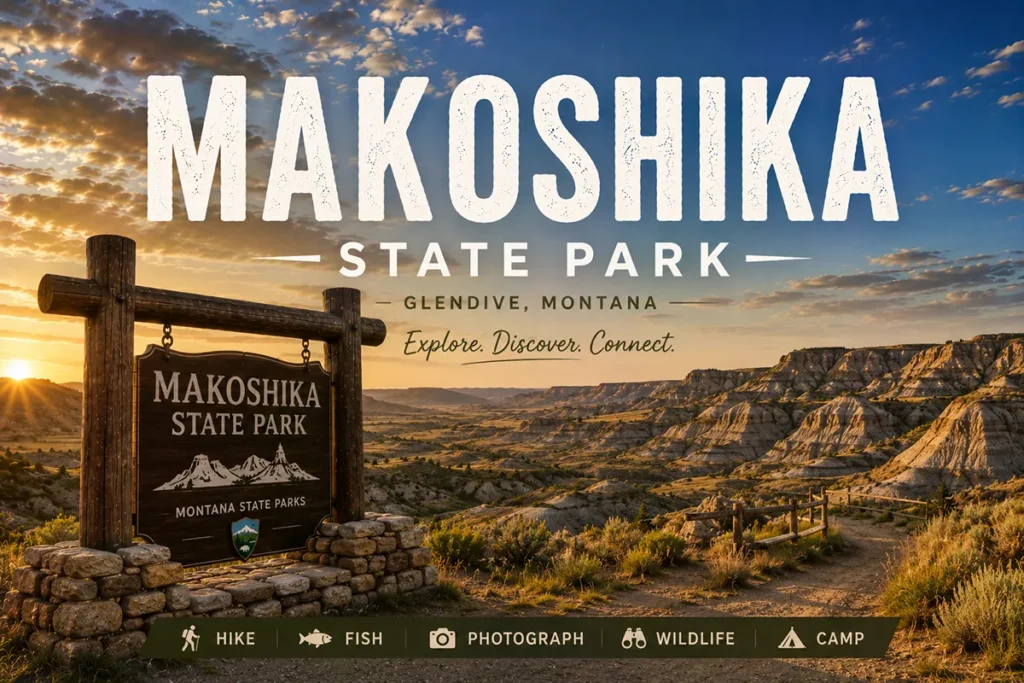
Montana’s largest state park sits outside Glendive in the far east of the state — otherworldly badlands of hoodoos, eroded buttes, and exposed geological layers where dinosaur fossils continue to surface.
I hiked for two hours on a weekday in August and saw no one. The contrast with the crowded western national parks is complete.
Cost: Day use fee
Time: Half to full day
22. Little Bighorn Battlefield National Monument
The site of the June 25–26, 1876 battle between the 7th U.S. Cavalry and Lakota, Northern Cheyenne, and Arapaho warriors. Gravestone markers dot the hillsides where soldiers and warriors fell.
The Indian Memorial, added in 2003, provides perspectives that were absent from earlier interpretations. Ranger-led tours provide the most complete historical context.
Cost: $35/vehicle (part of National Parks pass)
Time: 2–3 hours
23. Pictograph Cave State Park, Billings
Three caves southeast of Billings preserve rock art dated to approximately 2,000 years ago, painted by prehistoric peoples who hunted the Yellowstone Valley.
The paved loop trail is easy, the interpretive signage is excellent, and the 30-minute visit consistently exceeds expectations for travelers who treat it as a quick stop.
24. Montana Hot Springs Beyond Chico
Montana’s geothermal landscape extends well beyond Chico’s famous pool. Lolo Hot Springs outside Missoula offers resort facilities on the historic Lewis and Clark Trail.
Elkhorn Hot Springs near Polaris combines mineral pools with ghost town exploration at 7,400 feet.
See my Montana hot springs guide for the complete state inventory.
25. Last Chance Gulch, Helena
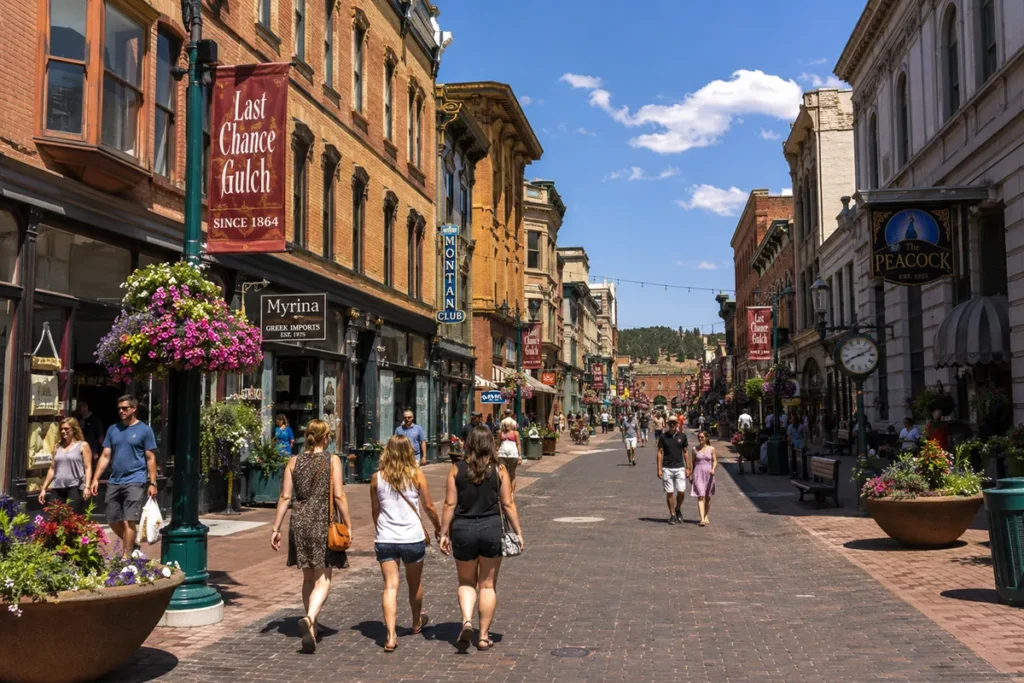
Helena’s pedestrian mall runs the length of the 1864 gold strike that founded the city. The 19th-century architecture, Reeder’s Alley, the Cathedral of St. Helena, and the Montana Heritage Center (opened 2025) make Helena one of the most historically rich days in Montana.
Full guide at things to do in Helena.
26. Virginia City & Nevada City
Two adjacent ghost towns in the Madison Valley — Virginia City was Montana’s second territorial capital, Nevada City its sister settlement.
Several buildings have been restored as operating museums and shops; the narrow-gauge railroad connecting them still runs.
Walking Main Street at dusk, when the day tourists have left, is one of Montana’s most evocative experiences.
27. M Trail, Missoula
The hike to the concrete “M” on Mount Sentinel above the University of Montana campus takes 30–45 minutes and delivers a panoramic view of the Clark Fork River valley, the Rattlesnake Wilderness, and five converging valleys. The best quick-turnaround viewpoint in any Montana city.
Activities 28–33: What Most Montana Guides Miss
These six experiences appear in the top-10 SERP results for “things to do in Montana” but are missing from most travel blogs — including, until now, this one.
28. Follow the Montana Dinosaur Trail ⭐
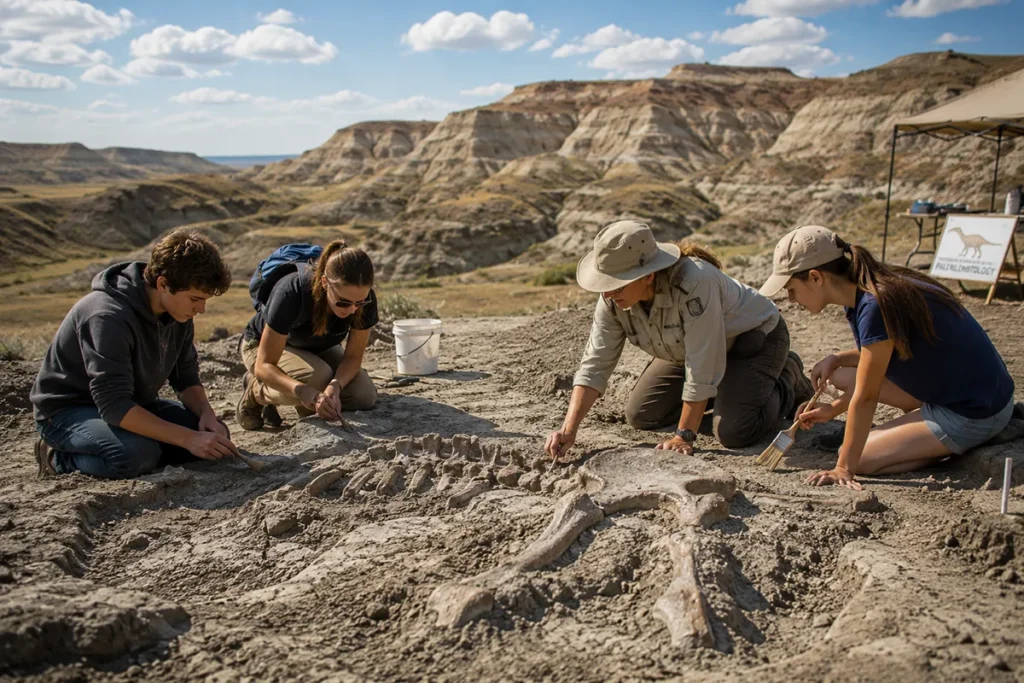
Montana is one of the most significant dinosaur fossil states in the world — the Hell Creek Formation in the northeast has yielded more T. rex specimens than anywhere else on Earth.
The Montana Dinosaur Trail links 14 sites across the state: museums, active dig sites, field stations, and natural history centers where you can get genuinely close to real science.
The Prehistoric Passport ($5) gives you a stamp at each site, space for field notes, and information about each stop.
The trail spans from the Carter County Museum in Ekalaka to the Museum of the Rockies in Bozeman, with sites at Great Falls, Malta, Jordan, Glasgow, Choteau, and more. You can do the entire trail as a dedicated road trip (7–10 days) or hit individual sites as you cross the state.
In 2023, paleontologists discovered the Lokiceratops — a new species of horned dinosaur — in northern Montana, confirming that the state’s fossil record is still yielding major discoveries. For context: T. rex, triceratops, Maiasaura, Pachycephalosaurus, and now Lokiceratops all came from Montana’s ground.
Standout sites: Great Plains Dinosaur Museum in Malta (real fossil prep visible through lab windows); Carter County Museum in Ekalaka (Montana’s oldest natural history museum); Museum of the Rockies in Bozeman (world-class T. rex collection).
Who this is for: Families with curious kids, anyone interested in natural history, road-trippers crossing eastern Montana who want context for the landscape.
Cost: Varies by site ($free to $20); Prehistoric Passport $5
Time: 1 day to 10 days
29. Visit Wild Horse Island State Park by Boat ⭐
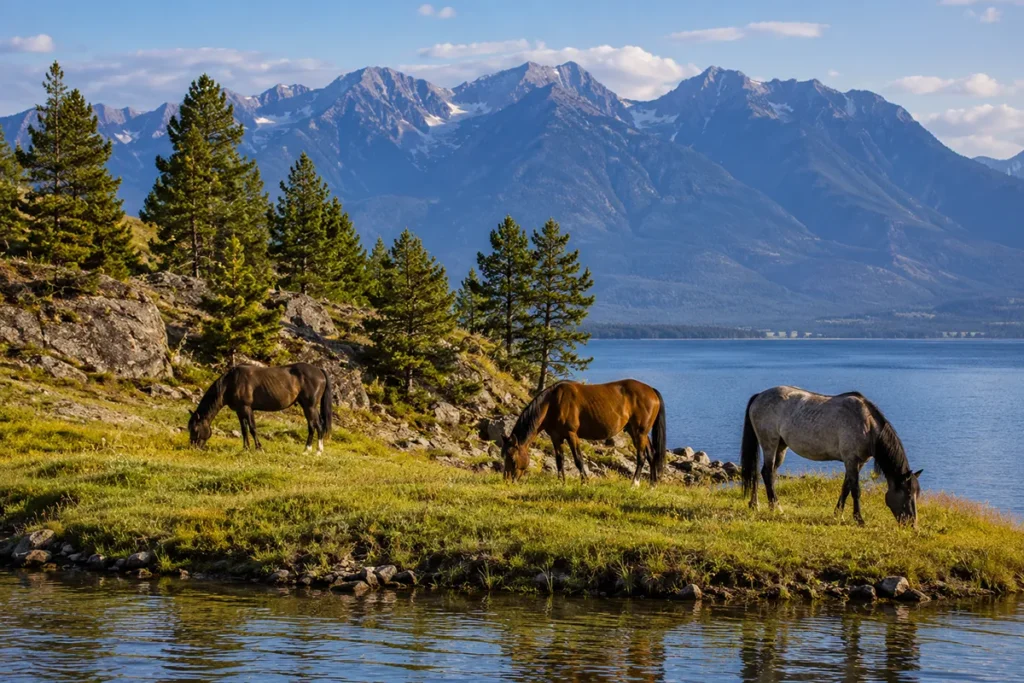
Most Flathead Lake visitors see Wild Horse Island from shore — a wooded island rising from the blue water — and never investigate further. That’s a mistake.
Wild Horse Island is a 2,160-acre state park accessible only by boat, home to a small herd of actual wild horses (descendants of Kootenai tribal horses), bighorn sheep, mule deer, bald eagles, and over 100 bird species. The island has no maintained trails — you hike across open grassland and pine forest to find horses grazing against the lake backdrop and bighorns on the rocky west face.
From Bigfork or Big Arm, boat shuttles run from late spring through summer (~$45/person through outfitters like Big Arm Boat Rentals and Rides). Private boat access is also available with multiple landing spots. Book a shuttle in advance during July and August.
This is my most-underrated Montana recommendation for visitors who’ve done the mainstream attractions. The combination of boats, wild horses, bighorn sheep, and Flathead Lake scenery is genuinely unique in the American West. See my boating in Montana guide for context on Flathead Lake boat access.
Best time: May–September
Cost: ~$45/person shuttle
Time: Half day minimum
30. Hunt Yellowstone TV Show Filming Locations ⭐
The Paramount TV series Yellowstone (and its spinoffs) has driven an enormous wave of tourism to Montana since its 2018 premiere, and for good reason — the actual filming locations are genuinely beautiful and in many cases open to visitors.
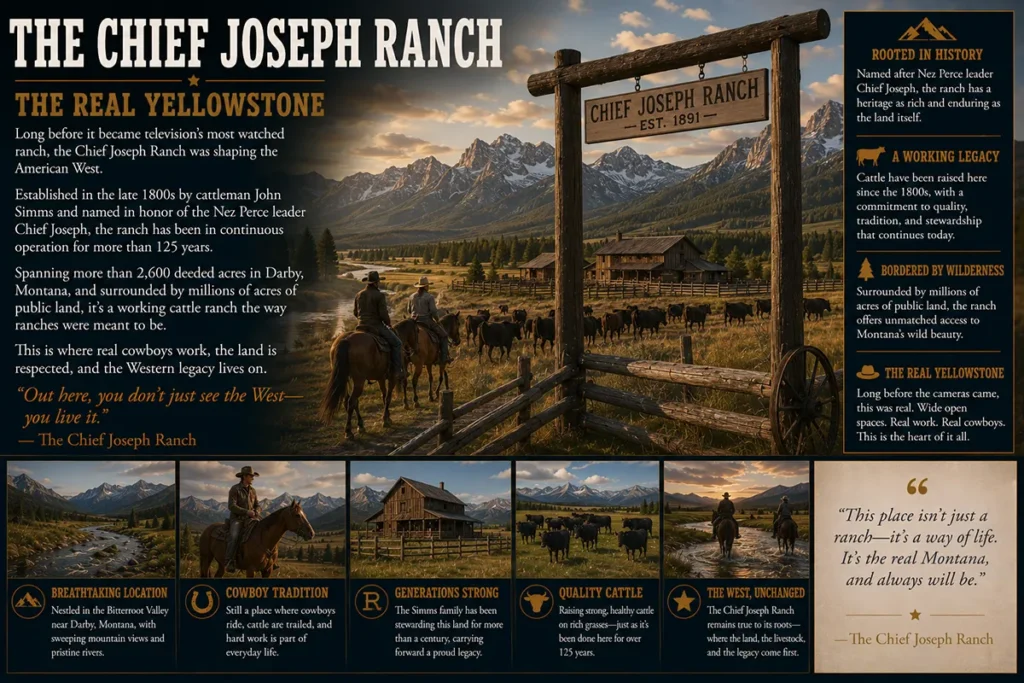
Chief Joseph Ranch near Darby in the Bitterroot Valley serves as the fictional Dutton Ranch headquarters in the show. The ranch offers seasonal tours (booking required) that let you walk the property, see the barn and outbuildings, and understand how a real working Montana ranch operates. It’s become one of the most-visited filming tourism sites in the Mountain West.
Paradise Valley (the stretch of US-89 between Livingston and Gardiner) appears throughout the series. The valley’s landscape — Yellowstone River, Absaroka Range peaks, hay fields, and cattle ranches — looks exactly as it does on screen.
Downtown Missoula and its University District appear in several indoor/bar scenes. Billings and its industrial south side appear in other episodes.
US News Travel calls this out specifically as a top Montana activity for 2026. If you’re a fan of the show or curious about the crossover between landscape and storytelling, building a filming-location day into your Paradise Valley itinerary adds a compelling layer.
Cost: Chief Joseph Ranch tours vary seasonally [verify current pricing]. Driving tours of Paradise Valley are free.
31. Explore Montana’s Craft Brewery Trail ⭐
Montana has over 80 craft breweries — one of the highest per-capita craft brewery densities in the Mountain West — and they’re concentrated in scenic locations that make the drinking secondary to the experience.
Flathead Lake Brewing Company in Bigfork: 16 beers on tap, outdoor patio overlooking the 28-mile lake. The view from the patio alone justifies stopping.
MAP Brewing in Bozeman: Located on the shore of Glen Lake in the Bridger Mountain foothills. Often hosts live music. One of the most atmospheric brewery settings in the state.
Tamarack Brewing Co. in Lakeside: On Flathead Lake’s west shore. The sunset from the patio over the lake is extraordinary.
Western Cider in Missoula: Outdoor patio on the Clark Fork River. The cider skews toward dry, complex styles that serious drinkers appreciate.
Lewis & Clark Brewing Company in Helena: The flagship brewery in the state capital. Named for the obvious reason; the beer is consistently well-executed.
Montana’s taproom laws are distinctively permissive compared to other western states — you can purchase growlers directly from breweries, brewing operations are often visible from the taproom, and live music licensing is straightforward.
See my Montana brewery laws guide for specifics if you’re interested in the regulatory landscape.
Cost: $6–8/pint typically
Time: Build a full brewery day or add individual stops to existing city visits
32. Drive Through the American Prairie Reserve ⭐
In north-central Montana between the Missouri River Breaks and the Little Rocky Mountains, the American Prairie organization is assembling the largest nature reserve in the contiguous United States — targeting over 3 million acres when complete.
Today, approximately 450,000 acres of private land have already been purchased and rewilded alongside adjacent public lands.
What this means practically: you can drive north from Lewistown on Highway 191 through Malta and see bison, pronghorn, elk, swift foxes, burrowing owls, and black-footed ferrets (one of the rarest mammals in North America) across a landscape that’s actively transitioning from agriculture back to native prairie.
The Sun Prairie campsite (one of American Prairie’s primitive camping areas) allows overnight stays in the reserve’s landscape under some of the darkest skies in the continental United States. American Prairie maintains a camping reservations system and educational programming throughout the year.
This is not a polished national park experience — it’s an active conservation project in progress, which makes it more interesting for visitors who want to see what rewilding actually looks like.
GlobalGrasshopper rates it among the top Montana experiences; most Montana travel blogs haven’t caught up. Get there before they do.
Cost: Free to visit; camping reservations required for designated sites
Best time: May–October
33. Ride the Flathead Lake Alpine Coaster ⭐
Montana’s first and only alpine coaster sits near Bigfork on the shores of Flathead Lake — a mountain coaster that sends riders down a hillside on a steel track with views of the lake and surrounding mountains.
It’s TripAdvisor’s second most-booked Montana attraction by traveler bookings, which tells you something about its crowd-draw despite being relatively new.
This is a legitimate family attraction that doesn’t require hiking ability or outdoor experience. Three attractions operate at the same location — the coaster, a climbing wall, and a mountain slide — making it a 2–3 hour stop for families.
See my Montana mountain coaster guide for details on the experience.
Best time: Summer through early fall
Cost: [Verify current rates at the site]
Time: 1–2 hours
Montana Activities by Season
One of the most useful organizational tools that visitmt.com uses and most travel blogs skip: a seasonal breakdown. Here’s exactly when to do what.
Summer (June–August): Peak Access
When everything opens: Going-to-the-Sun Road, alpine trails, Flathead Lake swimming, Montana Dinosaur Trail summer programming, raft tours, Wild Horse Island boat access, Beartooth Highway.
Best summer activities:
- Glacier National Park (drive, hike, boat at Lake McDonald)
- Flathead Lake cherries and boating (late July–August)
- Beartooth Highway (fully open July–September)
- Wild Horse Island day trips
- Montana rodeos (Augusta, Wolf Point, Livingston — all summer)
- Fly fishing (Madison salmon fly hatch in June; Bighorn summer runs)
Summer caveats: Book Glacier vehicle reservations (mandatory late May–early September) the day they become available. Book Glacier park lodging 6–12 months ahead.
For full seasonal planning, see my best time to visit Montana guide.
Fall (September–October): The Insider Season
What’s special: Larch trees turn gold across western Montana in late September — a conifer that loses its needles seasonally, creating forest-wide golden displays unlike anything in the eastern United States. Elk rut begins in September with bugling through mountain valleys. Crowds drop dramatically after Labor Day. Prices follow.
Best fall activities:
- Western larch viewing (Glacier, Bitterroot, Bob Marshall)
- Elk rut watching (Paradise Valley, National Elk Refuge near Jackson WY)
- Hiking (trails less crowded; Going-to-the-Sun Road open through mid-October)
- Montana ghost towns (atmospheric in fall light, sparse visitor pressure)
- American Prairie Reserve (prime wildlife viewing before winter)
Winter (November–March): The Quiet Season
What opens: Big Sky Resort (largest ski area in the US), Whitefish Mountain Resort, Yellowstone snow coach tours, cross-country skiing in Glacier.
Best winter activities:
- Big Sky and Whitefish skiing — see my Montana ski resorts guide
- Yellowstone snow coach tours (wolves, bison in snow)
- Garnet Ghost Town by snowmobile
- Montana hot springs (Chico, Elkhorn, Lolo — all winter-worthy)
Spring (April–May): Wildlife and Wildflowers
What’s happening: Bears emerge from hibernation. Elk calves appear. Rivers run full from snowmelt. Glacier’s Going-to-the-Sun Road doesn’t fully open until late June, but the park’s lower areas are accessible and empty.
Best spring activities:
- Yellowstone wildlife (baby bison, emerging bears, spring waterfowl)
- Fly fishing (rivers run fast; some excellent hatches in May)
- Montana Dinosaur Trail (most sites open April–May)
- Eastern Montana badlands (wildflowers, cool temperatures, zero crowds)
Things to Do in Montana by Traveler Type
TripAdvisor organizes Montana activities by traveler type — this is one of the most practically useful filters for trip planning, and most Montana travel guides don’t do it.
Best Montana Activities for Families
- Museum of the Rockies (Bozeman) — world’s best dinosaur collection; kids go wild
- Grizzly & Wolf Discovery Center (West Yellowstone) — guaranteed grizzly and wolf sightings
- Montana Dinosaur Trail — 14 sites, hands-on fossil programming at several locations
- Flathead Lake Alpine Coaster — mountain coaster near Bigfork; requires no experience
- Yellowstone’s Mammoth Hot Springs — boardwalk, thermal features, always-accessible
- National Bison Range — driving loop, guaranteed bison, easy for all ages
- Lewis and Clark Caverns — cave tour appeals to all ages; clear difficulty level
For the complete family activities guide, see my Montana family attractions guide.
Best Montana Activities for Adventure Seekers
- Highline Trail (Glacier) — exposure, alpine terrain, genuine physical challenge
- Grinnell Glacier hike — long day, demanding, extraordinary payoff
- Middle Fork Flathead rafting — Class III along Glacier’s boundary
- Fly fishing the Gallatin — technical river, demanding water
- Backpacking the Bob Marshall Wilderness — 1.5 million roadless acres
- Beartooth Highway cycling — 68 miles, climbs to 10,947 feet
Best Montana Activities for Couples
- Chico Hot Springs overnight — pool, saloon with live music, Paradise Valley setting
- Whitefish weekend — mountain town, restaurant quality, lake access
- Yellowstone filming location drive — Paradise Valley scenic tour
- Virginia City evening — atmospheric historic district at dusk
- Montana ranch stay — see my Montana ranches guide
Best Free Things to Do in Montana
- Lamar Valley wildlife watching (park pass but no additional fee)
- Beartooth Highway drive (free road)
- Little Bighorn Battlefield walk (free visitor center; fee for road access)
- M Trail, Missoula (completely free)
- American Prairie Reserve drive-through (free public land access)
- Montana ghost town visits (Garnet has a small fee; many free)
Best Montana Activities for History Lovers
- Little Bighorn Battlefield with ranger tour — essential American West history
- Bannack Ghost Town — 1860s territorial capital, over 60 structures
- Virginia City & Nevada City — 1860s–1890s gold rush towns
- Lewis and Clark Caverns — Lewis and Clark history in geological context
- Chief Joseph Ranch tour (Yellowstone filming + real ranching history)
- Montana Heritage Center, Helena — state history museum, opened 2025
Montana’s Unusual and Unexpected Experiences
Atlas Obscura ranks highly for Montana because they cover what most guides skip. Here’s what they’d highlight from my own experience:
Ringing Rocks Park, Butte — A field of boulders that produce musical tones when struck with a hammer. Genuinely strange. Free.
World’s Largest Paddlefish — Glendive’s Makoshika State Park area hosts this roadside oddity. Worth a photo stop.
Berkeley Pit, Butte — A former open-pit copper mine now filled with toxic water that supports a bizarre extremophile ecosystem and occasional flocks of migrating snow geese that die upon landing. The observation stand ($2) delivers industrial scale and environmental consequence in one viewing.
America’s Oldest Chinese Restaurant — Pekin Noodle Parlor in Butte has been continuously operating since 1911 — likely the oldest in the United States. The booths have curtains. Order the noodles.
Polebridge Mercantile — In the North Fork of Flathead Valley near Glacier’s remote northwest corner. No paved road for the last 25 miles. The bakery produces extraordinary pastries and the remoteness is the whole point. Their huckleberry bear claws have a legitimate following.
Giant meditative chakra sculpture — In the Flathead Valley, an enormous outdoor chakra sculpture that has no particular explanation and is entirely worth the detour.
Havre Beneath the Streets — Underground tunnels below downtown Havre where businesses continued operating after a devastating 1904 fire. Guided tours available.
Practical Planning
Getting to Montana
Montana has four main airports: Bozeman (BZN, most connected), Missoula (MSO), Glacier Park/Kalispell (FCA), and Billings (BIL). See my Montana airports guide for current routes.
A car is mandatory. Public transit reaches essentially nothing on this list.
How Long Do You Need?
| Trip Length | What You Can Reasonably Do |
|---|---|
| 3 days | One region (Glacier OR Yellowstone + Paradise Valley) |
| 5 days | Two regions with one long driving day between them |
| 7 days | Glacier + Yellowstone + one city (Bozeman or Missoula) |
| 10+ days | Glacier + Yellowstone + Beartooth + Flathead + 1–2 ghost towns |
What to Book in Advance
- Glacier vehicle reservation (recreation.gov) — book when they open for the season or you won’t get one
- Glacier park lodging — 6–12 months ahead for summer
- Wild Horse Island boat shuttle — 2–4 weeks ahead in summer
- Chief Joseph Ranch tours — seasonal schedule; book online
- Guided fishing trips — 1–2 months ahead in June–August
Essential Gear
- Bear spray (worn accessible, not buried in a pack)
- Layered clothing (Montana temperatures swing 30–40°F in a day)
- Offline maps downloaded before leaving cell service range
- At least a half tank of gas when leaving any town in eastern Montana
For the full seasonal breakdown, see my best time to visit Montana. For guided options across any of these activities, see my Montana guided tours guide.
Explore More Montana Cities
Montana has a lot of ground to cover. Whether you’re building a road trip route or just curious what the next town down the highway has to offer, here are the city guides we’ve put together so far:
- Things to Do in Bozeman, Montana — Montana’s fastest-growing city, with great restaurants, the Museum of the Rockies, and easy access to Gallatin Canyon and Big Sky.
- Things to Do in Livingston, Montana — The original Yellowstone gateway; a fly fishing capital with a surprising arts scene, vintage neon downtown, and the Absaroka Mountains as a backdrop.
- Things to Do in Missoula, Montana — Western Montana’s outdoor playground, where the Clark Fork River flows through downtown and hiking, breweries, art galleries, and live music are all part of daily life.
- Things to Do in Whitefish, Montana — The gateway to Glacier National Park, with a walkable downtown, ski resort access at Whitefish Mountain, and Whitefish Lake on the edge of town.
- Things to Do in Kalispell, Montana — The commercial hub of the Flathead Valley; close to Glacier, Flathead Lake, and some of the best scenic drives in northwest Montana.
- Things to Do in Bigfork, Montana — A small arts village on Flathead Lake that punches above its size with galleries, live theater, and excellent waterfront dining.
- Things to Do in Polson, Montana — Sitting on the southern shore of Flathead Lake, Polson combines lake recreation, cherry orchards, and sweeping views of the Mission Mountains.
- Things to Do in Butte, Montana — One of Montana’s most historically layered cities; mining heritage, Victorian architecture, and a working-class character that’s entirely its own.
- Things to Do in Helena, Montana — Montana’s compact, walkable capital; the state capitol building, Last Chance Gulch, and the Cathedral of Saint Helena are all within easy reach downtown.
- Things to Do in Great Falls, Montana — The Electric City is home to the Missouri River’s famous waterfalls, the Lewis and Clark National Historic Trail Interpretive Center, and an impressive collection of museums.
- Things to Do in Billings, Montana — Montana’s largest city offers a mix of urban amenities, sandstone Rimrocks, vibrant breweries, family attractions, and easy access to nearby state parks and national monuments.
- Things to Do in Dillon, Montana — A quiet southwestern Montana town with serious fly fishing access on the Beaverhead River and a pace that feels far removed from the tourist trail.
- Things to Do in Hamilton, Montana — Nestled in the scenic Bitterroot Valley, Hamilton is known for hiking, fishing, historic downtown charm, and easy access to the Bitterroot Mountains.
- Things to Do in West Yellowstone, Montana — The busiest gateway to Yellowstone National Park, offering wildlife viewing, snowmobiling, museums, and year-round outdoor adventures.
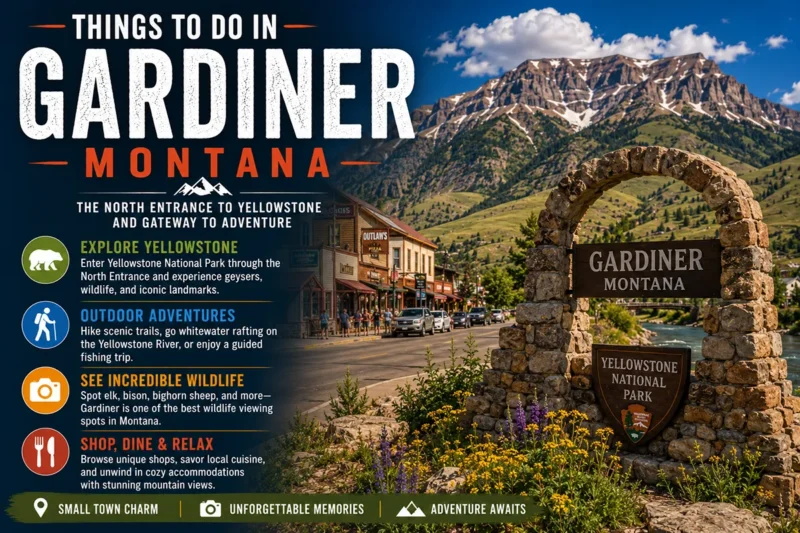
- Things to Do in Gardiner, Montana — Yellowstone’s original entrance town, famous for the Roosevelt Arch, abundant wildlife, river rafting, and quick access to Mammoth Hot Springs.
- Things to Do in Red Lodge, Montana — A charming mountain town at the base of the Beartooth Highway, known for its historic downtown, outdoor recreation, and one of America’s most scenic drives.
- Things to Do in Polebridge, Montana — Glacier’s remote northwest corner; no cell service, no power grid, a legendary bakery, and some of the most untouched backcountry in the park.
- Things to Do in Miles City, Montana — Eastern Montana’s cowboy capital, home to the Bucking Horse Sale and a historic downtown that hasn’t changed much since the cattle drives.
- Things to Do in Havre, Montana — A welcoming Hi-Line community where railroad history, underground tours, and wide-open prairie landscapes showcase a different side of northern Montana.
- Libby, Montana Guide — A timber town in the far northwest tucked along the Kootenai River, with Kootenai Falls and the Cabinet Mountains Wilderness on its doorstep.
Final Thoughts
Montana rewards people who slow down. This isn’t a destination for checking boxes — it’s a place for genuine experience. My best Montana moments have been unplanned: a conversation with a paleontologist in Malta who’d just found something interesting, wild horses appearing from the tree line on Wild Horse Island, a moose in the willows outside Gardiner that materialized from nowhere and disappeared the same way.
Build your list from this guide. Leave half of it undone. Montana always provides a reason to come back.
Ready to start planning? See my Montana trip planning guide and Montana bucket list for the full framework.
Frequently Asked Questions
What are the best things to do in Montana in 2026?
The top Montana experiences for 2026: Drive Going-to-the-Sun Road through Glacier National Park, watch wolves at dawn in Yellowstone’s Lamar Valley, cruise the Beartooth Highway from Red Lodge to the park’s northeast entrance, and soak at Chico Hot Springs in Paradise Valley. New additions for 2026: the Montana Heritage Center in Helena (opened 2025), the Montana Dinosaur Trail’s new fossil discovery programming, and Chief Joseph Ranch tours for Yellowstone TV show fans.
How many days do you need to see Montana?
Minimum 7–10 days for a meaningful trip covering two regions. Montana is the fourth-largest state at 147,000 square miles — Glacier and Yellowstone are 460 miles apart (7–8 hours by car). Three days in any single region is the minimum for depth. Choose one region per trip rather than rushing across the state.
What is the best time to visit Montana?
Mid-July through mid-September for peak access to alpine trails, scenic roads, and outdoor activities. September is my personal preference — crowds thin after Labor Day, fall larch colors begin, elk rut starts, and prices drop 20–30%. For skiing, December through March at Big Sky or Whitefish Mountain Resort. See my best time to visit Montana guide for month-by-month detail.
What is the Montana Dinosaur Trail?
The Montana Dinosaur Trail is a network of 14 sites across the state — museums, field stations, and active dig sites — showcasing Montana’s exceptional paleontological record. Montana has produced more T. rex specimens than anywhere else on Earth, and the trail lets visitors get close to real fossil preparation labs, active dig sites where visitors can participate, and world-class fossil collections. A Prehistoric Passport ($5) tracks your visits with stamps at each site. The trail spans from Bozeman to Ekalaka, with major stops in Malta, Jordan, Glasgow, Choteau, and Great Falls.
What are the best free things to do in Montana?
Top free activities: Driving the Beartooth Highway (US-212 from Red Lodge), wildlife watching in Yellowstone’s Lamar Valley (park pass required but no additional fee), hiking the M Trail in Missoula, exploring the American Prairie Reserve by car, and driving any Montana scenic byway. Montana’s state parks charge small day-use fees ($6–10) but many trailheads and viewpoints on national forest land are completely free. Glacier’s Going-to-the-Sun Road requires a vehicle reservation (free) and park pass ($35/vehicle for 7 days).
What is Montana most known for?
Montana is most known for Glacier National Park (the “Crown of the Continent”), Yellowstone National Park’s northern reaches and wildlife viewing in the Lamar Valley, the Beartooth Highway, fly fishing rivers (Madison, Gallatin, Blackfoot, Missouri), ghost towns from the gold rush era (Bannack, Garnet, Virginia City), hot springs (Chico, Lolo, Elkhorn), and since 2018, as the filming location for the Yellowstone TV series.
Are there things to do in Montana in winter?
Yes — Montana has a strong winter activity base. Big Sky Resort (largest ski area in the US by acreage) and Whitefish Mountain Resort offer world-class skiing and snowboarding. Yellowstone snow coach tours provide a completely different park experience with wolves and bison visible against winter landscapes. Garnet Ghost Town is accessible by snowmobile. Montana’s hot springs are at their most atmospheric in winter. See my Montana ski resorts guide.
What are unusual things to do in Montana?
Montana’s most unusual experiences: the Ringing Rocks near Butte (boulders that produce musical tones when struck), the Berkeley Pit in Butte (toxic former copper mine with extremophile ecosystems and an observation platform), Pekin Noodle Parlor in Butte (America’s oldest continuously-operating Chinese restaurant since 1911), Havre Beneath the Streets (underground tunnels from an 1904 fire), and Wild Horse Island State Park on Flathead Lake (boat-only access, actual wild horses).