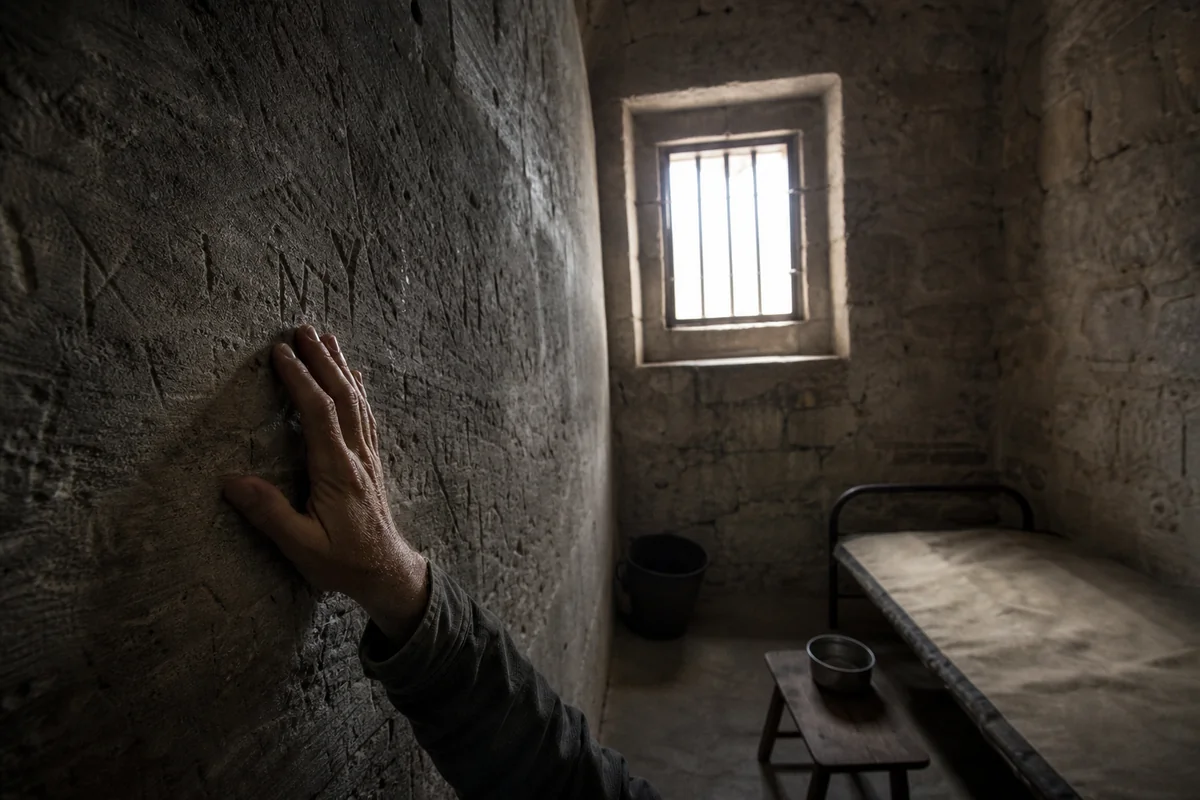
Standing inside a cramped stone cell at the Old Montana Prison in Deer Lodge, I ran my fingers across initials carved into the wall—initials left by a man who spent 47 years within these walls for a crime he likely didn’t commit.
That moment changed how I think about Montana history—it’s not just about pioneers and gold strikes; it’s about the people who fell through society’s cracks and the institutions built to contain them.
- The Old Montana Prison in Deer Lodge operated from 1871 to 1979 and is now a fascinating museum complex open to visitors
- Montana’s prison history reflects broader themes of frontier justice, territorial expansion, and evolving views on incarceration
- Self-guided and guided tours available year-round, with the best experience during summer months
- Allow 3-4 hours minimum; the site includes multiple museums beyond just the prison
- The current Montana State Prison operates nearby but isn’t open for public tours
- Combine your visit with nearby Powell County attractions for a full day trip

Montana’s prison history runs surprisingly deep—deeper than most visitors expect from a state that didn’t achieve statehood until 1889. When I first started researching this topic for a planned trip, I assumed I’d find a small frontier jail and maybe some interesting stories.
What I discovered was a complex narrative that intersects with the Roaming Montanald Rush, territorial politics, and some of the most dramatic prison breaks in American history.
Liked this article?
Add Roaming Montana as a preferred source so you see more of our articles and guides on Google.
The Birth of Incarceration in Montana Territory
Before there was a formal prison system, Montana dealt with lawbreakers the way most frontier territories did—through vigilante justice, impromptu hangings, and makeshift holding cells.
During my research at the Montana Historical Society in Helena, I pored over records from the 1860s that paint a picture of chaotic, often brutal frontier “justice.”
The discovery of gold in 1862 transformed Montana almost overnight. Suddenly, you had thousands of prospectors, merchants, and—inevitably—criminals flooding into the territory. Local sheriffs simply couldn’t handle the influx.
Virginia City and Bannack, the early territorial capitals, saw some of the most infamous vigilante activity in the American West. The Montana Vigilantes hanged at least 21 men in 1864 alone, including Sheriff Henry Plummer, who they believed was leading a gang of road agents.
This lawless period created urgent demand for a proper penal institution. By 1867, territorial legislators were actively debating where to build Montana’s first prison.
Why Deer Lodge Won the Prison
The decision to place Montana’s territorial prison in Deer Lodge wasn’t random. When I visited the Powell County Museum last fall, the curator explained the political maneuvering that went into the choice.
Deer Lodge sat at the crossroads of major travel routes through the territory. It had an established community, unlike many boom-and-bust mining camps. The valley’s agricultural potential meant the prison could eventually become self-sustaining through inmate labor.
Construction began in 1869 using locally quarried granite. The first inmates—transferred from a cramped facility in Virginia City—arrived in 1871.
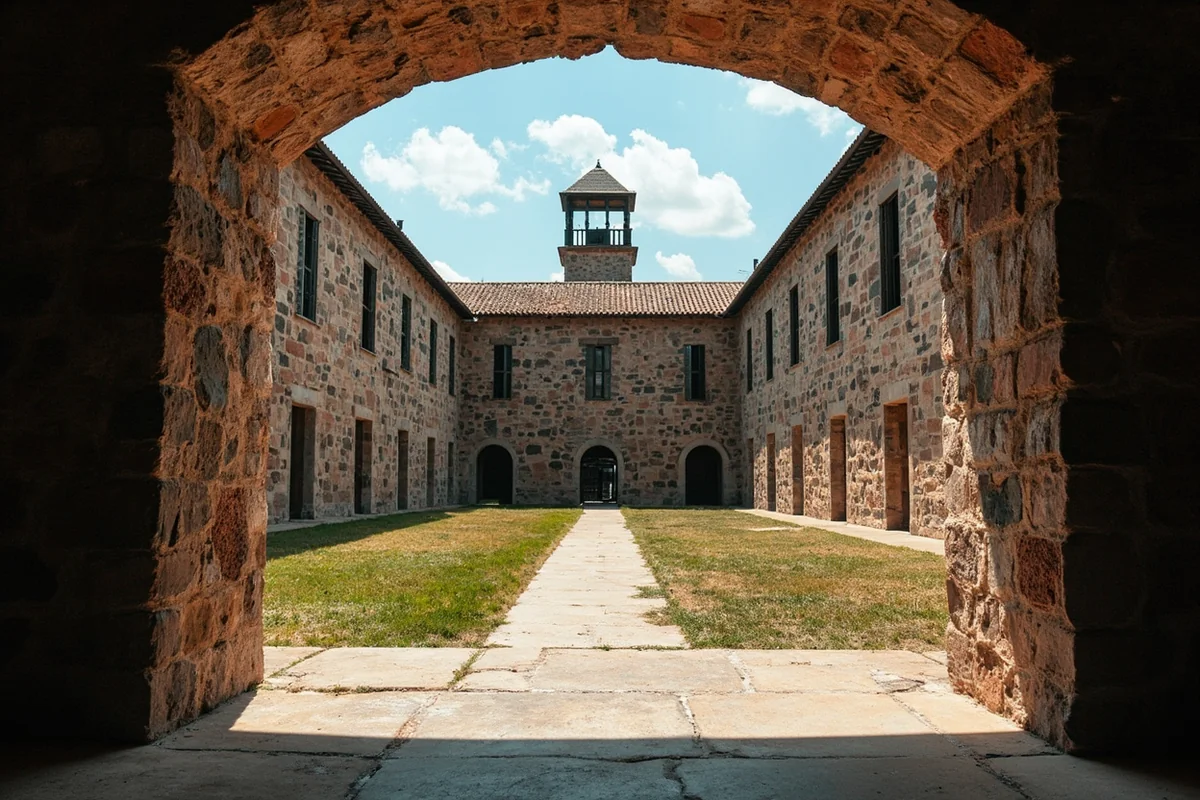
I’ve toured prisons and historical detention facilities across the country, and the original cell house in Deer Lodge is among the most architecturally imposing I’ve encountered. The walls are three feet thick in places, built to withstand both escape attempts and the harsh Montana winters.
Exploring the Old Montana Prison Complex Today
During my most recent trip to Deer Lodge in late summer, I spent an entire day at the Old Montana Prison complex. Here’s what you need to know before visiting.
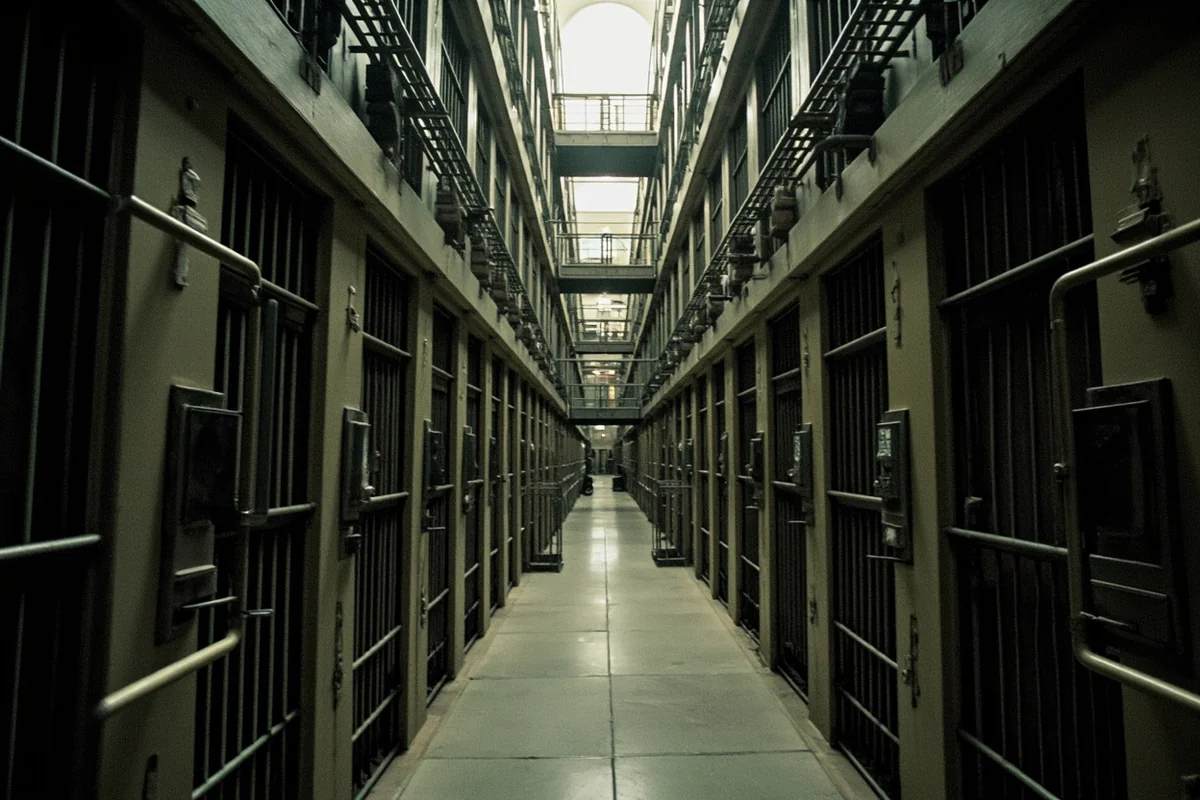
The prison closed in 1979 when inmates transferred to a new facility just up the road. Rather than demolish the historic structure, Powell County and various preservation groups transformed it into a museum that opened to the public in 1980.
Today, the complex encompasses far more than just the prison. You’re actually purchasing admission to multiple museums, which I didn’t fully appreciate until I arrived.
What Your Admission Includes
| Museum | Description | Time Needed |
|---|---|---|
| Old Montana Prison | The main attraction—cell blocks, gallows, solitary confinement | 1.5-2 hours |
| Montana Auto Museum | Impressive collection of vintage vehicles in the old prison workshops | 45-60 minutes |
| Powell County Museum | Local history, including ranching and mining artifacts | 30-45 minutes |
| Frontier Montana Museum | Old West artifacts, firearms, and Native American items | 45-60 minutes |
| Yesterday’s Playthings | Antique doll and toy collection | 20-30 minutes |
I’ll be honest—I initially skipped the Auto Museum, thinking it would be an afterthought. That was a mistake. The collection is genuinely impressive, housed in the old prison license plate shop where inmates once manufactured Montana’s plates.
If you’re interested in how Montana developed its unique automotive culture (ever wondered about the meaning behind Montana’s 406 area code and other state symbols?), this museum provides interesting context.
Self-Guided vs. Guided Tours
You can explore the prison complex on your own, but I strongly recommend the guided tour if one is available during your visit. The guides—several of whom have family connections to former guards or inmates—share stories you won’t find on any placard.
On my guided tour, our docent shared details about Frank Conley, who served as warden for an astonishing 41 years from 1890 to 1921. Conley essentially ran the prison as his personal fiefdom, implementing both progressive reforms and questionable practices.
The guide took us into Maximum Security, pointing out the cell where one particularly violent inmate had lived for nearly a decade. She described the daily routines, the prison’s internal economy, and the complex social hierarchies that developed among inmates.
Notable Inmates and Infamous Events
What makes the Old Montana Prison compelling isn’t just its architecture—it’s the human stories contained within those stone walls. During my visit, I became fascinated by several cases that illuminate different eras of Montana’s history.
Paul Eitner: The Man Who Waited
Paul Eitner arrived at the prison in 1918, convicted of a murder that many historians now believe he didn’t commit. He wouldn’t leave until 1965—47 years later.
Eitner maintained his innocence until his death. When I examined his case file at the Montana Historical Society, the circumstantial nature of the evidence was striking. Yet appeals failed, parole was denied repeatedly, and he simply… waited.
His cell in the main cell block is now part of the tour. Standing there, trying to comprehend half a century within those walls, was one of the most affecting moments of my Montana travels.
The 1959 Riot
On April 16, 1959, the Old Montana Prison exploded into one of the most violent prison riots in American history. Deputy Warden Ted Rothe was killed, and several others were seriously injured.
The riot stemmed from overcrowding and deteriorating conditions. By 1959, a facility designed for around 600 inmates held nearly 900. Tensions had been building for years.
I found newspaper accounts of the riot at the Deer Lodge library. The descriptions of inmates seizing control of the cell blocks, taking hostages, and holding out for days against National Guard troops read like something from a movie.
The riot’s aftermath eventually led to investigations, reforms, and ultimately the decision to build a new, modern facility. Walking through the cell blocks where the violence occurred, you can still see evidence of the chaos—fire damage, repaired walls, and reinforced doors.
This period of Montana history connects to broader social upheavals. If you’re interested in how isolated events shaped the state, the key historical events that defined Montana provide important context.
Escape Attempts and Security Evolution
The prison’s security evolved dramatically over its 108-year operational history. Early escapes were almost comically easy by modern standards.
In 1908, three inmates simply scaled the wall using a ladder they’d constructed in the prison workshop. The guard tower system we see today came largely in response to such escapes.
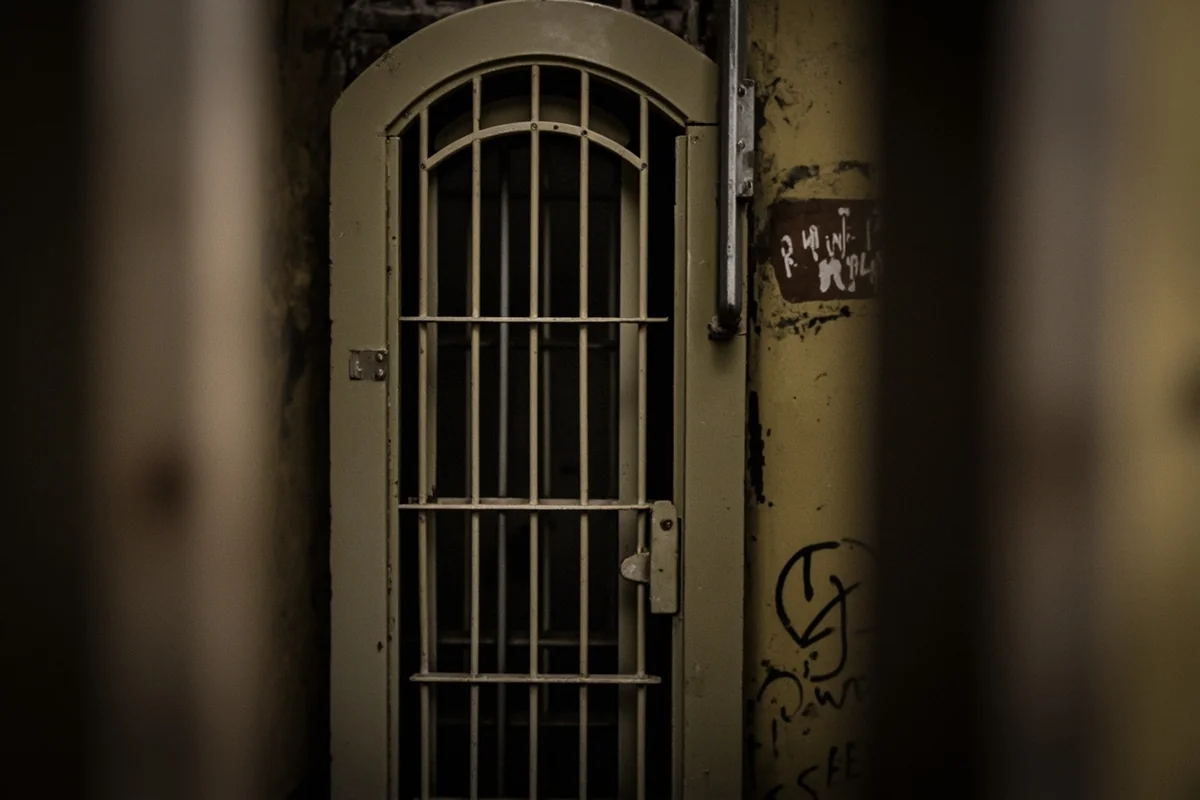
The most ambitious escape attempt came in 1967, when inmates constructed a elaborate tunnel from the prison workshop toward the outer wall. Guards discovered it only feet from completion.
The tunnel discovery led to enhanced searches and restrictions on workshop activities—changes you can learn about on the tour. The guide showed us exactly where the tunnel entrance had been concealed.
The Prison’s Role in Montana’s Economy
One aspect of Montana prison history that surprised me was how economically integrated these institutions became with surrounding communities. This wasn’t just a place of punishment; it was a significant employer and producer.
At its peak, the Old Montana Prison operated several enterprises that competed directly with private businesses—a source of ongoing controversy.
Prison Industries
The prison manufactured license plates for Montana vehicles starting in 1923. This practice continued until the prison’s closure and now operates at the new facility.
But license plates were just the beginning. Prison industries produced:
- Furniture for state offices throughout Montana
- Agricultural products from the prison ranch
- Bricks used in construction across the region
- Clothing and textiles for state institutions
The prison ranch, located several miles from the main facility, is where minimum-security inmates worked the land. During my drive around the Deer Lodge Valley, I passed the still-operational ranch—now associated with the modern prison facility.
This agricultural tradition connects to Montana’s broader ranching heritage. The legacy of Montana’s pioneers included establishing ranching practices that even the prison system adopted.
Impact on Deer Lodge
The relationship between Deer Lodge and its prison has always been complicated. On one hand, the institution provided stable employment in a region where jobs could be scarce. Guard positions offered steady wages and benefits that ranching and mining couldn’t always match.
On the other hand, living in a “prison town” carried stigma. Long-time residents I spoke with during my visit had mixed feelings about the legacy.
“My grandfather worked there for 35 years,” one woman at the local coffee shop told me. “Good job, but people from Butte or Missoula always had something to say about Deer Lodge being a prison town.”
The Modern Montana State Prison
When the old prison closed in 1979, inmates transferred to a modern facility located about a mile away. This new Montana State Prison is still operational and is not open to public tours.
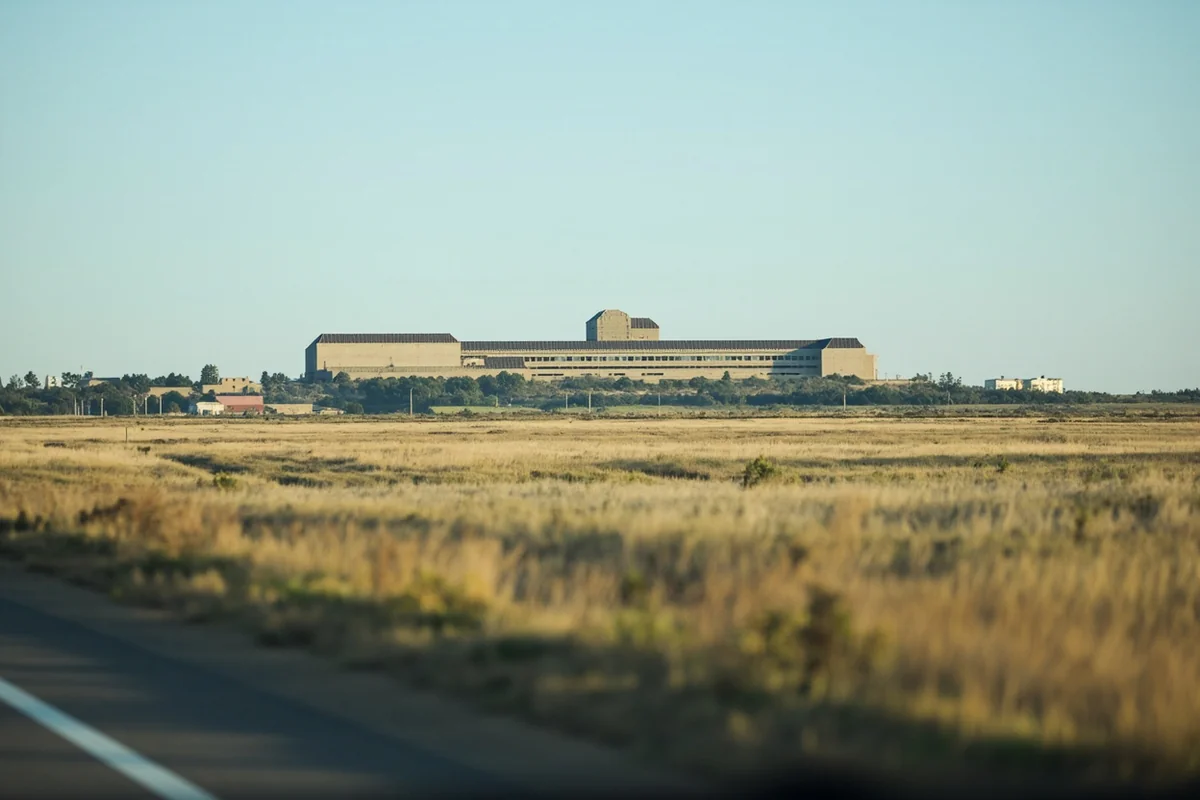
I mention this because several visitors I encountered at the Old Montana Prison were confused about the distinction. They’d seen “Montana State Prison” on their GPS and ended up at the wrong location.
The modern facility houses around 1,500 inmates—far more than the old prison ever did. It’s visible from Interstate 90, but I’d advise against trying to photograph it closely; correctional facilities tend to frown on such attention.
Other Correctional Facilities in Montana
Montana operates several other correctional institutions worth knowing about for historical context:
The Montana Women’s Prison in Billings opened in 1967, finally providing separate facilities for female inmates who had previously been housed in a segregated section of the Deer Lodge facility.
The Crossroads Correctional Center in Shelby, a private prison that operated from 1999 to 2015, represents Montana’s brief experiment with privatized incarceration. Its closure and subsequent reopening as a state-run facility reflects ongoing debates about prison management.
Pine Hills Correctional Facility in Miles City handles juvenile offenders. It’s located in eastern Montana, far from Deer Lodge, but serves an important role in the state’s overall correctional system.
Planning Your Visit to the Old Montana Prison
If I’ve convinced you that Montana’s prison history deserves a spot on your itinerary, here’s the practical information you’ll need.
Getting There
Deer Lodge sits along Interstate 90, roughly equidistant between Missoula and Butte—about 40 miles from either city. The Old Montana Prison complex is impossible to miss; it’s right off the main exit into town.
If you’re coming from Yellowstone, you’ll drive through some spectacular country, including areas affected by historical wildfires. Montana’s fire history has shaped the landscape you’ll see along the way.
From Glacier National Park, plan on about three hours of driving. Consider breaking up the journey with stops in Missoula.
When to Visit
The museum complex operates year-round, but hours vary seasonally:
- Summer (May-September): Daily, 10 AM – 6 PM. This is peak season with the most staff and fullest programming.
- Fall/Spring: Reduced hours, typically 10 AM – 4 PM. Fewer crowds, but also fewer guided tours.
- Winter: Limited days and hours. Call ahead to confirm. The stone buildings are cold—dress warmly.
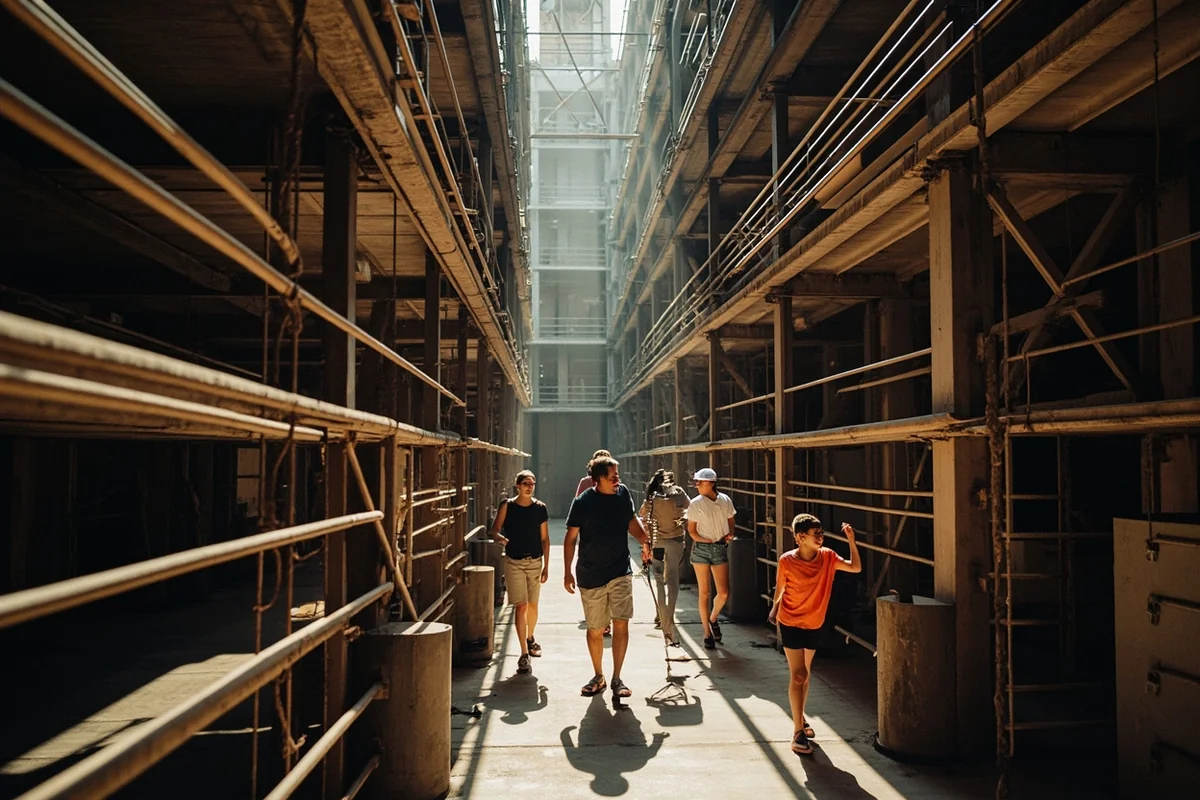
I’ve visited in both summer and fall. Summer offers the complete experience with all museums fully operational. Fall provides a moodier atmosphere with significantly fewer visitors—I had entire cell blocks to myself, which was both peaceful and slightly eerie.
Avoid visiting during Montana’s worst winter periods—the prison isn’t heated, and exploring cold stone cells in subzero temperatures diminishes the experience considerably.
Tickets and Costs
As of my last visit, admission prices were reasonable—around $15 for adults with discounts for seniors, students, and children. Your ticket covers all museums in the complex.
Consider purchasing the combo ticket that includes guided tour access if available. The additional cost is worth it for the enhanced experience.
Photography is allowed throughout the complex, which I appreciated. Flash photography in some areas is restricted to protect artifacts.
What to Bring
Based on my visits, I recommend:
- Comfortable walking shoes—you’ll cover significant distance on uneven surfaces
- Layers—the stone buildings stay cool even in summer
- A flashlight or phone light for exploring darker cells
- Water and snacks, especially with kids—the complex is larger than it appears
- Camera with good low-light capability
Combining Prison History with Other Montana Experiences
Deer Lodge makes an excellent base for exploring several aspects of Montana history beyond the prison.
Grant-Kohrs Ranch National Historic Site
Just minutes from the prison, this National Park Service site preserves one of the largest ranches in Montana history. The contrast between frontier ranch life and prison life during the same era provides fascinating perspective.
I spent a morning at Grant-Kohrs before my afternoon prison visit. The combination illuminated different aspects of late 19th-century Montana life—some people building fortunes while others served time in stone cells.
Philipsburg and Granite Ghost Town
About 30 miles south of Deer Lodge, the charming town of Philipsburg and nearby Granite ghost town showcase Montana’s mining heritage. Some of the men who dug Montana’s mines ended up in Montana’s prison—the connection between economic desperation and crime was real.
Military History Connections
Montana’s military history intersects with its corrections history in interesting ways. During World War II, prisoners at several Montana facilities participated in agricultural work programs to address wartime labor shortages.
If military history interests you, Montana hosts several active installations, and the Montana military bases worth knowing about provide another dimension to the state’s story.
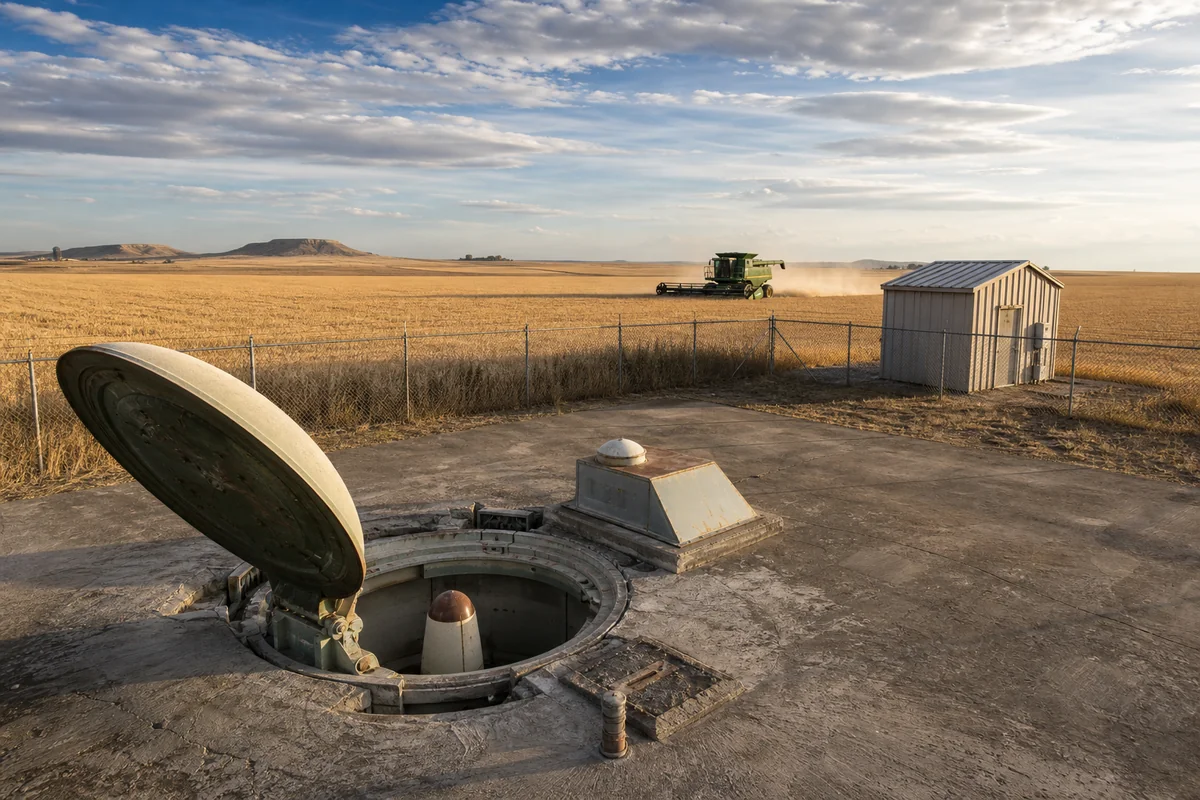
For truly unusual Montana history, the Cold War missile silos scattered across Montana offer another lens into how the federal government utilized Montana’s vast spaces—both for incarceration and national defense.
The Darker Side: Crime and Punishment in Montana
Prison history necessarily involves confronting uncomfortable realities about crime, violence, and society’s response. Montana has faced its share of darkness.
The state’s isolation sometimes attracted individuals seeking to escape attention. Serial killers with Montana connections remind us that even Big Sky Country wasn’t immune to such horrors.
Walking through the maximum security unit at the Old Montana Prison, I couldn’t help wondering about the crimes that landed some men in those cells. The tour guides are respectful but honest about the violent offenders who called this place home.
Understanding Montana’s Correctional Philosophy
What struck me most during my research was how Montana’s approach to corrections evolved alongside broader American attitudes about punishment, rehabilitation, and public safety.
The territorial era emphasized punishment and public spectacle. Executions at the prison were sometimes attended by crowds of observers.
By the Progressive Era, reformers pushed for education and work programs. Frank Conley’s long tenure as warden saw implementation of many such programs—though critics argued he was more interested in profit from prison labor than genuine rehabilitation.
The mid-20th century brought new challenges. Overcrowding, deteriorating facilities, and changing legal standards regarding prisoner rights created tensions that erupted in the 1959 riot.
Today, Montana continues grappling with these issues. The state’s incarceration rate, prison conditions, and recidivism statistics remain topics of ongoing debate.
Resources for Further Exploration
If Montana’s prison history captivates you like it did me, several resources can deepen your understanding:
The Montana Historical Society in Helena maintains extensive archives related to the state’s penal history. Researchers can access inmate records, administrative documents, and historical photographs.
The Powell County Library in Deer Lodge holds newspaper archives and local history collections that provide ground-level perspectives on prison events.
For academic treatment, several university theses and dissertations have examined Montana corrections history. The University of Montana library system provides access to many of these works.
The Old Montana Prison itself sells several books in its gift shop, including accounts written by former guards and descendants of inmates.
Final Thoughts on Visiting Montana’s Prison History
I’ve explored plenty of historical sites across Montana—from Bannack’s ghost town streets to Little Bighorn’s hallowed ground. The Old Montana Prison offers something different: an unflinching look at how frontier society dealt with those who violated its laws.
The experience isn’t comfortable. You’ll read about harsh punishments, see cramped cells, and confront difficult questions about justice, redemption, and human nature.
But that discomfort has value. Understanding how Montana handled crime and punishment illuminates broader patterns in American history—the tension between frontier independence and institutional order, between punishment and rehabilitation, between isolation and reintegration.
Montana’s history encompasses more than stunning landscapes and cowboy mythology. It includes the people who built those stone walls, the people who lived within them, and the communities that grew up around them.
When you stand in that cell at Deer Lodge, running your fingers across initials carved a century ago, you connect with that fuller history. And that connection, however uncomfortable, makes the visit worthwhile.
Whether you’re planning a dedicated history trip or looking for an afternoon side trip during your Montana adventure, the Old Montana Prison deserves serious consideration. It’s not the prettiest story Montana has to tell, but it might be among the most honest.
For those interested in other unusual aspects of Montana’s past—from major earthquakes that reshaped the land to the fascinating underwater history hidden beneath reservoirs—the state offers endless opportunities for discovery.
Even Montana’s culinary heritage tells stories of hardship and adaptation that parallel what you’ll learn at the prison.
And for those curious about Montana’s mysterious side, the secret military installations that dot the state and the very meaning of Montana’s name offer additional layers of intrigue.
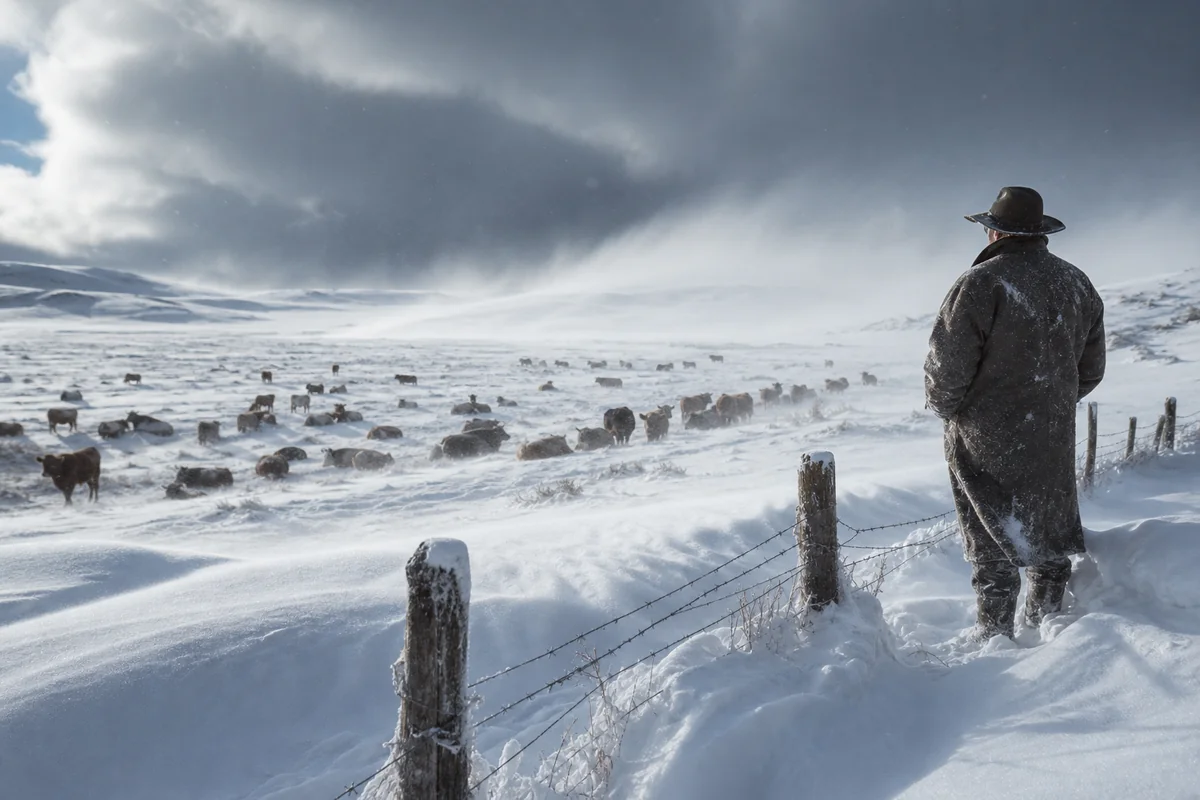
The brutal winter of 1886 that devastated Montana ranching also affected the prison, where inmates endured the cold in poorly insulated cells—another reminder that Montana’s natural forces shaped all aspects of life here, including incarceration.
Plan your visit, take your time, and let Montana’s prison history challenge and enlighten you.
Frequently Asked Questions
Can you tour the Old Montana State Prison in Deer Lodge?
Yes, the Old Montana State Prison in Deer Lodge offers self-guided tours that let you explore the cellblocks, maximum security unit, and gallows where prisoners were executed. I found the experience genuinely eerie and educational, taking about 2 hours to fully explore. Tours run from late May through September, with adult admission around $10-15.
What is the history of Montana State Prison and why was it closed?
The Old Montana State Prison operated from 1871 to 1979, making it one of the oldest prisons in the American West. It housed notorious inmates and witnessed several violent riots before overcrowding and deteriorating conditions forced Montana to build a new facility. The original prison in Deer Lodge is now a fascinating museum complex within the Powell County Museum.
How far is the Old Montana State Prison from popular Montana destinations?
The Old Montana State Prison in Deer Lodge sits about 80 miles southeast of Missoula and roughly 85 miles northwest of Bozeman along Interstate 90. If you’re visiting Glacier National Park, plan for a 200-mile drive south, making it an excellent stop when traveling between Montana’s major attractions.
What should I bring when visiting the Old Montana Prison Museum?
I recommend wearing comfortable walking shoes since you’ll cover a lot of ground on concrete and uneven surfaces throughout the prison complex. Bring a light jacket even in summer because the stone cellblocks stay surprisingly cold. A flashlight enhances the experience in darker areas, and a camera is essential for capturing the haunting architecture.
Is the Old Montana State Prison haunted and are there ghost tours available?
The Old Montana State Prison is considered one of Montana’s most haunted locations, with reports of unexplained sounds and apparitions in the cellblocks and execution chamber. The prison offers special paranormal investigation nights and ghost tours during October, which book up quickly. Even during regular daytime visits, the atmosphere in solitary confinement feels genuinely unsettling.
What other attractions are included with Old Montana Prison admission?
Your ticket to the Old Montana State Prison includes access to four additional museums at the complex: the Montana Auto Museum, Frontier Montana Museum, Yesterday’s Playthings toy and doll museum, and Powell County Museum. This makes the $15 combo ticket excellent value, and most visitors spend 3-4 hours exploring everything. I’d prioritize the prison and auto museum if you’re short on time.
What is the best time of year to visit the Old Montana State Prison?
The best time to visit is late May through early September when the museum operates daily and Montana’s weather is most cooperative for travel. I prefer visiting in September when crowds thin out after summer tourism peaks. Note that the prison museum has limited hours or closes entirely from October through April, so check their schedule before planning a winter trip.
Sources