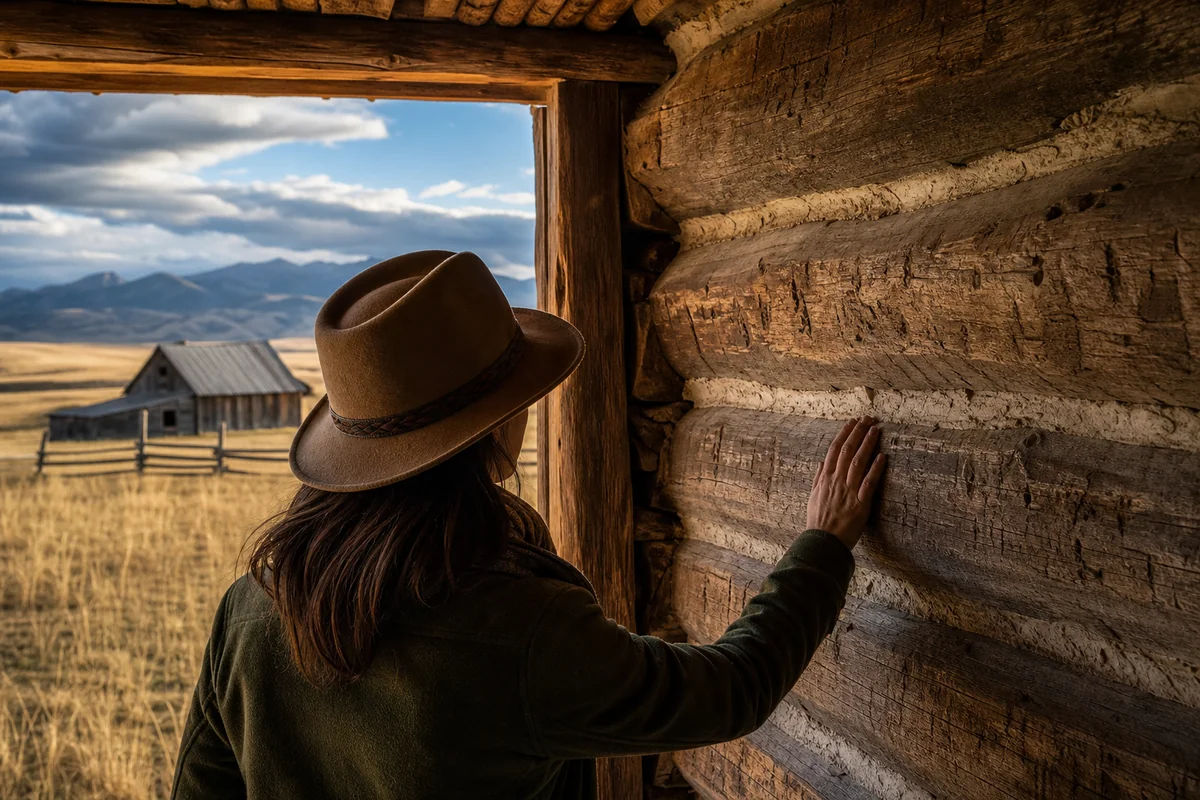
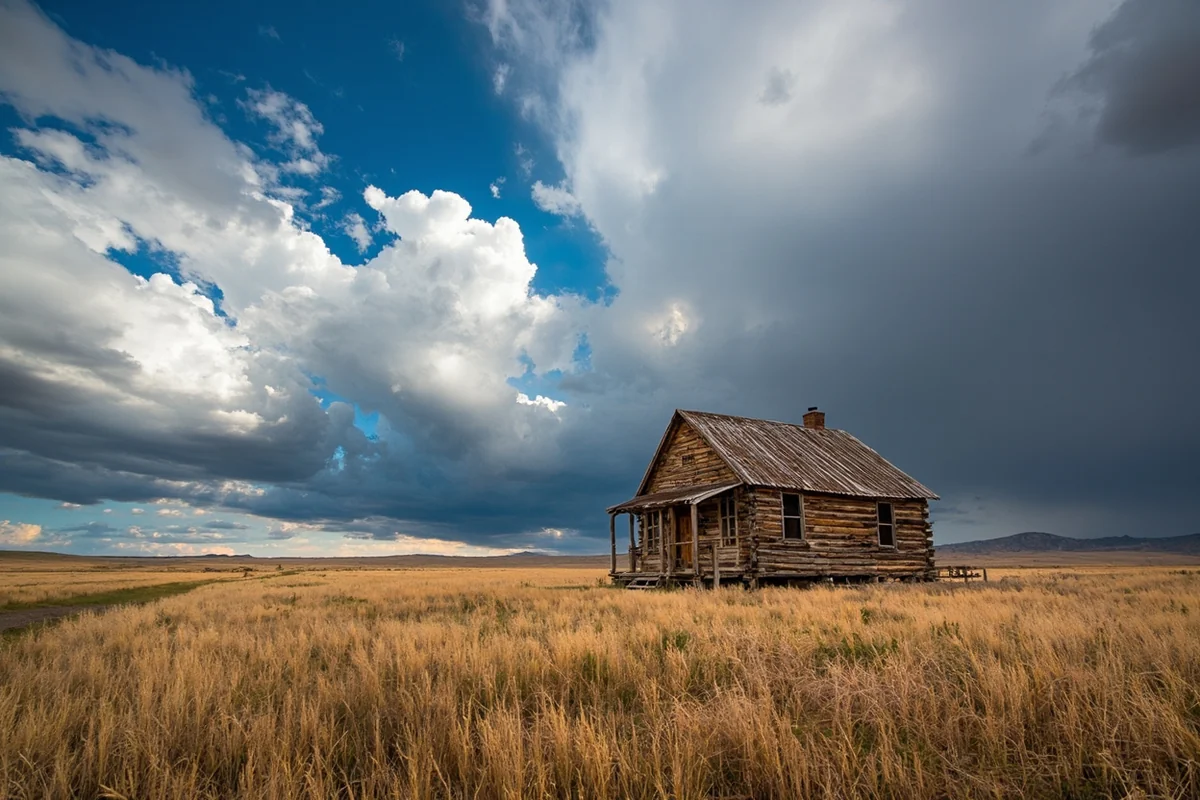
Standing inside a 130-year-old homestead cabin near Lewistown last fall, I ran my hand across axe marks still visible in the hand-hewn logs and felt an overwhelming connection to the families who built their dreams—and endured brutal hardships—on Montana’s unforgiving frontier.
That visceral encounter with pioneer history transformed my understanding of what it took to settle this wild landscape and sparked a journey across the state to find where that legacy still breathes today.
Montana’s pioneer story isn’t just preserved in dusty museum displays; it’s written into the landscape itself, from abandoned homestead foundations scattered across the prairie to thriving ranches that have operated for five generations.
If you’re interested in exploring Montana History, understanding the pioneer legacy gives you the essential foundation for appreciating everything that followed—the gold camps, the railroad towns, the ranching empires, and the communities that still carry frontier values forward.
- Montana’s pioneer era (roughly 1860s-1920) shaped the state’s character, economy, and communities in ways still visible today
- Best preserved pioneer sites include Virginia City, Nevada City, Grant-Kohrs Ranch, and the Moss Mansion
- Spring through fall offers the best visiting conditions, with living history events peaking June-September
- Plan at least 4-5 days to meaningfully explore multiple pioneer heritage sites across the state
- Free or low-cost sites include numerous homestead ruins, cemetery walks, and small-town historical museums
- Combine pioneer history with Montana’s natural beauty—many sites sit in spectacular settings
Liked this article?
Add Roaming Montana as a preferred source so you see more of our articles and guides on Google.
Who Were Montana’s Pioneers?
When I talk about Montana pioneers, I’m not just referring to one wave of settlers but rather multiple overlapping migrations that transformed this territory between the 1860s and 1920. Understanding who these people were and why they came helps modern visitors appreciate the diversity of experiences preserved at heritage sites across the state.
The earliest American pioneers followed the fur trappers who had already spent decades in Montana’s wilderness. These initial settlers arrived during the Roaming Montanald Rush of the 1860s, flooding into mining camps at Bannack, Virginia City, and Helena. Many weren’t traditional “settlers” at all—they were young men chasing quick fortunes, with no intention of putting down roots.
But some stayed. And more importantly, others followed specifically to supply those miners with food, goods, and services.
The Homesteaders: America’s Last Land Rush
The homesteaders who fascinate me most arrived later, primarily between 1909 and 1918, during what historians call the “Montana Homestead Boom.” Congress had expanded the original 160-acre homestead allotment to 320 acres for dry-land farming, and railroad companies marketed Montana’s prairies as agricultural paradise.
I’ve read heartbreaking letters at the Montana Historical Society archives from families who believed those promotional materials. They came from Minnesota, Wisconsin, the Dakotas, and even Scandinavia and Eastern Europe, lured by promises of fertile soil and reliable rainfall.
The reality proved devastating for many. During my visit to the Phillips County Museum in Malta, a local historian showed me photographs of the same landscape during the 1910s boom years—dotted with hundreds of homestead shacks—and today, where only scattered foundations remain. The harsh Montana winter of 1886 had already taught ranchers brutal lessons about the land’s unforgiving nature, lessons homesteaders would learn again in the drought years of the late 1910s.
Ranch Families: The Ones Who Lasted
Between the failed homesteaders and successful ranching families lies a crucial distinction. The pioneers who thrived typically arrived earlier, claimed better-watered land, and adapted their operations to Montana’s actual conditions rather than imported agricultural expectations.
At Grant-Kohrs Ranch National Historic Site near Deer Lodge, I spent an afternoon with a park ranger who explained how Conrad Kohrs built one of the largest cattle operations in North American history. His success wasn’t luck—it was adaptation. He understood the land’s carrying capacity, developed relationships with Indigenous peoples and other ranchers, and diversified his business interests.
These ranching pioneers created the open-range cattle culture that still defines Montana’s identity. When you see working ranches today, many operate on land first claimed by pioneers in the 1870s and 1880s.
Essential Pioneer Heritage Sites to Visit
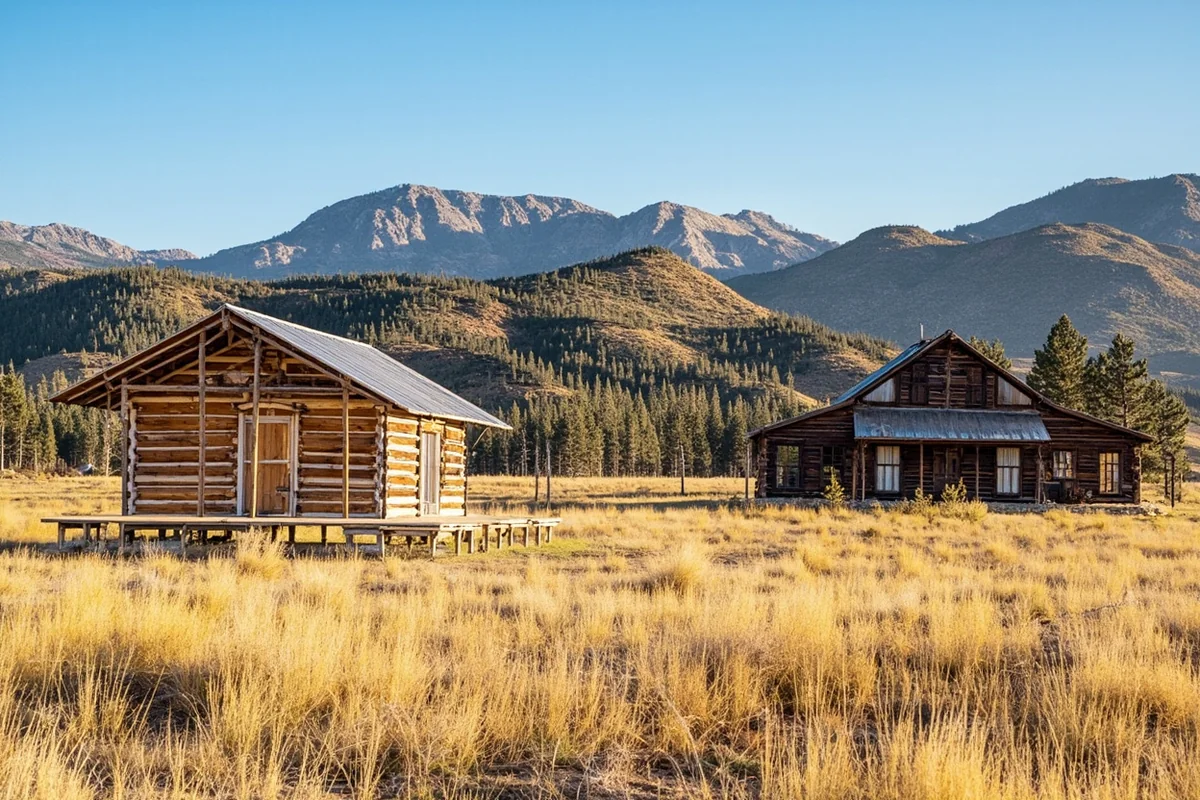
After spending considerable time exploring Montana’s pioneer legacy, I’ve identified sites that offer genuinely meaningful experiences rather than just tourist surface-level encounters. Here’s where I recommend focusing your time.
Virginia City and Nevada City: Frozen in Time
Nothing prepared me for Virginia City the first time I visited. Unlike many “Old West” attractions that feel manufactured, Virginia City is the real thing—an actual 1860s gold mining town where the boom simply ended before residents could tear down and rebuild.
During my most recent trip last August, I wandered the wooden boardwalks early in the morning before the crowds arrived. The commercial buildings along Wallace Street still bear original signs and architectural details. Inside the Wells Fargo building, I examined the original bank vault and weighing scales once used for gold dust transactions.
Nevada City, just a mile and a half down the road, offers a complementary experience. While Virginia City preserves buildings where they originally stood, Nevada City is a collection of historic structures relocated from around Montana to create a living history museum.
The operational Music Hall, with its collection of automated music machines, delighted me in ways I didn’t expect. Watching a 100-year-old orchestrion play itself while standing in a historic building transported me emotionally to an earlier era.
Practical tip: Visit Virginia City on a weekday in late September for the best experience. The summer crowds thin dramatically, but most attractions remain open. The Bale of Hay Saloon serves excellent local beer, and the cookies at the Virginia City Bakery are worth crossing the state for.
Grant-Kohrs Ranch National Historic Site
This is the single best site in Montana for understanding how successful ranching operations functioned during the pioneer era—and it’s completely free to visit.
During my last visit, I joined a ranger-led tour of the main ranch house, where Conrad Kohrs and his wife Augusta built a surprisingly elegant Victorian home in the middle of cattle country. The contrast between the refined interior—complete with Augusta’s prized piano shipped from the East—and the working ranch outside captures something essential about pioneer ambition.
The bunkhouse tells a different story. Walking through the cramped quarters where cowboys slept, I understood the economic realities that made cattle barons wealthy while their workers lived hard, transient lives.
What makes Grant-Kohrs special is that it’s still a working ranch. Rangers maintain a small cattle herd using historic techniques, and during summer months, you can watch demonstrations of blacksmithing, roping, and other ranch skills. I spent nearly four hours there and could have stayed longer.
Moss Mansion in Billings
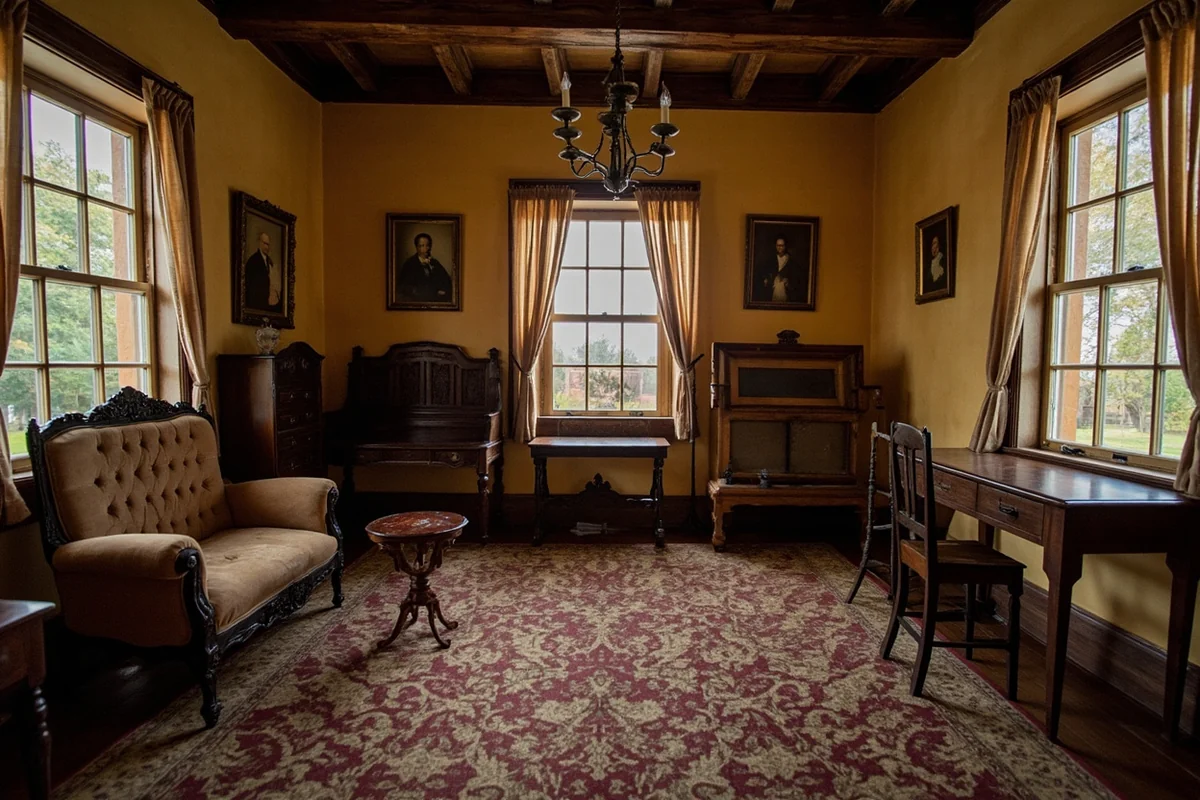
For pioneer luxury, the Moss Mansion reveals how wealth accumulated during Montana’s development era translated into magnificent homes. Preston Boyd Moss made his fortune in banking and real estate during Billings’ growth years, and his 1903 mansion survives essentially unchanged.
I toured the house during December when they decorate for the holidays, and the experience felt like stepping into a time capsule of privileged Edwardian life. Original furniture, wallpapers, and fixtures remain in place—a rarity for historic homes that typically lose their contents over time.
The guided tour (essential—you can’t explore independently) explained how the Moss family represented Montana’s transition from raw frontier to established society. By 1903, the pioneer generation had created enough wealth that their children could live in Eastern-style elegance while still benefiting from Western opportunity.
Homestead Ruins: The Hidden Heritage
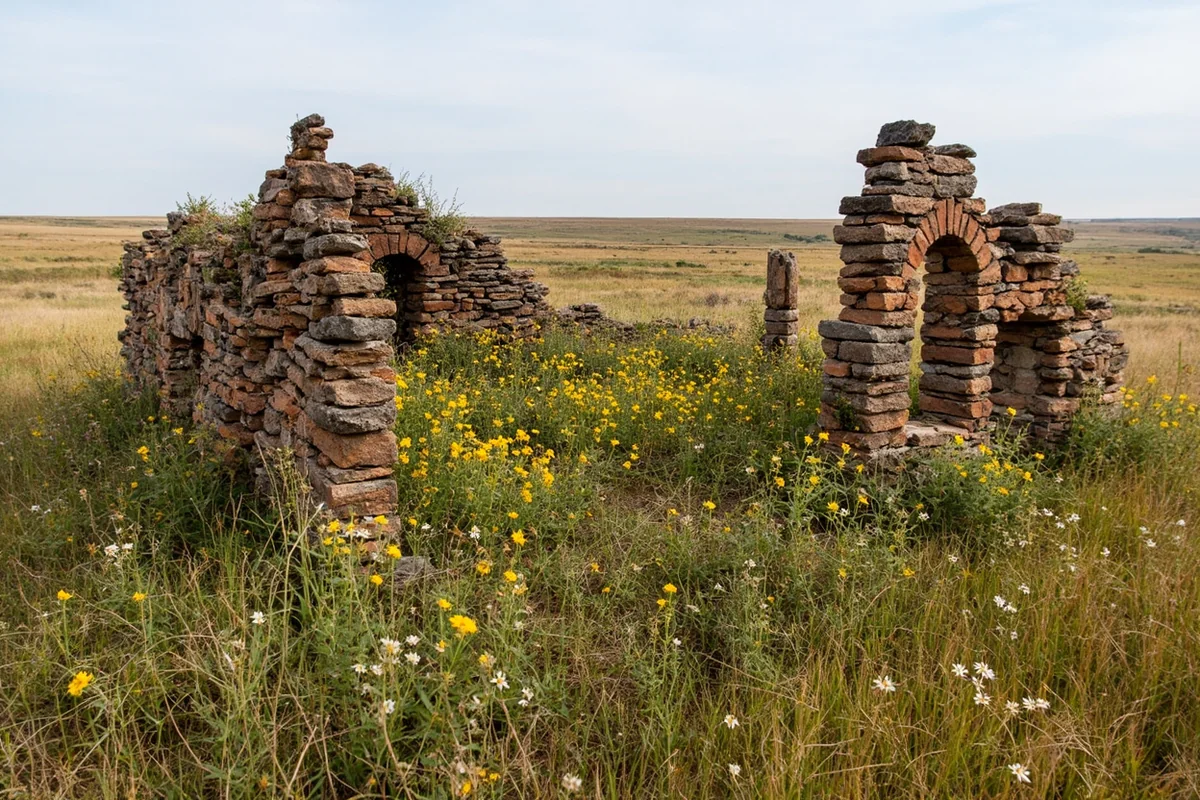
Some of my most profound pioneer experiences happened at sites without visitor centers, admission fees, or even signage. Abandoned homesteads dot Montana’s prairies, silent monuments to dreams that didn’t survive.
In the Hi-Line region east of Havre, I drove miles on gravel roads to find homestead foundations that my friend, a local rancher, had told me about. Standing in what had been a family’s kitchen, surrounded by crumbling stone and weathered wood, I felt the weight of their story—hope, struggle, eventual abandonment.
These sites require research and respect. Many sit on private land, so always get permission. Others lie on BLM land where you’re free to explore. The Montana State Historic Preservation Office maintains records of documented homesteads, though many more exist undocumented.
Important note: Never remove artifacts from homestead sites. What looks like worthless junk may be archaeologically significant, and removal is often illegal. Take only photographs.
| Site | Location | Admission | Time Needed |
|---|---|---|---|
| Virginia City/Nevada City | Southwest Montana | Free (some buildings charge) | 4-6 hours |
| Grant-Kohrs Ranch NHS | Deer Lodge | Free | 2-4 hours |
| Moss Mansion | Billings | ~$15 adults | 1.5 hours |
| World Museum of Mining | Butte | ~$12 adults | 2-3 hours |
| Old Montana Prison | Deer Lodge | ~$15 adults | 2-3 hours |
The Pioneer Experience Beyond Buildings
While historic structures provide tangible connections to pioneer life, I’ve found that understanding the pioneer legacy requires looking at landscape, food, and ongoing cultural practices too.
Landscape Reading: Seeing What Pioneers Saw
One skill I’ve developed through repeated Montana visits is reading the landscape for signs of pioneer activity. Once you know what to look for, evidence appears everywhere.
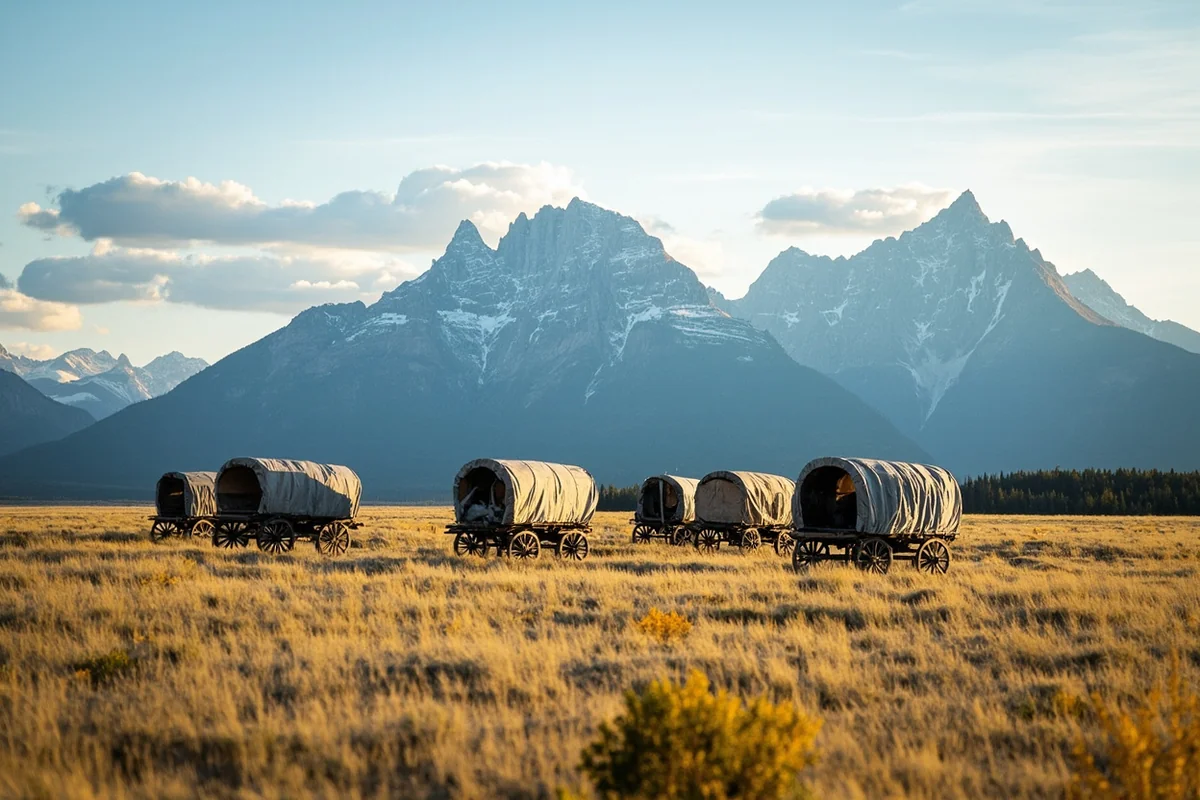
Irrigation ditches cut by hand in the 1880s still carry water to fields along the Yellowstone River. I traced one such ditch near Livingston that appeared on an 1890 survey map, still functioning 130 years later. The engineering knowledge these pioneers brought—or developed through painful trial and error—remains literally inscribed on the land.
Similarly, remnants of the original wagon roads sometimes survive as faint parallel depressions across grasslands, visible when the light hits at certain angles. During an early morning hike in the Bears Paw Mountains last summer, I found myself walking along a trace that maps confirmed as part of the historic freight route between Fort Benton and the gold camps.
These discoveries aren’t guaranteed, but they reward the traveler who looks beyond the obvious.
Food Traditions That Survive
Pioneer foodways didn’t vanish—they evolved into Montana’s contemporary culinary heritage. The emphasis on beef, the tradition of home processing wild game, the reliance on root cellars and preserved foods—all trace directly to pioneer necessity.
At a ranch dinner I attended near Choteau, the hostess served a meal that wouldn’t have been unfamiliar to pioneers: beef raised on the property, vegetables from a garden, bread baked that morning. The continuity struck me as both simple and profound.
In small-town cafes across Montana, I encounter dishes that reflect pioneer-era practicality. Chicken-fried steak, hearty stews, fruit pies made from whatever grows locally—this is food designed to fuel hard physical labor, not impress restaurant critics.
Cemetery Walks: Names on Stone
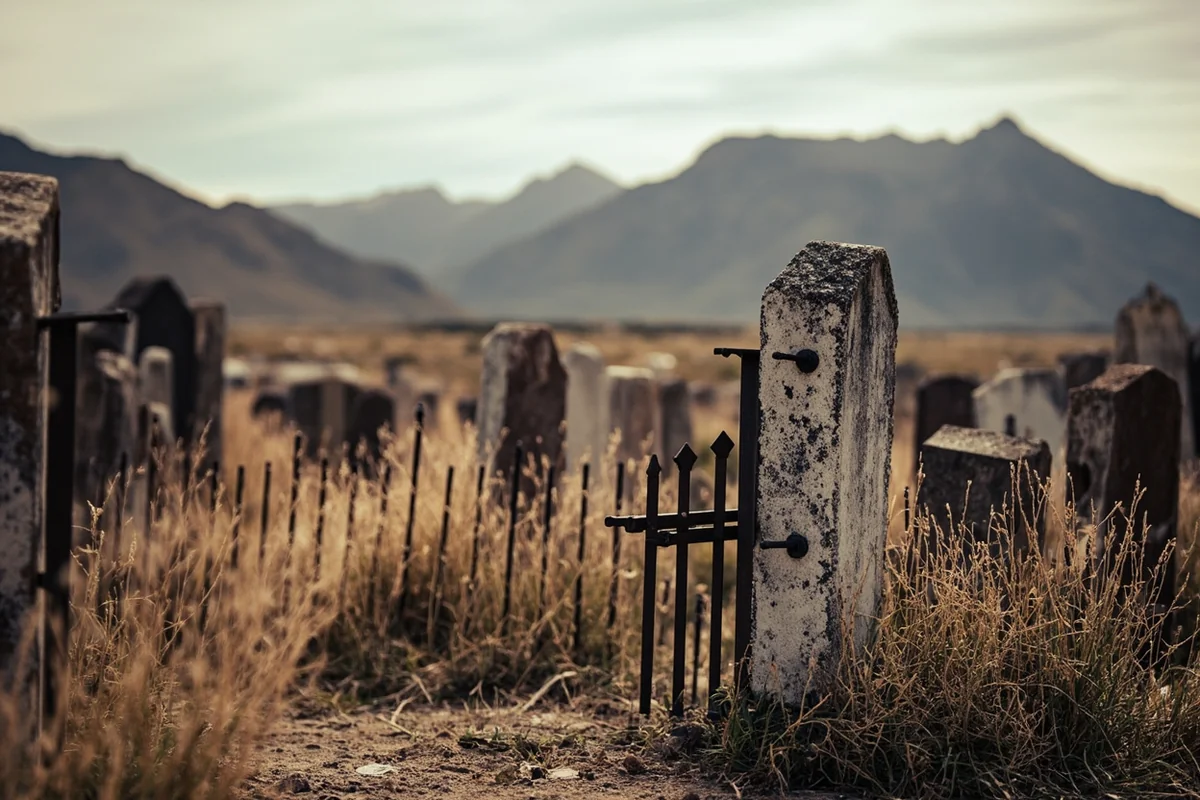
Pioneer cemeteries became an unexpected passion during my Montana travels. These quiet spaces tell stories that historic sites sometimes miss—the children who didn’t survive their first winter, the young wives who died in childbirth, the old men who outlived everyone they’d known.
Forestvale Cemetery in Helena contains graves dating to the territory’s earliest days. Walking among weathered headstones, I found pioneers from Cornwall who came for copper mining, Scandinavian immigrants who tried homesteading, and Chinese workers whose contributions to Montana’s development are often overlooked.
The cemetery at Virginia City includes graves of road agents hanged by vigilantes—a stark reminder that pioneer Montana wasn’t simply noble struggle but also violence, crime, and rough justice. Understanding this complexity matters for appreciating the full pioneer experience.
Planning Your Pioneer Heritage Trip
After multiple trips focused on Montana’s pioneer history, I’ve developed recommendations for making the most of your visit.
Suggested Itineraries
Four-Day Pioneer Sampler:
- Day 1: Fly into Bozeman, drive to Virginia City/Nevada City, overnight in Ennis
- Day 2: Morning in Virginia City, afternoon at Grant-Kohrs Ranch, overnight in Butte
- Day 3: World Museum of Mining, explore Butte’s historic uptown, overnight in Helena
- Day 4: Montana Historical Society, Last Chance Gulch walking tour, fly out
Week-Long Deep Dive:
Add Bannack State Park, Old Montana Prison complex in Deer Lodge, Fort Benton (the “Birthplace of Montana”), and the Museum of the Plains Indian in Browning. This expanded route covers mining, ranching, river commerce, and indigenous perspectives on pioneer-era changes.
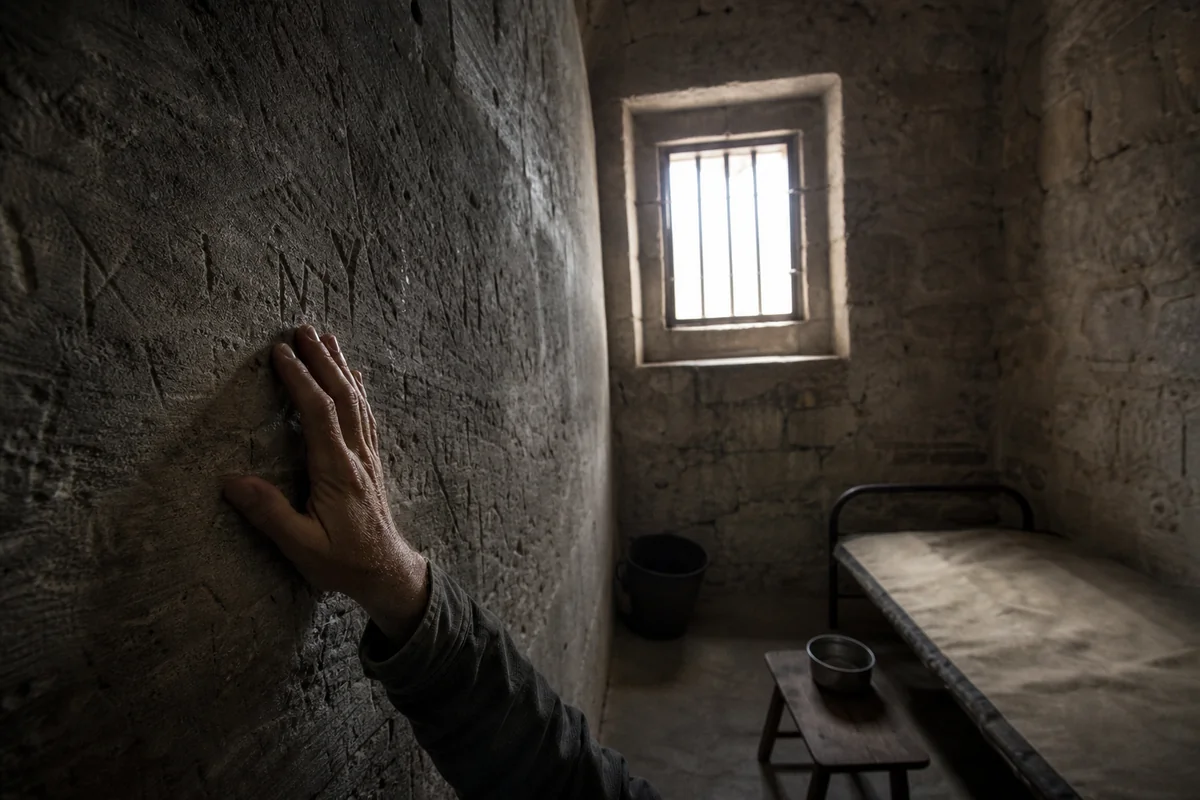
The Montana State Prison at Deer Lodge deserves particular attention. The sandstone walls held some of the West’s most notorious criminals, and touring the cellblocks provides insight into how frontier communities dealt with those who violated pioneer-era laws.
Best Times to Visit
Pioneer heritage sites generally operate seasonally, with full services from Memorial Day through Labor Day. My preference is September, when summer crowds have departed but sites remain open and weather stays mild.
Winter visits are possible but limited. Grant-Kohrs Ranch stays open year-round with reduced hours, and the ranch in snow—cattle huddled against cold, steam rising from their breath—actually captures something authentic about pioneer ranching hardship. The worst winters Montana has experienced shaped pioneer survival strategies that visitors can better appreciate when experiencing even mild cold themselves.
Virginia City largely shuts down from October through May, though the town isn’t gated and you can still walk the boardwalks. The experience is different—no shops open, no guided tours—but there’s something powerful about seeing the town quiet and frozen.
Combining History with Recreation
Pioneer history sites often sit near exceptional natural attractions. I never visit Grant-Kohrs without also hiking in the Pintler Mountains or fishing the Clark Fork River. Virginia City makes an excellent base for exploring the Ruby River valley or accessing Yellowstone’s west entrance.
This combination reflects something true about the pioneer experience itself. These people didn’t settle Montana despite its wild landscape—they settled it because of that wildness and the opportunities it represented.
Understanding Pioneer Impact on Native Peoples
Any honest discussion of Montana’s pioneer legacy must address what pioneer settlement meant for the Indigenous peoples who had lived on this land for thousands of years. During my travels, I’ve sought out sites and perspectives that tell this more complete story.
The Pioneer Days narrative often presents empty land waiting for hardworking settlers. That’s false. Every acre pioneers claimed had been home to Blackfeet, Crow, Salish, Kootenai, Assiniboine, Gros Ventre, or other nations. Understanding pioneer history requires reckoning with this displacement.
At the Museum of the Plains Indian in Browning, I spent an afternoon learning about Blackfeet life before and during the pioneer era. The museum doesn’t shy away from the devastating impacts of reservation confinement, epidemic disease, and forced cultural change that accompanied white settlement.
Similarly, key historical events in Montana like the Baker Massacre of 1870 and the flight of Chief Joseph’s Nez Perce through Montana reveal the violence that accompanied pioneer expansion. These aren’t comfortable stories, but they’re essential for honest understanding.
When visiting pioneer sites, I encourage asking about Indigenous history too. Rangers at Grant-Kohrs Ranch, for instance, can discuss how the cattle industry depended on displacing Native peoples from traditional hunting grounds. This context doesn’t diminish pioneer accomplishments—it places them in fuller, truer perspective.
The Pioneer Legacy Today
What strikes me most after years of exploring Montana’s pioneer history is how present that legacy remains. This isn’t just preserved heritage—it’s living culture.
Ranching Continuity
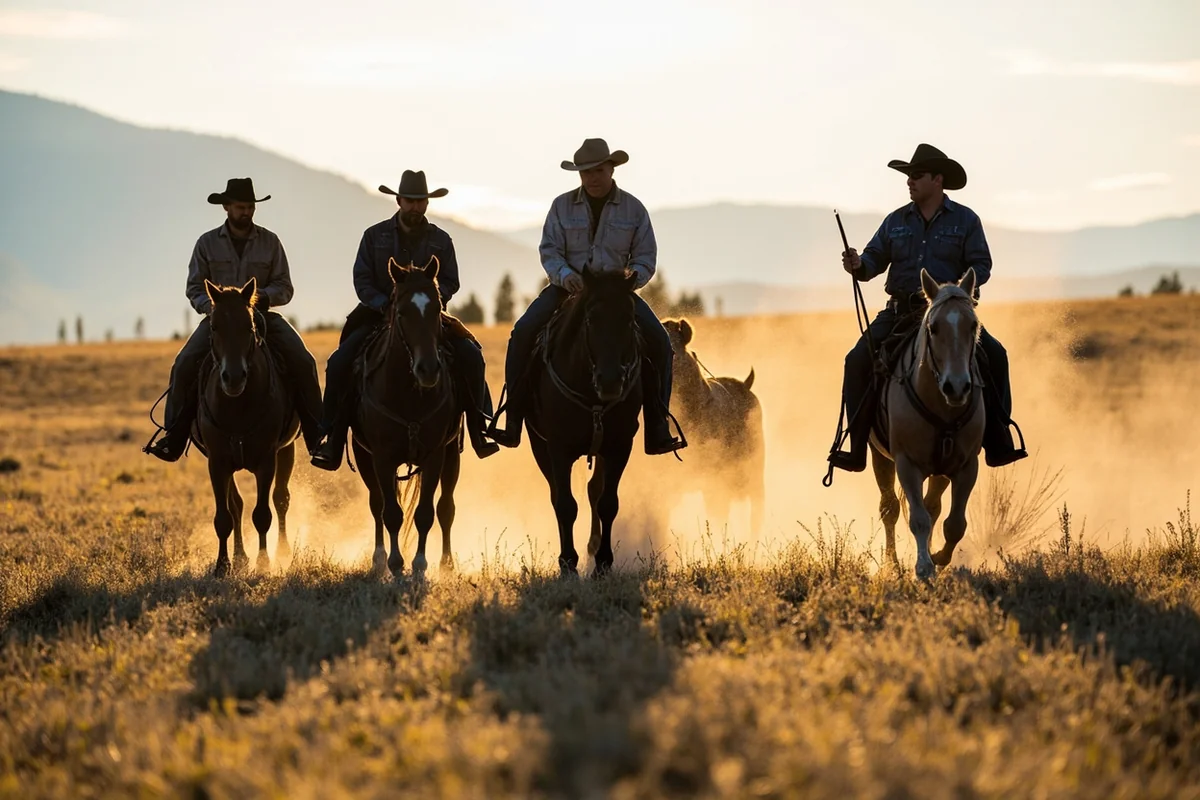
Multi-generational ranch families continue practices their great-great-grandparents would recognize. During branding season each spring, neighbors still gather to help each other, just as pioneers did when the work exceeded any single family’s capacity.
I’ve been fortunate to participate in a branding on a family ranch near White Sulphur Springs. The physical work, the shared meal afterward, the jokes and stories passed between generations—all of it connects directly to pioneer-era community bonds forged through necessity.
These ranching traditions exist alongside modern realities. The same families who brand cattle with irons their ancestors used also monitor pastures with GPS and sell beef via e-commerce. This adaptation echoes pioneer resourcefulness in new forms.
Small-Town Values
In Montana’s small towns, I encounter attitudes that seem directly inherited from pioneer days. Self-reliance. Hospitality to strangers. Suspicion of distant authority. These aren’t stereotypes—they’re observable patterns shaped by historical experience.
When I got a flat tire outside Drummond one evening, a rancher stopped within minutes to help. He refused payment, said helping travelers was just what you did out here. His great-grandfather, homesteading this same ground, would have said the same thing.
This culture explains why Montana’s 406 area code has become a symbol of state identity. The number represents a place where pioneer-era values of independence and community persisted even as America urbanized and standardized.
Land Ethic Evolution
Perhaps most interestingly, Montanans have developed a complex relationship with their pioneer legacy. Many acknowledge that pioneer-era practices—overgrazing, industrial mining, timber clearcutting—damaged landscapes now requiring restoration.
The Clark Fork River, poisoned by Butte’s mining operations during the pioneer era, is now the focus of America’s largest Superfund cleanup. Contemporary Montanans are literally healing wounds their pioneer ancestors inflicted while still honoring those ancestors’ courage and sacrifice.
This nuanced relationship with history seems healthy to me. It’s neither blind celebration nor wholesale rejection but thoughtful reckoning.
Practical Information for Pioneer History Travelers
Where to Stay
For immersive historical atmosphere, consider the Grand Hotel in Big Timber, the Murray Hotel in Livingston, or the historic lodgings in Virginia City. These properties date to the pioneer era and retain period character while offering modern comfort.
Budget travelers will find chain hotels in Bozeman, Helena, and Billings, all positioned for day trips to multiple heritage sites.
Camping puts you even closer to pioneer experience. State parks near historic sites include Lewis and Clark Caverns (between Butte and Bozeman) and Missouri Headwaters, where Lewis and Clark identified the rivers that would guide later pioneers westward.
Getting Around
A car is essential for exploring Montana’s pioneer legacy. Sites spread across vast distances, and public transportation essentially doesn’t exist outside the limited Greyhound network.
From Bozeman, you can reach Virginia City in about 1.5 hours, Grant-Kohrs Ranch in about 1.5 hours, and Butte in about 1.5 hours—making it an ideal base. Helena works well too, with shorter drives to some sites and the added benefit of the Montana Historical Society headquarters.
What to Bring
Pioneer sites often involve walking on uneven terrain, so sturdy shoes matter. Montana’s sun is intense at high elevation—bring sunscreen and a hat. Weather changes quickly; layering makes sense even in summer.
Binoculars enhance landscape reading and wildlife watching. A notebook for recording discoveries keeps observations fresh. And bring an open mind for stories that complicate simple frontier narratives.
Resources for Deeper Learning
Before your trip, I recommend reading *Copper Camp* by the WPA Montana Writers’ Project for Butte’s mining history, *The Great Plains* by Ian Frazier for homesteader context, and *The Big Sky* by A.B. Guthrie Jr. for literary evocation of the pre-pioneer landscape.
The Montana Historical Society’s website offers extensive digital collections, including photographs, oral histories, and documents that provide context for sites you’ll visit.
Beyond the Expected: Unusual Pioneer Sites
After covering the main attractions, let me share some lesser-known sites that have provided memorable experiences.
Fort Benton
This Missouri River town claims the title “Birthplace of Montana” with some justification. Before railroads, all goods and most people entered Montana Territory via steamboat to Fort Benton. The town preserves its levee, trading post ruins, and frontier hotel with impressive authenticity.
During my visit, I walked the levee where thousands of pioneers took their first steps onto Montana soil after arduous river journeys from St. Louis. The museum complex explains the fur trade, military presence, and commercial boom that made this isolated outpost briefly one of the West’s most important places.
Philipsburg
This small silver mining town in the Flint Creek Valley never quite became a ghost town but never quite boomed into a city either. The result is a preserved historic business district where original buildings house working shops, restaurants, and the famous sweet shop drawing visitors from across Montana.
I wandered Philipsburg on a quiet October afternoon, peering into antique shops and admiring false-front commercial buildings. The Granite Ghost Town, accessible by rough road above Philipsburg, offers one of Montana’s most atmospheric mining ruins.
Bannack State Park
Montana’s territorial capital—now preserved as a state park—provides the most complete ghost town experience in the state. Over 60 structures remain, from the stately Meade Hotel to humble miners’ cabins.
I’ve visited Bannack in summer during living history weekends and in autumn when tourist facilities close but the town remains accessible. Both experiences moved me, but the autumn solitude—just me, the buildings, the wind—felt closer to how the town has existed for most of the past century.
Understanding Montana’s darker history enriches Bannack visits. The notorious outlaw Henry Plummer served as sheriff here while allegedly leading a gang of road agents. His execution by vigilantes in 1864 demonstrated the complex relationship between law and violence on the frontier. For those interested in Montana’s complicated past, resources about serial killers with links to Montana and frontier-era violence provide additional context.
Final Thoughts on Montana’s Pioneer Legacy
After years of exploring Montana’s pioneer heritage, I keep returning to that moment in the homestead cabin near Lewistown—running my hand over axe marks made by someone 130 years ago. That direct physical connection to the past affects me in ways that reading history books cannot.
Montana’s pioneer legacy isn’t just one story but thousands. It’s Swedish immigrants breaking prairie sod and Cornish miners tunneling through rock. It’s Chinese railroad workers and African American cowboys. It’s the Native peoples displaced and the descendants who endure. It’s failure and success, hardship and celebration, cruelty and kindness—all the contradictions that constitute human experience.
For travelers willing to look beyond the stereotypes, this legacy rewards deep exploration. The sites, the landscape, and the contemporary Montanans who carry these traditions forward all offer genuine connection to a formative chapter in American history.
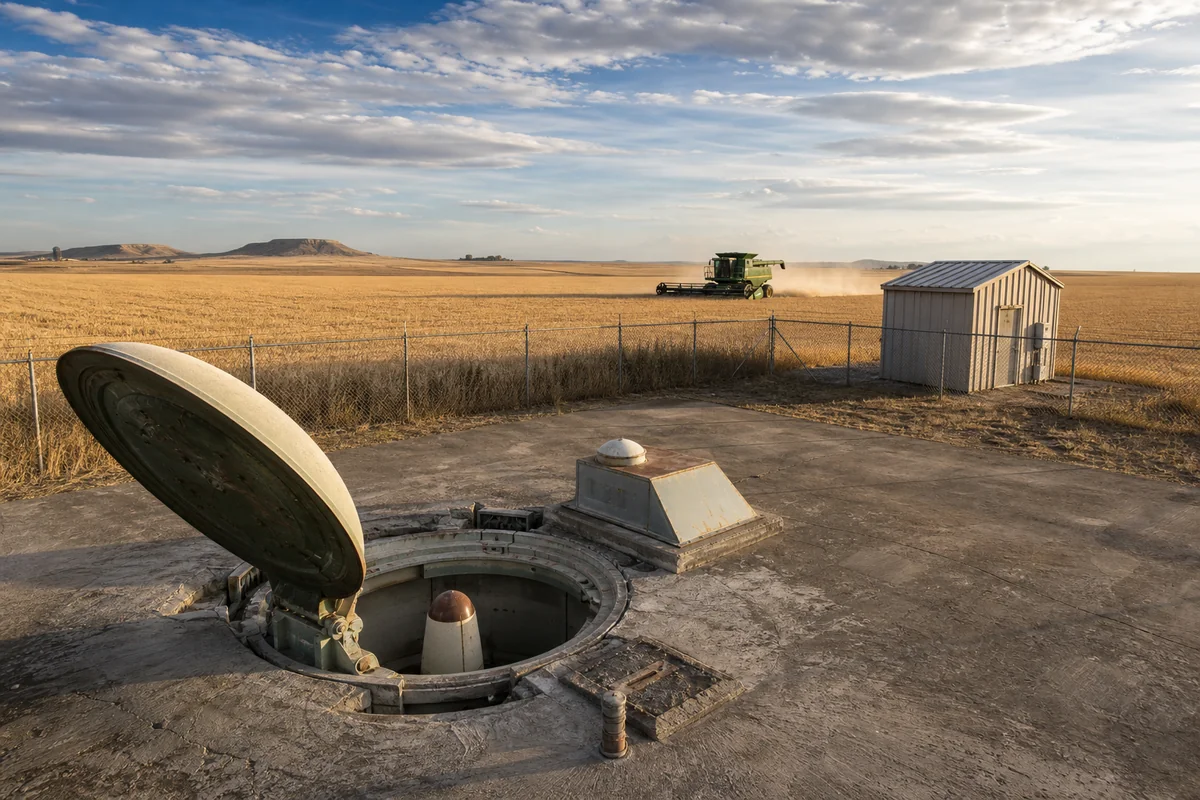
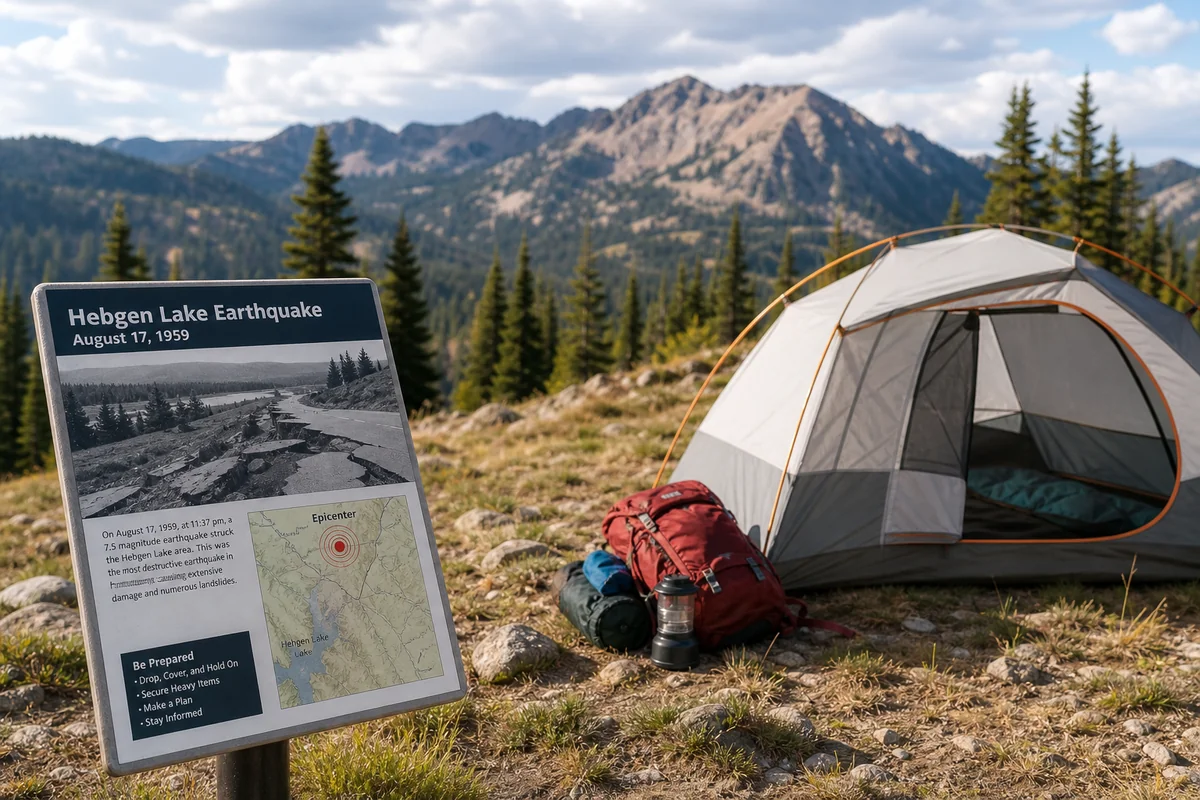
The state’s history extends beyond pioneer times, of course. Montana has been shaped by major earthquakes, devastating fires, and even Cold War tensions that brought missile silos and military installations to the prairie. For those curious about underwater history, including what lies beneath Montana’s reservoirs, or intrigued by rumors of secret military bases, the state offers endless historical threads to follow. Even the meaning of Montana’s name—rooted in Spanish and Latin words for “mountain”—reflects the landscape that drew pioneers here.
Come to Montana. Walk where pioneers walked. Touch the buildings they built. Consider their struggles and their legacies. Then drive out onto the prairie as the sun sets, watch the sky turn impossible colors, and understand why people risked everything for a chance at life in this magnificent, unforgiving place.
The pioneer spirit isn’t dead—it just moved indoors when the homesteads emptied. But you can still find it if you know where to look.
Frequently Asked Questions
What are the best historic pioneer towns to visit in Montana?
Virginia City and Nevada City are must-sees for experiencing Montana’s pioneer legacy, featuring preserved 1860s gold rush buildings and living history demonstrations. I also recommend Bannack State Park, Montana’s first territorial capital, where you can explore over 60 original structures. Both sites are within 80 miles of Bozeman, making them easy day trips.
When is the best time to visit Montana pioneer heritage sites?
Late May through September offers the best experience, as most historic sites have full programming and living history events during summer months. Virginia City’s peak season runs June through August when stagecoach rides and theater performances are available daily. I’d avoid visiting before Memorial Day when many pioneer museums and historic buildings remain closed for the season.
How much does it cost to visit Montana’s pioneer and gold rush historic sites?
Most Montana pioneer sites are surprisingly affordable, with Bannack State Park charging just $8 per vehicle for day use. Virginia City attractions range from free self-guided walking tours to $20-30 for guided experiences and train rides. Budget around $50-75 per person for a full day including meals at historic saloons and admission to multiple museums.
What should I pack for visiting Montana pioneer heritage trails and sites?
Bring sturdy walking shoes since many historic sites have uneven boardwalks and dirt paths from the 1800s. I always pack layers because Montana weather shifts quickly, even in summer when mornings can be 50°F and afternoons reach 85°F. Don’t forget sunscreen, a refillable water bottle, and cash since some small-town historic shops don’t accept cards.
Can you pan for gold at Montana pioneer mining sites today?
Yes, several locations offer authentic gold panning experiences along historic mining claims. The Libby Creek Gold Panning Area near Libby is free and open to the public, while Virginia City has guided panning tours for around $15-20 per person. I’ve found small flakes at both spots, and kids especially love this hands-on connection to Montana’s pioneer mining history.
How long do you need to explore Montana’s pioneer history along the Bozeman Trail?
Plan at least 3-4 days to properly experience the major pioneer heritage sites between Bozeman and the western ghost towns. A week allows you to add the historic Missouri River sites near Fort Benton, where steamboat trade shaped Montana’s early settlement. I spent five days on my trip and still missed a few smaller homestead museums I’d wanted to visit.
Are Montana ghost towns safe to visit with families and children?
Most established pioneer ghost towns like Bannack and Garnet are family-friendly with maintained trails, interpretive signs, and ranger programs designed for kids. I’d avoid exploring unmarked or abandoned sites without a guide due to unstable structures and open mine shafts. Stick to state-managed historic parks where buildings have been stabilized and hazards are clearly marked for safe exploration.
Sources
- https://mt.gov/discover/brief_history.aspx
- https://www.loc.gov/item/today-in-history/may-26
- https://sosmt.gov/history/
- https://www.mtd.uscourts.gov/district-montana-history
- https://pubs.er.usgs.gov/publication/pp776
- https://www.umt.edu/this-is-montana/columns/stories/montanas-first-written-history.php
- https://www.montana.edu/history/
- https://leg.mt.gov/bills/mca/title_0000/chapters_index.html
- https://loc.getarchive.net/media/chief-bearman
- https://commons.wikimedia.org/wiki/File:Ft_Benton_Bridge.jpg