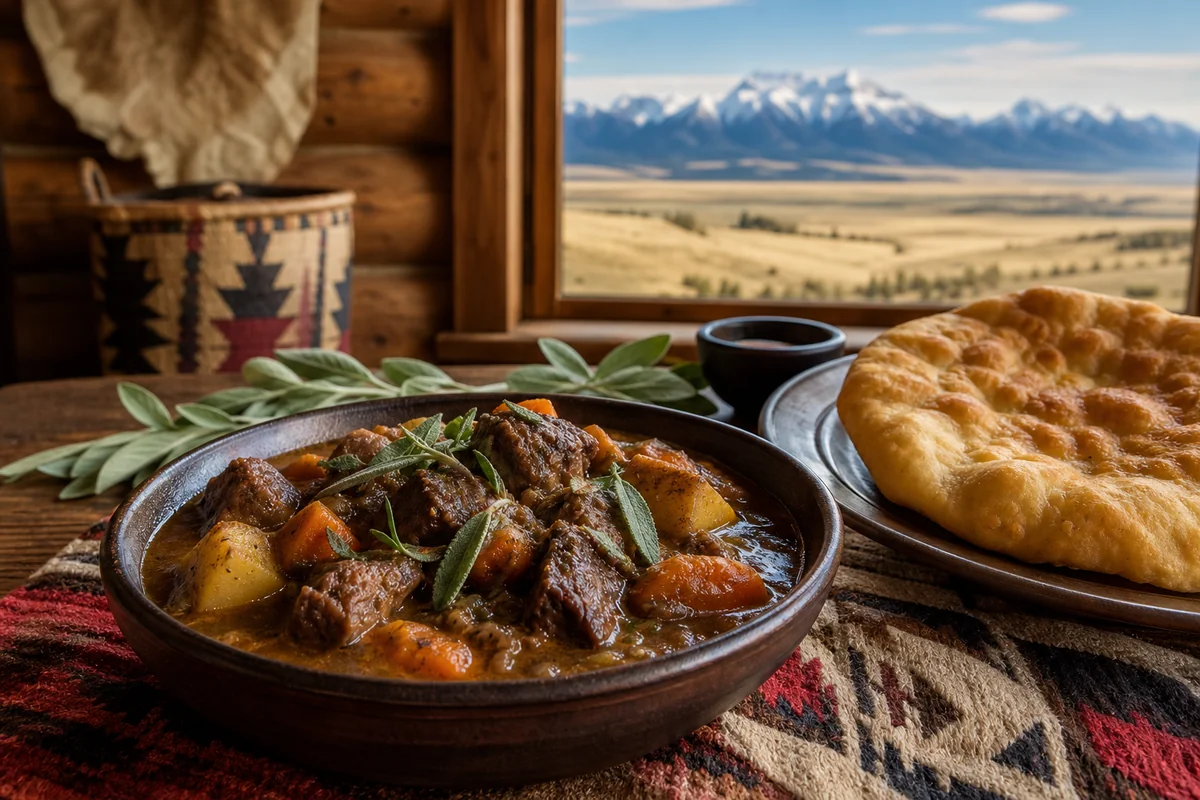
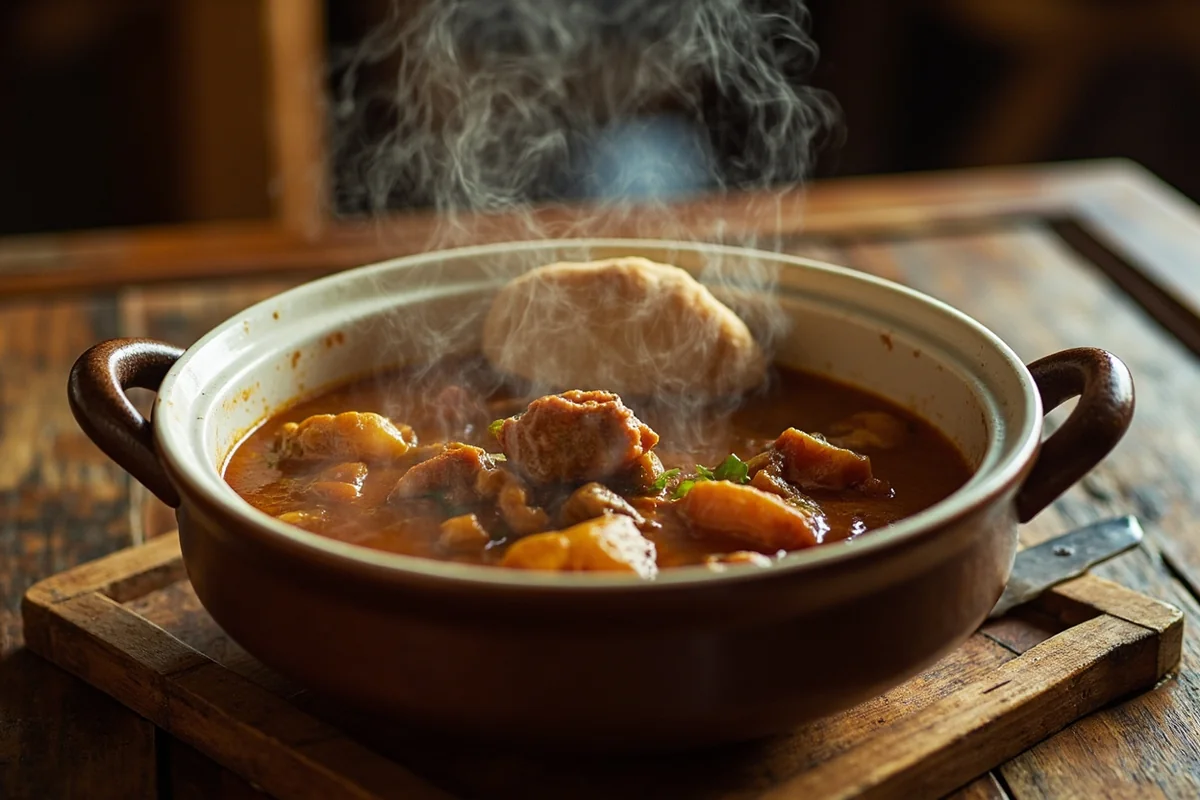
The first bite of bison stew I had at a small roadside cafe near Browning changed everything I thought I knew about Montana cuisine.
The meat was impossibly tender, seasoned with wild sage that the owner’s grandmother had foraged from the nearby hills, and served with fry bread so perfect it practically dissolved on my tongue—a recipe passed down through five generations of Blackfeet women.
That moment, during my visit last September, crystallized something I’d been sensing throughout my travels across Big Sky Country: Montana history isn’t just preserved in museums and monuments—it lives on dinner plates, in cast-iron skillets, and in the memories of families who’ve been cooking these lands’ bounty for generations.
- Montana’s culinary heritage spans 12,000+ years, from Native American traditions to frontier-era ranching cuisine
- Must-try historic foods include bison, huckleberries, pasties, Rocky Mountain oysters, and chokecherry preserves
- Best places to experience authentic heritage cooking: Browning, Butte, Virginia City, and Missoula
- The state’s food culture was shaped by Indigenous peoples, Cornish miners, Basque shepherds, and cattle ranchers
- Many historic recipes nearly disappeared but are now being revived by a new generation of Montana chefs
Liked this article?
Add Roaming Montana as a preferred source so you see more of our articles and guides on Google.
Understanding Montana’s Culinary Roots: 12,000 Years of Flavor
When I first started researching Montana’s food heritage, I expected to find cowboy cookouts and steakhouses. What I discovered was a culinary tapestry stretching back millennia, woven by dozens of different peoples who called this land home.
The story begins with the First Peoples—the Blackfeet, Crow, Salish, Kootenai, Northern Cheyenne, Assiniboine, Gros Ventre, and others whose food traditions shaped the foundation of Montana cuisine.
During my conversations with cultural preservationists at the Museum of the Plains Indian in Browning, I learned that these tribes developed sophisticated food systems based on bison, elk, deer, wild plants, and seasonal berries.
What struck me most was the ingenuity. Pemmican—a portable, high-energy food made from dried bison meat, rendered fat, and berries—was essentially the original energy bar, designed for Montana’s harsh conditions. Understanding where Montana’s name originated helps contextualize why the landscape demanded such innovative food preservation techniques.
The Bison: Heart of Indigenous Cuisine
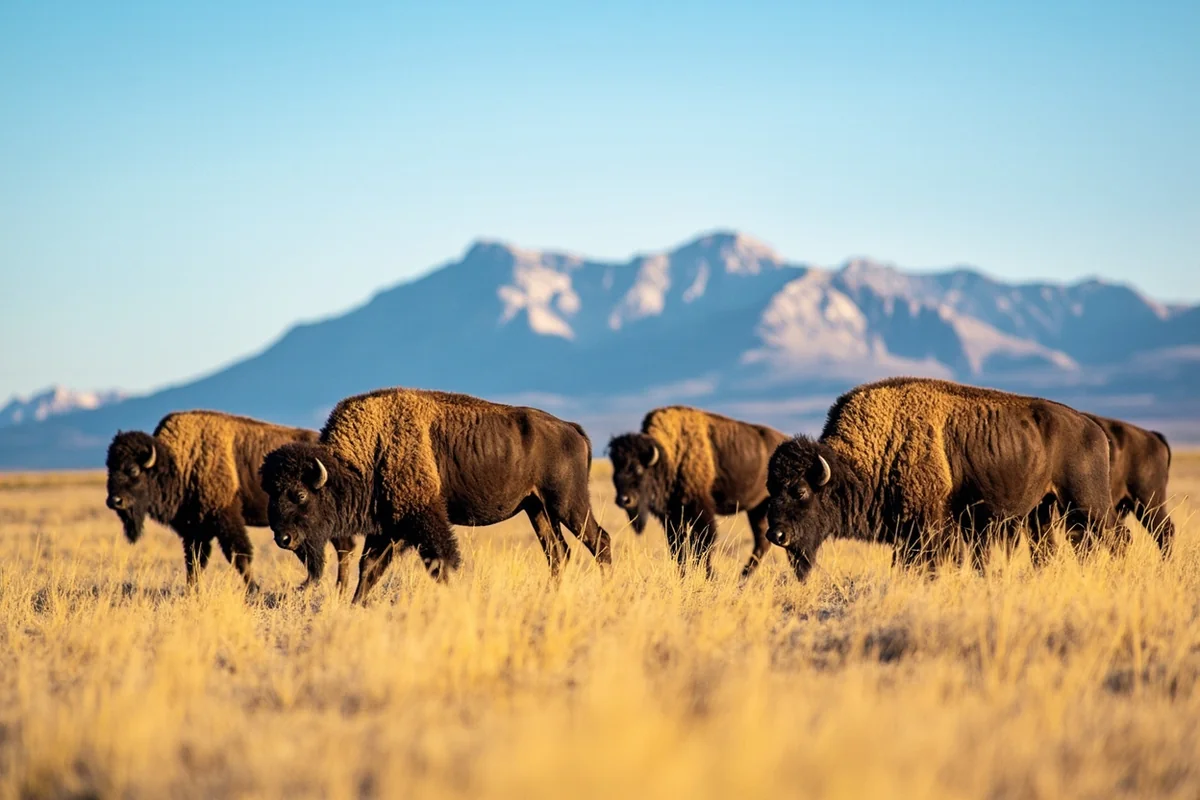
I’ll never forget standing in the bison range at the National Bison Range near Moiese, watching these magnificent animals graze, and understanding why they were central to Indigenous life.
Every part was used—tongue was considered a delicacy, bones were cracked for marrow, and even the stomach served as a cooking vessel.
At a cultural demonstration I attended on the Flathead Reservation, an elder named Mary showed me how her grandmother prepared bison liver, searing it quickly over an open flame and serving it with wild onions.
The simplicity was striking—no heavy sauces or elaborate techniques, just the pure taste of ingredients harvested from the land.
Modern visitors can still experience this heritage. The Blackfeet Nation operates a bison program, and several restaurants across the state serve traditionally-prepared bison dishes.
The Pioneer Era: Survival Cooking That Became Comfort Food
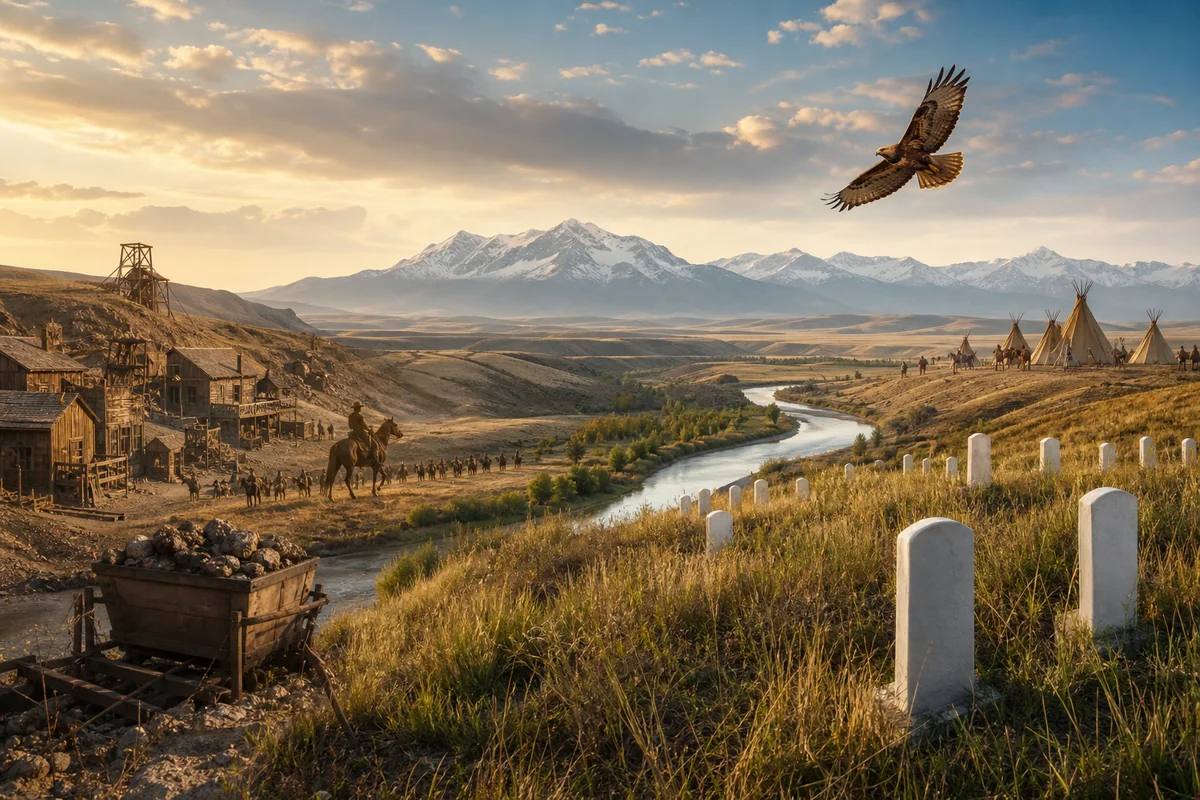
When prospectors flooded into Montana during the 1860s gold rush, they brought survival cooking techniques that would evolve into beloved comfort foods. The Roaming Montanald Rush didn’t just reshape the economy—it transformed the culinary landscape forever.
I spent a fascinating afternoon in Virginia City, walking through the preserved mining town and imagining what meals looked like in 1863. At the Bale of Hay Saloon (Montana’s oldest continuously operating bar), the owner showed me historic menus from mining camps—mostly beans, salt pork, sourdough bread, and whatever could be hunted or foraged.
Sourdough: The Prospector’s Best Friend
Sourdough culture was so precious to miners that many slept with their starters tucked inside their shirts to keep the yeast alive during freezing nights. This tradition continues today across Montana.
Last summer, I visited Eddie’s Corner, a tiny spot outside Polson, where the sourdough pancakes are made from a starter the owner claims dates back to the 1890s. Whether that’s literally true, I can’t say, but those pancakes—tangy, fluffy, crispy at the edges—tasted like history.
Many Montana bakeries and restaurants maintain sourdough traditions. If you visit, ask about their starter’s origin story. Montanans love sharing these tales, and the stories are often as satisfying as the bread itself.
The Beans That Built Montana
Beans were the true fuel of the frontier. Cheap, shelf-stable, and protein-rich, they sustained miners, cowboys, and homesteaders alike.
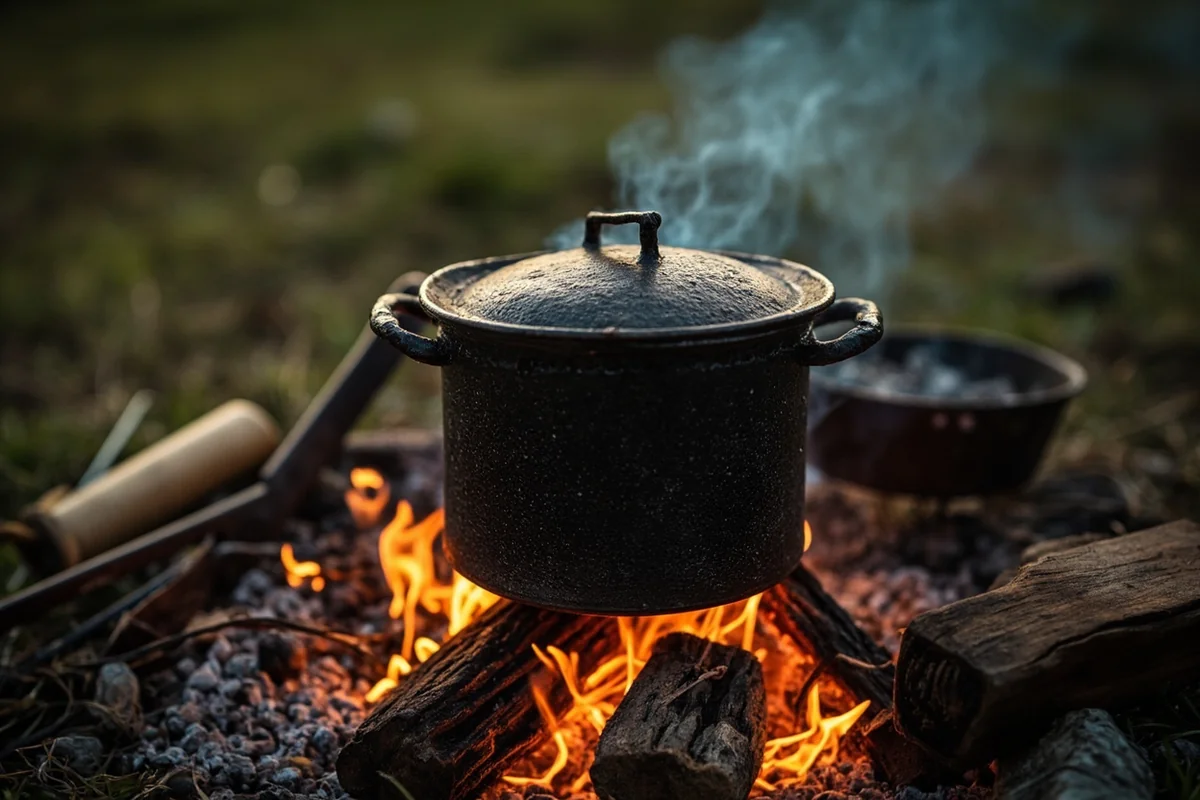
The traditional Montana bean pot—slow-cooked with salt pork, molasses, and wild onions—was a Sunday staple in frontier households. I found this dish still served at several spots during my travels, though the best version I had was at a ranch near the Missouri River Breaks, where the cook uses the same wood-fired method her great-grandmother used.
The legacy of Montana’s pioneers lives on most tangibly in these simple, hearty dishes that prioritize sustenance over sophistication.
Butte: America’s Most Unexpected Food City
If there’s one place that encapsulates Montana’s immigrant food heritage, it’s Butte. This former copper mining boomtown drew workers from Ireland, Cornwall, China, Italy, Finland, Serbia, and Lebanon—and each community left its mark on the city’s food culture.
I’ve visited Butte three times now, and each trip reveals new culinary layers. The city’s food scene isn’t fancy or trendy—it’s stubbornly, gloriously traditional.
The Pasty: Cornwall’s Gift to Montana
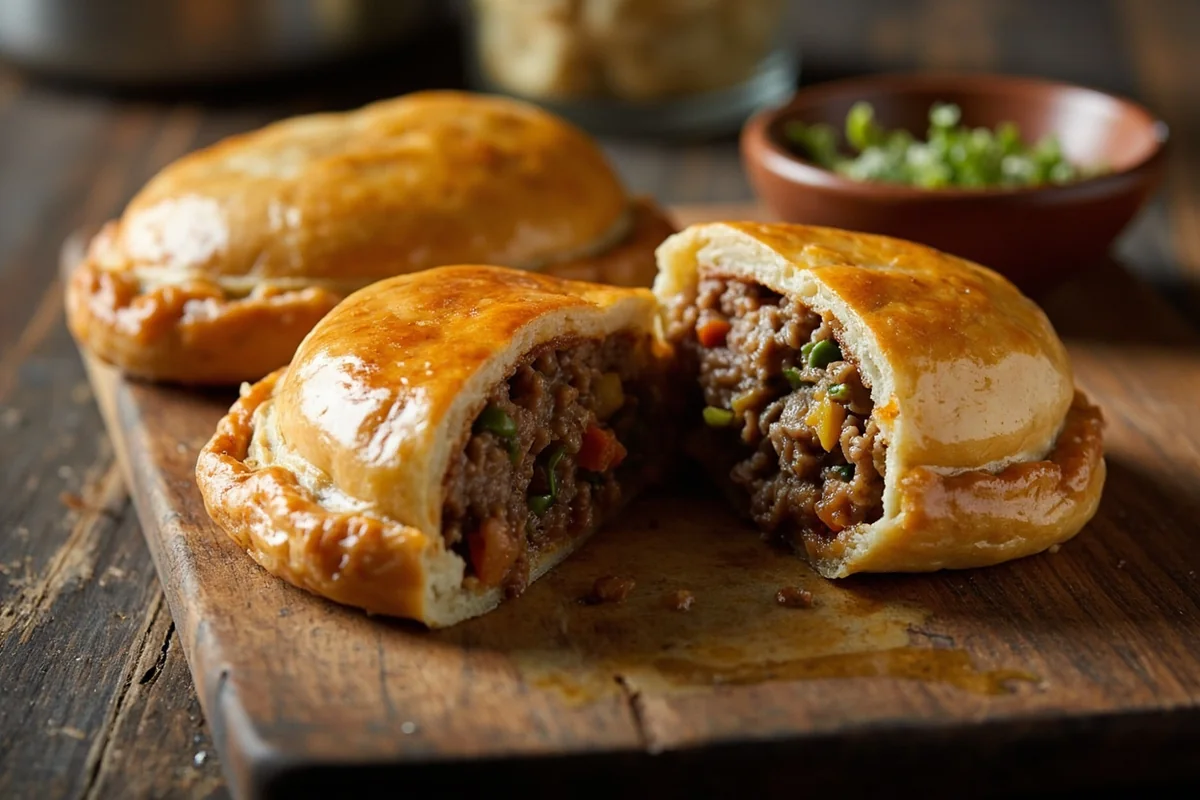
The Cornish pasty—a hand-held meat pie originally designed for miners to eat underground—is Butte’s signature food. Miners couldn’t come up for lunch, so their wives packed these portable meals: beef, potatoes, onions, and rutabaga wrapped in a crimped pastry crust.
The crimped edge wasn’t just decorative. It served as a handle that miners could grip with their arsenic-dusted hands, then discard. Ingenious, really.
On a recent trip, I conducted my own pasty crawl through Butte. Joe’s Pasty Shop has been operating since 1947, and their traditional beef version is the benchmark. Gamers Café offers a Cornish-style pasty with a flaky crust that’s almost shortbread-like. Nancy’s Pasty Shop lets you watch them being made fresh.
Each bakery guards its recipe jealously. The debate over proper pasty construction—should there be carrots? Is gravy acceptable?—can get surprisingly heated among Butte natives.
Pork Chop John’s: A Butte Institution
Speaking of Butte institutions, no visit is complete without a stop at Pork Chop John’s. This tiny sandwich shop has been serving breaded pork chop sandwiches since 1924. The recipe hasn’t changed—thin-cut pork, breaded and fried, served on a soft bun with pickles and mustard.
When I asked the counterman about the secret, he laughed. “There’s no secret. We just never changed anything.”
That might be Butte’s food philosophy in a nutshell.
Ranch Cuisine: Cowboys and Cattle Culture
Montana’s identity as cattle country took shape after the Civil War, when key historical events in Montana drew Texas cattlemen north to capitalize on vast grasslands. This migration created the iconic cowboy food culture that many visitors expect from Montana.
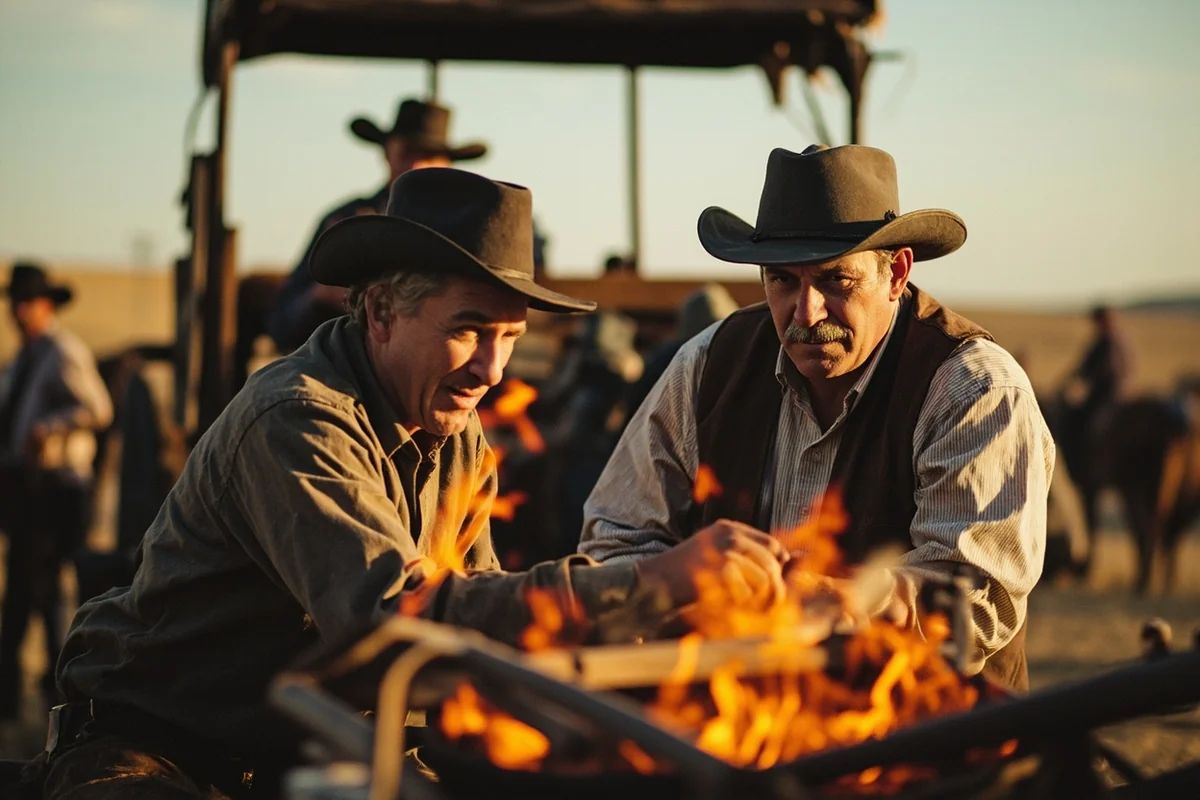
I spent a week at a working ranch near Big Timber during branding season, and the food reflected centuries of tradition adapted to modern life. Breakfast at 5 AM meant eggs from ranch chickens, thick-cut bacon, and biscuits with sausage gravy. Lunch was packed sandwiches eaten in the saddle. Dinner was the main event—typically beef, always hearty.
The Real Story of Rocky Mountain Oysters
Yes, we need to talk about Rocky Mountain oysters. These aren’t seafood—they’re bull testicles, typically breaded and fried. During cattle branding, ranchers needed to castrate young bulls, and wasting food was unthinkable.
I’ll be honest: I avoided them for years. But during that ranch stay, I finally tried them at a branding day feast, and they’re… actually good. The texture is closer to sweetbreads than anything else, and when properly prepared—sliced thin, breaded, and fried crispy—they’re genuinely delicious with hot sauce.
You’ll find them at the Testicle Festival in Clinton (yes, that’s real) and at restaurants like Trixie’s Saloon in Ovando. They’re part of Montana’s food story, and trying them is almost a rite of passage for visitors.
The Devastating Winter That Changed Everything
Montana’s cattle culture nearly ended in 1886-1887. The harsh Montana winter of 1886 killed an estimated 362,000 cattle—some ranchers lost 90% of their herds. This catastrophe forced changes in ranching practices, but it also influenced food traditions.
Before the die-off, ranchers had been cavalier about food preservation. After, they became obsessive about it. Root cellars became deeper, canning more extensive, and food waste nearly taboo. This mindset persists in Montana’s food culture today—I’ve met ranchers who still consider wasting food morally wrong.
The pattern of brutal Montana worst winters throughout history reinforced these preservation traditions generation after generation.
The Huckleberry: Montana’s Unofficial State Fruit
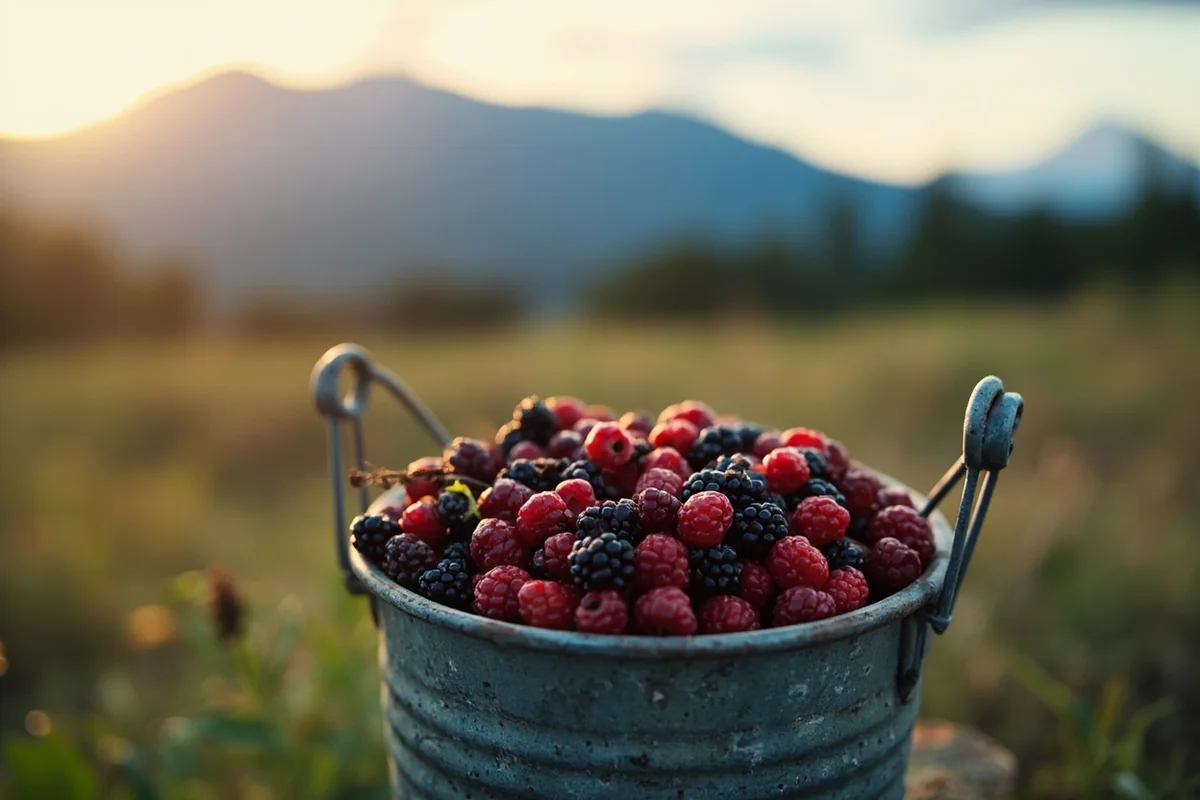
If there’s one flavor that defines Montana, it’s the wild huckleberry. This small purple berry, related to the blueberry but with a more intense, complex flavor, grows wild across the state’s mountain slopes and cannot be commercially cultivated.
That’s worth repeating: you cannot farm huckleberries. Every huckleberry you eat was picked by hand in the wild. This scarcity makes them precious—and expensive.
During August, huckleberry season reaches its peak, and Montanans of all stripes head into the mountains to pick. I joined friends near Seeley Lake one summer morning and learned quickly that huckleberry picking is meditative work. The berries are tiny, often hidden beneath leaves, and it takes hours to fill a bucket.
That difficulty is part of the appeal. When you eat huckleberry pie or huckleberry ice cream, you’re tasting something that required genuine effort to produce.
Where to Find the Best Huckleberry Treats
After extensive research (tough job, I know), here are my top huckleberry experiences:
- Huckleberry Patch, Hungry Horse: A classic roadside spot with huckleberry everything—jam, pie, milkshakes, and my personal weakness, huckleberry fudge.
- Polebridge Mercantile, Polebridge: Their huckleberry bear claws are legendary. Worth the drive down the bumpy North Fork Road.
- The Glacier Highlander, West Glacier: Huckleberry pancakes that made me consider moving to Montana permanently.
- Missoula Farmers Market: In season, vendors sell fresh berries and homemade huckleberry products.
Immigrant Communities and Hidden Cuisines
Montana’s culinary heritage includes flavors you might not expect. Beyond the Cornish pasty, immigrant communities brought food traditions that persist today in surprising pockets.
The Basque Shepherds
In the late 1800s, Basque immigrants came to Montana as sheep herders, working lonely months in the mountains. Their food traditions emphasized lamb, of course, but also crusty bread, spicy chorizo, and a distinctive red pepper sauce called pil pil.
In Butte and Helena, a few restaurants still serve Basque-influenced dishes. The lamb shanks at some Helena establishments trace their preparation to these shepherding families.
Chinese Heritage in Montana Mining Towns
Chinese immigrants came during the gold rush, often working claims abandoned by white miners or providing services in mining camps. They established Chinatowns in Butte, Helena, and smaller towns, bringing Cantonese cooking traditions.
Most of these communities were destroyed by discriminatory laws and violence, but their influence persists subtly. The tradition of Chinese restaurants in small Montana towns—most with little connection to contemporary Chinese immigrants—dates to this era.
In Helena, the Mai Wah Museum preserves this history, and I recommend visiting to understand this often-overlooked chapter of Montana’s culinary story.
Scandinavian Baking Traditions
Finnish, Swedish, and Norwegian homesteaders settled across Montana’s prairies, bringing baking traditions that endured. Scandinavian influences appear in Montana’s rye breads, cardamom-spiced pastries, and the tradition of strong coffee with nearly every meal.
Around Lewistown, which attracted significant Scandinavian settlement, bakeries still make lefse (a Norwegian flatbread) during the holidays. The Sons of Norway lodges across Montana host baking demonstrations and dinners that preserve these traditions.
Wild Game: Montana’s Hunting Heritage
Hunting isn’t just recreation in Montana—it’s a food tradition stretching back millennia. Many Montana families still rely on wild game for a significant portion of their annual protein.
During hunting season, which roughly corresponds with autumn, the entire state seems to shift focus. Schools have been known to schedule time off, and butcher shops advertise game processing services.
Elk: The Premium Choice
Elk is considered the finest eating among Montana’s wild game. The meat is lean, slightly sweet, and remarkably tender when properly prepared.
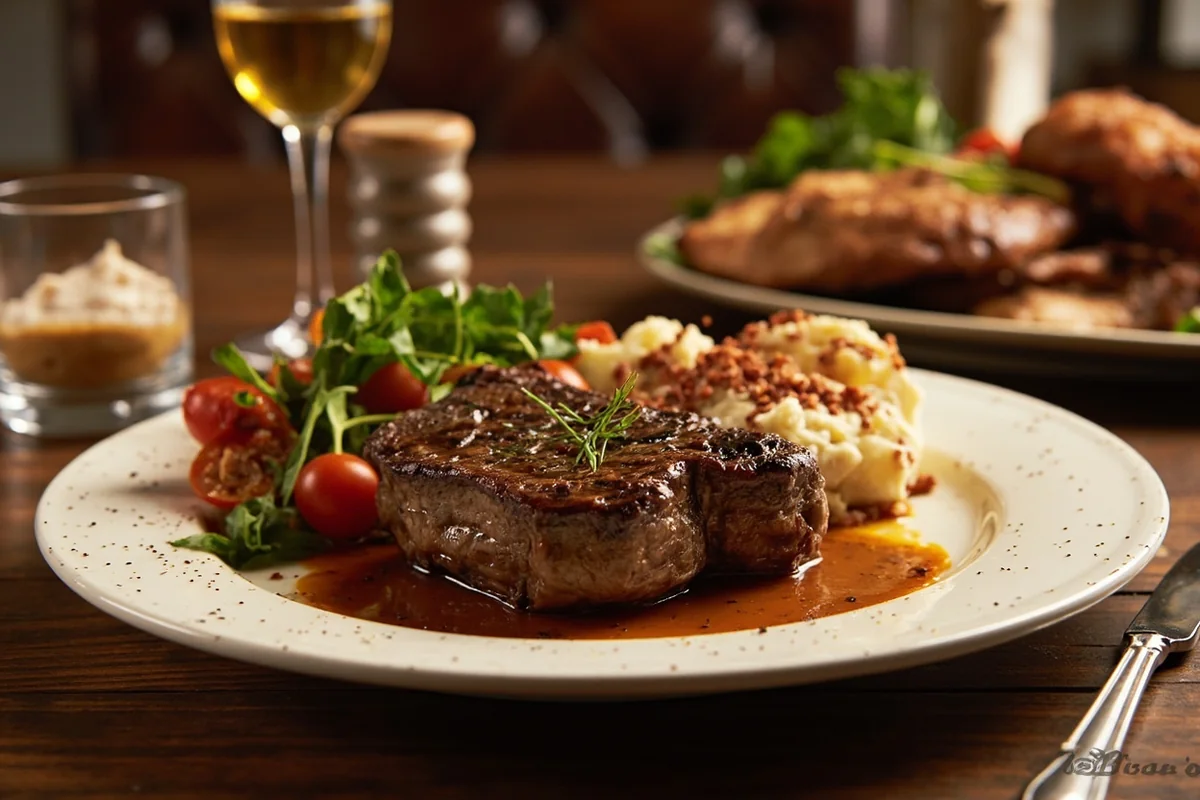
I was fortunate enough to attend a dinner last fall where the host served elk backstrap—the tenderloin—simply seared and served with a chokecherry reduction. It was one of the best pieces of meat I’ve ever eaten, and I say that without exaggeration.
Visitors without hunting licenses can still experience elk at restaurants like Open Range in Missoula or at special game dinners hosted during hunting season. Some ranches also raise elk commercially.
Venison, Antelope, and Beyond
White-tailed deer, mule deer, and pronghorn antelope also feature prominently in Montana’s wild game cuisine. Antelope, when properly handled, has a delicate flavor that surprises those expecting something gamy.
The preparation matters enormously. Wild game must be field-dressed quickly and cooled rapidly to prevent off flavors. Montana hunters learn these skills young, and the best wild game dishes reflect this expertise.
Preservation Traditions: Canning, Smoking, and Drying
Montana’s harsh climate—those brutal winters we discussed—necessitated sophisticated food preservation techniques. These traditions continue today, both out of necessity and as cultural touchstones.
Chokecherries and Wild Preserves
Chokecherries are small, intensely tart berries that grow wild across Montana. Eaten raw, they’re nearly inedible (and will pucker your mouth into oblivion). But cooked with sugar into syrup, jelly, or wine, they become magnificent.
Every August, rural Montanans harvest chokecherries for preserving. The syrup is traditional over pancakes, while chokecherry jelly appears at farm breakfasts across the state.
At the farmer’s markets in Billings and Great Falls, you’ll find homemade chokecherry products from late August through fall. I always buy several jars to bring home.
Smoking and Jerky
Smoking meat—a preservation technique shared by Indigenous peoples and European settlers—remains common in Montana. Many families have smokehouses or improvised smoking rigs, producing jerky, smoked fish, and cured meats.
Commercial operations like Montana’s T.O. Cattle Company produce excellent jerky, but the best comes from home smokers. If you’re invited to try someone’s homemade jerky, say yes.
Modern Montana: Heritage Cuisine Revival
In recent years, a new generation of Montana chefs has begun revisiting heritage ingredients and techniques with fresh perspectives. This isn’t fusion cuisine or haute interpretation—it’s careful revival work, often in collaboration with Indigenous communities and food historians.
At Café Zydeco in Missoula (yes, Louisiana-influenced, but bear with me), I tried a special featuring bison prepared with traditional Blackfeet seasonings, served alongside modern interpretations of indigenous plant foods. The chef had spent time with tribal elders learning traditional preparations.
In Bozeman, the farm-to-table movement has deep roots, with restaurants emphasizing Montana-grown ingredients and heritage breeds. Places like Open Range and Blackbird Kitchen showcase local products while nodding to historical preparations.
Practical Guide: Eating Montana’s Food Heritage
For visitors wanting to explore Montana’s culinary heritage, here’s what I’ve learned works best:
| Experience | Best Location | Best Season | Must-Try Dish |
|---|---|---|---|
| Indigenous Cuisine | Browning, Flathead Reservation | Summer festivals | Bison with fry bread |
| Mining Heritage | Butte | Year-round | Cornish pasty |
| Ranch Cuisine | Big Timber, Augusta | Spring (branding) | Beef and beans |
| Huckleberry Everything | Glacier Park area | August | Huckleberry pie |
| Wild Game | Statewide | Fall | Elk backstrap |
| Sourdough Tradition | Virginia City, small towns | Year-round | Sourdough pancakes |
Tips for the Heritage Food Trail
- Talk to locals. The best food recommendations come from conversations. Ask at gas stations, at bars, at the hotel front desk. Montanans are proud of their food traditions and love sharing.
- Visit farmer’s markets. Missoula’s Saturday market is the largest, but smaller markets in Helena, Bozeman, and Whitefish offer excellent local products.
- Don’t skip the roadside cafes. Some of my best meals came from unassuming spots along two-lane highways. If the parking lot has pickup trucks and the building looks like it hasn’t changed since 1970, pull over.
- Embrace simplicity. Montana’s heritage cuisine isn’t complicated. Don’t expect elaborate preparations—expect quality ingredients treated with respect.
- Ask about history. Many restaurants, especially family-owned places, have stories attached to their recipes. These stories are part of the experience.
The Future of Montana’s Culinary Heritage
During my travels, I’ve been encouraged by what I’ve seen: young farmers raising heritage cattle breeds, Indigenous chefs reclaiming traditional techniques, home cooks passing down family recipes to a new generation.
Montana’s food culture faces challenges—the state’s military presence, from active military bases to historic missile silo sites, brought outside influences that sometimes displaced local traditions. Even the legacy of secret military installations affected communities in ways that changed how people lived and ate.
Climate change threatens huckleberry habitat and stresses the land that supports cattle ranching. Montana’s fire history has intensified in recent years, affecting forests where wild foods grow. Even Montana’s geological instability reminds residents that the land itself is always changing.
But Montanans are nothing if not resilient. This is, after all, a place where people built communities despite impossible odds—where even the state prison history includes stories of institutional gardens feeding inmates and staff alike.
The state’s culinary heritage survived Montana’s geological transformations, economic booms and busts, and social changes that few could have predicted. It will continue evolving, as food traditions always do, while maintaining connections to the past.
When you visit Montana—and I hope you will—approach the food with curiosity and respect. Ask questions. Listen to stories. Understand that the bison stew or pasty or huckleberry pie on your plate represents generations of adaptation, survival, and love.
That’s what struck me most about that first bowl of bison stew in Browning. It wasn’t just dinner. It was history made edible, served by people who understood that feeding others is an act of cultural preservation.
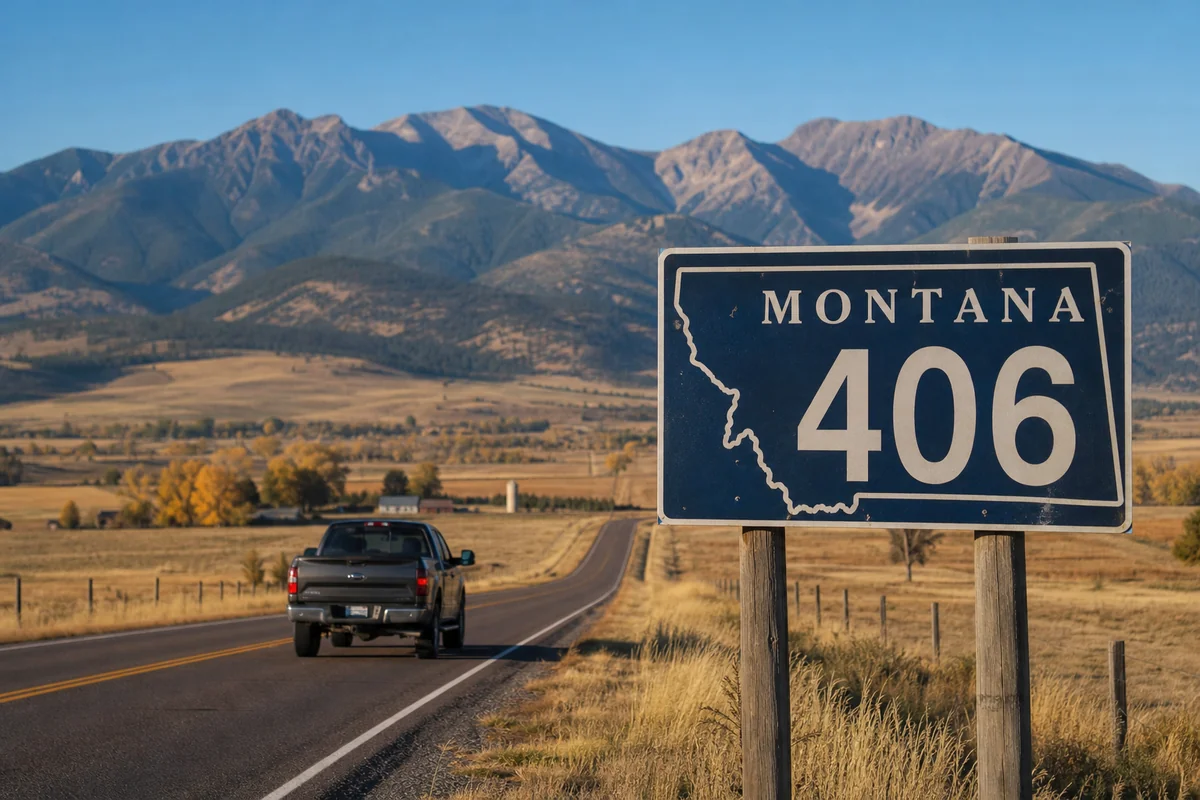
For those curious about the broader context, knowing what Montana’s 406 area code means helps understand how Montanans view their state—as a unified community despite vast distances. Food, like that single area code, connects Montanans across the miles.
Even the darker chapters of Montana’s past, including notorious criminal histories, remind us that understanding a place means acknowledging its full complexity. The food traditions that survived tell us about hope, adaptation, and community—the best of what Montana’s people have built.
Come hungry, stay curious, and let Montana’s culinary heritage surprise you. It certainly surprised me, and I’ve been thinking about that bison stew ever since.
Frequently Asked Questions
What traditional foods is Montana known for and where can I try them?
Montana is famous for bison steaks, huckleberry everything, pasties (meat-filled pastries brought by Cornish miners), and Rocky Mountain oysters. I’d recommend stopping at historic spots like Pork Chop John’s in Butte for pasties or visiting any local diner in Glacier Country for authentic huckleberry pie. Bison can be found at ranch-to-table restaurants throughout the state, especially in Bozeman and Missoula.
What is the history behind Montana’s pasty tradition?
Pasties arrived in Montana during the 1800s with Cornish and Irish miners who settled in Butte’s copper mining district. These handheld meat and potato pies were perfect for miners who needed a hearty, portable lunch that stayed warm underground. Today, Butte remains the pasty capital of Montana, and you’ll find family recipes passed down through generations at local shops like Gamer’s Café.
When is the best time to visit Montana for food festivals and culinary events?
Summer and early fall offer the best culinary experiences, with huckleberry season peaking from mid-July through August. The Montana Brewers Fall Festival happens each September, and county fairs throughout July and August showcase local ranch cuisine and baked goods. I’ve found that visiting between June and September gives you access to farmers markets in nearly every Montana town.
How much should I budget for food when traveling through Montana?
Expect to spend $15-25 per person for casual dining at historic cafes and around $40-70 for upscale ranch-to-table restaurants in cities like Bozeman or Whitefish. Roadside diners and bakeries typically run $10-18 for a filling meal. I always budget extra for huckleberry products and local beef jerky as edible souvenirs, which can add another $20-30 to your trip.
What Native American foods can I experience in Montana?
Montana’s tribal nations have contributed bison, wild game, chokecherries, and fry bread to the state’s culinary heritage. The Blackfeet, Salish, and Crow reservations occasionally host cultural events featuring traditional foods like pemmican and berry soups. I recommend visiting the Museum of the Plains Indian in Browning for cultural context, then seeking out Native-owned restaurants like Bison Creek Ranch for authentic preparations.
Where can I find the best historic restaurants and saloons in Montana?
The Pollard Hotel dining room in Red Lodge dates to 1893, while Chico Hot Springs Resort near Livingston has served ranch cuisine since 1900. In Virginia City, you can eat at establishments operating since the 1860s gold rush era. I particularly love the historic bars along Butte’s uptown district, where you can grab a pork chop sandwich in saloons that once served thirsty miners.
What Montana food souvenirs should I bring home and where can I buy them?
Huckleberry jam, Montana honey, locally made beef jerky, and Wheat Montana products make excellent souvenirs that travel well. Stop at roadside stands near Flathead Lake for cherry products or visit the Missoula Farmers Market for artisan goods. I always grab a jar of huckleberry preserves from any gift shop near Glacier National Park—they typically cost $8-15 and capture Montana’s wild flavor perfectly.
Sources
- https://mhs.mt.gov/education/Elementary/Chap2.pdf
- https://www.fs.usda.gov/detail/hlcnf/learning/?cid=stelprdb5373555
- https://flathead.mt.gov/county-calendar/calendar-event-detail/flathead-food-truck-festival
- https://www.archives.gov/milestone-documents/homestead-act
- https://garystockbridge617.getarchive.net/media/falu-kopparguva-borrning-i-gruvan-b80a5e