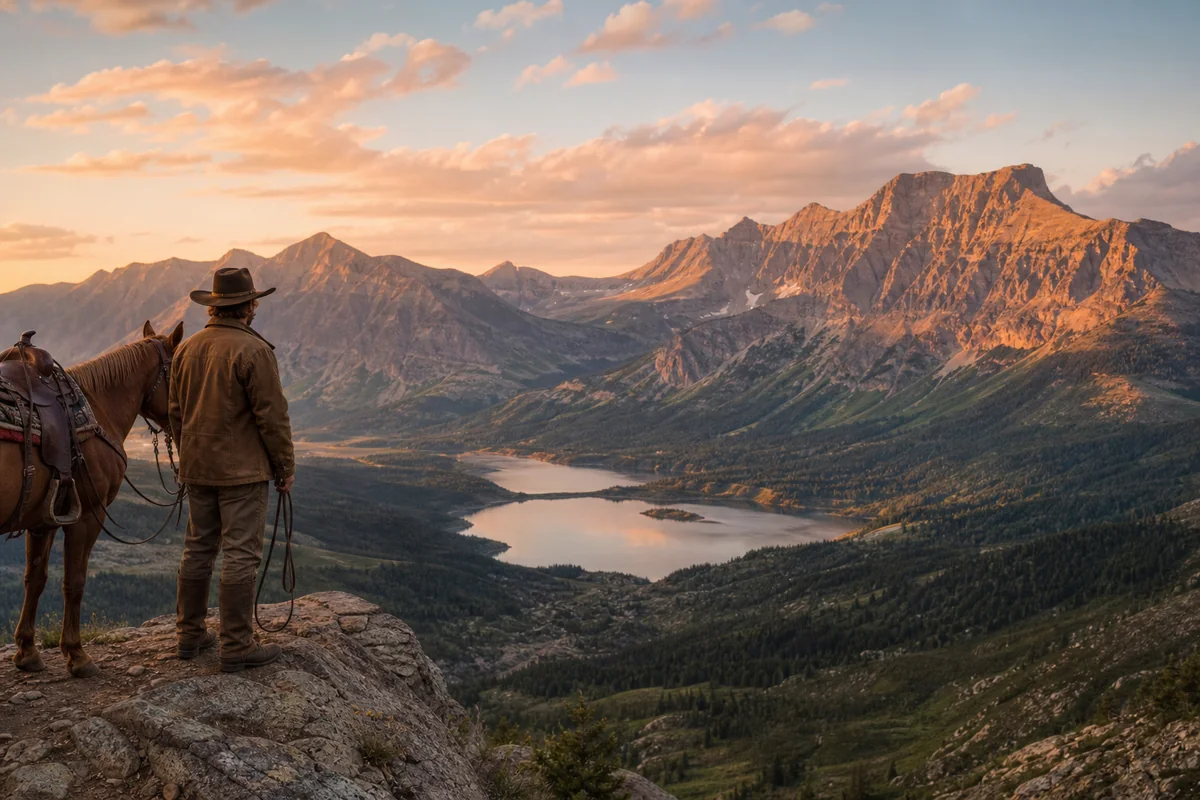
Standing at the edge of Glacier National Park last August, watching the afternoon sun paint the peaks of the Lewis Range in shades of amber and rose, I found myself wondering: who first looked at this landscape and decided to call it Montana?
The answer, as I discovered through years of exploring this state and digging into its Montana history, is far more interesting than most people realize.
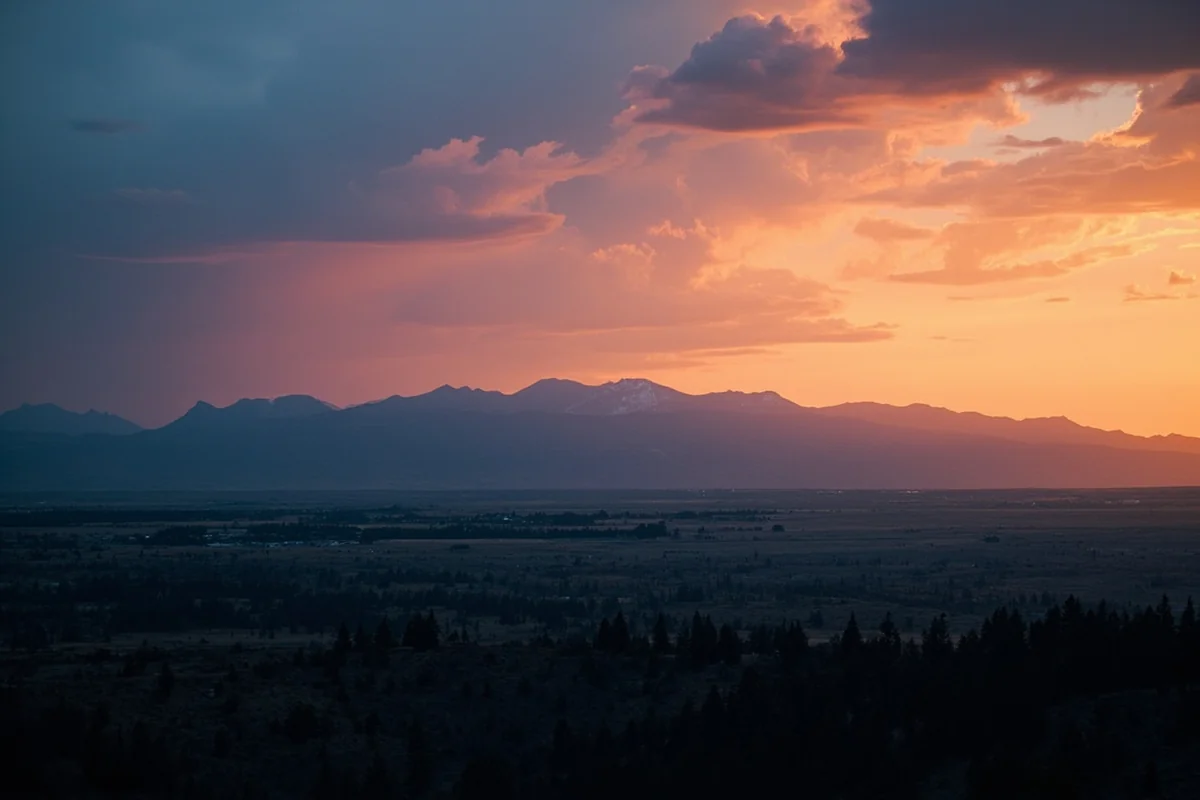
The name “Montana” carries within it centuries of exploration, political maneuvering, and a simple human impulse to describe overwhelming beauty with a single, perfect word. During my countless road trips across this state—from the rolling prairies near Glasgow to the jagged peaks above Whitefish—I’ve come to understand that the name itself tells the story of how this remarkable place captured the imagination of everyone who set eyes on it.
- Montana’s name comes from the Spanish word “montaña” (also Latinized as “montana”), meaning “mountain” or “mountainous region”
- The name was proposed by Ohio Congressman James Ashley in 1864 when creating the Montana Territory
- Indigenous peoples had their own names for this land for thousands of years before European contact
- Montana wasn’t the first choice—other names considered included “Jefferson” and “Shoshone”
- The state’s nickname “Big Sky Country” came much later, popularized in the 1960s
- Understanding the name’s origin adds depth to any Montana travel experience
Liked this article?
Add Roaming Montana as a preferred source so you see more of our articles and guides on Google.
The Spanish Roots of Montana’s Name
When I first started researching the etymology of Montana for this blog, I assumed the story would be straightforward. I was wrong.
The name Montana derives from the Spanish word “montaña,” which translates directly to “mountain” or “mountainous country.” However, there’s scholarly debate about whether the territorial founders intended the Spanish pronunciation (mon-TAN-ya) or a Latinized version that sounds like we say it today (mon-TAN-a).
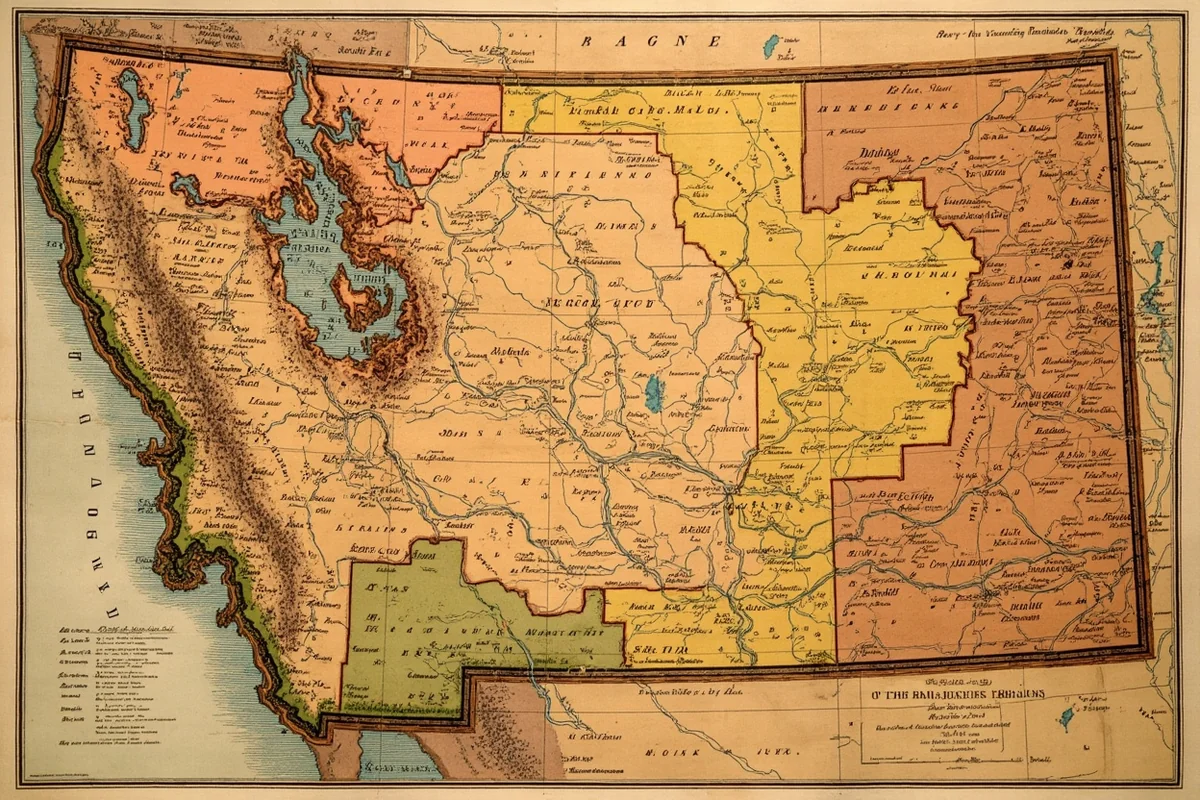
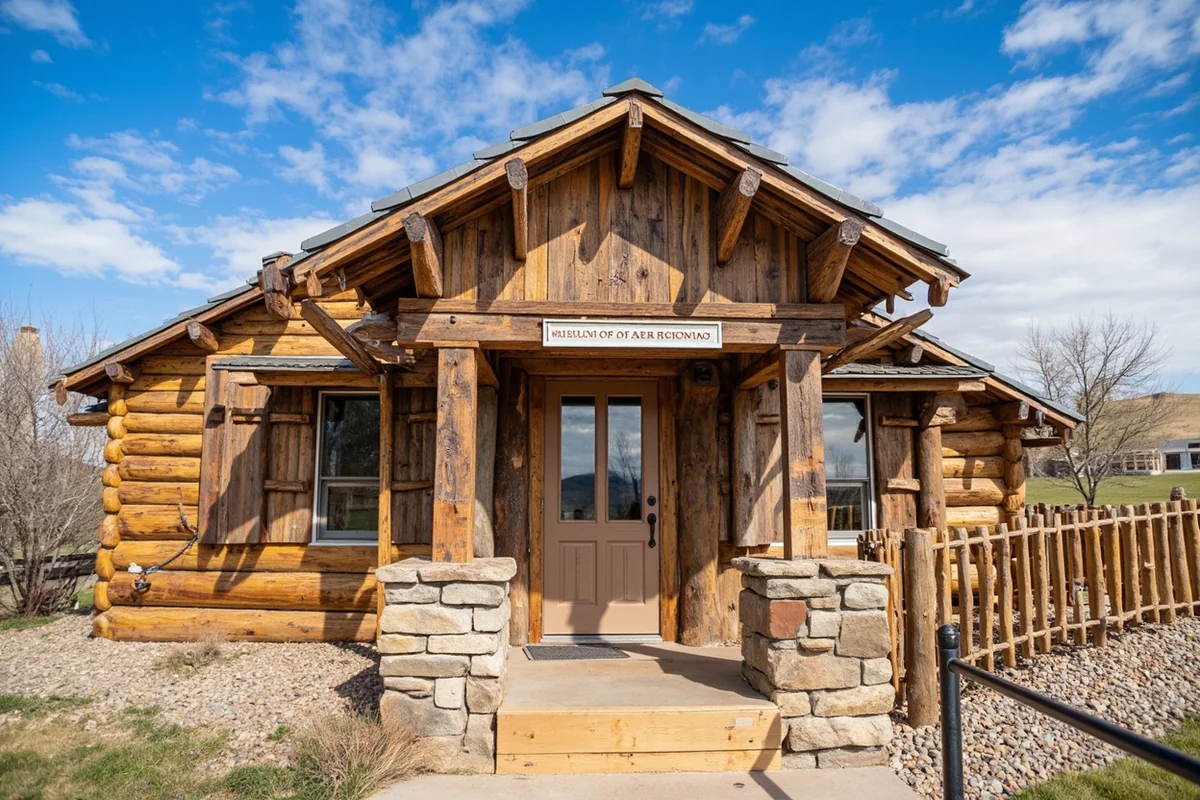
During a visit to the Montana Historical Society in Helena last spring, I spent hours examining original documents from the territorial period. What struck me was how the name appeared consistently in correspondence—always “Montana”—suggesting the Anglicized pronunciation took hold quickly.
The Spanish influence makes geographical sense when you consider the broader context of Western exploration. Spanish explorers and missionaries had been moving through the American Southwest and up through the Rocky Mountain corridor for centuries before American settlers arrived.
Who Named Montana? The James Ashley Story
If you want to credit one person with naming Montana, that honor belongs to James Mitchell Ashley, an Ohio congressman who introduced the bill creating Montana Territory in 1864.
I’ve read Ashley’s congressional speeches, and what’s fascinating is his passion for the name. He’d actually tried to use “Montana” before—when proposing a name for what became Idaho Territory. That attempt failed, but Ashley was persistent.
The congressman had never actually visited the region when he proposed the name. He was working from maps, reports from explorers, and his own romantic imagination of what the Rocky Mountain West represented.
During my research trip to Helena, I learned that Ashley faced opposition. Some congressmen thought “Montana” sounded too foreign, too Spanish for an American territory. Others preferred names honoring American figures or Indigenous peoples.
The alternatives considered included “Jefferson” (honoring Thomas Jefferson, who authorized the Lewis and Clark Expedition), “Shoshone” (after the Indigenous nation), and even “Teton.” The Roaming Montanald Rush had brought so much attention to the region that Congress felt pressure to establish formal territorial governance quickly.
Ultimately, Ashley’s eloquence won out. He argued that “Montana” perfectly described the dramatic landscape that defined the territory. The bill passed, and on May 26, 1864, Montana Territory was born.
What Did Indigenous Peoples Call This Land?
Here’s something I think about often when traveling through Montana: for at least 12,000 years before James Ashley proposed his name, Indigenous peoples had their own words for this land.
The Blackfeet, whose territory encompassed much of what is now northern Montana, called their homeland different names depending on the specific region. The area around Glacier National Park was known as the “Backbone of the World.”
I had the privilege of attending a cultural presentation at the Museum of the Plains Indian in Browning during my visit two summers ago. The speaker, a Blackfeet elder, explained that Indigenous names typically described the land’s characteristics or spiritual significance rather than making broad geographic generalizations.
The Salish and Kootenai peoples of western Montana had their own names for the valleys and mountains of their homeland. When I kayaked on Flathead Lake last July, our guide—a member of the Confederated Salish and Kootenai Tribes—shared that his ancestors called the region words that roughly translate to “the place where the mountains meet the water.”
The Crow Nation, whose reservation now covers over two million acres in south-central Montana, referred to their territory in ways that emphasized its abundance and the sacred nature of the Beartooth Mountains.
I think it’s important for visitors to understand that “Montana” is a relatively recent name imposed on a landscape that held deep meaning for countless generations before European contact. Acknowledging this adds richness to any Montana experience.
The Meaning Behind “Mountainous”
When you drive across Montana—as I’ve done dozens of times now—you might initially question whether “mountainous” truly fits.
The eastern two-thirds of the state is characterized by rolling prairies, badlands, and river breaks. During a trip along Highway 2 through the Hi-Line last fall, I drove for hours without seeing anything resembling a mountain.
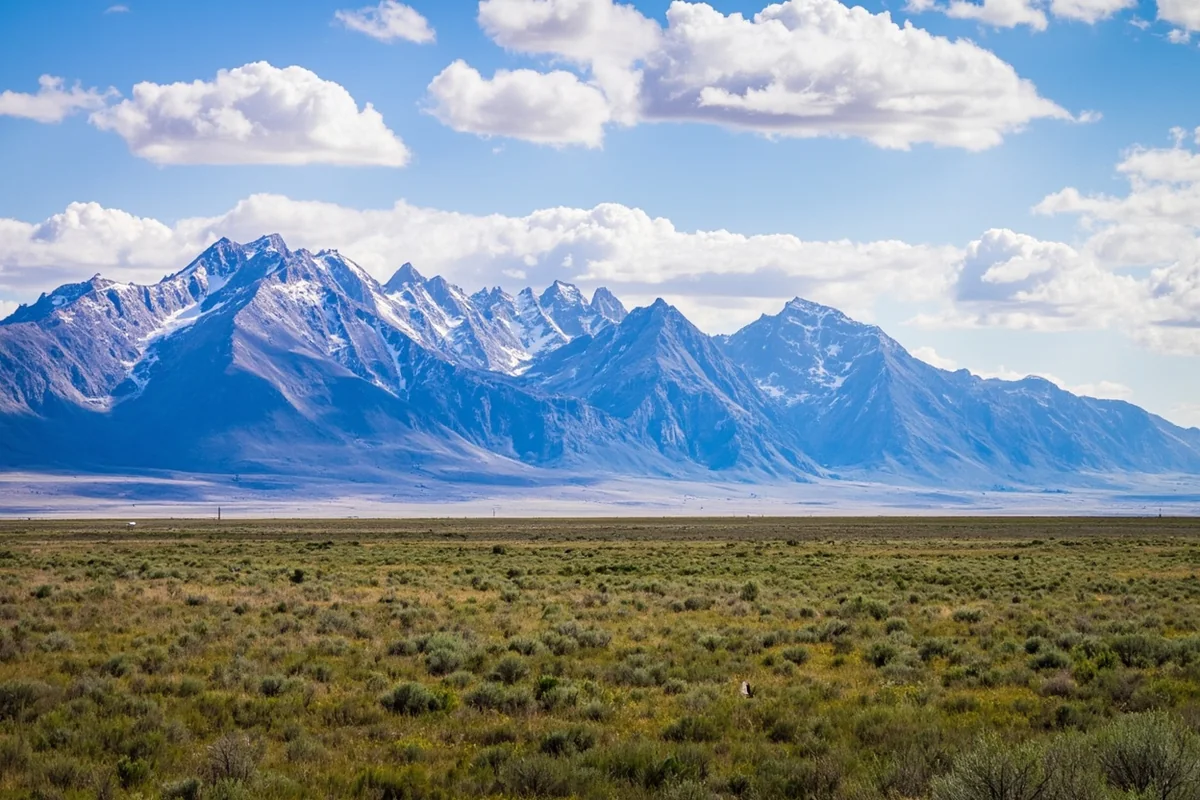
But here’s what I’ve come to understand: the name refers to the dramatic western portion of the state, where the Rocky Mountains dominate everything. The peaks there are so overwhelming, so visually defining, that they captured the imagination of anyone approaching from the east.
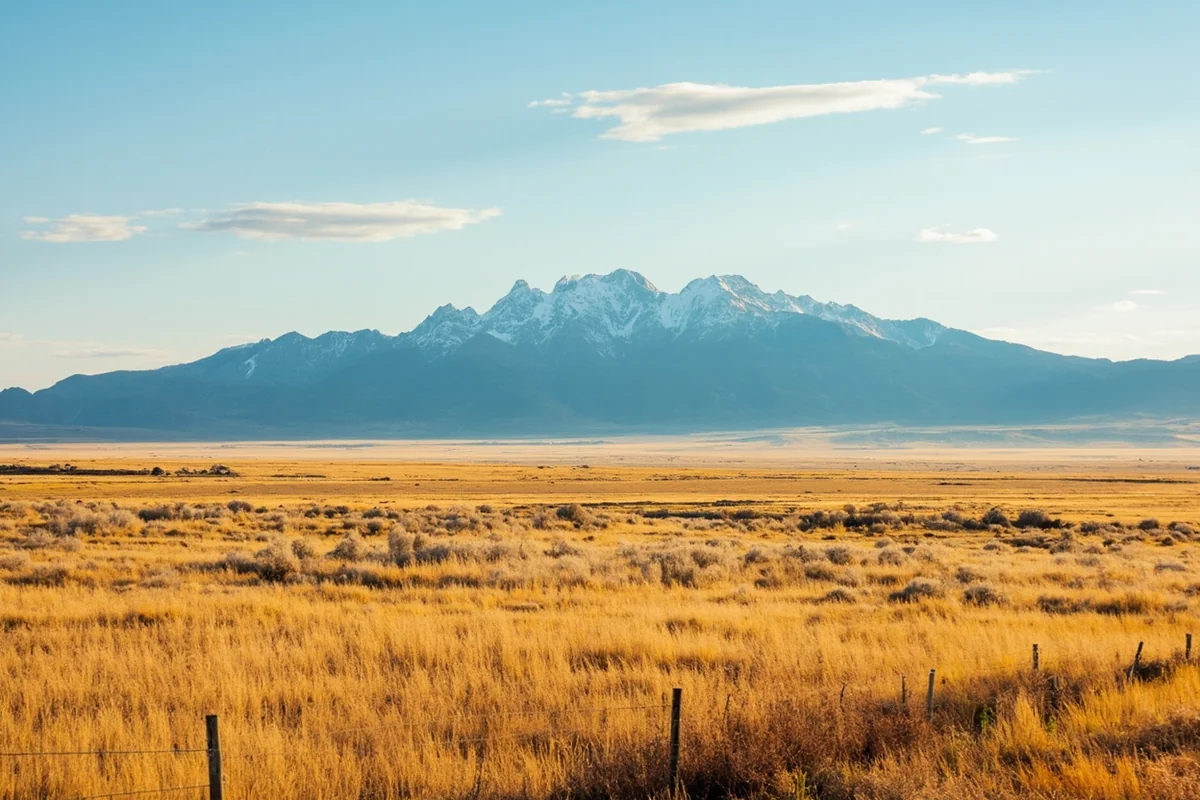
I remember my first drive from Billings to Bozeman. For miles, the horizon was flat prairie. Then, gradually, the Crazy Mountains emerged from the haze. By the time I reached Livingston, the Absaroka Range filled my entire windshield.
That moment of transition—from plains to peaks—is something every Montana visitor experiences. It’s the moment when the name suddenly makes perfect sense.
The western third of Montana contains over 100 named mountain ranges. Glacier National Park alone has more than 175 mountains with individual names. The Continental Divide runs through the state for over 800 miles.
Montana Territory to Montana State
The journey from territory to statehood took 25 years—a period that encompassed some of the most dramatic key historical events in Montana.
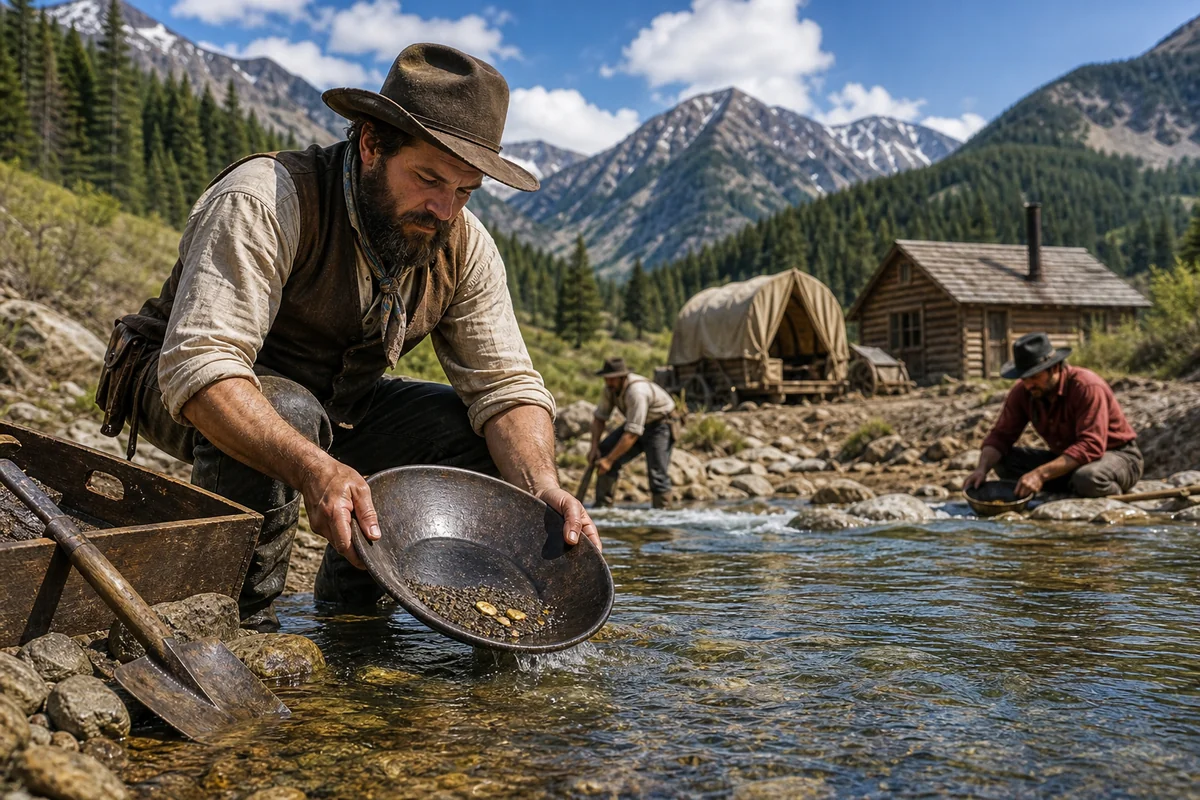
When Montana Territory was established in 1864, the population was exploding due to gold discoveries. Virginia City, which briefly served as the territorial capital, was one of the largest cities in the Rocky Mountain West.
I’ve walked the boardwalks of Virginia City—preserved today as a living museum—imagining what it was like during those frantic gold rush days. The town’s historic buildings tell the story of a territory racing toward civilization.
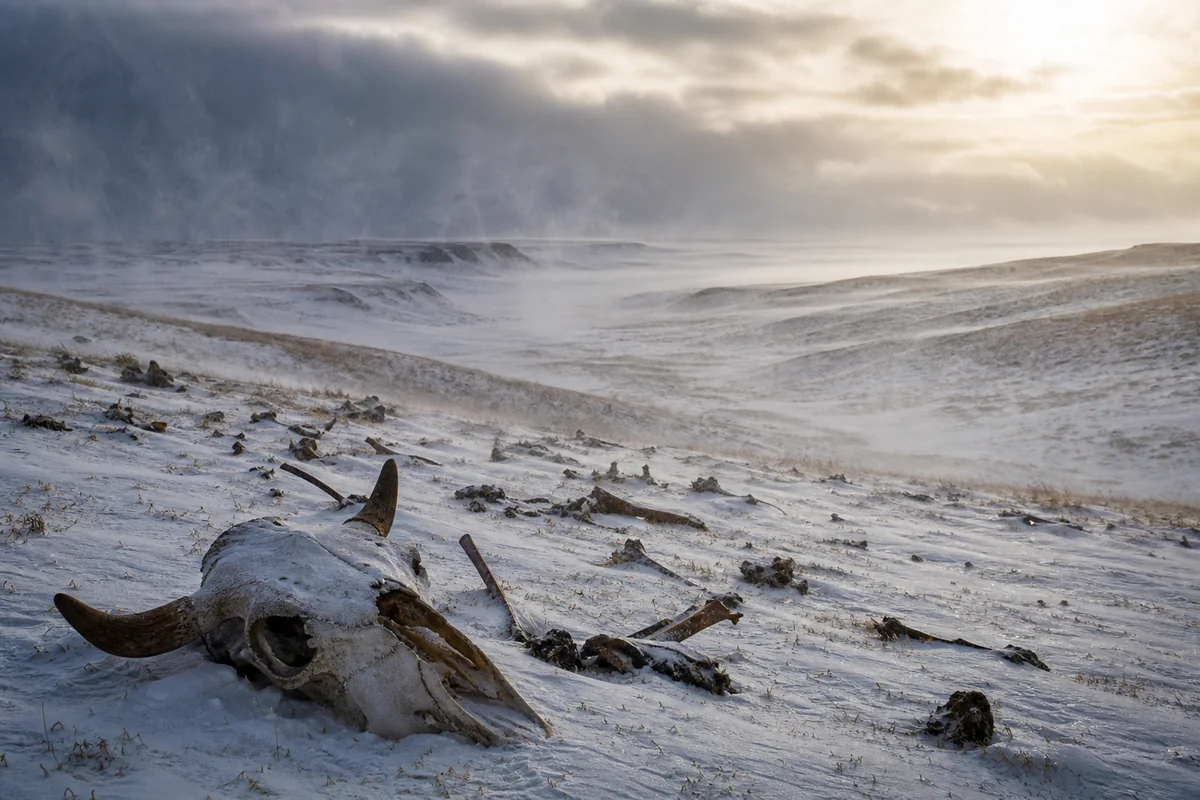
The territorial period saw the construction of Fort Benton (which I consider one of Montana’s most underrated historic sites), the arrival of the railroad, the decimation of the bison herds, and the confinement of Indigenous peoples to reservations.
The harsh Montana winter of 1886 devastated the open-range cattle industry and fundamentally changed the territory’s economy. That single winter killed an estimated 60% of Montana’s cattle and bankrupted countless ranchers.
By the late 1880s, Montana’s population had stabilized enough to qualify for statehood. On November 8, 1889, President Benjamin Harrison signed the proclamation admitting Montana as the 41st state.
The name stayed the same through this transition—a testament to how perfectly it had captured the territory’s identity.
Big Sky Country: Montana’s Other Name
If you’ve spent any time in Montana, you’ve heard it called “Big Sky Country.” But this nickname is much newer than the state’s official name.
The phrase gained popularity in the early 1960s, largely due to a campaign by the Montana Highway Commission. Before that, Montana had been known by various informal names, including “The Treasure State” (which remains on license plates today).
I’ve always found it interesting that “Big Sky Country” emphasizes the horizontal rather than the vertical. It’s about the vast openness, the way the sky seems to stretch forever in every direction.
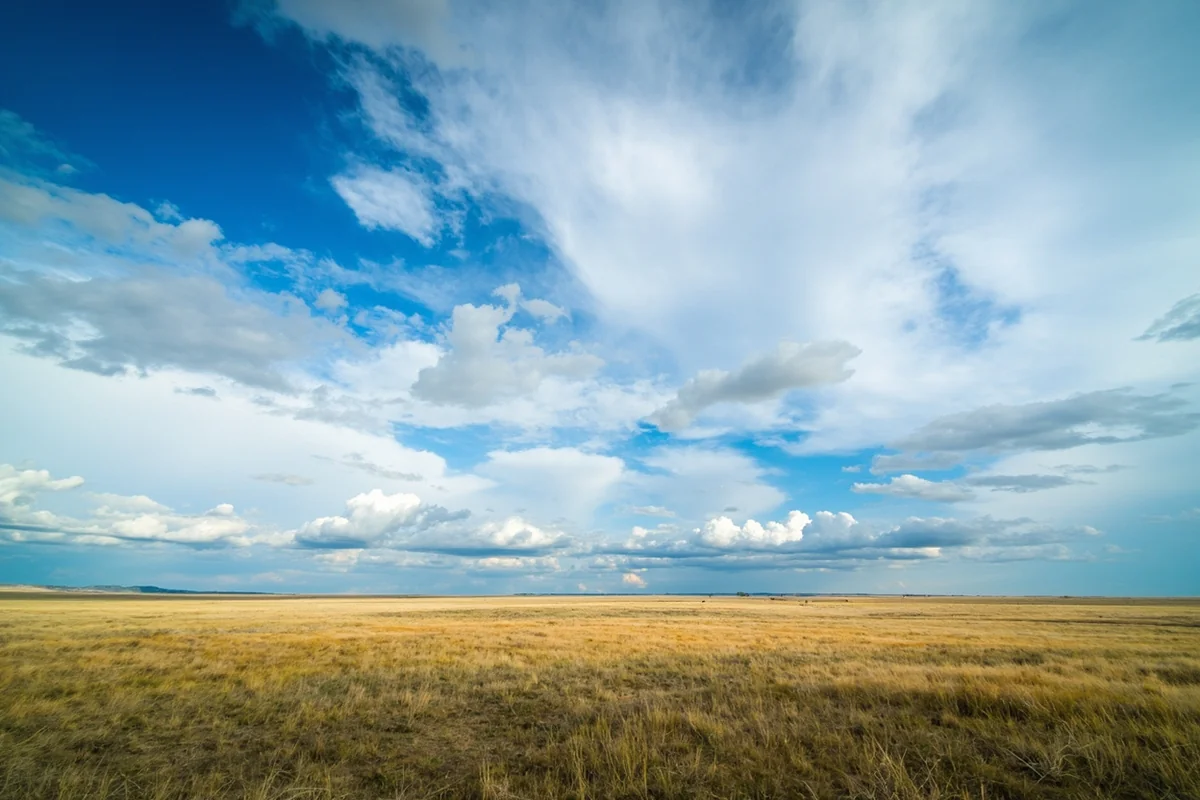
During a camping trip near Medicine Lake last summer, I understood this nickname viscerally. At night, with no light pollution for miles, the sky wasn’t just big—it was infinite. The Milky Way stretched from horizon to horizon like a river of light.
The name “Montana” and the nickname “Big Sky Country” actually complement each other beautifully. One emphasizes the mountains; the other emphasizes the sky. Together, they capture the full Montana experience.
How Montana’s Name Shapes Visitor Expectations
Here’s something I’ve observed after years of writing about Montana travel: the name creates specific expectations.
First-time visitors often arrive expecting wall-to-wall mountains. They’re sometimes surprised to discover vast prairies, dramatic badlands, and miles of gentle farmland.
I always encourage visitors to embrace this diversity. Yes, the mountains are spectacular—Glacier National Park remains my favorite place on Earth—but the prairies have their own magic.
The name “Montana” might have focused on one geographic feature, but the state offers so much more. Understanding this helps visitors appreciate the full range of experiences available.
Practical Places to Learn About Montana’s Name and History
If you’re visiting Montana and want to explore the state’s naming history and broader cultural story, here are my top recommendations:
| Location | What You’ll Learn | Best Time to Visit |
|---|---|---|
| Montana Historical Society (Helena) | Comprehensive state history, territorial documents, original maps | Year-round, weekdays for fewer crowds |
| Museum of the Plains Indian (Browning) | Indigenous history and culture, pre-colonial names and traditions | Summer months, combine with Glacier visit |
| Virginia City Historic District | Territorial period history, gold rush era | June-September, when buildings are open |
| Fort Benton | River trade history, early territorial settlement | Late spring through early fall |
| Lewis and Clark National Historic Trail Interpretive Center (Great Falls) | Exploration history, Indigenous encounters, naming of geographic features | Year-round |
The 406: Montana’s Modern Identity
While “Montana” remains the state’s official name, modern Montanans have embraced another identifier: 406.
This is Montana’s single area code, covering the entire state—the only US state besides Hawaii to have just one. If you’re curious about what Montana’s 406 means, it’s become a powerful symbol of state identity.
I see “406” on bumper stickers, hats, and tattoos throughout the state. It represents something the official name doesn’t quite capture: the shared experience of living in a place so vast yet so sparsely populated that everyone shares the same phone prefix.
Montana’s Name in the Context of Western States
Montana’s Spanish-derived name fits a pattern in Western American naming conventions.
Nevada means “snow-covered” in Spanish. Colorado comes from the Spanish for “colored red.” California likely derives from a Spanish novel describing a mythical island.
What makes Montana’s naming unique is its directness. The name simply describes what the namer saw: mountains. There’s no mythology, no tribute to a person or tribe, no political compromise.
I find this simplicity refreshing. When you stand at Logan Pass in Glacier National Park, watching mountain goats traverse impossibly steep cliffs, you understand exactly why someone looked at this landscape and said: “Mountains. That’s what we’ll call it.”
How Understanding Montana’s Name Enriches Your Visit
You might wonder why any of this matters for your trip planning. Here’s my perspective after years of Montana travel:
Understanding a place’s name connects you to its story. When you know that “Montana” emerged from Spanish exploration, congressional debate, and frontier romanticism, you see the landscape differently.
Driving through the state, you might think about James Ashley, who never visited but imagined these mountains so vividly he championed the name through Congress.
You might think about the Indigenous peoples whose names for this land—names carrying millennia of meaning—were replaced by a single Spanish word.
You might think about the miners, ranchers, and homesteaders who arrived expecting mountains and found so much more.
This context transforms tourism into something deeper. It’s why I always encourage visitors to learn about Montana’s pioneer legacy and the many layers of history beneath the surface.
Montana’s Name and Natural Features
The state’s mountainous character hasn’t just influenced its name—it’s shaped everything about Montana’s development and visitor experience.
The Rocky Mountain Front, that dramatic line where the prairies collide with the peaks near Choteau and Augusta, remains one of my favorite Montana landscapes. Standing there on a clear morning, you can see exactly why “mountainous country” felt like the only possible name.
But Montana’s geography is more complex than its name suggests. The state contains parts of several distinct geographic regions:
The Northern Rocky Mountains dominate the western third. The Great Plains cover the eastern two-thirds. The Missouri River system drains most of the state eastward. The Columbia River system drains the northwestern corner westward.
This diversity means Montana experiences dramatically different weather patterns, ecosystems, and even cultural identities. The worst winters in Montana history hit different regions with varying severity, and the state’s relationship with fire—as explored in Montana’s fire history—varies dramatically between the forested west and the prairie east.
Lesser-Known Montana Name Facts
During my research, I uncovered several fascinating details that even many Montanans don’t know:
Montana could have been called “Absaroka.” In 1939, a group of ranchers frustrated with New Deal policies proposed seceding from Montana and Wyoming to form a new state called Absaroka. The movement was mostly symbolic, but it generated significant publicity.
The pronunciation has shifted over time. Historical documents suggest early territorial residents sometimes pronounced it “Mon-tay-na” with a more Spanish-influenced accent.
Montana nearly absorbed parts of neighboring territories. Early proposals would have given Montana territory extending much further north into what is now Alberta, Canada.
The word “montana” appears in place names across the Spanish-speaking world. There’s a Montana Province in Bulgaria, and the Spanish word appears in countless South American and Central American geographic names.
Montana’s Identity Beyond Its Name
A state’s identity grows far beyond its name, and Montana demonstrates this perfectly.
The state’s history encompasses everything from major earthquakes that reshaped its geology to underwater history that seems impossible in such a landlocked state.
Montana’s 20th-century history includes missile silos scattered across the prairie, active military bases, and even secret military installations that most visitors never learn about.
The darker chapters include prison history at the state penitentiary in Deer Lodge and the troubling cases of serial killers with Montana connections.
The cultural identity has been shaped by everything from Montana’s food and culinary heritage—think huckleberries, bison, and ranch-style cooking—to the resilience required to survive brutal winters.
All of this complexity exists beneath that simple, elegant name: Montana. Mountains.
Planning Your Montana Trip With This Knowledge
So how should this understanding of Montana’s name influence your travel planning?
First, consider visiting both the mountainous west and the prairie east. Don’t let the name fool you into thinking Montana is only about peaks and valleys. The eastern plains offer their own profound beauty and important history.
Second, visit the historical sites I mentioned. The Montana Historical Society in Helena is genuinely world-class, and you can easily spend half a day there learning about everything from territorial politics to Indigenous resistance.
Third, engage with the landscape consciously. When you see those mountains rising from the plains, think about all the people who gazed at them before you—and how overwhelming they must have seemed to someone encountering them for the first time.
Fourth, learn some Indigenous place names. The Blackfeet, Salish, Kootenai, Crow, and other nations have names for Montana landmarks that carry deep meaning. Using these names respectfully connects you to the land’s longer history.
Finally, embrace the contradiction between name and reality. Montana is mountains—but it’s also endless sky, rolling prairie, wild rivers, and everything in between. The name captures one truth about this place. Your visit can reveal many others.
Final Thoughts on Montana’s Name
After all my years exploring Montana, I’ve come to see the name as a kind of promise.
It promises mountains, and it delivers them spectacularly. But like any good promise, it also delivers unexpected bonuses: the prairies, the sky, the rivers, the wildlife, the history, the culture.
James Ashley chose well in 1864, even if he never personally witnessed the landscape he was naming. “Montana” has proven durable, evocative, and appropriate for 160 years.
Whether you’re planning your first Montana trip or your fiftieth, I hope understanding the name’s origin adds something to your experience. Every landscape has a story embedded in its name. Montana’s story is about mountains, yes—but it’s also about human imagination, political negotiation, Indigenous displacement, and the eternal human desire to capture beauty in a single word.
The mountains are waiting. And now you know why they call it Montana.
Frequently Asked Questions
What does Montana mean and where did the name come from?
Montana comes from the Spanish word ‘montaña’ meaning mountain or mountainous country, which perfectly describes the state’s dramatic Rocky Mountain terrain. The name was chosen when Montana became a U.S. territory in 1864, reflecting the stunning peaks that dominate the western portion of the state.
Who named Montana and when did it officially become a state?
Montana was named by U.S. Senator James Ashley of Ohio when he proposed the territory’s name in 1864, drawing from the Spanish-Latin word for mountain. Montana officially became the 41st state on November 8, 1889, making 2024 a great year to visit and celebrate over 135 years of statehood.
What is Montana’s nickname and why is it called Big Sky Country?
Montana’s official nickname is ‘Big Sky Country,’ coined by a 1962 highway promotion campaign that captured the state’s vast open landscapes and seemingly endless horizons. When you’re driving through Montana’s prairies and mountain valleys, you’ll immediately understand why—the sky feels impossibly huge compared to anywhere else I’ve traveled in the U.S.
What’s the best time to visit Montana to experience its mountain scenery?
The best time to visit Montana for mountain scenery is June through September when Glacier National Park’s Going-to-the-Sun Road is fully open and hiking trails are accessible. I recommend July and August for the most reliable weather, though expect crowds at popular spots and book accommodations 3-6 months in advance, especially near Glacier and Yellowstone.
How much does a week-long trip to Montana cost for history and nature lovers?
A week in Montana typically costs $1,500-$3,000 per person depending on your travel style, including lodging ($100-$250/night), park entrance fees ($35 per vehicle at Glacier or Yellowstone), gas for driving long distances, and meals. Budget travelers can cut costs by camping ($20-$35/night) and cooking their own food, while luxury lodges near Big Sky can run $400+ nightly.
What historic sites should I visit to learn about Montana’s origins and Native American heritage?
Must-visit historic sites include Little Bighorn Battlefield National Monument ($20 entry), the Montana Historical Society Museum in Helena (free admission), and First Peoples Buffalo Jump State Park near Great Falls. I’d also recommend visiting the Museum of the Plains Indian in Browning to understand the deep Native American history that predates Montana’s name by thousands of years.
How far apart are Montana’s major attractions and what should I pack?
Montana is massive—driving from Glacier National Park to Yellowstone takes about 5.5 hours (320 miles), so plan for significant windshield time between destinations. Pack layers regardless of season since mountain weather changes quickly, plus a good road atlas or download offline maps since cell service is spotty across much of Big Sky Country.
Sources