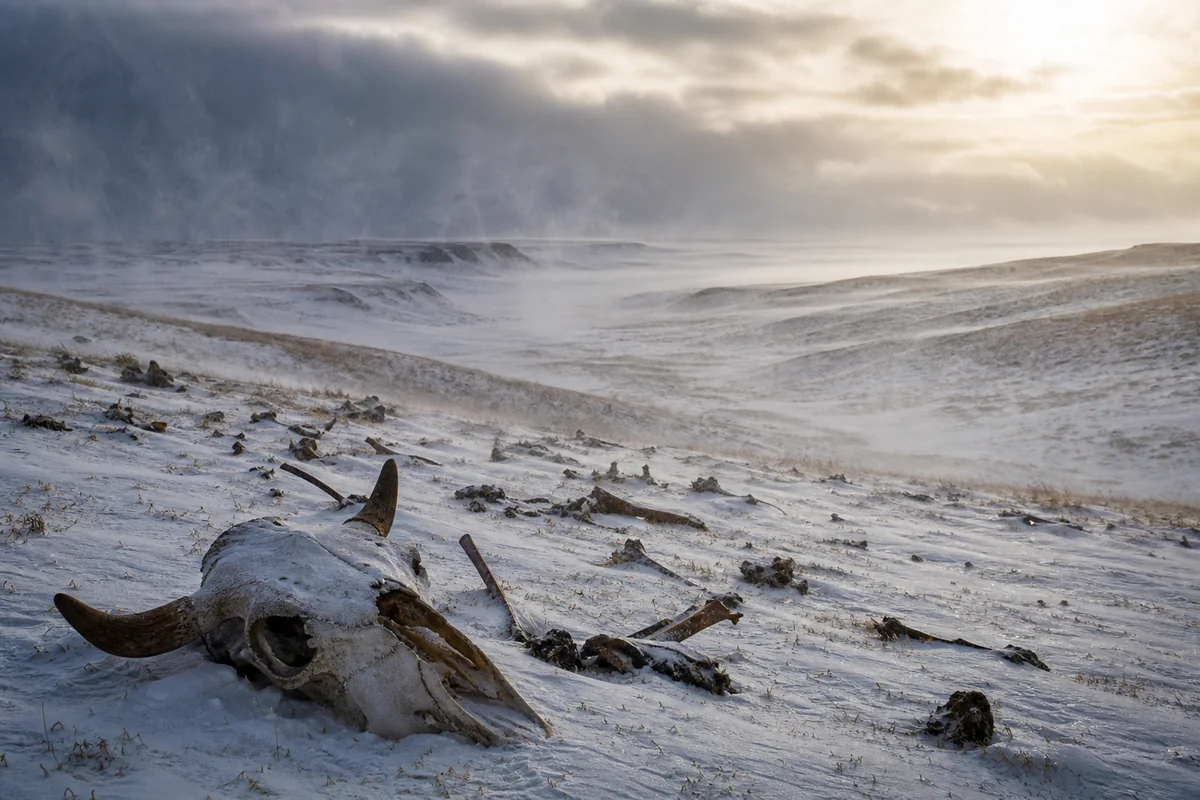
Standing at the edge of a frozen coulee near Miles City last January, I watched the wind whip snow into horizontal sheets across the prairie and felt—if only for a moment—what those desperate ranchers must have experienced during the catastrophic winter of 1886-87.
That single season killed an estimated 362,000 cattle across Montana Territory, bankrupted countless operations, and fundamentally rewrote the rules of ranching in the American West.
It remains one of the most significant chapters in Montana history, and understanding it adds profound depth to any visit to Big Sky Country.
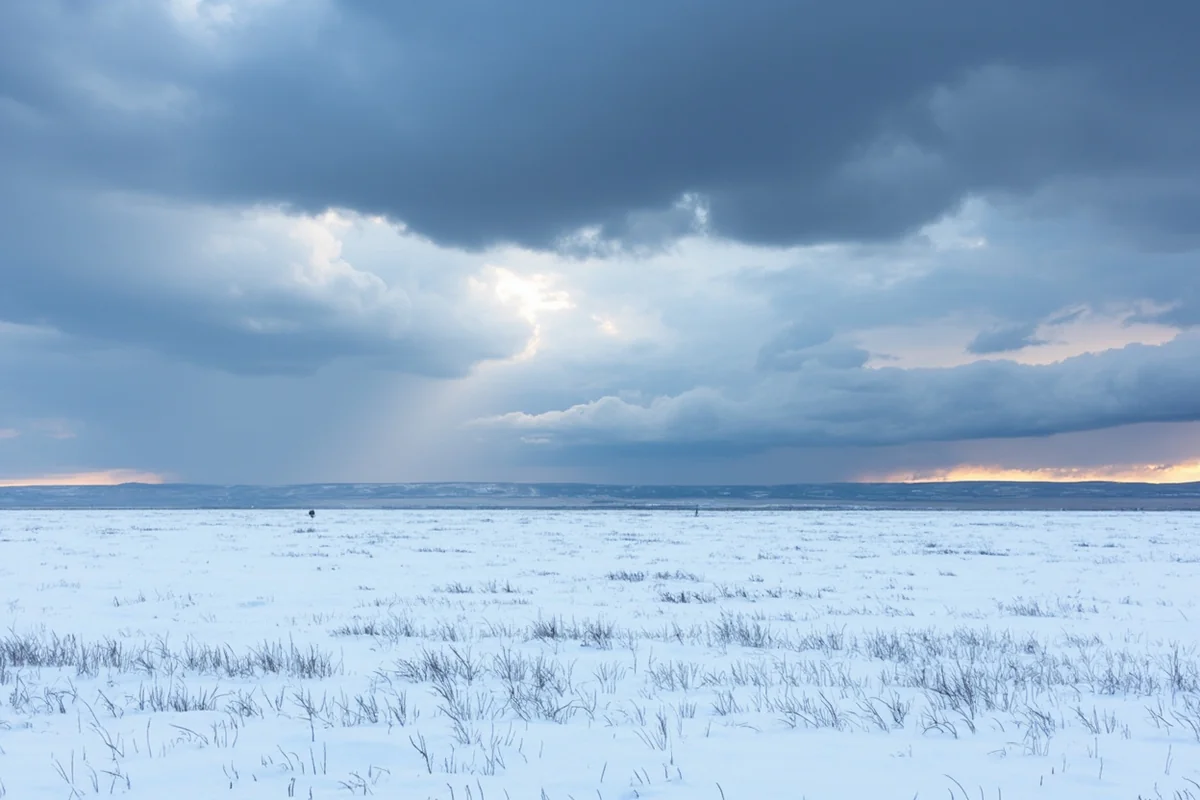
- The winter of 1886-87 killed up to 90% of cattle on some Montana ranches and ended the open-range era
- Visit the Range Riders Museum in Miles City to see original artifacts from the disaster
- The Montana Historical Society in Helena houses Theodore Roosevelt’s correspondence about his devastating losses
- Charlie Russell’s famous “Waiting for a Chinook” sketch captured the tragedy and launched his art career
- Key sites include the Granville Stuart homestead area, historic Miles City, and the CM Russell Museum in Great Falls
- Best time to trace this history: summer for accessibility, but a winter visit helps you truly understand the story
When I first started researching key historical events in Montana, I assumed the 1886-87 winter would be a footnote. I was wrong. This single catastrophic season shaped everything from Montana’s ranching practices to its art legacy, its settlement patterns, and even its cultural identity. As someone who has spent years exploring the state’s most compelling stories—from the Roaming Montanald Rush to the pioneer legacy that defines so many communities—I can tell you that no single event resonates quite like “The Hard Winter.”
Liked this article?
Add Roaming Montana as a preferred source so you see more of our articles and guides on Google.
What Made the Winter of 1886-87 So Devastating?
To understand what happened, you need to understand what came before. During my visits to ranching communities across central and eastern Montana, I’ve learned that the early 1880s were years of almost reckless optimism.
Cattle operations had exploded across the territory. Eastern investors, European aristocrats, and ambitious pioneers poured money into the open-range system, where cattle roamed freely across vast unfenced grasslands. The herds multiplied. The grass seemed endless. Nobody thought to question whether the good times could last.
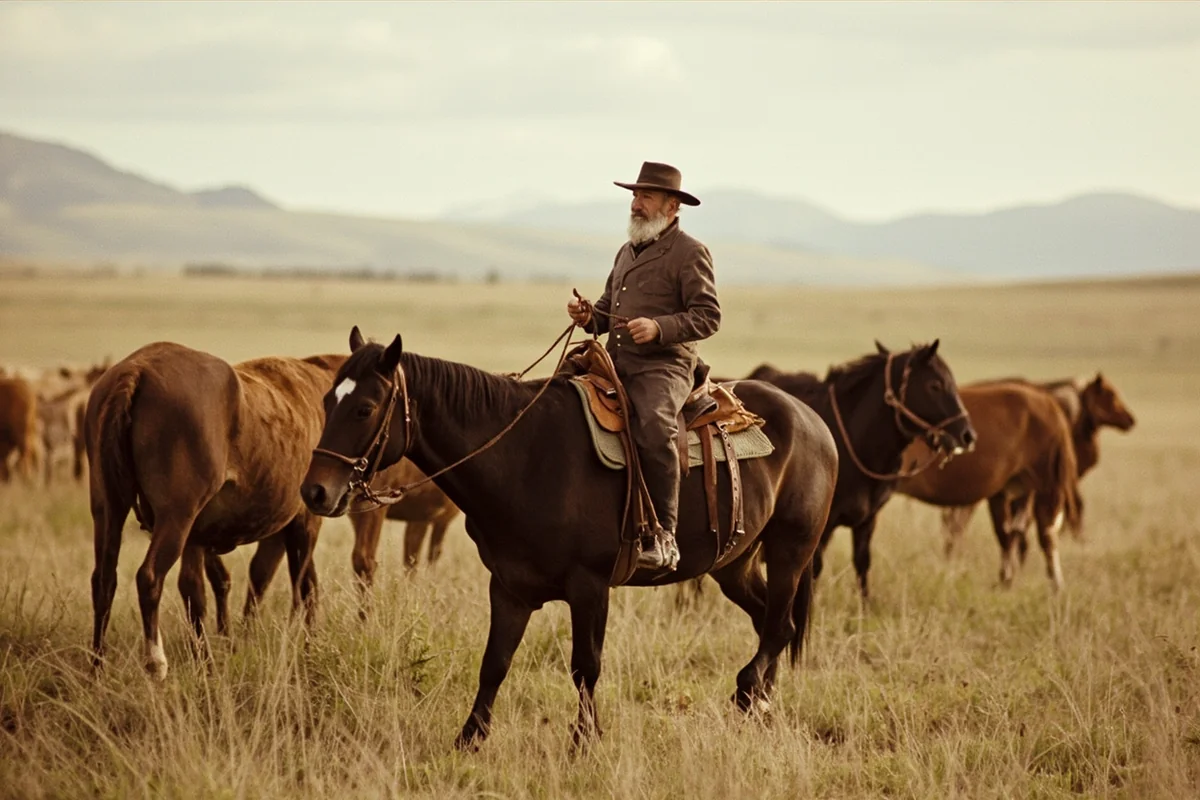
The summer of 1886 should have been a warning. When I spoke with a fourth-generation rancher near Roundup during a trip two summers ago, he showed me his family’s original ranch journals. The entries from that summer describe scorching heat, depleted grass, and cattle already thin before autumn arrived.
Then came November.
The first blizzard struck on November 13, 1886. But it wasn’t just one storm—it was a relentless series of Arctic blasts that buried the territory in snow and ice for nearly four months. Temperatures plummeted to 40, 50, even 60 degrees below zero in some areas.
The cattle, already weakened from the dry summer, had nowhere to go. No shelter. No supplemental feed. No fences to contain them near water sources. They drifted with the storms, piling against coulees and cutbanks, freezing where they stood.
The Human Stories Behind the Statistics
Numbers alone—362,000 dead cattle, $20 million in losses (equivalent to roughly $650 million today)—don’t capture the human tragedy. Walking through the Range Riders Museum in Miles City on a frigid afternoon last winter, I stood before exhibits that brought individual stories to life.
Granville Stuart: The “Cattle King” Who Lost Everything
Granville Stuart is one of Montana’s most fascinating figures. I’ve traced his footsteps from the early gold camps near Bannack to his massive DHS Ranch in the Judith Basin. Before the Hard Winter, Stuart ran an estimated 12,000 head of cattle and was one of the territory’s wealthiest men.
By spring 1887, he had fewer than 3,000 animals left. The financial devastation forced him to sell the ranch and reinvent himself as a diplomat and librarian.
When I visited the area near present-day Lewistown where Stuart’s operations centered, the landscape helped me understand both his ambition and his downfall.
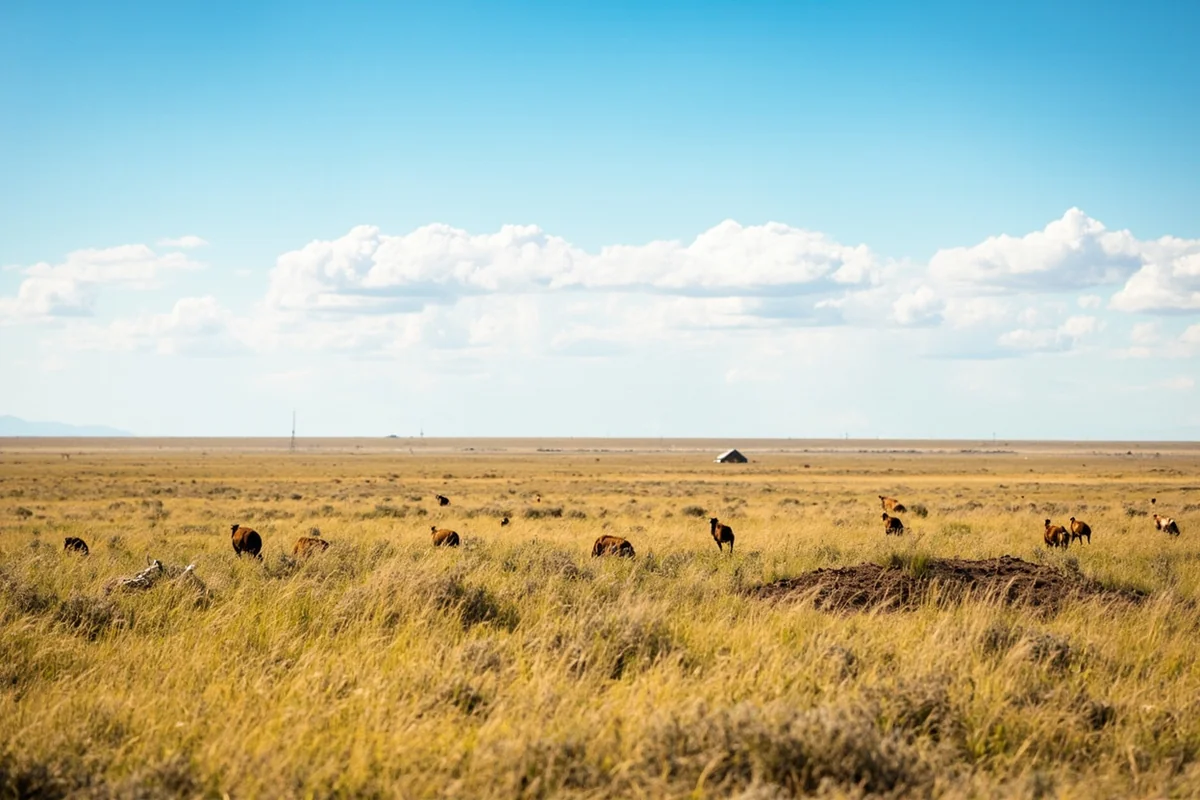
The Judith Basin is gorgeous—rolling grasslands ringed by mountains, seemingly perfect cattle country. But there’s no natural shelter for miles. When the blizzards came, there was nowhere for the animals to hide.
Theodore Roosevelt: A Future President’s Crucible
Yes, that Theodore Roosevelt. Before he became a Rough Rider or occupied the White House, TR was a cattle rancher in the Badlands along the Montana-Dakota border. The Hard Winter devastated his operations.
At the Montana Historical Society in Helena—a must-visit for any history-minded traveler—I spent hours in the research library examining documents from this era. Roosevelt’s correspondence reveals a man grappling with massive financial losses while simultaneously developing the conservation ethic that would later define his presidency.
Some historians argue that watching the reckless exploitation of the open range, followed by environmental catastrophe, planted the seeds of Roosevelt’s later commitment to protecting public lands.
When you visit Theodore Roosevelt National Park in North Dakota (just across the Montana border) or explore the Missouri Breaks country he knew, you’re walking through the landscape that shaped one of America’s most consequential leaders.
Charlie Russell: An Artist Emerges from Tragedy
No discussion of the 1886-87 winter is complete without Charles M. Russell, Montana’s most celebrated artist. During that terrible winter, Russell was working as a cowhand for the O-H Ranch.
When a ranch owner in Helena wrote to the O-H foreman asking about conditions, Russell grabbed a scrap of cardboard and sketched a starving cow surrounded by wolves, barely standing in the snow. He titled it “Waiting for a Chinook” (a chinook being the warm wind that could break a cold spell).
That rough sketch circulated throughout Montana and made Russell famous almost overnight. It now resides at the Montana Stockgrowers Association and remains one of the most powerful images of the disaster.
I’ve visited the CM Russell Museum in Great Falls multiple times, and each visit deepens my appreciation for how the Hard Winter shaped Russell’s artistic vision. His later paintings return again and again to themes of the Old West’s passing, of nature’s indifference to human ambition, of cowboys and cattle struggling against elemental forces. The winter of 1886-87 gave him both his subject matter and his perspective.
Where to Experience This History Today
One of the things I love about Montana is how accessible its history remains. Unlike many states where the past has been paved over, Montana’s historical landscapes often look remarkably similar to how they appeared over a century ago.
Miles City and the Range Riders Museum
If you want to start your exploration of the Hard Winter, Miles City is the place. This eastern Montana town was ground zero for the cattle industry’s expansion and subsequent collapse.
The Range Riders Museum contains an outstanding collection of artifacts from the open-range era. During my most recent visit, I spent two hours examining original photographs, branding irons, and documents from the disaster period. The museum’s volunteers—many of them descendants of early ranchers—offer personal insights you won’t find in any book.
Don’t miss the memorial to the range riders themselves, working cowboys whose experiences during the Hard Winter were often the most harrowing of all.
| Site | Location | Why Visit | Best Season |
|---|---|---|---|
| Range Riders Museum | Miles City | Original artifacts, photographs, cowboy memorials | April-October |
| CM Russell Museum | Great Falls | “Waiting for a Chinook” context, Russell’s studio | Year-round |
| Montana Historical Society | Helena | Archives, research library, exhibit galleries | Year-round |
| Judith Basin/Lewistown area | Central Montana | Stuart ranch territory, unchanged landscape | May-September |
| Missouri Breaks | North-central Montana | Remote cattle country, dramatic terrain | May-October |
Helena and the Montana Historical Society
For serious history enthusiasts, the Montana Historical Society in Helena is essential. Their archives contain primary documents from the disaster—letters, business records, photographs, and newspaper accounts that bring the story to vivid life.
The museum galleries include exhibits on Montana’s ranching heritage, and the research library staff are incredibly helpful. When I was there last summer, a researcher helped me locate original accounts from cowboys who survived that winter. Reading their words in their own handwriting was genuinely moving.
The Judith Basin and Central Montana
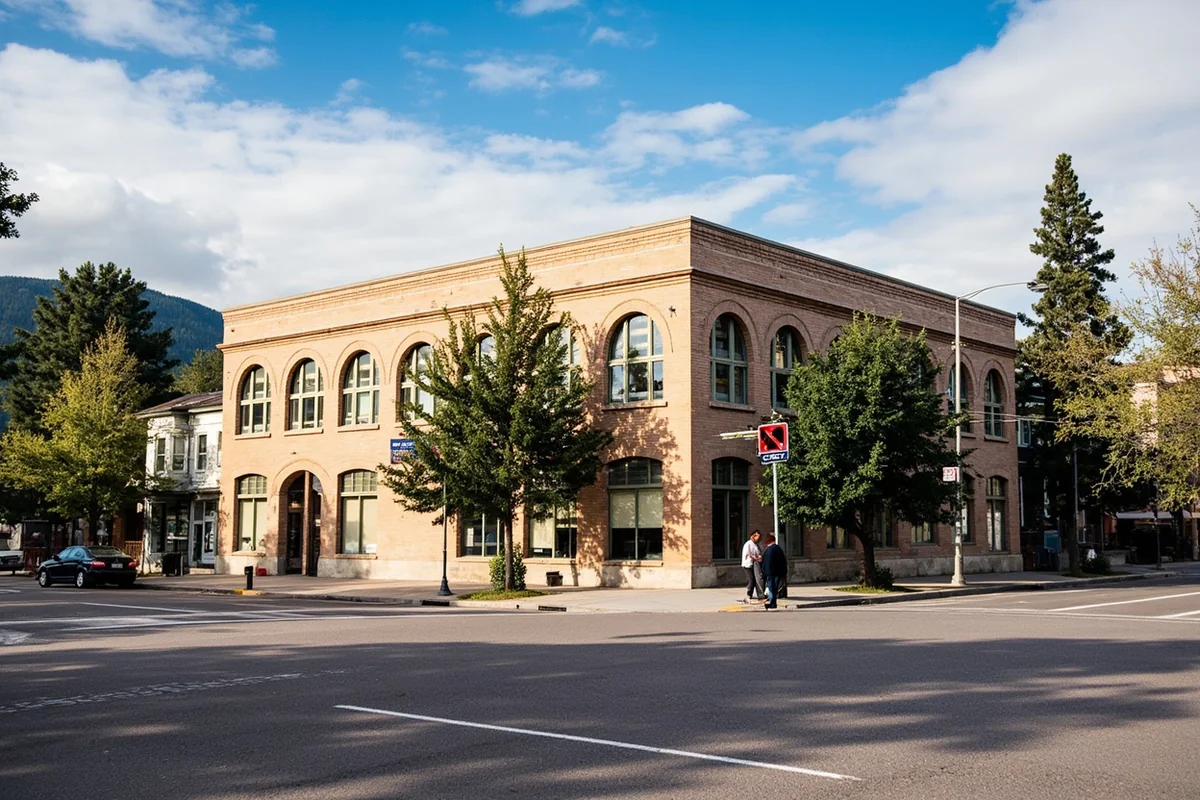
Driving through central Montana’s ranch country—roughly the area between Lewistown, Great Falls, and the Missouri River—you’re crossing landscapes that witnessed some of the heaviest cattle losses. This region was the heart of Granville Stuart’s operations and dozens of smaller ranches.
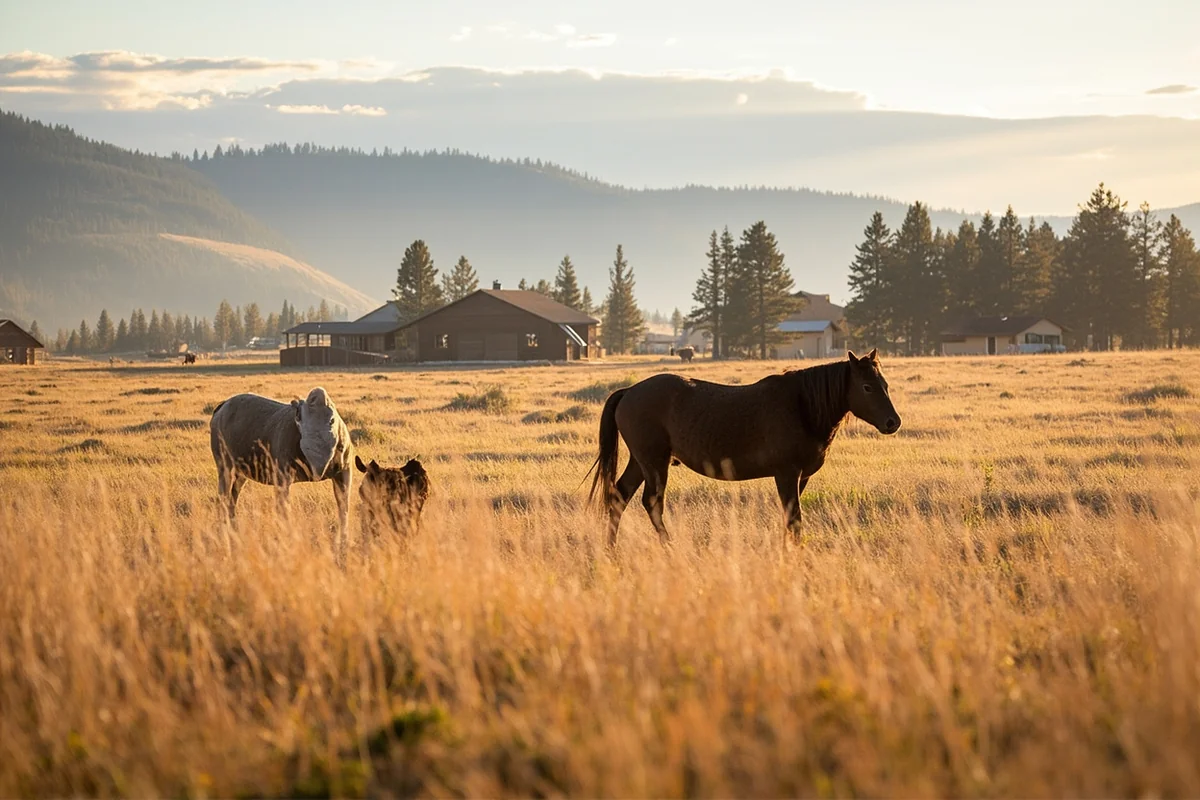
I recommend taking Highway 87 north from Lewistown toward Big Sandy. The country opens up into rolling grasslands that look much as they did in the 1880s. Pull over at any scenic turnout, and you can imagine thousands of cattle drifting helplessly before the blizzards.
The town of Lewistown has a small but excellent local museum with ranching exhibits, and the Central Montana Historical Museum includes artifacts from pioneer families who weathered the disaster.
Great Falls and the CM Russell Museum
The CM Russell Museum in Great Falls is Montana’s premier art museum and absolutely essential for understanding how the Hard Winter shaped the state’s cultural identity. The museum houses the largest collection of Russell’s work, including many pieces depicting winter scenes and struggling cattle.
Russell’s original log cabin studio sits on the museum grounds, preserved much as he left it. Standing inside, surrounded by his animal skulls, Native American artifacts, and half-finished canvases, I felt a powerful connection to the artist who witnessed and immortalized Montana’s most devastating season.
The museum’s gift shop has excellent reproductions of “Waiting for a Chinook” and scholarly books about the disaster if you want to continue your research.
The Aftermath: How the Hard Winter Changed Everything
The winter of 1886-87 didn’t just kill cattle—it killed an entire economic system. When I discuss this history with modern Montana ranchers, they’re quick to point out that the disaster’s lessons still guide their operations today.
The End of Open Range
Before the Hard Winter, cattle roamed freely across millions of acres of unfenced public land. Ranchers simply branded their animals and rounded them up for sale. It was, in many ways, a get-rich-quick scheme on a massive scale.
After the die-off, survivors realized the system was fundamentally unsustainable. Fencing expanded. Ranchers began growing hay for winter feed. Herds were kept smaller and more closely managed.
The Montana you drive through today—with its fenced pastures, hay meadows, and carefully managed grazing rotations—is a direct legacy of the lessons learned in 1887.
Corporate Retreat, Family Ranch Expansion
Many of the large corporate operations backed by Eastern and European investors never recovered. They sold out, often to local ranching families who had survived through smaller-scale, more adaptable practices.
This shift toward family ranching operations shaped Montana’s agricultural character for generations. Even today, Montana has far more family-owned ranches than corporate-owned operations compared to states like Texas or California.
Conservation and Public Lands
The environmental devastation of the open-range era—overgrazing followed by mass die-offs—contributed to growing national awareness that Western lands needed management and protection.
Theodore Roosevelt’s later conservation initiatives drew directly from his experiences during and after the Hard Winter.
When you visit Montana’s national forests, BLM lands, or wildlife refuges, you’re benefiting from a conservation ethic partly born from the catastrophe of 1886-87.
Planning Your Hard Winter History Trip
When to Go
This might sound counterintuitive, but I recommend two very different approaches depending on what you want from the experience.
For accessibility and comfort, summer (June through September) is ideal. All museums and historical sites are open, roads are clear, and you can easily drive the remote routes through central and eastern Montana where much of this history unfolded.
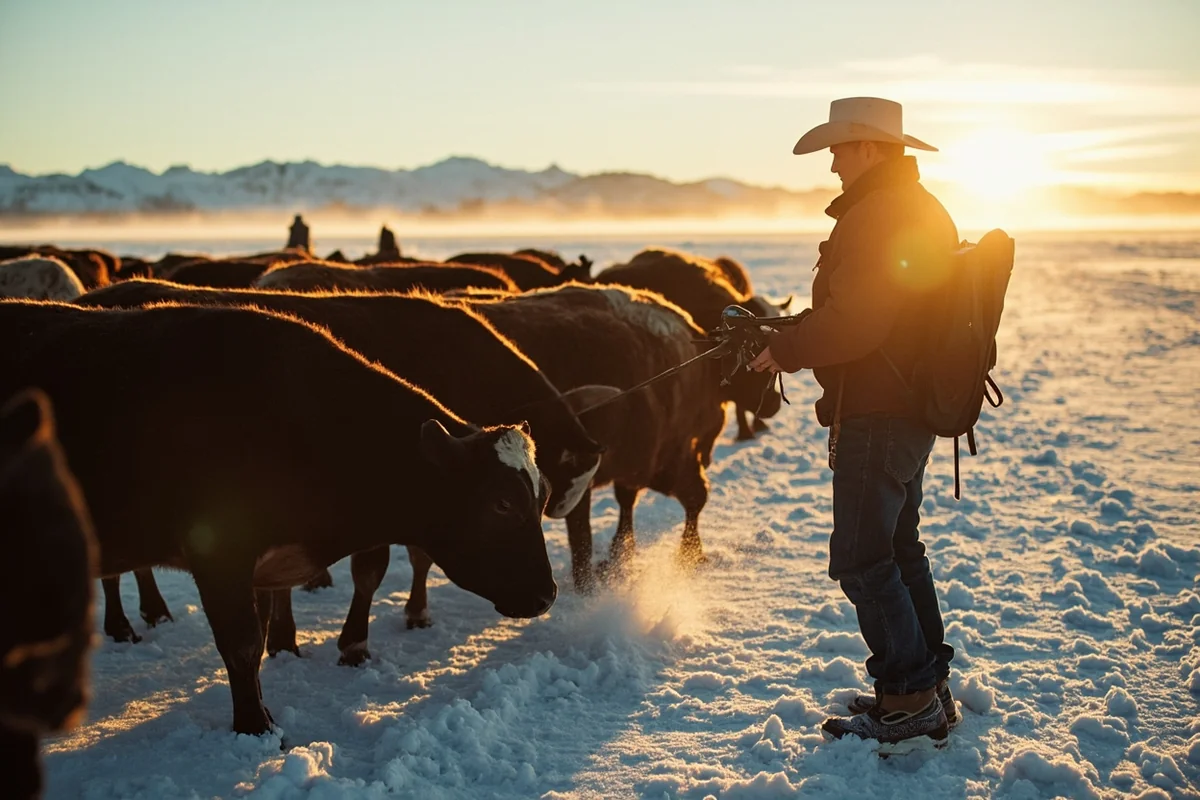
For visceral understanding, consider a winter visit. When I stood on that frozen prairie near Miles City last January, watching the temperature drop toward minus-20 and feeling the wind cut through multiple layers, I understood the 1886-87 catastrophe in a way no book could convey.
Just be prepared: eastern Montana winters are serious, and you’ll need a reliable vehicle, emergency supplies, and flexibility in your schedule.
How Long to Spend
A dedicated Hard Winter history trip could fill anywhere from a long weekend to a full week, depending on your depth of interest.
For a focused three-day trip, I’d suggest:
- Day 1: Helena (Montana Historical Society, state capitol, Last Chance Gulch historic district)
- Day 2: Great Falls (CM Russell Museum, Giant Springs State Park, historic downtown)
- Day 3: Drive through the Judith Basin to Lewistown, explore central Montana ranch country
For a longer trip incorporating Miles City and eastern Montana, add two to three additional days. The drive from Great Falls to Miles City (roughly four hours on Highway 87 and Interstate 94) crosses spectacular prairie landscapes that haven’t changed much since the 1880s.
Combining with Other Montana History
The Hard Winter fits naturally into a broader exploration of Montana’s past. The state has experienced so many dramatic chapters—from its name origins to natural disasters like the major earthquakes that have shaped its geology and the historic fires that have transformed its forests.
If you’re interested in Montana’s darker histories, the state has no shortage of compelling (if sometimes disturbing) stories, from prison history to more recent chapters.
For Cold War history buffs, Montana’s role in nuclear defense—including its missile silos and active military bases—offers a fascinating contrast to the ranching heritage.
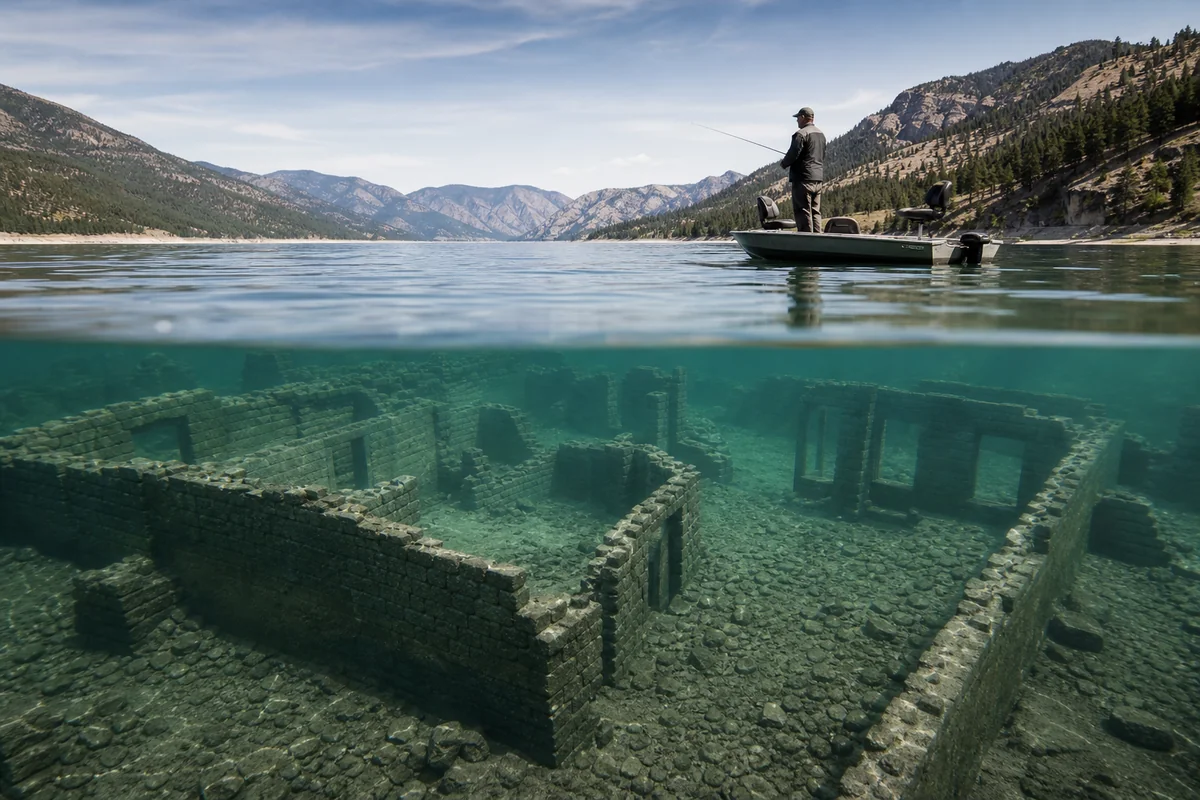
And don’t overlook the unique stories hidden across the state. Whether it’s underwater history in the state’s reservoirs or the stories behind quirky facts like what Montana’s 406 area code means, there’s always more to discover.
Food, Lodging, and Practical Considerations
Where to Stay
Miles City has several comfortable chain hotels and a few historic properties. The historic Olive Hotel downtown has been restored and offers a genuine taste of early Montana.
Great Falls has more lodging options, including chains near the CM Russell Museum and some excellent bed-and-breakfasts in the older neighborhoods.
Helena offers everything from budget motels to the historic Sanders B&B, one of my favorite places to stay anywhere in Montana. The 1875 mansion has been beautifully preserved and sits within walking distance of the Montana Historical Society.
What to Eat
Montana’s culinary heritage is closely tied to its ranching history, and beef remains king across the state. In Miles City, don’t miss the Montana Bar’s famous burgers.
In Great Falls, Dante’s Creative Cuisine offers upscale preparations of local beef and bison. Helena’s Benny’s Bistro does an outstanding ribeye.
For a more historic experience, several restaurants in these towns serve traditional “cowboy” fare—steaks, beans, biscuits—that connects directly to the ranching culture you’re exploring.
Getting Around
You’ll need a car. Montana’s historical sites are spread across vast distances, and public transportation is essentially nonexistent outside Missoula and Billings.
Renting a reliable vehicle with good tires is essential, especially if you’re visiting between October and April. I always recommend carrying emergency supplies (water, snacks, blankets, a first-aid kit) even in summer—cell service can be spotty in ranch country, and help may be hours away.
Understanding the Legacy
Every time I drive through Montana’s ranch country, I think about the winter of 1886-87 and the generation of ranchers who survived it. The Hard Winter wasn’t just a natural disaster—it was a fundamental reckoning with the limits of Western expansion.
The open-range system assumed that nature would cooperate with human ambition indefinitely. When nature instead delivered four months of brutal, unrelenting cold, the illusion shattered.
Those who survived built something more sustainable, more humble, more attuned to the realities of the Montana climate.
That legacy shapes the state to this day. Montana ranchers are known for their practicality, their preparedness, their respect for the land’s power to humble anyone who underestimates it.
The state has experienced other brutal seasons—among Montana’s worst winters—but none fundamentally transformed the culture quite like 1886-87.
When you visit Montana and explore this history, you’re not just learning about the past. You’re understanding the DNA of a place and its people—why they build the way they build, plan the way they plan, and respect the weather the way they do.
And if you’re lucky enough to experience a Montana winter yourself—even a mild one—you’ll carry a small piece of that understanding home with you. The Hard Winter happened over 130 years ago, but in Montana, the land remembers. And now, so will you.
Frequently Asked Questions
What was the Winter of 1886 in Montana and why is it historically significant?
The Winter of 1886-1887, often called the ‘Great Die-Up,’ was a catastrophic blizzard season that killed an estimated 90% of Montana’s open-range cattle and effectively ended the era of large-scale cattle ranching. I find this event fascinating because it fundamentally changed Montana’s economy and landscape, making it a pivotal moment in Western American history that shaped the state we visit today.
Where can I visit historical sites related to the 1886 Montana winter disaster?
The Montana Historical Society Museum in Helena features exhibits and artifacts from this devastating winter, while the Range Riders Museum in Miles City showcases ranching history including the Great Die-Up era. Charlie Russell’s famous painting ‘Waiting for a Chinook’ depicting a starving cow was inspired by this winter, and you can see his works at the C.M. Russell Museum in Great Falls, about 90 miles from Helena.
What is the best time to visit Montana to learn about its harsh winter history?
Summer months from June through August offer the most comfortable weather for exploring Montana’s historical museums and ranch heritage sites, with temperatures averaging 70-85°F. However, visiting during winter gives you a visceral understanding of the brutal conditions pioneers faced—just be prepared with proper gear and 4WD vehicles if traveling between November and March.
How much does it cost to visit Montana historical museums about the 1886 winter?
Most Montana history museums are surprisingly affordable, with admission typically ranging from $5-15 per adult. The Montana Historical Society Museum in Helena is free, while the C.M. Russell Museum costs around $15 for adults. I’d budget roughly $50-75 per person for a full day of museum-hopping including lunch at local spots.
Are there guided tours about Montana cattle ranching history and the Great Die-Up?
Several working guest ranches in central Montana offer historical tours and programs that discuss the 1886 winter’s impact on the cattle industry—expect to pay $150-300 per day for ranch experiences. The Charlie Russell Chew-Choo dinner train near Lewistown occasionally features historical narratives, and local historical societies in towns like Billings and Bozeman run seasonal walking tours covering frontier ranching history.
What should I pack when visiting Montana’s historical ranching regions?
Pack layers regardless of season since Montana weather changes rapidly—temperatures can swing 30-40 degrees in a single day, much like the unpredictable conditions that made the 1886 winter so deadly. Comfortable walking shoes are essential for museum visits, and if you’re visiting working ranches or rural historical sites, bring sturdy boots, sunscreen, and a hat. I always recommend keeping a winter emergency kit in your car even during shoulder seasons.
How far apart are the major Montana historical sites about frontier ranching?
Montana is massive, so plan accordingly—Helena to Great Falls is about 90 miles (1.5 hours), while Miles City is roughly 300 miles east of Billings (4+ hours). I recommend basing yourself in one region rather than trying to cover the whole state, as driving distances between major historical sites can easily exceed 200 miles each way.
Sources
- https://www.umt.edu/this-is-montana/short-notes/stories/events-shaped-montana.php
- http://animalrange.montana.edu/ANRS_history_page.html
- https://www.nps.gov/grko/learn/historyculture/winter.htm
- https://www.nps.gov/parkhistory/online_books/hh/thro/throl.htm
- https://www.nps.gov/museum/exhibits/grko/risk.html
- https://pubmed.ncbi.nlm.nih.gov/12546188/
- https://commons.wikimedia.org/wiki/File:Peter_Henry_Emerson_and_T.F._Goodall