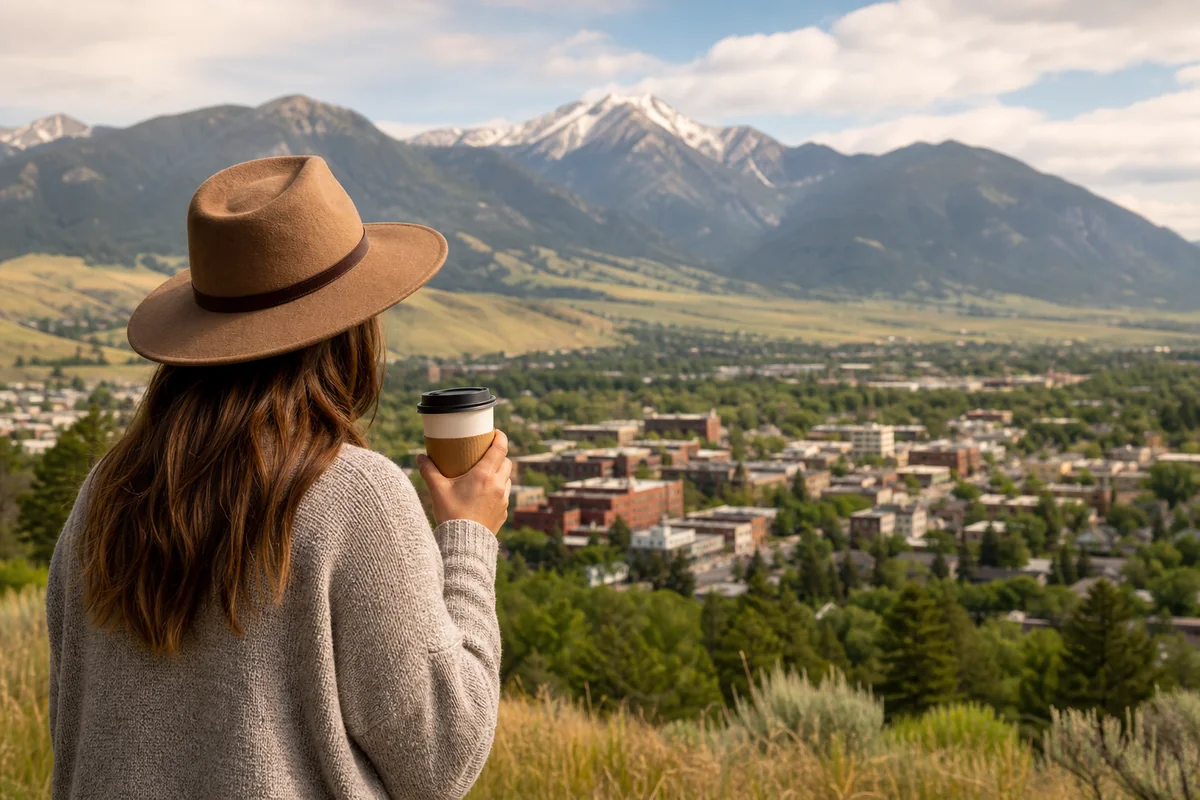
Last summer, I stopped at a coffee shop in Bozeman that I’d visited three years prior—the same latte that cost me $4.50 in 2021 now rang up at $7.25.
That moment crystallized what longtime Montanans have been grumbling about for years: the Big Sky Country price boom is very real, and it’s reshaping everything from vacation budgets to the fabric of Montana living itself.
Whether you’re planning a summer road trip through Glacier National Park or dreaming of relocating to a charming mountain town, understanding why Montana prices are booming will help you budget smarter and set realistic expectations.
- Montana housing prices have surged 50-80% since 2020 due to pandemic migration, remote work flexibility, and limited housing supply
- Tourism growth has driven up short-term rental prices, restaurant costs, and activity fees across popular destinations
- Geographic isolation means higher transportation costs for goods, affecting grocery and gas prices statewide
- Celebrity and wealthy buyer influence in areas like Bozeman and Whitefish has created ripple effects on overall cost of living
- Travelers can still find value by visiting shoulder seasons, exploring eastern Montana, and booking well in advance
- Despite higher prices, Montana remains sales-tax-free, offering some savings on purchases
Liked this article?
Add Roaming Montana as a preferred source so you see more of our articles and guides on Google.
The Perfect Storm: What Triggered Montana’s Price Explosion
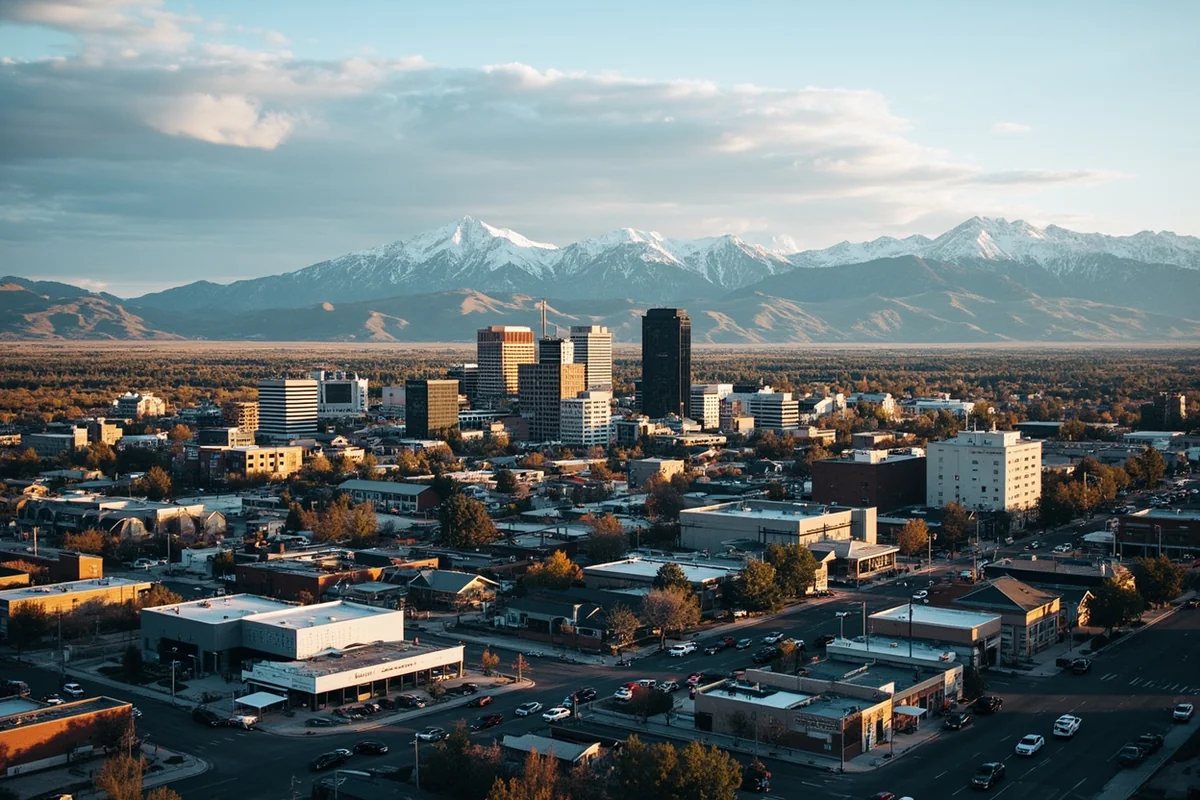
I’ve been traveling to Montana regularly since 2015, and the transformation I’ve witnessed over the past five years has been staggering. What was once an affordable adventure destination has become a premium market that rivals Colorado and even parts of California.
During my most recent trip last October, I chatted with a real estate agent in Whitefish who told me she’d never seen anything like the 2020-2023 buying frenzy. She described cash offers coming in $100,000 over asking price from buyers who’d never even visited the properties in person.
The Pandemic Migration Wave
The COVID-19 pandemic fundamentally changed Montana’s trajectory. When remote work became the norm, millions of Americans suddenly realized they could do their jobs from anywhere—and “anywhere” increasingly meant Montana.
I remember visiting Missoula in fall 2021 and noticing California, Washington, and Texas plates everywhere. Local bartenders and shop owners confirmed what I was seeing: newcomers were arriving daily, many with tech salaries and equity from selling expensive coastal homes.
This wasn’t just anecdotal. Montana’s population grew faster between 2020 and 2023 than it had in the previous two decades combined. The state added roughly 50,000 new residents in just three years—doesn’t sound like much until you remember Montana only had about 1.1 million people to begin with.
The Housing Supply Crunch
Montana wasn’t built for rapid growth. The state’s housing construction had been modest for decades because demand simply wasn’t there.
When I toured the Gallatin Valley last spring, a contractor friend explained the dilemma: builders can’t keep up because skilled labor is scarce, construction materials must be shipped long distances, and zoning regulations in many communities restrict high-density development.
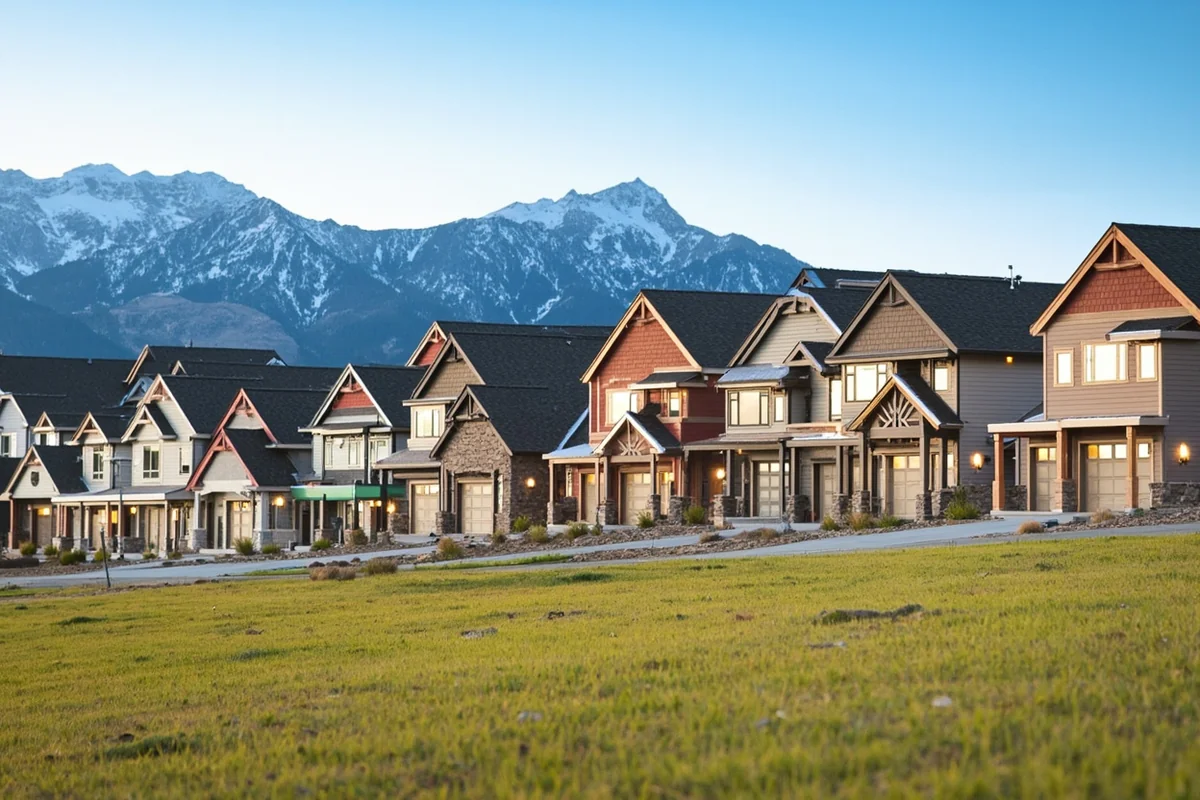
The math is brutal. In Bozeman, approximately 300-400 new housing units come online annually, but demand has consistently exceeded 1,000 units per year since 2020. That gap translates directly into skyrocketing prices.
Housing Costs: The Elephant in the Room
Let me give you some hard numbers from my research and conversations with local experts during my travels.
| Montana City | Median Home Price 2019 | Median Home Price 2024 | % Increase |
|---|---|---|---|
| Bozeman | $425,000 | $785,000 | 85% |
| Whitefish | $395,000 | $725,000 | 84% |
| Missoula | $315,000 | $575,000 | 83% |
| Helena | $265,000 | $445,000 | 68% |
| Billings | $245,000 | $375,000 | 53% |
| Great Falls | $195,000 | $295,000 | 51% |
These numbers have profound implications for travelers because housing costs directly influence everything else. When a restaurant owner’s rent triples, your burger price follows. When a fishing guide’s mortgage doubles, so does their daily rate.
For a deeper breakdown, I’d recommend checking out the full Montana cost of living analysis and the related piece on why Montana is so expensive.
The Rental Market Squeeze
During my visit to Big Sky last winter, I struggled to find any hotel room under $350 per night—and this was a Tuesday in January, not peak ski season.
The short-term rental market has exploded. Property owners discovered they could earn more in one summer week on Airbnb than in a month of traditional renting. This conversion of long-term rentals to vacation properties has created housing crises in tourist towns while simultaneously driving up nightly rates for visitors.
I spoke with a young couple working at a Whitefish restaurant who commuted 45 minutes each way from Columbia Falls because they couldn’t afford rent closer to work. Their story isn’t unique—it’s now the norm in Montana’s popular destinations.
The Celebrity and Wealthy Buyer Effect
You can’t discuss Montana’s price boom without mentioning the elephant in the room: extremely wealthy buyers have discovered Big Sky Country.
When celebrities choose Montana living, they don’t just buy a house—they buy ranches, hire local services, and create economic ripples. More significantly, they signal to other wealthy individuals that Montana is the place to be.
The “Yellowstone” Effect
I’ll never forget a conversation I had with a rancher near Livingston during my visit in 2022. He laughed when I asked about the TV show Yellowstone’s impact.
“Before that show, my neighbors were ranchers and retirees,” he said. “Now I’ve got hedge fund managers and retired CEOs buying up everything in sight. They watched Kevin Costner and decided Montana was their destiny.”
The show premiered in 2018 and has driven measurable tourism and relocation interest. Paradise Valley, where much of the show is filmed, has seen property values increase even faster than the state average.
The Tech Billionaire Migration
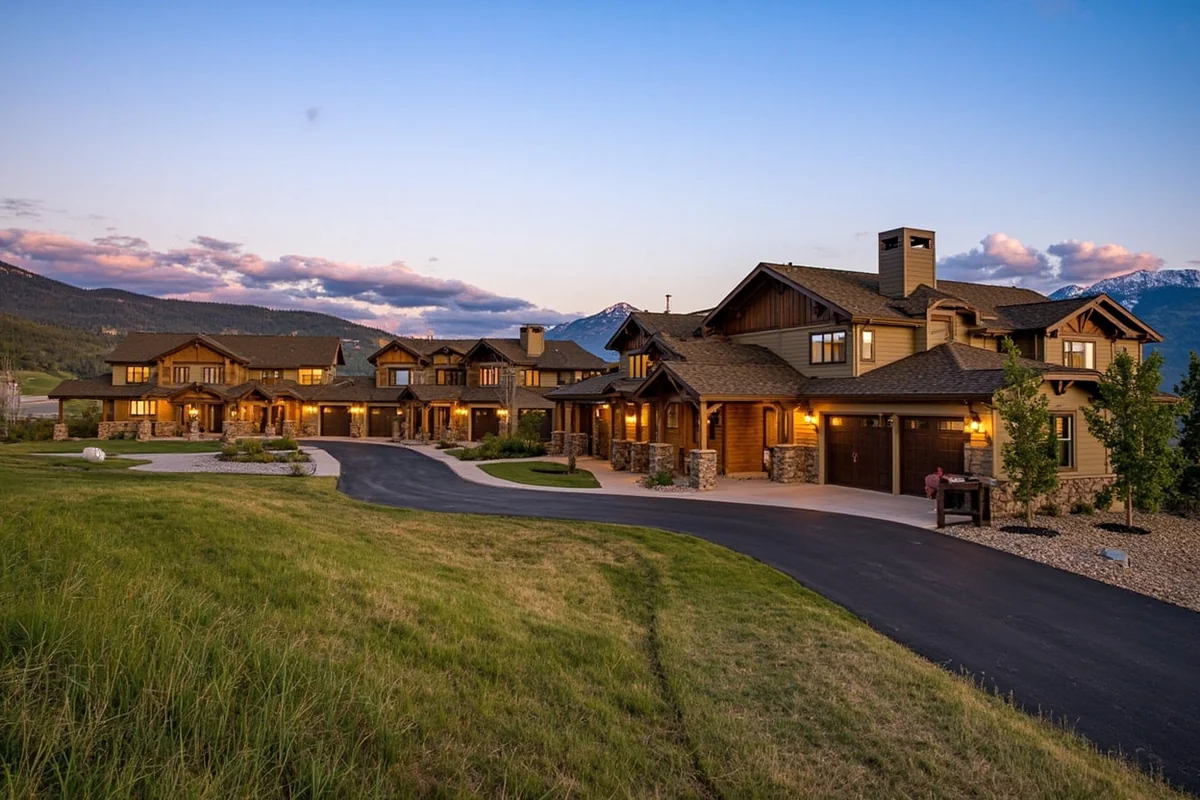
Beyond celebrities, Montana has attracted serious tech money. The Yellowstone Club near Big Sky—a private ski and golf community—boasts members including Bill Gates and various tech executives. Membership reportedly requires buying property starting around $5 million.
This ultra-wealthy enclave affects prices far beyond its gates. When billionaires compete for services—landscapers, contractors, private chefs—they bid up wages and prices that eventually ripple through the entire regional economy.
If you’re curious about the extreme end of Montana real estate, check out Montana’s most expensive properties for some jaw-dropping examples.
Geographic Isolation: Montana’s Hidden Cost Driver
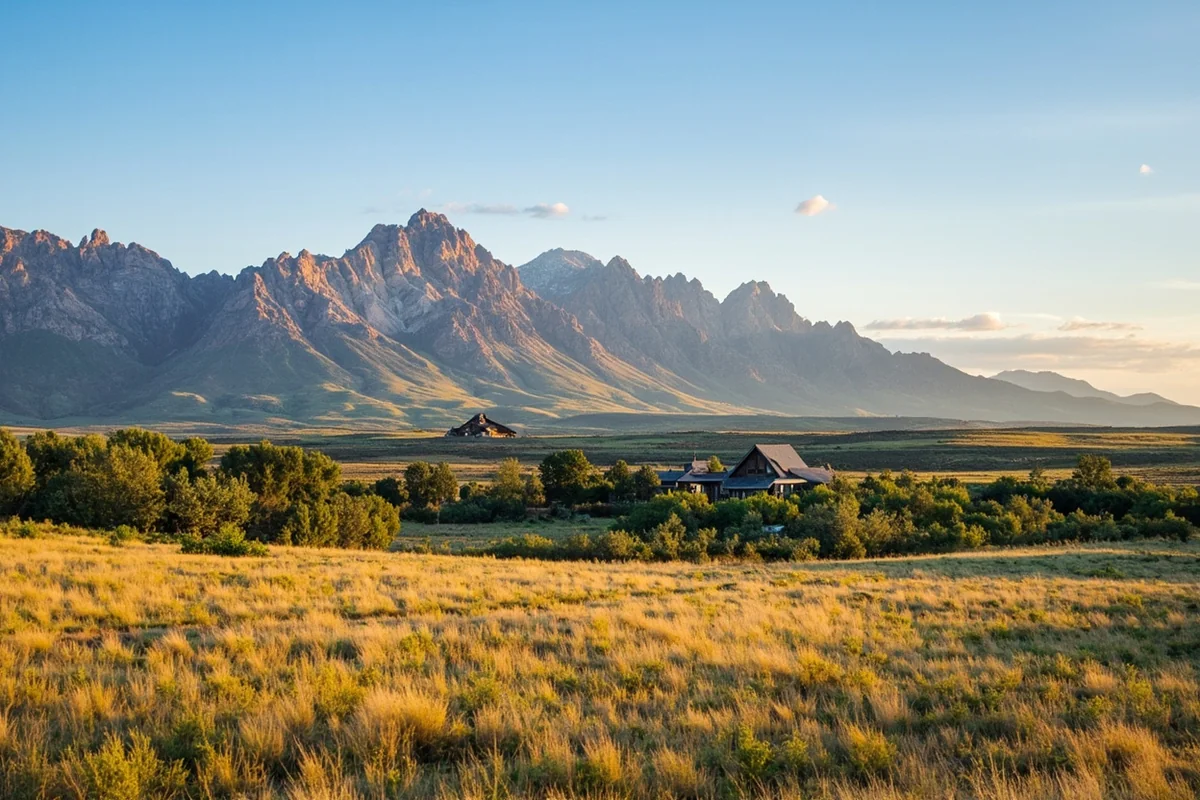
Here’s something many visitors don’t initially grasp: Montana is really, really far from everything.
During a road trip across the Hi-Line last summer, I stopped at a grocery store in Malta. A gallon of milk cost $5.89—nearly $2 more than I’d pay in Denver. The store clerk explained that everything arrives by truck from great distances, and those shipping costs get passed directly to consumers.
The Transportation Premium
Montana’s largest city, Billings, has about 120,000 people. There are no major interstate highways connecting the state to coastal population centers. The nearest major port is over 600 miles away in Seattle.
Every consumer product—from the food you eat to the gasoline you pump—carries a built-in Montana tax in the form of transportation costs. This affects travelers directly through higher prices on everything from restaurant meals to rental car fuel.
On my drives through eastern Montana, I’ve paid well over $4 per gallon for gas even when national averages were under $3. Remote stations have limited competition and high delivery costs.
Limited Competition
Montana’s small, dispersed population means limited retail competition. Many towns have just one grocery store, one hardware store, one auto mechanic.
Without competition, there’s little pressure to keep prices low. I’ve noticed this especially in tourist towns where a captive audience of visitors will pay premium prices because alternatives don’t exist.
This geographic reality also affects the cheapest places to live in Montana, which tend to be the most isolated communities with fewer amenities.
Tourism Growth: A Double-Edged Sword
Montana tourism has grown dramatically, and this growth directly impacts what you’ll pay during your visit.
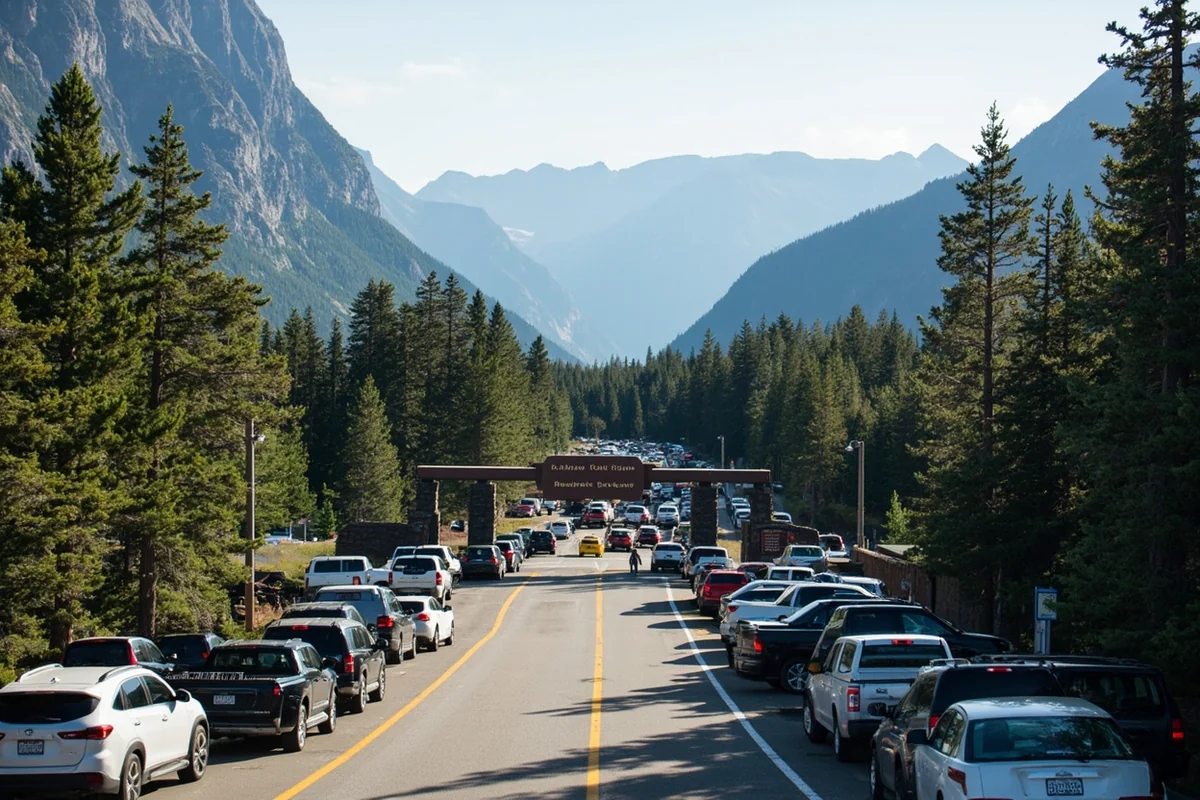
Glacier National Park saw record visitation in recent years, with over 3 million annual visitors cramming into a park that was designed for far fewer. Yellowstone’s Montana entrances have experienced similar surges.
Peak Season Premium
Last July, I tried booking a cabin near West Yellowstone three weeks in advance. Everything within 30 miles was sold out or priced above $400 nightly. I ended up staying in Bozeman and driving 90 minutes to the park each day.
Tourism businesses have learned to maximize revenue during the short peak season. Montana’s window for comfortable outdoor activities is essentially June through September—just four months. Businesses must earn enough during this period to survive the slow winter months.
This seasonal pricing model means summer visitors face extreme premiums. A hotel room that costs $120 in April might cost $350 in July.
Activity and Experience Inflation
Guided fishing trips that cost $400 per day in 2019 now commonly run $600-800. Whitewater rafting prices have increased 40-50%. Even national park entrance fees have risen.
I’ve noticed tour operators becoming more creative with pricing—adding “peak season surcharges,” “fuel fees,” and “booking fees” that weren’t common five years ago. A guided Glacier National Park tour I took last summer included $45 in various fees on top of the advertised $185 price.
For those wondering if Montana is worth the higher prices, I’d suggest reading whether Montana is boring or not—spoiler: it definitely isn’t, but that popularity drives costs.
Understanding Montana’s Fastest-Growing Areas
Not all Montana locations have experienced equal price increases. Understanding the geography of growth helps explain the boom—and reveals opportunities for budget-conscious travelers.
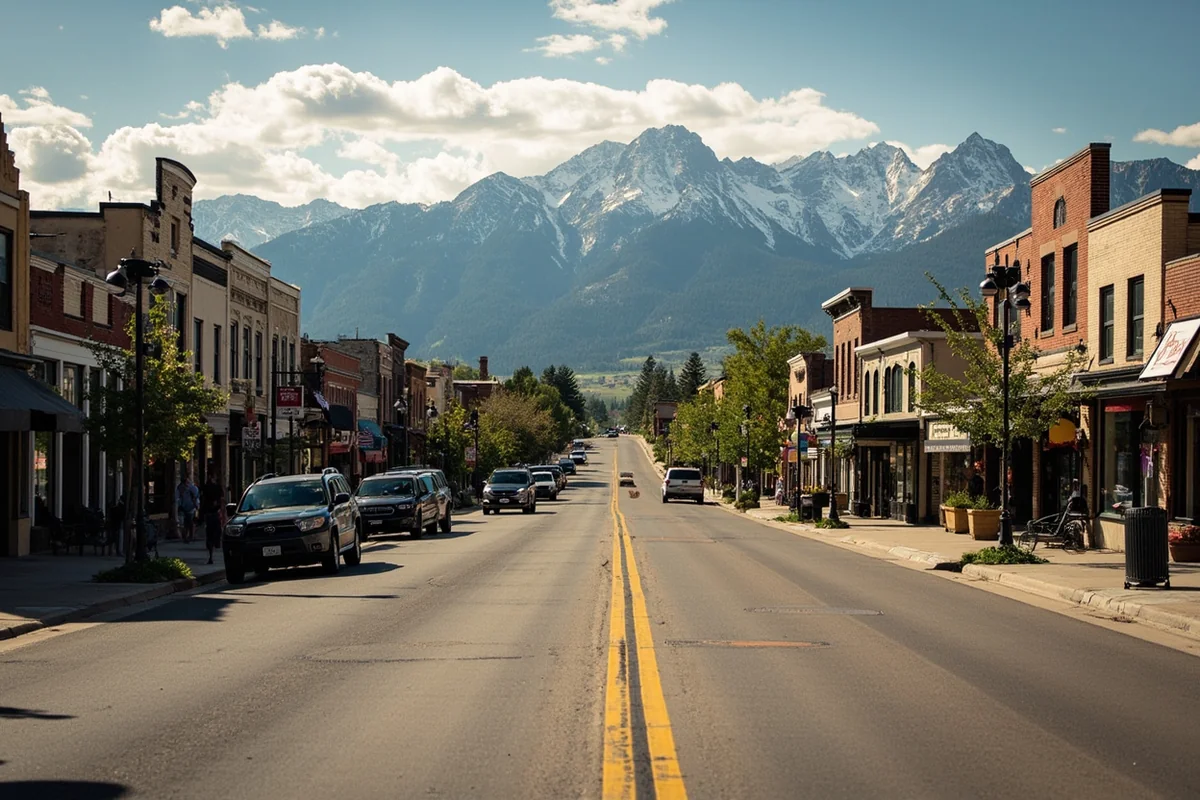
Montana’s fastest-growing cities and counties are concentrated in the western third of the state, particularly along the I-90 corridor and near major outdoor recreation destinations.
The Western Montana Premium
Bozeman, Missoula, Whitefish, and Kalispell have absorbed the bulk of new residents. These communities offer proximity to world-class skiing, fishing, hiking, and national parks.
When I visit western Montana now, I budget 30-50% more than I would for eastern Montana. The quality of restaurants, accommodations, and activities is generally higher, but so are all the associated costs.
Eastern Montana: The Affordable Alternative
Meanwhile, eastern Montana remains relatively affordable—and relatively undiscovered by tourists.
During a trip to the Missouri River Breaks last fall, I paid $89 for a perfectly comfortable motel room in Lewistown. A steak dinner at a local restaurant cost $22. These prices would be impossible in Bozeman.
This regional divide relates to why Montana is so unpopulated overall—vast stretches of the eastern plains have very low population density and limited tourist infrastructure.
For visitors willing to explore beyond the obvious destinations, Montana still offers genuine value. The question whether Montana is heavily populated has an interesting answer: it depends entirely on where you go.
The Real Impact on Everyday Costs
Let me break down what you’ll actually encounter as a visitor, based on my extensive travels throughout the state over the past several years.
Restaurant and Food Costs
Dining out in Montana tourist towns now rivals major metropolitan areas. During my last visit to Bozeman, a casual dinner for two with drinks easily exceeded $100.
I’ve found that lunch tends to offer better value than dinner—same restaurants, similar menus, but prices are often 20-30% lower. Breakfast is even better. My favorite Missoula breakfast spot still serves excellent eggs benedict for $16, while the same restaurant’s dinner entrees start at $28.
Grocery shopping varies dramatically by location. In Bozeman or Whitefish, expect to pay 15-25% more than national averages. In smaller towns off the tourist circuit, prices are more reasonable but selection is limited.
One bright spot: Montana has no sales tax, so your grocery bill won’t include that extra 5-10% you’d pay in most states. Small consolation, but it adds up.
Accommodation Realities
Hotel and vacation rental prices have increased roughly 60-80% since 2019 in popular areas. I recommend booking 3-6 months in advance for summer travel—last-minute options are either unavailable or extremely expensive.
For budget travelers, I’ve had success with smaller motels in towns adjacent to tourist hotspots. Staying in Columbia Falls instead of Whitefish, or in Livingston instead of Bozeman, can save $100+ per night while adding only 15-30 minutes of driving.
Camping remains relatively affordable, though competition for reservations has intensified. I now set calendar reminders for when campground reservations open—popular spots book within hours.
Gas and Transportation
Gas prices in Montana consistently run $0.30-0.50 above national averages. In remote areas, premiums can exceed $1 per gallon.
During my drives across the state, I’ve learned to fill up in larger towns and never let my tank drop below half in rural areas. Distances between stations can exceed 100 miles on some routes.
Rental cars have become significantly more expensive, partly due to Montana’s tourism growth and partly due to national supply constraints. I’ve had success booking through smaller local agencies rather than national chains—prices are sometimes 20-30% lower.
Why Prices May Continue Rising
Based on my conversations with economists, real estate agents, and longtime Montanans, several factors suggest prices won’t stabilize soon.
Continued In-Migration
Despite higher prices, Montana continues attracting new residents. People considering the move often research reasons to move to Montana and decide the quality of life justifies premium costs.
The state’s natural beauty, outdoor recreation access, and perceived safety continue drawing families and retirees. Many potential transplants explore the best places to live in Montana before making their move.
Remote work flexibility appears permanent for many professionals, maintaining the pool of location-independent workers who can choose Montana despite its distance from traditional employment centers.
Limited Housing Construction
New home construction hasn’t kept pace with demand, and I don’t see that changing quickly. Labor shortages persist, material costs remain elevated, and many communities resist higher-density development that might ease pressure.
When I drove through Bozeman’s outskirts last spring, I saw construction sites everywhere—but locals told me it wasn’t nearly enough to meet demand. Waitlists for new homes stretch 18-24 months.
Climate Migration
Here’s a factor that doesn’t get discussed enough: Montana is increasingly attractive as other regions face more severe climate impacts.
During conversations with recent transplants, several mentioned concerns about extreme heat in the Southwest, wildfire risk in California, and hurricane exposure in the Southeast as factors in choosing Montana. While Montana does face wildfire risks and natural disasters, many perceive it as relatively climate-stable.
The Human Impact: Stories from My Travels
Numbers tell part of the story, but the human impact of Montana’s price boom is equally important to understand.
Longtime Residents Being Pushed Out
In Whitefish last winter, I met a third-generation Montanan who’d recently moved to rural Idaho. His family had lived in the Flathead Valley for 80 years, but they could no longer afford it.
“My grandfather bought our family property for what wouldn’t cover two months’ property tax now,” he told me. “I’m not bitter about people loving Montana—I just wish we could still afford to live in our home.”
This displacement affects the character of communities. When I return to favorite towns, I notice fewer locals and more newcomers. The dive bars become craft cocktail lounges. The working ranches become gentleman’s estates.
Service Worker Struggles
Every Montana tourist town now struggles with service worker housing. During peak season, restaurants and hotels operate understaffed because workers can’t afford to live nearby.
A manager at a Glacier Park lodge told me they’d converted employee housing to guest rooms for the revenue—then couldn’t find enough employees to fully staff the property. The irony wasn’t lost on her.
This dynamic affects visitor experience. Slower service, limited operating hours, and occasional closures result from staffing challenges driven by housing costs.
Diverse Community Impacts
Montana’s price boom hasn’t affected all residents equally. Montana’s African American community and other minority populations often face compounded challenges as affordable housing becomes scarce.
Similarly, questions about whether Montana is LGBTQ friendly intersect with affordability concerns, as marginalized communities may have fewer financial resources to weather price increases.
Practical Strategies for Visitors
After years of navigating Montana’s evolving prices, I’ve developed strategies that can help you manage costs without sacrificing experience quality.
Timing Is Everything
Shoulder seasons—May and late September through mid-October—offer dramatically better prices than peak summer months. Weather is often pleasant, crowds are thinner, and you’ll find genuine availability.
My favorite Montana trips have been in early October. Fall colors are spectacular, elk are rutting, the summer crowds are gone, and prices drop 30-40% across the board.
Winter offers another value opportunity outside ski resort areas. A February trip to explore Yellowstone’s northern range for wildlife viewing cost me half what summer visitors pay.
Strategic Geography
Staying in secondary towns near major attractions saves money without major inconvenience. My go-to pairings:
- For Glacier National Park: Stay in Columbia Falls or Kalispell instead of Whitefish
- For Yellowstone (north entrance): Stay in Livingston instead of Paradise Valley
- For Big Sky skiing: Stay in Bozeman and commute (45 minutes)
- For Missoula exploration: Stay in nearby Hamilton or Stevensville
These alternatives typically save $75-150 per night while adding only modest driving time.
Consider Eastern Montana
The eastern two-thirds of Montana remains genuinely affordable and offers experiences you won’t find elsewhere.
The Missouri River Breaks, Charles M. Russell National Wildlife Refuge, and Makoshika State Park provide world-class outdoor experiences at a fraction of western Montana prices. Accommodations and meals cost 40-50% less than tourist hotspots.
Is it as dramatic as Glacier? No. But it’s authentic Montana, and increasingly that authenticity is harder to find in crowded western communities.
For those exploring whether Montana might become home, the pros and cons of living in Montana provides a balanced perspective on the tradeoffs.
What Higher Prices Mean for Montana’s Future
The price boom raises fundamental questions about Montana’s future identity and who gets to experience Big Sky Country.
A Two-Tier System
Montana is increasingly becoming a playground for the wealthy while longtime residents are priced out. This transformation affects community character, local politics, and the authentic culture that drew people here originally.
Some communities are fighting back with workforce housing initiatives, short-term rental restrictions, and zoning changes. Whether these efforts will meaningfully impact affordability remains uncertain.
Educational and Quality of Life Considerations
Families considering Montana weigh costs against benefits like excellent outdoor access and strong community schools. The best school districts in Montana and best colleges in Montana remain draws despite rising costs.
Retirees represent another growing demographic, attracted by natural beauty and lower density. Many research reasons for retiring in Montana and Montana retirement communities as part of relocation planning.
Safety and Livability
Despite cost increases, Montana generally remains safe and livable. The safest cities and towns in Montana consistently rank well nationally, though awareness of Montana’s most dangerous cities helps inform decisions.
The question whether Montana is the worst state seems absurd to anyone who’s experienced its beauty, but high costs can make it feel less accessible than it once was.
Finding Value in Modern Montana
Despite everything I’ve shared about rising prices, I want to be clear: Montana remains absolutely worth visiting. The experiences available here—wildlife encounters, mountain scenery, outdoor adventures, small-town authenticity—justify premium prices for many travelers.
Embrace Local Knowledge
I’ve found the best values by connecting with locals. Bartenders, shop owners, and fellow travelers have pointed me toward hidden restaurants, unofficial camping spots, and lesser-known trails that don’t command tourist premiums.
Montana’s spirit of community hospitality persists despite the changes. People here genuinely want visitors to have positive experiences—they’ll share insider tips if you take time to ask.
Adjust Expectations
Modern Montana requires adjusted expectations. The $50 motel rooms and $12 dinners of decades past aren’t coming back. But value still exists for those willing to search and plan.
I’ve learned to measure Montana value not in absolute dollars but in experience quality. A $500 guided fly fishing day might seem expensive until you’re standing waist-deep in a pristine river with rising trout and mountain views in every direction.
The Intangibles Remain Priceless
What makes Montana special—the endless skies, the wildlife, the sense of space and freedom—can’t be quantified on a price sheet. These qualities persist regardless of what hotels charge or how expensive groceries become.
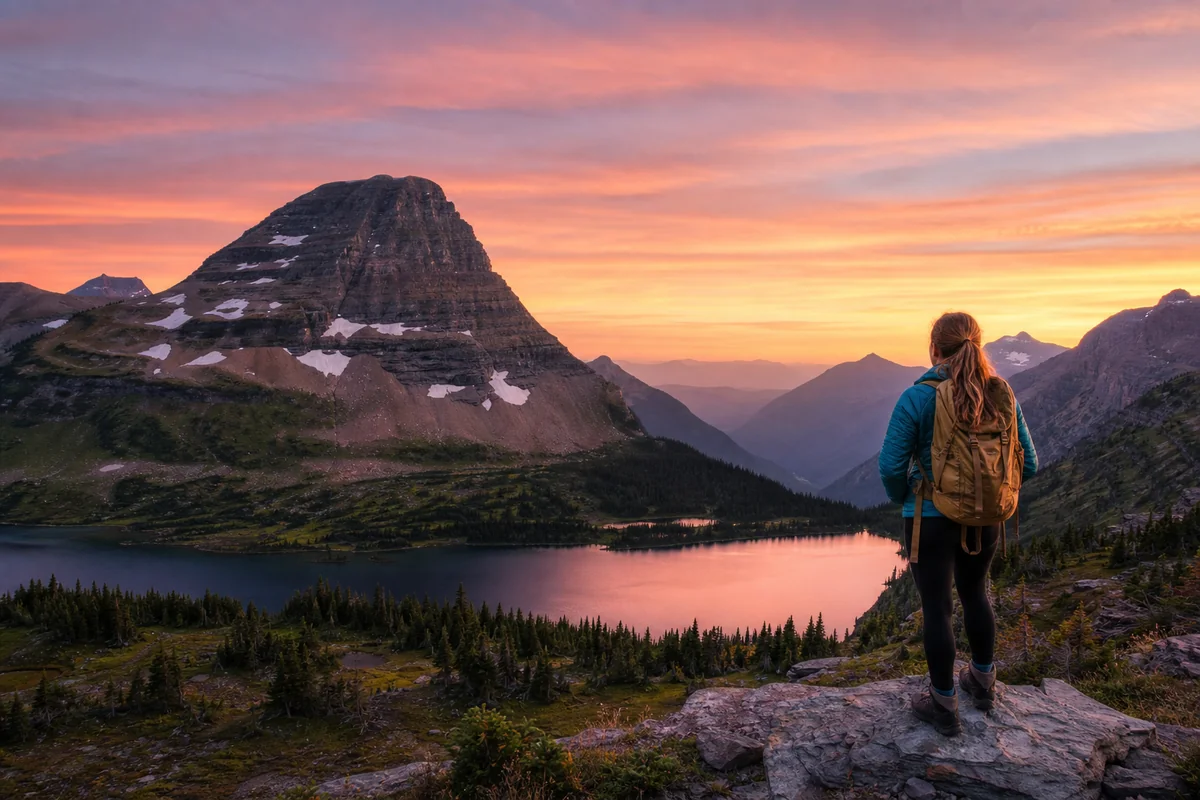
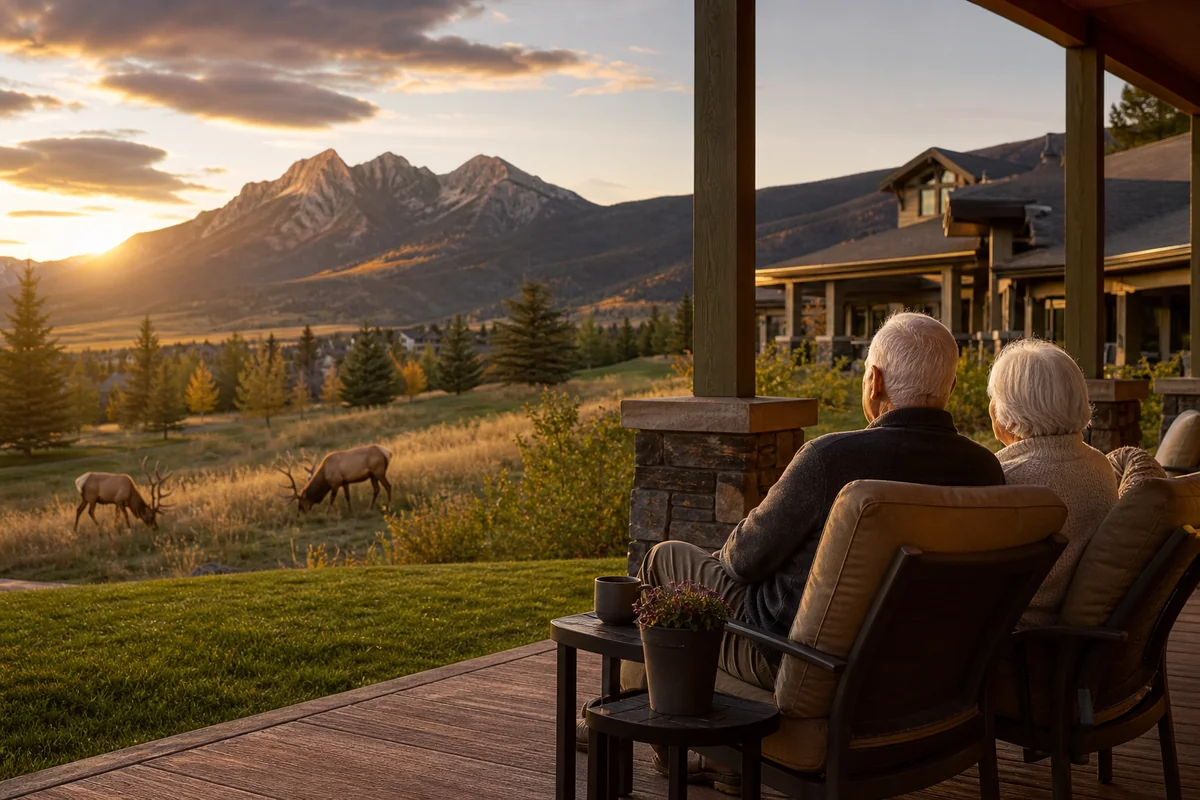
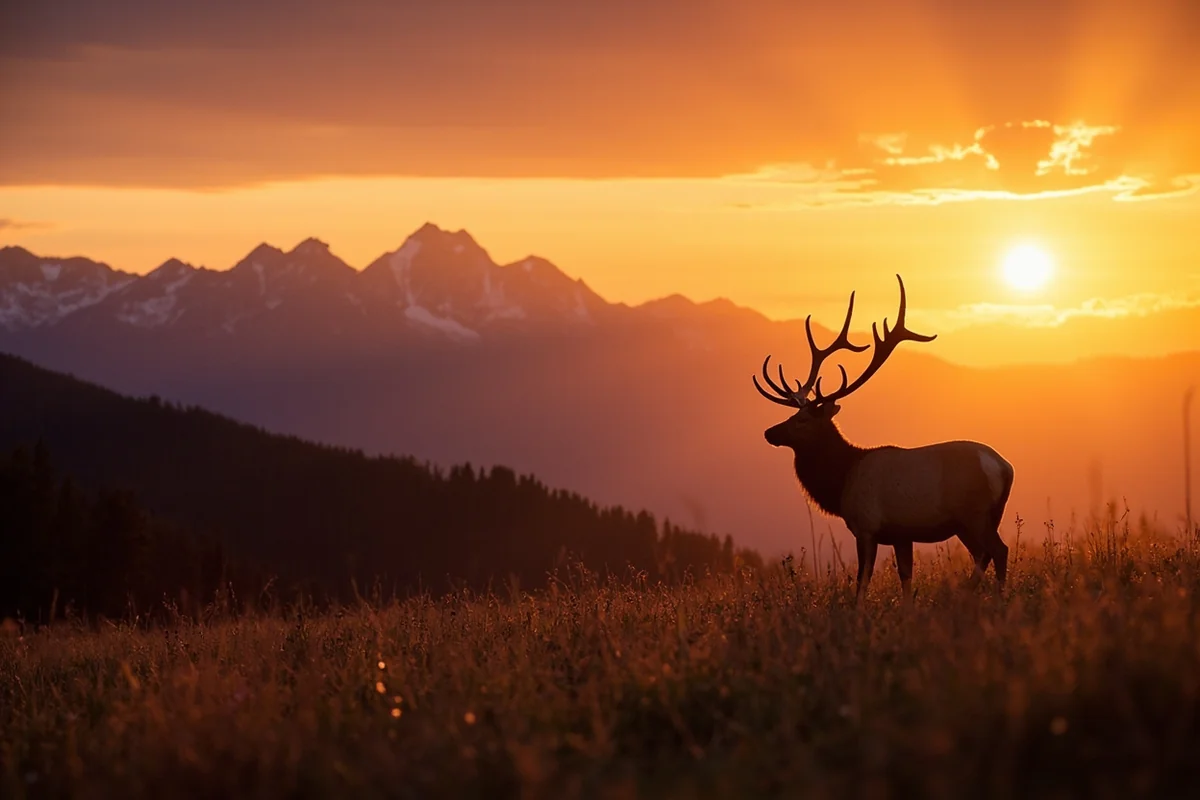
During a quiet evening last summer at a primitive campsite outside Montana’s snowiest areas, I watched the sunset paint the peaks pink and gold while a herd of elk grazed in the meadow below. That moment cost me nothing beyond gas money and the effort to find an uncrowded spot.
Those experiences still exist. They’re just harder to find amid the development and crowds. But they remain the real reason people fall in love with Big Sky Country.
Final Thoughts: Planning Your Visit in the New Reality
Montana’s price boom is real, significant, and likely permanent. Understanding the forces behind rising costs—pandemic migration, housing shortages, geographic isolation, tourism growth, and wealthy buyer influence—helps you plan realistically.
I recommend budgeting 25-40% more than you might expect for a Montana trip compared to other mountain West destinations. Book accommodations months in advance for summer travel. Consider shoulder seasons for better value. Explore beyond the obvious western hotspots.
Most importantly, don’t let sticker shock prevent you from experiencing what remains one of America’s most spectacular states. The prices have changed, but Montana’s essential magic—the wild rivers, towering peaks, abundant wildlife, and genuine Western hospitality—endures.
For those seriously considering a move, understanding resources like homesteading in Montana and even practical details like whether Montana grocery stores sell liquor and Montana recycling programs can help inform your planning.
And if you’re curious about what Montana residents are called, the answer is Montanans—and despite the price pressures, most of them still feel lucky to call Big Sky Country home.
Some even argue there are worst places to live in Montana, but even those spots offer more natural beauty than most states can claim. Montana may be expensive now, but for those who prioritize experiences over savings accounts, it remains priceless.
Even local culture, including Montana sports teams and community organizations like Montana’s LGBTQ organizations, continue thriving despite economic pressures—proof that what makes Montana special goes beyond price tags.
And while Montana isn’t the least populated state in America, its low density remains one of its greatest assets. The boom is real, but so is the breathing room that defines life under the big sky.
Frequently Asked Questions
Why are Montana hotel and Airbnb prices so expensive right now?
Montana prices have surged due to a massive influx of remote workers and tourists post-pandemic, combined with limited housing inventory in popular areas like Bozeman and Whitefish. I’ve seen Airbnb prices jump 40-60% since 2020, and hotels in Glacier National Park areas now regularly exceed $300/night during peak summer months.
What is the cheapest time to visit Montana to avoid high prices?
The most affordable time to visit Montana is during the shoulder seasons of late September through early November and April through mid-May. I’ve found lodging rates can drop 30-50% compared to summer peaks, and you’ll still catch beautiful fall colors or early spring wildlife without the crowds.
How much should I budget per day for a Montana vacation in 2024?
For a comfortable Montana trip, budget $200-350 per person daily, covering mid-range lodging, meals, and activities. If you’re visiting Glacier or Yellowstone gateway towns like West Yellowstone, expect to pay premium prices—I typically budget $400+ daily during July and August in these areas.
Are Montana gas and food prices higher than other US states?
Yes, Montana’s rural location means gas prices run $0.20-0.50 higher per gallon than the national average, and restaurant meals in tourist towns like Big Sky can cost 25-40% more than comparable US cities. I always recommend stocking up on groceries in larger towns like Missoula or Billings before heading to remote destinations.
Is it cheaper to camp instead of staying in Montana hotels?
Camping is significantly more budget-friendly, with national forest campsites ranging from free to $20/night compared to $250+ hotels. However, popular campgrounds in Glacier National Park require reservations months in advance, and I’ve noticed even private RV parks have raised rates to $60-80/night in peak season.
Why has Bozeman Montana become so expensive for travelers?
Bozeman has transformed into a tech hub and outdoor recreation hotspot, attracting wealthy transplants from California and Seattle who’ve driven up real estate and business costs. This trickle-down effect means restaurant prices, vacation rentals, and even lift tickets at Big Sky Resort have increased dramatically—I paid nearly $250 for a single-day ski pass last winter.
What are the best ways to save money on a Montana road trip?
Book accommodations in smaller towns like Choteau or Lewistown instead of tourist hubs, and consider visiting eastern Montana where prices remain reasonable. I save hundreds by packing a cooler for picnic lunches, using free BLM land for camping, and filling up on gas in cities before driving through remote areas where stations charge premium prices.
Sources
- https://www.census.gov/quickfacts/fact/table/MT/PST045222
- https://www.nps.gov/yell/index.htm
- https://www.census.gov/quickfacts/fact/table/bozemancitymontana/PST045222
- https://lmi.mt.gov/_docs/Publications/EAG-Articles/0919-MigrationInMT.pdf
- https://lmi.mt.gov/_docs/Publications/EAG-Articles/1019-MT-Housing-Market.pdf
- https://commons.wikimedia.org/wiki/File:Yellowstone_film_set