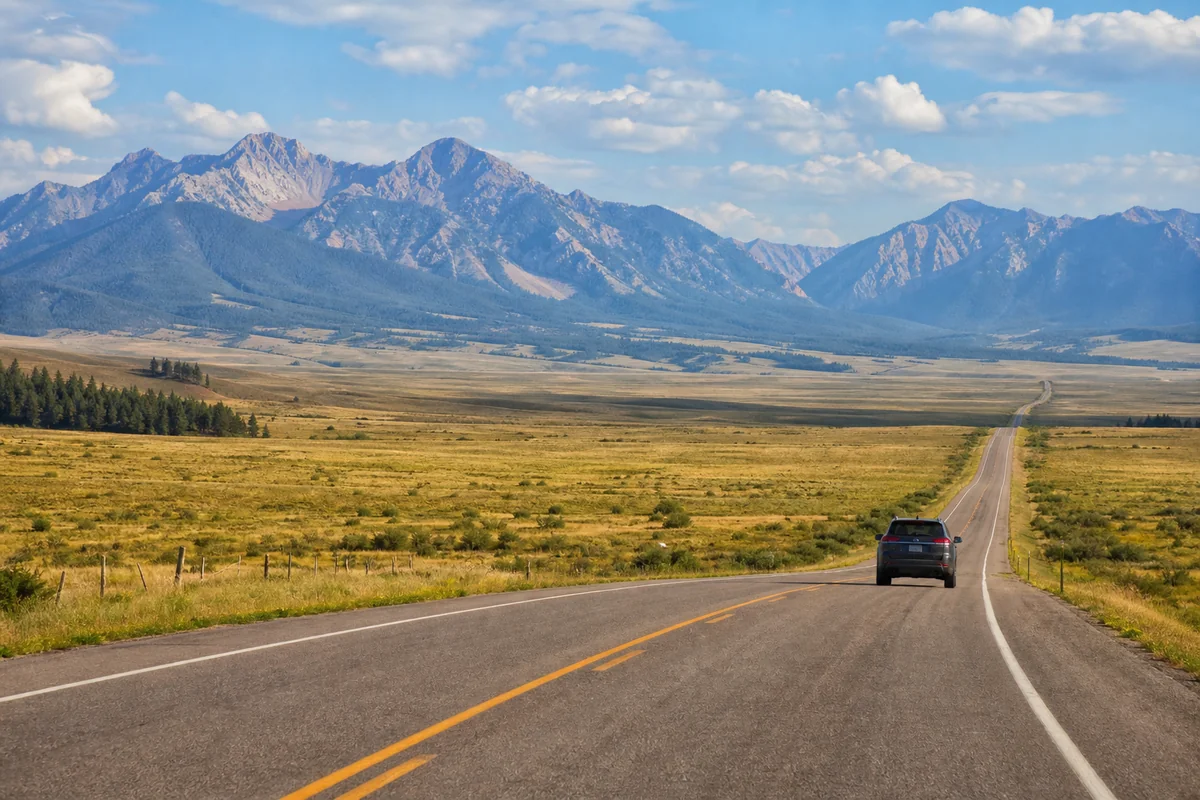
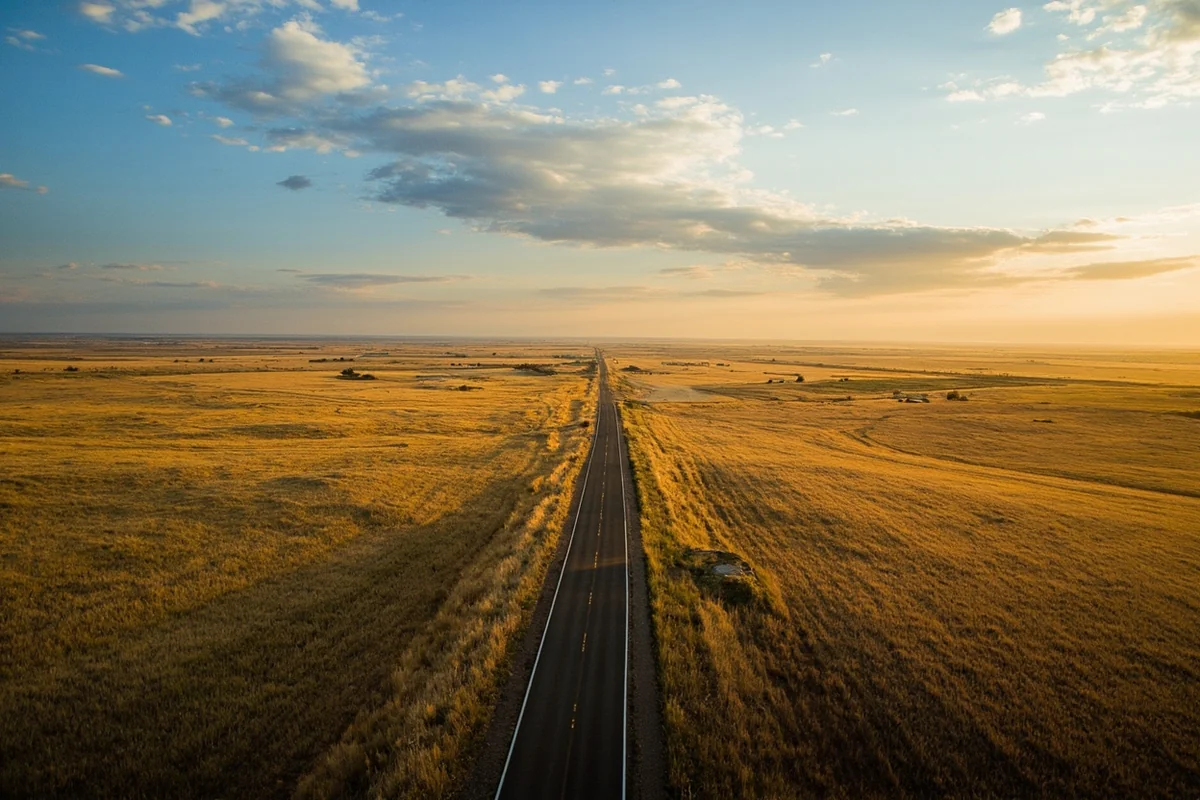
I drove for nearly two hours on Highway 200 last summer without passing a single gas station, and I only counted seventeen other vehicles on the road.
That moment perfectly captured what makes Montana so remarkably different from anywhere else I’ve traveled in the United States—this is a state where emptiness isn’t just tolerated, it’s celebrated.
If you’re considering Montana Living or simply planning a visit, understanding the state’s population dynamics will fundamentally shape your expectations and experience.
- Montana ranks 44th in population with approximately 1.1 million residents despite being the 4th largest state by area
- Population density averages just 7.5 people per square mile—compared to New Jersey’s 1,200+
- Most residents cluster in a handful of cities: Billings, Missoula, Great Falls, Bozeman, and Helena
- Eastern Montana contains vast stretches where you might drive 50+ miles between towns
- Recent growth (especially in Bozeman and Kalispell areas) is changing some regions rapidly
- For travelers, low population means fewer crowds at attractions but requires more planning for services
Liked this article?
Add Roaming Montana as a preferred source so you see more of our articles and guides on Google.
The Numbers Don’t Lie: Montana’s Population Reality
When people ask me if Montana is heavily populated, I can’t help but laugh a little. The state spans 147,040 square miles—making it larger than Germany—yet houses fewer people than many American cities.
During my most recent trip across the Hi-Line (Highway 2 along the northern border), I drove through towns with populations smaller than my high school graduating class. Malta has about 1,800 residents. Glasgow hovers around 3,300. These aren’t anomalies; they’re the norm.
According to the latest census data, Montana’s total population sits at approximately 1.1 million people. To put that in perspective, that’s roughly the population of Austin, Texas, spread across an area larger than the entire state of Arizona.
How Montana Compares to Other States
The comparison game really illustrates Montana’s unique position. Here’s what I find most striking after visiting dozens of states:
Montana ranks 44th out of 50 states in total population. Only Wyoming, Vermont, Alaska, North Dakota, South Dakota, and the District of Columbia have fewer residents.
But here’s where it gets really interesting. Montana ranks 4th in total land area. That mismatch between size and population creates one of the lowest population densities in the nation.
| State | Population | Area (sq mi) | Density (per sq mi) |
|---|---|---|---|
| Montana | 1.1 million | 147,040 | 7.5 |
| Wyoming | 580,000 | 97,813 | 5.8 |
| Colorado | 5.8 million | 104,094 | 55.7 |
| California | 39 million | 163,695 | 253.7 |
I remember chatting with a rancher outside of Jordan, Montana—a town that serves as the county seat of Garfield County. That county has roughly 1,200 people spread across 4,668 square miles. That’s less than one person per three square miles.
Why Is Montana So Sparsely Populated?
Understanding why Montana remains so unpopulated helps explain what you’ll encounter when visiting. It’s not a single factor but a combination of geography, climate, history, and economics.
The Geography Factor
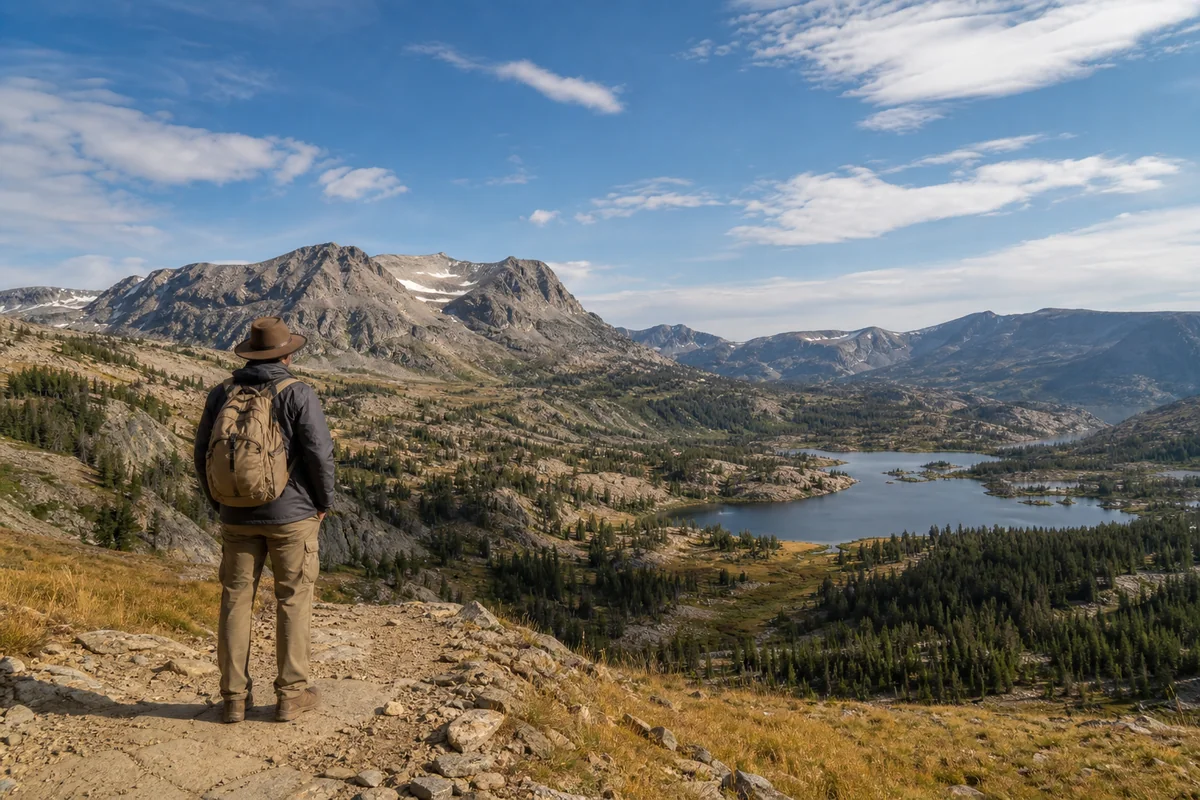
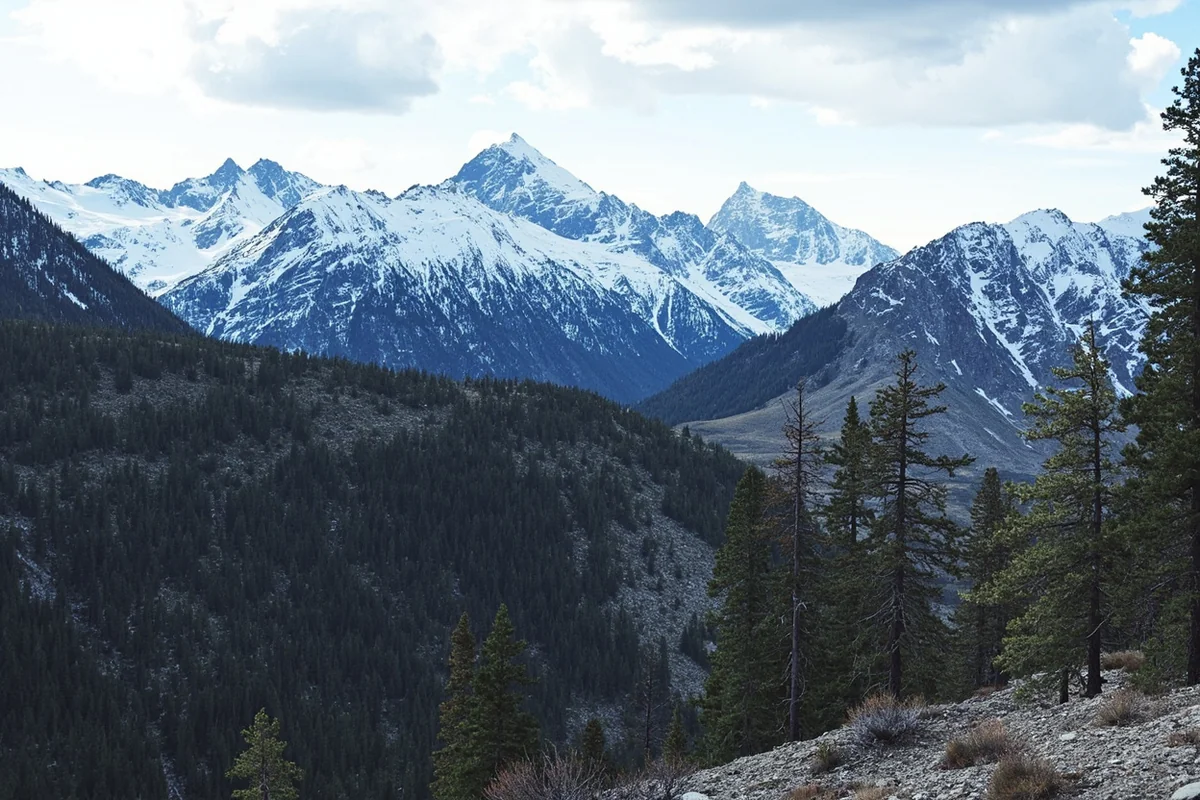
On a hiking trip through the Bob Marshall Wilderness last August, I went three days without seeing another person. The terrain there—and across much of western Montana—simply doesn’t accommodate large populations.
The western third of Montana is dominated by the Rocky Mountains. These aren’t gentle foothills; they’re serious, rugged peaks that historically made settlement and agriculture challenging.
The eastern two-thirds feature vast prairies and badlands. While flatter, this region lacks the water resources and growing conditions that attracted large agricultural communities elsewhere.
Climate Realities
I’ve experienced Montana winters, and they’re not for the faint of heart. When I visited areas with the most snow, I understood why early settlers didn’t exactly flock here.
January temperatures in many Montana cities average well below freezing. Cut Bank, in northern Montana, once recorded a temperature drop of 100 degrees Fahrenheit in just 24 hours. The growing season in some areas lasts barely 90 days.
These conditions historically limited agricultural output and made year-round residence challenging before modern heating and transportation.
Historical Development Patterns
Montana’s settlement history differs dramatically from coastal or Midwestern states. The major waves of westward migration largely bypassed Montana.
The Oregon Trail went south. The railroad arrived relatively late. Mining booms brought temporary population surges, but many mining towns became ghost towns when resources depleted.
Where Do Montana’s Residents Actually Live?
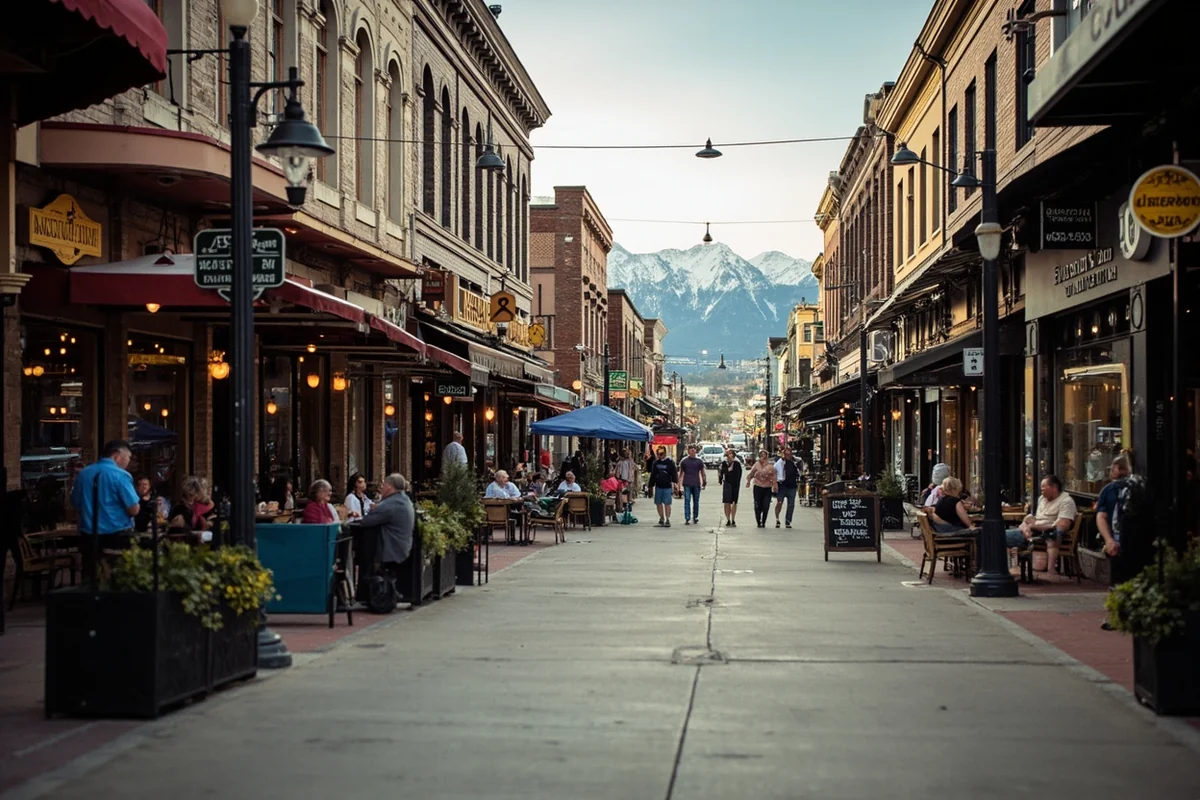
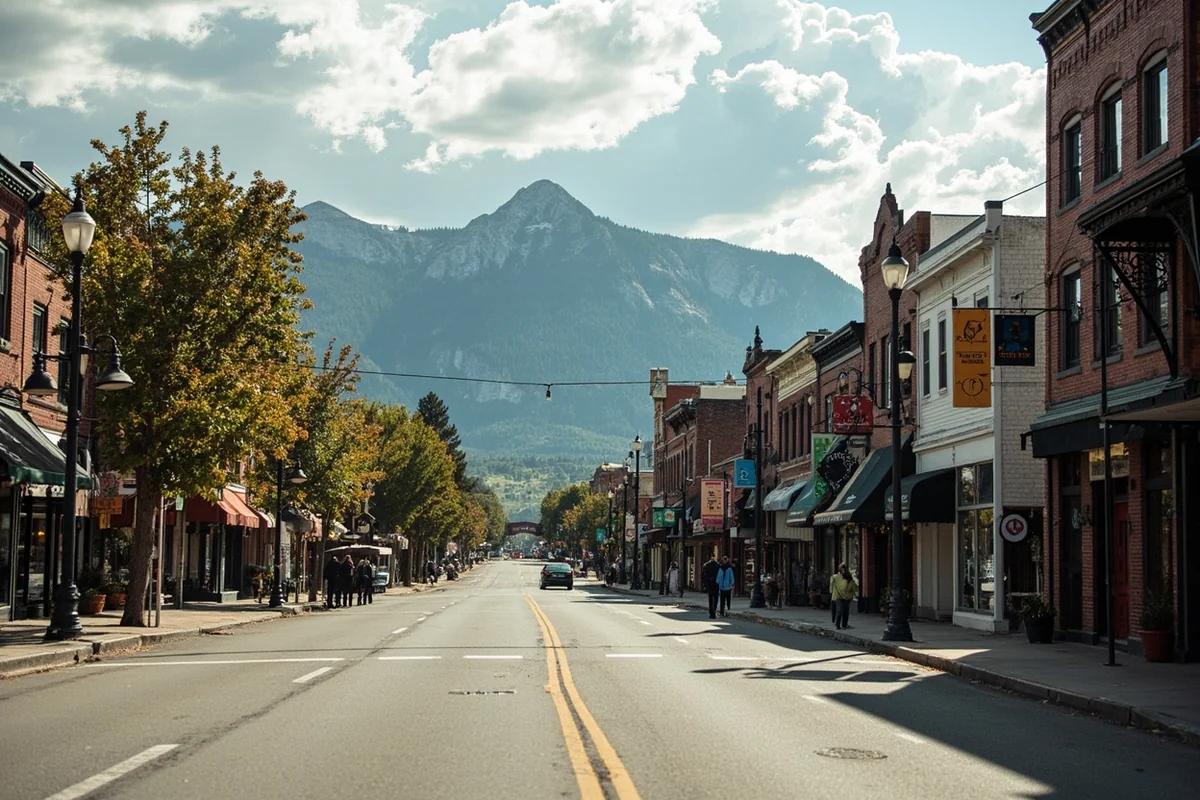
Here’s what surprised me most when I started exploring Montana extensively: despite the state’s overall emptiness, certain areas feel genuinely busy. The population isn’t evenly distributed—it’s highly concentrated in a handful of urban centers.
The Urban Clusters
If you’re looking for the best places to live in Montana, you’ll likely focus on these population centers:
Billings (approximately 120,000 in the metro area) serves as Montana’s largest city. When I visited last fall, it felt surprisingly urban—complete with traffic, shopping centers, and suburban sprawl. It’s Montana’s commercial hub, though still small by national standards.
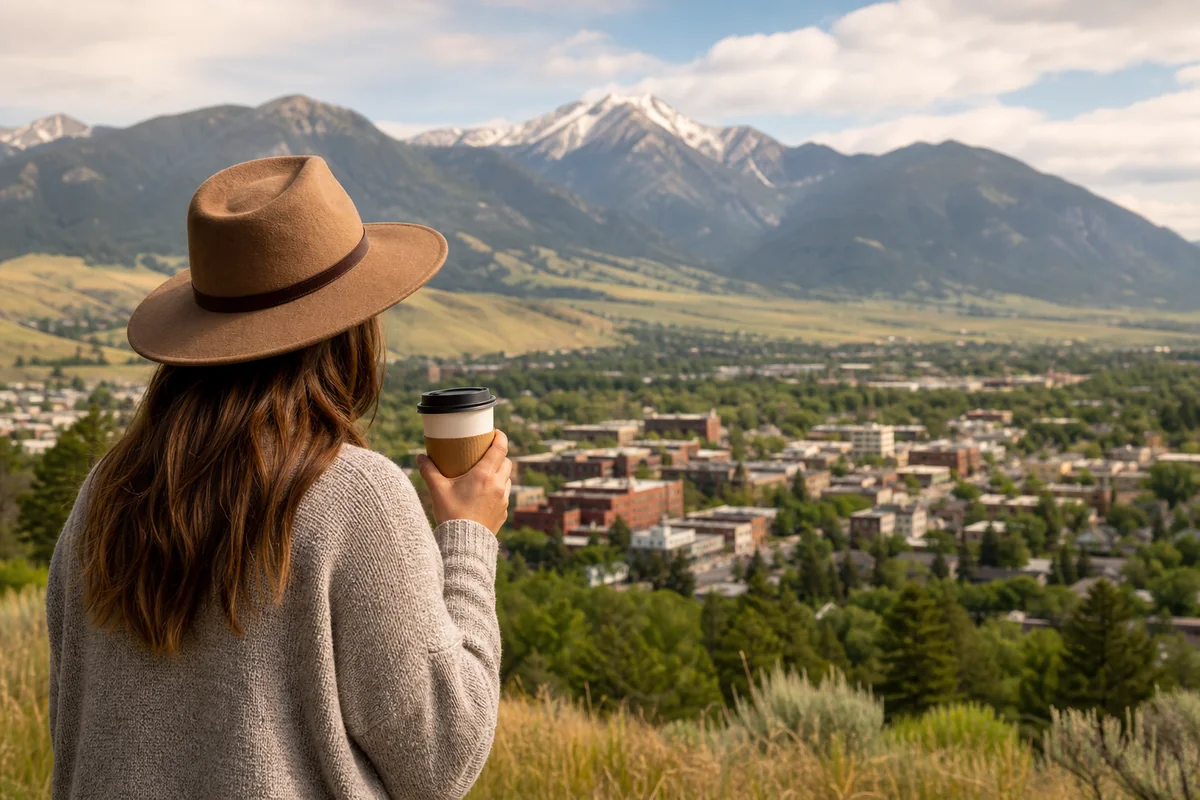
Missoula (about 75,000) has a completely different vibe. Home to the University of Montana, it feels like a vibrant college town. I spent a week there during my research, and the coffee shops, breweries, and cultural events reminded me of Portland or Austin—just smaller.
Great Falls (around 60,000) sits along the Missouri River. It’s more blue-collar and industrial than Missoula or Bozeman, but it offers genuine Montana character without the tourist crowds.
Bozeman (approximately 55,000, but growing rapidly) has become Montana’s “it” city. During my most recent visit, I noticed significant construction and development. It’s one of Montana’s fastest-growing cities, and you can feel the change happening.
Helena (about 35,000) serves as the state capital. It maintains a quieter, more governmental character than its flashier neighbors.
The Empty Spaces Between
What I find most fascinating about Montana is what lies between these urban islands. I’ve driven the stretch from Billings to Miles City dozens of times, and you can go long stretches seeing nothing but grassland, cattle, and the occasional antelope.
Eastern Montana counties like Petroleum, Prairie, and Treasure have population densities below one person per square mile. These aren’t places that feel empty—they’re places that genuinely ARE empty by any reasonable definition.
Recent Growth: Is Montana Becoming More Populated?
This question came up constantly during my travels through Montana over the past few years. Long-time residents have opinions—strong ones—about the changes they’re witnessing.
The short answer: yes, Montana is growing, but it’s complicated.
Between 2010 and 2020, Montana’s population grew by approximately 10%, adding about 100,000 new residents. That growth rate exceeded the national average.

Where the Growth Is Happening
The growth isn’t uniform across the state. Some areas are booming while others continue declining.
Gallatin County (Bozeman area) saw explosive growth—over 30% in the last decade. When I visited a property developer there during my research, they showed me planned subdivisions that would’ve seemed implausible just years ago.
Flathead County (Kalispell, Whitefish) similarly experienced significant growth, driven by its proximity to Glacier National Park and the growing popularity of its ski resorts.
Meanwhile, many eastern Montana counties continue losing population. Young people leave for cities, and aging ranching communities slowly shrink.
What’s Driving the Growth?
Conversations with new residents revealed several common themes:
Remote work possibilities expanded dramatically after 2020. People who can work from anywhere increasingly choose places like Montana for quality of life.
The pandemic accelerated urban flight. Crowded cities suddenly felt less appealing, and Montana’s wide-open spaces became a selling point.
Celebrities choosing Montana brought visibility. High-profile moves by actors, tech entrepreneurs, and athletes put the state on more people’s radar.
Outdoor recreation culture resonates with modern values. Skiing, hiking, fishing, and hunting attract people prioritizing lifestyle over career advancement.
The Growing Pains
This growth creates tensions I witnessed firsthand. Housing prices have skyrocketed in places like Bozeman and Whitefish. If you’re wondering why Montana is so expensive, the influx of wealthier out-of-state buyers is a major factor.
I spoke with a teacher in Bozeman who commutes 45 minutes each way because she can’t afford to live near her school. That story repeats across Montana’s growing communities.
The cost of living has increased substantially in popular areas, though cheaper options still exist if you’re willing to consider less trendy locations.
What Low Population Means for Travelers
Now let’s get to what really matters if you’re planning a Montana trip: how does the sparse population affect your experience?
The Advantages
Fewer crowds at attractions. I’ve hiked trails in Glacier National Park during shoulder season and had them virtually to myself. Even at peak times, Montana’s attractions feel less mobbed than comparable destinations in Colorado or California.
Authentic small-town experiences. The towns haven’t been sanitized for tourism. When I stopped in small places like Choteau or Philipsburg, I encountered genuine communities, not tourist traps.
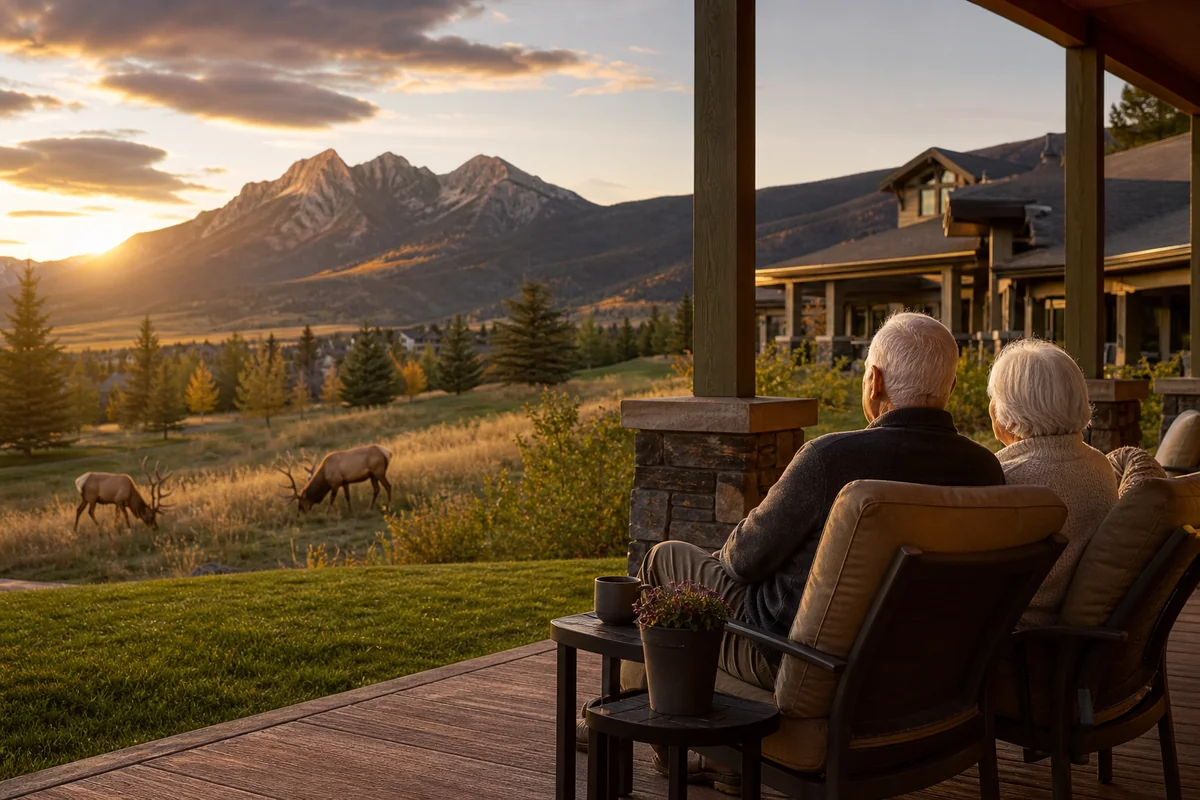
Wildlife viewing opportunities. Lower human population means healthier wildlife populations. I’ve seen wolves, grizzlies, moose, and countless elk—experiences that crowded states can’t offer.
Genuine solitude. If you’re seeking escape from the chaos of modern life, Montana delivers. Some people wonder if Montana is boring, but I’d argue that what some call boring, others call peaceful.
The Challenges
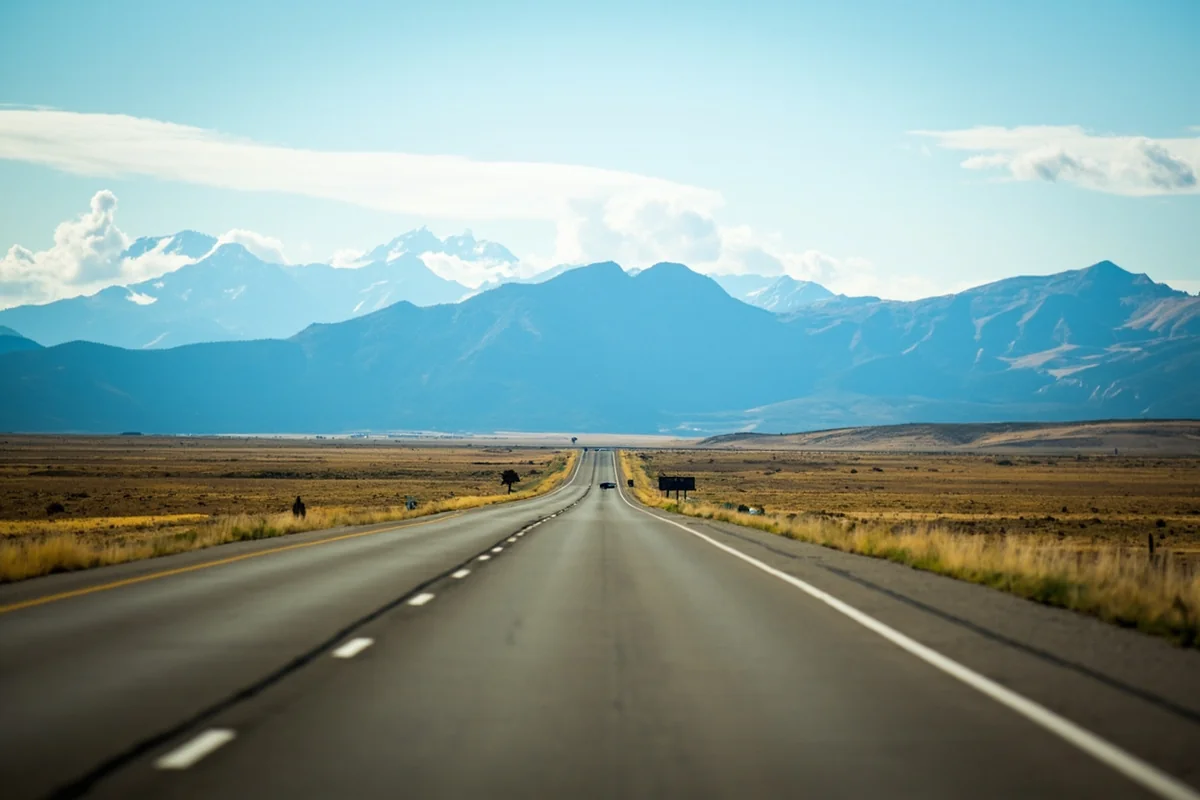
Limited services. This is the big one. I’ve learned to never let my gas tank drop below half in eastern Montana. Gas stations can be 60+ miles apart. Cell service disappears for long stretches.
Medical access concerns. Serious medical emergencies in rural Montana mean helicopter evacuations. The nearest hospital might be hours away. This particularly matters for retirees considering Montana.
Seasonal business closures. Many tourist-oriented businesses close entirely during off-seasons. I once drove to a highly recommended restaurant near Yellowstone in April only to find it shuttered until June.
Accommodation scarcity. Outside major towns, lodging options thin out dramatically. Book ahead during summer months, or you might find yourself sleeping in your car (I speak from experience).
Practical Tips for Navigating Low-Population Areas
After years of Montana travel, here’s what I always do:
Download offline maps before entering rural areas. Google Maps and similar apps become useless without cell service.
Carry cash. Small-town businesses sometimes don’t accept cards, or their systems go down when internet connectivity falters.
Fill up at every gas station, regardless of your tank level. The next one might be closed, or 80 miles away.
Tell someone your itinerary. If your car breaks down in remote areas, it might be hours before another vehicle passes.
Carry emergency supplies. Water, snacks, blankets, and a first aid kit aren’t paranoid—they’re prudent.
Population and Cultural Considerations
Montana’s sparse population affects more than logistics. It shapes the culture and community dynamics visitors encounter.
Political and Social Landscape
Montana’s low population means each resident’s voice carries more weight in state politics. The state has significant political diversity, with libertarian-leaning rural areas contrasting with more progressive urban pockets.
For travelers interested in social dynamics, resources exist exploring topics like LGBTQ-friendliness in Montana and LGBTQ organizations that provide community connections.
The state’s African American community, while small, has deep historical roots worth understanding.
Community Closeness
In small Montana towns, everyone knows everyone. This creates both warmth and insularity.
I’ve experienced incredible hospitality in places like Havre and Dillon—strangers buying my coffee, locals offering detailed recommendations, genuine interest in where I’m from and why I’m visiting.
But I’ve also sensed wariness toward outsiders in some communities, particularly those experiencing rapid change from newcomers.
Educational and Economic Factors
For those considering relocation rather than just visiting, population dynamics connect to education and employment.
Education Options
Montana’s low population supports only a handful of significant higher education institutions. The best colleges in Montana are concentrated in the major cities.
K-12 education varies significantly by district. Some of Montana’s best school districts are in the growing communities, but rural areas face challenges with teacher recruitment and course offerings.
Employment Considerations
The sparse population limits employment opportunities outside major industries. Tourism, agriculture, mining, and healthcare dominate the economy.
Remote work has changed this equation somewhat. Many recent transplants work for companies based elsewhere while enjoying Montana’s lifestyle benefits.
Safety in a Low-Population State
Visitors often wonder about safety in rural areas. Montana’s low population generally correlates with low crime, though exceptions exist.
Montana’s safest cities and towns are remarkably peaceful. Property crime and violent crime rates in most communities fall well below national averages.
However, some communities face challenges. Understanding Montana’s most dangerous cities helps with realistic planning, though “dangerous” is relative—Montana’s most troubled cities are still safer than many national counterparts.
Natural Hazards
The bigger safety considerations in rural Montana involve nature, not crime.
Wildlife encounters require preparation and respect. Grizzly bears, mountain lions, and even moose can be dangerous.
Wildfire season (typically July through September) can dramatically affect travel plans. Smoke sometimes blankets valleys for weeks, and road closures happen with little warning.
Other natural disasters like flooding, severe winter storms, and occasional earthquakes require awareness.
Comparing Montana to Perception
Many visitors arrive with expectations shaped by movies, television, or social media. Here’s how reality compares:
Expectation: Montana is empty everywhere.
Reality: Cities like Bozeman and Missoula feel genuinely urban. You’ll find traffic, parking challenges, and crowded restaurants—especially during peak seasons.
Expectation: It’s all cowboys and ranchers.
Reality: While agriculture remains significant, Montana’s population includes professors, tech workers, artists, and retirees. The demographic diversity surprised me initially.
Expectation: Everything is affordable.
Reality: Prices have boomed in popular areas. Bozeman’s real estate rivals coastal cities. Even Montana’s most expensive properties attract buyers willing to pay premium prices.
Expectation: Services will be limited but available.
Reality: In truly rural areas, services might not exist at all. I’ve driven hours looking for a Sunday breakfast because everything was closed.
Is Montana Right for You?
After all this information, you might wonder whether Montana’s population density matters for your particular plans.
Montana Might Be Perfect If You:
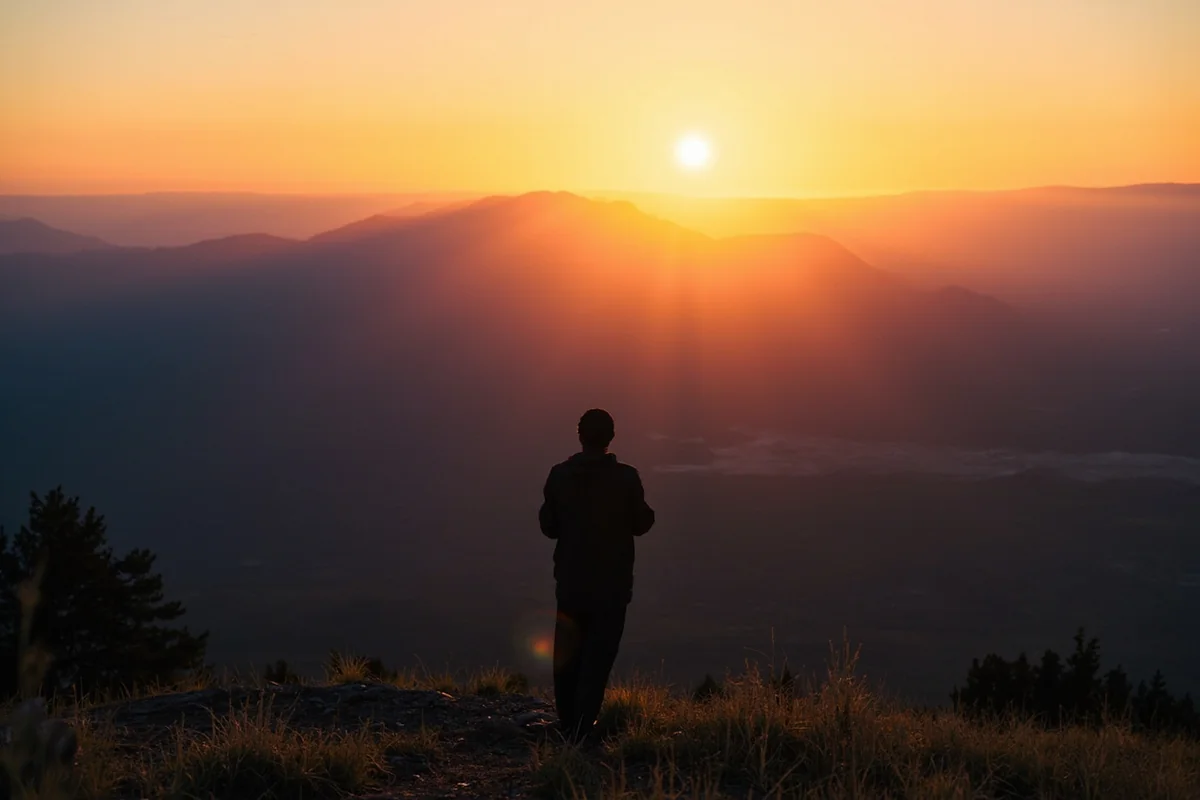
Value solitude and natural beauty over urban amenities
Enjoy outdoor activities like hiking, fishing, skiing, or hunting
Are self-sufficient and comfortable with limited services
Prefer authentic communities to tourist-oriented destinations
Have flexibility in your schedule (weather and seasonal closures can disrupt plans)
Appreciate wildlife and don’t mind the occasional bear encounter
Montana Might Frustrate You If You:
Need reliable cell service and internet connectivity
Prefer diverse dining and entertainment options
Dislike long drives between destinations
Have mobility limitations (many attractions require significant physical effort to access)
Want spontaneous trip planning (advance reservations often essential)
Middle Ground Strategies
For those uncertain, consider focusing your first Montana trip on the “golden triangle” of Bozeman-Missoula-Glacier National Park. This route offers Montana’s most accessible experiences while still showcasing the state’s character.
Save the truly remote eastern regions for subsequent visits when you’ve built comfort with Montana’s particular rhythms.
Weighing the Pros and Cons of Living in Montana
For travelers considering permanent relocation, the population question becomes even more significant.
The same factors that make Montana magical for visitors—the space, the solitude, the lack of crowds—can become challenges for residents.
Winters test commitment. Isolation weighs on some people over time. Limited shopping, dining, and entertainment options frustrate those accustomed to urban amenities.
But for others, these “limitations” are precisely the point. Many Montanans chose their home specifically because it DOESN’T have everything found in more populated states.
There are compelling reasons to move to Montana and equally valid reasons for retiring in Montana. The population dynamics are central to both arguments.
Practical Matters Affected by Population
A few final practical considerations that connect to Montana’s low population:
Taxes and Governance
Montana famously has no sales tax—a direct result of political choices in a low-population state. This makes shopping noticeably cheaper for visitors.
Alcohol and Shopping
State-run liquor stores are the norm, though grocery stores can sell some alcohol. Selection varies significantly by location, and rural stores might have limited inventories.
Recycling and Sustainability
Recycling infrastructure varies dramatically. Some communities have excellent programs; others have none at all. Low population density makes collection economically challenging.
Sports and Entertainment
Montana lacks major professional franchises, though college and minor league sports teams inspire passionate followings. Don’t expect NFL Sundays at local sports bars in small towns.
Alternative Lifestyles
Montana’s rural character attracts people seeking self-sufficiency. Homesteading remains viable here in ways impossible in more populated states.
The Bottom Line on Montana’s Population
So is Montana heavily populated? Not even close. It ranks among America’s emptiest states by virtually every measure.
But here’s what I’ve learned after years of exploring: that emptiness is Montana’s gift. The lack of people creates the space for everything Montana offers—the wildlife, the wilderness, the wide-open views, the genuine communities, the silence that’s increasingly rare in our noisy world.
Whether that appeals to you depends entirely on what you’re seeking. Some people visit Montana once and immediately start planning their move. Others can’t wait to return to civilization.
I fall firmly in the first camp. Every time I crest a hill and see nothing but grassland stretching to the horizon, or pull into a tiny town where the waitress knows everyone by name, I’m reminded why Montana’s lack of population isn’t a weakness—it’s the whole point.
The state’s ability to capture your heart stems directly from what it lacks: crowds, congestion, and the complications of dense human habitation.
Just don’t expect Montana to stay this way forever. While it’s unlikely to become heavily populated by national standards, the current growth trends are changing some communities rapidly. The Montana I first visited fifteen years ago feels noticeably different in places like Bozeman and Whitefish.
If the uncrowded Montana experience appeals to you, consider visiting sooner rather than later. The state remains remarkably empty—but the secret is out, and more people discover it every year.
And for those wondering whether Montana’s low population makes it somehow deficient or undesirable—whether it might be among America’s worst states—I’d encourage you to visit and judge for yourself. The Montanans I know, called Montanans (not “Montanaites” or anything else), wouldn’t trade their home for anywhere more crowded.
That says something worth considering.
Understanding whether Montana is the least populated state misses the bigger point. Whether it’s 44th or 47th in population matters less than understanding what that emptiness means for your experience—and embracing it rather than fighting against it.
Montana isn’t for everyone. But for those it suits, nothing else compares.
Frequently Asked Questions
Is Montana a heavily populated state compared to other US states?
No, Montana is one of the least densely populated states in the US, ranking 48th with only about 7.5 people per square mile. With just over 1.1 million residents spread across 147,000 square miles, you’ll find vast open spaces and uncrowded wilderness areas that feel refreshingly empty compared to most American destinations.
What are the most populated cities in Montana for travelers to visit?
Billings is Montana’s largest city with around 120,000 residents, followed by Missoula at 75,000 and Great Falls at 60,000. I recommend basing yourself in these cities for amenities and day trips, but don’t expect big-city crowds—even Billings feels like a small town compared to major metropolitan areas.
Is Montana’s low population density good for outdoor travel experiences?
Absolutely—Montana’s sparse population is a major draw for travelers seeking solitude in nature. You can hike trails in Glacier National Park’s backcountry, fish blue-ribbon trout streams, or drive 50 miles on scenic byways without seeing another car, which is increasingly rare in popular US destinations.
What should I bring when traveling to remote, unpopulated areas of Montana?
Pack extra water, snacks, a physical map or downloaded offline maps, a full tank of gas, and emergency supplies since cell service is spotty across rural Montana. I always carry a first-aid kit, jumper cables, and warm layers because gas stations and services can be 60-100 miles apart in eastern Montana.
What’s the best time to visit Montana to avoid crowds and enjoy low population benefits?
Visit during shoulder seasons—late September through October or May through early June—when tourist numbers drop significantly and you’ll practically have trails to yourself. Summer months bring the most visitors to Glacier and Yellowstone, but even then, Montana feels far less crowded than comparable destinations like Colorado or Utah.
How does Montana’s sparse population affect travel costs and accommodation availability?
Montana’s low population means fewer lodging options in rural areas, so book accommodations 2-3 months ahead for summer trips, especially near national parks where rates run $150-$400 per night. Gas prices average $3.20-$3.80 per gallon, and you’ll save money by stocking up on groceries in larger towns before heading into remote regions.
Are there safety concerns when traveling through Montana’s unpopulated regions?
The main concerns are wildlife encounters, extreme weather changes, and limited emergency services rather than crime—Montana is statistically very safe for travelers. I always tell someone my itinerary, carry bear spray in grizzly country, and check road conditions on the Montana DOT website before driving through mountain passes or remote highways.
Sources
- https://mhs.mt.gov/education/IEFA/1stPeoples.pdf
- https://leg.mt.gov/content/Publications/fiscal/2021-Interim/Jan-2020/Demographic-Report-FINAL.pdf
- https://opi.mt.gov/
- https://mtcf.org/womens-foundation/
- https://dphhs.mt.gov/sltc/aging
- https://commerce.mt.gov/Research-Publications
- https://www.umt.edu/this-is-montana/columns/stories/montana_regions_2of3.php
- https://www.acf.hhs.gov/ana/fact-sheet/american-indians-and-alaska-natives-numbers
- https://www.cdc.gov/nchs/pressroom/states/montana/mt.htm
- https://mt.gov/discover/brief_history.aspx
- https://www.census.gov/quickfacts/fact/table/MT/PST045222
- https://www.umt.edu/this-is-montana/columns/stories/montana_regions_2of3.php