I’ll never forget the night I struck up a conversation with a bartender in Billings who laughed when I asked about “dangerous” neighborhoods—she pointed out that her biggest concern was the occasional moose wandering through downtown, not crime.
That moment crystallized something important about understanding safety in Montana: context matters enormously, and what counts as “dangerous” here is wildly different from major metropolitan areas elsewhere in the country.
If you’re researching Montana Living or planning an extended trip to Big Sky Country, understanding crime statistics is part of being an informed traveler—but it shouldn’t dominate your experience or keep you from exploring this remarkable state.
- Montana’s “most dangerous” cities still have significantly lower crime rates than most major US metropolitan areas
- Billings, Great Falls, and Missoula top the list for crime statistics, primarily due to property crimes
- Most violent crime occurs between people who know each other—random tourist attacks are exceptionally rare
- Rural isolation, substance abuse issues, and limited law enforcement resources contribute to higher per-capita rates
- Simple precautions like locking vehicles and being aware of your surroundings keep most visitors safe
- The real dangers in Montana are more likely to be wildlife, weather, and road conditions than crime
Liked this article?
Add Roaming Montana as a preferred source so you see more of our articles and guides on Google.
Why Montana Crime Statistics Require Context
Before I dive into specific cities, I need to address something that frustrated me when I first started researching Montana safety years ago: per-capita statistics can be incredibly misleading in a state with such small population centers.
When I visited Polson last summer, population roughly 5,200, a local sheriff’s deputy explained it perfectly. “One bad weekend can skew our annual statistics by 30%,” he said. “A couple of domestic incidents and a few car break-ins, and suddenly we look like a crime hotspot.”
This statistical quirk means Montana towns frequently appear on “most dangerous” lists despite having crime levels that would barely register in cities like Chicago, Houston, or Los Angeles. The Montana population is so sparse—just over 1.1 million people spread across the fourth-largest state—that small numbers create dramatic percentages.
During my travels through Montana over the past several years, I’ve spent time in every city on the “dangerous” list. My honest assessment? I’ve felt less safe walking through certain neighborhoods in Portland or Denver than I ever have anywhere in Montana.
Billings: Montana’s Largest City and Crime Leader
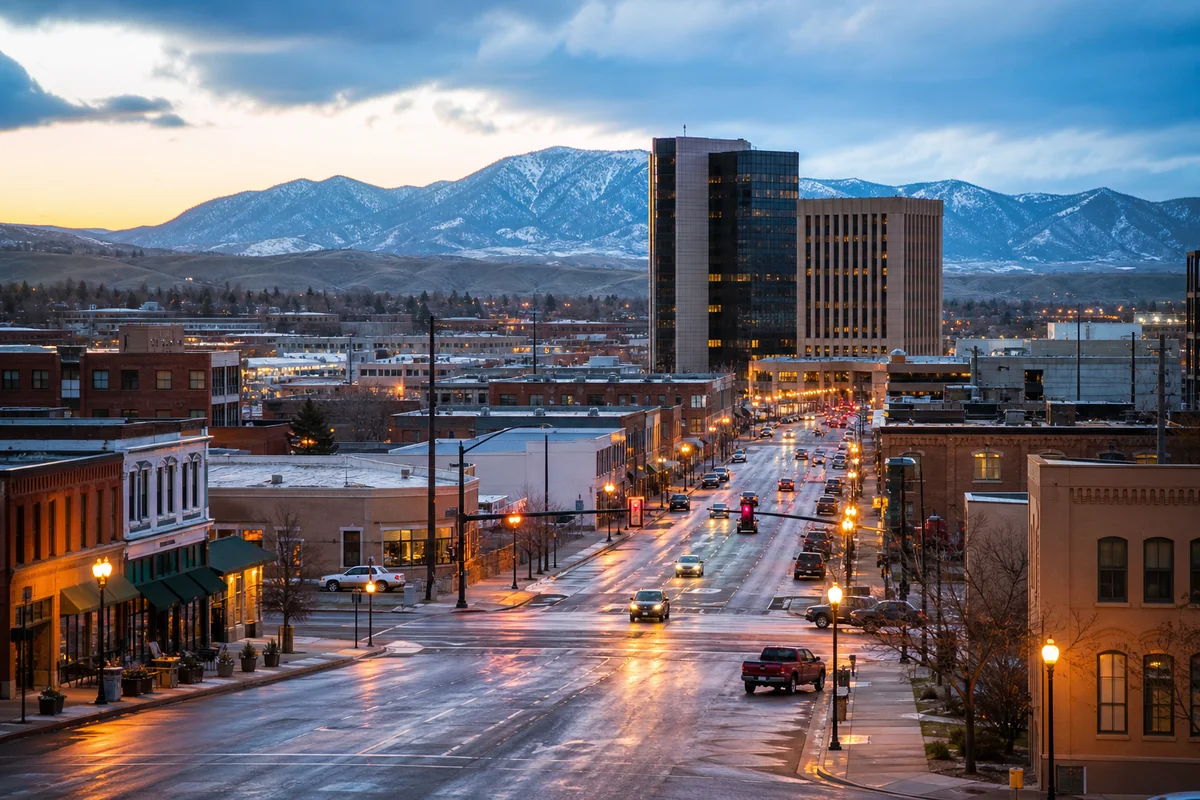
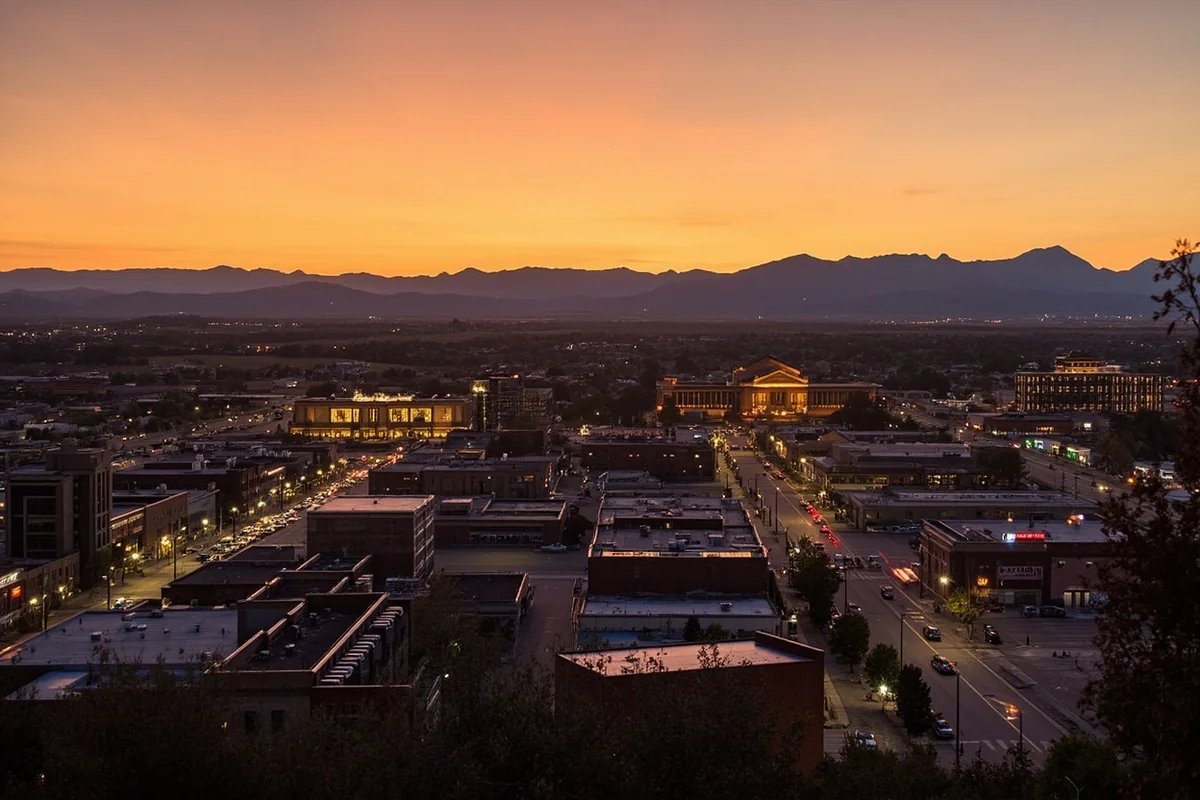
Billings consistently ranks as Montana’s most dangerous city in terms of raw crime numbers, and having spent considerable time there, I can offer some perspective on what that actually means for visitors.
The Reality on the Ground
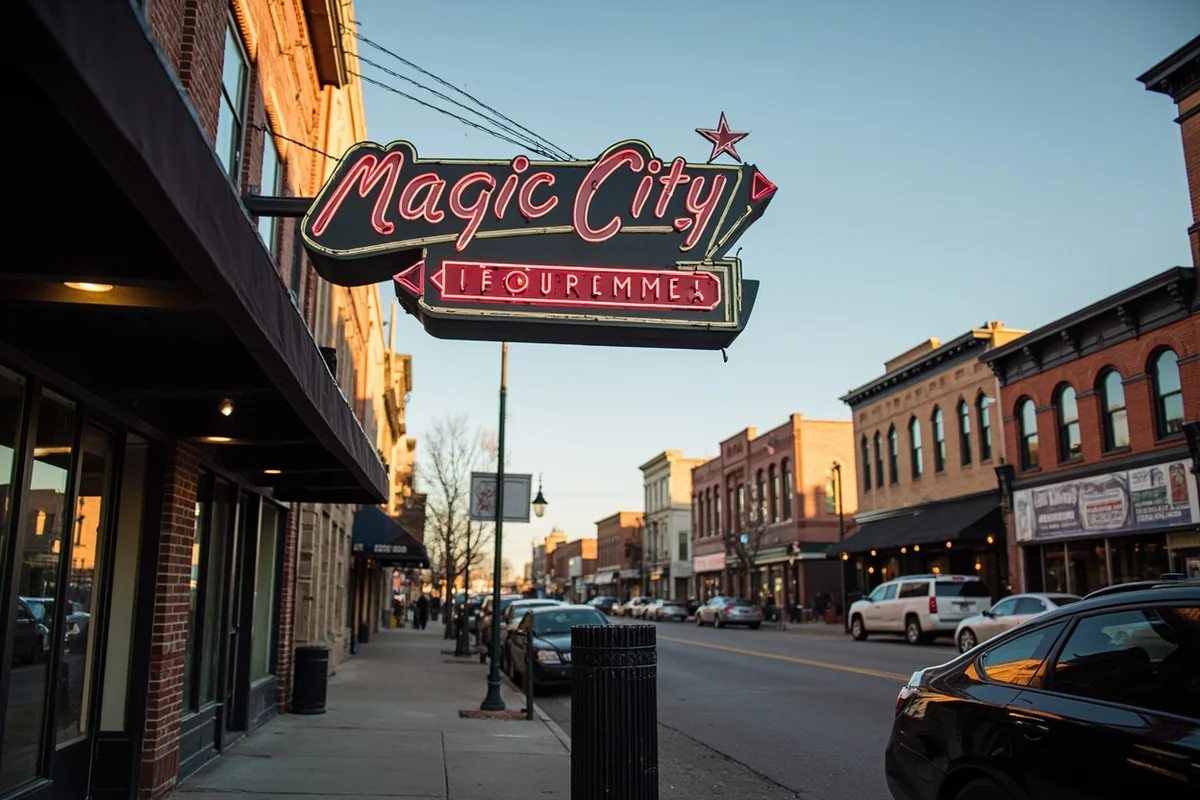
During my most recent trip last fall, I stayed downtown near the Alberta Bair Theater for four nights. I walked to restaurants, explored the Yellowstone Art Museum, and even took an evening stroll along the Rimrock trails. Not once did I feel threatened or uncomfortable.
The city’s crime challenges primarily concentrate in specific areas—particularly the south side near the railroad tracks and certain sections of the Heights. These aren’t places most tourists would have reason to visit anyway.
Property crime drives most of Billings’ statistics. Car break-ins and theft from unlocked vehicles are the biggest issues I’ve heard locals complain about. A shop owner on Montana Avenue told me, “People here still trust too much. They leave their cars unlocked, packages on porches. We’re not Mayberry anymore.”
What Visitors Should Actually Worry About
The transient population near the downtown core has increased in recent years, something I noticed more on my 2023 visit than during previous trips. Panhandling is more common, and there are visible signs of homelessness near the bus station and certain parks.
That said, I’ve never experienced anything beyond polite requests for spare change. Local law enforcement maintains a visible presence downtown, especially during the summer tourist season.
If you’re visiting Billings, I recommend staying in the West End near the mall or downtown near the hotel district. Lock your car, don’t leave valuables visible, and you’ll be fine.
Great Falls: The Electric City’s Challenges
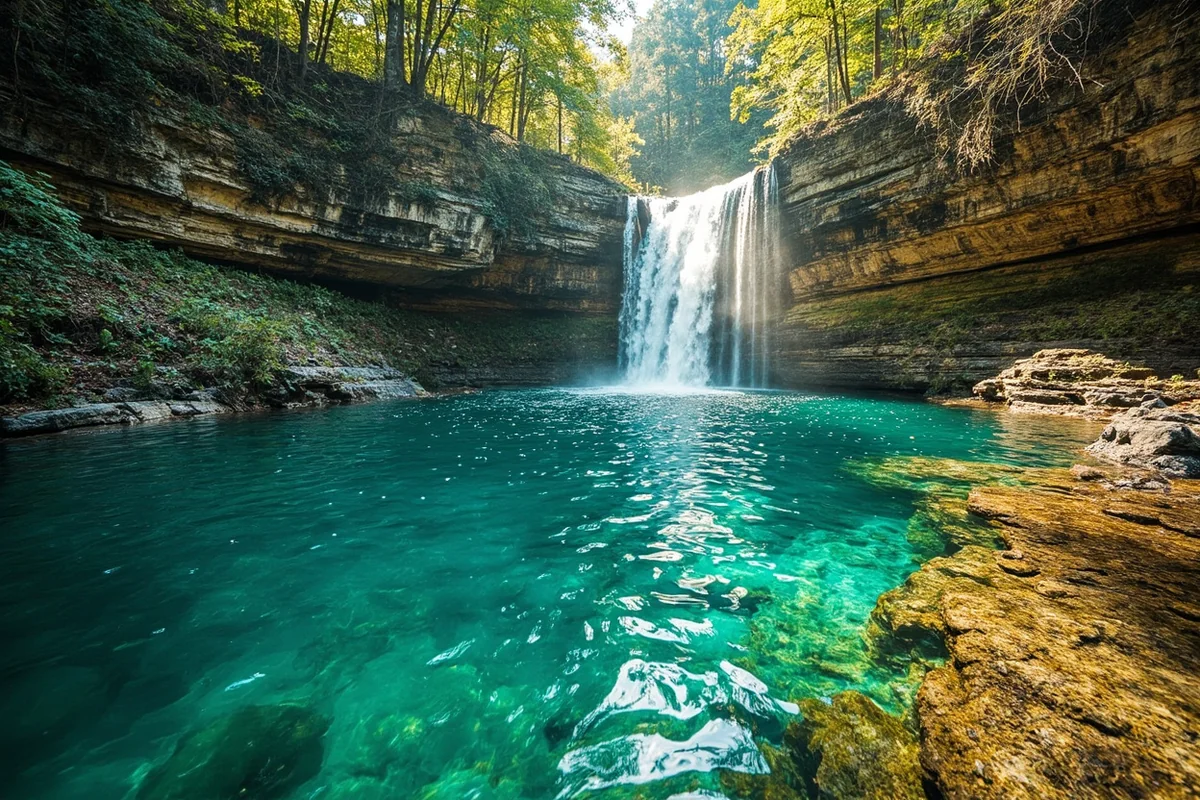
Great Falls surprised me when I first saw it on dangerous city lists—it has such a wholesome, Americana feel when you’re walking along the Missouri River or exploring Giant Springs State Park.
Understanding Great Falls’ Statistics
On my visit two summers ago, I asked a retired police officer I met at a coffee shop why Great Falls ranked so high. His explanation was illuminating: “We’re a regional hub with limited resources. Malmstrom Air Force Base brings transient population. We’ve got meth problems like everywhere else in rural America. And we’re honest about reporting.”
That last point matters. Some communities underreport crime; Great Falls apparently does not.
The city has struggled with methamphetamine-related crime for years, something I learned more about when chatting with social workers at a community center. This drives both property crime (theft to fund addiction) and domestic violence incidents.
Tourist Safety in Great Falls
For visitors, Great Falls is perfectly safe for normal tourist activities. The Lewis and Clark Interpretive Center, Giant Springs, the C.M. Russell Museum—all the places you’d actually want to visit are in safe, well-maintained areas.
I spent three days in Great Falls during my Missouri River trip and walked everywhere, including evening walks along River Drive. The worst thing that happened was stepping in goose droppings at Gibson Park.
The Montana fastest growing cities list doesn’t include Great Falls, which has actually experienced population stagnation. This economic pressure contributes to some of the social challenges the city faces.
Missoula: College Town Complications
Missoula’s appearance on dangerous city lists always requires an asterisk because the dynamics here are completely different from Billings or Great Falls.
Why Missoula’s Numbers Are Misleading
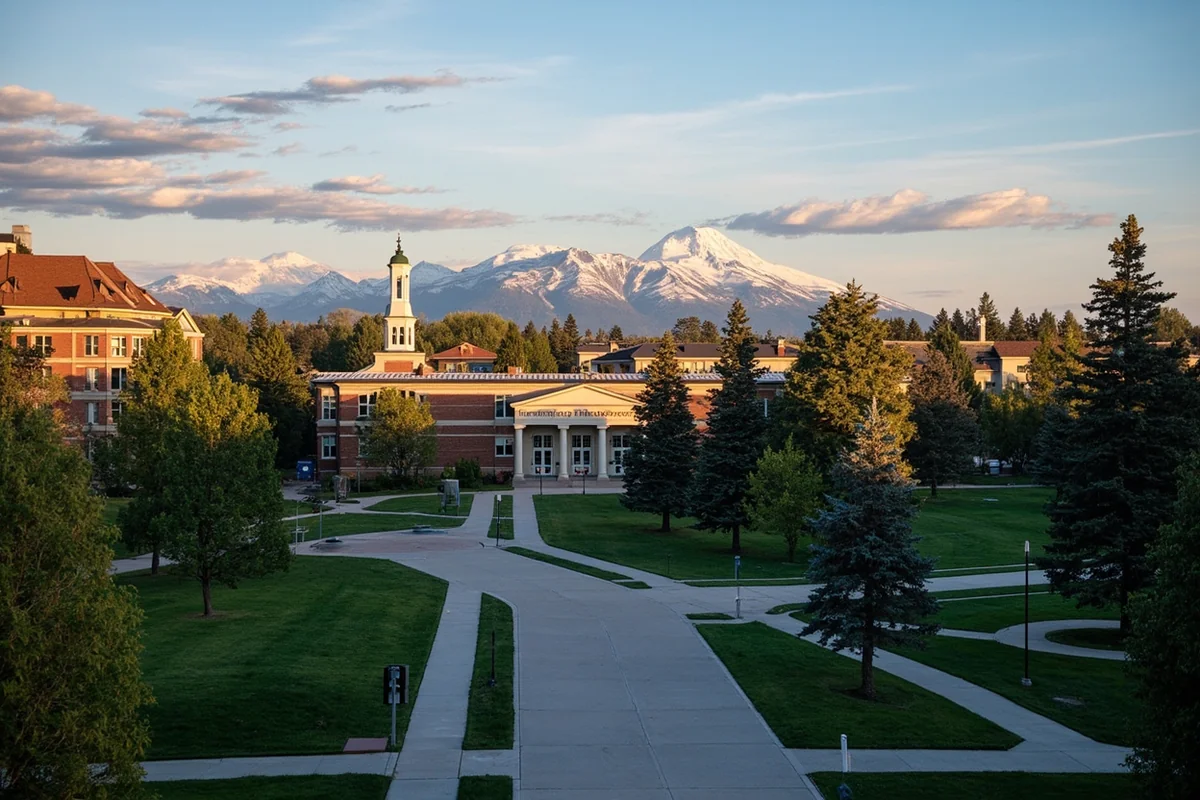
Home to the University of Montana, Missoula has a huge population of 18-22 year olds who, frankly, sometimes make poor decisions involving alcohol.
During my visits, I’ve noticed that a significant portion of the city’s crime statistics stem from college-related incidents: drunk and disorderly, minor assaults outside bars, petty theft.
This doesn’t excuse the behavior, but it’s relevant context for travelers. If you’re not frequenting downtown bars at 2 AM, you’re unlikely to encounter these issues.
Missoula is actually one of the best places to live in Montana according to many residents I’ve interviewed, precisely because it offers urban amenities without urban problems.
The Real Missoula Experience
When I spent a week in Missoula last spring for a writing project, I fell in love with the city’s character. The Rattlesnake Wilderness trailhead is practically in someone’s backyard.
Caras Park along the Clark Fork River buzzes with festivals and farmers markets. The hip coffee shops and bookstores rival anything in Portland or Seattle.
I walked from the Hip Strip to the university to downtown to the Southgate Mall area at various times of day and night. The only sketchy moment was a guy who asked me for cigarettes with slightly too much intensity near the bus station—hardly a crisis.
Missoula’s property crime issues center on bicycle theft (lock your bike with something serious) and occasional car prowling. Violent crime statistics are inflated by bar fights and domestic incidents, not random attacks on visitors.
Helena: Capital City Concerns
Montana’s capital city doesn’t always make dangerous city lists, but it has experienced upticks in crime that locals talk about with genuine concern.
During my most recent visit to Helena last winter, I noticed more visible homelessness downtown than I remembered from previous trips. Several shop owners mentioned increased shoplifting and occasional aggressive behavior from people experiencing mental health crises.
What’s Driving Helena’s Issues
Helena serves as a regional center for social services, which concentrates vulnerable populations in a relatively small city. The state psychiatric hospital is nearby, and when patients are released without adequate support, some end up struggling on Helena’s streets.
That said, Helena remains one of the more charming small capitals I’ve visited. The Last Chance Gulch walking mall is delightful, the Cathedral of St. Helena is stunning, and the surrounding mountains offer incredible recreation.
I’d have no hesitation recommending Helena to any traveler. Just don’t leave your car unlocked downtown overnight.
Smaller Towns With Elevated Statistics
Several smaller Montana communities appear on dangerous city lists, and these require even more statistical skepticism than the larger cities.
Polson and the Flathead Reservation Context
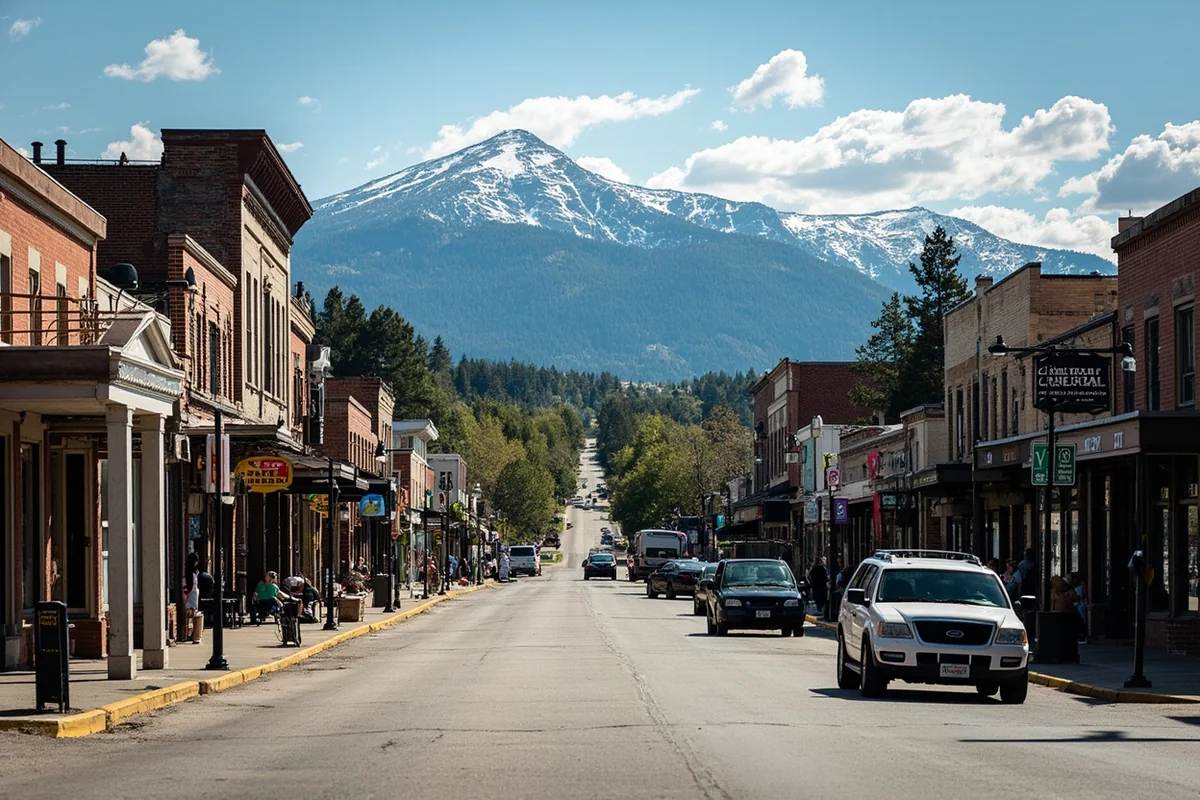
Polson, at the southern tip of Flathead Lake, sometimes appears in crime rankings due to its location partially within the Flathead Indian Reservation. Crime data on reservations is complicated by jurisdictional issues, reporting inconsistencies, and the genuine social challenges many Native communities face.
When I visited Polson for the cherry festival several summers ago, I found a friendly lakeside town with excellent restaurants and stunning views. The Montana African American community is small but part of the state’s diverse story, and understanding Montana’s demographics helps provide context for various community challenges.
Butte and Its Mining Legacy
Butte’s crime statistics reflect a city that has never fully recovered from the decline of copper mining. Economic depression breeds desperation, and Butte has struggled with substance abuse and related crime for decades.
Yet Butte is also one of the most fascinating cities in Montana—a living museum of mining history with incredible architecture and authentic Irish-American culture. I spent three days exploring the Berkeley Pit, the Granite Mountain Memorial, and the uptown historic district, and I loved every minute.
The crime in Butte isn’t targeting tourists. It’s a community dealing with generational poverty and addiction. Visit with awareness and compassion, not fear.
Havre and the Hi-Line
Havre occasionally appears on crime lists, which surprised me given its remote location on the Hi-Line. During a cross-state road trip, I stopped in Havre primarily for the Underground Tour—a fascinating walk through tunnels beneath the downtown that served as the city’s commercial district during harsh winters.
A local I met explained that Havre’s crime issues relate to its position as a transportation hub (Amtrak stops here) and proximity to the Fort Belknap Reservation. Like Polson, the reservation connection complicates statistics.
Crime Categories: What Actually Happens
Understanding what types of crimes drive Montana’s statistics helps travelers assess actual risk.
| Crime Type | Frequency | Visitor Risk |
|---|---|---|
| Property Theft | Most Common | Moderate (lock vehicles) |
| Vehicle Break-ins | Very Common | Moderate (don’t leave valuables) |
| Domestic Violence | Common | Very Low |
| Assault (Acquaintance) | Moderate | Very Low |
| Assault (Stranger) | Rare | Extremely Low |
| Drug-Related Crime | Common | Low |
| Robbery/Mugging | Uncommon | Low |
The pattern is clear: most crime in Montana happens between people who know each other or involves property left unsecured. Random violent crime against tourists is genuinely rare.
The Real Dangers in Montana
Having traveled extensively throughout the state, I can tell you with confidence that crime is far from the biggest safety concern visitors should have. The Montana natural disasters and environmental hazards are far more likely to impact your trip.
Wildlife Encounters
I’ve had more close calls with wildlife than concerning human interactions. A grizzly bear encounter near East Glacier had my heart pounding far more than any downtown walk. Moose can be aggressive, especially cows with calves. Mountain lions are present throughout the state.
Learn proper wildlife safety before hiking in Montana. Carry bear spray. Make noise on trails. These precautions matter far more than worrying about urban crime.
Weather and Road Conditions
Montana weather can turn deadly with little warning. I’ve experienced whiteout conditions on I-90 in October that terrified me. Flash floods, severe thunderstorms, and wildfire smoke (Montana does get wildfires) are genuine hazards, especially in summer.
The Montana places with most snow can experience dangerous conditions from October through May. Check forecasts religiously and carry emergency supplies in your vehicle.
Distance and Isolation
Montana’s vastness means help can be far away. When I got a flat tire on Highway 200 east of Lewistown, I waited over an hour before another vehicle passed. Cell service is nonexistent in much of the state.
This isolation is part of Montana’s appeal—why Montana is so unpopulated is directly related to its wild character—but it requires preparation.
Practical Safety Tips for Montana Visitors
Based on my extensive travels throughout the state, here’s what I actually recommend for staying safe:
Vehicle Security
Lock your car every single time, even in small towns that feel safe. Remove all visible items—even things that seem worthless. A thief might break a window hoping your gym bag contains valuables.
Never leave your car running unattended, even in cold weather. Vehicle theft rates spike in winter when people warm up their cars.
Accommodation Choices
Stick to established hotels, motels, and well-reviewed vacation rentals. I’ve never had a security issue at any major chain hotel in Montana or at the numerous excellent independent motels I’ve tried.
If camping, use established campgrounds. Dispersed camping is legal and wonderful in Montana, but choose sites visible from roads or trails rather than completely isolated spots.
Downtown Awareness
In cities like Billings, Great Falls, and Missoula, standard urban awareness applies. Stay alert after dark, avoid walking alone through poorly lit areas, and trust your instincts if a situation feels wrong.
That said, don’t be paranoid. I’ve walked through every Montana city at various hours and have overwhelmingly positive experiences to report.
Bar and Nightlife Safety
If you’re enjoying Montana’s bar scene—and you should, it’s fantastic—practice the same caution you would anywhere. Don’t leave drinks unattended. Use rideshare or taxis after drinking (though options are limited outside larger cities). Be aware that bar fights, while uncommon, do occasionally happen when alcohol mixes with testosterone.
Why Crime Happens in Montana: Understanding Root Causes
Spending time in Montana and talking to residents has given me insight into why crime rates exist where they do.
Substance Abuse Epidemic
Methamphetamine has devastated rural Montana communities. Every law enforcement officer, social worker, and longtime resident I’ve spoken with identifies meth as the primary driver of property crime and many violent incidents.
The Montana cost of living has increased while wages remain low, creating economic pressure that contributes to desperation and addiction.
Limited Law Enforcement Resources
Many Montana counties have just a handful of deputies covering thousands of square miles. Response times can be long, and some crimes simply go unresolved due to lack of investigative resources.
This doesn’t mean lawlessness—Montanans generally maintain social order through community accountability—but it does create opportunities for property crime.
Economic Challenges
Some Montana communities have never recovered from the decline of extractive industries. Why Montana is so expensive while wages lag creates a squeeze that affects vulnerable residents most.
The cheapest places to live in Montana often coincide with areas experiencing economic depression, which correlates with higher crime rates.
Safe Montana Destinations for Nervous Travelers
If you’re genuinely concerned about safety, several Montana communities have extremely low crime rates and welcoming atmospheres.
The Montana safest cities and towns include places like Whitefish, Bozeman, and many small communities throughout the state. These aren’t immune to crime—nowhere is—but they offer exceptional quality of life and minimal safety concerns.
Whitefish in particular impressed me with its combination of natural beauty, excellent amenities, and safe, walkable downtown. Yes, it’s become expensive (some of Montana’s most expensive properties are nearby), but for visitors it offers a wonderful experience.
Bozeman has grown enormously and maintains relatively low crime despite its expansion. The best colleges in Montana include Montana State University in Bozeman, and the town has a youthful, active feel without the party-town issues of some college communities.
Should Crime Statistics Affect Your Montana Trip?
My honest answer after years of exploring this state: no, they shouldn’t.
Montana offers experiences you simply cannot find elsewhere. The vast landscapes, abundant wildlife, authentic western culture, and genuine friendliness of residents make it one of my favorite places in America.
The reasons to love Big Sky Country far outweigh any safety concerns. Anyone asking is Montana boring or not clearly hasn’t experienced its depth—and safety concerns shouldn’t prevent that discovery.
If you’re considering reasons to move to Montana, understand that crime exists here as it does everywhere, but community bonds and quality of life often compensate. The pros and cons of living in Montana are worth weighing carefully, but don’t let exaggerated crime fears drive your decision.
For those evaluating relocation with families, the best school districts in Montana provide excellent education in generally safe communities. And if you’re wondering is Montana the worst state, I can tell you definitively: absolutely not.
Final Thoughts on Montana Safety
I’ve traveled to all fifty states and numerous countries. Montana ranks among the safest places I’ve experienced for travelers who exercise basic common sense.
Yes, some cities have elevated crime statistics. Yes, you should lock your car and be aware of your surroundings. Yes, certain neighborhoods in certain cities warrant extra caution.
But the Montana I know—the Montana I keep returning to year after year—is a place of stunning beauty, warm hospitality, and genuine safety. The Montana residents called Montanans are some of the friendliest people you’ll meet.
Even celebrities living in Montana choose this state partly because it offers escape from the chaos and danger of major metropolitan areas. If it’s safe enough for them, it’s safe enough for you.
Whether you’re interested in homesteading in Montana, exploring Montana retirement communities, or just passing through on a road trip, come with appropriate awareness but not fear.
The real Montana experience awaits—and it’s far more wonderful than any crime statistic could suggest.
If you’re curious about practical matters like does Montana have sales tax (spoiler: no state sales tax!) or do Montana grocery stores sell liquor, we’ve got you covered. For those concerned about social issues, we’ve explored is Montana LGBTQ friendly and documented Montana LGBTQ organizations.
Montana isn’t perfect—what place is? Understanding the worst places to live in Montana alongside the best gives you complete information. The Montana prices booming situation and questions about is Montana heavily populated or is Montana the least populated state provide important context.
For those interested in long-term planning, understanding reasons for retiring in Montana, Montana sports teams, and even Montana recycling programs helps paint the full picture.
Come to Montana. Be smart. Stay safe. And prepare to fall in love with Big Sky Country.
Frequently Asked Questions
What are the most dangerous cities in Montana for tourists to be aware of?
Based on crime statistics, Billings, Great Falls, and Missoula tend to have higher crime rates compared to other Montana cities, though they’re still relatively safe by national standards. As a traveler, I recommend staying aware of your surroundings in downtown areas at night and keeping valuables secured in your vehicle, especially in larger cities.
Is Montana safe for solo travelers and families visiting in 2024?
Montana is generally very safe for solo travelers and families, with violent crime rates well below the national average in most areas. I’ve traveled solo throughout the state and found rural communities exceptionally welcoming, though I always practice standard safety precautions like locking my car and not leaving gear visible when parked at trailheads.
What safety precautions should I take when visiting Montana’s cities?
When visiting Montana cities like Billings or Great Falls, stick to well-lit areas after dark, avoid leaving valuables in plain sight in your rental car, and be cautious around highway rest stops late at night. Property crime, particularly vehicle break-ins near tourist areas and trailheads, is more common than violent crime, so I always take my backpack and electronics with me.
Are Montana’s dangerous cities safe enough to include in my road trip itinerary?
Absolutely—even Montana’s higher-crime cities are safe enough to visit and offer great restaurants, museums, and access to outdoor recreation. I’ve stayed overnight in Billings and Great Falls multiple times without issues; just book hotels in well-reviewed areas and don’t wander unfamiliar neighborhoods alone at 2 AM.
What’s more dangerous in Montana: wildlife encounters or city crime?
Statistically, you’re more likely to face safety issues from wildlife encounters, severe weather, or backcountry accidents than urban crime in Montana. I carry bear spray ($40-50), check weather conditions religiously, and tell someone my hiking plans—these precautions matter far more than worrying about city crime during your trip.
Which areas of Montana should tourists avoid or be cautious about?
Rather than avoiding entire cities, be cautious in specific areas like certain neighborhoods in Billings’ South Side after dark or isolated rest stops along I-90 and I-15 late at night. I also recommend caution in extremely remote areas without cell service unless you’re prepared with emergency supplies, a satellite communicator, and solid backcountry experience.
How does Montana’s crime rate compare to other Western states for travelers?
Montana’s overall crime rate is lower than neighboring states like Washington and Colorado, making it one of the safer Western destinations for road trips. With a population under 1.2 million spread across 147,000 square miles, most of your Montana experience will be in small towns and wilderness areas where crime is virtually nonexistent.
Sources