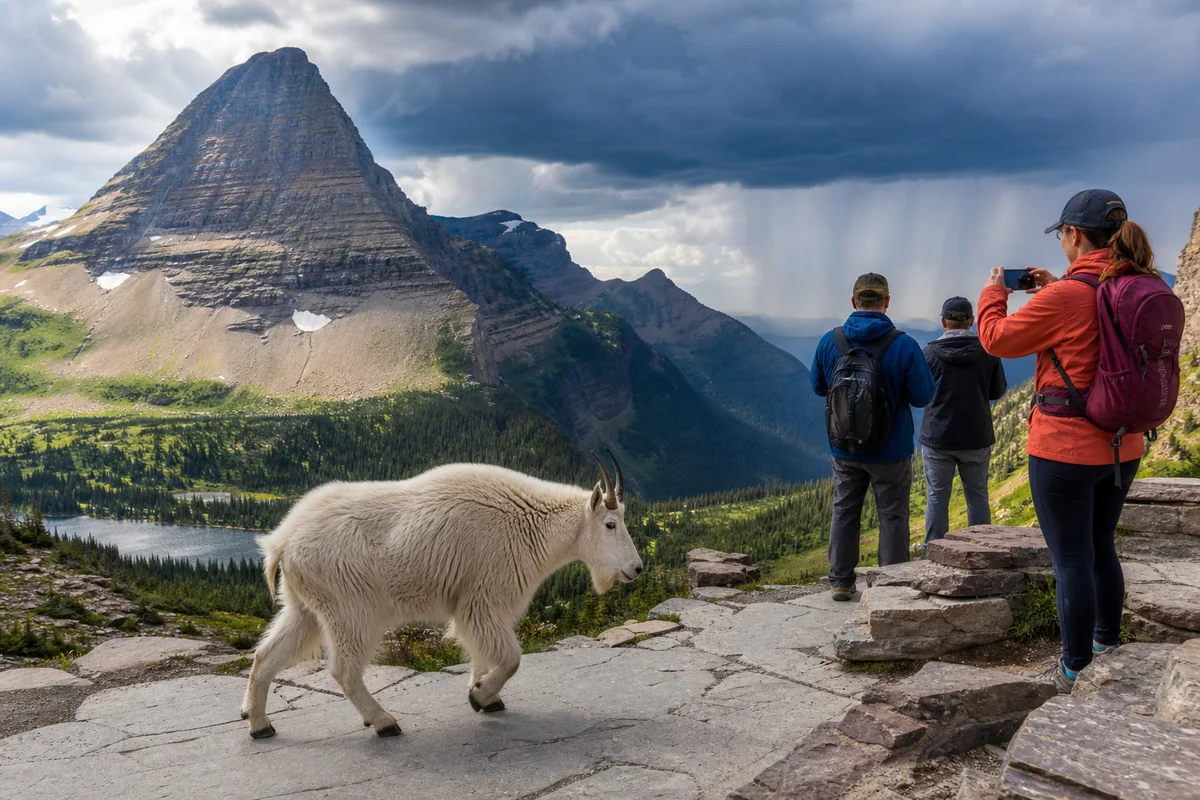
Standing at Logan Pass last August, watching a mountain goat casually stroll past tourists while a thunderstorm rolled over the Garden Wall, I realized something: Montana doesn’t just meet expectations—it shatters them entirely.
If you’re working on your Montana trip planning guide, let me share why this state has pulled me back five times in three years and why it should be at the top of your travel list.
- Montana offers two world-class national parks (Glacier and Yellowstone) with dramatically different experiences
- Wildlife viewing opportunities rival African safaris—I’ve seen grizzlies, wolves, and moose on single trips
- The state has more untouched wilderness than anywhere else in the lower 48
- Summer temperatures stay pleasant (70s-80s) while the rest of the country swelters
- Crowds are manageable outside peak July-August weeks, especially compared to other national parks
- Small-town Montana hospitality is genuine, not performative
- Adventure options span every skill level, from easy scenic drives to challenging backcountry expeditions
Liked this article?
Add Roaming Montana as a preferred source so you see more of our articles and guides on Google.
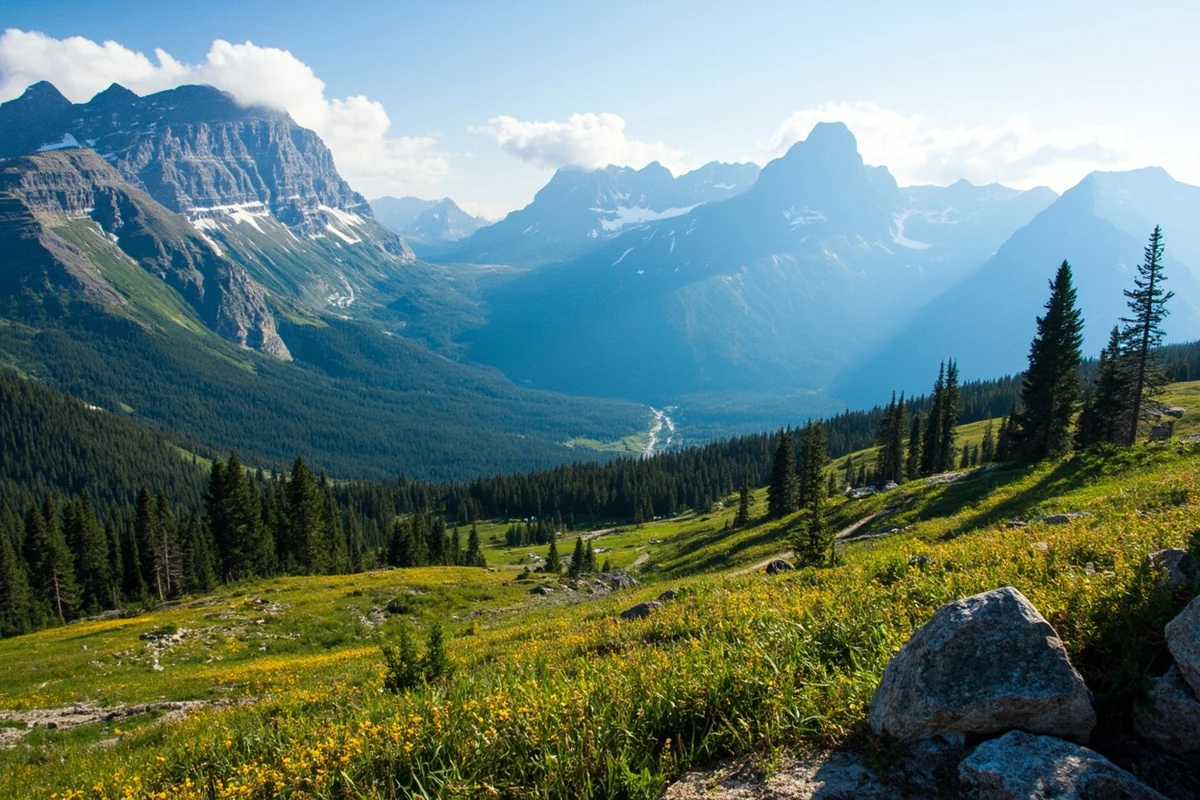
1. Glacier National Park Is the Crown Jewel of America’s Wilderness
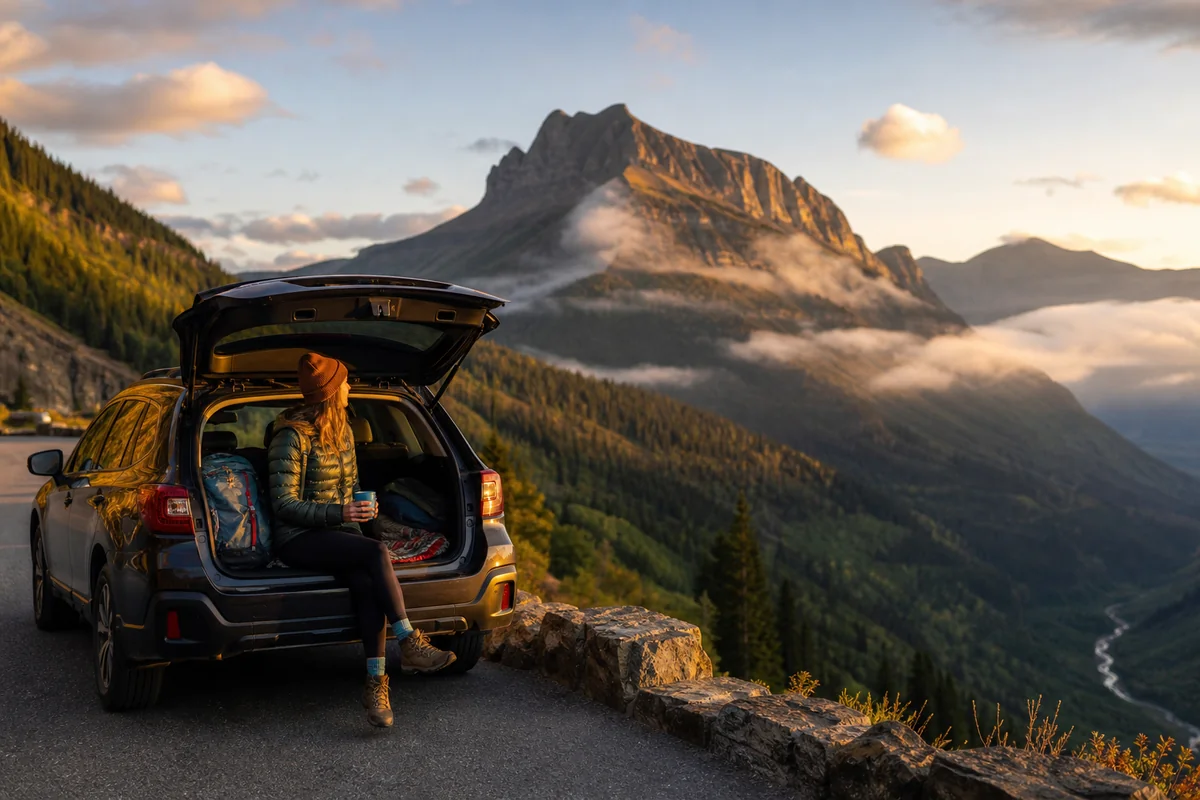
I’ll never forget my first drive on Going-to-the-Sun Road. My hands gripped the steering wheel as my rental car hugged cliff edges with thousand-foot drops, while waterfalls cascaded directly onto the pavement. It’s simultaneously terrifying and transcendent.
Glacier isn’t just another national park—it’s a living textbook of geological drama. The park contains 26 named glaciers (down from 150 in 1850), making visits feel urgent and meaningful.
During my most recent trip, I hiked the Highline Trail and witnessed the Grinnell Glacier from the overlook; the blue ice against red argillite rock created colors I didn’t know existed in nature.
The park spans over a million acres, yet the road system makes key highlights accessible to anyone. I’ve brought my 70-year-old mother and my adventure-obsessed nephew on separate trips, and both left equally amazed.
What Makes Glacier Different From Other Parks
Unlike Yellowstone’s geothermal features or Yosemite’s valley views, Glacier offers an almost Himalayan experience without leaving the country. The park’s distinctive colored rock layers—red, purple, green—tell a 1.5-billion-year-old story visible from nearly every viewpoint.
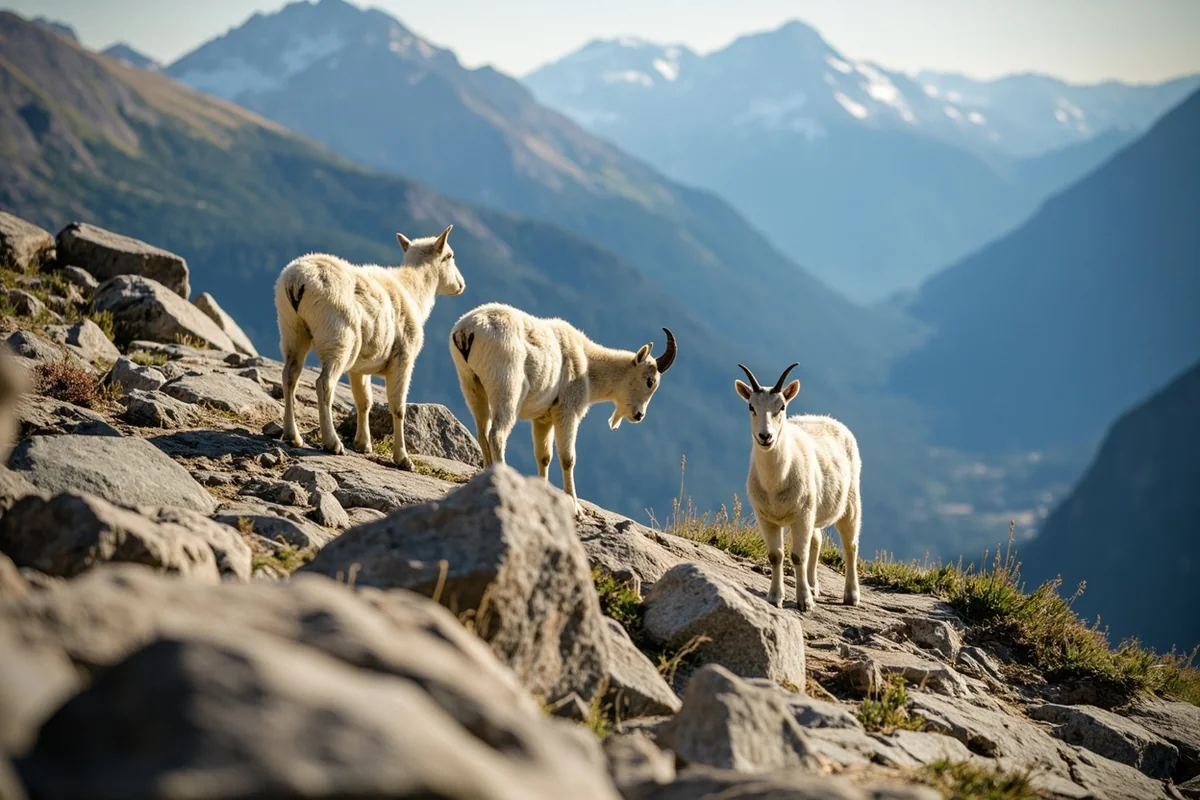
The wildlife density shocked me during my first visit. Within three days, I spotted two grizzly bears, a black bear with cubs, several mountain goats, bighorn sheep, and countless marmots screaming at each other across talus fields. Rangers told me this concentration of megafauna is increasingly rare in the continental US.
2. Yellowstone’s Montana Entrances Offer a Superior Experience
Here’s something most visitors don’t realize: entering Yellowstone through Montana’s north or northeast entrances provides an entirely different experience than the more popular Wyoming approaches.
When I entered through Gardiner last September, I drove through the famous Roosevelt Arch and immediately encountered a herd of pronghorn grazing beside the road. The Lamar Valley—often called America’s Serengeti—became accessible within 30 minutes.
The Montana side of Yellowstone feels wilder, less developed, and significantly less crowded. During my four-day September visit, I watched wolves hunt at dawn from the Lamar Valley pullouts alongside maybe 20 other observers. Friends who visited through West Yellowstone reported fighting for parking spots at every attraction.
3. The Night Skies Will Remind You What Darkness Actually Looks Like
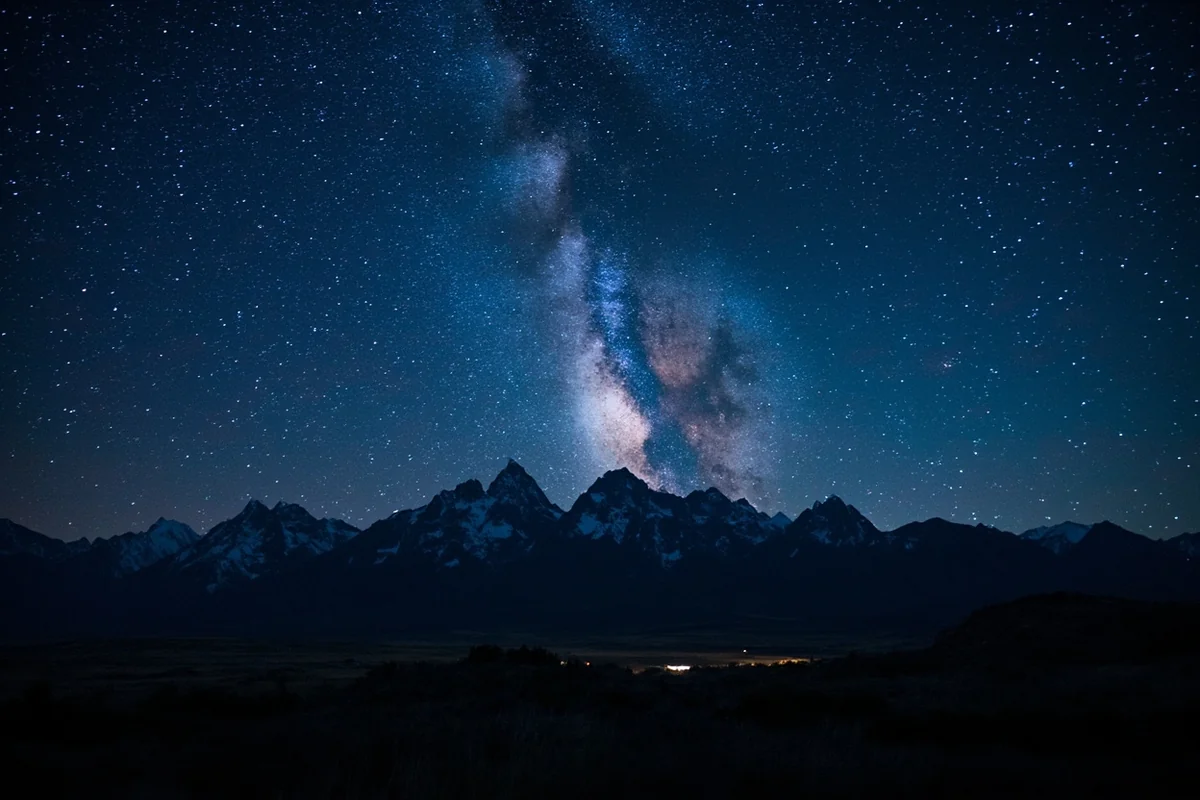
I grew up in suburban New Jersey, where seeing a dozen stars felt impressive. My first night camping near Polebridge—a tiny community near Glacier’s northwest entrance—I genuinely thought something was wrong with my eyes.
The Milky Way didn’t just appear; it dominated. I could see its structure, its dust lanes, its countless star clouds stretching horizon to horizon. My phone’s night mode captured images I previously assumed required professional equipment.
Montana contains some of the darkest skies remaining in the lower 48 states. Both Glacier and several other locations have received International Dark Sky certifications. During my August visit, I watched the Perseid meteor shower from a pullout near St. Mary Lake—counting over 80 shooting stars in two hours.
Best Spots for Stargazing
Based on my experiences, these locations delivered the most impressive night skies:
- Polebridge Area: Zero light pollution, primitive camping available
- Two Medicine Valley: Glacier’s quietest developed area
- Big Sky Resort Area: Excellent facilities nearby with dark skies
- Missouri River Breaks: Remote but stunning for dedicated dark-sky seekers
4. Wildlife Viewing Rivals the Best Safari Destinations
I’ve been fortunate enough to visit Tanzania’s Serengeti and South Africa’s Kruger. Montana’s wildlife viewing competes—and in some ways surpasses—those experiences, particularly for North American species you simply cannot see anywhere else as reliably.
During a single June morning in the Lamar Valley, I observed a wolf pack with pups playing near their den, a grizzly bear flipping rocks for moths, and a bison herd numbering well over 200 animals crossing the road. My guide (I highly recommend hiring one for first-time wildlife watchers) helped me spot a mountain lion on a distant ridge through her spotting scope.
What makes Montana special isn’t just the animals—it’s the behavior you witness. These aren’t zoo animals pacing enclosures. I watched a grizzly spend 45 minutes teaching her cubs to dig for ground squirrels, a master class in survival that felt like a nature documentary come to life.
Species You’re Likely to See
| Animal | Best Season | Best Locations | Difficulty |
|---|---|---|---|
| Grizzly Bear | May-October | Lamar Valley, Many Glacier | Moderate |
| Gray Wolf | Year-round (winter best) | Lamar Valley, Hayden Valley | Moderate-Hard |
| Moose | May-September | Red Rock Lakes, Swiftcurrent Area | Easy-Moderate |
| Mountain Goat | June-September | Logan Pass, Hidden Lake Trail | Easy |
| Bison | Year-round | Lamar Valley, Hayden Valley | Very Easy |
| Elk | Fall rut (September-October) | Gardiner, Mammoth Hot Springs | Very Easy |
| Bighorn Sheep | Year-round | Wild Horse Island, Sun Road | Moderate |
5. Hot Springs Dot the Landscape Like Nature’s Spas
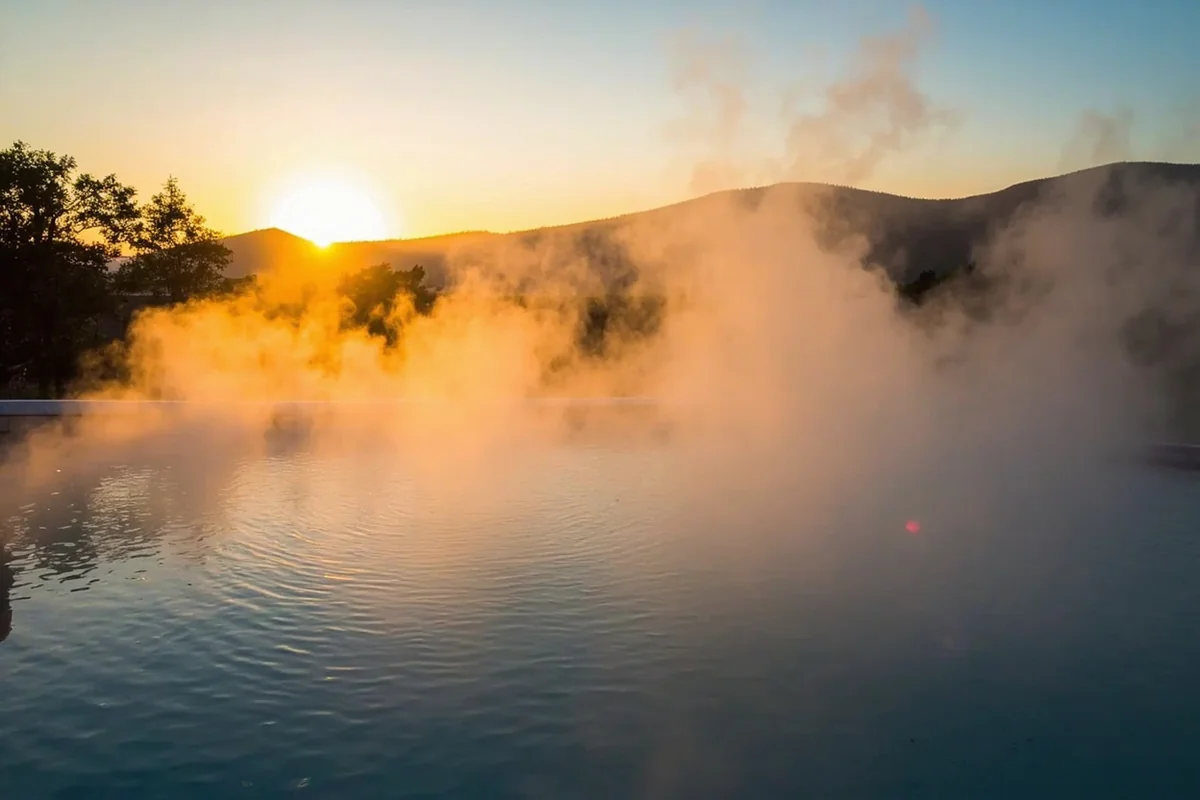
After a 14-mile hike to Iceberg Lake, I lowered my aching body into the pools at Chico Hot Springs and experienced what might be the most satisfying moment of my traveling life. Montana’s geothermal activity creates dozens of natural and developed hot springs scattered across the state.
My personal favorites after testing numerous options:
Chico Hot Springs near Pray offers the perfect balance—developed enough for comfort (changing rooms, a bar, restaurant) but natural enough to feel authentic. The main pool hovers around 96°F, with a hotter pool reaching 103°F. I’ve visited in January when snow fell on my head while I soaked, creating a surreal temperature contrast.
Bozeman Hot Springs provides a more modern experience with multiple pools at varying temperatures. It’s less scenic but more accessible for families.
Elkhorn Hot Springs near Polaris gave me the most remote experience—a genuine Montana hot spring lodge with rustic cabins and a wood-fired sauna.
6. The Small Towns Have Actually Retained Their Character
I’ve visited “charming small towns” across America that felt like theme parks—identical shops selling identical trinkets to identical tourists. Montana’s small towns hit differently.
Whitefish became my unexpected favorite. Sure, it has tourism infrastructure (excellent restaurants, ski resort nearby), but walking through downtown, I overheard actual locals discussing actual local issues at the coffee shop. The brewery served a guy in muddy work boots next to me in hiking gear, and nobody seemed to notice or care about the contrast.
Red Lodge, near the Beartooth Highway’s northern terminus, maintains a working-class authenticity that larger gateway towns have lost. I ate dinner at a place where the server knew every other customer by name and the burger cost $12, not the $22 I’d expect in Jackson Hole.
Towns Worth Building Your Trip Around
- Whitefish: Best overall base for Glacier visits, excellent food scene
- Bozeman: University town energy, great nightlife, Yellowstone access
- Missoula: Cultural hub, bookstores, river running through downtown
- Livingston: Writers’ colony vibes, historic architecture, railroad history
- Red Lodge: Gateway to Beartooth Highway, unpretentious mountain town
7. Summer Temperatures Provide Sweet Relief
While friends in Phoenix suffer through 115°F heat and New Yorkers wade through humid misery, I spent last July hiking in Glacier wearing a light fleece every morning.
Montana’s summer temperatures typically range from the low 70s to mid-80s in most popular destinations. The elevation keeps things pleasant—even on the “hot” days, the lack of humidity makes 85°F feel comfortable rather than oppressive.
I specifically scheduled my most recent trip during a nationwide heat dome that hit the news. While Texas and the Southwest baked, I needed a jacket while watching sunrise at Two Medicine Lake where the temperature read 48°F at 6 AM.
This climate advantage extends your activity window. You can hike through midday without risking heat stroke—a simple pleasure that desert destinations cannot offer during peak summer months.
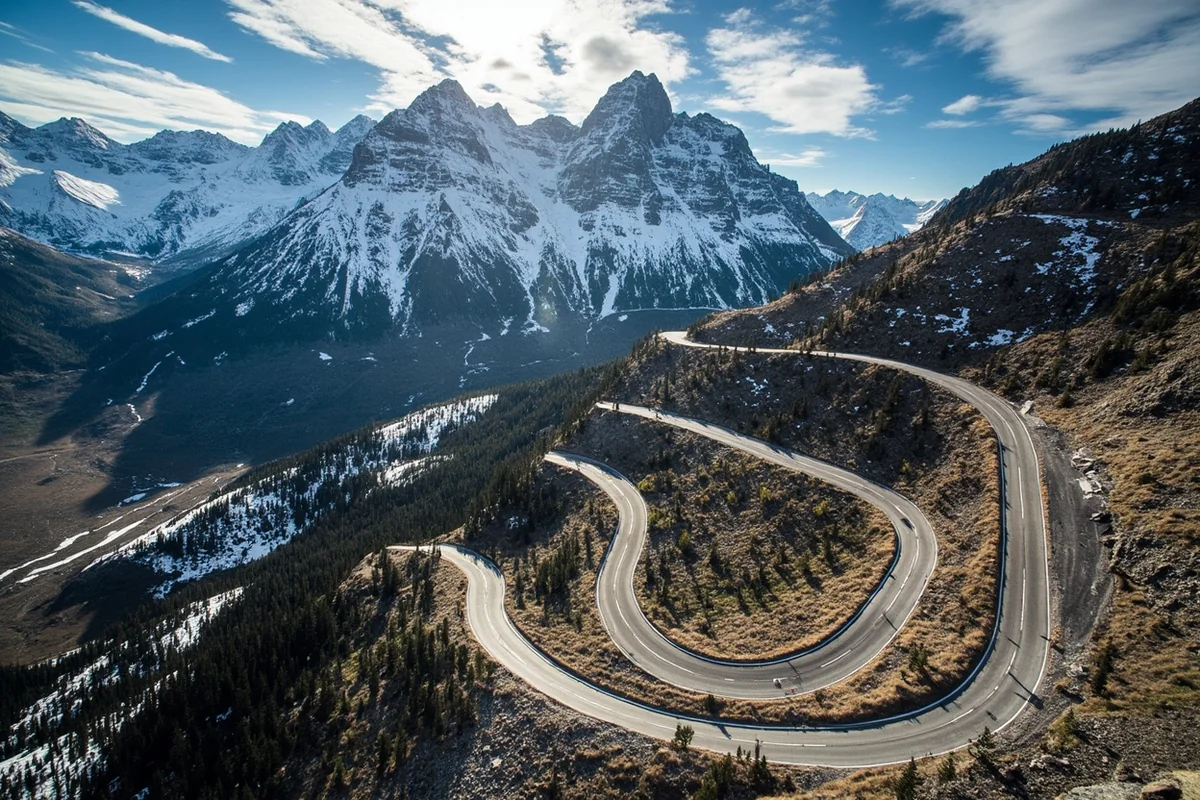
8. The Beartooth Highway Delivers America’s Most Dramatic Drive
Charles Kuralt called it “the most beautiful drive in America,” and I’m not going to argue. Driving the Beartooth Highway last August genuinely made me emotional—I pulled over multiple times just to process what I was seeing.
The road climbs to 10,947 feet, crossing genuine alpine tundra where snow persists through July. I watched a family of marmots sunbathing on rocks while snow patches lingered 20 feet away. The switchbacks reveal new geological wonders every few minutes: glacial lakes, sheer granite walls, and wildflower meadows that look computer-generated.
The 68-mile route connects Red Lodge to Cooke City and the northeast entrance of Yellowstone. I recommend a full day, not just a transit. I spent nine hours on what should be a three-hour drive, stopping constantly for photos and short hikes.
9. Flathead Lake Offers Caribbean-Clear Water in Big Sky Country
When someone showed me their Flathead Lake photos, I accused them of using location-faking software. Water that clear cannot exist in Montana.
I was wrong.
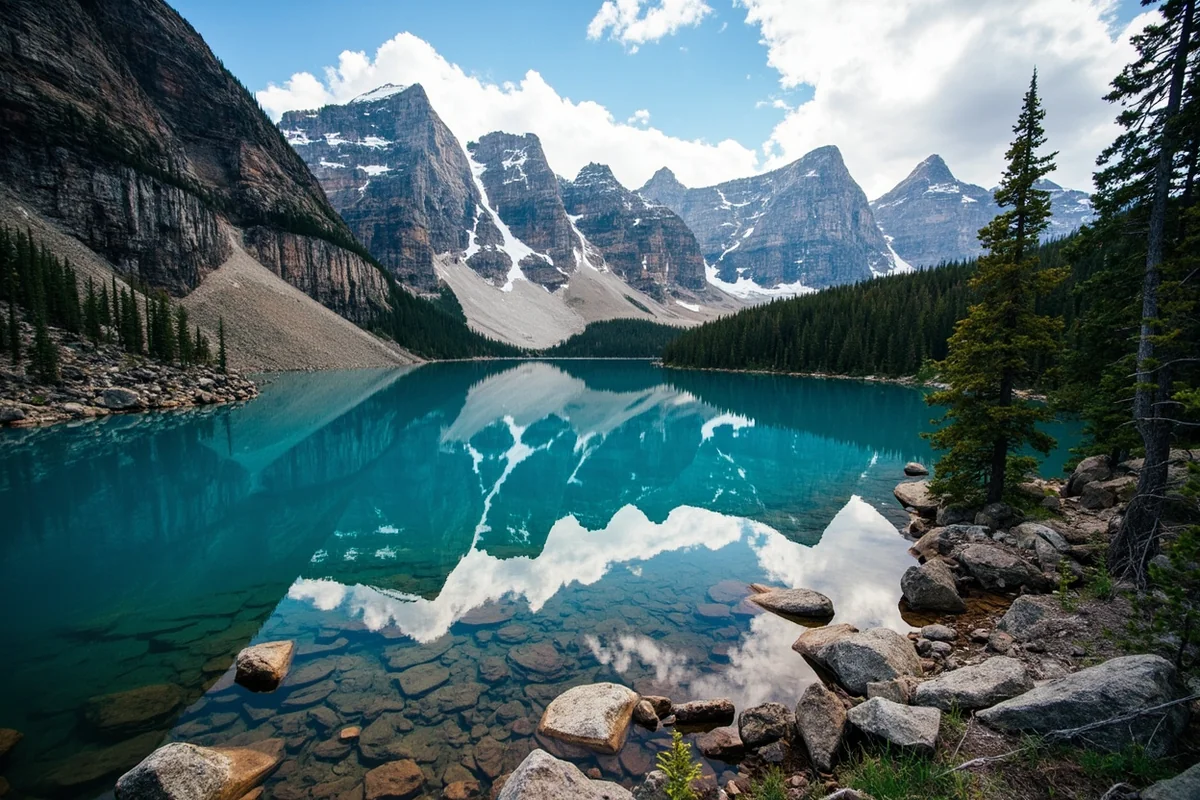
Flathead Lake is the largest natural freshwater lake west of the Mississippi, and its clarity rivals tropical destinations. During my visit, I could see the rocky bottom clearly at depths exceeding 30 feet. The water’s blue-green color comes from its purity, not from editing.
I rented a kayak and spent an afternoon paddling around Wild Horse Island, a state park accessible only by boat. True to its name, the island hosts wild horses—I spotted three grazing on a hillside while paddling past. Bighorn sheep also roam the island, and I watched one navigate cliffs that made me anxious just observing.
The lake’s size creates interesting microclimate effects. The western shore around Polson and Bigfork tends warmer and drier than other parts of western Montana, extending the pleasant season in both directions.
10. Fly Fishing Here Isn’t Just Good—It’s Legendary
I’m not an expert angler. My previous fishing experience consisted of childhood trips with my grandfather and a few failed attempts at surf fishing.
Montana converted me.
A guide on the Madison River spent two hours teaching me to cast without tangling my line, then positioned me in a spot where rainbow trout seemed to materialize from nowhere. I caught and released eight fish in four hours—not impressive by local standards, but life-changing for a novice.
The state contains thousands of miles of blue-ribbon trout streams. The Madison, Gallatin, Yellowstone, Missouri, and countless smaller rivers offer world-class fishing that draws international visitors. I watched anglers from Japan and Germany at the same Madison River access point, their gear clearly suggesting serious dedication to the sport.
Even if you’ve never held a fly rod, Montana offers accessible entry points. Most towns near prime fishing water have guide services accustomed to beginners, and rental gear is widely available.
11. The Bob Marshall Wilderness Provides True Backcountry Solitude
“The Bob,” as locals call it, spans over a million acres of designated wilderness—the fifth-largest wilderness area in the lower 48. During a three-day backpacking trip there, I encountered exactly four other people.
The wilderness complex (which includes the Great Bear and Scapegoat Wilderness areas) contains no roads, no structures, and no motorized equipment of any kind. You carry everything in and out, you navigate by map and compass, and you experience what America looked like before highways carved it up.
I’m not going to pretend the backcountry is for everyone. It requires fitness, preparation, and comfort with isolation. But for those seeking genuine wilderness—not a carefully managed approximation—the Bob delivers in ways few places still can.
A guided horse pack trip offers a less strenuous alternative. Several outfitters run multi-day trips into the wilderness, with horses carrying gear while you ride in relative comfort.
12. Winter Transforms Montana Into a Powder Paradise
My February trip flipped my assumptions about Montana as a “summer destination.” The state receives serious snowfall, and the skiing rivals anywhere in North America.
Big Sky Resort has expanded massively over recent years, now offering nearly 6,000 acres of skiable terrain—more than any other US resort. I skied there during a midweek powder day with practically no lift lines, something unimaginable at comparable resorts in Colorado or Utah.
Whitefish Mountain Resort provides a more intimate, less corporate experience. The town-to-mountain connection feels European—you can ski all day, walk to dinner, and never need a car. I preferred its character to Big Sky’s sprawl, though the terrain is admittedly less extensive.
Cross-country skiing and snowshoeing opportunities expand the winter options for non-downhill skiers. Many summer trails transform into Nordic routes, and the silence of a snow-covered Glacier National Park (which remains partially accessible in winter) creates an experience entirely different from summer visits.
13. The History Runs Deeper Than Gold Rush Legends
Before Lewis and Clark, before gold strikes, before cattle ranches, Montana was home to numerous Indigenous nations whose presence stretches back over 12,000 years. The Blackfeet, Salish, Kootenai, Crow, and other tribes shaped this landscape long before European contact.
The Museum of the Plains Indian in Browning, near Glacier’s east entrance, provided context I badly needed. The exhibits explain traditional lifeways, the devastating impact of colonization, and the ongoing cultural vitality of tribal communities. I spent three hours there and left feeling I understood Montana more deeply.
The Blackfeet Reservation borders Glacier National Park’s eastern boundary. Many place names within the park come from Blackfeet language and tradition—an easy fact to miss without intentional attention. I hired a Blackfeet-owned guide service for a day in the park, and the perspective transformed how I saw familiar features.
Virginia City and Nevada City preserve Montana’s mining history as outdoor museums. The boardwalks and buildings mostly original, these towns avoid the fake-old reconstruction that plagues similar attractions elsewhere. I particularly appreciated the honest presentation of mining’s environmental destruction alongside its economic history.
14. The Food Scene Has Evolved Beyond Steak (Though the Steak Is Still Excellent)
I expected burgers and steaks. I found those—the beef really is better here, raised on grass rather than feedlots—but also discovered a food scene that surprised me with its sophistication and creativity.
Bozeman leads the culinary evolution. Blackbird Kitchen served me a farm-to-table dinner that would impress in Brooklyn, using ingredients sourced from the surrounding valley. The pasta was house-made, the vegetables still tasted like vegetables, and the wine list showed actual curation.
In Missoula, I ate at a James Beard-nominated restaurant (Scotty’s Table) and later stumbled into a taco truck that rivaled anything I’ve found in actual border towns. The chef told me he trained in Oaxaca—another reminder that talent flows everywhere when you’re paying attention.
Huckleberries appear in everything during late summer—pies, jams, milkshakes, even beer. The small purple berries grow wild throughout the region and carry a distinctive taste somewhere between blueberry and raspberry but entirely their own.
15. Getting There Has Become Easier Than Ever
Montana’s transportation options have expanded significantly. Understanding how to get to Montana matters because the state’s size means arrival location shapes your experience.
Bozeman Yellowstone International (BZN) now offers direct flights from major hubs including Atlanta, Chicago, Dallas, Los Angeles, and New York (seasonal). I flew direct from Newark last summer—a five-hour flight that eliminated the previous connection hassle.
Glacier Park International (FCA) near Kalispell serves the Glacier region with seasonal service from multiple cities. Missoula’s airport has also added routes.
For Yellowstone access, you can fly into Bozeman or Jackson Hole (Wyoming) depending on which park entrance suits your plans. I’ve done both and slightly prefer Bozeman for the Montana character and lower prices compared to Jackson’s resort-town costs.
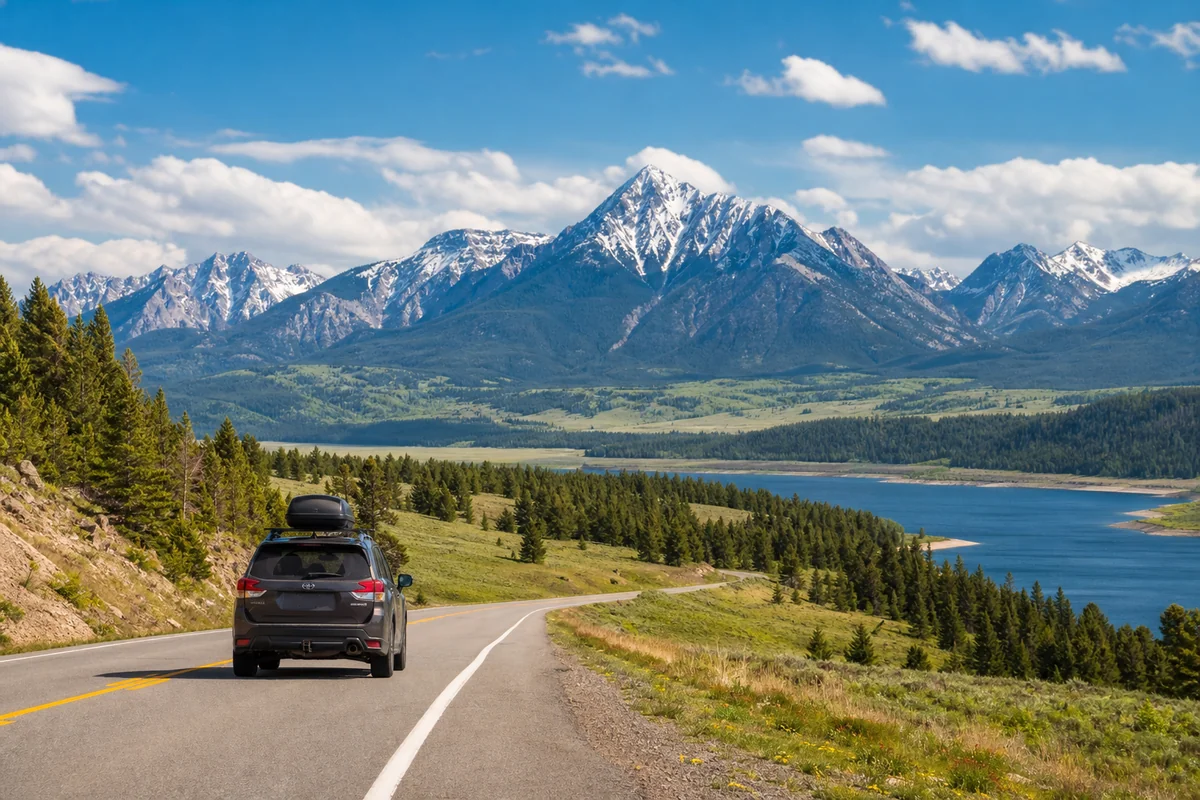
Road tripping remains popular and offers flexibility the state rewards. I-90 crosses Montana’s southern tier, connecting Seattle to the upper Midwest. The drive from Seattle takes roughly eight hours to reach Missoula—manageable for dedicated road trippers.
16. The Timing Flexibility Creates Planning Options
Montana’s seasons each offer distinct experiences, and checking the Montana public holiday schedule helps avoid crowds during busy weekends.
June brings wildflower blooms but potential road closures at high elevations. Going-to-the-Sun Road typically opens fully by mid-June, though dates vary. I visited during the first week of June one year and found sections still closed—beautiful shoulder-season experience but limited access.
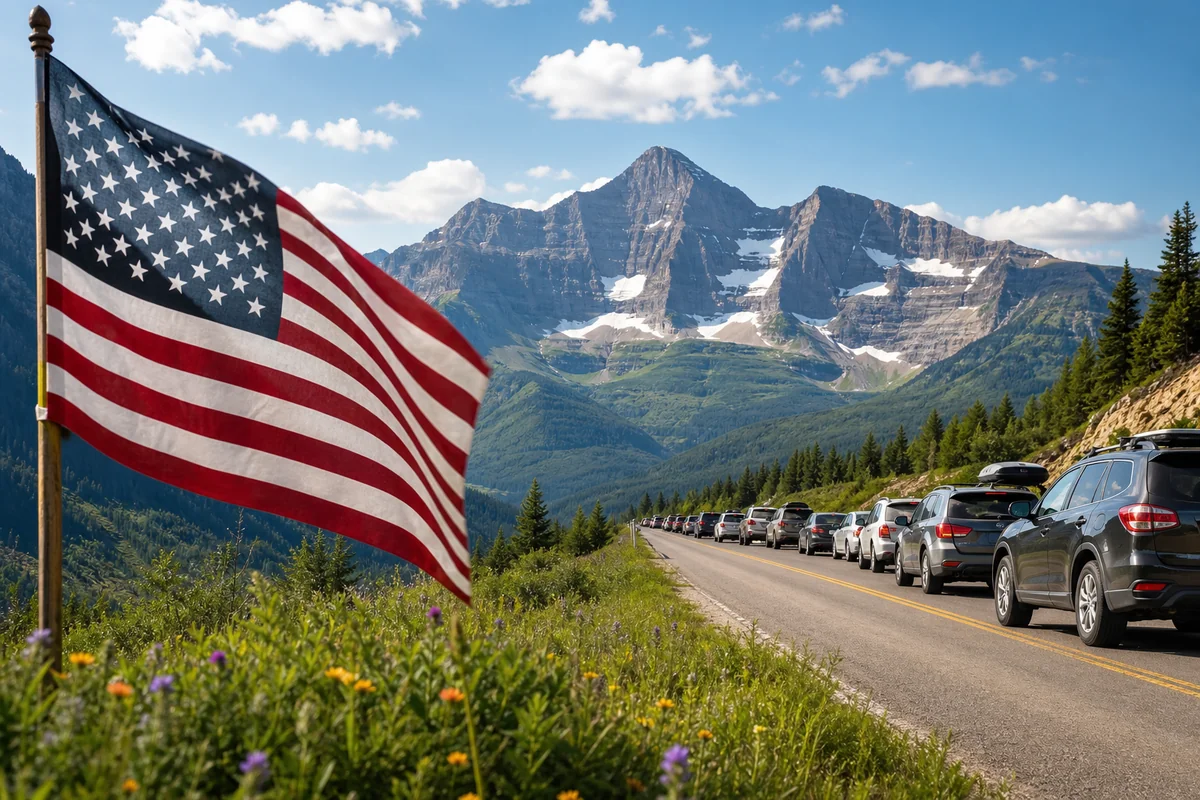
July and August deliver peak conditions and peak crowds. If you must visit during these months, weekdays dramatically reduce congestion. I avoid holiday weekends entirely based on past experiences with parking lot chaos.
September became my preferred month after several trips. The crowds thin considerably after Labor Day, but weather remains pleasant through mid-month. Fall colors begin in the higher elevations, adding golden larches to Glacier’s already stunning palette.
Winter appeals to snow sports enthusiasts but closes many attractions. Glacier’s main road becomes impassable, though some park areas remain open for cross-country skiing.
17. The Resources Available Make Trip Planning Simple
Planning a Montana trip became easier once I discovered quality resources beyond generic travel sites. Checking out the best travel guidebooks on Montana before my first trip prevented several rookie mistakes.
Good planning resources should cover the practical details—reservations for Glacier (required for Going-to-the-Sun Road during peak season), camping options, hiking difficulty ratings—but also help you understand the state’s personality. Montana isn’t Disneyland; it rewards preparation and punishes assumptions.
I recommend booking accommodations well in advance for summer visits, particularly near Glacier. The limited lodging supply cannot meet demand, and I’ve seen visitors sleeping in their cars because everything within 50 miles was full.
Make your trip reservations early for popular destinations but leave flexibility for spontaneous discoveries. Some of my favorite Montana moments came from unplanned detours—a random hot spring I passed while driving, a restaurant a gas station attendant recommended, a hiking trail another tourist mentioned at a viewpoint.
Final Thoughts: Why Montana Keeps Calling Me Back
After five trips totaling nearly two months in Montana, I still haven’t scratched the surface. The state contains more wilderness than I could explore in a lifetime, and each visit reveals something I hadn’t noticed before.
What makes Montana special isn’t any single attraction—it’s the cumulative effect of space, wildlife, natural beauty, and human authenticity combining into something rare. The state hasn’t been sanitized for mass consumption. It still demands something from visitors: respect for distances, attention to weather, willingness to slow down.
I’ll be back next summer. I’m already planning a September trip focused entirely on the Missouri River Breaks country I’ve somehow never visited. And the winter backcountry skiing trip I keep postponing needs to happen eventually.
Montana changed how I think about travel. It reminded me that some places still exist where you can lose cell service, encounter wild animals, and experience genuine solitude—all without leaving the country. In an increasingly connected world, that disconnection feels less like inconvenience and more like medicine.
If you’re considering a Montana trip, stop considering and start planning. The state is large enough that one visit won’t exhaust it, meaningful enough that you’ll remember it decades later, and accessible enough that logistical barriers have mostly disappeared.
Big Sky Country earned its nickname. Come see why.
Frequently Asked Questions
What is the best time of year to visit Montana for first-time travelers?
I recommend visiting Montana between June and September when the weather is warmest and all roads in Glacier National Park are fully open. July and August offer the best hiking conditions with average temperatures between 70-85°F, though you’ll encounter more crowds. For budget-conscious travelers, September brings fewer tourists, fall foliage, and lower lodging rates while still offering pleasant weather.
How many days do you need to explore Montana properly?
I suggest planning at least 7-10 days to experience Montana’s highlights without feeling rushed. This gives you enough time to spend 3-4 days in Glacier National Park, 2-3 days exploring Yellowstone’s Montana entrance, and a few days for charming towns like Missoula or Bozeman. If you’re only visiting one region, 4-5 days can work, but Montana’s vast distances (the state spans over 550 miles east to west) make longer trips more rewarding.
How much does a week-long Montana vacation cost on average?
A moderate week-long Montana trip typically costs $1,500-$2,500 per person, excluding flights. Budget travelers can manage on $100-150 daily by camping ($20-35/night) and cooking meals, while mid-range travelers should expect $200-300 daily for hotel rooms ($150-250/night) and restaurant dining. Peak summer rates near Glacier and Yellowstone run significantly higher, so booking 3-6 months ahead can save you 20-30% on accommodations.
What should I pack for a Montana summer road trip?
Pack layers even in summer since Montana mountain temperatures can drop 30-40 degrees after sunset, and afternoon thunderstorms are common. I always bring a waterproof jacket, hiking boots with ankle support, sunscreen, bear spray ($40-50 at local outdoor stores), and binoculars for wildlife viewing. Don’t forget a reusable water bottle, as tap water throughout Montana is excellent, and a physical road map since cell service is unreliable in rural areas.
Is Montana worth visiting if I’m not into hiking or camping?
Absolutely—Montana offers incredible experiences beyond backcountry adventures that make it worth visiting for any traveler. You can take scenic drives like Going-to-the-Sun Road, soak in natural hot springs near Bozeman, explore Western history in Virginia City, or enjoy world-class fly fishing with a guide. The craft brewery scene in Missoula and fine dining in Big Sky offer sophisticated options, while many lodges provide comfortable accommodations with stunning mountain views.
How far apart are Glacier National Park and Yellowstone National Park in Montana?
Glacier and Yellowstone are approximately 340 miles apart via the most direct route, which takes about 5.5-6 hours of driving through stunning Montana scenery. I recommend breaking up the drive with an overnight stop in Helena or Butte to explore Montana’s history and avoid fatigue. Many travelers underestimate this distance, so if you’re planning to visit both parks, allow at least 10-14 days for your total Montana itinerary.
Do I need a rental car to travel around Montana or is there public transportation?
A rental car is essential for exploring Montana since public transportation is extremely limited outside of a few cities. I recommend renting an SUV or vehicle with higher clearance for accessing trailheads and unpaved forest roads, especially near Glacier National Park. Expect to pay $50-100 daily for rentals in summer, and book well in advance since vehicles at small airports like Bozeman and Kalispell sell out quickly during peak season.
Sources
- https://www.nps.gov/glac/index.htm
- https://www.nps.gov/yell/index.htm
- https://fwp.mt.gov/stateparks/flathead-lake
- https://www.nps.gov/articles/000/waterton-glacier-international-peace-park-world-heritage-site.htm
- https://www.nps.gov/yell/learn/nature/grizzlybear.htm
- https://www.fws.gov/species/gray-wolf-canis-lupus
- https://fieldguide.mt.gov/speciesDetail.aspx?elcode=AMALD01010
- https://opi.mt.gov/Portals/182/Page%20Files/Indian%20Education/Indian%20Education%20101/Montana%20Indians%20Their%20History%20and%20Location.pdf
- https://www.montana.edu/extension/agimpact/statewidereport.html