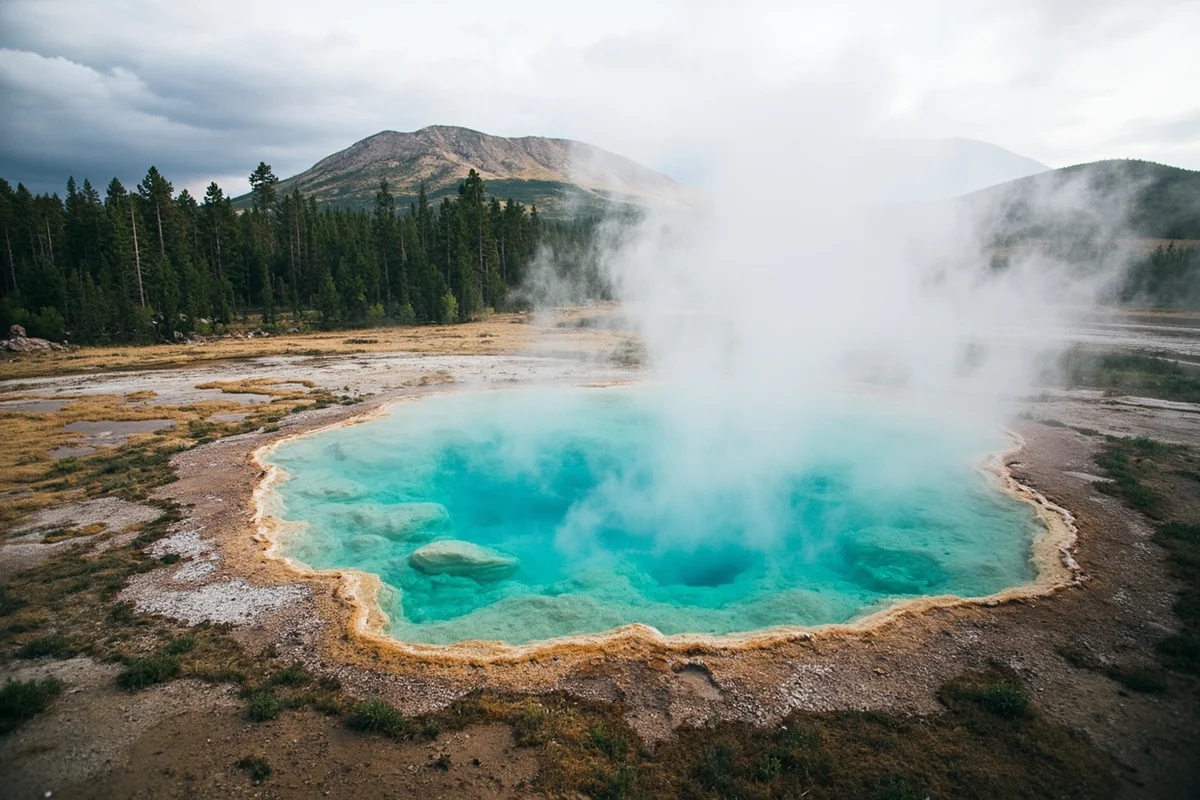
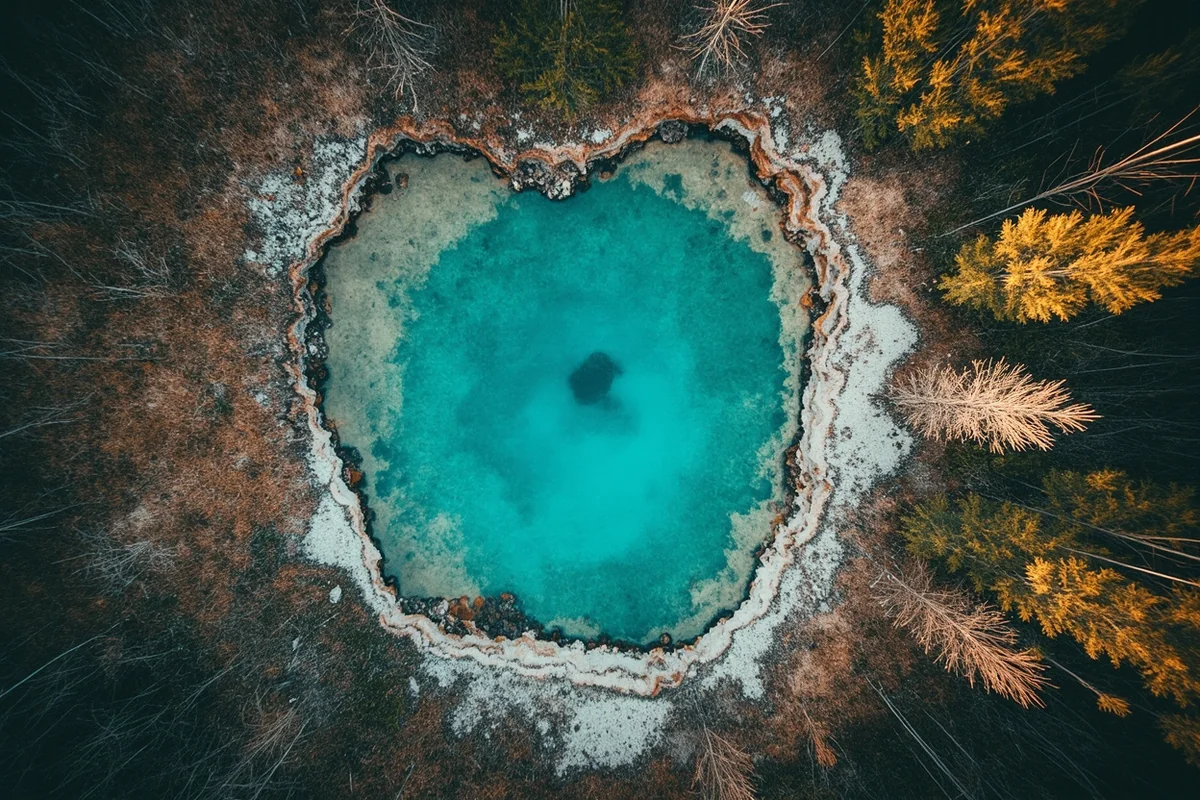
I was standing alone at a turquoise hot spring in the middle of nowhere, steam rising into the crisp mountain air, when I realized most visitors to Montana never see places like this.
They flock to Glacier and Yellowstone—both incredible—but the state’s most magical moments happen in the spots that don’t make the postcards.
After spending the better part of a decade exploring every corner of Big Sky Country, I’ve compiled my personal list of hidden gems that transformed how I experience this extraordinary state.
Whether you’re planning a Montana vacation or returning for your fifth trip, these 31 secret spots will show you a side of Montana that few travelers ever discover.
- 31 lesser-known Montana destinations organized by region with exact locations and practical tips
- Mix of natural wonders, quirky roadside stops, hidden hot springs, and off-the-beaten-path towns
- Best times to visit each spot and crowd-avoidance strategies
- Insider details you won’t find in typical guidebooks—from parking secrets to local etiquette
- GPS coordinates and driving directions for the trickiest-to-find locations
Liked this article?
Add Roaming Montana as a preferred source so you see more of our articles and guides on Google.
What Makes a True Montana Hidden Gem?
I want to be upfront about my criteria. A hidden gem isn’t just somewhere with fewer crowds—it’s a place that delivers that gut-punch moment of wonder when you arrive.
Some of these spots see a handful of visitors per day. Others might get more traffic but remain mysteriously absent from most travel guides.
I’ve personally visited every location on this list, most of them multiple times across different seasons. If you’re traveling with family, check out our guide to Montana family vacations for kid-friendly options from this list.
Northwest Montana Hidden Gems
1. Jewel Basin Hiking Area
Last summer, I hiked into Jewel Basin expecting a nice day trip. I got one of the most spectacular alpine experiences of my life.
This designated hiking area near Bigfork contains 35 miles of trails and 27 alpine lakes—and I rarely see more than a dozen people per day, even in July. The trailhead sits at the end of a bumpy gravel road, which deters casual visitors.
My favorite route hits Picnic Lakes first (4 miles in), then continues to Black Lake for an overnight. The lakes genuinely look like scattered jewels from the ridgelines above.
Getting there: From Bigfork, take Highway 83 north for 2 miles, turn right on Echo Lake Road, then follow signs for Jewel Basin. The last 7 miles are rough gravel—high clearance recommended but I’ve done it in a sedan.
2. Ross Creek Giant Cedars
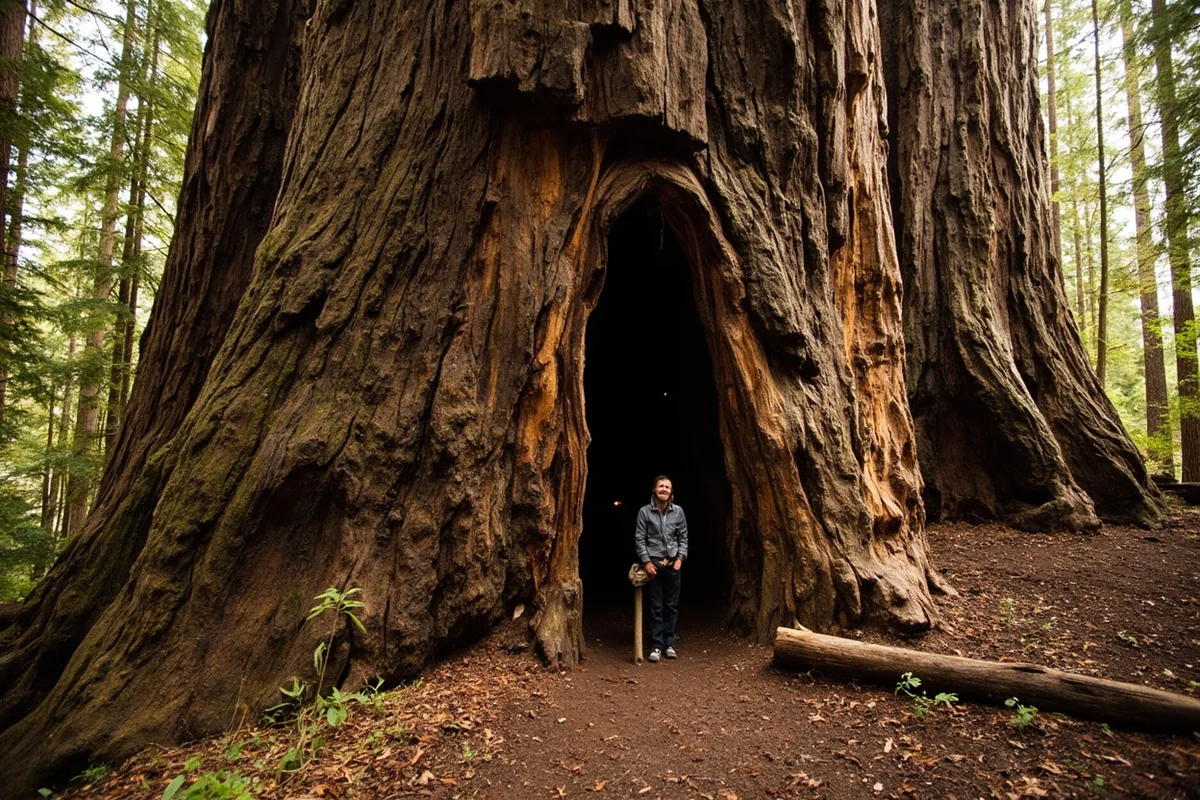
Walking through this ancient grove feels like stepping into the Pacific Northwest, not Montana. These western red cedars reach 175 feet tall and some are over 1,000 years old.
The half-mile interpretive trail winds through a primeval forest with trees up to 12 feet in diameter. On my last visit in late September, I had the entire grove to myself for two hours.
The microclimate here creates lush ferns, mosses, and fungi you won’t see anywhere else in Montana. It’s located near the town of Troy, about 4 miles down a paved forest road.
3. Kootenai Falls and Swinging Bridge
This is Montana’s largest free-flowing waterfall, yet many visitors have never heard of it. The thundering cascade drops through a narrow gorge with such force that the ground vibrates beneath your feet.
A suspension bridge crosses the river downstream, swaying with each step. During my spring visit, the snowmelt had the falls absolutely roaring—honestly one of the most powerful natural sights I’ve witnessed in the state.
The trail is only 1.5 miles round trip and suitable for most fitness levels. You’ll find it about 8 miles west of Libby off Highway 2.
4. The Yaak Valley
If Montana has a true final frontier, it’s the Yaak. This remote valley near the Canadian border is home to around 150 year-round residents, grizzlies, wolves, and virtually no cell service.
I spent a long weekend here two autumns ago and saw more wildlife than people. The Dirty Shame Saloon (yes, that’s the real name) is the valley’s social hub and serves surprisingly good food.
The Yaak River itself offers uncrowded fishing for native cutthroat. Just don’t expect any amenities—gas up in Troy before heading north.
Glacier Region Secrets
5. Bowman Lake
Everyone knows Lake McDonald. Bowman Lake offers the same stunning beauty with one-tenth of the visitors.
The catch? You’ll need to survive 6 miles of one of the roughest roads in Glacier National Park to reach it. On my July visit, the road took 45 minutes each way and loosened a few fillings.
But that turquoise water surrounded by peaks made every bump worthwhile. The primitive campground here is my favorite in the entire park—first-come, first-served, no reservations.
6. Cut Bank Valley
This is Glacier’s forgotten corner. The Cut Bank trailhead on the east side sees a fraction of the traffic of other park entrances, and the valley beyond feels genuinely wild.
The hike to Triple Divide Peak starts here—one of only two points in North America where water flows to three different oceans. When I summited on a clear August morning, I could see into Canada.
Insider tip: The Triple Divide is a challenging 14-mile round trip with significant elevation gain. Start early and bring plenty of water.
7. Ninepipe National Wildlife Refuge
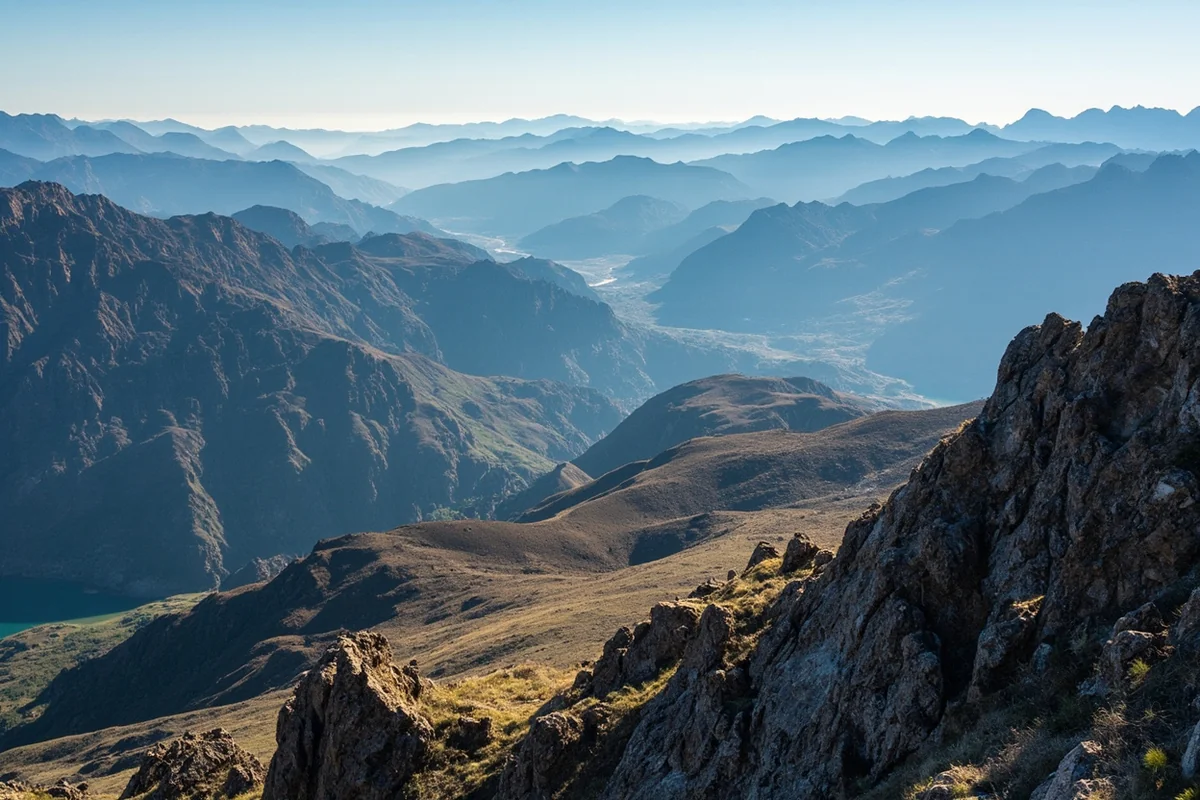
Just 30 miles south of Glacier lies one of Montana’s best birdwatching spots, and almost nobody stops here. The refuge protects 2,000 acres of wetlands that attract over 180 bird species.
During spring migration last year, I counted hundreds of white pelicans in a single morning. Trumpeter swans, bald eagles, and great blue herons are common sights.
The auto tour route takes about an hour and works perfectly as a Glacier day trip addition. There’s no entrance fee.
8. The Izaak Walton Inn
This historic railroad lodge in Essex sits at the southern tip of Glacier and offers an experience unlike anything else in Montana. Trains rumble past constantly, and the inn has converted actual cabooses into guest accommodations.
I stayed in a renovated caboose during a December snowstorm—falling asleep to the sound of distant locomotives was strangely peaceful. Cross-country ski trails leave right from the property.
The inn’s restaurant serves excellent Rocky Mountain cuisine, and the bar attracts both tourists and railroad workers. If you’re planning a Montana honeymoon, the caboose rooms are surprisingly romantic.
Central Montana Hidden Gems
9. Sluice Boxes State Park
Tucked in a canyon southeast of Great Falls, this state park protects an old mining railroad grade that now makes an incredible hiking trail. The canyon walls rise 400 feet on either side, and Belt Creek has carved fascinating rock formations.
The 5-mile trail crosses the creek multiple times—during my June hike, I got wet up to my knees at several crossings. Bring water shoes or prepare to get your boots soaked.
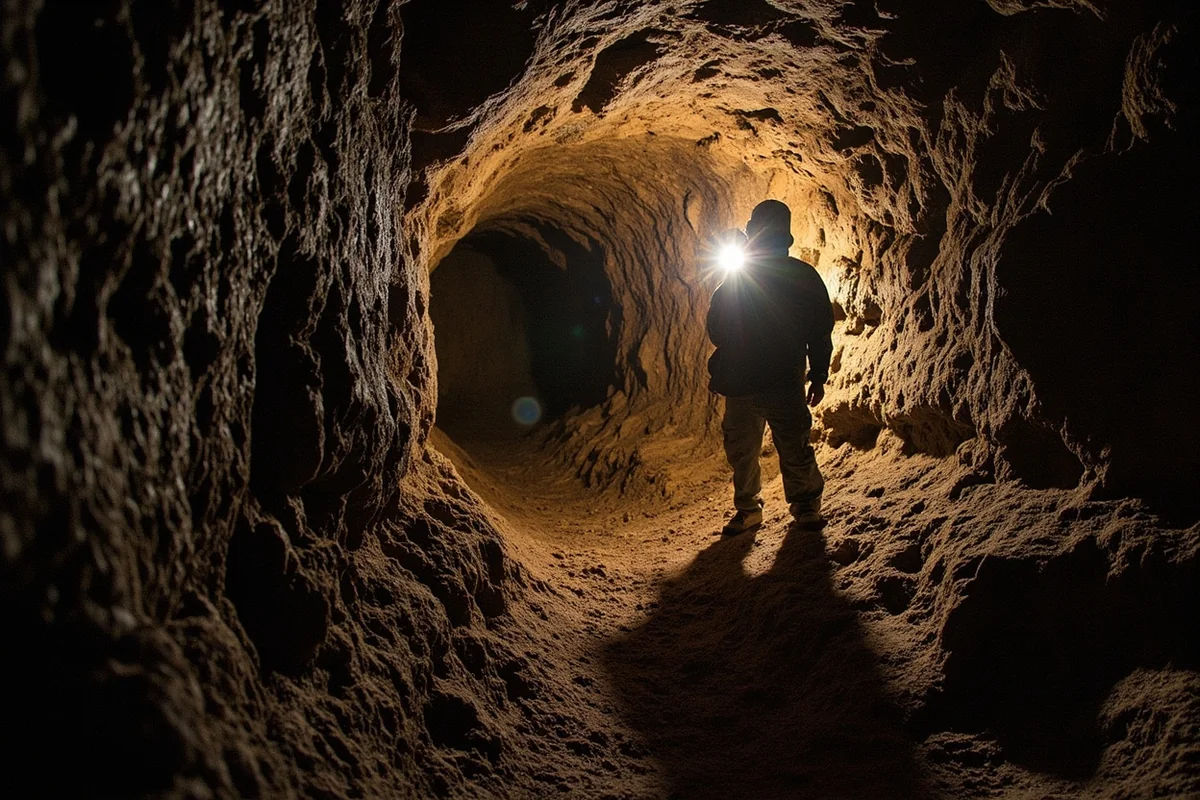
Mining artifacts still litter the trail, and the old tunnels carved through the canyon walls create dramatic passages. This is adventure hiking that feels more like Utah than Montana.
10. Our Lady of the Rockies
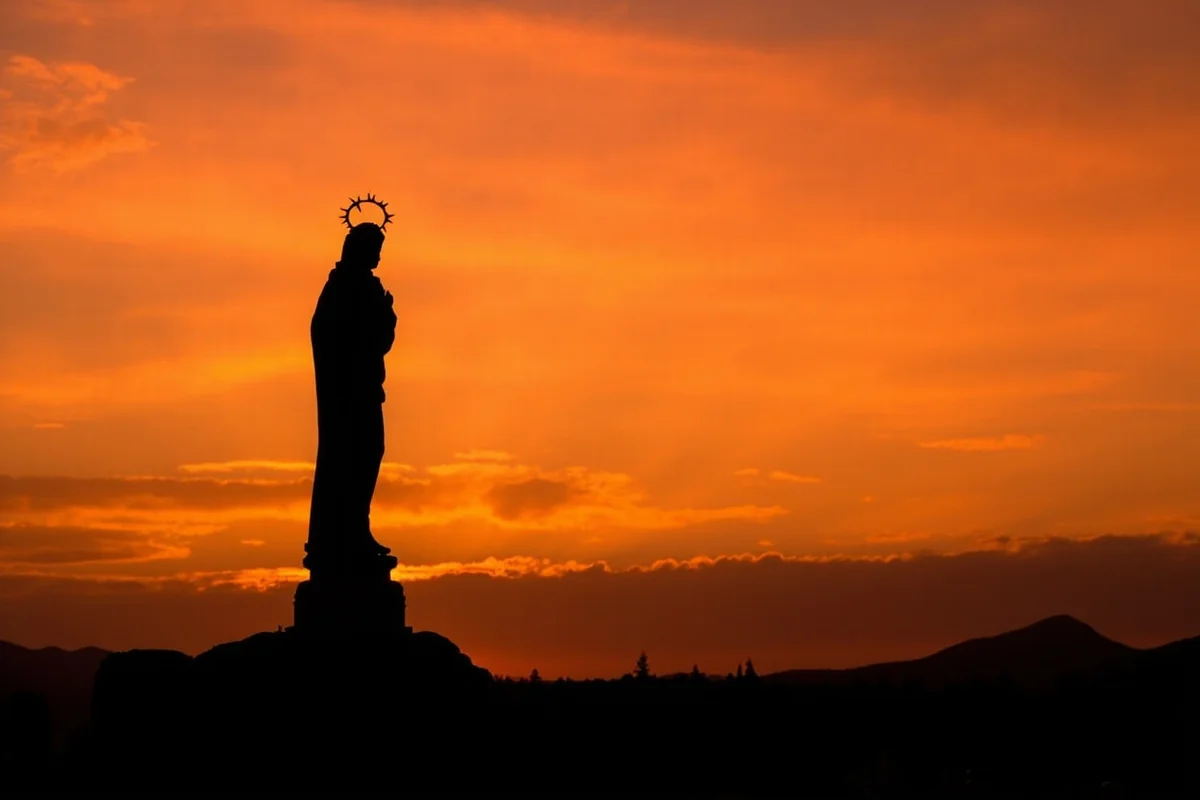
This 90-foot statue overlooking Butte is larger than the Statue of Liberty (without her pedestal), yet remains oddly unknown outside Montana. The gleaming white figure sits atop a 3,500-foot ridge and required helicopters for construction.
Tours run from June through October and include a bus ride up the winding mountain road. On my tour, the guide shared stories of how working-class Butte miners volunteered thousands of hours to build this monument—the dedication is genuinely moving.
Whether or not you’re religious, the engineering feat and panoramic views justify the trip.
11. Anaconda Stack
Speaking of Butte, nearby Anaconda has the world’s tallest free-standing masonry structure—and it’s a 585-foot smokestack from an old copper smelter.
I know it sounds industrial, but driving up for a closer look reveals interesting interpretive signs about Montana’s copper history. The stack is visible from 30 miles away and serves as a surprisingly poignant monument to the workers who built this state.
The adjacent Jack Nicklaus-designed golf course, Old Works, is built entirely on reclaimed smelter land and incorporates black slag into its sand traps.
12. Ackley Lake State Park
Central Montana holds some of the state’s least-visited state parks, and Ackley Lake exemplifies this underappreciated region. The 160-acre reservoir sits in the Judith Basin surrounded by golden grasslands and distant mountains.
When I camped here last May, we had the small campground almost entirely to ourselves. The fishing for rainbow trout is excellent, and the bird diversity surprised me—we spotted western grebes, white pelicans, and dozens of other species.
It’s about 30 miles southwest of Lewistown, with easy access on paved roads.
13. Smith River
Montana’s only permit-required float trip, the Smith River represents one of the state’s most coveted outdoor experiences. The 59-mile journey through a dramatic limestone canyon takes four to five days and requires a lottery entry months in advance.
I finally drew a permit three years ago after five attempts, and the experience exceeded every expectation. The canyon walls soar 1,000 feet, natural hot springs dot the riverbanks, and we saw more bighorn sheep than other humans.
Practical info: Permits open January 1 for the May-June season. Apply early and be flexible on dates to improve your odds.
Southwest Montana Secrets
14. Bannack State Park
Montana’s best-preserved ghost town was once the territorial capital and a booming gold rush settlement. Today, over 60 structures stand in various states of dignified decay.
Walking the dusty main street on my last visit, I peered into the old hotel, jail, and Masonic lodge—all stabilized but intentionally unrestored. The effect is haunting and authentic in a way that commercialized ghost towns can’t match.
Bannack Days in July brings the town back to life with period demonstrations. The primitive campground lets you sleep among the historic buildings—an eerie but unforgettable experience.
15. Elkhorn Ghost Town
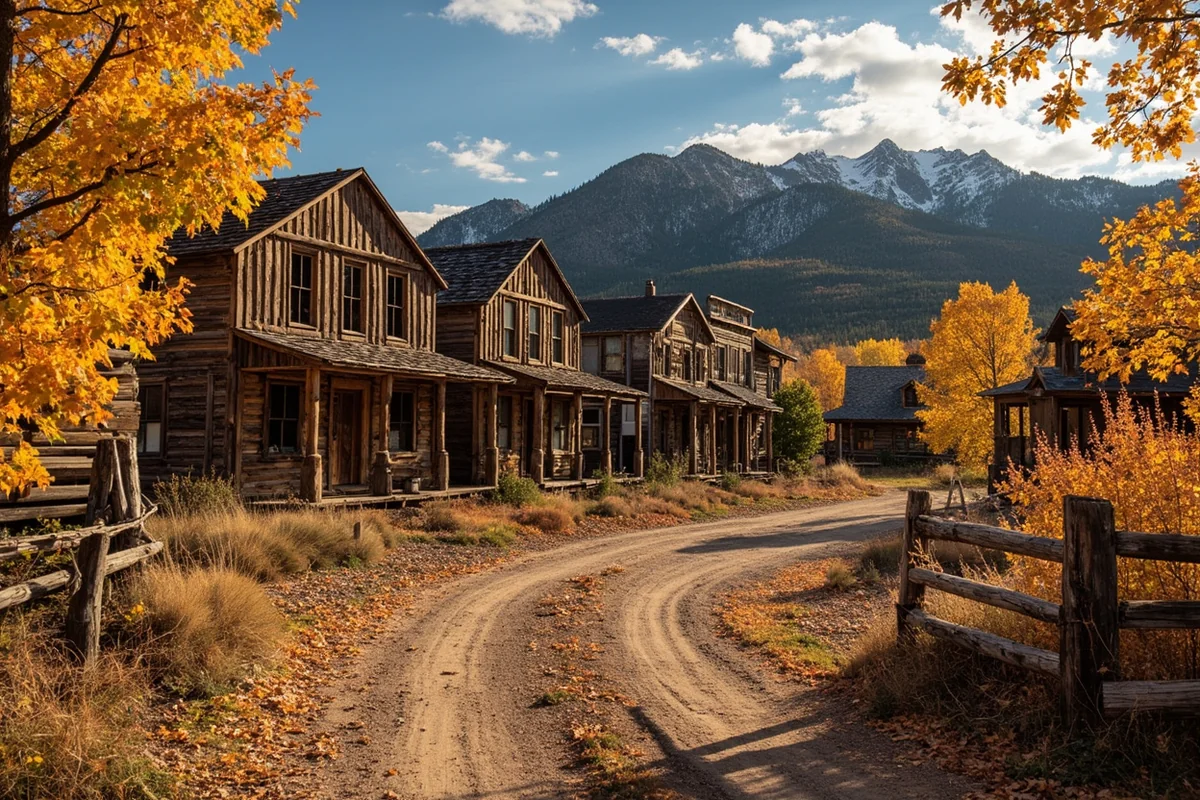
While Bannack gets the history buffs, Elkhorn near Boulder receives almost no visitors despite being equally atmospheric. Two massive Victorian-era buildings—Gillian Hall and Fraternity Hall—dominate the remaining townsite.
The drive up takes you through gorgeous mountain scenery, and the final stretch requires a high-clearance vehicle. On my October visit, golden aspens surrounded the weathered wooden structures, and I spent an hour photographing without seeing another soul.
16. Boiling River
This might be Yellowstone’s worst-kept secret, but I’m including it because many Montana visitors still miss it. Hot springs cascade into the Gardner River at the park’s north entrance, creating natural hot tubs you can soak in year-round.
The half-mile walk from the parking area leads to a series of pools where you can dial in your perfect temperature by shifting between hot and cold currents. I’ve visited in snowstorms when steam billowed into the freezing air—absolutely magical.
Important: Check current conditions before visiting, as the area closes periodically for safety or maintenance. Swimsuits required.
17. Norris Hot Springs
My personal favorite Montana hot springs experience sits in the middle of nowhere between Bozeman and Butte. This natural pool maintains 106-degree water year-round and hosts live music on weekends.
Floating under the stars while an acoustic musician plays from the poolside deck ranks among my most memorable Montana evenings. The attached bar serves local beer and surprisingly good food.
The springs operate seasonally (typically April through October), and I recommend arriving before sunset to secure your spot. No reservations, just show up and pay at the entrance.
18. Lewis and Clark Caverns
Montana’s first state park protects one of the most decorated limestone caves in the Northwest. The two-hour guided tour descends through multiple chambers filled with stalactites, stalagmites, and flowstone formations.
What impressed me most during my tour was the physical nature of the experience—you’re genuinely crawling through tight passages and ducking under formations. This isn’t a paved-walkway show cave.
The cave maintains a constant 50 degrees, so bring layers even in summer. If you’re using our 10-day Montana family vacation itinerary, this makes an excellent day stop between Yellowstone and Glacier.
Eastern Montana Hidden Gems
19. Makoshika State Park
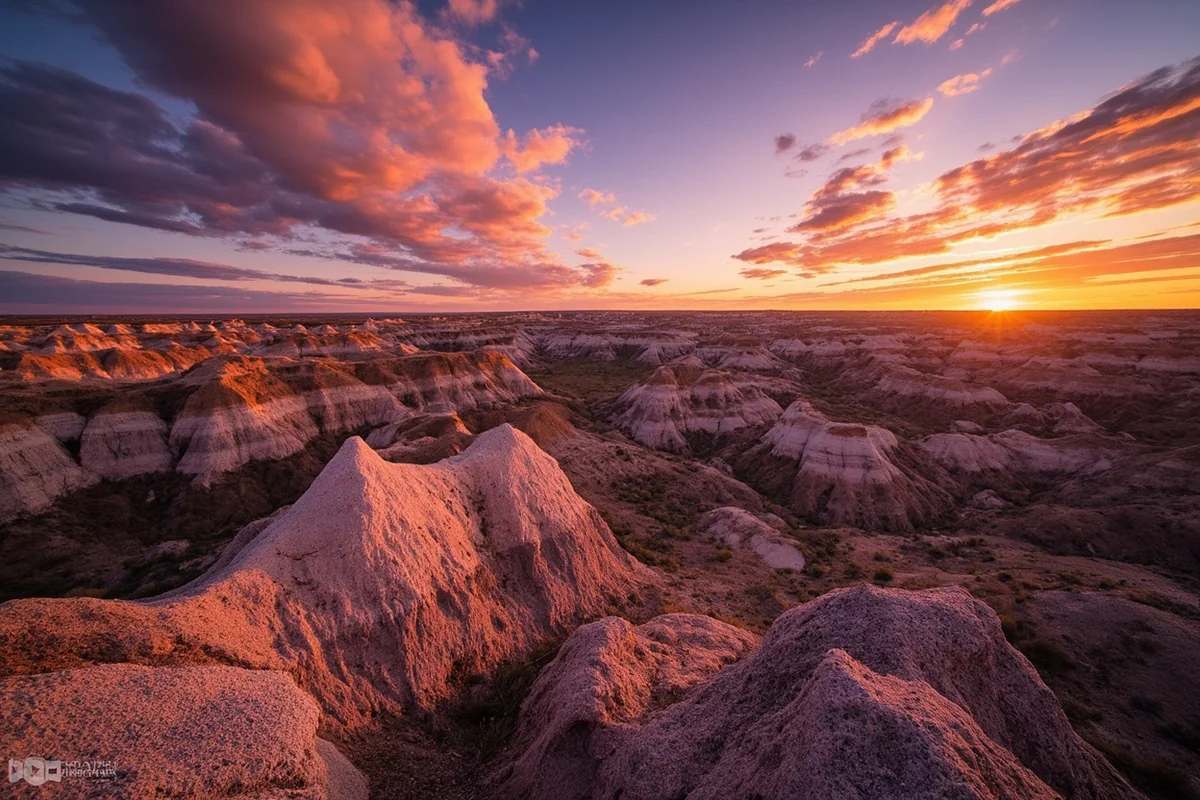
Montana’s largest state park sits near Glendive and protects badlands that rival the more famous formations in the Dakotas. The eroded sandstone creates a otherworldly landscape of hoodoos, pinnacles, and colorful bands of sediment.
Dinosaur fossils turn up regularly here—this was T. rex country 65 million years ago. On my spring visit, I hiked the Cap Rock Nature Trail at sunset and watched the formations glow orange and pink as shadows crept across the badlands.
The small visitor center displays impressive fossil finds, and camping in the park puts you close to excellent stargazing.
20. Medicine Rocks State Park
These sandstone formations near Ekalaka inspired spiritual significance for Native Americans and now provide Montana’s most unusual landscape photography opportunities. Wind and water have carved the soft rock into mushrooms, holes, and abstract shapes.
I visited in early morning when the low sun cast dramatic shadows across the formations. Historical graffiti from early settlers and shepherds marks some rocks—a fascinating if ethically complicated time capsule.
The park is genuinely remote—Ekalaka has limited services, so fuel up before arriving.
21. Tongue River Reservoir State Park
This 12-mile-long reservoir near Decker feels more like New Mexico than Montana, with red sandstone cliffs, warm water, and surprisingly good camping. Walleye and smallmouth bass fishing draws dedicated anglers, but the park remains uncrowded even on summer weekends.
When I camped here in June, we were one of maybe five groups in the entire park. The sunset reflected off the red rock and calm water—nothing like the mountainous Montana most people imagine.
22. Pirogue Island State Park
At just 267 acres, this tiny island park in the Yellowstone River near Miles City offers a genuine time-travel experience. The cottonwood forest and river channels look exactly as Lewis and Clark would have seen them.
Accessing the island requires a short boat shuttle (call ahead to arrange), which eliminates casual visitors. During my visit, great blue herons, deer, and wild turkeys seemed unbothered by my presence.
The park has minimal facilities—just pit toilets and camping pads—but the isolation feels luxurious.
Northern Montana Hidden Gems
23. Wild Horse Island State Park
Yes, there’s an island in Flathead Lake with wild horses on it. The second-largest natural freshwater island west of the Mississippi supports bighorn sheep, mule deer, and a small herd of palomino horses descended from stock brought over a century ago.
Reaching the island requires a boat (rentals available in Polson and Bigfork), which keeps crowds manageable. I spent a full day hiking the island’s trails last summer and spotted horses grazing on three separate occasions.
Tip: Bring all your own food and water. There are no services on the island.
24. Lone Pine State Park
Overlooking Kalispell and the Flathead Valley, this 270-acre park delivers mountain views without mountain effort. The short loop trails wind through ponderosa pine forest to viewpoints where you can see Glacier’s peaks.
When I’m traveling through the Flathead and want a quick stretch, I always stop here. The visitor center has excellent natural history displays, and the archery range is open to the public.
25. Blackfoot-Clearwater Wildlife Management Area
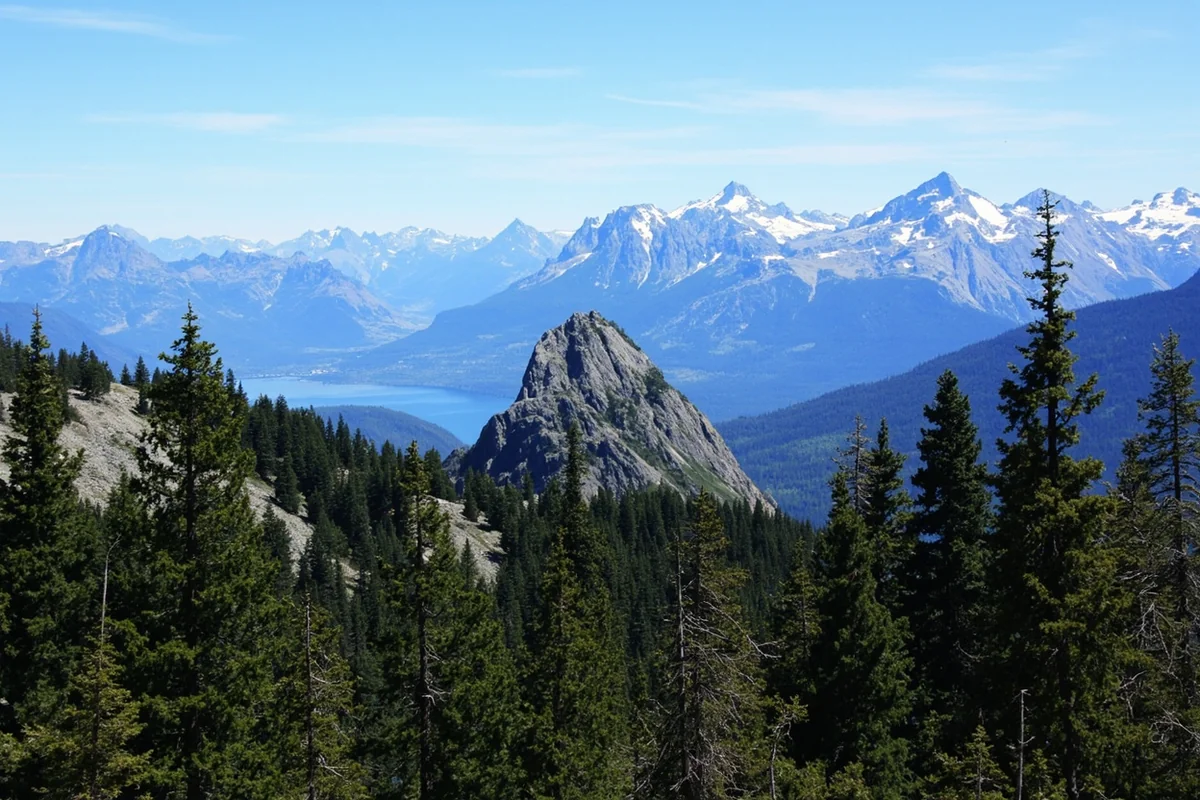
East of Missoula, this WMA encompasses some of the best wildlife viewing in western Montana. Elk, moose, wolves, and grizzlies all use this corridor between Glacier and the Yellowstone ecosystem.
I’ve counted over 200 elk in a single evening in the meadows along Highway 200. Spring and fall offer the best viewing when animals congregate at lower elevations.
The Clearwater River provides excellent fishing, and several campgrounds make overnight stays convenient. If you’re exploring solo, our Montana solo travel guide covers safety tips for wildlife areas like this.
Hot Springs You’ve Never Heard Of
26. Jerry Johnson Hot Springs
Technically in Idaho but accessible from Montana via Highway 12, these springs feel wilder than anything on the Montana side of the border. The mile-long trail crosses footbridges and follows a creek to multiple natural pools.
When I visited on a weekday in October, I soaked alone for two hours while fall colors surrounded the pools. Weekend crowds can impact the experience, so plan accordingly.
27. Potosi Hot Springs
This developed hot springs near Pony offers a more upscale experience than many Montana soaking spots. The historic lodge maintains two outdoor pools at different temperatures, and camping cabins are available.
I stayed here during a late-fall trip and appreciated the creature comforts after days of backcountry hiking. The pools are clothing-required and family-friendly.
28. Barkell’s Hot Springs Resort
In the tiny town of Silver Star, this no-frills resort maintains a simple outdoor pool fed by natural hot springs. The water runs around 100 degrees, and the atmosphere is decidedly old-school Montana.
I stopped here on a November road trip, and the owner regaled me with stories while I soaked under clearing skies. It’s the kind of place that feels increasingly rare. Couples looking for rustic romance might enjoy pairing this with options from our Montana couples ranch guide.
Quirky Roadside Attractions
29. Trixie’s Antler Saloon
Every inch of this Ovando bar is covered in taxidermy, antlers, and Montana memorabilia. The log cabin structure looks straight from a Hollywood western set.
I’ve stopped at Trixie’s dozens of times over the years, and the bartenders always have stories. The burgers are excellent, the beer is cold, and the atmosphere is unreplicable.
30. The Bale of Hay Saloon
In Virginia City’s preserved ghost town, this 1863 saloon still serves drinks amid original fixtures and antiques. Bullet holes allegedly pepper the ceiling, and the worn wooden bar has absorbed 160 years of Montana stories.
Visiting during off-season (before Memorial Day or after Labor Day) lets you soak in the atmosphere without tourist crowds. The connected ghost town spans dozens of historic buildings and deserves several hours of exploration.
31. Two Sisters Café
This roadside restaurant in Babb, just outside Glacier’s east entrance, serves some of the best pie in Montana. Period. The huckleberry cream cheese pie changed my understanding of what pie could be.
The café is owned by Blackfeet tribal members and serves Native American specialties alongside classic American dishes. On my last visit, I ate fry bread tacos followed by pie while watching clouds gather over Glacier’s eastern peaks.
Note: The café operates seasonally and keeps irregular hours. Call ahead to confirm they’re open.
Planning Your Hidden Gems Adventure
| Region | Best Season | Crowd Level | Time Needed |
|---|---|---|---|
| Northwest Montana | June–September | Low to moderate | 3–5 days |
| Glacier Region | July–September | Moderate | 2–4 days |
| Central Montana | May–October | Very low | 2–3 days |
| Southwest Montana | Year-round (varies) | Low to moderate | 3–5 days |
| Eastern Montana | April–June, September | Very low | 2–4 days |
| Northern Montana | May–October | Low | 2–3 days |
Essential Packing Tips for Remote Montana
Many of these hidden gems lie far from services. I’ve learned to always carry:
- Full tank of gas (stations can be 100+ miles apart in eastern Montana)
- Physical maps or downloaded offline maps (cell service is unreliable)
- Extra water and snacks (more than you think you need)
- Bear spray in grizzly country (and know how to use it)
- Layers for rapidly changing mountain weather
- First aid kit and emergency supplies
Respecting These Special Places
Part of what makes these spots special is their undeveloped nature. I’ve seen too many hidden gems ruined by increased visitation and poor behavior.
Pack out everything you bring in—including food scraps that seem natural. Stay on established trails to prevent erosion. Keep your voice down in quiet places. And please, if you visit based on this article, leave each spot better than you found it.
Some locations I’ve intentionally kept vague to protect them. If you want more specific directions to the most sensitive spots, feel free to email and demonstrate you’ll treat these places with respect.
Building Your Custom Itinerary
With 31 options spread across a massive state, you’ll need to make choices. I recommend picking one region and exploring it deeply rather than racing across Montana ticking boxes.
For first-timers, the northwest and Glacier region offer the most dramatic scenery with reasonable access. For those seeking true solitude, eastern Montana’s badlands deliver landscapes that feel genuinely undiscovered.
Consider combining popular destinations with nearby hidden gems—a day at Glacier followed by an evening at Norris Hot Springs creates a perfect contrast of crowded and secluded. Many visitors find that exploring Big Sky adventures through these lesser-known spots creates the most memorable experiences.
If you’re looking at Montana vacation packages, ask providers about incorporating some of these hidden gems into standard itineraries. And for LGBTQ+ travelers, our Big Sky City travel guide covers welcoming communities near many of these destinations.
Final Thoughts From the Road
After years of exploring Montana, I still get that flutter of excitement when a new hidden gem reveals itself. The state is simply too vast and too wild to ever fully know.
These 31 spots represent just a fraction of what’s out there waiting. Every gravel road might lead to a waterfall nobody’s photographed. Every tiny town might hold a saloon with a century of stories.
That’s what keeps me coming back to Montana—the certainty that something wonderful waits around the next bend, and the joy of discovering it yourself.
Frequently Asked Questions
What are the best hidden gems in Montana that most tourists miss?
Some of Montana’s most overlooked treasures include Bowman Lake in Glacier National Park, the ghost town of Garnet, Medicine Rocks State Park in the eastern badlands, and the crystal-clear waters of Hyalite Canyon near Bozeman. I’ve found that visiting spots like Pictograph Cave State Park or the remote Big Ice Cave delivers incredible experiences without the crowds you’d find at Yellowstone.
When is the best time to visit Montana’s off-the-beaten-path destinations?
Late June through mid-September offers the best weather for exploring Montana’s hidden gems, with most backcountry roads and trails fully accessible. I prefer early September when summer crowds thin out but conditions remain ideal. Keep in mind that some remote spots like certain alpine lakes may not be snow-free until early July.
How much does a week-long trip to Montana cost for budget travelers?
A budget-conscious week in Montana typically runs $800-$1,200 per person, including camping or budget lodging ($20-$80/night), gas for exploring ($150-$250), and food. Many hidden gems like natural hot springs, state parks ($8 day pass), and scenic drives are free or very affordable, making Montana surprisingly accessible for budget travelers.
What should I pack for exploring remote areas of Montana?
Pack layers regardless of season since Montana’s weather changes rapidly, especially in mountainous areas. I always bring bear spray ($40-$50, required in grizzly country), a detailed paper map since cell service is spotty, plenty of water, and a first aid kit. Sturdy hiking boots, sunscreen, and insect repellent are essential for accessing most hidden gems.
How far apart are Montana’s hidden gems and how should I plan my driving route?
Montana is massive—the fourth-largest state—so distances between attractions can surprise visitors. Driving from Glacier National Park to Makoshika State Park near the North Dakota border covers roughly 550 miles. I recommend focusing on one region per trip, either the western mountains or eastern badlands, rather than attempting to see everything.
Are Montana’s secret spots safe to visit alone or with kids?
Most of Montana’s hidden gems are safe for solo travelers and families with proper preparation. Always inform someone of your plans when visiting remote locations, carry bear spray, and check current conditions with local ranger stations. Kid-friendly hidden gems like Lewis and Clark Caverns, Giant Springs State Park, and Flathead Lake offer safer environments with facilities nearby.
Do I need a 4×4 vehicle to reach Montana’s lesser-known attractions?
While many hidden gems are accessible by regular car, a high-clearance vehicle or 4×4 opens up dramatically more options, especially for reaching remote hot springs, ghost towns, and backcountry lakes. I’ve accessed about 70% of my favorite spots with a standard SUV, but places like Garnet Ghost Town in winter or certain Forest Service roads require 4WD capability.
Sources
- https://myfwp.mt.gov/fishMT/waterbody/41877
- https://myfwp.mt.gov/fishMT/waterbody/searchByID
- https://fwp.mt.gov/stateparks/thompson-chain-of-lakes
- https://www.nps.gov/articles/montana-gibson-dam.htm
- http://stateparks.mt.gov/export/sites/ParksPublic/default.html
- https://www.fs.usda.gov/detailfull/kootenai/specialplaces/?cid=FSEPRD1008852
- https://www.fs.usda.gov/recarea/flathead/recarea/?recid=66996
- https://www.fs.usda.gov/detail/custergallatin/recreation/?cid=stelprd3830236
- https://www.ncbi.nlm.nih.gov/pmc/articles/PMC2562172/
- https://fwp.mt.gov/giant-springs
- https://fwp.mt.gov/stateparks/makoshika
- https://www.nps.gov/im/gryn/bica.htm
- https://www.nps.gov/bica/index.htm
- https://www.fs.usda.gov/recarea/flathead/recreation/camping-cabins/recarea/?recid=66996&actid=29