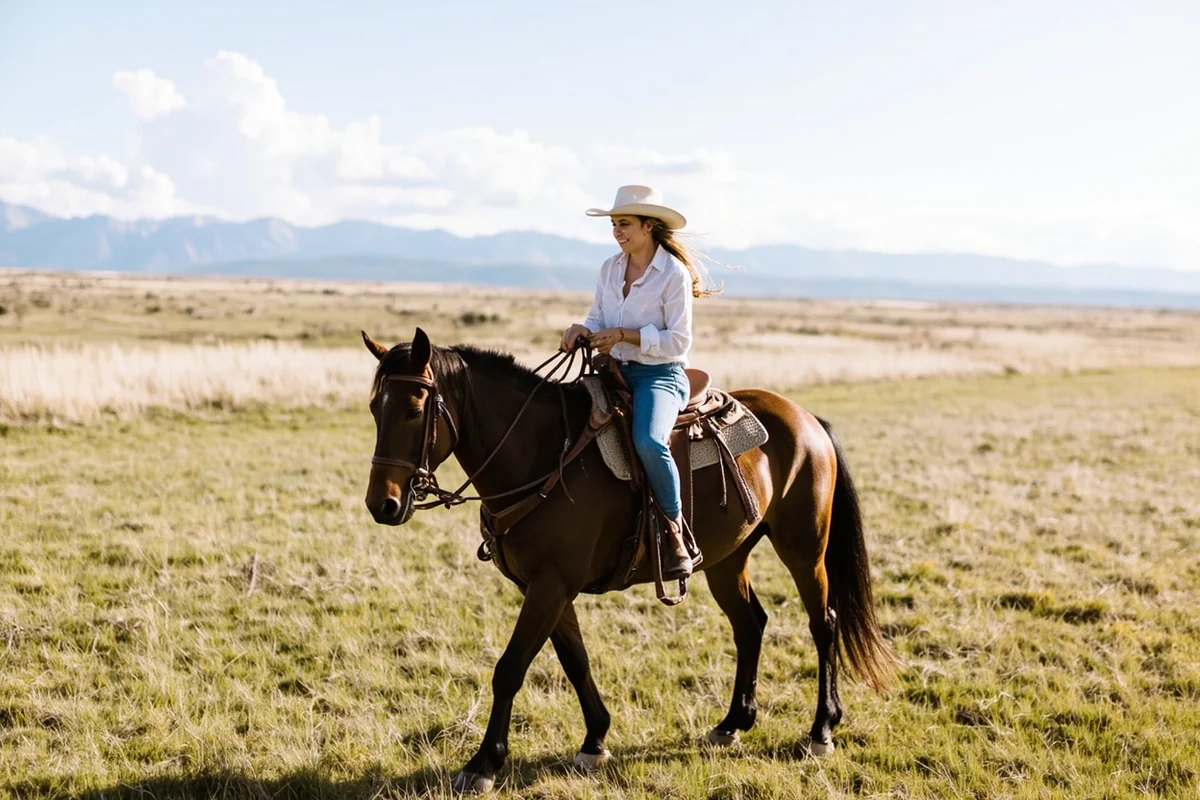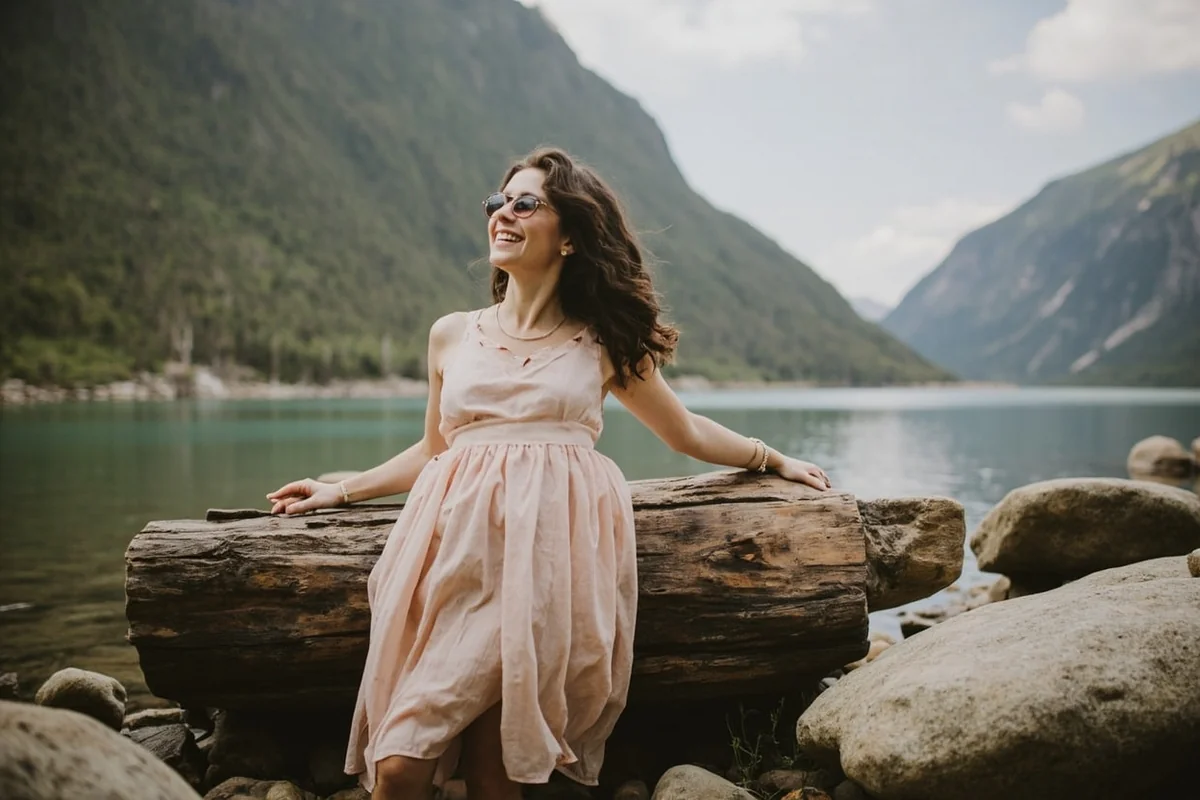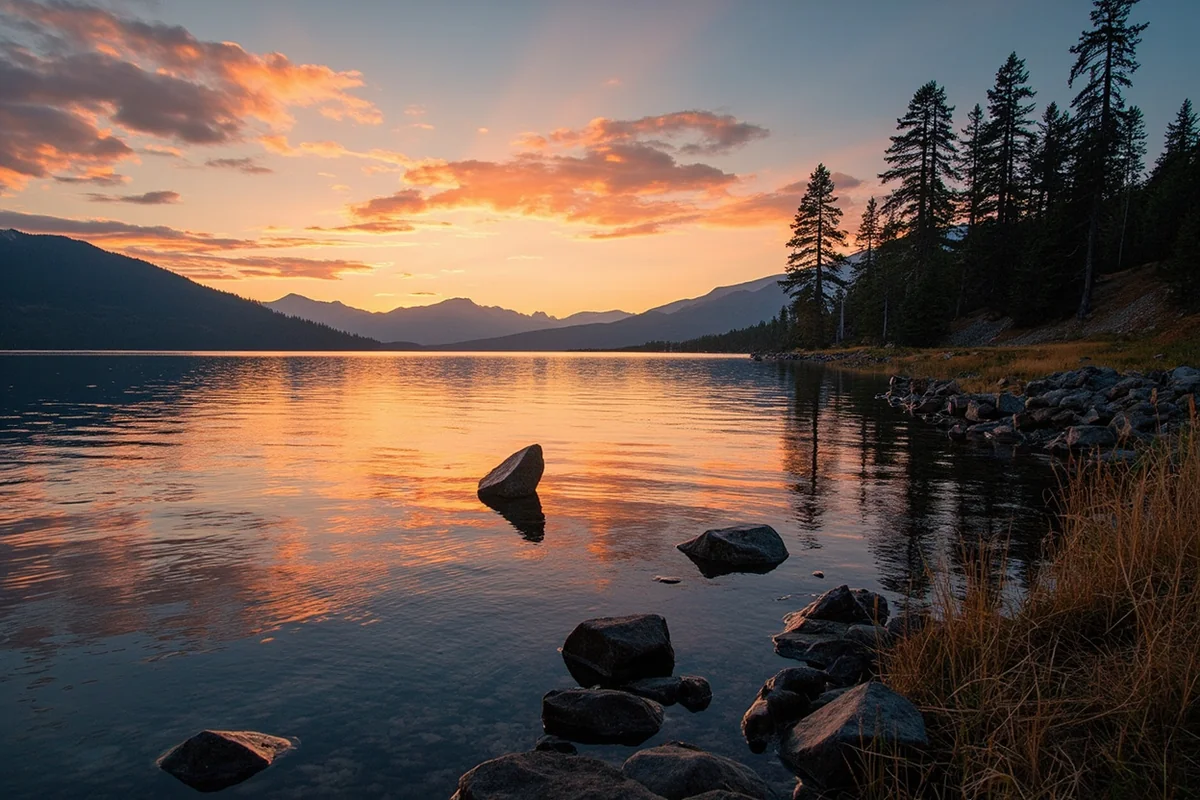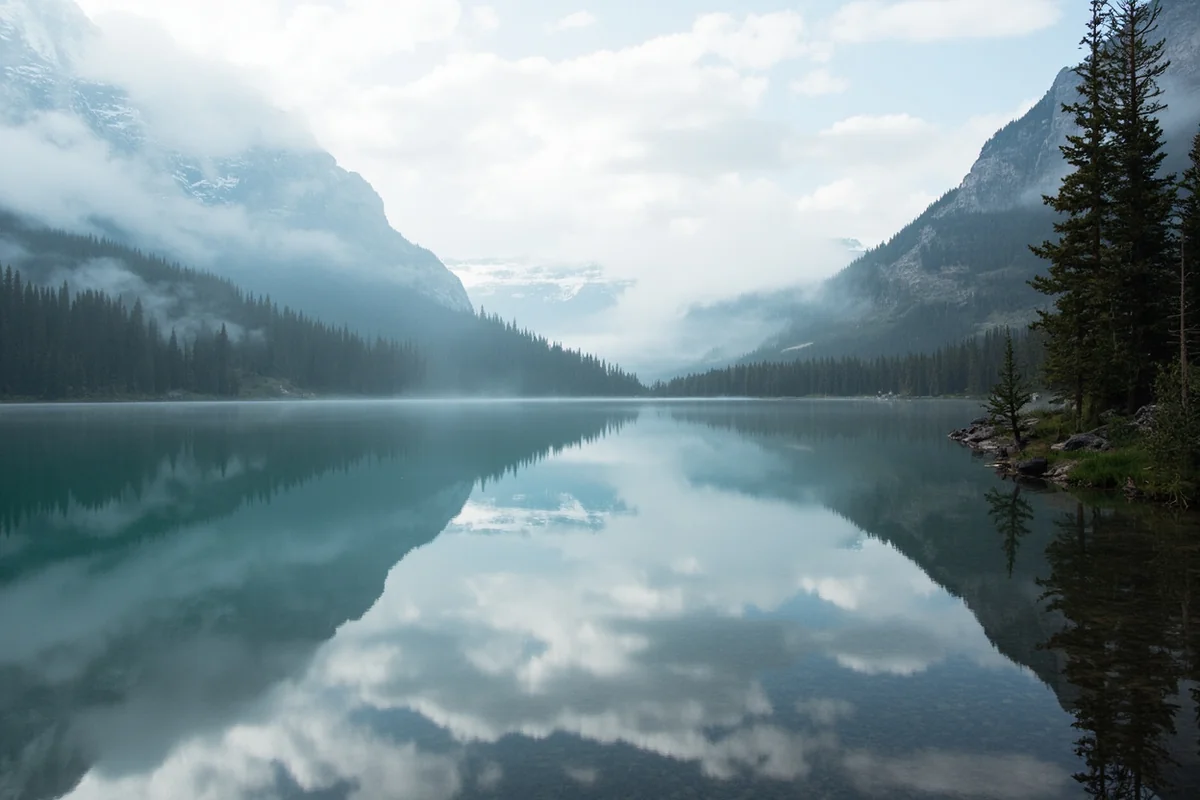
Standing at the edge of Bowman Lake at 5:30 AM, with mist curling off the water and not another soul in sight, I realized something profound: Montana was made for solo travelers.
That moment of complete solitude, surrounded by snow-capped peaks and ancient cedars, became the highlight of my three-week solo journey through Big Sky Country—and it’s a feeling I’ve been chasing on every return visit since.
Whether you’re seeking healing after a life transition, craving adventure without compromise, or simply wanting to move at your own pace, exploring Montana vacation ideas as a solo traveler opens doors that group travel simply cannot.
I’ve spent considerable time traversing this magnificent state alone, and I’m convinced there’s no better place in America for independent exploration.
- Montana offers exceptional solo travel opportunities with safe small towns, welcoming locals, and countless outdoor adventures
- Best seasons: June-September for hiking and wildlife; January-March for skiing and winter activities
- Budget approximately $100-200/day for comfortable solo travel including lodging, food, and activities
- Must-do experiences include Glacier National Park, hot springs soaking, fly fishing lessons, and small-town exploration
- Cell service is unreliable—download offline maps and always tell someone your plans
- Solo-friendly accommodations exist throughout the state, from hostels to guest ranches welcoming single travelers
Liked this article?
Add Roaming Montana as a preferred source so you see more of our articles and guides on Google.
Why Montana Is Perfect for Solo Travelers
Before diving into specific adventures, let me address something important: Is Montana actually safe and practical for solo travel? After multiple solo trips spanning every season, I can confidently say yes—with some caveats.
Montana’s communities operate on a foundation of genuine hospitality that’s increasingly rare in America. During my visit to Choteau last summer, I sat alone at the Elk Country Grill and ended up in a two-hour conversation with local ranchers who insisted on recommending their favorite “secret” hiking spots. This happens constantly throughout the state.
The practical reality is that Montana’s low population density means you’ll often have trails, hot springs, and scenic overlooks entirely to yourself. For introverts and those seeking genuine solitude, this is paradise. For those worried about safety, it means being more self-reliant—but locals look out for visitors in ways that feel almost old-fashioned.
Crime rates in Montana’s tourist areas remain remarkably low. However, the real safety considerations involve wildlife, weather, and wilderness preparedness—which I’ll address throughout this guide.
Adventure #1: Backpacking the Highline Trail Solo
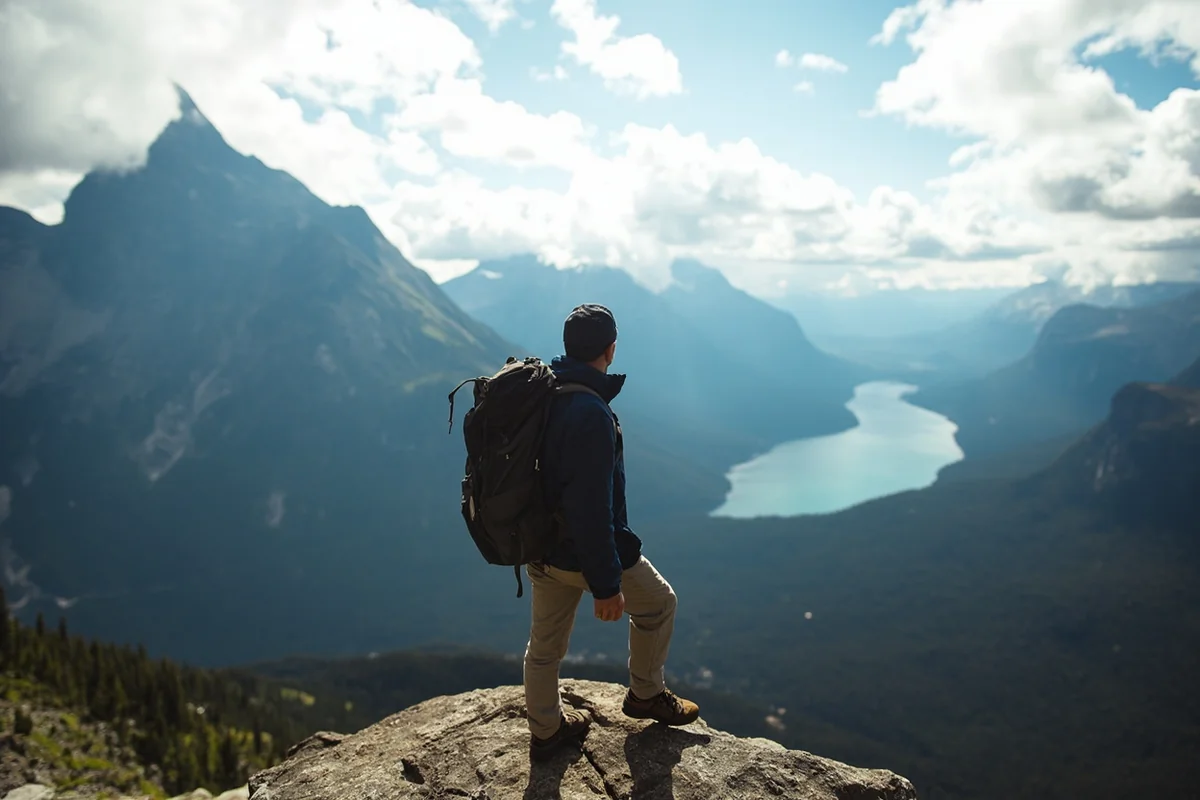
The Highline Trail in Glacier National Park tops my list because it transformed how I think about solo hiking. This 11.8-mile point-to-point trail along the Continental Divide offers the most accessible high-alpine experience you’ll find anywhere.
I tackled this trail during a late August trip, starting at Logan Pass around 7 AM. The early start is non-negotiable—parking fills by 8 AM in peak season, and afternoon thunderstorms roll in like clockwork.
What makes this trail ideal for solo travelers is the combination of dramatic scenery and consistent foot traffic. I never felt isolated, passing other hikers every 10-15 minutes, yet the landscape is so vast that I often felt completely alone with the mountains. The trail is well-marked and largely level (with one exception at the Grinnell Glacier Overlook spur), requiring no technical skills.
My advice: Carry bear spray, make noise around blind corners, and download the park’s offline trail map before you arrive. Cell service is nonexistent.
Adventure #2: Hot Springs Hopping Through Southwest Montana
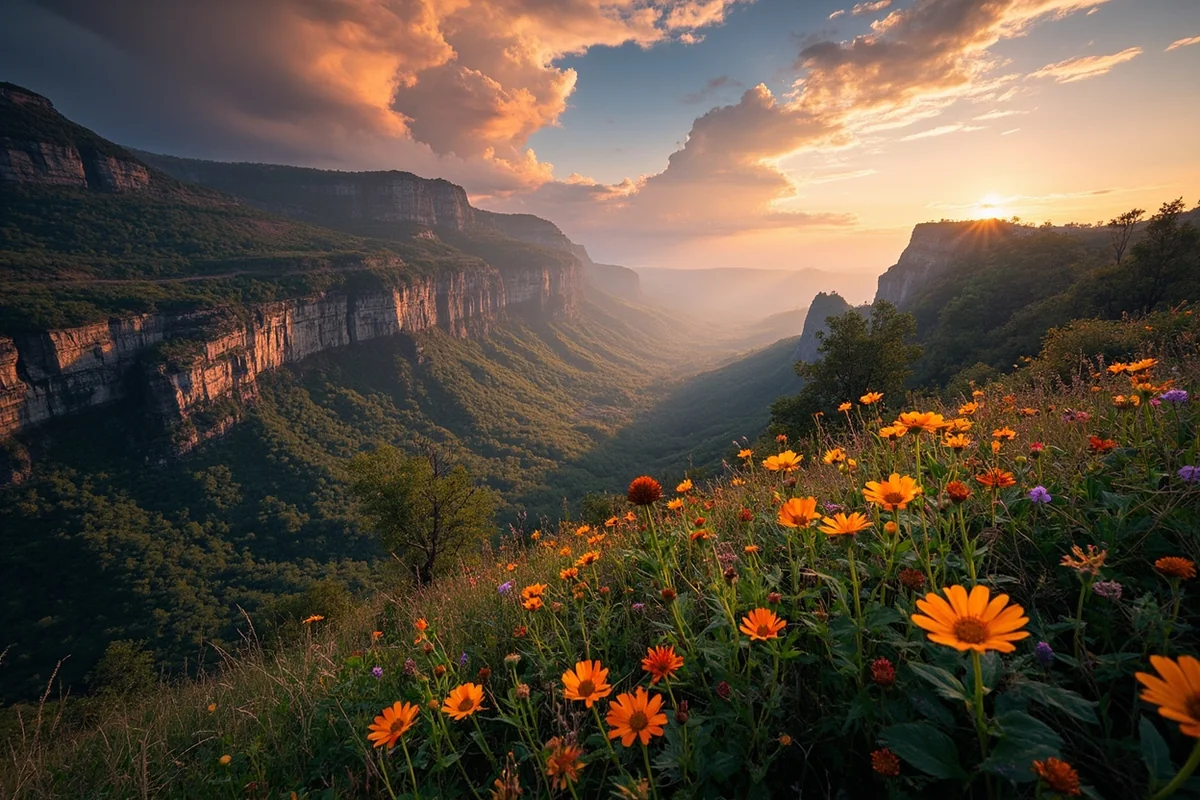
On a recent trip during shoulder season, I discovered that Montana’s hot springs circuit creates the perfect solo travel experience—relaxing, social when you want it to be, and requiring nothing but a swimsuit and a sense of adventure.
My favorite route spans four days: Start at Bozeman Hot Springs (the most developed but great for easing in), drive to Norris Hot Springs for their famous live music nights, continue to Elkhorn Hot Springs near Polaris for a rustic mountain experience, and finish at Jackson Hot Springs Lodge.
Norris became my unexpected highlight. Sitting in the clothing-optional pool on a Thursday evening, I chatted with a retired teacher from Minnesota, a traveling nurse from Oregon, and a local rancher—all of us content to soak and swap stories under the stars. The $10 admission includes free live acoustic music every weekend.
Solo tip: Weeknight visits offer more intimate experiences and easier parking. Always bring water shoes—natural-bottom pools can have sharp rocks.
Adventure #3: Learning to Fly Fish on the Gallatin River
I’ll be honest: I’d never held a fly rod before my Montana trip three years ago. Now I return annually specifically to fish, and the transformation happened in a single day.
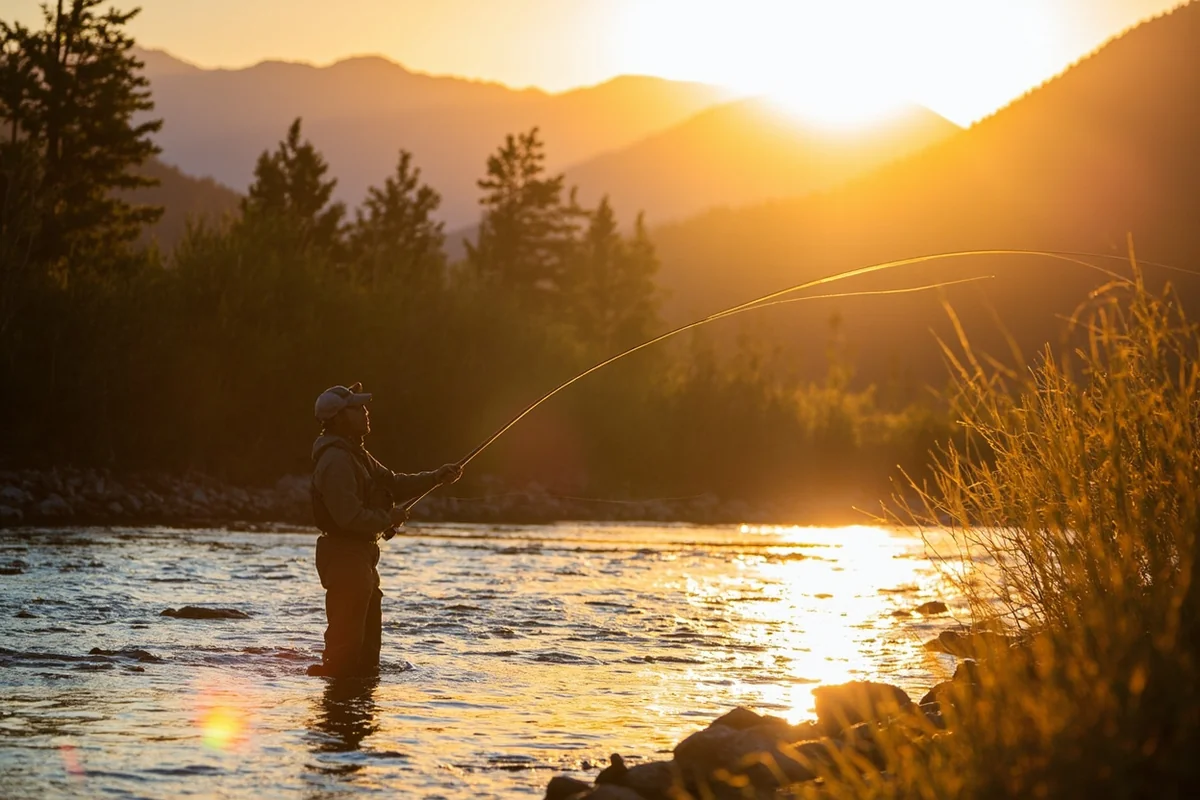
Hiring a guide for your first solo fly fishing experience is worth every penny. On the Gallatin River outside Bozeman, my guide Jake spent three hours teaching me to cast before we even approached the water. By afternoon, I’d landed two rainbow trout and felt like I’d unlocked a new dimension of outdoor experience.
For solo travelers, guided trips eliminate logistics headaches—they provide all gear, know exactly where fish are active, and handle permits. Expect to pay $400-500 for a full-day guided trip, which includes lunch and all equipment.
The Gallatin, Yellowstone, and Madison Rivers all offer excellent guided options for beginners. During my visit last summer, I also tried the Boulder River near Big Timber and found it less crowded with equally beautiful scenery.
If you’re traveling with a partner, Montana ranch vacations for couples often include fly fishing as part of their all-inclusive experiences.
Adventure #4: Wildlife Watching in Lamar Valley
Yellowstone’s Lamar Valley, often called America’s Serengeti, provides some of my most treasured solo memories. On a September trip, I arrived at 5:30 AM and watched a wolf pack take down an elk from a roadside pullout—surrounded by perhaps twenty other early risers, all whispering in hushed reverence.
Solo travelers have a distinct advantage here: flexibility. Wolves, bears, and other predators move unpredictably. Being able to spontaneously spend three hours at a single overlook because something interesting is happening is something group travelers rarely achieve.
Practical advice: Bring a good spotting scope or binoculars (20x magnification minimum for wolves), arrive before dawn, and pack coffee and breakfast to eat in your car. The Lamar Valley pullouts have no services.
During my recent trip, I booked two nights at the Roosevelt Lodge Cabins specifically for Lamar Valley access. The cabins are basic but clean, and being just minutes from prime wildlife territory beats driving from other park areas.
Adventure #5: Exploring Virginia City and Nevada City Ghost Towns
When weather forced me indoors during a June visit, I discovered Montana’s perfectly preserved gold rush history—and spent two days happily exploring what I’d initially planned as a half-day stop.
Virginia City isn’t a ghost town in the abandoned sense; it’s a living museum where about 200 residents still live among buildings unchanged since the 1860s. I wandered into the Bale of Hay Saloon for a beer and ended up learning local history from a bartender whose family has been in the valley for five generations.
The adjacent Nevada City is more authentically ghost-like, with nearly 100 relocated historic buildings creating an outdoor museum. I spent hours photographing weathered storefronts, antique equipment, and the kind of atmospheric decay that photographers dream about.
Solo traveler bonus: The Fairweather Inn in Virginia City offers reasonable nightly rates, and wandering these historic streets after dark, when day-trippers leave, creates an eerily beautiful experience.
For those seeking lesser-known spots throughout the state, I’ve compiled my favorite hidden gems in Montana that most tourists miss entirely.
Adventure #6: Mountain Biking at Whitefish Mountain Resort
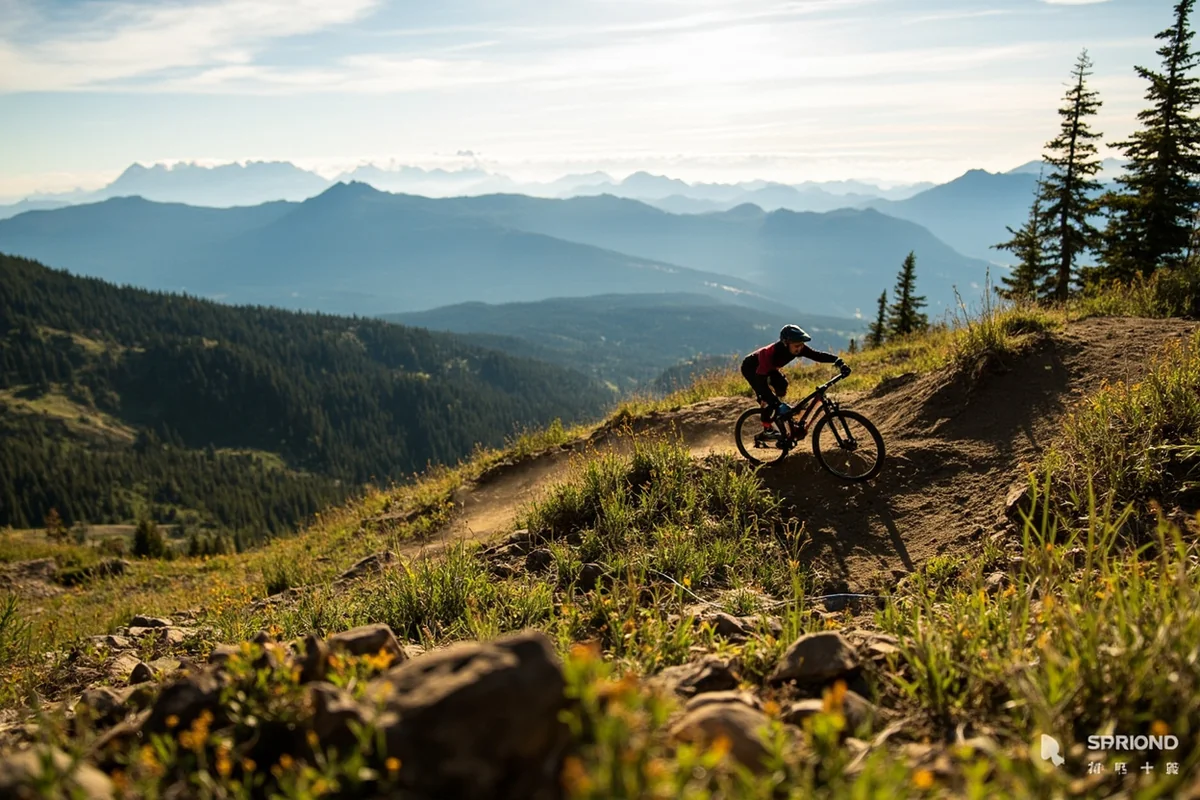
During a July trip, I discovered that Whitefish Mountain Resort transforms into one of America’s best lift-served mountain biking destinations—and it’s surprisingly accessible for solo riders.
The resort offers rental bikes and runs skills clinics specifically designed for people visiting alone. I joined a beginner clinic on a Tuesday morning with five other solo travelers, and by afternoon we were confidently descending green and blue trails together.
What I appreciate about Whitefish for solo biking: The lift means you’re constantly encountering other riders, trail intersections are well-marked with difficulty ratings, and you can easily join pickup groups at the base area. During my visit, I made temporary friends by simply asking, “Mind if I follow you down?”
Pricing was reasonable—around $60 for a full-day lift pass and $70 for a bike rental. The town of Whitefish itself has excellent solo dining options if you’re traveling without company.
Adventure #7: Paddleboarding Flathead Lake at Sunrise
Flathead Lake, the largest natural freshwater lake west of the Mississippi, looks different at sunrise than any other time—and I discovered this by accident when insomnia had me out the door at 5 AM during an August visit.
Renting a paddleboard from one of several shops in Bigfork or Polson is straightforward, but here’s my insider tip: Wild Mile Rental in Bigfork will deliver boards to your lakeside location before dawn if you arrange it the night before. I had a board waiting at Wayfarers State Park and launched into completely glassy water as the sun crested the Mission Mountains.
For two hours, I had the lake essentially to myself. The water clarity is stunning—I could see rocks thirty feet below my board. A family of loons surfaced nearby, seemingly unbothered by my presence.
Solo paddling safety: Always wear a PFD, tell someone your plans, and stay close to shore unless you’re an experienced paddler. Morning conditions are typically calmest—afternoon winds can create challenging chop.
Adventure #8: Road Tripping the Beartooth Highway
Some drives demand your complete attention, and the Beartooth Highway delivered the most focused, exhilarating solo driving experience of my life. This 68-mile route climbs to 10,947 feet through terrain that looks more like the moon than Montana.
I tackled the drive during a late June trip, starting from Red Lodge. Even then, snow walls lined portions of the road—the highway typically opens late May and closes by mid-October, weather dependent.
What makes this perfect for solo travelers: The countless pullouts invite spontaneous stops, the lack of cell service forces presence, and the shared experience with other drivers creates an unexpected sense of community. I stopped at least twelve times for photos and ended up hiking to a small alpine lake I noticed from the road—something I never would have done with passengers expecting a timeline.
Practical tips: Fill your tank in Red Lodge, bring warm layers regardless of valley temperatures, and budget three to four hours minimum for the full experience. The Clay Butte Lookout near the summit offers 360-degree views worth the short hike.
Adventure #9: Attending a Rodeo in a Small Montana Town
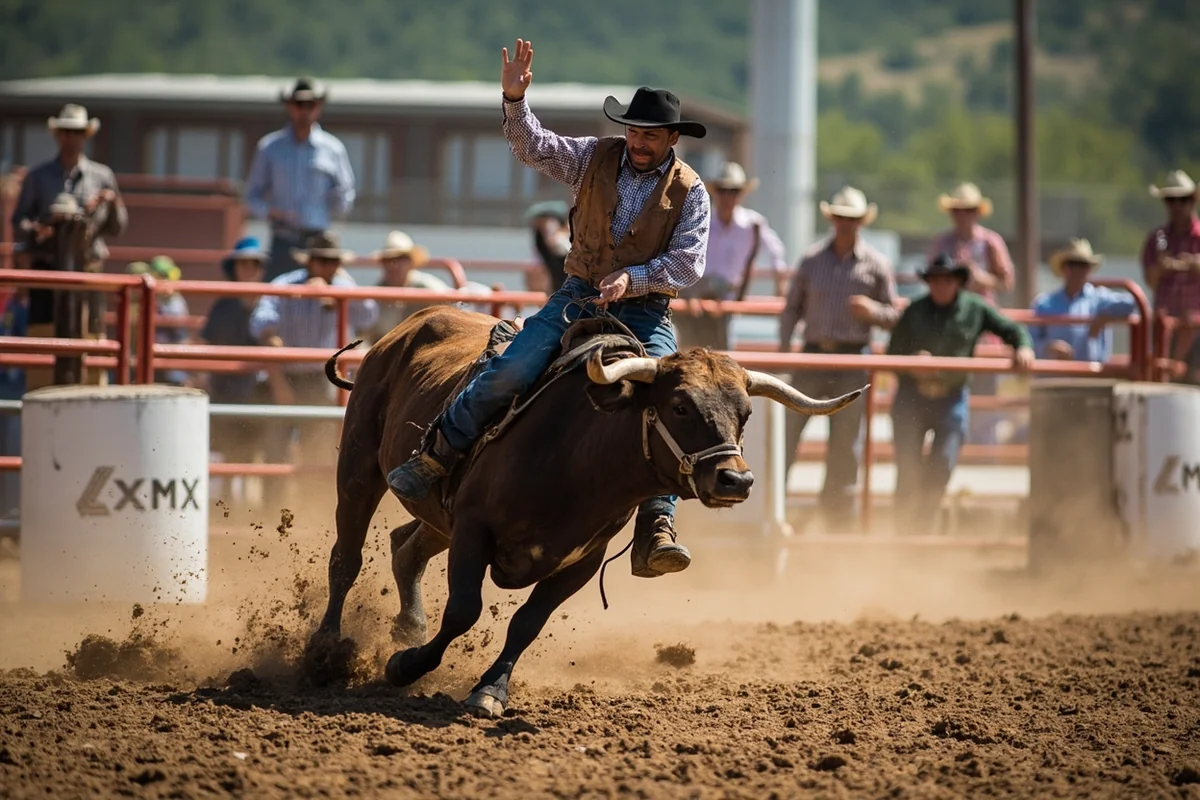
Tourist-oriented rodeos exist throughout the West, but attending an authentic small-town rodeo changed my understanding of Montana culture. During a trip to the Bitterroot Valley, I stumbled upon the Hamilton Rodeo—and spent four hours transfixed.
The difference between a local rodeo and a tourist production is palpable. These are real working cowboys competing, families from surrounding ranches filling the stands, and an announcer who knows every rider’s grandmother. I sat in bleachers eating Indian tacos from a food stand while kids ran beneath the seats and teenagers practiced roping nearby.
Finding local rodeos requires some digging—check local newspapers, ask at feed stores, or search the Montana Pro Rodeo Circuit website. They happen nearly every weekend from June through August in towns you’ve probably never heard of.
Solo traveler bonus: Rodeos are inherently social events. I was welcomed into conversations easily, offered pulls from a communal flask (I politely declined), and given inside information on which young riders to watch. Montanans love explaining their traditions to interested outsiders.
Adventure #10: Stargazing at Medicine Rocks State Park
In Montana’s southeast corner lies one of America’s least-visited state parks—and one of its best dark sky experiences. I made the pilgrimage to Medicine Rocks during a September trip specifically for stargazing, and it delivered beyond expectations.
The drive to Medicine Rocks is an adventure itself—miles of empty prairie with pronghorn antelope watching from the roadside. The park features bizarre sandstone formations that ancient tribes considered sacred, creating an already-mystical atmosphere before darkness falls.
On a new moon night, I set up a camping chair among the rocks and watched the Milky Way arc overhead with such clarity that I could see the dust lanes. Absolutely no light pollution. No one else in the park. Just me and the universe for six hours.
Practical reality check: This park is genuinely remote. The nearest town (Ekalaka) has limited services. Bring all supplies, including water. Cell service is nonexistent. But for solo travelers seeking profound solitude, few places compare.
Adventure #11: Taking a Photography Workshop in Glacier Country
Joining a photography workshop during my first Montana solo trip provided something unexpected: instant community. I booked a three-day landscape photography course based in Columbia Falls, and the experience transformed both my technical skills and my solo travel approach.
The workshop brought together eight strangers, all traveling independently, united by interest in photography. We spent pre-dawn hours at Lake McDonald, chased afternoon light through Going-to-the-Sun Road, and shared meals discussing composition and camera settings. By day three, we’d formed genuine friendships.
Several operators offer similar experiences: Glacier Photography Tours, Montana Photo Safaris, and Summit Mountain Photography all provide multi-day workshops welcoming solo participants. Prices range from $300 for single-day sessions to $1,500+ for multi-day immersive programs.
This approach works brilliantly for solo travelers who want meaningful interaction without the commitment of group travel. You share intense experiences, then return to your own accommodation and independence.
Adventure #12: Hiking to Avalanche Lake (and Beyond)
Avalanche Lake is Glacier’s most popular short hike for good reason—but solo travelers can access a different experience by pushing just slightly further than most visitors go.
The main trail is 4.5 miles roundtrip, ending at a stunning glacial cirque surrounded by waterfalls. During my visit last summer, I arrived to find perhaps 200 people at the lake. Beautiful, but not exactly solitary.
Here’s the solo traveler secret: Continue along the unofficial trail on the lake’s northwest shore. Within fifteen minutes, I’d left 90% of visitors behind. After thirty minutes of boulder-hopping, I found a private beach with waterfall views and ate lunch in perfect solitude while others crowded the main shoreline.
Safety note: This extension involves navigating unmarked terrain. Use good judgment, watch for wildlife, and don’t attempt it if you’re uncomfortable with route-finding.
If you’re planning an extended family visit, the 10-day Montana family vacation itinerary includes this hike with easier alternatives for children.
Adventure #13: Exploring the Charles M. Russell Wildlife Refuge
Montana’s one-million-acre wildlife refuge rarely appears on tourist itineraries—which is exactly why I love it. During a spring trip, I spent three days driving the refuge’s backcountry roads alone, encountering herds of elk, bighorn sheep, and some of the most dramatic badlands scenery in North America.
The CMR refuge sprawls across north-central Montana along the Missouri River. The landscape feels like the Old West still exists: massive grass-covered hills dropping into dramatic breaks, pronghorn racing alongside your vehicle, and essentially no other visitors.
Practical considerations: A high-clearance vehicle is strongly recommended. Bentonite clay roads become impassable when wet. The nearest services are often 50+ miles away. Cell service is essentially nonexistent throughout the refuge.
For solo travelers comfortable with genuine remoteness, the CMR offers experiences approaching what Lewis and Clark encountered. I camped at the James Kipp Recreation Area on the Missouri River and saw exactly three other vehicles in two days.
Adventure #14: Booking a Solo-Friendly Guest Ranch Experience
Guest ranches might seem oriented toward families and couples, but several Montana ranches specifically welcome—and cater to—solo travelers. On a recommendation from a friend, I booked a week at a ranch near Augusta, and the experience exceeded every expectation.
Solo-friendly ranches offer several advantages: Communal meals create natural social opportunities, guided activities eliminate logistics, and the ranch environment attracts interesting travelers from around the world. During my stay, I rode horses daily with a retired journalist from Vermont, a surgeon from Texas, and a young software engineer from Germany—all traveling alone.
Ranches vary widely in style and price. Working cattle ranches might run $1,500-2,500 weekly, while luxury dude ranches can exceed $5,000. When booking solo, ask specifically about single supplement fees (some waive them), solo-friendly activities, and whether you’ll be grouped with other individuals or placed with families.
The guide to Montana family vacations covers ranch options for larger groups, but solo travelers should contact ranches directly to discuss individual experiences.
Adventure #15: Completing the Going-to-the-Sun Road Sunrise to Sunset Challenge
This self-created adventure became my most memorable Montana solo experience: driving Going-to-the-Sun Road from Lake McDonald Lodge at sunrise to St. Mary at sunset, stopping at every pullout and hiking every accessible trail along the way.
Most visitors drive the road in two hours, stopping at Logan Pass and a few scenic points. I dedicated an entire 16-hour day, and the depth of experience was incomparable.
My route: 5 AM departure from Lake McDonald Lodge, Sacred Dancing Cascades trail (1 hour), stop at every waterfall pullout, 8 AM arrival at Logan Pass for Highline Trail (4 hours), late lunch at Logan Pass visitor center, Hidden Lake Overlook (2 hours), slow drive along the east side with multiple photography stops, dinner at Two Dog Flats meadow watching for wildlife, and arrival at St. Mary at golden hour.
Solo advantage: This schedule only works without passengers expecting different pacing. The freedom to spend 45 minutes photographing a single waterfall, or skip an overlook because the light isn’t right, creates an entirely different experience from compromise-based group travel.
Logistics: Arrange shuttle or second vehicle for your return, unless you’re staying in St. Mary and driving back another day. The free park shuttle works well for one-way trips.
Essential Practical Information for Montana Solo Travel
| Category | Details |
|---|---|
| Best Time to Visit | June-September for hiking/outdoor activities; December-March for skiing; September-October for fall colors and fewer crowds |
| Daily Budget (Comfortable) | $100-200/day including mid-range lodging, meals, and one activity |
| Major Airports | Bozeman (BZN), Missoula (MSO), Glacier Park International (FCA), Billings (BIL) |
| Car Rental | Essential for solo travel; expect $40-80/day for standard vehicle |
| Cell Coverage | Unreliable outside major towns; download offline maps; purchase satellite communicator for backcountry |
| Bear Safety | Carry bear spray everywhere; know how to use it; make noise on trails |
| Solo-Friendly Lodging | Hostels in Whitefish and Missoula; many motels offer single rates; camping throughout |
Safety Considerations for Solo Montana Travel
Wildlife presents the most significant safety consideration, and I take it seriously. During a hike in the Many Glacier area, I encountered a grizzly at perhaps 100 yards—close enough to see her cubs behind her. Because I’d practiced bear spray use and understood proper response, I backed away slowly without incident. Every solo hiker in Montana should know bear behavior basics.
Weather changes rapidly, particularly in mountain areas. On a recent trip to the Beartooth Plateau, I watched temperatures drop 30 degrees in two hours as a storm moved through. Always carry layers and rain gear, even on bluebird mornings.
Informing someone of your plans is non-negotiable for solo backcountry travel. I text a friend detailed itineraries before every remote hike, including expected return times and instructions for when to contact authorities.
The LGBTQ+ travel guide for Big Sky Country provides additional safety considerations for queer solo travelers navigating Montana’s rural areas.
Solo-Friendly Accommodations Throughout Montana
Budget solo travelers should know about Montana’s hostel options. The Whitefish Hostel offers dormitory beds starting around $40 and has excellent common areas for meeting other travelers. Missoula’s similar hostel provides affordable downtown access with a social atmosphere.
For those preferring privacy, many Montana motels offer genuinely reasonable single rates—especially outside peak season. During a September trip, I found comfortable motel rooms throughout the state for $60-80/night.
Camping remains the most economical option, though solo campers should consider established campgrounds over dispersed camping for safety reasons. State park campgrounds typically run $15-30/night and often have amenities like showers.
If you’re considering a comprehensive package that handles logistics, exploring Montana vacation packages can simplify planning considerably.
Making the Most of Solo Time in Montana
The greatest gift of solo Montana travel isn’t just the landscapes—it’s the mental space that emerges when you’re accountable only to yourself. Some of my most valuable insights have arrived while walking alone through alpine meadows or soaking silently in hot springs at midnight.
I encourage solo travelers to resist the urge to fill every moment with activity. Build buffer days into your itinerary. Allow yourself permission to spend an entire afternoon reading on a riverbank or an evening journaling in a small-town coffee shop.
The connections you make will likely surprise you. Montanans are curious about visitors and genuinely interested in where you’re from and why you’re traveling alone.
Embrace these conversations—they’ve led me to hidden swimming holes, invitation-only local events, and friendships that have outlasted the trips themselves.
For couples seeking similar experiences together, the Montana honeymoon guide covers romantic versions of many adventures I’ve described here.
Montana offers something increasingly rare in our connected, crowded world: space to be alone without being lonely, challenges that build genuine confidence, and beauty that rewards those who seek it on their own terms.
I’ve returned to this state more than any other, and I suspect you’ll understand why after your first solo adventure through Big Sky Country.
Frequently Asked Questions
Is Montana safe for solo travelers?
Montana is considered one of the safest states for solo travelers, with low crime rates and friendly locals who are genuinely helpful. I recommend taking standard precautions like sharing your itinerary with someone back home, carrying bear spray in wilderness areas, and letting rangers know your hiking plans. Cell service can be spotty in remote areas, so download offline maps and consider a satellite communicator for backcountry adventures.
What is the best time of year to visit Montana alone?
The best time for solo travel in Montana is mid-June through September when roads are fully open, wildlife is active, and weather is most predictable for outdoor adventures. July and August offer the warmest temperatures (70-85°F) ideal for hiking and camping, while September brings fewer crowds, fall colors, and excellent wildlife viewing. Winter solo travel (December-March) is fantastic for skiing at Big Sky or Whitefish but requires serious cold-weather preparation.
How much does a solo trip to Montana cost per day?
Budget solo travelers can explore Montana for $80-120 per day including camping or hostel stays, grocery meals, and free outdoor activities like hiking. Mid-range travelers typically spend $150-250 daily covering modest hotels, restaurant meals, and one paid activity. I found that splurging on a guided fly-fishing trip ($400-500) or staying in a historic lodge near Glacier National Park was worth the extra cost for once-in-a-lifetime solo experiences.
Do I need a car to travel solo in Montana?
Yes, renting a car is essential for solo travel in Montana since public transportation is extremely limited and attractions are spread across vast distances. Expect to drive 100-300 miles between major destinations like Glacier National Park, Yellowstone, and Missoula. I recommend renting an SUV or all-wheel-drive vehicle, especially if visiting during shoulder seasons when mountain passes can be icy or unpaved roads lead to trailheads.
What should I pack for a solo adventure trip to Montana?
Pack layers for Montana’s unpredictable mountain weather including a waterproof jacket, fleece, and moisture-wicking base layers even in summer when temperatures can drop 30 degrees after sunset. Essential solo travel gear includes bear spray ($40-50 at local outfitters), a headlamp, portable phone charger, first aid kit, and sturdy hiking boots. I always bring binoculars for wildlife spotting and a reusable water bottle since hydration is crucial at higher elevations.
What are the best solo-friendly activities in Montana for first-time visitors?
First-time solo visitors should prioritize hiking the Highline Trail in Glacier National Park, soaking in natural hot springs near Bozeman, and taking a scenic drive along the Beartooth Highway. Wildlife watching in Lamar Valley and exploring the charming downtown areas of Whitefish or Missoula are perfect solo activities where you can meet other travelers. I also recommend joining a ranger-led program or group tour for activities like whitewater rafting where having companions adds safety and fun.
How many days do I need for a solo road trip through Montana?
Plan at least 7-10 days for a solo Montana road trip to comfortably explore either Glacier National Park or Yellowstone region without feeling rushed. For the ultimate Big Sky adventure covering both parks plus charming towns like Bozeman, Helena, and Missoula, I recommend 14 days minimum. Solo travel lets you adjust your pace freely, so build in buffer days for spontaneous detours, weather delays, or extending your stay at spots you love.
Sources
- https://www.nps.gov/glac/planyourvisit/hikingthetrails.htm
- https://www.nps.gov/yell/planyourvisit/hiking.htm
- https://fwp.mt.gov/activities/camp
- https://fwp.mt.gov/stateparks/medicine-rocks
- https://fwp.mt.gov/stateparks/whitefish-lake
- https://fwp.mt.gov/conservation/wildlife-management/bear/be-bear-aware