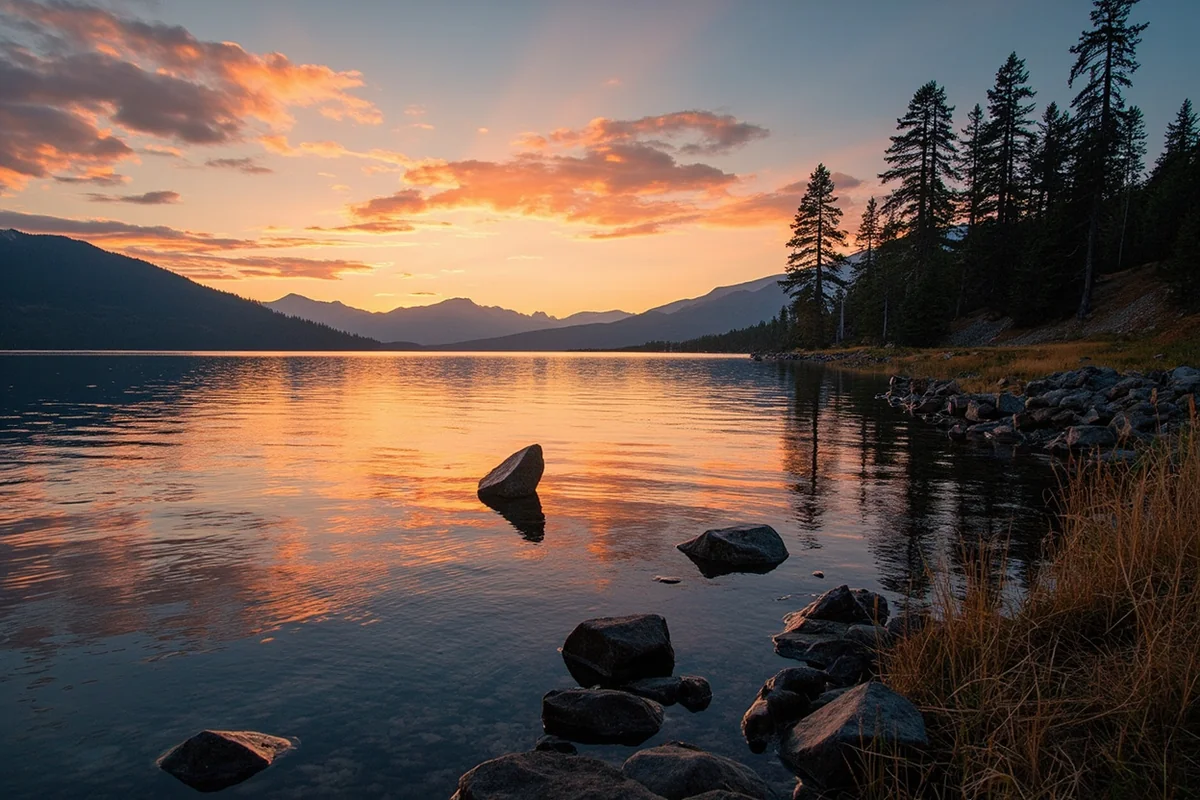
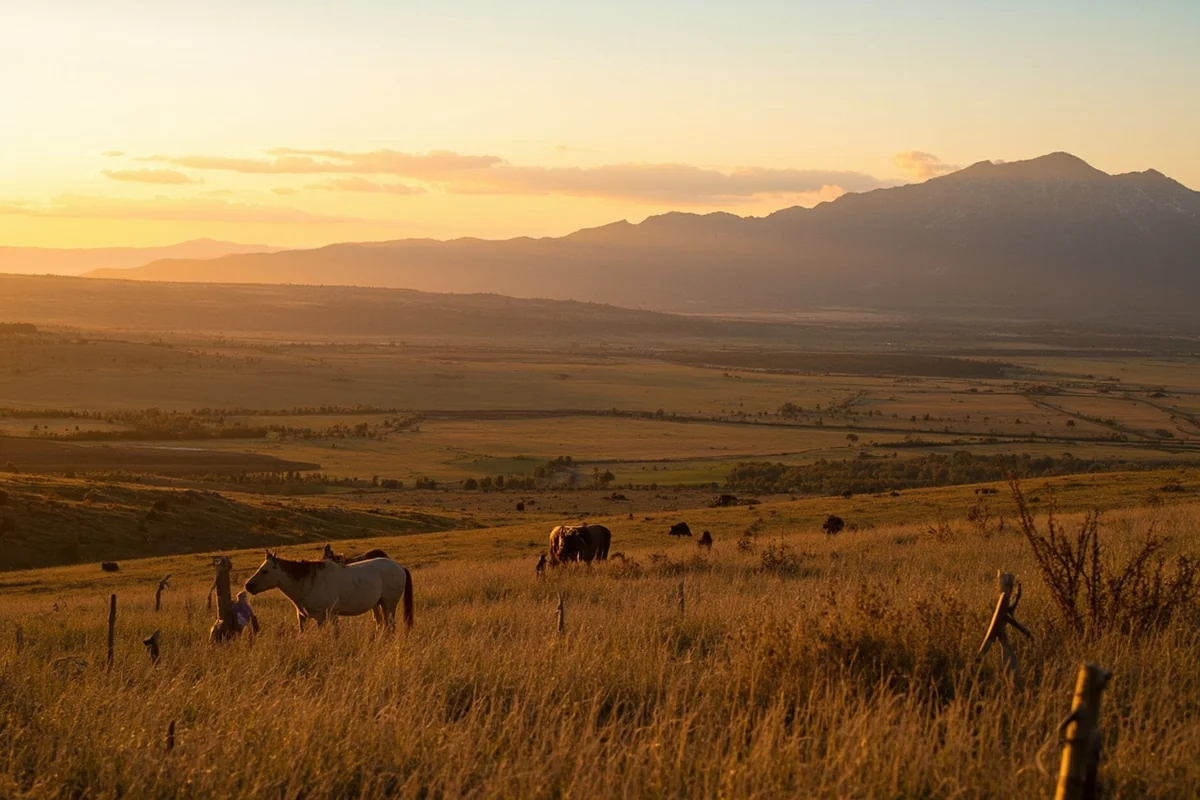
I was standing at the edge of Flathead Lake last September, watching the sun paint the Mission Mountains in shades of amber and rose, when I realized something important: the all-inclusive ranch package I’d booked had saved me nearly $800 compared to piecing together the same experience independently.
That moment crystallized years of Montana travel into one truth—knowing how to navigate vacation packages in Big Sky Country can transform a good trip into an extraordinary one.
If you’re exploring Montana vacation ideas, understanding how packages work here is fundamentally different from booking a Caribbean resort or a European city break. Montana’s tourism industry operates on seasons, authenticity, and experiences that can’t be replicated anywhere else on Earth.
- Montana vacation packages typically save 15-30% over booking separately, with dude ranch packages offering the best value
- Peak season (June-August) packages book 6-8 months in advance; shoulder seasons offer significant discounts
- The best packages combine lodging, activities, and meals—look for those including guided experiences
- Glacier and Yellowstone gateway packages differ dramatically in style and price
- Winter ski packages at Big Sky Resort can include lift tickets, rentals, and lodging for under $300/day
- Ranch vacations typically run $350-$600/person/night all-inclusive; budget options exist at smaller operations
Liked this article?
Add Roaming Montana as a preferred source so you see more of our articles and guides on Google.
Why Montana Vacation Packages Actually Make Sense
I’ll be honest—I’m usually skeptical of vacation packages. They often feel like you’re paying for convenience while sacrificing flexibility. But Montana changed my perspective entirely.
During my first trip to Montana eight years ago, I made the mistake of booking everything separately. I drove three hours to reach a rafting outfitter only to discover they were fully booked. I ate mediocre roadside food because I didn’t know the local gems. I spent hours researching activities that a good package would have curated for me.
The geography here is deceptive. Distances between attractions are vast, and the best experiences—whether that’s a guided fly-fishing expedition on the Blackfoot River or a backcountry horseback ride near Yellowstone—require local knowledge and advance planning that packages provide automatically.
The Real Cost Savings Breakdown
Let me share actual numbers from my most recent trip comparison. I priced out a week-long summer vacation near Glacier National Park both ways.
| Component | Booked Separately | Package Price |
|---|---|---|
| 7 nights lodging (mid-range) | $1,890 | Included |
| Guided hiking tour (2 days) | $340 | Included |
| Whitewater rafting half-day | $95 | Included |
| Horseback riding (3 hours) | $175 | Included |
| Meals (estimated) | $630 | Included |
| Total | $3,130 | $2,450 |
That’s a $680 savings—and I didn’t have to spend hours coordinating logistics or worry about availability conflicts.
Types of Montana Vacation Packages Worth Considering
After exploring nearly every corner of this state over multiple trips, I’ve identified the package categories that deliver genuine value versus those that are essentially marketing gimmicks.
All-Inclusive Dude Ranch Packages
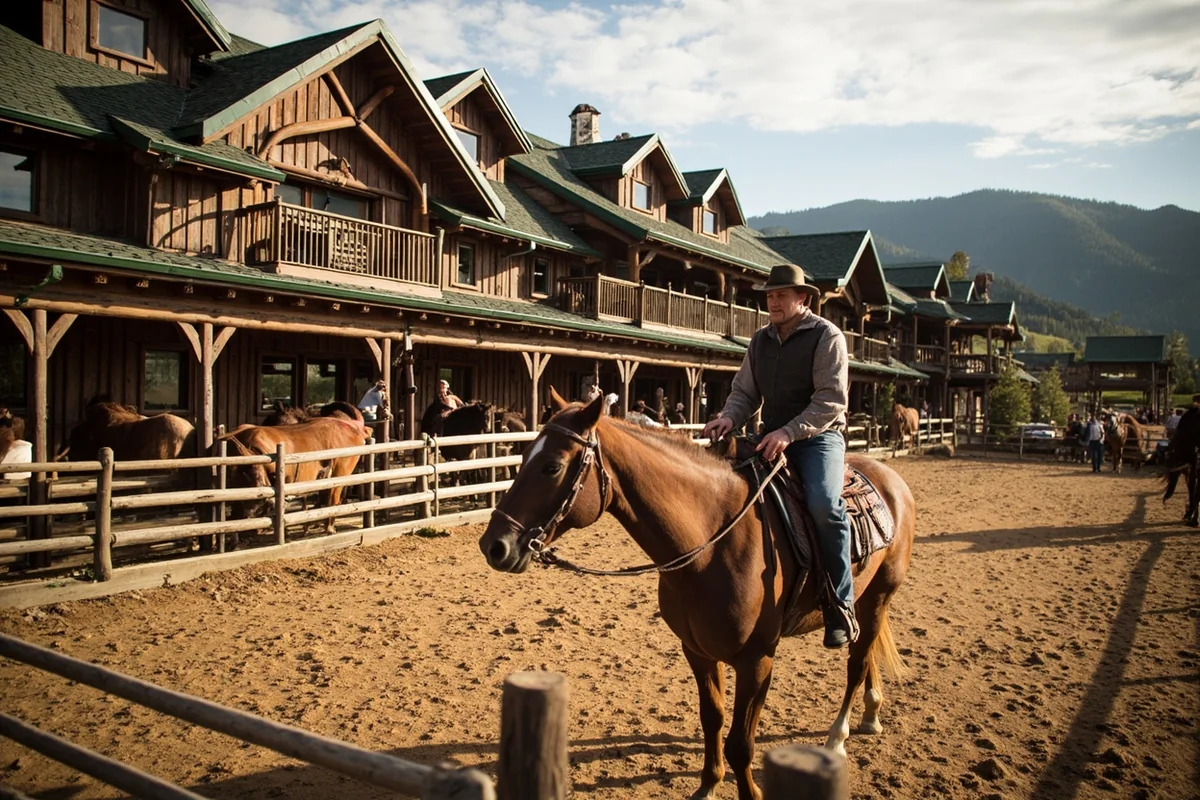
These represent Montana at its most authentic. When I spent a week at a working ranch near Augusta last summer, I understood why these packages command premium prices—and why they’re worth every dollar.
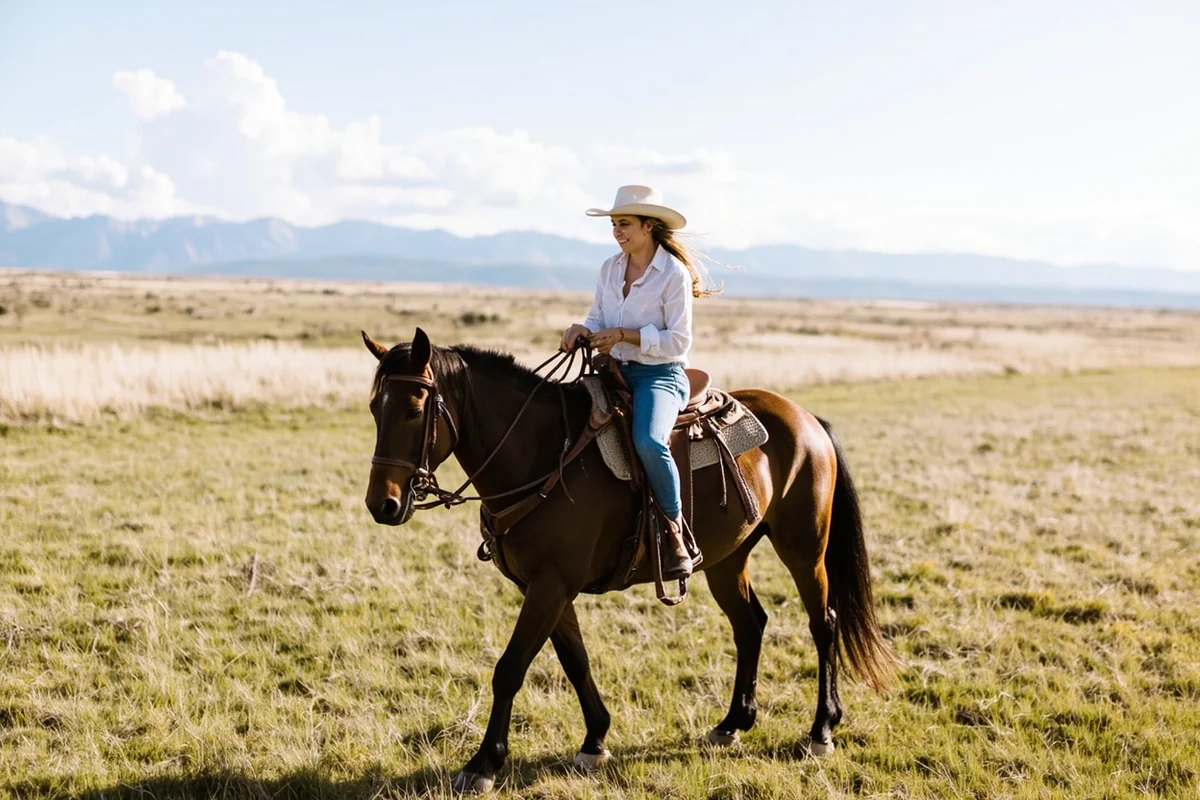
A true all-inclusive ranch package typically covers lodging in a private cabin, three meals daily prepared with local ingredients, unlimited horseback riding, fishing on private waters, and guided activities ranging from cattle drives to evening campfire programs. For couples seeking romance in the wilderness, a Montana couples ranch experience offers an unforgettable combination of adventure and intimacy.
The pricing structure surprised me initially. Most ranches quote per-person rates rather than room rates, which seems expensive until you realize you’re paying for experiences rather than just accommodation.
Expect to pay between $350-$600 per person per night at established ranches like Triple Creek Ranch, The Resort at Paws Up, or Lone Mountain Ranch. More rustic operations—often family-run and equally wonderful—range from $200-$350 per person per night.
Glacier National Park Gateway Packages
The lodges surrounding Glacier offer packages that solve the park’s biggest challenge: timing. Going-to-the-Sun Road typically opens mid-June and closes in mid-October, and peak summer brings crowds that require strategic planning.
I’ve stayed at several properties offering Glacier packages. The Lodge at Whitefish Lake offers summer packages combining lakefront accommodation with guided park tours, while more budget-conscious options in Columbia Falls bundle multiple nights with activity credits.
What I’ve learned: the best Glacier packages include either a Red Bus tour or boat tour across St. Mary or Two Medicine Lake. These experiences sell out weeks in advance during summer, and having them pre-booked through a package eliminates that stress.
Yellowstone Northern Entrance Packages
Gardiner and the Paradise Valley corridor offer distinct Montana flavor compared to entering Yellowstone from Wyoming. Packages here emphasize the Montana experience—fly fishing on the Yellowstone River, wildlife watching in the Lamar Valley, and soaking in natural hot springs.
During my October visit to Chico Hot Springs Resort, their fall package included two nights, unlimited hot springs access, a wildlife safari, and dinner at their exceptional restaurant. The total came to $485 for two people—a steal considering the individual costs.
Ski and Winter Adventure Packages
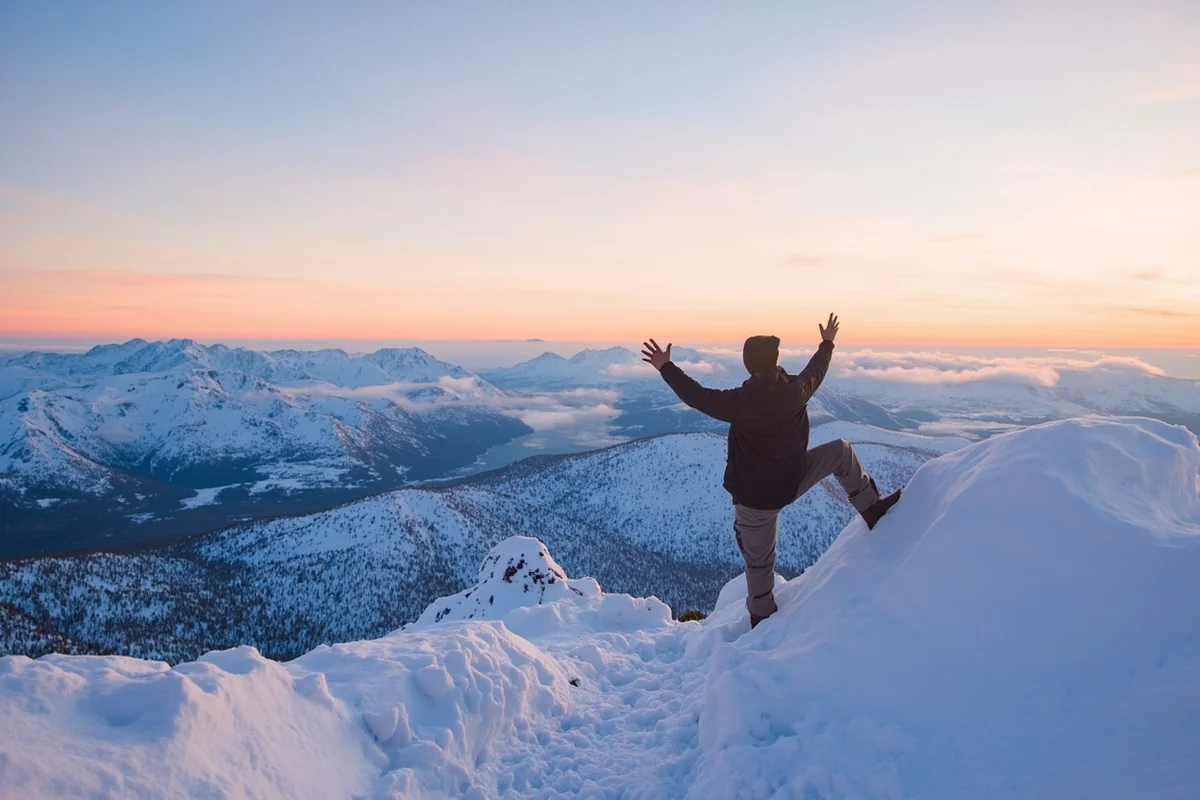
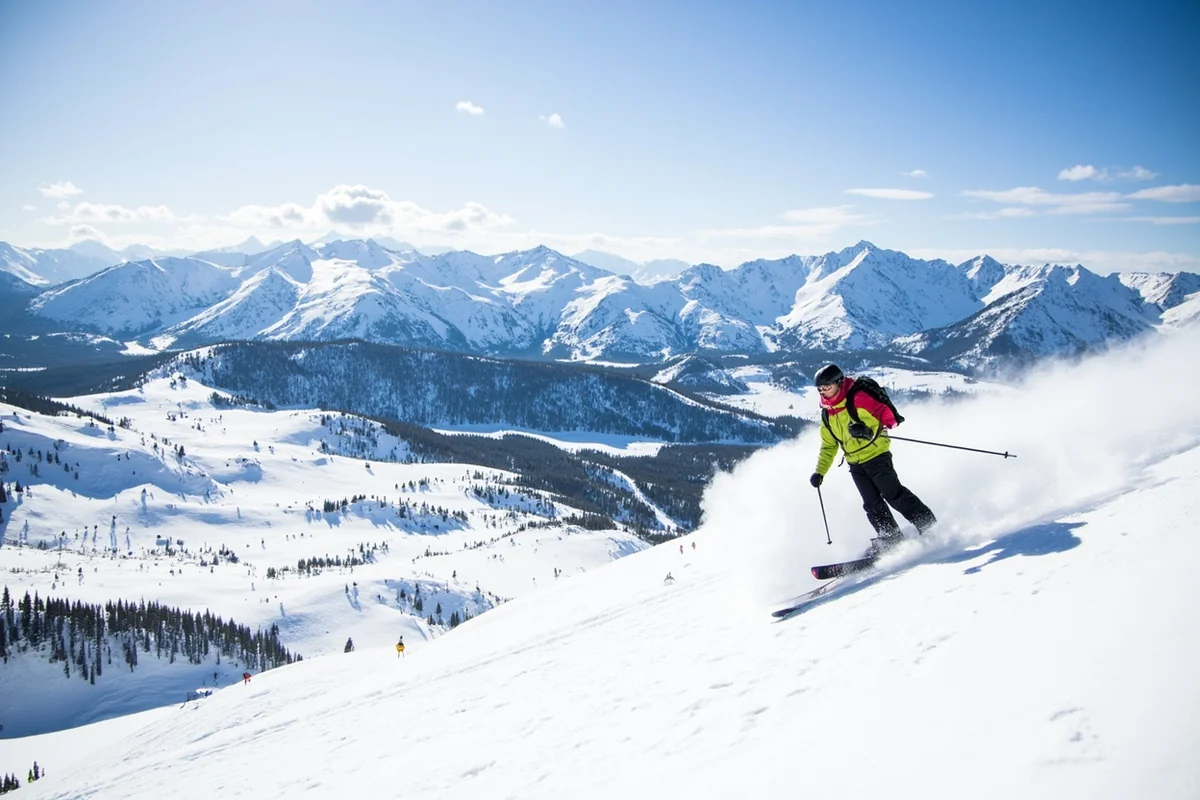
Big Sky Resort has transformed Montana’s winter tourism with packages that rival Colorado’s offerings while maintaining smaller crowds. When I skied there in February, I booked a four-night package through the resort directly that included lodging at Huntley Lodge, lift tickets, and equipment rental.
The math worked beautifully: individual lift tickets run $200+ per day during peak periods. My package averaged $287 per night total, including skiing. That’s nearly impossible to beat booking separately.
Whitefish Mountain Resort offers similar value with more of a local, laid-back vibe. Their packages often include free skiing for kids, making them ideal for families following a comprehensive guide to Montana family vacations.
How to Find the Best Montana Vacation Package Deals
After years of booking Montana trips, I’ve developed a system that consistently finds exceptional values. Here’s exactly what works.
Book Directly with Properties—Usually
Third-party booking sites rarely offer the best Montana vacation packages. Properties here are often family-owned or boutique operations that reserve their best inclusions for direct bookings.
When I called Flathead Lake Lodge to book last year, they offered a shoulder-season promotion with complimentary paddleboard rentals and a sunset cruise that wasn’t advertised anywhere online. That personal connection matters here.
The exception: airline vacation packages through carriers like Alaska Airlines or United can offer genuine savings when you need flights bundled with lodging. I saved $300 on an Alaska Airlines package to Bozeman that included car rental.
Target Shoulder Seasons for Maximum Value
Montana’s shoulder seasons—late May, early June, September, and early October—offer the sweet spot between crowds, weather, and pricing.
I visited Glacier in the third week of September two years ago. The crowds had thinned by 60%, fall colors were emerging in the valleys, and my lodge package was discounted 25% from peak summer rates. The Going-to-the-Sun Road was still open, and I had many of the iconic viewpoints nearly to myself.
For winter packages, January (after the holidays) and March offer similar advantages. Crowds thin, snow conditions remain excellent, and resorts compete for bookings with added perks.
Join Mailing Lists Early
This tip sounds basic, but it’s genuinely valuable for Montana planning. I signed up for newsletters from The Ranch at Rock Creek, Big Sky Resort, and Glacier National Park lodges two years before I could afford to visit. When I was finally ready to book, I’d accumulated discount codes and early-access notifications that saved over $500.
Properties like The Resort at Paws Up occasionally email flash sales to subscribers that never appear publicly. During shoulder seasons, these can mean 30-40% off standard rates.
Specialized Montana Vacation Packages
Beyond the mainstream offerings, Montana’s tourism operators have developed remarkably specific packages that cater to particular interests.
Fly Fishing Packages
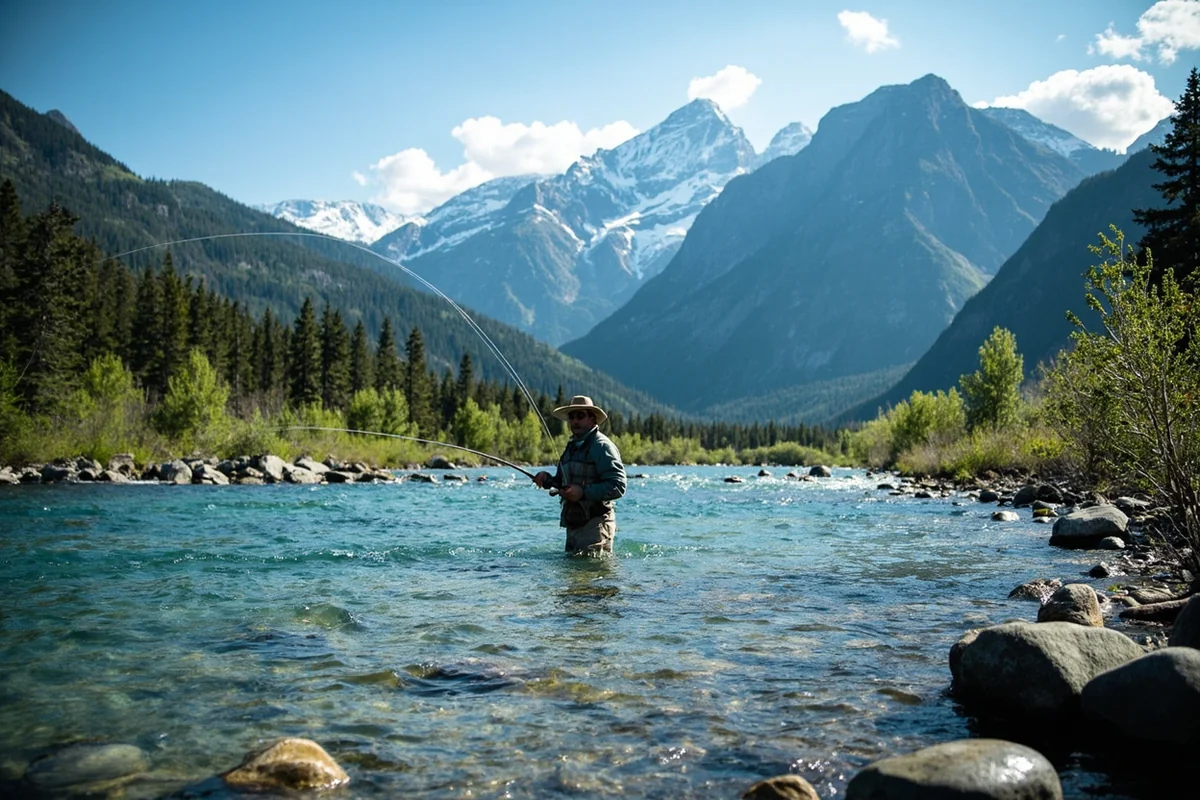
Montana’s reputation as fly fishing’s holy grail means exceptional guided packages exist throughout the state. The Yellowstone, Missouri, Madison, and Blackfoot Rivers each offer distinct experiences with lodges specializing in multi-day packages.
When I booked a three-day package through a Missouri River outfitter near Craig, it included guided float trips with local experts who knew every hole and hatch, comfortable lodge accommodation, all meals, and flies and tackle. The guides’ knowledge—accumulated over decades on these waters—simply cannot be replicated by fishing independently.
Expect to pay $600-$1,200 per day for premium guided fishing packages. Budget options exist through smaller outfitters, typically ranging $400-$600 per day including lodging.
Photography Tour Packages
These have become increasingly popular, and for good reason. Montana’s landscapes challenge even experienced photographers with their scale and lighting conditions.
I joined a five-day Glacier photography workshop last August that included instruction, lodging, park transportation, and access to locations during optimal light conditions. The guide knew precisely when and where to position us for shots that would have taken me years of solo visits to discover.
The best photography packages coordinate with astronomical events—meteor showers, full moons over specific landscapes—and time visits to wildlife hotspots based on seasonal patterns.
Wellness and Retreat Packages
Montana’s wilderness setting has attracted high-end wellness operators offering packages combining outdoor adventure with spa services, yoga, meditation, and farm-to-table cuisine.
The Ranch at Rock Creek pioneered this category with packages including everything from archery to mountain biking alongside massage therapy and wellness programming. More accessible options exist at smaller properties like Feathered Pipe Ranch near Helena, where week-long yoga retreats include lodging and vegetarian meals.
Planning Your Montana Package Vacation: Practical Considerations
Having booked dozens of Montana packages over the years, I’ve learned what separates successful trips from frustrating ones.
When to Book
This varies dramatically by season and package type:
- Peak summer (July-August): Book 6-8 months ahead for popular destinations. Glacier-area lodges fill by February for summer dates.
- Dude ranch packages: Many ranches have repeat guests who book a year in advance. Contact properties 9-12 months ahead for peak season.
- Winter ski packages: Book 2-3 months ahead for best selection. Holiday weeks require 4-6 months advance planning.
- Shoulder seasons: 4-6 weeks notice often suffices, though better rates come with earlier booking.
For those venturing out alone, a Montana solo travel guide can help determine which packages accommodate individual travelers without single supplements.
What’s Usually Included (and What’s Not)
Montana packages vary widely in their inclusions. Here’s what I’ve found typical:
Usually included in all-inclusive ranch packages:
- Private cabin or lodge room accommodation
- Three meals daily plus snacks
- Horseback riding (sometimes with limits)
- Basic activities: hiking, fishing equipment, recreational facilities
- Airport transfers from nearby airports
Often extra, even in “all-inclusive” packages:
- Alcoholic beverages (except at true luxury properties)
- Spa services
- Private guided excursions
- Off-property tours
- Gratuities for staff
Read the fine print carefully. When I booked what I thought was an all-inclusive package at a Flathead Lake property, I discovered that boat rentals, spa treatments, and wines cost extra—adding nearly $400 to my final bill.
Transportation Realities
Montana’s size catches many visitors off-guard. Major airports in Bozeman, Missoula, Kalispell, and Billings each serve different regions, and choosing the wrong one can mean hours of unnecessary driving.
Most packages do not include car rental, though some luxury ranches provide airport transfers. For Glacier packages, fly into Kalispell (Glacier Park International Airport). For Yellowstone-focused trips, Bozeman Yellowstone International is your best bet. Big Sky packages sometimes shuttle from Bozeman airport.
I strongly recommend renting a vehicle even when packages include some transportation. Montana rewards spontaneous exploration, and having flexibility to chase a wildlife sighting or discover one of the state’s hidden gems in Montana transforms good trips into memorable ones.
Montana Package Options by Budget
Let me break down realistic expectations across budget categories based on my direct experience.
Budget: Under $200/Person/Night
Genuine all-inclusive packages at this price point are rare, but value options exist:
Smaller family-run dude ranches in less famous regions—particularly central Montana near Lewistown or the Hi-Line area—offer authentic ranch experiences without luxury price tags. During a stay at a working cattle ranch near White Sulphur Springs, I paid $175/night including meals, horseback riding, and participation in actual ranch work. The accommodations were rustic but comfortable, and the experience was utterly genuine.
Ski packages at smaller resorts like Discovery Basin, Lost Trail, or Great Divide bundle lift tickets and basic lodging for under $200/night. These mountains lack Big Sky’s terrain variety but offer exceptional value and minimal crowds.
Hostel-based packages in Whitefish combine dormitory or private room lodging with activity credits and shuttles to hiking trailheads. I’ve seen week-long options under $800 total.
Mid-Range: $200-$400/Person/Night
This category offers the broadest selection and, in my experience, the best value.
Established dude ranches like JJJ Wilderness Ranch near Augusta or the Covered Wagon Ranch near Gallatin Gateway provide refined experiences without ultra-luxury pricing. Private cabins, excellent food, and comprehensive activity programming make these properties exceptional value.
Glacier Park lodges operated by Pursuit (formerly Glacier Park, Inc.) offer packages combining historic lodge accommodation with activity options. I stayed at Many Glacier Hotel through a mid-week package and paid $320/night for an experience that felt far more valuable.
Boutique properties throughout Montana increasingly offer curated packages at this level. The Mountain Sky Guest Ranch near Emigrant, the 320 Guest Ranch along the Gallatin River—these represent Montana hospitality at its finest.
Luxury: $400-$800+/Person/Night
Montana’s luxury ranch packages have gained international recognition, and having experienced several, I understand the appeal.
Triple Creek Ranch near Darby consistently ranks among America’s finest resorts. Their all-inclusive packages include everything—premium wines, private activities, gourmet cuisine—without nickel-and-diming. I visited for a long weekend, and while the cost was significant, the experience was genuinely flawless.
The Resort at Paws Up near Greenough invented the term “glamping” and offers packages ranging from luxury tents to multi-bedroom homes. Activities span from cattle drives to sporting clays, and the property’s scale (37,000 acres) means true wilderness immersion.
For couples celebrating special occasions, a Montana honeymoon package at one of these properties creates memories that justify the investment.
Building Your Own Package Alternative
Sometimes the perfect package doesn’t exist for your specific interests. Here’s how I approach creating a custom Montana vacation.
Combining Multiple Properties
Montana’s regions each offer distinct experiences. Rather than settling for a single-location package, consider building an itinerary that samples multiple areas.
During one memorable trip, I combined three nights at a guest ranch near Yellowstone with four nights in a vacation rental near Glacier, booking activities separately at each location. This approach cost roughly the same as a single-property all-inclusive but delivered far more variety.
If you’re planning an extended trip with family, a structured 10-day Montana family vacation itinerary can help balance rest with adventure across multiple destinations.
Activity-First Planning
Identify your must-do experiences, then build lodging around them. If fly fishing is your priority, book your guided days first, then find nearby accommodation. If viewing wolves in Yellowstone tops your list, secure a Lamar Valley tour, then choose lodging in Gardiner or Cooke City.
This inverted approach often reveals smaller operators and boutique properties that don’t market traditional packages but offer excellent value.
Working with Travel Specialists
Montana-specific travel advisors have proliferated in recent years, and the good ones earn their fees. I’ve worked with specialists who saved me significant money while accessing experiences I wouldn’t have known existed.
Look for advisors certified through Travel Montana (the state’s tourism office) or those with demonstrated Montana expertise. Avoid generic travel agents who simply search the same websites you can access.
Avoiding Common Montana Package Mistakes
I’ve made most of these errors myself. Learn from my experiences.
Underestimating Distances
A package advertising “near Glacier National Park” might actually be two hours from Going-to-the-Sun Road. I once booked what seemed like an ideal Yellowstone package only to discover the ranch was over 90 minutes from the park’s north entrance, making day trips exhausting.
Always map actual drive times before booking. Montana’s scenic beauty makes driving pleasant, but morning wildlife viewing requires predawn departures—calculate whether your lodging location allows that realistically.
Overestimating Activity Capacity
Montana’s altitude, wilderness terrain, and sensory richness tire visitors more than expected. Packages cramming activities into every hour sound appealing but often leave guests exhausted by day three.
The best packages I’ve experienced build in flex time—afternoons free for napping, reading, or spontaneous exploration. When booking, look for programs allowing personal choice rather than rigid schedules.
Ignoring Weather Realities
Montana weather changes rapidly and dramatically. Snow can fall any month in the mountains. Smoke from regional wildfires sometimes impacts summer visibility. Packages with strict activity schedules may not accommodate weather disruptions.
Look for packages with flexible rescheduling policies and backup activity options. The ranch I visited last September smoothly shifted outdoor activities when an unexpected cold front arrived, but not all operators plan as carefully.
Forgetting Cell Coverage
Many Montana package properties advertise their remoteness as a feature—and it is, mostly. But if you need reliable connectivity for work or emergencies, verify coverage before booking.
I’ve stayed at ranches with zero cell signal for five days. For some travelers, that’s paradise. For others, it creates problems. Know what you’re signing up for.
The LGBTQ+ community should also research specific property policies; a gay and lesbian travel guide for Big Sky City can help identify welcoming properties and destinations.
Seasonal Considerations for Montana Packages
Each Montana season offers distinct package options, and choosing the right timing dramatically impacts your experience.
Summer (June-August)
Peak season brings the widest package selection but also highest prices and largest crowds. National park roads are fully open, dude ranches operate at capacity, and nearly every activity is available.
I recommend booking summer packages for first-time Montana visitors who want to maximize options. The longer days (Montana gets 16+ hours of daylight in June) allow packed itineraries, and wildflower blooms transform meadows and alpine zones.
Fall (September-October)
My personal favorite season for Montana travel. Packages are discounted, crowds vanish, and wildlife activity intensifies as animals prepare for winter. Elk bugling in September and bear activity before hibernation create unmatched viewing opportunities.
Fall packages often include hunting options—both guided big game hunts and upland bird hunting. If that’s not your interest, confirm any package you’re considering focuses on non-hunting activities.
Winter (December-March)
Ski packages dominate, but winter alternatives are expanding. Snowmobile tours, dog sledding, cross-country skiing, and wildlife tracking through snow create memorable experiences.
I spent a February week at a Yellowstone-area lodge with a winter package focused on wolf watching and hot springs. The crowds that choke the park in summer were entirely absent, and watching wolves hunt through crystalline air remains among my most treasured memories.
Spring (April-May)
Montana’s “mud season” offers the best deals but comes with caveats. Many mountain roads remain closed, including Going-to-the-Sun Road. Rivers run high with snowmelt—great for rafting, challenging for fishing.
Properties operating spring packages understand these limitations and program accordingly. Lower-elevation hikes, wildlife babies, and dramatically reduced rates attract visitors willing to trade some flexibility for value.
Making the Most of Your Montana Package
Even the best package succeeds or fails based on how you engage with it. Here’s advice I wish someone had given me before my first Montana trip.
Arrive Prepared
Montana packages assume a baseline fitness level and wilderness readiness. Bring layers for dramatic temperature swings (40-degree mornings to 85-degree afternoons are normal in summer), broken-in hiking boots, and sun protection adequate for high altitude.
Most packages provide equipment for included activities, but verify specifics. Bringing your own fly rod to a fishing-focused ranch, for example, ensures you’re comfortable with the equipment during guided sessions.
Engage with Staff
The wranglers, guides, and staff at Montana properties often possess generations of local knowledge. On every trip, I make a point to ask open-ended questions during activities: “What’s the most interesting wildlife encounter you’ve had this season?” or “Where do you go on your days off?”
These conversations have led me to swimming holes, viewpoints, and dining spots that no guidebook covers.
Build in Buffer Days
Arrive a day before your package begins and stay a day after it ends when possible. This approach prevents travel delays from eating into expensive package days and allows decompression before returning to regular life.
On my last ranch vacation, I spent the arrival day exploring the nearby town and the departure day slowly driving toward the airport, stopping at roadside attractions. These buffer days cost a fraction of package rates but enhanced the overall experience significantly.
For those seeking additional adventure ideas beyond standard packages, Big Sky adventures await throughout this magnificent state.
Final Thoughts on Montana Vacation Packages
After nearly a decade of Montana travel, I remain convinced that well-chosen vacation packages offer the best introduction to this state’s wonders. The logistical complexity of Montana—vast distances, seasonal constraints, and the depth of local knowledge required for optimal experiences—makes professional curation genuinely valuable.
The key lies in matching package style to your priorities. Adventure seekers should look for activity-intensive dude ranch experiences. Those craving relaxation might choose lodge packages with flexible programming. Families benefit from properties designed for multi-generational engagement. And budget-conscious travelers can find authentic Montana experiences at smaller, lesser-known operations.
Whatever you choose, Montana rewards travelers who come prepared, stay present, and remain open to the unexpected. The best moments I’ve experienced here—a bald eagle dive-bombing the river during a guided float, a sunset thunderstorm illuminating the Spanish Peaks, a ranch horse nuzzling my shoulder after a long trail ride—weren’t scheduled in any package. They emerged from being in the right place, properly prepared, with time to notice.
That’s what a good Montana vacation package provides: the framework for extraordinary experiences to find you.
Frequently Asked Questions
What’s included in most Montana vacation packages and are they worth the cost?
Most Montana vacation packages bundle lodging, guided activities like fly fishing or horseback riding, and sometimes meals for $200-$500 per person per day depending on the season and luxury level. I’ve found packages save 15-25% compared to booking everything separately, plus they handle the logistics of coordinating activities in remote areas where cell service is spotty.
When is the best time to book an all-inclusive Montana ranch vacation?
The sweet spot for Montana ranch vacations is mid-June through early September when weather is warmest and all trails are accessible. I recommend booking 4-6 months in advance for peak summer dates, as popular guest ranches near Yellowstone and Glacier fill up fast. Shoulder seasons in May and October offer discounts of 20-30% with fewer crowds.
How much should I budget for a week-long Montana vacation package for a family of four?
A mid-range Montana family vacation package typically runs $4,000-$7,000 for a week, covering cabin lodging, 2-3 guided excursions, and some meals. Budget an extra $800-$1,200 for flights into Bozeman or Missoula from most US cities, plus $400-$600 for a rental SUV since attractions are often 50-100 miles apart.
What should I pack for a Montana adventure vacation package?
Layer everything since Montana temperatures can swing 40 degrees in a single day, even in summer. I always bring sturdy hiking boots, a waterproof jacket, sunscreen, bear spray if hiking outside guided groups, and binoculars for wildlife spotting. Most outfitters provide specialized gear like fishing waders or riding helmets, but confirm with your package provider before overpacking.
Are Montana ski vacation packages cheaper than booking Bozeman or Whitefish lodging separately?
Montana ski packages at Big Sky or Whitefish Mountain typically save you $50-$100 per day compared to separate bookings, especially when they include lift tickets and slope-side lodging. I’ve scored the best deals booking ski-and-stay packages directly through resort websites in early November, often with added perks like free equipment rentals or dining credits.
How far in advance should I book a Yellowstone and Glacier National Park combination package?
Book your dual-park Montana package at least 6-8 months ahead for summer travel since park lodges and nearby accommodations sell out incredibly fast. The parks are about 340 miles apart, so most packages include 3-4 nights at each location with a scenic driving day between them. Last-minute availability does pop up in April for summer dates, but selection is extremely limited.
Do Montana fly fishing vacation packages provide equipment and guides for beginners?
Yes, nearly all Montana fly fishing packages include top-quality rods, waders, and flies along with experienced guides who’ll teach casting basics on legendary rivers like the Madison or Blackfoot. Most 3-day guided packages run $1,500-$2,500 per angler and accommodate complete beginners alongside experienced anglers. I’d recommend starting with a half-day float trip to build confidence before wading into faster currents.
Sources