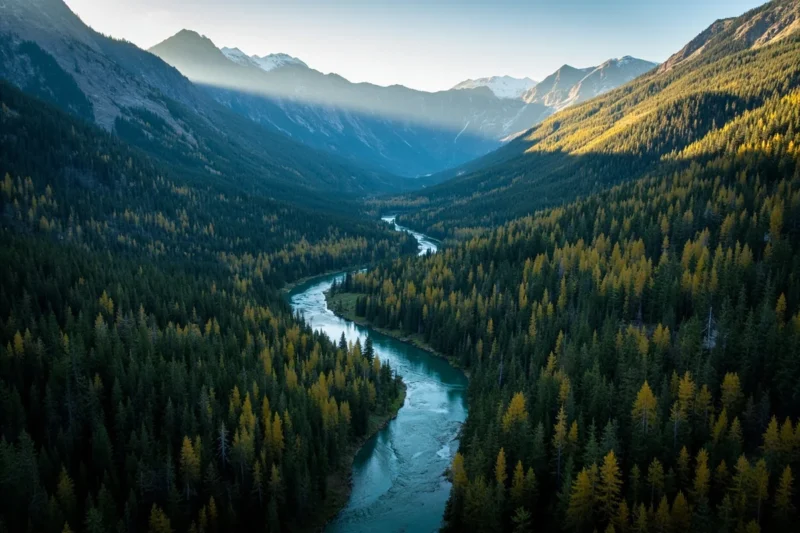
The first time I cut the engine on Flathead Lake and let my boat drift into absolute silence, I understood why Montana calls itself Big Sky Country—the reflection of those endless clouds on 200 square miles of crystal-clear water made me feel like I was floating through the sky itself.
That moment hooked me on Montana boating, and over the past seven years, I’ve launched on dozens of lakes and rivers across the state, discovering everything from secluded alpine waters accessible only by trail to massive reservoirs buzzing with summer activity.
If you’re planning to explore Montana outdoor activities on the water, this guide covers everything I’ve learned through trial, error, and countless unforgettable days on Montana’s waterways.
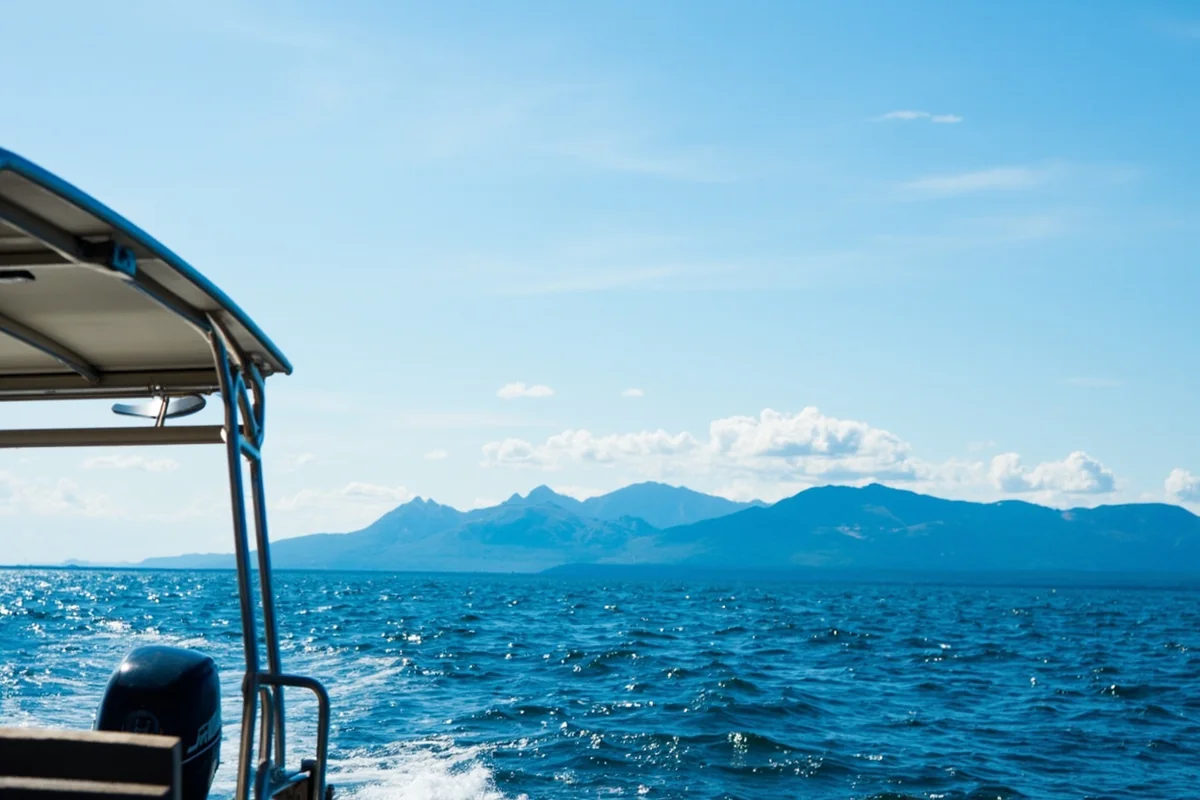
- Flathead Lake is Montana’s crown jewel for boating—arrive before 9 AM on summer weekends to secure parking at popular launches
- Aquatic Invasive Species (AIS) inspections are mandatory; plan 15-30 minutes at inspection stations
- Canyon Ferry, Fort Peck, and Hungry Horse offer excellent alternatives with fewer crowds
- Best boating season runs late May through September, with July-August warmest for swimming
- High-altitude lakes like Seeley and Holland require extra awareness of sudden weather changes
- Boat rentals are available at most major lakes, typically $300-600/day for pontoons and ski boats
Liked this article?
Add Roaming Montana as a preferred source so you see more of our articles and guides on Google.
Why Montana Boating Is Unlike Anywhere Else
Montana isn’t usually the first state that comes to mind for boating, but that’s precisely what makes it special. While coastal states and the Great Lakes region draw millions of boaters annually, Montana offers something increasingly rare: uncrowded waters surrounded by genuine wilderness.
During my visit to Fort Peck Lake last August, I spent an entire afternoon exploring a canyon arm without seeing another vessel. That kind of solitude simply doesn’t exist at most popular boating destinations in America anymore.
The variety of waterways here also sets Montana apart. You can trailer your boat to a massive prairie reservoir one weekend and a mountain-ringed glacial lake the next, each offering completely different scenery and experiences.
What surprised me most during my early trips was the water quality. Many Montana lakes, particularly those in the western mountains, have visibility exceeding 30 feet. On Flathead Lake, I’ve watched my anchor sink to the bottom at depths that would be pitch black in most other states.
The Must-Visit Boating Destinations
Flathead Lake: Montana’s Boating Crown Jewel
I’ll be direct—if you only boat one Montana lake, make it Flathead. As the largest natural freshwater lake west of the Mississippi, Flathead offers 185 miles of shoreline and that legendary clarity that photographs simply can’t capture.
On a recent trip last June, I launched from Somers and spent the day exploring Wild Horse Island, a state park accessible only by boat. We anchored in a protected cove, kayaked to shore, and watched bighorn sheep grazing just 50 yards from the waterline.
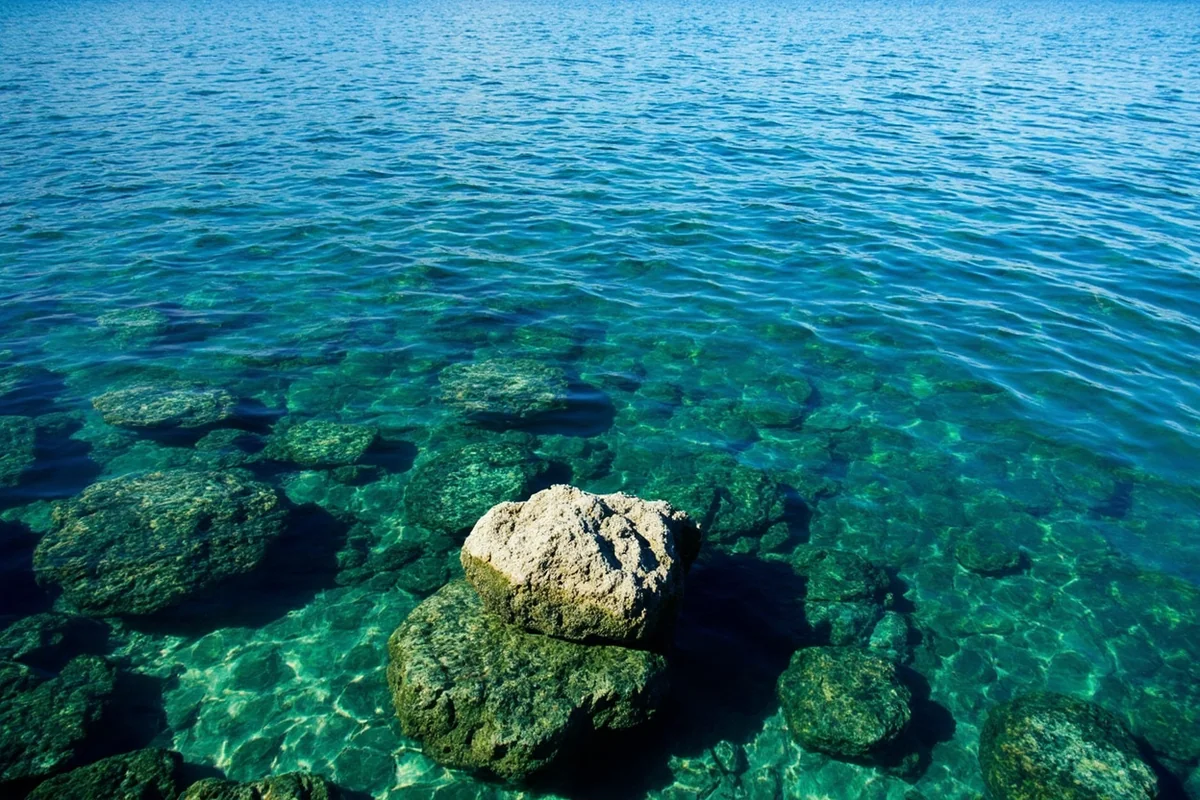
The lake has several distinct personalities depending on where you go. The southern end near Polson tends to be warmer and more developed, with easy access to restaurants and services. The northern half feels more wild, with towering mountains pressing close to the shoreline.
My favorite launch is Wayfarers State Park on the east shore. The facility is well-maintained, the parking handles larger rigs comfortably, and you’re positioned perfectly to explore the quieter eastern shoreline.
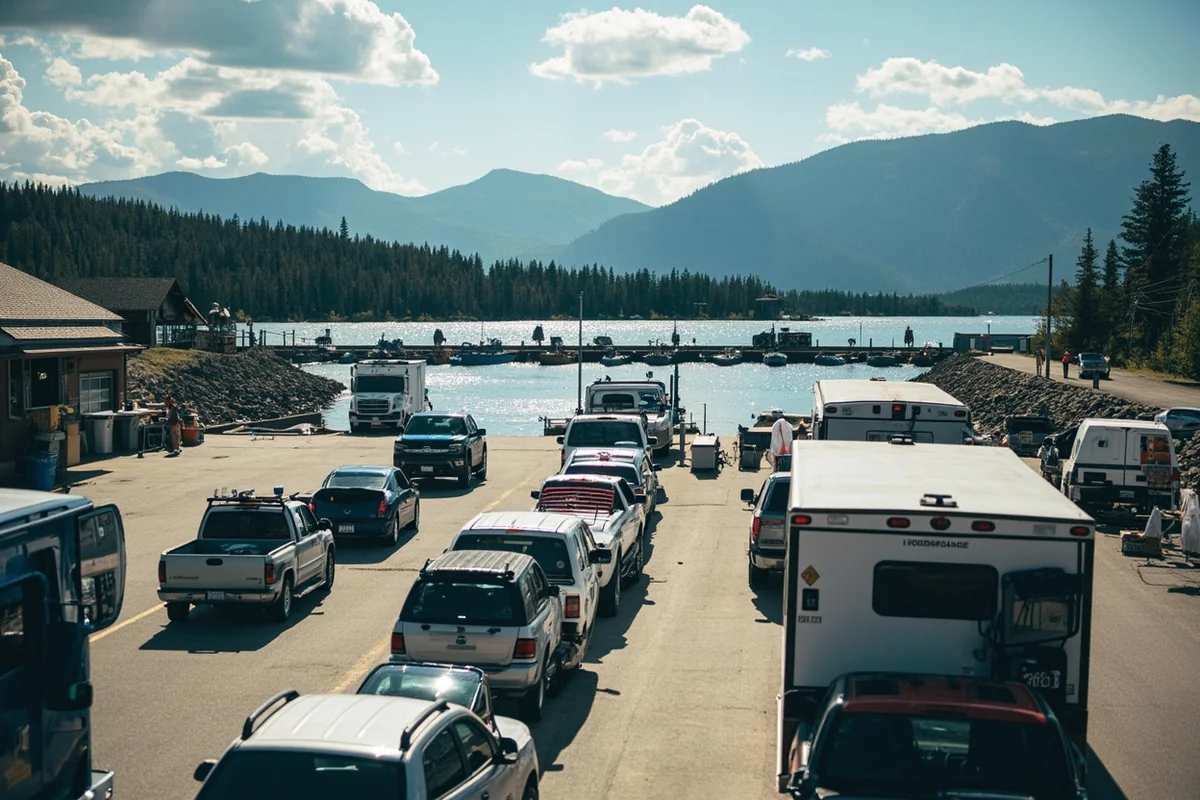
However, I need to share an honest observation: Flathead gets crowded on summer weekends. Really crowded. I learned the hard way that arriving at Big Arm after 10 AM on a July Saturday means circling the parking lot for 45 minutes.
Canyon Ferry Lake: The Local Favorite
Just 20 miles east of Helena, Canyon Ferry became my go-to destination for quick weekend trips when I was based in central Montana. This 25-mile-long reservoir doesn’t have Flathead’s fame, but it has something equally valuable: consistent conditions and excellent infrastructure.
What I appreciate about Canyon Ferry is the predictability. The wind typically picks up in the afternoon, creating perfect conditions for sailing and windsurfing. Mornings are usually calm—ideal for fishing or leisurely cruising.
The Kim’s Marina area on the west shore became my preferred spot. The launch is wide enough that even nervous first-timers can back down without drama, and the nearby café serves surprisingly good breakfast burritos while you wait for your turn.
During my last summer trip, I discovered that the southern end near the dam offers the most protected water when afternoon winds kick up. If you’re bringing kids or inexperienced boaters, head south when the whitecaps start appearing.
Fort Peck Lake: Eastern Montana’s Hidden Giant
Fort Peck rarely makes national boating lists, which is a shame because this 245,000-acre reservoir is genuinely massive—it has more shoreline than the entire California coast. I drove five hours from Missoula to experience it, and I’d do it again tomorrow.
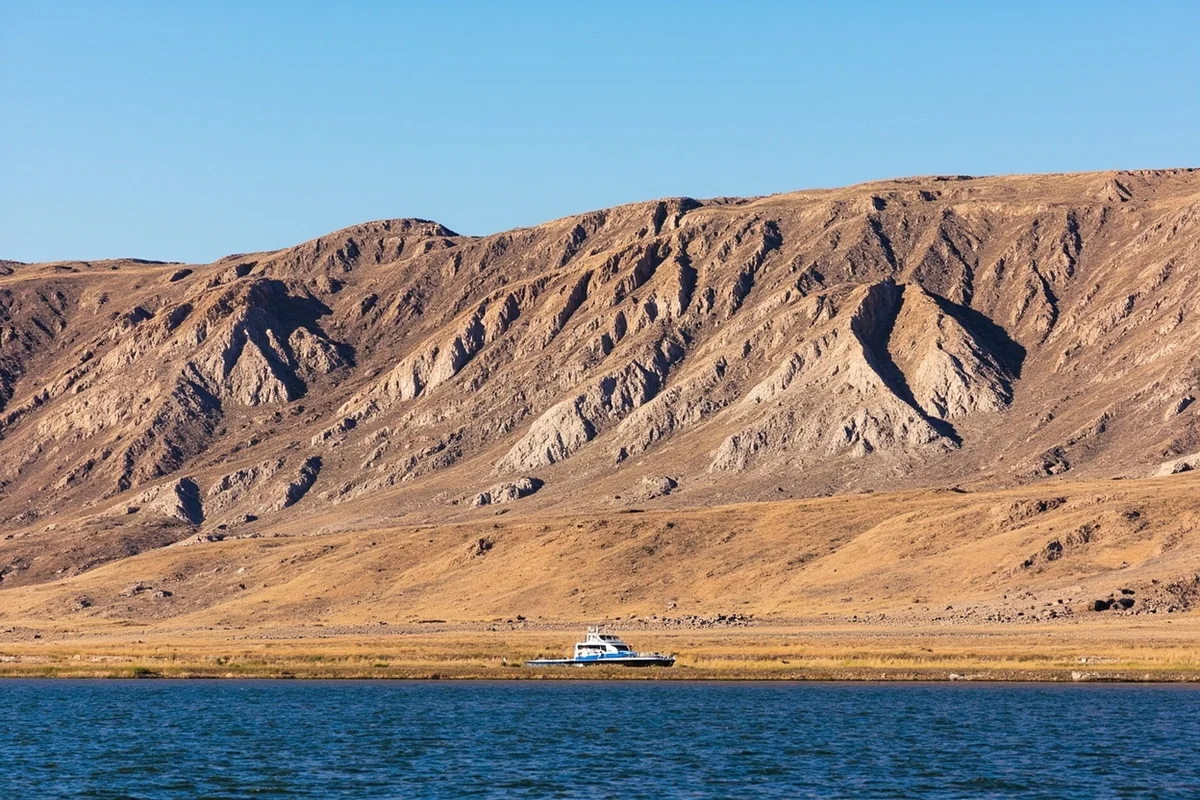
The landscape here is completely different from western Montana. Instead of forested mountains, you’re surrounded by badlands, prairie breaks, and vast open skies. It feels more like Lake Powell dropped into Montana’s eastern plains.
When I was there in late July, I explored the Missouri River arm and found incredible fishing in submerged timber that creates perfect habitat for walleye and smallmouth bass. We caught enough walleye for a shore lunch on a sandy beach without another boat in sight.
The downside? Services are scattered and distances are substantial. I learned to fill my fuel tank in Glasgow before launching and to pack everything I might need—running back to town isn’t a quick errand here.
Hungry Horse Reservoir: The Wilderness Experience
If Flathead feels too civilized for your taste, Hungry Horse delivers the wild Montana experience. This long, narrow reservoir stretches into the heart of the Flathead National Forest, with virtually no development along its 34-mile length.
I spent four days camping at a boat-access-only site on Hungry Horse during a trip two summers ago. Each morning, I’d launch before sunrise and have the entire lake to myself until mid-morning. The silence was profound—just water, wind, and occasional birdsong.
The water is noticeably colder here than at lower-elevation lakes, fed by snowmelt from the surrounding peaks well into summer. I’d recommend wet suits for waterskiing, even in August.
Navigation requires attention at Hungry Horse. The reservoir has numerous submerged hazards, especially in the upper reaches where old stumps and debris lurk below the surface. I run at reduced speeds in unfamiliar areas and keep a sharp lookout.
Seeley Lake: The Family-Friendly Choice
Seeley Lake hits a sweet spot that makes it my top recommendation for families and casual boaters. Small enough to feel manageable but large enough to explore, it offers a friendly atmosphere without the intensity of larger waters.
The town of Seeley Lake itself adds to the appeal. When I brought my nephew here on his first boating trip last summer, we could dock at the town launch, walk to the ice cream shop, and be back on the water in 20 minutes.
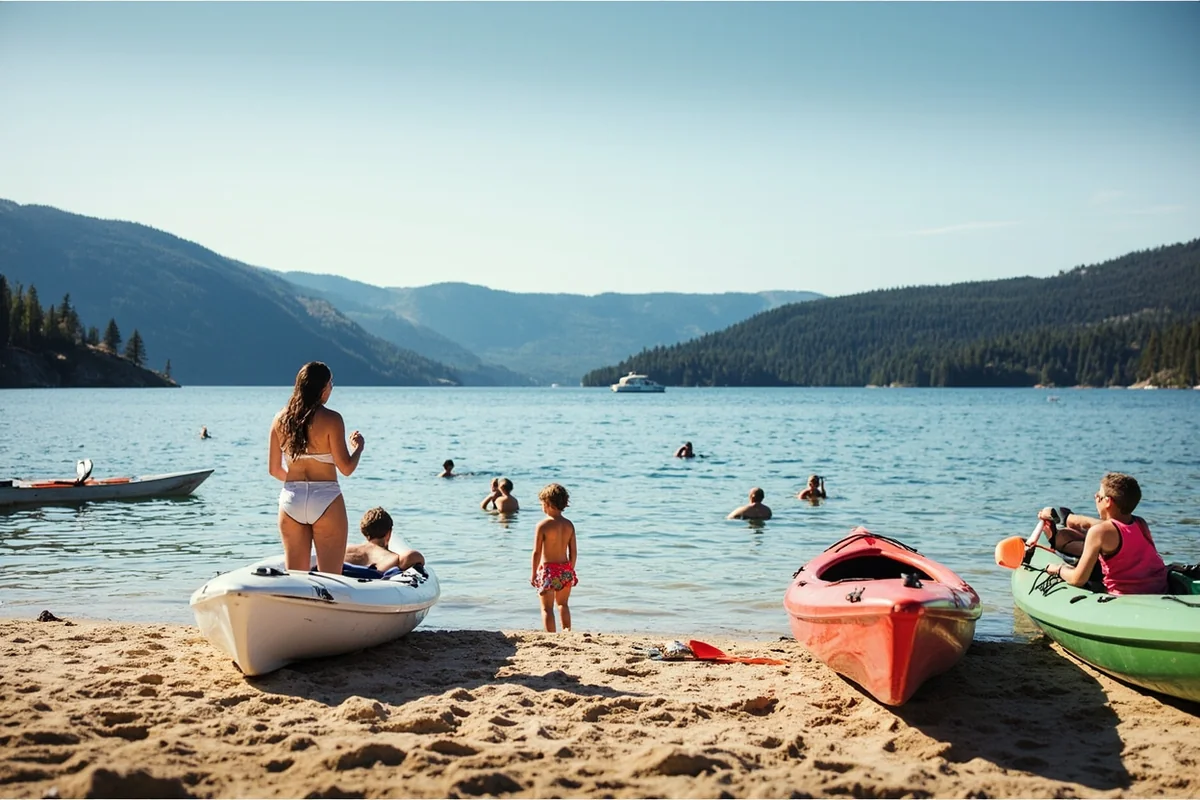
Water temperatures reach swimmable levels earlier here than at most mountain lakes, typically comfortable by late June. The gradual shoreline in several areas creates perfect wading spots for young children.
Montana’s River Boating Opportunities
Lake boating dominates most conversations, but Montana’s rivers offer experiences you simply can’t replicate on still water. I’ve floated sections of the Missouri, Yellowstone, Clark Fork, and Flathead Rivers, each with distinct characteristics.
The Missouri River: America’s Original Highway
Float the Wild and Scenic section of the Missouri below Fort Benton, and you’re traveling the same route Lewis and Clark paddled in 1805. The white cliffs rising 300 feet above the river create a canyon-like atmosphere unique in Montana.
I completed this 47-mile float over three days last September, camping on gravel bars under cottonwood trees. Jet boats make the trip in hours, but I’d argue you’re missing the point at that speed.
For motorized boats, the section from Great Falls to Fort Benton offers easier access and better facilities. The river here is wide and relatively gentle, perfect for casual cruising and fishing.
The Yellowstone River: Where Current Meets Scenery
The Yellowstone is the longest undammed river in the lower 48 states, and floating it feels appropriately wild. I’ve launched drift boats, rafts, and even a small inflatable several times between Livingston and Big Timber.
Pay attention to water levels—this is a runoff-fed river that changes dramatically between May and August. Spring runoff creates swift, powerful current that demands respect, while late summer flows can leave some sections barely navigable.
My honest advice: if you’re unfamiliar with river boating, hire an outfitter for your first trip. The Yellowstone has sweepers, braided channels, and inconsistent depths that catch inexperienced boaters off guard.
Practical Boating Information for Montana
AIS Inspections: The Mandatory Step
Montana takes aquatic invasive species seriously, and every boat entering Montana waters requires inspection. I’ve sat through probably 50 of these inspections over the years, and here’s what you need to know.
Inspection stations operate on major highways from May through October, typically 8 AM to 7 PM. If you cross the border with a boat, you must stop—it’s state law.
The inspection itself is straightforward. Technicians check your hull, live well, bilge, and any compartments that could hold water. If your boat is clean and dry, you’re through in 15 minutes.
The complication comes with decontamination. If your boat has been on waters with known invasive species (which includes most of the West), you’ll need a hot-water decontamination that can take an hour or more.
My strategy: drain everything thoroughly before traveling, remove all plugs, and let the boat dry completely for at least 48 hours. I’ve avoided decontamination delays every time with this approach.
Boat Registration and Permits
| Requirement | Details | Cost (2025) |
|---|---|---|
| Montana Boat Registration | Required for all motorized vessels and sailboats over 12 feet | $65-$120 depending on length |
| AIS Prevention Pass | Required for all motorized and non-motorized vessels | $15 (resident), $30 (non-resident) |
| State Park Launch Fee | Required at state park facilities | $8/day or $40/annual |
| Tribal Permits | Required for south half of Flathead Lake (Flathead Reservation) | $15/year for recreation |
Rental Options Throughout Montana
Not everyone wants to trailer a boat across the country, and Montana’s rental market has expanded significantly in recent years. Here’s what I’ve found at major destinations.
Flathead Lake has the most options, with several marinas offering pontoons, ski boats, and personal watercraft. Base Camp Rental in Polson consistently gets good reviews, and when I rented from them last year, the boat was well-maintained and the orientation was thorough.
Canyon Ferry has fewer options, but Kim’s Marina rents pontoons that are perfect for a day of fishing or cruising. Reserve at least two weeks ahead for summer weekends—I learned this after striking out on a spontaneous trip.
For something different, consider renting a houseboat on Fort Peck. Several operators offer multi-day rentals that let you explore this massive lake while living aboard. It’s on my list for next summer.
While water-based adventures dominate the summer, Montana offers equally diverse land activities worth exploring. If you’re looking for completely different thrills between boating days, Montana paintball adventures offer surprising variety across the state’s facilities.
Seasonal Considerations and Timing
Spring (May-June)
Early season boating in Montana requires flexibility. Ice-out varies dramatically by elevation and year—Flathead typically clears by late April, while higher lakes like Holland and Georgetown may hold ice into June.
I attempted to launch on Seeley Lake during Memorial Day weekend two years ago and found the upper boat launch still snow-covered. Check conditions before making the drive.
Water temperatures remain cold through June, typically in the 40s and 50s Fahrenheit. Full immersion without a wetsuit is a bad idea—cold water shock is a real danger that claims lives every year in Montana.
The upside of early season? Uncrowded waters. I’ve had Flathead Lake nearly to myself on June weekday mornings.
Summer (July-August)
Peak season brings the warmest water, the longest days, and the biggest crowds. Surface temperatures on lower-elevation lakes reach the 70s, making swimming actually pleasant.
Weather patterns become more predictable in summer, but afternoon thunderstorms remain common, especially in the mountains. I check radar obsessively between 2-6 PM and always have a plan for reaching sheltered water quickly.
This is when rental availability tightens and popular launches fill early. My rule: be at the ramp by 7 AM on Saturdays, or be prepared to wait.
Fall (September-October)
Shoulder season is arguably the best time for experienced boaters who don’t need warm swimming water. Crowds vanish, colors explode along shorelines, and fishing improves dramatically as water cools.
That Missouri River float I mentioned? September timing was intentional. The cottonwoods were turning gold, the air was crisp, and we saw exactly four other boats over three days.
Be aware that many rental operations and marinas close after Labor Day. Services become limited, so self-sufficiency matters more.
Safety Essentials for Montana Waters
Montana’s waters demand respect. This isn’t a criticism—it’s an honest assessment based on conditions I’ve experienced firsthand.
Weather Changes Rapidly
Mountain weather does its own thing, and it does it quickly. I’ve gone from calm, sunny conditions to 30-mph gusts and building whitecaps in under 20 minutes on Flathead Lake.
My personal protocol: check forecasts morning of, watch sky conditions constantly while on the water, and start heading in at the first sign of dark clouds building to the west.
Cold Water Is Serious
Even in August, most Montana lakes stay cold enough that extended immersion is dangerous. I always wear my life jacket on open water, not just when the law requires it.
This isn’t paranoid—it’s practical. A sudden capsize in 55-degree water gives you limited time to help yourself. A properly fitted PFD keeps you floating while you work through the shock.
Know Before You Go
Every lake has local hazards that won’t appear on maps. Submerged rocks, shallow bars, strong currents at river inflows—these things catch newcomers.
I ask at the local marina or talk to other boaters before launching on unfamiliar water. Montana people are genuinely helpful about sharing what they know.
Fishing From Your Boat: What Works
Most boaters I meet in Montana combine their time on the water with fishing, and the state delivers exceptional opportunities. I’m no expert angler, but I’ve learned enough to consistently catch fish.
Flathead Lake is famous for lake trout, with fish over 20 pounds caught regularly. Deep trolling with downriggers is the proven method—locals run their gear 100-150 feet down during summer.
Fort Peck produces walleye numbers that would make midwestern anglers jealous. I’ve caught limits drifting jigs along drop-offs without fancy electronics.
Canyon Ferry offers both trout and perch, with the perch especially abundant in spring and fall. These smaller fish are often overlooked but taste fantastic.
A Montana fishing license with appropriate conservation licenses is required. Purchase online before your trip to avoid any delays once you’re there.
Lesser-Known Lakes Worth Exploring
Beyond the famous destinations, Montana hides smaller lakes that reward adventurous boaters willing to explore.
Holland Lake
This Swan Valley gem sits at 4,000 feet elevation with the imposing Swan Range rising directly from the far shore. The lake is small—about 400 acres—but spectacularly beautiful.
I paddled across Holland Lake to the trailhead for Holland Falls on a calm September morning. The 1.5-mile hike to the 40-foot waterfall made for a memorable boat-and-hike combo.
Lake Mary Ronan
Just 15 miles from Flathead Lake, Mary Ronan offers similar clarity without the crowds. The lake has a 20-mph speed limit, which keeps ski boats away and maintains a peaceful atmosphere.
When I brought friends who’d never boated before, Mary Ronan’s gentle conditions and uncrowded waters made for a stress-free introduction.
Noxon Reservoir
On the Clark Fork River near the Idaho border, Noxon Reservoir stretches through a forested canyon that feels more like Pacific Northwest than Montana. Smallmouth bass fishing here is exceptional.
I stumbled onto Noxon while exploring the Cabinet Mountains area and immediately added it to my regular rotation.
Planning Your Montana Boating Trip
Getting Your Boat to Montana
If you’re trailering from out of state, plan your route to hit AIS inspection stations during operating hours. Montana’s highways are well-maintained, but distances are significant—Missoula to Fort Peck is over 400 miles.
Gas stations with diesel and ethanol-free fuel are available in most gateway towns. I top off the boat’s tank and my truck’s tank at every opportunity when heading to remote areas.
Accommodations Near Launch Sites
Flathead Lake has abundant lodging in Polson, Bigfork, and Kalispell, ranging from luxury resorts to reasonable motels. Book summer weekends months ahead.
Canyon Ferry has fewer options—Helena is your best bet for selection, though a few cabin rentals exist closer to the lake.
Fort Peck area lodging is limited to Glasgow and small motels in nearby towns. I’ve camped at the lakeshore campgrounds, which are basic but perfectly positioned.
What to Pack Beyond the Basics
Sun protection is non-negotiable. Montana’s high elevation means stronger UV exposure than you might expect—I’ve watched tourists turn lobster-red in a few hours.
Layers matter even in summer. Morning temperatures in the 50s can jump to the 80s by afternoon, then drop again as evening approaches. I keep a fleece on the boat regardless of the forecast.
Bug spray becomes important at certain lakes during certain seasons. Mosquitoes at Fort Peck in June are legendary.
Making the Most of Your Time
Based on everything I’ve experienced, here’s how I’d structure a Montana boating trip for first-time visitors.
For a long weekend, base yourself near Flathead Lake. Spend day one exploring the main lake, day two visiting Wild Horse Island and the quieter southern end, and day three driving to nearby Whitefish Lake or Seeley Lake for comparison.
For a full week, add Canyon Ferry in the middle of your trip, breaking up the drive between Flathead and Yellowstone National Park. This lets you experience both mountain and prairie lake environments.
For serious adventurers with two weeks, include Fort Peck for that true wilderness reservoir experience. The eastern Montana landscape is worth the drive for boaters seeking solitude.
Whatever your timeline, don’t try to cover too much. Montana’s distances are deceiving on maps, and rushing from lake to lake defeats the purpose of being here.
The best moments I’ve had boating in Montana came when I stopped trying to maximize and just let the experience unfold—drifting in a quiet cove, watching an osprey hunt, feeling the afternoon breeze carry the scent of pine across the water.
That’s what Montana boating offers when you give it time: not just another day on the water, but a connection to landscape so vast and pristine that it changes your understanding of what a boating destination can be.
Frequently Asked Questions
What are the best lakes for boating in Montana?
Flathead Lake is Montana’s crown jewel for boating, spanning 200 square miles with crystal-clear water and stunning mountain backdrops. I also highly recommend Canyon Ferry Lake near Helena for water sports, Fort Peck Lake in eastern Montana for uncrowded fishing, and Whitefish Lake for a charming resort-town vibe with easy boat launch access.
Do I need a boating license to operate a boat in Montana?
Montana doesn’t require a boating license for adults, but anyone born after January 1, 1987 must complete a Montana Boater Education Course to operate motorized vessels. The course costs around $30 online and takes about 3-4 hours to complete. I’d recommend finishing it before your trip since you’ll need the certificate on the water.
What is the best time of year for boating in Montana?
The prime boating season in Montana runs from late May through September, with July and August offering the warmest water temperatures averaging 65-70°F on popular lakes. I prefer early June or September for fewer crowds at boat ramps, though water levels can drop significantly by late summer. Keep in mind that mountain lake conditions can change quickly, so always check local weather forecasts.
How much does it cost to rent a boat in Montana?
Pontoon boat rentals in Montana typically run $300-$500 per day, while fishing boats range from $150-$250 daily at most marinas on Flathead Lake and Canyon Ferry. Kayak and paddleboard rentals are more budget-friendly at $40-$75 per day. I’ve found booking at least 2-3 weeks ahead during summer saves money and guarantees availability at popular locations.
Where can I launch my boat for free in Montana?
Montana Fish, Wildlife & Parks operates dozens of free public boat launches across the state, including access points at Flathead Lake, Holter Lake, and the Missouri River. I always use the FWP website to locate launches since many are primitive ramps in remote areas without docks. Some lakes like Canyon Ferry have both free and paid launches, with paid options offering better facilities and parking.
What safety gear do I need for boating on Montana lakes?
Montana law requires one U.S. Coast Guard-approved life jacket per person on board, plus a throwable flotation device for boats over 16 feet. I always pack extra layers since mountain lake temperatures can drop 20 degrees unexpectedly, along with a first aid kit, sunscreen, and a waterproof phone case. Fire extinguishers are mandatory for boats with enclosed fuel compartments or sleeping quarters.
Can I take my boat from another state to Montana without inspection?
Montana requires all watercraft entering from out of state to stop at Aquatic Invasive Species check stations, which are located along major highways from May through October. Inspections are free and typically take 10-20 minutes if your boat is clean and drained. I learned the hard way that skipping an inspection can result in fines up to $500, plus you risk introducing invasive mussels that threaten Montana’s pristine waters.
Sources
- https://leg.mt.gov/bills/mca/title_0610/chapter_0030/part_0030/section_0210/0610-0030-0030-0210.html
- https://fwp.mt.gov/conservation/aquatic-invasive-species/watercraft-inspection-stations
- https://fwp.mt.gov/activities/boating/rules-regulations
- https://fwp.mt.gov/activities/boating/safety
- https://www.flickr.com/photos/kenlane/9715307676