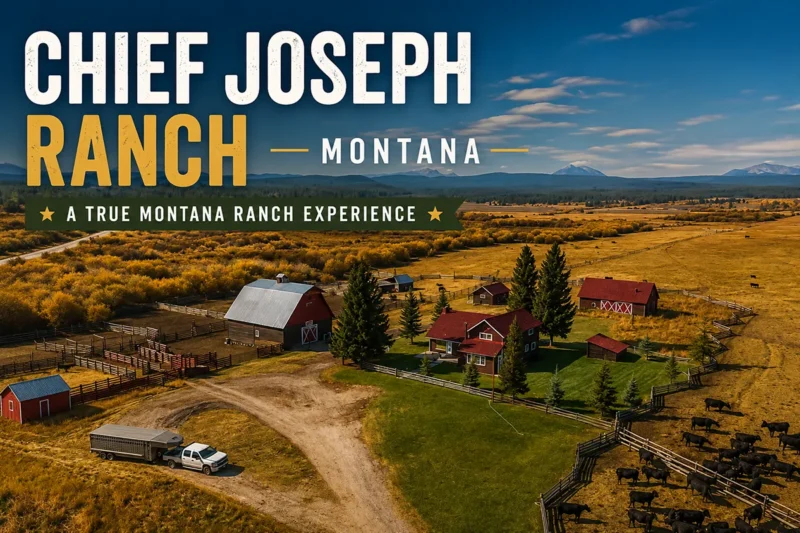
The morning I woke up at 5,200 feet elevation on a working cattle ranch outside Bozeman, with steam rising from my coffee mug and horses already nickering in the corral below, I understood why people fall so hard for Montana’s ranch life.
That single week changed how I travel entirely — and I’ve since visited over a dozen ranches across Big Sky Country to find the ones truly worth your time and money.
If you’re exploring Montana outdoor activities, spending time at a guest ranch delivers an immersive experience you simply can’t replicate anywhere else.
- Montana guest ranches range from $250-$800+ per night, with most offering all-inclusive packages
- Peak season runs June through September — book 6-12 months ahead for popular ranches
- Ranches vary widely: working cattle operations, luxury retreats, family-focused, adults-only, and fly fishing lodges
- Most require minimum stays of 3-7 nights during summer months
- Horseback riding experience isn’t required — all skill levels are welcomed and matched with appropriate horses
- The best ranches prioritize guest-to-staff ratios of 3:1 or better
Looking to buy Montana ranch land rather than book a stay? This guide covers guest ranch vacations exclusively. Ranch real estate brokers like Hall and Hall and Fay Ranches handle Montana land sales — that’s a different (and much more expensive) kind of trip planning.
Liked this article?
Add Roaming Montana as a preferred source so you see more of our articles and guides on Google.
Why Montana Ranch Vacations Hit Different
I’ve traveled to 43 states and a handful of countries, but nothing has compared to the deliberate disconnection of a Montana ranch stay. When my cell service dropped to zero bars at Triple Creek Ranch last August, I felt initial panic — then profound relief.
Ranch vacations force you into the present moment. You’re riding through meadows thick with wildflowers, mucking stalls alongside real wranglers, or casting flies into blue-ribbon trout streams.
The digital detox happens naturally because you’re genuinely too tired and too satisfied to scroll. After eight hours in the saddle during my first cattle drive, I fell asleep before 9 PM — something that hadn’t happened since childhood.
A Brief History of Montana Ranching
Montana’s ranch culture isn’t a tourism invention — it’s the state’s oldest continuous industry, and understanding where it came from changes how you experience a stay.
Cattlemen first appeared in Montana’s western valleys in the 1860s, driving herds north from Texas and Oregon to graze the open range that the territory’s grasslands provided in near-limitless supply.
The Homestead Act of 1862 — and its expanded 1909 iteration, which offered larger parcels to settlers willing to “prove up” the land through agriculture — accelerated the transformation of Montana from open range into the patchwork of family ranches that still defines the state’s rural geography today.
That history is why so many of the guest ranches on this list aren’t resorts built to look historic — they’re actual homesteads. Lone Mountain Ranch was homesteaded in 1915 as a working cattle and hay operation before it became a guest property.
The 63 Ranch has welcomed visitors continuously since 1929. Covered Wagon Ranch has operated in the same Gallatin Canyon location since 1925, with descendants of the original guest families still returning today.
Montana remains one of the top ranching states in the country by land area, and the working cattle operations that built the state’s identity are still the backbone of its rural economy.
For the broader context of how ranching shaped Montana’s development, see our Montana history guide and Montana economy guide.
Understanding Montana Ranch Types Before You Book
Not all ranches serve the same purpose, and booking the wrong type leads to disappointment. During my research across thirteen properties, I’ve identified five distinct categories.
Working Cattle Ranches
These are operational ranches that invite guests to participate in real ranch work. You’ll move cattle between pastures, help with branding (seasonal), fix fences, and learn what actual cowboys do daily.
The Paws Up Ranch north of Missoula offers working ranch experiences where I spent three days pushing cattle alongside their seasoned hands. My arms were sore, my jeans were filthy, and I’ve never felt more accomplished.
Traditional Guest Ranches
The classic “dude ranch” experience focuses on horseback riding, outdoor recreation, and Western hospitality without requiring you to work. These suit families and travelers wanting relaxation with adventure options.
Luxury Ranch Resorts
Properties like The Ranch at Rock Creek combine Western activities with spa treatments, gourmet dining, and upscale accommodations. Expect wine pairings with your elk steak and heated bathroom floors in your cabin.
Fly Fishing Lodges
Montana’s legendary trout waters attract serious anglers to ranches centered on fishing. These properties often sit on private river access and include expert guides, top-tier equipment, and intensive instruction.
Adults-Only Retreats
Several ranches cater exclusively to couples or solo adult travelers, offering romantic escapes without children’s programming. Triple Creek Ranch exemplifies this category with genuine intimacy and sophistication.
13+ Montana Ranches Worth Every Dollar
I’ve personally visited or extensively researched each property below. My selections balance authentic experiences, value, and guest satisfaction based on my observations and conversations with staff and other visitors.
1. The Ranch at Rock Creek — Philipsburg
This 6,600-acre property near Philipsburg consistently ranks among America’s best ranch resorts, and after my three-night stay last summer, I understand the hype.
The all-inclusive rate initially shocked me — roughly $2,000+ per night for their luxury cabins — but the value becomes apparent when you experience everything included. World-class fly fishing with professional guides, unlimited horseback riding, shooting sports, mountain biking, gourmet meals, and premium beverages all come with your stay.
What impressed me most was the staff-to-guest ratio. I never waited for anything. My riding preferences were remembered from day one, and the chef accommodated my friend’s gluten intolerance without batting an eye.
The accommodations range from glamping tents to historic barn conversions. I stayed in the Granite Lodge and woke each morning to deer grazing outside my window.
Best for: Couples seeking luxury, families with budget flexibility, corporate retreats
2. Triple Creek Ranch — Darby
Triple Creek earned Relais & Châteaux status, and it shows in every detail. This adults-only ranch in the Bitterroot Valley delivers romance and refined Western experiences.
During my visit, I appreciated how the ranch balanced sophistication with authenticity. Yes, there’s a wine cellar with 3,500+ bottles, but there’s also a working cattle operation where guests can participate.
The 23 individual cabins each include wood-burning fireplaces, private hot tubs, and views that make you question why you ever lived in a city. Room rates include all meals, beverages (including alcohol), and most activities.
I particularly loved their evening programs — astronomy with actual telescopes, live music from local artists, and cooking demonstrations with their executive chef.
Best for: Romantic getaways, milestone celebrations, wine enthusiasts
3. Paws Up — Greenough
Paws Up pioneered luxury glamping and continues innovating across its 37,000 acres north of Missoula. This property defies single categorization — it’s simultaneously a working cattle ranch, wilderness resort, and adventure outfitter.
My favorite experience here was the Saddle Club, their intensive horsemanship program. Over four days, I progressed from nervous trail rider to confidently loping through open meadows. The wranglers assessed my abilities honestly and pushed me appropriately.
For those seeking variety alongside ranching, Paws Up delivers. I also tried boating in Montana on the Blackfoot River during my stay — the same river featured in “A River Runs Through It.”
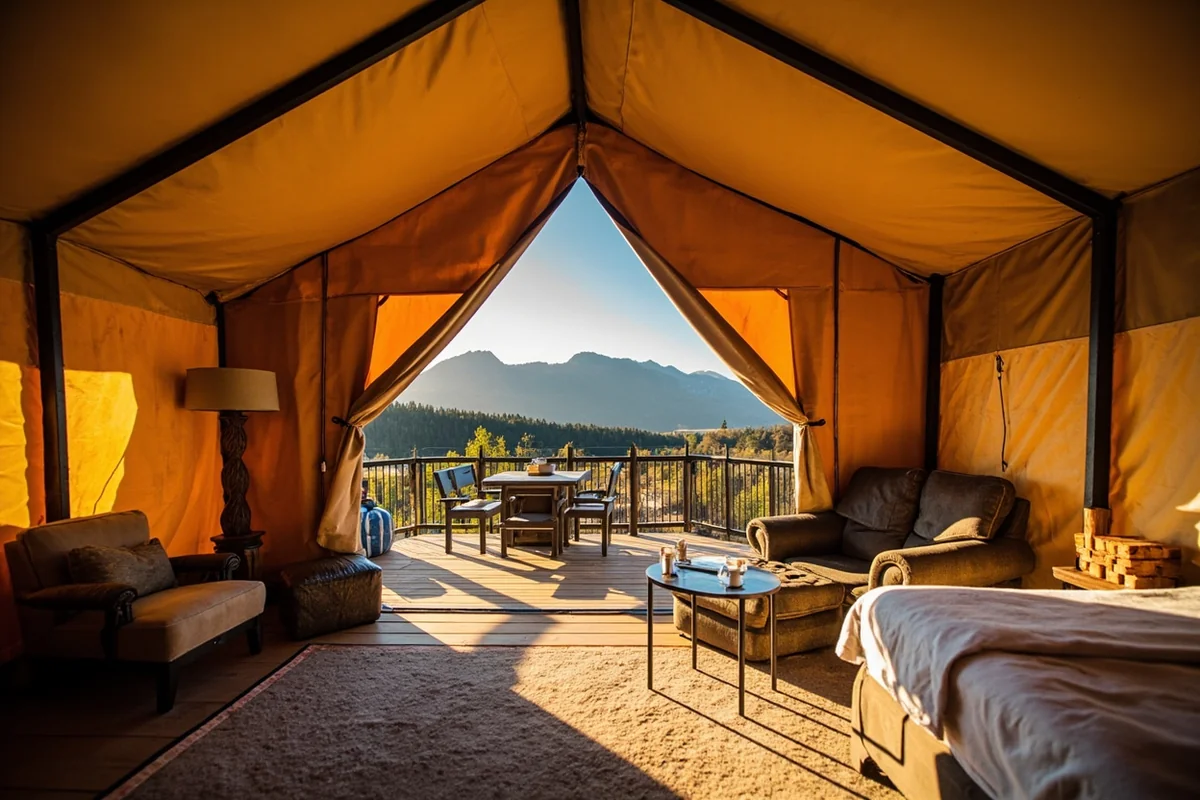
Accommodations include luxury homes, tent camps (don’t let “tent” fool you — these feature en-suite bathrooms and king beds), and treehouse camps suspended among pines.
Best for: Families with varied interests, adventure seekers, first-time ranch visitors
4. Lone Mountain Ranch — Big Sky
I visited Lone Mountain Ranch during winter for their legendary Nordic skiing, but their summer ranch programming deserves equal attention.
This 148-year-old ranch sits in the Madison Range with jaw-dropping proximity to Yellowstone National Park — just an hour’s drive to the park’s west entrance.
Summer activities include horseback riding through terrain that makes you understand why Teddy Roosevelt loved this region. The ranch maintains 85 horses and matches each guest with appropriate mounts based on thorough intake conversations.
Their weekly cattle drive became an unexpected highlight. Pushing cattle alongside actual ranchers through sagebrush and wildflower meadows created exactly the Montana experience I’d imagined since childhood.
Dining here rivals city restaurants. The Horn & Cantle restaurant serves elevated Western cuisine — think bison short ribs and huckleberry desserts — in a rustic-elegant setting.
Best for: Yellowstone visitors, winter sports enthusiasts, history buffs
5. 320 Guest Ranch — Big Sky
For travelers wanting authentic ranch experience without luxury pricing, 320 Guest Ranch delivers exceptional value. Located twelve miles from Big Sky Resort on the Gallatin River, this working ranch offers all-inclusive packages starting around $300 nightly.
During my visit, I stayed in one of their historic log cabins built in the 1920s. The accommodations are comfortable rather than luxurious — exactly what a ranch should be.
Their horseback program impressed me with trail options ranging from one-hour introductory rides to full-day mountain adventures. The wranglers clearly love their work and their horses.
I’d recommend 320 Guest Ranch for families seeking genuine Western experiences without pretension. Children particularly love their kids’ programs and the chance to interact with ranch animals.
Best for: Families, budget-conscious travelers, first-time ranch visitors
6. Bar W Guest Ranch — Whitefish
Bar W offers something unique among Montana ranches: combination packages with both summer ranch activities and proximity to Glacier National Park.
The ranch sits on 200 acres in the Flathead Valley, providing horseback riding, cattle work, and fishing while remaining just 30 minutes from Glacier’s west entrance.
What I appreciated most was their flexibility. Unlike ranches requiring week-long minimum stays, Bar W offers three-night packages that work for travelers with limited vacation time.
Their horsemanship instruction stood out. Each evening included grooming and care lessons, teaching guests proper relationship with horses beyond just riding.
The property also includes a stocked fishing pond perfect for children learning to cast, plus creek access for more serious anglers.
Best for: Glacier visitors, families with younger children, shorter stays
7. Covered Wagon Ranch — Gallatin Gateway
This family-owned ranch near Bozeman specializes in personalized experiences. With just nine cabins, they never feel crowded or impersonal.
I found their approach refreshingly old-school. No spa, no gourmet cuisine, no WiFi in rooms — just honest ranch hospitality and outstanding horseback riding through the Gallatin National Forest.
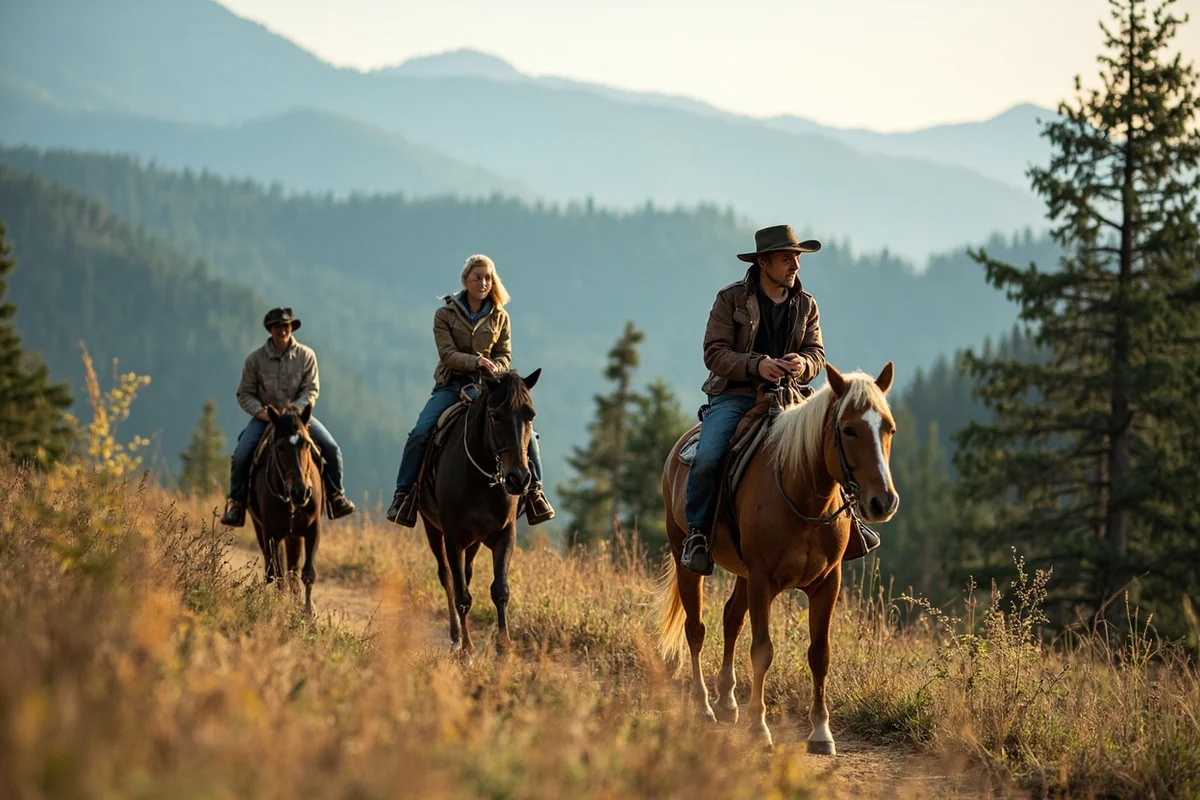
The wranglers here have exceptional knowledge of the surrounding wilderness. My trail ride included impromptu wildlife education, historical context about homesteading, and identification of edible plants.
Covered Wagon Ranch particularly suits experienced riders wanting challenging terrain and genuine cowboy culture without luxury overlay.
Best for: Experienced riders, tech detox seekers, authentic Western experience
8. Hawley Mountain Guest Ranch — McLeod
Hawley Mountain occupies a special place among Montana ranches as one of few operating cattle ranches still welcoming guests to participate in actual operations.
Located in the Absaroka-Beartooth Wilderness outside Livingston, this ranch runs about 350 head of cattle across high mountain pastures.
During my July visit, I helped move cattle to summer range — real work alongside real cowboys who’ve done this for generations. The experience humbled me and gave genuine appreciation for ranching life.
Accommodations are modest but comfortable. Expect shared bathrooms in the main lodge and simple cabin furnishings. You’re not paying for luxury; you’re paying for authentic experience.
Best for: Those seeking genuine cattle work, experienced riders, rustic accommodations
9. Sweet Grass Ranch — Big Timber
Sweet Grass Ranch operates as a working cattle and horse operation in the Crazy Mountains, one of Montana’s most spectacular ranges.
What distinguishes this property is their horsemanship focus. They raise and train their own horses, and guests can observe or participate in horse training sessions.
I spent an afternoon watching their lead wrangler work with a two-year-old colt — better entertainment than anything Netflix offers.
The ranch accommodates 24 guests maximum, creating intimate atmosphere where everyone learns each other’s names by the second meal.
Their location in the relatively undiscovered Crazy Mountains means fewer crowds and more solitude than properties near major destinations.
Best for: Horse enthusiasts, solitude seekers, photography
10. Montana Hideout Guest Ranch — Pray
Montana Hideout sits on Paradise Valley’s east bench, offering views across the Yellowstone River toward the Gallatin Range that literally made me gasp.
This smaller property (eight guest capacity) emphasizes personalized attention and flexible scheduling. Unlike larger ranches with set activity times, Montana Hideout adjusts programming to guest preferences.
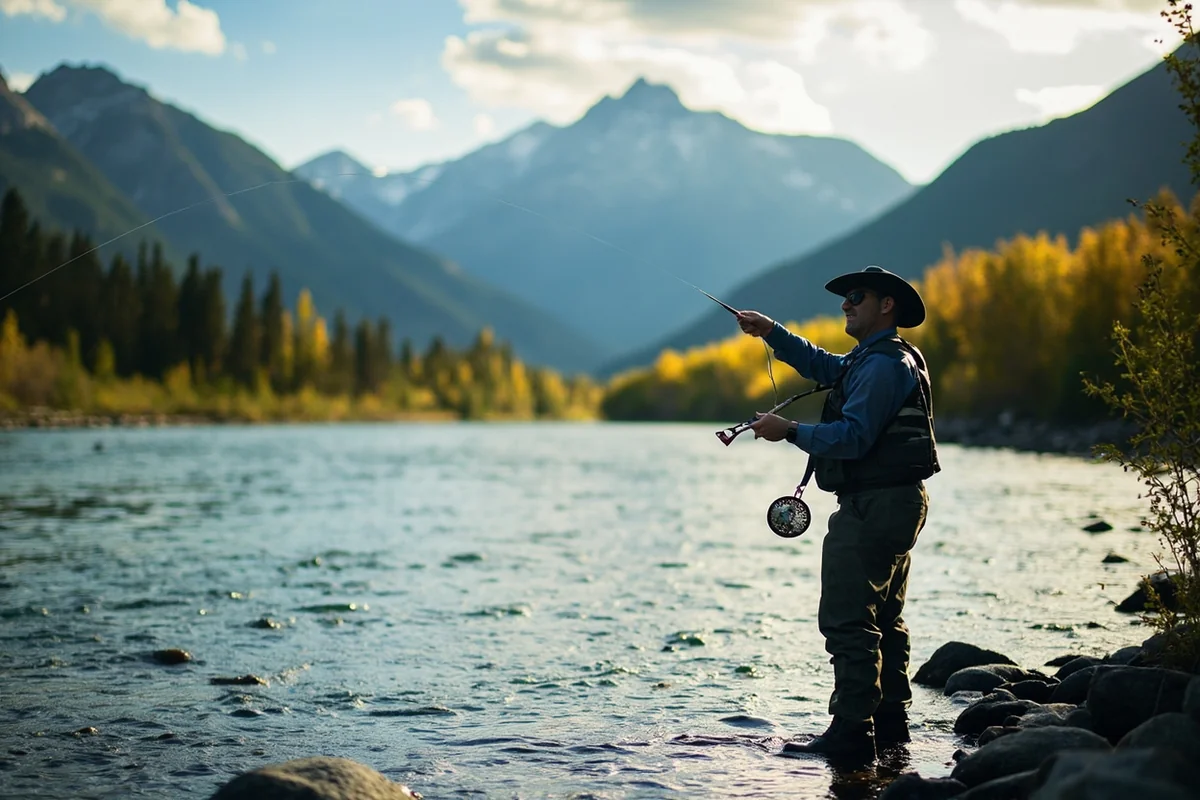
I particularly appreciated their fly fishing program. The owner personally guides fishing excursions and holds Orvis-endorsed guide certification.
For travelers wanting ranch experience combined with Yellowstone access (just 25 minutes to the North Entrance), this property offers perfect positioning.
Best for: Small groups, fly fishing enthusiasts, Yellowstone visitors
11. JJJ Wilderness Ranch — Augusta
JJJ Wilderness Ranch borders the Bob Marshall Wilderness, one of America’s largest wilderness areas and genuinely wild country.
Their signature offering is multi-day pack trips into the Bob Marshall, riding horses through roadless wilderness and camping in backcountry meadows.
I did a three-day pack trip here that remains among my most memorable travel experiences. We saw grizzlies at safe distance, fished alpine lakes for cutthroat trout, and slept under stars so bright they seemed artificial.
The base ranch offers traditional guest ranch activities for those not ready for wilderness immersion. But if backcountry adventure calls you, JJJ provides legitimate wilderness expertise.
Best for: Adventure seekers, wilderness enthusiasts, experienced outdoor travelers
12. Spotted Bear Ranch — Hungry Horse
Spotted Bear operates at the southern edge of Glacier National Park, accessible only by boat or float plane during summer months — the remoteness itself becomes the attraction.
During my stay, I flew in via bush plane, an adventure before even arriving. The ranch sits along the South Fork of the Flathead River with fishing access that makes anglers weep with joy.
Accommodations include rustic cabins without electricity (propane lighting and wood stoves), though they’ve recently added some solar-powered units.
This ranch demands more from guests — longer travel, basic amenities, genuine wilderness context — but rewards with unmatched solitude.
Best for: True wilderness seekers, serious anglers, those embracing rustic conditions
13. 63 Ranch — Livingston
The 63 Ranch near Livingston holds claim as one of Montana’s oldest continuously operating guest ranches, welcoming visitors since 1929.
Their traditional approach means minimal technology integration and maximum focus on riding, fishing, and mountain exploration.
I loved their evening program structure. After dinner, guests gather for card games, storytelling, and sometimes impromptu music from staff members who actually play instruments.
The ranch sits in Mission Creek Valley with access to Absaroka-Beartooth Wilderness trails. Their pack trips into surrounding mountains follow routes used for nearly a century.
Best for: History enthusiasts, traditional experience seekers, multi-generational families
14. Mountain Sky Guest Ranch — Emigrant (Paradise Valley)
Mountain Sky has operated continuously since 1929, and it’s earned its reputation as one of the country’s most consistently top-rated guest ranch resorts — a claim that’s hard to overstate in an industry full of properties claiming historic status.
The ranch sits in Paradise Valley along the Yellowstone River corridor, with the Absaroka and Gallatin ranges visible from nearly every vantage point on the property.
What sets Mountain Sky apart from the other luxury properties on this list is the golf course — a Johnny Miller-designed 9-hole layout incorporated into the natural rolling terrain, exclusively for guest use, with views that make even a mediocre round feel worthwhile.
Beyond golf, the standard upscale guest-ranch menu is all here and well-executed: horseback riding matched to skill level, a stocked trout pond plus Yellowstone River access, a dedicated kids’ program that runs independently of the adult schedule, and a spa built specifically to provide recovery after long days in the saddle.
What I appreciated most during my visit was the staff continuity — several wranglers and dining staff have worked here for over a decade, which shows in how naturally the operation runs. This isn’t a property finding its rhythm; it’s one that’s had a century to perfect it.
Best for: Multi-generational families, golfers who also want horses, Yellowstone-adjacent stays (the north entrance is roughly 30 minutes away)
Bonus: Combining a Ranch Stay With Other Montana Adventures
Several ranches on this list position naturally near other major Montana destinations, making it easy to combine a few ranch nights with a broader trip. Properties near Big Sky put you within range of Yellowstone; Bar W Guest Ranch sits 30 minutes from Glacier National Park’s west entrance; and Montana Hideout’s Paradise Valley location puts the park’s north entrance just 25 minutes away.
For the full range of things to see beyond the ranch gate, see our things to do in Montana guide.
What Montana Ranch Stays Actually Cost
Transparency about pricing matters when you’re planning major vacation investments. Here’s realistic budget guidance based on my research:
| Ranch Category | Nightly Rate Range | What’s Typically Included |
|---|---|---|
| Budget-Friendly | $250-$400 | Lodging, meals, basic riding |
| Mid-Range | $400-$700 | All-inclusive with multiple activities |
| Luxury | $700-$1,500+ | Everything including alcohol, spa, guided experiences |
| Ultra-Luxury | $1,500-$3,000+ | Private cabins, personal guides, premium everything |
Most ranches quote per-person pricing rather than per-room, so factor this when comparing against traditional hotels.
Week-long packages typically include discounts — I’ve seen 10-15% savings for Saturday-to-Saturday bookings at several properties.
Gratuities aren’t included at most ranches. Budget 15-20% of your package cost for staff tips, distributed among wranglers, housekeeping, dining staff, and guides.
Montana’s Largest and Most Historic Working Ranches
Not every Montana ranch takes guests — and understanding the scale of the state’s working ranches puts the vacation properties on this list in useful perspective. These aren’t bookable, but they’re part of what “Montana ranches” means, and they explain why ranching still defines so much of the state’s land and identity.
Broken O Ranch (Augusta) holds the distinction of being the largest ranch in Montana, sitting east of the Rocky Mountain Front near Augusta — the same gateway town where JJJ Wilderness Ranch, listed above, borders the Bob Marshall Wilderness. The Broken O contains Montana’s largest single block of irrigated land, at roughly 13,000 acres, and was established by William and Desiree Moore, founders of the Kelly-Moore Paint Company.
Flying D Ranch, the second-largest ranch in the state, spans the Gallatin and Madison Valleys near Three Forks and is owned by media mogul Ted Turner — one of several large Montana holdings in his land portfolio, managed as both a working bison operation and a wildlife conservation property.
Beaverhead Ranch, a 113,000-acre operation in southwest Montana with grazing rights extending across another 226,000 acres, made state history in 2021 when it was purchased by Rupert Murdoch — the largest ranch sale ever recorded in Montana. The ranch runs approximately 7,000 cow-calf pairs, making it one of the most significant cattle operations in the Mountain West.
Galt Ranch, near White Sulphur Springs between the Big Belt and Little Belt Mountains, has been operated by the same family for more than a century — a continuity that’s increasingly rare in an era of large-scale ranch consolidation and out-of-state ownership.
N Bar Ranch, totaling 62,091 acres in the Snowy Mountains near Grass Range, is known for its wildlife diversity alongside its cattle operation — one of the more ecologically varied large holdings in central Montana.
None of these properties offer guest stays, but they represent the working-ranch scale that the vacation industry grew out of — and that the smaller guest ranches on this list, several of which started as exactly this kind of operation, still echo in miniature.
The Dude Ranchers Association — the official trade body representing guest ranches across the West since 1926 — maintains the most complete directory of accredited Montana guest ranches and is a useful cross-reference if you’re researching properties beyond the ones covered in this guide.
Best Time to Visit Montana Ranches
Timing significantly impacts your experience. Here’s what I’ve learned across multiple visits:
Peak Season (June-August)
Summer offers the most activities, best weather, and fullest programming. However, you’ll pay premium rates and need to book 6-12 months ahead for popular properties.
Wildflower season peaks in late June through mid-July — riding through meadows carpeted in lupine and Indian paintbrush creates unforgettable imagery.
Afternoon thunderstorms are common July and August, typically clearing by evening. Pack layers regardless of forecast.
Shoulder Seasons (May, September-October)
These months offer excellent value and fewer crowds. Some activities may be limited — high-country trails might remain snowed in during May or close early in October.
Fall colors peak late September through mid-October, creating spectacular riding conditions. Elk bugling fills the valleys during this period.
I’ve found September particularly magical. Warm days, cool nights, brilliant foliage, and lighter booking competition make it my preferred timing.
Winter Visits
Several ranches operate year-round, offering winter experiences like Nordic skiing, snowshoeing, and sleigh rides.
Lone Mountain Ranch excels during winter months with 85 kilometers of groomed Nordic trails and cozy cabin accommodations.
Winter rates typically run 30-40% below summer pricing, though activity options narrow significantly.
How to Choose the Right Montana Ranch
After visiting thirteen properties, I’ve identified key questions that clarify which ranch fits your needs:
What’s Your Primary Goal?
Horseback riding focus? Choose ranches emphasizing horsemanship like Sweet Grass or Covered Wagon. Fishing priority? Properties like Montana Hideout or Spotted Bear deliver. Family bonding? Paws Up or 320 Guest Ranch accommodate children beautifully.
What Accommodation Standard Do You Require?
Be honest about your comfort needs. Some travelers thrive in basic cabins without electricity; others require luxury amenities to relax. Neither preference is wrong — just match your needs to property offerings.
How Important Is Proximity to Other Attractions?
If you’re combining ranch time with Yellowstone or Glacier National Park visits, choose accordingly. Ranches near Big Sky or Whitefish position well for park exploration.
What’s Your Riding Experience Level?
All ranches accommodate beginners, but experienced riders wanting challenging terrain should choose properties with advanced riding programs. Ask specifically about riding ability assessment and trail difficulty options.
Do You Need Connectivity?
If you require WiFi for work or personal preference, confirm coverage before booking. Many ranches intentionally limit connectivity, which might be perfect — or problematic — depending on your situation.
Practical Tips From My Ranch Experiences
These insights come from actual mistakes and discoveries across my ranch visits:
Packing Wisdom
Bring jeans you can sacrifice — they’ll never fully recover from saddle wear and hay barn dust. One pair for riding, one for evenings.
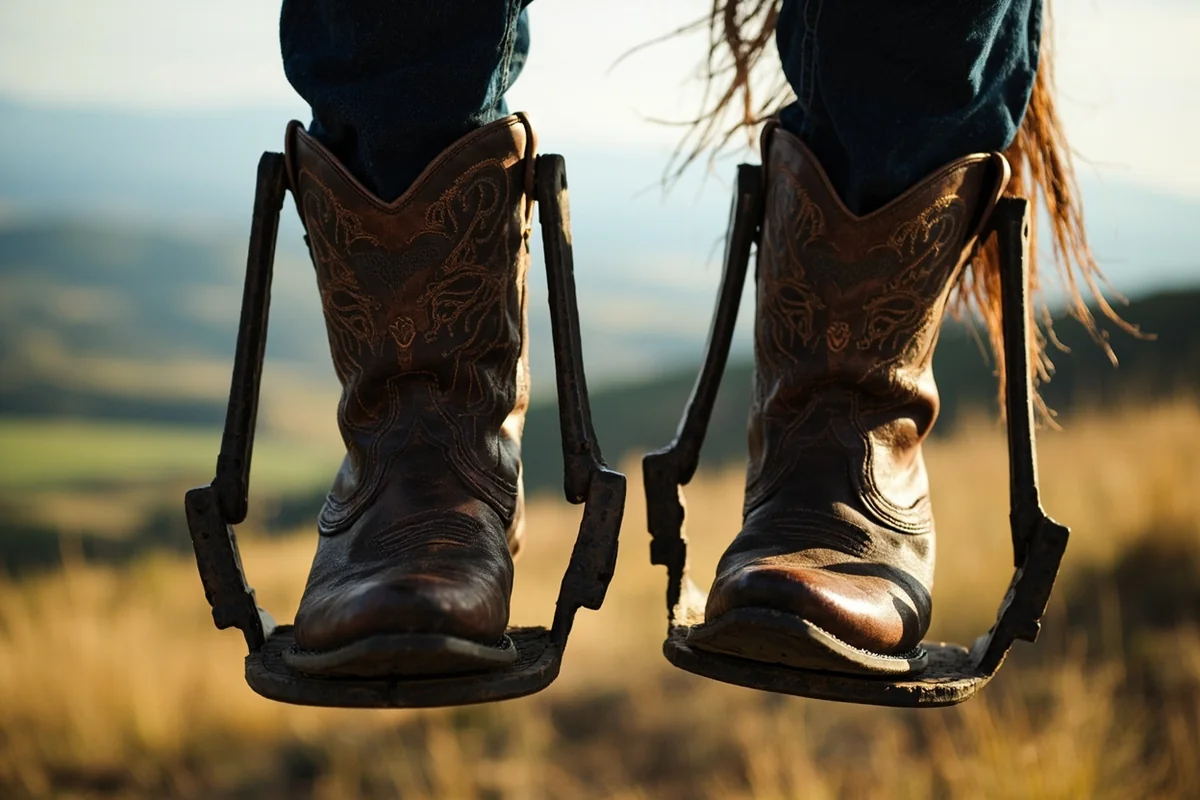
Good boots matter immensely. Cowboy boots look authentic but blisters are real. I wear well-broken-in hiking boots for trail riding and save pretty boots for dinner.
Layers are essential regardless of season. Montana mornings can be 40°F even in July, warming to 85°F by afternoon.
Physical Preparation
If you haven’t ridden recently, prepare your body. Inner thigh stretches and core strengthening make the first few riding days significantly more comfortable.
Ranch activities are genuinely physical. Plan for early bedtimes and expect muscle soreness you haven’t felt since high school sports.
Attitude Adjustments
Release your schedule obsession. Ranch life follows different rhythms — weather changes plans, animals have needs, and rigid timelines create unnecessary stress.
Embrace early mornings. Pre-dawn ranch life reveals experiences night owls miss entirely. The wrangler who taught me the most did so over 5 AM coffee before anyone else stirred.
Photography Notes
Golden hour lasts forever in Montana due to latitude and terrain. Plan important photos for first and last light.
Bring weather protection for your camera. Dust, sudden rain, and jostling on horseback threaten electronics.
Consider leaving your phone in your room occasionally. Some moments deserve your full presence rather than Instagram documentation.
Making Your Reservation
Popular ranches book 12-18 months ahead for peak season. If you’re planning for next summer, start researching immediately.
Direct booking typically costs the same as third-party sites but allows better communication about dietary needs, riding experience, and special requests.
Most ranches require deposits of 25-50% at booking, with balance due 30-60 days before arrival. Understand cancellation policies before committing.
Consider travel insurance, especially for expensive bookings. Medical emergencies or family situations happen, and ranch deposits are rarely fully refundable.
Final Thoughts on Montana Ranch Life
After all my ranch visits, what stays with me isn’t the luxury amenities or scenic beauty — though both were exceptional. It’s the people I met, both staff and fellow guests, and the deliberate pace that reminded me what vacation should feel like.
Montana ranches offer something increasingly rare: genuine disconnection and authentic experience in landscapes that humble you appropriately.
Whether you choose a rustic working ranch or a luxury resort, the essential elements remain consistent — wide skies, good horses, and hospitality that makes you feel genuinely welcomed rather than merely accommodated.
Start planning now for next summer. Your future self, watching sunrise from a mountain meadow while coffee steams in your hands, will thank you for the effort.
Frequently Asked Questions
What is the average cost of a Montana dude ranch vacation per person?
Most Montana guest ranches charge between $250 and $450 per person per night for all-inclusive packages that cover lodging, meals, and horseback riding. A typical week-long stay runs $1,800 to $3,500 per adult, with many ranches offering discounted rates for children. I recommend booking during shoulder seasons in May or September to save 15-20% on peak summer rates.
What is the best time of year to visit a Montana guest ranch?
The prime season for Montana ranch vacations runs from mid-June through early September when weather is warmest and all activities are available. I personally prefer late June or early July when wildflowers are blooming and rivers are perfect for fly fishing. Some ranches open in May for spring cattle drives, while others extend into October for fall foliage and elk hunting seasons.
Do you need horseback riding experience to stay at a Montana dude ranch?
No prior riding experience is necessary at most Montana dude ranches, as they offer lessons and match guests with horses suited to their skill level. Wranglers typically assess your abilities on the first day and group riders accordingly for trail rides. I found that even complete beginners feel comfortable in the saddle within two or three days of guided instruction.
What should I pack for a week at a Montana cattle ranch?
Pack sturdy cowboy boots or hard-soled riding boots, jeans, long-sleeve shirts for sun protection, and layers for cool mountain evenings that can drop into the 40s. I always bring a wide-brimmed hat, sunscreen, and a rain jacket since afternoon thunderstorms are common in summer. Most ranches are casual, so leave fancy clothes at home and focus on practical outdoor wear.
How far are Montana guest ranches from major airports?
Most Montana dude ranches are located 1-3 hours from regional airports in Bozeman, Missoula, or Kalispell, with some near Yellowstone accessible from Jackson Hole. Bozeman Yellowstone International Airport offers the most flight options and sits within 60-90 miles of many popular ranches in the Paradise Valley and Gallatin Canyon areas. Several ranches provide complimentary airport shuttles, so confirm transportation when booking your stay.
What activities besides horseback riding do Montana ranches offer?
Beyond daily trail rides, most Montana ranches feature fly fishing on private streams, cattle drives, hiking, archery, and evening campfire cookouts. Many properties include access to whitewater rafting, ATV tours, and trap shooting, while luxury ranches add spa services and guided Yellowstone excursions. I especially enjoyed ranches that offer hands-on experiences like moving cattle, mending fences, and learning roping skills.
Are Montana dude ranches suitable for families with young children?
Many Montana family dude ranches welcome children as young as 3-6 years old with dedicated kids’ programs, pony rides, and supervised activities. Ranches like 320 Guest Ranch and Elkhorn Ranch specifically cater to families with age-appropriate riding instruction and evening entertainment for all ages. I suggest confirming minimum age requirements and childcare options before booking, as some adult-focused ranches restrict guests under 12.
What is the largest ranch in Montana?
The Broken O Ranch, located east of the Rocky Mountain Front near Augusta, is the largest ranch in Montana. It contains the state’s largest single block of irrigated land — approximately 13,000 acres — and was established by William and Desiree Moore, founders of the Kelly-Moore Paint Company. The Flying D Ranch, owned by Ted Turner and spanning the Gallatin and Madison Valleys, is the second-largest. Neither property offers guest stays; both are private working operations.
What’s the difference between a dude ranch and a guest ranch in Montana?
The terms are used interchangeably in Montana and across the West. “Dude ranch” is the historic term (dating to early 20th-century Western tourism), while “guest ranch” is the more contemporary phrasing many modern properties prefer. Both describe ranches that welcome paying visitors for horseback riding, Western activities, and lodging — as opposed to working cattle ranches, which don’t typically host guests at all.
How old is Montana’s guest ranch industry?
Montana’s oldest continuously operating guest ranches date to the 1920s. Covered Wagon Ranch has welcomed guests since 1925, and Mountain Sky Guest Ranch and the 63 Ranch both opened in 1929 — making 2025-2029 effectively the centennial window for several of Montana’s most historic properties. The industry grew directly out of working cattle ranches that began accepting paying visitors during slow agricultural seasons, eventually evolving into the dedicated guest-ranch model that exists today.
Is Montana a good state for ranching?
Yes — Montana is consistently ranked among the top cattle-ranching states in the US by land area devoted to ranching. The state’s combination of open range, irrigated river valleys, and relatively low land costs compared to other Western states has supported continuous ranching operations since the 1860s. Ranching remains one of Montana’s largest land-use categories and a defining element of the state’s economy and culture; see our Montana economy guide for the full picture.