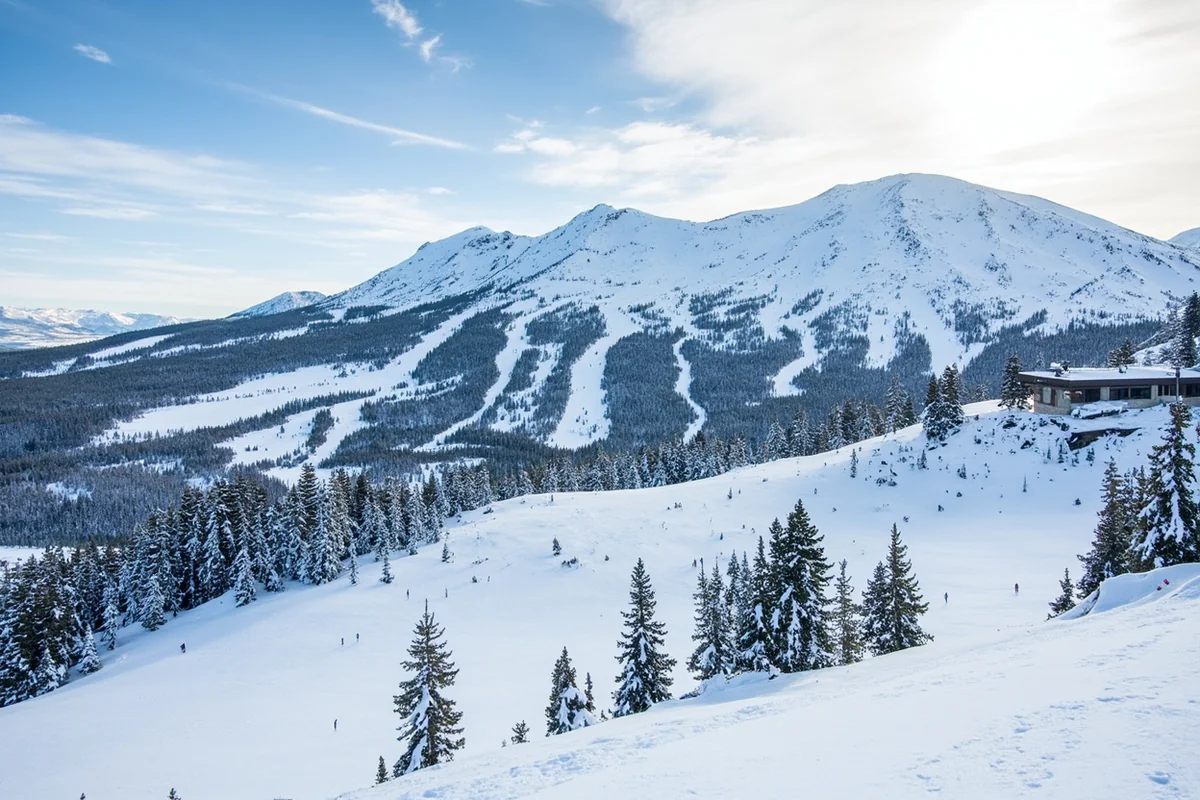
I’ll never forget the moment I stepped off the chairlift at Big Sky Resort last February, looked out at 5,800 acres of skiable terrain stretching toward the Gallatin Range, and realized I’d been underestimating Montana skiing my entire life.
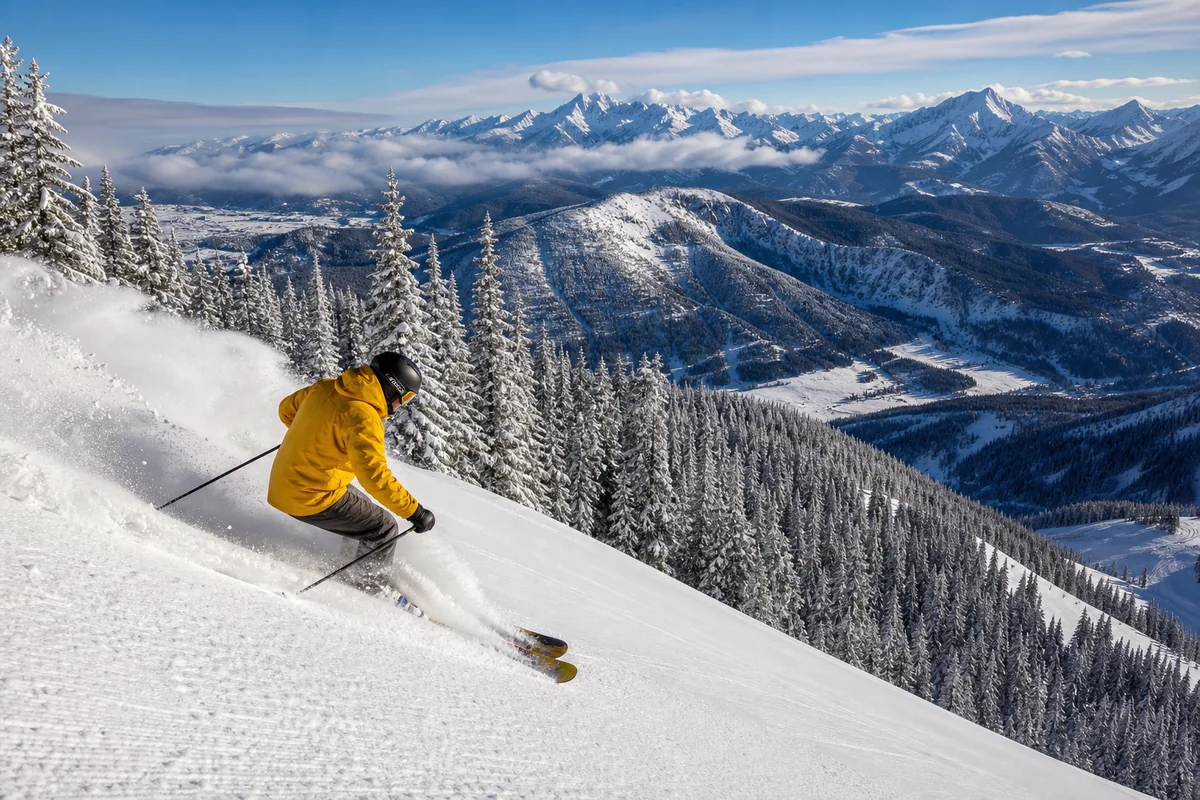
That single run down Andesite Mountain — carving through powder so light it felt like floating through frozen clouds — rewired everything I thought I knew about skiing in America.
Turns out, skiing is just one of the reasons Montana keeps pulling people back season after season; it’s a state that earns its reputation across every outdoor adventure you can think of.
- Montana receives “cold smoke” powder—the driest, lightest snow in North America due to unique continental climate patterns
- Big Sky Resort offers more skiable terrain than any resort in North America at 5,800 acres
- Lift ticket prices average 30-40% less than comparable Colorado and Utah resorts
- Montana ski resorts have the shortest lift lines in the country, with average waits under 5 minutes
- The state has 15 ski areas, ranging from world-class destination resorts to affordable community hills
- Best time to visit: January through early March for optimal powder conditions
Liked this article?
Add Roaming Montana as a preferred source so you see more of our articles and guides on Google.
The Cold Smoke Phenomenon: Why Montana Powder Is Different
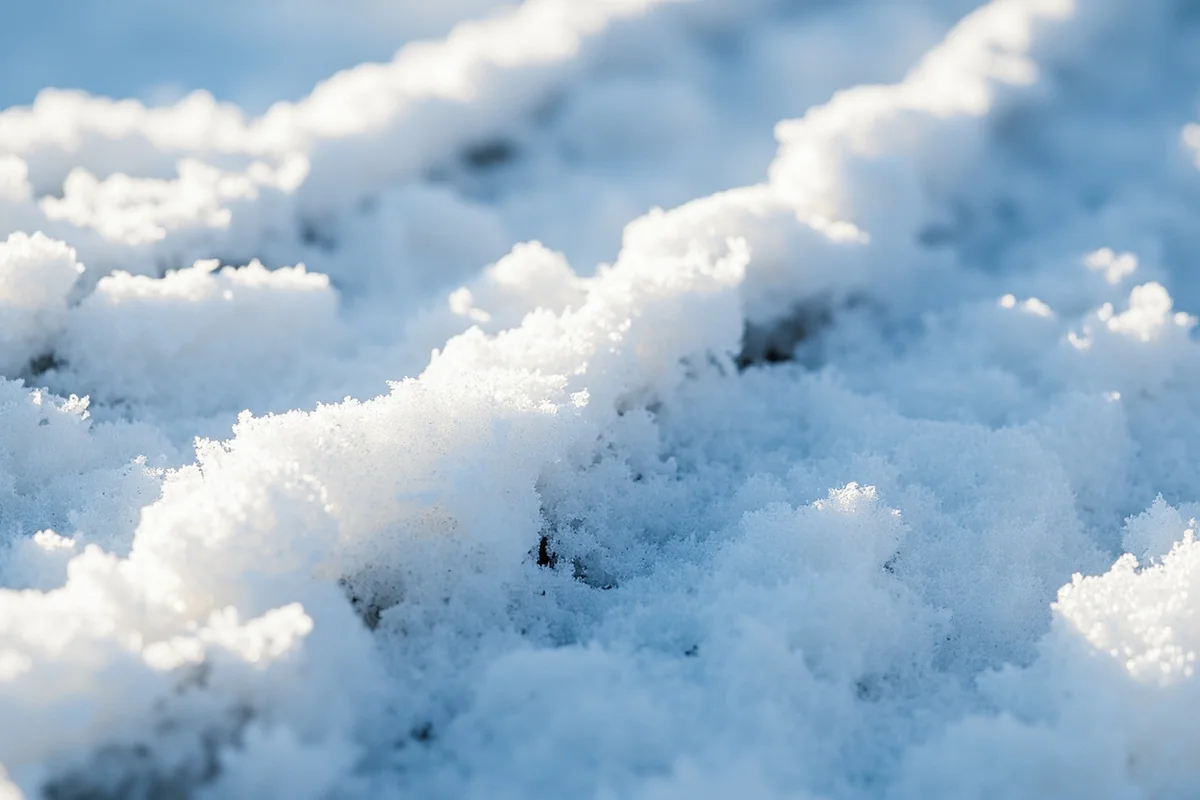
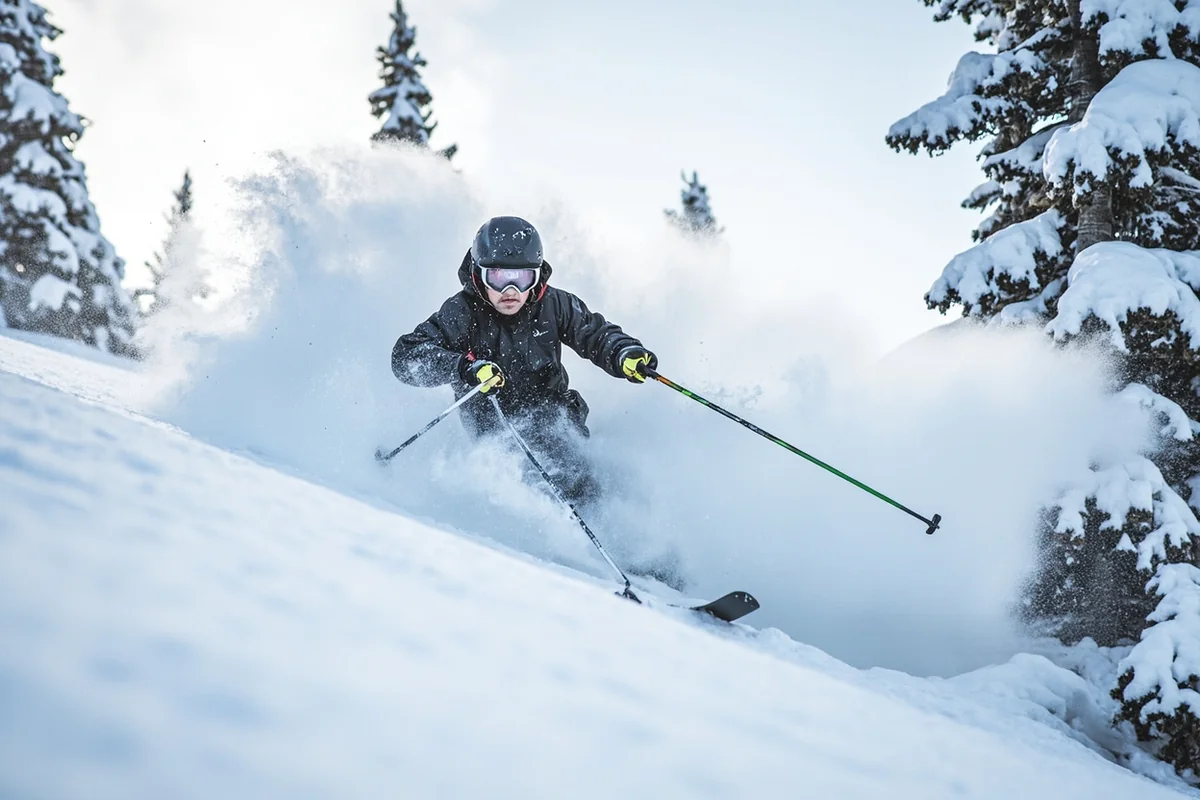
Here’s something that blew my mind when a ski patrol veteran explained it to me at Whitefish Mountain Resort: Montana’s snow has a moisture content averaging just 4-6%, compared to 8-12% in the Sierra Nevada or even 6-8% in Utah. This isn’t marketing fluff—it’s meteorological fact.
What does this mean practically? During my week-long trip last January, I noticed I could ski through knee-deep powder without my legs burning out. The snow literally moves around you rather than creating resistance.
Locals call it “cold smoke” because when you make turns, the snow billows up like smoke and hangs in the air. I’ve skied at 23 different resorts across North America, and I’ve never experienced anything quite like carving through cold smoke at 8 AM on a Wednesday at Bridger Bowl.
The Science Behind the Magic
Montana sits in a unique continental climate zone. Storms roll in from the Pacific, lose most of their moisture crossing Idaho’s mountains, then the remaining precipitation falls as incredibly dry crystals when temperatures plummet over the Rockies.
The result? Snow that’s so light, grooming machines have to make multiple passes just to pack it down. I watched a groomer operator at Red Lodge Mountain take four passes on what would be a single-pass run at most resorts.
This dry snow also has better longevity. A storm that dropped 14 inches during my visit to Big Sky stayed fluffy and skiable for nearly five days because it doesn’t consolidate and turn to concrete like wetter snow.
Big Sky Resort: North America’s Biggest Secret
I’ll be honest—before my first trip to Big Sky in 2019, I thought places like Vail, Park City, and Whistler were the undisputed kings of North American skiing. I was wrong.
Big Sky Resort now encompasses 5,800 skiable acres, making it the largest ski resort in North America by terrain. That’s not a typo. It’s bigger than Vail (5,317 acres) and Whistler Blackcomb (8,171 acres when you combine both mountains, but only 4,757 of actual ski terrain).
What 5,800 Acres Actually Feels Like
During my most recent visit last February, I skied for six full days and still discovered new runs on day five. The resort spans four mountains—Lone Peak, Andesite Mountain, Flat Iron Mountain, and the Southern Hemisphere.
On my third day, I took the Lone Peak Tram to the 11,166-foot summit. The 360-degree view includes Yellowstone National Park, the Spanish Peaks, and the Madison Range. Then I dropped into the Big Couloir—a run so steep (50+ degrees) that you need to check in with ski patrol and carry avalanche gear.
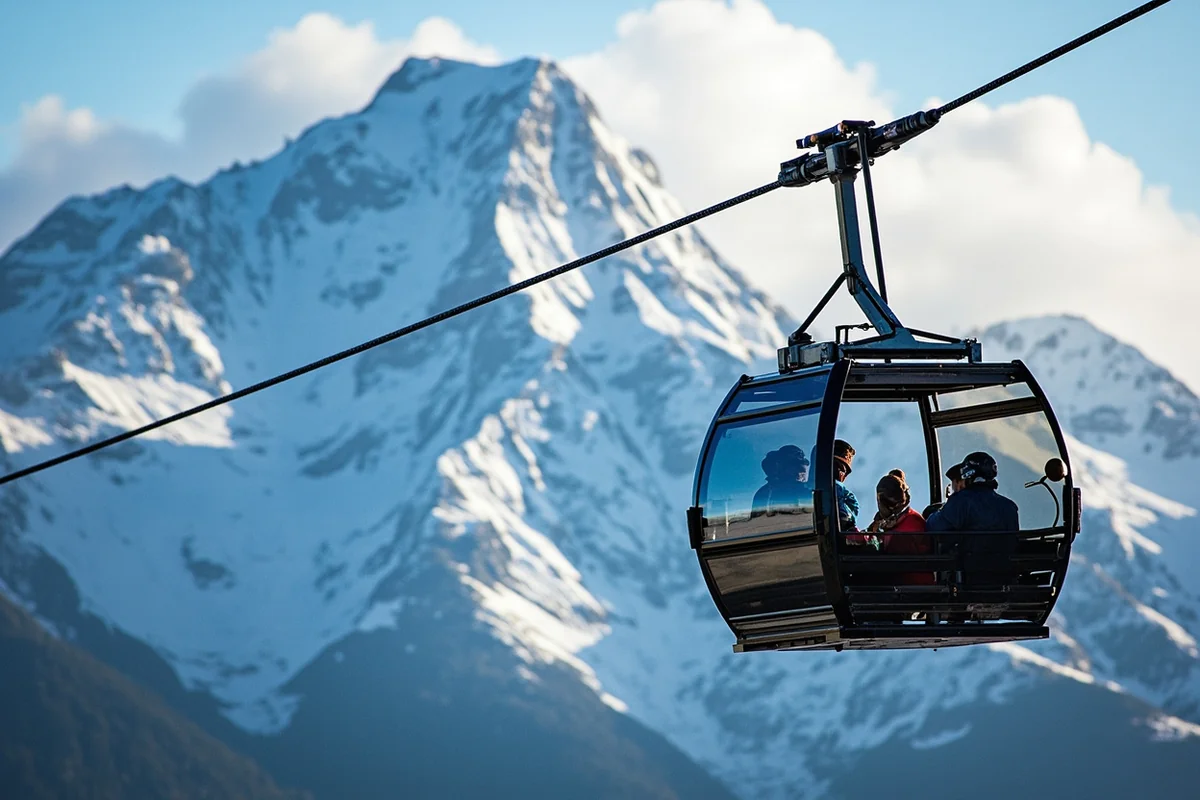
But here’s what really sets Big Sky apart: even on a busy Presidents’ Day weekend, my longest lift line wait was 12 minutes. At the Big Sky Blue Bubble—a heated, enclosed six-pack chair—I routinely skied onto the lift with zero wait.
The Lone Peak Tram Experience
The Lone Peak Tram only holds 15 people and accesses some of the most challenging inbounds terrain in North America. On a powder day, you might wait 20-30 minutes, but that’s still nothing compared to Jackson Hole’s famous Aerial Tram.
I recommend taking the tram even if you don’t plan to ski the expert terrain. The summit views are worth the ride alone, and there are moderate routes down via Liberty Bowl and the South Face.
The Affordable Skiing Capital of America
Let me share some real numbers from my recent trips. A single-day lift ticket at Vail costs $259+ during peak season. Big Sky? I paid $185 for a walk-up ticket last February, and I could have gotten it for $169 by purchasing online in advance.
But the real savings come at Montana’s smaller resorts.
| Montana Resort | Adult Day Ticket | Skiable Acres | Vertical Drop |
|---|---|---|---|
| Big Sky Resort | $169-$235 | 5,800 | 4,350 ft |
| Whitefish Mountain | $99-$129 | 3,000 | 2,353 ft |
| Bridger Bowl | $79-$89 | 2,000 | 2,600 ft |
| Red Lodge Mountain | $85-$95 | 1,600 | 2,400 ft |
| Lost Trail Powder Mountain | $52-$58 | 1,800 | 1,800 ft |
| Discovery Ski Area | $55-$62 | 2,200 | 2,388 ft |
At Lost Trail Powder Mountain on the Montana-Idaho border, I paid $52 for a lift ticket on a Saturday last March. I shared a chairlift with exactly three other people all day.
Lodging and Food Savings
The savings extend beyond lift tickets. Last winter, I rented a two-bedroom condo in the Big Sky Town Center for $289/night during peak season. A comparable unit in Vail Village? You’re looking at $600-$900 minimum.
I’ve found that eating on-mountain in Montana is also more reasonable. A burger and beer at Andiamo Italian Grille in Big Sky’s Mountain Village set me back $24. The same meal at a comparable Aspen establishment would easily be $40+.
Whitefish Mountain Resort: The Soul of Montana Skiing
If Big Sky is Montana’s show-stopping headliner, Whitefish Mountain Resort is its beloved local favorite—and in many ways, it offers a more authentic Montana experience.
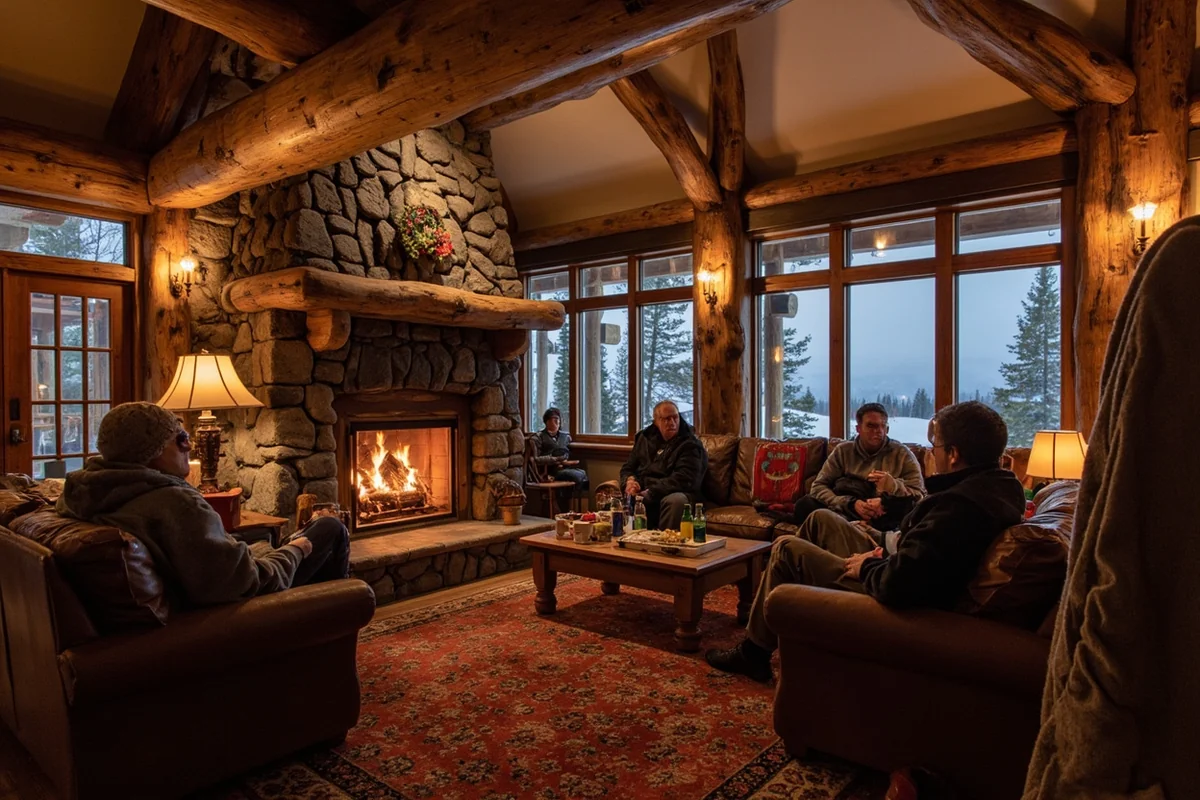
I spent a long weekend at Whitefish last March, and from the moment I walked into the village, I understood why this place has such a devoted following. The downtown area feels like a ski town should—locally owned shops, craft breweries, and restaurants where the server actually skied the same runs you did that morning.
Glacier Country Skiing
Whitefish sits at the doorstep of Glacier National Park, which means the surrounding scenery is almost distractingly beautiful. On clear days, I could see the peaks of the park’s interior while skiing runs like Big Ravine and Good Medicine.
The resort itself offers 3,000 acres—not Big Sky numbers, but still massive by national standards. What impressed me most was the tree skiing. Whitefish gets an average of 300 inches of annual snowfall, and those snow ghosts (trees completely encased in rime ice and snow) create a surreal landscape you simply won’t find at lower-elevation resorts.
During my visit, I ducked into a gladed run called Moe’s Canyon expecting a quick tree lap. I ended up spending two hours exploring interconnected glades that felt like skiing through a frozen forest maze.
The Town of Whitefish
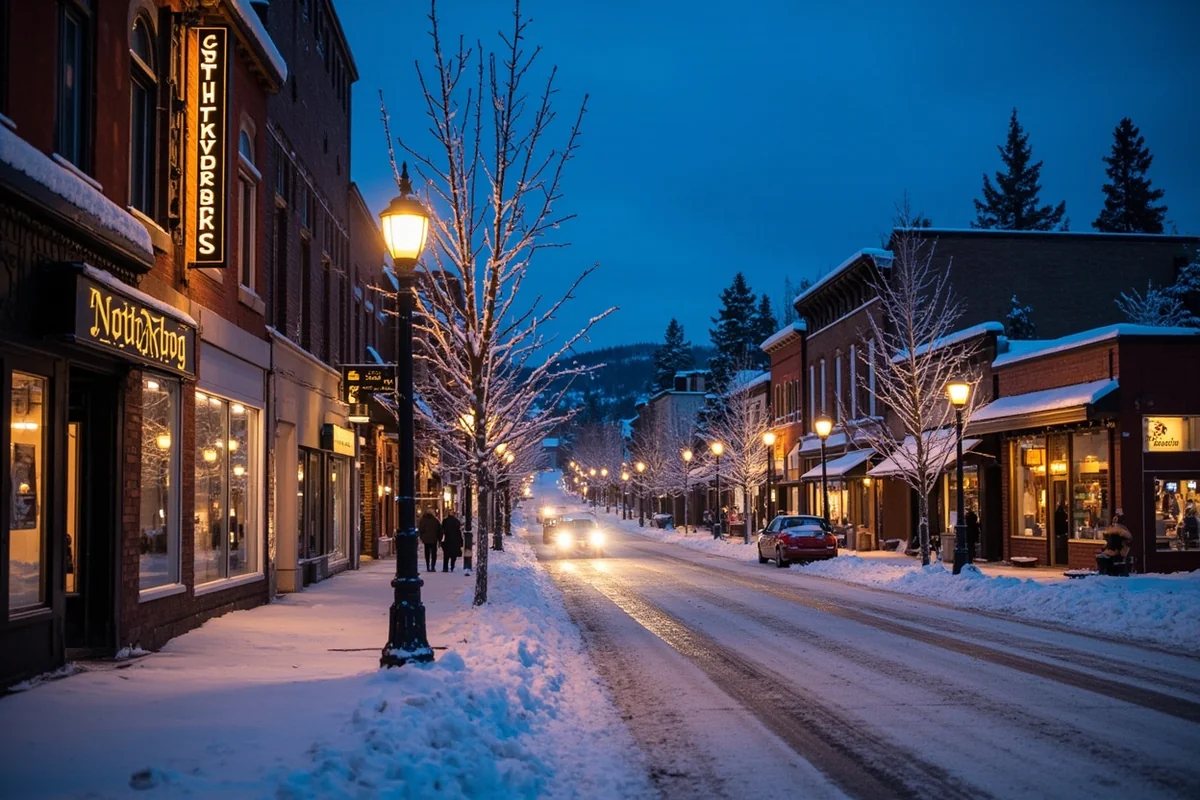
What really sold me on Whitefish was the après-ski scene. Central Avenue downtown has everything within walking distance—from the Montana Tap House with 40+ local beers to Wasabi Sushi Bar (yes, excellent sushi in Montana).
I had one of my best ski trip dinners ever at Café Kandahar, tucked away at the base of the mountain. Chef Andy Blanton creates farm-to-table dishes using Montana-raised beef and locally sourced ingredients. The elk tenderloin with huckleberry demi-glace is something I still think about.
Bridger Bowl: The Hardcore Local’s Mountain
Every state has that one ski area the locals fiercely protect and outsiders rarely discover. In Montana, that’s Bridger Bowl, just 16 miles north of Bozeman.
I’ll be direct: Bridger Bowl is not a luxury resort experience. There’s no slope-side five-star hotel, no heated toilet seats, and no sushi bar. What there is: 2,000 acres of legitimately challenging terrain, a devoted community of hardcore skiers, and some of the best steep skiing in America.
The Ridge: Not for the Faint of Heart
The famous “Ridge” at Bridger Bowl is a bootpack-accessed zone of expert terrain that draws skiers from around the country. During my visit last January, I watched locals hike 15-20 minutes to access chutes and couloirs that rival anything at Jackson Hole or Squaw Valley.
I attempted the Ridge on my second day and quickly realized I was in over my head. The exposure is real, the lines are consequential, and the local experts make it look deceptively easy. I ended up having an incredible day on the inbounds advanced runs instead, humbled but grateful.
The Community Atmosphere
Bridger Bowl operates as a nonprofit ski area, which creates a completely different vibe from corporate resorts. Families have been skiing here for generations. I sat next to a 70-year-old woman on the chairlift who had been skiing Bridger since 1967 and still rips harder than most 30-year-olds I know.
Lift tickets top out around $89, and the parking lot is a parade of older Subarus with roof racks—not the Range Rovers you’d see at Deer Valley. If you want authentic Montana ski culture without a trace of pretension, Bridger Bowl delivers.
Hidden Gem Resorts Worth the Detour
Beyond the bigger names, Montana has a collection of smaller ski areas that deserve attention from adventurous travelers.
Lost Trail Powder Mountain
Straddling the Montana-Idaho border on Highway 93, Lost Trail is my personal favorite hidden gem. The resort averages 300+ inches of snow annually, but because of its remote location, you’ll rarely share it with more than a few hundred skiers.
When I visited on a Saturday in early March, I skied untracked powder until noon—on a weekend. The terrain skews intermediate to advanced, with excellent gladed skiing and a laid-back, almost backcountry feel despite being a fully lift-served resort.
The catch? Lost Trail is 90 miles south of Missoula with limited lodging nearby. I stayed in Darby (30 minutes north) and found the drive through the Bitterroot Valley absolutely stunning.
Discovery Ski Area
Near Anaconda, Discovery flies under everyone’s radar despite offering 2,200 acres and genuine vertical (2,388 feet). The resort attracts a local crowd from Butte and Anaconda, plus a few in-the-know Missoula skiers willing to make the hour-plus drive.
What surprised me during my visit was the variety of terrain. Discovery has legitimate steeps, long cruisers, and excellent tree skiing—all for around $60. The lack of crowds meant I skied first chair to last without ever waiting more than one chairlift cycle.
Practical Planning: When to Go and What to Know
After multiple Montana ski trips, I’ve developed strong opinions about timing and logistics.
Best Times for Powder
January through early March consistently delivers the best conditions. Montana’s cold, dry climate preserves snow quality, and storm cycles tend to stack during these months.
My personal sweet spot is the last two weeks of January. The holiday crowds have departed, snow is deep, and temperatures are cold enough (often well below zero at night) to keep that powder fluffy.
Avoid the week between Christmas and New Year’s unless you don’t mind paying peak prices. Also skip Presidents’ Day weekend if possible—it’s the busiest period at Big Sky and Whitefish.
Getting There
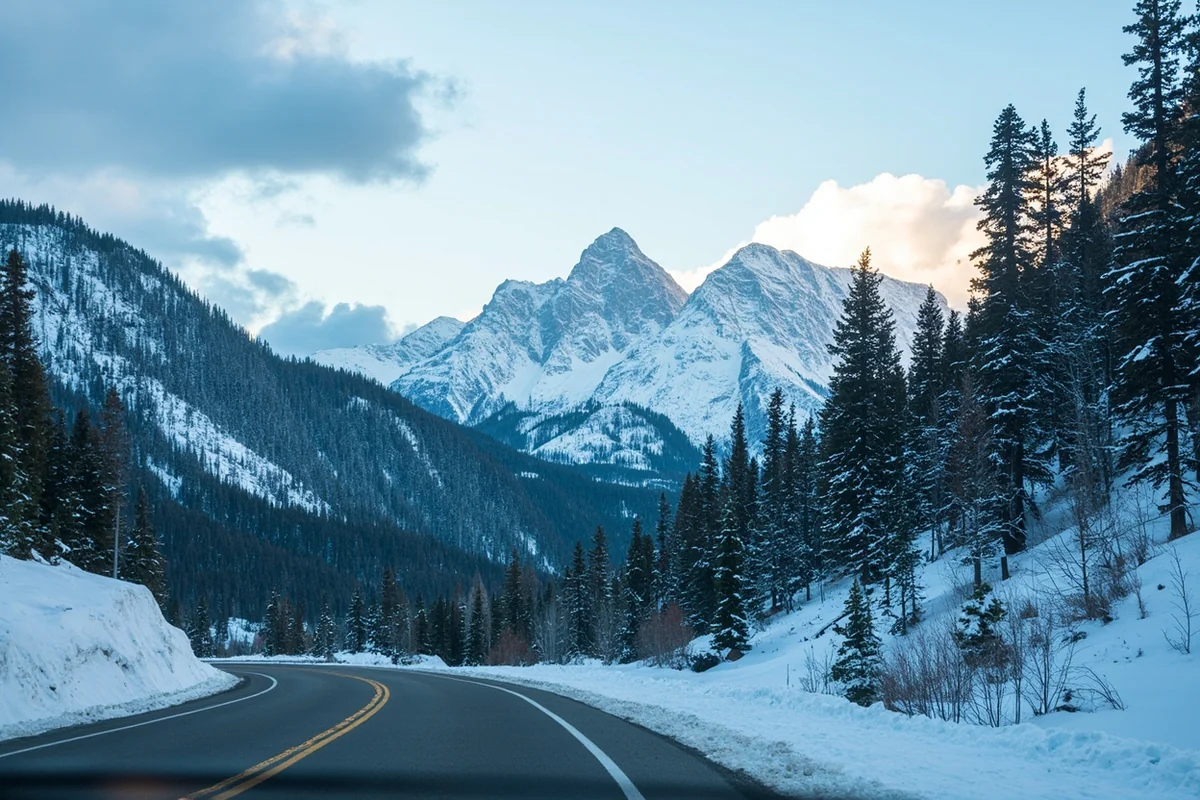
Bozeman Yellowstone International Airport (BZN) is the hub for Big Sky and Bridger Bowl access. It’s grown significantly in recent years, with direct flights from most major US cities.
For Whitefish, fly into Glacier Park International Airport (FCA) in Kalispell—just 30 minutes from the slopes. I’ve found FCA often has cheaper flights than Bozeman, plus easier parking and less chaos.
If you’re visiting Red Lodge, Billings Logan International (BIL) is your best bet, about 60 miles away.
Gear and Preparation
Montana runs cold—significantly colder than most Western ski destinations. Last February at Big Sky, I experienced temperatures of -15°F at the summit. My Colorado-appropriate mid-layer was laughably inadequate.
Pack serious insulation:
- A true expedition-weight base layer (I switched to merino wool and never looked back)
- Hand and toe warmers—multiple sets per day in January
- A balaclava or face protection (frostbite is a real concern)
- Goggles that won’t fog—low-light lenses for flat light days
I also recommend fatter skis than you might normally use. That ultra-light powder requires more surface area. My 100mm-waist all-mountain skis, which are perfect in Colorado, felt too narrow in Montana’s deeper snow. Local shops rent powder-specific skis (110mm+), and I’d strongly suggest taking advantage.
The Multi-Resort Montana Road Trip
One of the best ski trips I’ve ever taken was a 10-day Montana road trip hitting four different mountains. Here’s the itinerary that worked perfectly:
Days 1-3: Big Sky Resort
Fly into Bozeman, pick up a rental car (AWD essential), and drive the scenic 45 minutes to Big Sky. Three days gives you enough time to explore the massive terrain without rushing. Stay in Big Sky Town Center for the best balance of convenience and price.
Day 4: Bridger Bowl Day Trip
Drive back toward Bozeman and hit Bridger Bowl for a local experience. The contrast with Big Sky is fascinating—same incredible snow, completely different vibe. Return to Bozeman for the night and explore the downtown restaurant scene.
Days 5-7: Whitefish Mountain Resort
Make the stunning four-hour drive north through Helena and along the Flathead River to Whitefish. Stay in downtown Whitefish for walkable access to restaurants and bars. Three days here allows for proper exploration plus a potential rest day to wander the charming downtown.
Days 8-10: Exploration Days
Use these final days flexibly. Options include:
- A day at Blacktail Mountain (small, locals-only feel, just 30 minutes from Whitefish)
- Return to your favorite previous resort for a final powder day
- Drive up to Glacier National Park’s entrance for winter scenery (most roads closed, but stunning views)
This trip covers roughly 350 miles of driving but showcases the incredible diversity of Montana skiing.
The Truth About Montana Skiing Challenges
I wouldn’t be honest if I didn’t mention the drawbacks. Montana skiing isn’t perfect, and knowing the challenges helps you plan better.
The Cold Factor
I’ve already mentioned this, but it bears repeating: Montana is legitimately cold. On my January trip to Bridger Bowl, wind chill dropped below -30°F and the resort closed several upper lifts for safety. We lost half a ski day to weather that simply wouldn’t be an issue at lower-elevation, warmer resorts.
Build flexibility into your trip. Weather windows can be narrow, and having backup activities (Bozeman’s breweries, Whitefish’s downtown, Yellowstone’s winter tours) prevents disappointment.
Limited Nightlife and Amenities
If you’re expecting Aspen-level dining and Park City’s shopping scene, Montana will underwhelm. Big Sky is the most developed destination, but even there, options are limited compared to major resort towns.
I’ve come to appreciate this as a feature, not a bug. Montana skiing attracts people who prioritize the mountain experience over the social scene. But if après-ski clubs and designer boutiques matter to you, adjust expectations accordingly.
Remoteness and Travel Logistics
Getting to Montana ski resorts requires more effort than driving to Tahoe or flying to Denver. Flights can be pricey during peak season, and weather delays are common in winter.
I always build buffer days into my Montana trips. Getting stranded by a storm is a real possibility—pack extra supplies in your rental car, keep flexible bookings when possible, and embrace the adventure mindset.
Why Montana Skiing Changed My Perspective
After a decade of chasing powder across the Western US, I’ve become increasingly convinced that Montana offers something special that’s hard to quantify.
It’s not just the snow quality, though that’s exceptional. It’s not just the value, though your dollar stretches further here than anywhere else. It’s the feeling of skiing in a place that hasn’t been completely overrun by the ski industry machine.
At Big Sky, despite its massive size, I’ve had genuine conversations with ski patrol members who know every gully and tree run by heart. At Bridger Bowl, I’ve shared chairlifts with families who’ve been skiing together for 40 years. At Whitefish, I’ve walked downtown and felt like a welcomed guest rather than a tourist dollar sign.
There’s something precious about Montana’s ski culture that I hope survives the inevitable growth. For now, these mountains offer what the crowded mega-resorts lost years ago: space, authenticity, and snow that makes every turn feel like a gift.
If you’re reading this and you’ve never skied Montana, I genuinely envy you. That first run through cold smoke, that first view from Lone Peak, that first evening walking Whitefish’s Central Avenue after a powder day—those moments are ahead of you, waiting.
Don’t wait too long. Book the flight, rent the car, pack the warmest gear you own, and go discover what the rest of the country is still sleeping on. Montana skiing isn’t just good. It’s transformative.
Frequently Asked Questions
When is the best time to go skiing in Montana for optimal snow conditions?
I’ve found that mid-January through early March offers the best powder days at Montana ski resorts, with average snowfall exceeding 300 inches at higher elevations. The sweet spot is typically February when crowds thin out after the holiday rush but snow quality remains exceptional.
How much does a ski trip to Montana cost compared to Colorado resorts?
You’ll save significantly skiing in Montana, with lift tickets averaging $80-$120 per day compared to $200+ at major Colorado resorts. A week-long ski trip including lodging, rentals, and meals typically runs $1,500-$2,500 per person, making Big Sky and Whitefish incredibly budget-friendly alternatives.
What should I pack for a Montana skiing vacation in winter?
Beyond standard ski gear, I always pack extra base layers rated for sub-zero temps since Montana regularly dips to -10°F or colder. Don’t forget hand and toe warmers, a neck gaiter, goggles with low-light lenses for snowy days, and SPF 50 sunscreen because the high-altitude sun is deceivingly intense.
How far is Big Sky Resort from Bozeman airport and what’s the best way to get there?
Big Sky Resort sits about 45 miles south of Bozeman Yellowstone International Airport, roughly a one-hour drive on Highway 191. I recommend renting an AWD vehicle since winter road conditions can be unpredictable, though the Skyline Bus shuttle service runs daily for around $50 round-trip.
Is Montana good for beginner skiers or only advanced terrain?
Montana is actually fantastic for beginners, with resorts like Whitefish Mountain dedicating 25% of trails to green runs and offering affordable lesson packages starting at $150. I’ve taken first-timers to Discovery Ski Area near Anaconda where the uncrowded slopes and $59 lift tickets make learning stress-free.
Can I combine a Montana ski trip with visiting Yellowstone National Park in winter?
Absolutely, and it’s one of my favorite Montana winter itineraries. Big Sky Resort is just 50 miles from Yellowstone’s west entrance, where you can book snowcoach tours to see Old Faithful and wildlife without summer crowds. I suggest dedicating 2-3 days to skiing and one full day for a guided Yellowstone winter excursion.
What makes Montana skiing different from other Rocky Mountain ski destinations?
Montana delivers an authentic, uncrowded ski experience with an average of only 2,150 skiers per day at Big Sky compared to 15,000+ at Vail. The snow here is famously light and dry due to the continental climate, and I’ve personally enjoyed fresh tracks hours after a storm because lift lines rarely exceed 5 minutes.