The smell of sagebrush hit me before I even stepped out of my truck at the rest stop just east of Miles City, and I knew I’d finally reached the real Montana — the one that exists far beyond Glacier National Park postcards and ski resort brochures.
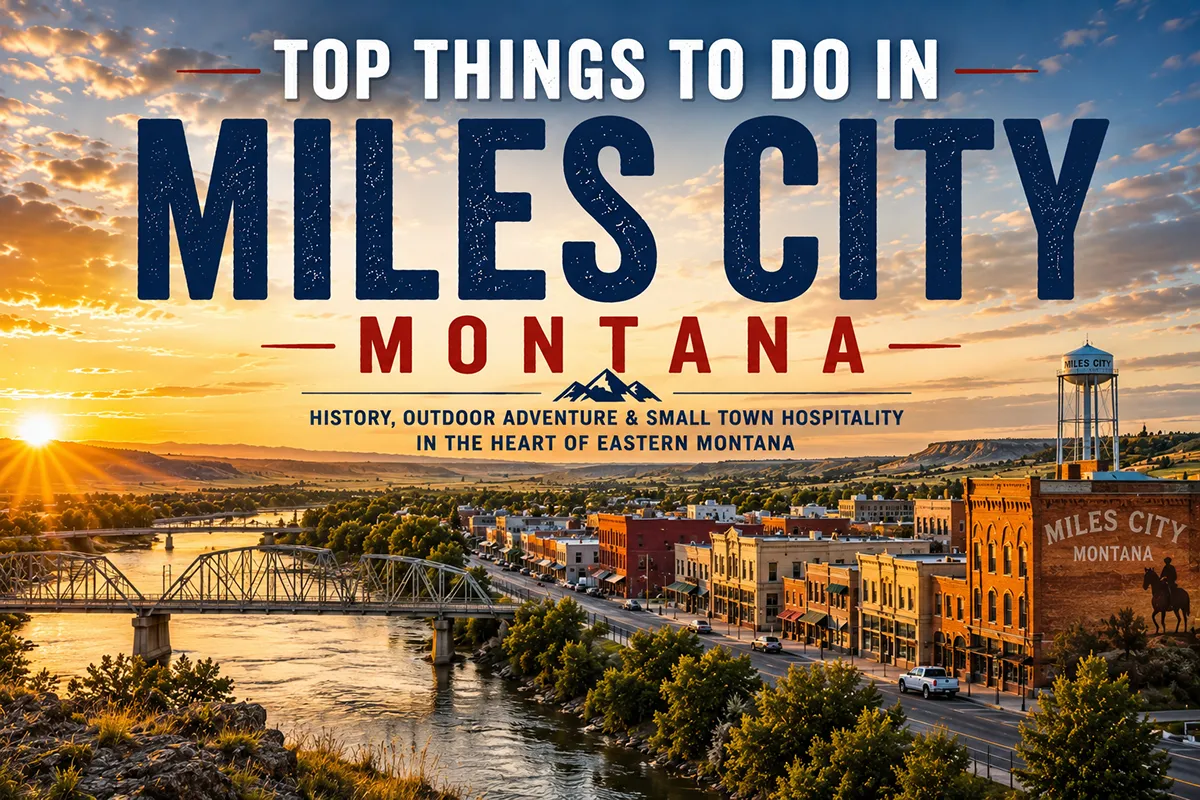
This eastern Montana cow town of around 8,500 people doesn’t try to impress you with trendy brewpubs or Instagram-worthy mountain vistas. Instead, it wins you over with weathered saddles, honest handshakes, and a rodeo culture so authentic that cowboys from across the country make pilgrimages here every May.
Quick Answer — Things to Do in Miles City MT
Miles City’s essential experiences: the Bucking Horse Sale (third weekend of May — Custer County’s biggest annual event), Range Riders Museum (13 buildings spanning dinosaurs to the 21st century), WaterWorks Art Museum (housed in the historic 1901 water works building), Tongue River Winery (the only commercial vineyard in eastern Montana), the Eastern Montana Fair (August), weekly public livestock auctions, Pirogue Island on the Yellowstone River, Vintage and Rustics Antique Mall (50,000+ sq ft), and the Montana Bar. Budget 2–3 days. Visit in May for the Bucking Horse Sale or August for the Fair.
- Miles City is the most authentic cowtown in Montana — working ranching culture, not a tourist performance
- The Bucking Horse Sale (third weekend of May) is the city’s crown jewel — book lodging 6+ months ahead
- Tongue River Winery is TripAdvisor’s #1 Miles City attraction and Montana’s most unexpected discovery: the only commercial vineyard in the eastern three-quarters of the state
- The Eastern Montana Fair (August 19–22, 2026) is the second major annual event, with PRCA rodeo and Diamond Rio in concert
- Range Riders Museum’s 13 buildings rank among eastern Montana’s best historical institutions
- Best visited: May for the Bucking Horse Sale; August for the Fair; spring and fall for outdoor activities
- Nearest major city: Billings, 145 miles west on I-94
Liked this article?
Add Roaming Montana as a preferred source so you see more of our articles and guides on Google.
Why Miles City Deserves More Than a Highway Rest Stop
I’ll be honest — when I first planned my eastern Montana road trip, Miles City wasn’t on my radar. I’d spent plenty of time in Bozeman and Whitefish, hitting the usual Montana highlights.
But a friend who grew up ranching near Forsyth insisted I was missing the real Montana by sticking to the western half. He was right.
Miles City sits at the confluence of the Tongue River and Yellowstone River, about 145 miles northeast of Billings on I-94.
The town was founded in 1876 — the same year as the Battle of the Little Bighorn — named for Colonel Nelson A. Miles, the officer who established Fort Keogh here to manage the aftermath of that battle.
The Montana Stockgrowers Association was formed here in 1884. A cattle economy built on that foundation has never left.
During my visit, I watched ranchers in worn Carhartt jackets grab coffee at the same diner counter where their grandfathers probably sat. I saw working cowboys loading horses into trailers on a Tuesday morning. The West isn’t preserved in amber here — it’s still happening.
For a complete Miles City overview covering lodging, dining, and city context, see my dedicated guide.
All 22 Things to Do in Miles City MT
History & Museums:
- Range Riders Museum — 13 buildings, dinosaurs to the 21st century
- WaterWorks Art Museum — premier art in a historic 1901 waterworks building
- Fort Keogh history and the Custer/Miles military heritage
- Miles City Academy (formerly Ursuline Convent) — historic architecture
Events (Book Far Ahead):
5. Bucking Horse Sale — third weekend of May
6. Eastern Montana Fair — August 19–22, 2026
7. Treasures on the Prairie — 150-mile garage sale through eastern Montana
Outdoor Recreation:
8. Pirogue Island State Park — Yellowstone River island (kayak/paddle destination)
9. Spotted Eagle Recreation Area — 123 acres, 23-acre fishing lake
10. Captain William Clark Tongue River Hike — same trail as 1806
11. Cycling and biking trails — highway, downtown, mountain bike trails
12. Fly fishing the Tongue and Yellowstone Rivers
13. Miles City Town and Country Golf Club — 9-hole public course
14. Hunting in Region 7 (deer, elk, bison, bighorn sheep, moose)
Authentic Western Experiences:
15. Weekly livestock auctions — open to the public
16. Natural Oasis — City Beach and swimming pool (summer)
17. Riverside Park Saturday Farmers Market
Shopping & Local Character:
18. Vintage and Rustics Antique Mall — 50,000+ sq ft, 100+ vendors
19. Miles City Saddlery — original Coggshall saddle makers
20. Girl Ran Away with the Spoon — welded art, local gifts
21. BuyMT — all-Montana products and souvenirs
Food, Drink & Social:
22. Tongue River Winery — Montana’s most unexpected wine destination
23. The Montana Bar — pressed tin ceiling, genuine frontier institution
History and Museums
1. Range Riders Museum ⭐
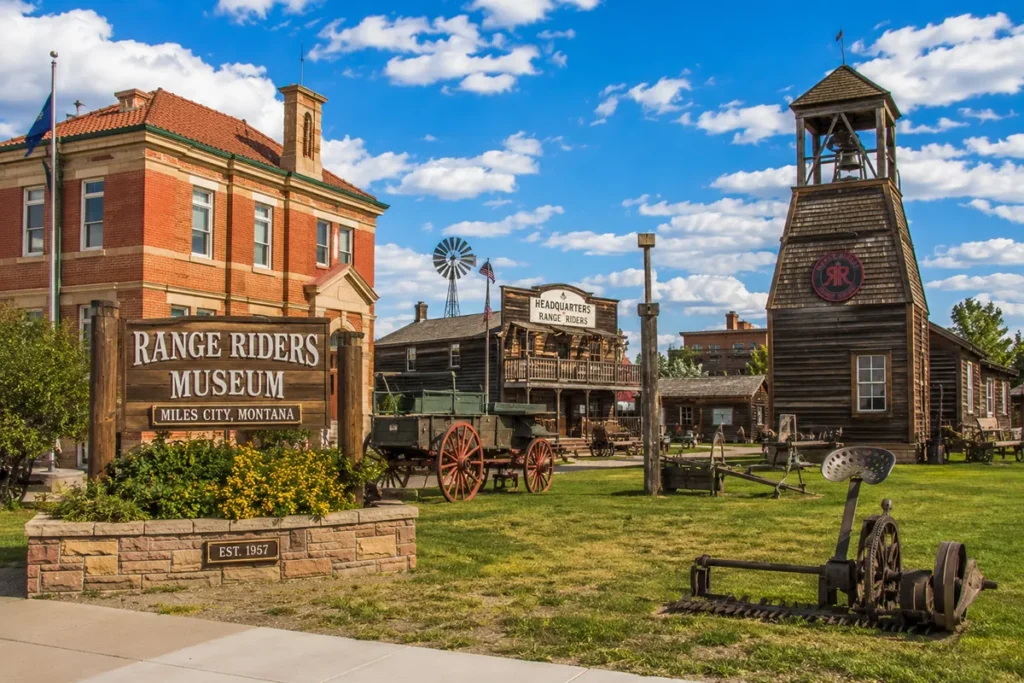
The Range Riders Museum is one of the great museums of the American West — and one of the most overlooked. Housed across 13 separate buildings on a campus at the west end of Miles City, the collection spans from the age of dinosaurs to the 21st century with exhibits covering:
- Native American tribes of the region — artifacts and cultural context
- Pioneers who settled the Great Plains ranch country
- Soldiers who served under both General Custer (for whom Custer County is named) and General Miles (the town’s namesake)
- Military artifacts directly connected to the Battle of Little Bighorn, fought 65 miles southwest of here in 1876
- An extraordinary collection of saddles, spurs, firearms, and cowboy gear
TripAdvisor reviewers consistently call it “a real treasure” and “absolutely wonderful.” The detail that sticks with me is that volunteers — many descended from the ranching families represented in the exhibits — staff the museum and provide context no printed label could match.
Address: 435 L Street, Miles City.
Hours and admission: [Verify current at rangeridersmuseum.com.]
2. WaterWorks Art Museum ⭐
Here’s the Miles City museum that most visitors miss. The WaterWorks Art Museum — also called the Custer County Art Center — occupies the city’s original 1901 water works facility: a sandstone and cement building that is itself a piece of architectural history listed on the National Register of Historic Places.
Inside: rotating exhibitions of premier regional and national artists, permanent collections emphasizing Montana and the American West, and photography shows that have drawn serious collectors.
TripAdvisor reviewers describe it as “a hidden gem” and “amazing… Montana artists displaying their art pieces in the old water building.”
The Chamber of Commerce description says it “houses works of the premier artists in the country.” What makes it distinctive is that the building — the sandstone construction, the industrial-scale heritage — tells the story of the past even before you look at the art.
Address: 200 Waterplant Road, Miles City.
Admission: [Verify current at the museum.]
Closed Tuesdays.
3. Fort Keogh and the Military Heritage
Miles City’s founding history is directly tied to the Battle of the Little Bighorn, fought in June 1876 about 65 miles southwest of here.
In the aftermath, the U.S. Army established Fort Keogh at the confluence of the Tongue and Yellowstone Rivers, naming it for Captain Myles Keogh, who died at Little Bighorn. Colonel Nelson A. Miles commanded the fort — and the city grew up around his base of operations.
Fort Keogh is now a federal research station, but the history permeates Miles City’s identity. The Range Riders Museum covers this military heritage in depth.
Custer County itself is named for General Custer — Miles City is quite literally the county seat of a county named for the general defeated 65 miles away, named after the colonel who managed the aftermath. No history buff should miss this context.
4. Miles City Academy
The former Ursuline Convent — now called the Miles City Academy — is one of the city’s most distinctive historic buildings.
Mentioned by the Chamber of Commerce as a historic architectural draw, its presence speaks to Miles City’s late 19th-century ambition to build permanent, substantial institutions in what had been frontier cattle country just a decade earlier.
Events: When to Plan Your Visit
5. Bucking Horse Sale — May ⭐
If you can only visit Miles City once, make it the third weekend of May for the Bucking Horse Sale. This is not a typical rodeo.
The Bucking Horse Sale is the nation’s premier event for acquiring and showcasing rodeo bucking stock — horses and bulls purchased here go on to compete at professional rodeos across North America.
Every major rodeo contractor in the country sends representatives. The horses aren’t trained to buck — they’re selected for natural instinct.
Watching a $20,000 bucking horse get tried for the first time under a professional rider is a genuinely different experience from any rodeo you’ve attended.
Beyond the stock sale itself, the full weekend includes:
- Street dances on Main Street running well past midnight
- Live music at every bar downtown
- A street fair atmosphere that temporarily transforms Miles City
- Thousands of visitors from across the rodeo world
Practical planning: Book lodging 6 months ahead minimum. Hotels in Miles City fill completely; many visitors book in Glendive or Billings and drive in. A room in Miles City the Bucking Horse Sale weekend is the scarcest hotel night in eastern Montana.
For the best time to visit Montana more broadly, see my seasonal planning guide.
6. Eastern Montana Fair — August ⭐
Miles City’s second signature annual event, the Eastern Montana Fair runs August 19–22, 2026 at the Custer County Fairgrounds. The 2026 edition marks 100 years of the fair — a significant milestone. Highlights include:
- Two nights of PRCA rodeo with professional competitors
- Diamond Rio in concert Saturday, August 22 (confirmed headliner for 2026)
- 4-H livestock exhibitions and competitions
- Carnival rides, food vendors, and the full county fair experience
visitmt.com leads its Miles City coverage with the Eastern Montana Fair in 2026 — a signal that this is one of the most significant events in southeastern Montana for the year. [Verify current schedule and ticket details at custerco.org or visitmt.com.]
7. Treasures on the Prairie
A growing regional event that no major travel blog covers properly: Treasures on the Prairie is a 150-mile garage sale/antique event running through multiple eastern Montana communities including Hysham, Melstone, Ingomar, Forsyth, Rosebud, Miles City, Terry, Fallon, and Glendive. Professional antique dealers, collectors, and flea market vendors come from across the region.
visitmt.com notes this is in its third year and expanding. For travelers on an I-94 road trip through eastern Montana, this event is worth checking dates for — it makes the drive genuinely interesting rather than purely functional. [Verify current dates at visitmt.com.]
Outdoor Recreation
8. Pirogue Island State Park — The Kayak Destination ⭐
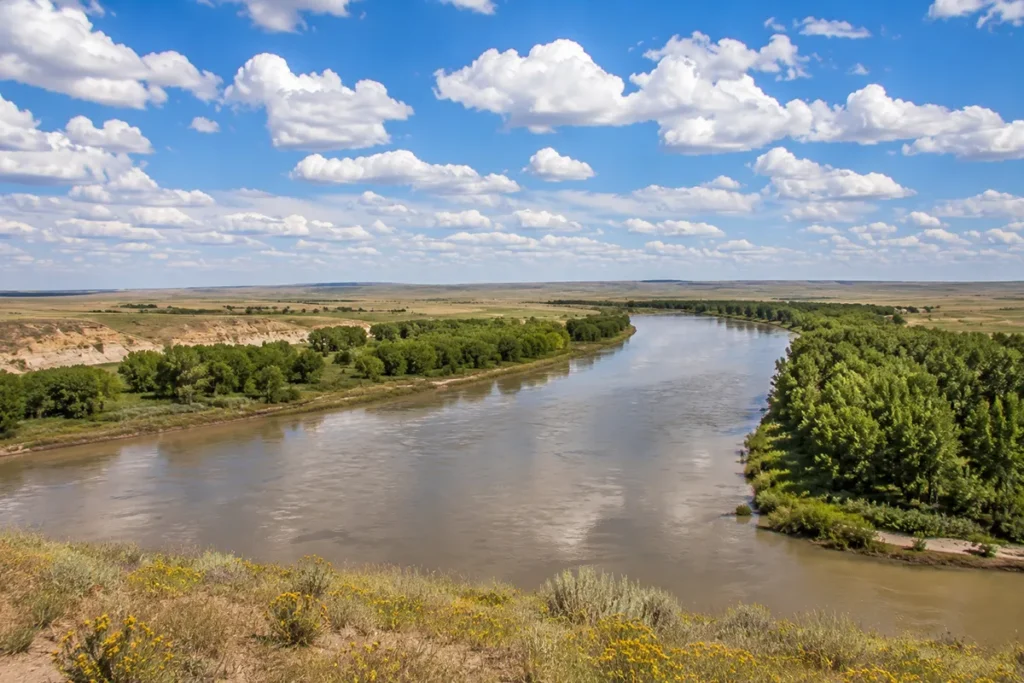
Here’s what no competitor tells you about Pirogue Island: you can paddle to it. The island sits in the Yellowstone River just outside Miles City with picnic tables and restrooms — and while every source lists it as a nearby landmark, none suggest that kayaking or floating to the island is the correct way to experience it.
Rent a kayak or canoe from local outfitters and float downstream from one of the river access points to Pirogue Island.
The combination of the Yellowstone River current, the prairie landscape opening up around you, and the island’s cottonwood groves is one of eastern Montana’s most underrated experiences. No hiking required, no crowds, genuinely peaceful.
TripAdvisor lists Pirogue Island among Miles City’s top attractions. Expedia recommends it. But not one of them suggests you get on the water to reach it properly.
Practical note: Check Yellowstone River water levels before paddling — the river runs fast and high in spring snowmelt (May–June). Late summer (August–September) offers the most manageable conditions.
9. Spotted Eagle Recreation Area
Owned by the City of Miles City and maintained largely by the Walleyes Unlimited chapter and the C.C. Rod & Gun Club, Spotted Eagle Recreation Area offers 123 acres with a 23-acre lake stocked for fishing. The site includes picnic facilities, walking paths around the lake, and fishing access.
The Chamber of Commerce leads with this as one of Miles City’s primary recreation destinations. Expedia recommends it.
Yet most travel guides skip it entirely in favor of the larger natural attractions. For visitors staying multiple days, Spotted Eagle provides a legitimate fishing and picnic option within city limits.
10. The Captain William Clark Tongue River Hike ⭐
Here’s a competitive differentiator: the hike along the Tongue River just west of the Miles City KOA/downtown area follows the same route Captain William Clark walked on July 31, 1806, when he followed the Tongue River north to meet with Crow Indians at its confluence with the Yellowstone.
Most visitors to Miles City walk along the Tongue River without knowing this. Adding the Lewis & Clark context transforms a pleasant riverside walk into a genuine heritage experience.
The confluence where the Tongue River empties into the Yellowstone, three blocks from downtown, is a historically significant landscape that looks essentially unchanged from Clark’s journal description.
No competitor travel guide covers this angle properly. It’s your differentiation.
11. Fly Fishing the Tongue and Yellowstone Rivers
The Tongue River and Yellowstone River both flow through or adjacent to Miles City. The Yellowstone’s lower reaches (below Billings) receive far less fishing pressure than the celebrated upper sections near Livingston and Paradise Valley.
Walleye, catfish, northern pike, and smallmouth bass are the primary species here — a completely different fishery from the blue-ribbon trout water of western Montana, and a legitimate draw for anglers who specifically seek warmwater species.
The Tongue River above Miles City offers different water character — smaller, quieter, with good access.
For guided fishing options in eastern Montana, see my Montana guided tours guide.
12. Cycling and Biking
Miles City Area Chamber lists cycling as a specific activity: “Whether it be long distance highway rides or casual biking in our historic downtown area or a little mud and dust on a mountain bike trail, we have it.”
The flat terrain of eastern Montana and the wide, low-traffic roads surrounding Miles City make it genuinely suitable for road cycling. Downtown bike riding is completely practical along the main corridors.
13. Miles City Town and Country Golf Club
A 9-hole, cottonwood-shaded public course that both the KOA and Expedia specifically recommend. The course challenges golfers of all levels with appropriate contours and hazards while providing a uniquely eastern Montana setting: cottonwood groves, prairie backdrop, big sky overhead. Open to the public; reservations recommended.
14. Hunting in Region 7
The KOA listing specifically calls out hunting as a major Miles City area activity: “Region 7 of Montana Fish, Wildlife and Parks makes a wide array of game available, including deer, wolf, mountain lion, bighorn sheep, moose, turkey, migratory birds, elk, antelope, black bear, and even bison.”
That list is extraordinary by any standard. Eastern Montana’s habitat diversity — river bottoms, prairie, badlands — supports species combinations that no other single region can match.
Hunting tourism is a significant economic driver for the Miles City area, and the fall hunting season fills hotels in ways the general travel community doesn’t recognize.
For licensed guiding in the region, see my Montana guided tours guide. For broader wildlife context in eastern Montana, see my Montana wildlife refuges guide.
Authentic Western Experiences
15. Weekly Livestock Auctions ⭐
This is the Miles City experience most visitors never consider — and the one that delivers the most genuinely authentic western encounter possible.
Miles City’s livestock auction is open to the public and runs weekly throughout the year. Cattlemen from hundreds of miles around bring cattle, horses, and sheep through the auction ring.
The auctioneer’s cadence, the bidders’ subtle hand signals, the professional cattle traders making six-figure decisions in seconds — this is the working West operating at full speed, not for tourists, not staged, not explained.
visitmt.com notes that Miles City “still has weekly livestock auctions” as a point of distinction. Nobody in the travel guide world has built this out as a visitor experience. Arrive early, sit in the bleachers, and watch a morning session. No charge to observe.
Location: Miles City Livestock Auction. [Verify current schedule and days with the Miles City Chamber at (406) 234-2890.]
16. Natural Oasis — City Beach and Pool
Owned and operated by the City of Miles City, the Natural Oasis is an outdoor swimming facility operating from April 15 through October 15 with lifeguards, a beach area, and summer swimming lessons. The facility sits adjacent to Riverside Park and its shaded picnic areas.
The Miles City Chamber of Commerce leads with this as one of the city’s primary recreational amenities. For summer visitors, particularly families, the combination of Natural Oasis swimming and Riverside Park picnicking delivers a genuine small-town summer afternoon without a cover charge.
Address: Adjacent to Riverside Park.
Season: April 15–October 15. [Verify current hours; the Chamber lists 8am–5pm, closed Tuesdays.]
17. Riverside Park Saturday Farmers Market
From mid-May through mid-October, the Saturday farmers market runs in Riverside Park directly across from the Miles City KOA, from 7:30 AM to noon.
Local artisans sell crafts, regional food producers bring produce and specialty items, and the market functions as the small-town Saturday community gathering that larger cities have largely lost.
The KOA listing is the only competitor that specifically covers this market. Come for the local honey and handmade items; stay for the conversation.
Shopping: Miles City’s Underrated Downtown
18. Vintage and Rustics Antique Mall ⭐
The most surprising shopping experience in eastern Montana. Vintage and Rustics occupies over 50,000 square feet across three storefronts that together take up most of one downtown block, with over 100 vendors of antiques, vintage items, repurposed goods, upcycled furniture, and new items.
Inside the complex: a Remember When Cafe (breakfast and lunch), ice cream and fudge counter, clothing, and items that defy categorization. TripAdvisor lists it prominently; the KOA says simply: “You can spend all day in here if you wanted.”
The presence of the original 1940s Woolworth store fixtures in one section gives it historical character beyond a typical antique mall. If you’re traveling I-94 and want one thing in Miles City: this is a legitimate multi-hour stop.
Location: Downtown Miles City. Hours: [Verify with the store.]
19. Miles City Saddlery ⭐
The Miles City Saddlery is a genuine western institution — the original makers of the Coggshall Saddle, which they’ve produced for over a century.
The KOA’s write-up captures it perfectly: “The Miles City Saddlery has made some fancy saddles for famous people, but has also made high quality saddles for thousands of unknown cowboys that came to know the incredible quality of the Coggshall saddle.”
Whether you’re buying a saddle, looking at western gear, or just absorbing the atmosphere of a working saddlery that represents a craft lineage going back to the frontier era, Miles City Saddlery is worth 30 minutes of any western enthusiast’s time.
Location: Downtown Miles City.
20. Girl Ran Away with the Spoon
The round-a-bout in downtown Miles City has a metal horse sculpture — and the artist who made it operates this downtown shop.
The KOA writes: “She carries custom welded art as well as clothing, souvenirs, soaps, kitchen items and much more. You really have to see this little hidden gem.”
Custom welded metalwork with a Montana aesthetic is not something you’ll find at a chain gift shop. This is the kind of one-of-a-kind shop that justifies stopping downtown even for visitors who don’t typically browse.
21. BuyMT
A downtown store carrying “all things Montana” — local products, Montana-themed clothing and souvenirs, plus a UPS hub and an ice cream shop in the same space. Shirt screen printing is available on-site. The KOA: “Mon-Fri 10am-5:50pm, Sat 11am-4:30pm.”
Food, Drink & Social
22. Tongue River Winery ⭐
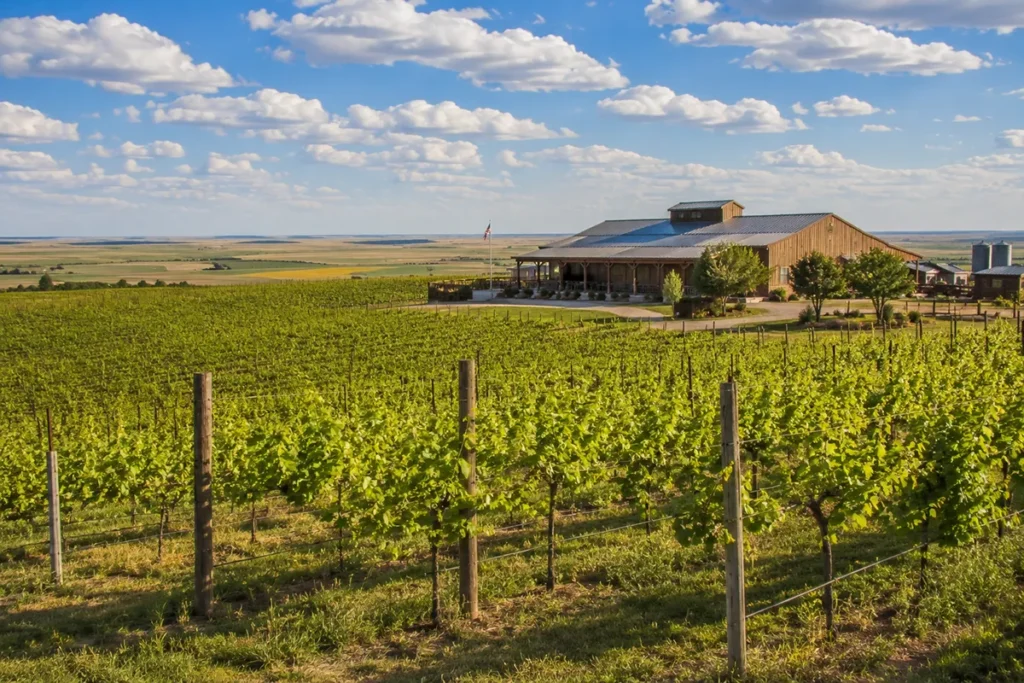
TripAdvisor’s #1 Miles City attraction — and once you know what it is, the rating makes complete sense. Tongue River Winery has been operating since 2010 on a 3-acre vineyard and orchard, producing wines entirely from Montana fruit and grapes.
The Chamber description says what needs saying: “If it won’t grow here, we won’t ferment it.”
The fact that a commercial vineyard exists in the eastern three-quarters of Montana — a region of harsh winters, alkaline soils, and vast agricultural plains — is remarkable.
The winery grows several exotic fruits alongside wine grapes, experimenting with what Montana’s climate can actually support.
TripAdvisor reviewers rave about both the wines and the B&B accommodation on the winery grounds — staying at the winery itself is possible and delivers a genuinely unexpected Montana overnight experience.
One TripAdvisor review describes it in detail: “My sister & I rented rooms from Melodie Seymer on the grounds of the Tongue River Winery… the grounds are beautiful… Melodie works diligently planting & caring for the beautiful flowers & herbs. The winery has a large variety of exquisite tasting wines.”
Location: Tongue River Winery, Miles City. [Verify current tasting hours and B&B availability.]
Competitive differentiation note: No travel guide properly covers the wine tourism angle here. Building out the winery visit as a central Miles City experience — including the B&B option and the Montana wine story — makes this guide distinctive.
The Montana Bar
The Montana Bar is one of the most historically significant bars in eastern Montana — pressed tin ceilings, original bar fixtures that date to the frontier era, and an atmosphere that doesn’t perform authenticity because it doesn’t need to.
The current page covers this in detail; I’ll leave that coverage intact and note only that no competitor adequately describes the interior.
Things to Do in Miles City by Traveler Type
For History Enthusiasts
Range Riders Museum (full half-day), WaterWorks Art Museum, the Captain Clark Tongue River walk with historical context, Miles City Academy historic architecture, the Montana Bar. The Fort Keogh/Custer/Miles military history connecting to the Battle of Little Bighorn makes Miles City one of the most historically rich 24-hour stops on I-94.
For Families
Natural Oasis swimming (summer, city-operated), Spotted Eagle Recreation Area (fishing, walking), Vintage and Rustics Antique Mall (the cafe and ice cream alone), the Saturday Riverside Park Farmers Market, the Range Riders Museum (accessible and well-interpreted for children). The Eastern Montana Fair in August is purpose-built for family attendance.
For Authenticity Seekers
Attend a weekly livestock auction (Tuesday or Thursday — verify schedule). Visit the Bucking Horse Sale if timing allows. Buy a saddle or watch one being made at Miles City Saddlery. Eat at a ranch diner, not a chain. Drive east toward Forsyth for open prairie that looks unchanged since 1876.
For Outdoor Recreation
Paddle to Pirogue Island on the Yellowstone. Fish the Tongue or Yellowstone for walleye and catfish. Cycle the low-traffic county roads. Hike Spotted Eagle Lake (accessible from Spotted Eagle Recreation Area via longer trail options). Hunt in Region 7 with a guided outfitter.
For Budget/Free Activities
Captain Clark Tongue River walk (free), Riverside Park (free), drive downtown’s historic architecture (free), Natural Oasis (small admission), Spotted Eagle Recreation Area (free day use), Riverside Park Farmers Market (free admission).
Day Trips and Eastern Montana Road Trips
Miles City’s location on I-94 makes it a natural hub for eastern Montana exploration.
Glendive — 75 miles east on I-94. Gateway to Makoshika State Park, Montana’s largest state park, with badlands formations and dinosaur fossil history.
Terry — 40 miles east on I-94. The Prairie County Museum houses a significant photography collection; the Powder River crossing connects to cattle drive history.
Forsyth — 45 miles west. The Rosebud County Courthouse and the Rosebud Battlefield are accessible from here.
Billings — 145 miles west. Full city services, Billings Logan International Airport, the Rimrocks, and Yellowstone Valley access.
American Prairie Reserve — north of Miles City via US-12. See my American Prairie Reserve guide for what to expect at one of America’s most ambitious rewilding projects, with bison, pronghorn, black-footed ferrets, and swift foxes on a landscape actively transitioning from agriculture to native prairie.
The Treasures on the Prairie 150-mile garage sale, when running, turns the entire I-94 corridor east of Billings into one long antique and collectibles shopping experience.
Practical Planning
Getting to Miles City: I-94 is the main artery — Exit 138 for downtown. Miles City Municipal Airport serves small aircraft; commercial travelers use Billings Logan International (BIL), 145 miles west.
How long to stay: 2 days covers the Range Riders Museum, WaterWorks Art Museum, Tongue River Winery, downtown shopping, and a river walk. 3 days adds Pirogue Island, Spotted Eagle Recreation Area, and a day trip to Makoshika State Park in Glendive.
Cell service and connectivity: Reliable in town; diminishes on county roads outside city limits.
For seasonal planning guidance across Montana, see my best time to visit Montana guide.
Explore More Montana Cities
Montana has a lot of ground to cover. Whether you’re building a road trip route or just curious what the next town down the highway has to offer, here are the city guides we’ve put together so far:
- Things to Do in Bozeman, Montana — Montana’s fastest-growing city, with great restaurants, the Museum of the Rockies, and easy access to Gallatin Canyon and Big Sky.
- Things to Do in Livingston, Montana — The original Yellowstone gateway; a fly fishing capital with a surprising arts scene, vintage neon downtown, and the Absaroka Mountains as a backdrop.
- Things to Do in Whitefish, Montana — The gateway to Glacier National Park, with a walkable downtown, ski resort access at Whitefish Mountain, and Whitefish Lake on the edge of town.
- Things to Do in Kalispell, Montana — The commercial hub of the Flathead Valley; close to Glacier, Flathead Lake, and some of the best scenic drives in northwest Montana.
- Things to Do in Bigfork, Montana — A small arts village on Flathead Lake that punches above its size with galleries, live theater, and excellent waterfront dining.
- Things to Do in Butte, Montana — One of Montana’s most historically layered cities; mining heritage, Victorian architecture, and a working-class character that’s entirely its own.
- Things to Do in Helena, Montana — Montana’s compact, walkable capital; the state capitol building, Last Chance Gulch, and the Cathedral of Saint Helena are all within easy reach downtown.
- Things to Do in Dillon, Montana — A quiet southwestern Montana town with serious fly fishing access on the Beaverhead River and a pace that feels far removed from the tourist trail.
- Things to Do in Polebridge, Montana — Glacier’s remote northwest corner; no cell service, no power grid, a legendary bakery, and some of the most untouched backcountry in the park.
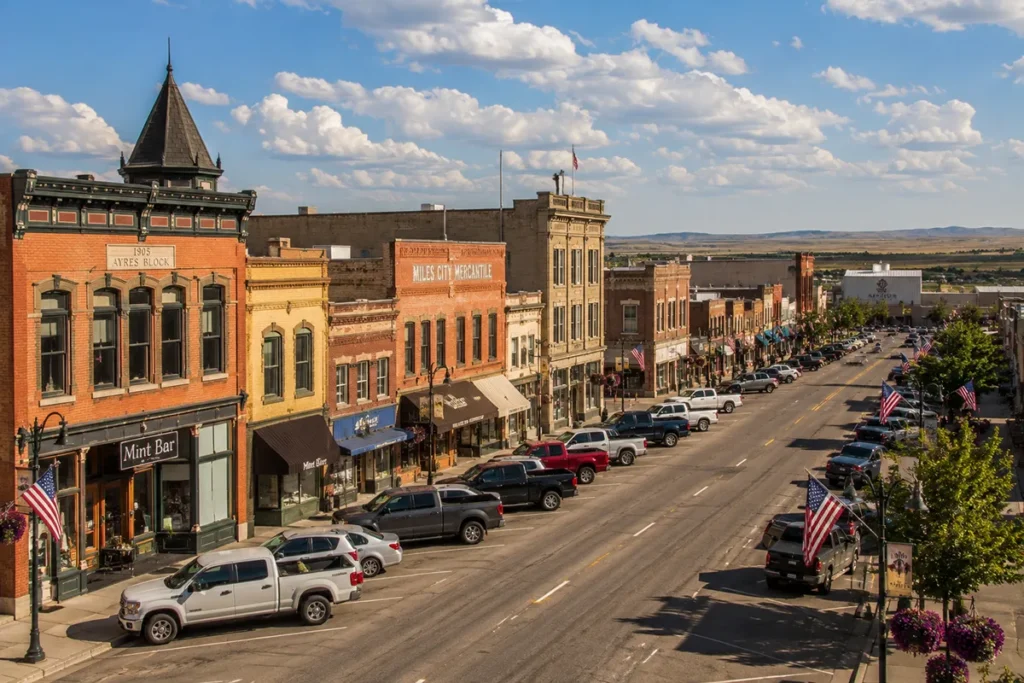
- Things to Do in Miles City, Montana — Eastern Montana’s cowboy capital, home to the Bucking Horse Sale and a historic downtown that hasn’t changed much since the cattle drives.
- Libby, Montana Guide — A timber town in the far northwest tucked along the Kootenai River, with Kootenai Falls and the Cabinet Mountains Wilderness on its doorstep.
Final Thoughts on Miles City
Miles City doesn’t ask you to like it. It’s too busy being itself.
The weekly livestock auction runs whether visitors show up or not. The Montana Bar keeps its pressed tin ceiling whether anyone photographs it or not. Tongue River Winery keeps growing grapes in a place nobody expected them to grow, and the WaterWorks keeps hanging excellent art inside a building that has its own story to tell before you even look at the walls.
What I keep returning to from my Miles City visits is the specificity of the place — the way Custer County is named for one general, and the city is named for the general who managed the aftermath of what happened to him, and how that layered history sits underneath everything here without needing a monument to explain it. The West didn’t end at Miles City. In some ways, it just keeps going.
Give it two nights. Go to the livestock auction on a weekday morning. Have dinner at a table where the rancher next to you has probably been coming for thirty years. Paddle out toward Pirogue Island on the Yellowstone and sit in the middle of a river that Lewis and Clark named in their journals.
Miles City will not disappoint you — but only if you show up ready to meet it on its own terms.
Questions about planning a Miles City trip? Drop them in the comments.
Frequently Asked Questions
What is the Bucking Horse Sale in Miles City MT?
The Bucking Horse Sale is the nation’s premier professional rodeo stock auction and event, held the third weekend of May in Miles City, Montana. Rodeo contractors from across North America come to purchase and evaluate horses and bulls for professional rodeo circuits. The full weekend includes stock sales, street dances on Main Street, and live music throughout the city. Book lodging 6+ months ahead — Miles City fills completely and many visitors stay in Billings or Glendive and drive in.
What is the best time to visit Miles City Montana?
May (Bucking Horse Sale, third weekend) is the single most significant window — the town’s identity crystallizes in that weekend. August (Eastern Montana Fair, 19–22 in 2026) is the second major event window. Spring and fall offer the best outdoor recreation conditions. Summer is fully operational for all attractions. Winters are harsh (average January lows near 10°F) and several outdoor facilities close.
What is Tongue River Winery?
Tongue River Winery is TripAdvisor’s top-rated Miles City attraction — a commercial winery established in 2010 with a 3-acre vineyard and orchard, producing wines entirely from Montana fruit and grapes. It is the only commercial vineyard in the eastern three-quarters of Montana. The winery offers tastings and also has B&B accommodation on the grounds. The owner’s approach — “if it won’t grow here, we won’t ferment it” — makes it a genuinely distinctive local wine experience.
Is Miles City Montana worth visiting?
Yes — specifically for travelers seeking authenticity over aesthetics. Miles City doesn’t have mountains or national parks. What it has is the working West still operating: a livestock auction every week, a saddle maker with a century-long lineage, the nation’s best bucking horse event, a frontier history directly connected to the Battle of Little Bighorn, and a winery producing Montana wine in a landscape nobody expected it. Budget 2 nights.
What is the Eastern Montana Fair?
The Eastern Montana Fair is Miles City’s annual county fair held at the Custer County Fairgrounds each August (August 19–22 in 2026). The 2026 edition marks 100 years of the fair. Events include two nights of PRCA professional rodeo and a Saturday night concert (Diamond Rio in 2026). Standard county fair programming runs throughout: 4-H competitions, carnival, food vendors. [Verify current schedule at custerco.org.]
How far is Miles City from Billings Montana?
Miles City is approximately 145 miles northeast of Billings on I-94 — roughly 2 hours of driving. Billings Logan International Airport is the most practical commercial airport for Miles City visitors, with direct flights from Seattle, Denver, Minneapolis, Salt Lake City, and other hubs.