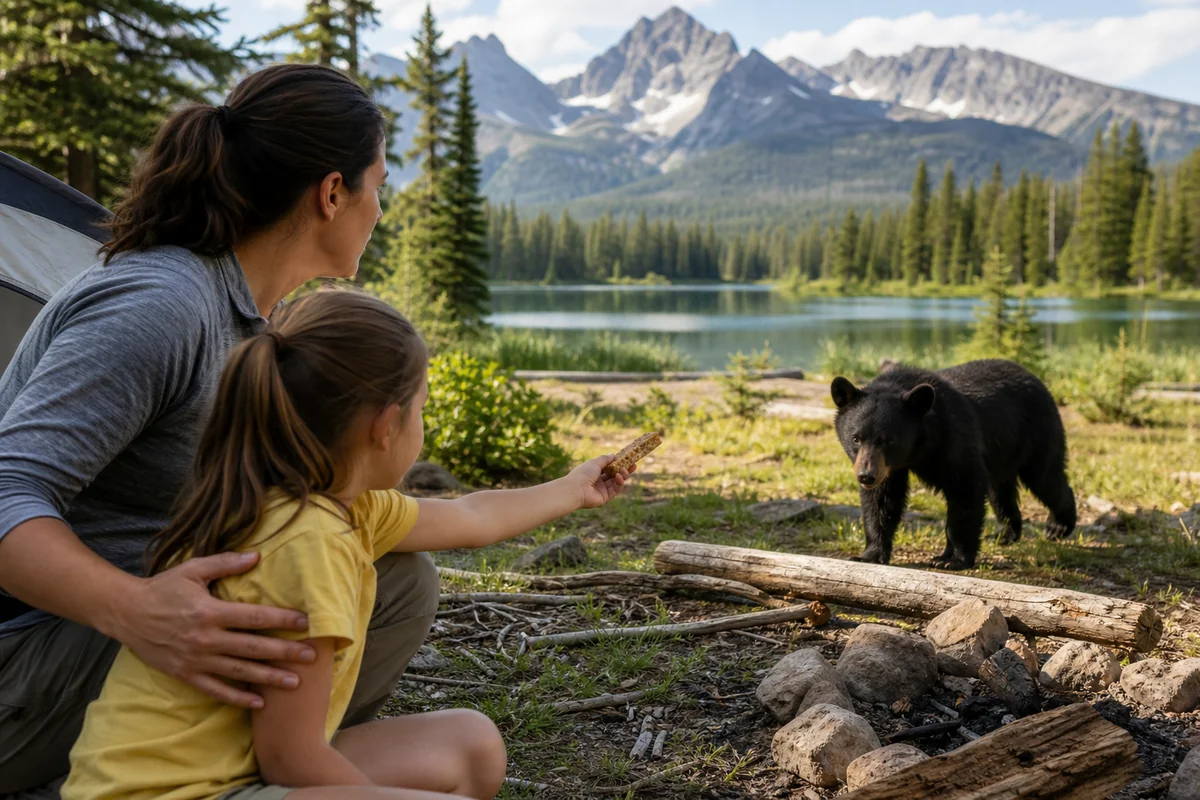
Last summer, my seven-year-old daughter spotted a black bear cub about forty feet from our campsite at Holland Lake, and before I could react, she was already reaching for her granola bar to “share.”
That heart-stopping moment taught me something I now preach to every family heading to Montana: wildlife safety isn’t just about protecting yourself from animals—it’s about understanding that our children’s natural instincts around creatures are often exactly wrong for wild encounters.
If you’re exploring the Montana Family Attractions this state offers, wildlife encounters are practically guaranteed, and knowing how to handle them with kids in tow can make the difference between a magical memory and a dangerous situation.
- Montana wildlife is wild—maintain 100 yards from bears and wolves, 25 yards from other large animals
- Teach kids the “statue game” as an emergency response before your trip
- Never let children carry food in accessible pockets during hikes
- Bear spray is essential and legal, even in national parks—practice deployment before you need it
- Dawn and dusk are highest-risk times for wildlife encounters on trails
- Bison cause more injuries than bears in Yellowstone—respect their unpredictability
- Model calm behavior; children mirror your panic or composure
Liked this article?
Add Roaming Montana as a preferred source so you see more of our articles and guides on Google.
Understanding Montana’s Wildlife Landscape
Montana isn’t a petting zoo, and I say that with complete respect for families who come from urban areas where the largest wild animal might be a raccoon. During my decade of exploring this state with my own kids—now twelve and seven—I’ve encountered grizzlies, black bears, moose, mountain lions (twice, and both times terrifying), wolves, bison, elk, and more rattlesnakes than I’d prefer to count.
The reality is that Montana contains some of the most concentrated large predator populations in the lower 48 states. Glacier National Park alone hosts around 300 grizzly bears, and the Greater Yellowstone Ecosystem supports over 700.
This isn’t meant to frighten you away. It’s meant to prepare you. My kids have had incredible, safe wildlife experiences precisely because we approached these encounters with knowledge and respect.
The Psychology of Children Around Wildlife
Here’s something I learned the hard way during a trip to the Lamar Valley: children process wildlife completely differently than adults. My son, who was five at the time, saw a bison as essentially a larger, hairier version of the dairy cows he’d petted at our local farm.
Kids lack the context to understand danger signals. They don’t recognize that a bison lowering its head and pawing the ground is a threat display. They see cute, interesting creatures and want to interact.
Before any Montana trip, I now conduct what I call “wildlife school” with my kids. We watch videos together of bear charges, bison attacks, and moose behavior. Not to traumatize them, but to build genuine understanding.

Age-Appropriate Safety Conversations
For children under five, keep it simple: “We look with our eyes, never touch, and always stay with mommy and daddy.” Use repetition and make it a game during car rides.
Kids between five and eight can understand basic animal behavior. I taught my daughter that bears aren’t mean—they’re scared of people but will protect their babies just like mommy would protect her.
Children nine and older can learn actual protocols. They can understand the difference between a bluff charge and a real charge, why playing dead works for grizzlies but not black bears, and how to properly use bear spray.
Bear Safety: The Most Critical Knowledge
Bears dominate the wildlife safety conversation in Montana, and for good reason. Both black bears and grizzly bears are common across the state, and encounters happen even in popular, seemingly “safe” areas.
During my visit to Many Glacier in Glacier National Park last August, we encountered a grizzly sow with two cubs on the Iceberg Lake Trail. We had about three seconds to process and react with our kids.
Prevention Is Everything
The best bear encounter is the one that never happens. I always make noise on trails—not those little bear bells that research shows are basically useless, but actual human conversation, singing, or periodic “hey bear” calls.
Keep kids engaged in being “bear watchers.” My daughter’s job on trails is to scan ahead and to our sides. This keeps her focused on awareness rather than running ahead or lagging behind.
Never let children hike ahead of adults. I know this seems obvious, but I’ve watched countless families at Glacier where kids range 50-100 yards ahead on trails. This is dangerous. Bears often don’t move off trails until they confirm what’s approaching.
If You See a Bear
Stop immediately. Group your children behind the adults, shoulder to shoulder if possible.
Speak in calm, low tones—not to the bear, but to your kids. I use phrases like “We’re totally fine, stay right here with me, we’re going to walk backward slowly.”
Never run. I’ve practiced this with my kids at home, walking backward while looking over our shoulders. It feels silly in your backyard, but that muscle memory matters.
If the bear approaches, stand your ground until about 40 feet, then consider deploying bear spray. I’ll cover spray specifics below.
Bear Spray Fundamentals for Parents
Bear spray works. Studies show it’s more effective than firearms for stopping bear attacks, and it’s far safer for families. Here’s what I wish someone had told me before my first Montana trip with kids:
Buy spray in Montana or order it ahead—it cannot go on airplanes. Counter Assault and UDAP are the brands I trust, both Montana-made.
Practice with an inert training canister before your trip. I cannot stress this enough. Under stress, with children screaming, you need deployment to be automatic.
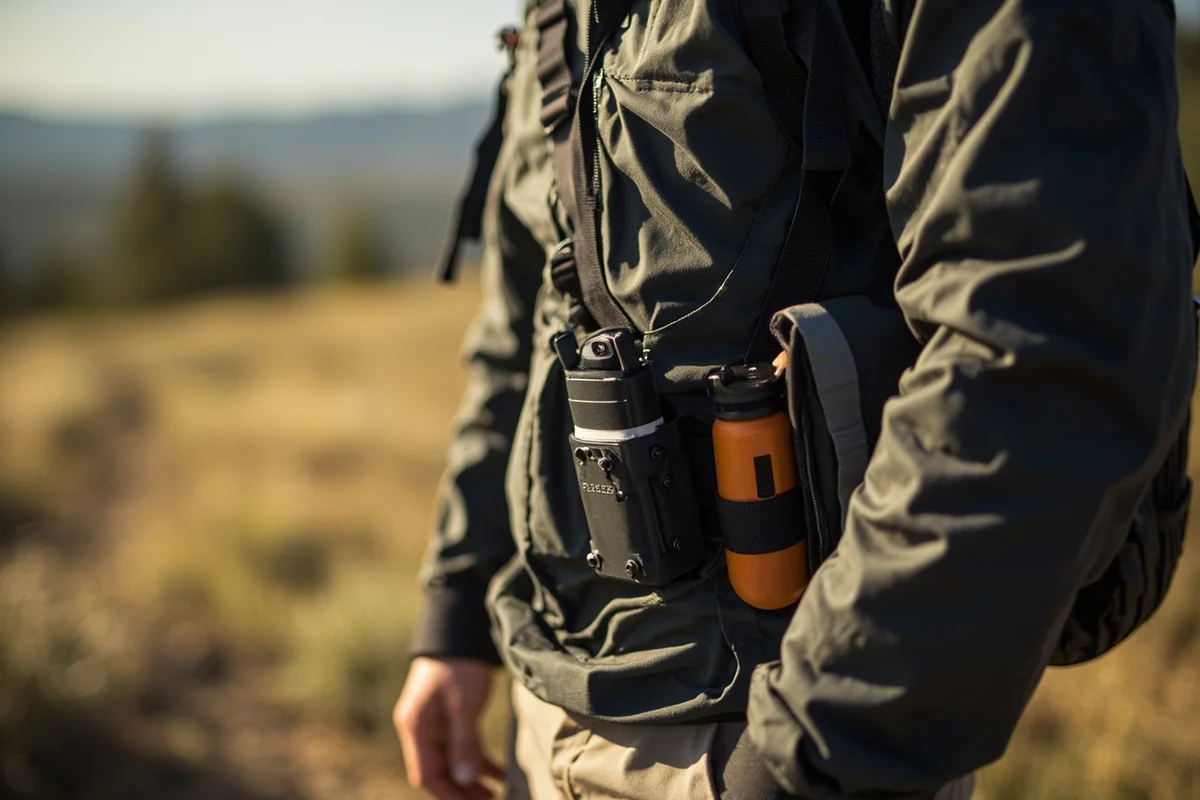
Carry spray on your body, not in your backpack. I use a chest harness so it’s accessible even if I’m carrying a child or using trekking poles.
The spray creates a fog, not a stream. Aim slightly downward and deploy when the bear is 30-40 feet away, creating a barrier the bear must run through.
| Bear Type | If Attacking After Spray Deployed | Child Instructions |
|---|---|---|
| Grizzly (defensive) | Play dead—face down, hands behind neck, legs spread | “Be a log and don’t move until I say” |
| Black Bear | Fight back—target nose and eyes | “Make yourself big and yell with me” |
| Grizzly (predatory—rare) | Fight back—you have nothing to lose | Same as black bear |
The difference between defensive and predatory attacks matters. A defensive attack happens when you surprise a bear or come near cubs—the bear wants you to stop being a threat. A predatory attack, extremely rare, happens when a bear views you as food—usually involving stalking behavior beforehand.
Bison: More Dangerous Than Most Realize
I’ll be honest—bison worried me less than bears before my first Yellowstone trip. That changed when I witnessed a bison charge a tourist who had approached to about fifteen feet for a photo near Madison Junction.
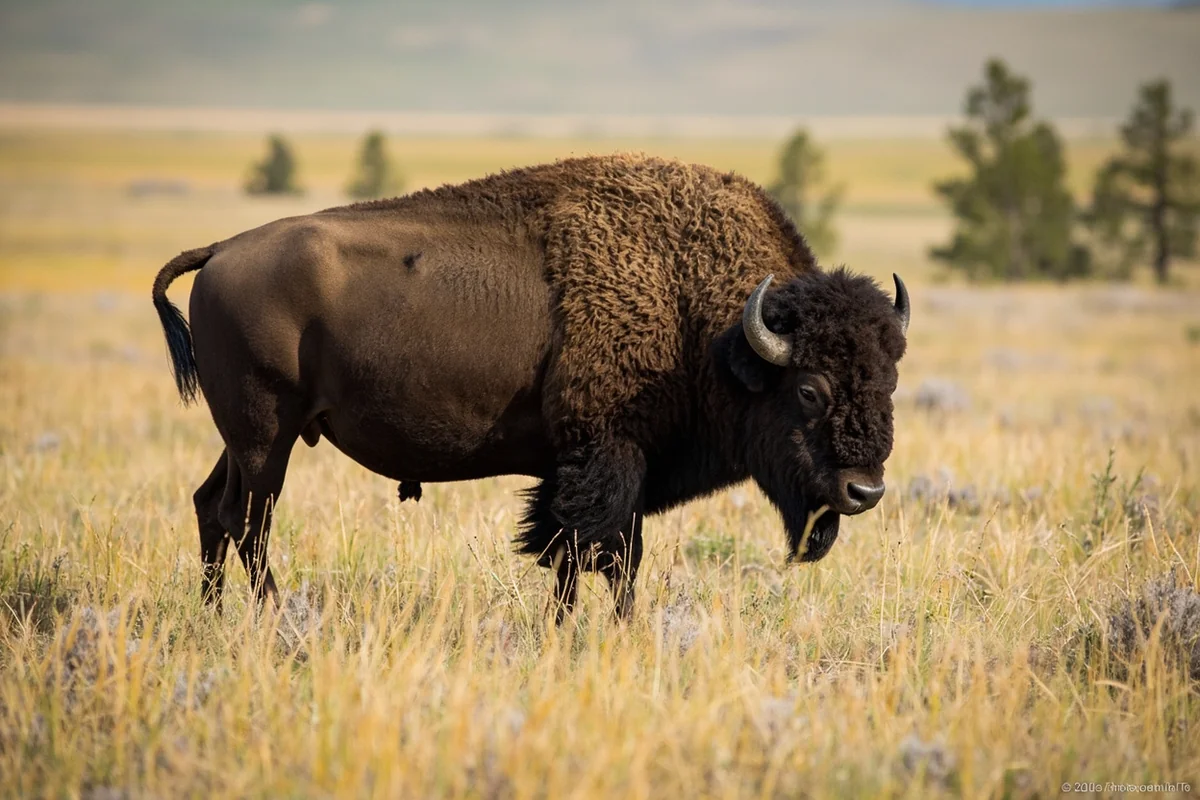
Bison injure more people annually in Yellowstone than any other animal. They look docile. They graze calmly. Then they can go from standing still to 35 mph in seconds.
Teaching Kids About Bison Distance
The park service recommends 25 yards minimum from bison. That’s about the length of two school buses. I’ve made this tangible for my kids because “25 yards” means nothing to a child.
When bison are near roads or parking areas, stay in your vehicle whenever possible. The car is your protection. Roll down windows for photos if you must, but keep doors closed.
If you encounter bison on a trail, detour widely. Don’t try to wait them out or squeeze past. We once added forty minutes to a hike in Hayden Valley to give a small herd appropriate space, and my kids learned patience that day.
Warning Signs of Agitated Bison
Watch for raised tails (not a good sign despite how funny it looks), pawing at the ground, snorting, or turning to face you directly. Head bobbing is another warning signal.
If a bison charges, run. Yes, this contradicts bear advice. Bison aren’t predators—they want you gone, not caught. Get behind a tree, rock, or any barrier. If nothing is available, try to stay on your feet and keep circling to stay out of reach of their horns.
Moose: The Underestimated Giant
On a recent trip near Big Sky, we rounded a bend on a trail and nearly walked into a cow moose with a calf. She was about twenty feet away, and I’ve rarely felt more immediately threatened by wildlife.
Moose are responsible for more attacks than bears and wolves combined in North America. They’re not predators, but they’re defensive, easily startled, and powerful enough to seriously injure or kill.
Moose Encounter Protocol
Give moose more space than any other animal—I aim for 50+ yards when possible. Unlike bears, moose often don’t want to leave an area just because you’re there.
If a moose pins its ears back, raises its hackles (the hair along its back), or lowers its head, it’s considering charging. Back away slowly and try to put trees or obstacles between you and the animal.
If charged, running is appropriate. Get behind a tree immediately—moose don’t have great lateral mobility. If knocked down, curl into a ball and protect your head. Unlike grizzlies, moose rarely continue attacking once you’re motionless.
With kids, I practice identifying moose signs: tracks (larger and more pointed than elk), droppings, and the marshy habitat they prefer. Being aware reduces surprise encounters.
Mountain Lions and Wolves
These apex predators generate the most fear but statistically pose less risk than bison or moose encounters. Still, preparation matters, especially since mountain lion encounters typically involve stalking behavior where the cat has identified you before you’ve seen it.
Mountain Lion Awareness
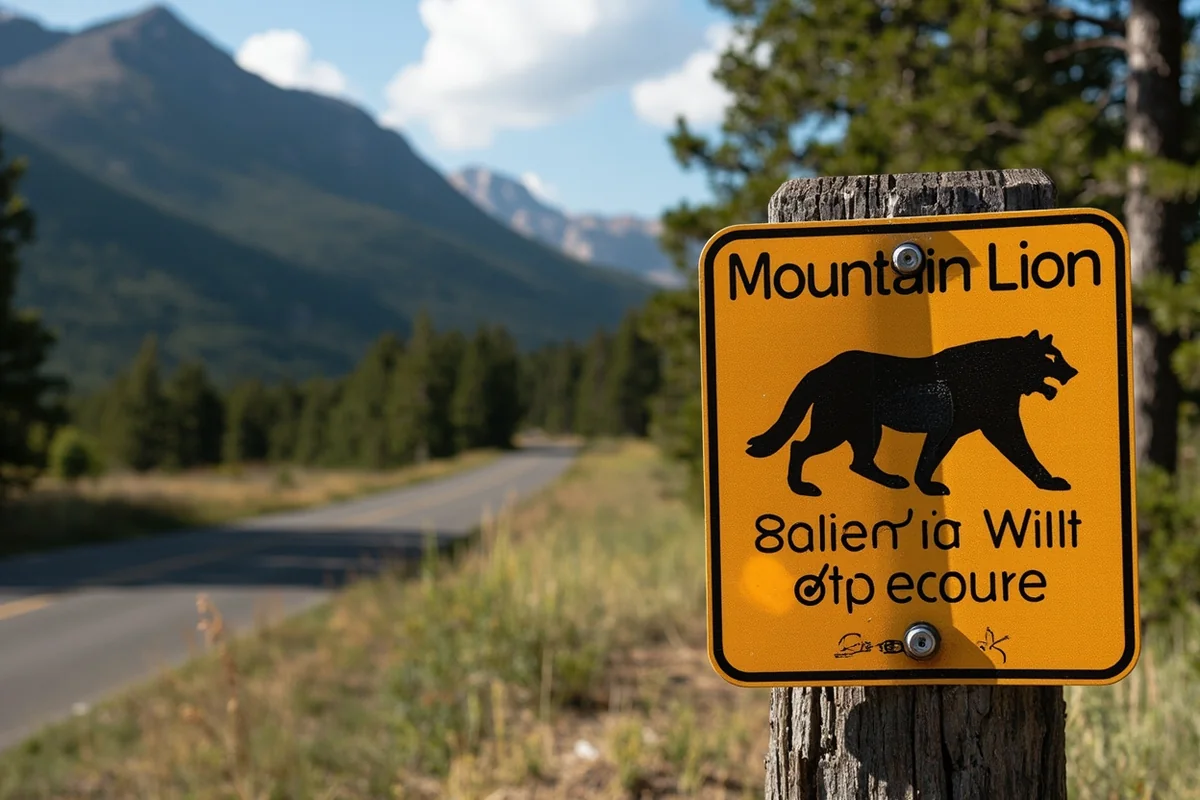
I’ve encountered mountain lions twice in Montana—once near Bridger Bowl and once in the Missions. Both times, the cat left once we spotted it, which is typical behavior.
Never let children walk ahead on trails in lion country. Mountain lions preferentially target smaller, isolated individuals. Keep kids between adults.
If you see a mountain lion, do not run. Running triggers chase instinct. Instead, face the cat, make yourself appear large (open your jacket wide, raise your arms), and back away slowly.
Make noise. Yell, clap, and if with kids, put them behind you or pick up small children. Do not crouch or bend down—this makes you look smaller and more like prey.
If attacked, fight back. Mountain lion attacks are predatory—playing dead will not work. Target the eyes and nose.
Wolf Safety
Wolves rarely threaten humans. In all my years hiking Montana, I’ve seen wolves only from significant distances. Still, habituation (wolves losing their fear of humans) is an increasing concern.
Never feed wolves or leave food accessible. This applies to any campsite or picnic area. Habituated wolves can become dangerous.
If wolves approach closely, act aggressively—yell, throw objects, and make yourself appear threatening. Keep children behind you and do not run.
Snakes, Ticks, and Smaller Hazards
While large mammals get attention, I’ve dealt with more snake and tick issues over the years than any bear encounter. Montana has one venomous snake species: the prairie rattlesnake, found primarily in the eastern and central portions of the state.
Rattlesnake Awareness for Kids
Teach children to never put their hands or feet where they can’t see. Step on logs and rocks, not over them. Most bites occur when people accidentally step on or reach near concealed snakes.
If you hear a rattle, stop immediately and identify the snake’s location before moving. Slowly back away. Rattlesnakes don’t chase—they want you to leave.
I’ve taught my kids to stomp heavily when walking through tall grass. Vibrations warn snakes of your approach, and they’ll typically leave before you arrive.
Tick Prevention
After any hike, conduct a full tick check on your children. Check behind ears, along hairlines, in armpits, and around waistbands. I use permethrin on clothing and DEET-based repellent on exposed skin.
Montana ticks can carry Rocky Mountain spotted fever and rarely Lyme disease. If you find an attached tick, remove it carefully with fine-tipped tweezers, save it in a bag, and monitor for symptoms including rash, fever, or fatigue.
Campsite Safety With Children
Wildlife safety extends beyond the trail. I’ve had more wildlife visitors at campsites than on hikes, including a black bear that walked through our Many Glacier campsite at 2 AM during a trip two years ago.
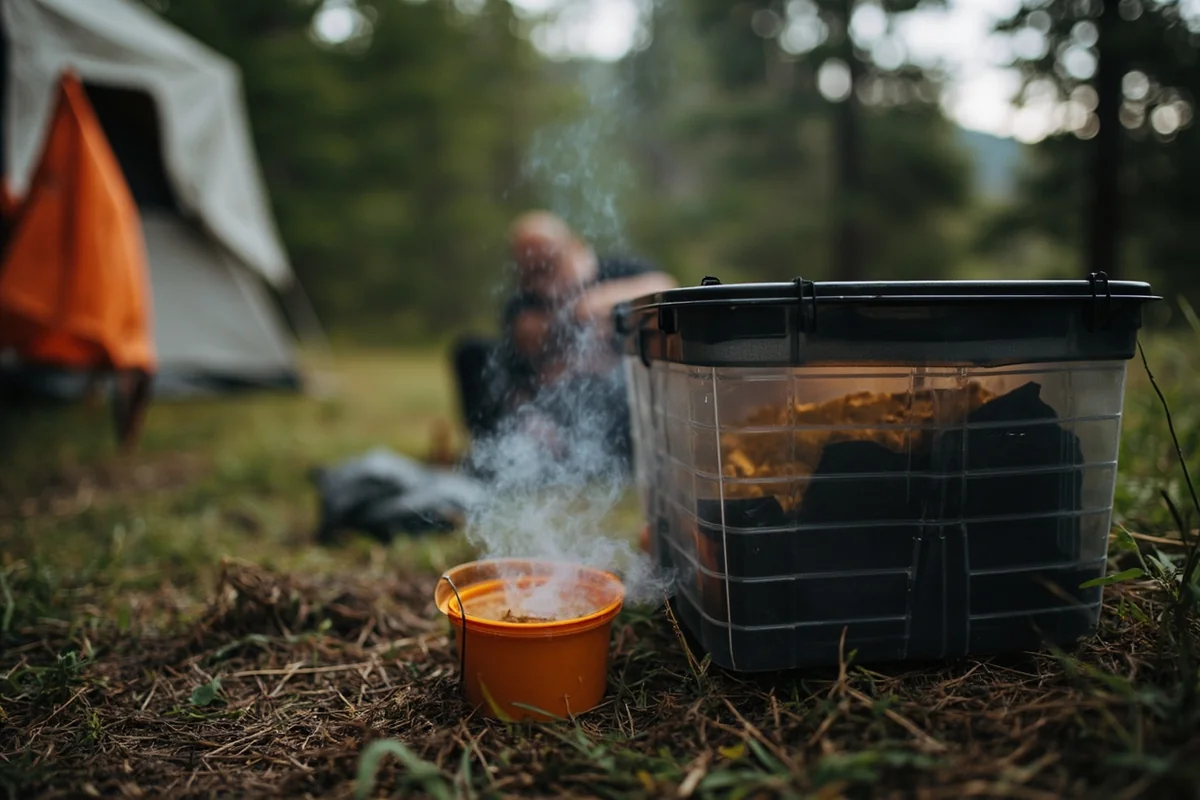
Food Storage Essentials
All food, coolers, cooking equipment, and scented items (sunscreen, bug spray, toothpaste) must be stored in bear-proof containers or lockers when not in active use. This includes in your car overnight—bears can and do break into vehicles.
Teach kids that snacks don’t travel back to the tent. Ever. I’ve seen families ruin this protocol by letting kids bring one granola bar to bed. It takes one time to create a dangerous association.
Cook and eat at least 100 feet from your sleeping area. In developed campgrounds this isn’t always possible, but in backcountry settings, it’s essential.
Nighttime Protocols
Keep flashlights accessible for bathroom trips. Adults should accompany children for all nighttime walks—no solo trips for kids.
Make noise when leaving the tent. I teach my kids to unzip loudly and call out “hey bear” before stepping outside, even just to use the restroom facilities.
Store nothing scented in your tent. This includes chapstick, gum, or that pack of fruit snacks your child slipped into their sleeping bag.
Safe Wildlife Viewing Alternatives
I want my children to see Montana’s wildlife—these experiences create lifelong memories and conservation ethics. Here’s how we do it safely.
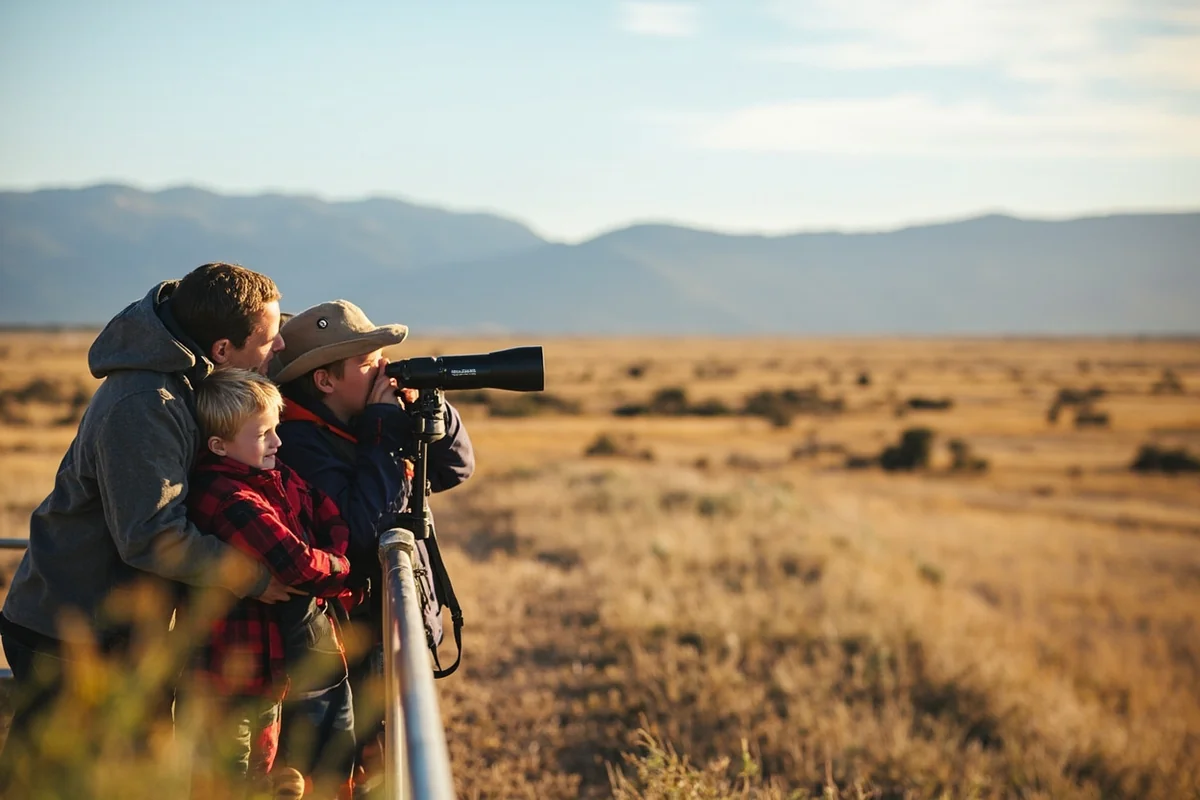
The Lamar Valley in Yellowstone is perhaps the best wildlife viewing in the continental US. We bring binoculars and a spotting scope and observe wolves, bears, and bison from road pullouts at safe distances.
Guided wildlife tours through companies operating in Yellowstone and Glacier include experienced guides who know animal behavior and safe viewing distances. The investment is worth it for families new to wildlife encounters.
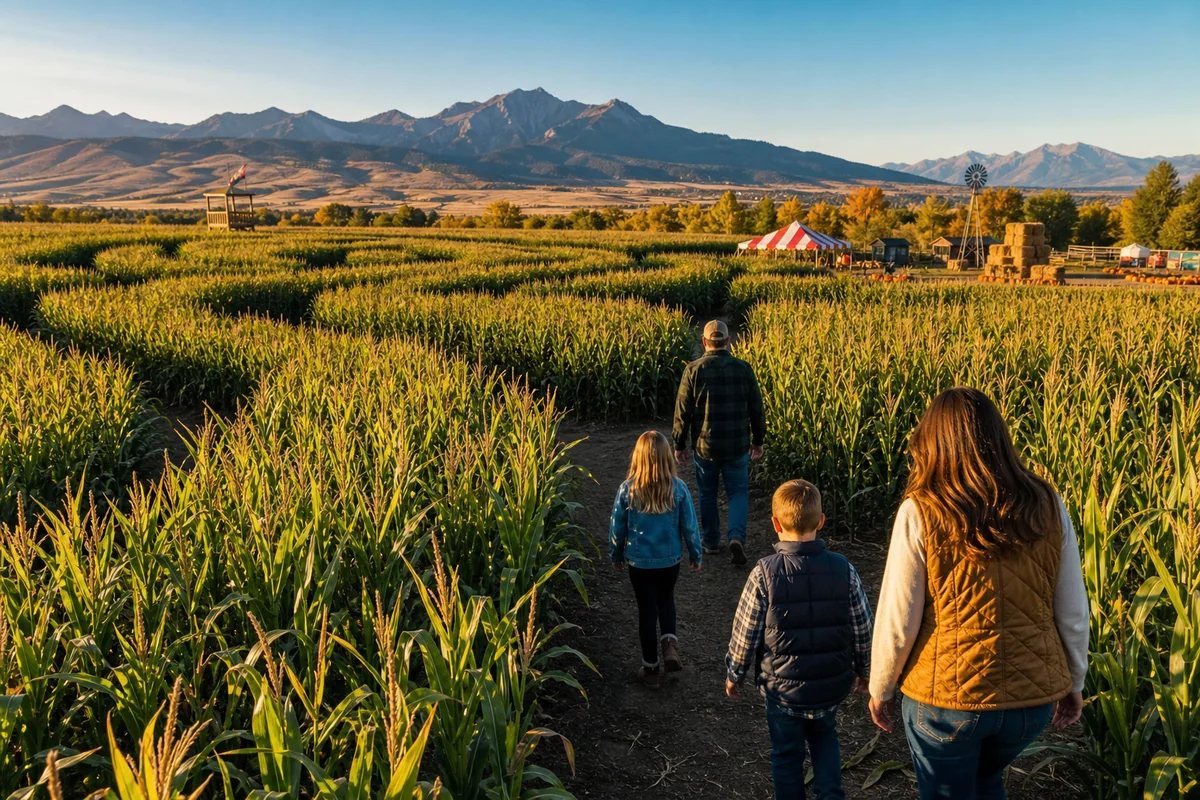
If you’re looking for more controlled family experiences, Montana offers plenty of options that don’t involve large predator risk. The Montana corn mazes offer fall fun without wildlife concerns, and activities like mini golf courses across the state provide entertainment when you need a break from wilderness adventures.
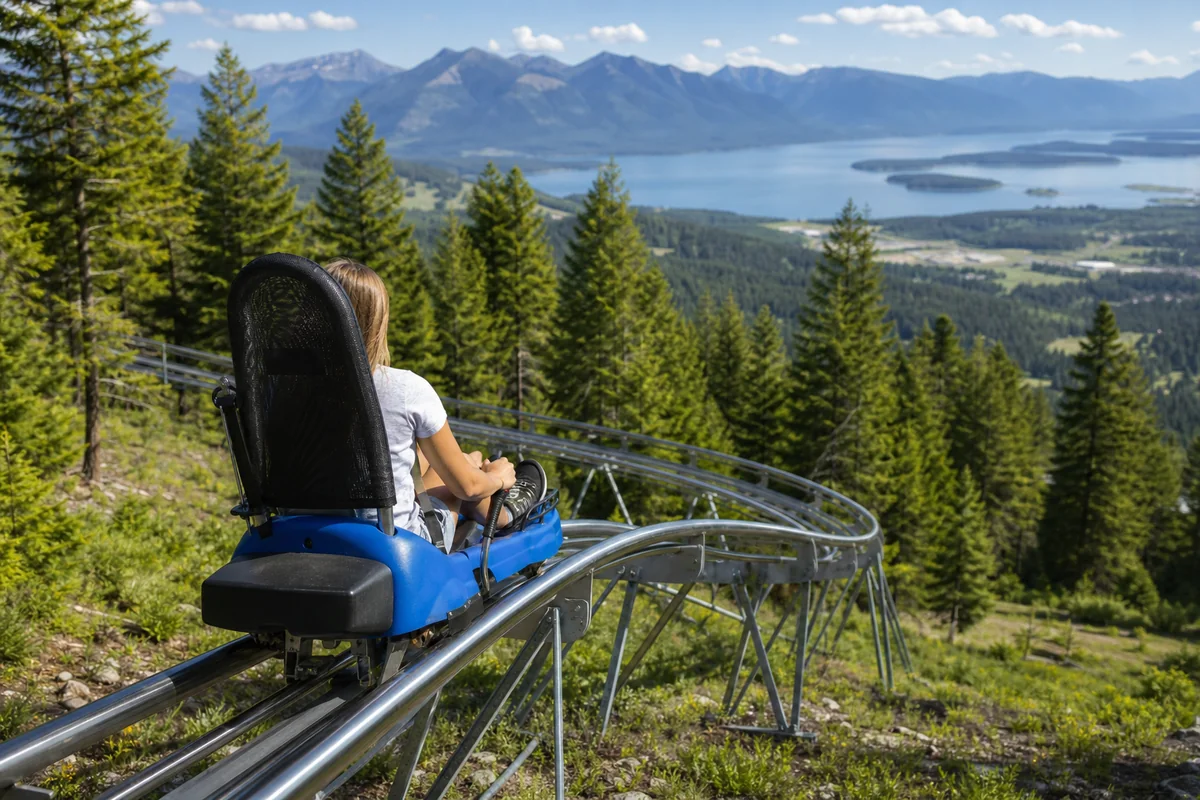
For thrill-seekers, the Lone Mountain coaster delivers adrenaline in a controlled environment. And there are dozens of unique Montana activities that combine adventure with safety for families wanting variety.
What To Do If Something Goes Wrong
Despite all precautions, wildlife incidents can occur. Here’s your emergency protocol for different scenarios:
If Someone Is Injured By Wildlife
Call 911 immediately. In most of Montana’s national parks, cell service is unavailable—carry a satellite communicator like a Garmin inReach if venturing into remote areas.
Administer first aid while waiting for help. Control bleeding with direct pressure. Do not remove embedded objects or attempt to clean deep wounds.
If a bear attack occurs, remain ready to deploy spray on the bear if it returns. Bears sometimes leave temporarily, then come back.
Reporting Aggressive Wildlife
Report all aggressive wildlife encounters to rangers or wildlife authorities immediately. An aggressive bear today might attack someone else tomorrow.
In national parks, contact the nearest ranger station. Outside parks, call Montana Fish, Wildlife & Parks at 406-444-2535.
Age-By-Age Summary and Final Thoughts
After countless Montana trips with my kids at various ages, here’s my developmental approach to wildlife safety:
Toddlers (1-3): Never out of arm’s reach. They cannot understand danger or follow instructions reliably. Use child carriers to keep them with you.
Preschoolers (3-5): Can learn basic rules through repetition. Focus on staying close and never touching. Make it a game.
Early Elementary (5-8): Ready for real education about animal behavior. Can learn to identify tracks and signs. Should practice staying calm and following adult instructions.
Late Elementary (9-12): Can understand and deploy bear spray with training. Should know difference between bear species and appropriate responses. Can serve as trail watchers.
Teenagers: Should carry their own bear spray and know full protocols. Can be trusted with younger siblings if properly trained.
The goal isn’t fear—it’s respect. My children love Montana’s wildlife because they understand it. They know that a bear isn’t a monster; it’s a wild animal doing wild things. They know that our job as visitors is to share this landscape carefully, leaving wild animals wild.
When my daughter saw that bear cub at Holland Lake, her instinct was to share. That instinct comes from kindness. My job was to redirect that kindness into understanding—explaining that the best gift we can give wildlife is our distance, our respect, and our commitment to keeping them wild.
Montana will give your family experiences no other state can match. Prepare your children with knowledge, model calm awareness, and you’ll create memories that last generations—safely.
Frequently Asked Questions
What should I teach my kids about approaching wildlife in Montana before our trip?
I always teach my children the ‘100-yard rule’ for bears and wolves and 25 yards for all other wildlife in Montana’s national parks. Kids need to understand that wild animals are not like pets—they should never run toward, feed, or attempt to touch any wildlife. We practice using binoculars so they can enjoy close-up views from a safe distance.
What wildlife safety gear should I pack for a family trip to Montana with children?
I recommend packing bear spray ($35-50 per canister) and a bear bell for each family member when hiking Montana trails with kids. Binoculars help children observe wildlife safely from required distances, and a wildlife identification guide keeps them engaged. Don’t forget a whistle for each child in case anyone gets separated on the trail.
When is the safest time to visit Montana with kids to avoid dangerous wildlife encounters?
Late September through October is ideal for family wildlife viewing in Montana since bears are less aggressive and many animals are active during daytime hours before hibernation. I avoid visiting during spring when mother bears with cubs are especially protective and unpredictable. Summer months see the most wildlife activity, so extra vigilance is needed on trails between dawn and dusk.
How close can children safely get to bison in Yellowstone and Glacier National Park?
The legal and safe distance from bison in Montana’s national parks is 25 yards—about the length of two school buses. I’ve seen families underestimate how fast bison can charge (up to 35 mph), so we always stay in our vehicle when bison are near roads. More visitors are injured by bison than any other animal in Yellowstone, so this is a rule I never let my kids bend.
What are the best family-friendly locations in Montana to view wildlife safely with kids?
The Lamar Valley in Yellowstone offers safe roadside wildlife viewing where kids can spot wolves, bison, and elk from your vehicle. The Many Glacier area in Glacier National Park has ranger-led programs specifically designed to teach children about wildlife safety. I also recommend the National Bison Range near Missoula, where the 19-mile auto tour keeps families at safe distances while guaranteeing bison sightings.
How much does a guided family wildlife tour cost in Montana and is it worth it for child safety?
Guided family wildlife tours in Montana typically cost $150-300 per person for full-day excursions, with some operators offering family rates around $400-600 for groups of four. I find the investment worthwhile because experienced guides know safe viewing spots, carry bear spray, and teach children proper wildlife etiquette. Many outfitters near Yellowstone and Glacier provide binoculars and spotting scopes, eliminating the temptation for kids to get closer.
What should I do if my child encounters a bear while hiking in Montana?
I’ve drilled my kids to stay calm, avoid eye contact, and slowly back away while speaking in low tones if we encounter a bear on Montana trails. Never let children run—this triggers a chase instinct in predators. If a bear charges, I’m prepared to use bear spray when it’s within 30 feet, and we’ve practiced the ‘play dead’ position for grizzly attacks versus fighting back for black bear attacks.