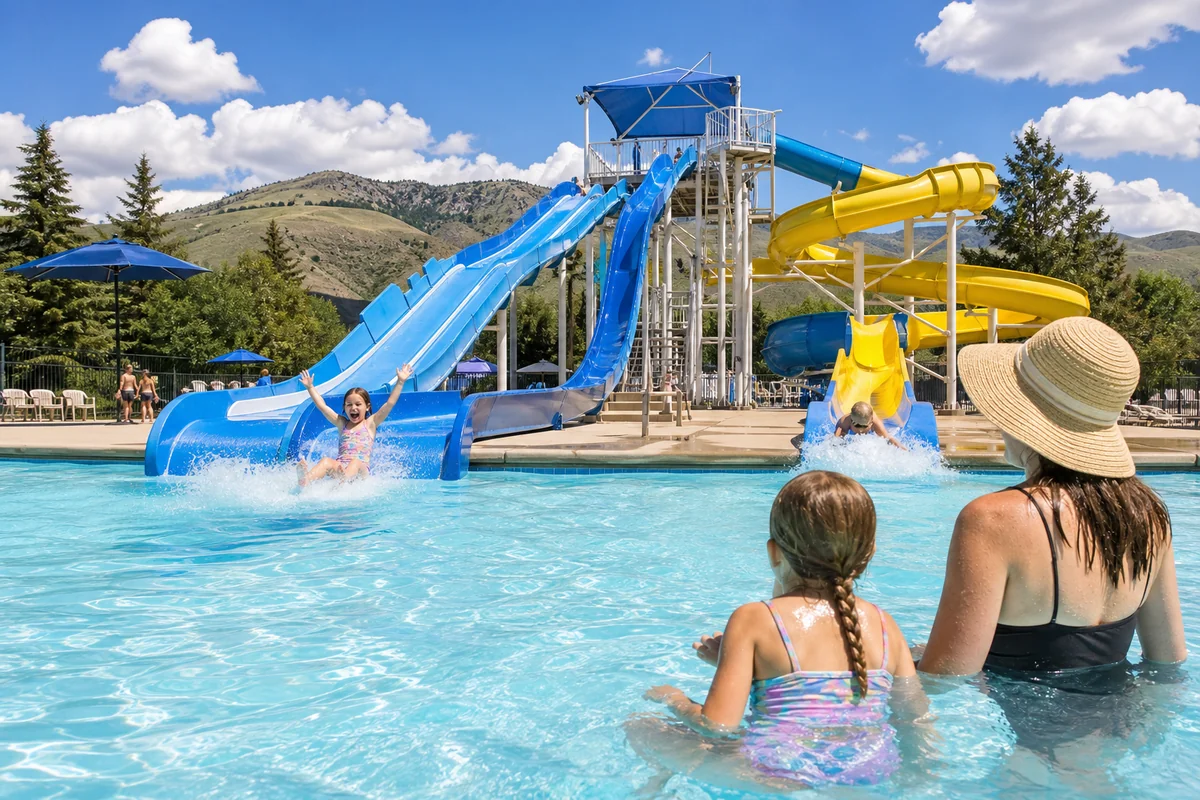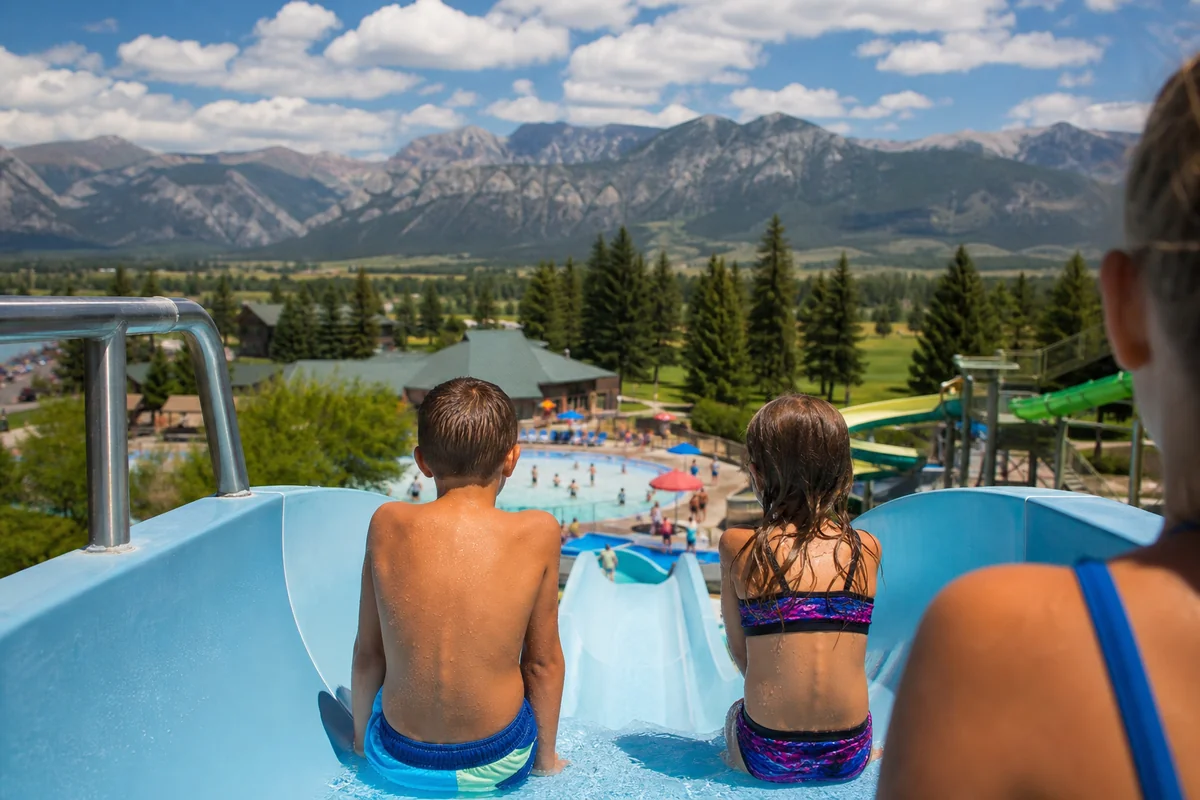
Standing at the top of the Geronimo slide at Big Sky Waterpark last July, watching the Cabinet Mountains shimmer in the distance while my kids screamed with anticipation behind me, I realized something: Montana does waterparks differently.
It’s not about competing with massive destination parks—it’s about that perfect blend of mountain air, genuinely warm water, and that laid-back Montana hospitality you won’t find anywhere else.
- Montana has 3 main waterparks: Big Sky Waterpark (Columbia Falls), Electric City Water Park (Great Falls), and Splash Montana (Missoula)
- Best time to visit: Late June through mid-August for warmest weather and full operations
- Budget $25-45 per person for day passes; season passes offer significant savings for locals
- Big Sky Waterpark is the largest and most family-friendly option
- Arrive early (before 11 AM) to avoid crowds and secure the best spots
- Water temperatures are heated, making even cooler Montana days comfortable for swimming
Liked this article?
Add Roaming Montana as a preferred source so you see more of our articles and guides on Google.
Why Montana Waterparks Deserve Your Attention
I’ll be honest with you—when I first moved to Montana from the Midwest, I assumed waterpark options would be limited. The state isn’t exactly known for tropical weather, and the swimming season is notoriously short.
But what I discovered over the past five summers exploring every waterpark in the state completely changed my perspective. Montana’s waterparks have carved out their own niche, offering something you genuinely can’t get in those massive Florida or Wisconsin Dells mega-parks.
The secret? Scale and setting. These parks are intimate enough that you never feel like cattle being herded through queues, yet large enough to keep everyone entertained for a full day. And the mountain backdrops? Absolutely unmatched.
Big Sky Waterpark: Montana’s Premier Splash Destination
Located in Columbia Falls, just 15 minutes from Glacier National Park, Big Sky Waterpark has been my family’s go-to summer destination for three years running. During my most recent visit last August, I finally understood why locals guard this place like a treasured secret.
What Makes Big Sky Special
The park sits on 15 acres of developed waterpark real estate, which might not sound massive compared to national chains, but trust me—it’s more than enough for a full day of adventure.
The Geronimo slide remains my personal favorite. It’s a 65-foot drop that looks absolutely terrifying from the ground but delivers that perfect balance of thrill and safety. I’ve done it maybe 30 times now, and my stomach still flips every single time.
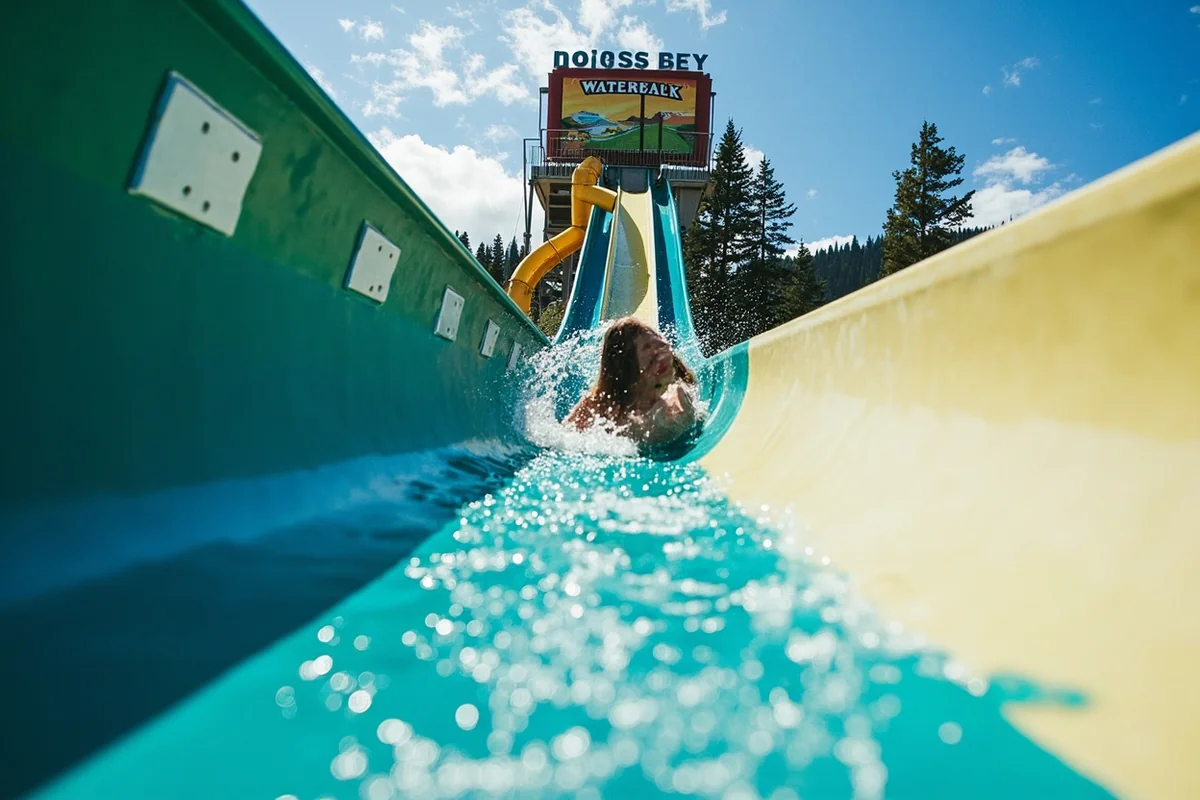
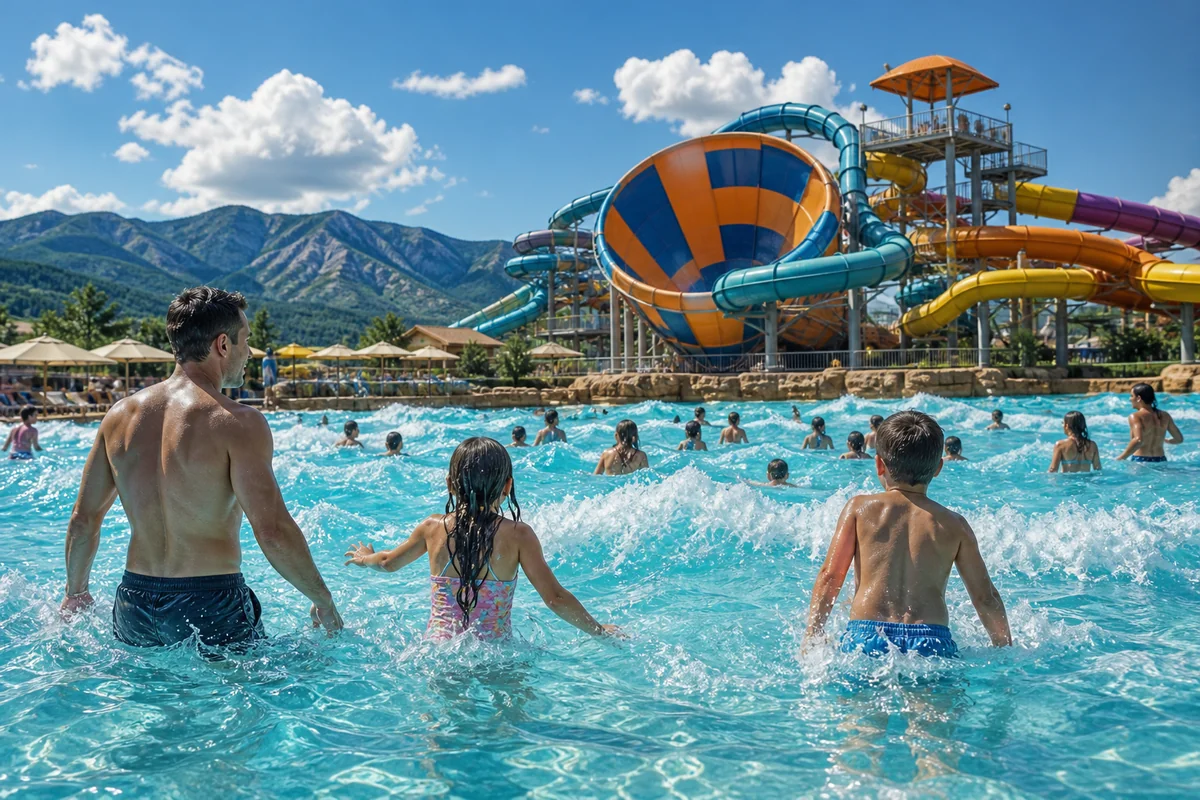
What surprised me most during my first visit was the wave pool. It’s heated to around 82°F, which sounds minor until you remember that Montana summer evenings can drop into the 50s. My kids stayed in that pool for three hours straight last summer without a single complaint about being cold.
Practical Details for Big Sky Waterpark
| Detail | Information |
|---|---|
| Location | 7211 US Highway 2 East, Columbia Falls, MT |
| 2024 Daily Admission | Adults $38, Kids (3-11) $32, Seniors $28 |
| Season | Memorial Day weekend through Labor Day |
| Hours | 11 AM – 7 PM (peak season) |
| Parking | Free, ample lot |
| Lockers | $8-12 rental |
Here’s something the website won’t tell you: the afternoon shift change around 3 PM creates a natural lull in crowds. If you arrive at opening and need a break, leave for lunch somewhere nearby and return around 3:30. You’ll have significantly shorter lines for the major slides.
The Slides and Attractions Breakdown
I’ve methodically worked my way through every attraction at Big Sky, so let me save you some trial and error.
For Thrill Seekers: The Geronimo and Cliffhanger slides deliver genuine adrenaline. The Cliffhanger, in particular, has this unexpected sideways motion at the end that catches first-timers off guard. My teenage son declared it “actually scary,” which is high praise from a kid who’s done roller coasters at Six Flags.
For Families with Young Kids: Corkscrew Cove is where I spent most of my time when my kids were smaller. It’s a dedicated children’s area with scaled-down slides, shallow pools, and enough variety to keep kids under 8 entertained for hours. The water depth maxes out at about 18 inches, so even nervous parents (myself included, initially) can relax.
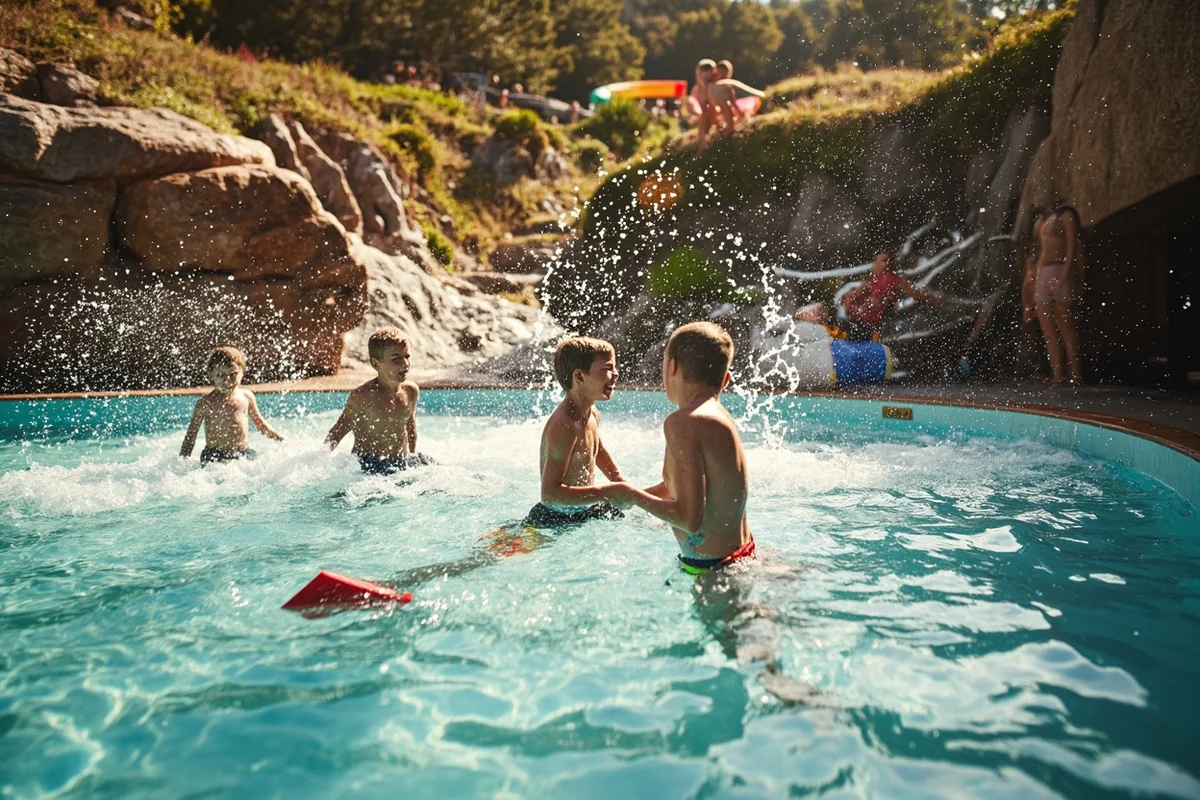
For Lazy River Lovers: The lazy river here isn’t particularly long—maybe a 10-minute loop—but it’s genuinely relaxing. I recommend doing it right after lunch when the sun is highest and you need some recovery time.
The Bumper Boats: These cost extra (about $6 per ride when I went), but they’re worth it at least once. Just know that you will get absolutely soaked. I made the mistake of wearing my prescription sunglasses and nearly lost them.
Food and Dining Reality Check
I’ll be straight with you: park food is expensive and mediocre. During my last visit, a basic cheeseburger, fries, and drink ran about $18.
My recommendation? Eat a big breakfast before arriving, bring snacks in your cooler (yes, they allow coolers—just no glass or alcohol), and either pack sandwiches or plan to leave for lunch. Backslope Brewing in Columbia Falls is only 5 minutes away and serves excellent burgers at reasonable prices.
That said, the funnel cakes at Big Sky are legitimately delicious. It’s become a family tradition to end our day with one shared funnel cake and a round of soft-serve.
Electric City Water Park: Great Falls’ Community Gem
Electric City Water Park in Great Falls operates on a completely different model than Big Sky, and honestly, I appreciate it for different reasons.
This is a municipal facility, which means significantly lower prices and a distinctly local vibe. When I visited two summers ago with my nephew, I was initially skeptical—how good could a city-run waterpark really be?
What I Found at Electric City
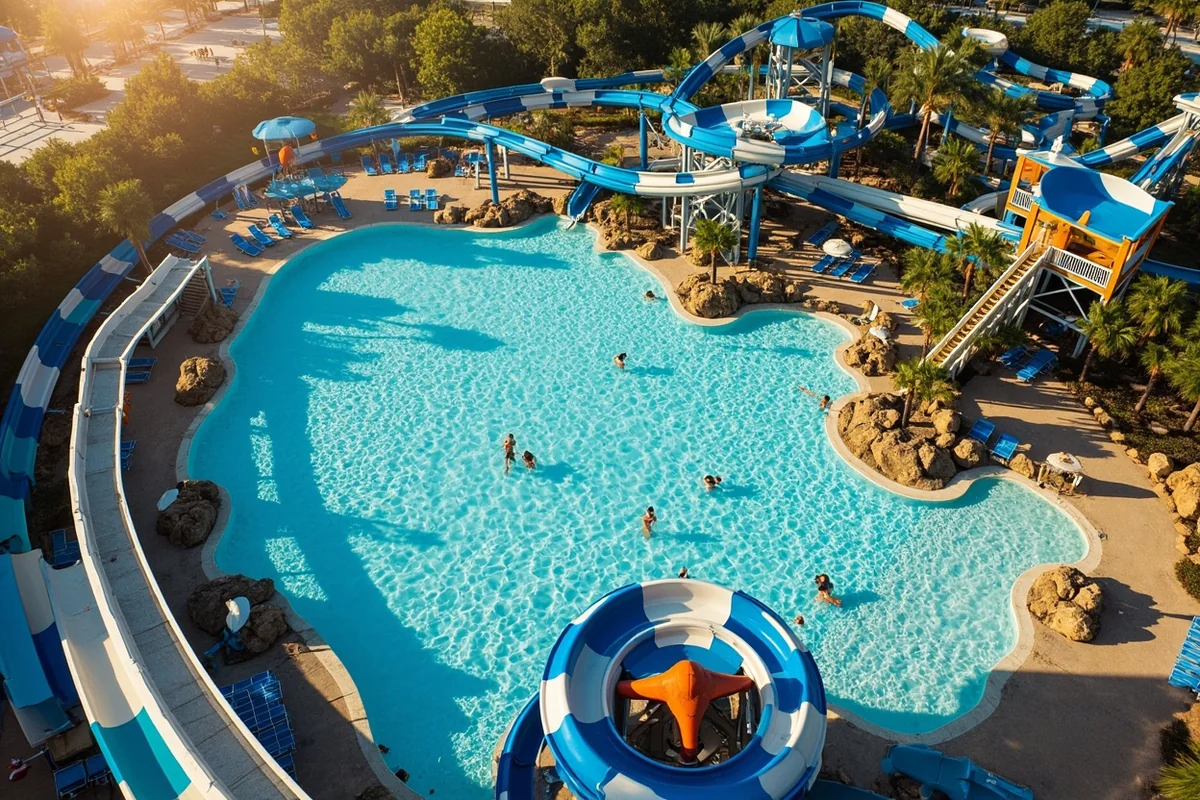
The park exceeded my modest expectations in nearly every way. The main attraction is a four-slide complex, with the red and yellow slides offering enough speed to satisfy older kids and adults.
What struck me most was the atmosphere. This is where Great Falls families actually spend their summers. The day we visited, I watched multiple family reunions happening simultaneously, with grandparents camped out under umbrellas while three generations played in the water.
The leisure pool includes a current channel that functions like a mini lazy river, plus zero-depth entry that’s perfect for toddlers. My nephew, who was three at the time, spent two solid hours in that zero-entry section without any meltdowns—which any parent knows is basically a miracle.
Electric City Practical Information
| Detail | Information |
|---|---|
| Location | 100 River Drive South, Great Falls, MT |
| Daily Admission | $8-12 (varies by residency) |
| Season | Early June through late August |
| Hours | 12 PM – 6 PM (typical) |
| Best For | Families with young children, budget-conscious visitors |
The value proposition here is remarkable. For what you’d pay for parking at some major waterparks, your entire family can spend an afternoon at Electric City.
Splash Montana: Missoula’s Aquatic Center
Splash Montana in Missoula occupies an interesting middle ground between Big Sky’s commercial approach and Electric City’s municipal model.
I’ve visited Splash Montana on three separate occasions—twice during peak summer and once on a cloudier day in early June. Each visit reinforced my appreciation for what this facility offers.
The Layout and Attractions
The park features a 7,000-square-foot leisure pool with a lazy river, zero-depth entry, and water play features that keep younger kids engaged. The flume slides—there are three of varying intensity—provide the thrills for older visitors.
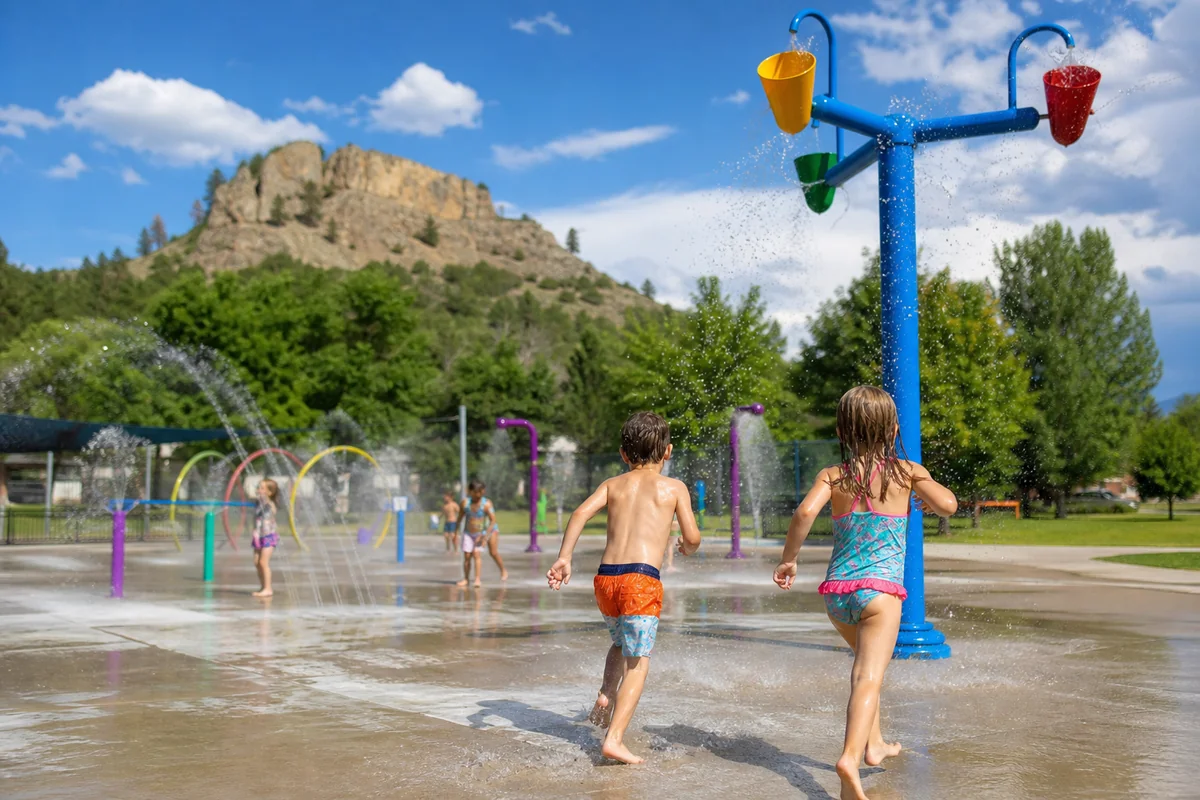
During my most recent visit last summer, I noticed they’d upgraded some of the splash pad features in the kids’ area. The giant bucket dump remains the crowd favorite; kids literally line up waiting for it to fill and tip over.
What sets Splash Montana apart is its integration with the broader Currents Aquatic Center facility. If the weather turns—which absolutely happens in Montana, even in July—you can head inside to the indoor pool complex. This flexibility saved our family day trip when an unexpected afternoon thunderstorm rolled through in June 2023.
My Honest Assessment
Splash Montana won’t blow anyone away with extreme slides or massive scale. That’s not its purpose.
What it does exceptionally well is provide a clean, well-maintained, affordable aquatic experience in a beautiful setting. The Sapphire Mountains provide a stunning backdrop, and the staff has consistently been friendly and attentive during every visit.
For Missoula residents or travelers staying in the area, it’s a no-brainer day activity. For visitors coming specifically for a waterpark experience, I’d still point you toward Big Sky—but Splash Montana makes an excellent addition to a broader Missoula itinerary.
Hidden Gem: Fairmont Hot Springs Resort
I almost didn’t include Fairmont Hot Springs because it’s technically a hot springs resort rather than a waterpark. But after spending a full day there last August, I think it deserves mention.
Located about 25 minutes west of Butte, Fairmont features a 350-foot enclosed waterslide alongside its natural hot springs pools. The slide itself is surprisingly fast—much faster than I expected from a resort attraction.
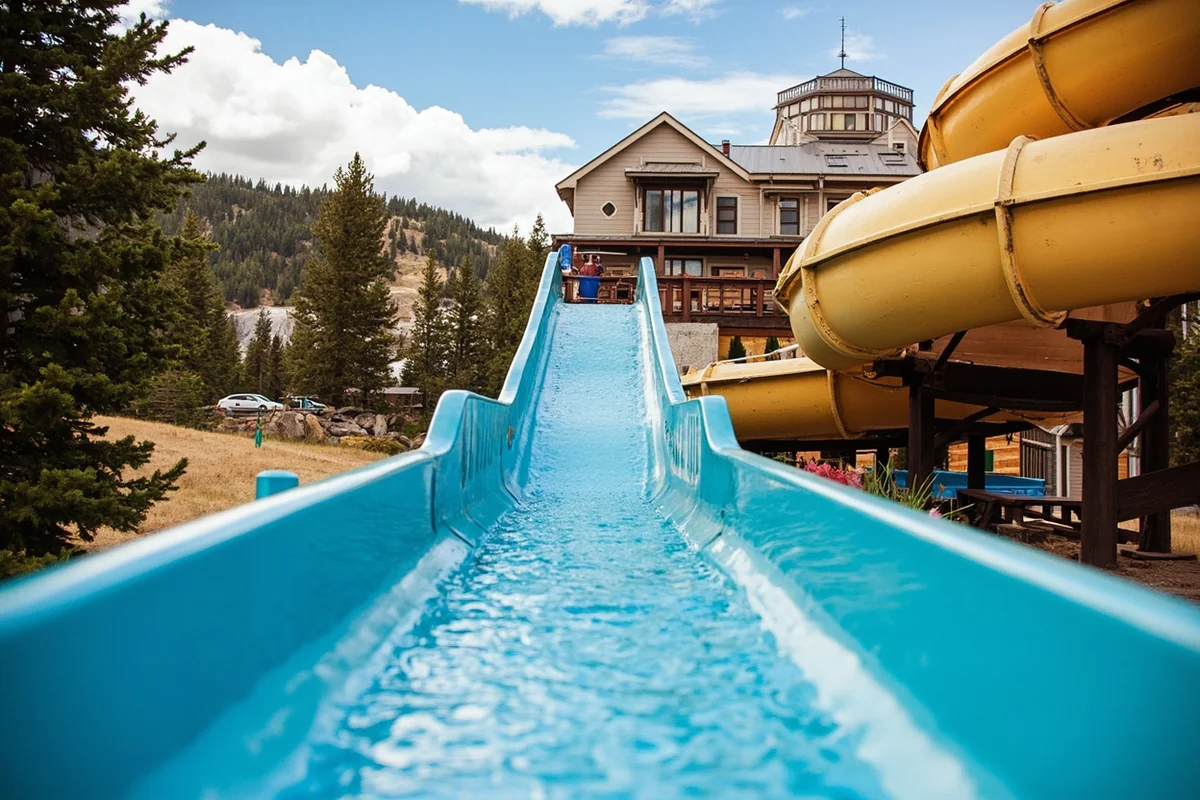
The real draw is combining the slide with the hot springs soaking pools. Spending an afternoon alternating between slide runs and relaxing in 102°F mineral water is genuinely restorative.
Day passes run around $25-30 for adults, making it comparable to dedicated waterparks while offering a completely different experience.
Planning Your Montana Waterpark Trip
After visiting every major waterpark option in Montana multiple times, I’ve developed some strong opinions about trip planning that I want to share.
Best Time to Visit
The sweet spot is mid-July through early August. By then, Montana’s weather has stabilized into consistent warmth (daytime highs in the 80s most places), and the parks are operating at full capacity.
Early June visits are possible but risky. I’ve experienced 75°F days that felt perfect and 55°F days where even heated pools felt chilly when combined with wind.
Late August works, but you’ll notice reduced crowds and occasionally shorter hours as parks prepare for seasonal shutdown.
What to Bring
Based on countless lessons learned the hard way:
- Reef-safe sunscreen – You will burn faster than you expect at Montana’s elevation. Apply before arrival and reapply every 90 minutes.
- Water shoes – The pavement gets scorching hot by mid-afternoon.
- Cooler with snacks and drinks – All Montana waterparks allow outside food (no glass/alcohol).
- Cash – Some smaller concessions and locker rentals are cash-only.
- Waterproof phone case – Not just for swimming, but protection from splash-happy kids.
- Extra towels – Park-provided options are usually limited or expensive.
- Layers for after – Montana evenings cool down fast. Having a sweatshirt in the car is essential.
Combining with Other Montana Attractions
Here’s how I’d structure waterpark days into a broader Montana vacation:
Big Sky Waterpark + Glacier National Park: Spend mornings hiking in the park when crowds are manageable and temperatures are pleasant, then hit Big Sky in the afternoon when you need to cool down. This was our approach during a week-long Glacier trip, and it worked perfectly.
Electric City + Great Falls Attractions: Combine a morning at the waterpark with an afternoon at the Lewis and Clark Interpretive Center or Giant Springs State Park. Both are within 10 minutes of Electric City.
Splash Montana + Missoula Exploration: Use the waterpark to break up a day of exploring Missoula’s downtown, breweries, and the famous “M” trail hike.
Comparing Montana’s Waterparks Head-to-Head
| Factor | Big Sky | Electric City | Splash Montana |
|---|---|---|---|
| Best For | Families wanting full-day destination | Budget-conscious, young kids | Missoula visitors, all ages |
| Thrill Level | High | Moderate | Moderate |
| Value | Good for full day | Excellent | Very Good |
| Crowds | Can get busy weekends | Manageable | Moderate |
| My Rating | 4.5/5 | 4/5 | 4/5 |
Tips From Five Summers of Montana Waterpark Visits
After dozens of visits across all these facilities, here are the lessons I wish someone had told me from the start:
**Arrive 15 minutes before opening.** The line forms fast, especially at Big Sky on weekends. Being in that first wave means you can hit the popular slides 3-4 times before crowds build.
**Weekdays are dramatically better than weekends.** I know not everyone has this flexibility, but if you can visit on a Tuesday or Wednesday, the difference is night and day.
**Set up your base camp strategically.** At Big Sky, the shaded areas near the lazy river exit fill up first. At Splash Montana, the grassy hill section offers the best views.
**The last 90 minutes of operation are underrated.** Many families leave after 4 PM to beat traffic or start dinner. If you stick around, you’ll find the shortest lines of the day.
**Don’t skip the wave pool.** I initially dismissed wave pools as “just swimming,” but Montana’s mountain settings transform them into something special. Floating while staring at snow-capped peaks is surprisingly meditative.
What About Indoor Waterpark Options?
Montana doesn’t have a dedicated large-scale indoor waterpark like Great Wolf Lodge, which I know disappoints some travelers, especially those visiting during shoulder seasons.
However, several hotels offer smaller indoor pool complexes with slides and water features. The most notable is the Grizzly Peak Waterpark at Fairmont Hot Springs, which operates year-round.
For travelers specifically seeking indoor waterpark experiences, the reality is you’d need to travel to Idaho (Roaring Springs), Washington, or wait for Montana’s outdoor season.
I personally see this as part of Montana’s charm—the waterparks here are tied to the summer season, making them feel special rather than year-round commodities.
Special Considerations for Out-of-State Visitors
If you’re coming from lower elevations, Montana’s altitude affects your waterpark experience in ways you might not expect.
First, sun exposure is more intense. At 3,000-4,000 feet elevation, UV radiation is significantly stronger. I’ve seen tourists turn lobster-red in two hours while locals nearby remained perfectly fine.
Second, you’ll dehydrate faster. Bring more water than you think you need, and take hydration breaks seriously.
Third, and this is important: the thin air means cold feels colder. When you emerge from a heated pool into 70°F air, the evaporative cooling combined with lower air density can create genuine chill. This is why I always recommend bringing towels and dry clothes.
Making the Most of Unpredictable Weather
Montana weather changes fast. Really fast.
During one memorable visit to Big Sky, we experienced sunshine, thunderstorms, hail, and rainbow-filled skies—all within three hours. The park handled it professionally, clearing pools during lightning and reopening within 20 minutes of the storm passing.
My advice: check weather radar before heading out, but don’t let a “chance of afternoon thunderstorms” cancel your plans. These storms typically move through quickly, and the post-storm sunshine often provides the best swimming conditions of the day.
If you’re traveling specifically for waterpark visits, build flexibility into your itinerary. Have backup activities planned (Montana has no shortage) and be ready to swap days if needed.
Final Thoughts: Are Montana Waterparks Worth It?
After five summers of exploring every waterpark option this state offers, my answer is an enthusiastic yes—with appropriate expectations.
If you’re expecting a Wisconsin Dells or Orlando-scale experience, you’ll be disappointed. Montana’s waterparks are smaller, simpler, and operate within a narrow summer window.
But if you’re looking for genuine family fun in stunning natural settings, with shorter lines, friendlier staff, and that unmistakable Montana authenticity, these parks deliver something special.
My family has built countless memories at these facilities—my daughter conquering her fear of slides at Corkscrew Cove, my son’s first successful bumper boat victory, lazy river conversations that somehow became our most meaningful family discussions.
That’s what Montana waterparks offer: not manufactured theme park perfection, but real summer moments in Big Sky Country.
Pack your sunscreen, bring your sense of adventure, and jump in. The water’s fine.
Frequently Asked Questions
What are the best waterparks in Montana for families?
The top family-friendly waterparks in Montana include Big Sky Waterpark in Columbia Falls, Electric City Water Park in Great Falls, and Fairmont Hot Springs Resort near Anaconda. I’ve found Big Sky Waterpark to be the largest, featuring 10 waterslides, a lazy river, and a dedicated kiddie pool area perfect for younger children.
When is the best time to visit Montana waterparks?
Montana waterparks typically operate from late May through early September, with peak season being mid-June through August when temperatures reach 80-90°F. I recommend visiting on weekdays in July for the warmest weather and shorter lines, as weekends can get crowded with local families.
How much does it cost to visit a waterpark in Montana?
Admission to Montana waterparks generally ranges from $25-$40 for adults and $18-$30 for children, with kids under 3 often free. Season passes at parks like Big Sky Waterpark cost around $100-$150 and pay for themselves after just 3-4 visits during summer.
Are there any indoor waterparks in Montana open year-round?
Montana has limited indoor waterpark options, but Fairmont Hot Springs Resort operates year-round with indoor and outdoor natural hot spring pools and water features. The resort is located about 80 miles southeast of Missoula and offers a unique experience combining warm mineral waters with Montana’s mountain scenery even in winter.
What should I bring to a Montana waterpark?
Pack reef-safe sunscreen with at least SPF 30, water shoes for hot pavement, and quick-dry towels since Montana’s mountain air can feel cool when you’re wet. I always bring a waterproof phone pouch, cash for lockers (typically $5-$10), and snacks since outside food policies vary by park.
Can I combine a Montana waterpark visit with Glacier National Park?
Absolutely—Big Sky Waterpark in Columbia Falls is just 18 miles from Glacier National Park’s west entrance, making it an ideal combo trip. Many families I know spend mornings hiking in the park and afternoons cooling off at the waterpark, which works perfectly during Montana’s hot summer days.
Are Montana waterparks crowded and how long should I plan to stay?
Montana waterparks are generally less crowded than major destination parks, but expect busier conditions on weekends and holidays in July and August. Plan for 4-6 hours to fully enjoy parks like Big Sky Waterpark, arriving when gates open around 10-11 AM to maximize your time on popular slides before afternoon crowds build.