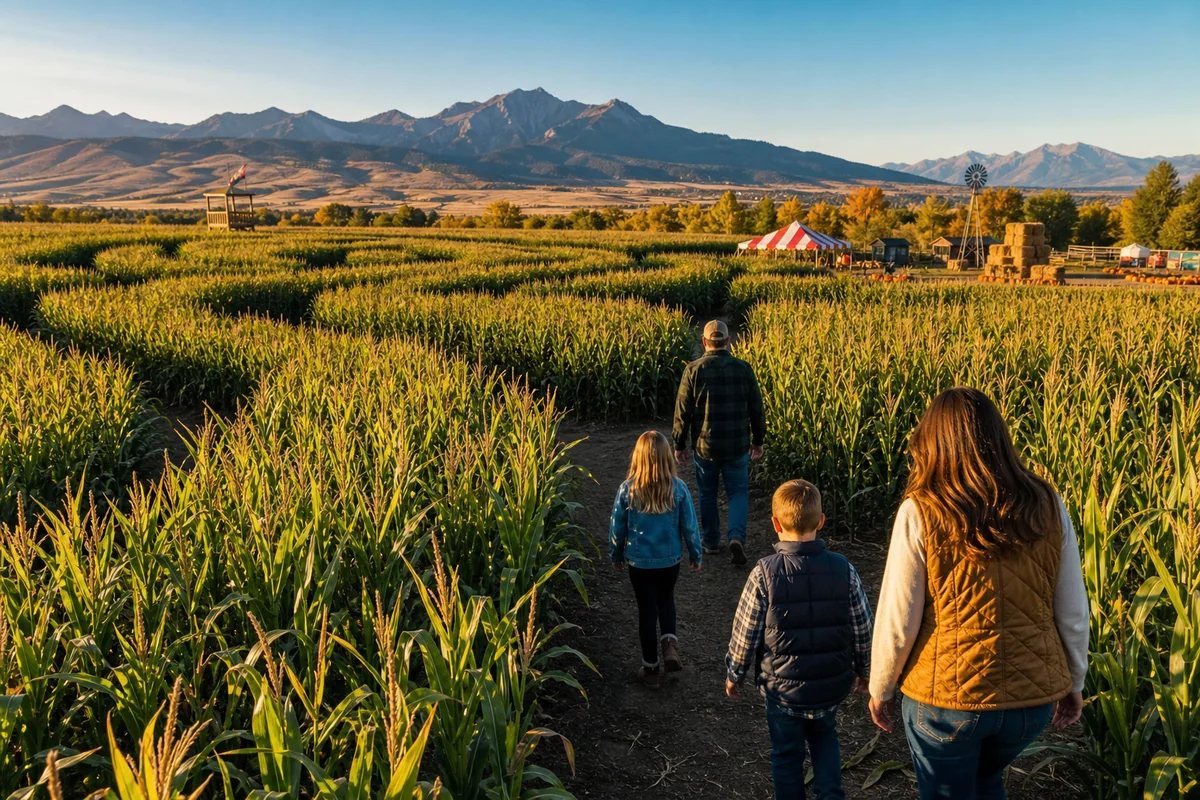
The first time I got genuinely lost in a Montana corn maze, my phone was dead, the October sun was setting fast, and I could hear my kids laughing somewhere three acres away.
That twenty-minute adventure through towering cornstalks at a farm outside Bozeman became one of our most talked-about family memories—and sparked my obsession with tracking down every worthwhile corn maze across Big Sky Country.
If you’re exploring Montana family attractions, corn mazes deliver that perfect blend of outdoor adventure, seasonal charm, and genuine challenge that makes fall travel here so special.
- Montana’s corn maze season runs mid-September through October, with peak conditions in early October
- Top picks include Wheat Montana Farms, Pryor Creek, and Rocky Creek Farm—each offering distinct experiences
- Expect to spend 30 minutes to 2 hours navigating, depending on maze complexity
- Most mazes cost $8-15 per person with kids under 3 typically free
- Wear boots (seriously), bring cash, and arrive early on weekends to avoid crowds
- Many locations offer pumpkin patches, hayrides, and farm activities beyond the maze
Liked this article?
Add Roaming Montana as a preferred source so you see more of our articles and guides on Google.
Why Montana Corn Mazes Hit Different
I’ve visited corn mazes in twelve states over the years, and Montana’s versions carry a distinct personality. The combination of mountain backdrop views, crisp fall air that actually feels like autumn, and family-run operations that haven’t been corporatized creates something genuinely memorable.
During my travels across the state last fall, I noticed something consistent: Montana corn mazes feel less like commercial attractions and more like community gatherings. At nearly every location, I found farmers who’d been growing corn for generations, families returning year after year, and that small-town warmth you just don’t get at larger operations.
The elevation and climate here also create interesting growing conditions. Montana corn tends to be shorter and denser than Midwest varieties, which actually makes the mazes more challenging—you can’t just peek over the tops to find your way.
1. Wheat Montana Farms & Bakery (Three Forks)
The Experience
When I pulled into Wheat Montana last October, I wasn’t sure what to expect from a place primarily known for bread products. What I found was one of the most thoughtfully designed corn mazes in the state.
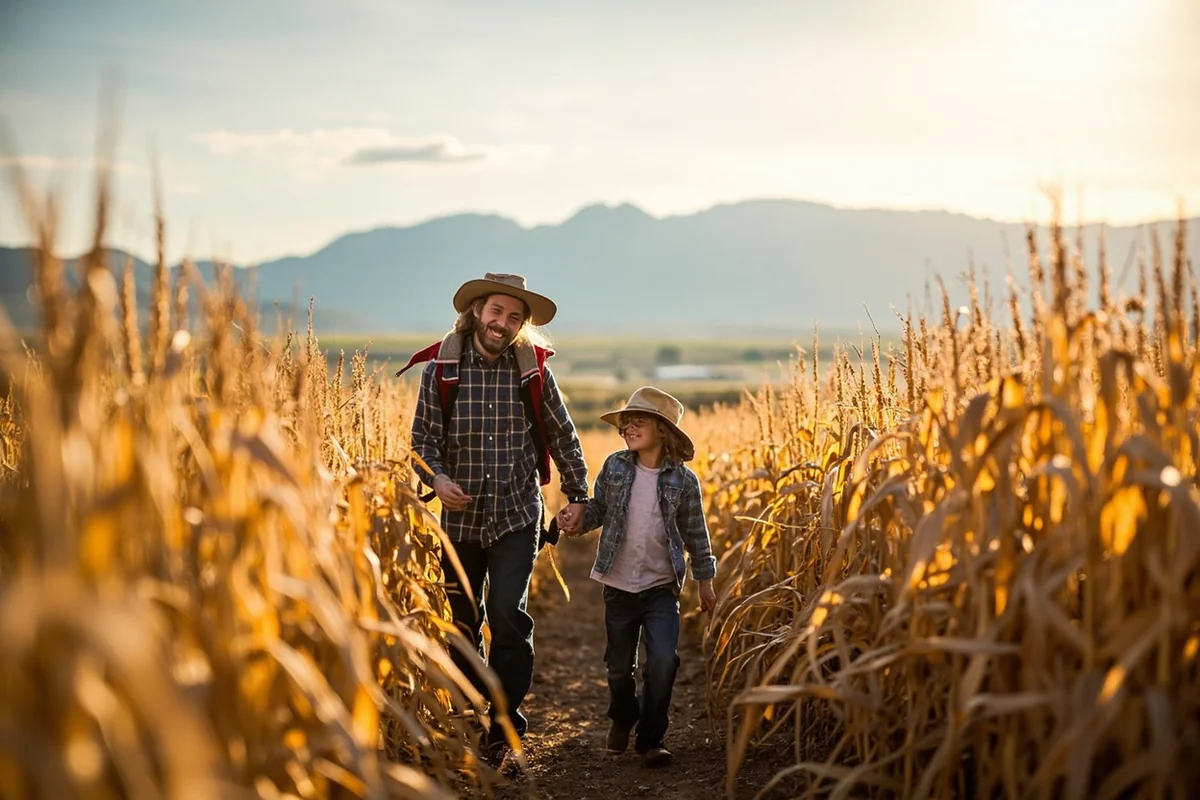
The maze sprawls across roughly five acres, with the design changing annually. Last year’s theme featured Montana wildlife, and navigating from the grizzly bear section to the elk required actual problem-solving—not just wandering aimlessly.
What Sets It Apart
The integration with their bakery and farm store makes this a full-day destination. After spending an hour getting thoroughly turned around in the maze, we grabbed fresh-baked cookies and cinnamon rolls that became the highlight of my daughter’s entire trip.
They’ve added trivia stations throughout the maze in recent years. Answer questions correctly, and you’ll get hints about which direction to turn. It’s a clever way to make the experience educational without being preachy.
Practical Details
| Detail | Information |
|---|---|
| Location | Three Forks, MT (I-90 Exit 274) |
| Season | Late September through October |
| Hours | 10am-6pm daily during season |
| Price Range | $10-12 adults, $8 kids |
| Time Needed | 45 minutes to 1.5 hours for maze |
| Best For | Families, first-time maze visitors |
Insider Tips
Visit on a weekday if possible—weekend crowds can mean waiting in line for the maze entrance. The farm store stocks their famous whole wheat flour, and buying a bag there costs less than grocery store prices.
Parking fills up fast on October weekends, so arriving before 11am gives you the best experience. I also recommend starting your visit with the maze while you’re fresh, then exploring the farm store and bakery afterward.
2. Pryor Creek Farm & Feed (Billings Area)
The Experience
Pryor Creek represents something increasingly rare: a working agricultural operation that genuinely invites the public in. When I visited during a recent October trip, the owner himself was answering questions at the entrance and sharing stories about that year’s corn variety.
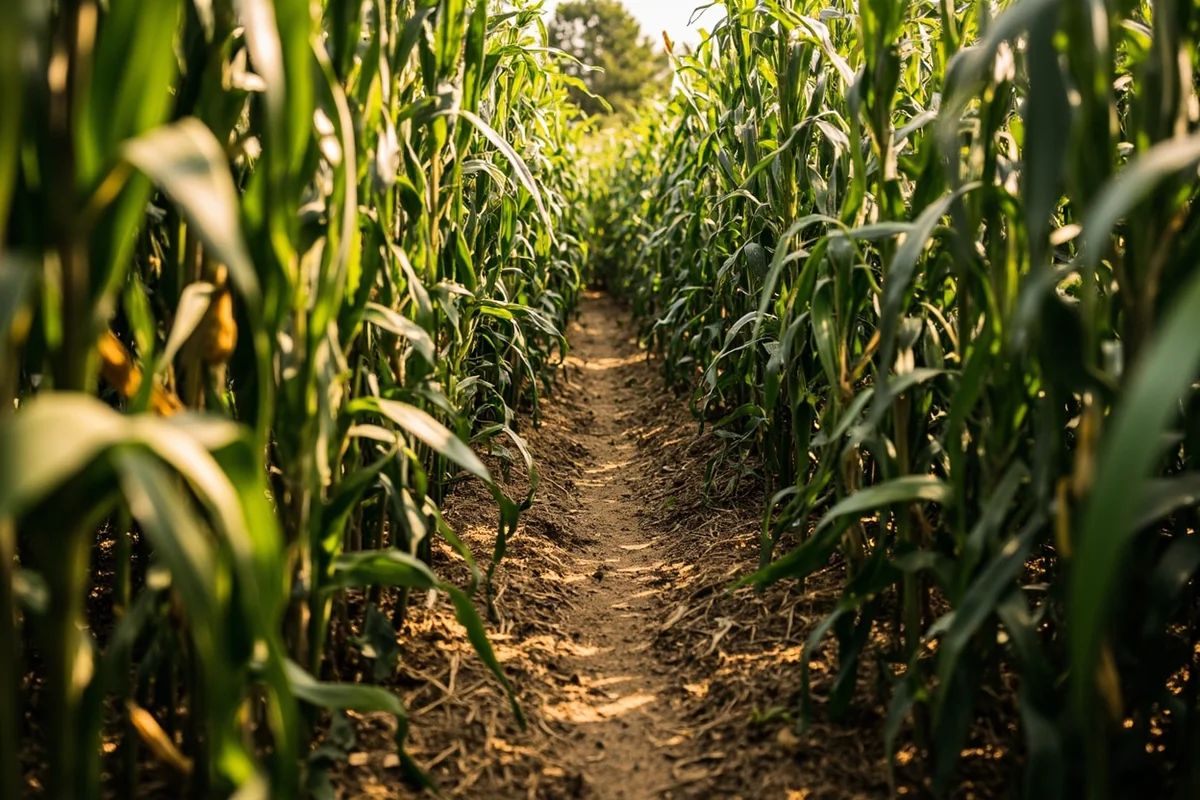
The maze design here tends toward traditional complexity rather than themed shapes. It’s genuinely challenging—I pride myself on good spatial reasoning, and this one had me backtracking multiple times.
What Sets It Apart
The nighttime flashlight maze events deserve special mention. On select Friday and Saturday evenings, they open the maze after dark with only flashlights to guide you. I brought my teenage nephew on one of these nights, and even he admitted it was “actually kind of intense.”
Beyond the maze, their pumpkin patch lets you wander into the field and cut your own directly from the vine—a rare experience compared to pre-picked pumpkin displays.
Practical Details
The facility sits about twenty minutes outside Billings proper, making it accessible for visitors staying in the city. They accept both cash and cards, though the pumpkin purchases work better with cash for quick transactions.
Plan for at least two hours to experience both the maze and pumpkin patch. If you’re traveling with kids who love unique activities in Montana, this combination of hands-on farming and maze adventure checks multiple boxes.
Insider Tips
The flashlight maze nights sell out, so purchasing tickets online in advance is essential. Bring your own flashlight rather than relying on phone lights—the battery drain is real, and you’ll want your phone for photos.
Wear boots regardless of recent weather. The maze rows retain moisture, and I watched multiple visitors in sneakers regret their choices.
3. Rocky Creek Farm (Bozeman Area)
The Experience
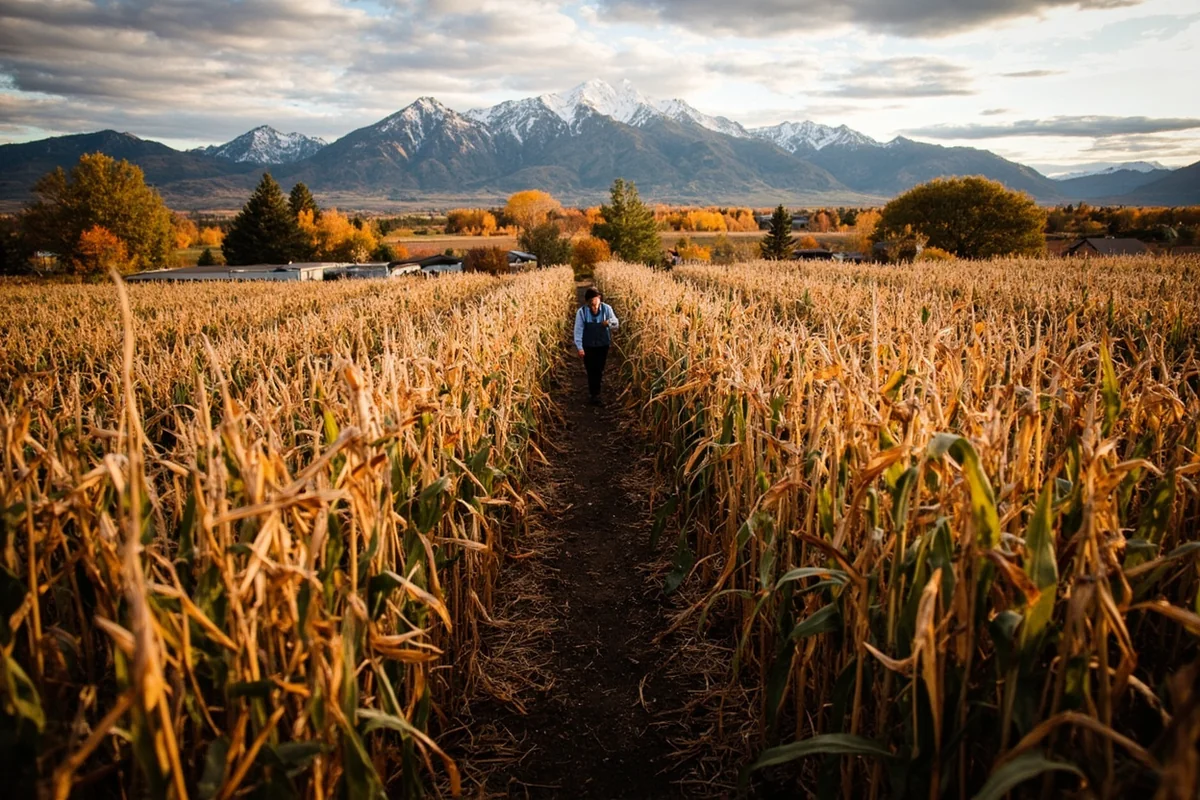
Rocky Creek Farm might be the most photogenic corn maze location in Montana. Situated in the Gallatin Valley with the Bridger Mountains providing a stunning backdrop, it’s where that Instagram shot practically takes itself.
Last summer when I was scouting locations for this article, I spoke with the family who runs the operation. They’ve been farming this land for four generations, and the corn maze started as a “small side project” in the early 2000s that grew into a major fall attraction.
What Sets It Apart
The multi-maze concept here works brilliantly. They offer a smaller “quick maze” that takes about fifteen minutes—perfect for younger kids or visitors short on time—plus the main maze that can easily consume an hour or more.
The farm’s apple cider donuts have developed a cult following. Made on-site and served warm, they’re worth the trip alone. During my visit, I watched a local couple buy three dozen to freeze for later in the year.
Family-Friendly Features
For families with younger children who might find large corn mazes overwhelming, Rocky Creek offers a straw bale maze as an alternative. It’s visible from above, so parents can keep eyes on kids while they navigate.
The hayride circuit takes you past the corn maze, through orchards, and alongside the creek that gives the farm its name. The guide on my ride shared fascinating details about sustainable farming practices they’ve implemented over the years.
Practical Details
Located about fifteen minutes from downtown Bozeman, Rocky Creek draws significant crowds during peak weekends. They’ve implemented a timed entry system for the main maze on Saturdays and Sundays, which prevents overcrowding but requires some advance planning.
If you’re spending time in Bozeman, this pairs well with other area attractions. Some visitors combine their maze trip with the Lone Montana Mountain Coaster for a full day of outdoor adventure.
4. Poison Creek Pumpkins (Helena Area)
The Experience
Don’t let the name put you off—Poison Creek runs through this property, and it’s actually quite scenic. The farm has operated for over fifteen years, growing from a small pumpkin patch into a full fall festival destination.
When I visited two Octobers ago, the owners had just completed a major maze expansion. The new design incorporates multiple difficulty levels within the same space, marked by colored flags that guide you toward easier or harder routes.
What Sets It Apart
The difficulty rating system genuinely works. Following green flags, my six-year-old niece completed the maze in about twenty minutes feeling accomplished. Following red flags, experienced maze enthusiasts can easily spend an hour finding all the checkpoints.
The farm animals add another dimension here. Goats, chickens, and a notably friendly pig named Marvin provide entertainment between maze attempts. Kids can purchase feed for a dollar and interact with the animals in a supervised area.
Practical Details
Helena visitors often overlook this gem in favor of more heavily marketed attractions. That works in your favor—even on October weekends, I’ve never waited more than ten minutes for anything here.
The snack bar focuses on locally sourced options. The elk sausages served with grilled onions might be the best $7 I’ve spent at any fall attraction in Montana.
Insider Tips
Check their Facebook page before visiting—they occasionally close for private events or weather issues. The porta-potties are well-maintained, but if you prefer more facilities, plan accordingly.
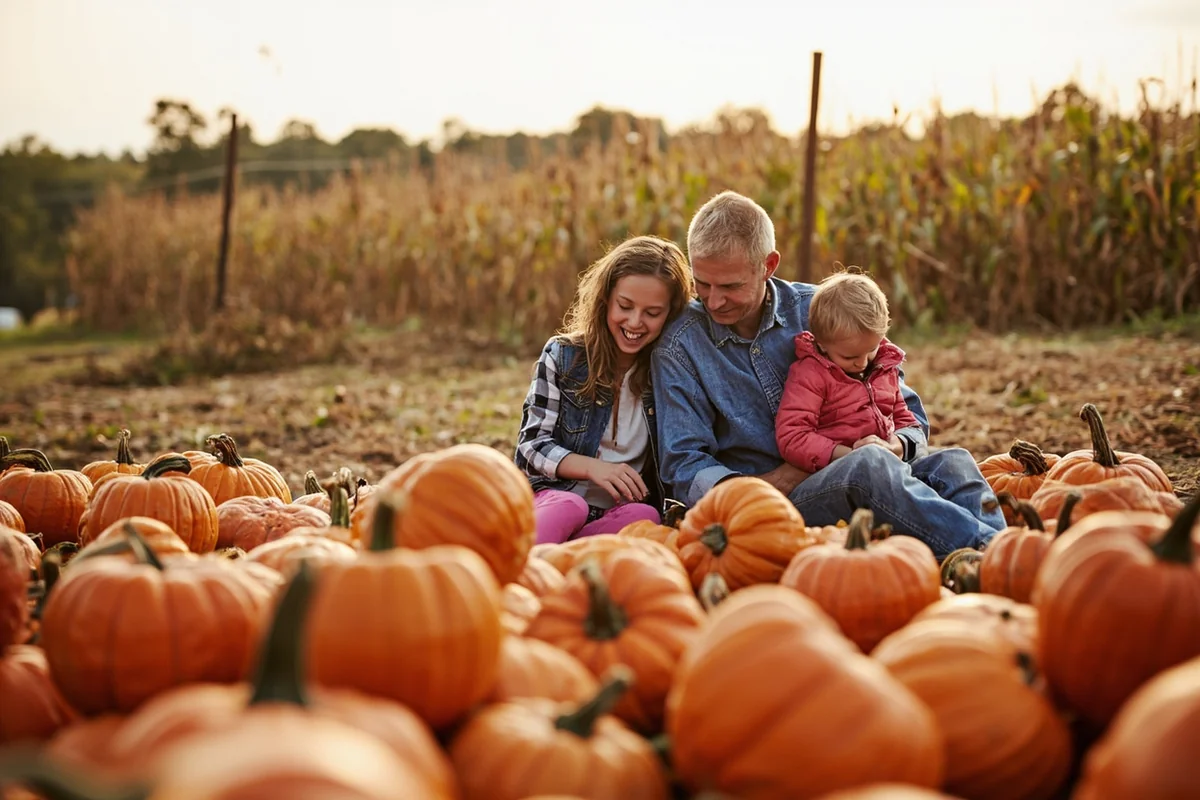
Photography enthusiasts should arrive in the hour before sunset. The way the light hits the corn with mountains in the distance creates genuinely stunning images.
5. Finley Point Farm (Flathead Lake Area)
The Experience
If you’re visiting the Flathead Lake region during fall, Finley Point Farm offers an unexpected treat. The maze here is smaller than some others on this list, but the setting—with Flathead Lake visible in certain sections—creates a uniquely Montana experience.
On a recent trip through the area, I almost skipped this location based on its modest online presence. That would have been a mistake. The family running this operation focuses on quality over scale, and it shows.
What Sets It Apart
The integration of orchard tours with the maze experience makes this location special. After navigating the corn maze, visitors can tour the apple orchards and learn about cherry production—the region’s major crop.
The smaller scale means personal attention. During my visit, the owner noticed my confusion at one particularly tricky junction and shouted a hint from his position near the entrance. It felt like visiting friends rather than an attraction.
Practical Details
The farm operates on a shorter season than others, typically just the first three weeks of October. Verify current hours before making the drive, especially if you’re coming from Kalispell or Missoula.
This location works best combined with other Flathead Lake activities. Morning at the maze followed by an afternoon lakeside lunch creates a perfect fall day itinerary.
6. Big Sky Maize (Kalispell)
The Experience
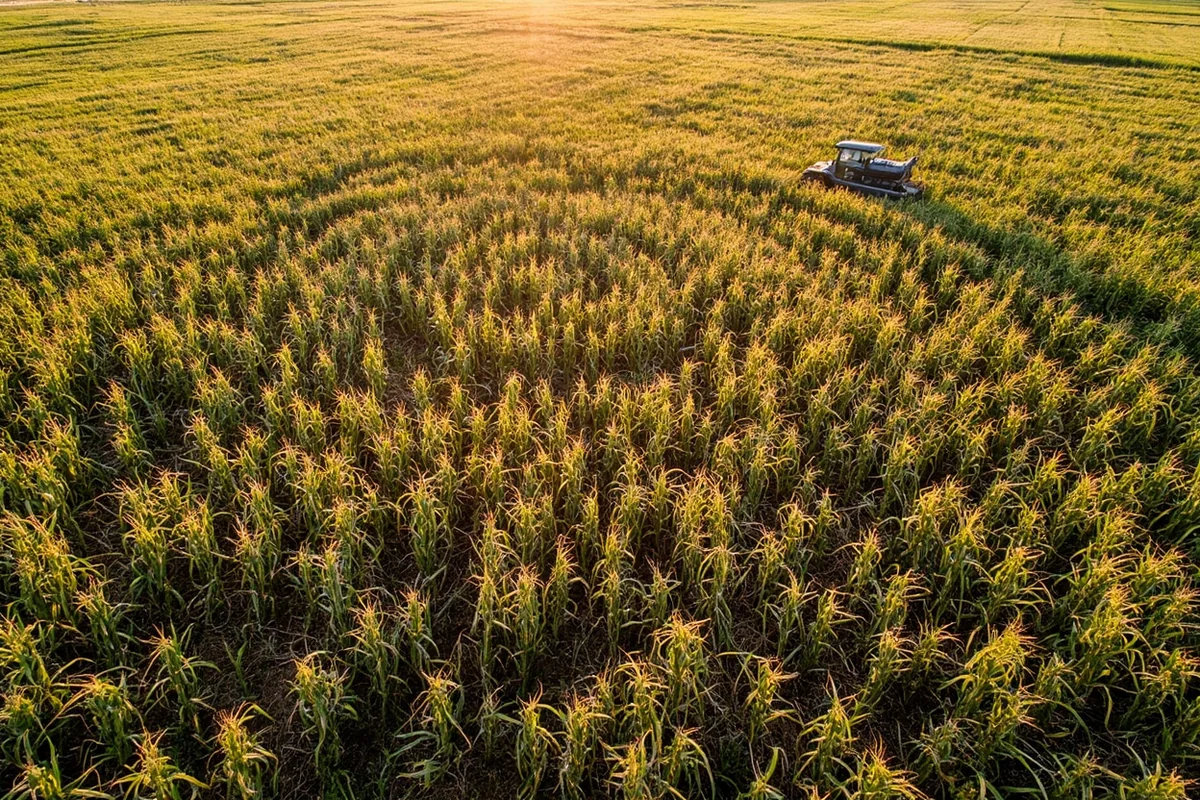
Big Sky Maize markets itself as Montana’s “premier” corn maze, and while that claim invites skepticism, they back it up with scale. The maze typically covers seven-plus acres with design themes that require serious planning and execution.
I spent nearly two hours in their maze last fall. Not because I’m directionally challenged (okay, partially that), but because the checkpoint system encouraged thorough exploration. Finding all eight stations earns you a small prize—basic marketing, but it works.
What Sets It Apart
The professional design approach means consistent quality year after year. They work with national maze design companies while maintaining local ownership, resulting in complexity that rivals operations in more populated states.
Their “escape room” style maze sections represent something I haven’t seen elsewhere in Montana. Certain checkpoints require solving simple puzzles before receiving the clue to continue. It transforms passive wandering into active problem-solving.
Practical Details
Located just outside Kalispell, this maze draws visitors from throughout the Flathead Valley. Weekend afternoons get crowded, so morning visits or weekday timing serves you better.
The gift shop leans heavily into pumpkin-spice-everything, which feels appropriate given the context. Their kettle corn is made on-site and genuinely excellent.
Insider Tips
Group rates make this economical for larger families or friend groups. The per-person cost drops significantly for groups of six or more, so coordinate with other families if possible.
Weather shifts quickly in the Flathead Valley during October. I recommend bringing layers even on sunny days—the temperature dropped fifteen degrees during my afternoon visit.
Planning Your Montana Corn Maze Visit
Best Time to Visit
The sweet spot for Montana corn mazes runs from late September through mid-October. Earlier visits mean less-developed corn that’s easier to peek through, while late October brings frost risk and deteriorating maze conditions.
I’ve found the first two weekends of October offer the best combination of weather, corn height, and fall atmosphere. Weekday visits provide shorter waits and more personal experiences if your schedule allows.
What to Wear
This might seem obvious, but I’ve watched enough visitors struggle to emphasize it: wear closed-toe shoes, preferably boots. Corn mazes mean uneven terrain, mud potential, and lots of walking.
Layers work best for October weather in Montana. Mornings can start in the 40s and warm into the 60s by afternoon. A light jacket you can tie around your waist solves most situations.
Corn leaves are rough on bare skin, so long sleeves protect arms from scratches when navigating tight sections. I learned this the uncomfortable way during my first Montana maze experience.
What to Bring
Cash remains useful at many farm operations, particularly for pumpkin purchases, snacks, and tips. Most locations now accept cards, but cash transactions move faster.
Water bottles matter more than you’d expect. Maze navigation is physical activity, and the dry Montana air contributes to dehydration. Most farms allow outside beverages.
If you’re visiting with children who are learning about nature and animals, reviewing children and wildlife safety information before your trip helps them understand boundaries around farm animals too.
Budgeting Your Visit
Maze admission typically runs $8-15 per person, with children under 3 usually free. Add pumpkin purchases ($5-25 depending on size), snacks ($10-20 for a family), and extras like hayrides or animal feeding ($3-5 each).
A realistic family budget for four looks like: $40-50 for maze admission, $30-40 for pumpkins, $25-35 for food and snacks, and $15-20 for add-on activities. Total: around $110-145 for a full experience.
Beyond the Maze: Complete Fall Experiences
Combining Activities
Most visitors spend 2-3 hours at corn maze locations when they factor in all available activities. Planning a full morning or afternoon makes the drive worthwhile.
The best approach I’ve found: arrive when the maze opens, complete the maze while you’re fresh and crowds are light, then enjoy pumpkin patches, farm stores, and food options at a relaxed pace.
If you’re looking for additional family entertainment, many maze visitors combine their trips with other Montana attractions. Mini golf courses across Montana offer another family-friendly activity that pairs well with fall adventures.
Photography Tips
Corn mazes offer surprisingly good photo opportunities if you know where to look. The entrance areas typically provide the best corn-backdrop shots with good lighting.
Inside the maze, focus on detailed shots—corn tassels against blue sky, children’s expressions as they navigate, overhead shots down maze corridors. Wide shots inside the maze often look cluttered and don’t capture the experience well.
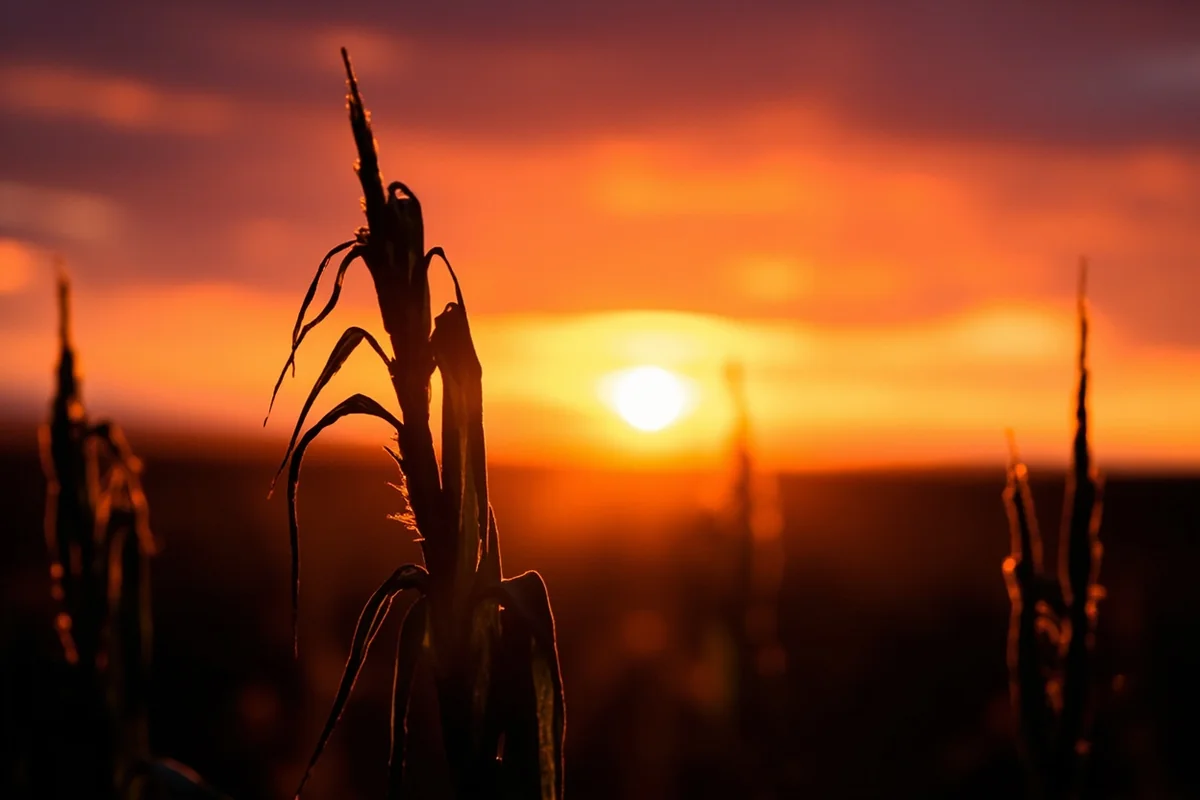
Golden hour visits (the hour before sunset) create the most atmospheric images. Several farms allow entry late enough to catch this lighting, which transforms ordinary photos into something special.
Making It Educational
For homeschool families or parents who like learning opportunities, corn mazes offer natural teaching moments. Navigation and directional skills, agricultural processes, seasonal changes, and problem-solving all come into play.
Several mazes I’ve visited include educational signage about corn varieties, farming practices, and Montana agriculture. Taking time to read these adds depth to the experience and helps kids understand where food comes from.
Accessibility and Considerations
Physical Accessibility
Corn maze terrain challenges wheelchair users and those with mobility limitations. The uneven ground, narrow passages, and lack of firm surfaces make most mazes inaccessible.
However, many farms offer alternative experiences: hayrides that circle the maze perimeter, accessible pumpkin patch areas, and farm store experiences that don’t require maze navigation.
If accessibility is a concern, calling ahead to discuss specific accommodations helps. The family-run nature of most Montana operations means they’re often willing to work with visitors on alternatives.
Young Children
Kids under 4 generally struggle with full-size corn mazes—the visual monotony and physical demands lead to meltdowns. The smaller alternative mazes at locations like Rocky Creek Farm work better for this age group.
Carrying smaller children through mazes sounds manageable until you’re twenty minutes in with no end in sight. Strollers don’t work in corn mazes, so plan accordingly.
The ideal corn maze age range, based on my observations, runs from about 5 to 55. Younger kids get frustrated, and some older visitors find the terrain challenging.
Weather Contingencies
Rain cancels or severely impacts most corn maze experiences. The paths become muddy and potentially dangerous, and corn leaves hold water that soaks visitors.
Most farms post weather-related closures on Facebook rather than their main websites, so check social media before driving out after rain.
Light frost doesn’t typically close mazes, but hard freeze begins deteriorating corn quality. Late October visitors should verify maze conditions before traveling.
The Montana Corn Maze Experience
After visiting every major corn maze in Montana over the past several years, I’ve come to appreciate what makes these attractions special. They’re not the largest mazes in the country, not the most technologically advanced, and not the most Instagram-famous.
What they offer instead is authenticity. These are real farms run by real Montana families who genuinely enjoy sharing their land with visitors each fall. The mountains in the background, the quality of the autumn air, the unhurried pace of the experience—these elements create memories that manufactured attractions can’t replicate.
My recommendation for first-time visitors: choose based on your location and interests. Near Bozeman? Rocky Creek Farm delivers scenery and variety. In the Billings area? Pryor Creek’s straightforward challenge and nighttime options stand out. Traveling with a group? Big Sky Maize’s scale justifies the trip to Kalispell.
Whatever you choose, the universal Montana corn maze experience involves getting a little lost, finding your way eventually, and probably eating something delicious afterward. That’s exactly what a fall adventure should be.
Frequently Asked Questions
When is the best time to visit corn mazes in Montana?
The best time to visit Montana corn mazes is mid-September through October, when the corn stalks are fully grown and fall festivities are in full swing. I recommend going on weekday afternoons to avoid crowds, though weekend visits offer more activities like hayrides and pumpkin patches. Most mazes close by early November before the first heavy snowfall.
How much do Montana corn mazes cost for families?
Montana corn maze admission typically ranges from $8-$15 per person, with many farms offering family packages around $40-$50 for four people. Kids under 3 usually get in free, and combo tickets that include hayrides, pumpkin picking, and other fall activities can run $20-$25 per person. I always check farm websites for printable coupons or weekday discounts before visiting.
What should I wear and bring to a Montana corn maze in fall?
Wear sturdy closed-toe shoes or boots since Montana corn mazes can get muddy after rain, and dress in layers because temperatures often drop from the 60s to the 40s by evening. I always bring a light jacket, sunscreen for afternoon visits, and cash since some smaller farms don’t accept cards. Bug spray is helpful earlier in the season when mosquitoes are still active.
How long does it take to complete a corn maze in Montana?
Most Montana corn mazes take 30 minutes to an hour to complete, depending on the maze’s difficulty and your navigation skills. Larger destination mazes like those at Bozeman or Missoula-area farms can take up to 90 minutes if you explore every path. I suggest budgeting 2-3 hours total to enjoy additional farm activities beyond just the maze.
Are Montana corn mazes suitable for young children and toddlers?
Yes, many Montana corn mazes offer mini mazes or shorter trails specifically designed for children under 6, making them perfect for family outings. Farms like those near Kalispell and Billings often have stroller-friendly paths in designated family areas. I recommend calling ahead to confirm kid-friendly options and ask about flashlight nights, which can be too intense for very young children.
Where are the most popular corn mazes located in Montana?
Montana’s most popular corn mazes are concentrated around Bozeman, Missoula, Billings, and the Flathead Valley near Kalispell. These areas are within 10-30 miles of major highways, making them easy road trip stops between Glacier and Yellowstone National Parks. I’ve found that farms in the Gallatin Valley near Bozeman tend to have the most elaborate maze designs and fall festival activities.
Do Montana corn mazes offer nighttime or flashlight maze experiences?
Several Montana corn mazes host flashlight nights and haunted maze events on Friday and Saturday evenings throughout October. These after-dark experiences typically cost $5-$10 more than daytime admission and are geared toward teens and adults. I recommend bringing your own flashlight with fresh batteries since farm-provided lights can be dim, and arrive early as lines get long after 7 PM.