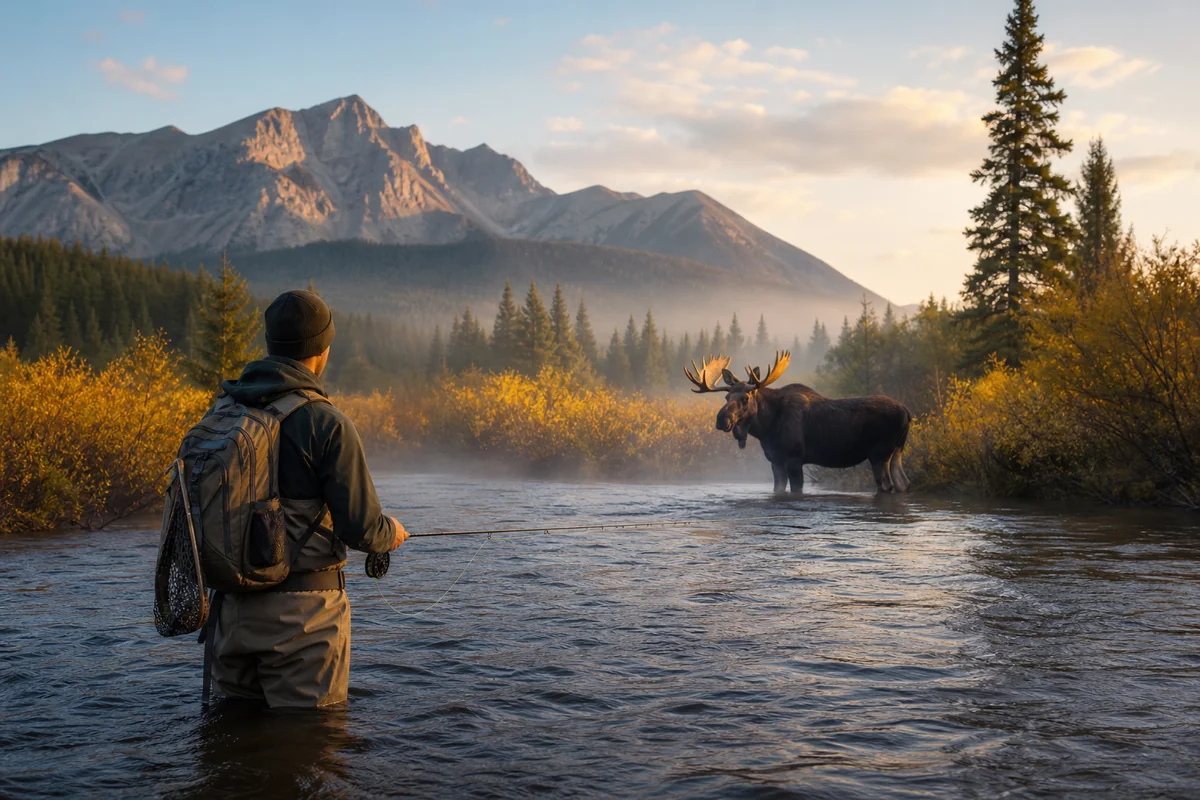
Standing knee-deep in the Gallatin River at dawn, I watched a bull moose emerge from the morning mist not thirty feet away. He locked eyes with me for what felt like an eternity before casually continuing his breakfast of willows.
That moment crystallized everything I love about Montana—the raw, untamed wilderness that still exists here in ways most Americans have forgotten.
- Montana offers diverse adventures from Glacier National Park’s iconic trails to hidden hot springs most tourists never find
- Best times to visit: June-September for hiking, January-March for skiing, September-October for fewer crowds and fall colors
- Plan for significant driving distances—this state is larger than Germany
- Book accommodations in Glacier and Yellowstone areas 6+ months ahead for summer visits
- Wildlife encounters are common; carry bear spray and know how to use it
- Budget $150-300/day for mid-range travel including lodging, food, and activities
Liked this article?
Add Roaming Montana as a preferred source so you see more of our articles and guides on Google.
Why Montana Belongs on Every Traveler’s Bucket List
After spending five years exploring Montana across every season, I can tell you that no other state offers this combination of accessible wilderness and genuine frontier character. This isn’t Disneyfied nature. When you’re hiking in the Bob Marshall Wilderness, you’re in one of the most pristine ecosystems remaining in the lower 48.
Montana is the fourth-largest state but ranks 44th in population density. That math creates something precious: space to breathe, trails where you won’t see another soul, and communities that still operate on handshake trust.
I’ve organized this bucket list by region because Montana’s size demands it. During my first trip, I naively planned to hit Glacier and Yellowstone in the same long weekend. The eight-hour drive between them taught me to respect Big Sky Country’s scale.
Glacier National Park: Crown of the Continent
Hike the Highline Trail
The Highline Trail remains my single favorite day hike in North America. When I hiked it last July, the wildflower meadows were so vibrant they looked artificially saturated—purple lupine, red Indian paintbrush, and yellow glacier lilies carpeting every slope.
This 11.8-mile point-to-point trail hugs the Continental Divide, starting at Logan Pass and ending at The Loop. The trail is carved into cliffsides with stomach-dropping exposure in places, but it’s well-maintained and suitable for reasonably fit hikers.
My insider tip: take the free shuttle from The Loop back to Logan Pass, but leave early. I started at 6:30 AM and had the first four miles virtually to myself. By 10 AM, the trail was congested.

Chase Sunrise at Two Medicine Lake
While most visitors crowd the Going-to-the-Sun Road corridor, Two Medicine Lake on Glacier’s southeastern edge offers equal beauty with a fraction of the tourists. During my September visit, I counted seven other people all morning.
The Dawson-Pitamakan Loop from Two Medicine is a challenging 18-mile circuit that delivers everything Glacier is famous for: turquoise lakes, knife-edge ridges, and regular wildlife sightings. I spotted a wolverine here—one of fewer than 300 remaining in the Lower 48.
If that’s too ambitious, the boat cruise across Two Medicine Lake followed by the 2-mile hike to Twin Falls makes a perfect half-day outing.
Drive Going-to-the-Sun Road (Before It’s Too Late)
Climate change is reshaping Glacier rapidly. When the park was established in 1910, it contained roughly 150 glaciers. Today, fewer than 25 remain, and scientists predict they’ll be gone entirely by 2030.
The 50-mile Going-to-the-Sun Road crosses the park through Logan Pass, reaching 6,646 feet. I’ve driven it in June when snowbanks still towered 15 feet above the road, and in September when larch trees blazed gold against evergreen slopes.
Vehicle reservations are now required for peak hours (6 AM-3 PM) from late May through early September. Book these the moment they become available—they sell out within hours.
| Glacier Park Quick Reference | Details |
|---|---|
| Best Months | July-September (roads fully open) |
| Entry Fee | $35/vehicle (7 days) |
| Nearest Airports | Glacier Park International (FCA) – Kalispell |
| Must-Reserve | Vehicle entry, campgrounds, Many Glacier Hotel |
| Bear Spray | Essential – rent at park stores if needed |
Greater Yellowstone: Montana’s Wild Southern Edge
Explore the Lamar Valley at Dawn
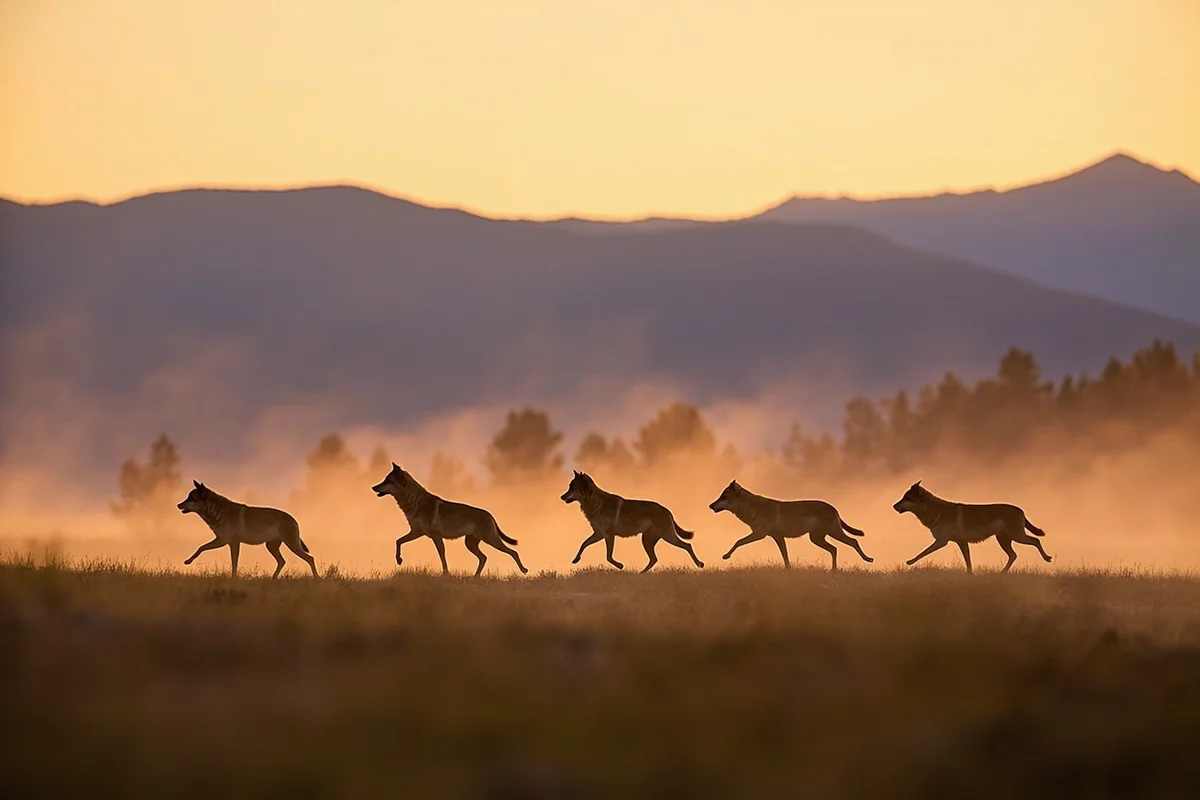
The northern portion of Yellowstone National Park extends into Montana, and the Lamar Valley is often called America’s Serengeti for good reason. During my April visit, I watched three wolf packs in a single morning through my spotting scope.
I recommend basing yourself in Gardiner, Montana, rather than inside the park. You’ll find better restaurant options, easier lodging reservations, and you’ll be positioned perfectly for sunrise drives into Lamar Valley.
On a recent trip, I followed advice from a local guide and arrived in Lamar before sunrise. By 6:15 AM, I’d spotted wolves, a grizzly sow with cubs, and a massive herd of bison crossing the road. By mid-morning, the tour buses arrived and the magic window closed.
Raft the Yellowstone River
The Yellowstone River flows from the park through Paradise Valley, offering world-class whitewater and scenic float options. I’ve done both, and my preference depends on my mood.
For adrenaline, the Yankee Jim Canyon section delivers Class III-IV rapids through a spectacular gorge. I booked with a Gardiner outfitter last summer and spent the morning getting absolutely soaked while laughing with strangers who became temporary friends.
For tranquility, the Paradise Valley float section is unbeatable. Eagles nest along the riverbanks, and the Absaroka Range provides a constant dramatic backdrop. Bring a fishing rod—this stretch holds excellent trout populations.
Soak in Chico Hot Springs
After a long day of hiking or rafting, nothing beats Chico Hot Springs in Pray, Montana. This historic resort has welcomed guests since 1900, and the naturally heated pools maintain a perfect 96-103°F year-round.
I’ve visited in winter when snow fell while I soaked, and in summer when the surrounding meadows buzzed with hummingbirds. The poolside bar serves solid cocktails, and the resort’s restaurant (make reservations) serves surprisingly sophisticated cuisine for such a remote location.
Pro tip: the pools get crowded on weekends. Visit on a Tuesday or Wednesday evening for a more peaceful experience.
Big Sky and the Gallatin Canyon
Ski Big Sky Resort
Big Sky Resort offers 5,800 acres of skiable terrain—the largest in America—with a fraction of the crowds you’d find at comparable Colorado resorts. During my February trip, I rarely waited more than five minutes for any lift.
The terrain spans everything from gentle groomers to the infamous Big Couloir, one of the steepest in-bounds runs in North America. I’m an advanced skier and found myself challenged all week.
What surprised me most was the village atmosphere. Unlike some mega-resorts that feel like outdoor shopping malls, Big Sky retains a working-ski-area authenticity. Yes, there’s luxury lodging, but there’s also a guy grilling elk burgers in the base area parking lot.
Fish the Gallatin River
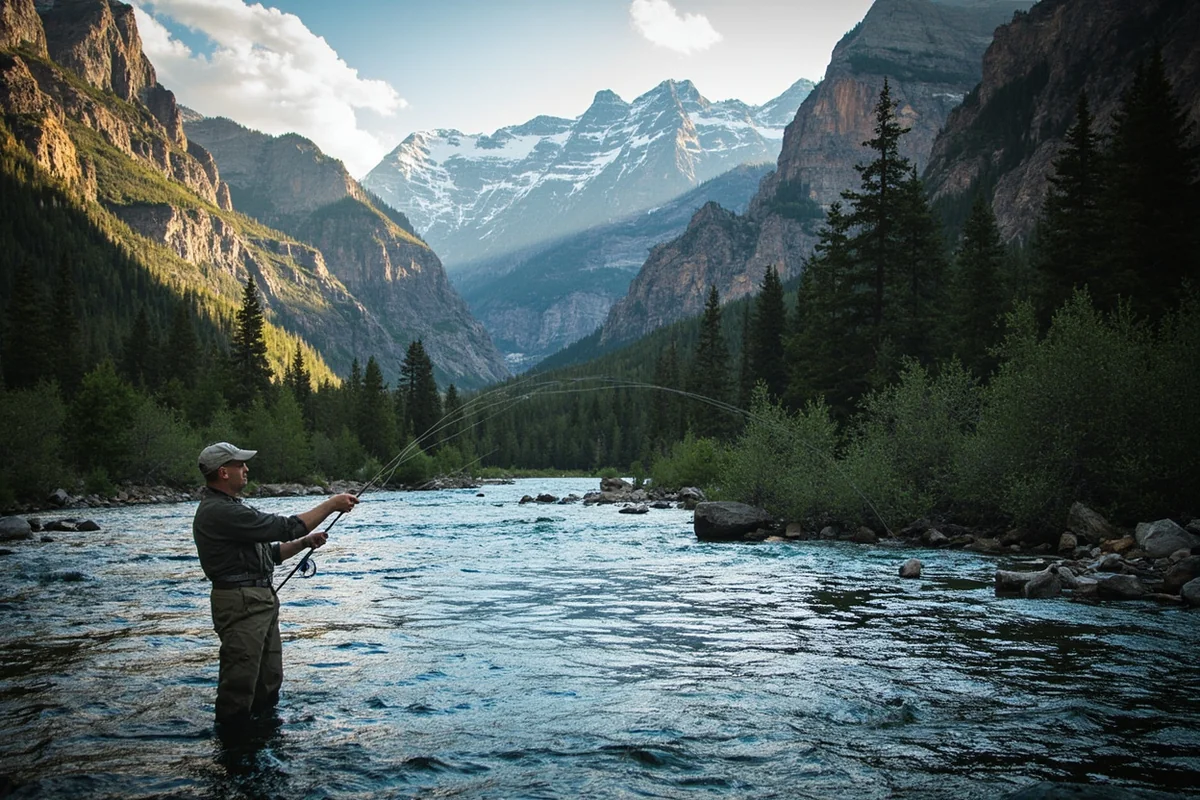
The Gallatin River carves through the canyon south of Bozeman, offering some of Montana’s most accessible blue-ribbon trout fishing. You might recognize stretches from “A River Runs Through It”—several scenes were filmed here.
I recommend booking a guided float for your first day to learn the productive spots, then returning independently with your new knowledge. On a guided trip last fall, my guide put me on a rainbow trout so large I initially mistook it for a rock.
Wade fishing is productive throughout the canyon, with numerous pullouts along Highway 191. Arrive early—the best spots fill quickly with local anglers who know the water.
Western Montana: Charming Towns and Hidden Gems
Explore Missoula’s River Culture
Missoula surprised me. I expected a small college town and found instead a vibrant cultural hub with exceptional food, live music every night, and a river running directly through downtown.
The Clark Fork River Trail system allows you to walk, run, or bike for miles along the water. On my last visit, I rented a stand-up paddleboard and floated through the heart of downtown, passing breweries, kayakers, and sunbathers on Caras Park.
For food, I loved Scotty’s Table for upscale Montana cuisine and The Pearl Café for brunch. The local brewery scene rivals Portland’s—try Draught Works and Bayern Brewing for distinctly different experiences.
Drive the Bitterroot Valley
South of Missoula, the Bitterroot Valley deserves more attention than it receives. The Bitterroot Range rises dramatically to the west, and the valley floor is dotted with small towns, historic missions, and family farms.
St. Mary’s Mission in Stevensville is Montana’s oldest settlement, established in 1841. The preserved mission buildings offer fascinating insight into early European presence in the region.
For hikers, Blodgett Canyon provides some of the most dramatic cliff scenery in Montana. The trail follows a creek between vertical granite walls that rival Yosemite’s features. On a June hike, I found the canyon floor still holding patches of snow while wildflowers bloomed at the margins.
Discover Whitefish and the Flathead Valley
Whitefish has evolved from a railroad town to Montana’s most polished resort community, but it hasn’t lost its character. The downtown walking district features excellent restaurants, independent shops, and a warm community atmosphere.
Whitefish Mountain Resort offers skiing in winter and lift-served mountain biking in summer. The Danny On Trail descends over 2,500 vertical feet of bermed singletrack—pure flow-state magic for mountain bikers.
Flathead Lake, just south of town, is the largest natural freshwater lake west of the Mississippi. I spent a July afternoon swimming from a small beach near Bigfork, the water cold enough to be refreshing but warm enough for extended swimming.

Eastern Montana: Badlands and Big Skies
Experience Makoshika State Park
Most visitors skip eastern Montana entirely, which is exactly why I love it. Makoshika State Park near Glendive contains Montana’s largest state park—11,000 acres of badlands that feel transported from another planet.
The eroded formations glow orange and red at sunset, and dinosaur fossils continue to emerge from the soft rock. During my visit, I hiked the Cap Rock Nature Trail and felt completely alone in a prehistoric landscape.
Summers are brutally hot here—I recommend spring or fall visits. Camp in the park’s primitive campground for an unforgettable experience under some of the darkest skies in America.
Tour the Little Bighorn Battlefield
History buffs shouldn’t miss the Little Bighorn Battlefield National Monument near Crow Agency. Walking the grounds where Custer’s command was annihilated in 1876 is a sobering and educational experience.
The visitor center provides excellent context, but I recommend the guided tours led by Crow Nation members. Their perspective adds layers that official interpretations sometimes miss. My guide’s great-great-grandfather fought in the battle—that kind of connection transforms a site visit into living history.
The memorial markers scattered across the rolling hills show exactly where soldiers and warriors fell. On my visit, strong winds bent the prairie grass, and I could almost hear echoes of that desperate June day.
Montana’s Secret Hot Springs
Soak at Wild, Undeveloped Springs
Montana contains dozens of natural hot springs, from commercial resorts to clothing-optional pools accessible only by hiking. I’ll share a few favorites, with the understanding that these places require respectful visitation.
Bozeman Hot Springs isn’t wild—it’s a developed facility east of Bozeman—but it offers the most convenient soaking experience for travelers. The outdoor pools stay open late, perfect after a long day of adventure.
For something more adventurous, the springs along the Boulder River south of Big Timber require moderate hiking but reward you with a gorgeous riverside setting. Pack out all trash and keep voices low—these places survive through visitor discretion.
Jerry Johnson Hot Springs near the Idaho border sits just off Highway 12, requiring only a one-mile hike. Multiple pools of varying temperatures cascade down a hillside in a lush forest setting. I visited on a September weekday and shared the springs with only two other soakers.
Wildlife Watching Beyond the Parks
Find Bison at the National Bison Range
The National Bison Range near Moiese maintains a herd of 350-500 bison on 18,500 acres of native prairie. The Red Sleep Mountain Drive climbs through the range, offering almost guaranteed bison sightings along with elk, deer, and pronghorn.
I visited in October during the rut, when massive bulls bellowed challenges across the valleys. The autumn grass had turned golden, and the bison silhouettes against blue mountains created quintessentially Montana scenes.
The range is less crowded than Yellowstone and allows you to experience bison in something closer to their historical Great Plains habitat.
Watch Grizzlies at Wild Locations
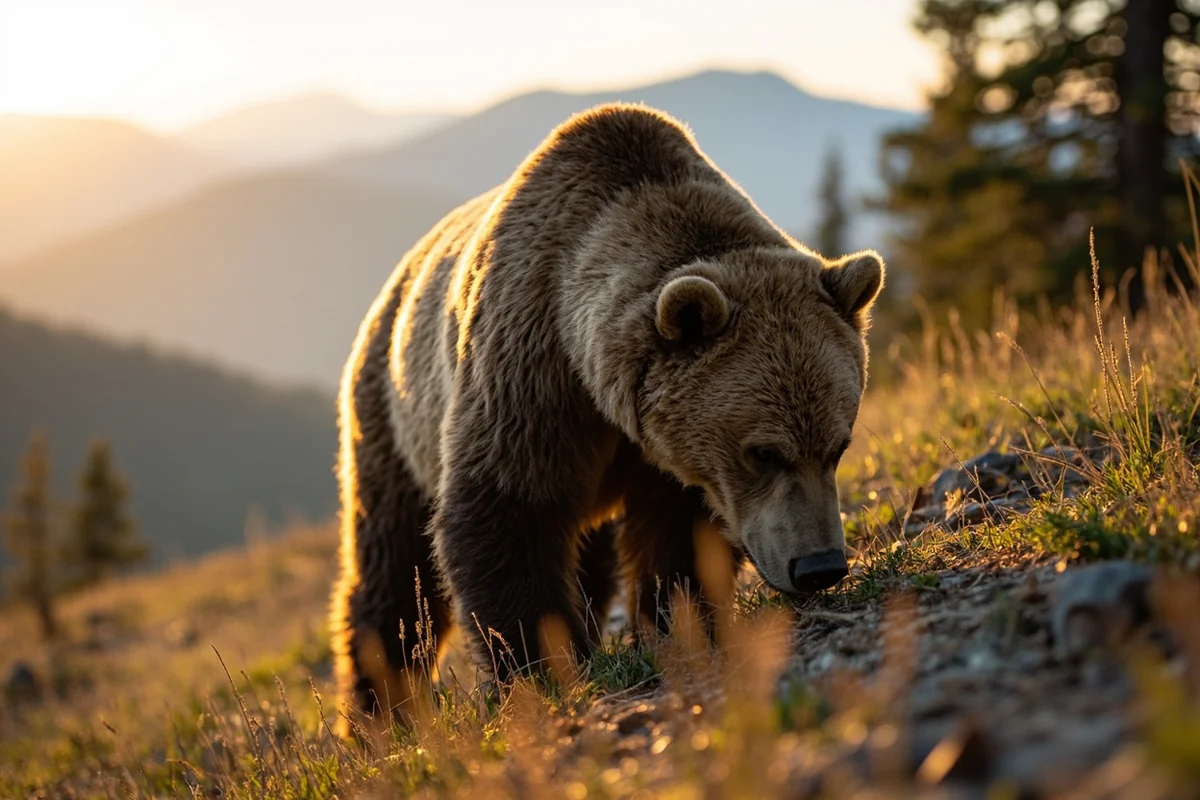
Beyond the national parks, several areas offer reliable grizzly bear viewing. The Blackfeet Nation lands east of Glacier support a healthy bear population, and local outfitters offer guided viewing experiences.
I joined a dawn wildlife tour from East Glacier last spring. Within two hours, we’d observed three different grizzlies digging for roots on a mountainside, all from a safe distance using spotting scopes.
Remember: these are wild animals in uncontrolled environments. Following guide instructions isn’t optional—it’s what keeps both humans and bears safe.
Practical Planning Essentials
When to Visit Each Region
Montana’s optimal visit times vary dramatically by activity and region. Here’s what I’ve learned through seasons of exploration:
June-August: Prime hiking season, but also peak crowds in Glacier and Yellowstone. Book everything months ahead. Expect afternoon thunderstorms in mountain areas.
September-October: My favorite time. Fall colors peak in late September, crowds thin dramatically, and wildlife is active preparing for winter. Some high-country roads may close after early-season snow.
December-March: Ski season peaks in February. Big Sky and Whitefish offer excellent snow, while Bozeman and Missoula provide lower-elevation alternatives when storms close mountain roads.
April-May: Shoulder season with mixed conditions. Lower elevations are accessible, but Glacier’s Going-to-the-Sun Road usually doesn’t fully open until late June.
Getting Around Montana
A rental car is essentially mandatory for Montana exploration. Public transportation is limited to a few routes, and the distances between attractions would make any alternative impractical.
I recommend basing yourself in three or four locations and making day trips rather than trying to drive across the entire state. My typical Montana trip looks like:
- 3-4 nights in Whitefish/Glacier area
- 2-3 nights in Missoula (with Bitterroot day trip)
- 3-4 nights in Bozeman/Big Sky (with Yellowstone days)
Gas stations can be far apart in rural areas. When your tank hits half-empty, fill up. I’ve white-knuckled a few stretches with the fuel light glowing.
Budgeting for Your Montana Adventure
Montana costs have increased significantly since 2020, particularly in resort areas. Here’s what I’ve found reasonable:
Budget ($100-150/day): Camping or hostel accommodations, grocery meals with occasional dining out, free activities like hiking, careful fuel management.
Mid-range ($200-300/day): Comfortable hotels or vacation rentals, restaurant meals, one or two guided activities per trip (fishing guide, whitewater rafting), park entrance fees.
Luxury ($400+/day): Resort lodging like Big Sky or Whitefish Mountain, fine dining, private guides, spa services.
Guided activities add up quickly. A full-day fishing guide runs $500-600 for one or two anglers. Whitewater rafting costs $80-120 per person. Factor these into your budget before committing.
Safety Considerations for Montana Travel
Wildlife Awareness
Grizzly bears and mountain lions are real concerns in Montana’s backcountry. This isn’t fear-mongering—it’s respect for sharing space with apex predators.
Carry bear spray on every hike and know how to deploy it quickly. Practice removing the safety and assume a firing position before you need it for real. Most outdoor shops near trailheads rent bear spray if you don’t want to purchase.
Make noise while hiking, especially around blind corners and near streams where rushing water masks footsteps. I carry a small bell and clap regularly—better to seem foolish than to surprise a grizzly.
Weather and Wilderness Hazards
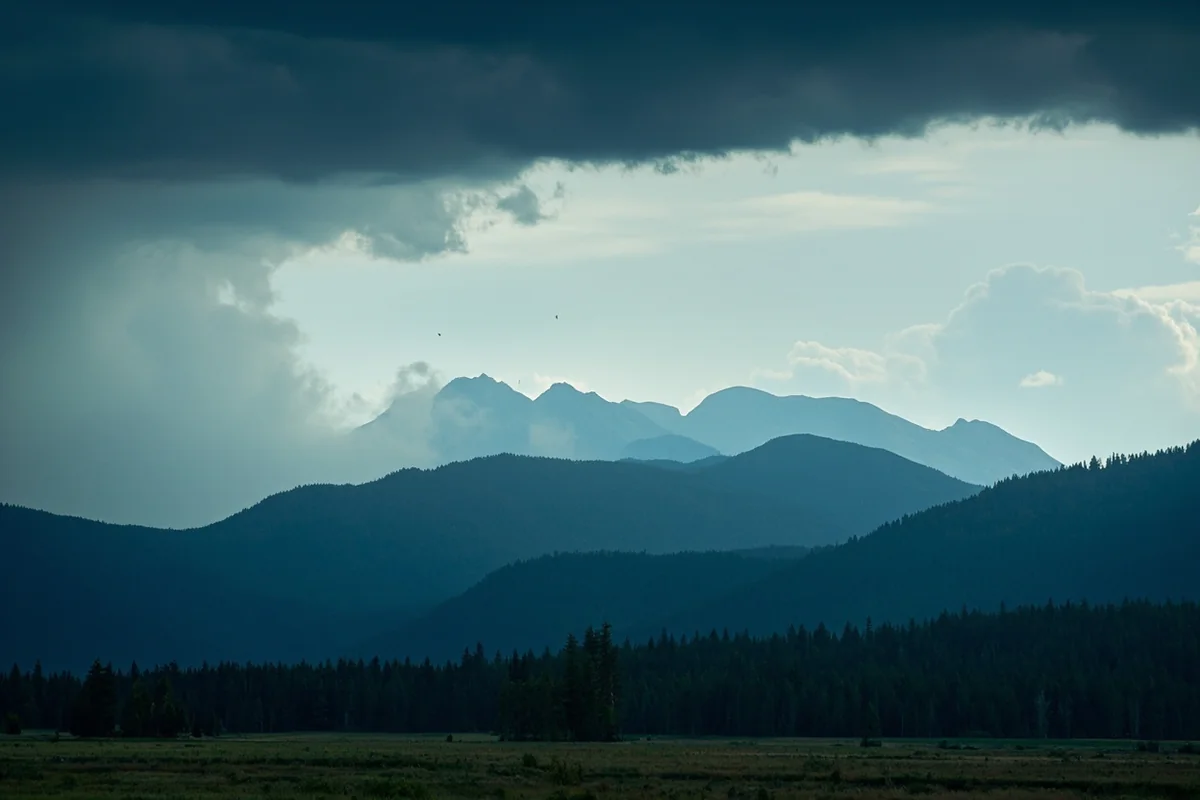
Montana weather changes rapidly and violently. I’ve experienced snow in July at high elevations, and I’ve watched afternoon thunderstorms materialize from clear skies in under an hour.
Always carry rain gear and extra layers, even on sunny summer mornings. Hypothermia kills more hikers than bears—a wet hiker caught in a sudden storm without insulation is in real danger.
If you hear thunder, get below treeline immediately. Montana’s high country is fully exposed, and lightning strikes are common. During one Glacier hike, I retreated from a pass just minutes before a storm hit—the hair on my arms standing up told me to move.
Cell service is nonexistent in most wilderness areas. Carry a paper map, know basic navigation, and consider a satellite communicator for remote backcountry trips.
Making the Most of Your Montana Bucket List
I’ve given you 23 adventures spanning Montana’s diverse regions, but here’s my honest advice: don’t try to do everything in one trip.
Montana rewards slow travel. The magic happens in unplanned moments—a moose encounter at dawn, a conversation with a rancher at a small-town diner, an unexpected waterfall discovered down an unmarked trail.
Choose one or two regions and explore them deeply. Return for the others. Montana will be here, wild and waiting, whenever you’re ready for more.
My personal essential Montana experiences, if you forced me to choose just five:
- Highline Trail in Glacier National Park
- Dawn wildlife watching in Lamar Valley
- Floating the Yellowstone River through Paradise Valley
- Soaking in Chico Hot Springs after a hard adventure
- A quiet evening in Missoula’s riverside downtown
But honestly? The best Montana experience might be the one you discover yourself, around a bend in a trail that doesn’t appear in any guidebook. Big Sky Country still holds countless secrets for those willing to seek them.
Frequently Asked Questions
What is the best time of year to visit Montana for outdoor adventures?
I recommend visiting Montana between June and September for the best hiking, fishing, and wildlife viewing conditions, with July and August offering the warmest weather and longest days. If you’re chasing winter adventures like skiing at Big Sky Resort or Whitefish Mountain, December through March delivers excellent powder conditions. Shoulder seasons (May and October) offer fewer crowds and lower prices, though some high-elevation trails may still have snow.
How many days do you need to explore Montana’s top attractions?
To truly experience Montana’s highlights including Glacier National Park, Yellowstone’s Montana entrance, and charming towns like Bozeman and Missoula, I’d plan at least 10-14 days. If you’re short on time, you can hit the major spots in Glacier National Park in 3-4 days, but distances between attractions are significant—Glacier to Yellowstone alone is about 340 miles. Budget extra driving time because you’ll want to stop constantly for the stunning scenery.
How much does a Montana road trip cost per day?
A mid-range Montana road trip typically costs $150-250 per person daily, covering lodging, food, gas, and park entrance fees. During peak summer season, expect to pay $180-350 per night for hotels near Glacier or Yellowstone, while camping runs $20-35 per night at established campgrounds. I always recommend booking accommodations 3-6 months ahead for summer visits, as popular spots like West Glacier and Gardiner sell out quickly.
What should I pack for a Montana adventure trip?
Pack layers regardless of season—Montana weather changes rapidly, and I’ve experienced 40-degree temperature swings in a single day. Essential items include sturdy hiking boots, bear spray ($40-50, required in grizzly country), a quality rain jacket, sunscreen, and binoculars for wildlife spotting. Don’t forget a cooler for road trip snacks since towns can be 50-100 miles apart, and always carry extra water and a paper map as cell service is unreliable in remote areas.
Is it safe to hike alone in Montana with bears and mountain lions?
Solo hiking in Montana requires extra precautions but thousands do it safely each year by carrying bear spray, making noise on trails, and staying alert. I always hike with bear spray accessible (not buried in my pack), travel in groups when possible, and avoid dawn and dusk when predators are most active. Check trail conditions and recent wildlife sightings at ranger stations before heading out, and never approach or feed any wildlife no matter how calm they appear.
Can you visit Glacier National Park without a car reservation?
During peak season (late May through mid-September), you’ll need a vehicle reservation to enter Going-to-the-Sun Road corridor between 6 AM and 3 PM, which costs $2 and books up within minutes of release. Alternatives include arriving before 6 AM or after 3 PM, taking the free park shuttle system, or booking a guided tour which includes entry. I’ve had luck snagging last-minute reservations that get released 24 hours in advance at 7 PM MT, but you need to be quick.
What are the must-see hidden gems in Montana beyond the national parks?
Beyond Glacier and Yellowstone, I highly recommend the stunning Beartooth Highway (often called America’s most beautiful drive), the crystal-clear waters of Flathead Lake, and the quirky ghost towns around Virginia City. The Bob Marshall Wilderness offers incredible backcountry solitude, while Hyalite Canyon near Bozeman features accessible waterfalls and ice climbing in winter. For hot springs, skip the crowded commercial ones and find Boiling River near Gardiner or Jerry Johnson Hot Springs along the Idaho border.