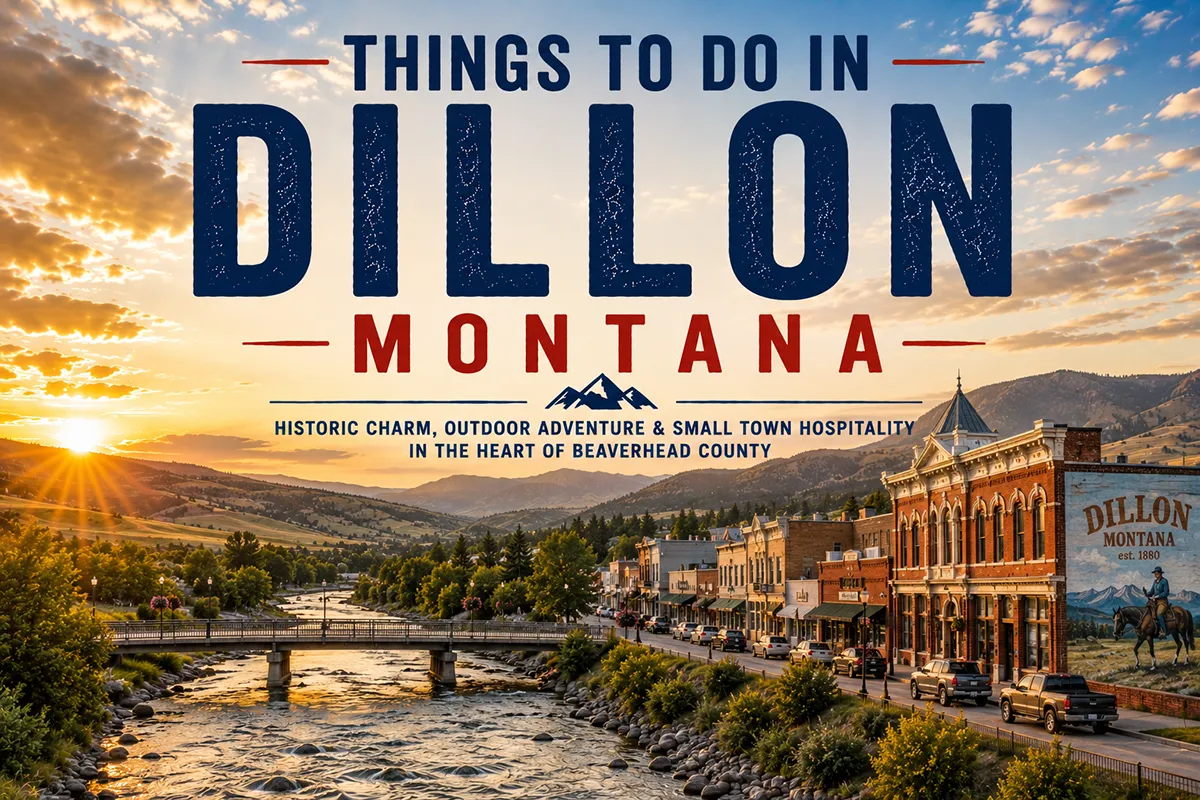
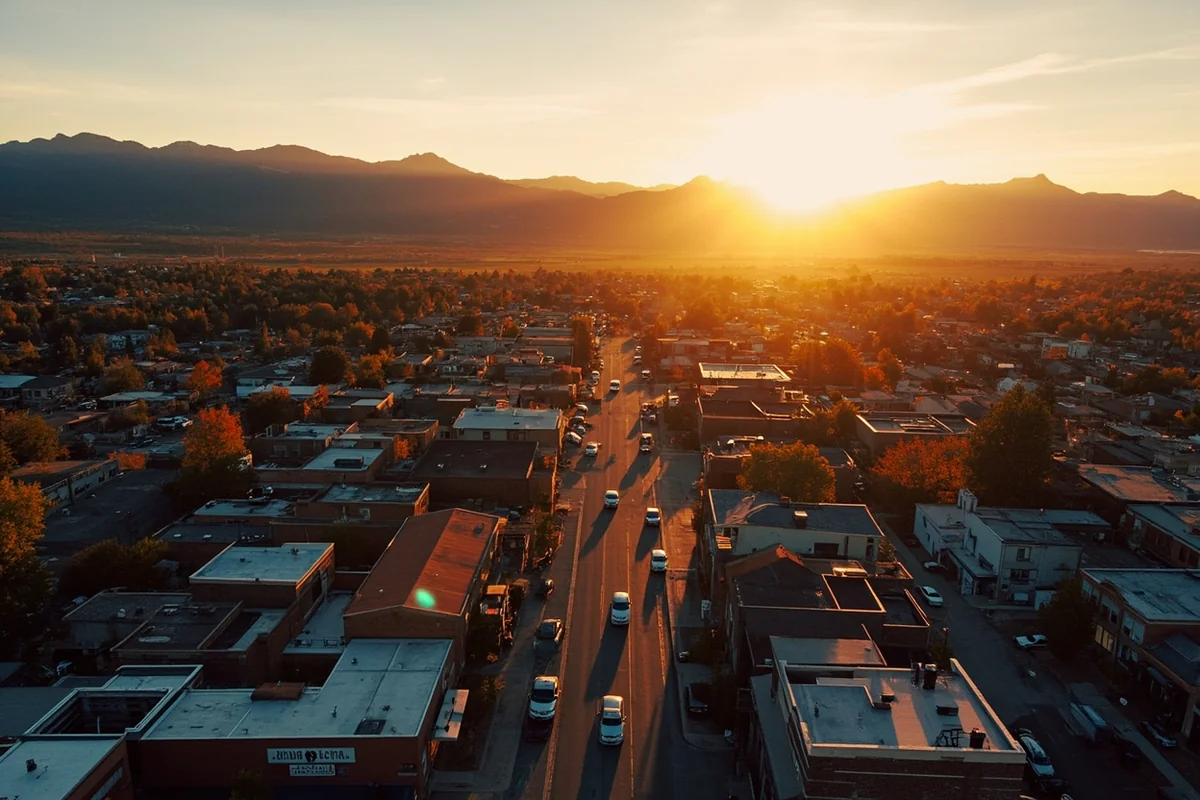
I was standing knee-deep in the Beaverhead River, watching a brown trout rise to my dry fly, when I realized Dillon might be Montana’s best-kept secret. This small ranching town of about 4,500 people sits in a stunning valley surrounded by six mountain ranges — the Pioneer, Blacktail, Ruby, Sweetwater, Tobacco Root, and Highland — yet most travelers blow right past it on I-15 heading to Yellowstone or Glacier. That’s a mistake I’m glad I didn’t make.
Quick Answer — Things to Do in Dillon Montana
Dillon’s essential experiences: Bannack State Park (Montana’s best-preserved ghost town, 30 minutes away), blue-ribbon fly fishing on the Beaverhead River, Clark’s Lookout State Park (Lewis & Clark overlook), Crystal Park (dig for quartz and amethysts in the national forest), the Pioneer Mountains Scenic Byway (49 miles, fully paved, with hot springs and a ghost town along the route), the Patagonia Outlet (a genuine factory outlet in a town of 4,500), Beaverhead Brewing Company, and the “Montana’s Biggest Weekend” Pro Rodeo on Labor Day. Budget 2–3 days minimum.
- Dillon is a hidden gem in southwest Montana and the county seat of Beaverhead County — the largest county in Montana (larger than Connecticut)
- Forbes has listed Dillon as one of the prettiest towns in America — not without reason
- World-class fly fishing on the Beaverhead River draws anglers from across the globe
- Bannack State Park offers one of the best-preserved ghost towns in the American West
- The University of Montana Western campus adds cultural energy and events year-round
- The Patagonia Outlet here is one of the most distinctive shopping opportunities in Montana
- Best visited May through October; winter brings Maverick Mountain skiing and hot springs soaking
Liked this article?
Add Roaming Montana as a preferred source so you see more of our articles and guides on Google.
Why Dillon Deserves More of Your Time
Let me be honest: Dillon isn’t a flashy destination. There’s no ski resort towering above town, no Instagram-famous trail showing up in viral TikToks.
What Dillon offers is something increasingly rare — an authentic Montana experience without the crowds and inflated prices you’ll find in Bozeman or Whitefish.
During my visit last summer, I paid $89 per night for a clean, comfortable motel room. I ate a ribeye dinner for under $25. I fished blue-ribbon trout water without seeing another angler for hours.
The town is surrounded by 3.35 million acres of Beaverhead-Deerlodge National Forest, and there are 13 named trailheads accessible within a short drive.
Beaverhead County itself is roughly the size of Connecticut but home to fewer than 10,000 people — the kind of population density that creates the specific Montana experience people travel for and increasingly can’t find anymore in more famous destinations.
The Dillon city guide covers lodging, dining, and practical travel information. This post covers every activity worth doing in and around the area.
All 22 Things to Do in Dillon Montana
History & Culture:
- Bannack State Park — 60+ original structures from 1860s gold rush
- Clark’s Lookout State Park — Lewis & Clark overlook
- Beaverhead Rock — the landmark that named the county; Sacagawea’s beacon
- Beaverhead County Museum — downtown history and Lewis & Clark exhibits
- Camp Fortunate — where Lewis & Clark met the Shoshone
Outdoor Adventure:
6. Fly fishing the Beaverhead River — blue-ribbon trout water
7. “M” and “B” Hikes above town — 30 minutes to 3 hours, valley panoramas
8. Continental Divide National Scenic Trail — the Triple Crown runs through here
9. Clark Canyon Reservoir — boating, fishing, camping
10. Centennial Valley — wildlife watching; North America’s most important trumpeter swan habitat
Scenic Drives:
11. Pioneer Mountains Scenic Byway — 49 miles, fully paved, through Pioneer Mountains
12. Big Hole Valley drive — one of Montana’s most beautiful agricultural valleys
Gemstones & Unique Experiences:
13. Crystal Park — dig for quartz and amethysts in national forest land
14. Diamond 7 Western Trail Rides — guided horseback riding
Hot Springs (within 1 hour):
15. Elkhorn Hot Springs (Polaris) — pools, sauna, log cabins, cross-country skiing
16. Jackson Hot Springs (Jackson) — geothermal pools in a remote valley
Ghost Towns:
17. Coolidge Ghost Town — 10–15 minute walk off the Pioneer Byway
18. Bannack State Park (expanded coverage below)
Shopping — Dillon’s Surprises:
19. Patagonia Outlet — genuine factory outlet in town
20. Duckworth Wool Apparel Outlet — Montana sheep-to-shelf wool clothing
21. Downtown shops — Atomic 79, Tabletop Vault, The Bookstore
Food, Drink & Events:
22. Beaverhead Brewing Company — “must-stop every time you’re in Dillon”
23. Montana’s Biggest Weekend Rodeo — Labor Day; Pro Rodeo Association
24. Dillon Farmers Market — Saturdays 9 AM–1 PM
History, Culture & Lewis and Clark
1. Bannack State Park ⭐
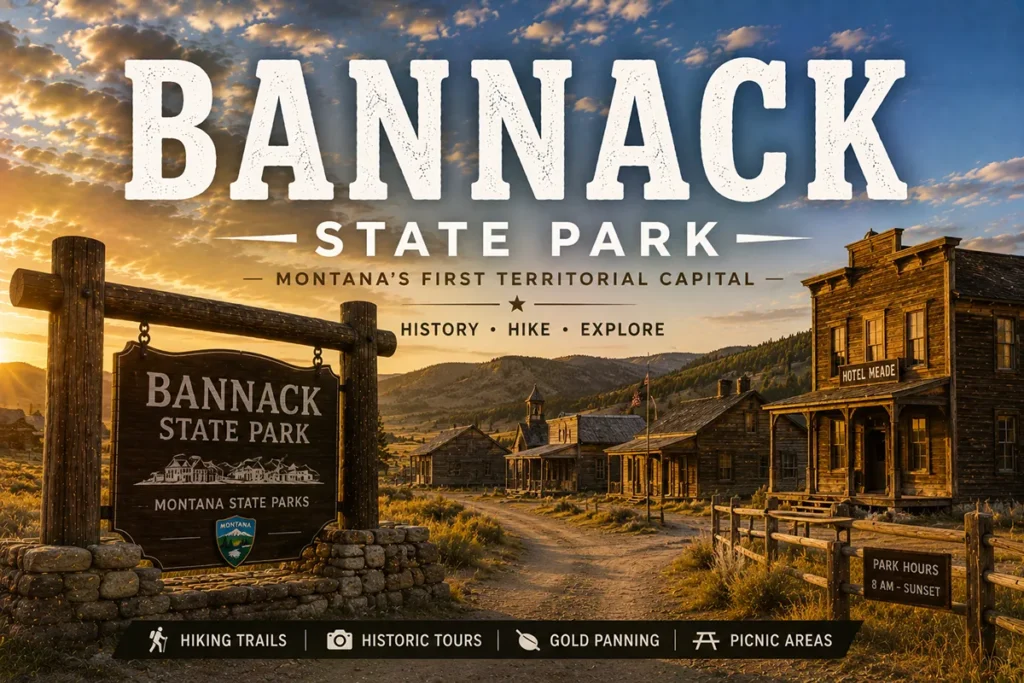
Thirty minutes west of Dillon, Bannack State Park preserves Montana’s first territorial capital — a gold-rush town that boomed starting in 1862 and was fully abandoned by the 1950s.
Over 60 original structures still stand: the hotel, the governor’s mansion, the Masonic Hall, the Methodist Church, an assay office, a jail, and dozens of miners’ cabins, in varying stages of dignified weathering.
Bannack is the most honest ghost town experience I’ve encountered in Montana. No reconstruction, no costumed actors — just weathered buildings and silence and the occasional interpretive sign that places you in the exact historical moment when everything was happening here. I’ve visited three times and found something new each visit.
The park hosts “Bannack Days” annually (typically the third weekend of July) when living history demonstrators bring the 1860s to life — blacksmithing, frontier cooking, period music. Combine with Coolidge Ghost Town on the Pioneer Byway for a full ghost town day.
For more ghost town context across Montana, see my Montana ghost towns guide.
Cost: ~$6/adult
Distance from Dillon: ~30 miles west
Best time: May–October
2. Clark’s Lookout State Park ⭐
Just north of Dillon, Clark’s Lookout State Park marks the spot where William Clark climbed a volcanic rock formation to survey the Beaverhead Valley in August 1805 — one of the pivotal scouting moments of the Lewis and Clark Expedition.
The short loop trail (under a mile) climbs to the overlook with interpretive signs explaining what Clark saw and why it mattered.
The view from the top — Beaverhead Valley spreading south toward Dillon, the mountains on all sides — remains essentially unchanged from what Clark would have seen.
This is the kind of site that rewards slow attention; spend 20 minutes reading the interpretive markers and you’ll understand the expedition’s geographic challenge at a gut level.
The park is a natural companion to the Beaverhead County Museum in town, which provides Lewis & Clark context before the drive out.
Cost: Free (small parking fee)
Distance from Dillon: ~3 miles north on I-15
3. Beaverhead Rock
About 20 miles north of Clark’s Lookout, Beaverhead Rock is the distinctive geological formation that gives the entire region its name.
Sacagawea, traveling with the expedition in 1805, recognized this rock from her childhood — she had been captured from her Shoshone people near here — and told Lewis it was a landmark that meant they were approaching the headwaters of the Missouri.
Her recognition of the rock was a significant moment in the expedition’s navigation.
The rock itself is a striking towering promontory above the Beaverhead River, visible from I-15. A pullout allows for a stop and photographs. It’s not a hike — it’s a recognition of a specific historical moment in a specific landscape.
4. Beaverhead County Museum
Located downtown, this is southwestmt.com’s recommended orientation stop for the region: “the go-to stop for understanding the history as you explore the area.”
The museum covers Lewis & Clark history, the Beaverhead region’s agricultural heritage (sheep ranching, cattle, wool production), and local natural history. The displays are well-maintained and the volunteer staff are knowledgeable.
One note: the museum is notably home to what southwestmt.com calls “Dillon’s first flush-toilet outhouse” — a historic plumbing artifact that serves as an unlikely pièce de résistance. It’s authentically Dillon.
Cost: Small admission fee
Hours: Verify current hours — typically closed Sundays/Mondays in off-season.
5. Camp Fortunate & Lemhi Pass
South of Dillon, Camp Fortunate was the site where Lewis and Clark’s Corps of Discovery met the Shoshone people in August 1805 — the pivotal exchange that provided the horses necessary to cross the Continental Divide. The interpretive site sits near the Clark Canyon Reservoir.
From Camp Fortunate, the historically inclined can drive to Lemhi Pass on the Montana-Idaho border — the exact point where Meriwether Lewis first crossed the Continental Divide on August 12, 1805, and stepped onto the Pacific watershed for the first time.
Lemhi Pass is a 2-hour drive from Dillon on gravel roads and is completely undeveloped: a National Historical Landmark with a spring and an interpretive sign, surrounded by wilderness.
Outdoor Adventures
6. Fly Fishing the Beaverhead River ⭐
The Beaverhead River is classified as blue-ribbon trout water — Montana’s highest designation — for its exceptional brown trout fishery.
The river from Clark Canyon Dam south through Dillon is particularly productive, with large fish in clear water and technical presentations that challenge experienced anglers while remaining rewarding for beginners with a guide.
Guided full-day trips run approximately $500–600 through outfitters like Frontier Anglers (visitdillonmt.com recommends them specifically).
This is the correct first call to make; they know the river better than any online research. The Big Hole River, an easy drive from Dillon, adds a second world-class fishery option with native Arctic grayling.
For guided fishing and outdoor trip planning across Montana, see my Montana guided tours guide.
7. “M” and “B” Hikes Above Dillon
Dillon’s most local hiking experience: trails that climb the hillside above town to the large concrete letters “M” (for Montana) and “B” (for Beaverhead County), maintained by the Beaverhead Trails Coalition.
The hike ranges from a quick 30-minute switchback to a 3-hour exploration of the High Trails network above town.
The view from the letters looks back down on Dillon and the Beaverhead Valley — a compact panorama that orients you to the six mountain ranges surrounding the area. This is where locals walk. Trailhead access from town, free, dog-friendly.
8. Clark Canyon Reservoir
About 20 miles south of Dillon on I-15, Clark Canyon Reservoir provides Dillon’s most accessible boating, fishing, and camping water.
The reservoir is fed by the Red Rock River and holds good fishing for brown trout and walleye. Multiple boat ramps, dispersed camping areas, and day-use facilities around the shore.
The site is also adjacent to Camp Fortunate — combining a morning fishing session with an afternoon Lewis & Clark site visit makes for an efficient day trip.
9. Continental Divide National Scenic Trail
One portion of the CDT’s roughly 3,100-mile route from Canada to Mexico passes through Beaverhead County and the Pioneer Mountains. The sections through southwest Montana are among the most scenic and least-crowded on the entire trail.
Day hike and overnight options accessible from multiple trailheads, including access via the Pioneer Mountains Scenic Byway.
For context: The CDT is one of the “Triple Crown” of American through hikes (with the Appalachian Trail and Pacific Crest Trail). The Montana sections are not the most famous, but they’re among the most pristine.
10. Centennial Valley Wildlife Viewing
West of Dillon, the Centennial Valley is one of Montana’s most extraordinary and least-visited wildlife landscapes — a high-altitude valley between the Centennial and Lima Peaks ranges harboring North America’s most important nesting habitat for trumpeter swans.
The valley also holds sandhill cranes, American avocets, white pelicans, tundra swans, and exceptional pronghorn and moose populations.
The road through the Centennial Valley is unpaved and requires high-clearance — this is genuinely remote, genuinely rewarding. Plan a full day. Check with the Red Rock Lakes National Wildlife Refuge (at the valley’s west end) for road conditions and access updates.
This is the kind of wildlife destination that exists nowhere near a major tourist corridor, which is exactly why the birds and animals are still there.
Scenic Drives From Dillon
11. Pioneer Mountains Scenic Byway ⭐
The single best scenic drive accessible from Dillon. The Pioneer Mountains National Scenic Byway runs 49 miles through the heart of the Pioneer Mountains section of the Beaverhead-Deerlodge National Forest — fully paved, well-maintained, and extraordinary.
TripAdvisor visitors consistently rate it among the top Dillon-area experiences: “So worth your time. Stop at Crystal Park and dig for Crystals. Take a dip in the hot springs. And stop for pie and ice cream at Wise River.”
The byway connects several attractions in one drive:
- Crystal Park (gemstone digging)
- Coolidge Ghost Town (10–15 minute walk from the trailhead)
- Elkhorn Hot Springs (log cabins, pools, sauna)
- The town of Wise River (cafe, community character, fishing access)
- Access to the Continental Divide Trail
The southern end starts near Polaris; the northern end exits at Wise River, where you can connect to Highway 43 toward Wisdom and the Big Hole Valley. A perfect loop day trip from Dillon, especially in summer and fall.
12. Big Hole Valley
North and west of Dillon via Montana Highway 43, the Big Hole Valley is one of Montana’s most aesthetically pure agricultural landscapes — broad valley floor, hay stooks (traditional stacked hay formations that have been used here unchanged for over a century), ranch horses, and mountain walls on all sides.
The valley also contains the Big Hole National Battlefield, site of the 1877 battle between the Nez Perce and U.S. Army, with an excellent visitor center and interpretive walking trail.
The Big Hole River through this valley produces some of the finest dry fly fishing in North America. A loop from Dillon through the Big Hole Valley and back via Wisdom and Anaconda makes for a full-day scenic drive.
Crystal Park and Gemstones
13. Crystal Park — Dig for Quartz and Amethysts ⭐
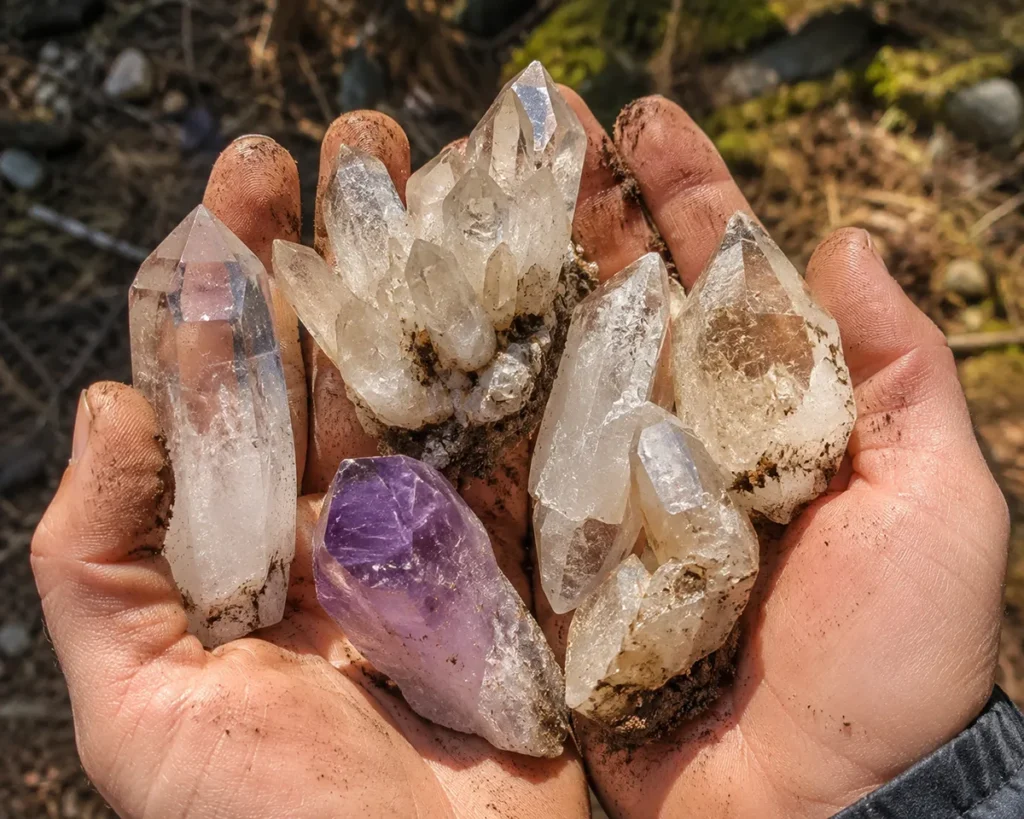
One of the most genuinely family-friendly and unique activities near Dillon. Crystal Park is a 220-acre site within the Beaverhead-Deerlodge National Forest on the Pioneer Mountains Scenic Byway where visitors can dig for quartz crystals using hand tools — and keep everything they find.
The crystals available include: white quartz, smoky quartz, and occasionally purple amethysts — the rarest and most sought-after find.
The site requires no mining experience; the decomposed granite makes digging accessible with basic tools. Digging supplies available at Murdoch’s, Rocky Mountain Supply, or 3-D Store in Dillon before heading out.
Parking fee: $5/vehicle
Rules: Hand tools only; no motorized equipment
Keep what you find. This is one of the few public crystal-digging sites in Montana
For the full Montana gemstone context — Yogo sapphires, Montana agates, and more — see my gemstone mining in Montana guide.
Distance from Dillon: ~50 miles via Pioneer Mountains Scenic Byway.
Hot Springs Near Dillon
Dillon sits within striking distance of two distinct hot springs experiences. Neither is the same style — planning which to visit depends on what you’re seeking.
14. Elkhorn Hot Springs (Polaris) ⭐
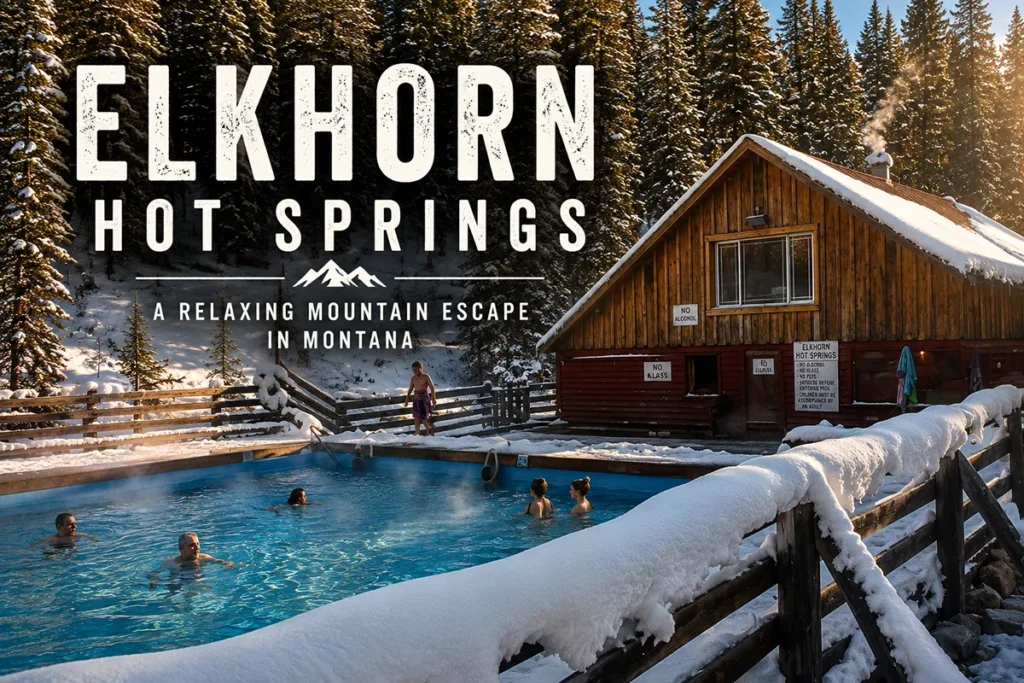
Elkhorn Hot Springs is the most well-known hot springs accessible from Dillon — 40+ miles up the Pioneer Mountains Scenic Byway near the tiny community of Polaris.
Three soaking options (two outdoor pools plus indoor Grecian sauna), rustic log cabins with wood stoves, a lodge restaurant, and 12km of groomed cross-country ski trails in winter.
This is the definition of a backcountry hot springs resort — no WiFi, no cell service, no luxury amenities. What it has instead is genuine mineral water, mountain solitude, and an atmosphere unchanged since the 1920s.
See my complete Elkhorn Hot Springs guide for pool specs, cabin details, and driving directions.
Best for: Overnights, winter ski-and-soak visits, anyone wanting true disconnection.
15. Jackson Hot Springs (Jackson)
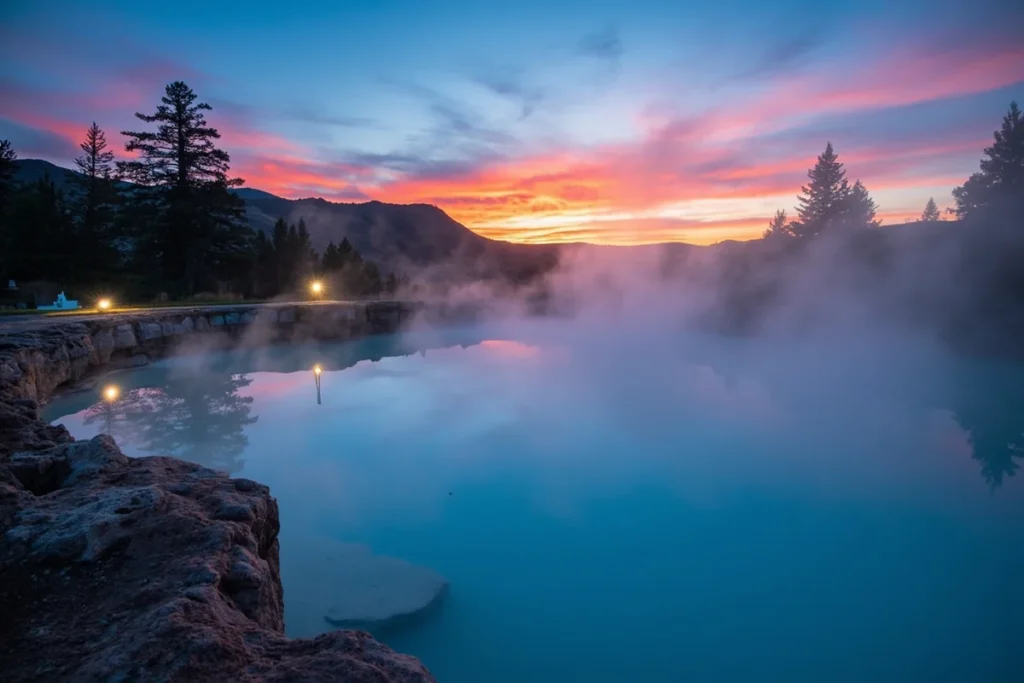
South of Dillon on Highway 278 near the small community of Jackson, Jackson Hot Springs Lodge offers hot springs soaking in a more social, lodge-oriented setting in the Big Hole Valley.
The spring-fed pool maintains consistent temperature, the lodge has rooms and a bar/restaurant, and the Big Hole River is steps away for fishing.
Jackson is smaller and less developed than Elkhorn but has its own character — ranch hands and locals mix with visitors in a setting that feels genuinely southwestern Montana.
See my Potosi Hot Springs guide for another primitive alternative in the broader region. For the full picture of Montana’s geothermal landscape, see my Montana hot springs guide.
Ghost Towns Beyond Bannack
16. Coolidge Ghost Town ⭐
While Bannack is the famous ghost town near Dillon, Coolidge offers a different character — a silver mining operation from the early 1900s located off the Pioneer Mountains Scenic Byway. It closed by 1923 when silver prices collapsed.
From the Coolidge Ghost Town Trailhead, a 10–15 minute walk leads to the remains of the town’s buildings, mill foundations, and railroad infrastructure.
Unlike Bannack’s preserved structures, Coolidge is in active decay — crumbling walls, rusted machinery, and a haunted atmosphere that Bannack’s maintained paths can’t quite replicate.
Combine with Elkhorn Hot Springs on the same byway day.
Dillon’s Surprising Shopping Scene
This section surprises most Dillon visitors. For a town of 4,500 people in the heart of ranch country, the shopping is genuinely distinctive — primarily because the goods sold here have direct connections to the landscape.
17. Patagonia Outlet ⭐
The Patagonia Outlet in Dillon is one of Dillon’s most distinctive draws — an actual Patagonia factory outlet store in a town that by every metric shouldn’t have one.
Multiple competitor guides specifically call it out as the reason some visitors come to Dillon, and the local blog thingstododillonmt.com says simply: “The Patagonia Outlet keeps Dillon on the map.”
The outlet carries discounted Patagonia clothing and gear from past seasons, irregular items, and warehouse finds — at significant reductions from standard retail pricing.
Patagonia also hosts educational events at the store; check their calendar at patagonia.com before your visit.
Location: Dillon downtown
Hours: Typically weekdays + weekend; verify before visiting
18. Duckworth Wool Apparel Outlet
The sheep that provide wool for Duckworth — a US-made wool apparel company producing base layers, socks, flannels, and outdoor clothing — live just north of Dillon. The Duckworth outlet store is at 34 N. Idaho Street.
This is the kind of vertical integration that only makes sense in Montana: the merino sheep graze in the Beaverhead Valley, the wool is processed and manufactured into clothing, and the outlet store sits in the same county. Everything here is genuinely American-made.
19. More Downtown Dillon Shops
- Atomic 79 Boots & Western Gear — cowboy boots, western wear, rodeo gear. Visit before the rodeo.
- Tabletop Vault — board games, hosting trivia nights at the Knotty Pine on Mondays
- The Bookstore — small, curated, independently operated; roamingnearandfar.com specifically recommends it
- Beaverhead Bikes — bike shop and repairs; also serves locally roasted 82 Coffee
Food, Drink & Events
20. Beaverhead Brewing Company ⭐
roamingnearandfar.com puts Beaverhead Brewing at the top of their Dillon list; southwestmt.com calls it “a must-stop every time you’re passing through Dillon.” The brewery has been operating for nearly a decade, offering year-round classics and rotating seasonal taps.
The Beaverslide IPA is the flagship (named for a distinctive local hay-stacking device unique to the Big Hole Valley). Tuesday evenings see group runs that finish at the brewery. Live music when it happens. Growlers to go for the fishing float home.
Location: Downtown Dillon
Hours: Check Facebook or Google for current hours before visiting.
21. Montana’s Biggest Weekend Rodeo ⭐
Every Labor Day Weekend, Dillon’s population roughly doubles as “Montana’s Biggest Weekend” arrives.
The Pro Rodeo Association event draws competitors and spectators from across the Mountain West — bronc riding, barrel racing, calf roping, and all the events of authentic competitive rodeo.
yellowstonepark.com notes: “Dillon’s population swells on Labor Day Weekend… ‘Montana’s Biggest Weekend.'” thingstododillonmt.com: “Montana’s Biggest Weekend put on by the Dillon Jaycees.”
If you’re passing through Montana in late August or early September and have any flexibility in timing, Labor Day Weekend in Dillon is worth building around. Book accommodation well ahead — the town fills completely.
22. Dillon Farmers Market
Every Saturday from 9 AM to 1 PM throughout summer and fall, the Dillon Farmers Market brings together local producers, bakers, and craftspeople. G.O.’s Jerky and local produce are specifically called out by thingstododillonmt.com.
A morning market stop before heading out on the Pioneer Byway is a natural pairing.
Things to Do in Dillon by Traveler Type
For Fly Fishers
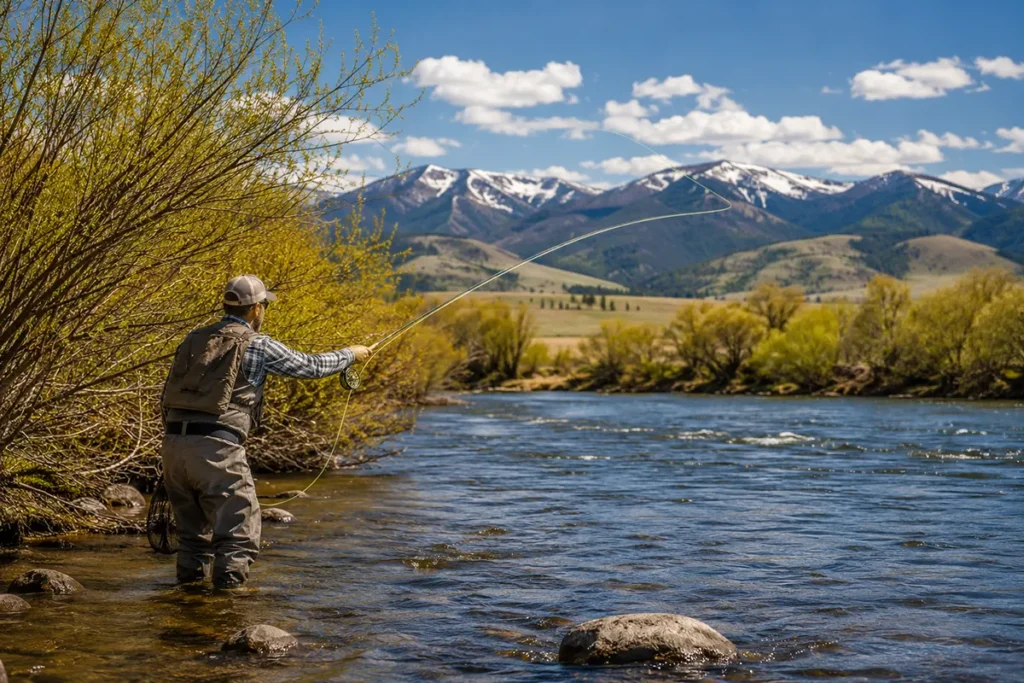
Dillon is one of the premier fly fishing bases in the American West — a statement I don’t make lightly. Blue-ribbon Beaverhead River runs through town.
The Big Hole adds a second world-class fishery within 40 minutes. Clark Canyon Reservoir provides warmwater fishing.
Brown trout, rainbow trout, and native Arctic grayling (Big Hole). Call Frontier Anglers in town; they’ve been guiding here for decades.
For History Travelers
Bannack State Park (60+ original structures). Clark’s Lookout State Park (Lewis & Clark overlook). Beaverhead Rock (Sacagawea’s recognition point). Camp Fortunate.
Beaverhead County Museum (Lewis & Clark + regional history). Lemhi Pass (where Lewis first crossed the Continental Divide).
This may be the densest Lewis & Clark heritage landscape accessible from a single Montana base town.
For Families
Crystal Park (kids dig up crystals and keep them — universally a hit). Bannack’s open structures (children roam freely). Dillon Splash Park at Jaycee Park (122 Sebree St; free water play).
Tabletop Vault for rainy day board games. Pioneer Mountains Scenic Byway for a scenic drive that requires no hiking.
For Outdoor Enthusiasts
Fly fishing (Beaverhead, Big Hole). “M” and “B” hikes above town. CDT access. Clark Canyon Reservoir. ATV/off-road rentals through Beaverhead Adventures.
Pioneer Mountains trail network. Diamond 7 Western Trail Rides for horseback options.
For Winter Visitors
Maverick Mountain Ski Area, 40 miles up the Pioneer Mountains Scenic Byway, is a genuine hidden ski gem — uncrowded, locally operated, affordable lift tickets.
See my Montana ski resorts guide for comparison. Combine with Elkhorn Hot Springs for a ski-and-soak winter overnight.
Cross-country skiing in the Pioneer Mountains and Centennial Mountains. Ice fishing on Clark Canyon Reservoir and area lakes.
Practical Planning
Getting to Dillon: I-15 runs directly through Dillon — 65 miles south of Butte, 125 miles north of Idaho Falls, ID. Butte’s airport (BTM) or Bozeman’s airport (BZN, 2.5 hours north) are the closest commercial airports. A car is essential — Dillon has no public transit and most activities require driving.
How long to stay: 2–3 days is the right commitment for Dillon and its day trips. Day 1: Bannack State Park + Clark’s Lookout. Day 2: Pioneer Mountains Scenic Byway (Crystal Park, Elkhorn Hot Springs, Coolidge Ghost Town). Day 3: Fly fishing or Big Hole Valley loop.
Cell service warning: Service is reliable in town but cuts out on the Pioneer Byway and in the Centennial Valley. Download offline maps before heading out.
For timing guidance across Montana, see my best time to visit Montana guide.
Combining Dillon with a Montana Road Trip
Dillon works perfectly as part of a larger Montana itinerary. From here, you can easily reach Yellowstone’s west entrance (about 100 miles), Butte’s historic mining district (60 miles), or the Big Hole Battlefield (45 miles).
I’d suggest spending at least two nights in Dillon to properly explore the area without feeling rushed. Three or four nights allows for deeper exploration of the backcountry and more relaxed fishing.
For travelers exploring western Montana more broadly, consider combining Dillon with other destinations.
Kalispell serves as a gateway to Glacier National Park, while Bigfork offers charming lakeside ambiance on Flathead Lake.
If you’re heading to Glacier’s remote northwest corner, don’t miss the unique experience of Polebridge and its famous bakery.
For eastern Montana adventures, Miles City provides a completely different landscape and cowboy culture.
And Helena, the state capital, offers an interesting mix of history and outdoor recreation between Dillon and the northern regions.
Explore More Montana Cities
Montana has a lot of ground to cover. Whether you’re building a road trip route or just curious what the next town down the highway has to offer, here are the city guides we’ve put together so far:
- Things to Do in Bozeman, Montana — Montana’s fastest-growing city, with great restaurants, the Museum of the Rockies, and easy access to Gallatin Canyon and Big Sky.
- Things to Do in Livingston, Montana — The original Yellowstone gateway; a fly fishing capital with a surprising arts scene, vintage neon downtown, and the Absaroka Mountains as a backdrop.
- Things to Do in Whitefish, Montana — The gateway to Glacier National Park, with a walkable downtown, ski resort access at Whitefish Mountain, and Whitefish Lake on the edge of town.
- Things to Do in Kalispell, Montana — The commercial hub of the Flathead Valley; close to Glacier, Flathead Lake, and some of the best scenic drives in northwest Montana.
- Things to Do in Bigfork, Montana — A small arts village on Flathead Lake that punches above its size with galleries, live theater, and excellent waterfront dining.
- Things to Do in Butte, Montana — One of Montana’s most historically layered cities; mining heritage, Victorian architecture, and a working-class character that’s entirely its own.
- Things to Do in Helena, Montana — Montana’s compact, walkable capital; the state capitol building, Last Chance Gulch, and the Cathedral of Saint Helena are all within easy reach downtown.
- Things to Do in Dillon, Montana — A quiet southwestern Montana town with serious fly fishing access on the Beaverhead River and a pace that feels far removed from the tourist trail.
- Things to Do in Polebridge, Montana — Glacier’s remote northwest corner; no cell service, no power grid, a legendary bakery, and some of the most untouched backcountry in the park.
- Things to Do in Miles City, Montana — Eastern Montana’s cowboy capital, home to the Bucking Horse Sale and a historic downtown that hasn’t changed much since the cattle drives.
- Libby, Montana Guide — A timber town in the far northwest tucked along the Kootenai River, with Kootenai Falls and the Cabinet Mountains Wilderness on its doorstep.
Final Thoughts on Dillon, Montana
Dillon is Montana for people who actually live there — not Montana packaged for visitors. The Patagonia Outlet sells outdoor gear in a town where people actually wear it to work.
The Beaverhead Brewing Company serves beer to anglers who’ve been on the river since dawn. Montana’s Biggest Weekend brings 10,000 people to a town of 4,500 for a rodeo that isn’t organized for tourists.
That authenticity is becoming harder to find as Montana’s most famous destinations develop faster and faster. Dillon is where it still exists, intact.
Questions about Dillon? Drop them in the comments.
Frequently Asked Questions
What is Dillon Montana known for?
Dillon is known primarily for world-class fly fishing on the blue-ribbon Beaverhead River, proximity to Bannack State Park (Montana’s best-preserved ghost town), Lewis & Clark historic sites (Clark’s Lookout, Beaverhead Rock, Camp Fortunate), the Patagonia Outlet (one of the most distinctive shopping stops in Montana), Crystal Park gemstone digging, and the Pioneer Mountains Scenic Byway. It’s also home to the University of Montana Western and hosts “Montana’s Biggest Weekend” Pro Rodeo every Labor Day.
How far is Dillon Montana from Bannack State Park?
Bannack State Park is approximately 30 miles west of Dillon — about 35–40 minutes by car via Montana Highway 278 west. The drive itself passes through genuine Montana ranch country. The park is open year-round for walking; the full visitor experience including interpretive programs runs May through October.
Is Dillon Montana worth visiting?
Yes — especially for specific traveler types. Fly fishers, Lewis & Clark historians, ghost town enthusiasts, and anyone seeking authentic Montana without tourist-town pricing will find Dillon genuinely rewarding. The combination of Beaverhead River fishing, Bannack State Park, Crystal Park, the Pioneer Mountains Scenic Byway, and the Patagonia Outlet creates an unusually varied activity set for a town of 4,500. Budget at least 2 full days.
What is Crystal Park near Dillon Montana?
Crystal Park is a 220-acre site in the Beaverhead-Deerlodge National Forest on the Pioneer Mountains Scenic Byway where visitors can dig for quartz crystals — including white quartz, smoky quartz, and occasionally purple amethysts. The $5/vehicle site fee is the only cost; visitors keep everything they find. Only hand tools are permitted. Digging supplies (trowels, buckets) are available at Murdoch’s and Rocky Mountain Supply in Dillon. See my gemstone mining in Montana guide for context.
What is the Pioneer Mountains Scenic Byway?
A 49-mile fully paved scenic drive through the Pioneer Mountains section of the Beaverhead-Deerlodge National Forest, connecting Polaris (near Dillon) to Wise River in the north. Along the route: Crystal Park (gemstone digging), the Coolidge Ghost Town (10-minute walk from trailhead), Elkhorn Hot Springs (soaking pools, log cabins), and access to Continental Divide Trail hiking. One of the finest day-trip drives accessible from Dillon.
What hot springs are near Dillon Montana?
Two distinct options: Elkhorn Hot Springs (Polaris, 40+ miles via Pioneer Mountains Scenic Byway) is the primary option — two outdoor pools, indoor Grecian sauna, log cabins, and cross-country ski trails in winter. See my Elkhorn Hot Springs guide for full details. Jackson Hot Springs (Jackson, south of Dillon via Hwy 278 into the Big Hole Valley) is a lodge-style option in a more social setting. Both are genuine geothermal springs with different characters.
Does Dillon Montana have a Patagonia store?
Yes — Dillon has a Patagonia factory outlet store, which is notably unusual for a town of 4,500 people. The outlet carries discounted Patagonia apparel and gear from past seasons and irregular inventory. Multiple travel guides specifically call it out as one of Dillon’s distinctive attractions. Hours and inventory vary; check patagonia.com or call ahead.
When is the best time to visit Dillon Montana?
May through October for full access to all activities. Summer (June–August) for fly fishing, Crystal Park, and the Pioneer Byway at peak conditions. September (especially Labor Day Weekend) for “Montana’s Biggest Weekend” Pro Rodeo and the beginning of fall colors. October is excellent for fall larches and elk season. Winter (November–March) for Maverick Mountain skiing and Elkhorn Hot Springs soaking with near-zero crowds. See my best time to visit Montana guide for broader seasonal context.