The first time I stepped off the Amtrak at Whitefish’s historic depot in January, the air hit my lungs like a cold splash of clarity—crisp, pine-scented, and carrying the faint rumble of distant ski lifts.
I had expected a sleepy mountain town, but what I found was a winter wonderland humming with energy, where locals in ski boots grabbed espresso alongside visitors who’d traveled thousands of miles for what many call the best-kept secret in American skiing.
- Whitefish Mountain Resort offers 3,000+ acres of skiable terrain with significantly shorter lift lines than Colorado resorts
- The historic downtown spans just six walkable blocks but packs in exceptional dining, craft breweries, and local boutiques
- Average winter temperatures range from 15-30°F—cold but manageable with proper layers
- Best time to visit: January-February for reliable snow, March for warmer weather and spring skiing
- Budget around $150-300/night for lodging; lift tickets run approximately $100-140/day
- Don’t skip the dog sledding, Nordic skiing at Glacier Nordic Center, or a soak at a local spa
Liked this article?
Add Roaming Montana as a preferred source so you see more of our articles and guides on Google.
Why Whitefish Deserves a Spot on Your Winter Bucket List
I’ve skied in Colorado, Utah, and Vermont, but there’s something different about Whitefish that keeps pulling me back. Maybe it’s the authenticity—this isn’t a manufactured resort town built for tourists, but a genuine Montana community that happens to have world-class skiing in its backyard.
During my most recent visit last February, I spent a full week exploring every corner of this mountain town. What struck me most was how the locals embrace winter rather than merely surviving it.
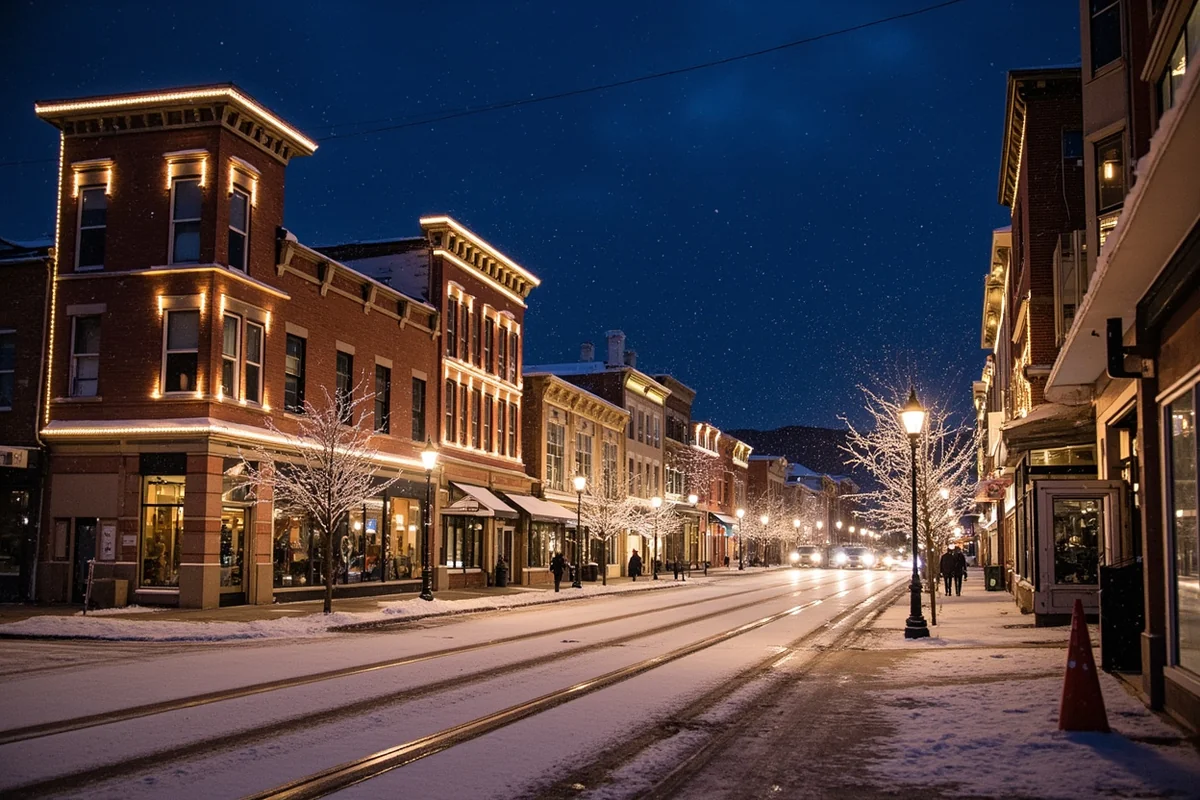
The town sits at about 3,000 feet elevation, with Whitefish Mountain Resort rising to over 6,800 feet just seven miles away. This geography creates a microclimate that dumps an average of 300 inches of snow on the mountain annually—much of it the light, dry powder that skiers dream about.
Getting to Whitefish: More Accessible Than You’d Think
One of the biggest surprises about Whitefish is how easy it is to reach, despite its remote-feeling location in northwest Montana.
Flying Into Glacier Park International Airport
Glacier Park International Airport (FCA) sits just 11 miles south of downtown Whitefish. When I flew in from Denver last winter, the flight took about 90 minutes, and I was checking into my hotel within an hour of landing.
Airlines serving FCA include United, Delta, American, and Alaska Airlines. During ski season, you’ll find direct flights from major hubs including Seattle, Denver, Salt Lake City, Minneapolis, and Los Angeles.
The airport is small and efficient—I’ve never waited more than 15 minutes for my bags. Rental cars are available, though I’d recommend booking well in advance during peak winter weekends.
Taking the Train: The Scenic Route
Amtrak’s Empire Builder stops right in downtown Whitefish, and honestly, this is my favorite way to arrive. The route runs from Seattle/Portland to Chicago, passing through some of the most spectacular mountain scenery in America.
When I took the train from Seattle a few winters ago, I watched the Cascades fade into the Northern Rockies while sipping coffee in the observation car. The station sits within walking distance of downtown hotels, making car-free visits genuinely feasible.
Driving From Major Cities
If you’re road-tripping, Whitefish is roughly:
- 4 hours from Spokane, Washington
- 5.5 hours from Calgary, Alberta (for Canadian visitors)
- 2 hours from Missoula, Montana
- 3.5 hours from Helena, Montana
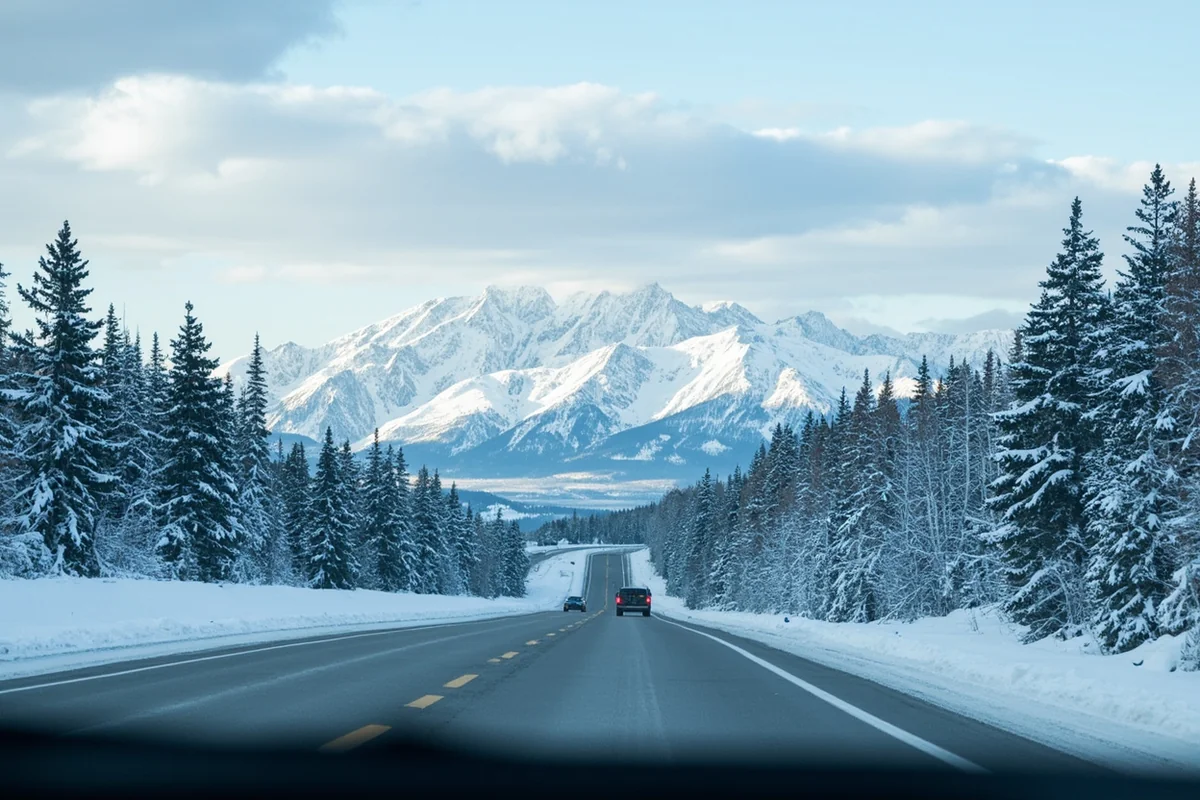
One critical note: winter driving in Montana requires preparation. I always carry chains, an emergency kit, and a full tank of gas. Highway 93 and Highway 2 can get treacherous during storms, though Montana’s road crews do an excellent job keeping major routes clear.
Whitefish Mountain Resort: The Heart of Winter Action
Let’s be honest—most winter visitors come to Whitefish primarily for the skiing. And after logging dozens of days on this mountain, I can tell you the hype is justified.
What Makes the Skiing Special
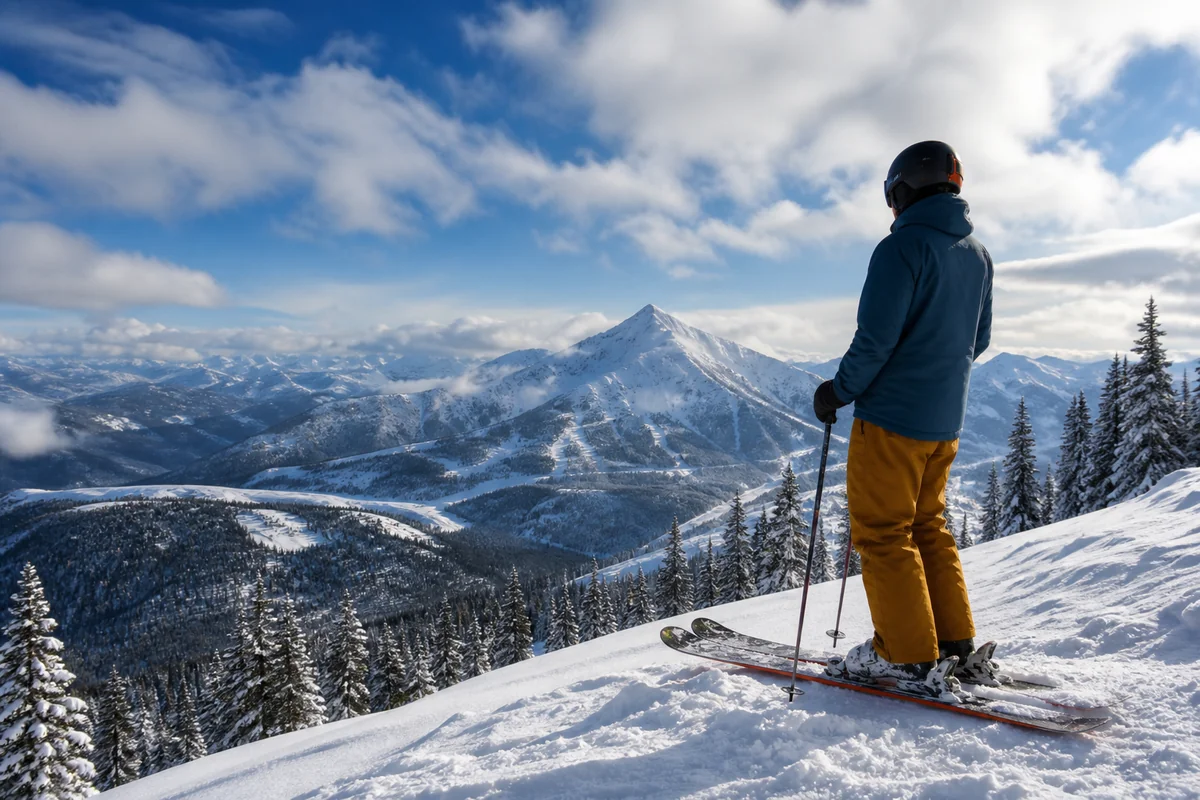
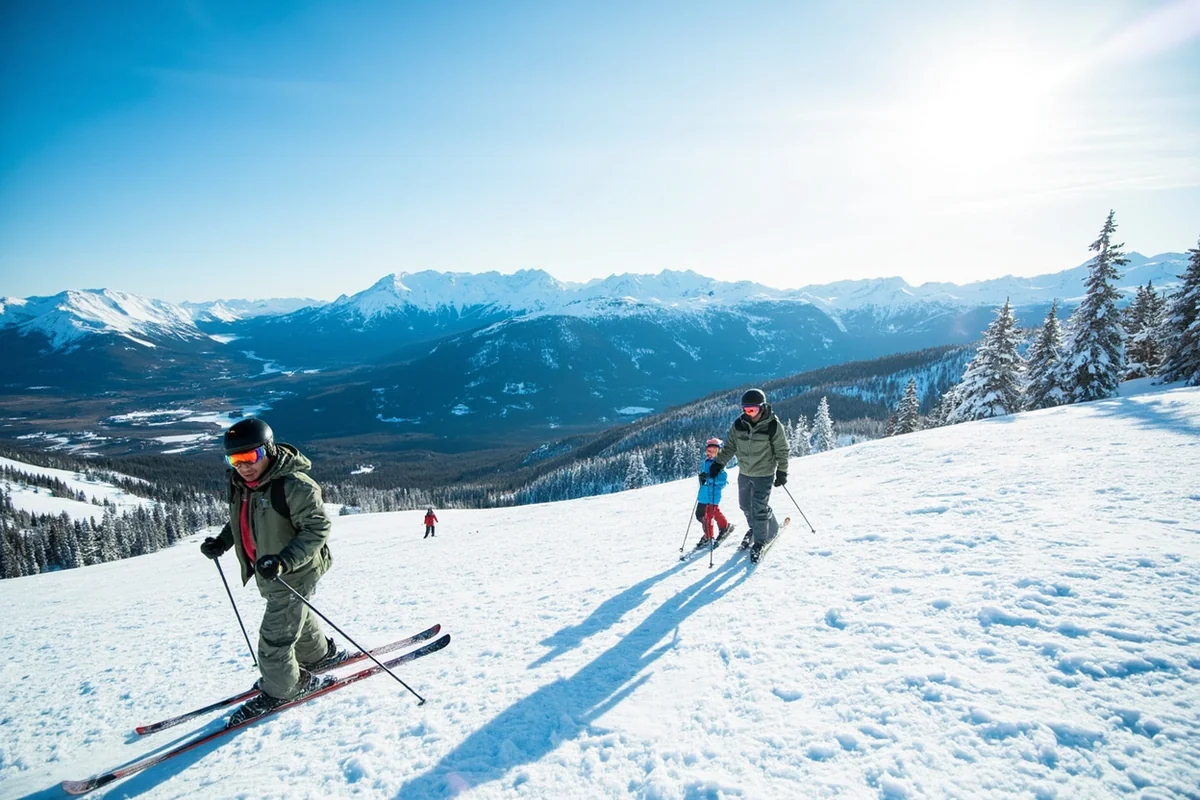
Whitefish Mountain Resort (locals still call it “Big Mountain,” its original name) offers 3,000 skiable acres across 105 marked trails. But those numbers don’t capture what makes this place unique.
During my last visit, I took a run down Inspiration—a blue groomer with views stretching to Glacier National Park—and didn’t see another skier for nearly five minutes. Try finding that kind of solitude at Vail or Park City on a Saturday.
The terrain breaks down to roughly 20% beginner, 45% intermediate, and 35% advanced. What I appreciate is the honest trail ratings—a black diamond here actually feels like a black diamond, unlike some resorts that seem to inflate their difficulty ratings.
The Snow Quality Difference
Whitefish sits in what meteorologists call a “convergence zone” where Pacific moisture meets cold Canadian air masses. The result is consistent, reliable snowfall throughout winter.
I’ve experienced everything from bluebird powder days to the famous “cold smoke” that locals talk about reverently. On a particularly memorable February morning last year, I was among the first dozen skiers off Chair 1 after an overnight dump of 14 inches. The snow squeaked under my skis—a sure sign of that ultra-dry powder—and I couldn’t stop grinning.
Practical Information for Skiers
| Detail | Information |
|---|---|
| 2024-25 Adult Day Pass | $119-$149 (varies by date) |
| Season Pass | Starting at $699 (early bird pricing) |
| Operating Hours | 9:00 AM – 4:00 PM daily |
| Night Skiing | Friday-Saturday 4:30-8:30 PM (select dates) |
| Vertical Drop | 2,353 feet |
| Base Elevation | 4,464 feet |
| Summit Elevation | 6,817 feet |
Pro tip: Buy your lift tickets online at least three days in advance. You’ll save about $20 per ticket, and you can skip the morning ticket window lines entirely. I learned this the hard way when I showed up on a February Saturday morning and waited 25 minutes—the longest I’ve ever waited at Whitefish.
Lessons and Rentals
The ski school at Whitefish Mountain is excellent—I’ve taken a few advanced lessons to work on my mogul technique, and the instructors have consistently impressed me with their knowledge and patience.
For rentals, you have two options: the mountain’s rental shop at the base, or several shops in town. I prefer renting from Sportsman & Ski Haus downtown because the selection is better, the staff takes time to properly fit boots, and you’re not competing with the morning rush at the mountain.
Beyond Downhill: Alternative Winter Activities
While skiing dominates the winter scene, some of my most memorable Whitefish experiences have happened away from the chairlifts.
Nordic Skiing at Glacier Nordic Center
On a snowy Tuesday last February, I spent a morning at the Glacier Nordic Center, and it completely changed my perspective on cross-country skiing. The center maintains about 15 kilometers of groomed trails through evergreen forest, with both classic and skate skiing tracks.
The trail fees are reasonable—around $15 for a day pass—and you can rent equipment on-site if you don’t have your own. I found the Peninsula Loop trail particularly magical, winding through silent forest with glimpses of Whitefish Lake through the trees.
Dog Sledding: A Bucket List Experience
I’ll admit I was skeptical about dog sledding—it seemed touristy. But when a friend convinced me to book a trip with Dog Sled Adventures last winter, I was completely won over.
The experience starts at their facility outside town, where you meet the dogs (a pack of Alaskan huskies that are clearly thrilled about their work). Then you’re bundled into a sled and whisked through backcountry trails with nothing but the sound of panting dogs and runners on snow.
Book the longer tours if your budget allows—the two-hour trips take you deeper into the wilderness, and you’ll have time to help with the dogs and learn about mushing culture.
Snowshoeing Into Glacier National Park
Glacier National Park doesn’t close in winter—it just becomes a different place entirely. Going-to-the-Sun Road is buried under snow, but you can access the park’s western entrance and explore on snowshoes.
I spent a full day last January snowshoeing the Apgar Nature Trail and along Lake McDonald’s frozen shores. The silence was almost disorienting after days of ski resort bustle—just wind, ravens, and the occasional crack of ice expanding on the lake.
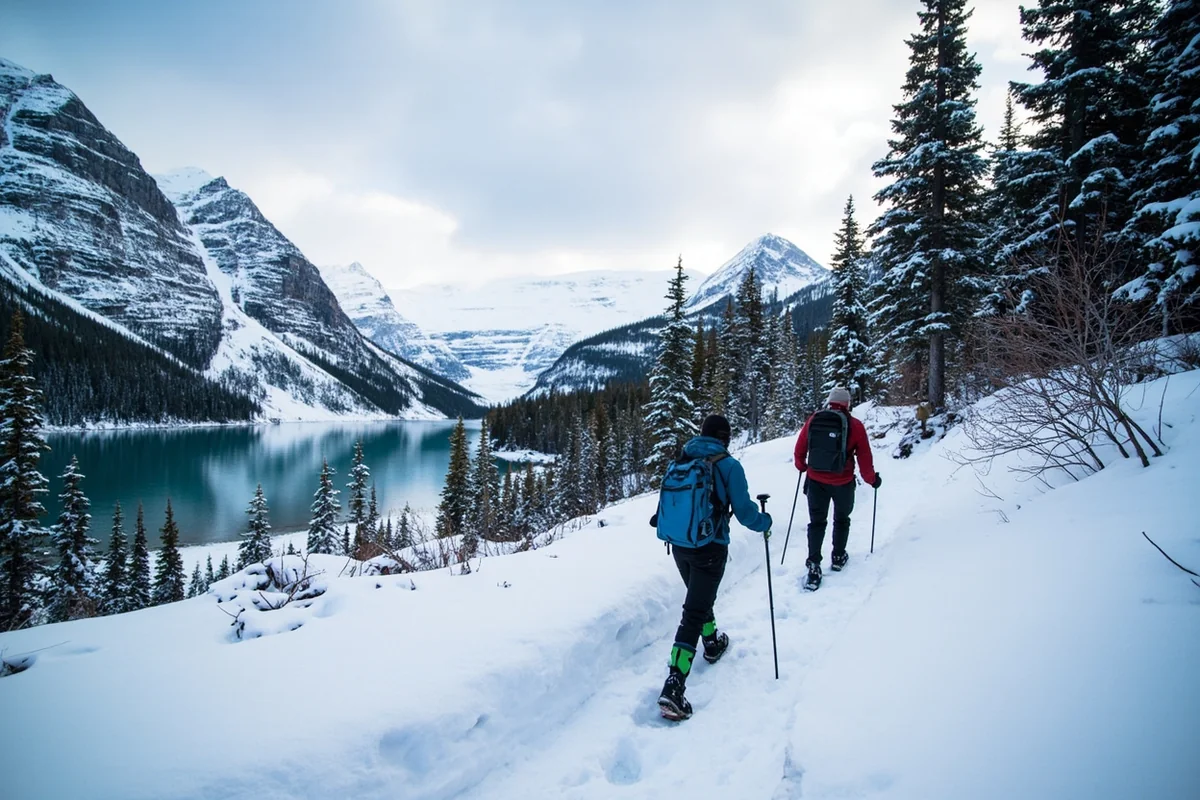
Glacier National Park is just 25 miles from Whitefish, making it an easy day trip. Stop at the visitor center in Apgar first—the rangers can point you to the best trails for current conditions.
Ice Fishing on Whitefish Lake
The lake that gives the town its name freezes solid by mid-December most years, creating opportunities for ice fishing. I’m not much of an angler, but I joined some locals for a morning on the ice last winter and discovered why Montanans love this activity.
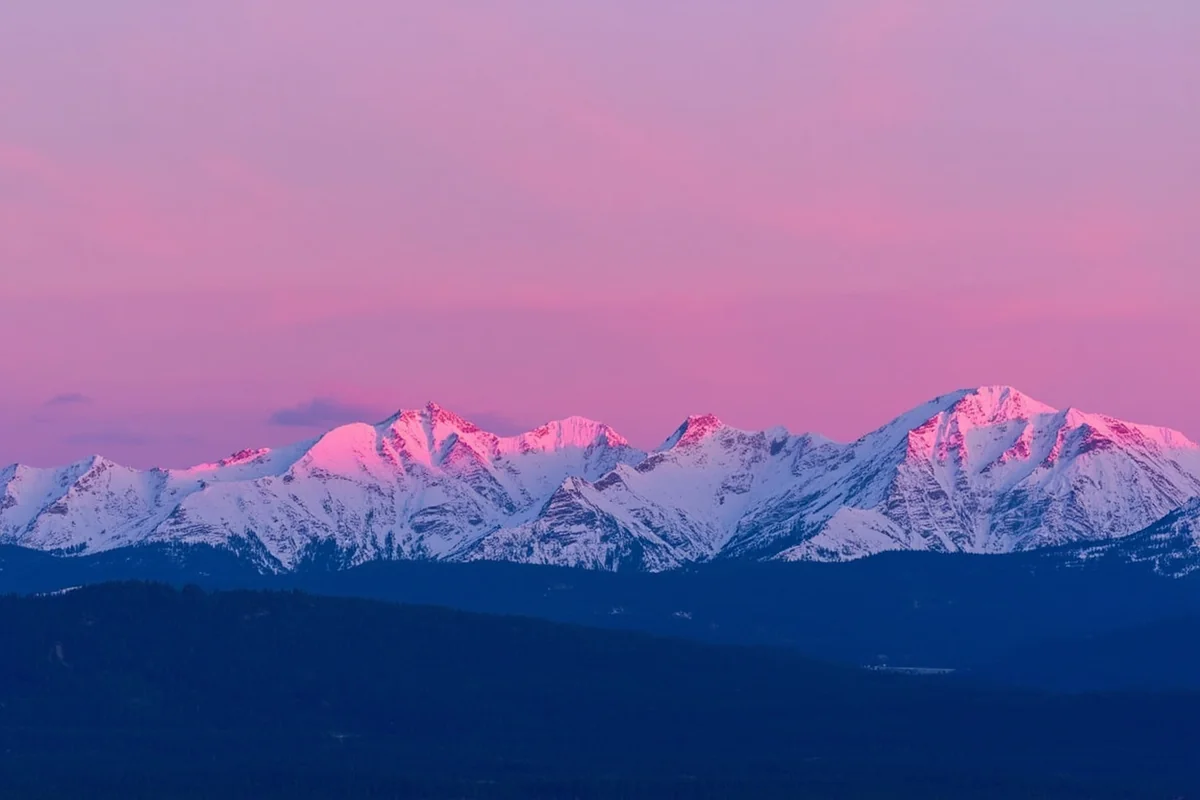
It’s less about the fishing (though we did catch some perch) and more about the ritual—drilling holes, setting up a portable shelter, drinking hot coffee, and watching the mountains turn pink in the early morning light.
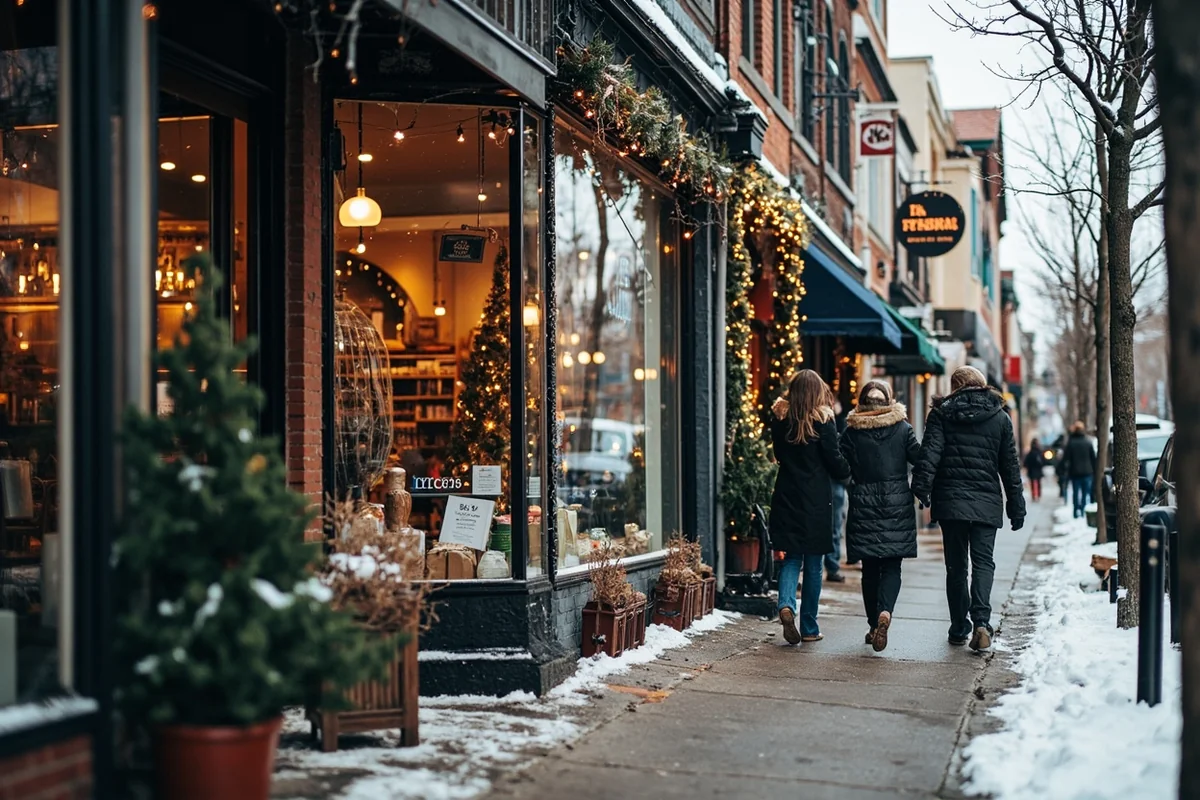
Downtown Whitefish: A Six-Block Winter Wonderland
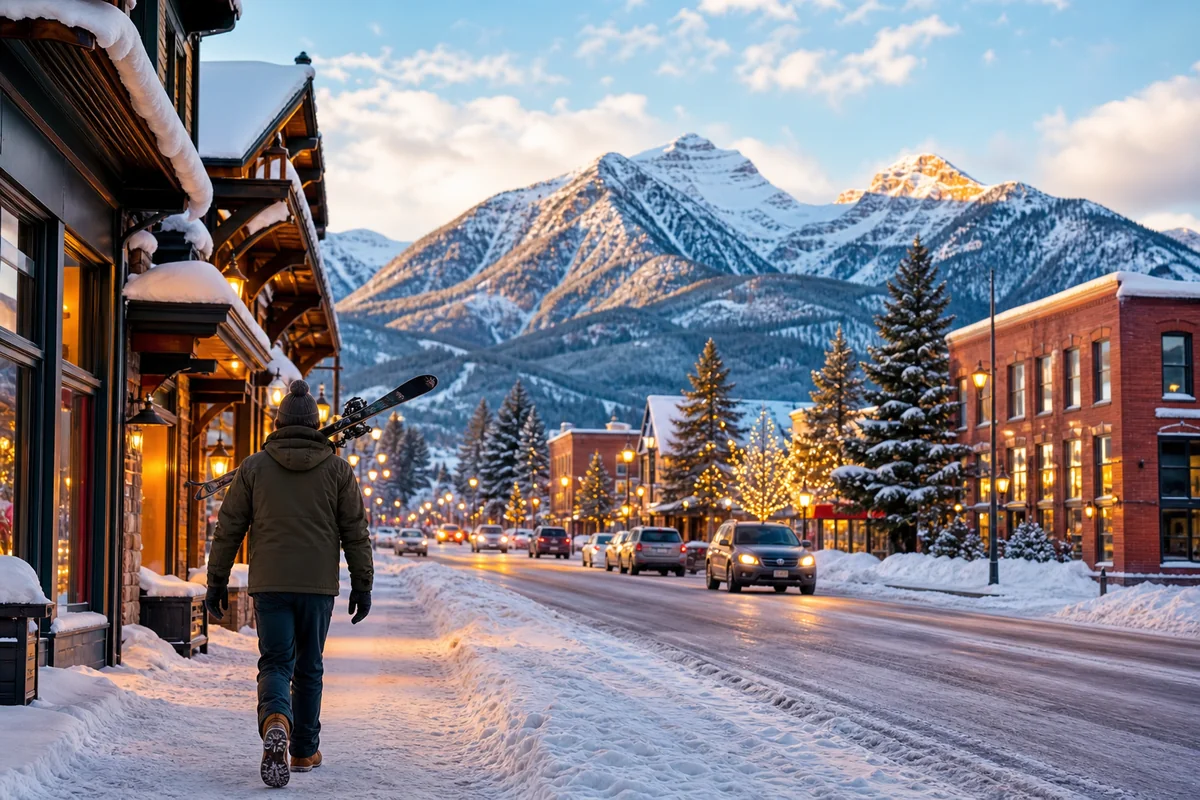
Downtown Whitefish runs along Central Avenue for about six blocks—short enough to walk in ten minutes, but dense enough to keep you exploring for days.
Where to Eat
The dining scene in Whitefish punches way above its weight for a town of 8,000 people. Here are my honest favorites from multiple visits:
Café Kandahar – Located right at the ski resort’s base, this is white-tablecloth dining with a rotating seasonal menu. When I ate there last February, the elk tenderloin was transcendent—perfectly cooked, with a huckleberry reduction that showcased Montana’s terroir. Expect to spend $75-100 per person with wine. Reservations essential, especially on weekends.
Tupelo Grille – My go-to for a nice dinner that won’t drain the vacation budget. The Southern-influenced menu includes excellent jambalaya and blackened fish. On my last visit, I had their shrimp and grits while watching snow fall through the window—pure comfort.
Loula’s – The best breakfast in town, no contest. Get there early (I mean before 8 AM on weekends) to avoid a wait. Their corned beef hash is legendary, and the baked goods come from their own bakery next door.
The Buffalo Café – If Loula’s is packed, this is my backup for breakfast. Smaller, more casual, with solid eggs and the best Bloody Mary in Whitefish.
Bonsai Brewing Project – For craft beer lovers, this place is a must. They brew Japanese-inspired beers (yes, it sounds weird, but it works) alongside classics. The yuzu wheat I tried was unlike anything I’d had before.
Shopping and Galleries
Whitefish isn’t a shopping destination in the way that, say, Jackson Hole is, but there are gems worth discovering.
The Bookworks has been my favorite find—an independent bookstore with an excellent Montana section and staff who actually read what they sell. I’ve bought several books there on Montana history that have deepened my appreciation for the region.
For gear, Sportsman & Ski Haus and Stumptown Snowboards cover all your winter equipment needs. Both shops carry quality brands and staff who use the products they sell.
Where to Stay: Accommodation Options for Every Budget
Whitefish offers everything from ski-in/ski-out condos to budget motels. Here’s my honest assessment after staying in various options over the years.
Slope-Side Lodging
The Lodge at Whitefish Lake is the premier option—a AAA Four Diamond property right on the lake with a full-service spa. When I splurged on a weekend here for my anniversary, the experience was worth every penny. Rates run $300-500 per night in winter.
Whitefish Mountain Resort Condos offer ski-in/ski-out convenience at various price points. The Hibernation House units are basic but functional (around $150/night), while the Kandahar Lodge condos are more upscale ($250-400/night).
Downtown Hotels
The Firebrand Hotel is my usual pick when I want to be downtown. It’s modern, pet-friendly, and the rooftop hot tub has incredible mountain views. Rates typically run $200-350 per night in peak season.
The Pine Lodge offers solid mid-range accommodations about a mile from downtown. Nothing fancy, but clean rooms, free breakfast, and an outdoor hot tub. I’ve stayed here several times when I wanted to save money for other experiences.
Vacation Rentals
For groups or longer stays, vacation rentals make financial sense. I’ve rented a three-bedroom cabin near the mountain with friends, and splitting the cost came out cheaper than budget hotels while giving us a kitchen and living room to spread out after ski days.
Check VRBO and Airbnb, but also look at local property management companies like Whitefish Property Management—they often have better selections and more responsive service.
Timing Your Visit: When to Go
The “best” time to visit depends entirely on what you prioritize.
December
The holiday season brings festive energy to downtown—lights everywhere, carolers, and that magical Christmas-town atmosphere. However, snow coverage can be inconsistent early in the month, and holiday week rates are at their peak.
January
This is my favorite month to visit. The holiday crowds have cleared, snow coverage is typically excellent, and you’ll find the best deal-to-conditions ratio. Temperatures can be brutal (single digits aren’t uncommon), but fewer skiers means shorter lines and more fresh tracks.
February
Still great skiing, with slightly warmer temperatures than January. Presidents’ Day weekend gets busy, so avoid that if possible. I visited mid-February last year and had perfect conditions with manageable crowds.
March
Spring skiing arrives with longer days and temperatures that often reach the 40s. Snow can get heavy and wet in the afternoons, but morning conditions are often excellent. This is the time for those bluebird days where you can ski in a light jacket.
The resort typically stays open through early April, though coverage becomes patchy below mid-mountain by late March.
Practical Tips From Experience
After multiple winter visits, I’ve learned a few things the hard way that I wish someone had told me.
What to Pack
Layers are everything in Montana winters. The temperature can swing 30 degrees between a cold morning and a sunny afternoon. My standard kit includes:
- Insulated base layers (merino wool is worth the investment)
- Mid-layer fleece or down jacket
- Waterproof shell jacket and pants
- Two pairs of gloves—a light pair for mild days, insulated ones for cold
- Neck gaiter or balaclava (essential for exposed chairlift rides)
- Quality sunglasses AND goggles (conditions change fast)
- Hand warmers—I tuck them in my boots on especially cold mornings
Getting Around Town
The SNOW Bus (Shuttle Networked Over Whitefish) runs free routes between downtown and the ski resort throughout winter. Service runs approximately every 20 minutes during peak hours, and it’s a godsend after a few beers at après-ski.
If you’re staying downtown and only skiing, you genuinely don’t need a rental car. But if you want to explore Glacier National Park or surrounding areas, having your own vehicle opens up possibilities.
Altitude Considerations
Whitefish’s elevation is modest compared to Colorado ski resorts, but the summit still sits at nearly 7,000 feet. If you’re coming from sea level, you might notice mild effects—slightly faster fatigue, occasional headaches, increased thirst.
I’ve never had significant altitude issues in Whitefish, but I do drink extra water and take it easy on the first day regardless.
Budget Tips
Whitefish is expensive compared to everyday life, but affordable compared to major resort towns. Here’s how I stretch my budget:
- Buy multi-day lift tickets—the per-day cost drops significantly
- Eat a big breakfast and pack trail snacks to avoid $18 lodge burgers
- Hit happy hour specials—Casey’s downtown has great deals on appetizers
- Consider mid-week visits when lodging rates drop 20-40%
- Rent accommodations with a kitchen and cook some meals
The Whitefish Vibe: What Makes It Different
I’ve spent time in resort towns across the American West, and Whitefish has a distinctly different energy. It’s unpretentious in a way that feels increasingly rare.
At the Great Northern Bar—a dive that’s been serving drinks since 1914—I’ve sat next to ranchers, ski patrollers, and investment bankers from California, all nursing beers and watching the same hockey game. Nobody’s trying to impress anyone.
The town has grown significantly over the past decade, and longtime locals have mixed feelings about the changes. Housing prices have skyrocketed, and summer traffic has become genuinely frustrating. But in winter, Whitefish still feels like a community that exists for reasons beyond tourism.
During my last visit, I struck up a conversation with a lift operator who’d been working the mountain for 15 years. When I asked what kept him there, he just gestured at the view—Glacier National Park’s peaks catching the afternoon light—and shrugged. “Where else would I go?”
Final Thoughts: Is Whitefish Worth the Trip?
After everything I’ve experienced in Whitefish—the skiing, the food, the warmth of a small town that genuinely welcomes visitors—I can say without hesitation that it’s one of America’s best winter destinations.
It’s not for everyone. If you want nightclub après-ski and celebrity sightings, head to Aspen. If you need a dozen terrain parks, try Park City. But if you’re looking for authentic mountain town character, exceptional skiing without the crowds, and a community that hasn’t lost its soul to tourism—Whitefish delivers in ways few places can match.
Start planning now for next winter. Book lodging early, especially for weekends and holidays. And when you arrive at that little depot or tiny airport and feel that first breath of cold Montana air, you’ll understand why this place has captured so many hearts.
I’ll see you on the mountain.
Frequently Asked Questions
Is Whitefish Montana worth visiting in winter?
Absolutely, Whitefish is one of the best winter destinations in Montana with world-class skiing at Whitefish Mountain Resort, charming downtown shops, and stunning snow-covered landscapes. I found the town has a cozy, authentic mountain vibe without the overcrowded feel of larger ski resorts like Aspen or Park City. Winter visitors can enjoy everything from cross-country skiing to dog sledding, plus the town’s excellent restaurant and craft brewery scene.
How cold does Whitefish Montana get in winter?
Whitefish winter temperatures typically range from 15°F to 30°F during the day, with nights dropping to 0°F or below in January and February. The cold is manageable with proper layering, and the dry mountain air makes it feel less bitter than humid cold in the Midwest. I recommend packing thermal base layers, insulated waterproof boots, and hand warmers for lift rides.
How much does a ski trip to Whitefish Montana cost?
A winter trip to Whitefish is surprisingly affordable compared to other major ski destinations, with lift tickets around $100-$140 per day and ski-in/ski-out lodging starting at $200-$350 per night. Budget travelers can find downtown hotels and vacation rentals for $120-$180 per night and save money with multi-day lift ticket packages. I spent roughly $1,500 for a 4-day trip including flights, lodging, and lift tickets.
What is the best month to visit Whitefish Montana for skiing?
February and early March offer the best skiing conditions in Whitefish with deep powder, reliable snowpack, and slightly warmer temperatures than January. I prefer late February when the resort averages over 300 inches of annual snowfall and you’ll find shorter lift lines than holiday weeks. December and January are also excellent but expect colder temps and potential holiday crowds around Christmas and New Year’s.
How far is Whitefish from Glacier National Park in winter?
Whitefish is just 25 miles from the west entrance of Glacier National Park, making it an ideal base for winter adventures in the park. Keep in mind that Going-to-the-Sun Road closes to vehicles in winter, but you can still access park areas near Apgar and Lake McDonald for snowshoeing and cross-country skiing. The drive from Whitefish to the park entrance takes about 35 minutes in good winter road conditions.
What should I pack for a winter trip to Whitefish Montana?
Pack insulated waterproof ski gear, thermal base layers, a warm down jacket for evenings in town, and sturdy snow boots with good traction for icy sidewalks. Don’t forget sunglasses and high-SPF sunscreen since mountain sun reflecting off snow can cause serious burns. I also recommend bringing YakTrax or similar traction devices, a portable phone charger since cold drains batteries fast, and layers you can easily remove when ducking into Whitefish’s cozy coffee shops.
Can you fly directly into Whitefish Montana?
The closest airport is Glacier Park International Airport in Kalispell, just 11 miles south of Whitefish with a 15-minute drive to downtown. Direct flights are available from major hubs like Seattle, Denver, Minneapolis, and Salt Lake City on carriers including Delta, United, and Alaska Airlines. I recommend booking flights early for winter travel since routes fill up quickly during ski season, and rental cars are essential unless you’re staying ski-in/ski-out.