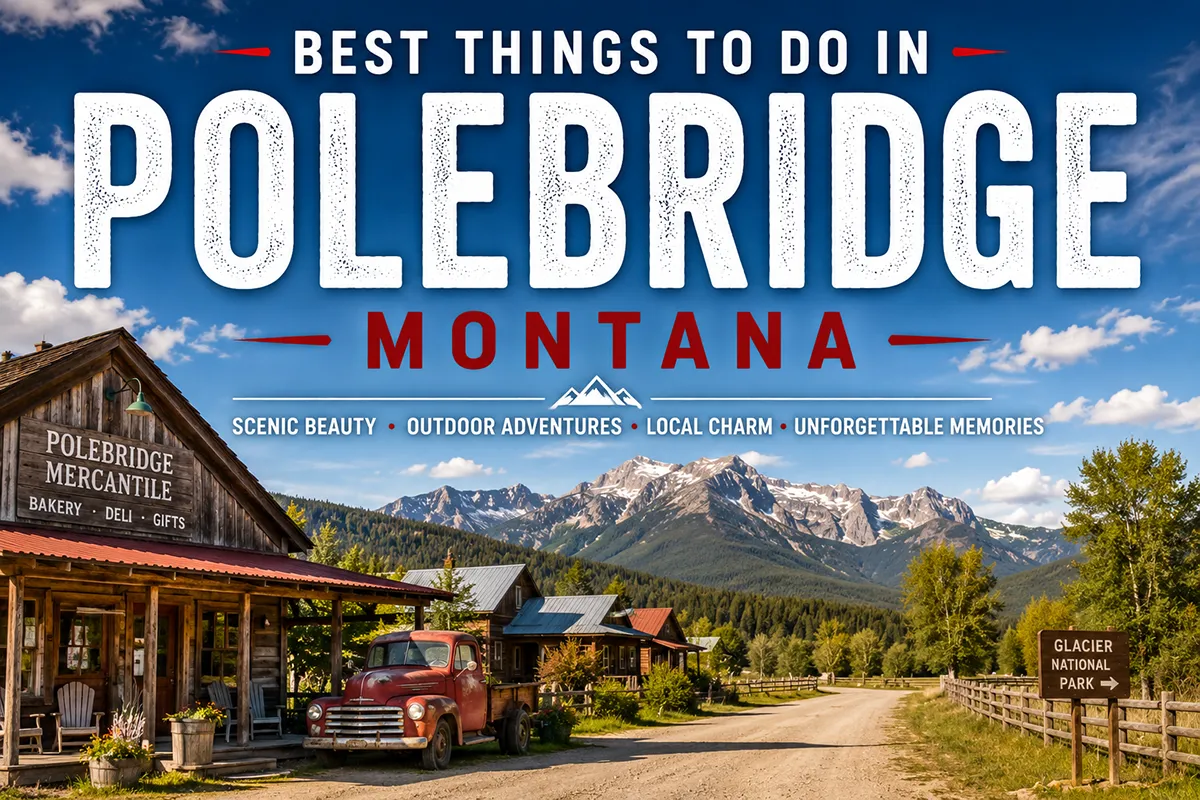
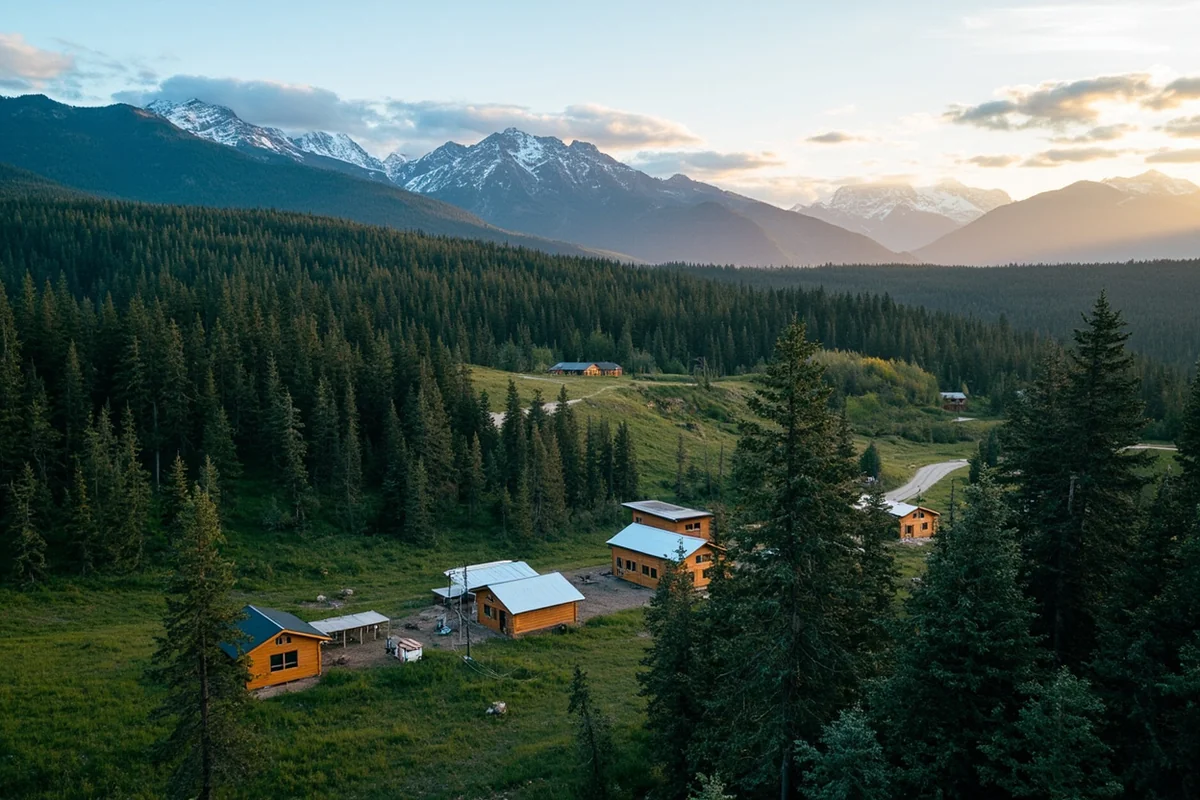
The first time I pulled into Polebridge, I genuinely thought my GPS had malfunctioned. After 30 miles of bone-rattling gravel road, I arrived at what looked like a frontier town frozen in time—no power lines, no cell towers, just a handful of rustic buildings and a bakery that would change my entire understanding of what a huckleberry bear claw could be.
This tiny community of about 25 year-round residents sits at the northwest entrance to Glacier National Park, and it’s become one of my favorite hidden corners in a state absolutely packed with remarkable destinations.
While Montana offers everything from 11+ Montana casinos to bustling mountain towns, Polebridge represents something increasingly rare—a place that feels genuinely untouched by modern commercialization.
- Polebridge is completely off-grid—no electricity, cell service, or WiFi in the main town area
- The Polebridge Mercantile’s huckleberry bear claws are worth the 30-mile gravel road drive alone
- Access the uncrowded North Fork area of Glacier National Park through the Polebridge entrance
- Best visited June through September; many services close in winter
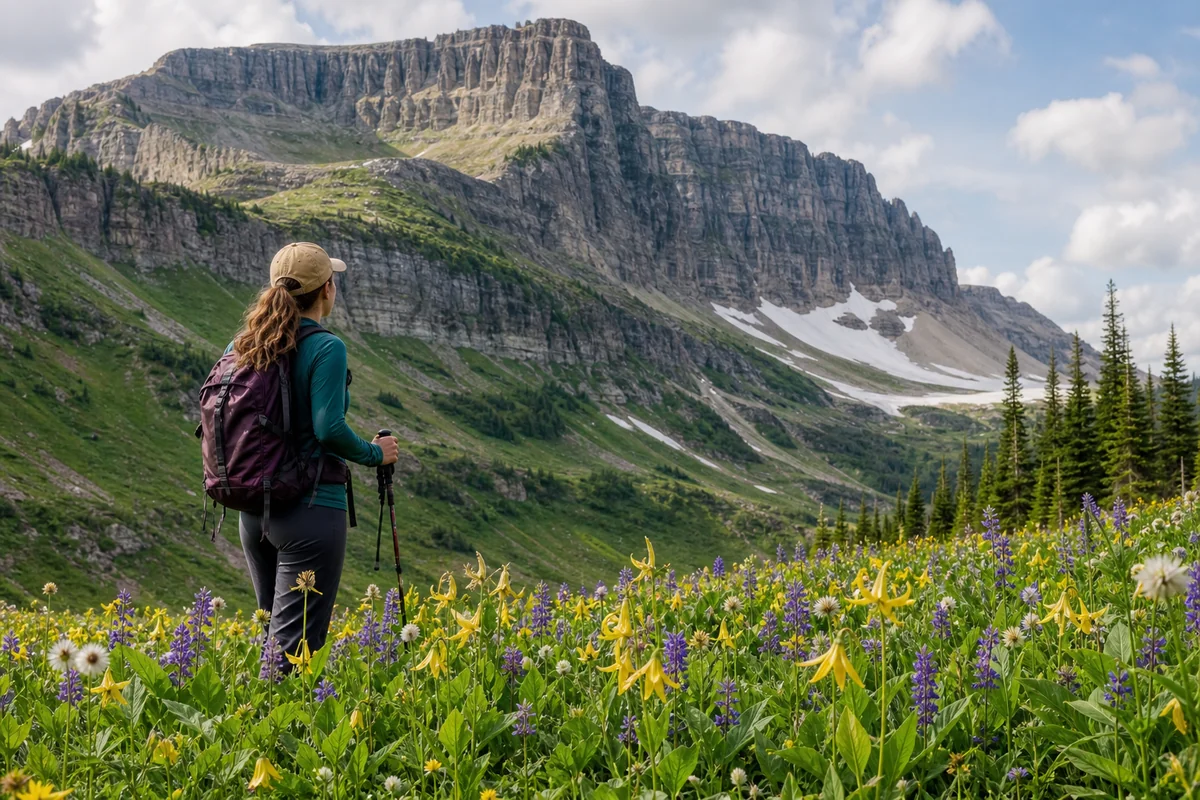
- Bowman Lake and Kintla Lake offer stunning hiking and camping without the crowds
- Bring cash—card readers don’t work without internet, and the nearest ATM is in Columbia Falls
Liked this article?
Add Roaming Montana as a preferred source so you see more of our articles and guides on Google.
Why Polebridge Should Be On Your Montana Bucket List
I’ll be honest—Polebridge isn’t for everyone. If you need constant connectivity, hate gravel roads, or prefer the convenience of nearby restaurants and hotels, you’ll find this place frustrating.
But if you’re the type of traveler who gets excited about genuine wilderness experiences and doesn’t mind a little dust on your vehicle, this remote community delivers something increasingly precious: authenticity.
During my last summer visit, I spent three days exploring the North Fork region, and I never once reached for my phone to scroll social media. Partly because it wouldn’t have worked anyway, but mostly because I was too captivated by what was right in front of me.
The journey to Polebridge is an experience in itself. Most visitors approach from Columbia Falls, taking the North Fork Road (also called Outside North Fork Road or Forest Service Road 486) for roughly 30 miles.
This isn’t a road you rush—it’s winding, unpaved for much of the way, and absolutely gorgeous. I recommend allowing at least an hour for the drive, more if you want to stop and photograph the North Fork of the Flathead River along the way.
If you’re planning a larger Montana adventure, Polebridge pairs wonderfully with other northwestern Montana destinations. Things to do in Whitefish, Montana are just about 45 minutes south of Columbia Falls, making it easy to combine a Polebridge day trip with a stay in that charming ski town.
1. Devour Fresh-Baked Goods at the Polebridge Mercantile
Let me be absolutely clear about something: the Polebridge Mercantile isn’t just a bakery. It’s a pilgrimage site for pastry lovers, a general store that’s been operating since 1914, and the social heart of this off-grid community.
When I walked through that creaky wooden door for the first time, the smell of fresh-baked bread and huckleberry goodness nearly knocked me over.

The huckleberry bear claws are legendary, and rightfully so. These aren’t the sad, factory-made pastries you find at gas stations. They’re hand-crafted each morning in a wood-fired oven, generously filled with local huckleberries, and glazed to perfection. During my visit last August, I ate three over two days. I regret nothing.
But the bear claws are just the beginning. The bakery also produces incredible cinnamon rolls (easily the size of your head), fresh loaves of sourdough, and huckleberry macaroons that I still dream about. They bake everything without electricity, using propane ovens and hand-mixed dough.
Practical Tips for the Mercantile
Arrive early. I cannot stress this enough. During peak summer season, the most popular items sell out by early afternoon. When I got there around 8:30 AM on a Saturday in July, there was already a line forming. By noon, the bear claws were gone.
The Mercantile operates on cash only—or at least, cash is strongly preferred. They do have a card reader that sometimes works with spotty satellite connection, but I watched several frustrated tourists learn the hard way that “sometimes” isn’t reliable. Hit an ATM in Columbia Falls or Kalispell before you make the drive.
Beyond baked goods, the Mercantile sells basic groceries, camping supplies, souvenirs, and cold drinks. It’s the only place to purchase anything in Polebridge proper, so plan accordingly.
| Polebridge Mercantile Details | Information |
|---|---|
| Summer Hours (May-September) | Usually 8 AM – 6 PM daily |
| Off-Season Hours | Limited; often weekends only or closed |
| Payment | Cash strongly recommended |
| Must-Try Items | Huckleberry bear claw, cinnamon rolls |
| Parking | Small dirt lot; can fill up midday |
2. Grab Dinner and Drinks at the Northern Lights Saloon
Right next door to the Mercantile sits the Northern Lights Saloon, and this place deserves its own spotlight. It’s one of the most unique dining experiences I’ve had anywhere in Montana—eating a juicy buffalo burger by candlelight in a bar that hasn’t changed much since Montana was still frontier territory.
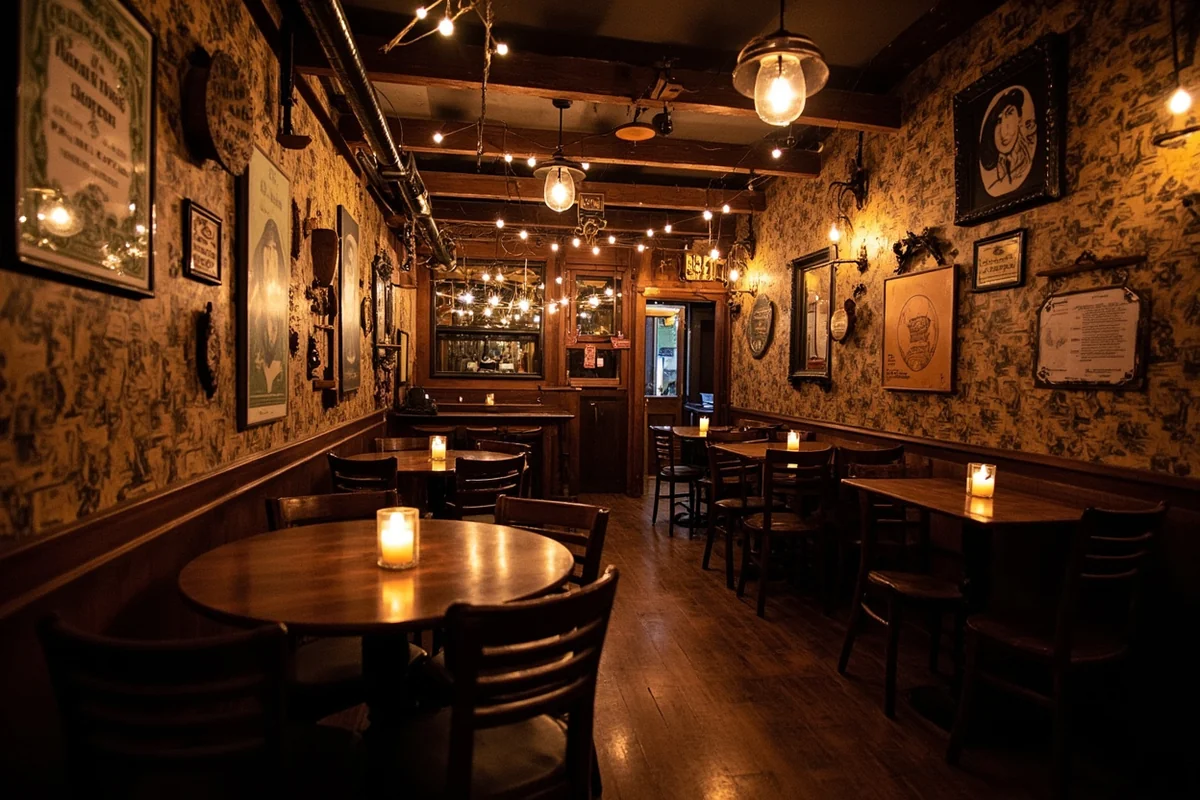
The saloon operates entirely off-grid, just like everything else in Polebridge. That means candles and propane lanterns provide the lighting, giving the whole place an atmosphere that feels genuinely transported from another era.
During my visit, I sat at the bar nursing a local Montana beer while the bartender told stories about winters in Polebridge—she was one of the 25 year-round residents.
The menu is limited but satisfying. I had the buffalo burger, which came perfectly cooked despite the wood-fired kitchen, and my travel companion ordered the veggie burger, which she said was surprisingly excellent. They also serve pizza, sandwiches, and daily specials depending on what’s available.
What to Expect at the Saloon
Live music happens regularly during summer months, usually local acoustic acts who appreciate the unique venue. The night I was there, a guy with a guitar played folk songs while tourists and locals alike stomped their feet on the wooden floor. It was exactly the kind of authentic Montana moment you can’t manufacture.
The saloon’s walls are covered in dollar bills—a tradition where visitors write their name and hometown, then staple their bill to the wall. I added mine to a spot near the window. Last I heard, there are thousands of dollars up there, though the owners periodically collect them for charitable donations.
One important note: the Northern Lights Saloon keeps seasonal hours and doesn’t always align perfectly with the Mercantile’s schedule.
During my most recent trip, they were open for dinner from 4 PM to 9 PM, but I’d recommend checking their social media (when you still have service in Columbia Falls) for current hours before making the drive specifically for a meal.
3. Explore Bowman Lake in Glacier National Park
The Polebridge entrance to Glacier National Park opens access to the North Fork region, which is substantially less crowded than the famous Going-to-the-Sun Road corridor. Bowman Lake is the crown jewel of this area, and on my first visit, I understood immediately why photographers obsess over this place.
The lake stretches about seven miles long, nestled between towering peaks that reflect perfectly on calm mornings. I arrived at sunrise during a trip last June, and the mirror-like surface created one of those rare moments where reality seemed more beautiful than any postcard.
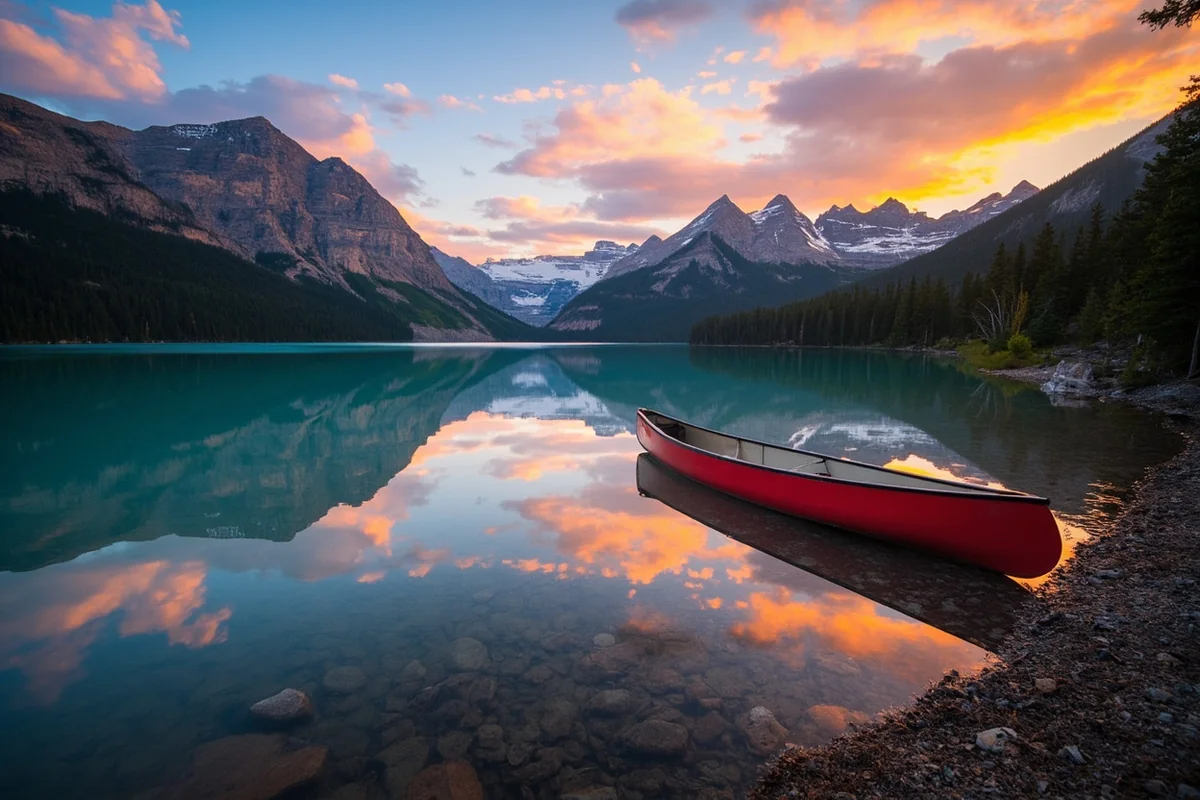
Getting to Bowman Lake requires passing through the Polebridge entrance station (park fees apply) and then driving another 6 miles on Bowman Lake Road—which somehow manages to be even rougher than the road to Polebridge. High-clearance vehicles are recommended, and RVs or trailers over 21 feet are not permitted.
Hiking Options at Bowman Lake
For a relatively easy walk, the Bowman Lake Trail follows the northern shoreline for 7 miles to Bowman Lake Head. I hiked about 3 miles in and found a perfect lunch spot on a rocky beach with virtually no other people around. The full out-and-back makes for a solid day hike at 14 miles, but you can turn around whenever you’ve had enough.
More ambitious hikers can continue on the Numa Ridge Lookout Trail, which branches off from the lake trail and climbs steeply to a historic fire lookout with jaw-dropping views. It’s about 11.6 miles round trip with nearly 3,000 feet of elevation gain.
I attempted this during my visit last summer and was rewarded with 360-degree views of the North Fork valley and distant peaks. Pack plenty of water—the climb is no joke in afternoon heat.
Camping at Bowman Lake
The Bowman Lake Campground offers 48 first-come, first-served sites. During peak season, these fill early—often by late morning on weekends. When I camped there in mid-July, I arrived around 10 AM and snagged one of the last available sites.
The campground has vault toilets but no running water, so bring everything you need. Bears are active in this area, so proper food storage is mandatory. Bear boxes are provided at each site.
4. Discover the Solitude of Kintla Lake
If Bowman Lake feels too busy (it can on peak weekends), Kintla Lake offers even more isolation. It’s the northernmost lake accessible by road in Glacier National Park, and the extra miles of rough road filter out many day-trippers.
I visited Kintla Lake on a Tuesday afternoon in late August, and I counted exactly four other vehicles in the entire area. The silence was profound—just wind through the trees and the occasional call of a loon across the water.
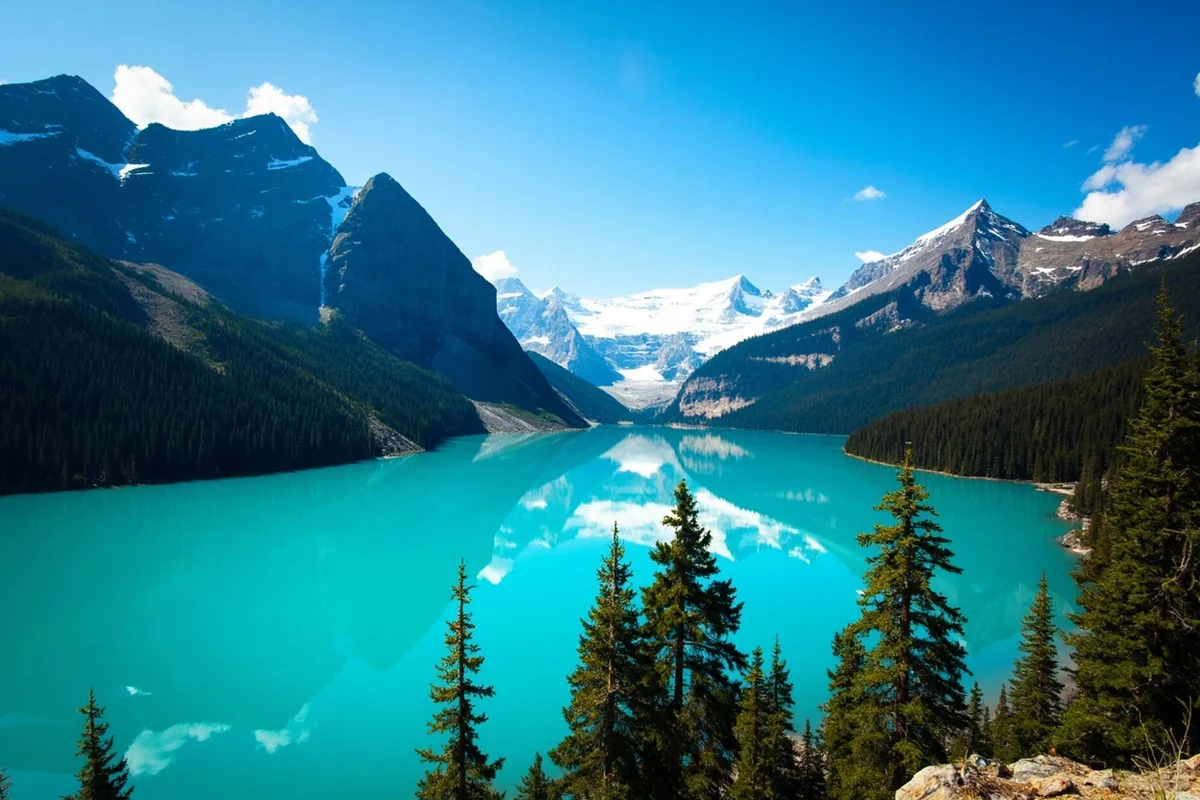
The lake itself is remarkably clear, with that distinctive glacial turquoise color that makes Montana’s mountain lakes so photogenic. At over 6 miles long, it offers plenty of space for kayaking or canoeing if you’re willing to haul your boat down the rough road.
Getting to Kintla Lake
From the Polebridge entrance station, Kintla Lake is approximately 15 miles further on Inside North Fork Road. This road sees less maintenance than the Bowman Lake route, and after heavy rain or early in the season, conditions can deteriorate significantly.
I’d recommend asking at the ranger station or Mercantile about current conditions before attempting it.
The drive takes roughly 45 minutes to an hour depending on road conditions and how cautious you’re being with your vehicle’s undercarriage. Four-wheel drive isn’t absolutely necessary, but higher clearance definitely helps.
Kintla Lake Campground
With only 13 primitive campsites, Kintla Lake Campground is one of the smallest developed camping areas in Glacier. Sites are first-come, first-served and include fire grates, picnic tables, and access to a vault toilet. There’s no running water.
The remoteness here is real. When I camped at Kintla, I had no cell service, no electricity, and no noise except the natural world. For one night, I simply existed without any connection to the outside world. It was simultaneously unsettling and deeply peaceful.
5. Experience True Off-Grid Living at a Polebridge Cabin
Several rustic cabin rentals operate in and around Polebridge, and staying overnight transforms a day trip into something more meaningful. I booked a cabin through the North Fork Hostel on my second visit to the area, and it remains one of my most memorable Montana accommodations.
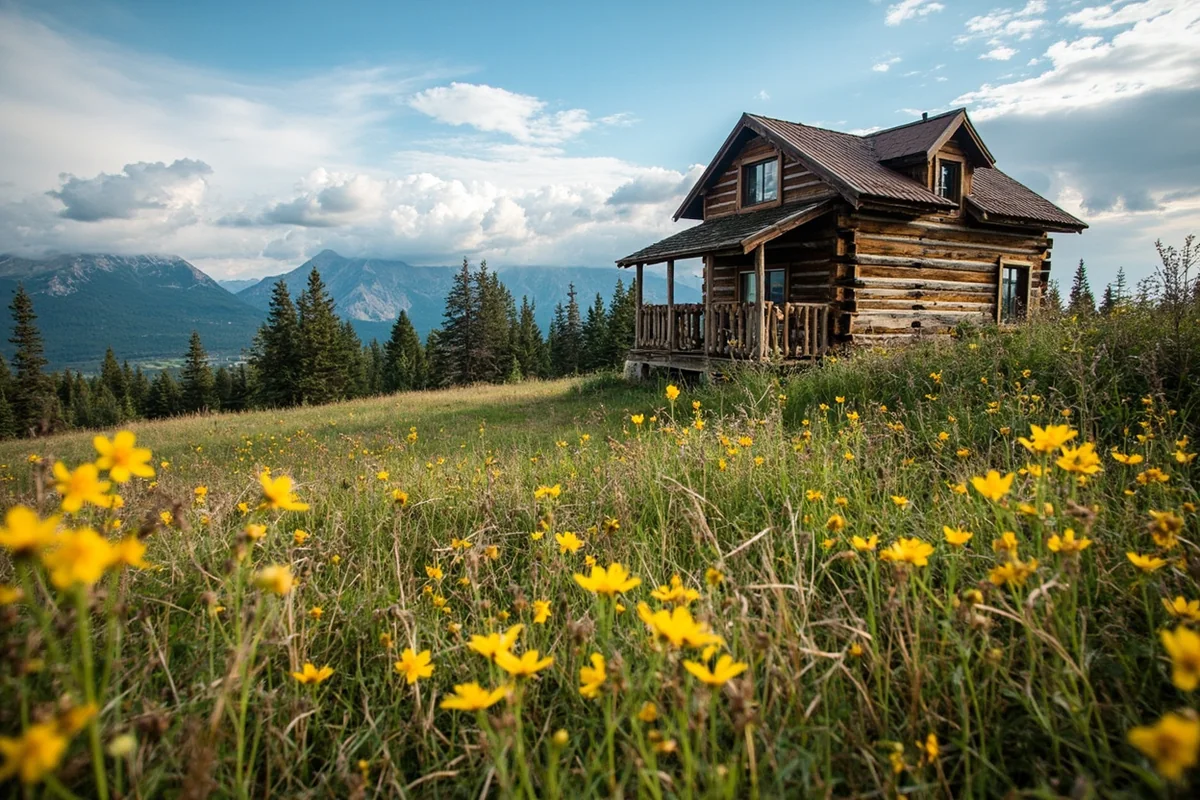
These aren’t luxury lodges. Most Polebridge-area cabins operate without electricity, running water, or modern conveniences. You’ll light kerosene lamps as darkness falls, use an outhouse, and heat water on a propane stove if you want anything warmer than frigid. Sound primitive? It is. But there’s something remarkably restorative about simplifying life for a night or two.
Accommodation Options Near Polebridge
The North Fork Hostel offers both private cabins and dormitory-style accommodations. Prices are reasonable, and the atmosphere is welcoming—the kind of place where strangers share stories on the porch while watching the sunset.
Several private cabin rentals exist in the area as well, bookable through vacation rental platforms. Availability is limited, so during peak summer months, booking several weeks ahead is wise.
If you prefer more traditional lodging, you’ll need to base yourself in Columbia Falls, Whitefish, or Kalispell, which has 23 great things to do when you’re not adventuring in Polebridge.
Some visitors appreciate the contrast—a comfortable hotel room with hot showers after a day of rugged exploration. Montana casinos with hotels also offer convenient overnight options in larger towns if you want to combine wilderness adventure with evening entertainment.
6. Wildlife Watching Along the North Fork
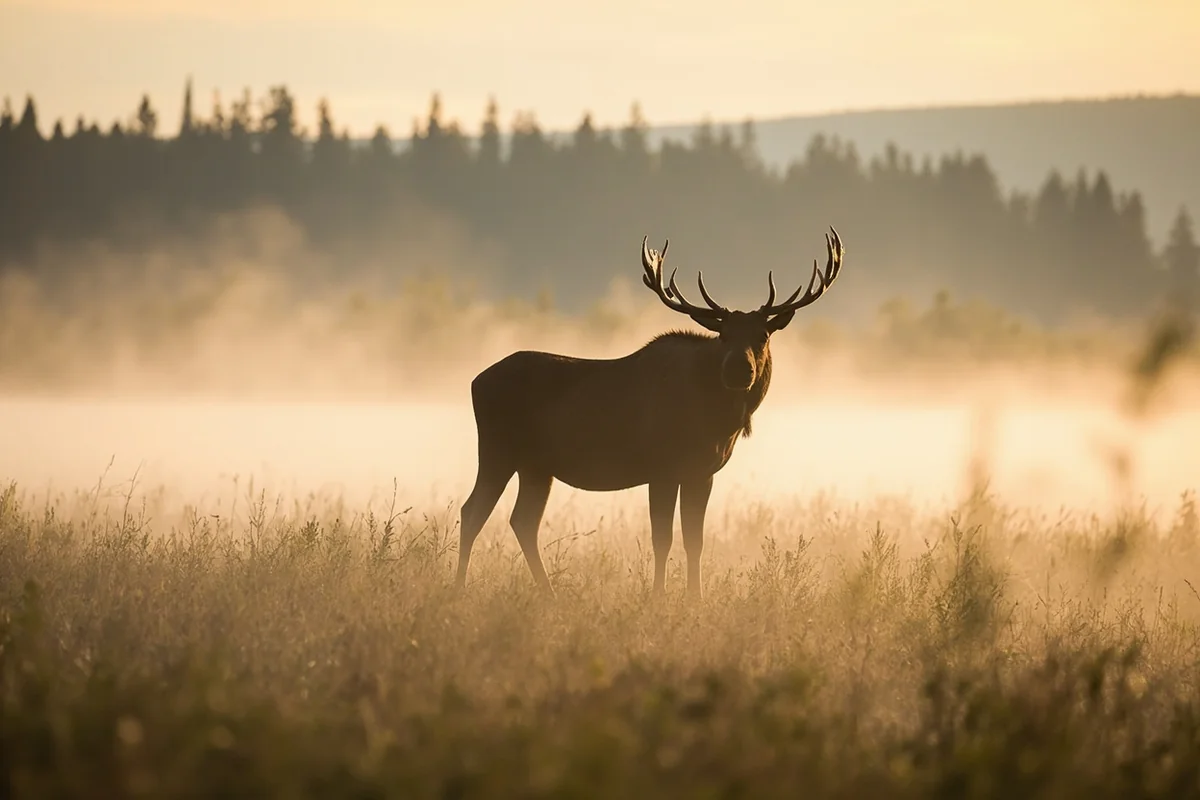
The North Fork valley is one of the best places in Montana for wildlife viewing, and during my various visits, I’ve encountered everything from black bears to moose to wolves (heard, not seen—their howls echoed across the valley one evening).
The drive to Polebridge itself offers prime viewing opportunities. I recommend taking the gravel road slowly not just for safety, but because scanning the meadows and forest edges often reveals wildlife that faster drivers miss entirely.
What You Might See
Black bears are common throughout the North Fork region. During my August visit, I spotted three different bears from my vehicle—all at safe distances, all happily ignoring me while they foraged for huckleberries along the roadside.
Moose frequent the wetland areas, particularly in early morning and evening. The meadows near the river crossings are reliable spots, though nothing in wildlife watching is guaranteed.
Deer and elk appear regularly, often browsing in clearings or crossing the road without much concern for vehicles.
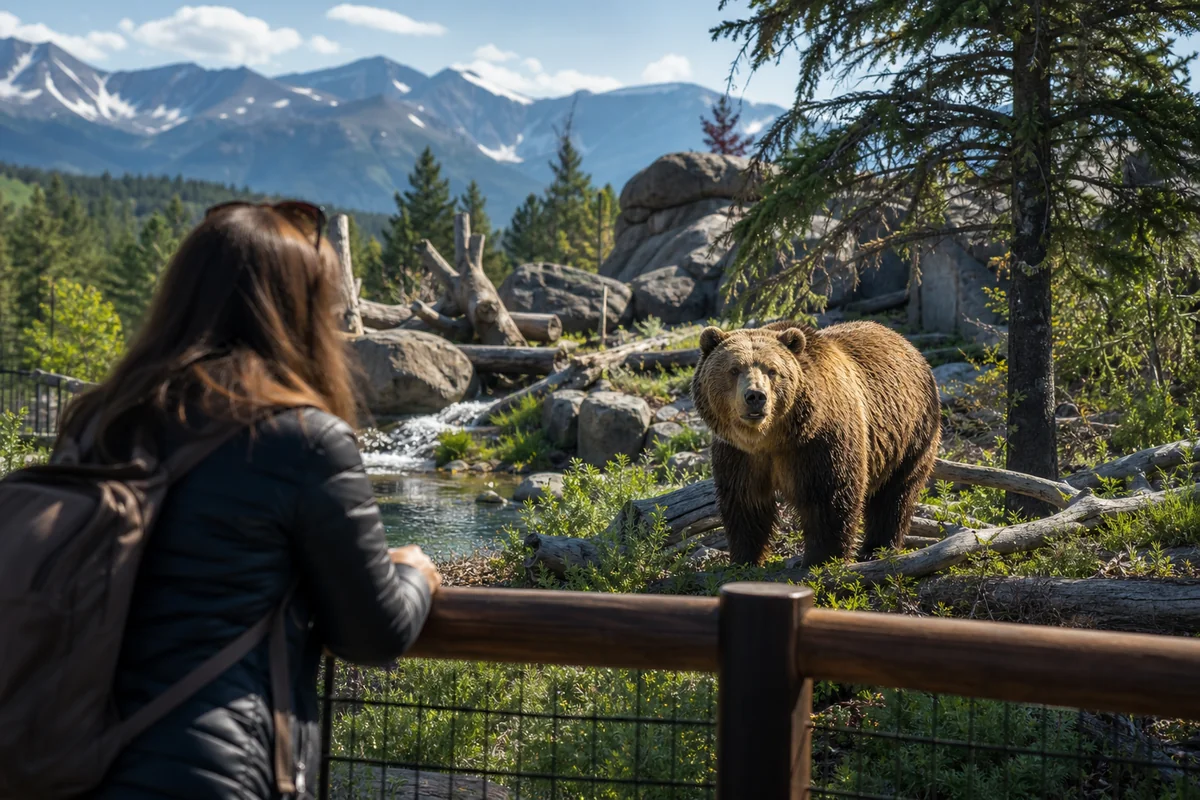
Wolves and grizzly bears inhabit this region as well, though sightings are rarer. The North Fork contains some of the densest grizzly populations in the lower 48 states. I’ve never seen a grizzly in person here, but knowing they’re present adds a certain electricity to every hike.
Wildlife Viewing Best Practices
Bring binoculars—they’re essential for watching animals at safe distances and spotting creatures that would otherwise blend into the landscape.
Never approach wildlife, especially bears. The standard recommendation is staying at least 100 yards from bears and wolves, 25 yards from other wildlife. These aren’t suggestions; they’re safety requirements that protect both you and the animals.
Keep food secured at all times. The North Fork’s wildlife is relatively unhabituated to humans compared to busier parts of Glacier, but food attractants can change that quickly.
Dawn and dusk offer the best viewing opportunities, when animals are most active. If you’re staying overnight in the area, take advantage of these golden hours.
Planning Your Polebridge Trip: Everything You Need to Know
After multiple visits to Polebridge, I’ve learned that preparation makes all the difference between a frustrating experience and an unforgettable one. Here’s everything I wish I’d known before my first trip.
When to Visit
The Polebridge area is generally accessible from late May through October, though exact dates vary with snowpack and road conditions. June through September offers the most reliable access and the longest days.
My favorite time to visit is mid-September. The summer crowds have thinned dramatically, fall colors are beginning to appear, and the cooler temperatures make hiking more pleasant. Wildlife is also more active as animals prepare for winter.
July and August bring the warmest weather and the biggest crowds at the Mercantile. If you visit during these months, arrive early to secure parking and bakery items.
What to Bring
Cash is essential—I bring at least $100 to cover bakery items, meals at the saloon, and any emergency purchases.
A full tank of gas is non-negotiable. The nearest gas station is in Columbia Falls, about 30 miles away.
Pack water, snacks, and a cooler with ice if you’re doing any hiking. There’s no guarantee you can purchase anything once you’re there.
Bear spray is highly recommended for any hiking in the area. I carry mine on every trail.
A paper map of the region provides backup navigation since your phone won’t help once service disappears.
Bring layers—mountain weather changes quickly, and evenings can turn cool even in summer.
Getting There
From Kalispell, head north on Highway 206 to Columbia Falls, then continue north on North Fork Road. The total distance is roughly 55 miles, but expect the drive to take 1.5 to 2 hours due to the gravel road conditions.
An alternate route follows Highway 486 (also called the Outside North Fork Road) from Columbia Falls. This route is slightly longer but sometimes in better condition—ask locals which route is currently preferable.
During my travels around Montana, I’ve noticed visitors often combine Polebridge with other regional highlights. If you’re exploring northwestern Montana extensively, Bigfork offers 18 excellent activities just an hour south of Columbia Falls.
And for those doing a broader Montana road trip, the contrast between Polebridge’s isolation and vibrant towns like Bozeman with its 11 great things to do showcases the state’s remarkable diversity.
Safety Considerations
The remoteness of Polebridge means help is far away if something goes wrong. Cell service doesn’t exist, the nearest hospital is in Kalispell (about an hour and a half by car), and emergency response times are substantial.
Let someone know your plans before you head out, especially if you’re hiking alone. I always text a friend from Columbia Falls before I lose service, letting them know my intended activities and expected return time.
Check fire conditions and restrictions before any visit. The North Fork has experienced significant wildfires in recent years, and conditions can change rapidly during dry summers.
Beyond Polebridge: Exploring More of Montana
Polebridge represents just one facet of Montana’s incredible diversity. After experiencing the remote wilderness here, many travelers appreciate exploring other corners of the state that offer different perspectives on Big Sky Country.
For history buffs, Butte provides 29 activities spanning summer and winter, including fascinating mining heritage and unexpected culinary gems. The contrast between Polebridge’s pristine wilderness and Butte’s gritty industrial history illustrates Montana’s complex character.
If you’re intrigued by why Montana has so many casinos, you’ll find gaming options scattered throughout the state, though none exist anywhere near remote Polebridge. The casino culture here is uniquely Montanan, tied to the state’s independent spirit and libertarian leanings.
Dillon offers 13 things to do in southwestern Montana, including access to excellent fly fishing and ghost towns. Helena, the state capital, features 9 worthwhile activities combining history, outdoor recreation, and local charm.
For those crossing eastern Montana, Miles City presents 9 unique experiences including the famous Bucking Horse Sale and authentic cowboy culture.
Explore More Montana Cities
Montana has a lot of ground to cover. Whether you’re building a road trip route or just curious what the next town down the highway has to offer, here are the city guides we’ve put together so far:
- Things to Do in Bozeman, Montana — Montana’s fastest-growing city, with great restaurants, the Museum of the Rockies, and easy access to Gallatin Canyon and Big Sky.
- Things to Do in Livingston, Montana — The original Yellowstone gateway; a fly fishing capital with a surprising arts scene, vintage neon downtown, and the Absaroka Mountains as a backdrop.
- Things to Do in Whitefish, Montana — The gateway to Glacier National Park, with a walkable downtown, ski resort access at Whitefish Mountain, and Whitefish Lake on the edge of town.
- Things to Do in Kalispell, Montana — The commercial hub of the Flathead Valley; close to Glacier, Flathead Lake, and some of the best scenic drives in northwest Montana.
- Things to Do in Bigfork, Montana — A small arts village on Flathead Lake that punches above its size with galleries, live theater, and excellent waterfront dining.
- Things to Do in Butte, Montana — One of Montana’s most historically layered cities; mining heritage, Victorian architecture, and a working-class character that’s entirely its own.
- Things to Do in Helena, Montana — Montana’s compact, walkable capital; the state capitol building, Last Chance Gulch, and the Cathedral of Saint Helena are all within easy reach downtown.
- Things to Do in Dillon, Montana — A quiet southwestern Montana town with serious fly fishing access on the Beaverhead River and a pace that feels far removed from the tourist trail.
- Things to Do in Polebridge, Montana — Glacier’s remote northwest corner; no cell service, no power grid, a legendary bakery, and some of the most untouched backcountry in the park.
- Things to Do in Miles City, Montana — Eastern Montana’s cowboy capital, home to the Bucking Horse Sale and a historic downtown that hasn’t changed much since the cattle drives.
- Libby, Montana Guide — A timber town in the far northwest tucked along the Kootenai River, with Kootenai Falls and the Cabinet Mountains Wilderness on its doorstep.
My Final Thoughts on Polebridge
I’ve traveled extensively throughout Montana, from the busy streets of Bozeman to the rolling plains of the eastern prairies, and Polebridge holds a special place in my memory. It’s not the most convenient destination, not the most comfortable, and definitely not the most accessible. But that’s precisely what makes it remarkable.
In a world of constant connectivity and algorithmic optimization, Polebridge offers something increasingly rare: genuine disconnection. The community has deliberately chosen to remain off-grid, to preserve a way of life that most of America abandoned decades ago.
When you visit, you’re not just seeing a quirky tourist attraction—you’re witnessing a conscious resistance to modernity’s relentless march.
The huckleberry bear claws are worth the drive alone, I won’t pretend otherwise. But what keeps me returning to Polebridge is something harder to articulate.
Maybe it’s the way starlight floods the sky without light pollution, or the profound silence that settles over the forest at dusk. Maybe it’s knowing that bears and wolves roam nearby, that I’m a visitor in their territory rather than the other way around.
Whatever draws you to Polebridge, I hope you leave with the same sense of wonder I felt on that first visit—standing outside the Mercantile, bear claw in hand, mountains rising all around, completely unreachable by anyone in the connected world.
Some places remind us what we’ve lost. Polebridge reminds us what we can still find.
Frequently Asked Questions
How do I get to Polebridge, Montana and how far is it from Glacier National Park?
Polebridge is located about 30 miles north of Columbia Falls via the North Fork Road, which is mostly unpaved and takes roughly 1-1.5 hours to drive. The town sits right at the northwest entrance to Glacier National Park, making it a perfect gateway to the park’s remote Bowman Lake and Kintla Lake areas. I’d recommend a high-clearance vehicle, especially after rain or during early spring when the road can get rough.
Is the Polebridge Mercantile worth the drive and what should I order?
Absolutely worth it—the Polebridge Mercantile is a legendary off-grid general store that’s been operating since 1914 and their bakery is famous throughout Montana. You have to try their huckleberry bear claws and freshly baked cinnamon rolls, which sell out early on busy summer days. I suggest arriving before 10 AM during peak season to guarantee you get the good stuff.
What is the best time of year to visit Polebridge, Montana?
The best time to visit Polebridge is late June through early September when the roads are fully accessible and the Mercantile operates daily. Keep in mind that the North Fork Road can be impassable or challenging during winter and early spring due to snow and mud. Summer evenings here offer incredible stargazing since there’s zero light pollution in this remote corner of Montana.
Is there cell phone service or Wi-Fi in Polebridge?
No, Polebridge has virtually no cell phone service and no public Wi-Fi—it’s completely off-grid and that’s part of its charm. I recommend downloading offline maps before you go and letting someone know your travel plans since you’ll be unreachable for several hours. Embrace the digital detox and enjoy being truly disconnected in one of Montana’s most remote communities.
What are the costs for food and activities in Polebridge?
Polebridge is surprisingly affordable—baked goods at the Mercantile run $4-8, and a meal at the Northern Lights Saloon costs around $15-25 per person. There’s no entrance fee for Polebridge itself, but you’ll need a Glacier National Park pass ($35 for a 7-day vehicle pass) if you plan to explore Bowman or Kintla Lakes. Bring cash since credit card processing can be unreliable with the limited power situation.
Can I camp near Polebridge and what are my lodging options?
Camping options include the primitive Bowman Lake Campground and Kintla Lake Campground inside Glacier National Park, which cost $15-20 per night and operate first-come, first-served. For something more comfortable, the North Fork Hostel and a few rustic cabins offer accommodations starting around $50-150 per night. I’d book cabins well in advance for summer visits since options are extremely limited in this tiny community of fewer than 100 residents.
What should I bring for a day trip to Polebridge, Montana?
Pack plenty of water, snacks, a full tank of gas, bear spray, and layers since mountain weather changes quickly even in summer. Bring cash for the Mercantile and saloon, a paper map as backup, and a spare tire given the rough road conditions. I always throw in binoculars too—the North Fork area is prime wildlife territory for spotting moose, bears, and wolves.