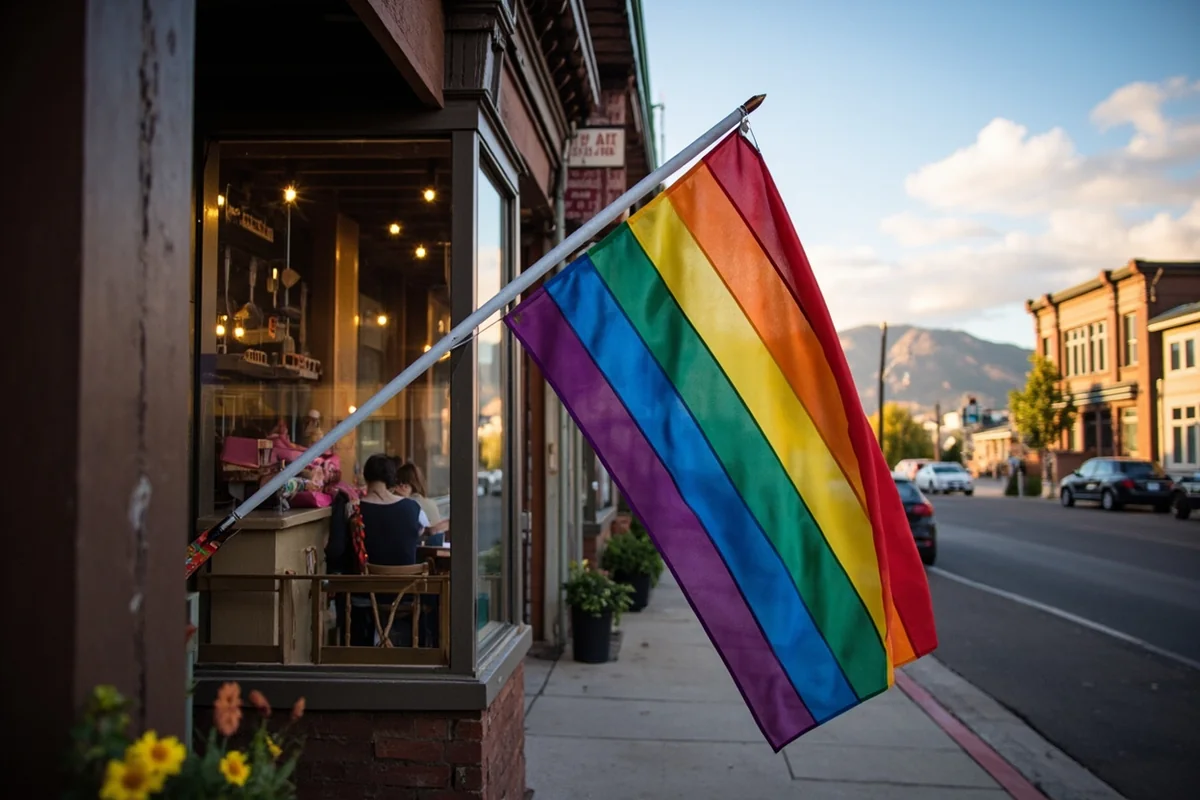
I’ll never forget standing in a Missoula coffee shop last summer, watching a Pride flag flutter in the window while chatting with the barista about her wife’s hiking recommendations—a moment that felt both ordinary and remarkable in a state that often gets painted with a single political brush.
The truth about LGBTQ life and travel in Montana is far more nuanced than headlines suggest, and after spending considerable time exploring this vast state from multiple angles, I’m here to share what I’ve actually experienced.
If you’re considering Montana living or planning a visit as an LGBTQ traveler, you deserve more than surface-level platitudes. You deserve the real, complicated, genuinely helpful truth about what awaits you in Big Sky Country.
- Montana’s LGBTQ friendliness varies dramatically by location—Missoula and Bozeman are notably welcoming, while rural areas present more challenges
- Legal protections are limited at the state level, but several cities have local non-discrimination ordinances
- The outdoor recreation community tends to be inclusive, making Montana’s natural attractions accessible to all
- Pride events happen in multiple cities, with Missoula’s being the largest and most established
- Planning ahead and researching specific destinations helps ensure positive experiences
- The “live and let live” Western mentality means many Montanans are more accepting than state politics suggest
Liked this article?
Add Roaming Montana as a preferred source so you see more of our articles and guides on Google.
The Real Picture: Understanding Montana’s LGBTQ Landscape
Let me be direct from the start: Montana isn’t San Francisco, and it isn’t rural Mississippi either. It occupies a complicated middle ground that requires nuance to understand.
During my travels across the state, I’ve had conversations with LGBTQ residents in Helena, Billings, Bozeman, and numerous smaller towns. The consistent theme? “It depends.”
It depends on where you are. It depends on who you encounter. And increasingly, it depends on whether locals see you as someone genuinely interested in Montana or as someone passing through with preconceptions.
What the Data Actually Shows
Montana doesn’t track LGBTQ population statistics officially, but estimates suggest approximately 3-4% of the state identifies as LGBTQ—roughly in line with national averages. This translates to around 30,000-40,000 LGBTQ Montanans scattered across a state larger than Japan.
The Montana population distribution matters here. Most LGBTQ residents concentrate in urban areas, creating pockets of strong community support in cities while leaving rural areas with fewer visible resources.
I’ve spoken with researchers at the University of Montana who study these demographics, and they emphasize something important: absence of visibility doesn’t necessarily mean absence of acceptance.
Many rural Montanans embrace a “mind your own business” philosophy that, while not explicitly affirming, often translates to practical tolerance.
City-by-City Breakdown: Where to Find Welcoming Communities
Missoula: Montana’s Progressive Heart
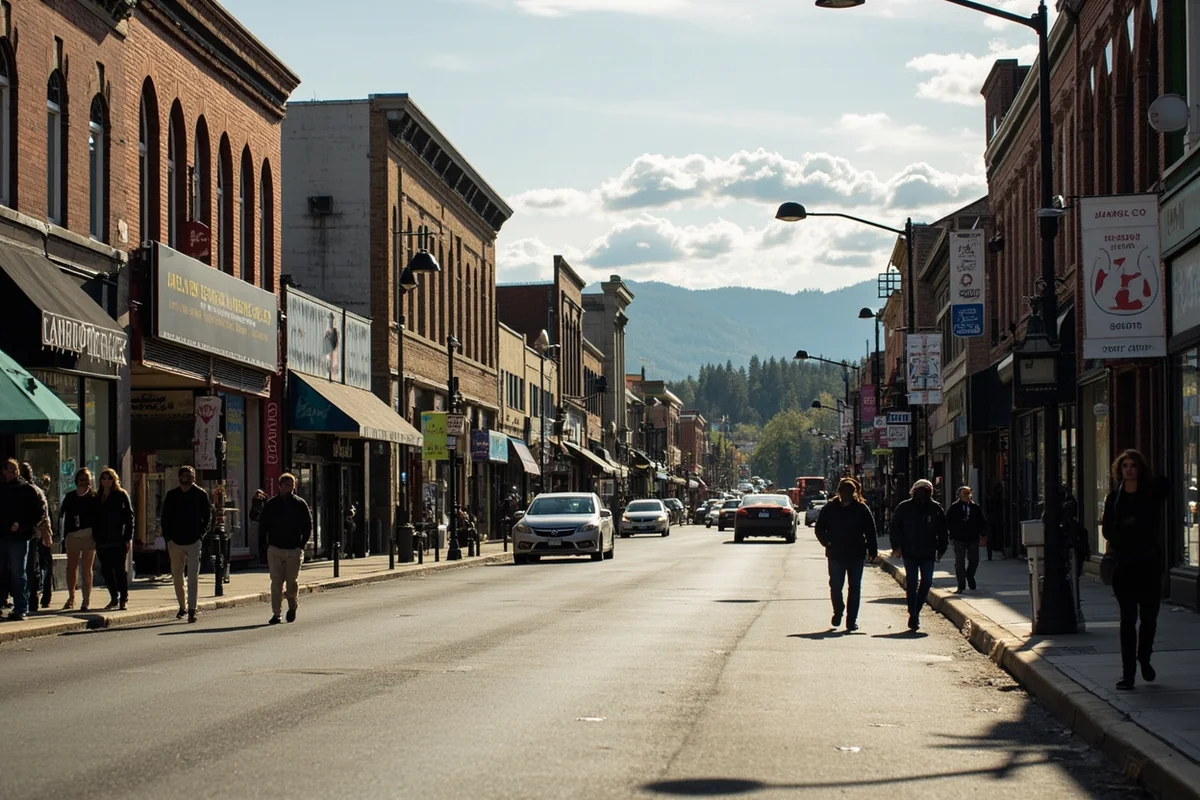
Missoula stands out as Montana’s most openly LGBTQ-friendly city, and I’ve seen this firsthand over multiple visits. The downtown area features visible Pride flags year-round, not just during June.
On a recent trip, I walked along the Clark Fork River trail and noticed same-sex couples holding hands without drawing any negative attention. The coffee shops, restaurants, and boutiques along Higgins Avenue frequently display “safe space” stickers or inclusive signage.
The Western Montana LGBTQ+ Community Center operates here, providing resources, support groups, and community events. When I dropped by during their open hours, staff members shared that Missoula’s LGBTQ population has grown steadily, drawn by the University of Montana’s inclusive campus culture and the city’s arts scene.
Specific recommendations from my time there:
- The Badlander – A welcoming bar downtown that hosts drag shows and LGBTQ events
- Butterfly Herbs – A quirky tea and herb shop known for its inclusive atmosphere
- Bernice’s Bakery – Great pastries and a staff that’s openly supportive of the LGBTQ community
- Crystal Theatre – Independent cinema that regularly shows LGBTQ films
Missoula also has a local non-discrimination ordinance that includes sexual orientation and gender identity, providing legal protections that don’t exist at the state level.
Bozeman: Growing Acceptance in a Booming Town
Bozeman has transformed remarkably over the past decade. When examining Montana’s fastest growing cities, Bozeman consistently tops the list—and this growth has brought increasing diversity and acceptance.
The Montana State University campus creates a progressive bubble within the city. I attended a lecture there last fall and noticed rainbow lanyards on several faculty members, pride pins on student backpacks, and gender-neutral bathroom signage in newer buildings.
Downtown Bozeman offers LGBTQ-friendly establishments, though they’re less explicitly marked than in Missoula. The restaurant and bar scene skews young and educated, creating a generally welcoming vibe.
That said, Bozeman’s rapid gentrification has created interesting dynamics. Some long-term LGBTQ residents I spoke with expressed mixed feelings—appreciating increased acceptance while struggling with the rising costs that make Montana so expensive these days.
Helena: The Capital’s Quiet Progress
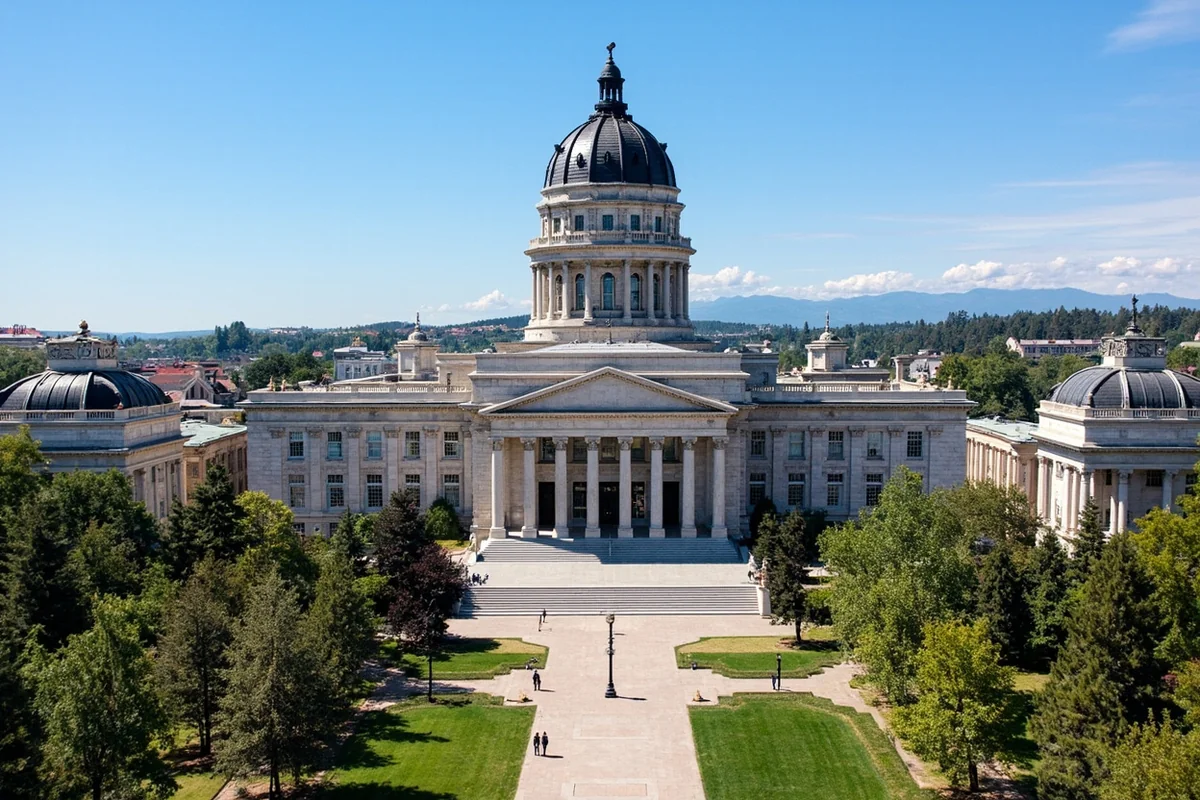
Helena surprised me. As the state capital, I expected a more conservative atmosphere, but found a small yet visible LGBTQ presence.
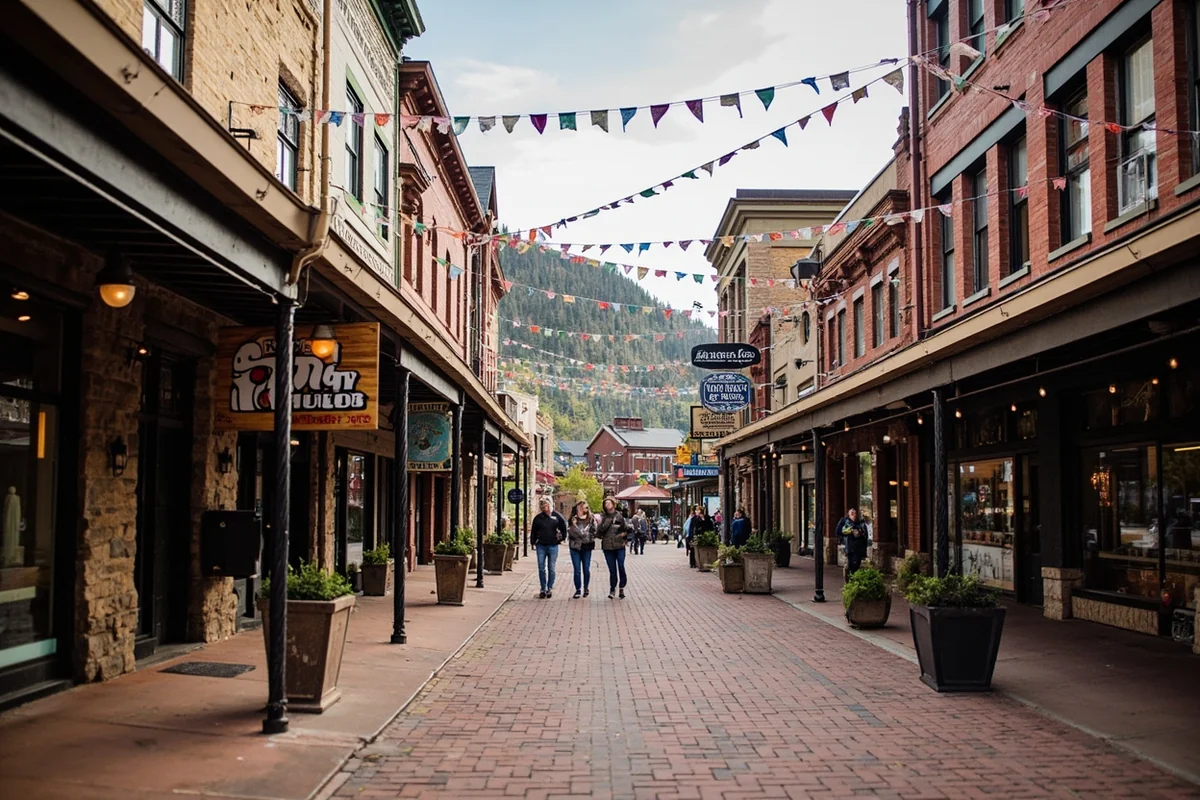
The Last Chance Gulch pedestrian mall hosts businesses with inclusive attitudes, and the Helena Pride celebration has grown each year. During my visit, I chatted with the owner of a local bookshop who mentioned that several LGBTQ families have settled in Helena, drawn by state government jobs and relatively affordable housing compared to Bozeman or Missoula.
Helena’s LGBTQ community tends toward quiet visibility rather than loud activism—a reflection of the city’s overall personality.
Billings: Montana’s Largest City
Billings presents a mixed picture. As Montana’s largest city by population, it has the numbers to support LGBTQ community spaces, but the culture leans more conservative than western Montana.
YouthQuest operates here, providing crucial support for LGBTQ youth in a region where resources are otherwise scarce. Pride events happen annually, though on a smaller scale than Missoula’s celebration.
I spent a weekend in Billings last year and found the downtown brewery scene notably welcoming. Craft beer culture seems to transcend political divides, and several bartenders I talked with mentioned LGBTQ regulars who felt comfortable in their establishments.
The city also hosts Montana’s LGBTQ organizations that serve the eastern part of the state, providing resources for residents of smaller surrounding communities.
Whitefish and the Flathead Valley
Whitefish operates on a different dynamic than other Montana towns. The ski resort draws visitors from across the country and even internationally, creating a more cosmopolitan atmosphere during peak seasons.
I’ve skied at Whitefish Mountain Resort twice, and both times noticed a diverse crowd that included visibly LGBTQ individuals and families. The resort industry’s hospitality culture emphasizes welcoming all paying guests, which creates practical acceptance regardless of personal politics.
Downtown Whitefish has upscale restaurants, art galleries, and boutique hotels that cater to tourists and maintain inclusive policies. However, the surrounding Flathead Valley is more conservative, so experiences outside the immediate Whitefish area may differ.
Legal Landscape: What Protections Exist?
This is where honest assessment becomes crucial. Montana lacks statewide non-discrimination protections for LGBTQ individuals in employment, housing, and public accommodations.
| Protection Type | State Level | Local Ordinances |
|---|---|---|
| Employment Non-Discrimination | No | Missoula, Bozeman, Helena, Butte |
| Housing Non-Discrimination | No | Missoula, Bozeman, Helena |
| Public Accommodation | No | Missoula, Bozeman |
| Same-Sex Marriage | Yes (Federal) | N/A |
| Hate Crime Protections | Limited | Varies |
For travelers, this means that while day-to-day interactions may be positive, legal recourse for discrimination is limited outside of cities with local ordinances. This is an important consideration when weighing the pros and cons of living in Montana.
Recent Legislative Concerns
The Montana Legislature has passed several bills in recent sessions affecting transgender individuals specifically, including restrictions on healthcare for transgender youth and limitations on changing gender markers on identification documents.
These legislative actions have created tension and concern within the LGBTQ community. Several people I interviewed expressed frustration that their state’s politics don’t reflect their daily interactions with neighbors and community members.
For transgender travelers specifically, I recommend checking current regulations before your visit, particularly regarding documentation requirements.
The Outdoor Recreation Factor
Here’s something that often gets overlooked in discussions about Montana and LGBTQ acceptance: the outdoor recreation community tends toward inclusivity.
When you’re miles into the backcountry, sharing a trail with another hiker or paddling past someone on a river, identity markers that might matter in other contexts fade into the background. What matters is whether you respect the land, practice Leave No Trace principles, and can share a nod of mutual appreciation for Montana’s spectacular scenery.
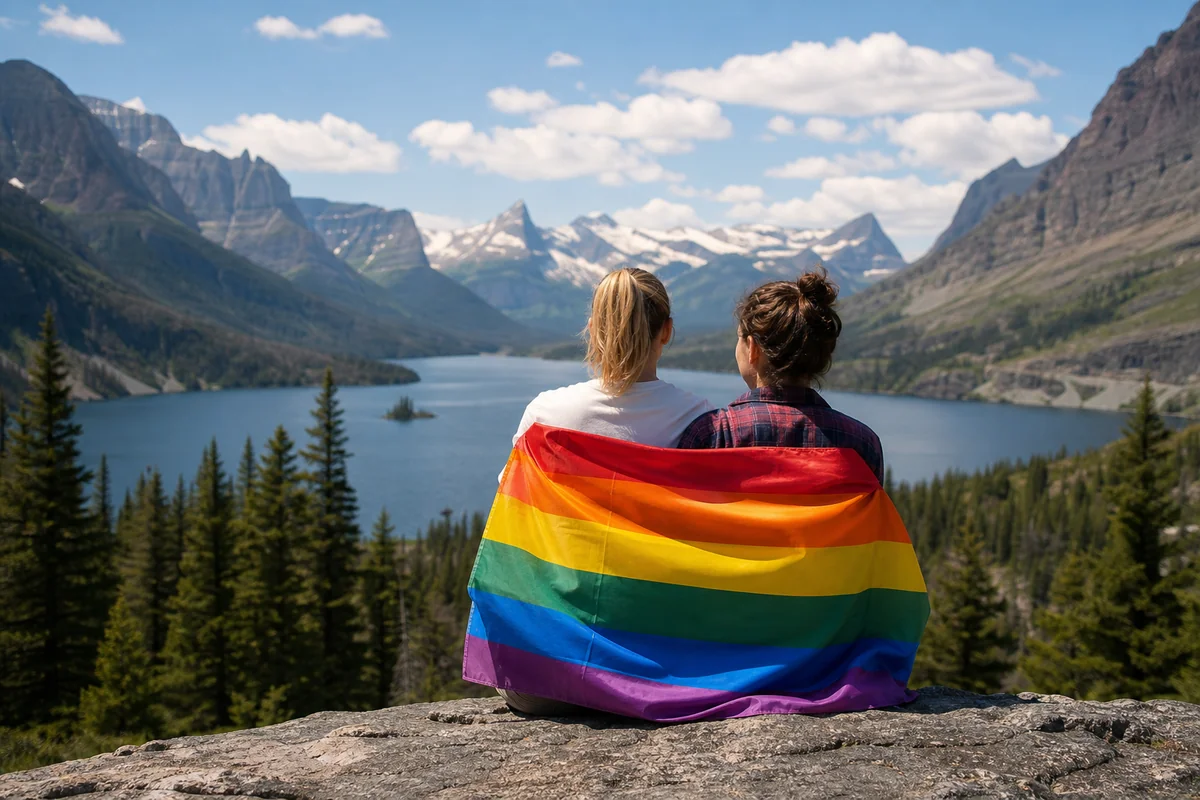
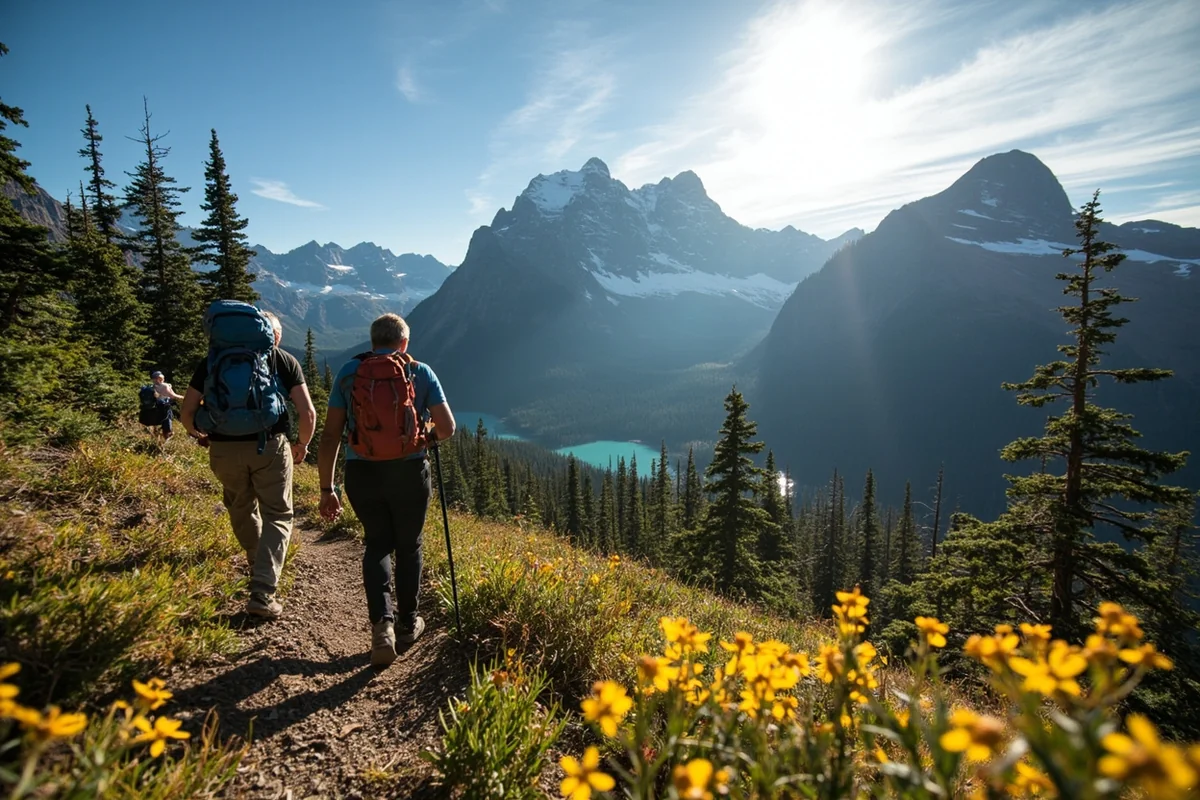
I’ve hiked with LGBTQ hiking groups in Glacier National Park and found fellow hikers—regardless of background—focused on the shared experience rather than differences. The rafting community, skiing community, and climbing community in Montana all tend toward this inclusive outdoor ethic.
This isn’t to dismiss real concerns or suggest that nature magically eliminates prejudice. But it does mean that outdoor-focused trips to Montana often provide positive experiences for LGBTQ travelers.
Specific Outdoor Recommendations
- Glacier National Park – The park itself maintains federal non-discrimination policies, and the nearby town of Columbia Falls has become increasingly welcoming
- Yellowstone’s Montana Entrance – West Yellowstone and Gardiner both cater to tourists and maintain hospitality-industry professionalism
- Flathead Lake – Popular recreation area with rental cabins and campgrounds accustomed to diverse visitors
- Missouri River – Float trips through the White Cliffs area attract adventurous travelers of all backgrounds
For those considering permanent relocation, the outdoor lifestyle is often cited among the top reasons to move to Montana, and LGBTQ outdoor enthusiasts may find this aspect particularly compelling.
Where to Stay: Accommodations That Get It Right
Finding LGBTQ-friendly accommodations in Montana requires some research, but excellent options exist throughout the state.
Hotels and Inns
Major hotel chains in Montana cities follow corporate non-discrimination policies, making them reliable choices. I’ve stayed at properties from Marriott, Hilton, and Best Western brands in Montana without any issues.
Independent lodging varies more. In Missoula and Bozeman, many boutique hotels and bed-and-breakfasts actively welcome LGBTQ guests. Look for properties that mention inclusivity on their websites or display visible indicators of welcome.
The Lark Hotel in Bozeman and The Hotel & Hostel in Missoula both have reputations for welcoming all travelers. Staff at these properties understand diverse clientele and provide genuinely friendly service.
Vacation Rentals
Airbnb and Vrbo rentals in Montana require the same vetting you’d do anywhere. I recommend reading reviews carefully, looking for mentions of diverse guests, and trusting your instincts about host descriptions.
Several LGBTQ-owned vacation properties exist in Montana, particularly around Missoula and the Flathead area. These can be found through LGBTQ travel directories and provide added peace of mind.
Camping
For those wondering if Montana is boring or not, camping across the state provides endless adventure. National Forest campgrounds and Bureau of Land Management sites operate on federal lands with federal protections, and I’ve never witnessed discrimination in these settings.
Private campgrounds and RV parks vary by ownership. KOA and other national chains maintain consistent policies, while independent sites depend on individual operators.
Dining and Nightlife: Where to Eat and Drink
Montana’s food scene has evolved dramatically, particularly in larger cities. Farm-to-table restaurants, craft breweries, and creative cuisine have created dining cultures that tend toward openness.
Missoula Dining
My favorite meals in Missoula have all been in places where I felt completely comfortable as part of a diverse group:
- Biga Pizza – Wood-fired pizzas in an inclusive downtown atmosphere
- Market on Front – Upscale dining with a sophisticated, welcoming vibe
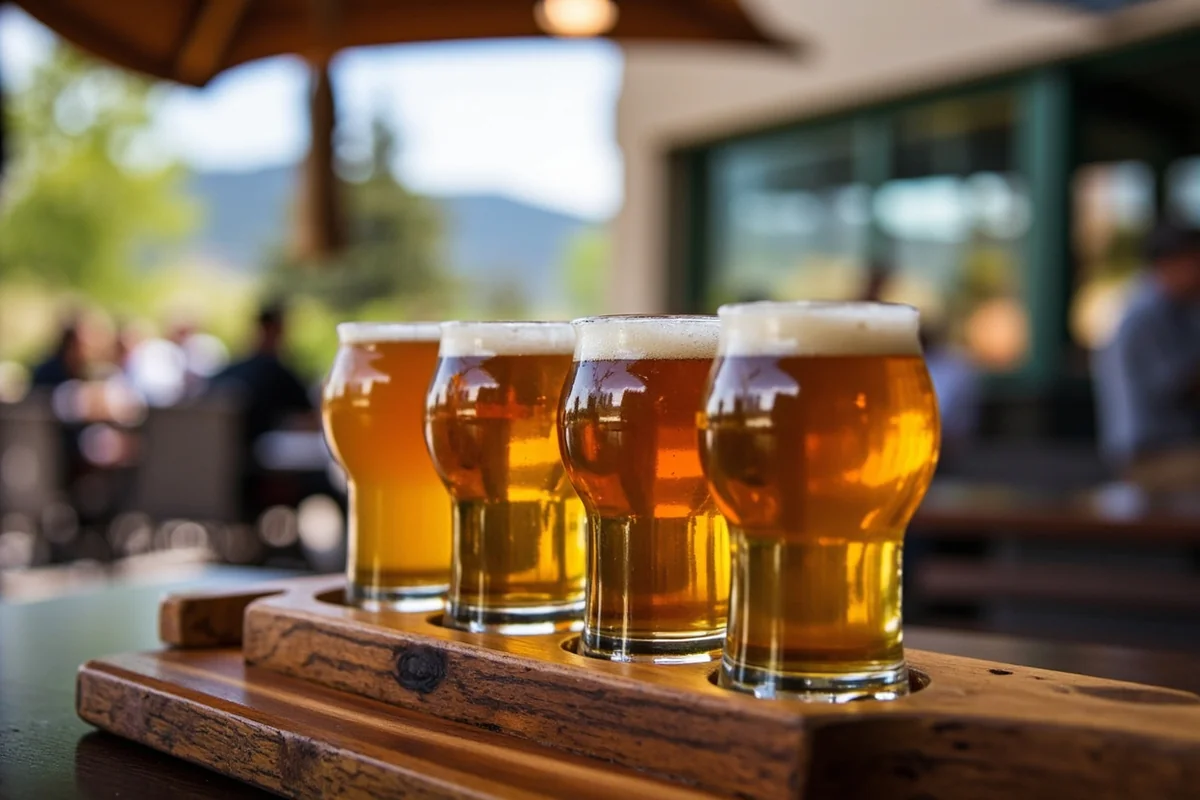
- Tamarack Brewing – Great beer, casual environment, diverse clientele
- Press Box Casino – Despite the name, a longtime LGBTQ-friendly watering hole
Bozeman Dining
Bozeman’s restaurant scene impresses visitors regularly:
- Plonk Wine – Wine bar with sophisticated atmosphere and inclusive clientele
- Nova Café – Beloved brunch spot known for welcoming everyone
- MAP Brewing – Popular brewery with outdoorsy, accepting crowd
The farm-to-table movement has helped establish Montana as a legitimate culinary destination, something that surprises visitors who expect only steak and potatoes.
Annual Events and Pride Celebrations
Pride celebrations happen across Montana, with varying sizes and atmospheres.
Missoula Pride
Missoula Pride in June stands as Montana’s largest celebration, drawing thousands of participants and featuring a parade through downtown, festival activities, and numerous associated events.
I attended two years ago and was genuinely impressed by the community turnout. Local businesses participate enthusiastically, families bring children, and the overall atmosphere feels celebratory rather than confrontational.
Other Pride Events
- Bozeman Pride – Growing annual celebration with strong university involvement
- Helena Pride – Smaller but meaningful gathering at the state capital
- Billings Pride – Eastern Montana’s main celebration
- Big Sky Pride – Resort-area celebration combining skiing/outdoor activities with community
These events provide excellent opportunities to connect with local LGBTQ communities and experience Montana’s welcoming side.
Education and Resources
Montana’s college towns offer the most LGBTQ resources and acceptance. The best colleges in Montana all maintain LGBTQ student organizations and support services.
The University of Montana in Missoula has particularly strong LGBTQ programming, including curriculum offerings, support services, and visible campus presence. Montana State University in Bozeman has made significant progress in recent years as well.
For families considering Montana, the best school districts in larger cities tend to have more developed anti-bullying policies and support resources, though this varies significantly by district.
Rural Montana: Honest Assessment
I can’t write honestly about LGBTQ experiences in Montana without addressing rural areas directly.
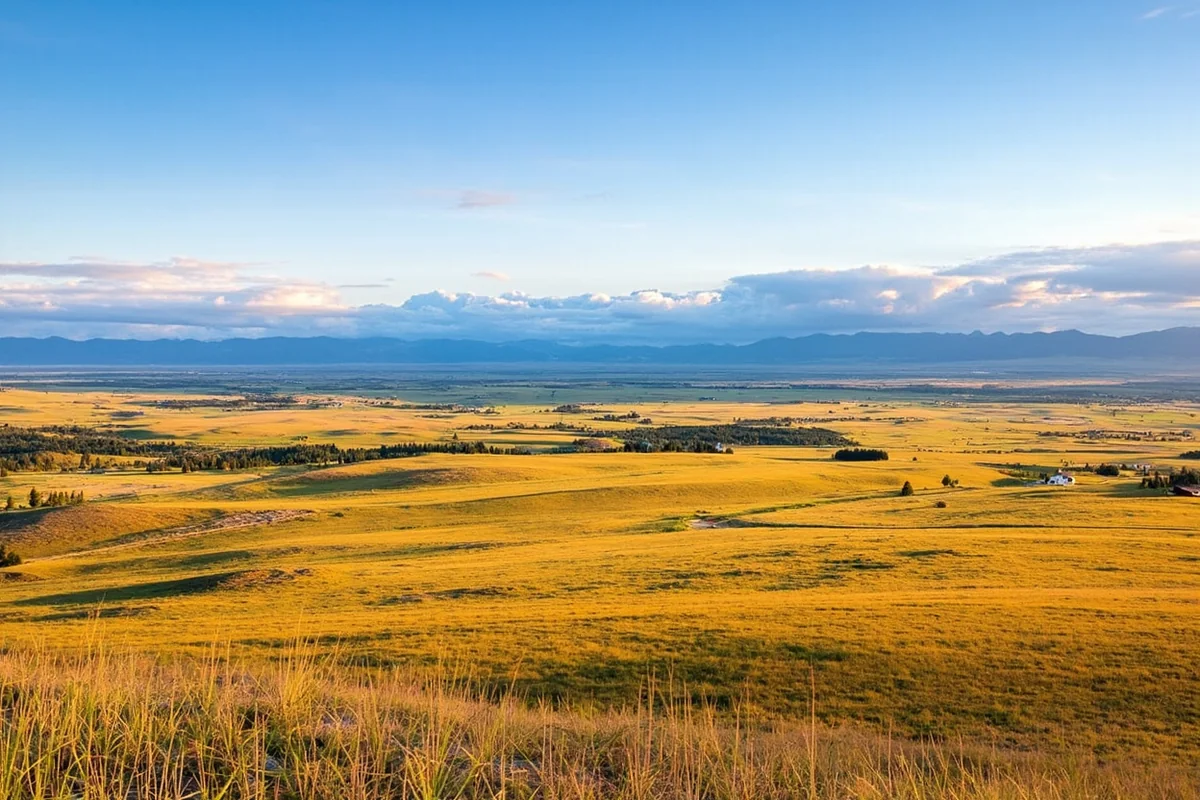
Much of Montana is profoundly rural. The state ranks among the least populated states in the country, and understanding why Montana is so unpopulated helps explain the dynamics.
In small towns where everyone knows everyone, being openly LGBTQ can be challenging. Some rural LGBTQ Montanans describe acceptance within their immediate community—where they’re known as individuals—while still feeling the need to be cautious in neighboring towns or with strangers.
The “good” news, if you can call it that, is that rural Montana’s culture of privacy cuts both ways. Many ranchers and small-town residents genuinely don’t care what you do in your personal life, as long as you respect local norms and don’t “make a big deal” about anything.
This isn’t full acceptance, and I won’t pretend it is. But it does mean that casual travelers passing through rural Montana rarely encounter outright hostility. The bigger challenges face those considering permanent residence in rural areas.
Safety Considerations
Montana’s overall crime rates remain relatively low, and the safest cities and towns in Montana include several that are also among the most LGBTQ-friendly.
Hate crimes based on sexual orientation or gender identity do occur in Montana, though statistics are limited by underreporting and inconsistent tracking. The cases that do get reported often make news precisely because they’re relatively rare.
Practical safety advice:
- Trust your instincts in unfamiliar settings
- Be aware that alcohol can amplify both positive and negative behaviors in any setting
- Know that help may be far away in rural areas—cell service is spotty
- Research specific destinations before visiting
- Connect with local LGBTQ organizations for current insights
The most dangerous cities in Montana don’t necessarily correlate with LGBTQ acceptance levels—crime in Montana tends toward property crimes and issues related to poverty rather than targeted bias.
Economic Factors to Consider
If you’re considering Montana as a permanent home, economic realities intersect with LGBTQ life in important ways.
The Montana cost of living varies dramatically by location. LGBTQ-friendly cities like Missoula and Bozeman have seen prices boom in recent years, making affordability a real concern.
The cheapest places to live in Montana often aren’t the most LGBTQ-friendly, creating a tension that many community members face.
For those seeking the best places to live in Montana as LGBTQ individuals, balancing acceptance with affordability requires careful research and often compromise.
Retirement and Aging
LGBTQ seniors face unique considerations anywhere, and Montana is no exception.
Montana retirement communities vary in their explicit LGBTQ-friendliness. Some actively welcome diverse residents, while others maintain more traditional atmospheres.
When exploring reasons for retiring in Montana, LGBTQ individuals should specifically research elder care options, hospital policies, and community resources for aging LGBTQ populations.
Helena and Missoula offer the strongest support networks for LGBTQ seniors, with organizations providing social activities and advocacy.
The Broader Montana Community
Montana’s diversity extends beyond LGBTQ communities. Understanding Montana’s African American community and other minority groups provides context for how the state handles diversity overall.
Even celebrities who’ve chosen Montana living have brought diverse perspectives to the state, slowly shifting perceptions.
The question of what Montana residents are called (Montanans, by the way) reflects a state identity that many residents take pride in—an identity that, for many, includes welcoming those who genuinely want to be part of Montana life.
Practical Tips for LGBTQ Visitors
Based on my extensive time in Montana, here’s what I recommend:
Before You Go
- Research specific destinations—don’t assume the whole state is the same
- Connect with local LGBTQ organizations for current insights
- Book accommodations that explicitly welcome LGBTQ guests when possible
- Know that Montana has no sales tax, making shopping slightly easier
- Check current legislation if you’re transgender, particularly regarding ID requirements
During Your Visit
- Lead with shared interests—outdoor recreation, appreciation for nature, interest in local culture
- Support LGBTQ-owned and LGBTQ-friendly businesses
- Attend Pride events if your timing allows
- Be aware that Montana grocery stores do sell liquor in case you need supplies for remote destinations
- Consider that Montana gets wildfires in summer—check conditions before outdoor adventures
If Considering a Move
- Visit multiple times in different seasons before committing
- Spend time in potential neighborhoods, not just tourist areas
- Connect with local LGBTQ groups for honest assessments
- Research employer policies carefully
- Consider homesteading in Montana if rural self-sufficiency appeals to you
- Avoid the worst places to live in Montana which may have additional challenges
My Honest Conclusion
Is Montana LGBTQ friendly? The honest answer is: it can be, in the right places, with the right expectations.
Montana won’t offer the same experience as coastal progressive cities. But it offers something else—stunning natural beauty, genuine community connections, outdoor adventures beyond compare, and for many LGBTQ individuals, a surprisingly welcoming home.
The state is changing. Younger generations tend toward acceptance regardless of geography. Tourism brings diversity that becomes normalized over time. Remote workers from more progressive areas bring different perspectives.
I’ve met happy, thriving LGBTQ individuals and couples throughout Montana—people who’ve found their place here and wouldn’t trade it for anywhere else. I’ve also met people who tried Montana and decided it wasn’t for them.
The key is approaching Montana with clear eyes, doing your research, and understanding that experiences will vary. For travelers seeking adventure in America’s most spectacular landscapes, Montana offers experiences that transcend any single aspect of identity. For those considering permanent moves, the state offers genuine possibilities alongside real challenges worth weighing carefully.
Montana captured my heart precisely because it defies easy categorization. It’s a state of contradictions—wild and settled, conservative and accepting, challenging and rewarding. For LGBTQ travelers and potential residents willing to engage with those contradictions, Big Sky Country might just surprise you.
There are countless reasons Montana will capture your heart, and for many LGBTQ visitors, the combination of natural wonder and unexpected welcome creates memories that last a lifetime.
Consider the challenges honestly. Plan appropriately. But don’t let assumptions prevent you from experiencing one of America’s most magnificent places. Montana is complicated—and for many of us, that complexity is part of what makes it special.
Frequently Asked Questions
Is Montana safe for LGBTQ travelers to visit?
Yes, Montana is generally safe for LGBTQ travelers, especially in larger cities like Missoula, Bozeman, and Helena where you’ll find welcoming communities and LGBTQ-owned businesses. I’d recommend researching specific towns before visiting rural areas, as attitudes can vary. Most tourist destinations, national parks, and ski resorts are accustomed to diverse visitors and maintain inclusive environments.
What are the most LGBTQ-friendly cities in Montana?
Missoula consistently ranks as Montana’s most LGBTQ-friendly city, home to the Western Montana LGBTQ+ Community Center and an annual Pride celebration. Bozeman follows closely with its progressive college-town atmosphere and growing queer community. Helena and Billings also have active LGBTQ organizations and welcoming downtown scenes worth exploring.
Does Montana have legal protections for LGBTQ visitors?
Montana lacks statewide nondiscrimination protections for LGBTQ individuals, though several cities including Missoula, Bozeman, Helena, and Butte have passed local ordinances prohibiting discrimination in housing and public accommodations. Same-sex marriage is legal throughout the state. I recommend staying in cities with local protections if this is a concern for your trip.
When is the best time to visit Montana for LGBTQ Pride events?
Montana Pride events typically run from June through August, with Missoula Pride usually held in mid-June and Big Sky Pride in August offering a unique mountain celebration. Summer months between June and September provide the best weather for outdoor activities alongside Pride festivities. Planning your trip around these events means you’ll connect with local LGBTQ communities while enjoying Montana’s stunning landscapes.
Are there LGBTQ-friendly bars and nightlife options in Montana?
Montana’s LGBTQ nightlife scene is modest but welcoming, concentrated mainly in Missoula and Bozeman where you’ll find gay-friendly bars and inclusive venues. The Badlander in Missoula and various downtown Bozeman spots regularly host LGBTQ events and drag shows. Don’t expect big-city club scenes—Montana’s queer community tends to gather at inclusive breweries, coffee shops, and community events instead.
What should LGBTQ couples know about booking accommodations in Montana?
Most hotels, vacation rentals, and lodges in Montana’s tourist areas welcome LGBTQ couples without issue, particularly near Glacier and Yellowstone National Parks. I suggest booking through platforms that indicate LGBTQ-friendly properties or reading recent reviews from other queer travelers. Expect to pay $150-$300 per night for quality accommodations in peak summer season, with better rates in shoulder seasons.
Are Montana’s national parks welcoming to LGBTQ visitors?
Glacier and Yellowstone National Parks are absolutely welcoming to LGBTQ visitors, operating under federal non-discrimination policies that protect all guests. Park staff are trained in inclusive hospitality, and you’ll encounter diverse visitors from around the world on popular trails. I’ve found the outdoor recreation community in Montana to be focused on shared love of nature rather than personal differences.
Sources