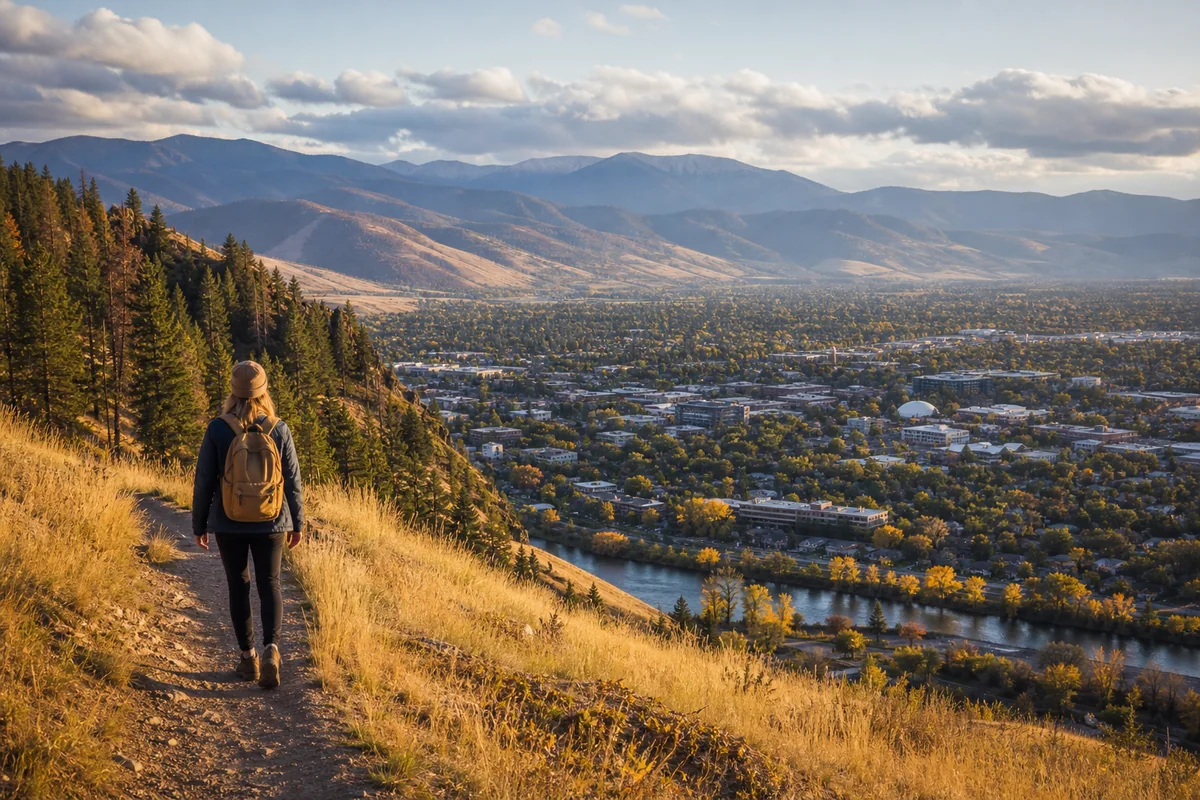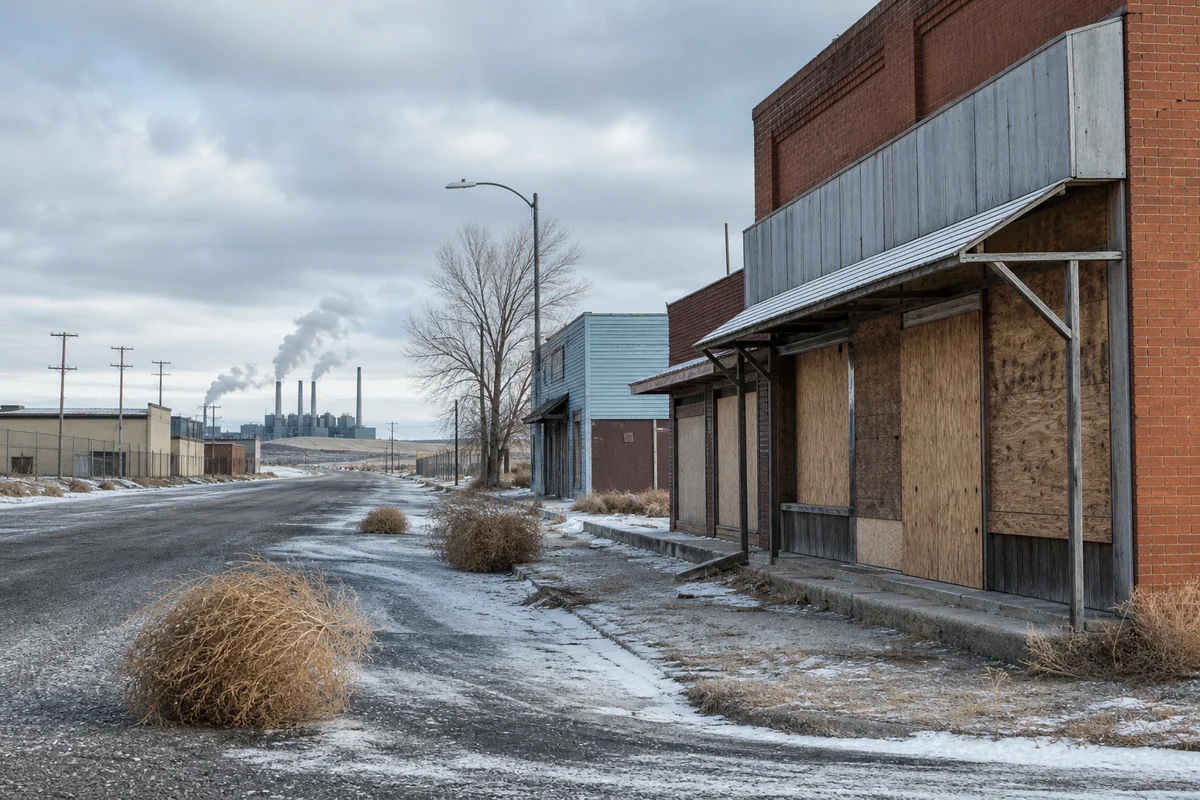
- Economic instability plagues several Montana towns, particularly former mining and coal communities
- Extreme isolation in some areas means 100+ mile drives for basic services
- Crime rates in certain cities exceed national averages significantly
- Harsh winters combined with poor infrastructure create dangerous conditions in specific locations
- Limited healthcare access is a serious concern in numerous rural communities
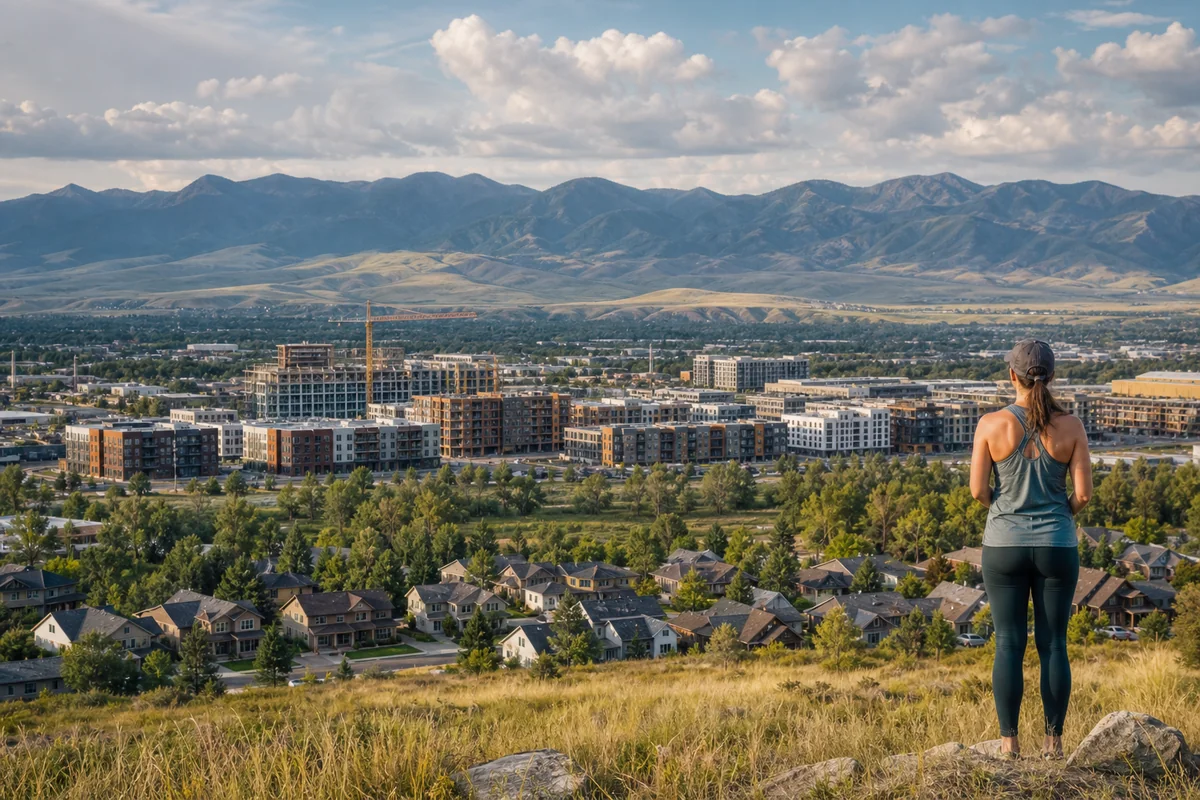
- Housing costs in some areas don’t match available amenities or job opportunities
Liked this article?
Add Roaming Montana as a preferred source so you see more of our articles and guides on Google.
Why I’m Writing This Honest Assessment
After spending the better part of a decade traveling throughout Montana—first as a curious visitor, then as someone who seriously considered relocating—I’ve developed a nuanced view of this state that tourism brochures simply don’t capture. I’ve interviewed residents, spent nights in towns most travelers bypass entirely, and watched communities transform (sometimes not for the better) over the years. This isn’t about bashing Montana—I genuinely love this state. But I believe you deserve honest information before making a major life decision. When you read about the reasons to move to Montana, you’re getting half the story. Let me give you the other half.How I Evaluated These Locations
Before diving in, let me explain my methodology. I assessed each location based on factors that genuinely impact daily life:- Economic stability and job opportunities
- Crime rates and safety statistics
- Access to healthcare and emergency services
- Educational options (which matters if you’re considering the best school districts)
- Infrastructure quality and maintenance
- Cost of living relative to local wages
- Community vitality and services
- Climate extremes and natural disaster risks
Colstrip: A Company Town in Decline
During my most recent visit to Colstrip in late 2023, the sense of uncertainty was palpable. This southeastern Montana town was built around the Colstrip Power Plant, and as coal’s future grows increasingly uncertain, so does this community’s.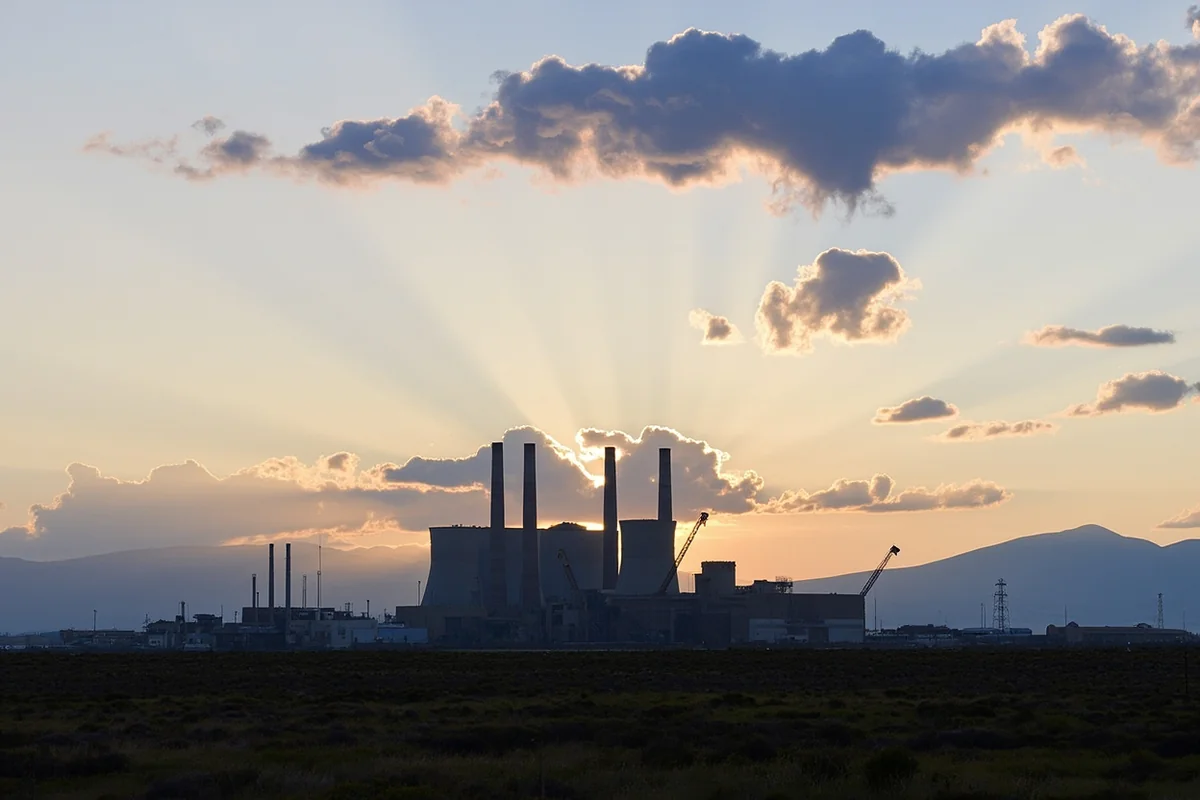
The Economic Reality
The town’s population has declined steadily from its peak. Houses that once sold for reasonable prices now sit on the market for months, sometimes years. During my drive through residential areas, I counted numerous “For Sale” signs on well-maintained homes that simply can’t find buyers. The Montana cost of living here might seem attractive on paper, but the lack of economic diversity makes it a risky proposition. When I researched job listings, nearly everything related back to the power plant or its support services.What You’d Face Living Here
| Factor | Reality in Colstrip |
|---|---|
| Nearest Major City | Billings (115 miles) |
| Healthcare | Basic clinic only; serious care requires travel |
| Employment | Heavily dependent on single industry |
| Schools | Declining enrollment affecting programs |
| Shopping | Very limited; major shopping in Billings |
Butte: The Complicated Legacy of Mining’s Past
I have a complicated relationship with Butte. On one hand, its history fascinates me, and the people I’ve met there possess a resilience I genuinely admire. On the other hand, I can’t recommend it as a place to settle for most newcomers. Last summer, I spent a week in Butte specifically to reassess my previous impressions. While the historic uptown area has charm, the broader picture remains concerning.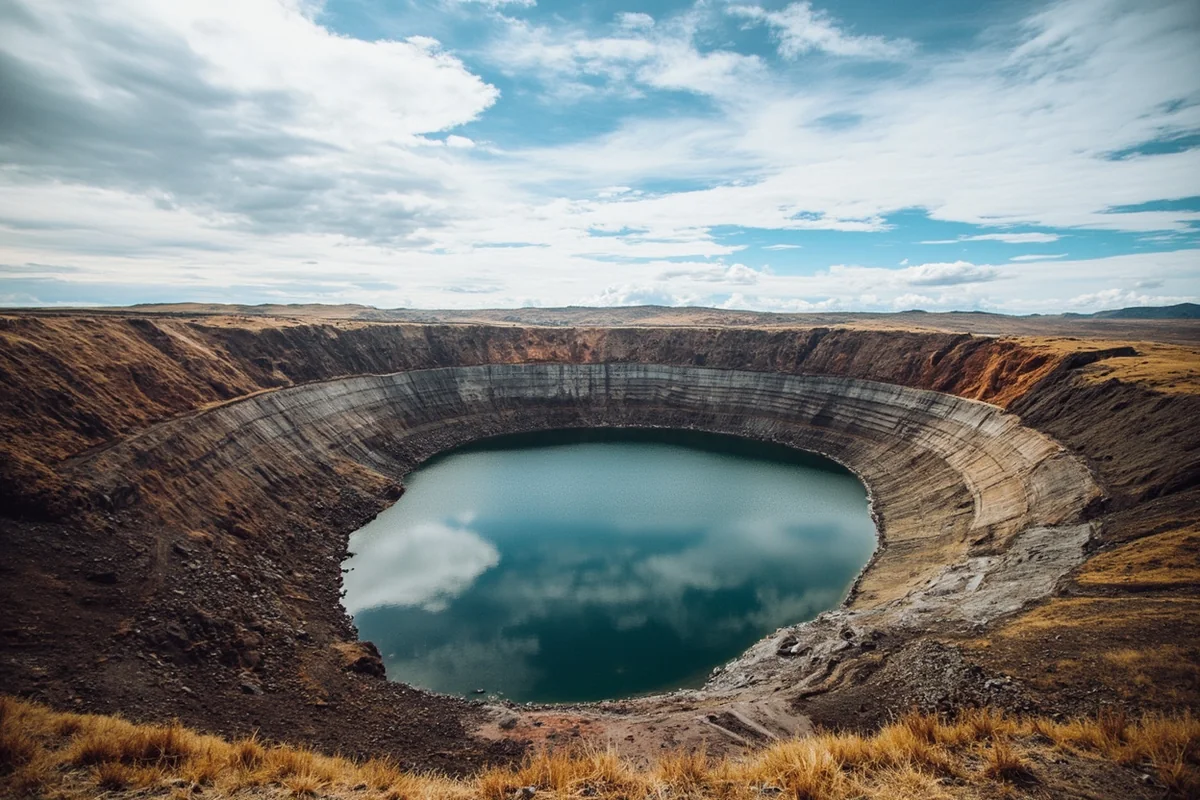
The Environmental Elephant in the Room
The Berkeley Pit isn’t just a tourist attraction—it’s an active Superfund site containing billions of gallons of toxic water. When I stood at the viewing platform, watching the eerie copper-tinted water below, I couldn’t help but think about the air quality concerns that persist throughout the city. Residents I spoke with mentioned ongoing health worries. “We joke about it, but everyone knows someone with respiratory issues,” a bartender downtown told me. The environmental cleanup has been ongoing for decades and will continue for decades more.Economic Challenges Persist
Despite efforts at diversification, Butte’s economy hasn’t fully recovered from the mining bust. Walking through neighborhoods outside the historic district, I saw significant poverty—something that doesn’t appear in glossy Montana tourism materials. The crime rates here are notably higher than state averages, which is something to seriously consider. If you’re researching Montana’s most dangerous cities, Butte consistently appears on those lists.The Upside (Yes, There Is One)
I’d be dishonest if I didn’t mention that some people thrive in Butte. The cost of living is relatively low, the Montana Tech university provides some economic anchor, and the community spirit is undeniable. But these positives come with significant tradeoffs that most newcomers find challenging.Havre: Isolation and Harsh Realities
When I drove into Havre on a frigid February morning last year, the thermometer in my car read -22°F. That alone tells you something important about this Hi-Line community. Havre sits along the northern tier of Montana, exposed to brutal weather patterns that sweep down from Canada with nothing to stop them. During my three-day visit, I experienced windchills that made stepping outside genuinely dangerous.The Isolation Factor
Havre is roughly 270 miles from Billings and about 110 miles from Great Falls. When residents need specialized medical care, major shopping, or simply want to catch a flight, they’re looking at significant travel. I met a young mother at a coffee shop who described driving three hours to Great Falls for her daughter’s orthodontist appointments. “You just get used to it,” she said with a shrug that suggested exhaustion rather than acceptance.Economic Limitations
The job market here centers around agriculture, the railroad, and Montana State University-Northern. If you’re not in one of these sectors, opportunities are scarce. During my visit, I noticed several closed businesses on the main street that had been open during my previous trip two years earlier. If you’re wondering about Montana’s population trends, Havre represents the challenging reality facing many northern Montana communities—an aging population and young people leaving for opportunities elsewhere.Billings: Not as Bad, But Not for Everyone
I know this will be controversial, but I need to include Montana’s largest city on this list—with caveats. Billings isn’t inherently a bad place, but it frequently disappoints people who move to Montana expecting picture-perfect mountain scenery and small-town charm. During my numerous visits, I’ve watched people’s faces fall when they realize Billings looks more like a typical Western plains city than a mountain paradise.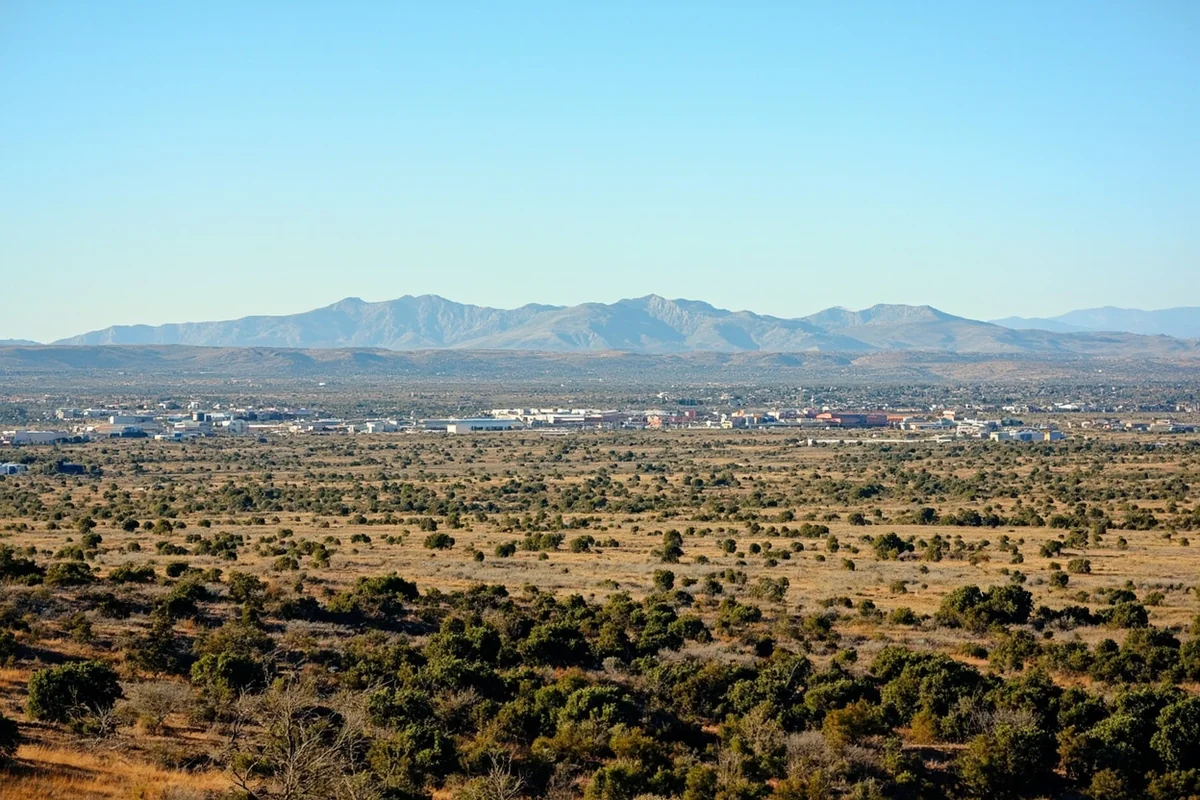
The Crime Situation
Property crime in Billings has been a consistent concern. During my most recent stay last October, I spoke with a police officer at a community event who acknowledged the challenges openly. “We’re dealing with methamphetamine issues that drive a lot of our property crimes,” he explained. Car break-ins are common enough that locals I talked to mentioned always removing valuables as standard practice. This wasn’t what I expected from Montana’s largest city, and it likely isn’t what you’re expecting either.The Cost-to-Benefit Ratio
Understanding why Montana is so expensive is crucial when evaluating Billings. Housing prices have risen significantly, but wages haven’t kept pace. Several healthcare workers I interviewed mentioned this disconnect specifically. “I moved here from Denver expecting lower costs,” one nurse told me. “But between the housing prices and the fact that there’s just less to do, I’m not sure I saved anything. And I definitely gave up a lot of amenities.”What Billings Does Have
To be fair, Billings offers the most comprehensive healthcare in the region, decent shopping, and a growing arts scene. The Rimrocks provide beautiful scenery, and you’re reasonably positioned for day trips to various Montana attractions. But if you’re dreaming of Montana and imagining snow-capped peaks outside your window, Billings will disappoint you. I’ve seen this happen to relocating families more than once.Wolf Point: Struggling on the Fort Peck Reservation
Writing about Wolf Point requires sensitivity because the challenges here reflect broader systemic issues affecting Native American communities nationwide. But I owe you honest information if you’re considering living here. When I visited Wolf Point during a summer road trip along Highway 2, the economic hardship was immediately visible. Unemployment on the Fort Peck Reservation significantly exceeds state and national averages.Service Access Challenges
Healthcare facilities are limited, and the nearest comprehensive medical center is hours away. During conversations with residents, I heard repeated frustrations about the difficulty of accessing services that urban Montanans take for granted. The educational challenges are also significant. While dedicated teachers work hard here, the schools face resource limitations that impact student outcomes.The Community Perspective
I want to be clear: Wolf Point has a rich cultural heritage and tight-knit community bonds. The people I met showed tremendous resilience and pride in their heritage. The issues facing this community stem from historical injustices and policy failures, not from any deficiency in its residents. But for someone considering relocation, the practical challenges are substantial. This is a community working hard to improve its circumstances, but it’s not currently positioned to offer the stability most newcomers seek.East Helena: Industrial Legacy Concerns
Driving through East Helena, you’d never guess from the quiet streets that this small community sits on an EPA Superfund site. But it does, and that history matters. The former ASARCO lead smelter operated here for nearly a century, leaving behind contamination that has required extensive cleanup efforts. During my visit last spring, I noticed warning signs near certain areas and spoke with residents about their experiences.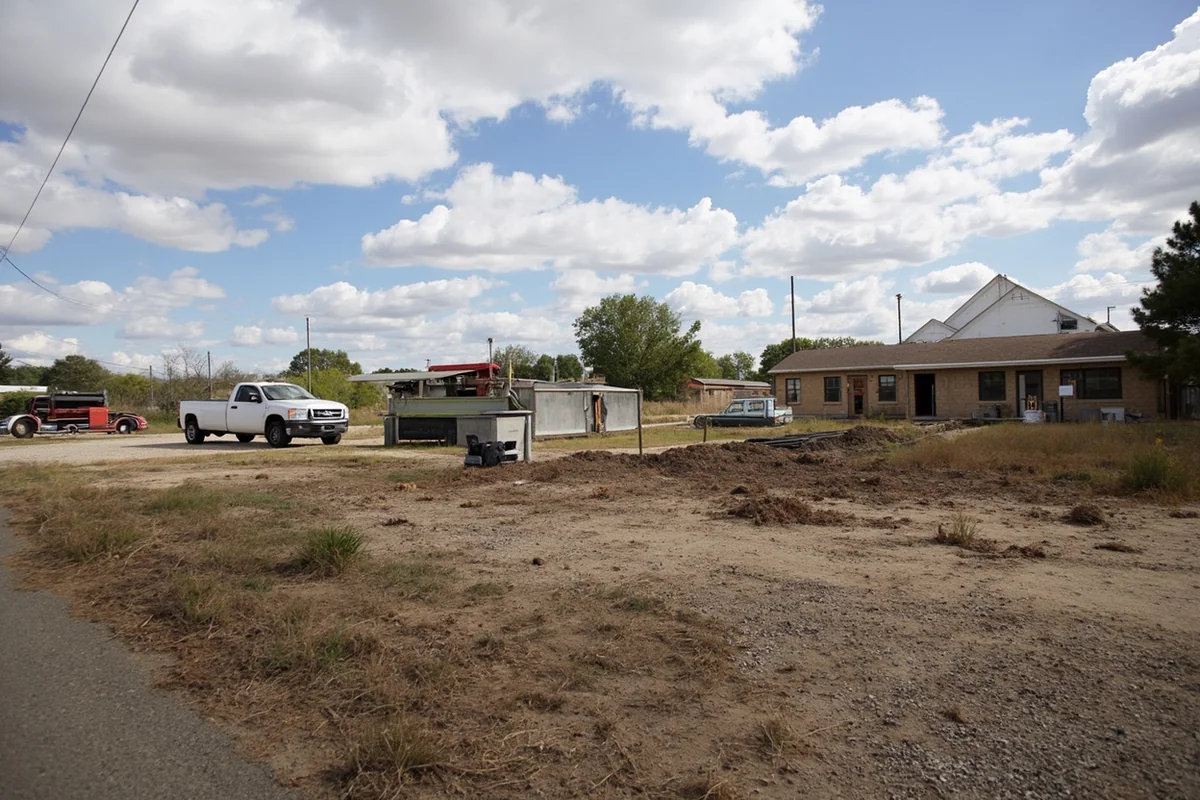
The Ongoing Cleanup
While significant progress has been made—and some residents assured me they feel safe—the contamination history raises legitimate concerns about soil and groundwater quality. Home gardens require soil testing, and certain areas remain restricted. “It’s better than it was,” one longtime resident told me. “But you don’t entirely forget that your kids are playing on land that used to be poisoned.”Economic Opportunities
With the smelter gone, East Helena lacks the economic engine that once sustained it. Proximity to Helena provides some job opportunities, but this is primarily a bedroom community without much independent economic identity. If you’re researching cheapest places to live in Montana, East Helena might appear on lists. But the lower housing costs reflect the community’s challenges, and that’s worth understanding.Libby: A Tragedy’s Long Shadow
The story of Libby remains one of the most devastating industrial health disasters in American history. The vermiculite mine operated by W.R. Grace contaminated this beautiful northwestern Montana town with asbestos for decades. When I visited Libby three years ago, I expected to find a community still reeling. What I found was more complex—resilience mixed with ongoing grief and health challenges.The Health Legacy
Hundreds of Libby residents have died from asbestos-related diseases, and many more continue to suffer. During my visit, I attended a community health meeting where residents discussed ongoing medical concerns and cleanup progress. The EPA cleanup has been extensive, but the psychological and physical scars remain. Every local I spoke with knew someone personally affected by the contamination.Should You Consider Libby?
Here’s where I’ll offer a nuanced view: Libby today is actually quite beautiful, the cleanup has made tremendous progress, and the community has worked hard to rebuild. The cabinet mountains nearby are stunning, and the kootenai river offers excellent recreation. But the town’s economy never fully recovered, healthcare specialists for asbestos-related diseases are constantly needed, and the aging population suggests limited vitality going forward. Understanding Montana natural disasters and environmental risks should include this human-caused disaster.Glasgow: Remote and Declining
Glasgow sits in northeastern Montana, surrounded by vast plains and very little else. When I spent a few days here during a cross-state drive, I was struck by both the stark beauty and the stark isolation.Population Decline
The town has been losing population for decades. The closure of Glasgow Air Force Base in 1976 began an economic decline that has never reversed. Today, I found a community that felt significantly smaller than its official population would suggest. Walking main street on a weekday afternoon, I counted more empty storefronts than occupied ones. The sense of a community slowly fading was impossible to ignore.What Remains
Glasgow does have some services—a hospital, schools, basic shopping. But the nearest city of any size is hours away, and winters here are brutal. If you’re curious about Montana places with most snow, the Hi-Line communities also deal with extreme cold and wind that can make winter travel dangerous. For retirees seeking isolation, Glasgow might hold appeal. But for families or working-age adults, the limitations are significant.Browning: Gateway to Glacier with Serious Challenges
Browning sits at the eastern entrance to Glacier National Park on the Blackfeet Reservation. The setting is stunning—I’ve watched sunrises here that took my breath away. But the community faces substantial challenges.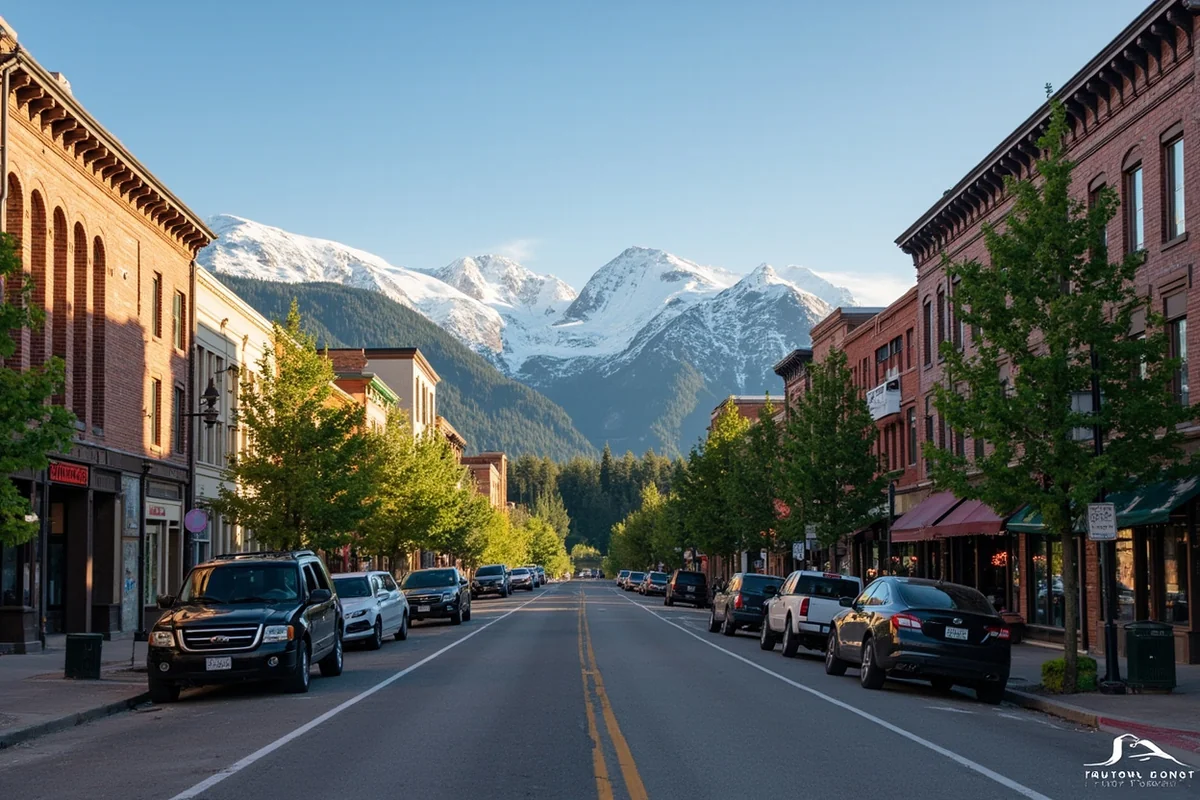
Economic Reality
Despite proximity to one of America’s most beloved national parks, Browning hasn’t captured much tourism economic benefit. Unemployment on the Blackfeet Reservation remains high, and poverty is visible throughout the community. During multiple visits over the years, I’ve noticed limited services, struggling businesses, and infrastructure that needs significant investment.Crime and Safety
Crime rates in Browning exceed state averages considerably. The Missing and Murdered Indigenous Women crisis has touched this community deeply. These aren’t abstract statistics—they represent real suffering that affects daily life here.The Cultural Wealth
I want to emphasize that Browning is home to a vibrant Blackfeet culture, and the Museum of the Plains Indian houses important collections. The community’s challenges stem from historical injustices and underfunding, not from any lack of human value. But for someone considering relocation, the practical challenges are substantial and shouldn’t be minimized.Anaconda: Another Mining Town Struggling to Reinvent
Like Butte, Anaconda carries the environmental and economic legacy of Montana’s copper mining era. The smelter stack that dominates the skyline serves as a constant reminder of what was—and what was lost. When I toured the town during a fall visit, I found a community in transition. Some revitalization efforts are underway, but the overall trajectory remains uncertain.Superfund Status
Anaconda is home to one of the largest Superfund sites in the nation. The contamination from a century of copper smelting required extensive remediation, and some cleanup work continues today. The famous Jack Nicklaus-designed golf course was actually built as part of the remediation—using the contaminated land for recreational purposes while capping the toxic materials below. It’s an innovative solution, but it speaks to the scale of the environmental challenges.Economic Outlook
Job opportunities in Anaconda are limited. Proximity to Butte provides some employment options, but neither community offers the robust job market most families need. Housing costs are low relative to Montana overall, but as I’ve noted with other communities, this reflects limited demand rather than hidden opportunity.Red Lodge: Beautiful But Increasingly Unaffordable
This might surprise some readers, but I’m including Red Lodge because of a different set of challenges: it’s becoming too expensive for middle-class residents while simultaneously offering limited employment. I love Red Lodge—the downtown is charming, the mountains are spectacular, and the community has real character. But during my visits over the past several years, I’ve watched it transform in ways that concern me.The Affordability Crisis
Housing prices in Red Lodge have skyrocketed. During conversations with service industry workers, I heard repeated stories of commuting from Billings (60 miles away) because they couldn’t afford to live in the town where they worked. “I make lattes for tourists who complain about Billings being too far,” one barista told me with obvious frustration. “Meanwhile, I drive that distance twice a day because I can’t afford rent here.”The Economic Paradox
Red Lodge’s economy centers on tourism and second-home owners. This creates jobs, but they’re predominantly low-wage service positions. The disconnect between cost of living and available wages is stark. If you’re reading about why Montana prices are booming, Red Lodge exemplifies the pressure that tourism and remote workers are placing on working-class Montana communities.What These Communities Have in Common
After examining these locations, several patterns emerge:Economic Vulnerability
Most of these communities depend on single industries—mining, coal, agriculture—or lack economic diversity entirely. When that primary industry struggles, everything else follows.Isolation Creates Compound Challenges
Distance from services creates cascading problems. Limited healthcare access becomes more serious when winters are harsh. Poor job markets become worse when opportunities elsewhere require relocating entirely.Environmental Legacies Matter
Montana’s extractive industry history left contamination that continues affecting communities decades later. These aren’t just historical footnotes—they impact property values, health outcomes, and community psychology.Population Decline Becomes Self-Reinforcing
As young people leave, services decline. As services decline, more people leave. Breaking this cycle requires intervention that many of these communities simply can’t generate internally.Questions to Ask Before Choosing Any Montana Location
Based on everything I’ve learned, here are the questions I’d encourage you to investigate before committing to any Montana community:- What are the three largest employers, and how stable are they?
- Where is the nearest hospital with emergency surgery capability?
- What do winter driving conditions look like on your commute?
- How far would your children need to travel for extracurricular activities?
- What’s the trajectory—is population growing or declining?
- Are there Superfund sites or environmental concerns nearby?
- What do local wages actually support given housing costs?
The Montana Dream vs. Montana Reality
I’ve spoken with dozens of people who moved to Montana with romantic visions and found harsh realities. The reasons to love Big Sky Country are real, but they don’t apply equally to every location. Montana contains tremendous diversity—vibrant communities and struggling ones, economic opportunity and economic despair, stunning natural beauty and environmental contamination. Recognizing this complexity is essential for making informed decisions.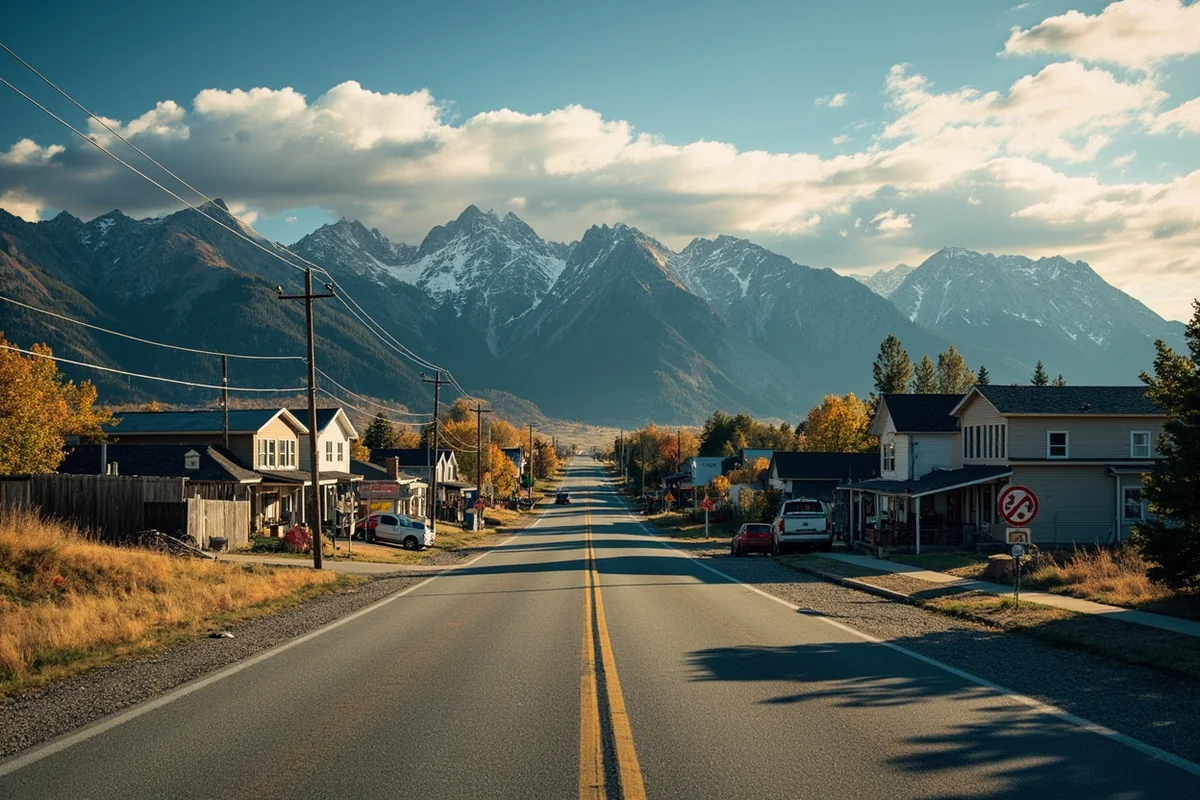
Who Might Thrive in Challenging Locations
After sharing all these concerns, let me acknowledge that some people genuinely flourish in communities others would avoid:- Retirees on fixed incomes who don’t need employment
- Remote workers with stable income and tolerance for isolation
- People with deep family or cultural connections to specific places
- Adventurers who see challenge as opportunity
- Those committed to community revitalization efforts
Alternative Approaches
If the communities I’ve discussed concern you, consider these strategies:Research Before Visiting
Before any property viewings, study community statistics, visit local news sites, and examine population trends. Many challenges become obvious with even modest research.Visit During Winter
Any Montana location looks appealing in July. Visit during January or February to understand what you’d actually face. I’ve seen this strategy save people from serious mistakes.Talk to Service Workers
Bartenders, waitresses, and retail employees will give you honest assessments that real estate agents won’t. During my travels, some of my most valuable insights came from these conversations.Consider Transition Periods
Rent before buying. Spend a full year experiencing all seasons before committing to property. This is especially important in communities where housing might be difficult to sell later.The Broader Context
Montana’s challenges aren’t unique. Rural communities nationwide face similar pressures—economic restructuring, population decline, environmental legacies, opioid crises, and aging infrastructure. Understanding why Montana is so unpopulated provides context for these community struggles. The same factors that create stunning open spaces also create challenges for maintaining viable communities. Similarly, if you’ve wondered about the Montana African American community or whether Montana is LGBTQ friendly, these questions intersect with the community dynamics I’ve described. Some struggling communities are more welcoming than others, and some vibrant communities have unfortunate social dynamics.My Final Thoughts
Writing this piece was difficult because I genuinely love Montana. I don’t enjoy highlighting communities in distress or discouraging people from pursuing their Montana dreams. But after years of watching people relocate with unrealistic expectations, I believe honest information serves everyone better than cheerful tourism messaging. The families who move to struggling communities expecting prosperity deserve to know what they’re facing. The communities themselves deserve acknowledgment of their challenges rather than being ignored entirely. If you’re considering Montana, I encourage you to explore the Montana safest cities and towns and learn about Montana’s fastest growing cities for a more complete picture. Understand the population realities and don’t overlook whether Montana might feel boring to you. For those curious about practical matters, resources explaining Montana’s sales tax situation, grocery store liquor sales, Montana recycling, and even Montana sports teams can help you understand daily life here. Montana can absolutely deliver on its promise—but only if you choose wisely. And choosing wisely requires knowing which places to avoid.Frequently Asked Questions
What makes certain Montana towns difficult places to live compared to visiting as a tourist?
As a visitor, you’ll experience Montana’s charm without dealing with the harsh realities residents face—limited job markets, extreme winters with temperatures dropping to -30°F, and towns where the nearest hospital or grocery store is 50+ miles away. What feels like rugged adventure for a week becomes isolation when you’re snowed in for months with few amenities.
Should I avoid traveling to Montana’s struggling towns or are they still worth visiting?
Many of Montana’s toughest places to live actually make fascinating day trips—towns like Butte offer incredible mining history, and smaller communities have authentic Western character you won’t find in tourist hubs. I’d recommend visiting these areas but staying in larger towns like Missoula, Bozeman, or Helena where you’ll have reliable services, restaurants, and accommodations within reach.
What’s the best time to visit Montana if I want to avoid the harsh conditions residents complain about?
Visit between mid-June and early September to experience Montana at its most accessible, with daytime temperatures between 70-85°F and minimal weather disruptions. The brutal winters that make places like Havre or Cut Bank difficult to live in simply won’t affect your summer road trip, though you’ll still want to pack layers for cool mountain evenings.
How much should I budget for a Montana trip if I’m passing through economically depressed areas?
Budget around $100-150 per day for mid-range travel, though you’ll find cheaper gas and lodging in struggling towns compared to tourist hotspots like Whitefish or Big Sky. A motel in towns like Lewistown or Miles City might run $60-80 per night versus $200+ in resort areas, making these off-the-beaten-path stops surprisingly budget-friendly for travelers.
What essential items should I pack when driving through remote Montana towns with limited services?
Always carry extra water, non-perishable snacks, a full tank of gas, a paper map, and emergency supplies since cell service disappears for long stretches and gas stations can be 80-100 miles apart in eastern Montana. I also recommend a spare tire, jumper cables, and warm clothing regardless of season—mountain weather changes fast and tow trucks take hours to reach remote areas.
Are Montana’s high-crime towns safe for tourists passing through?
Towns with higher crime rates like certain areas of Billings or Great Falls are generally safe for tourists sticking to main attractions, hotels, and daytime activities. Use common sense—lock your car, don’t leave valuables visible, and stay aware of your surroundings just as you would in any mid-sized American city.
How far apart are Montana’s major towns and what does that mean for trip planning?
Montana is deceptively massive—driving from Missoula to Billings takes about 5 hours covering 350 miles, and many small towns in between have zero amenities. I always plan fuel stops carefully, download offline maps, and never assume the next town will have what I need since some communities marked on maps are essentially ghost towns with no open businesses.
Sources
- https://ucr.fbi.gov/crime-in-the-u.s/2019/crime-in-the-u.s.-2019/tables/table-8/table-8-state-cuts/montana.xls
- https://ucr.fbi.gov/crime-in-the-u.s/2018/crime-in-the-u.s.-2018/tables/table-8/table-8-state-cuts/montana.xls
- https://www.bls.gov/regions/mountain-plains/mt_missoula_msa.htm
- https://www.census.gov/quickfacts/fact/table/milescitycitymontana/INC110219
- https://www.census.gov/quickfacts/fact/table/whitefishcitymontana/INC110219