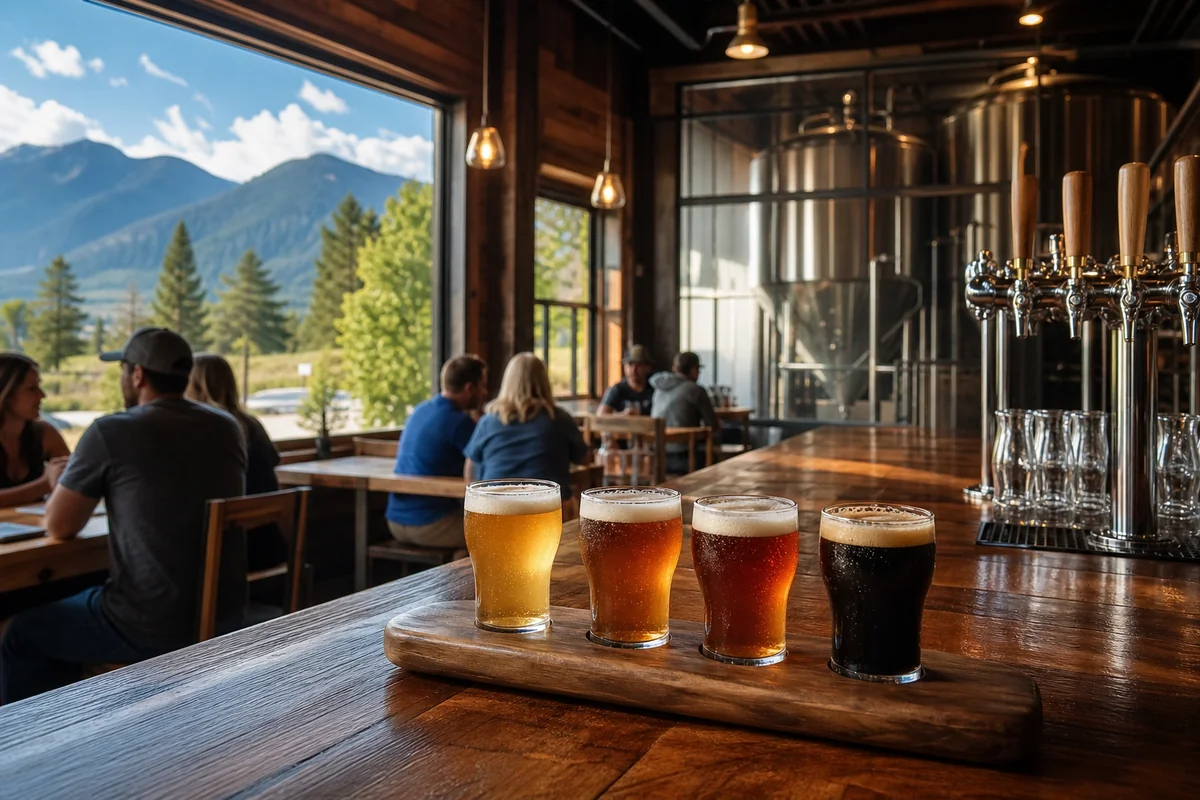
I’ll never forget standing at the bar in a Missoula taproom last summer, ordering my third pint, and watching the bartender glance at the clock with a slightly apologetic look. “We have to stop serving at 8 PM,” she said.
I remember thinking — wait, what? This wasn’t last call at midnight. It was a sunny July evening, and I was being cut off before the sun even thought about setting.
That moment taught me something every craft beer lover planning a Montana trip needs to understand: Montana laws around breweries are unlike anything you’ve encountered in other states, and if you don’t know the rules before you go, you’re going to have some confusing — and potentially disappointing — evenings.
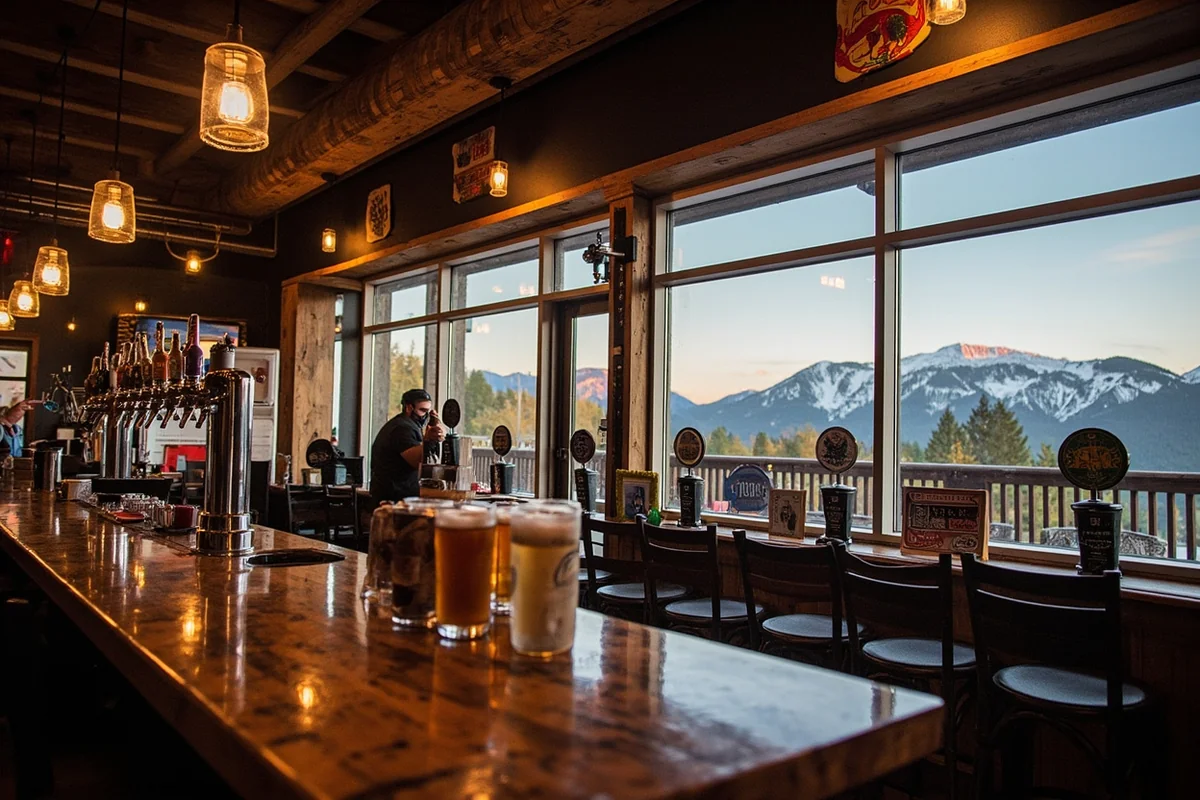
- Montana taprooms can serve up to 48 oz of beer per person per day on-site (that’s four 12-oz pours).
- Taproom hours are limited — most close by 8 PM, though recent legislative changes have loosened some restrictions.
- Breweries can sell up to 48 oz to-go per customer per day directly from the brewery.
- Montana has over 80 craft breweries statewide, making it one of the highest per-capita brewery states in the US.
- The 2023 legislative session brought significant changes, including allowing some food service and expanded hours for qualifying breweries.
- Growler fills, distribution, and taproom operations all have specific rules that differ from most other states.
Why Montana Brewery Laws Are So Different
Montana’s relationship with alcohol has always been a bit complicated. The state has a long history of mining towns, saloon culture, and fiercely independent attitudes toward personal freedom. But it also has powerful wholesale distributor lobbies that have shaped alcohol legislation for decades.
The result? A patchwork of rules that can feel contradictory. Montana is simultaneously one of the most brewery-friendly states in America (it consistently ranks in the top five for breweries per capita) and one of the most restrictive when it comes to what those breweries can actually do on their premises.
If you’ve traveled to states like Colorado, Oregon, or California where breweries operate essentially like bars, Montana’s system will feel like stepping into an alternate universe. Understanding why requires a quick look at the state’s three-tier system and the political battles that have shaped it.
The Three-Tier System and What It Means for Visitors
Like most US states, Montana operates on a three-tier system: producers (breweries), distributors (wholesalers), and retailers (bars, restaurants, liquor stores). The idea is to keep these three tiers separate so no single entity controls the entire chain from grain to glass.
In practice, this means Montana breweries face strict limits on how much beer they can sell directly to consumers. The state has historically wanted to push sales through distributors and licensed retailers, which means taproom operations — the very thing most beer tourists want to experience — have been heavily regulated.
During my visits over the past several years, I’ve watched this system evolve in real time. Each legislative session brings new bills, new compromises, and new rules. The 2023 session was particularly significant, and I’ll get into those changes below.
Current Taproom Rules: What You Can Actually Order
Here’s the most important thing you need to know as a visitor: Montana places a daily on-premise consumption limit at brewery taprooms.
As of the most recent legislative updates, a brewery taproom can serve each individual customer up to **48 ounces of beer per day**. That’s the equivalent of four standard 12-ounce pints. If you’re ordering 16-ounce pours, that’s three glasses. If you prefer flight-sized tasters, you can stretch it further, but the total volume remains the same.
I know what you’re thinking — how do they enforce this? Honestly, in my experience, enforcement varies. Some taprooms track it loosely on an honor system. Others use tick marks on receipts. At a few places in Helena and Bozeman, I’ve seen bartenders keep a casual tally. But nobody’s standing over you with a measuring cup.
Practical Tip: How to Maximize Your Taproom Experience
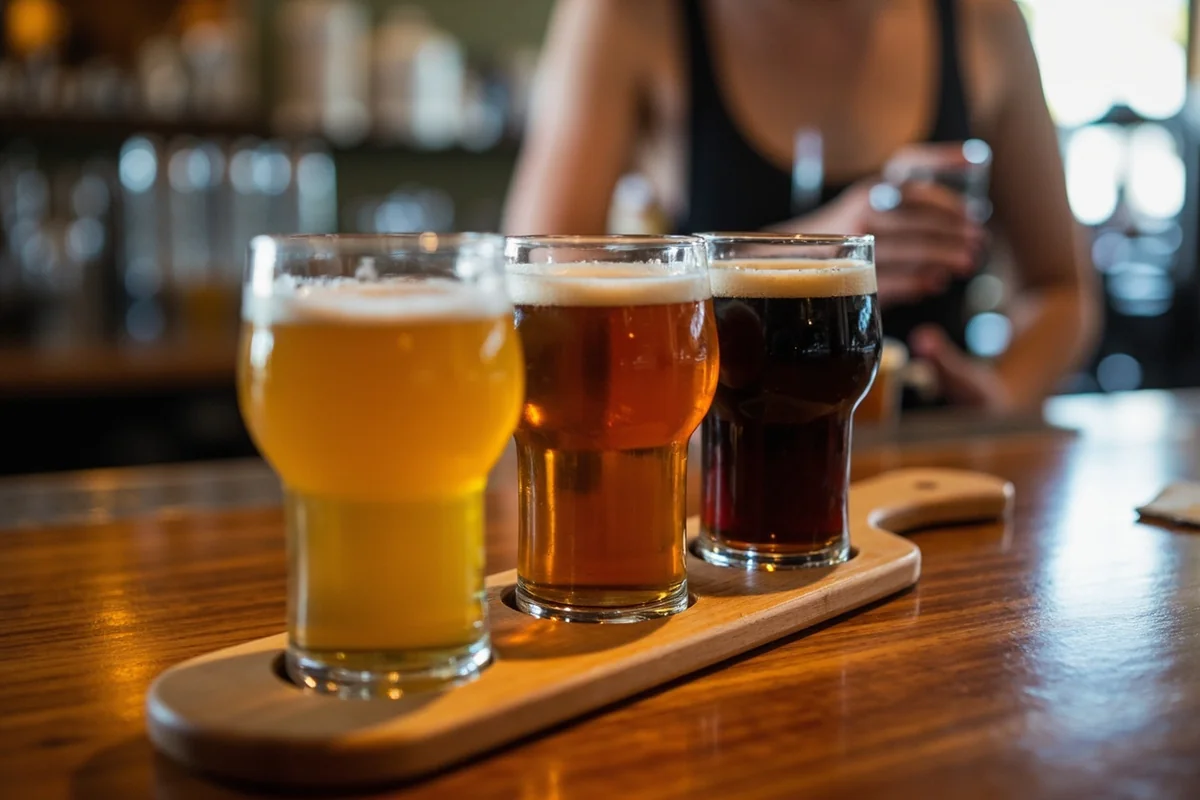
Here’s what I do when I’m on a brewery crawl in Montana: I order flights. Most taprooms offer 4-ounce tasters, which means I can try a wide variety of beers within my 48-ounce limit. A typical flight of four or five tasters might only use 16–20 ounces, leaving me plenty of room.
Also worth knowing: the limit is per brewery per day, not cumulative across all breweries. So if you visit three taprooms in an afternoon — which is easy to do in Missoula or Bozeman — you can have 48 ounces at each one. Though I wouldn’t recommend it.
Taproom Hours: When You Can and Can’t Drink
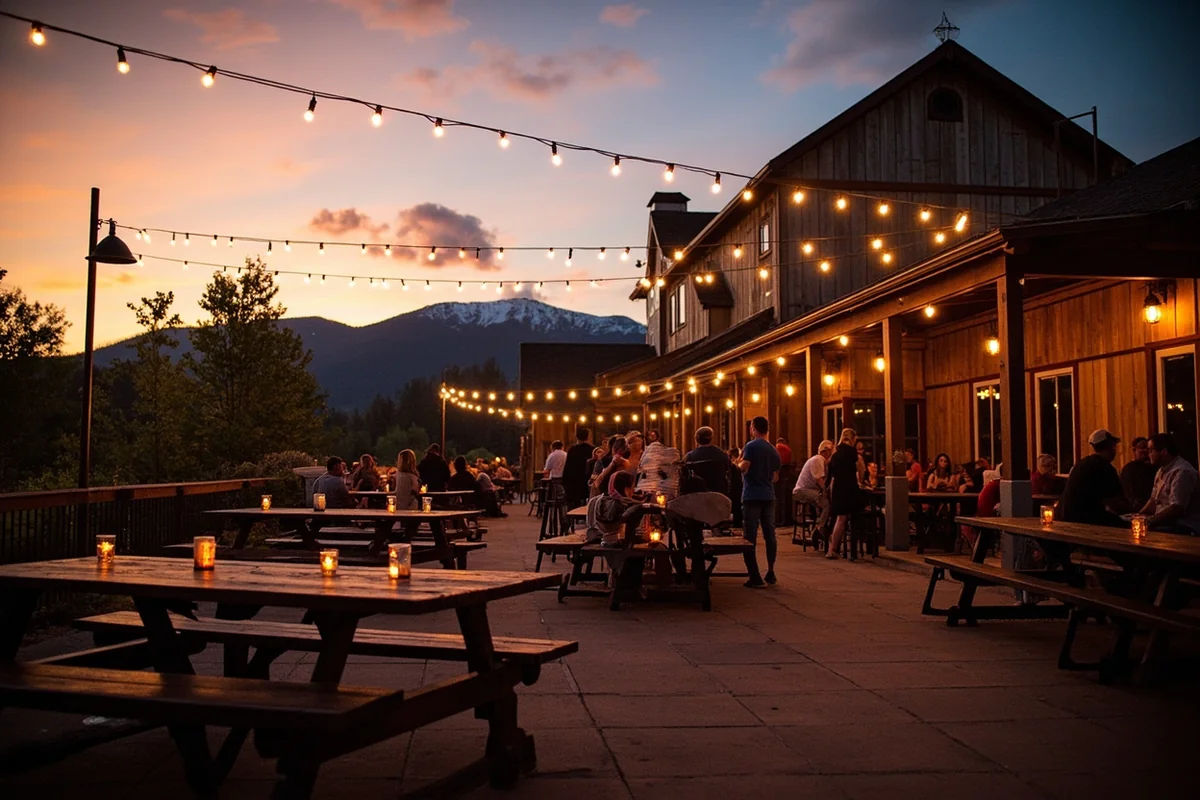
This is the part that catches most out-of-state visitors off guard. Montana taprooms historically had to close by 8:00 PM. Yes, 8 PM. In summer, when it’s still golden and gorgeous outside, when you’re on vacation and just want to linger over a cold IPA — closing time.
The reasoning behind the early cutoff was, again, tied to the three-tier system. Bars and restaurants with full liquor licenses stay open much later, and the early taproom closing was meant to push evening business toward those establishments.
The 2023 Changes: A Game-Changer
The 2023 Montana Legislative Session brought meaningful reform. Senate Bill 442 expanded taproom operating hours for qualifying breweries. Under the updated rules, breweries producing under a certain barrel threshold gained the ability to stay open later, with some taprooms now operating until 10 PM or even later depending on their license structure and local regulations.
When I visited Billings during a recent fall trip, I noticed several taprooms taking advantage of the new hours. It was a noticeably different vibe than my visits a few years prior. People were actually settling in for the evening rather than rushing through their 48 ounces before the 8 PM cutoff.
That said, not every brewery has extended its hours. Some smaller operations still close early simply because their staffing or business model doesn’t warrant staying open. Always check a brewery’s current hours before building your itinerary around an evening visit.
To-Go Sales: Growlers, Crowlers, and Cans
One of the great pleasures of visiting Montana breweries is bringing beer back to your cabin, campsite, or hotel. Montana allows breweries to sell beer to-go directly from their taprooms, but there are limits.
| To-Go Format | Limit Per Customer Per Day | Notes |
|---|---|---|
| Growler (64 oz) | 48 oz total | Technically can’t fill a full 64-oz growler under the daily limit; consider a 32-oz growler |
| Crowler (32 oz) | 48 oz total | Sealed on-site; popular option at most taprooms |
| Canned/Bottled Beer | 48 oz total | Pre-packaged beer sold directly; includes mixed packs |
| Distributed Beer (at liquor stores) | No specific per-person limit | Buy as much as you want at retail |
Here’s a quirk I learned the hard way: the 48-ounce to-go limit is separate from the 48-ounce on-premise consumption limit. So technically, you could drink 48 ounces at a taproom AND take home another 48 ounces. In practice, that’s a lot of beer for one person in one day, but at least the law allows it.
My recommendation? Pick up crowlers. They’re fresher than cans that have sat on a shelf, they’re sealed properly, and most Montana taprooms offer them. I grabbed a couple of crowlers from Draught Works in Missoula last summer and enjoyed them back at my Airbnb — perfect for a quiet evening on the porch.
Food at Montana Breweries: The Evolving Rules
For years, one of the strangest aspects of Montana’s brewery laws was the food situation. Breweries were extremely limited in what food they could serve on-site. The logic was, again, about protecting bars and restaurants — if breweries could serve full meals, they’d essentially become restaurants with a brewing operation, undercutting licensed establishments.
The result was a culture of food trucks. Drive past almost any Montana taproom on a Friday evening, and you’ll find a taco truck, a burger van, or a pizza trailer parked outside. It’s become part of the brewery experience in Montana, and honestly? I kind of love it.
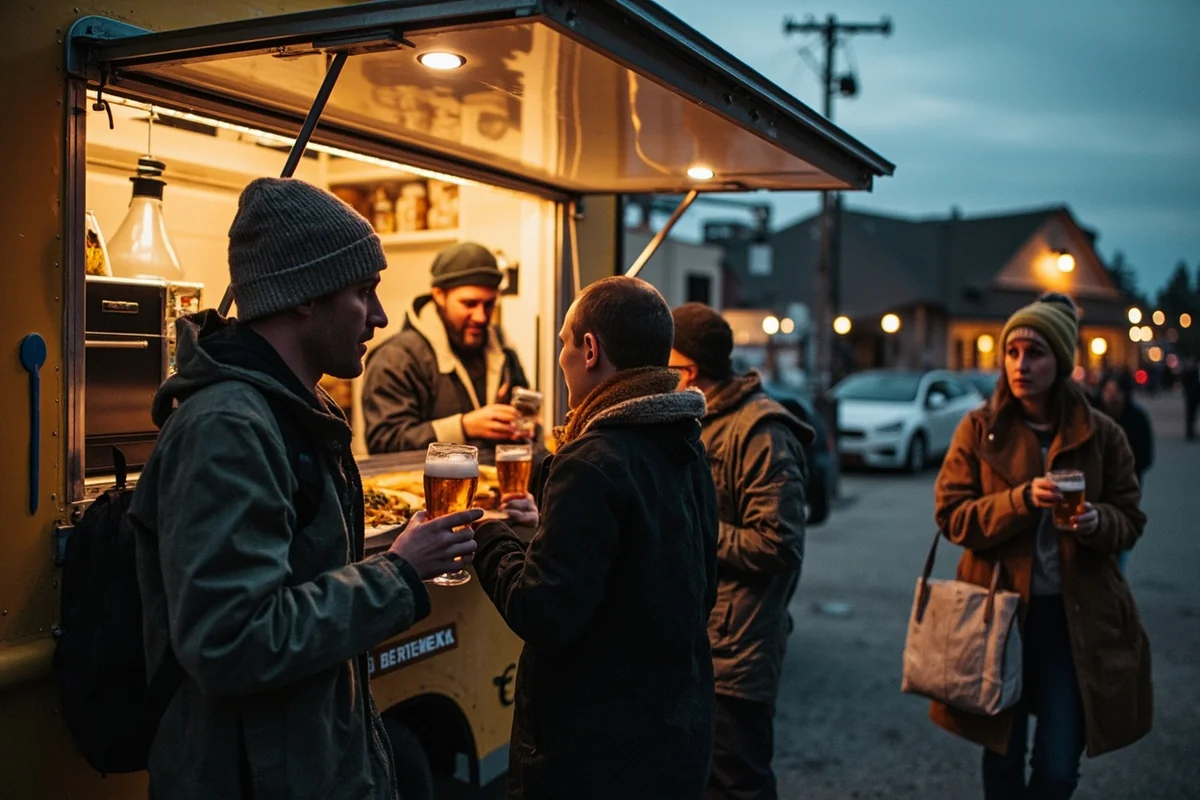
Recent legislative changes have started to loosen food restrictions somewhat. Some breweries can now offer limited food menus — typically snacks, charcuterie, and simple items rather than full entrees. But the food truck model remains dominant, especially in smaller towns.
My Honest Take on the Food Truck Culture
As a traveler, I actually prefer the food truck setup. The variety is incredible. During a single brewery crawl in Bozeman, I had Korean BBQ from one truck, wood-fired pizza from another, and handmade tamales from a third. You’d never get that diversity from a single brewery kitchen.
Just be aware that food trucks don’t always operate on a set schedule, especially in shoulder seasons. Check the brewery’s social media — most post their weekly food truck lineup on Instagram or Facebook.
Production Caps and What They Mean for Beer Tourists
Montana categorizes breweries based on production volume, and this directly affects what each brewery can do in its taproom. Understanding this helps explain why different breweries seem to operate under different rules.
Small breweries producing under 60,000 barrels annually can operate taprooms with the on-premise and to-go limits I described above. Breweries above that threshold face additional restrictions and are pushed more heavily toward the distribution model.
For visitors, this mostly matters in one way: the biggest, most well-known Montana breweries (like Big Sky Brewing in Missoula) may have different taproom experiences than smaller craft operations. Big Sky, for example, has a beautiful taproom, but their primary business is distribution. Smaller spots like Imagine Nation in Missoula or Mountains Walking in Bozeman offer more of that intimate, experimental taproom feel.
A Practical Montana Brewery Tour Itinerary
I’ve done brewery tours across Montana multiple times now, and I’ve learned that the best approach is to focus on brewery-dense towns and plan around the unique legal landscape. Here’s what I recommend.
Missoula: The Craft Beer Capital
Missoula has the highest concentration of breweries in the state relative to its population. Within a few blocks of the Hip Strip neighborhood, you can walk to multiple taprooms. My favorites include Draught Works (amazing outdoor space, great IPAs), KettleHouse (the Cold Smoke Scotch Ale is iconic), and Conflux Brewing (a newer addition with creative sours).
During my last visit, I started at Draught Works around 2 PM, worked my way through flights at three taprooms, and finished with a crowler to take home. Total time: about five hours. Total distance walked: less than two miles.
Bozeman: The Emerging Scene
Bozeman’s brewery scene has exploded in the last few years. Mountains Walking does phenomenal hazy IPAs and farmhouse ales. MAP Brewing has one of the best taproom views in the state — you can see the Bridger Range from their patio. Bozeman Brewing Company is the veteran of the group with solid, no-frills beers.
The downtown core is walkable, but some breweries (like MAP) are a short drive from the center. I recommend picking a few in walking distance and saving the outliers for a designated driver day.
Helena, Billings, and Beyond
Helena has Lewis & Clark Brewing, one of the state’s oldest craft operations and a personal favorite. Their Miners Gold Hefeweizen is a perfect after-hike beer. Billings has Angry Hank’s and Überbrew, both worth a visit.
Don’t sleep on smaller towns, either. Philipsburg has Philipsburg Brewing Company, which I stumbled upon during a road trip and loved. Red Lodge has Red Lodge Ales. These smaller-town breweries often have the most character and the most passionate owners willing to talk your ear off about their process.
Alcohol Laws That Affect Your Brewery Visit
Beyond the brewery-specific regulations, Montana has several general alcohol laws that visitors should know about. If you’re planning a trip centered around craft beer, these intersect with your plans in practical ways.
First, the legal drinking age in Montana is 21, as in all US states. Breweries will card you, especially if you look under 30. I’ve seen visitors from countries with lower drinking ages get turned away — bring valid ID.
Second, Montana’s open container laws are stricter than some visitors expect. You cannot have an open container of alcohol in the passenger area of a vehicle. Those crowlers you bought at the taproom? Keep them sealed and in the trunk until you reach your destination.
Montana also has some fascinatingly weird and unusual laws that occasionally brush up against the brewery scene. While most are harmless historical oddities, they’re a fun rabbit hole for curious travelers.
Sunday Sales and Holiday Restrictions
Unlike some states with blue laws restricting Sunday alcohol sales, Montana generally allows breweries to operate on Sundays. Most taprooms keep Sunday hours, though they may open later or close earlier than weekday schedules.
Holidays can be trickier. Some breweries close on major holidays like Thanksgiving and Christmas. During my last December trip, I found that most Bozeman taprooms were open on New Year’s Eve but had modified hours. Again, check social media or call ahead.
Bringing Beer Home: Interstate Transportation
If you’re driving home from Montana with a car full of crowlers and canned beer — which I absolutely have done — be aware of both Montana’s laws and the laws of whatever state you’re driving through.
Montana doesn’t restrict you from purchasing beer and transporting it out of state, but some states have limits on how much alcohol you can bring in. This is rarely enforced for personal quantities, but it’s worth knowing.
For air travelers, TSA allows alcohol in checked luggage. I’ve packed beer in my suitcase multiple times, wrapped in dirty laundry (don’t judge — it works). Just make sure individual containers are under 24% ABV (which all beer is) and you’re under 5 liters per person.
The Distributor Debate: Context for Curious Visitors
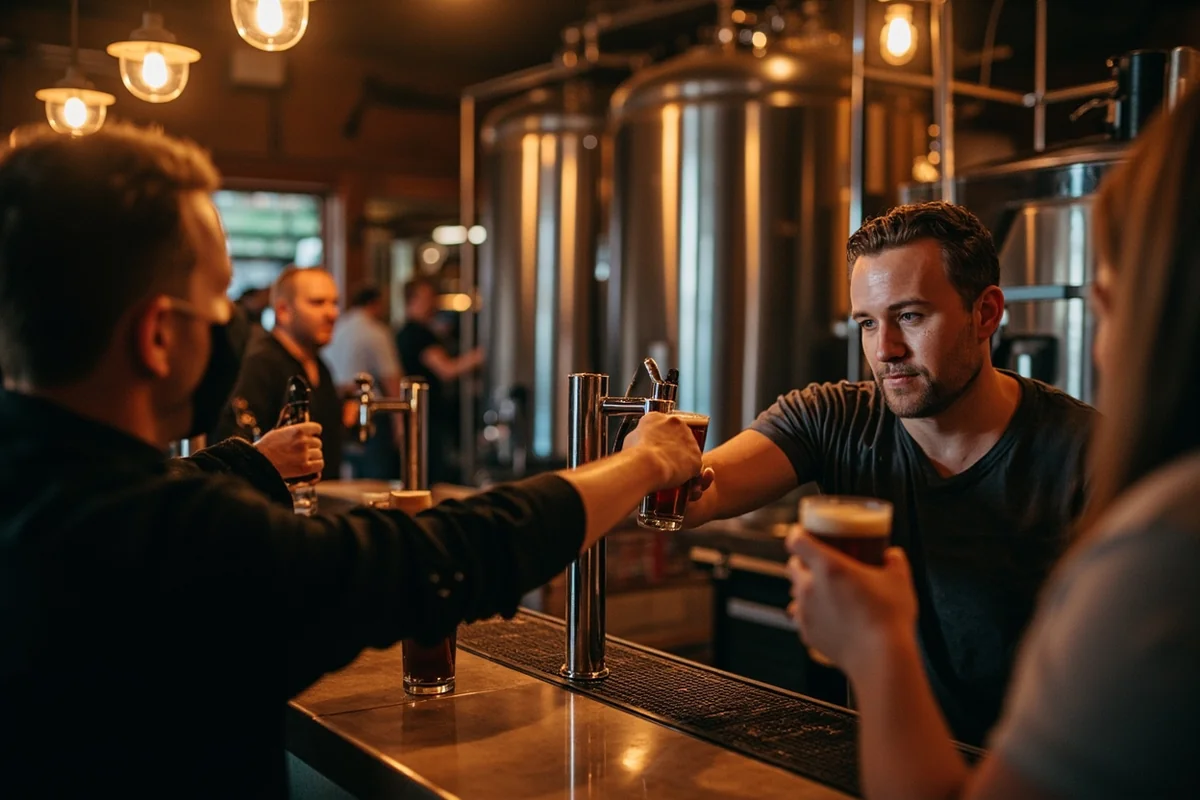
If you spend any time in Montana brewery taprooms, you’ll inevitably hear brewers grumbling about distributors. The distributor lobby has been the most powerful force shaping Montana brewery laws for decades, and the tension is real.
Here’s the basic dynamic: distributors argue that the three-tier system protects consumers and ensures fair market access. Brewers argue that taproom restrictions artificially limit their business and force them into distribution contracts that aren’t always favorable.
As a visitor, you don’t need to pick a side. But understanding this context helps explain why the rules are the way they are. It also makes for great conversation at the bar. I’ve had some of my most memorable Montana moments listening to brewery owners explain their perspective on this ongoing battle.
Comparing Montana to Neighboring States
For context, here’s how Montana’s brewery laws stack up against its neighbors:
| State | On-Premise Limit | Taproom Hours | Food Service |
|---|---|---|---|
| Montana | 48 oz/day | Varies (up to 10 PM+) | Limited; food trucks common |
| Idaho | No specific limit | Standard bar hours | Full food service allowed |
| Wyoming | No specific limit | Standard bar hours | Full food service allowed |
| Washington | No specific limit | Standard bar hours | Full food service allowed |
| North Dakota | No specific limit | 2 AM closing | Full food service allowed |
As you can see, Montana is the outlier. But I’d argue the restrictions have actually created something unique. The constraints have forced Montana breweries to be creative — about their spaces, their partnerships with food trucks, and how they build community in limited hours. The result is a taproom culture that feels distinctly Montanan.
Other Montana Activities to Pair with Your Brewery Tour
A Montana trip centered on breweries should absolutely include other activities. The state is an outdoor paradise, and many of its best adventures pair perfectly with a post-activity beer.
If you’re the adventurous type, you might be interested in Montana’s gold panning laws — recreational panning is legal in many areas and makes for a fun half-day excursion before hitting a taproom. Similarly, if you’re visiting during hunting season, familiarize yourself with Montana’s hunting laws, as many breweries in smaller towns cater to the hunting crowd.
Montana is also known for its permissive approach to personal freedoms. If you’re curious about the broader legal landscape, our guides to Montana gun laws, open carry regulations, and Montana knife laws are worth reading, especially if you’re planning backcountry activities alongside your brewery visits. And for those curious about the state’s unique legal quirks beyond alcohol, we’ve covered Montana’s marital and community property laws as well.
Tips I Wish Someone Had Told Me Before My First Montana Brewery Trip
After multiple trips focused on Montana’s craft beer scene, here’s the unfiltered advice I’d give to a friend:
**Pace yourself intentionally.** The 48-ounce limit sounds generous until you realize it’s only four pints. Order flights and savor them. You’ll taste more variety and stay well within the limit.
**Check hours obsessively.** Don’t assume a taproom is open just because it’s 6 PM on a Saturday. Hours vary wildly, especially in shoulder season (April-May and October-November). Google hours are sometimes outdated — check Facebook or Instagram.
**Bring cash.** Most Montana taprooms accept cards now, but a few smaller operations, especially in rural areas, are cash-preferred. I always keep $40-$60 in small bills when brewery hopping.
**Respect the culture.** Montana brewery taprooms aren’t clubs or sports bars. They’re community gathering spaces. I’ve shared tables with ranchers, college professors, river guides, and retired firefighters. Be friendly, be curious, and you’ll have a great time.
**Don’t skip the small towns.** Everyone hits Missoula and Bozeman, and rightfully so. But some of my favorite Montana beer experiences have been in places like Philipsburg, Red Lodge, and Whitefish. The smaller the town, the more personal the experience.
**Designate a driver or use rideshare.** Missoula and Bozeman have decent rideshare availability. Smaller towns don’t. Plan accordingly. Montana takes DUI extremely seriously, and the distances between towns mean there’s no “just walking home.”
The Future of Montana Brewery Laws
Montana’s brewery laws are a moving target. Every legislative session brings new proposals, and the trend over the past decade has been toward gradual liberalization. The 2023 changes were significant, and I expect the 2025 session to push boundaries further.
The craft beer industry is an economic powerhouse in Montana. It drives tourism, creates jobs, and supports agriculture (Montana-grown barley and hops are increasingly common in local beers). Legislators know this, and even those sympathetic to distributors recognize that overly restrictive laws hurt a growing sector of the economy.
My prediction? Within the next few years, we’ll see further relaxation of taproom hours, possible increases to the 48-ounce limit, and expanded food service permissions. But the three-tier system itself isn’t going anywhere. This is Montana — change comes, but it comes slowly and on its own terms.
Final Thoughts: Why Montana Brewery Laws Shouldn’t Scare You Off
I know this article has covered a lot of rules and restrictions. If you’re reading this and thinking, “Maybe I should just go to Portland instead,” let me stop you right there.
Montana’s brewery scene is one of the most rewarding in the country precisely because of its quirks. The constraints have forged a culture that’s unpretentious, community-driven, and deeply tied to the landscape. When you’re sitting on a patio at MAP Brewing in Bozeman watching the sun set behind the Bridgers with a perfect pale ale in your hand, the 48-ounce limit is the last thing on your mind.
The laws are worth understanding so you can plan around them. But they shouldn’t define your experience. Montana’s breweries are run by passionate people making exceptional beer in one of the most beautiful places on Earth. Go visit them. You won’t regret it.
Frequently Asked Questions
Can you buy beer directly from breweries in Montana?
Yes, Montana brewery laws allow taprooms to sell beer directly to customers for on-site consumption and to-go purchases. Most Montana breweries operate taprooms where you can sample flights, grab a pint, or buy growlers and crowlers to take back to your hotel or campsite. It’s one of the best ways to experience Montana’s craft beer scene during your trip.
What are Montana’s brewery taproom hours and serving limits for visitors?
Montana taprooms can serve beer from 10 AM to 8 PM daily, and each customer is limited to 48 ounces of beer per visit, which is roughly equivalent to four 12-ounce pours. This per-visit limit is unique to Montana and something travelers should be aware of before planning a full afternoon at one spot. Many visitors simply hop between multiple breweries to keep the tasting going, especially in brewery-dense towns like Missoula, Bozeman, and Billings.
Can Montana breweries serve wine and liquor or only beer?
Under Montana brewery laws, licensed breweries are only permitted to serve beer and certain malt beverages produced on their premises. If you’re looking for cocktails or wine, you’ll need to visit a separate bar or restaurant with the appropriate license. Some brewery complexes share space with restaurants that hold full liquor licenses, so check ahead if your group has mixed preferences.
Are Montana breweries kid-friendly for families traveling with children?
Many Montana breweries are family-friendly, and state law does not prohibit minors from entering taprooms as long as they are accompanied by a parent or guardian. Towns like Bozeman and Missoula have several breweries with outdoor patios, lawn games, and even food trucks that make them great stops for families on a road trip. However, policies vary by establishment, so it’s worth checking a brewery’s website or calling ahead before bringing young kids.
How much does a beer cost at Montana breweries compared to other states?
Pints at Montana breweries typically range from $5 to $8, and tasting flights usually cost $8 to $15, making the state notably more affordable than brewery scenes in Colorado, Oregon, or California. A 64-ounce growler fill generally runs $12 to $20 depending on the style. Montana has no general sales tax, so the listed price is what you actually pay, which is a nice bonus for budget-conscious travelers.
What is the best time of year to visit Montana breweries on a beer trail road trip?
Summer (June through August) is the most popular time because Montana breweries host outdoor events, beer festivals, and patio season is in full swing, plus the long daylight hours give you more time to explore. September and early October are also excellent for a brewery road trip since crowds thin out, fall colors are stunning along drives between towns, and many breweries release seasonal harvest ales. Winter visits can be rewarding too, especially if you pair brewery stops with skiing in Whitefish or Big Sky.
Can I buy Montana craft beer at grocery stores and gas stations or only at breweries?
Montana allows the sale of beer with up to 8.75% ABV at grocery stores, convenience stores, and gas stations, so you can easily stock up on local craft beer for camping or road trip coolers. Higher-alcohol beers and specialty releases may only be available at the brewery taproom or state-approved liquor stores. Picking up a mixed six-pack from a Montana grocery store is a great way to sample regional breweries without making multiple stops.