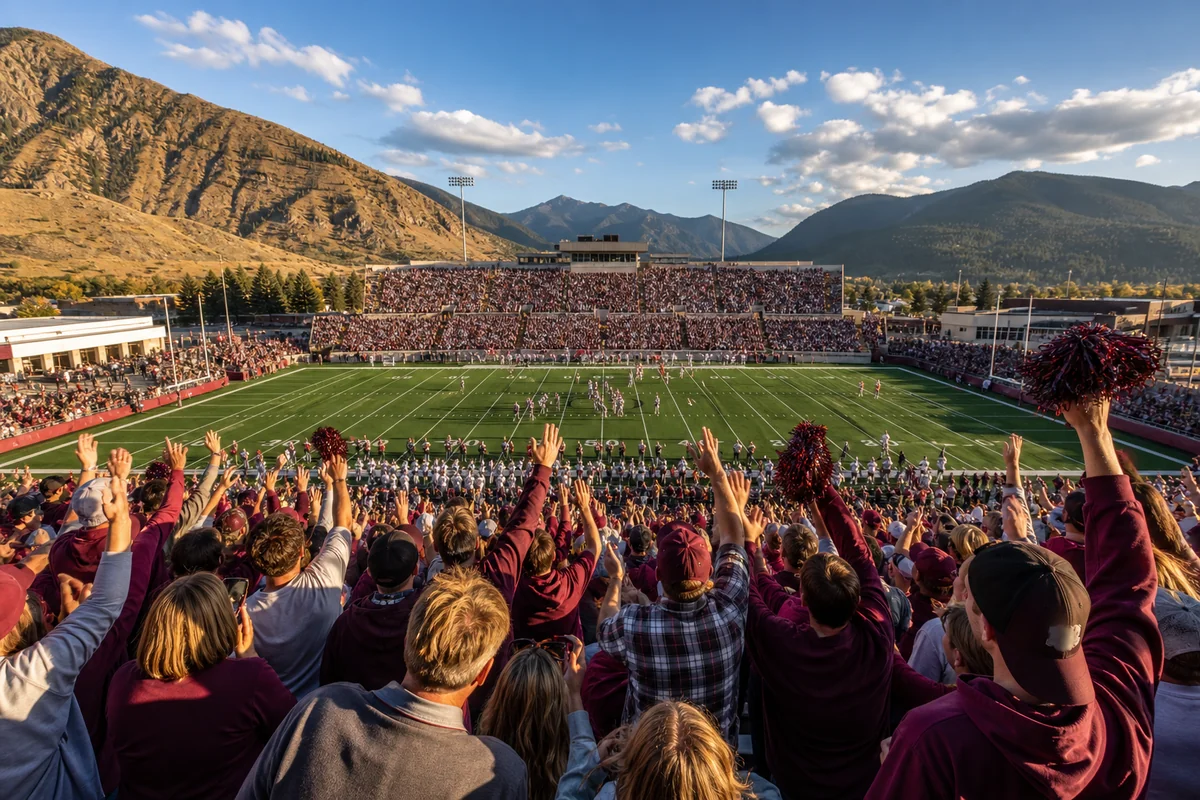
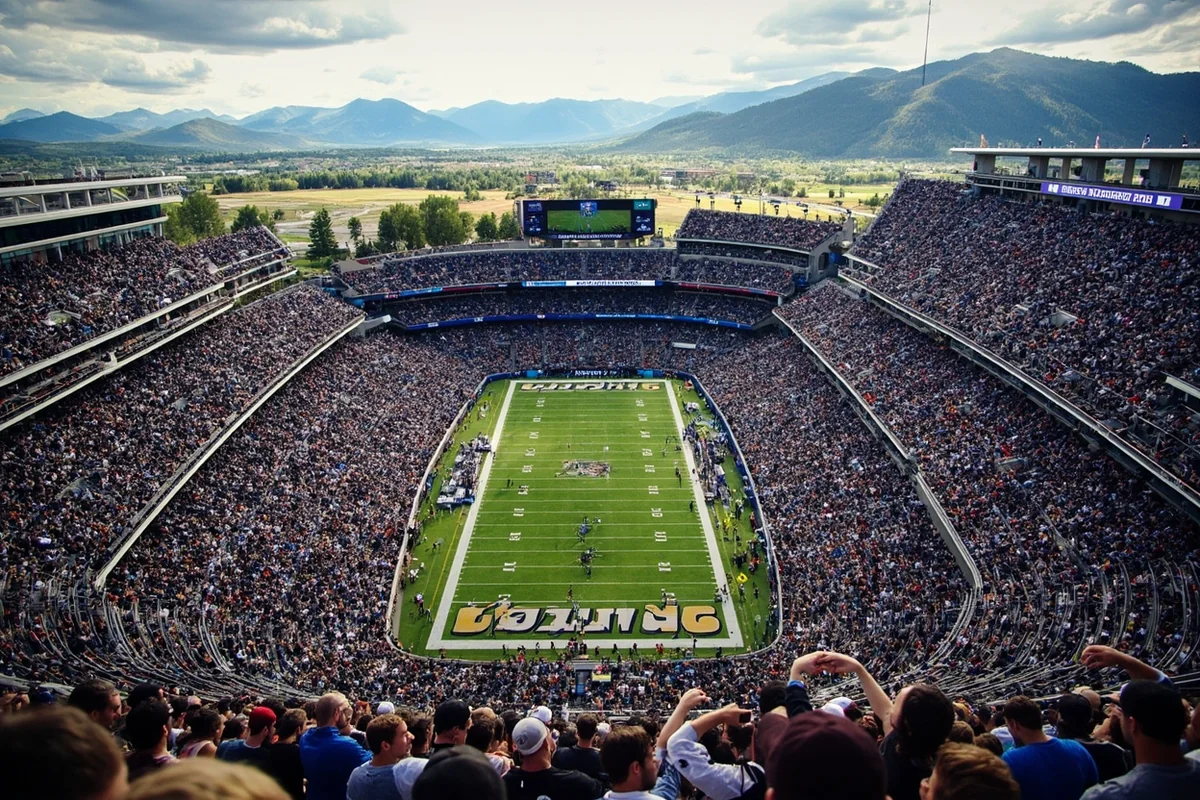
The roar that erupted from Washington-Grizzly Stadium last fall when Montana scored a last-second touchdown against their rivals literally shook the aluminum bleachers beneath my feet—and I’ve attended NFL games that didn’t come close to that intensity.
In that moment, surrounded by 26,000 fans dressed in maroon and silver, I understood something crucial about Montana Living: sports here aren’t just entertainment—they’re the heartbeat of communities spread across this vast, magnificent state.
If you’re wondering whether Montana is boring or not, attending a single game day in Missoula or Bozeman will permanently answer that question. The passion, the traditions, and the sheer energy rival anything you’d find in major metropolitan areas.
- Montana has no professional major league teams but boasts powerhouse FCS college football programs at University of Montana (Grizzlies) and Montana State (Bobcats)
- The “Brawl of the Wild” rivalry game between UM and MSU is one of the most intense in all of college football—get tickets months in advance
- Minor league baseball thrives with teams in Missoula, Billings, and Great Falls during summer months
- College basketball, rodeo, and hockey fill out the sports calendar year-round
- Game day experiences offer authentic Montana culture impossible to find elsewhere
- Most games are family-friendly and significantly more affordable than professional sports
Liked this article?
Add Roaming Montana as a preferred source so you see more of our articles and guides on Google.
Why Montana’s Sports Scene Is Unlike Anywhere Else
When I first moved to research Montana’s sports culture two years ago, I expected to find a void—a state without professional teams and therefore without serious sports enthusiasm. I couldn’t have been more wrong.
What Montana lacks in major league franchises, it more than compensates for with ferocious community support for its college teams and minor league organizations. The Montana population may be just over one million people, but I’ve witnessed sellout crowds that percentage-wise rival anything in the country.
During my travels across Big Sky Country, I’ve attended games in bitter cold, under blazing summer sun, and through everything in between. Each experience revealed something new about Montanans’ character—their loyalty, their hospitality, and their absolute refusal to let geography diminish their sports traditions.
University of Montana Grizzlies: The Pride of Missoula
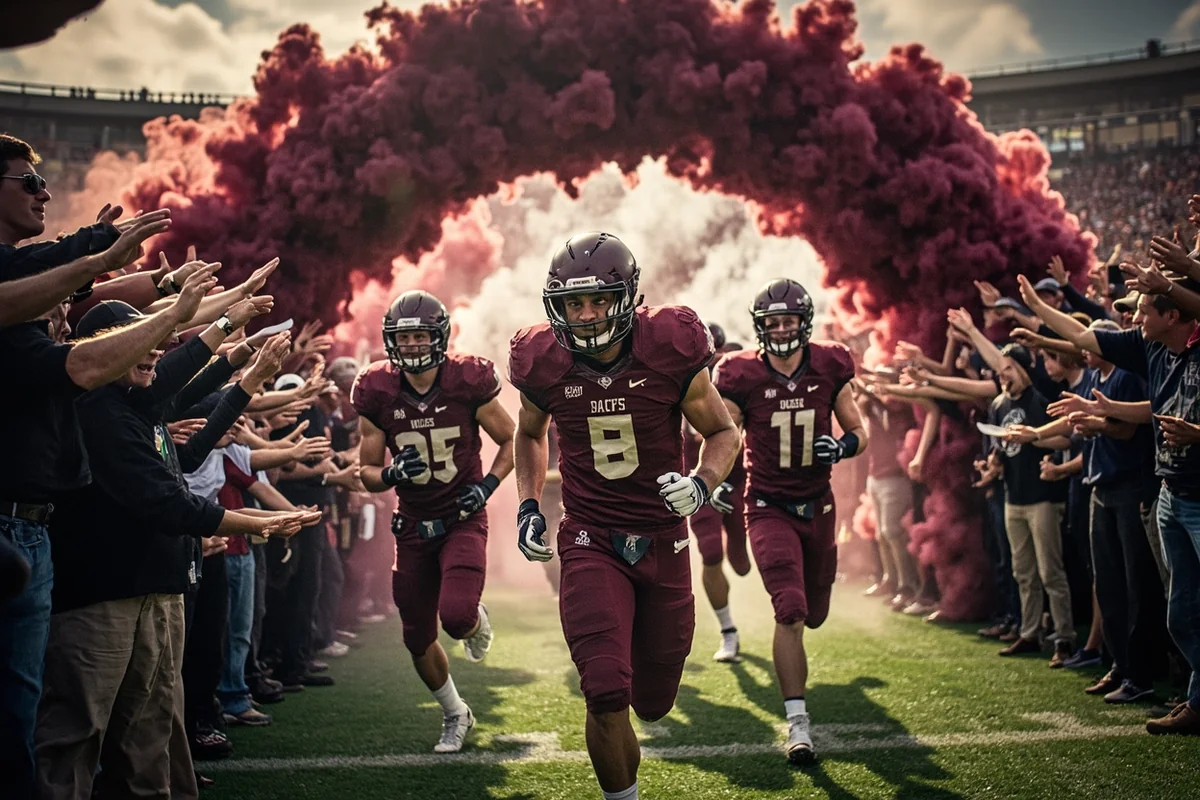
The Montana Grizzlies football program isn’t just good—it’s historically dominant in the FCS (Football Championship Subdivision). When I walked through the tailgate lots outside Washington-Grizzly Stadium last September, the organization impressed me immediately.
Families had been setting up since dawn. Elaborate tents, smokers running pulled pork, and generations of Grizzly fans gathered together created an atmosphere I’d put against any SEC tailgate.
Football at Washington-Grizzly Stadium
The stadium holds approximately 25,217 fans, and I’ve seen it reach capacity for rivalry games and playoff matchups. What strikes first-time visitors is the backdrop—mountains frame the stadium, creating Instagram-worthy views that no dome could ever replicate.
I recommend arriving at least three hours before kickoff. Park in one of the lots along South Avenue (I paid $20 last visit) and walk through the tailgate scene. Fans are genuinely welcoming to visitors, and I was offered burgers by strangers more than once.
The student section, called the “Zoo,” brings incredible energy. Their coordinated cheers and unwavering enthusiasm even during losses demonstrate why this program has produced NFL players like Kroy Biermann and Marc Mariani.
Grizzly Basketball: Adams Center Magic
Basketball season at the Adams Center provides a more intimate but equally passionate experience. The arena seats about 7,500, and during conference play against Montana State, I couldn’t hear myself think.
Last winter, I caught a Thursday night game against Portland State. The Griz were down by fifteen at halftime, but the crowd never wavered. They stormed back to win by three, and the building absolutely erupted.
Tickets are remarkably affordable—I paid $18 for upper-level seats that still provided excellent sightlines. Student seating wraps around the court, creating a fortress-like atmosphere for the home team.
Other Grizzly Sports Worth Catching
Don’t overlook Montana’s other athletic programs. The women’s basketball team regularly competes for conference championships, and the soccer program has developed into a legitimate draw.
I particularly enjoyed a women’s volleyball match during my fall visit. The athleticism was impressive, and tickets were under $10. It’s an excellent option for families or travelers wanting authentic college sports without the football crowd intensity.
Montana State Bobcats: Bozeman’s Beloved Team
If Missoula represents Montana’s liberal arts sports culture, Bozeman embodies the state’s rugged, agricultural spirit through its Bobcats. Montana State’s athletic programs have surged in recent years, matching facilities and fan support that rival their cross-state opponents.
Bozeman itself has become one of Montana’s fastest growing cities, and that population boom has only intensified Bobcat fandom.
Bobcat Stadium Experience
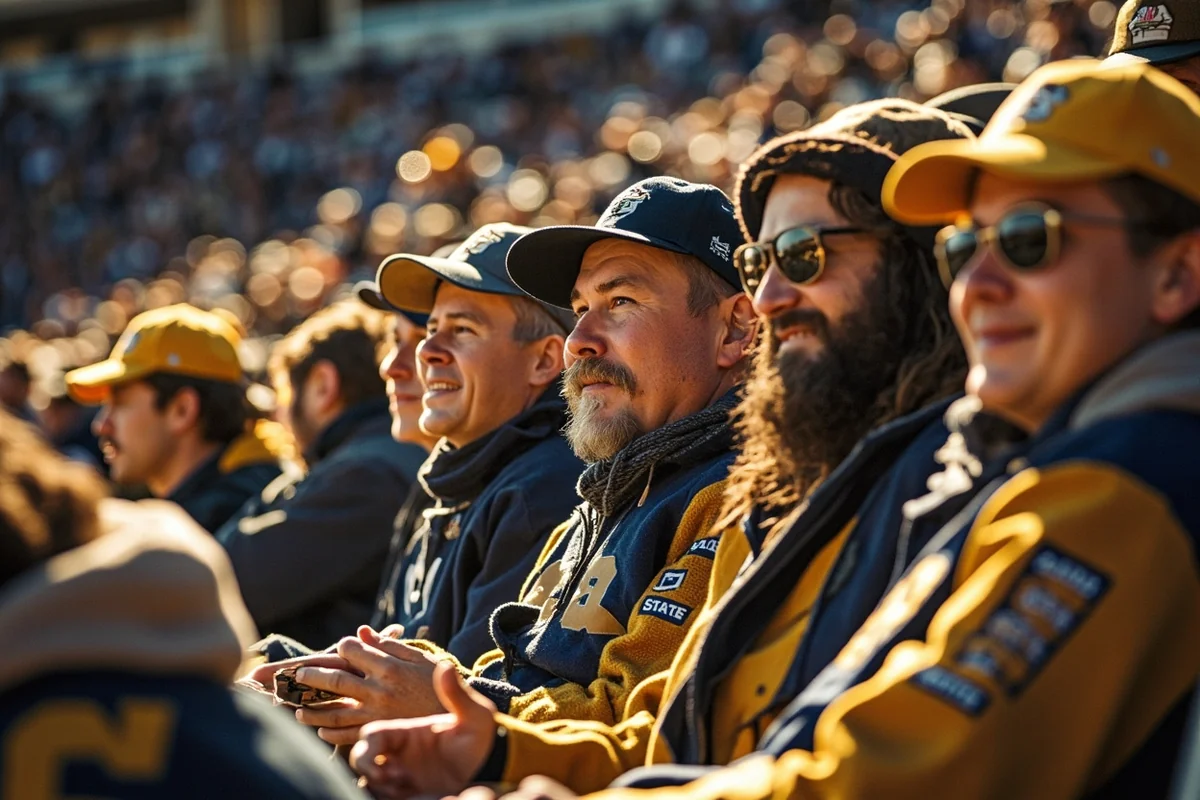
Bobcat Stadium (officially Bobcat Athletic Complex) underwent significant renovations, and the results show. During my visit last October, I noticed the improved concourse, better sightlines, and expanded seating that now accommodates over 22,000 fans.
The tailgate scene spreads across campus with a distinctly different flavor than Missoula. I found more agricultural ties here—ranchers, farmers, and families who’d driven hours from small towns across eastern Montana.
One detail I appreciated: the stadium’s gold seating creates a striking visual on television, but experiencing it in person during a sunset game is genuinely beautiful.
Brick Breeden Fieldhouse: Historic Basketball Venue
Montana State basketball plays in Brick Breeden Fieldhouse, a venue dripping with history. The building opened in 1957, and walking inside feels like stepping back in time—in the best possible way.
The arena holds around 7,250 for basketball, and the acoustics trap crowd noise effectively. When I attended a conference game last January, the energy built throughout the second half until it became almost uncomfortable for the visiting team.
MSU’s women’s basketball program deserves special mention. They’ve achieved remarkable success, and attending their games offers exceptional value for sports fans.
Beyond the Big Sports
Montana State fields competitive programs across numerous sports. Their rodeo team is nationally ranked (this is Montana, after all), and watching college rodeo at the Brick provided one of my most memorable Montana sports experiences.
Track and field events during spring offer free admission and the chance to see future Olympic hopefuls compete against the Bridger Mountains backdrop.
The Brawl of the Wild: Montana’s Greatest Rivalry
I’ve attended heated college rivalries across America—Ohio State vs. Michigan, Auburn vs. Alabama, Texas vs. Oklahoma. The Brawl of the Wild between Montana and Montana State belongs in that conversation.
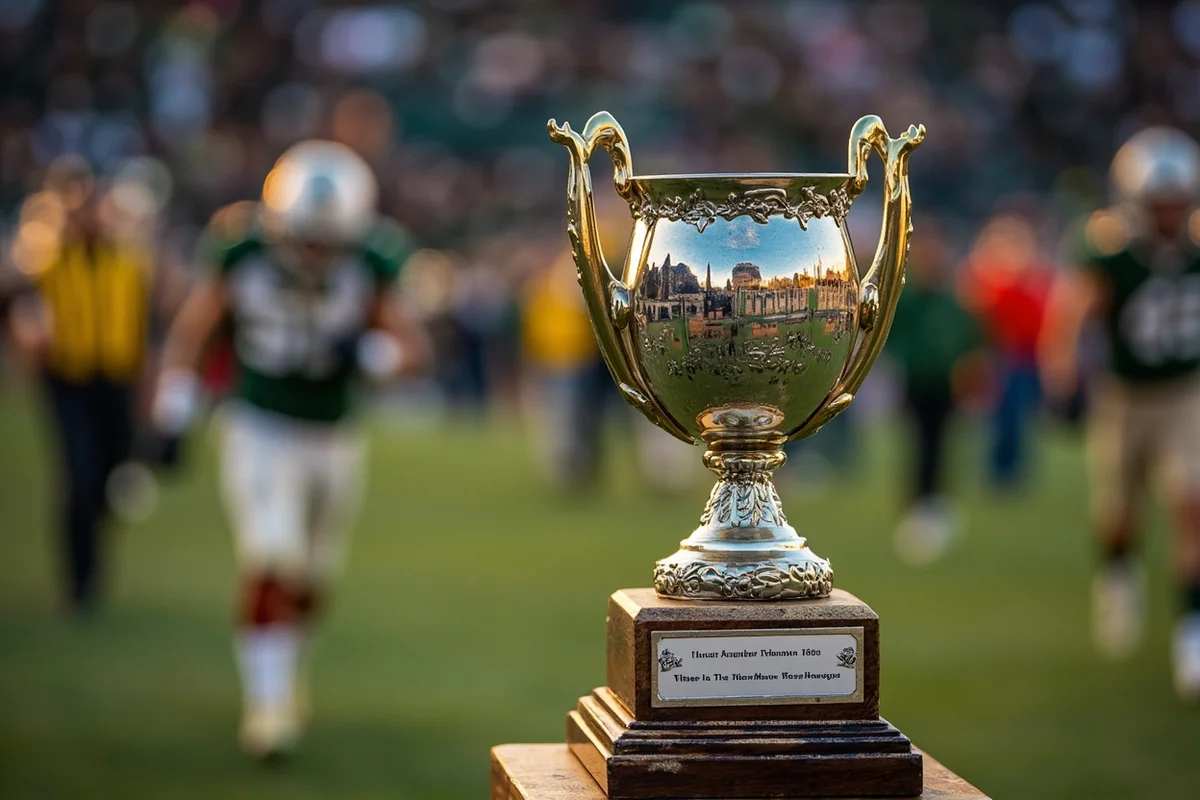
This annual football game, played on the Saturday before Thanksgiving, determines possession of the “Great Divide Trophy” and essentially splits the state’s population in half for a week.
The Atmosphere Is Electric
During my first Brawl experience in Missoula two years ago, I arrived expecting an intense game. What I found exceeded every expectation.
The energy begins days before kickoff. Bars in both Missoula and Bozeman fill with fans from both sides. The banter is constant but generally good-natured—Montanans share too much common ground to let football create genuine animosity.
Game day itself transforms whichever city hosts that year. When I attended in Missoula, the downtown area was packed by 7 AM. Restaurants ran out of food. Hotels had been booked for months.
Getting Tickets
This is where planning becomes critical. Brawl of the Wild tickets sell out rapidly, and secondary market prices soar. I recommend purchasing directly through either university’s athletic department when they release tickets—usually late summer.
Expect to pay $60-$150 depending on seat location. Yes, that’s higher than regular season games, but the experience justifies every dollar.
If you can’t secure tickets, both Missoula and Bozeman overflow with watch parties. The atmosphere at downtown bars rivals the stadium itself.
Travel Logistics for Brawl Weekend
Book accommodations immediately after game locations are announced—typically in late spring. During my Brawl trip, hotels within 50 miles of Missoula were completely sold out two months in advance.
Consider staying in a nearby town and driving in. I stayed in Hamilton (about 45 miles south) during one visit and found the drive manageable and the rates reasonable.
| Planning Item | Recommendation | Timeline |
|---|---|---|
| Hotel Booking | Book in host city or within 60 miles | 6+ months in advance |
| Game Tickets | Purchase through university athletic department | As soon as available (late summer) |
| Restaurant Reservations | Book dinner spots for Friday and Saturday night | 2-3 months ahead |
| Rental Car | Reserve early, especially at Missoula airport | 3+ months in advance |
Minor League Baseball: Summer’s Perfect Activity
Montana’s minor league baseball scene provides some of the best family entertainment I’ve experienced anywhere. These games offer affordable, accessible fun with atmosphere that larger markets can’t replicate.
Wondering about Montana’s cost of living? Minor league baseball prices reflect the state’s reasonable approach—I’ve attended games for under $15 including parking.
Missoula PaddleHeads
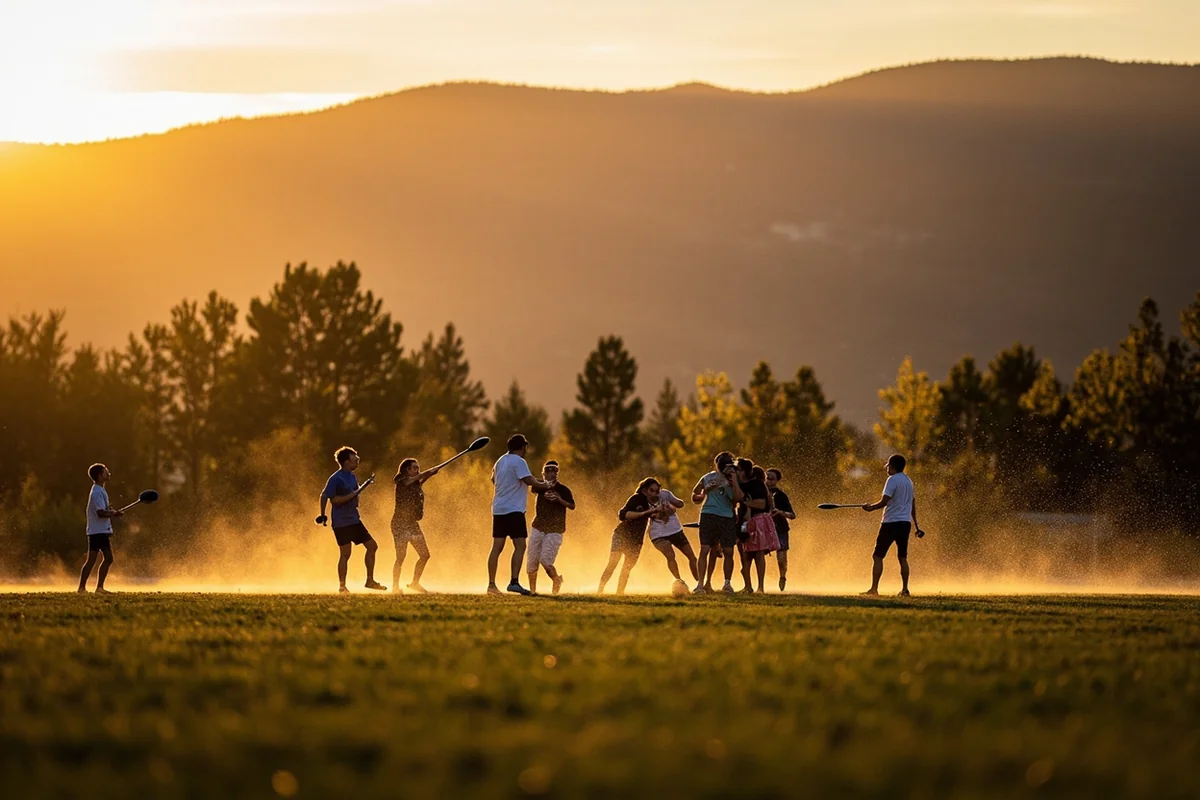
The Missoula PaddleHeads (formerly the Osprey) play in the Pioneer League at Ogren Park Allegiance Field. This intimate ballpark sits right against the mountains, creating views that distract even dedicated baseball fans.
Last summer, I caught three PaddleHeads games during a week in Missoula. The experience was consistently excellent—cold beer, hot dogs that actually tasted good, and friendly conversation with the fans sitting nearby.
Kids receive tons of attention. Between-inning entertainment, mascot appearances, and post-game activities make this ideal for families. I watched children run the bases after a Sunday afternoon game while parents relaxed in the stands.
Billings Mustangs
Billings hosts the Mustangs at Dehler Park, a facility that opened in 2008 and remains one of the nicest minor league venues I’ve visited. The downtown location means restaurants and bars are walking distance from the stadium.
The Mustangs have a long history in Billings, dating back decades with various affiliations. Current iterations play independent ball in the Pioneer League, and the competition level surprised me—former major leaguers and top college players regularly appear.
I recommend the Thursday night games when I visited. Dollar hot dog nights drew excellent crowds, and the atmosphere had a genuine community feel that larger markets simply can’t manufacture.
Great Falls Voyagers
Great Falls’ baseball tradition continues with the Voyagers at Centene Stadium. The venue underwent renovations that improved the fan experience considerably.
During my Great Falls visit, I appreciated the old-school baseball atmosphere. The crowd skewed older, knowledgeable about the game, and genuinely invested in outcomes. Conversations with longtime season ticket holders revealed deep connections between the team and community.
Hockey in Montana: Cold Weather, Hot Competition
Given Montana’s climate, hockey’s popularity shouldn’t surprise anyone. Yet the quality of hockey available often catches visitors off guard.
Minor League and Junior Hockey
The hockey landscape in Montana fluctuates with various leagues and teams, but passionate puck fans fill whatever ice surfaces are available. During my winter travels, I caught junior hockey games that featured future college and professional players.
Butte, Billings, and Great Falls have all hosted teams at various points. The atmosphere in these small-market hockey venues creates intimacy impossible in NHL arenas—I was close enough to hear players communicate on ice.
College Hockey Growth
While Montana’s universities don’t field Division I hockey programs, club teams generate significant followings. These games offer affordable entertainment during Montana’s long winters.
The college towns of Missoula and Bozeman both support ice rinks that host various hockey events. I stumbled upon a late-season playoff game during a March visit to Missoula—the building was packed, and the energy rivaled far more prestigious events.
Rodeo: Montana’s Original Sport
You simply cannot discuss Montana sports without addressing rodeo. This isn’t just entertainment here—it’s cultural heritage, agricultural celebration, and athletic competition rolled into one.
Professional Rodeo Events
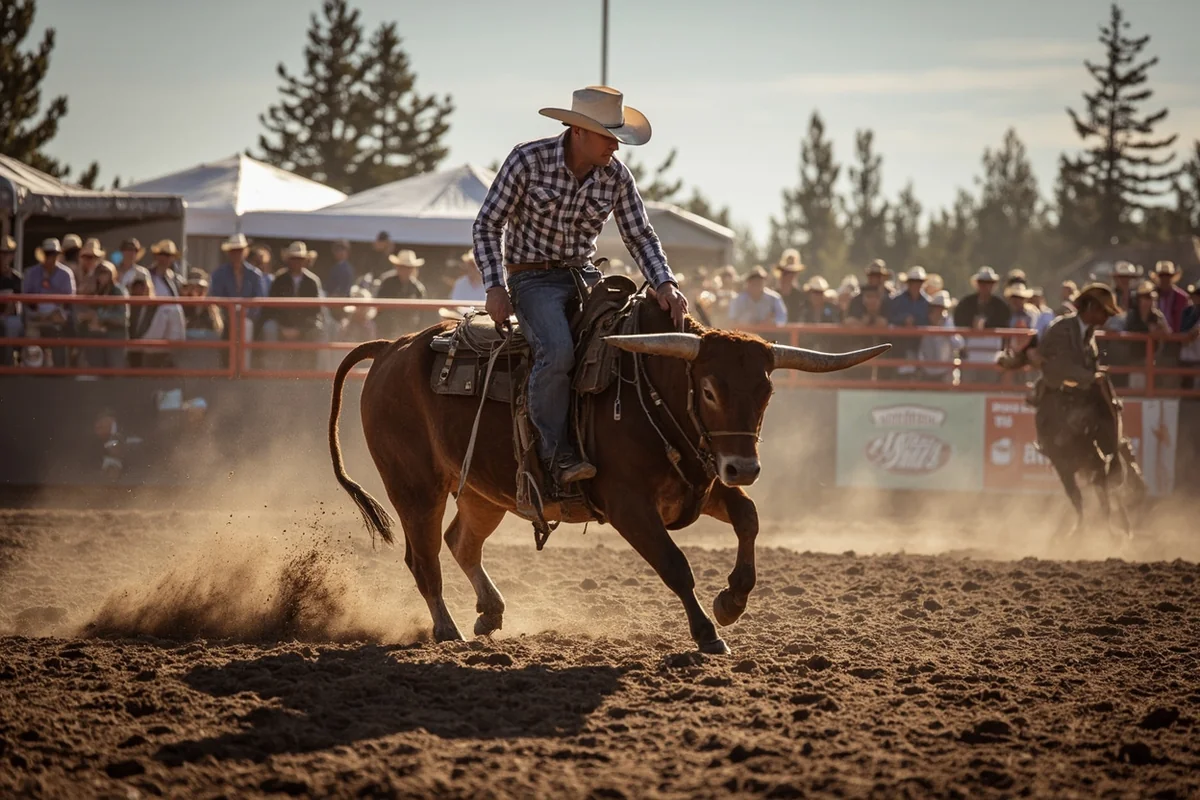
Montana hosts professional rodeo circuits throughout summer and fall. The Montana Pro Rodeo Circuit Finals, typically held in Great Falls, showcases the state’s best competitors across bull riding, barrel racing, steer wrestling, and more.
I attended my first professional rodeo during a summer visit expecting hokey entertainment. Instead, I witnessed legitimate athleticism and genuine danger that demanded respect. The bull riders in particular demonstrated courage I’ve rarely seen in traditional sports.
Local and County Fair Rodeos
Perhaps the most authentic Montana sports experiences come from small-town rodeos. During county fairs across the state, local cowboys and cowgirls compete with everything on the line.
I drove to a fair rodeo in Choteau one August evening. The grandstands weren’t fancy, but the competition was fierce and the community support remarkable. These events reveal aspects of Montana culture tourists rarely encounter.
The summer rodeo schedule means you can catch events almost weekly between June and September. Admission prices rarely exceed $20, and the family atmosphere makes these accessible to all ages.
Planning Your Sports Trip to Montana
Timing your Montana visit around sporting events requires understanding the seasonal calendar and booking well in advance. Here’s what I’ve learned from multiple trips organized around games.
Football Season (August-November)
Both universities kick off their seasons in late August, typically against lower-division opponents. These games offer easier ticket access and provide excellent introductions to college football atmosphere.
The intensity builds through September and October with conference play. November brings the Brawl of the Wild and potential playoff games—if either team qualifies, which happens frequently given both programs’ success.
Weather becomes a factor as the season progresses. I’ve watched games in conditions ranging from sunny sixty-degree afternoons to snow-covered fields with wind chills near zero. Pack layers regardless of forecast.
Basketball Season (November-March)
Indoor sports provide welcome refuge from Montana winters. Conference basketball typically begins in early January, with rivalry games drawing the largest crowds.
I prefer mid-week games for easier ticket access and better prices. The atmosphere still delivers, even if crowds don’t reach weekend levels.
Baseball Season (May-September)
Minor league baseball aligns perfectly with Montana’s best weather. June through August offers ideal conditions—warm days cooling to pleasant evenings perfect for ballpark sitting.
The places in Montana that receive the most snow typically include the western cities, but summer baseball weather across the state is generally excellent.
Year-Round Options
Rodeo events run primarily May through October, with professional events concentrated in summer months. Hockey follows traditional winter scheduling from October through April.
Practical Tips for Game Day Visitors
After attending dozens of Montana sporting events, I’ve compiled advice that will enhance your experience.
Tickets and Pricing
Montana sports remain remarkably affordable compared to major markets. Regular season college football tickets range from $25-$50, basketball from $12-$30, and minor league baseball from $8-$20.
Purchase through official channels whenever possible. The universities’ athletic departments have user-friendly websites, and minor league teams sell tickets at the stadium without excessive fees.
Food and Beverages
Stadium concessions are reasonable but predictable. For college games, I strongly recommend tailgating—both for the experience and the food quality.
If you’re curious about whether Montana grocery stores sell liquor, the answer affects your tailgate planning. Beer and wine are widely available, but spirits require different shopping stops.
Missoula and Bozeman both have excellent pre-game restaurant options. In Missoula, I loved the Notorious P.I.G. for barbecue near campus. Bozeman’s downtown offers numerous choices within walking distance of campus.
Weather Preparation
Montana weather changes rapidly. I’ve started games under clear skies and finished in rain, snow, or hail. Bring layers regardless of forecast.
Football season particularly requires preparation. Temperatures in September might reach seventy degrees; November games can see twenty degrees or colder. The natural events that affect Montana rarely interrupt sports schedules, but weather delays happen occasionally.
Transportation
Neither Missoula nor Bozeman has significant public transportation, so you’ll need a vehicle for most activities. Parking near stadiums fills early on game days—arrive two to three hours ahead for best options.
Rideshare services operate in both cities but surge during events. I’ve found walking from downtown hotels feasible and pleasant in both locations.
Beyond the Big Events: Community Sports Culture
Montana’s sports passion extends far beyond university games. High school sports carry enormous significance, particularly in small communities where Friday night football or basketball games represent the week’s biggest social events.
High School Football
During autumn drives through Montana, I’ve pulled off highways to watch small-town football games simply because the lit fields looked inviting. What I found were communities gathered completely around their teams.
In towns with populations under 1,000, nearly every resident attends games. The atmospheres are intimate, passionate, and genuinely heartwarming.
This perspective helps explain why so many people consider the pros and cons of living in Montana and decide the community connections make challenges worthwhile.
Youth Sports Participation
Montana’s youth sports participation rates rank among the nation’s highest. The state’s outdoor culture translates to athletic kids, and communities invest heavily in facilities and programs.
Families moving to Montana often cite youth sports as a major factor. The best school districts in Montana typically offer robust athletic programs alongside strong academics.
The Economic Impact of Sports
Montana sports generate significant economic activity, particularly in college towns. Game weekends transform Missoula and Bozeman into bustling destinations.
Hotels fill completely for major football games. Restaurants add staff. Bars stock extra inventory. The ripple effects touch nearly every business sector.
This economic engine helps support the communities that host teams. Understanding this relationship explains why residents support programs so passionately—their livelihoods often connect directly to athletic success.
For travelers curious about why Montana has become expensive, the desirability of game-day-capable cities contributes to real estate demand.
Making Sports Part of Your Montana Experience
Whether you’re visiting Montana specifically for sports or simply want to add a game to your itinerary, the state offers accessible, affordable, and genuinely memorable athletic experiences.
I’ve returned repeatedly because these events reveal Montana’s character more effectively than any museum or scenic overlook. The passion, community, and tradition on display at a Grizzly game or a small-town rodeo communicates what living here actually means.
The reasons Montana captures visitors’ hearts often include unexpected moments—and sports provide countless opportunities for exactly those experiences.
My Top Recommendations
If I could attend only one Montana sporting event, I’d choose the Brawl of the Wild. The intensity is unmatched, and the cultural significance runs deep.
For summer visitors, a PaddleHeads game in Missoula offers the best combination of atmosphere, value, and accessibility. The mountain backdrop alone justifies attendance.
Families should consider minor league baseball or a local rodeo. Both provide entertainment for all ages without the intensity that can overwhelm younger children.
Serious college sports fans should plan extended stays covering both Missoula and Bozeman. The contrast between the cities—and the fans—provides fascinating insight into Montana’s internal dynamics.
The Bottom Line on Montana Sports
Montana may lack professional major league teams, but the state’s sports culture runs deeper and more authentically than many places with NFL or MLB franchises. The community investment, the historic rivalries, and the sheer passion on display make attending games here unforgettable.
I came to Montana expecting beautiful scenery and outdoor recreation. I found those things, but I also discovered a sports culture that has fundamentally changed how I think about athletic fandom.
Some celebrities have chosen Montana living partly because of this authentic sports atmosphere—you can attend a game without paparazzi chaos or VIP section separation.
The best colleges in Montana happen to also field remarkable athletic programs. This combination creates campus cultures where academics and athletics genuinely coexist rather than compete.
If sports matter to you at all, build them into your Montana trip. You’ll gain perspectives on the state that scenic drives alone simply cannot provide. And you might find, as I did, that game days become the highlights of your entire visit.
Frequently Asked Questions
Does Montana have any professional sports teams to watch?
Montana doesn’t have any major league professional sports teams (NFL, NBA, MLB, or NHL), which actually makes it one of the least populated states without pro franchises. However, the state has a passionate following for minor league and college sports, with the Missoula PaddleHeads (Pioneer League baseball) and Billings Mustangs being popular draws for visitors looking to catch a game.
What college football games can I attend while visiting Montana?
The Montana Grizzlies (University of Montana in Missoula) and Montana State Bobcats (Bozeman) offer the most exciting college football experiences in the state, competing in the FCS Big Sky Conference. The annual Brawl of the Wild rivalry game between these teams is legendary—I’d recommend booking accommodations 2-3 months ahead if you’re planning to attend. Tickets typically run $25-$60 depending on the matchup and seating.
When is the best time to visit Montana for sports events?
Fall (September-November) is prime time for college football season, while summer months (June-August) are perfect for catching minor league baseball games in Missoula or Billings. If you’re interested in rodeo events, plan your trip around major competitions like the Livingston Roundup (July 4th weekend) or the Montana Pro Rodeo Circuit Finals in January.
How much does it cost to attend a Montana Grizzlies or Bobcats game?
Football tickets for Montana Grizzlies games at Washington-Grizzly Stadium range from $20-$55, while Montana State Bobcats games at Bobcat Stadium cost around $25-$50 for general admission. Budget an extra $10-$20 for parking and $15-$25 for gameday food and drinks. I’ve found that buying tickets directly through the university athletic websites offers the best prices for visitors.
What should I bring to an outdoor sports event in Montana?
Pack layers regardless of the season—Montana weather can shift 30 degrees in a single day, especially during fall football games. I always bring a stadium-approved clear bag, sunscreen, sunglasses, and a warm jacket or blanket for evening games when temperatures drop quickly after sunset. Comfortable walking shoes are essential since parking lots are often a half-mile or more from stadium entrances.
Are there any unique Montana sporting events worth planning a trip around?
The Cat-Griz rivalry game (Brawl of the Wild) in November is absolutely worth building a Montana trip around—the atmosphere rivals many FBS programs. Rodeo enthusiasts should target the annual Montana Pro Rodeo Circuit events held throughout the state from May through September. For something truly unique, check out the Race to the Sky sled dog race in February, a 350-mile course through the Rocky Mountains near Helena.
How far apart are Montana’s main sports venues for a multi-city trip?
Missoula (Grizzlies) and Bozeman (Bobcats) are about 200 miles apart via I-90, roughly a 3-hour drive through scenic mountain passes. Billings, home to the Mustangs baseball team, sits another 140 miles east of Bozeman. I’d recommend renting a car and allowing at least 2-3 days if you want to catch games in multiple cities while enjoying Montana’s stunning landscapes between venues.
Sources