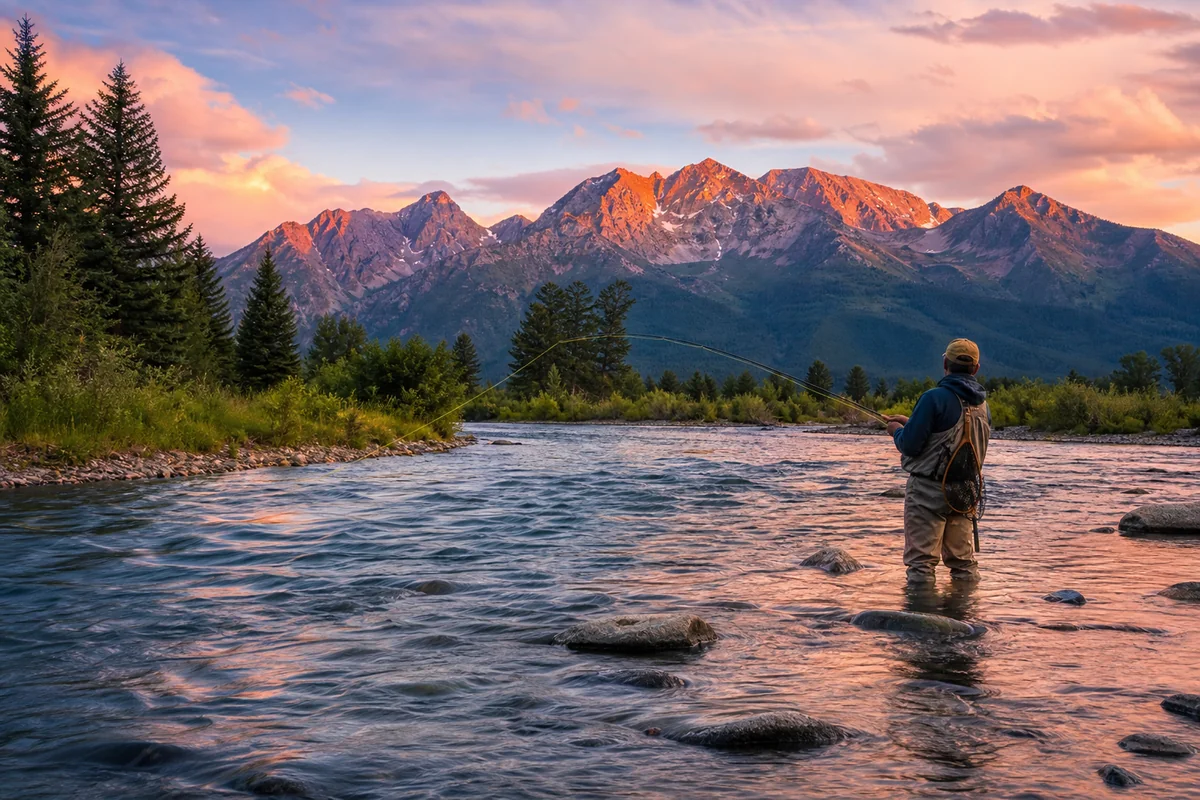
I was standing knee-deep in the Gallatin River last summer, fly rod in hand, watching the sun paint the Absaroka Range in shades of pink and gold, when my phone buzzed with a text from a friend back East: “Just saw Montana ranked as one of the worst states to live in. Why do you stay there?” I laughed so hard I spooked every trout within a hundred yards.
That question—is Montana really the worst state?—has been bouncing around the internet lately, fueled by various rankings and clickbait headlines.
As someone who’s spent over eight years exploring every corner of Big Sky Country for my work covering Montana Living, I’ve developed some strong opinions about these so-called “worst state” claims. And honestly? The answer is far more nuanced than any ranking could capture.
- Montana appears on “worst state” lists primarily due to harsh winters, high cost of living increases, limited healthcare access, and isolation—but these factors affect different people differently
- The same qualities that make it “worst” for some (low population, remoteness, extreme weather) make it paradise for others
- Wages haven’t kept pace with housing costs, creating genuine affordability challenges for locals
- Healthcare and education access varies dramatically between urban and rural areas
- Montana consistently ranks among the top states for quality of life, natural beauty, and outdoor recreation
- Whether Montana is “worst” or “best” depends entirely on what you prioritize in life
Liked this article?
Add Roaming Montana as a preferred source so you see more of our articles and guides on Google.
Why Montana Appears on “Worst State” Rankings
Let me be straight with you: I’ve read these rankings, and some of their criticisms aren’t entirely unfounded. But context matters enormously, and most of these lists fail to provide any.
During my years of traveling across Montana—from the windswept Hi-Line communities to the resort towns of the Flathead Valley—I’ve witnessed both the challenges and the extraordinary rewards of living here. The rankings typically focus on cold, hard data without understanding the warm, lived reality.
The Metrics They Use (And Why They’re Misleading)
Most “worst state” rankings rely on standardized metrics: median income, healthcare access, educational attainment, poverty rates, and economic opportunity. By these measures, Montana often lands in the bottom third nationally.
But here’s what I’ve learned from countless conversations with Montanans: they’re not living here for economic optimization.
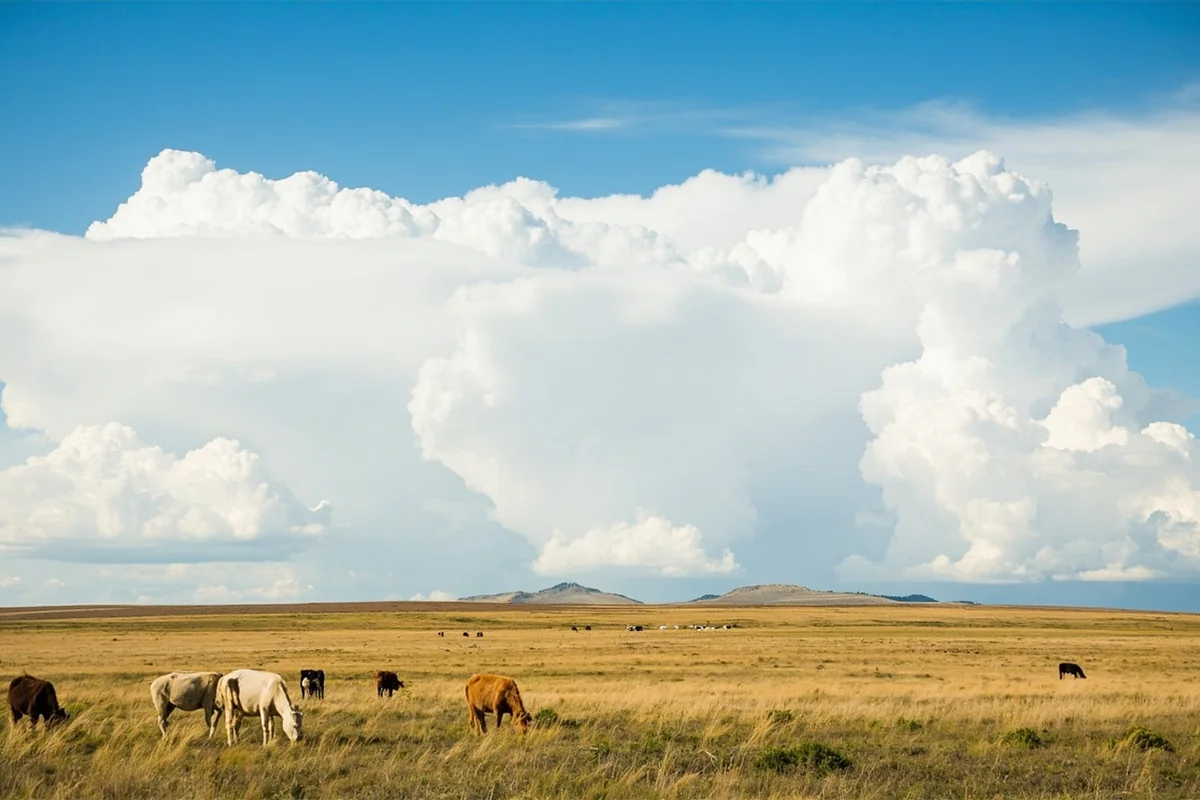
When I interviewed a rancher near Jordan last fall—a town so remote it’s three hours from the nearest hospital—he told me, “I could make three times this money in Dallas. But can you put a price on watching your kids grow up knowing every star in the sky?”
That’s not something any ranking captures. It’s also worth exploring why Montana remains so unpopulated despite its beauty—the answer reveals much about what makes this state unique.
The Real Challenges of Living in Montana
I’m not here to pretend Montana is perfect. After eight winters here, I’ve earned the right to complain about a few things. Let me share the genuine difficulties I’ve experienced firsthand.
Winter: It’s Not a Joke
My first winter in Montana, I thought I understood cold. I grew up in Minnesota, after all. Then February hit.
I remember a morning in Great Falls when my car wouldn’t start at -35°F, my eyelashes froze shut walking to the coffee shop, and schools closed not because of snow, but because exposed skin could get frostbite in under ten minutes. The places with the most snow in Montana can receive upwards of 300 inches annually in the mountains.
Winter here lasts roughly from October through May, depending on elevation. That’s seven to eight months of cold, limited daylight, and genuine danger if you’re unprepared. I’ve seen tourists from warmer climates arrive in April expecting spring and finding three feet of fresh snow instead.
The Healthcare Accessibility Problem
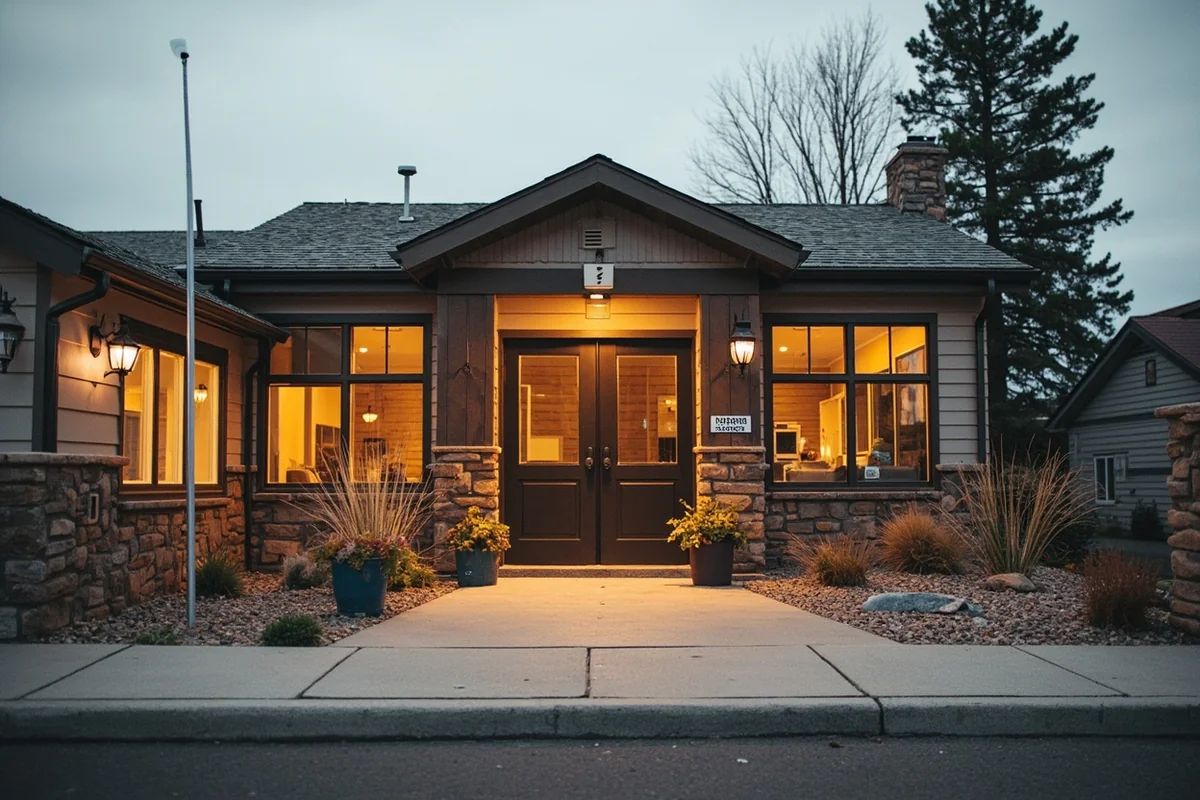
This one hits close to home. When my appendix burst during a camping trip near Choteau two summers ago, the nearest hospital capable of performing emergency surgery was an hour and forty-five minutes away.
That ambulance ride through the dark, gripping my partner’s hand, taught me something about rural healthcare that no statistic could convey.
Montana has fewer than 30 hospitals for an area larger than Germany. Specialists are concentrated in Billings, Missoula, and Great Falls. If you live in, say, Malta or Ekalaka, seeing a cardiologist might require an eight-hour round trip.
I’ve talked to elderly residents who’ve delayed necessary procedures because they couldn’t manage the travel. This is a real and serious challenge, especially for those considering retiring in Montana or exploring Montana retirement communities.
The Housing Cost Explosion
Nothing frustrates longtime Montanans more than what’s happened to housing. I watched it happen in real-time over the past eight years, and it’s been painful.
In 2016, I rented a decent two-bedroom apartment in Bozeman for $850 a month. That same apartment now goes for over $2,200. My friends who grew up in Whitefish—whose families have been there for generations—can no longer afford to live in their hometown.
| Location | Median Home Price 2018 | Median Home Price 2025 | Increase |
|---|---|---|---|
| Bozeman | $385,000 | $775,000 | +101% |
| Missoula | $295,000 | $575,000 | +95% |
| Whitefish | $415,000 | $890,000 | +114% |
| Helena | $245,000 | $445,000 | +82% |
| Billings | $235,000 | $395,000 | +68% |
Understanding why Montana has become so expensive requires examining multiple factors: remote work migration, limited housing supply, and wealthy out-of-staters buying vacation properties. For those on a budget, I’ve put together a guide to the cheapest places to live in Montana, though even those are becoming pricier.
The full picture of Montana’s cost of living and why Montana prices keep booming deserves careful consideration before any move.
Wage Stagnation Is Real
Here’s the part that really stings: while housing costs have doubled, wages have barely budged. Montana’s median household income hovers around $60,000—significantly below the national median of roughly $75,000.
I’ve met teachers, nurses, and firefighters who’ve had to take second jobs or leave careers they love because they simply can’t afford to stay. A friend who worked as a server in Big Sky told me she was sleeping in her car for two months because there was literally nowhere affordable to live within commuting distance of her restaurant job.
This wage-to-cost-of-living disconnect is a legitimate crisis, not just a statistic on a “worst states” list.
What the Rankings Get Wrong About Montana
Now let me tell you about the Montana I know—the one that keeps me here despite everything I just described.
The Quality-of-Life Factor
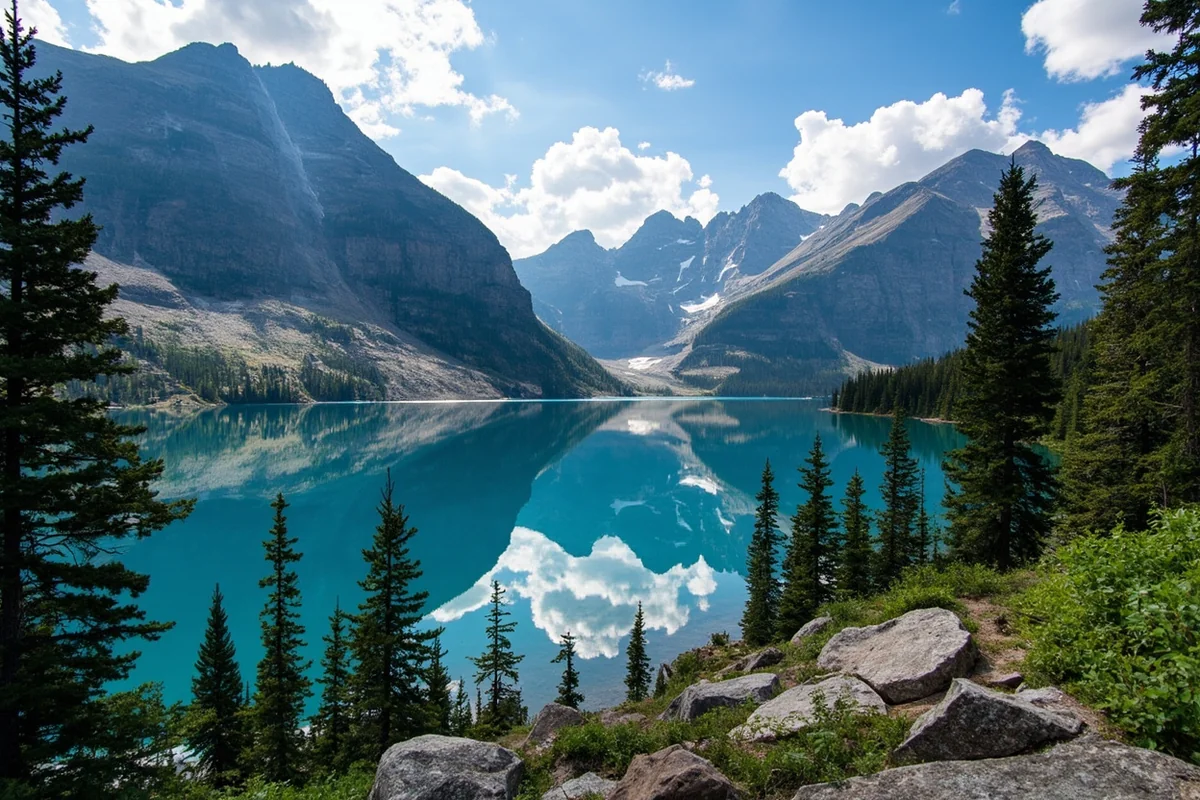
Rankings measure what’s easily quantifiable. They can’t measure the feeling of walking out my front door and seeing the Rocky Mountain Front stretching across the horizon. They can’t quantify the fact that I know my neighbors, that my kids can play outside unsupervised, that I haven’t sat in a traffic jam in eight years.
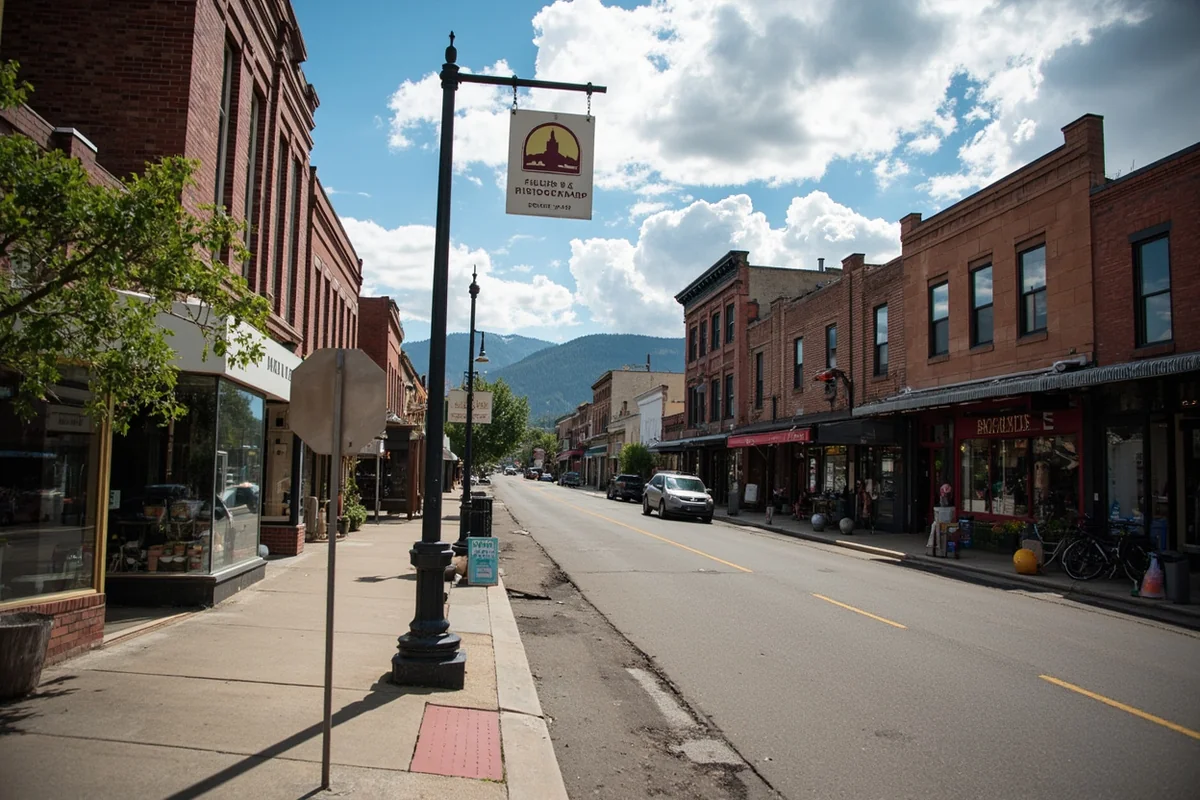
When I think about the reasons Montana captures your heart, it’s never about economics. It’s about the bartender in Livingston who remembers my name and my drink. It’s about the way strangers wave on gravel roads. It’s about the sound of absolute silence—something most Americans have never truly experienced.
Natural Beauty Beyond Compare
I’ve traveled extensively throughout the United States, and nothing compares to Montana’s landscapes. During a single weekend last July, I watched grizzly bears fish for trout in Yellowstone’s backcountry, hiked through wildflower meadows in Glacier National Park, and floated the Missouri River through the same limestone canyons Lewis and Clark documented over 200 years ago.
Montana contains two world-class national parks, 11 national forests covering 17 million acres, more blue-ribbon trout streams than any other state, and wilderness areas larger than some eastern states. The idea that this could be the “worst” state while offering this kind of access to nature strikes me as absurd.
There are compelling reasons to move to Montana that transcend what any ranking could capture.
Community and Culture
Something happens to people in remote places. Without the anonymity of big cities, we become accountable to each other. When my neighbor’s barn burned down two years ago, forty families showed up the next morning to help rebuild. No one asked for payment. No one kept score.
This sense of community extends across Montana. I’ve experienced the kindness of strangers who stopped to help when I got stuck in a snowdrift near Augusta.
I’ve sat in diners where farmers, artists, ranchers, and tech workers all drink coffee together because there’s only one diner in town and everyone has to get along.
The Montana African American community has deep historical roots here, and organizations throughout the state work to build inclusive spaces. Similarly, while Montana isn’t perfect, LGBTQ-friendly spaces do exist, particularly in university towns, supported by various Montana LGBTQ organizations.
Who Should Actually Avoid Montana
After years of watching people move here, fall in love, then leave heartbroken (or occasionally thrive beyond their wildest dreams), I’ve developed a sense for who Montana suits and who it doesn’t.
The Isolation Can Break You
If you need regular social stimulation, easy access to diverse dining and entertainment, or the buzz of urban energy, Montana will eventually feel suffocating. I’ve watched it happen.
A couple from Los Angeles moved to my small town three years ago, charmed by the landscape and lower property taxes. By month eight, the wife was crying regularly. “I haven’t made a single friend,” she told me. “Everyone here has known each other for thirty years. I’m invisible.”
They left within a year. Montana requires an extrovert’s energy to build community from scratch, combined with an introvert’s contentment with solitude. It’s a particular personality type, and not everyone has it.
Career Limitations Are Significant
If you’re ambitious in fields like finance, tech (non-remote), medicine, law, or creative industries, Montana will limit your trajectory. We simply don’t have the job markets.
I know brilliant attorneys who left for Denver because they couldn’t find challenging enough work. I’ve met young professionals stuck in entry-level positions because there’s nowhere to advance locally.
Remote work has changed this somewhat—many of Montana’s fastest-growing cities and counties have boomed precisely because location-independent workers discovered they could keep their coastal salaries while living here. But if your career requires in-person presence, think carefully.
Diversity Is Limited
Montana is approximately 89% white. If you come from a diverse metropolitan area, the homogeneity can be jarring.
I’ve had honest conversations with friends of color who moved here. Some have found welcoming communities, particularly in university towns like Missoula and Bozeman. Others have experienced subtle (and occasionally not-so-subtle) racism that made them feel unwelcome.
This is getting better, slowly. But I won’t pretend it isn’t a factor worth considering.
Who Thrives in Montana
Conversely, certain people arrive in Montana and immediately recognize they’ve found their home.
Outdoor Enthusiasts Find Paradise
If skiing, fishing, hunting, hiking, mountain biking, climbing, or simply being in wild spaces is central to your identity, Montana delivers like nowhere else.
I’ve met people who moved here specifically to fish and now structure their entire lives around hatch seasons. I know skiers who’ve arranged their careers so they can hit the slopes every powder day. For these people, Montana isn’t the worst state—it’s the only state worth living in.
Those Seeking Simplicity
Montana attracts people deliberately stepping off the treadmill. There’s a reason so many celebrities have chosen Montana living—and it’s not for the nightlife. Some of Montana’s most expensive properties belong to people who could live anywhere but choose here for the peace.
I’ve interviewed former executives who now run fishing lodges, ex-lawyers raising cattle, and tech entrepreneurs who traded venture capital for homesteading in Montana. They’ve all chosen less money and more time, less status and more meaning.
Families Who Prioritize Certain Values
Montana consistently ranks among the safest states in the nation. Several of Montana’s safest cities and towns have crime rates that would be unimaginable in most of America.
Parents who want their children growing up with outdoor access, close community ties, and freedom from the pressures of hyper-competitive suburban environments often thrive here. The best school districts in Montana may not be producing Ivy League feeders, but they’re creating confident, capable kids who know how to work hard and think independently.
For those prioritizing education for themselves or their kids, the best colleges in Montana offer unique opportunities in specific fields, particularly those related to natural resources, conservation, and outdoor leadership.
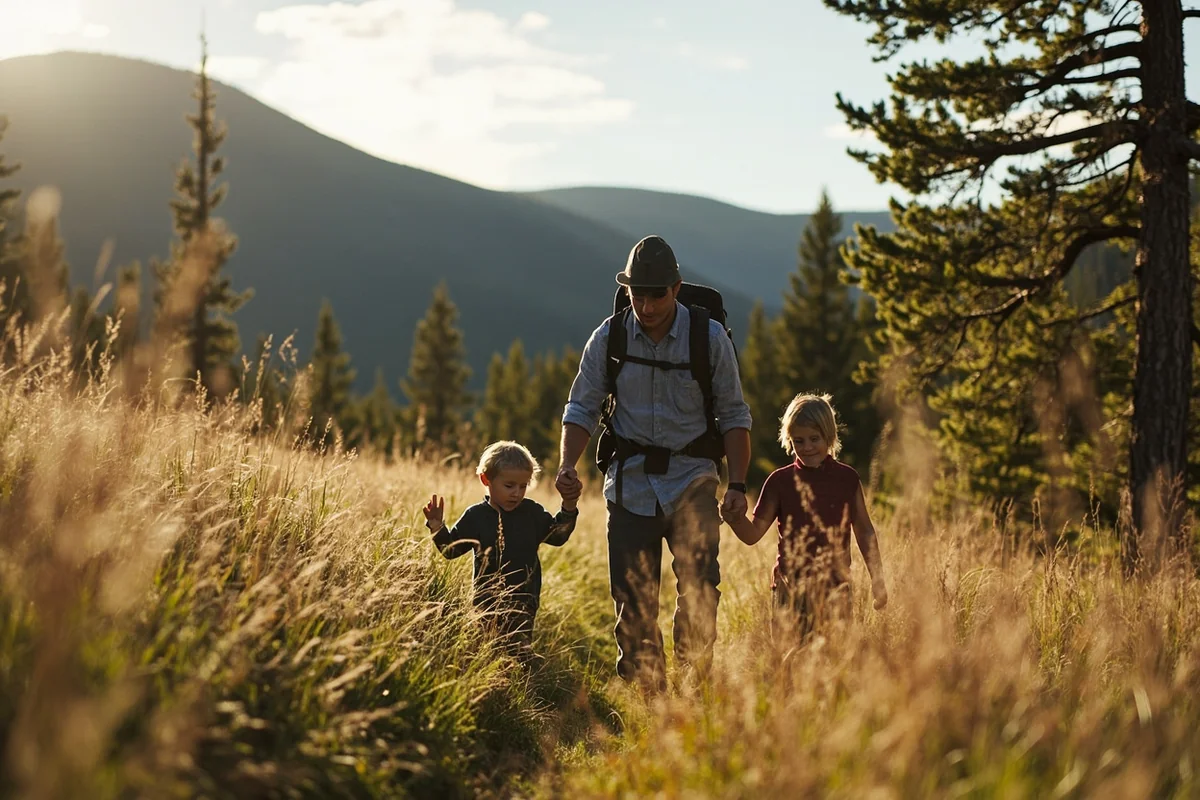
The Full Picture: Pros and Cons Weighed Honestly
Let me lay out the complete assessment after eight years of firsthand experience. For a more detailed breakdown, I’ve written extensively about the pros and cons of living in Montana.
Genuine Advantages I Experience Daily
- Unmatched natural beauty and outdoor access – I can be fly fishing in 20 minutes, backcountry skiing in 45
- Strong sense of community – People genuinely know and help each other
- Low crime rates – Though some Montana cities have higher crime, overall safety is excellent
- No state sales tax – Montana has no sales tax, which adds up significantly
- Low population density – Learn more about whether Montana is heavily populated or examine if Montana is the least populated state
- Clean air and water – Consistently among the nation’s best
- Four distinct seasons – Each brings its own activities and beauty
- Slower pace of life – Less stress, more presence
Real Challenges I Can’t Ignore
- Brutal winters – Six months of cold that affects mental health for many
- Limited healthcare access – Especially concerning for aging populations
- Housing costs have exploded – While wages haven’t
- Career limitations – Limited professional opportunities in most fields
- Isolation – Both geographic and social
- Natural hazards – Montana natural disasters include wildfires (learn more about whether Montana gets wildfires—spoiler: yes), blizzards, and occasional flooding
- Limited diversity – Both demographically and in dining/entertainment options
- Some communities struggle – Understanding the worst places to live in Montana helps set realistic expectations
Is Montana the Worst State? My Final Verdict
After everything I’ve shared, here’s my honest answer: Montana can be the worst state—for the wrong person. And it can be the best state imaginable—for the right one.
The rankings that call Montana the “worst” are measuring it against criteria that don’t reflect why people actually choose to live here. They’re measuring economic opportunity in a place where many residents deliberately traded economic opportunity for quality of life. They’re measuring healthcare access without acknowledging that the same remoteness that limits hospitals also provides the peace and space that promotes health in other ways.
I’ve watched stressed corporate refugees arrive, decompress over a few years, and become fundamentally different (healthier, happier) people. I’ve also watched others—equally good people—retreat in frustration and disappointment because Montana simply wasn’t right for them.
Questions to Ask Yourself Before Deciding
If you’re considering Montana—or questioning whether it might be the “worst” place you could choose—here’s what I’d suggest exploring:
Practical Considerations
- How’s your cold tolerance? Spend a full winter here before committing. January in Montana is not like January anywhere else.
- What’s your healthcare situation? If you have chronic conditions requiring specialists, research carefully.
- Is your income location-independent? This matters enormously for financial viability.
- Can you handle isolation? Not just tolerate—actually handle, long-term.
- Where specifically would you live? Montana varies dramatically. The best places to live in Montana differ based on individual priorities.
Lifestyle Considerations
- Do you love the outdoors? If not, Montana loses about 80% of its appeal.
- Are you self-motivated socially? Community here requires effort to build.
- Can you entertain yourself? There are no professional Montana sports teams, limited concerts, few museums.
- Do you value authenticity over convenience? Montana has the former; it lacks the latter.
- Have you checked on essentials? For instance, do Montana grocery stores sell liquor? Small details matter in daily life.
The Surprising Truth About “Worst State” Rankings
Here’s something I’ve come to understand: these rankings tell us more about what American society values than they do about actual quality of life. We measure success by GDP, average income, population growth, and economic productivity.
Montana fails by those metrics because Montana explicitly rejects those metrics.
The people I’ve met here—the ranchers and artists, the fishing guides and forest firefighters, the small business owners and remote workers—they didn’t come for career advancement. They came for something harder to measure but easier to feel: authenticity, connection to land, a different pace of existence.
When a friend asks me if Montana is the worst state, I now turn the question around: worst for what? Worst for climbing the corporate ladder? Probably. Worst for easy healthcare access? Often. Worst for nightlife and dining? Absolutely.
But worst for watching the Milky Way arc across a sky so dark you can see satellites orbiting? Worst for drinking a beer on your porch while elk graze in your yard? Worst for knowing your neighbors and being known by them? Worst for feeling small in the best possible way, surrounded by mountains and rivers that were ancient before humans existed?
No. For those things, Montana might just be the best place on Earth.
What Montanans Really Think
I’ll close with something a fourth-generation rancher told me near the Rocky Mountain Front last autumn. We were sitting on his porch, watching the light fade over the plains, and I asked him about these “worst state” rankings.
He laughed, took a sip of whiskey, and said: “Let them keep saying that. Every time Montana gets called the worst state, a few more people decide not to move here. And you know what? That’s just fine with us.
We don’t need more people. We like it empty. We like it quiet. We like knowing our neighbors and having elk in our backyards and not locking our doors. So yeah, tell everyone it’s the worst. They’ll believe you. And we’ll keep this little secret to ourselves.”
The question of whether Montana is the “worst” state is, perhaps, one only you can answer. And if you’re wondering whether it might be boring or not, I can tell you this much: in eight years, bored is something I’ve never been.
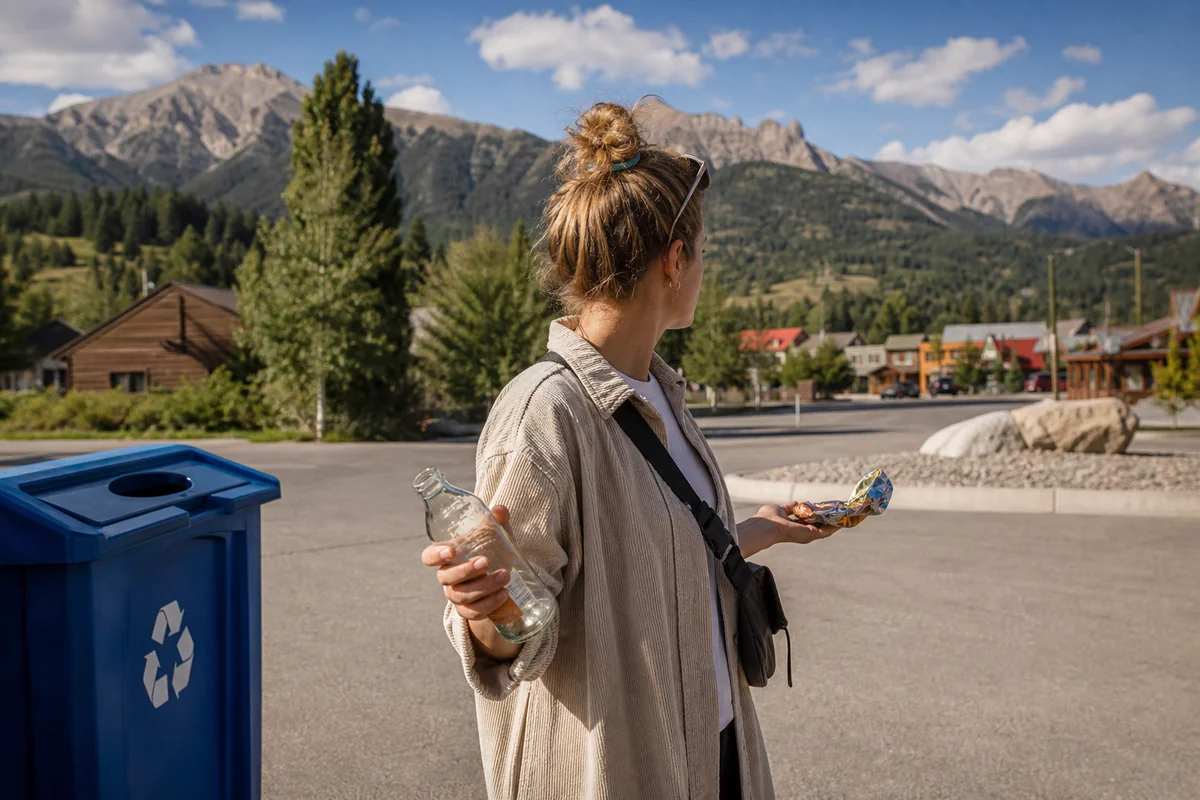
Check out Montana’s population data and Montana’s recycling programs for more insights into daily life here. The state has its quirks, its challenges, and its genuine drawbacks. But worst? That depends entirely on what you’re looking for—and what you’re willing to give up to find it.
Frequently Asked Questions
Is Montana really the worst state to visit or live in?
Absolutely not—Montana consistently ranks among America’s most scenic states, with Glacier National Park, Yellowstone, and vast wilderness areas drawing millions of visitors annually. The ‘worst state’ claims typically come from people who prefer urban amenities, since Montana has low population density and limited nightlife options. For outdoor enthusiasts and those seeking natural beauty, Montana is genuinely one of the best states in the country.
What are the actual downsides of traveling to Montana I should know about?
The biggest practical challenges include long driving distances between attractions (some destinations are 100+ miles apart), limited cell service in rural areas, and higher-than-expected costs for lodging near national parks ($150-$300/night in peak season). Winter travel from November through March can be treacherous with icy roads and sudden snowstorms, so I always recommend checking road conditions before heading out.
When is the best time to visit Montana to avoid the worst weather?
The sweet spot is mid-June through early September when roads are fully open, temperatures range from 70-85°F, and wildlife is active. I personally prefer late September for fall colors and fewer crowds, though some high-elevation roads may close. Avoid March and April if possible—this ‘mud season’ brings unpredictable weather and many businesses remain closed.
Is Montana too expensive for budget travelers?
Montana can be affordable if you plan strategically—camping costs $15-$35/night, and towns like Bozeman and Missoula have budget motels around $80-$120/night outside peak season. Gas prices run about $0.20-$0.40 higher than the national average, and you’ll need a full tank since stations are sparse in rural areas. I recommend cooking your own meals and booking accommodations in gateway towns rather than inside park boundaries to save 30-40%.
What should I pack for a Montana trip to handle the worst conditions?
Layer everything—temperatures can swing 40°F in a single day, even in summer. I never travel Montana without bear spray ($40-$50, required for backcountry hiking), a paper map as backup, and a vehicle emergency kit with blankets, water, and snacks. Bring sturdy hiking boots, sunscreen for high-altitude sun exposure, and rain gear regardless of the forecast.
Is driving in Montana dangerous compared to other states?
Montana’s fatality rate per mile driven is higher than average, primarily due to wildlife collisions, long distances encouraging fatigue, and winter road conditions. The good news is that traffic congestion is virtually nonexistent outside Bozeman and Missoula. I always drive defensively at dawn and dusk when deer and elk are most active, and I add extra travel time rather than speeding on unfamiliar mountain roads.
Why do some people say Montana is the worst state for first-time visitors?
First-timers sometimes feel overwhelmed by the sheer scale—Glacier National Park alone is over 1 million acres, and attractions aren’t concentrated like in smaller states. Without proper planning, visitors underestimate driving times and show up to find fully booked campgrounds or sold-out Going-to-the-Sun Road reservations. I recommend planning your Montana trip at least 3-6 months ahead and focusing on one region rather than trying to see everything.
Sources