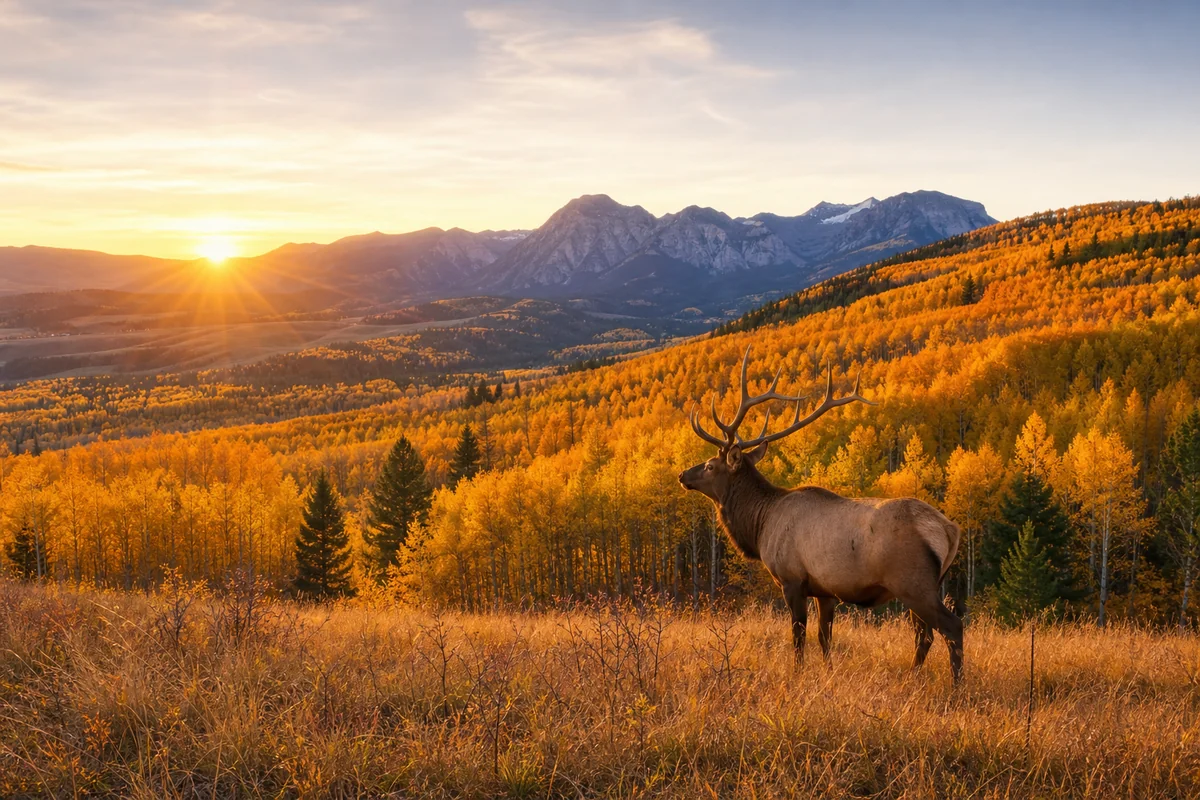
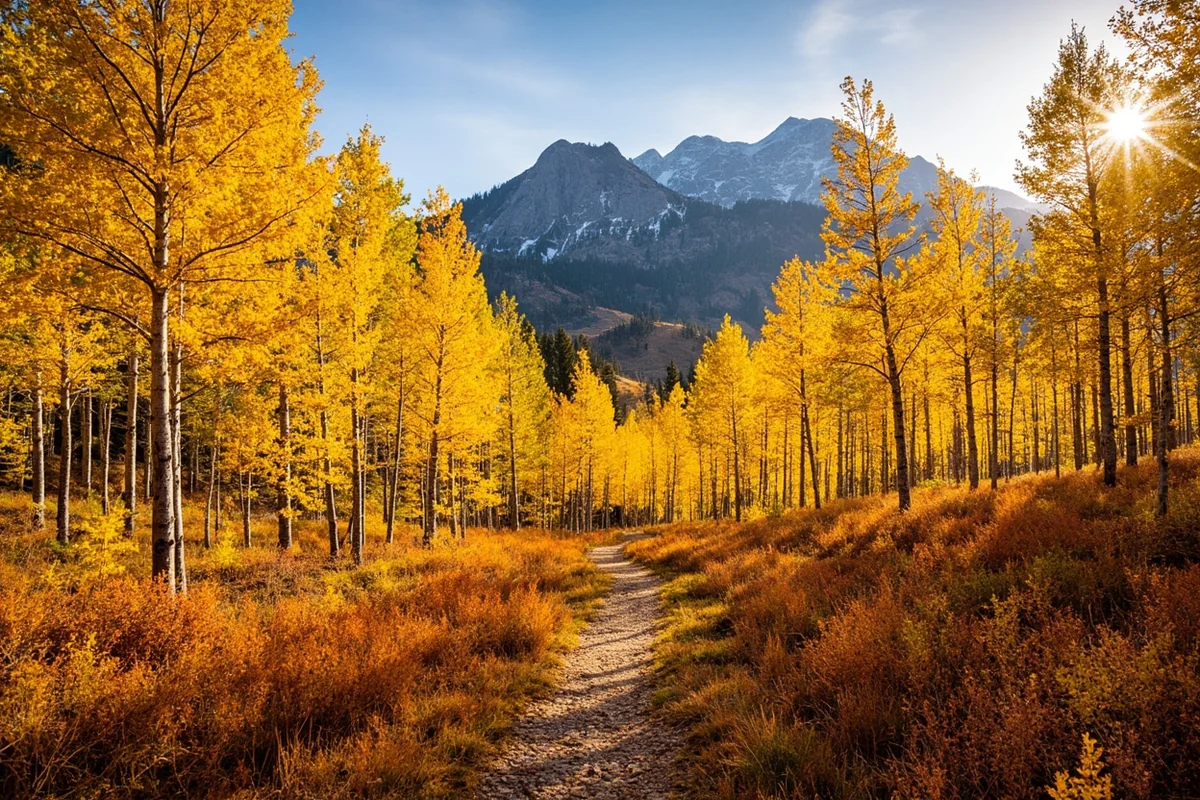
The first time I watched the sun rise over the Mission Mountains in late September, every single aspen on the hillside looked like it had been dipped in liquid gold.
That single morning — cold coffee in hand, elk bugling somewhere in the timber below — is the reason I’ve returned to Montana every fall for the past seven years.
If you’re exploring Montana outdoor activities, autumn is genuinely the best-kept secret in the Northern Rockies, and I’m about to walk you through exactly why.
- Montana’s fall season (mid-September through late October) offers thinner crowds, vivid foliage, cooler hiking temps, and unique wildlife activity.
- This list covers 25 genuinely exciting things to do — from iconic national park hikes to lesser-known local experiences.
- I’ve personally done every single activity on this list and share real logistics, costs, and timing tips.
- Fall weather in Montana is unpredictable — always layer and carry rain gear, even on bluebird days.
- Many accommodations drop prices 30–50% after Labor Day, making fall the best value season.
Liked this article?
Add Roaming Montana as a preferred source so you see more of our articles and guides on Google.
Why Fall in Montana Is Genuinely Special
I’ve visited Montana in every season, and fall consistently delivers the most memorable experiences. The summer crowds vanish almost overnight after Labor Day, temperatures settle into a comfortable 40–65°F range, and the landscape transforms into a patchwork of amber, gold, and crimson that’s almost impossible to photograph accurately.
Beyond the scenery, fall is when Montana’s wildlife is at its most active and visible. Elk are in full rut, bighorn sheep are clashing on ridgelines, and migratory birds flood the river valleys. It’s also harvest season across the state’s growing number of farms, orchards, and vineyards, which means fresh flavors and community festivals you simply can’t experience any other time of year.
1. Hike to Hidden Lake in Glacier National Park
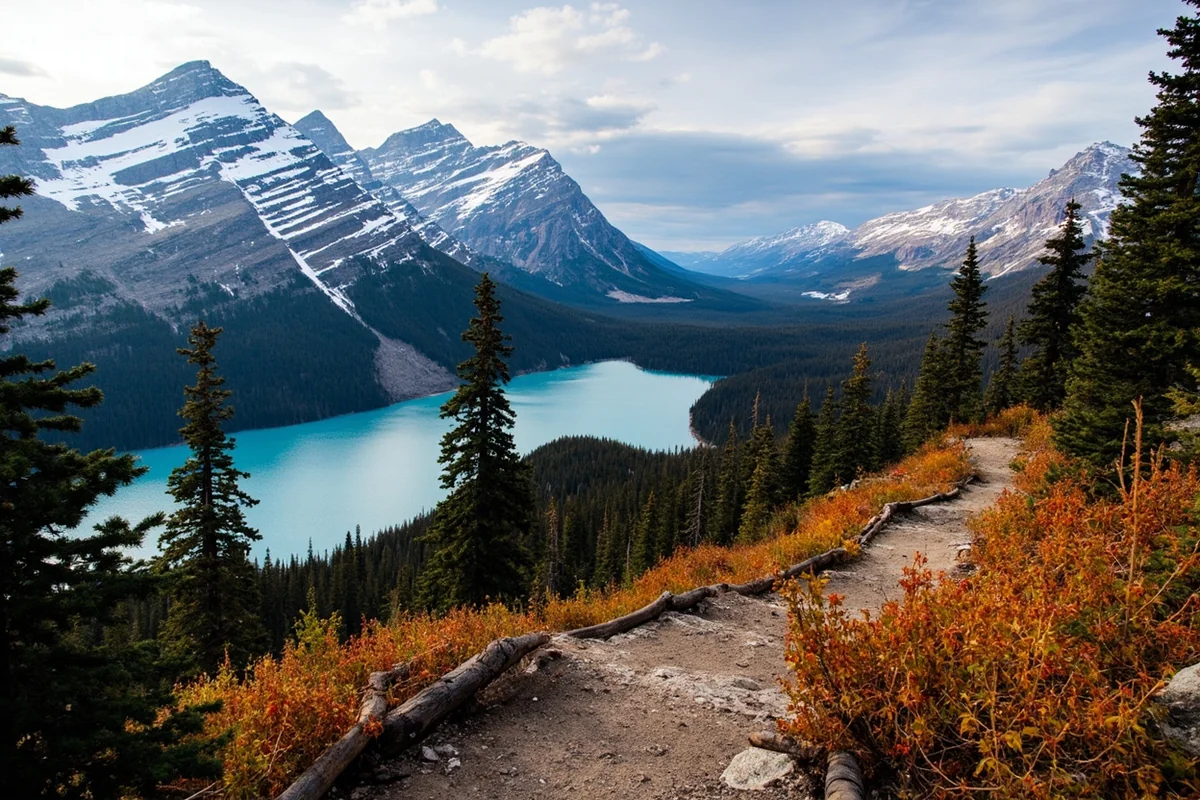
Hidden Lake Overlook is one of my all-time favorite fall hikes. During my most recent trip in late September, I had the 2.7-mile trail almost entirely to myself — a stark contrast to the shoulder-to-shoulder summer crowds. The boardwalk section at the top was dusted with early frost, mountain goats were grazing within 30 feet of the trail, and the views over Hidden Lake were otherworldly.
The trailhead at Logan Pass typically stays accessible until mid-October, weather dependent. I recommend starting early — by 8:00 a.m. — and checking the 16 best hikes in Glacier National Park for additional fall-friendly routes and current trail conditions.
2. Drive the Beartooth Highway Before It Closes
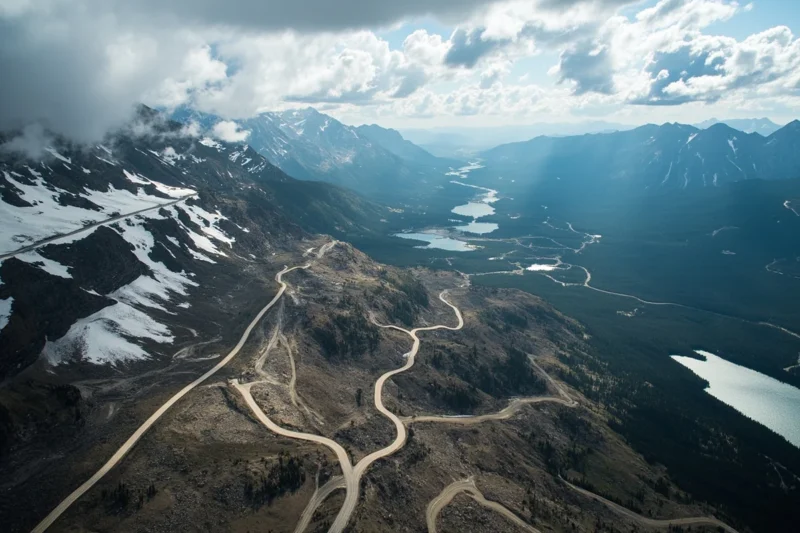
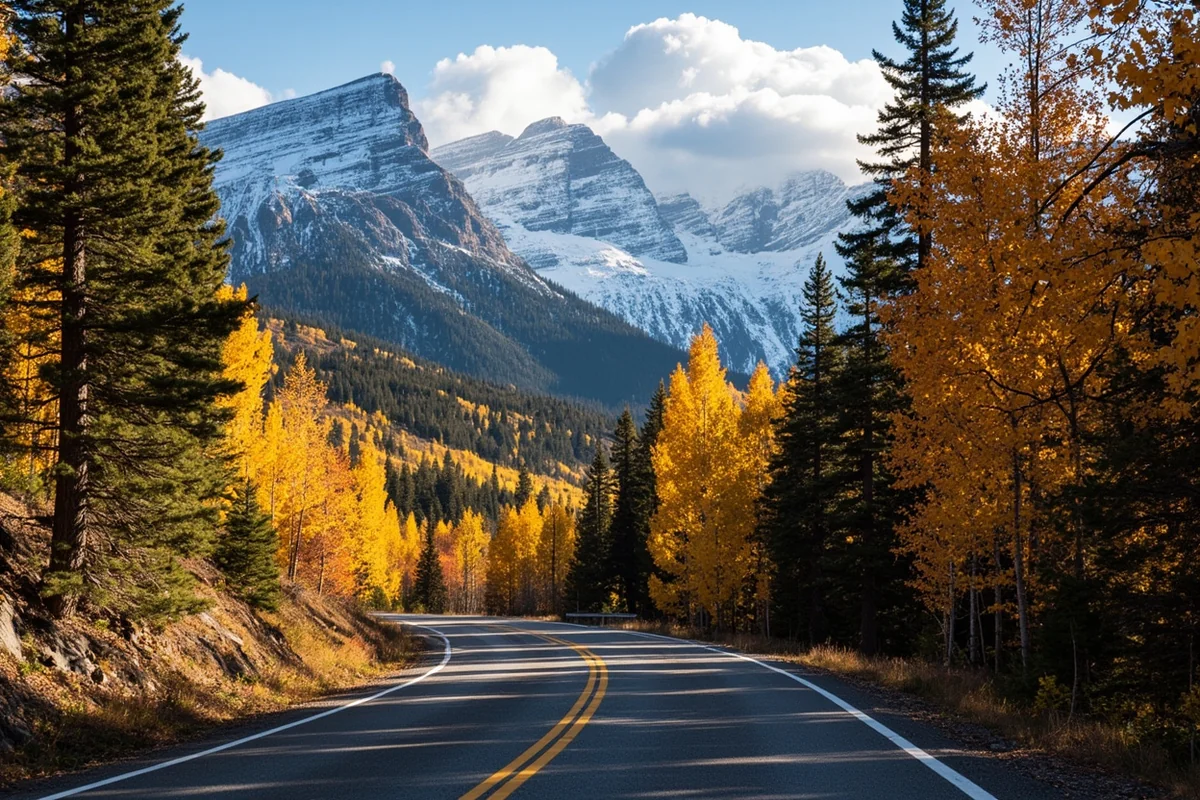
The Beartooth Highway (US-212) typically closes for the season around mid-October, and driving it in late September is a bucket-list experience. Last fall, I caught the aspens at peak color near the Red Lodge base while the upper switchbacks were frosted white. The contrast was surreal.
The drive is 68 miles from Red Lodge to Cooke City. Pack snacks, fill your gas tank beforehand, and give yourself at least three hours so you can pull over at the overlooks without feeling rushed. Some of the alpine lakes near the summit had thin ice already forming during my visit — it felt like driving through three seasons in an hour.
3. Listen to Elk Bugling in the Bitterroot Valley
If you’ve never heard an elk bugle echoing off a canyon wall at dawn, it will genuinely give you chills. The Bitterroot Valley south of Missoula is one of the most accessible places to experience the fall rut. I’ve had incredible mornings along the East Fork Road near Sula, where bulls were herding cows right along the tree line.
Peak bugling happens from mid-September through early October. I recommend arriving at your spot 30 minutes before first light. Bring binoculars and stay at a safe distance — rutting bulls are unpredictable and can be aggressive.
4. Float the Missouri River Near Craig
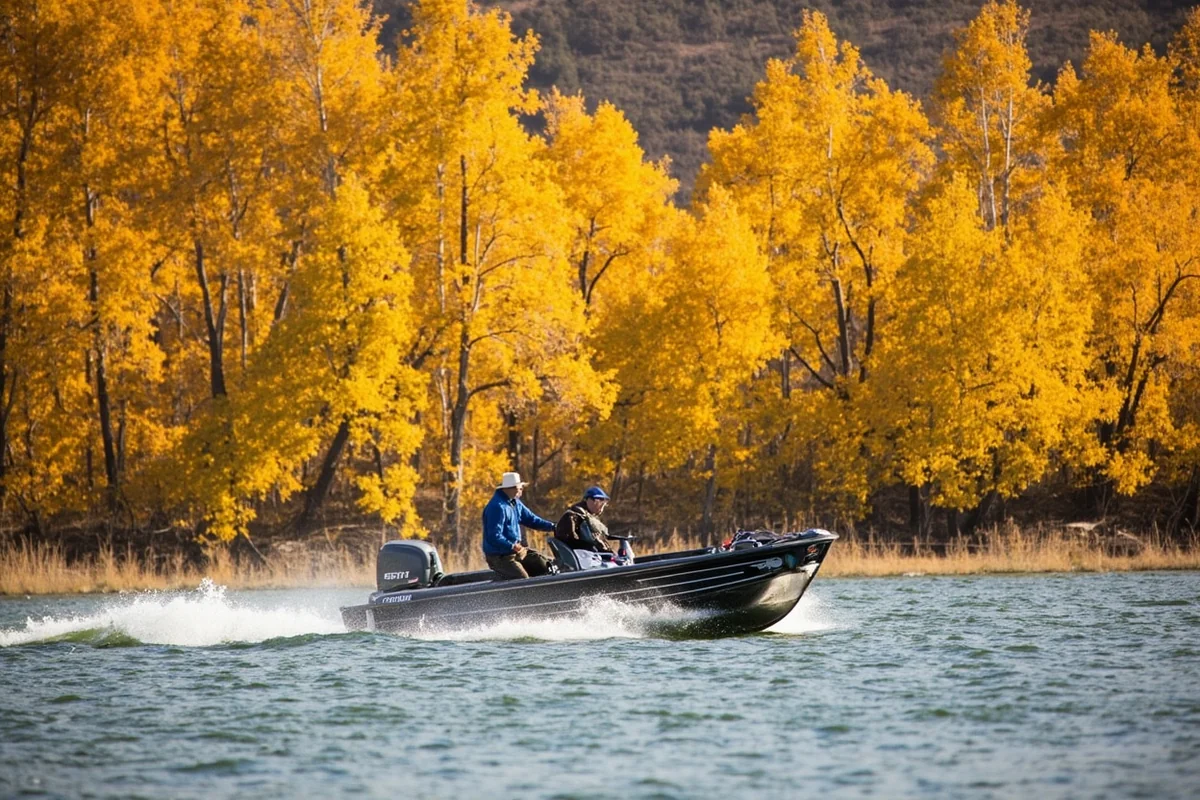
Fall floating on the Missouri below Holter Dam is one of Montana’s most underrated experiences. The cottonwoods along the banks turn brilliant yellow, the trout fishing peaks with fall baetis hatches, and the canyon is absolutely silent except for the water. If you love boating in Montana, this stretch is a must-do before winter sets in.
When I floated in early October last year, we launched at Craig and took out at Cascade. Water temps had dropped enough that the browns were aggressive, and we landed over two dozen fish between two of us. Outfitters in Craig like Headhunters and Montana River Outfitters run trips through the end of October.
5. Explore the Larch Trees of the Seeley-Swan Valley
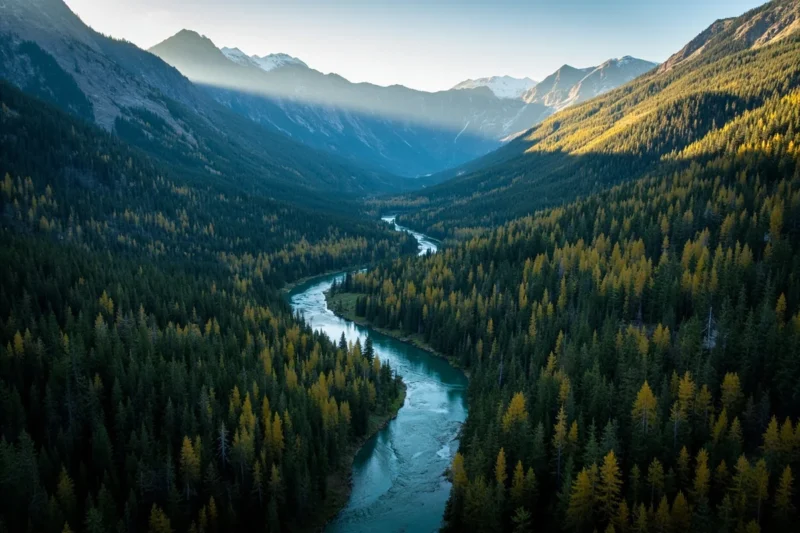
Western larches are the only conifer that drops its needles, and before they fall, they turn an electric gold that’s completely unique to the Northern Rockies. The peak larch season typically hits the Seeley-Swan corridor in the second or third week of October.
I hiked the Morrell Falls trail during larch season two years ago, and the forest literally glowed. The 5.4-mile roundtrip trail is easy enough for families, and the 90-foot waterfall at the end is framed by golden needles. It’s one of the most photogenic fall hikes I’ve done anywhere in the country.
6. Visit a Working Guest Ranch
Fall is arguably the best time to visit a Montana guest ranch. The pace slows down, rates drop, and you often get a more authentic experience — helping move cattle to winter pasture, riding through golden meadows, and gathering around evening campfires as the stars sharpen in the cold air. I spent a long weekend at a ranch near the Boulder Valley a couple of autumns ago, and it remains one of my favorite Montana memories. Check out this detailed guide to 13+ Montana ranches to find one that fits your style and budget.
7. Soak in Natural Hot Springs
After a cold fall hike, nothing beats sliding into a natural hot spring. My go-to spots include Bozeman Hot Springs (developed, easy access) and Jerry Johnson Hot Springs near the Idaho border (backcountry, clothing-optional, absolutely stunning in fall). I was at Jerry Johnson on a 35°F morning last October, and steam was rising off the pools into the golden forest canopy — it felt cinematic.
Developed springs like Chico Hot Springs near Pray and Norris Hot Springs south of Ennis both stay open through fall and offer food and drinks. I recommend weekdays to avoid the weekend rush.
8. Photograph Fall Colors on Going-to-the-Sun Road
Going-to-the-Sun Road typically stays open to vehicles through mid-October (though the upper sections can close earlier due to snow). During my September visit, I spent an entire day driving the 50-mile route, stopping at Wild Goose Island overlook, Sunrift Gorge, and Jackson Glacier Overlook.
The huckleberry bushes at lower elevations turn deep red, while the aspens and cottonwoods provide the gold. Morning light along the east side of the park is particularly magical. Bring a polarizing filter for your camera — it cuts the glare on the lakes and makes the colors pop.
9. Attend the Flathead Celtic Festival in Kalispell
I stumbled onto this festival during a trip a few years back and had an absolute blast. Held in mid-September, it features Highland games, Celtic music, and more than enough food and craft vendors to fill an afternoon. It’s a family-friendly event with a surprisingly enthusiastic local turnout.
The festival grounds are easily accessible from downtown Kalispell, and admission is affordable. I paired it with a day trip to Jewel Basin, which is only about 30 minutes away and offers incredible fall hiking.
10. Mountain Bike the Whitefish Trail
The Whitefish Trail system has exploded in recent years, and fall riding conditions are phenomenal — dry singletrack, cool temps, and golden aspen tunnels. I rode the Beaver Lakes loop last October and had the entire trail to myself for nearly two hours.
The trails are well-marked and range from beginner-friendly to legitimately technical. Glacier Cyclery in Whitefish is a great resource for current trail conditions and bike rentals. Bring layers, because morning starts can be in the 30s up there.
11. Fly Fish the Yellowstone River
The fall brown trout spawning run on the Yellowstone River is legendary among serious anglers. During my October trip near Livingston, I watched 20-inch browns cruising the shallow riffles in water so clear I could count their spots. Streamer fishing picks up dramatically as water temps drop.
If you’re new to the river, I strongly recommend hiring a local guide for at least one day. Dan Bailey’s in Livingston has been the go-to fly shop since 1938, and their staff knows the river intimately. October through early November is prime time.
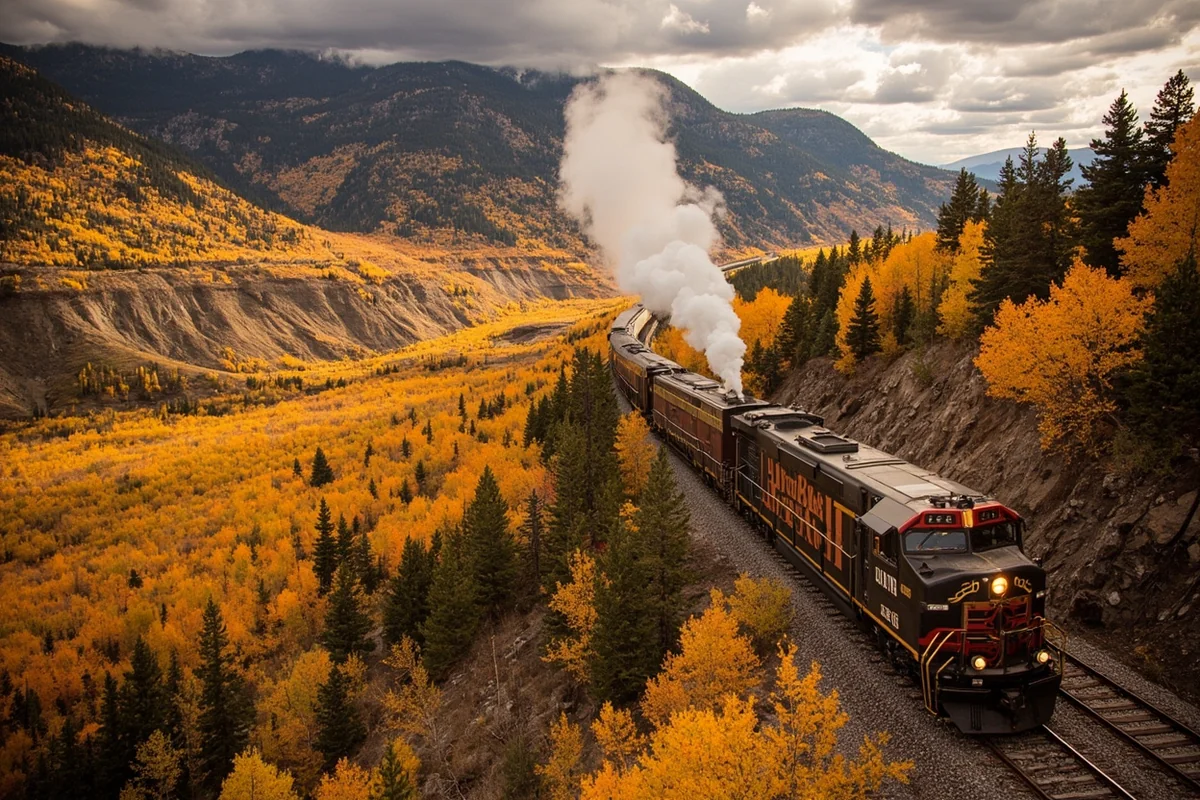
12. Take a Scenic Train Ride on the Charlie Russell Chew Choo
This dinner train runs through the Missouri River canyon near Lewistown, and the fall foliage views are outstanding. I took this ride on a Saturday evening in late September, and the combination of good food, live entertainment, and canyon scenery made it one of the most unexpectedly fun things I’ve done in Montana.
The train runs seasonally, so check dates in advance. It’s a roughly 3.5-hour roundtrip experience. I recommend booking early — fall dates sell out fast.
13. Hike Hyalite Canyon Near Bozeman
Hyalite Canyon is Bozeman’s backyard playground, and fall transforms it. The Hyalite Creek Trail and Palisade Falls Trail are both gorgeous in autumn, with golden aspens lining the canyon and the creek running clear and cold. I’ve hiked Palisade Falls in every season, and fall is by far the prettiest.
The canyon gets busy on weekends — even in fall — so aim for weekday mornings. The reservoir at the end of the road is beautiful for a quick picnic, and you might spot moose along the creek if you’re quiet and lucky.
14. Explore Virginia City and Nevada City
These preserved ghost towns west of Ennis are fascinating year-round, but fall adds a layer of atmospheric magic. When I visited in early October, most of the summer tourists had gone, and I had the boardwalks largely to myself. The old buildings creaking in the wind, golden cottonwoods along Alder Gulch — it genuinely felt like stepping back into the 1860s.
Some attractions close for the season after Labor Day, but the towns themselves remain accessible and the main buildings stay open through October. It’s a perfect half-day trip combined with fishing on the Madison River.
15. Attend a Harvest Festival or Farmers Market
Montana’s fall harvest scene has grown significantly. The Billings Harvest Festival, Missoula’s Clark Fork Market (runs through October), and the many small-town farmers markets across the Flathead Valley are all worth visiting. I picked up incredible heirloom apples, locally made cheese, and elk jerky at the Missoula market on a recent October Saturday.
These events connect you with local producers and give you a taste of Montana’s food culture that restaurants alone can’t provide. Bring a cooler if you’re driving — you’ll want to stock up.
16. Paddle Flathead Lake
Flathead Lake — the largest natural freshwater lake west of the Mississippi — is stunning in fall. The Mission Mountains reflected on the calm surface, framed by golden shoreline trees, is a sight I never get tired of. I kayaked from Wayfarers State Park near Bigfork during a calm October morning, and the water clarity was unbelievable — I could see rocks 15 feet below my hull.
Water temps drop fast after September, so wear a dry suit or at minimum a wetsuit if you’re paddling. The lake can also kick up serious whitecaps with little warning. Stay close to shore and check wind forecasts before you launch.
17. Try Paintball in the Montana Wilderness
This one might surprise you, but fall is prime paintball season in Montana. The cooler air means better paint performance (no melting or swelling), and the autumn forest provides incredible natural cover. If you’re looking for something unexpected and high-energy, check out Montana paintball adventures for a full rundown of where to play across the state.
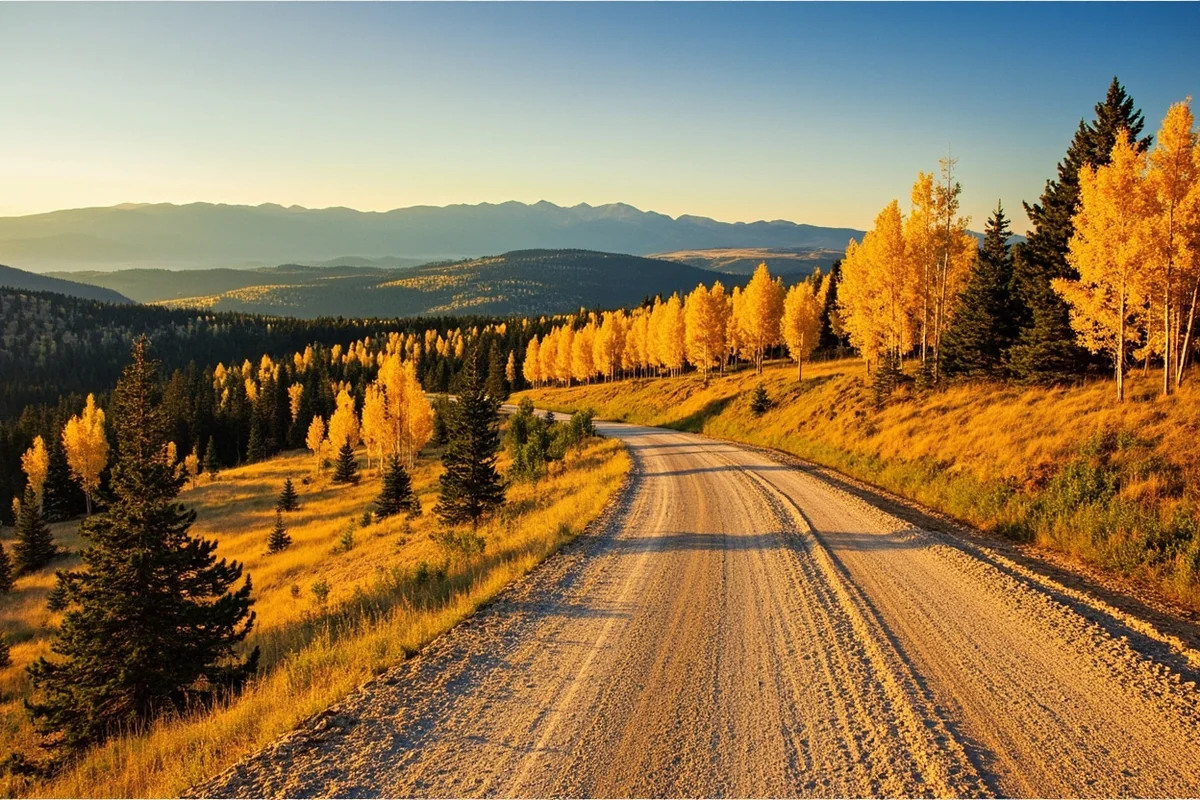
18. Drive the Pioneer Mountains Scenic Byway
This 44-mile route between Polaris and Wise River is one of Montana’s most scenic fall drives, and almost nobody knows about it. I drove it last October on a whim and was absolutely floored by the aspen groves at higher elevations — miles of uninterrupted gold against dark green lodgepole pine.
The road is mostly gravel but well-maintained for passenger vehicles (though I’d recommend high clearance for comfort). Crystal Park, a public gem-collecting site, is along the route and free to visit. My kids spent an hour digging for quartz crystals while I just stared at the mountains.
19. Watch Raptors Migrate at the Bridger Mountains
The Bridger Mountain Raptor Migration Monitoring Site north of Bozeman is one of the most significant raptor counting stations in the western U.S. From September through November, thousands of golden eagles, red-tailed hawks, and other raptors funnel along the ridge.
I spent a morning there in mid-October and counted over 40 golden eagles in three hours with volunteers from Montana Audubon. It’s free, family-friendly, and genuinely awe-inspiring. The hike to the observation point is short but steep — about a mile — and the ridge can be extremely windy, so bring a windbreaker and hat.
20. Visit the C.M. Russell Museum in Great Falls
When fall weather turns uncooperative (and it will at some point), the C.M. Russell Museum is one of Montana’s finest indoor experiences. Charlie Russell’s Western art captures Montana’s landscape and history with incredible detail and emotion. During my last visit, I spent over two hours there and still felt like I’d rushed through.
The museum’s collection includes Russell’s original studio, which has been preserved exactly as he left it. Admission was around $15 when I went, and they offer guided tours that are well worth the extra time.
21. Explore Libby and the Cabinet Mountains
Libby is one of those Montana towns that rewards the curious traveler. Tucked in the northwest corner of the state, it’s surrounded by wild country and has a quiet, authentic feel. The nearby Cabinet Mountains Wilderness offers rugged fall hiking, and the Kootenai Falls — Montana’s largest undammed waterfall — is spectacular year-round. I wrote a comprehensive Libby Montana guide covering waterfalls, hiking trails, and more that breaks down everything worth doing in the area.
22. Stargaze in a Dark Sky Area
Montana has some of the darkest skies in the lower 48, and fall’s longer nights make stargazing prime. I’ve had my best stargazing experiences near Medicine Rocks State Park in eastern Montana, where the sandstone formations create an almost alien landscape under the Milky Way.
The park is free and has basic camping. No light pollution, no cell service — just you and the cosmos. Bring a red headlamp, warm sleeping bag rated to at least 20°F, and a star chart or astronomy app downloaded for offline use.
23. Tour Montana’s Craft Breweries on the Fall Ale Trail
Montana has more breweries per capita than almost any other state, and fall seasonal releases are a highlight. I’ve done self-guided brewery tours in both Missoula and Bozeman, and both cities have enough quality breweries within walking distance to fill a full afternoon.
In Missoula, Draught Works and Imagine Nation are my favorites. In Bozeman, Bunkhouse Brewery’s fall porter and MAP Brewing’s flagship IPA are both excellent. Many breweries release pumpkin ales, Oktoberfest lagers, and harvest ales specifically for the season. If you’re planning a winter trip too, you might be interested in some thrilling skiing facts that’ll make you want to return when the snow flies.
24. Camp at Holland Lake
Holland Lake in the Swan Valley is one of the most peaceful fall camping destinations I’ve found in Montana. The campground thins out dramatically after Labor Day, and I’ve had lakeside sites with zero neighbors in early October. The reflection of the Swan Range in the still morning water, framed by golden larches, is almost too beautiful to be real.
The campground is first-come, first-served in fall (no reservations needed), and water may be shut off by late September, so bring your own. The Holland Falls trail is a quick 3-mile roundtrip and absolutely worth the effort — the falls are impressive and the trail passes through prime larch habitat.
25. Drive Highway 200 Along the Blackfoot River
The Blackfoot River corridor east of Missoula is drop-dead gorgeous in fall. This is Norman Maclean country — “A River Runs Through It” territory — and the cottonwoods along the river turn a shade of gold that practically vibrates. I’ve driven this stretch dozens of times, and October is always the most beautiful.
Pull over at the Blackfoot River Overlook for photos, and consider a short hike at Johnsrud Park. The river access points along the highway are great for a quick wade or just sitting on the bank and soaking in the scenery.
Practical Planning: Montana Fall Travel at a Glance
Here’s a quick reference table for planning your fall Montana trip based on my experience:
| Factor | Details |
|---|---|
| Best Timing | Mid-September to mid-October for peak foliage; late October for larch season |
| Typical Temperatures | Daytime: 40–65°F; Nighttime: 15–35°F (varies by elevation) |
| Crowds | 30–60% lighter than summer, especially in national parks after Labor Day |
| Accommodation Savings | 30–50% off peak summer rates at most hotels and lodges |
| Road Closures to Watch | Going-to-the-Sun Road (mid-Oct), Beartooth Highway (mid-Oct), some forest service roads |
| Essential Gear | Layered clothing, rain shell, warm hat, gloves, sunscreen (the sun is still strong at elevation) |
| Wildlife Caution | Bears are actively feeding pre-hibernation; carry bear spray on all hikes |
| Cell Service | Spotty to nonexistent outside major towns; download offline maps before heading out |
What to Pack for Fall in Montana
After seven autumns in Montana, I’ve refined my packing list to the essentials. The biggest mistake I see visitors make is underestimating how quickly conditions change — I’ve seen 70°F sunshine turn to 35°F sleet within an hour.
Here’s what I never leave home without:
- Merino wool base layers — they regulate temperature better than synthetics in Montana’s dry air
- A quality rain shell — not a poncho, an actual waterproof jacket with sealed seams
- Insulated vest — my single most-used fall garment in Montana
- Bear spray — non-negotiable for any hike, available at any Montana outdoor shop for about $40–50
- Headlamp — days get short fast; sunset is around 6:30 p.m. in early October
- Binoculars — you will regret not having them when that bull elk is bugling 300 yards out
- Reusable water bottle with insulation — cold morning water stays cold; hot coffee stays warm
Final Thoughts from the Trail
Fall in Montana isn’t a consolation prize for missing summer — it’s the main event. The colors are more vivid, the wildlife is more active, the crowds are thinner, the prices are lower, and there’s a crispness in the air that makes every experience feel more alive. I’ve traveled to a lot of places in a lot of seasons, and Montana in autumn remains the trip I look forward to most every single year.
Whether you’re hiking above the treeline in Glacier, floating through golden canyons on the Missouri, or just sitting on a porch in the Bitterroot with a cup of coffee and a view that doesn’t quit — fall is when Montana shows you what it’s really made of. Plan your trip, pack your layers, and get here before the snow flies.
Frequently Asked Questions
What are the best things to do in Montana in the fall?
Montana in the fall offers incredible outdoor activities like hiking in Glacier National Park with golden larch trees, fly fishing on the Yellowstone River during the fall brown trout run, and watching elk bugling in the National Bison Range. You can also enjoy scenic drives along the Beartooth Highway before it closes for winter, explore charming towns like Whitefish and Bozeman during harvest festivals, and soak in natural hot springs surrounded by fall foliage. I’d recommend planning at least 7-10 days to experience the best of what Montana has to offer in autumn.
When is the best time to visit Montana for fall colors?
The peak fall foliage in Montana typically runs from mid-September through mid-October, with western larch trees turning bright gold in places like Glacier National Park and the Seeley-Swan Valley. Higher elevations around 5,000-7,000 feet tend to change first, so plan for late September if you’re heading into the mountains. I’ve found the last week of September to be the sweet spot for catching vibrant aspens and cottonwoods across most of the state.
What should I pack for a fall trip to Montana?
Pack in layers because Montana fall weather is unpredictable — mornings can dip into the 20s°F while afternoons reach the 60s°F, and early snowstorms are common at higher elevations. Bring a waterproof shell jacket, insulated mid-layer, moisture-wicking base layers, sturdy hiking boots, and warm gloves and a beanie for chilly mornings. I always recommend tossing in bear spray if you’re planning any backcountry hiking, which you can purchase at outdoor shops in towns like Missoula, Kalispell, or Bozeman for around $35-$50.
How much does a fall trip to Montana cost?
A week-long fall trip to Montana typically costs between $1,500 and $3,500 per person depending on your travel style. Flights into Bozeman or Missoula usually run $250-$500 round trip from major US cities, rental cars average $50-$90 per day, and lodging ranges from $30/night for campgrounds to $150-$300/night for hotels and cabins. Fall is considered shoulder season, so you’ll find better deals on accommodations than during the summer rush, especially after Labor Day.
Is Glacier National Park worth visiting in the fall?
Glacier National Park in fall is absolutely worth visiting — the crowds thin out dramatically compared to summer, and the scenery transforms with golden western larches, crimson huckleberry bushes, and fresh dustings of snow on the peaks. Keep in mind that the Going-to-the-Sun Road typically closes to vehicles by mid-October, so plan your visit for September or early October to drive the full route. Wildlife viewing is also exceptional in fall, with grizzly bears actively foraging before hibernation and mountain goats moving to lower elevations.
Are Montana roads safe to drive in the fall?
Most Montana highways and scenic routes are safe to drive in September and early October, but you should be prepared for sudden weather changes including snow, ice, and reduced visibility at higher passes. Roads like the Beartooth Highway (US-212) and Going-to-the-Sun Road close for the season between mid-October and early November, so check the Montana Department of Transportation road conditions site before heading out. I always carry tire chains, a roadside emergency kit, and a full tank of gas since stretches between towns in eastern Montana can be 80-100 miles with no services.
What fall outdoor activities in Montana are beginner-friendly?
Montana has plenty of beginner-friendly fall activities including easy day hikes like Avalanche Lake Trail in Glacier National Park (4.5 miles round trip), guided fly fishing trips on the Missouri River near Craig (starting around $450-$550 for a full day with gear), and scenic float trips on the Flathead River. Wildlife watching from your car along the National Bison Range near Moiese or in the Lamar Valley of Yellowstone requires no experience at all and is one of the most rewarding things you can do. I’d also suggest visiting a natural hot spring like Chico Hot Springs near Livingston, where you can soak for about $8-$10 and enjoy mountain views without any athletic effort.
Sources
- https://www.nps.gov/yell/planyourvisit/guidedtours.htm
- https://www.nps.gov/yell/learn/nature/greater-yellowstone-ecosystem.htm
- https://www.usgs.gov/volcanoes/yellowstone/yellowstones-active-hydrothermal-system
- https://www.nps.gov/yell/learn/nature/hydrothermal-features.htm#geysers
- https://www.weather.gov/media/wrh/online_publications/talite/talite0912.pdf
- https://www.ncei.noaa.gov/access/monitoring/monthly-report/national/202010
- https://www.ncei.noaa.gov/access/monitoring/climate-at-a-glance/statewide/time-series/24/tavg/1/10/2015-2023?base_prd=true&begbaseyear=1901&endbaseyear=2000
- https://www.nps.gov/thingstodo/drive-gtsr.htm
- https://prism.oregonstate.edu/explorer/
- https://www.nps.gov/glac/planyourvisit/lakemcdonald.htm
- https://www.nps.gov/glac/planyourvisit/boating.htm
- https://www.nps.gov/glac/planyourvisit/reservation-campgrounds.htm