You are currently viewing American Prairie Reserve in Montana: Discover America’s Serengeti

American Prairie Reserve in Montana: Discover America’s Serengeti

  • Post author:
  • Post category:Montana
  • Reading time:56 mins read

Have you ever dreamed of stepping back in time to experience the vast, untamed American wilderness as it existed centuries ago? Imagine a place where bison roam freely across endless grasslands, where the night sky blazes with countless stars untouched by light pollution, and where you can lose yourself in the rhythms of nature far from the bustle of modern life.

This isn’t a fantasy – it’s the American Prairie Reserve in Montana, one of the most ambitious conservation projects in U.S. history. In this comprehensive guide, we’ll take you on a journey through this remarkable landscape, from its awe-inspiring wildlife and stargazing opportunities to its unique camping experiences and conservation efforts.

Whether you’re an avid outdoor enthusiast, a wildlife photographer, or simply someone yearning to connect with America’s natural heritage, you’ll discover everything you need to know to plan an unforgettable visit to this modern-day Serengeti of the Great Plains.

The Vision and Mission Behind the American Prairie

The American Prairie Reserve represents one of the most ambitious conservation projects in United States history. Founded in 2001, this audacious initiative aims to create the largest wildlife reserve in the contiguous United States by connecting existing public lands with private properties acquired specifically for conservation.

At its core, the American Prairie’s mission is ecological restoration on a grand scale. The organization works to reassemble a fully functioning prairie ecosystem that once stretched across millions of acres of Montana and the Great Plains. Before European settlement, this vast grassland teemed with wildlife and supported complex ecological relationships that developed over thousands of years.

The conservation goals are multi-faceted. First and foremost is the preservation of native prairie – one of the most endangered ecosystems on the planet. While most Americans are familiar with the plight of rainforests or coral reefs, few realize that North America’s grasslands have experienced more severe decline, with less than 5% of native prairie remaining intact today.

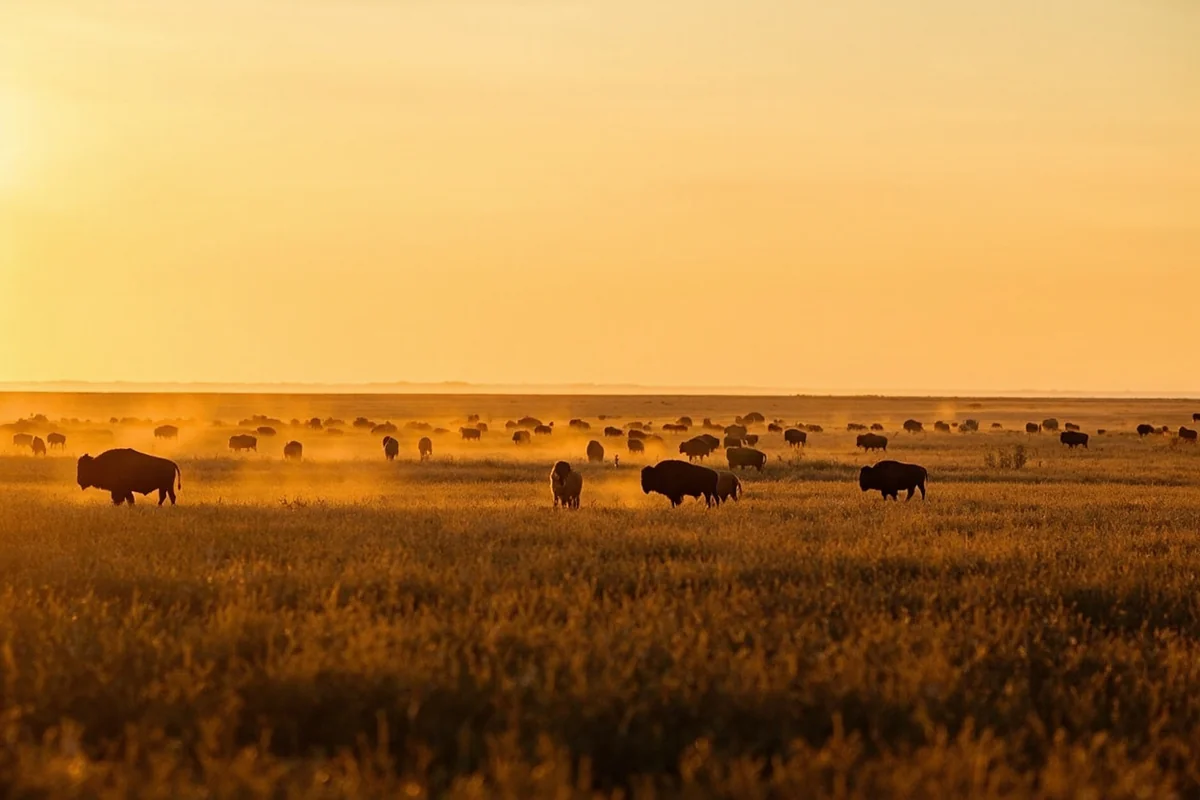
Wildlife reintroduction forms another crucial component of the American Prairie’s mission. The organization has successfully brought back bison, the keystone species of the prairie ecosystem. These magnificent animals, once numbering in the tens of millions across North America, were nearly exterminated by the late 1800s. Today, over 800 bison roam the reserve, with plans to grow the herd to several thousand as more land is acquired and protected.

Beyond bison, the American Prairie works to restore populations of pronghorn, elk, deer, prairie dogs, and numerous bird species. Each plays a vital ecological role, from seed dispersal to soil aeration. The prairie dog, often maligned by ranchers, creates habitat complexity that benefits over 150 other species.

The long-term vision is breathtaking in scope: a continuous wildlife habitat spanning 3.2 million acres where native species can move freely across the landscape, following ancient migration patterns. This would create an American Serengeti – a reference to Africa’s famous ecosystem where large mammals still migrate across vast distances as they have for millennia.

What makes the American Prairie approach unique is its blend of conservation and human access. Unlike many wildlife reserves that limit human activity, the American Prairie welcomes visitors to experience this ecosystem firsthand through hiking, camping, wildlife viewing, and educational programs. This approach reflects the belief that direct experience with wild landscapes creates conservation advocates.

The organization also works closely with neighboring communities, recognizing that local support is essential for long-term success. Programs that provide economic opportunities through tourism, research, and sustainable agriculture help demonstrate that conservation and community prosperity can go hand in hand.

Through patient land acquisition, scientific research, and ecological restoration, the American Prairie is gradually reassembling one of North America’s most iconic landscapes – creating a living laboratory where future generations can experience the prairie as it existed for thousands of years before European settlement.

Wildlife You’ll Encounter at the American Prairie

The American Prairie Reserve offers one of North America’s most extraordinary wildlife viewing opportunities, creating a modern-day Serengeti on the Great Plains. As conservation efforts continue to restore this ecosystem to its pre-settlement glory, visitors can witness an increasingly diverse array of native species returning to their ancestral lands.

Bison: The Icons of the Prairie

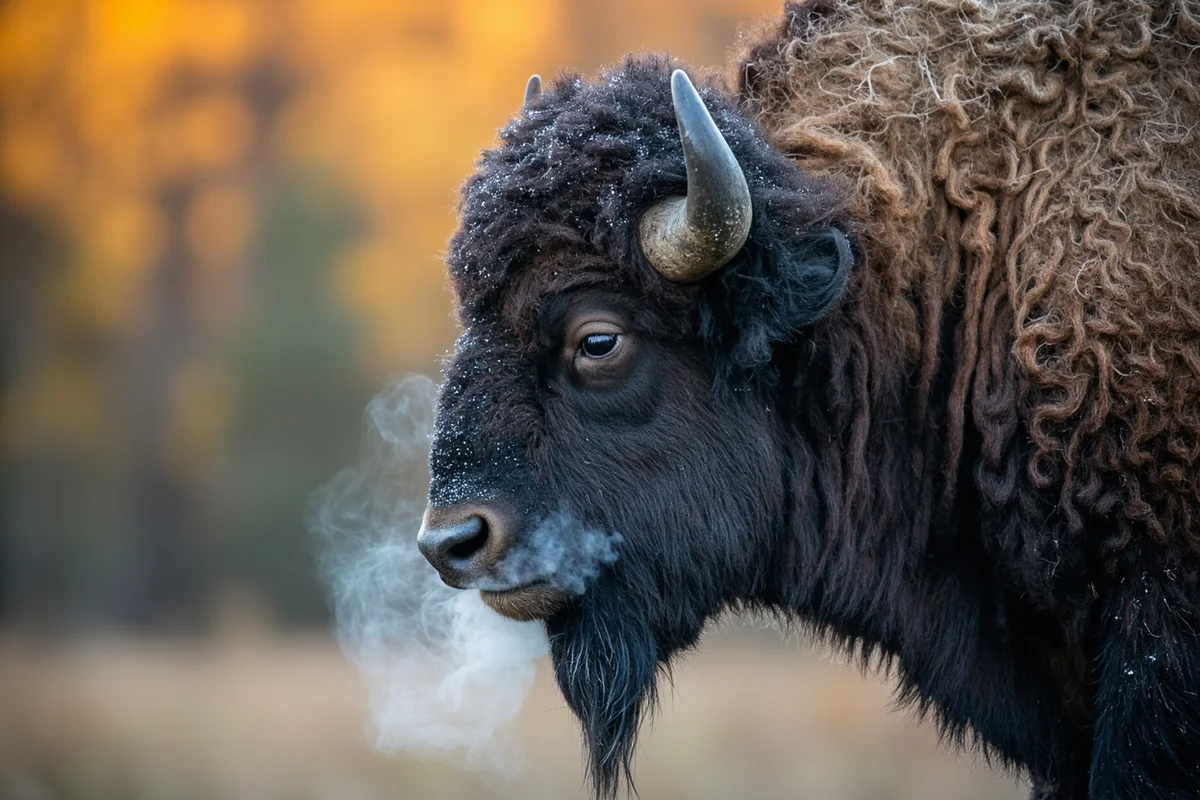
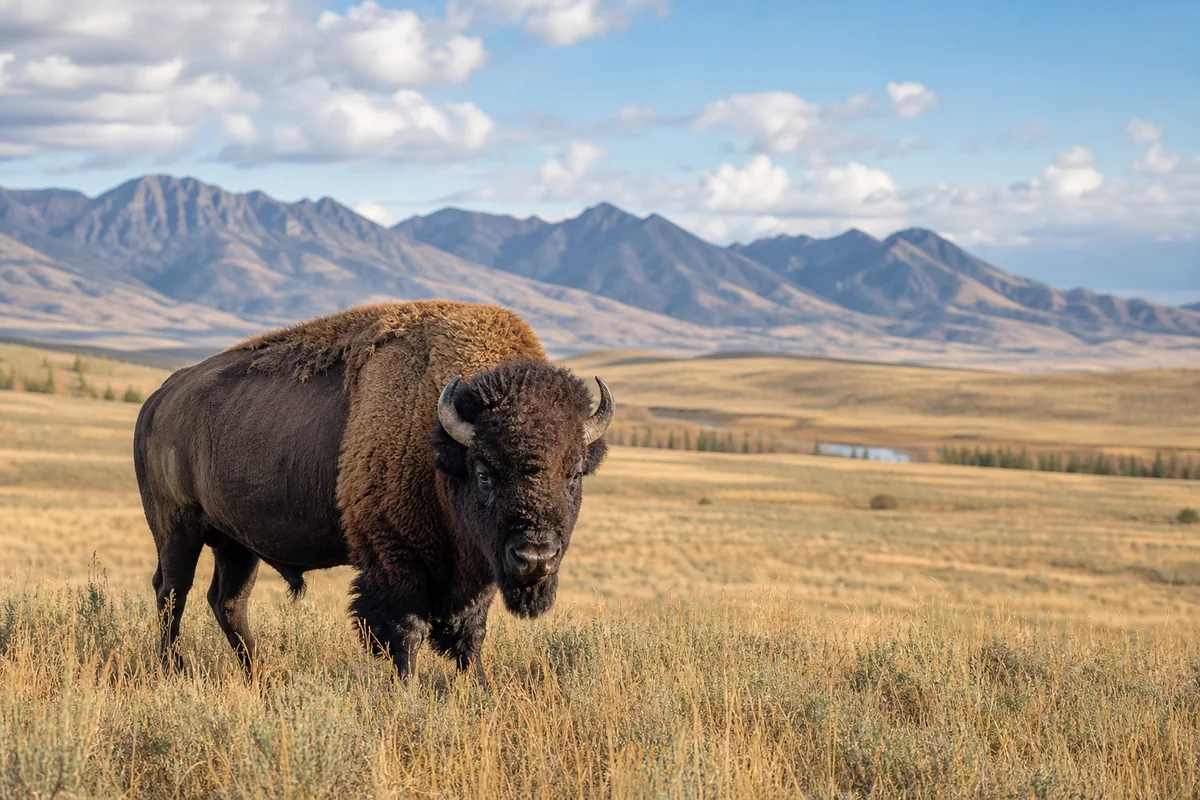
The reserve’s most iconic residents are undoubtedly the American bison. These magnificent creatures, once numbering in the tens of millions across North America, now roam freely across thousands of acres of protected grassland. The reserve’s herd now numbers over 800 individuals and continues to grow as part of one of the most significant wildlife restoration projects in North America.

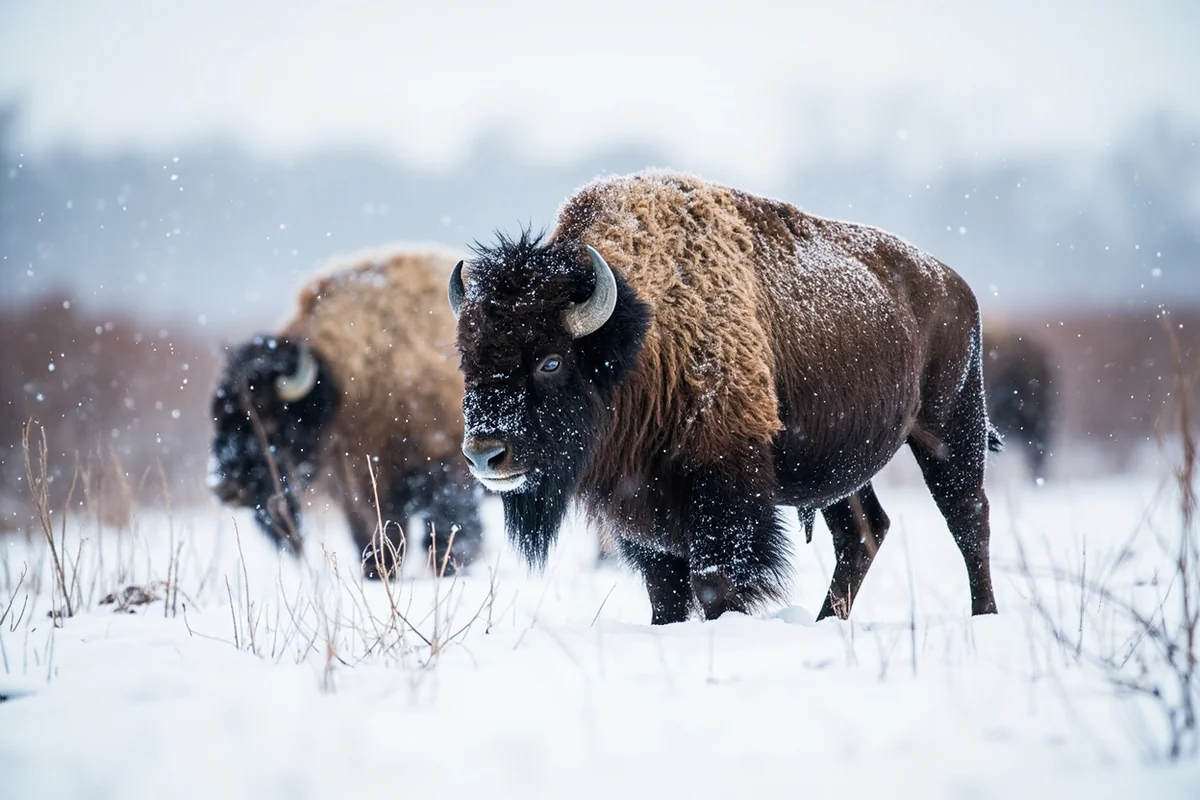
The best times to view bison are early morning and late afternoon when they’re most active. During summer months, bison often gather near water sources, while in winter, they can be spotted using their massive heads to sweep away snow to reach the grass beneath. Keep a safe distance of at least 100 yards from these powerful animals—they can run at speeds up to 35 mph despite weighing up to 2,000 pounds.

Pronghorn: America’s Speed Champions

Often mistakenly called “antelope,” pronghorn are uniquely North American and are the continent’s fastest land mammals, capable of sustained speeds of up to 55 mph. Their distinctive tan and white coloration with black accents makes them relatively easy to spot against the prairie backdrop. Look for them in small groups grazing on the open grasslands, where their exceptional vision helps them detect predators from great distances.

Prairie Dog Towns

One of the most entertaining wildlife experiences at the American Prairie is visiting a prairie dog town. These social rodents create elaborate underground networks and communicate with a complex system of barks and calls. Their colonies create habitat that benefits numerous other species, making them a keystone species of the prairie ecosystem. The best viewing occurs mid-morning when they’re actively foraging but still alert to predators.

Birds of Prey

The open skies above the prairie provide perfect hunting grounds for numerous raptors. Golden eagles soar on thermal currents, while ferruginous hawks—North America’s largest hawks—can often be spotted perched on fence posts scanning for prey. Prairie falcons dive at incredible speeds, and in winter, you might glimpse snowy owls that have migrated south from the Arctic.

Elk and Deer

Elk have been reintroduced to the reserve and can sometimes be spotted in river bottom areas, particularly at dawn and dusk. Their distinctive bugling calls during the fall rut create an unforgettable wilderness experience. White-tailed deer frequent the riparian areas along the Missouri River, while mule deer prefer the more open country and broken terrain.

Small Mammals and Predators

Sharp-eyed visitors might spot swift foxes, badgers, or even bobcats. Coyotes are common throughout the reserve, their howls often providing a haunting soundtrack to prairie evenings. The reserve is also working to create suitable habitat for black-footed ferrets, North America’s most endangered mammal.

Best Times for Wildlife Viewing

Dawn and dusk offer prime wildlife viewing opportunities when animals are most active. Spring brings newborn bison calves, pronghorn fawns, and abundant birdlife. Summer mornings before the heat builds can be productive, while fall brings dramatic elk rut behaviors. Winter offers stark beauty and the chance to see wildlife against snow-covered landscapes with fewer visitors around.

For the serious wildlife enthusiast, consider visiting during the shoulder seasons (May-June or September-October) when temperatures are moderate and wildlife remains active throughout longer portions of the day.

Wildlife Photography Tips

When photographing prairie wildlife, patience is your greatest asset. Bring your longest telephoto lens—a 400mm or longer is ideal—and a sturdy tripod. The prairie’s vast scale often makes animals appear small in the frame, so be prepared to work with the landscape as context.

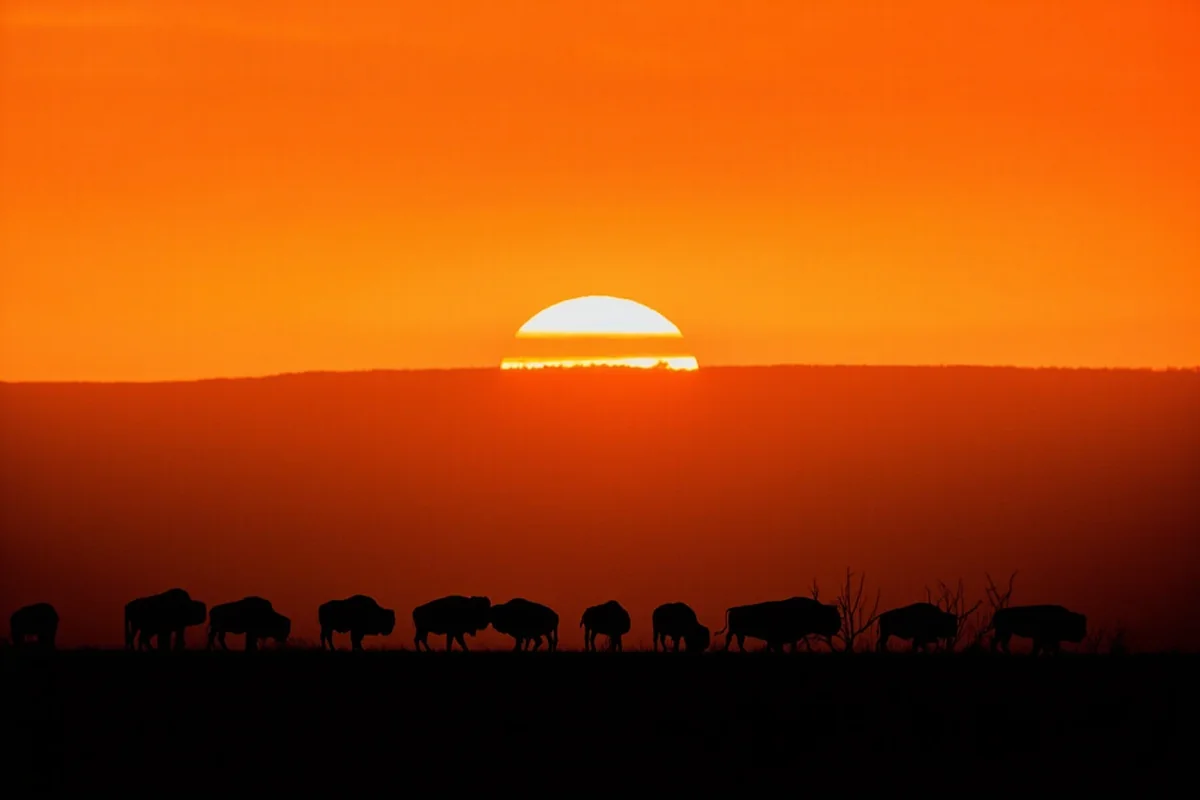
The “golden hours” after sunrise and before sunset provide warm, directional light that enhances wildlife photography. Consider shooting silhouettes against the dramatic prairie sky at these times. Always prioritize the welfare of the animals over getting the perfect shot, maintaining safe distances and avoiding behaviors that might stress wildlife.

Pack extra memory cards and batteries, as charging opportunities may be limited. Weather protection for your gear is essential, as prairie conditions can change rapidly from sunshine to dust storms or rain.

By respecting wildlife boundaries and embracing the rhythms of the prairie, you’ll have the opportunity to witness and document one of America’s most ambitious conservation success stories unfolding before your eyes.

Seasonal Changes on the Prairie: When to Visit

The American Prairie Reserve transforms dramatically with each passing season, offering visitors distinct experiences throughout the year. Understanding these seasonal rhythms will help you plan the perfect prairie adventure aligned with your interests.

Spring (April-June): Rebirth and Renewal

Spring on the prairie is a time of remarkable transformation. As the land awakens from winter’s grip, typically from late April through June, visitors witness:

  • Wildflower Spectacles: Blankets of wildflowers begin emerging in April, with peak blooms in May and early June. Look for vibrant displays of prairie smoke, blanketflower, and the delicate pasque flower, often the first to emerge.
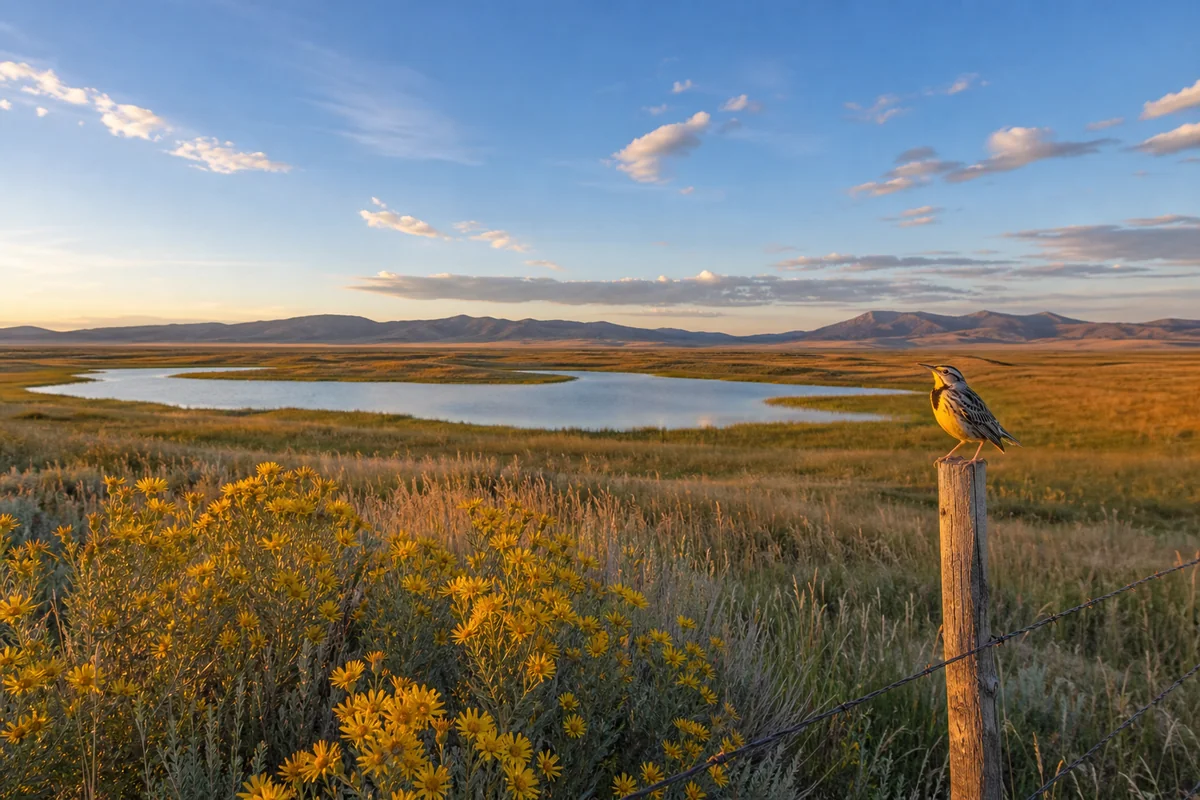
  • Bird Migration: Spring brings the return of migratory birds, making this an exceptional time for birdwatching. The prairie fills with the songs of western meadowlarks, Sprague’s pipits, and grasshopper sparrows.
  • Bison Calving Season: Witness new bison calves, with their distinctive orange-red coats, as they take their first steps across the prairie from mid-April through May.
  • Weather Considerations: Spring brings unpredictable weather—temperatures can range from freezing to the 70s°F in a single day. Pack layers and be prepared for occasional thunderstorms and muddy conditions.

Summer (June-August): The Prairie in Full Glory

Summer reveals the prairie at its most vibrant and active:

  • Peak Prairie Ecosystem: The grasslands reach their fullest expression, with grasses growing tall and wildlife activity at its height.
  • Wildflower Progression: Different wildflower species continue blooming in waves throughout summer, with prairie coneflowers, black-eyed Susans, and blazing stars creating colorful displays.
  • Wildlife Viewing: Bison herds are highly visible as they gather near water sources. Pronghorn antelope, elk, and deer are frequently spotted in early mornings and evenings.
  • Weather Notes: Expect warm to hot days (80-95°F) with cool evenings. Afternoon thunderstorms are common but typically brief. This is the most reliable season for road conditions and accessibility.

Fall (September-October): Golden Splendor

Autumn transforms the prairie into a landscape of gold and amber:

  • Changing Colors: The vast grasslands shift to stunning golden hues as grasses mature and prepare for winter.
  • Wildlife Activity: Fall brings the bison rut (mating season), when bulls can be seen displaying dramatic behaviors. Elk bugling echoes across the landscape at dawn and dusk.
  • Migratory Birds: Witness the fall migration as birds journey southward, with large flocks creating impressive aerial displays.
  • Pleasant Conditions: Typically offering clear skies, mild temperatures (50-70°F during day), and fewer visitors, fall provides a serene prairie experience.

Winter (November-March): The Quiet Season

Winter on the prairie reveals a stark, beautiful landscape for the adventurous visitor:

  • Pristine Solitude: Experience the vast prairie in near solitude, with dramatic snow-covered vistas stretching to the horizon.
  • Wildlife Tracking: Fresh snow reveals wildlife movements through visible tracks, telling stories of prairie life invisible in other seasons.
  • Photography Opportunities: The low winter sun creates dramatic lighting conditions perfect for landscape photography.
  • Weather Challenges: Temperatures can drop well below freezing, with occasional heavy snowfall limiting accessibility. Many facilities operate on reduced schedules or close entirely.

Best Times to Visit Based on Interests

  • Wildlife Photography: Late May through June (for bison calves and birds) or September (for rutting season)
  • Wildflower Enthusiasts: Mid-May through late June
  • Stargazing: Summer offers warm nights, but fall brings earlier darkness and often clearer skies
  • Hiking Comfort: Late September to early October provides mild temperatures and stable weather
  • Solitude Seekers: Winter months or weekdays during spring/fall
  • Family Adventures: June through August offers the most reliable weather and full accessibility to facilities

The prairie’s ever-changing nature means no two visits will ever be the same, with each season offering its own magic and challenges. Consider combining your visit with seasonal events like the annual Buffalo Days celebration in summer or specialized photography workshops offered throughout the year.

How to Get to the American Prairie Reserve

The American Prairie Reserve sits in a remote section of northeastern Montana, making the journey part of the adventure. While its isolated location contributes to its pristine nature, reaching this wilderness gem requires some planning.

Getting There By Air

The closest commercial airports to the American Prairie Reserve are:

  • Billings Logan International Airport (BIL): Located about 215 miles southwest, this is the largest airport serving the region with connections to major U.S. cities.
  • Great Falls International Airport (GTF): Approximately 175 miles northwest of the reserve.
  • Lewistown Municipal Airport: A smaller regional option about 100 miles from the reserve’s western boundary.

From any airport, you’ll need to rent a vehicle to complete your journey to the prairie.

Driving Directions from Major Cities

From Billings (3.5-4 hours):

  • Take US-87 north toward Roundup
  • Continue on US-87 to Grass Range
  • Turn east on MT-200
  • At Lewistown, continue on US-191 north
  • Follow signs to the reserve near Malta

From Great Falls (3-3.5 hours):

  • Take US-87 east toward Lewistown
  • At Lewistown, take US-191 north
  • Continue following signs to the reserve

From Bozeman (4.5-5 hours):

  • Take I-90 east to US-191
  • Follow US-191 north through Lewistown
  • Continue toward Malta and watch for reserve signage

Road Conditions and Vehicle Requirements

The American Prairie Reserve sits at the end of many gravel and dirt roads that can become challenging in adverse weather. Consider these important points:

  • A high-clearance vehicle is strongly recommended, especially if visiting the more remote sections
  • Four-wheel drive is essential during wet conditions and highly recommended year-round
  • Cell service is extremely limited or non-existent in many areas
  • Roads may become impassable after heavy rain or snow
  • Carry extra fuel as gas stations are sparse in the region
  • Download offline maps before your trip as GPS and cell service are unreliable
  • The American Prairie Reserve’s official map is essential and available on their website
  • Key access points include the PN Ranch Unit and Buffalo Camp
  • Allow extra travel time as speed on gravel roads is significantly reduced
  • Watch for wildlife crossings, particularly at dawn and dusk

Public Transportation Options

Public transportation directly to the reserve doesn’t exist, but you can get closer using these options:

  • Greyhound bus service to Malta, followed by a taxi or pre-arranged shuttle
  • Amtrak’s Empire Builder line stops in Malta and Havre, both within driving distance of the reserve
  • Private shuttles can be arranged from Malta with advance notice (contact the reserve for recommendations)

Accessibility Information

The remote nature of the American Prairie Reserve means accessibility is limited. Visitors with mobility challenges should note:

  • Most roads are unpaved and can be rough
  • Main visitor areas like Buffalo Camp have some accessible facilities
  • The Kestrel Camp offers more accessible accommodations with advance notice
  • Guided tours can be customized for various accessibility needs with advance planning

Planning your route carefully is essential to a smooth journey to this remarkable prairie wilderness. The effort to reach this remote destination is rewarded with an unparalleled experience of America’s grassland ecosystem in its natural state.

Entrance Fees and Permits for the American Prairie

The American Prairie Reserve operates on a unique fee structure that balances accessibility with conservation funding needs. Unlike many national parks, general access to the American Prairie is currently free for day visitors – you can explore the main roads and public hiking trails without paying an entrance fee. This open access policy reflects the organization’s commitment to connecting people with this extraordinary landscape.

However, specific activities and accommodations do require permits and reservations:

Camping Permits

  • Dispersed camping: Free, but registration is required for tracking visitor numbers and impact
  • Buffalo Camp: $15 per night per site (includes access to potable water, vault toilets, and fire rings)
  • RV sites: $25 per night with electrical hookups
  • Group camping areas: $50-100 depending on size and amenities needed

Hunting Permits

  • Hunting is allowed on designated areas of the reserve through Montana’s Block Management Program
  • Standard Montana hunting licenses required, plus a free American Prairie hunting access permit
  • Special bison hunts require additional permits through a lottery system ($25 application fee)

Special Use Permits

  • Commercial photography: $250-500 depending on crew size and duration
  • Research permits: Available for scientific studies, application required
  • Group events: Custom pricing based on size and requirements

All camping reservations should be made through the American Prairie’s online reservation system, especially during the peak season (May through September) when availability can be limited. Reservations can be made up to six months in advance, and it’s recommended to book early for holiday weekends and summer visits.

The fees collected from permits and camping directly support the American Prairie’s conservation efforts, including habitat restoration, wildlife monitoring, and educational programs. Approximately 85% of all visitor fees go directly toward on-the-ground conservation work.

For budget-conscious visitors, there are several ways to enjoy the prairie without cost:

  • Visit during free access days (typically held quarterly)
  • Volunteer opportunities that include free accommodation
  • Educational group waivers for school and youth organizations
  • Annual membership programs that include camping credits and permit discounts

Before planning your trip, check the official American Prairie website for the most current fee information and any seasonal promotions or conservation passes that might provide value for extended or repeat visits.

Hiking Trails at the American Prairie Reserve

The American Prairie Reserve offers hikers a rare opportunity to experience the vast, uninterrupted landscape that once dominated the Great Plains. Walking these trails connects visitors to the land in a way that’s both intimate and expansive, with each path revealing different aspects of this remarkable ecosystem.

Box Elder Trail

This beginner-friendly 2.5-mile loop trail provides an excellent introduction to prairie ecology. The relatively flat terrain makes it accessible for families and casual hikers. Along the way, you’ll encounter native grasses swaying in the breeze, seasonal wildflowers, and possibly glimpse pronghorn antelope in the distance. The trail is particularly beautiful in late spring when wildflowers carpet sections of the path.

Prairie Dog Town Trail

At just 1 mile round trip, this easy trail offers incredible wildlife viewing opportunities. As the name suggests, it winds through an active prairie dog colony where you can observe these social creatures in their natural habitat. The trail includes interpretive signage explaining the crucial ecological role these animals play. Early morning visits increase your chances of seeing these animals at their most active.

Buffalo Jump Overlook Trail

This moderate 3-mile trail climbs to a historic buffalo jump—a cliff where indigenous peoples once drove bison as part of traditional hunting practices. The elevation gain rewards hikers with panoramic views across the prairie landscape. Interpretive signs along the route explain the cultural and historical significance of these sites. The trail can be challenging in hot weather, so carry plenty of water.

Sun Prairie Loop

For experienced hikers seeking a challenge, this 8-mile loop traverses diverse terrain including grasslands, coulees, and creek beds. The trail offers opportunities to spot bison herds, coyotes, and numerous bird species. Plan for a full day excursion and pack accordingly. Sections of the trail can become muddy after rain, making hiking more strenuous.

Seasonal Considerations

Trail conditions vary dramatically with the seasons:

  • Spring (April-June): Trails may be muddy from snowmelt and rain but reward hikers with vibrant wildflowers and active wildlife.
  • Summer (July-August): Early morning hikes are recommended to avoid afternoon heat that can exceed 90°F. Trails are dry and firm, but vegetation may be high.
  • Fall (September-October): Perhaps the ideal hiking season with moderate temperatures, stable trail conditions, and beautiful golden grasses.
  • Winter (November-March): Trails remain open but require proper cold-weather gear. The stark winter landscape offers a completely different perspective of the prairie.

Hiking Safety Tips

The prairie environment presents unique challenges for hikers:

  • Water: Carry more water than you think you’ll need—at least 2 liters per person for shorter hikes and 4+ liters for longer treks.
  • Navigation: Cell service is limited or non-existent. Bring physical maps and consider downloading offline maps before your visit.
  • Wildlife Awareness: Maintain a safe distance (at least 100 yards) from bison and other large mammals. Never approach wildlife.
  • Weather Protection: The prairie offers little natural shelter. Bring sun protection and rain gear regardless of the forecast.
  • Tick Prevention: Wear long pants, closed-toe shoes, and use insect repellent, especially during spring and summer months.
  • Check-In: Always inform someone of your hiking plans and expected return time.

Whether you’re seeking a short interpretive walk or a challenging full-day trek, the American Prairie Reserve’s trail system offers an unparalleled opportunity to immerse yourself in one of America’s most threatened ecosystems while witnessing the ongoing conservation success story unfolding across this remarkable landscape.

Camping Options and Accommodations

The American Prairie Reserve offers diverse camping experiences that allow visitors to immerse themselves in Montana’s stunning grassland ecosystem. Whether you prefer established campgrounds with amenities or remote backcountry solitude, the prairie provides options for every type of outdoor enthusiast.

Campground Locations

The reserve features several designated campgrounds strategically positioned to showcase different aspects of the prairie ecosystem:

  • Buffalo Camp – The most developed campground, located in the heart of the reserve
  • Antelope Creek Campground – Situated along the Missouri River with water access
  • Wood Bottom Campground – A smaller, more remote option with excellent wildlife viewing
  • Burnt Lodge Campground – Located near cottonwood groves with bird watching opportunities
  • Dry Fork Campground – Offers expansive views of the prairie landscape

Most campgrounds are accessible by standard vehicles during dry conditions, though high-clearance vehicles are recommended for reaching the more remote locations, especially after rain.

Facilities Available

Campground amenities vary by location, but most established sites include:

  • Fire rings and picnic tables
  • Vault toilets
  • Potable water (Buffalo Camp only)
  • Designated tent pads
  • Information kiosks with trail maps
  • Bear-proof food storage containers

Buffalo Camp, the most developed option, additionally offers:

  • Solar showers
  • A communal picnic shelter
  • Educational displays
  • Occasional ranger programs during peak season

Backcountry Camping Options

For those seeking solitude, backcountry camping allows you to experience the prairie in its most pristine form. The reserve permits dispersed camping throughout much of its acreage with a few guidelines:

  • Camp at least 200 feet from water sources
  • Practice Leave No Trace principles
  • Store food properly to avoid wildlife encounters
  • Register your backcountry plans at a visitor center or online
  • Obtain appropriate permits for overnight stays

Popular backcountry camping areas include the Missouri River Breaks, Timber Creek drainage, and the remote northern sections of the reserve.

The Unique Hut System

The American Prairie Reserve has developed an innovative hut system inspired by similar networks in New Zealand and Europe. These simple but comfortable structures provide shelter while minimizing environmental impact:

  • Six huts positioned approximately 10-15 miles apart
  • Basic amenities including sleeping platforms, wood stoves, and rainwater collection
  • Solar lighting and composting toilets
  • Connected by marked trails suitable for hiking or mountain biking
  • Available year-round with advance reservations

The hut system allows visitors to experience a multi-day journey across the prairie landscape without carrying camping gear, making longer explorations more accessible.

Reservation Process

Camping at the American Prairie requires planning ahead, especially during the peak season of May through September:

  1. For established campgrounds: Reservations open January 15th each year and can be made through the reserve’s website or by calling the visitor center. Buffalo Camp sites fill quickly for summer weekends and holidays.
  2. For backcountry permits: These can be obtained up to six months in advance and require information about your planned route and emergency contacts.
  3. For the hut system: Reservations must be made at least two weeks in advance and require a per-person fee that helps maintain the system.

During the off-season (November-April), most camping is available on a first-come, first-served basis, though visitors should check road conditions before attempting to reach remote areas.

What to Bring for Different Camping Experiences

For Established Campgrounds:

  • Standard camping gear (tent, sleeping bags, pads)
  • Cooking equipment and food
  • Extra water containers (except at Buffalo Camp)
  • Weather-appropriate clothing
  • Insect repellent (essential in summer)
  • Binoculars for wildlife viewing

For Backcountry Camping:

  • Lightweight backpacking equipment
  • Water filtration system
  • GPS or detailed topographic maps
  • First aid kit and emergency communication device
  • Bear spray (recommended)
  • Weather-appropriate layers (temperatures can fluctuate dramatically)

For Hut System Users:

  • Sleeping bag and pillow
  • Personal toiletries and towel
  • Food and cooking utensils
  • Headlamp or flashlight
  • Water bottles (2 liters minimum per person)
  • Light backpack for carrying personal items between huts

Regardless of your camping style, preparation is key to enjoying the American Prairie Reserve. The isolation that makes this landscape so special also means visitors must be self-sufficient and ready for changing conditions.

The Buffalo Camp Experience

Buffalo Camp serves as the American Prairie Reserve’s main campground, offering visitors an authentic immersion into Montana’s vast prairie landscape. Nestled along the banks of Telegraph Creek, this well-maintained campground provides the perfect base for exploring the reserve’s natural wonders.

The campground features 11 designated campsites spread across a scenic area that balances privacy with community. Each site comes equipped with a picnic table, fire ring, and access to shared facilities. The camp’s layout respects the natural topography, allowing campers to feel connected to the surrounding prairie while enjoying basic amenities.

Facilities at Buffalo Camp include vault toilets, potable water stations, and a communal picnic shelter—perfect for gathering during inclement weather or socializing with fellow prairie enthusiasts. While deliberately rustic to maintain the wilderness experience, these amenities provide just enough comfort for an enjoyable stay.

What truly sets Buffalo Camp apart is its strategic location. Situated near several hiking trailheads and wildlife viewing areas, campers often spot pronghorn antelope, mule deer, and various bird species right from their tents. The camp’s proximity to Telegraph Creek offers opportunities for fishing and wildlife observation at dawn and dusk when animals come to drink.

Camping fees are remarkably affordable at $15 per night per campsite, making this an accessible option for budget-conscious travelers. The reserve maintains this low cost to encourage visitors to experience the prairie ecosystem and support its conservation mission.

The reservation process is straightforward—Buffalo Camp operates on a first-come, first-served basis during most of the year. However, during peak season (May through September), reservations are highly recommended and can be made through the American Prairie Reserve website up to six months in advance. The campground typically fills quickly during summer weekends and holidays.

What makes Buffalo Camp truly special is its immersive quality. As darkness falls, the absence of light pollution reveals a spectacular night sky, with the Milky Way stretching overhead in breathtaking clarity. The gentle sounds of the prairie—rustling grasses, distant coyote calls, and the whisper of wind—create a sensory experience unlike any other camping destination. Many visitors report profound connections with nature during their Buffalo Camp stays, gaining a deeper appreciation for America’s vanishing prairie ecosystem.

Staying at the Luxury Kestrel Camp

For those seeking a touch of luxury amid the vast prairie wilderness, the Kestrel Camp offers an unparalleled experience that combines comfort with immersion in nature. This upscale accommodation stands as the crown jewel of lodging options at the American Prairie Reserve, providing a refined basecamp for exploration.

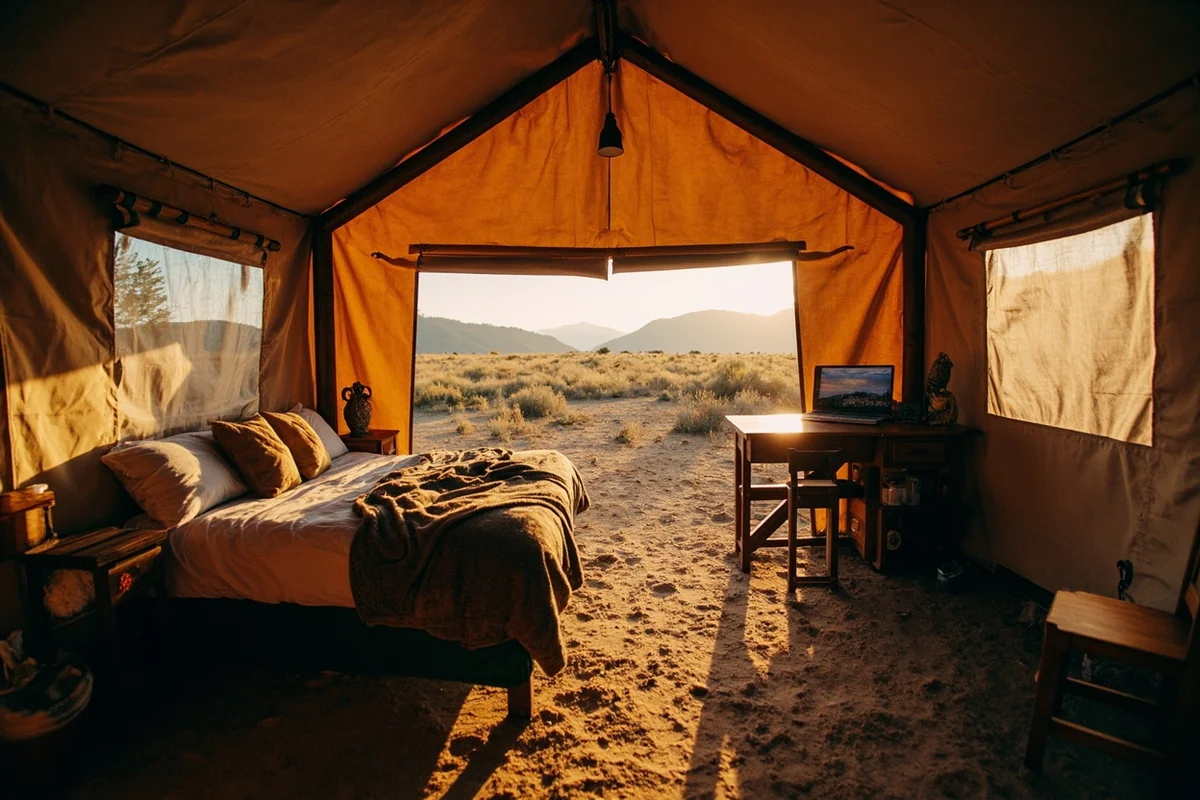
The camp consists of five private yurts, each beautifully appointed with king-sized beds draped in fine linens, en-suite bathrooms with hot showers, and private decks that offer panoramic views of the surrounding landscape. The interiors showcase tasteful décor inspired by the prairie ecosystem, featuring local artwork and custom-crafted furniture that tells the story of Montana’s heritage.

At the heart of Kestrel Camp sits the main lodge, a gathering place where guests enjoy gourmet meals prepared by a private chef using locally-sourced ingredients. The menu changes seasonally but always highlights Montana specialties alongside international cuisine. After dinner, guests can relax in the comfortable lounge area with a selection of books about prairie ecology, sip Montana craft beers and spirits, or gather around the outdoor fire pit to share stories under the star-filled sky.

What truly sets Kestrel Camp apart is the all-inclusive experience. Your stay includes guided wildlife tours with expert naturalists who help track bison herds, spot prairie dog colonies, and identify the diverse bird species that call the reserve home. Guests can also participate in special activities like photography workshops, conservation talks with resident scientists, or horseback rides across the expansive landscape.

Pricing for this premium experience reflects its exclusivity, with rates starting at $1,200 per person per night based on double occupancy. This all-inclusive rate covers luxurious accommodations, all meals and beverages (including alcohol), guided activities, and transportation to and from the nearest airport in Lewistown.

Kestrel Camp operates seasonally from May through October, with bookings often filling up months in advance, especially during prime wildlife viewing seasons in late spring and early fall. Reservations require a two-night minimum stay and can be made through the American Prairie Reserve website or by calling their dedicated concierge service.

What makes Kestrel Camp worth the splurge is the rare combination of wilderness immersion with five-star comfort. Few places on earth allow you to witness the rebirth of an ecosystem while enjoying amenities that rival luxury safari lodges. The camp also operates with sustainability at its core—utilizing solar power, practicing water conservation, and implementing a minimal waste program that aligns with the reserve’s conservation mission.

For travelers seeking a transformative experience that connects them to one of America’s most ambitious conservation projects while enjoying exceptional comfort, Kestrel Camp offers a meaningful luxury that goes beyond typical high-end accommodations. It’s not just a place to stay—it’s an investment in the future of the American Prairie.

Outdoor Recreation Activities Beyond Hiking

The American Prairie Reserve offers far more than just hiking trails. The vast landscape provides a perfect backdrop for numerous outdoor activities that allow visitors to experience the prairie ecosystem from different perspectives.

Biking Opportunities

The prairie’s rolling terrain creates an ideal setting for both casual cyclists and mountain biking enthusiasts. The reserve features several designated biking routes that wind through diverse prairie habitats:

  • Prairie Discovery Trail – A 12-mile moderate loop perfect for day trips
  • Buffalo Jump Ridge Ride – More challenging terrain with stunning vistas
  • Grassland Explorer Route – A 25-mile route connecting several camping areas

Bikers should prepare for changing weather conditions and bring plenty of water, as services are limited. Fat-tire bikes work best on the reserve’s varied terrain, especially after rain when some trails can become muddy.

Horseback Riding Adventures

Experience the prairie as early explorers did—on horseback. The reserve permits horseback riding throughout most areas, offering a unique perspective of this vast landscape:

  • Self-guided riding is permitted on designated trails
  • Several local outfitters offer guided horseback tours ranging from 2-hour rides to multi-day adventures
  • The Prairie Horse Camp provides facilities for visitors bringing their own horses, including corrals and water access

Riders must follow Leave No Trace principles and stay on established trails in sensitive habitat areas.

Fishing Access Points

The American Prairie Reserve includes access to several productive fishing spots along the Missouri River and its tributaries:

  • Judith Landing – Known for excellent catfish and walleye fishing
  • Cow Creek Area – Offers peaceful fishing spots away from crowds
  • Missouri Breaks – Home to trophy-sized northern pike

Montana fishing licenses are required, and seasonal regulations apply. The reserve’s visitor center can provide current information on fishing conditions and regulations.

Hunting Regulations

The reserve manages a regulated hunting program that supports conservation goals while providing recreational opportunities:

  • Hunting is permitted in designated areas during Montana’s official hunting seasons
  • Special permits may be required for certain species
  • Bison hunting follows specific protocols developed with wildlife management agencies
  • All Montana hunting regulations apply within the reserve boundaries

Hunters must check in at the visitor center before their hunt and report harvests afterward.

Photography Hotspots

The prairie landscape offers endless opportunities for photography enthusiasts:

  • Sun Prairie Overlook – Perfect for sunrise and sunset shots of the vast prairie
  • Buffalo Jump Cliffs – Dramatic geological formations with historical significance
  • Wetland Boardwalk – Excellent for wildlife and bird photography
  • Missouri River Breaks – Stunning landscape photography, especially during golden hour

Early mornings and evenings provide the best light for capturing the prairie’s subtle beauty. The reserve occasionally offers photography workshops with professional nature photographers.

Other Recreational Activities

The reserve continues to develop additional recreational opportunities:

The American Prairie Reserve aims to balance recreational access with conservation priorities, ensuring visitors can enjoy this unique ecosystem while preserving it for future generations. Before engaging in any activity, check with the visitor center for current conditions, permits, and area-specific regulations.

Stargazing on the Prairie: Dark Sky Experiences

The American Prairie Reserve offers one of the most pristine dark sky environments in the continental United States. Far from urban centers and their light pollution, the prairie presents a celestial theater that few modern Americans ever experience. The vast, uninterrupted horizon creates a dome-like canvas where stars, planets, and cosmic phenomena reveal themselves in breathtaking clarity.

Light Pollution Levels

The American Prairie Reserve sits within one of the darkest regions on the light pollution map of North America. With the nearest major cities hundreds of miles away, the reserve enjoys Bortle Scale ratings of 1-2 in most areas (on a scale where 1 represents the darkest skies and 9 the most light-polluted). This exceptional darkness means visitors can observe celestial features often invisible elsewhere, including:

  • The Milky Way’s full structure with intricate dust lanes
  • The faint glow of zodiacal light
  • Airglow phenomena near the horizon
  • Thousands of stars invisible in suburban or urban environments

Best Stargazing Locations

While the entire reserve offers excellent stargazing, certain locations provide optimal viewing conditions:

  • Buffalo Camp Overlook: This elevated area provides a 360-degree view of the horizon, making it perfect for watching celestial objects rise and set.
  • Mars Vista Point: Located away from the campgrounds, this site offers complete darkness and silence for serious stargazers.
  • Sun Prairie Basin: The wide-open basin creates a natural amphitheater for observing the night sky, with minimal topographical obstruction.
  • Box Elder Creek: This location offers both dark skies and interesting foreground elements for astrophotographers.

Celestial Events Visible from the Prairie

The prairie’s dark skies make it an ideal location for observing various celestial events:

  • Meteor Showers: The Perseids (August), Geminids (December), and Leonids (November) are particularly spectacular when viewed from the reserve.
  • Northern Lights: Though not common, the northern reaches of the reserve occasionally experience aurora borealis displays during periods of high solar activity.
  • Milky Way Core: From late spring through early fall, the brightest and most detailed part of our galaxy rises majestically above the prairie landscape.
  • Planetary Conjunctions: When planets align or appear close together, the prairie’s dark skies make these events especially vivid.

Astrophotography Tips

The American Prairie Reserve provides exceptional opportunities for night sky photography:

  • Timing: Plan shoots during the new moon for maximum darkness.
  • Foreground Elements: Incorporate the prairie’s distinctive features—bison, prairie dog towns, or isolated cottonwood trees—to create compelling compositions.
  • Equipment: Bring a sturdy tripod, remote shutter release, and wide-angle lenses with large apertures (f/2.8 or wider).
  • Settings: Start with ISO 3200-6400, 15-25 second exposures (depending on focal length), and the widest aperture your lens allows.
  • Power: Pack extra batteries, as cold prairie nights can drain camera batteries quickly.
  • Location Scouting: Arrive before sunset to identify interesting compositions and ensure safe navigation in the dark.

Guided Stargazing Programs

The reserve offers several ways to enhance your stargazing experience:

The darkness of the American Prairie Reserve isn’t just an absence of light—it’s the presence of a natural resource increasingly rare in our illuminated world. For many visitors, seeing the night sky in its full glory becomes one of their most profound and memorable experiences on the prairie.

Educational Programs and Guided Tours

The American Prairie Reserve offers a rich array of educational opportunities that transform a simple visit into an immersive learning experience. Whether you’re traveling with children, as a student group, or simply have a passion for ecological knowledge, the Reserve’s programs provide deeper insights into this unique ecosystem.

Discovery Programs for All Ages

The Reserve’s education team has developed age-appropriate programs that engage visitors from elementary school to retirement. Young explorers (ages 6-12) can participate in the “Prairie Explorers” program, which includes interactive activities like tracking wildlife, identifying native plants, and understanding prairie ecosystems through games and hands-on exploration.

Teenagers and adults can join more advanced programs that delve into topics such as grassland ecology, conservation biology, and the cultural history of the plains. These programs combine field research techniques with classroom-style learning to create comprehensive educational experiences.

Expert-Led Wildlife Tours

One of the most popular offerings is the Wildlife Safari Tour, where expert naturalists guide small groups through the Reserve in specialized vehicles. These 3-4 hour excursions are timed for optimal wildlife viewing, typically at dawn or dusk when animals are most active.

The guides possess extensive knowledge of bison behavior, bird identification, and prairie ecology. They’re skilled at spotting well-camouflaged animals and can explain the intricate relationships between species and their environment. Many visitors report that having an expert guide dramatically enhances their wildlife viewing success compared to self-guided exploration.

Cultural History Walks

Beyond wildlife, the Reserve offers Cultural History Walks that explore the human relationship with the prairie landscape. These guided experiences cover indigenous peoples’ sustainable use of the land, the arrival of European settlers, and the changing relationship between humans and this ecosystem over centuries.

Participants walk through areas with historical significance while guides share stories, archaeological findings, and traditional ecological knowledge that brings the human history of the prairie to life.

Night Sky Programs

Taking advantage of the Reserve’s designation as a premier dark sky location, astronomy programs run throughout the year. Guided by astronomy experts equipped with powerful telescopes, these evening sessions introduce visitors to the wonders of the night sky without light pollution.

During summer months, meteor shower viewing events are particularly popular and often include presentations about how various cultures have interpreted celestial phenomena.

Making Reservations

Most educational programs require advance registration, with some of the more popular options filling up months in advance. Reservations can be made through the American Prairie Reserve website or by calling their visitor services office.

Prices vary by program, with basic guided walks starting around $25 per person and more extensive experiences ranging from $50-$150. Members of the American Prairie Reserve receive discounts on all educational offerings, and scholarship opportunities exist for school groups.

What You’ll Learn

Participants consistently report that these educational experiences provide insights that would be impossible to gain through independent exploration. You’ll develop skills in identifying prairie species, understanding ecological relationships, and recognizing signs of wildlife even when animals aren’t immediately visible.

Many programs also emphasize conservation challenges and solutions, helping visitors understand the importance of grassland preservation and restoration. You’ll leave with a deeper appreciation for the complexity and importance of native prairie ecosystems and the role they play in North American biodiversity.

For those seeking to maximize their learning experience, combining multiple educational offerings—perhaps a wildlife tour one day and a cultural history walk another—provides the most comprehensive understanding of this remarkable landscape and its significance.

What to Pack for Your American Prairie Visit

The American Prairie Reserve offers a true wilderness experience, which means coming prepared is essential for your comfort and safety. Packing appropriately for your visit can make the difference between an incredible adventure and a challenging ordeal. Here’s a comprehensive guide to ensure you bring everything you need.

Essential Gear for Different Seasons

Spring (April-May)

  • Waterproof boots and rain gear – spring brings muddy conditions
  • Layers of clothing – temperatures can fluctuate dramatically
  • Insect repellent – as the prairie comes alive, so do the bugs
  • Binoculars – perfect for spotting migratory birds returning to the prairie

Summer (June-August)

  • Wide-brimmed hat and sunglasses
  • High SPF sunscreen – the prairie offers little natural shade
  • Lightweight, breathable clothing with UPF protection
  • Portable shade structure if camping
  • Cooling towels or bandanas

Fall (September-October)

  • Warm layers that can be added or removed
  • Gloves and warm hat for chilly mornings and evenings
  • Waterproof outer layer
  • Sturdy hiking boots for exploring

Winter (November-March)

  • Extreme cold weather gear – temperatures can drop well below zero
  • Insulated, waterproof boots
  • Heavy-duty gloves, hat, and face protection
  • Hand and foot warmers
  • Snow gear if visiting after snowfall

Clothing Recommendations

The prairie environment demands specific clothing considerations:

  • Base layers: Moisture-wicking materials that keep sweat away from your skin
  • Mid layers: Insulating pieces like fleece or down that trap warmth
  • Outer layers: Wind and waterproof shells to protect against the elements
  • Footwear: Broken-in hiking boots with ankle support for uneven terrain
  • Socks: Wool or synthetic blends that prevent blisters and manage moisture
  • Headwear: Protection from both sun and cold depending on season

Remember to avoid cotton clothing, which retains moisture and can cause dangerous cooling in changing weather conditions.

Food and Water Needs

The remote nature of the American Prairie Reserve means you’ll need to be self-sufficient:

  • Water: Bring at least 1 gallon per person per day
  • Water purification: Filter, tablets, or boiling equipment for refilling from natural sources
  • Food: High-energy, non-perishable items that require minimal preparation
  • Cooking equipment: Lightweight stove, fuel, and cookware if staying overnight
  • Food storage: Bear-resistant containers or proper hanging equipment to prevent wildlife encounters

For day trips, pack more food and water than you think you’ll need—the prairie’s vast expanses and dry conditions can increase consumption rates.

Safety Equipment

Never venture onto the prairie without these essential safety items:

  • First aid kit: Include bandages, antiseptic, pain relievers, blister treatment, and any personal medications
  • Navigation tools: Map, compass, and GPS device (with extra batteries)
  • Communication device: Satellite phone or personal locator beacon (cell service is extremely limited)
  • Multi-tool or knife: For various wilderness needs
  • Headlamp or flashlight: With extra batteries
  • Fire starter: Waterproof matches or lighter
  • Emergency shelter: Space blanket or bivy sack
  • Whistle: For signaling in emergencies
  • Bear spray: Essential when hiking in bear country

Photography Equipment

To capture the prairie’s stunning landscapes and wildlife:

  • Camera: Weather-sealed bodies handle prairie dust and occasional rain
  • Lenses: Wide-angle for landscapes, telephoto (200mm+) for wildlife
  • Tripod: For stability in windy conditions and low-light photography
  • Extra batteries and memory cards: Limited charging opportunities
  • Lens cleaning kit: Dust is common on the prairie
  • Camera bag: With weather protection
  • Polarizing filter: To enhance big sky photographs

Other Necessities

Don’t forget these additional items that can enhance your prairie experience:

  • Field guides: For identifying plants, animals, and birds
  • Journal: To record your observations and experiences
  • Binoculars: 8×42 or 10×42 are ideal for wildlife viewing
  • Trekking poles: For stability on uneven terrain
  • Day pack: For carrying essentials on shorter hikes
  • Insect repellent and sunscreen: Regardless of season
  • Hand sanitizer and toilet paper: Facilities are limited
  • Garbage bags: Pack out everything you bring in
  • Cash: For unexpected needs in nearby small towns

By packing thoughtfully for your visit to the American Prairie Reserve, you’ll be prepared to fully immerse yourself in this remarkable ecosystem without discomfort or safety concerns. The prairie’s remoteness demands respect and preparation, but rewards the prepared visitor with unparalleled natural experiences.

Safety Considerations on the Prairie

The vast expanse of the American Prairie Reserve offers an unparalleled wilderness experience, but this remoteness also requires visitors to be well-prepared for safety challenges. Understanding how to navigate potential hazards will ensure your prairie adventure remains memorable for all the right reasons.

Wildlife Safety Tips

The prairie is home to numerous wild animals, including bison, which deserve particular respect. These magnificent creatures can weigh up to 2,000 pounds and can run at speeds of 35 mph. Always maintain a distance of at least 100 yards from bison and other large mammals. If you encounter bison on a trail, give them a wide berth by slowly walking around them while keeping your distance. Never approach, feed, or attempt to touch any wildlife.

Be aware that rattlesnakes inhabit the prairie grasslands. Watch where you step, especially in rocky areas or tall grass. If you hear the distinctive rattle, freeze, identify the snake’s location, then slowly back away. Wearing closed-toe shoes and long pants provides additional protection.

Black bears occasionally venture into the prairie from nearby mountain ranges. Store food securely in designated containers or your vehicle, never in your tent. If you encounter a bear, speak calmly while backing away slowly, avoid direct eye contact, and never run.

Weather Preparedness

The prairie experiences extreme weather conditions that can change rapidly. Summer temperatures often exceed 90°F, while thunderstorms can develop suddenly with little warning. During summer months, plan strenuous activities for early morning or evening to avoid heat exhaustion.

Winter brings bitter cold and occasional blizzards, with temperatures frequently dropping below 0°F. Layered clothing, including moisture-wicking base layers and windproof outer shells, is essential year-round.

Always check the forecast before heading out, and be prepared for conditions to change. A good rule of thumb is to pack clothing for weather 20 degrees warmer and colder than predicted.

Emergency Contacts and Cell Service

Cell phone coverage across the American Prairie Reserve is extremely limited and unreliable. Visitors should not depend on having service for emergency communications. Consider renting a satellite phone or bringing a personal locator beacon for remote explorations.

Before your visit, download offline maps and save these important contacts:

  • American Prairie Reserve Headquarters: (406) 585-4600
  • Phillips County Sheriff: (406) 654-2350
  • Valley County Sheriff: (406) 228-4333
  • Montana Highway Patrol: 1-855-MHP-3777

The nearest major medical facilities are in Havre and Lewistown, both potentially hours away from parts of the reserve. For serious emergencies, air evacuation may be necessary.

First Aid Considerations

Every visitor should carry a well-stocked first aid kit that includes:

  • Bandages and gauze in various sizes
  • Antiseptic wipes and antibiotic ointment
  • Tweezers for removing ticks or splinters
  • Antihistamines for allergic reactions
  • Pain relievers and anti-inflammatory medication
  • Emergency blanket
  • Snake bite kit
  • Sunscreen (SPF 30+) and after-sun care
  • Insect repellent with DEET

Heat-related illnesses are common in summer. Know the signs of heat exhaustion (heavy sweating, weakness, cold/clammy skin, nausea) and heat stroke (high body temperature, hot/dry skin, rapid pulse, confusion).

General Safety Practices

Always inform someone not in your party about your itinerary and expected return date. Consider using the reserve’s check-in/check-out system when available.

Carry more water than you think you’ll need—at least one gallon per person per day during warm weather. Purification tablets or filters are essential if you plan to use natural water sources.

Vehicle preparedness is crucial on the reserve’s remote roads. Carry a spare tire, jack, basic tools, extra food, water, and blankets. Many roads become impassable when wet, so check conditions before traveling and be prepared to change plans if necessary.

Lastly, respect fire restrictions. During dry periods, wildfire danger can be extreme. Use designated fire rings only when permitted, never leave fires unattended, and ensure they are completely extinguished before departing.

By respecting wildlife, preparing for weather extremes, and planning for emergencies, you’ll be well-equipped to safely enjoy the remarkable landscapes and biodiversity of the American Prairie Reserve.

Photography Tips for Capturing the Prairie

The American Prairie Reserve offers photographers an incredible canvas of vast landscapes, diverse wildlife, and dramatic skies. Whether you’re a professional photographer or simply want to document your journey, these tips will help you capture the essence of this remarkable ecosystem.

Best Photography Locations

The Prairie’s beauty lies in its vastness, but certain spots offer particularly photogenic views:

  • Buffalo Jump Overlook: This elevated position provides sweeping panoramic views of the prairie landscape, especially stunning during sunrise and sunset.
  • Sun Prairie: The rolling hills dotted with bison herds create iconic prairie imagery.
  • Cottonwood bottomlands: The contrast between the trees and open prairie creates depth in landscape shots.
  • Prairie dog towns: These active colonies provide excellent opportunities for wildlife photography.
  • Mars Vista: This high point offers 360-degree views of the prairie and is particularly magical during golden hour.

Lighting Considerations

The prairie’s wide-open spaces create unique lighting conditions that can make or break your photographs:

  • Golden hours: The hour after sunrise and before sunset bathes the prairie in warm, golden light that accentuates textures and creates long, dramatic shadows.
  • Blue hour: The brief period before sunrise and after sunset offers a cool, ethereal quality perfect for moody landscape shots.
  • Midday challenges: The harsh overhead light during midday can wash out landscapes, but can be ideal for wildlife photography when animals are active.
  • Storm photography: Approaching or receding storms create dramatic skies and lighting conditions—just ensure your safety first.
  • Night photography: With minimal light pollution, the reserve is perfect for astrophotography and capturing the Milky Way.

Wildlife Photography Techniques

Patience is key when photographing the prairie’s diverse inhabitants:

  • Keep your distance: Use telephoto lenses to maintain a safe and respectful distance from wildlife, especially bison.
  • Understand behavior: Learn basic animal behaviors to anticipate movement and capture authentic moments.
  • Practice ethical wildlife photography: Never bait, disturb, or stress animals for a photograph.
  • Early mornings: Most wildlife is most active at dawn, making this the prime time for wildlife photography.
  • Focus on the eyes: When photographing animals, ensure sharp focus on the eyes to create connection.

While any camera can capture beautiful prairie moments, consider these equipment recommendations:

  • Weather-sealed gear: The prairie can be dusty, windy, and experience sudden weather changes.
  • Tripod: Essential for landscape photography, especially in low light conditions.
  • Wide-angle lens: Ideal for capturing the vastness of the prairie (16-35mm range).
  • Telephoto lens: Necessary for wildlife photography (at least 200mm, preferably 400mm+).
  • Polarizing filter: Helps manage glare and enhances the blue of the sky.
  • Extra batteries and memory cards: Power sources can be limited on the prairie.
  • Lens cleaning kit: Dust is common on the prairie.

Capturing the Vastness

The prairie’s immense scale can be challenging to convey in photographs:

  • Include foreground elements: Place interesting objects (wildflowers, rocks) in the foreground to create depth and scale.
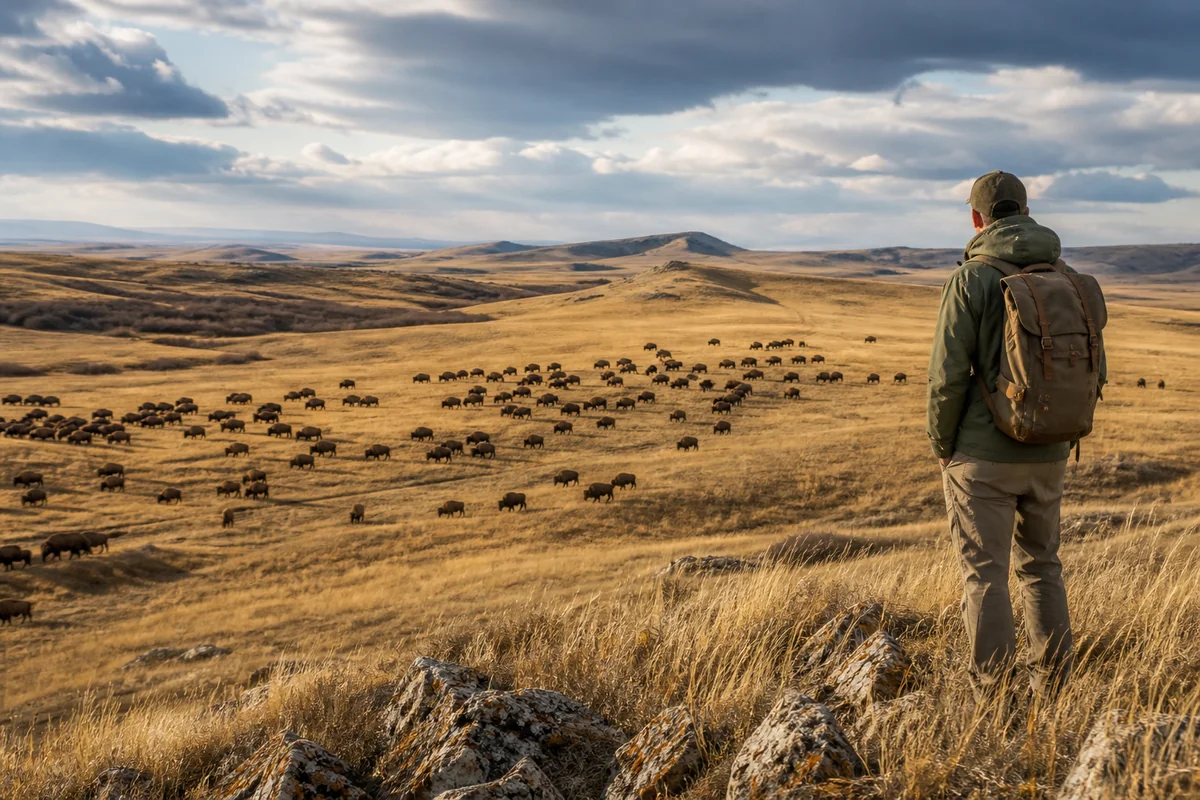
  • Human elements: Including a person in your landscape shots helps convey the vastness of the prairie.
  • Panoramic techniques: Consider multi-shot panoramas to capture the expansive horizon.
  • Embrace negative space: Sometimes the emptiness itself tells the story of the prairie.
  • Look for leading lines: Use roads, fences, or natural features to draw the viewer’s eye through the photograph.

The American Prairie offers endless photographic opportunities throughout the seasons. Winter brings stark minimalism, spring delivers wildflowers and new life, summer showcases vibrant green grasslands, and fall transforms the landscape with golden hues. Whatever season you visit, take time to observe, connect with the landscape, and let the prairie’s unique character guide your photography.

Nearby Attractions and Side Trips

The American Prairie Reserve doesn’t exist in isolation—it’s surrounded by fascinating Montana landscapes, historic towns, and cultural sites that can enrich your prairie experience. While the reserve itself offers plenty to explore, adding these nearby destinations to your itinerary creates a more comprehensive Montana adventure.

Charming Montana Towns

Fort Benton – Known as the “Birthplace of Montana,” this historic river port town sits along the Missouri River about 2 hours from the prairie. Walk the levee trail, visit the Museum of the Upper Missouri, and see the historic fort that gives the town its name. The town’s well-preserved 19th-century architecture makes it feel like stepping back in time.

Lewistown – This authentic Montana town offers a perfect base for prairie explorations with its central location. Browse local shops, enjoy farm-to-table dining, and visit the Central Montana Museum to understand the region’s homesteading history.

Havre – Explore “Havre Beneath the Streets,” an underground tour showcasing businesses that operated below the town after a devastating 1904 fire. The H. Earl Clack Museum provides insights into paleontology and local history.

Natural Wonders

Upper Missouri River Breaks National Monument – This 375,000-acre monument protects a stunning section of the Missouri River that Lewis and Clark traveled. Float trips, hiking, and wildlife viewing opportunities abound in this dramatic landscape of white cliffs and river breaks.

Charles M. Russell National Wildlife Refuge – Bordering the American Prairie Reserve, this massive refuge encompasses over 1 million acres around Fort Peck Lake. The refuge offers excellent fishing, boating, and wildlife viewing, particularly during migration seasons.

Judith Mountains – Rising east of Lewistown, these isolated mountains provide hiking opportunities and a dramatic contrast to the prairie landscape. The abandoned mining town of Maiden offers a glimpse into Montana’s gold rush history.

Cultural and Historical Sites

First Peoples Buffalo Jump State Park – Located near Great Falls, this archaeological site features one of the largest buffalo jumps in North America, where Native Americans drove bison over cliffs during hunts for thousands of years.

Little Rocky Mountains and Fort Belknap Indian Reservation – Experience Native American culture at the Fort Belknap Reservation, home to the Gros Ventre and Assiniboine tribes. The annual Milk River Indian Days celebration in July offers traditional dancing, food, and crafts.

Dinosaur Trail – Montana’s central region forms part of the Montana Dinosaur Trail. The Great Plains Dinosaur Museum in Malta showcases impressive fossils discovered in the region, including the “Leonardo” specimen—one of the best-preserved dinosaur fossils ever found.

Planning Multi-Destination Trips

Consider these itinerary additions when visiting the American Prairie:

The Missouri River Loop – Combine your prairie visit with a journey following the Missouri River from Fort Benton through the Missouri Breaks, ending at Fort Peck Lake. This route traces the path of Lewis and Clark while connecting multiple conservation lands.

Montana History Tour – Link the prairie with historic sites like Fort Benton, the Judith Basin (home to famous western artist Charlie Russell’s cabin), and various ghost towns that tell the story of Montana’s settlement.

Wildlife Circuit – Create a wildlife-focused journey connecting the American Prairie Reserve with the Charles M. Russell Wildlife Refuge and the UL Bend National Wildlife Refuge for maximum wildlife viewing opportunities.

When planning side trips, remember that distances in Montana are vast, and services can be limited. Always travel with extra fuel, water, and supplies. Most nearby attractions are seasonal, with limited or no access during winter months. The American Prairie staff can provide current recommendations based on your interests and the season of your visit.

Supporting Conservation at the American Prairie

The American Prairie Reserve represents one of the most ambitious conservation projects in U.S. history, aiming to create the largest wildlife reserve in the lower 48 states. As a visitor, you have numerous opportunities to contribute to this monumental effort beyond simply experiencing the landscape.

Become a Member

Membership to the American Prairie provides crucial financial support while offering you special benefits. Annual memberships start at just $50 and include:

  • Exclusive access to member events and programs
  • Discounts on merchandise and accommodations
  • Regular updates through the Prairie Notes newsletter
  • Early registration for special tours and volunteer opportunities

Members at higher tiers receive additional perks like complimentary stays at Buffalo Camp and invitations to special donor events where you can connect with conservation leaders.

Donation Programs

The Reserve offers several targeted donation options:

  • Adopt an Acre: Starting at $1,000, you can permanently protect prairie habitat
  • Bison Restoration Fund: Support efforts to grow the keystone bison herds
  • Education & Outreach: Help fund programs that connect people with the prairie
  • Legacy Giving: Include the American Prairie in your estate planning

Every donation, regardless of size, contributes directly to land acquisition, wildlife restoration, and habitat management.

Volunteer Opportunities

The Reserve welcomes volunteers throughout the year for projects ranging from a few hours to multiple days:

  • Citizen Science: Participate in wildlife counts and monitoring programs
  • Habitat Restoration: Help remove invasive species and plant native grasses
  • Trail Maintenance: Assist with maintaining hiking paths and signage
  • Seasonal Work Crews: Join organized volunteer weeks during peak seasons

Volunteers gain behind-the-scenes insights while making tangible contributions to conservation goals.

Shop with Purpose

The Prairie Market offers apparel, books, and gifts where proceeds support conservation initiatives. Their “Buy a Shirt, Save the Prairie” collection directly funds land acquisition with each purchase.

Spread the Word

Perhaps the simplest yet most powerful way to support the Reserve is to share your experience:

  • Post responsibly on social media using #AmericanPrairie
  • Write reviews on travel platforms highlighting conservation efforts
  • Encourage friends and family to visit or donate
  • Advocate for prairie conservation in your community

Corporate Partnerships

If you represent a business, the Reserve offers partnership opportunities through sponsorships, matching gift programs, and corporate volunteer days that provide meaningful team-building while advancing conservation.

The American Prairie Reserve stands as a testament to what’s possible when people come together for conservation. Every visitor who chooses to support the Reserve becomes part of this historic effort to restore one of North America’s most endangered ecosystems and preserve it for generations to come.

Planning Your Itinerary: Sample American Prairie Trips

The American Prairie Reserve offers experiences that can be tailored to fit any schedule, whether you have just a weekend to spare or an entire week to immerse yourself in this remarkable ecosystem. Planning your visit strategically will ensure you make the most of your time on the prairie.

Weekend Getaway (2-3 Days)

A weekend trip to the American Prairie provides just enough time to get a taste of this vast landscape. Here’s how to make the most of it:

Day 1:

  • Arrive by mid-day and set up camp at Buffalo Camp or check in to your accommodation
  • Take the Prairie Drive tour route (2-3 hours) for wildlife viewing at dusk
  • Enjoy stargazing after dinner

Day 2:

  • Early morning wildlife viewing (best time to spot animals)
  • Hike the Box Elder Trail (4 miles) or Prairie Union Trail (2 miles)
  • Visit the interpretive center to learn about prairie ecology
  • Evening campfire program (seasonal)

Day 3:

  • Sunrise photography session
  • Final short hike or wildlife drive before departing

This compact itinerary gives you a sampling of the prairie’s highlights without feeling rushed.

Mid-Length Adventure (3-5 Days)

With 3-5 days, you can delve deeper into the prairie experience and add more activities:

Day 1:

  • Arrival and orientation
  • Evening wildlife drive

Day 2:

  • Full-day guided tour with a naturalist (book in advance)
  • Bison viewing at key locations

Day 3:

Day 4:

  • Visit the Sun Prairie area for different ecosystems
  • Photography workshop (if available) or self-guided photo safari
  • Evening astronomy program

Day 5:

  • Morning birding excursion
  • Visit to historic homesteads
  • Departure with scenic route option

This itinerary balances structured activities with free time to explore on your own.

Immersive Prairie Experience (7+ Days)

A full week allows for true immersion in the prairie ecosystem and culture:

Days 1-2:

  • Arrival and settling in
  • Orientation and introductory activities
  • Multiple wildlife viewing opportunities

Days 3-4:

  • Longer backcountry hikes
  • Overnight camping at remote sites (permit required)
  • Photography at different times of day

Days 5-6:

  • Missouri River float trip (full day)
  • Visit to neighboring Fort Belknap Reservation for cultural experience
  • Participation in citizen science projects

Day 7:

  • Visit to Charles M. Russell National Wildlife Refuge
  • Special interest activities (botany walks, tracking workshops)

Days 8-9:

  • Relaxation and favorite activity repeats
  • Sunrise hot air balloon ride (seasonal, book well in advance)
  • Final celebration dinner

Maximizing Your Experience

Regardless of your trip length, these strategies will help you make the most of your visit:

  1. Focus on dawn and dusk for wildlife viewing when animals are most active
  2. Book specialty experiences in advance, especially guided tours and Kestrel Camp stays
  3. Build in downtime to simply sit and absorb the landscape—the prairie reveals itself to patient observers
  4. Consider shoulder seasons (late spring or early fall) for fewer crowds and moderate weather
  5. Be flexible with your itinerary to accommodate weather changes and unexpected wildlife sightings

For families with children, incorporate junior ranger activities, shorter hikes, and hands-on learning experiences throughout your visit. Photography enthusiasts should plan extra time at key viewpoints during golden hour lighting.

Remember that the prairie operates on its own schedule—some of the most memorable moments will be unplanned encounters with wildlife or weather phenomena that transform the landscape before your eyes.

Conclusion: Experiencing America’s Serengeti

The American Prairie Reserve offers a rare glimpse into what the Great Plains once were—a vast, unbroken ecosystem teeming with wildlife and natural processes. As you stand amidst the waving grasses with bison grazing on distant hills and pronghorn sprinting across the horizon, you’re witnessing the rebirth of an American landscape that nearly disappeared.

This ambitious conservation project represents more than just a beautiful place to visit—it’s a living laboratory for ecological restoration and a blueprint for how humans might repair some of the damage we’ve done to natural systems. By removing fences, reintroducing native species, and allowing natural processes to resume, the American Prairie is writing a new chapter in North American conservation.

Your visit does more than create memories; it directly supports this vital work. Every dollar spent, every night camped, and every tour booked helps expand the reserve and protect more of this threatened ecosystem. In a world where wild places are increasingly fragmented and diminished, the American Prairie stands as a bold counterpoint—a place getting wilder with each passing year.

As you plan your journey, remember that the prairie rewards those who slow down. This isn’t a landscape of instant gratification like the dramatic peaks of Glacier or the geysers of Yellowstone. Instead, it reveals itself gradually through subtle details: the way morning light catches dewdrops on spiderwebs, the complex songs of grassland birds, or the ancient buffalo wallows that dot the landscape.

Come prepared to disconnect, to listen, and to let the rhythms of the prairie reset your internal clock. Whether you’re watching the Milky Way emerge in some of America’s darkest skies or tracking bison herds across the vast landscape, you’re experiencing a piece of America’s natural heritage that once seemed lost forever but is now returning before our eyes.

The American Prairie Reserve isn’t just preserving the past—it’s creating the future. And by visiting, you become part of that story.

FAQs about the American Prairie Reserve

Is the American Prairie Reserve open to the public?

Yes, the American Prairie Reserve is open to the public year-round. Visitors can explore the reserve through various activities like hiking, wildlife viewing, camping, and participating in guided tours. While general access to the main roads and public hiking trails is free, some specific activities and accommodations require permits or reservations. The reserve aims to balance public access with conservation efforts, allowing visitors to experience this unique ecosystem while supporting its preservation. It’s important to note that some areas may have seasonal closures or restrictions, so checking the official website or contacting the visitor center before your trip is advisable.

What wildlife can I expect to see at the American Prairie Reserve?

The American Prairie Reserve is home to a diverse array of wildlife, offering visitors the chance to witness species that once roamed the Great Plains in abundance. Bison are the reserve’s most iconic residents, with a herd of over 800 individuals roaming freely. Other large mammals you might encounter include pronghorn antelope, elk, mule deer, and white-tailed deer. The reserve is also known for its prairie dog towns, which support numerous other species. Birdwatchers can spot over 300 species, including golden eagles, ferruginous hawks, and prairie falcons. Lucky visitors might also glimpse predators like coyotes, swift foxes, and even bobcats. The best times for wildlife viewing are typically early morning and late afternoon when animals are most active.

How can I support the conservation efforts of the American Prairie Reserve?

There are several ways to support the American Prairie Reserve’s conservation efforts. Becoming a member is one of the most direct ways to contribute financially while also receiving benefits like discounts and exclusive access to events. The reserve offers various donation programs, including options to adopt an acre, support bison restoration, or contribute to education and outreach initiatives. Volunteering is another impactful way to support the reserve, with opportunities ranging from citizen science projects to habitat restoration work. Simply visiting the reserve and participating in its programs also provides crucial support, as visitor fees directly fund conservation efforts. Additionally, spreading awareness about the project through social media, reviews, and word-of-mouth helps build a broader base of support for this ambitious conservation initiative.

What is the best time of year to visit the American Prairie Reserve?

The best time to visit the American Prairie Reserve depends on your interests and preferences. Each season offers unique experiences. Spring (April-June) brings wildflower blooms and the birth of bison calves, making it ideal for wildlife photography and birdwatching. Summer (June-August) offers the most reliable weather and full accessibility to facilities, perfect for family adventures and extended camping trips. Fall (September-October) provides comfortable temperatures, golden prairie vistas, and the chance to witness the bison rut. Winter (November-March) offers a stark, beautiful landscape and opportunities for activities like cross-country skiing, but requires more preparation due to cold temperatures and potential access limitations. For a balance of good weather, wildlife activity, and fewer crowds, many visitors prefer the shoulder seasons of late spring or early fall.

Are there guided tours available at the American Prairie Reserve?

Yes, the American Prairie Reserve offers a variety of guided tours and educational programs. These range from wildlife safaris led by expert naturalists to cultural history walks exploring the human relationship with the prairie landscape. The reserve also hosts special programs like astronomy nights, photography workshops, and seasonal events such as the annual Buffalo Days celebration. Guided tours provide in-depth insights into prairie ecology, wildlife behavior, and conservation efforts that might be missed when exploring independently. These experiences typically require advance booking, especially during peak seasons, and can be reserved through the reserve’s website or visitor center.

Are there guided tours available at the American Prairie Reserve?

Yes, the American Prairie Reserve offers a variety of guided tours and educational programs. These range from wildlife safaris led by expert naturalists to cultural history walks exploring the human relationship with the prairie landscape. The reserve also hosts special programs like astronomy nights, photography workshops, and seasonal events such as the annual Buffalo Days celebration. Guided tours provide in-depth insights into prairie ecology, wildlife behavior, and conservation efforts that might be missed when exploring independently. These experiences typically require advance booking, especially during peak seasons, and can be reserved through the reserve’s website or visitor center.

Sarah Bennett

My writing is rooted in long-term experience living in Montana, covering its cities through the lens of everyday life and local highlights. I aim to provide a balanced perspective that is supported by research and facts, helping readers understand the true character of these communities without hype or exaggeration

Leave a Reply