The first time I pulled off the gravel road at Black Coulee Wildlife Refuge, I sat in stunned silence for a full five minutes.
Not because something dramatic happened, but because absolutely nothing did—no cars, no people, no sounds except the wind rippling through native grasses and the distant call of a meadowlark.
In a state filled with spectacular Montana wildlife refuges, this 1,494-acre pocket of preserved prairie near the Hi-Line felt like discovering a secret that locals had kept to themselves for decades.
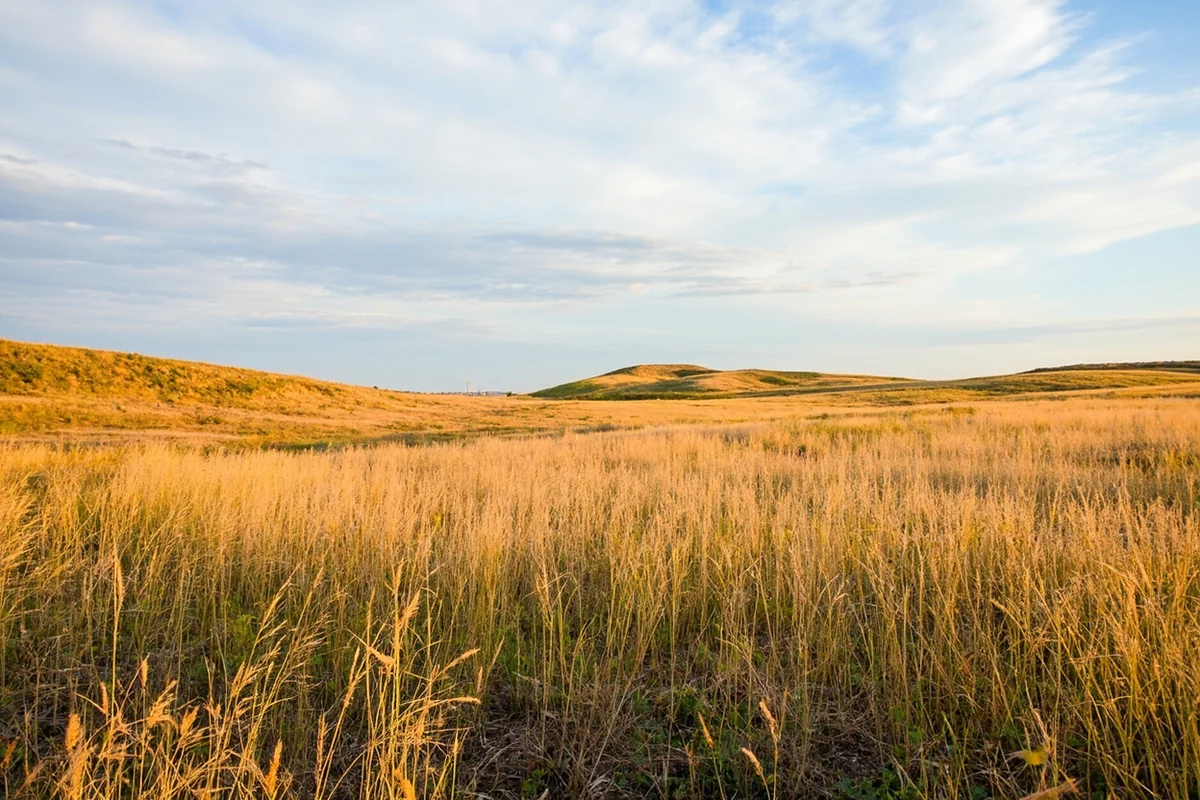
- Black Coulee Wildlife Refuge is a 1,494-acre protected prairie near Chinook, Montana, managed by the U.S. Fish and Wildlife Service
- Best visited April through October, with peak wildlife activity during spring mating seasons (March-May) and fall migration (September-October)
- Free admission with no facilities—bring everything you need including water, snacks, and a full tank of gas
- Primary wildlife includes sharp-tailed grouse, pronghorn, mule deer, and over 150 bird species
- Expect to spend 2-4 hours exploring; combine with nearby Bowdoin National Wildlife Refuge for a full-day trip
- Truly remote location requires self-sufficiency and respect for unpredictable Montana weather
Liked this article?
Add Roaming Montana as a preferred source so you see more of our articles and guides on Google.
What Makes Black Coulee Special (And Why Most Tourists Miss It)
Let me be honest with you: Black Coulee Wildlife Refuge isn’t going to make anyone’s “Top 10 Montana Attractions” list. There’s no visitor center, no interpretive trails with helpful signs, and certainly no gift shop selling plush bison toys.
That’s exactly why I love it.
During my visit last spring, I encountered exactly two other vehicles over the course of three hours. Both belonged to local ranchers passing through, and both gave me the classic Montana single-finger wave from the steering wheel.
This refuge exists in that magical space between “protected federal land” and “place nobody remembers exists.” It was established in 1936 as part of a broader effort to preserve native prairie habitat during the Dust Bowl era.
Today, it represents one of the last remaining patches of mixed-grass prairie in north-central Montana—a landscape that once stretched across millions of acres before agriculture transformed the region.
Getting There: A Journey Into Montana’s Quiet Corner
Black Coulee sits roughly 15 miles southwest of Chinook, Montana, in Blaine County. If you’re not familiar with this part of the state, you’re in good company.
The Hi-Line—that stretch of Highway 2 running parallel to the Canadian border—sees far fewer tourists than the Glacier and Yellowstone corridors. Most travelers zip through on their way somewhere else.
To reach the refuge, you’ll head south from Chinook on Route 240. The turnoff isn’t well-marked, so I recommend downloading offline maps before you lose cell service, which happens about five miles outside of town.
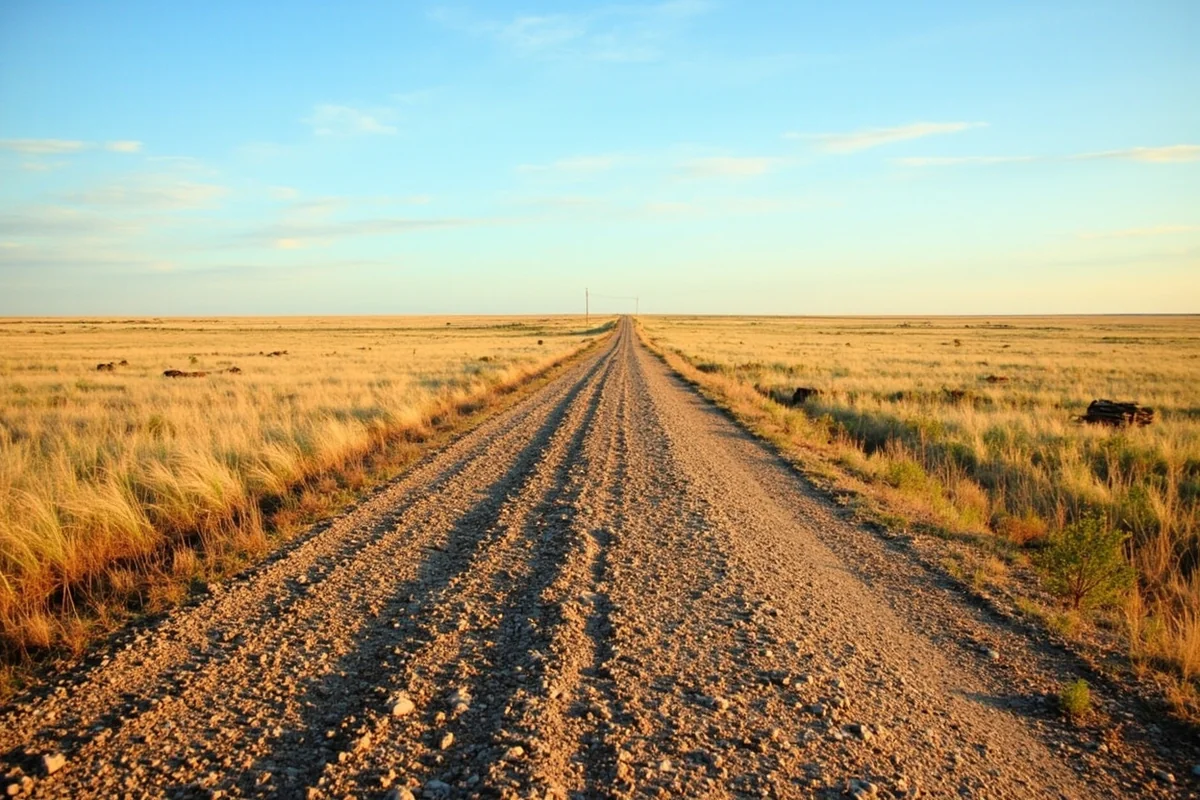
The roads within and around the refuge are a mix of gravel and dirt. During my trip last May, conditions were passable in my standard rental sedan, but I wouldn’t attempt it after heavy rain.
If you’re visiting during spring snowmelt or after summer thunderstorms, a vehicle with higher clearance will save you considerable stress.
Distances From Major Montana Cities
| Starting Point | Distance | Drive Time |
|---|---|---|
| Great Falls | 125 miles | 2 hours |
| Havre | 45 miles | 50 minutes |
| Billings | 250 miles | 4 hours |
| Missoula | 310 miles | 5 hours |
If you’re making the journey from Great Falls, I’d suggest combining Black Coulee with a stop at Benton Lake Wildlife Refuge, which lies along your route and offers excellent waterfowl viewing.
The Wildlife You’ll Actually See (Based on My Experiences)
I want to set realistic expectations here. Black Coulee isn’t Yellowstone—you won’t drive in and immediately encounter a grizzly bear holding up traffic.
The wildlife here is subtler, more secretive, and infinitely more rewarding once you learn to look properly.
Sharp-Tailed Grouse: The Stars of the Show
If you visit between March and May, you might witness one of nature’s most underrated performances: the sharp-tailed grouse mating dance.
I arrived at the refuge just after dawn on a chilly April morning, following a tip from a wildlife biologist I’d met in Chinook the night before. She told me to look for open areas where the grass stayed shorter—these are the leks, or dancing grounds, where males gather to compete for mates.
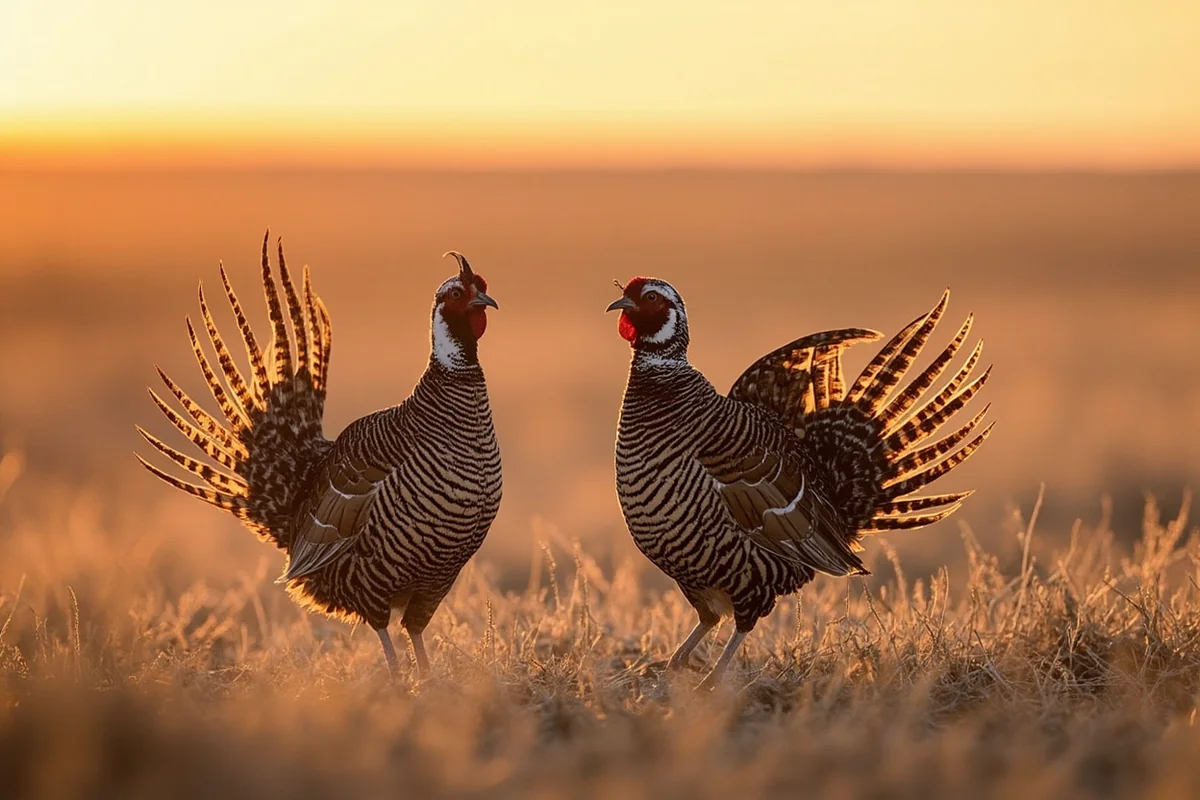
The sound hit me first—a bizarre combination of cooing, stamping, and what I can only describe as prairie beatboxing. Then I spotted them: about a dozen males, tail feathers fanned, purple air sacs inflated on their necks, feet drumming the ground in rapid staccato.
I watched for nearly an hour, barely breathing, as the drama unfolded.
Pronghorn: America’s Speed Demons
Pronghorn antelope are common throughout Black Coulee, and during my visits, I’ve consistently spotted herds ranging from four to twenty animals.
These incredible creatures—the fastest land mammals in the Western Hemisphere—seem perfectly at ease on the refuge’s open prairie.
One afternoon, I watched a small herd graze within about 200 yards of my parked car. When a red-tailed hawk swooped low overhead, the entire group exploded into motion, reaching what must have been 40 miles per hour within seconds.
Then, just as quickly, they stopped, looked back at the hawk with apparent disdain, and returned to grazing.
Mule Deer and White-Tailed Deer
Both species inhabit the refuge, though mule deer are more commonly seen on the open prairie while white-tailed deer tend to stick to the coulee bottoms where brush provides cover.
During my spring visit, I encountered a doe with two spotted fawns tucked into a grassy depression near the refuge’s eastern boundary. They froze when they saw me, relying on camouflage rather than flight.
I backed away slowly, giving them space, and made a mental note about how easily wildlife can be overlooked if you’re moving too quickly.
Birds Beyond the Grouse
Black Coulee’s bird list includes over 150 documented species, though you won’t see all of them on any single visit.
During spring and summer, I’ve spotted:
- Ferruginous hawks circling on thermals
- Northern harriers hunting low over the grass
- Upland sandpipers with their distinctive wolf-whistle calls
- Horned larks seemingly everywhere underfoot
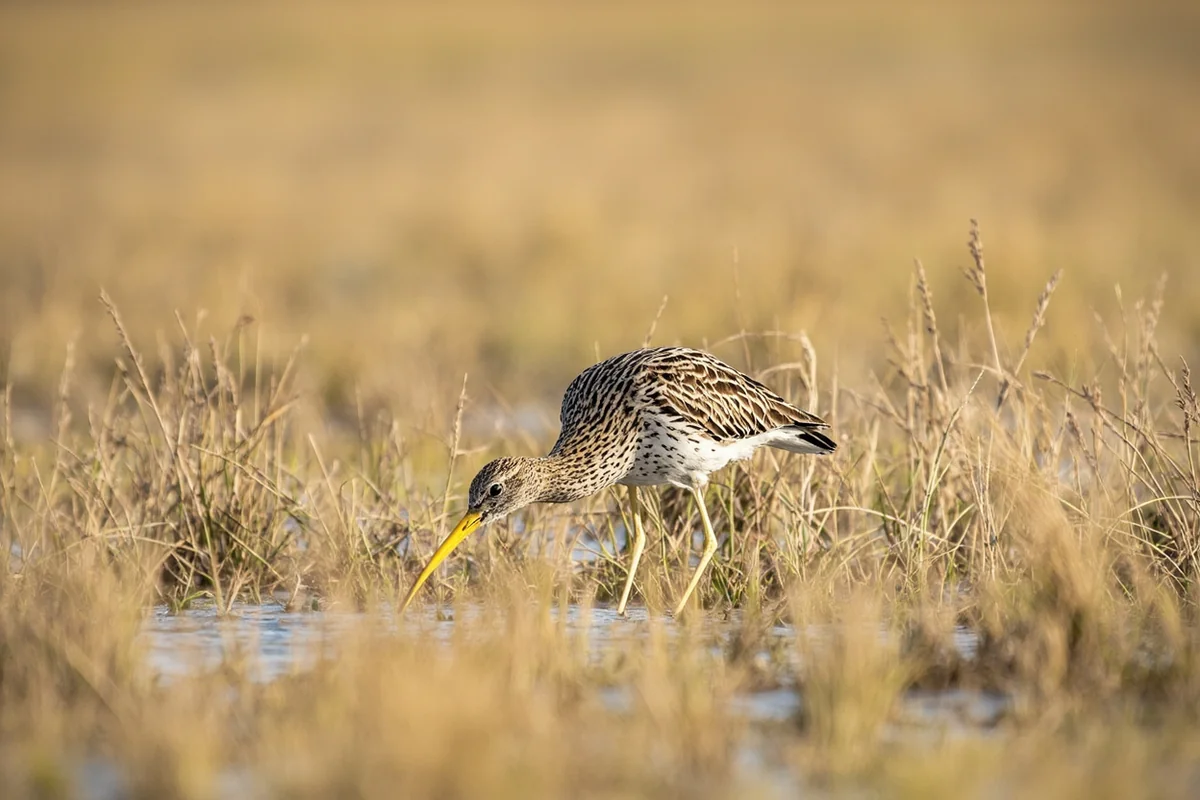
- Long-billed curlews probing for insects with their curved bills
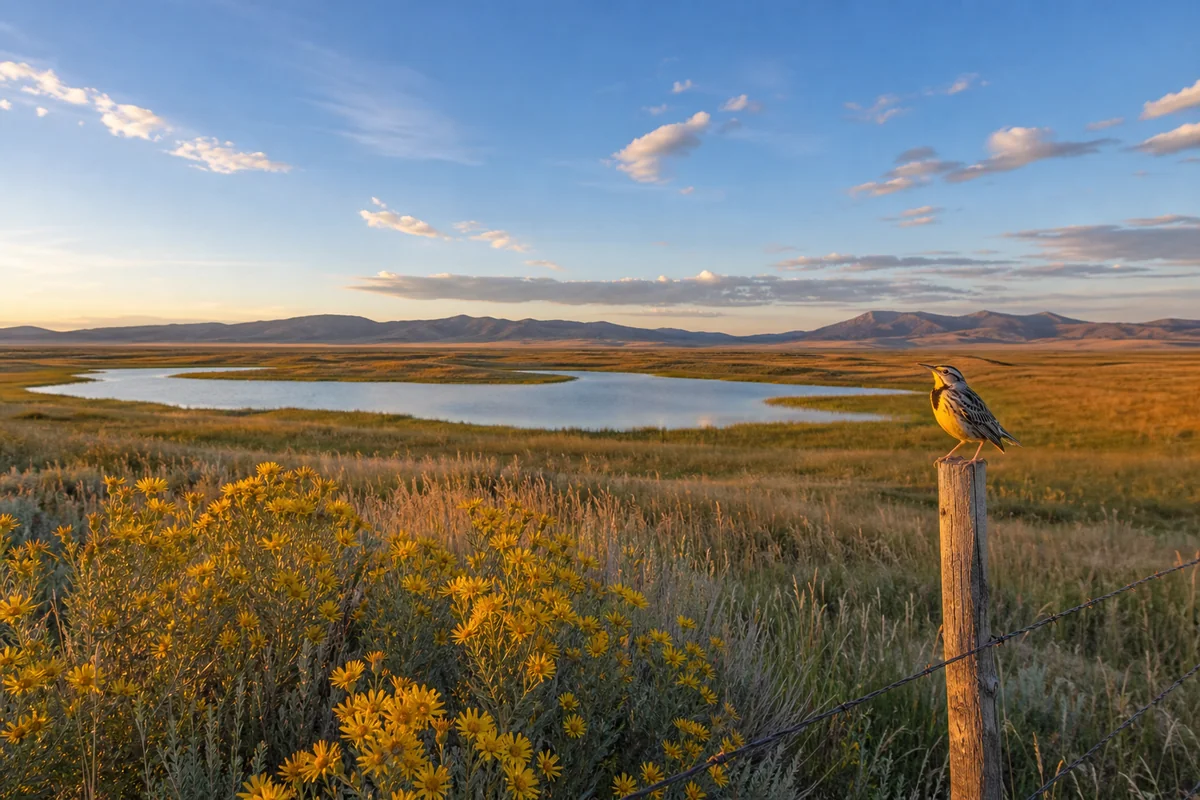
- Western meadowlarks providing the soundtrack to everything
The reservoir at the refuge’s center attracts waterfowl during migration periods. I’ve seen Canada geese, various duck species, and American coots gathering there in fall.
The Prairie Landscape: Understanding What You’re Looking At
One of the challenges for first-time visitors to Black Coulee is knowing what makes this place ecologically significant. To the untrained eye, it might just look like a lot of grass.
I’ll admit that was my initial reaction too.
But the more time I spent there, the more I began to appreciate the complexity. The refuge protects mixed-grass prairie, a transitional ecosystem between the tallgrass prairies to the east and the shortgrass plains to the west.
Native Grasses and Wildflowers
The dominant grass species include blue grama, western wheatgrass, and needle-and-thread grass. These native plants have evolved over thousands of years to thrive in Montana’s harsh conditions—extreme cold, searing heat, minimal rainfall.
During late May and June, wildflowers transform sections of the refuge into a pointillist painting. I’ve found:
- Blanketflower (gaillardia) adding splashes of red and yellow
- Prairie coneflowers nodding in the breeze
- Prickly pear cactus with surprisingly delicate yellow blooms
- Wild blue flax carpeting swales with pale blue
If you’re interested in prairie botany, bring a field guide. The refuge offers an incredible outdoor classroom for anyone willing to slow down and look closely.
The Coulee Itself
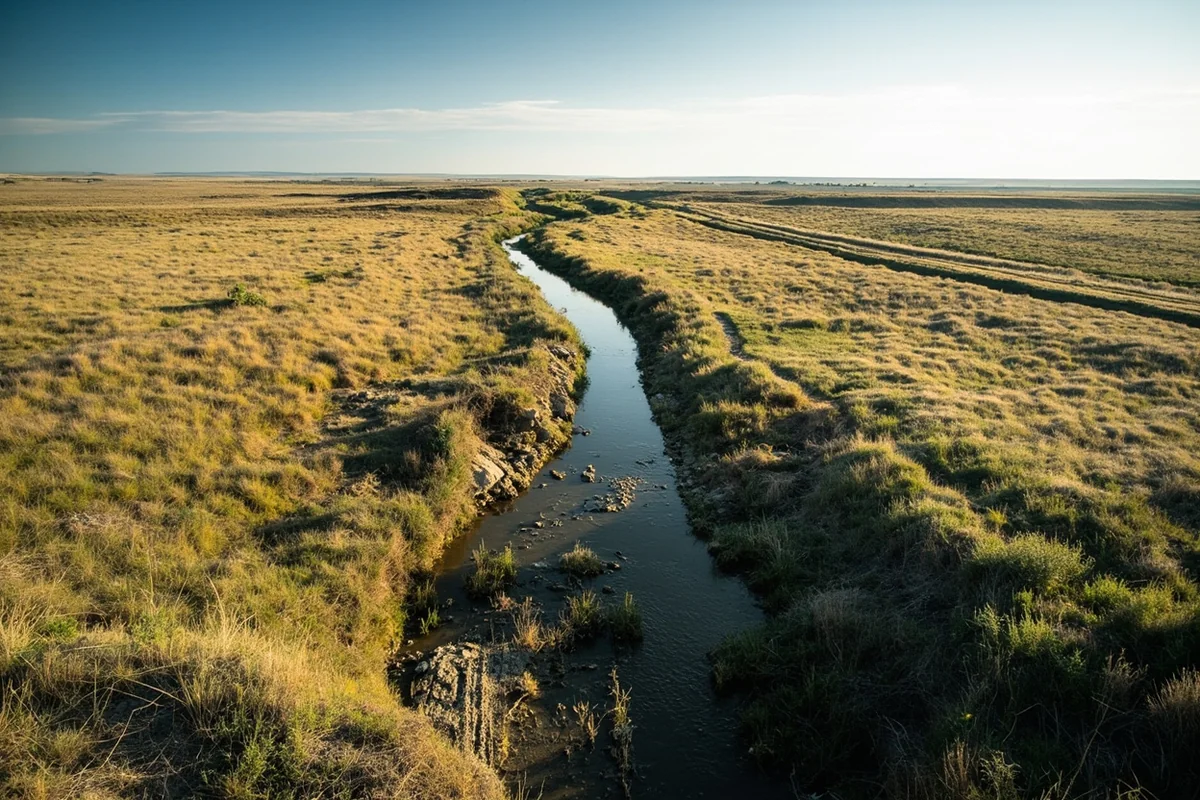
“Coulee” is a French-Canadian term for a dry drainage or ravine carved by glacial meltwater thousands of years ago. The Black Coulee that gives this refuge its name cuts through the landscape, providing topographic variety in an otherwise level terrain.
These coulees create microclimates where different plant communities can thrive. The north-facing slopes retain more moisture and support denser vegetation, while south-facing slopes tend to be drier and more sparsely covered.
I spent a good hour exploring one of these drainage cuts, finding evidence of wildlife throughout—deer tracks in the mud, feathers from a recent kill, what appeared to be a badger den with fresh dirt at the entrance.
When to Visit: Seasonal Considerations
Each season offers something different at Black Coulee, though I’d argue spring and early fall provide the optimal experiences for most visitors.
Spring (April-May)
This is my favorite time to visit. The sharp-tailed grouse are dancing, migratory birds are moving through, and the prairie is greening up after winter dormancy.
Temperatures can still be unpredictable—I’ve experienced 70-degree afternoons followed by 30-degree mornings—so layer your clothing.
Spring also brings mud. If roads are wet, use extreme caution or postpone your visit.
Summer (June-August)
Peak wildflower season hits in June, but by July and August, the prairie bakes under intense sun. Daytime temperatures regularly exceed 90 degrees, and shade is essentially nonexistent.
If you visit in summer, arrive at dawn, explore until mid-morning, then retreat to somewhere air-conditioned. Return in evening when temperatures moderate.
Wildlife becomes more crepuscular (active at dawn and dusk) during hot months, so adjust your schedule accordingly.
Fall (September-October)
Fall migration brings waterfowl and raptors through the refuge. The pronghorn rut peaks in late September and early October, offering opportunities to observe male behavior.
The prairie takes on golden and amber hues that photograph beautifully in angled autumn light. Temperatures are generally pleasant, though nights get cold.
This is an excellent time to combine Black Coulee with a visit to the American Prairie Reserve to the southeast, where bison herds are also active during fall.
Winter (November-March)
I haven’t personally visited Black Coulee in winter, and I’d hesitate to recommend it for most travelers. Roads may be impassable, temperatures plummet well below zero, and wildlife is sparse and difficult to find.
If you’re an experienced winter adventurer with proper equipment and emergency supplies, you might find the solitude appealing. Otherwise, wait for spring.
Practical Information for Planning Your Visit
Facilities (Or Lack Thereof)
Let me be absolutely clear: Black Coulee has no facilities whatsoever.
No restrooms, no water, no trash cans, no picnic tables, no nothing.
The nearest services are in Chinook, about 15 miles away. Plan accordingly.
I always bring:
- At least one gallon of water per person
- Snacks and/or a packed lunch
- Sunscreen and a wide-brimmed hat
- Binoculars (essential for wildlife viewing)
- A camera with a telephoto lens
- A paper map as backup to digital navigation
- A first aid kit
- Emergency supplies including blankets, a flashlight, and basic tools
Cell Phone Coverage
Don’t count on it. During my visits, I’ve had zero signal throughout most of the refuge and its approach roads.
Tell someone your plans before you go, including when you expect to return. This isn’t paranoid—it’s basic wilderness common sense.
Entrance Fees and Hours
Black Coulee is free to visit and open year-round, though access may be limited by road conditions during winter and spring.
Since there’s no entrance station or staffing, you can come and go as you please. I recommend arriving around dawn for the best wildlife viewing and photography light.
Rules and Regulations
As a National Wildlife Refuge, Black Coulee is managed primarily for wildlife. The following rules apply:
- Hunting is permitted during designated seasons with appropriate licenses
- Fishing is not available (no accessible water bodies)
- Camping is not permitted
- Motorized vehicles must stay on designated roads
- Dogs must be leashed at all times
- Collecting plants, antlers, or other natural materials is prohibited
Combining Black Coulee With Other Stops
Given Black Coulee’s remote location, it makes sense to build a broader itinerary around your visit.
Bowdoin National Wildlife Refuge
About 30 miles east of Black Coulee, Bowdoin NWR offers a completely different wetland habitat. The 15-mile auto tour route there provides excellent bird viewing from your vehicle.
I’ve done both refuges in a single day, starting at Black Coulee for dawn wildlife activity, then driving to Bowdoin for late morning and afternoon birding.
Bear Paw Battlefield
History buffs should consider the Bear Paw Battlefield, located south of Chinook. This is the site of the final battle of the Nez Perce War in 1877, where Chief Joseph surrendered with his famous “I will fight no more forever” speech.
The battlefield is part of the Nez Perce National Historical Park and offers a sobering, important counterpoint to the natural beauty of the refuges.
Chinook
The town of Chinook itself is worth a brief stop. The Blaine County Museum provides excellent regional history, and the Chinook Motor Inn serves as a reliable base for exploring the area.
Dining options are limited but functional—I had a perfectly acceptable burger at the Westerner Cafe during my last visit.
For those looking for more extensive wildlife experiences, the Bison Range Wildlife Refuge near Moiese offers a chance to see free-roaming bison, though it’s a significant drive from this region.
Photography Tips for Black Coulee
The open prairie presents specific challenges and opportunities for photographers.
Light Conditions
Midday light is brutal—flat, harsh, and unflattering. I’ve learned to schedule my photography for the golden hours: the first two hours after sunrise and the last two hours before sunset.
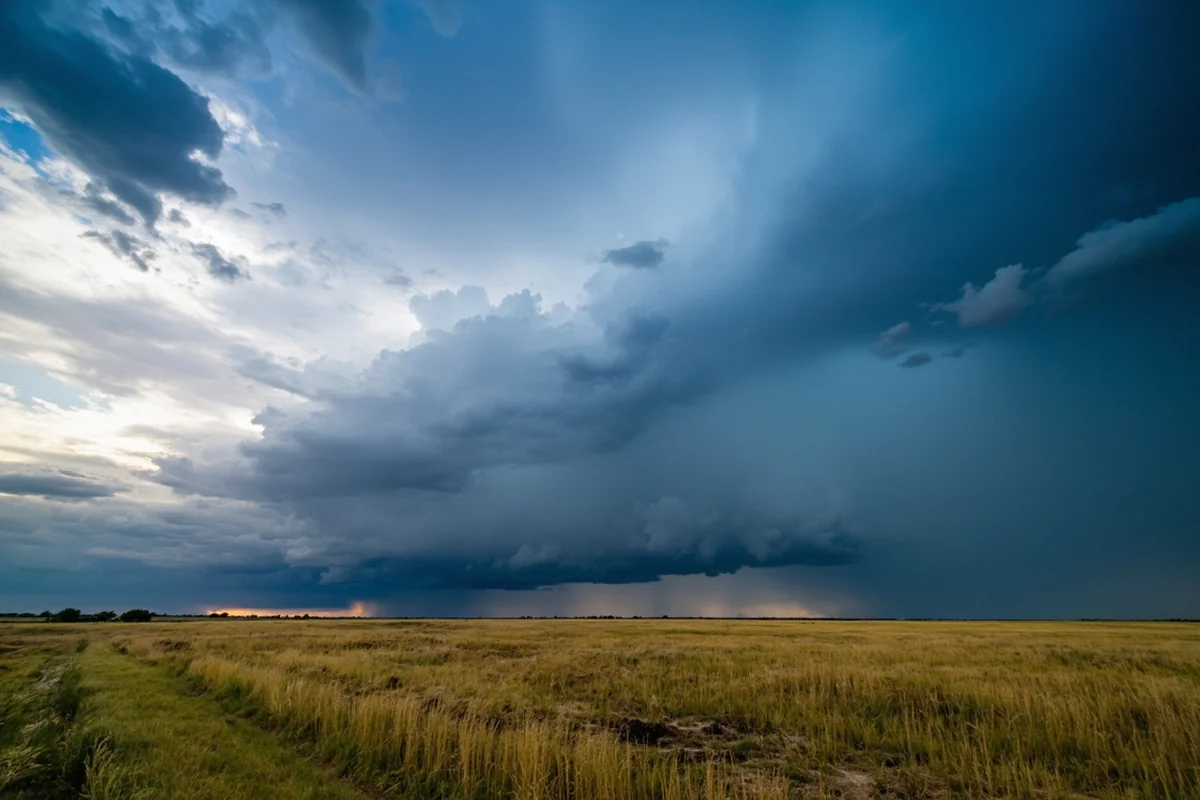
The lack of vertical elements means the sky becomes a major compositional feature. Those dramatic Montana cloud formations you see in tourism photos? They’re real, and they’re spectacular, but you need good light to capture them properly.
Wildlife Photography
Patience is essential. Unlike parks where animals are habituated to humans, wildlife at Black Coulee is genuinely wild and wary.
I’ve found the best approach is to park in a likely spot, turn off the engine, and wait. Animals often appear if you give them time to forget you’re there.
A telephoto lens (300mm or longer) is necessary for any serious wildlife photography. The open terrain means you rarely get close approaches.
Composition Ideas
Some subjects I’ve found compelling:
- The interplay of grass textures in different light
- Weather approaching across the prairie (always stunning)
- Animal silhouettes against dawn or dusk skies
- The refuge’s isolation itself—that sense of vast emptiness
- Macro shots of wildflowers and grasses
Safety Considerations
Black Coulee is safe for prepared visitors, but several factors warrant attention.
Weather
Montana prairie weather changes rapidly and dramatically. I’ve seen sunny mornings turn to violent thunderstorms within an hour.
Check forecasts before you go, but also be prepared for conditions to differ from predictions. Lightning is a genuine danger on open prairie where you may be the tallest object around.
If storms approach, return to your vehicle immediately.
Wildlife Encounters
While there are no grizzly bears at Black Coulee, rattlesnakes are present during warmer months. Watch where you step, especially near rocks and brush piles.
Prairie dogs can carry plague—don’t touch sick-looking animals or burrow entrances.
Vehicle Preparation
A breakdown on these remote roads could become serious quickly. Ensure your vehicle is in good condition, tires are properly inflated, and you have a spare.
I always carry extra water, emergency food, and warm blankets regardless of season. Getting stranded overnight without supplies would be genuinely dangerous.
Physical Demands
Walking on uneven prairie terrain is more strenuous than it appears. Sturdy footwear with ankle support is recommended, especially if you’re exploring the coulee drainages.
There’s no shade whatsoever, so sun protection is critical during warmer months.
What Black Coulee Taught Me About Wildlife Watching
I want to end with a reflection that might seem out of place in a practical travel guide, but feels essential to understanding what Black Coulee offers.
Modern wildlife tourism often emphasizes spectacle. We want to see the grizzly catching the salmon, the wolf pack on the hunt, the bison herd thundering across the plain.
Black Coulee offers something different: the chance to observe ordinary wildlife living ordinary lives in a landscape that has remained essentially unchanged for centuries.
The sharp-tailed grouse dancing at dawn aren’t performing for tourists. The pronghorn grazing on native grass aren’t managed for viewing. The meadowlark singing from a fence post doesn’t know or care that you’re listening.
There’s a profound peace in that reality.
During my most recent visit, I spent an hour watching a mule deer doe browse in a coulee bottom while her fawns napped in the grass nearby. Nothing dramatic happened. She ate, occasionally looked around, flicked her ears at flies, ate some more.
It was, objectively, boring.
And it was one of the most memorable wildlife experiences I’ve had in Montana.
Black Coulee reminds us that wild places have value beyond entertainment. They exist for themselves, for the creatures that depend on them, for the ecological processes that sustain life across the region.
We’re allowed to visit, to observe, to appreciate. But we’re guests there, not customers.
If that perspective appeals to you—if you’re looking for wildness rather than spectacle—Black Coulee Wildlife Refuge might be exactly the Montana experience you need.
Frequently Asked Questions
Where is Black Coulee Wildlife Refuge located and how do I get there?
Black Coulee Wildlife Refuge is located in north-central Montana, approximately 30 miles southwest of Chinook near the small town of Hays. From Great Falls, it’s about a 2.5-hour drive northeast via US-87. The refuge is accessed via gravel roads, so I recommend a vehicle with decent clearance, especially during wet conditions.
What wildlife can I see at Black Coulee Wildlife Refuge in Montana?
Black Coulee is primarily managed for migratory waterfowl, so you’ll spot ducks, geese, and shorebirds during migration seasons. I’ve also seen pronghorn antelope, mule deer, coyotes, and various raptors including northern harriers and red-tailed hawks. The prairie grasslands support ground-nesting birds like sharp-tailed grouse and meadowlarks.
When is the best time to visit Black Coulee Wildlife Refuge for bird watching?
The best time to visit is during spring migration (April to May) and fall migration (September to October) when thousands of waterfowl pass through the refuge. I found early morning visits most rewarding for wildlife activity. Summer offers good opportunities for grassland bird species, while winter can be harsh and access may be limited.
Is there an entrance fee for Black Coulee National Wildlife Refuge?
No, there’s no entrance fee to visit Black Coulee Wildlife Refuge. Like most National Wildlife Refuges managed by the U.S. Fish and Wildlife Service, access is free to the public. However, facilities are minimal, so don’t expect visitor centers or developed amenities at this remote Montana refuge.
What should I bring when visiting Black Coulee Wildlife Refuge?
I always pack binoculars, a spotting scope, plenty of water, and snacks since there are no services nearby. Bring layers even in summer as Montana prairie weather changes quickly, plus sunscreen and bug spray for mosquitoes near wetland areas. A detailed paper map or downloaded GPS maps are essential since cell service is unreliable in this remote location.
Can I camp or hunt at Black Coulee Wildlife Refuge?
Camping is not permitted within Black Coulee Wildlife Refuge, but you can find dispersed camping on nearby BLM land or stay in Chinook or Havre. Hunting is allowed during designated seasons for waterfowl and upland game birds with proper Montana licenses and a federal duck stamp. Always check current refuge regulations on the USFWS website before planning a hunting trip.
How much time should I plan for visiting Black Coulee Wildlife Refuge?
Most visitors spend 2-3 hours exploring Black Coulee, which is sufficient to drive the access roads and observe wildlife from your vehicle or designated areas. I’d recommend combining it with nearby Bowdoin National Wildlife Refuge for a full-day Montana wildlife refuge road trip. The refuge covers about 1,500 acres, so it’s manageable in a half-day visit.