Ever wondered where thousands of migratory birds gather in Montana’s vast prairie landscape, creating a spectacular natural showcase that changes with each season?
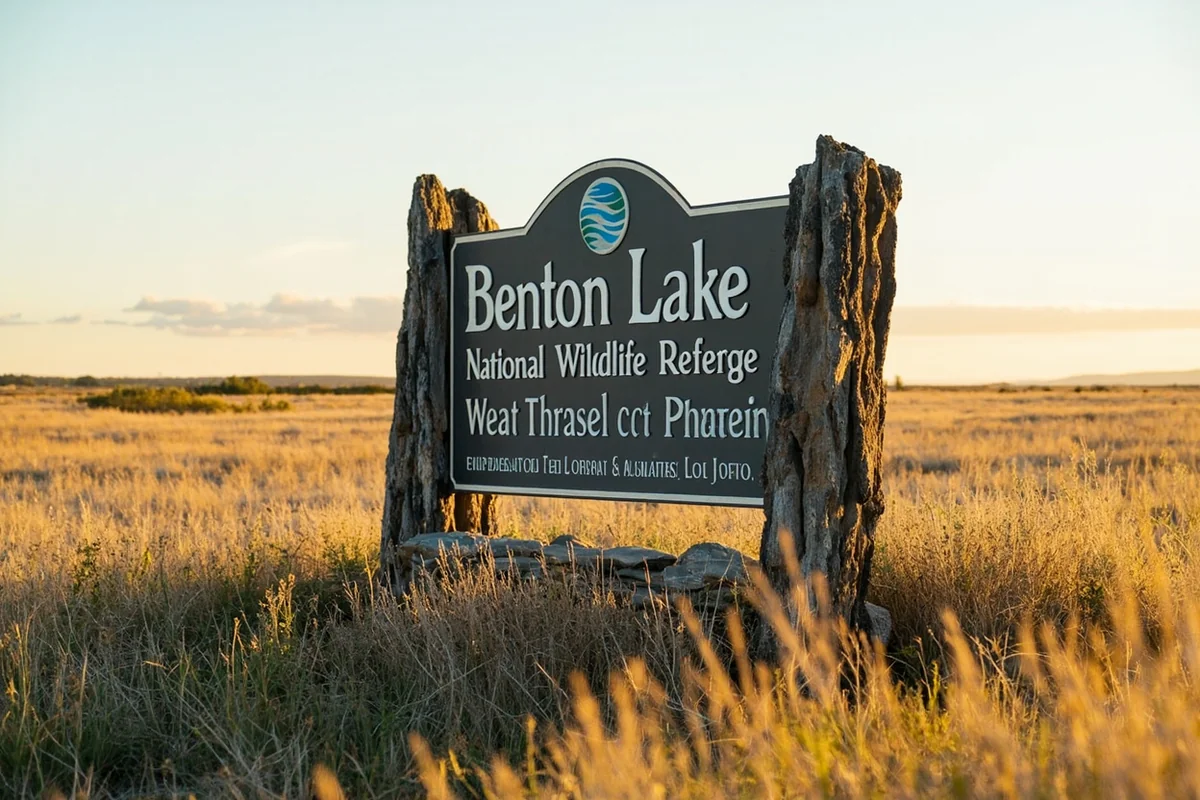
Benton Lake National Wildlife Refuge offers exactly this a 12,383-acre sanctuary where wildlife thrives and visitors can witness nature’s drama unfold against stunning Montana backdrops. For many outdoor enthusiasts and nature lovers, navigating a wildlife refuge visit can feel overwhelming knowing when to go, what to bring, and how to maximize wildlife sightings requires insider knowledge that’s not always easy to find.
This comprehensive guide will walk you through everything you need to know about visiting Benton Lake Wildlife Refuge, from the best seasons for specific wildlife viewing to the most photogenic spots along the trail system. You’ll discover the refuge’s ecological importance, learn about its conservation efforts, and get practical tips on preparing for Montana’s variable weather conditions.
- Related article: Wildlife Refuges in Montana
Whether you’re a dedicated birder, a photography enthusiast, or simply seeking a peaceful nature experience, this article provides the essential information to transform your visit from ordinary to extraordinary.
Let’s explore this hidden gem in Montana’s northern plains and prepare you for an unforgettable wildlife adventure.
Table of Contents
Wildlife Diversity at Benton Lake Refuge
Benton Lake National Wildlife Refuge serves as a critical habitat for an impressive array of wildlife, particularly birds that rely on this wetland oasis in Montana’s arid landscape. The refuge’s unique position along the Central Flyway makes it a premier destination for wildlife enthusiasts and birders.
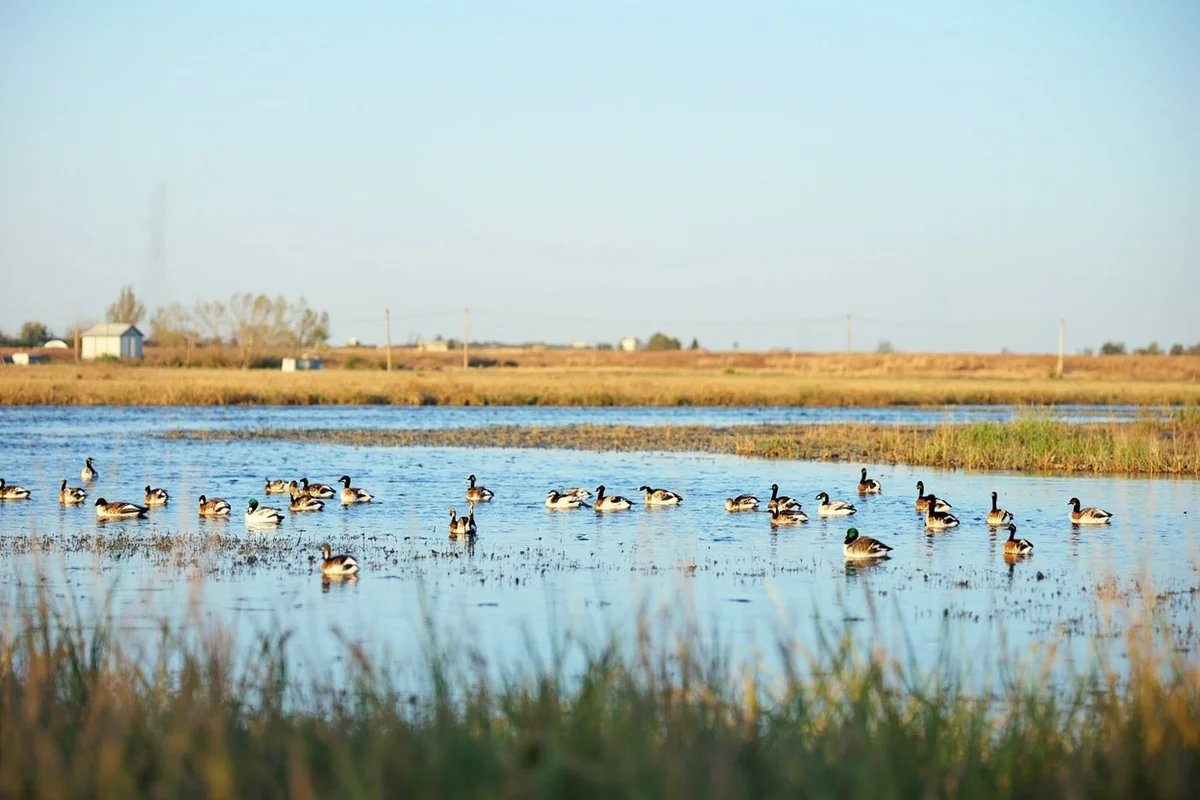
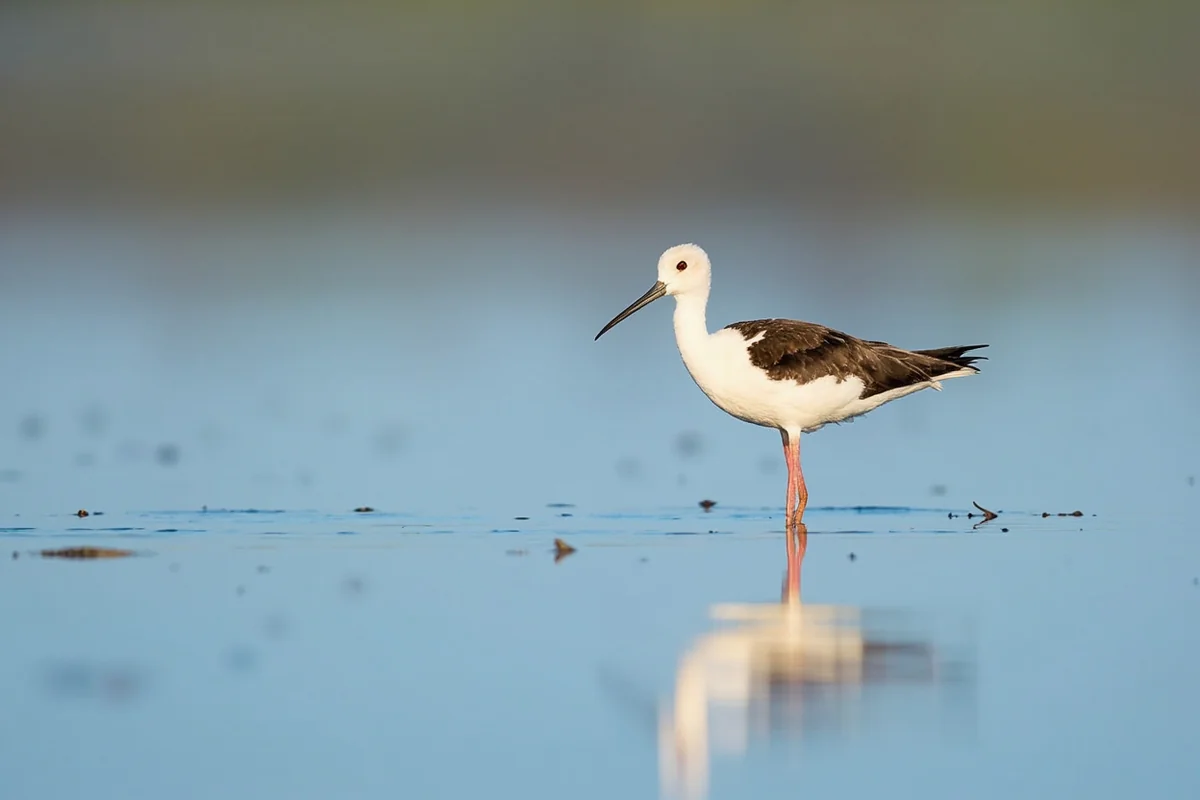
During spring migration (April through June), the refuge transforms into a bustling avian metropolis. Visitors can witness spectacular congregations of waterfowl including Northern Pintails, American Wigeons, and Blue-winged Teals as they stop to rest and feed. The melodious calls of Western Meadowlarks and the distinctive songs of Marsh Wrens fill the air, while graceful American Avocets and Black-necked Stilts wade through the shallow waters.
Summer months (June through August) bring nesting season, when the refuge hosts breeding populations of Franklin’s Gulls, California Gulls, and several species of grebes. The endangered White-faced Ibis can be spotted during this period, along with the majestic American White Pelican. Raptors such as Northern Harriers and Swainson’s Hawks patrol the skies, while Burrowing Owls may be glimpsed near their underground homes.
Fall migration (August through October) brings another wave of activity as birds journey southward. Sandhill Cranes create a spectacular sight as they gather in large numbers, and various shorebirds probe the mudflats for invertebrates. This is also an excellent time to spot migrating Tundra Swans and Greater White-fronted Geese.
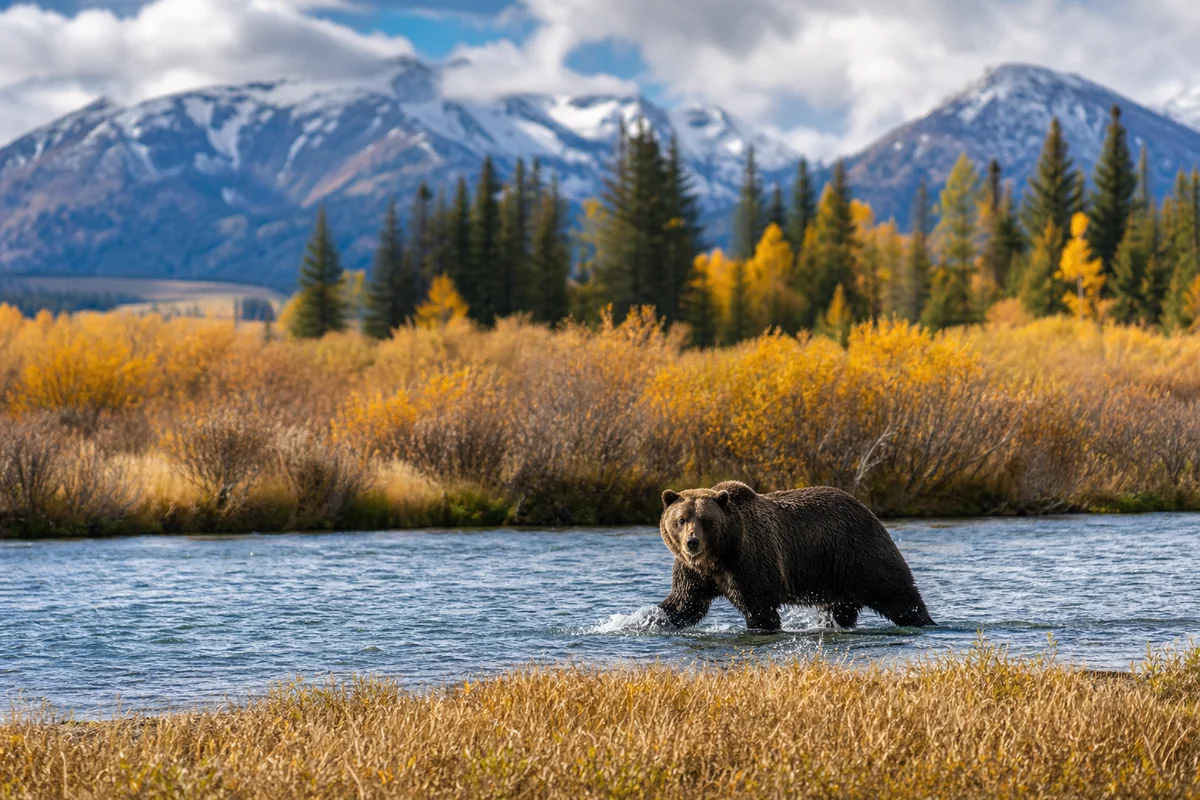
The mammalian residents of Benton Lake include mule deer that graze along the refuge’s edges, particularly during dawn and dusk. Alert visitors might spot coyotes hunting in the grasslands or catch glimpses of the elusive pronghorn antelope. Smaller mammals like Richardson’s ground squirrels, muskrats, and badgers also call the refuge home, though they require patient observation to spot.
The wetland environment supports several amphibian species, including the chorus frog and tiger salamander. These creatures are most active during spring and early summer, especially after rainfall when their distinctive calls can be heard.
Reptiles such as painted turtles and garter snakes add to the biodiversity, often seen basking on logs or rocks during warmer months. The refuge’s insect population, including dragonflies, damselflies, and various butterflies, not only adds color to the landscape but serves as a crucial food source for many other species.
What makes Benton Lake truly special is its role as an ecological island—a wetland complex surrounded by prairie that creates a unique concentration of wildlife. The managed water levels in different pools throughout the refuge ensure habitat diversity, maximizing the variety of species that visitors can observe throughout the year.
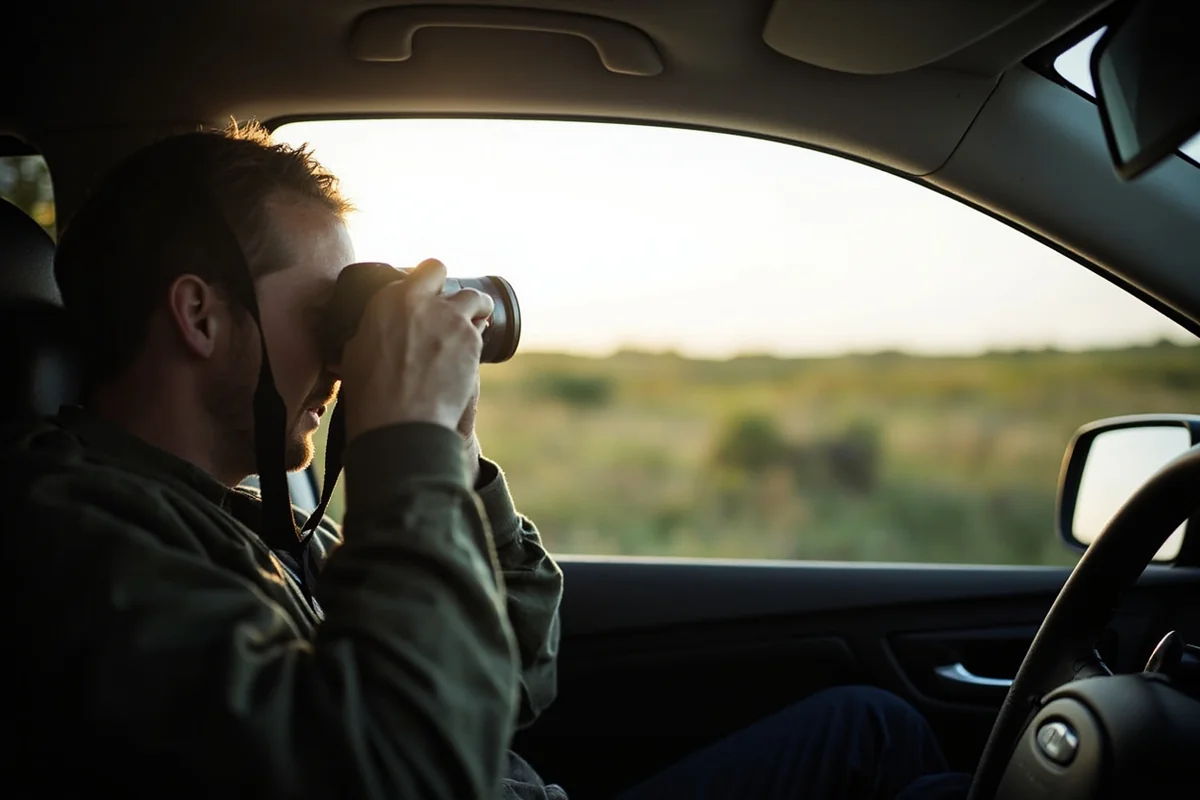
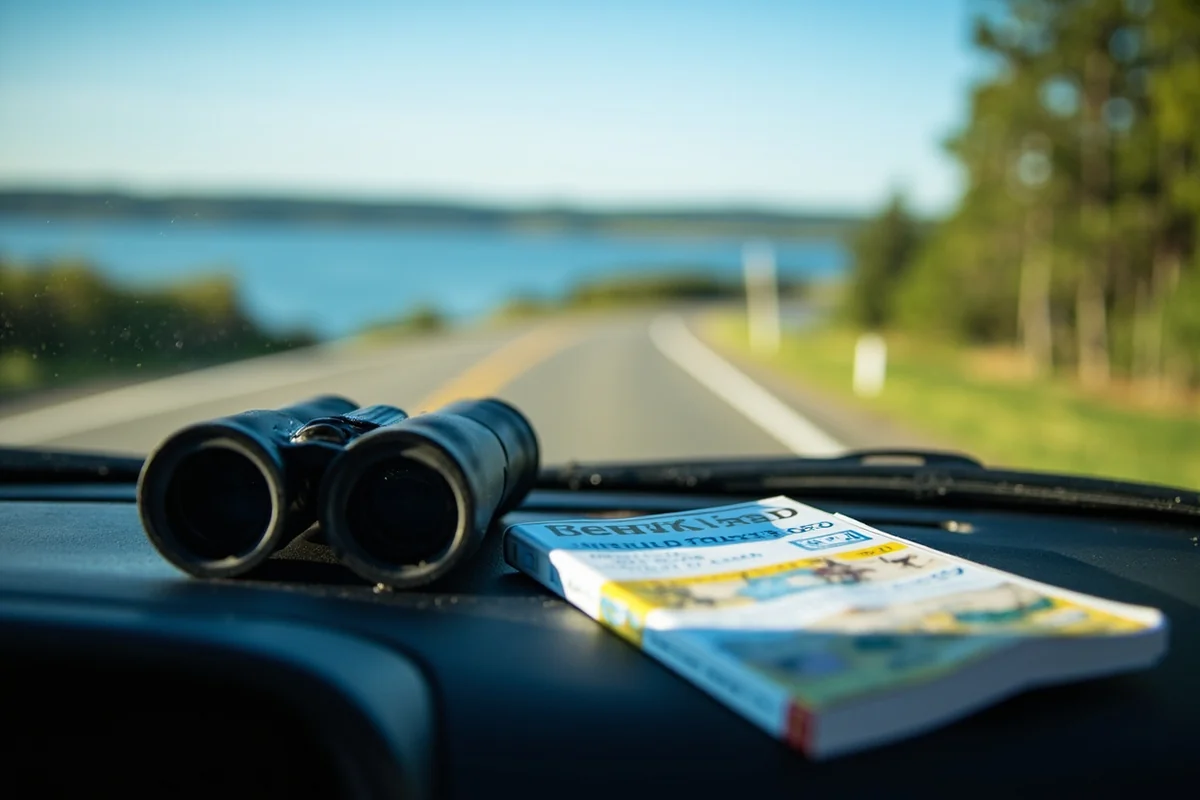
For the best wildlife viewing experiences, early morning and late afternoon typically offer peak activity. Bringing binoculars, a spotting scope, and a field guide will enhance your wildlife observation, as many species may be visible at a distance across the expansive wetlands.
Seasonal Highlights and Best Times to Visit
Benton Lake National Wildlife Refuge transforms dramatically with each passing season, offering visitors unique wildlife viewing opportunities throughout the year. Understanding these seasonal patterns will help you plan the perfect visit based on your wildlife interests.
Spring (April to June)
Spring breathes new life into Benton Lake as the refuge awakens from its winter slumber. Melting snow and spring rains revitalize the wetlands, creating ideal conditions for the arrival of migratory birds. By mid-April, the northern migration is in full swing, with thousands of waterfowl stopping to rest and feed during their journey.
Migration Highlights:
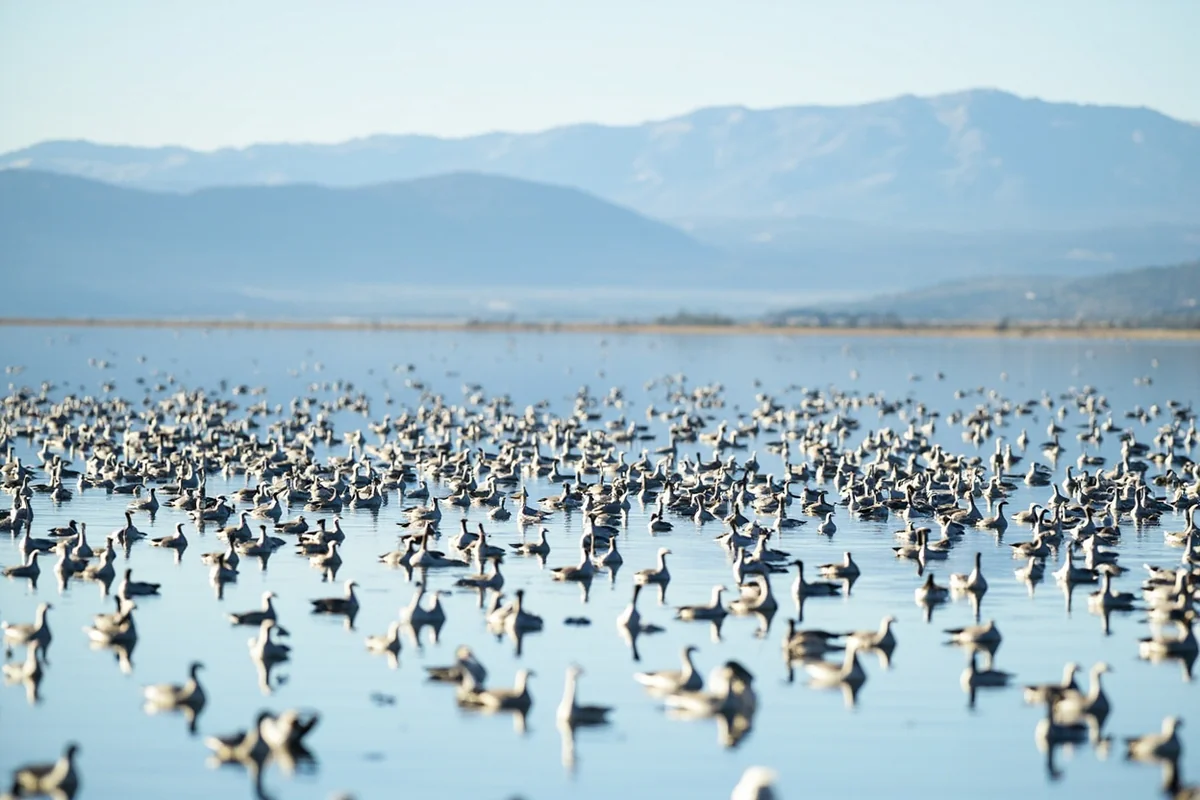
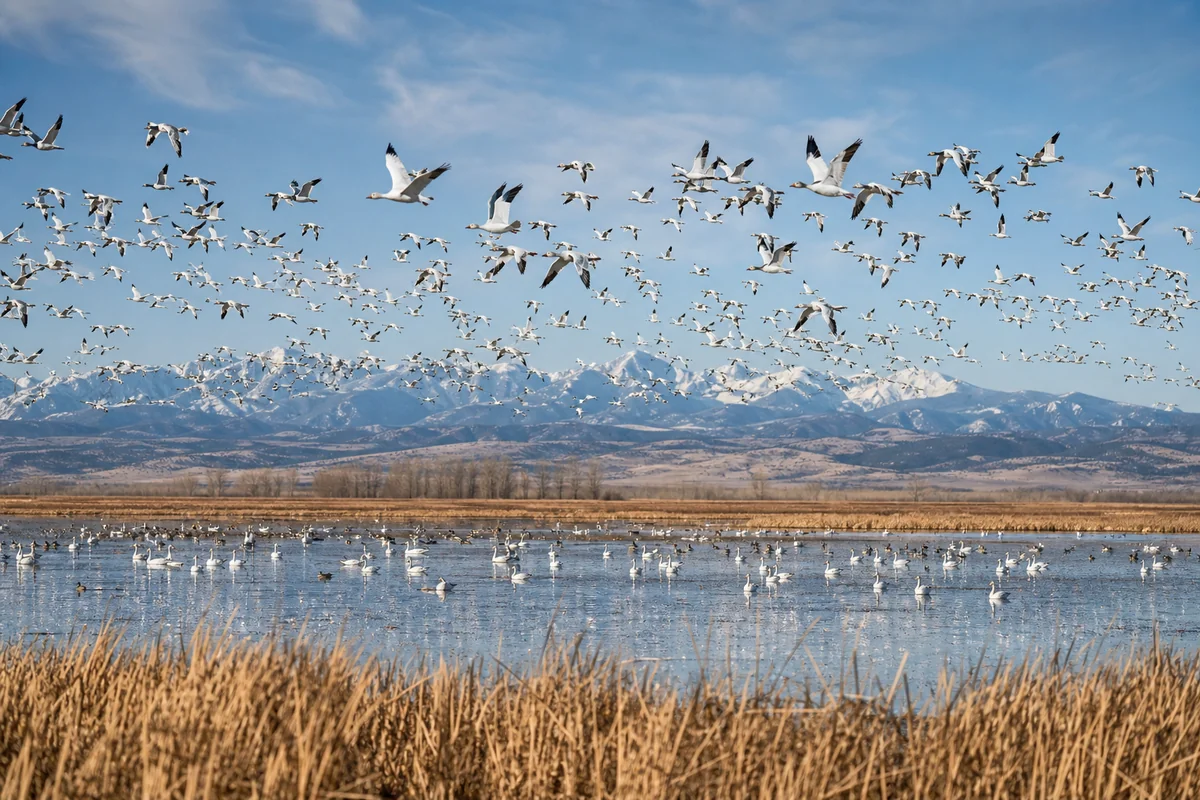
- Snow geese arrive in impressive numbers, often creating white blankets across the wetlands
- Tundra swans pass through in early spring
- Shorebirds including American avocets, black-necked stilts, and sandpipers begin appearing in May
- First sightings of yellow-headed blackbirds, western meadowlarks, and various sparrows
The refuge’s prairie also comes alive with early wildflowers, painting the landscape with vibrant colors. Spring temperatures can be unpredictable, ranging from freezing mornings to pleasant afternoons, so layered clothing is essential.
Summer (July to August)
Summer at Benton Lake showcases the refuge at its most productive, with nesting birds raising their young throughout the wetland complex. Water levels gradually recede, concentrating wildlife and making viewing opportunities exceptional.
Summer Wildlife Highlights:
- Breeding ducks including mallards, northern pintails, and blue-winged teal with ducklings
- Wading birds such as great blue herons and black-crowned night herons
- Raptors including northern harriers and Swainson’s hawks hunting over grasslands
- Prairie songbirds at peak activity
The summer months also bring the best opportunities to observe mammals like mule deer, coyotes, and badgers, particularly during early morning or evening hours when they’re most active. Summer temperatures typically range from 70-90°F during daytime, making morning visits more comfortable for wildlife viewing.
Fall (September to November)
Fall brings the spectacular southern migration, often considered the premier season for visiting Benton Lake. As northern breeding grounds cool, birds return southward, using the refuge as a crucial stopover.
Fall Migration Peaks:
- Mid-September to early October: Peak waterfowl numbers, with tens of thousands of ducks and geese
- Late September: Sandhill cranes passing through
- October: Increasing numbers of raptors, including rough-legged hawks arriving from the Arctic
The changing landscape adds to the visual appeal, with prairie grasses turning golden and cottonwoods displaying yellow foliage. Weather conditions become progressively cooler, with crisp mornings ideal for wildlife photography as mist rises from the wetlands.
Winter (December to March)
While visitor numbers decline in winter, this season offers a stark, beautiful landscape and opportunities to see hardy year-round residents. The refuge takes on a quiet, contemplative atmosphere as many wetlands freeze over.
Winter Wildlife:
- Rough-legged hawks and bald eagles
- Northern shrikes and snow buntings
- Occasional snowy owls in irruption years
- Resident mammals including coyotes and white-tailed jackrabbits
Winter visits require preparation for cold conditions, with temperatures often below freezing and occasional snowfall making some areas inaccessible. The auto tour route may close during heavy snow periods, so checking conditions before visiting is essential.
Best Times for Specific Wildlife Interests
- For waterfowl enthusiasts: Late September to mid-October offers peak diversity and numbers.
- For shorebird specialists: May and early June when mudflats are exposed.
- For songbird watchers: June mornings provide the richest chorus and activity.
- For raptor viewing: Late fall through winter concentrates birds of prey.
- For photography: Early mornings in spring and fall offer dramatic lighting and active wildlife.
No matter when you visit Benton Lake Wildlife Refuge, each season unveils different natural treasures, making return visits throughout the year a rewarding experience for wildlife enthusiasts.
Visitor Facilities and Amenities at Benton Lake Wildlife Refuge
Benton Lake National Wildlife Refuge offers visitors essential facilities while maintaining its natural wilderness character. The Visitor Center serves as your first stop when exploring the refuge, operating from 8:00 AM to 4:00 PM Monday through Friday throughout the year. During peak season (May through September), the center extends its hours to include weekends from 10:00 AM to 2:00 PM. Inside, you’ll find informative exhibits about local wildlife, helpful staff to answer questions, and brochures mapping out the refuge’s attractions.
The refuge provides several accessible features for visitors with mobility challenges. The main wildlife observation deck near the Visitor Center is wheelchair accessible, offering panoramic views of the wetlands. Additionally, there’s a quarter-mile paved trail with minimal grade changes that allows visitors of all abilities to experience the refuge’s natural beauty up close.
Clean restroom facilities are available at the Visitor Center during operating hours, as well as at the main entrance to the Auto Tour Route. During winter months or after hours, portable toilets are maintained at key locations throughout the refuge.
For those planning to spend the day, Benton Lake features three designated picnic areas equipped with tables, trash receptacles, and shade structures. The main picnic area near the Visitor Center includes six tables and two charcoal grills (visitors must bring their own charcoal). Two smaller picnic areas are positioned along the Auto Tour Route, offering scenic lunch spots with views of the wetlands.
Additional amenities include:
- A spotting scope station at the main observation deck
- Two photography blinds available by reservation
- Water fountains at the Visitor Center (visitors should bring their own water when exploring remote areas)
- A small gift shop offering field guides, wildlife-themed merchandise, and basic supplies
- Free binocular loans at the Visitor Center (with ID)
While Benton Lake Wildlife Refuge maintains a focus on conservation rather than recreation, these thoughtfully placed amenities enhance the visitor experience while minimizing impact on wildlife. Note that cell phone coverage can be spotty throughout the refuge, so downloading maps or information beforehand is recommended.
During winter months, some facilities may operate on reduced hours or close entirely during severe weather conditions. Calling ahead to confirm availability is advised for visits between November and March.
Popular Activities and Recreation Opportunities
Benton Lake National Wildlife Refuge offers visitors a diverse array of recreational activities throughout the year, each providing unique ways to experience Montana’s breathtaking landscapes and abundant wildlife.
Bird Watching
Bird watching stands as the premier activity at Benton Lake, drawing enthusiasts from across the country. The refuge hosts over 240 bird species throughout the year, making it a paradise for birders of all experience levels. Spring and fall migrations transform the refuge into a spectacular display of waterfowl, with thousands of ducks, geese, and shorebirds stopping to rest and feed. The refuge’s observation platforms and designated viewing areas are strategically positioned to maximize bird sighting opportunities while minimizing disturbance to wildlife.
Wildlife Photography
Photographers find Benton Lake’s diverse habitats and wildlife particularly rewarding. The refuge’s expansive wetlands, rolling grasslands, and dramatic Montana skies create perfect backdrops for capturing memorable images. Dawn and dusk offer the most magical lighting conditions, with the golden hour illuminating waterfowl, raptors, and occasional mammals in stunning detail. The auto tour route provides numerous pull-offs where photographers can set up equipment without venturing off designated paths.
Hiking and Nature Trails
Several well-maintained trails wind through different ecosystems within the refuge, allowing visitors to experience the landscape intimately. The Prairie Marsh Loop (1.5 miles) offers an accessible route suitable for most visitors, while the more challenging Grassland Ridge Trail (3 miles) rewards hikers with panoramic views across the wetland complex. Interpretive signage along these paths educates visitors about local flora, fauna, and conservation efforts.
Hunting Opportunities
Seasonal hunting is permitted within designated areas of Benton Lake, carefully managed to balance recreational opportunities with wildlife conservation goals. Waterfowl hunting is particularly popular during regulated seasons, with special areas set aside for this purpose. All hunters must obtain appropriate permits and adhere strictly to refuge regulations regarding allowed species, hunting zones, and equipment restrictions. The refuge staff regularly updates hunting information on their website and at the visitor center.
Environmental Education
The refuge hosts numerous educational programs throughout the year, catering to visitors of all ages. School groups benefit from tailored field trips focusing on wetland ecology, bird identification, and conservation principles. During summer months, the “Junior Naturalist” program engages younger visitors through interactive activities designed to foster appreciation for wildlife and natural resources. These programs typically require advance registration through the refuge office.
Wildlife Observation
Beyond organized activities, many visitors simply enjoy observing wildlife in their natural habitat. The refuge’s diverse ecosystem supports not only birds but also deer, foxes, coyotes, and numerous small mammals. Patience and quiet observation are often rewarded with memorable wildlife encounters. Bringing binoculars, field guides, and a comfortable portable chair can enhance this experience significantly.
Seasonal Special Events
Throughout the year, Benton Lake hosts special events coinciding with natural phenomena like bird migrations or wildlife behaviors. The Spring Migration Celebration in May and the Fall Wildlife Festival in September feature guided walks, expert presentations, and family-friendly activities. These events provide excellent opportunities for newcomers to learn about the refuge with guidance from knowledgeable staff and volunteers.
Whether you’re an avid birder seeking to add species to your life list, a photographer capturing Montana’s natural beauty, or simply someone seeking peaceful communion with nature, Benton Lake National Wildlife Refuge offers recreational opportunities that connect visitors with the natural world in meaningful and memorable ways.
Trail System and Viewing Areas
Benton Lake National Wildlife Refuge offers visitors several well-maintained trails and strategic viewing areas that provide intimate encounters with Montana’s diverse wildlife. The trail system has been thoughtfully designed to maximize wildlife observation while minimizing disturbance to the natural habitats.
Auto Tour Route
The centerpiece of the refuge’s accessibility is the 9-mile Wildlife Drive, a gravel auto tour route that loops through the heart of the wetland complex. This scenic drive allows visitors to experience the refuge’s diverse habitats from the comfort of their vehicle—particularly valuable during inclement weather or for those with mobility limitations. The route features numerous pullouts where visitors can safely stop to scan the wetlands and grasslands with binoculars or spotting scopes. Interpretive signs along the way offer insights into the ecology, wildlife, and management practices of the refuge.
Marsh Loop Trail
For those looking to stretch their legs, the Marsh Loop Trail provides an immersive hiking experience. This 1.5-mile loop winds through cattail marshes and wet meadows, offering intimate views of waterfowl, marsh birds, and occasionally muskrats or mink. The trail is relatively flat and features a combination of packed earth and elevated boardwalks that protect sensitive wetland areas while keeping visitors’ feet dry.
Prairie Vista Trail
The Prairie Vista Trail showcases the native grassland ecosystem that once dominated this region. This 1-mile trail meanders through mixed-grass prairie habitat where visitors might spot ground-nesting birds, deer, and various prairie wildflowers in season. Interpretive panels highlight the importance of grassland conservation and the species that depend on this increasingly rare habitat.
Viewing Platforms and Blinds
Strategically placed throughout the refuge are several viewing platforms and blinds that provide excellent wildlife observation opportunities:
- Headquarters Observation Deck: Adjacent to the visitor center, this elevated platform offers panoramic views of the wetland complex and is wheelchair accessible.
- Marsh Blind: This enclosed blind near the main wetland provides concealed viewing of waterbirds at close range—ideal for photography and patient observation.
- Grassland Overlook: Located on a natural rise, this platform gives visitors a sweeping vista of the prairie landscape and distant mountains.
Photography Hotspots
Photographers will find several prime locations throughout the refuge:
- Pond 3 Overlook: Often teeming with waterfowl during migration, this location offers spectacular sunrise photography with mountains in the background.
- Cattail Corner: Where the auto tour route passes a dense cattail marsh, offering opportunities to capture hunting northern harriers and foraging marsh wrens.
- Prairie Dog Town: Located in the western section of the refuge, this area provides chances to photograph these charismatic rodents and the predators they attract.
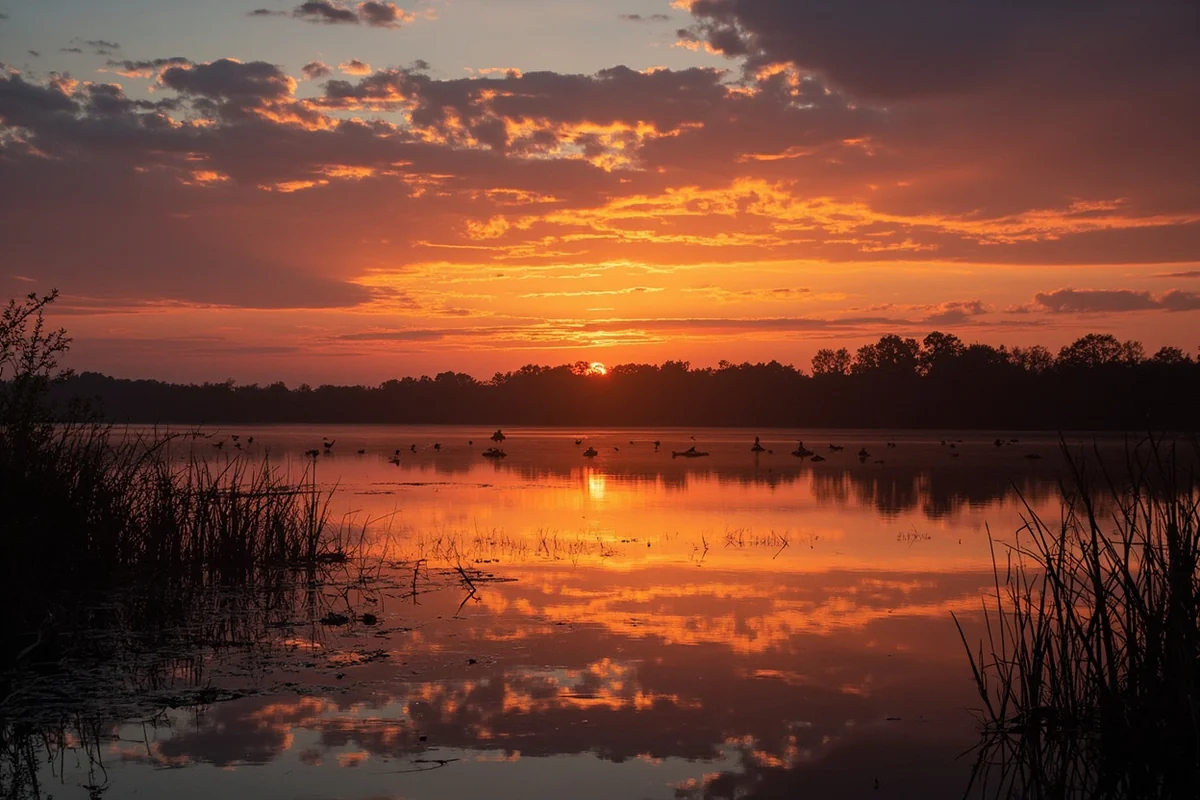
- Sunset Point: A designated pullout on the western edge of the refuge perfect for capturing dramatic Montana sunsets over the wetlands.
Accessibility Features
Benton Lake Refuge has made concerted efforts to improve accessibility, with the visitor center, auto tour route, and select viewing platforms designed to accommodate visitors with mobility challenges. The refuge also maintains a limited number of all-terrain wheelchairs that visitors can reserve in advance for accessing more remote viewing areas.
Each trail and viewing area at Benton Lake offers a unique perspective on the refuge’s diverse ecosystems, creating opportunities for wildlife enthusiasts of all experience levels to connect with Montana’s natural heritage in meaningful ways.
Conservation Efforts and Ecological Importance
Benton Lake National Wildlife Refuge stands as a testament to successful conservation efforts in Montana’s northern plains. Established in 1929, this 12,383-acre wetland complex plays a crucial role in preserving the region’s biodiversity and ecological integrity.
The refuge’s primary conservation focus centers on protecting and enhancing wetland habitats in an otherwise arid landscape. These wetlands—both natural and managed—provide critical breeding, nesting, and stopover habitat for migratory birds traveling along the Central Flyway. Refuge managers employ sophisticated water management techniques to maintain optimal water levels throughout the seasonal changes, creating a mosaic of habitat types that support diverse wildlife communities.
One of the refuge’s most significant conservation achievements has been the restoration of native prairie grasslands. Prior to protection, much of this land had been converted to agricultural use, diminishing its ecological value. Through careful management and restoration practices, including prescribed burns and invasive species control, Benton Lake has successfully reestablished native grasses and forbs that support grassland-dependent species like the chestnut-collared longspur, Sprague’s pipit, and Baird’s sparrow—all species of conservation concern.
The refuge also participates in the Prairie Pothole Joint Venture, a collaborative conservation initiative focused on preserving wetlands across the northern Great Plains. This partnership approach extends the refuge’s conservation impact beyond its boundaries, contributing to landscape-level habitat protection that benefits numerous wildlife species.
Climate change adaptation represents another critical aspect of Benton Lake’s conservation strategy. With changing precipitation patterns affecting wetland hydrology, refuge managers have implemented monitoring programs to track ecological changes and adjust management practices accordingly. This adaptive approach ensures the refuge continues to provide high-quality habitat despite environmental uncertainties.
Benton Lake’s ecological significance extends to water quality improvement as well. The wetlands act as natural filters, capturing sediments and processing nutrients that might otherwise degrade downstream water quality. This ecosystem service benefits not only wildlife but also surrounding communities that depend on clean water resources.
The refuge also serves as an important research site, where scientists study wetland ecology, bird migration patterns, and climate change impacts. This research contributes valuable data to broader conservation efforts and helps inform management decisions both within the refuge and across similar ecosystems.
By preserving this unique wetland-prairie complex, Benton Lake National Wildlife Refuge safeguards a vital ecological link in Montana’s landscape, ensuring these habitats and the wildlife they support persist for future generations.
Planning Your Visit: Essential Information
Benton Lake National Wildlife Refuge welcomes visitors year-round, though accessibility and services vary with seasons. The refuge is open daily from sunrise to sunset, allowing ample time for wildlife observation and photography throughout the day. Unlike many national parks, Benton Lake does not charge an entrance fee, making it an affordable destination for nature enthusiasts and families alike.
For most casual visitors, no special permits are required to enjoy the auto tour route and designated hiking trails. However, if you plan to engage in hunting or specialized photography (such as commercial photography or using blinds), you’ll need to obtain the appropriate permits from the refuge office. These permits ensure sustainable use of the refuge while protecting sensitive wildlife areas.
Visitors should be aware of several important regulations when exploring Benton Lake. Off-road vehicle use is strictly prohibited to protect the delicate wetland ecosystem. Pets must remain leashed at all times, and visitors should maintain a respectful distance from wildlife—a minimum of 100 yards from larger mammals and 50 yards from birds. Collecting plants, feathers, or other natural objects is not permitted, adhering to the “take only photographs, leave only footprints” conservation principle.
First-time visitors should begin their journey at the refuge headquarters, where informational brochures, wildlife checklists, and seasonal updates are available. The visitor contact station, though staffed irregularly, offers displays about the refuge’s ecology and management practices. For the best experience, bring binoculars, a field guide to birds of Montana, drinking water, and sun protection, as facilities are limited within the refuge boundaries.
The 9-mile auto tour route provides an excellent introduction to Benton Lake’s diverse habitats, with interpretive signs explaining key ecological features. This route is typically open from April through October, weather permitting, though seasonal closures may occur during nesting periods or extreme weather conditions. Calling ahead to the refuge office at (406) 727-7400 is recommended to confirm current conditions and accessibility before your visit.
Photography Tips for Benton Lake Wildlife Refuge
Benton Lake National Wildlife Refuge offers photographers a paradise of opportunities to capture Montana’s stunning wildlife and landscapes. The refuge’s diverse habitats create the perfect backdrop for memorable images throughout the year.
Best Locations for Wildlife Photography
The refuge offers several prime photography locations that change with the seasons:
- Auto Tour Route Pullouts: These strategically placed viewing areas along the 9-mile tour route provide stable platforms for photographing waterfowl and shorebirds with minimal disturbance.
- Marsh Overlook: This elevated platform offers sweeping vistas across the wetlands, perfect for landscape shots and distant wildlife.
- Grassland Trails: The prairie sections host songbirds, deer, and occasional predators like coyotes and foxes. The golden hour light here creates magical backdrops.
- Wetland Edges: The transition zones between habitats often yield the most diverse wildlife sightings and interesting behavioral shots.
Recommended Equipment
While any camera can capture beautiful moments at Benton Lake, certain equipment will help maximize your photographic success:
- Telephoto Lens: A 100-400mm zoom lens is versatile for most wildlife photography, while serious bird photographers may want 500-600mm capabilities.
- Tripod or Monopod: Essential for stability when using longer lenses, especially in low light conditions.
- Weather Protection: Dust and moisture protection for your gear is important in this sometimes harsh environment.
- Binoculars: Helpful for spotting distant subjects before setting up your shot.
- Portable Blind: A pop-up blind or camouflage covering can help you get closer to wary species.
- Polarizing Filter: Reduces glare from water surfaces and enhances sky contrast.
Seasonal Photography Opportunities
Each season at Benton Lake presents unique photographic subjects:
- Spring (April-June): Capture courtship displays, nesting behaviors, and vibrant wildflowers. The refuge comes alive with returning migrants and dramatic weather patterns.
- Summer (July-August): Focus on fledgling birds, insect life, and dramatic storm clouds over the prairie. Early mornings offer the best light and wildlife activity.
- Fall (September-October): Document massive waterfowl migrations, fall colors in the surrounding vegetation, and dramatic morning fog over the wetlands.
- Winter (November-March): Though access is limited, persistent photographers can capture stark landscapes, hardy resident species, and beautiful snow patterns when conditions allow.
Expert Tips for Wildlife Photography at Benton Lake
- Timing Is Everything: Arrive at least an hour before sunrise for the best light and most active wildlife. Late afternoon until sunset offers similar advantages.
- Work the Edges: Wildlife is most active along habitat transitions—where water meets land or grassland meets wetland.
- Practice Patience: Set up in a promising location and wait. Often the best shots come after sitting quietly for 30+ minutes.
- Respect Minimum Distances: Stay at least 100 yards from large mammals and 50 yards from birds. Use your zoom rather than approaching closer.
- Shoot at Eye Level: When possible, photograph from the animal’s eye level for more intimate and impactful images.
- Consider Context: Include habitat elements in some shots to tell the story of the animal’s environment.
- Check Your Backgrounds: Position yourself to avoid distracting elements behind your subject.
- Visit Repeatedly: Regular visits throughout the seasons will help you understand wildlife patterns and improve your success rate.
Remember that getting the perfect shot should never come at the expense of wildlife welfare. Benton Lake’s primary mission is conservation, so always prioritize the animals’ wellbeing over photography.
Guided Tours and Educational Programs at Benton Lake Wildlife Refuge
Benton Lake National Wildlife Refuge offers a variety of guided experiences and educational opportunities that enhance visitor appreciation of this Montana treasure. Whether you’re a dedicated birder, a family looking for outdoor learning experiences, or a wildlife enthusiast, the refuge’s programming provides deeper insights into this unique ecosystem.
Ranger-Led Wildlife Tours
During peak migration seasons (April-May and September-October), refuge staff conduct specialized guided tours focusing on the incredible bird diversity. These small-group experiences typically last 2-3 hours and provide exceptional opportunities to observe waterfowl, shorebirds, and raptors with expert commentary. Tours are limited to 12 participants to minimize wildlife disturbance, so advance registration through the refuge office is highly recommended.
The “Early Bird” tours, starting at sunrise, are particularly popular among photographers and serious birders looking to catch the morning wildlife activity. For those less inclined to early wake-up calls, afternoon “Wildlife Wonders” tours explore different habitats while focusing on both birds and mammals.
Educational Programs for Schools and Youth Groups
Benton Lake has developed comprehensive educational programming aligned with Montana science standards for K-12 students. Local schools can arrange field trips that include:
- “Wetland Wonders” – Hands-on exploration of wetland ecosystems
- “Migration Mysteries” – Interactive learning about bird migration patterns
- “Predator-Prey Relationships” – Understanding food webs and ecological balance
These programs typically run 2-3 hours and can be customized based on grade level and curriculum needs. The refuge provides educational materials for teachers to use before and after visits, maximizing the learning experience.
Seasonal Special Events
Throughout the year, Benton Lake hosts special events that coincide with natural phenomena and conservation awareness:
- Spring Migration Celebration (Early May): Features guided walks, bird identification workshops, and family activities celebrating the return of migratory birds
- International Migratory Bird Day (Second Saturday in May): Special programming highlighting global bird conservation
- National Wildlife Refuge Week (October): A week of activities including habitat restoration projects, wildlife art workshops, and extended tour offerings
- Winter Wildlife Survival (January): Educational programs on how wildlife adapts to Montana’s harsh winter conditions
Volunteer-Led Interpretive Programs
The Friends of Benton Lake volunteer group conducts weekend interpretive programs during summer months. These dedicated volunteers offer:
- Spotting scope stations at prime viewing areas
- Informal talks at the visitor center
- “Ask a Naturalist” sessions where visitors can get questions answered
- Assistance with wildlife identification for beginners
Workshop Series
For those seeking more in-depth knowledge, Benton Lake offers specialized workshops throughout the year:
- Wildlife Photography Workshops (spring and fall)
- Bird Identification for Beginners (monthly during summer)
- Wetland Ecology Deep Dives (summer)
- Tracking and Wildlife Sign Interpretation (winter)
These workshops typically last 4-6 hours and include both classroom components and field experiences. A modest fee helps support refuge educational programs.
How to Register for Programs
Most guided tours and educational programs require advance registration due to limited space. Visitors can register by:
- Calling the refuge office at (406) 727-7400
- Emailing bentonlake@fws.gov
- Visiting the refuge headquarters during business hours
The refuge’s quarterly newsletter and Facebook page announce upcoming programs, with registration typically opening one month prior to events. Many programs fill quickly, especially during peak visitation periods, so early registration is advised.
Local Accommodations and Nearby Attractions
Visitors to Benton Lake National Wildlife Refuge have several lodging and recreation options in the surrounding area, particularly in Great Falls, which is just a short drive away.
Lodging in Great Falls
Great Falls offers a wide range of accommodation options to suit every budget and preference:
- Hotels and Motels: Several national chains have locations in Great Falls, including Holiday Inn, Hilton Garden Inn, and Best Western. These properties offer comfortable rooms, reliable amenities, and are generally located along major thoroughfares for easy access.
- Bed and Breakfasts: For a more intimate experience, consider staying at one of Great Falls’ charming B&Bs like the Historic Greystone Inn or the Gibson Mansion. These properties often feature historic architecture and personalized service.
- Vacation Rentals: Numerous private homes, cabins, and apartments are available through platforms like Airbnb and VRBO, offering more space and home-like amenities for families or extended stays.
Camping Options
For those who prefer to immerse themselves in nature:
- Dick’s RV Park: Located in Great Falls, this full-service RV park offers hookups, showers, and laundry facilities.
- Giant Springs State Park Campground: Just outside Great Falls, this campground offers scenic sites along the Missouri River.
- Benton Lake area: While no camping is permitted within the refuge itself, the surrounding Bureau of Land Management (BLM) lands offer dispersed camping opportunities for self-sufficient visitors.
Dining Options
Great Falls features numerous dining establishments ranging from casual diners to fine dining experiences. Local favorites include:
- Celtic Cowboy: A pub and restaurant serving hearty Montana fare in a historic downtown building
- Roadhouse Diner: Known for its award-winning burgers and local ingredients
- Mackenzie River Pizza: Regional chain offering creative pizzas and a casual atmosphere
Nearby Attractions
While in the area, consider exploring these additional attractions:
- Giant Springs State Park: Home to one of the largest freshwater springs in the country and the shortest river in the world, the Roe River.
- Lewis and Clark Interpretive Center: An impressive facility overlooking the Missouri River that documents the expedition’s journey through Montana.
- C.M. Russell Museum: Dedicated to the artwork and legacy of famed Western artist Charles M. Russell, featuring an extensive collection of Western art.
- First Peoples Buffalo Jump State Park: An archaeological site that was used by Native Americans for over 1,000 years as a buffalo hunt site.
- Great Falls of the Missouri: Visit the series of five waterfalls that gave the city its name, accessible via the River’s Edge Trail.
- Montana’s Dinosaur Trail: Great Falls serves as a hub for several stops on this statewide attraction showcasing Montana’s rich paleontological history.
Seasonal Events
Depending on when you visit, you might catch one of Great Falls’ popular annual events:
- Montana State Fair (late July/early August): Traditional state fair with agricultural exhibits, rides, and entertainment
- Western Art Week (March): One of the largest Western art shows in the country
- Lewis and Clark Festival (June): Historical reenactments and educational events
Planning a multi-day trip to include both Benton Lake National Wildlife Refuge and these nearby attractions can provide a well-rounded Montana experience that combines natural beauty, wildlife viewing, history, and local culture.
Seasonal Weather Conditions and What to Pack
Montana’s climate is known for its dramatic shifts, and Benton Lake National Wildlife Refuge experiences the full spectrum of these changes throughout the year. Understanding the seasonal variations and packing appropriately can make the difference between a comfortable, enjoyable visit and a challenging one.
Spring (April-June)
Spring at Benton Lake brings renewal but also unpredictability. Temperatures typically range from 35°F to 65°F, with occasional warm days reaching into the 70s. Spring precipitation is common, with April and May being particularly wet months.
What to pack for spring visits:
- Waterproof hiking boots
- Rain jacket and rain pants
- Layered clothing (moisture-wicking base layers, insulating mid-layers, and waterproof outer layers)
- Hat and gloves for cool mornings
- Sunscreen (Montana’s high elevation means stronger UV exposure even on cloudy days)
- Binoculars for viewing migratory birds
Summer (July-September)
Summers are generally warm and dry, with daytime temperatures ranging from 75°F to 90°F, occasionally climbing higher. July and August are the hottest months, with minimal rainfall. However, afternoon thunderstorms can develop quickly.
What to pack for summer visits:
- Lightweight, breathable clothing
- Wide-brimmed hat for sun protection
- High-SPF sunscreen
- Insect repellent (mosquitoes can be prevalent near water)
- Light rain jacket for unexpected storms
- Refillable water bottles (at least 2 liters per person)
- Cooling neck wrap for hot days
- Polarized sunglasses
Fall (October-November)
Fall brings cooler temperatures ranging from 30°F to 65°F, with progressively colder conditions as winter approaches. The weather becomes more variable, with the possibility of early snow in late October or November.
What to pack for fall visits:
- Warm layers, including a medium-weight jacket
- Gloves and warm hat
- Sturdy waterproof boots
- Thermos for hot beverages
- Camera for capturing fall colors
- Binoculars for viewing fall migrations
Winter (December-March)
Winters at Benton Lake are cold and often harsh, with temperatures frequently dropping below freezing and often below 0°F. Daytime highs typically range from 20°F to 35°F. Snow is common, and strong winds can create significant wind chill factors.
What to pack for winter visits:
- Insulated, waterproof boots rated for below-freezing temperatures
- Heavy winter coat
- Thermal base layers
- Insulated mid-layers (fleece or down)
- Waterproof outer layers
- Warm hat that covers ears
- Insulated gloves or mittens
- Wool socks
- Hand and foot warmers
- Thermos for hot drinks
- Ice cleats for boots if hiking
Year-Round Essentials
Regardless of season, certain items are recommended for all visits to Benton Lake Wildlife Refuge:
- First aid kit
- Navigation tools (map, compass, or GPS)
- Fully charged mobile phone (note that service may be limited)
- Field guides for bird and wildlife identification
- Camera with zoom lens for wildlife photography
- Snacks and water
- Flashlight or headlamp with extra batteries
Montana Weather Preparation Tips
- Check forecasts daily: Weather in Montana can change rapidly. Check reliable forecasts the day before and morning of your visit.
- Dress in layers: The temperature can fluctuate by 30-40 degrees in a single day, especially during spring and fall.
- Be prepared for sudden storms: Even on clear days, thunderstorms can develop quickly, particularly in summer afternoons.
- Respect weather warnings: If severe weather is predicted, consider postponing your visit or having a backup plan.
- Protect against sun exposure: Montana’s high elevation means stronger UV radiation, even on cloudy days.
- Consider wind protection: The prairie landscape of Benton Lake offers little natural shelter from winds, which can significantly affect comfort levels in all seasons.
By preparing appropriately for Montana’s variable conditions, you’ll ensure your visit to Benton Lake National Wildlife Refuge is comfortable and focused on enjoying the remarkable wildlife rather than battling the elements.
Access and Transportation to Benton Lake Wildlife Refuge
Reaching Benton Lake National Wildlife Refuge is straightforward, though its location outside major urban centers means some planning is necessary for a smooth visit. The refuge sits approximately 10 miles north of Great Falls, Montana, making it an accessible day trip for locals and visitors alike.
Directions from Major Cities
From Great Falls (closest major city):
- Take US-87 north from Great Falls for approximately 9 miles
- Turn right onto Benton Lake Road
- Continue for about 2 miles until you reach the refuge entrance
From Helena (80 miles):
- Take I-15 North toward Great Falls
- Continue onto US-87 N/Country Club Blvd
- Follow US-87 N and turn right onto Benton Lake Road
From Missoula (165 miles):
- Take I-90 E toward Butte
- Merge onto I-15 N toward Helena
- Continue to Great Falls, then follow directions from Great Falls
From Billings (220 miles):
- Take I-90 W to US-87 N
- Follow US-87 N to Great Falls
- Continue north on US-87 and turn onto Benton Lake Road
Transportation Options
The remote nature of Benton Lake Wildlife Refuge means public transportation options are limited. Most visitors arrive by private vehicle, as there are no shuttle services or public buses that service the refuge directly. For those flying into the area, the Great Falls International Airport is the closest commercial airport, located about 15 miles from the refuge. Car rentals are available at the airport for visitors needing transportation.
Road Conditions
The main access road to Benton Lake is paved and generally well-maintained, though seasonal conditions can affect travel:
- Spring: Occasional muddy conditions after rain or snowmelt
- Summer: Generally excellent road conditions
- Fall: Typically good, with occasional early snow possible
- Winter: Snow and ice may make access challenging; roads may not be plowed immediately after snowfall
The interior roads of the refuge include both paved and gravel surfaces. The 9-mile auto tour route is typically accessible to standard passenger vehicles, though some sections may become rough during wet weather. It’s advisable to check current road conditions by calling the refuge office before visiting during inclement weather.
Accessibility Information
Benton Lake Wildlife Refuge has made efforts to accommodate visitors with mobility challenges:
- The visitor center features wheelchair-accessible entrances and restrooms
- Several viewing platforms and observation points have been designed for accessibility
- The auto tour route allows visitors to experience much of the refuge without extensive walking
- Accessible fishing piers are available at designated locations
Visitors with specific accessibility needs are encouraged to contact the refuge office in advance to discuss accommodations and get current information about trail and facility accessibility.
Parking Availability
Parking at Benton Lake is generally ample and free of charge. The main visitor center has a designated parking area that can accommodate approximately 20 vehicles, including spaces reserved for visitors with disabilities. Additional parking areas are located at:
- The auto tour route entrance
- Major trailheads
- Wildlife observation platforms
- Fishing access points
During peak migration seasons (particularly in spring and fall), the refuge may experience higher visitor numbers, but parking rarely reaches capacity except during special events. RV and bus parking is available in designated areas, though larger vehicles may find some interior roads challenging to navigate.
Visitor Rules and Etiquette for Wildlife Viewing
Benton Lake National Wildlife Refuge offers incredible wildlife viewing opportunities, but preserving this natural sanctuary requires all visitors to follow specific guidelines. Responsible visitation ensures both your safety and the wellbeing of the diverse species that call this refuge home.
Guidelines for Responsible Wildlife Viewing
When observing wildlife at Benton Lake, always maintain a respectful distance. Using binoculars or spotting scopes allows for close-up views without disturbing animals. Remember that approaching wildlife can cause stress, disrupt feeding patterns, and potentially separate parents from young. If an animal changes its behavior because of your presence—stops feeding, appears alert, or moves away—you’re too close.
Wildlife should never be fed, as this creates dangerous dependencies and can spread disease. Natural foraging behaviors are critical for ecosystem health, and human food can cause serious harm to refuge animals. Similarly, resist the urge to touch or handle any wildlife, including seemingly abandoned young animals, which are rarely actually abandoned.
Refuge-Specific Rules
Benton Lake Wildlife Refuge maintains specific regulations to protect its ecosystems:
- Vehicles must remain on designated roads and parking areas
- Pets must be leashed at all times (6-foot maximum) and are prohibited on certain trails
- Hunting and fishing are permitted only in designated areas during specific seasons with proper licensing
- Collection of plants, animals, artifacts, or other natural objects is strictly prohibited
- Drone use requires special permits and is generally not allowed for recreational purposes
- Operating hours are from sunrise to sunset unless otherwise posted
During nesting season (typically April through July), certain areas may be closed to protect sensitive breeding grounds. Always check at the visitor center for temporary closures or restrictions before exploring.
Leave-No-Trace Principles
Benton Lake Wildlife Refuge asks all visitors to embrace leave-no-trace ethics:
- Pack out all trash, including food wrappers, tissues, and other small items
- Stay on established trails to prevent habitat degradation and soil erosion
- Speak quietly to minimize disturbance to wildlife and other visitors
- Leave natural objects where you find them, including rocks, plants, and feathers
- Use designated restroom facilities or practice proper backcountry waste disposal
Even biodegradable items like apple cores or orange peels should be packed out, as they’re not native to the ecosystem and can take months or years to decompose.
Ethical Photography Practices
For photographers visiting Benton Lake, ethical practices ensure stunning images without harming wildlife:
- Never bait, call, or otherwise manipulate animals for photographs
- Avoid using flash photography near wildlife, particularly birds and nocturnal species
- Respect closure signs, even if they limit “perfect shot” opportunities
- Consider the welfare of your subject above getting the photograph
- Share photos responsibly by not revealing specific nest locations of sensitive species
- Be mindful of your tripod placement to avoid damaging vegetation
The refuge occasionally offers photography workshops that provide guidance on ethical wildlife photography while helping you capture memorable images of the refuge’s diverse inhabitants.
By following these guidelines, you contribute to the conservation mission of Benton Lake National Wildlife Refuge while ensuring future generations can enjoy these protected lands and their remarkable wildlife.
FAQs About Visiting Benton Lake
Visitors to Benton Lake National Wildlife Refuge often have questions before planning their trip. Here are answers to the most common inquiries to help you prepare for an enjoyable visit.
Is there an entrance fee to visit Benton Lake Wildlife Refuge?
No, Benton Lake National Wildlife Refuge is free to visit. There are no entrance fees or permits required for general visitation, making it an accessible destination for all nature enthusiasts.
When is the best time of day to see wildlife?
Wildlife is typically most active during early morning and late afternoon hours. For bird watching specifically, dawn through mid-morning offers excellent viewing opportunities as birds are actively feeding. During migration seasons, activity remains high throughout the day.
Are pets allowed at the refuge?
Pets are permitted at Benton Lake Wildlife Refuge but must be kept on a leash no longer than 6 feet at all times. Owners must clean up after their pets, and pets are not allowed to disturb wildlife or other visitors. Service animals are welcome in all areas.
Is the refuge accessible for visitors with mobility challenges?
The visitor center and certain viewing areas have been designed with accessibility in mind. There is an accessible wildlife viewing platform near the visitor center, and some portions of the auto tour route are suitable for visitors with limited mobility. However, many trails may not be fully accessible, especially during wet conditions.
Can I bring food and have a picnic at the refuge?
Yes, visitors are welcome to bring food and use the designated picnic areas. Remember to pack out all trash and leave no trace of your visit. There are no food vendors on site, so bring everything you need.
Is hunting allowed within the refuge boundaries?
Limited hunting is permitted during specific seasons with proper licenses and permits. Waterfowl hunting is the most common, but regulations change annually. Check with refuge staff or the Montana Fish, Wildlife & Parks department for current regulations before planning a hunting trip.
What should I do if I find injured wildlife?
If you encounter injured wildlife, do not approach or attempt to handle the animal. Note the location and report it to refuge staff immediately. They have protocols for dealing with injured wildlife and connections to appropriate rehabilitation facilities.
Are there restroom facilities available?
Restroom facilities are available at the visitor center during operating hours. There are also vault toilets located at key points along the auto tour route. During winter or off-hours, facilities may be limited, so plan accordingly.
Can I collect plants, feathers, or other natural items?
Collection of any natural items including plants, flowers, feathers, antlers, or rocks is prohibited within the refuge boundaries. These regulations help preserve the natural ecosystem and comply with federal wildlife protection laws.
Is fishing allowed at Benton Lake?
Fishing is not permitted at Benton Lake due to the shallow nature of the wetland and its primary purpose as wildlife habitat. However, there are several fishing opportunities available at nearby lakes and rivers outside the refuge boundaries.
What should I bring for a comfortable visit?
Visitors should bring binoculars, a field guide, water, sun protection, appropriate footwear, insect repellent (especially during summer months), and weather-appropriate clothing. Montana weather can change rapidly, so layers are recommended year-round.