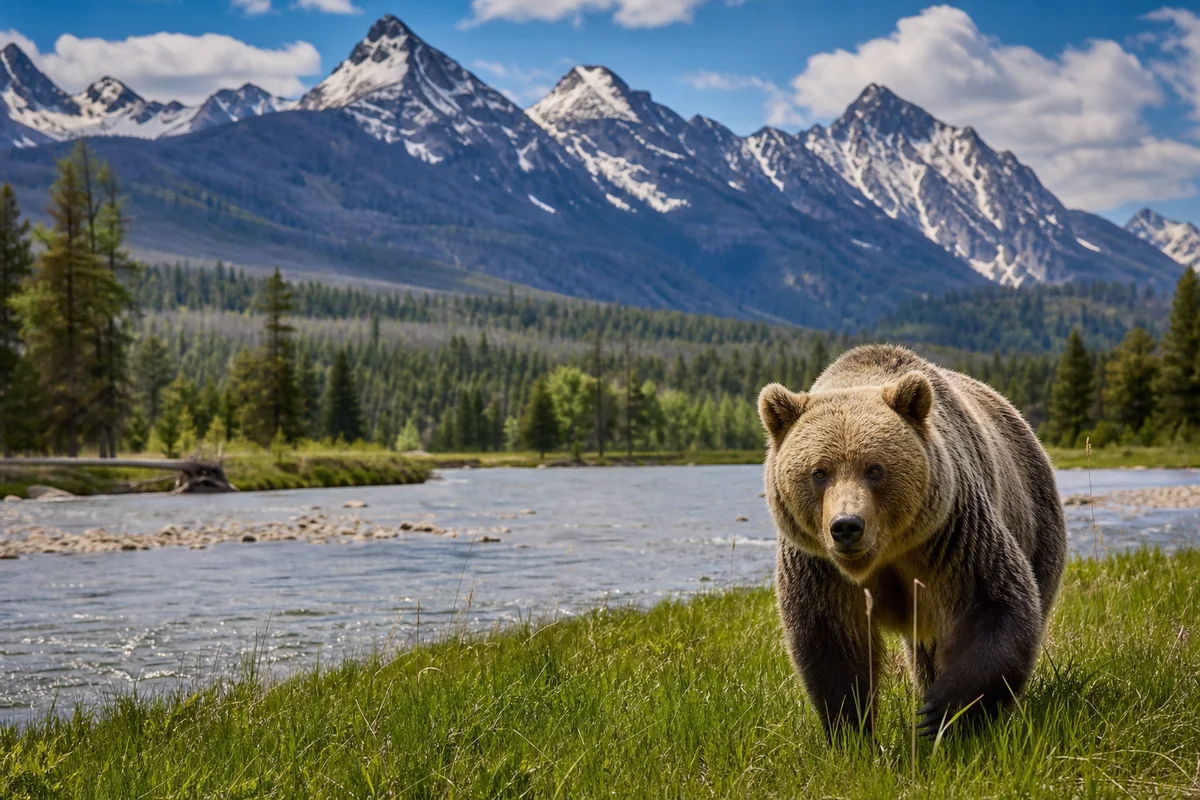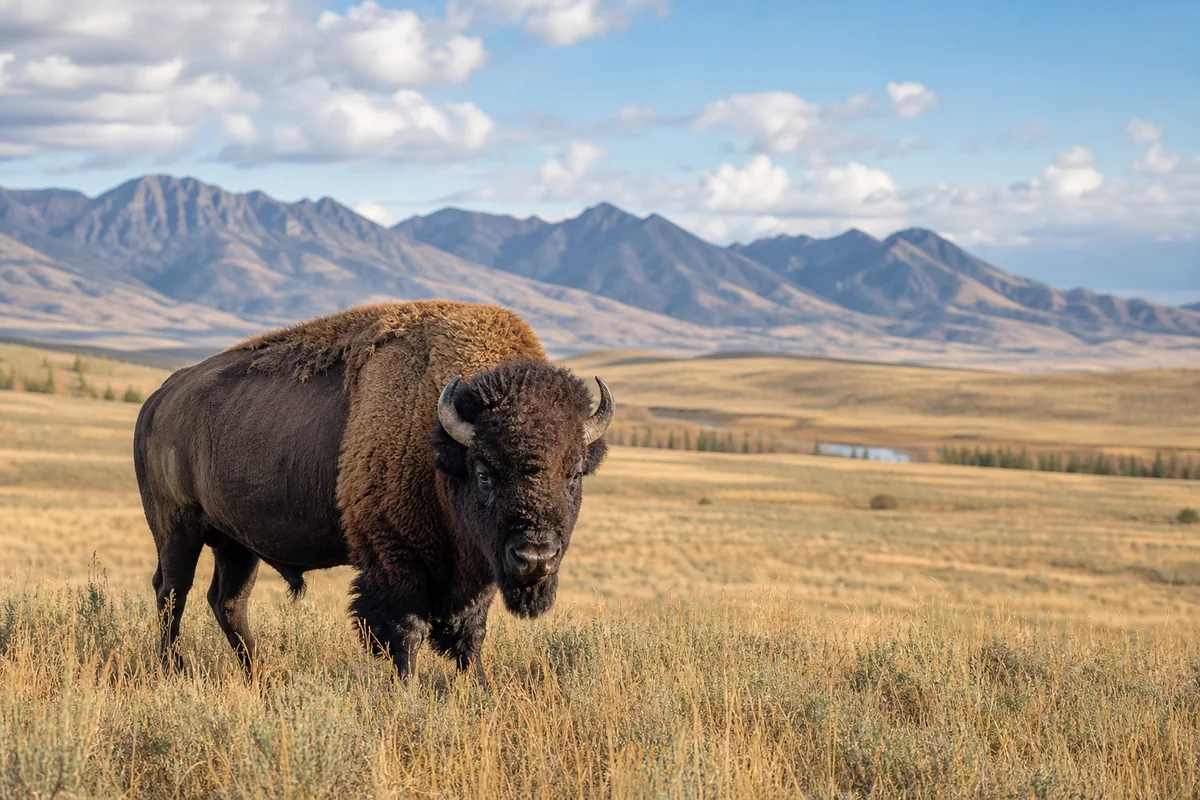
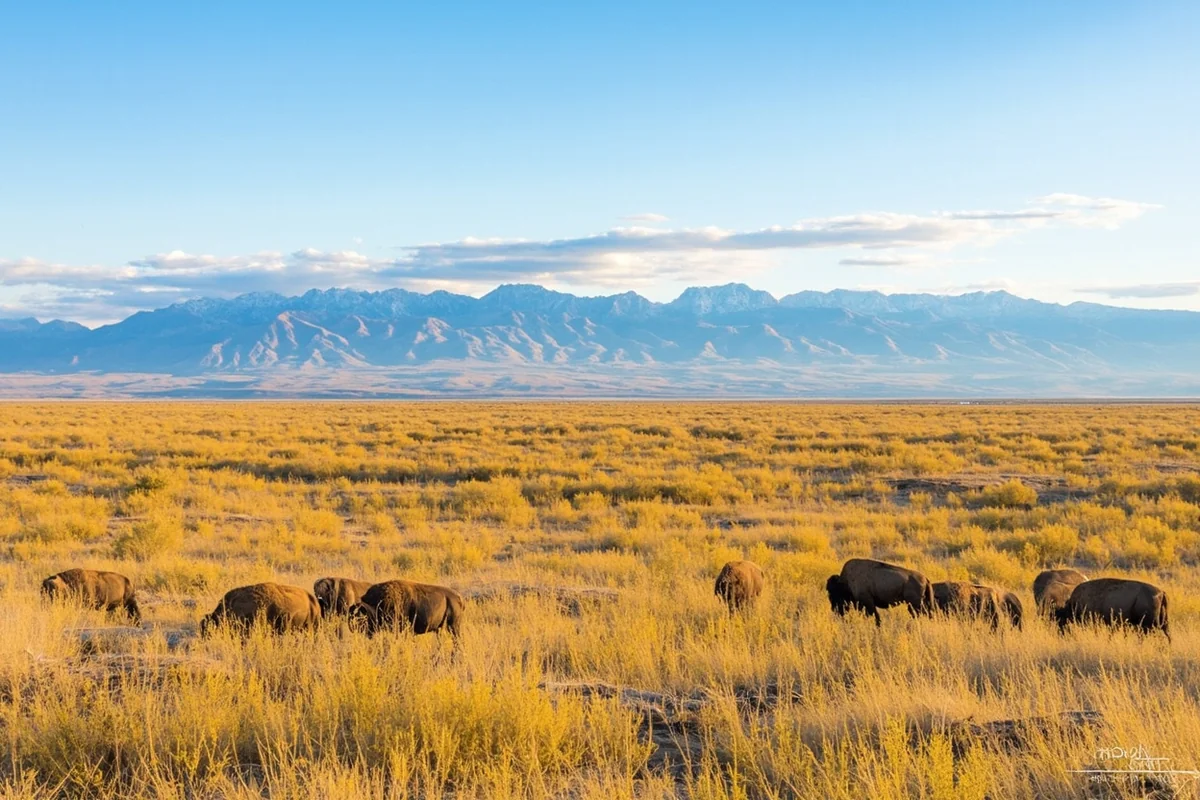
The bull stood maybe thirty feet from my truck, his massive head lowered as he methodically tore at the bunchgrass. I could hear him breathing—a deep, rhythmic exhale that seemed to shake the very ground.
In that moment, watching this 2,000-pound animal exist exactly as his ancestors had for millennia on this same Montana prairie, I understood why the National Bison Range matters far beyond its role as just another stop on the list of Montana Wildlife Refuges.
- The National Bison Range protects 350-500 bison on 18,800 acres in Montana’s Mission Valley
- The scenic Red Sleep Mountain Drive (19 miles) offers the best wildlife viewing—plan 2+ hours
- Best visiting times: early morning or late evening, especially May-June for calves or September-October for rutting season
- Free entry since 2021 when management transferred to the Confederated Salish and Kootenai Tribes
- Bring binoculars, a full tank of gas, and patience—wildlife sightings are never guaranteed but almost always rewarding
Liked this article?
Add Roaming Montana as a preferred source so you see more of our articles and guides on Google.
What Makes the Bison Range Different From Other Wildlife Refuges
When I first started exploring Montana’s wildlife refuges, I assumed they’d all feel somewhat similar—peaceful, wild, and sparsely visited. I was wrong. The National Bison Range occupies a unique space, both ecologically and culturally, that sets it apart from places like Black Coulee Wildlife Refuge in northern Montana.
Established in 1908, this refuge exists specifically because of a deliberate conservation effort at a time when bison were teetering on the edge of extinction. The herd here descends partly from animals saved by Michel Pablo and Charles Allard, local ranchers who purchased orphaned calves in the 1870s when wild bison populations had crashed from an estimated 30-60 million to just a few hundred.
What strikes you immediately upon arrival is the landscape itself. Unlike the flat, wetland-dominated terrain at Benton Lake Wildlife Refuge, the Bison Range encompasses dramatic elevation changes—from valley floor to mountain grassland—creating diverse habitats within a relatively compact area.
Getting There: Location and Access Points
The refuge sits in the Mission Valley of northwestern Montana, about 50 miles north of Missoula via Highway 93. If you’re coming from Kalispell, expect roughly a 90-minute drive south. The small town of Moiese serves as the refuge’s gateway, though “town” might be generous—it’s essentially a cluster of buildings along the highway.
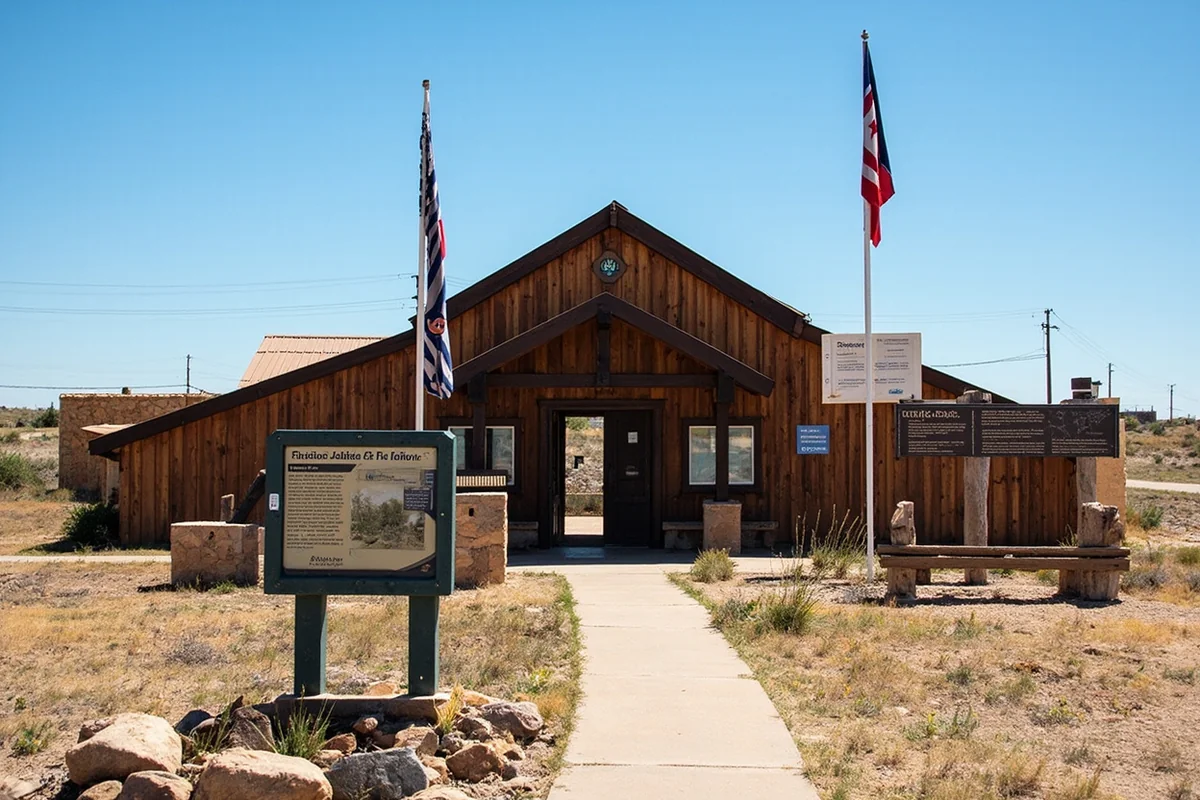
I always enter through the main visitor center entrance, located just off Highway 212. During my visit last September, I appreciated how clearly marked the turnoff was—something that isn’t always the case with Montana’s more remote refuges.
| Practical Information | Details |
|---|---|
| Address | 58355 Bison Range Road, Moiese, MT 59824 |
| Admission | Free (donations appreciated) |
| Open Hours | Dawn to dusk daily, year-round |
| Visitor Center | Check current hours; typically 9am-5pm in summer |
| Scenic Drive Closures | Red Sleep Mountain Drive may close seasonally or during bad weather |
| Management | Confederated Salish and Kootenai Tribes (since 2021) |
Understanding the Tribal Management Transition
One of the most significant changes at the Bison Range happened in 2021, when management officially transferred from the U.S. Fish and Wildlife Service to the Confederated Salish and Kootenai Tribes. This wasn’t just an administrative shuffle—it represented a homecoming of sorts, returning stewardship of these bison and this land to the people who had depended on them for thousands of years.
During my conversations with staff at the visitor center, I learned that the tribes view this management responsibility through a lens that goes far beyond simple wildlife conservation. The bison are relatives, not just animals to be counted and managed.
For visitors, this transition has meant a few practical changes. Entry fees were eliminated, making the refuge more accessible than ever. The tribal approach emphasizes sustainable visitation and respectful interaction with the land and animals.
The Red Sleep Mountain Drive: Your Main Wildlife Viewing Route
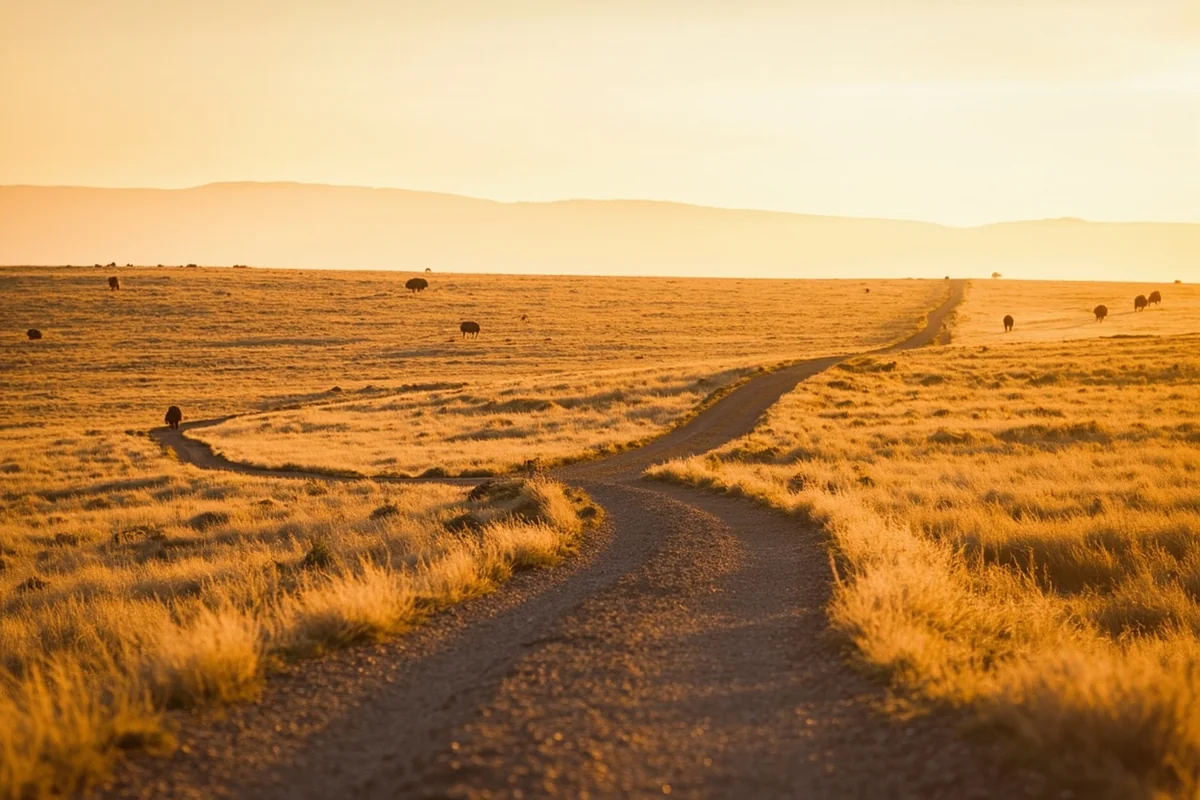
If you only have time for one activity at the Bison Range—and I’d argue you should make time for much more—the Red Sleep Mountain Drive needs to be it. This 19-mile loop winds through the heart of the refuge, climbing from the valley floor to ridgelines with sweeping views of the Mission Mountains.
The drive took me just over two hours during my September visit, though I stopped constantly for photos and to simply watch animals. I’ve heard of folks rushing through in 45 minutes, but that approach defeats the entire purpose of being here.
The road is gravel and narrow in places, with several switchbacks that demand attention. My Subaru handled it fine, but I’d be cautious in a low-clearance vehicle, especially after rain. No RVs or trailers are permitted on the drive, and honestly, you wouldn’t want to try it anyway.
What to Expect Mile by Mile
The first few miles climb gradually through grassland that, in late summer, glows golden in the afternoon light. This is where I typically spot my first bison—often grazing in small groups along the hillsides.
As the road gains elevation, the habitat shifts. Patches of Douglas fir appear, providing shade where mule deer often bed down during midday. I counted seven does resting beneath a tree cluster during my last trip, ears flicking lazily at flies.
The high point of the drive offers what I consider the best view in the entire Mission Valley. On a clear day, you can see the entire refuge spread out below you, with the jagged peaks of the Mission Mountains forming a dramatic backdrop.
The descent follows a different route, winding through draws and past stock ponds that attract wildlife for water. Keep your eyes peeled near these water sources—I’ve spotted everything from pronghorn to coyotes to the occasional black bear near them.
Wildlife You’ll Actually See (And What to Look For)
Yes, you’re coming for the bison. But the National Bison Range supports a remarkable diversity of wildlife that often gets overlooked by visitors fixated solely on the big guys.
Bison: The Main Attraction
The refuge maintains a herd of approximately 350-500 bison, managed to balance animal health with the land’s carrying capacity. Unlike the bison at American Prairie Reserve, which roam across a much larger landscape, the Bison Range herd lives within clearly defined boundaries.
What surprises many visitors is how variable bison sightings can be. I’ve visited days when I counted over 200 animals from my vehicle, and I’ve had trips where I saw maybe a dozen distant specks. Weather, time of day, season, and simple luck all play roles.
Bulls tend to be more solitary or travel in small bachelor groups for much of the year. Cows and calves cluster in larger herds. During the rut (late July through September), bulls join the cow herds, and that’s when you’ll witness the most dramatic behavior.
The sound of two bulls fighting still echoes in my memory from last September. They collided with a crack that I felt in my chest, even from a hundred yards away. Neither seemed worse for wear afterward, but I understood viscerally why these animals commanded such respect from the tribes who once depended on them.
Other Mammals Worth Watching For
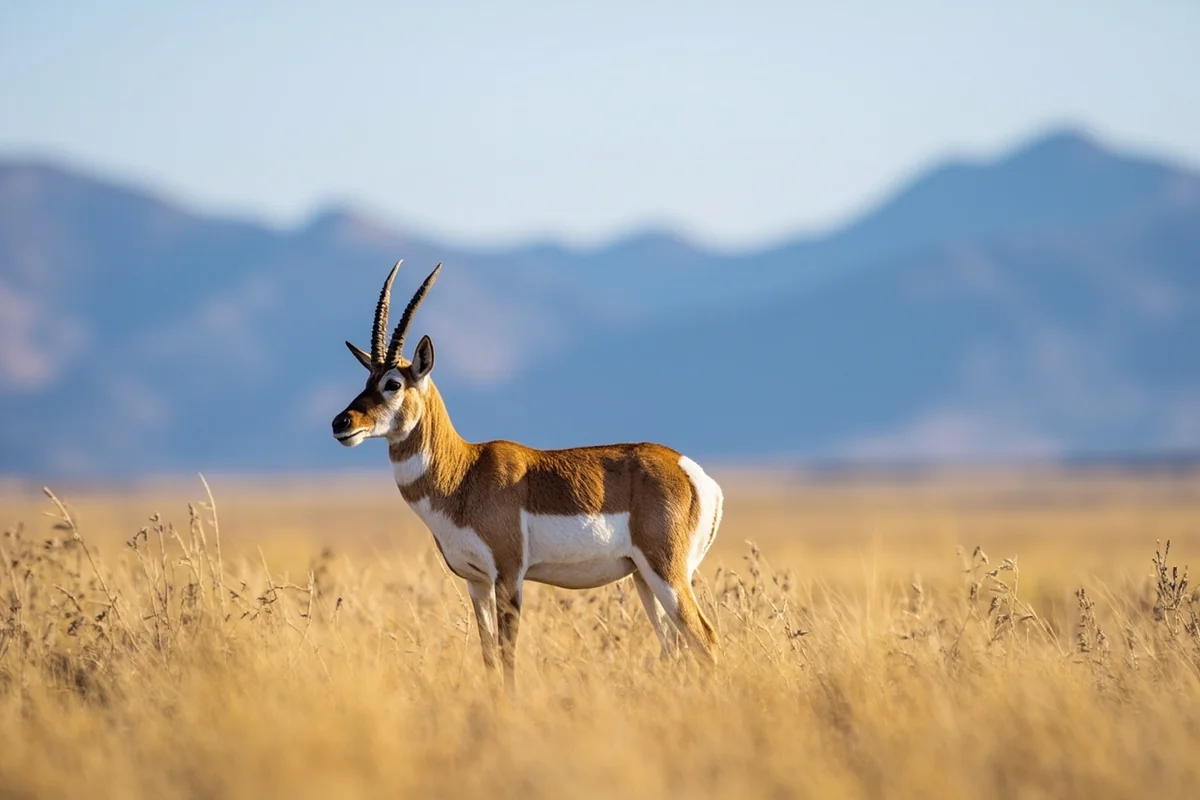
Pronghorn antelope share the grasslands with the bison, and I find them almost as captivating. They’re North America’s fastest land animal, capable of sustaining 55 mph sprints. Watch how they move—there’s an effortless, bouncing quality to their gait that seems to defy physics.
Mule deer are abundant, especially along the edges where grassland meets timber. I’ve had excellent luck spotting bucks with impressive antlers during early morning drives in September.
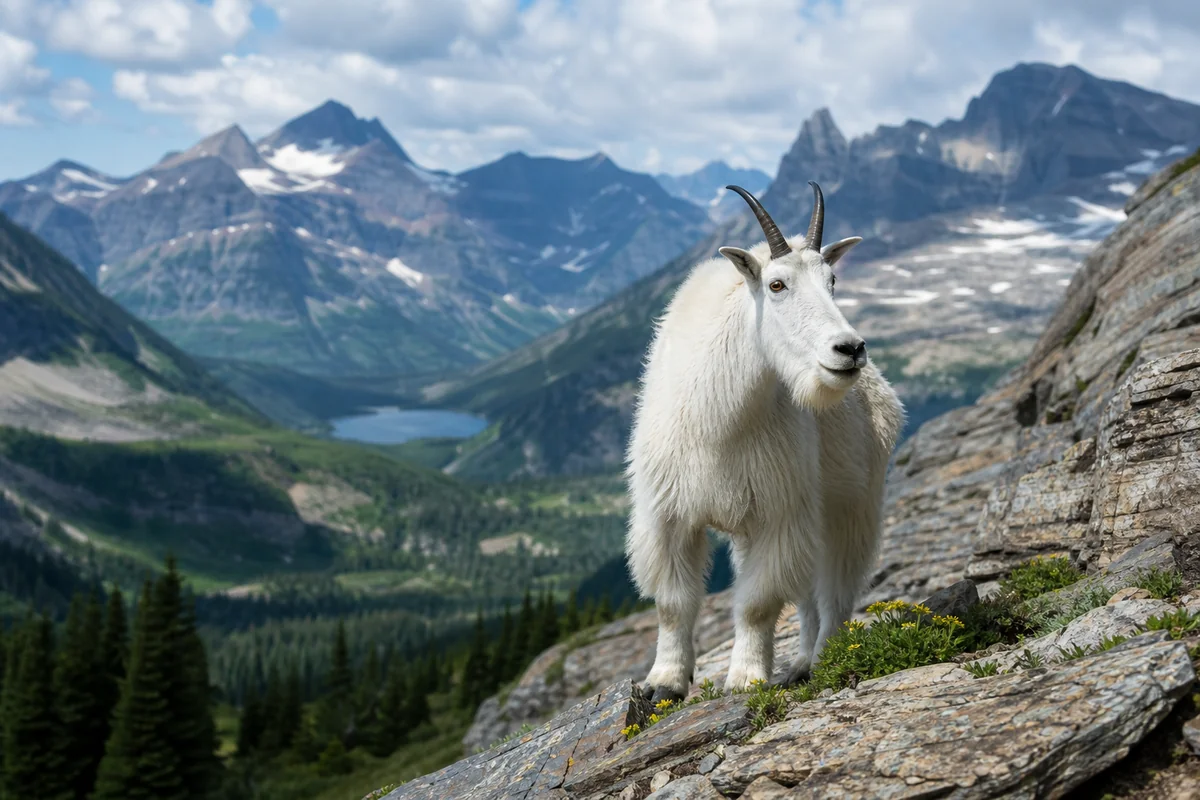
Elk occasionally appear, though they’re less common than in some other Montana refuges. Mountain goats technically live in the surrounding Mission Mountains and have been known to venture down to refuge boundaries, but I’ve never personally seen them here.
Smaller mammals deserve attention too. Black-tailed prairie dogs maintain active colonies in several areas, and watching their social interactions can be genuinely entertaining. Badgers, coyotes, and red foxes all hunt the refuge’s abundant rodent populations.
Bird Life That Surprised Me
I’ll admit I didn’t expect the birding at the Bison Range to be particularly remarkable. I was wrong. The habitat diversity supports an impressive bird list.
Raptors patrol constantly. I’ve seen golden eagles, red-tailed hawks, prairie falcons, and American kestrels all hunting the grasslands on a single visit. During one memorable encounter, I watched a golden eagle attempt to take a prairie dog, narrowly missing as the rodent dove into its burrow.
Mountain bluebirds flash their stunning blue plumage against the brown and gold grass—one of my favorite visual contrasts in all of Montana wildlife watching. Western meadowlarks provide the soundtrack, their songs accompanying every drive through the refuge.
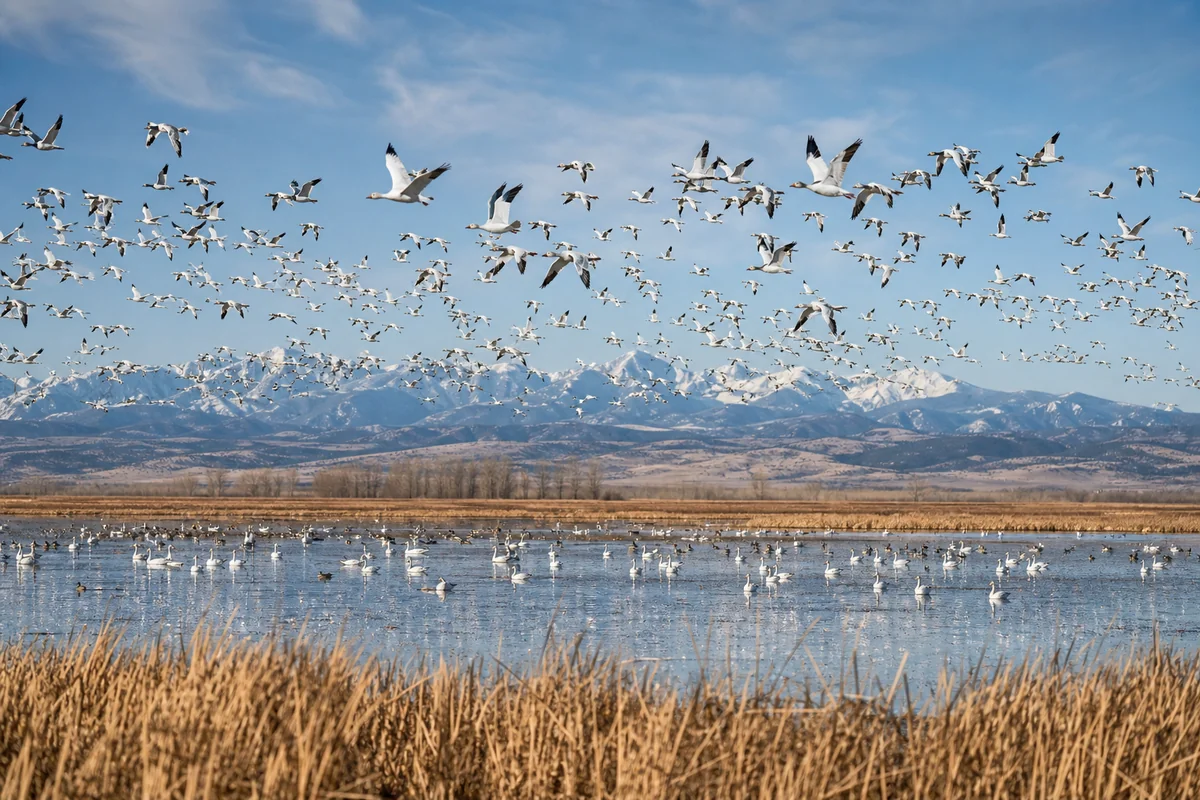
In wetter areas and near stock ponds, waterfowl appear seasonally. I’ve spotted great blue herons, various ducks, and the occasional pelican passing through.
Best Times to Visit: Seasons, Months, and Hours
Timing matters enormously at the Bison Range. The experience differs dramatically depending on when you arrive.
Seasonal Considerations
**Spring (April-May):** Calving season. Reddish-orange bison calves appear starting in April, usually reaching peak cuteness by mid-May. The grass greens up, wildflowers bloom, and the mountains still hold snow. Drawback: the Red Sleep Mountain Drive may remain closed due to mud and road conditions.
**Summer (June-August):** Longest days and most reliable road access. The grass turns gold by July, and visitor numbers peak. Early morning and late evening visits are essential to avoid both crowds and midday heat that keeps animals inactive.
**Fall (September-October):** My personal favorite. The rutting season brings dramatic bull behavior, fall colors creep into the vegetation, and crowds thin significantly. I find September offers the best balance of animal activity, pleasant weather, and solitude.
**Winter (November-March):** The refuge remains open, and bison are actually easier to spot against snowy backgrounds. However, the scenic drives typically close, limiting you to lower-elevation viewing areas. Dress warmly and bring realistic expectations.
Time of Day Strategies
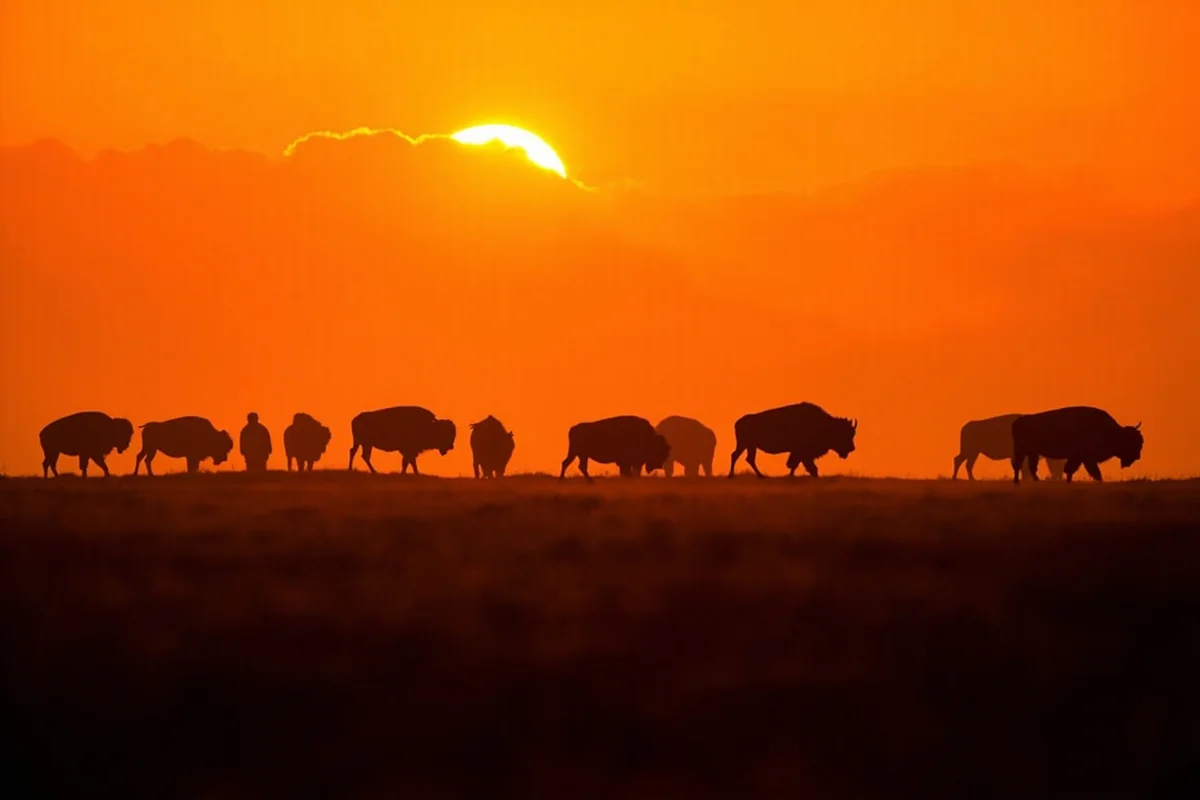
I cannot emphasize this enough: avoid midday visits if you want quality wildlife sightings. During hot summer months, bison often bed down in shade or low areas from about 10 AM to 4 PM, becoming nearly invisible from the road.
My most productive visits have started within an hour of sunrise or extended until sunset. The animals are active, the light is gorgeous for photography, and you’ll share the road with fewer other vehicles.
Practical Tips From Multiple Visits
Over my various trips to the Bison Range, I’ve accumulated advice that I wish someone had given me before my first visit.
What to Bring
**Binoculars** aren’t optional—they’re essential. Most wildlife sightings happen at distances where naked-eye viewing leaves you squinting at brown blobs. I use 10x42s and consider them my most important piece of gear.
**A full tank of gas.** There are no services at the refuge, and Moiese doesn’t have a gas station. Fill up in Ronan or St. Ignatius before arriving.
**Water and snacks.** The scenic drive takes longer than you expect, and there’s no concession stand. I keep a cooler with drinks, sandwiches, and fruit in my vehicle.
**Sun protection.** Even on overcast days, the open grasslands offer zero shade. Sunscreen, a hat, and sunglasses prevent miserable afternoons.
**Patience.** This might be the most important thing to pack. Wildlife doesn’t perform on schedule. Some visits feel magical; others test your optimism. That’s the nature of wild places.
Photography Tips
Long lenses help, but don’t fixate on them. Some of my favorite images from the Bison Range are wide landscapes showing animals small against the dramatic terrain. That said, a 200mm lens minimum gives you workable wildlife shots.
Shoot from your vehicle. This keeps you safe and actually works better for not disturbing the animals. Bison are accustomed to vehicles and often ignore them, while a person on foot triggers flight or defensive responses.
Morning and evening golden hour light transforms ordinary scenes into something special. The combination of golden grass, dark bison, and warm light creates images that practically edit themselves.
Safety Guidelines (That Actually Matter)
Stay in your vehicle on the scenic drives. This isn’t about liability—it’s about the very real danger bison present. They can sprint up to 35 mph and are utterly unpredictable. Every year, visitors at national parks get injured by bison because they don’t respect the animals’ space.
The recommended distance is at least 100 yards. If a bison changes its behavior because of your presence—stops eating, raises its head, moves toward you—you’re too close. Back away slowly.
Never position yourself between a cow and her calf. Maternal defensive instincts are intense, and cow bison will charge without hesitation if they perceive a threat to their young.

Combining the Bison Range With Other Mission Valley Attractions
Most visitors to the Bison Range have at least a few days in the Mission Valley, and the area offers plenty of complementary experiences.
Nearby Attractions
The **Ninepipe National Wildlife Refuge** lies just a short drive away and provides excellent wetland birding to complement the Bison Range’s grassland species. I often visit both on the same day.
**St. Ignatius Mission**, built in 1891, features stunning interior murals painted by Brother Joseph Carignano and offers a fascinating historical counterpoint to the natural landscapes nearby.
The **Mission Mountain Tribal Wilderness** beckons if you’re interested in hiking, though permits are required for non-tribal members. The views of the Bison Range from higher elevations provide a completely different perspective on the landscape.
Where to Stay
Accommodation options in immediate proximity to the refuge are limited. I’ve stayed in Ronan and St. Ignatius, both offering basic motels and access to restaurants. For more variety, Polson (on Flathead Lake) sits about 20 miles north and has lakeside resorts, vacation rentals, and a more developed tourism infrastructure.
Camping options exist at several nearby locations, including the Moose Lake area in the tribal wilderness. Check current regulations and permit requirements before planning a backcountry trip.
The Cultural Significance You Shouldn’t Miss
Understanding what the Bison Range means requires acknowledging history that many visitors overlook. For the Salish, Pend d’Oreilles, and Kootenai peoples, bison weren’t just a food source—they were central to spiritual practice, material culture, and social organization.
The extermination of the bison in the 19th century wasn’t just an ecological disaster. It was a deliberate policy intended to undermine Indigenous lifeways and force assimilation. When Michel Pablo and Charles Allard saved those orphaned calves, they were preserving something far more significant than genetics.
Today’s tribal management of the refuge represents a meaningful step toward healing that historical wound. As a visitor, approaching the refuge with this awareness enriches the experience immeasurably.
I spent time during my last visit simply sitting at an overlook, watching the herd below, and contemplating what it meant that these animals—and this land—had been returned to tribal stewardship. It’s not my story to tell fully, but it’s context that every visitor benefits from carrying.
Comparing the Bison Range to Other Montana Wildlife Experiences
If you’re planning a broader Montana wildlife trip, understanding how the Bison Range fits into your options helps with itinerary planning.
The American Prairie Reserve in central Montana offers bison viewing across a vastly larger landscape, with aspirations of eventually connecting millions of acres into a functioning prairie ecosystem. The scale there dwarfs the Bison Range, but wildlife sightings can be more challenging due to the sheer acreage animals can disappear into.
Yellowstone National Park’s Lamar Valley provides arguably the most famous bison viewing in the country, with added wolves, grizzlies, and pronghorn. However, crowds can be intense during peak season, and the park’s wildlife has become habituated to visitors in ways that sometimes feel less wild.
The Bison Range occupies a sweet spot: reliable wildlife sightings, minimal crowds (especially in shoulder seasons), and a manageable size that allows you to explore thoroughly in a single day while still feeling like you’ve encountered genuinely wild animals.
Planning Your First Visit: A Suggested Itinerary
For first-time visitors, I recommend a full day at the refuge, structured around the animals’ natural rhythms.
**6:00 AM – Arrive at sunrise** for the most active wildlife hours. Stop at the first pullouts along the scenic drive and spend time scanning with binoculars before moving on.
**6:00 – 9:00 AM – Complete the Red Sleep Mountain Drive slowly,** stopping frequently for observation and photography. This is prime time.
**9:00 – 10:00 AM – Visit the visitor center** when it opens. Check out the interpretive displays, talk to staff about recent wildlife sightings, and use the restrooms.
**10:00 AM – 4:00 PM – Midday break.** Leave the refuge and explore St. Ignatius, grab lunch in Ronan, or visit Ninepipe NWR for birding. Animals will be largely inactive during hot afternoon hours.
**4:00 – Sunset – Return for evening activity.** Repeat the scenic drive or focus on areas where you had morning success. Evening light often produces the day’s best photography.
If you’re visiting in spring or fall when temperatures are cooler, the midday lull is less pronounced, and you may find productive wildlife viewing throughout the day.
What No One Tells You About the Bison Range
Some observations from my visits that I rarely see mentioned elsewhere:
The roads generate remarkable dust. If you’re following another vehicle, hang back significantly or you’ll eat their dust cloud for miles. On still, hot days, this becomes genuinely unpleasant.
Cell service is spotty to nonexistent throughout the refuge. Download any maps you need before arriving and don’t count on being able to call for help if something goes wrong.
The grasshoppers in late summer are extraordinary—both in abundance and size. They’ll ping off your windshield constantly and provide a buffet for birds that you can watch hunting all along the roadsides.
Wind is almost constant. It keeps temperatures manageable in summer but can make photography challenging. Bring a tripod or learn to brace against your vehicle.
The refuge is smaller than it feels. On a map, 18,800 acres seems significant. In practice, you can see across most of it from high points on the scenic drive. This actually makes wildlife spotting easier than in larger, more forested areas.
Final Thoughts: Why the Bison Range Deserves Your Time
I’ve visited dozens of wildlife refuges across the American West, and the National Bison Range remains one of my favorites. It’s not the most dramatic landscape. It doesn’t have the name recognition of Yellowstone. The wildlife list isn’t as extensive as some coastal refuges.
But there’s something profound about standing in the presence of bison on land that has supported them since the ice retreated thousands of years ago. Something important about witnessing the success of early conservation efforts that prevented the complete extinction of an iconic species. Something meaningful about visiting a place now managed by the people whose ancestors shaped this landscape alongside the bison for millennia.
When you visit—and I hope you will—take your time. Bring binoculars and patience. Arrive early, stay late. Let the animals reveal themselves on their own schedule rather than rushing from viewpoint to viewpoint.
The moment will come, as it did for me on that September morning, when a bison stands close enough that you can hear it breathe, and you’ll understand in your bones why this place matters.
Frequently Asked Questions
What happened to the National Bison Range and can I still visit it?
The National Bison Range was transferred from the U.S. Fish and Wildlife Service to the Confederated Salish and Kootenai Tribes in 2022 and is now called the Bison Range Wildlife Refuge. Yes, you can still visit! The refuge remains open to the public, and the Tribes continue managing the 18,500-acre sanctuary and its 350-500 bison herd.
What is the best time of year to see bison at the Bison Range Wildlife Refuge in Montana?
I recommend visiting between late April and early October for the best bison viewing, with spring calving season (April-May) being particularly special for seeing newborn calves. The annual bison roundup typically happens in late September or early October, which is an incredible event to witness. Summer offers the most reliable sightings, but the refuge is beautiful year-round.
How long does it take to drive through the Bison Range Wildlife Refuge?
The main scenic drive loop, Red Sleep Mountain Drive, takes about 2 hours if you’re stopping frequently for wildlife viewing and photos. The route climbs to nearly 2,000 feet above the valley floor, covering roughly 19 miles of gravel road. I suggest budgeting at least half a day to fully enjoy the experience without rushing.
How much does it cost to visit the Bison Range Wildlife Refuge?
As of 2024, there is a $5 per vehicle entrance fee to access the refuge, which helps support ongoing conservation efforts. Annual passes may also be available through the Confederated Salish and Kootenai Tribes. I recommend checking the tribal website or calling ahead for current pricing before your trip.
What other wildlife can I see at Montana’s Bison Range besides bison?
Beyond the famous bison herd, I’ve spotted elk, mule deer, white-tailed deer, pronghorn antelope, and bighorn sheep during my visits. The refuge is also excellent for birdwatching, with golden eagles, hawks, and over 200 bird species recorded. Keep your eyes peeled for coyotes, black bears, and even mountain lions in more remote areas.
Where is the Bison Range Wildlife Refuge located and how do I get there?
The refuge is located near Moiese, Montana, in the Mission Valley, approximately 45 miles north of Missoula via Highway 93. From Kalispell, it’s about 75 miles south, making it an easy day trip from either city. The visitor center entrance is well-marked off Highway 212, and the roads are accessible for all standard vehicles.
What should I bring when visiting the Bison Range Wildlife Refuge in Montana?
Pack binoculars or a spotting scope for the best wildlife viewing, plus a camera with a zoom lens since you must stay at least 100 yards from bison. Bring plenty of water, snacks, and sun protection since services are limited inside the refuge. I also recommend sturdy shoes if you plan to use the short hiking trails and a full tank of gas before arriving.