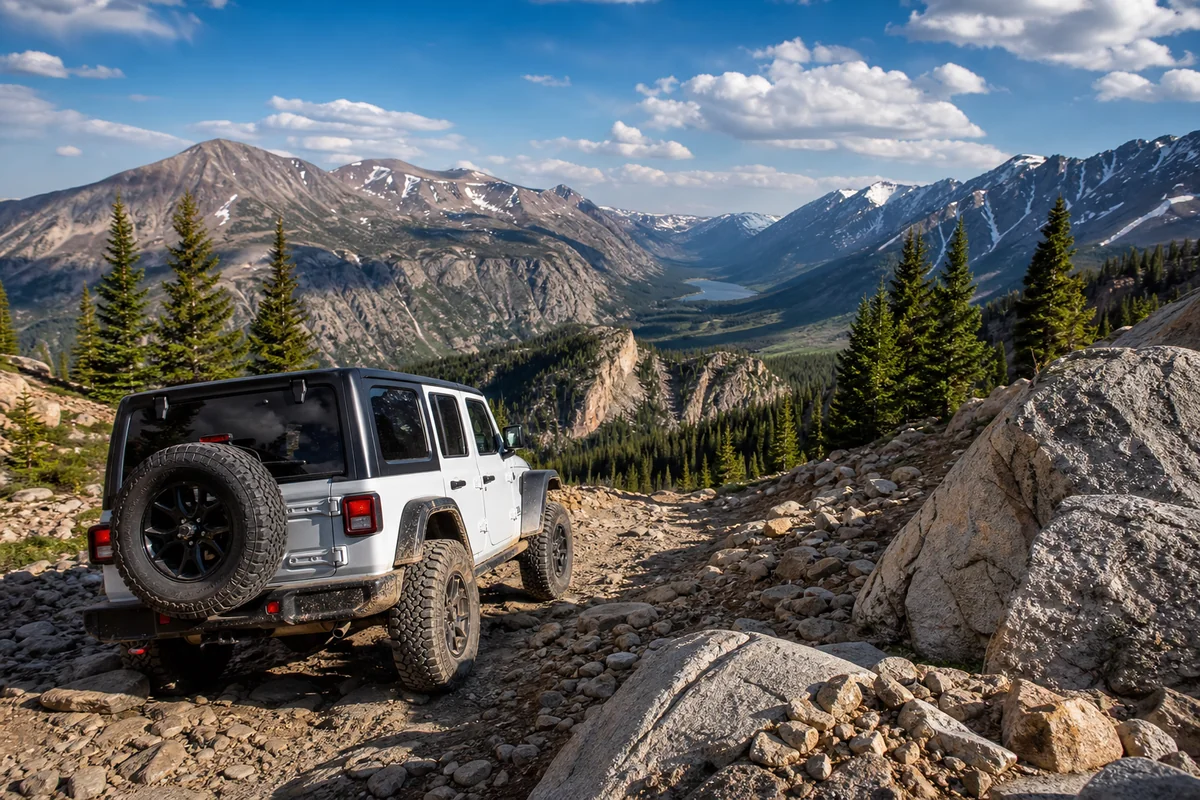
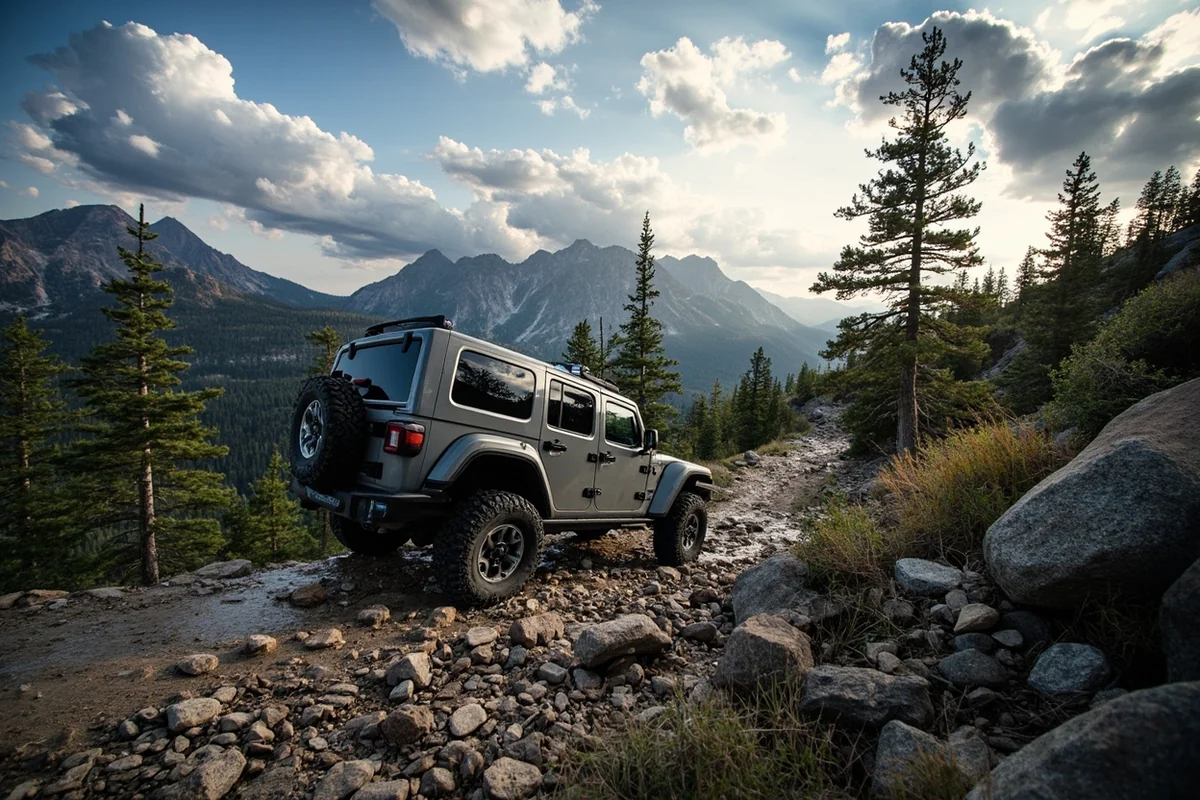
The moment our Jeep crested Beartooth Pass at nearly 11,000 feet, I understood why they call Montana “Big Sky Country” — the panorama stretching before us made every white-knuckle switchback worth it.
I’ve explored Montana through Montana Tours of all kinds over the years, but there’s something irreplaceable about the visceral thrill of a Jeep bouncing through terrain no sedan could dream of touching.
After spending three summers researching and riding Montana’s best off-road experiences, I’m convinced that Jeep tours offer something uniquely special: the perfect marriage of adventure, accessibility, and authentic wilderness immersion that defines the Montana spirit.
- Montana Jeep tours range from $89-$400+ depending on duration and exclusivity
- Best seasons: June through September, with July-August offering prime conditions
- Top regions: Glacier Country, Beartooth Mountains, Flathead Valley, and the Bob Marshall Wilderness periphery
- Book 2-4 weeks in advance during peak summer season
- Half-day tours (3-4 hours) are ideal for first-timers; full-day adventures suit experienced off-roaders
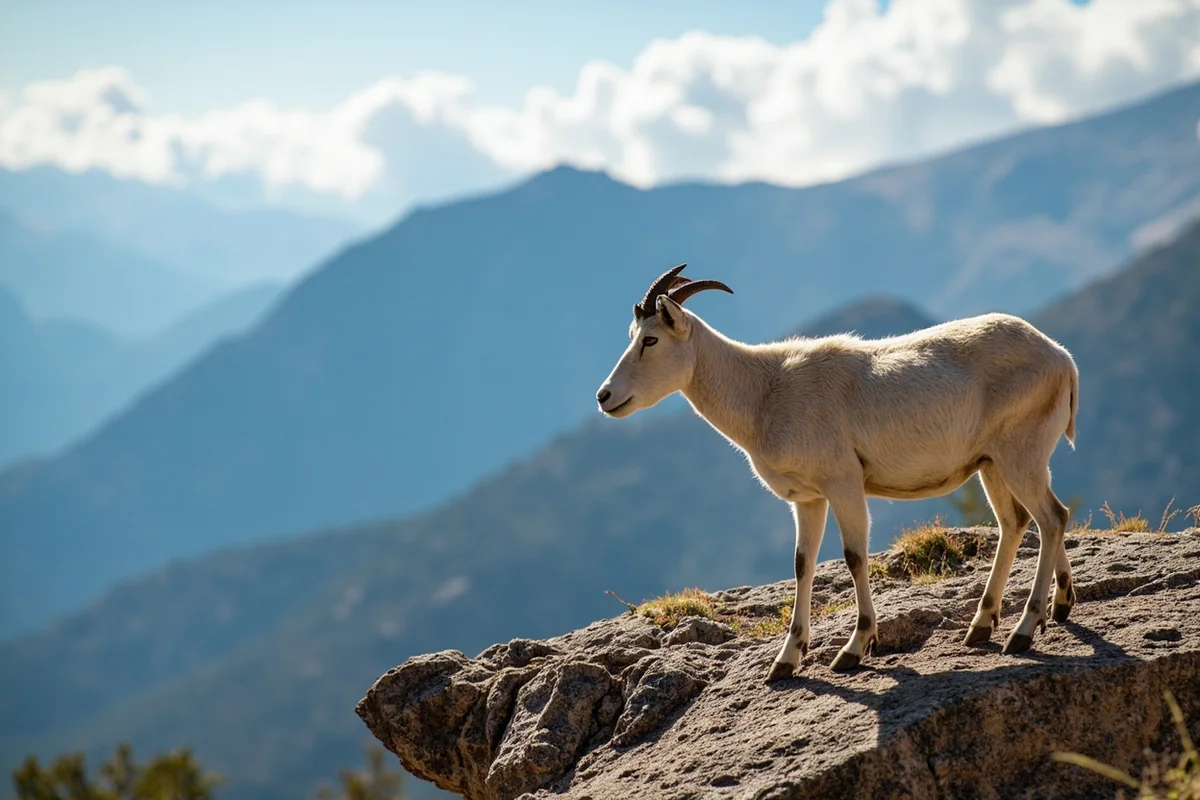
- Wildlife sightings are common — I’ve spotted bears, elk, and mountain goats on various trips
Liked this article?
Add Roaming Montana as a preferred source so you see more of our articles and guides on Google.
Why Montana Jeep Tours Stand Apart
I’ve done Jeep tours in Moab, the Colorado Rockies, and even Iceland. Montana hits different.
What sets Big Sky Country apart is the sheer diversity of terrain packed into manageable tour distances. In a single day, you can traverse alpine meadows bursting with wildflowers, ford crystal-clear mountain streams, climb above treeline to moonscape-like plateaus, and descend into old-growth forests that feel prehistoric.
During my last summer trip near Whitefish, our guide took us through three distinct ecosystems in four hours. We started in towering cedars and hemlocks, climbed through lodgepole pine forests, and ended above 7,000 feet in subalpine fir country where stunted trees barely reached my shoulders.
The other factor? Crowds — or rather, the lack of them. Unlike Utah’s famous off-road destinations where you’ll share trails with dozens of other vehicles, Montana’s backcountry still feels genuinely wild.
Understanding Montana’s Jeep Tour Landscape
Before diving into specific recommendations, let me clarify what types of Jeep tours you’ll encounter in Montana. The term covers several distinct experiences.
Guided Interpretive Tours
These are what most visitors picture when they think “Jeep tour.” You ride in a vehicle driven by an experienced guide who provides natural history, geological insights, and wildlife spotting expertise.
I prefer these for first-time Montana visitors. The knowledge transfer is invaluable — during my Glacier Country tour last July, our guide identified over a dozen wildflower species, explained glacial geology in terms I actually understood, and knew exactly where to pause for mountain goat sightings.
Self-Drive Rentals
Several outfitters rent Jeeps and provide route maps for independent exploration. This appeals to experienced off-roaders who want freedom without the narration.
When I was there last August, I rented a Jeep Wrangler from an outfitter near Bozeman and spent two days exploring the Bridger Mountains on my own. The freedom was exhilarating, but I’ll admit I missed having someone explain what I was seeing.
Photography-Focused Tours
These specialized trips prioritize stops at optimal shooting locations during golden hour. They typically start earlier and run longer than standard tours.
If you’re serious about landscape photography, these are worth the premium. I took one near Bigfork, and the guide positioned us at overlooks precisely when the light transformed ordinary vistas into magazine-worthy compositions.
Combination Tours
Many operators now combine Jeep excursions with other activities — fishing, hiking, Montana Birding Tours, or even Montana Nature Tours that incorporate multiple transportation methods. These multimodal experiences let you cover more ground while sampling different adventure styles.
Montana’s Premier Jeep Tour Regions
After years of exploring, I’ve identified four primary regions that deliver consistently exceptional Jeep tour experiences.
Glacier Country: The Crown Jewel
The northwestern corner of Montana surrounding Glacier National Park offers, in my opinion, the most spectacular Jeep touring in the state.
While you can’t drive private vehicles on most park roads, the surrounding national forests and private lands contain miles of rugged trails with Glacier-quality scenery minus the crowds and vehicle restrictions.
During my visit two summers ago, I took a tour that skirted the park’s southern boundary through the Flathead National Forest. We climbed to ridgelines with views directly into the park’s backcountry — the same glaciated peaks and turquoise lakes, viewed from angles most tourists never see.
The Whitefish area serves as a hub for these tours. The operators there know the back routes, the seasonal road conditions, and the wildlife patterns intimately.
I recommend: Plan for at least one full-day tour if you’re based near Glacier. The half-day options feel rushed given the distance you’ll cover.
Beartooth Highway Region
The stretch connecting Red Lodge to Cooke City near Yellowstone’s northeast entrance contains some of North America’s most dramatic alpine scenery — and the off-road possibilities are extensive.
On a recent trip, I joined a tour that used the famous highway as a launching point for trails inaccessible to regular vehicles. We turned off the pavement at various points to explore mining ghost towns, alpine lakes invisible from the main road, and plateaus above 10,000 feet.
Fair warning: this region isn’t for the faint of heart. The elevation changes rapidly, the trails can be steep, and the weather shifts without notice. During my August trip, we started in sunshine and encountered a brief hailstorm at the summit before emerging into crystalline skies.
I recommend: If you want adrenaline combined with scenery, this is your spot. However, bring layers and confirm your tour operator provides safety equipment.
Flathead Valley and the Swan Range
The valley between the Mission and Swan mountain ranges offers a different flavor of Jeep touring — more forested, more wildlife-focused, and more intimate.
When I was there last summer, our tour wound through national forest roads that followed river valleys before climbing into high country overlooks. The terrain felt gentler than Beartooth but equally rewarding.
This region excels for wildlife encounters. I spotted a black bear sow with cubs during one tour, and moose sightings are practically guaranteed near certain wetland areas our guide knew.
The Flathead area also works well for travelers combining Jeep adventures with Montana Boat Tours on Flathead Lake. Several operators offer package deals.
Bob Marshall Wilderness Periphery
The “Bob,” as locals call it, encompasses over a million acres of designated wilderness where motorized vehicles are prohibited. However, the national forest lands surrounding the wilderness boundary contain excellent Jeep terrain with views into this legendary backcountry.
I took a tour along the Rocky Mountain Front last summer that traced the wilderness boundary. We couldn’t enter the Bob by vehicle, but the views into its pristine valleys and ridges were humbling.
This area appeals to travelers seeking solitude. The tours here feel more expeditionary — fewer other vehicles, longer drives between points of interest, and a genuine sense of remoteness.
Practical Information: Costs, Timing, and Logistics
| Tour Type | Duration | Typical Price | Best For |
|---|---|---|---|
| Half-Day Group Tour | 3-4 hours | $89-$150/person | First-timers, families |
| Full-Day Group Tour | 6-8 hours | $175-$275/person | Immersive experiences |
| Private Half-Day | 3-4 hours | $350-$500 total | Couples, small groups |
| Private Full-Day | 6-8 hours | $600-$900 total | Photography, special occasions |
| Multi-Day Adventure | 2-3 days | $400+ per day | Serious adventurers |
| Self-Drive Rental | Daily | $200-$350/day | Experienced off-roaders |
When to Book
Montana’s Jeep tour season runs roughly June through September, though exact dates depend on snowmelt and early autumn weather.
July and August offer the most reliable conditions — trails are clear, wildflowers peak in early-to-mid July, and daylight extends past 9 PM. However, these months see the highest demand.
During my September trip two years ago, we encountered early snow above 8,000 feet. It added drama to the experience but also limited some routes.
I recommend: For guaranteed trail access and flexibility, book July or early August tours. For smaller crowds and autumn colors, late September can be magical if you accept some uncertainty.
Advance Booking Requirements
Peak season tours often fill 2-4 weeks out. I learned this lesson the hard way during my first Montana summer when I tried booking last-minute near Glacier — every quality operator was full.
Private tours require more advance planning — sometimes 4-6 weeks during July.
Self-drive rentals have limited vehicle inventory, so booking early matters here too.
What’s Typically Included
Standard guided tours usually include:
- Experienced guide/driver
- Use of well-maintained 4×4 vehicle
- Safety equipment and first aid kit
- Bottled water
- Binoculars (often)
Full-day tours typically add lunch — often picnic-style at a scenic overlook.
What’s usually NOT included:
- Gratuity (15-20% is customary)
- Personal snacks beyond provided items
- Rain gear (though some operators provide this)
- Camera equipment or binoculars on half-day trips
What to Expect: A Detailed Tour Experience
Let me walk you through what a typical full-day Jeep tour actually looks like, based on my experiences.
Morning Departure
Most tours begin between 7:00 and 9:00 AM. You’ll meet at the outfitter’s base — usually a small office or simply a designated parking area.
On my last Glacier Country tour, we gathered at 7:30 AM at a outfitter’s log cabin office outside Whitefish. Coffee and pastries were available while our guide reviewed the day’s route and answered questions.
The guide conducts a safety briefing covering seatbelt requirements, what to do if you feel motion sick, and how to communicate during the drive. This takes 10-15 minutes.
The Drive Out
Tours typically begin on paved roads before transitioning to increasingly rugged terrain. This gradual progression lets you acclimate to the vehicle’s movement.
During my Beartooth tour, we spent the first 45 minutes on the scenic highway, stopping at a roadside overlook while our guide explained the geology we’d soon be driving through.
Then we turned onto a forest service road, and the adventure began in earnest.
The Backcountry Experience
This is where Jeep tours earn their reputation. Depending on the route, you’ll encounter:
- Rocky sections requiring careful navigation
- Stream crossings (my personal favorite moments)
- Steep grades that test the vehicle’s capabilities
- Narrow passages with dramatic drop-offs
On a particularly memorable stretch near the Bob Marshall Wilderness, our trail followed a ridge with 500-foot drops on either side. I won’t lie — my knuckles whitened around the roll bar more than once.
The guide stops frequently — for photography, wildlife spotting, natural history explanations, and bathroom breaks. A good tour never feels rushed despite covering significant ground.
Meals and Breaks
Full-day tours include lunch, typically served at a scenic spot selected by the guide. During my Flathead Valley tour, we ate at a high meadow with views of the Mission Mountains while elk grazed a quarter-mile away.
These breaks aren’t hurried. Most guides allow 45-60 minutes for lunch, encouraging you to explore the immediate area on foot.
Wildlife Encounters
Montana’s backcountry teems with wildlife, and Jeep tours provide excellent viewing opportunities.
During my various trips, I’ve spotted:
- Black bears (three separate occasions)
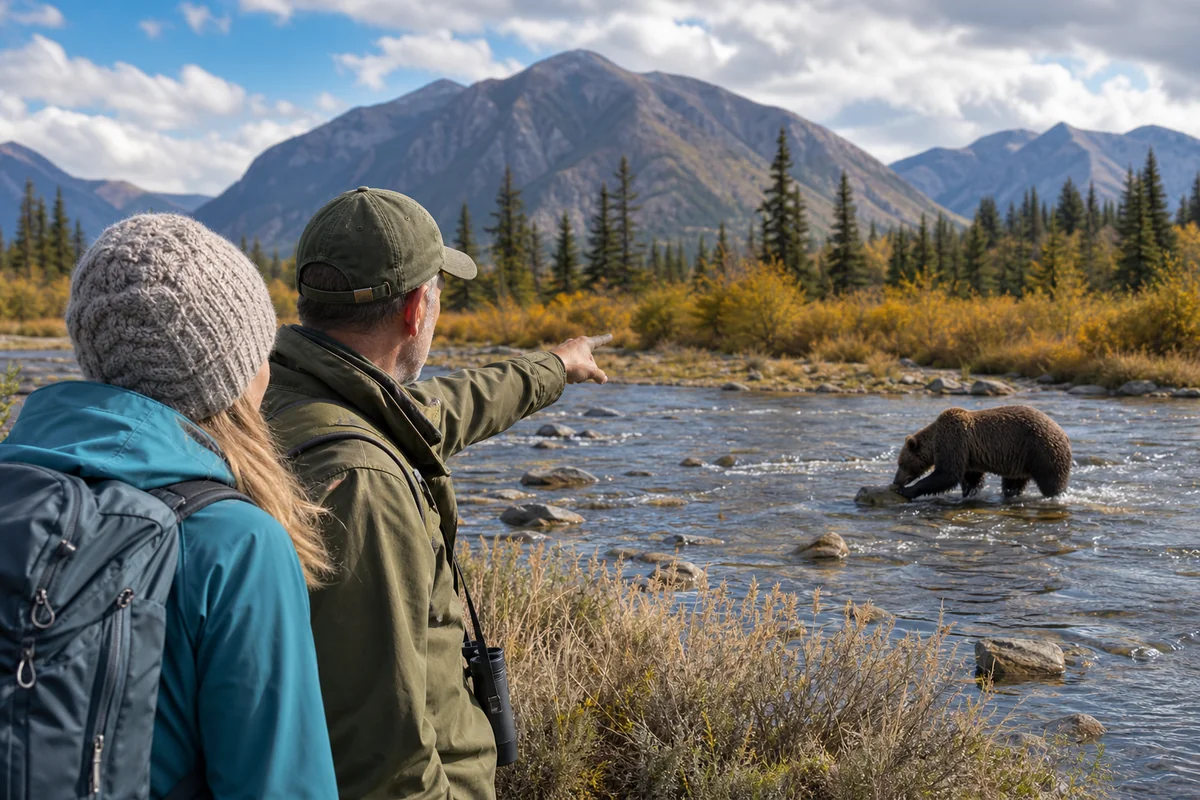
- Grizzly bears (once, at safe distance)
- Mountain goats
- Bighorn sheep
- Moose
- Elk (numerous times)
- Mule deer (constantly)
- Eagles, hawks, and various raptors
Guides know where animals congregate seasonally and adjust routes accordingly. On my July Glacier Country tour, our guide detoured to a particular meadow known for evening elk activity — we counted seventeen animals.
Choosing the Right Operator
With dozens of Jeep tour operators across Montana, selecting the right one matters significantly.
Questions to Ask Before Booking
Based on my experiences — both excellent and disappointing — here’s what I now ask every operator:
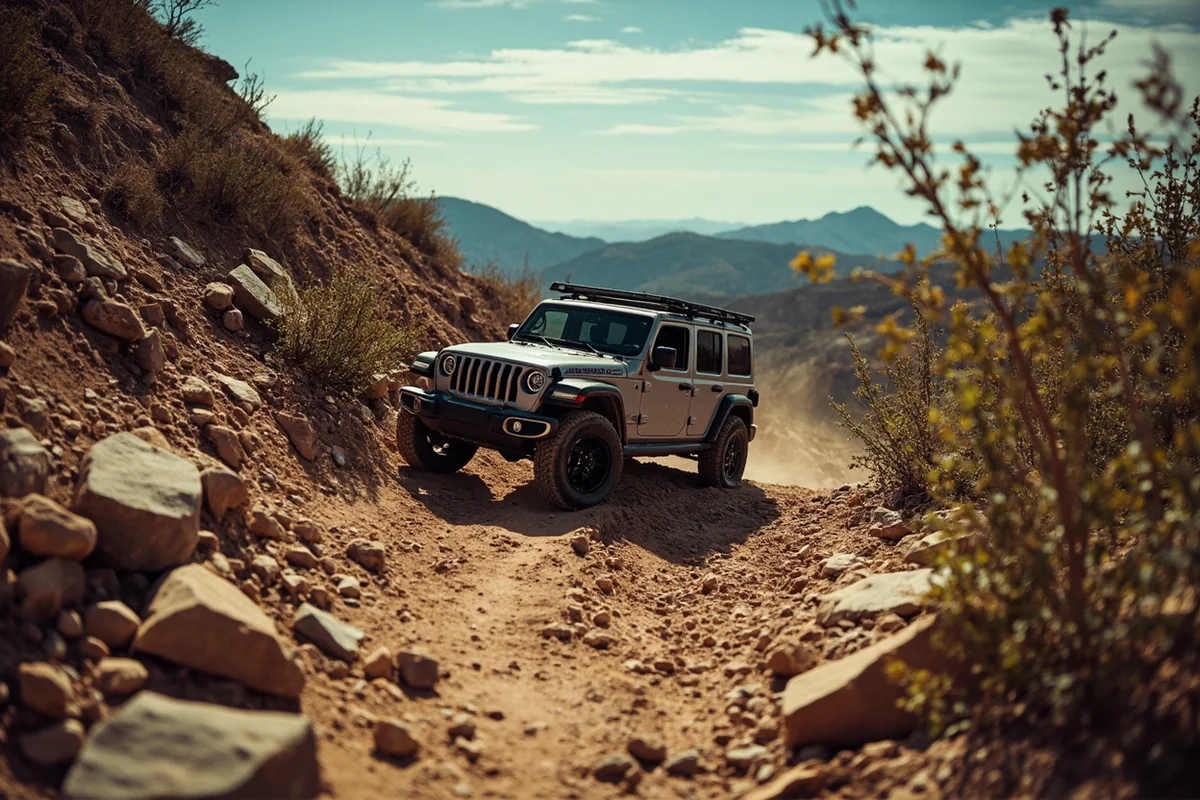
Vehicle specifics: What make/model Jeeps do they use? How old is the fleet? Are vehicles modified for off-road performance?
During one underwhelming tour, the “Jeep” turned out to be an aging SUV barely suitable for the terrain. Legitimate operators use proper off-road vehicles — Wrangler Rubicons, modified Gladiators, or equivalent.
Guide credentials: How long has the specific guide worked in the area? Do they have naturalist training? Wilderness first aid certification?
The difference between a skilled guide and a casual driver is night and day. My best tours featured guides with decades of local experience who could identify plants, explain geology, and share genuine insights.
Group size: How many passengers per vehicle? How many vehicles per tour?
Smaller is better. My favorite tours limited groups to four passengers per Jeep with two vehicles maximum. Larger operations running multiple vehicles convoy-style feel less intimate.
Route customization: Can the tour adjust based on conditions or passenger interests? Will they accommodate specific requests?
Good operators tailor experiences. During one tour, I mentioned interest in old mining sites — the guide modified our route to include a ghost town I’d never have found independently.
Red Flags to Avoid
Through trial and error, I’ve learned to recognize warning signs:
- Vague descriptions of routes (“scenic backcountry” with no specifics)
- Unusually low prices compared to market rates
- No reviews mentioning specific guide names
- Reluctance to discuss vehicle specifications
- One-size-fits-all approach with no customization options
Comparing Jeep Tours to Other Montana Adventures
Montana offers countless tour styles, and Jeep adventures fit particular needs better than others.
If you’re comparing options, consider how Jeep tours stack up against alternatives like Montana UTV Tours, which offer similar terrain access with a sportier, often driver-yourself approach. UTVs tend to feel more athletic while Jeeps provide greater comfort and stability.
For travelers interested in covering vast distances with minimal effort, Montana Bus Tours reach major attractions efficiently but can’t access the backcountry terrain that makes Jeep tours special.
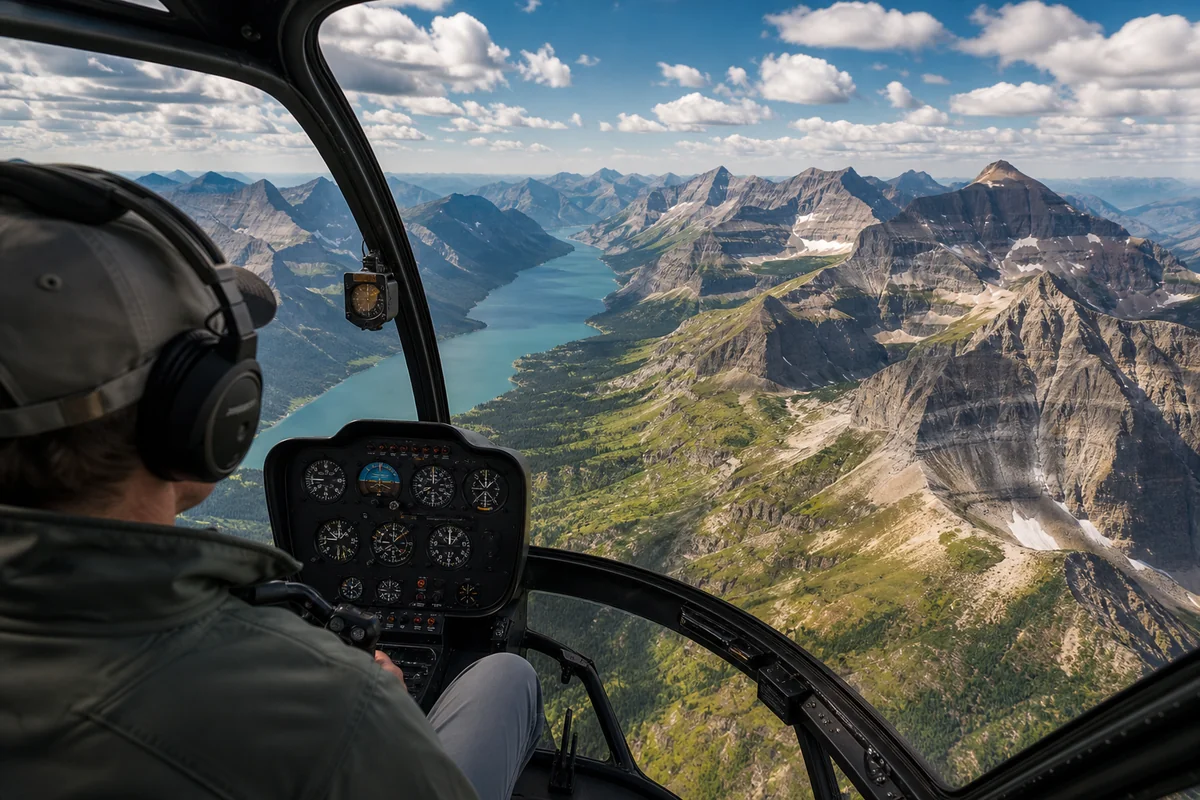
Montana Helicopter Tours offer aerial perspectives impossible from any ground vehicle — perfect for once-in-a-lifetime splurges or photographers seeking unique angles.
And for those who prefer two wheels, both Montana Dirt Bike Tours and Montana Motorcycle Tours provide visceral alternatives with different skill requirements.
The bottom line: Jeep tours occupy a sweet spot — more adventurous than buses, more accessible than motorcycles, more affordable than helicopters, and more comfortable than UTVs for passengers who’d rather ride than drive.
Essential Packing List
After multiple trips, I’ve refined what I bring:
Clothing
- Layers — temperature can swing 30+ degrees during a tour
- Rain jacket (even if forecast shows sun)
- Hat with brim for sun protection
- Sturdy closed-toe shoes (you’ll exit for walks)
- Sunglasses — dust and sun combine brutally
Gear
- Camera with dust protection
- Binoculars (personal pair if you have them)
- Small daypack for personal items
- Refillable water bottle
- Sunscreen (high altitude increases UV intensity)
Personal Items
- Motion sickness medication if prone (seriously — the trails can get rough)
- Snacks beyond what’s provided
- Cash for gratuity
- Phone charged with space for photos
Hidden Gems: Tours Most Visitors Miss
The best Montana Jeep experiences often fly under the radar. Here are options I’ve discovered that deserve more attention.
Sunset and Golden Hour Tours
While most tours run midday, a few operators offer late-afternoon departures timed for optimal light. During my sunset tour near Bigfork last summer, we reached a west-facing overlook precisely as the sun dropped — the alpenglow on the mountains was unforgettable.
These tours typically run shorter (2-3 hours) but the timing creates magic. Ask operators specifically about golden hour options.
Historical Mining District Tours
Montana’s mining heritage left ghost towns, abandoned equipment, and fascinating stories scattered through the mountains. Some specialized tours focus on this history.
On a mining-focused tour near Philipsburg, our guide took us to three separate ghost sites, explaining the boom-and-bust cycles that created and abandoned these communities. It added human context to the wilderness scenery.
Combination Ranch Experiences
Several working ranches near Big Timber and Livingston offer Jeep tours across their private land combined with ranch activities. These aren’t advertised widely.
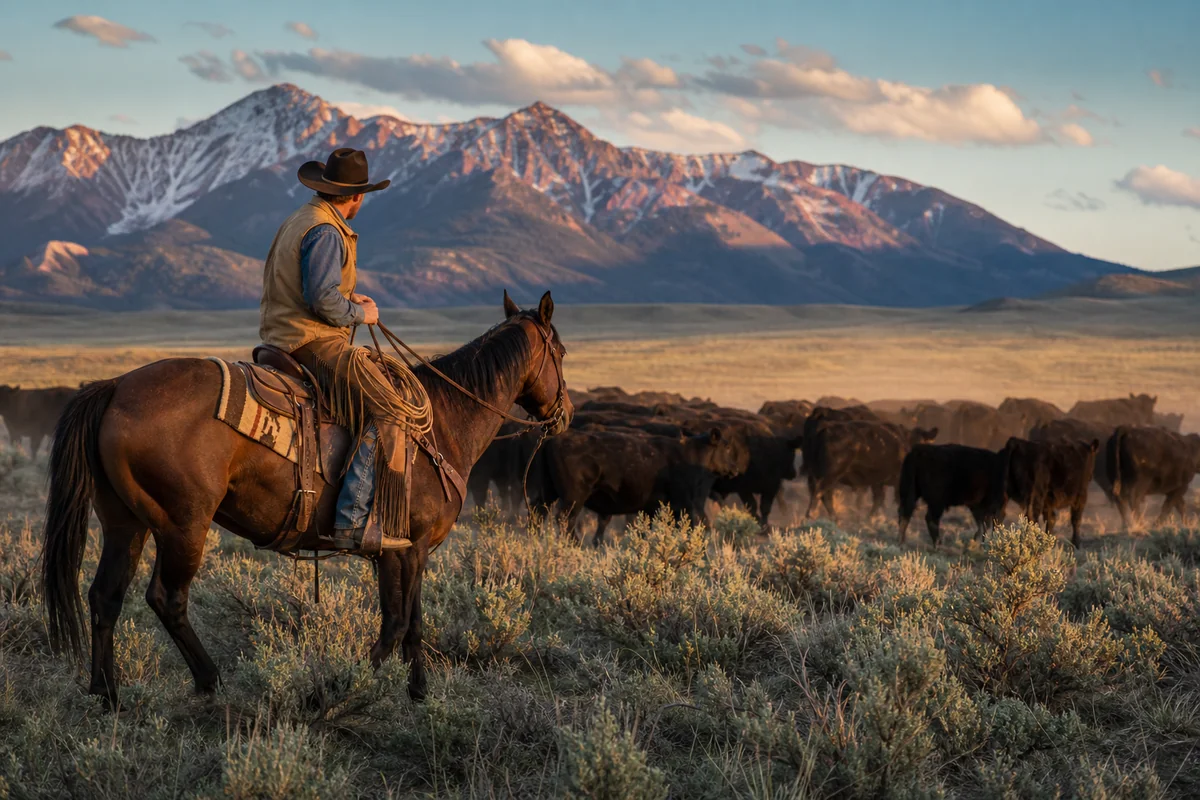
When I was there, I combined a morning Jeep tour through high pastures with an afternoon Montana Range Tour experience — getting to see working cattle operations while accessing terrain closed to the public.
Off-Season Opportunities
Some operators run limited tours in late May and early October when conditions permit. These shoulder-season trips offer experiences the summer crowds miss.
My October trip two years ago featured fresh snow on the peaks, brilliant larch trees turning gold, and complete solitude — we saw one other vehicle all day.
For Families: What Parents Need to Know
I’ve taken Jeep tours with my teenage nephew and observed families with younger children. Here’s honest advice.
Age Considerations
Most operators specify minimum ages (typically 4-6 years). However, appropriateness depends on the specific tour difficulty.
Gentle Flathead Valley tours work well for younger kids. Aggressive Beartooth climbs? I’d wait until at least 10-12 years old.
Motion Sensitivity
Rough terrain causes jostling that affects some children (and adults) more than others. If your child gets carsick easily, choose shorter tours on gentler routes.
Sitting in front seats helps. Some operators accommodate this for families.
Engagement Strategies
Kids who might find a bus tour boring often love Jeep adventures — the physical sensation keeps them engaged.
Bring binoculars and challenge them to spot wildlife. Create informal games around counting animal species. The interactive nature of Jeep tours suits active children well.
After a long day of adventurous touring, consider balancing activities with something different like a Montana Chocolate Tour — sweet treats provide welcome contrast to wilderness excitement.
Photography Tips for Jeep Tours
I’ve learned hard lessons about capturing Jeep tour moments effectively.
Equipment Considerations
Dust is the enemy. Bring a cleaning cloth and consider a weather-sealed camera body if you have one.
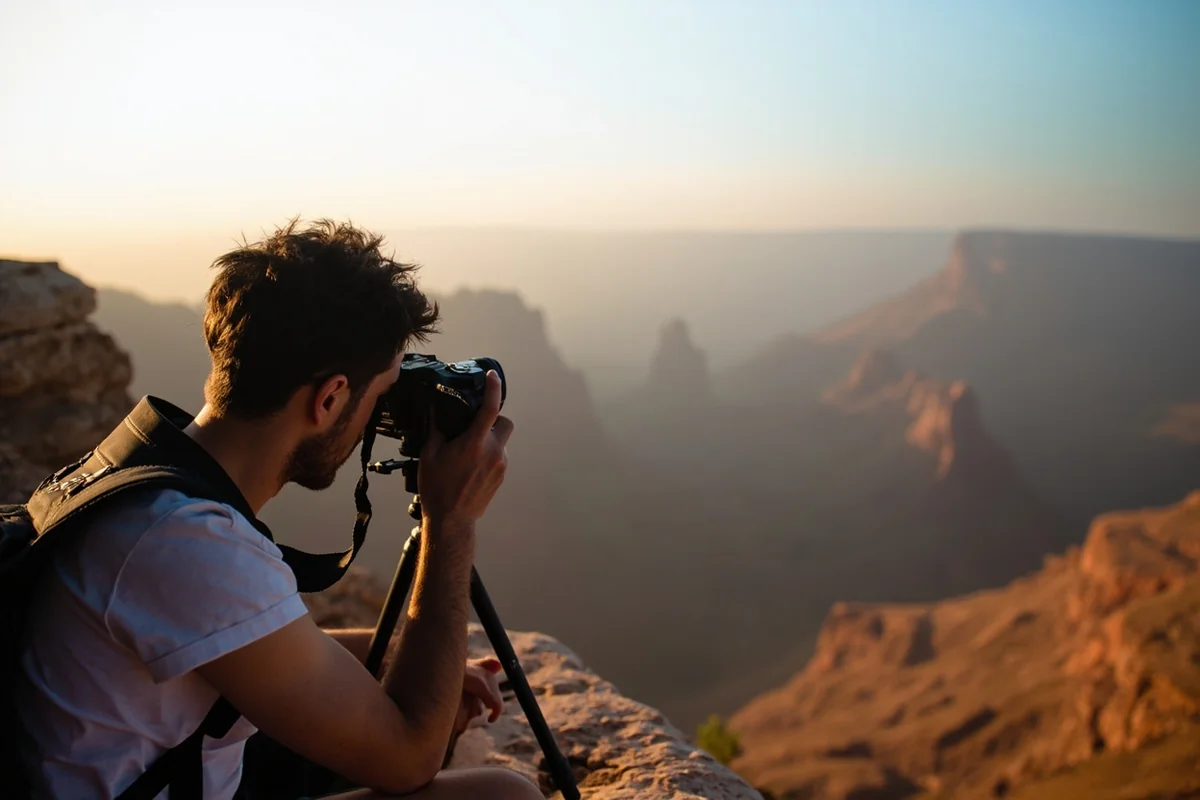
Zoom lenses (70-200mm or equivalent) prove essential for wildlife. Wide angles capture vehicle-and-landscape compositions that tell the story.
Polarizing filters cut glare and deepen blue skies — I consider mine mandatory for Montana shooting.
Timing Your Shots
Don’t hesitate to ask your guide to stop. Every guide I’ve worked with happily accommodated photography requests.
Morning and late afternoon light dramatically improves images. Midday shots during Montana summers can look harsh and washed out.
Shoot both directions — not just the obvious vista, but back toward the trail itself. Some of my favorite images show our Jeep navigating terrain that photographs better in retrospect.
Protecting Your Gear
Keep cameras in bags between stops. The combination of dust, vibration, and occasional spray from stream crossings endangers unprotected equipment.
I’ve seen phone screens crack from drops during rough sections. Secure everything.
Making the Most of Your Montana Jeep Adventure
After countless tours, here’s my distilled advice for getting maximum value from your experience.
Embrace the Journey
The destination matters less than the process. Some of my most memorable moments happened during transit — unexpected wildlife, guide stories, spontaneous stops at spots not on any itinerary.
Stay present. The photos will remind you later; the experience happens now.
Talk to Your Guide
These folks possess encyclopedic knowledge about their territories. Ask questions about geology, wildlife, history, weather patterns, local controversies — whatever interests you.
The best guides love sharing their passion. Draw it out.
Extend Your Experience
Consider building additional activities around your Jeep tour. Montana Train Tours offer complementary perspectives on the landscapes you’ll traverse by Jeep, and combining both transportation styles creates a richer overall Montana experience.
Return and Explore Differently
One tour won’t exhaust Montana’s Jeep opportunities. Each region offers distinct character, and even the same routes shift seasonally.
I’ve returned to the Glacier area three times now, and each trip revealed something new.
Final Thoughts: Why Montana Jeep Tours Deserve Your Time
After years of bouncing through Montana’s backcountry, I remain convinced that Jeep tours represent one of the purest ways to experience this state’s wild character.
You’ll see terrain that most visitors only glimpse from distant overlooks. You’ll access the Montana that existed before roads, before crowds, before Instagram made certain spots unbearably popular.
The physical sensation matters too — the engine rumbling, the chassis pitching over obstacles, the wind carrying pine-scented air through open windows. This isn’t passive tourism; it’s active engagement with landscape.
Montana rewards the adventurous. Jeep tours lower the barrier to that adventure, making backcountry accessible even if you lack off-road driving experience or don’t own appropriate vehicles.
When I think about my most vivid Montana memories, many involve views from Jeep windows — that first glimpse over Beartooth Pass, the grizzly bear we spotted in distant meadows, the stream crossing where water splashed through the door seams as everyone laughed.
These experiences are waiting for you. Book a tour, bring layers, and prepare for Big Sky Country to exceed every expectation you carried into it.
The trails are calling.
Frequently Asked Questions
How much do Montana Jeep tours cost per person?
Most Montana Jeep tours range from $75-$150 per person for half-day excursions and $200-$350 for full-day adventures. Private tours for small groups typically cost $400-$800 total, which can be more economical if you’re traveling with family or friends. I recommend booking directly with local outfitters for the best rates and checking if lunch is included in full-day pricing.
What is the best time of year to take a Jeep tour in Montana?
The prime season for Montana Jeep tours runs from late June through September when high-elevation trails are snow-free and accessible. July and August offer the best weather and wildflower viewing, though these months are also the busiest. If you prefer fewer crowds, early September combines comfortable temperatures with stunning fall colors in the backcountry.
What should I wear and bring on a Montana Jeep tour?
Dress in layers since mountain temperatures can drop 20-30 degrees at higher elevations, even in summer. I always recommend sturdy closed-toe shoes, sunglasses, sunscreen, and a windbreaker or light jacket. Bring your camera, a water bottle, and any motion sickness medication if you’re prone to car sickness on bumpy terrain.
Are Montana Jeep tours safe for kids and seniors?
Most Montana Jeep tour operators welcome guests of all ages, though some rugged backcountry excursions have minimum age requirements of 4-6 years old. Tours vary in intensity from mild scenic drives to more adventurous rock-crawling routes, so I suggest calling ahead to discuss options suitable for your group. Many outfitters offer gentler wildlife-focused tours that are perfect for families with young children or older travelers.
Where are the most popular Montana Jeep tour destinations?
Glacier National Park’s surrounding wilderness areas, the Beartooth Mountains near Red Lodge, and the rugged terrain around Big Sky are top destinations for Jeep tours. The ghost towns and mining roads near Philipsburg and Helena offer fascinating historical excursions about 90 miles from Missoula. I’ve found that tours near Whitefish provide incredible alpine scenery with options ranging from 2-hour trips to all-day adventures.
Do I need to tip my Montana Jeep tour guide?
Tipping your Jeep tour guide is customary and appreciated, with 15-20% of the tour cost being standard for excellent service. For a $100 per person tour, most travelers tip $15-$20 per person to their guide. If your guide went above and beyond spotting wildlife or sharing exceptional local knowledge, consider tipping on the higher end.
Can I book a private Jeep tour in Montana for my group?
Yes, most Montana Jeep tour companies offer private tours that can be customized to your group’s interests, whether that’s wildlife photography, ghost town exploration, or accessing remote fishing spots. Private tours typically accommodate 2-6 passengers per vehicle and can be tailored in length from 3 hours to full-day excursions. I recommend booking private tours at least 2-3 weeks in advance during peak summer season, as popular outfitters fill up quickly.
Sources