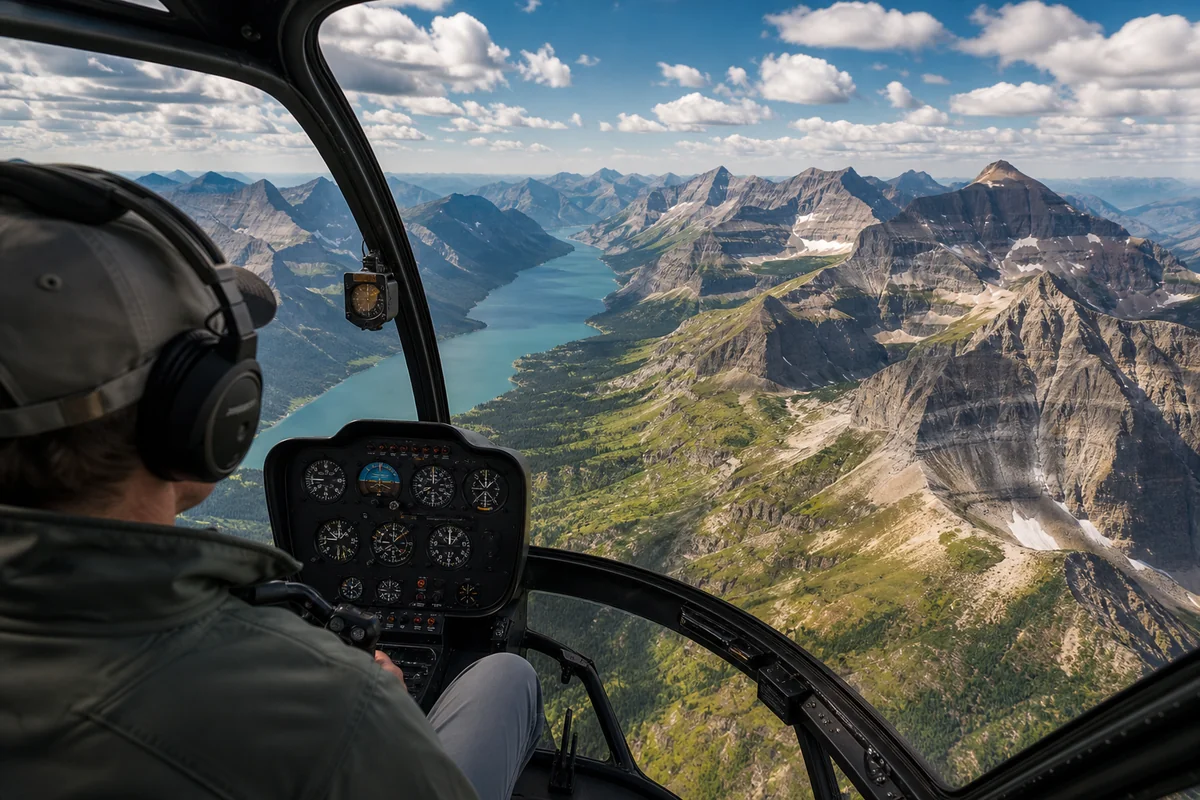
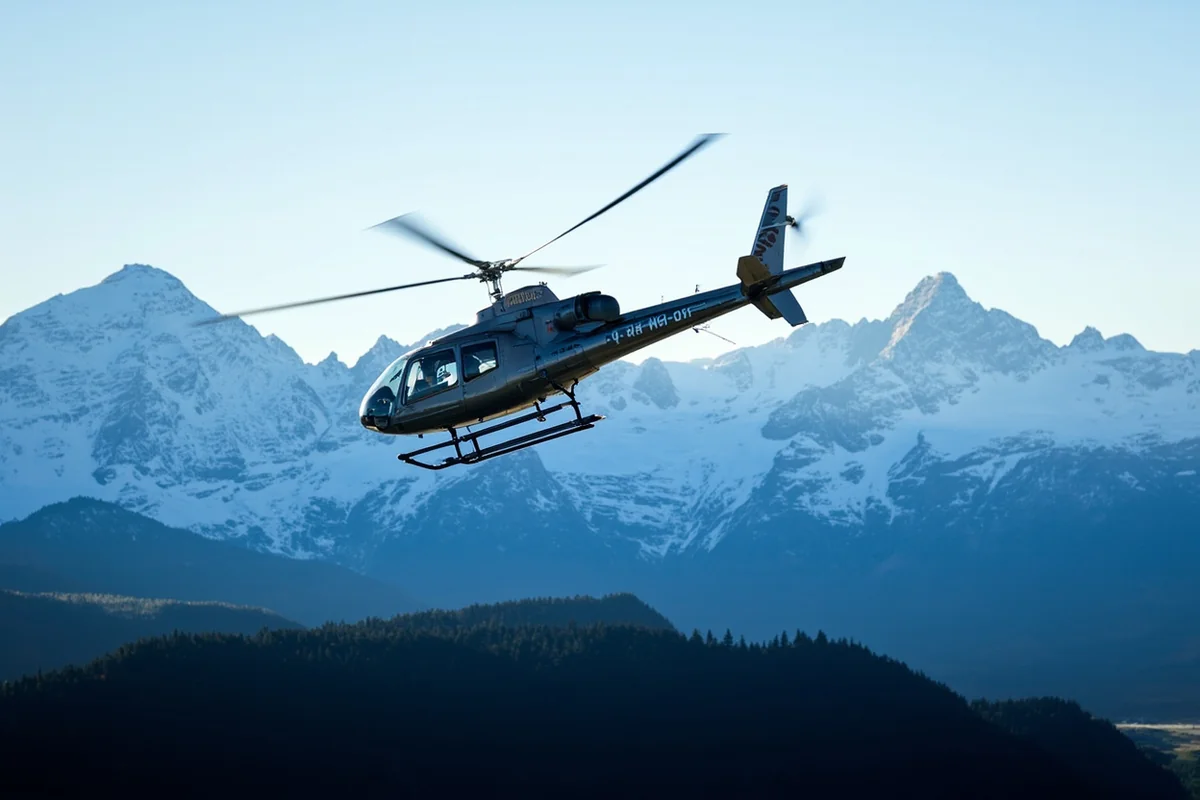
The moment our helicopter lifted off from the Whitefish helipad and banked toward Glacier National Park, I understood why people call Montana “Big Sky Country” — from 3,000 feet, the landscape unfolds like a living topographic map, and suddenly those mountains I’d hiked for years revealed secrets I never knew existed.
If you’re exploring the best Montana tours available to visitors, helicopter experiences deserve serious consideration. They’re not just scenic flights — they’re perspective-shifting adventures that compress days of hiking into minutes of awe.
- Montana offers helicopter tours ranging from $150 for 15-minute flights to $1,500+ for full-day backcountry adventures
- Best operators cluster around Glacier National Park, Big Sky, and Yellowstone’s northern gateway
- Summer (June-September) provides optimal flying conditions, but winter tours over snow-covered peaks are unforgettable
- Book 2-3 weeks ahead for peak season; morning flights offer the smoothest air and best photography light
- Most tours accommodate 3-4 passengers; weight limits typically cap at 300 lbs per person
- Motion sickness is rare in helicopters due to smoother flight characteristics than small planes
Liked this article?
Add Roaming Montana as a preferred source so you see more of our articles and guides on Google.
Why Montana From the Air Hits Different
I’ve experienced Montana from nearly every angle — on foot through wilderness trails, behind the wheel on scenic byways, even floating its legendary rivers. But nothing prepared me for the visceral impact of seeing this state from a helicopter.
During my first flight last summer out of Kalispell, the pilot pointed out a massive grizzly bear working a berry patch on a remote mountainside. From any trail, I’d never have spotted it. From 1,500 feet, it was unmistakable.
That’s the thing about helicopter tours here. They don’t just show you Montana — they reveal the hidden Montana that ground-bound visitors never experience.
The Major Montana Helicopter Tour Regions
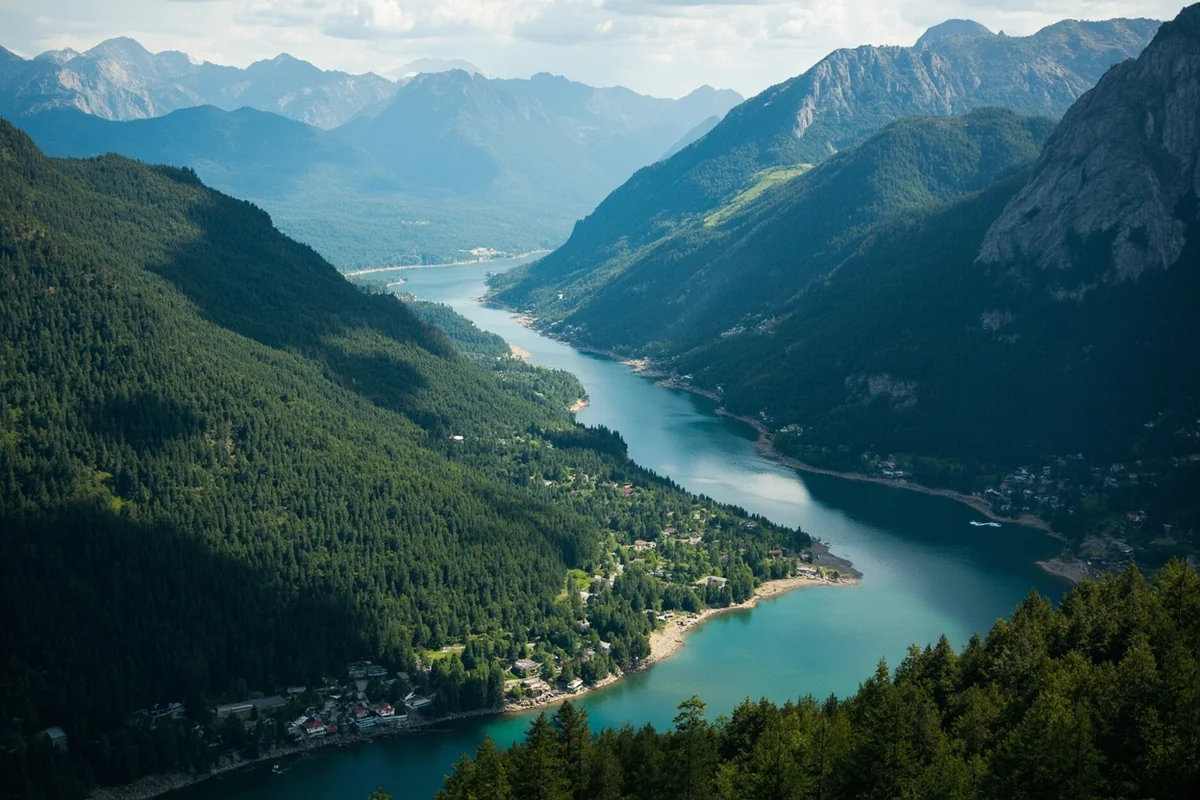
Montana’s helicopter tour industry concentrates around three primary zones, each offering distinct experiences. I’ve flown in all three regions over the past two years, and here’s what makes each special.
Glacier National Park Area
The crown jewel of Montana aviation tourism operates from several bases near Glacier. Operators in Whitefish, Kalispell, and West Glacier offer tours that range from quick 20-minute overflights to extended two-hour explorations.
On my most recent trip in August, I flew with Glacier Heli Tours out of their Whitefish base. We traced the Continental Divide for nearly an hour, hovering near (but respectfully distant from) glaciers that scientists say will disappear within decades.
The pilot, a former wildland firefighter with 15 years of mountain flying experience, explained how the glaciers have retreated since he started flying this route. That context transformed a scenic flight into something more profound.
Big Sky and Yellowstone Gateway
The Big Sky area serves as a launching point for tours that combine Montana’s rugged peaks with northern Yellowstone flyovers. While you can’t legally land in Yellowstone National Park, aerial tours can legally fly over portions of it.
I took a 90-minute tour from Big Sky last September that looped over the Gallatin Range, skirted the park boundary near Mammoth Hot Springs, and returned via the Madison River valley.
The geothermal features visible from altitude — steam rising from hot springs scattered across the landscape — looked like the earth was breathing.
Eastern Montana Badlands
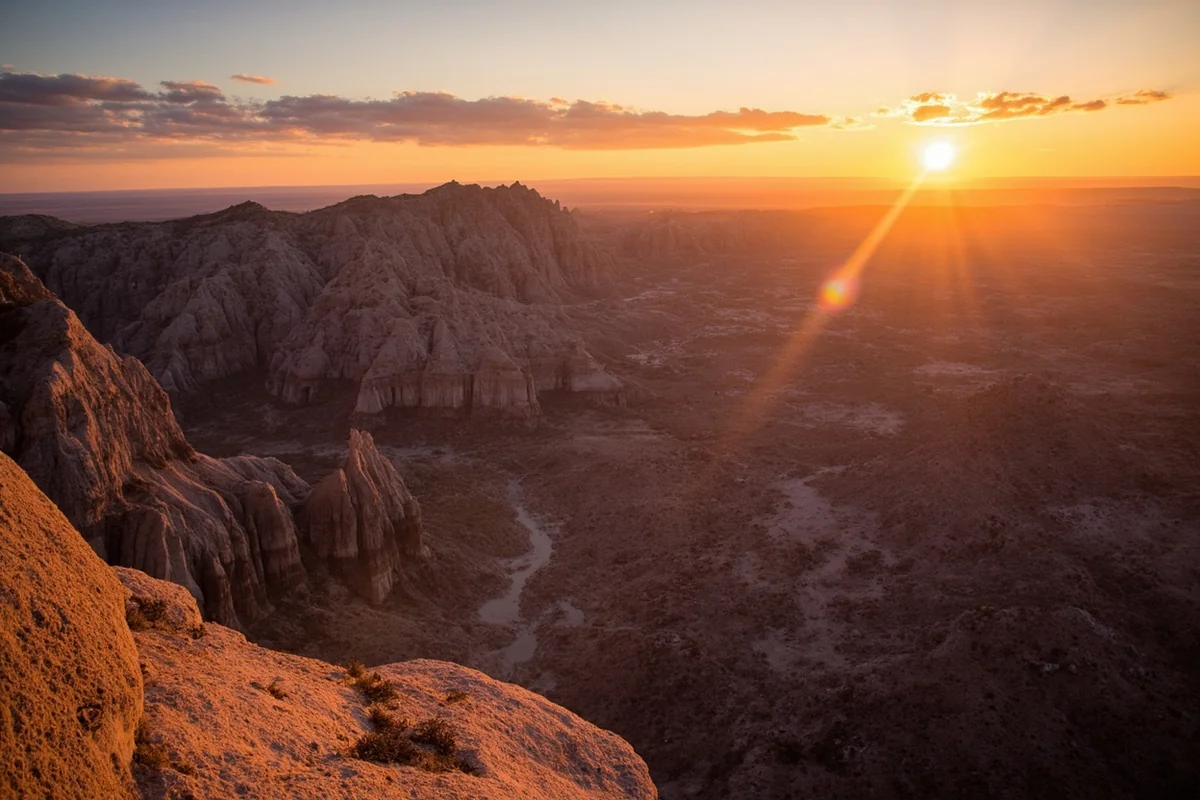
Fewer tourists consider eastern Montana for helicopter tours, but the Makoshika State Park area near Glendive offers something completely different. Here, operators fly over badlands formations that rival anything in the Dakotas.
I connected with a local pilot who runs occasional tours out of Glendive. Flying over the eroded hoodoos and exposed fossil beds at golden hour remains one of my most memorable Montana aviation experiences.
What Different Tour Lengths Actually Get You
One question I hear constantly: is the shortest tour worth it, or should I spring for something longer? After taking five different helicopter tours of varying lengths in Montana, here’s my honest assessment.
15-20 Minute Tours ($150-$250)
These “taste of flight” experiences work for budget-conscious visitors or those uncertain about flying. On a 15-minute tour from Whitefish, we covered roughly 30 miles, circling Whitefish Lake and catching glimpses of Glacier’s western peaks in the distance.
Is it worth it? Honestly, these short flights feel rushed. By the time you’ve adjusted to the sensation and started processing what you’re seeing, the pilot is banking back toward the helipad.
I’d recommend these only if budget is your primary constraint or if you’re testing whether helicopter flight agrees with you before committing to a longer tour.
30-45 Minute Tours ($300-$500)
This sweet spot delivers genuine immersion without the premium pricing of extended tours. My 40-minute Glacier overflight covered Going-to-the-Sun Road’s alpine section, multiple glaciers, and the Chinese Wall in the Bob Marshall Wilderness.
For most visitors, this duration offers the ideal balance. You see multiple ecosystems, have time for proper photography, and can actually absorb what you’re experiencing.
60-90 Minute Tours ($600-$900)
Extended flights allow for comprehensive regional exploration. My 90-minute Big Sky tour covered terrain that would take a week to hike, including remote mountain lakes, active wildlife areas, and dramatic geological formations.
The longer duration also means pilots can venture to more distant destinations, revealing Montana that few visitors ever see.
Half and Full-Day Adventures ($1,000-$3,000+)
These premium experiences typically include backcountry landings, picnic lunches at remote alpine lakes, or combinations with other activities like fishing or photography sessions.
Last July, I splurged on a half-day tour that included a landing near a glacial lake in the Bob Marshall Wilderness. We spent 45 minutes on the ground at a location accessible only by multi-day backpacking — or helicopter.
That single experience justified the steep price for me, though I recognize it’s not in everyone’s budget.
Choosing the Right Helicopter Tour Operator
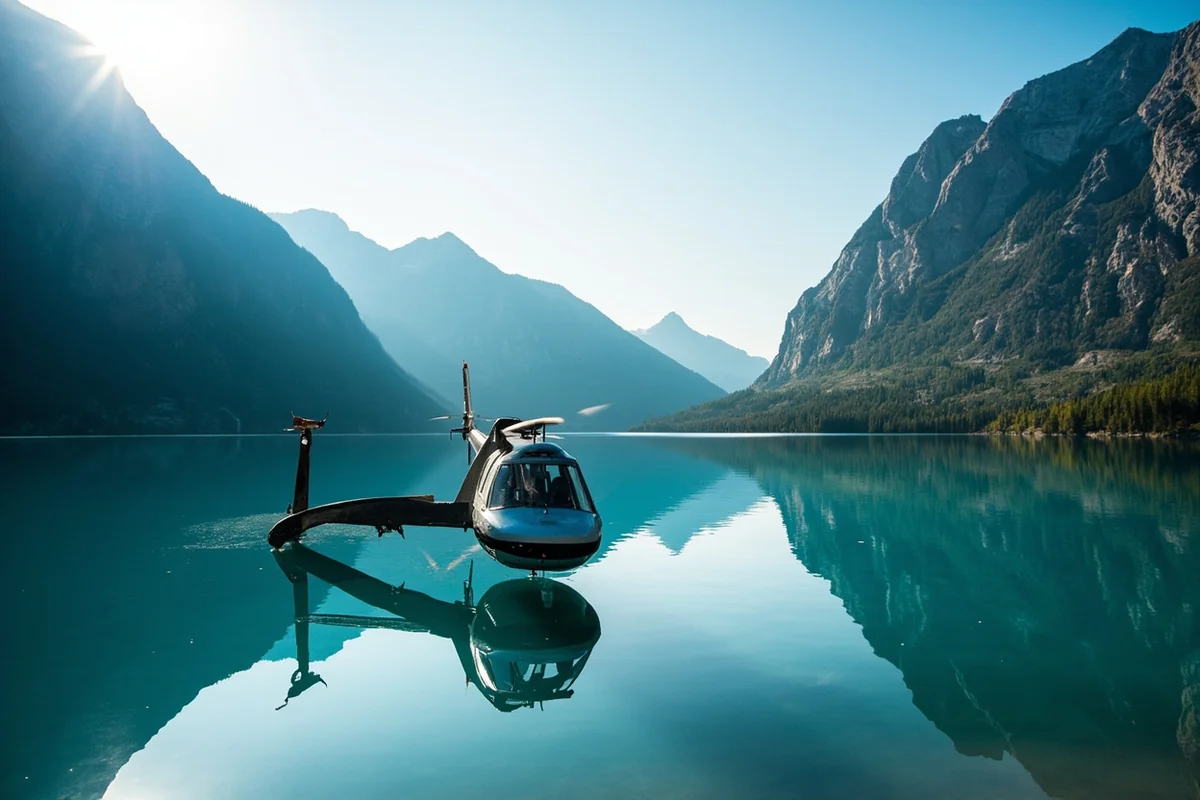
Montana’s helicopter tour industry includes both established companies and smaller operations. Not all are created equal, and choosing wisely matters for both safety and experience quality.
What to Look For
FAA Part 135 certification is non-negotiable — this commercial operating certificate means the company meets rigorous safety and maintenance standards. Ask directly if you don’t see this information on their website.
Pilot experience in mountain flying specifically matters enormously. Mountain aviation presents unique challenges that require specialized training. The best operators employ pilots with thousands of hours in Montana’s specific terrain.
During my research, I found that operators affiliated with helicopter associations like HAI (Helicopter Association International) tend to maintain higher standards.
Top Operators I’ve Personally Flown With
Glacier Heli Tours (Whitefish) — My go-to for Glacier area flights. Modern Airbus helicopters, knowledgeable pilots, and efficient booking process.
Yellowstone Helicopters (West Yellowstone) — Despite the name, they operate some Montana-focused tours. Excellent for combining park and mountain scenery.
Summit Helicopters (Bozeman) — Smaller operation with personalized service. The pilot I flew with had previously worked aerial firefighting and knew every ridge in the Gallatin Range.
Red Flags to Avoid
Be wary of operators who won’t disclose pilot credentials, companies with significantly below-market pricing (corners are being cut somewhere), or any operation that can’t provide clear answers about their safety record.
I once inquired about a tour with an operator who was evasive about their insurance coverage. That inquiry ended immediately.
Practical Information Table: Montana Helicopter Tour Comparison
| Tour Region | Typical Duration | Price Range | Best For | Peak Season |
|---|---|---|---|---|
| Glacier National Park | 20-90 minutes | $200-$800 | Glaciers, alpine lakes, wildlife | June-September |
| Big Sky/Yellowstone | 30-120 minutes | $350-$1,200 | Peaks, geothermal, river valleys | Year-round |
| Eastern Badlands | 30-60 minutes | $250-$500 | Geological formations, fossil beds | April-October |
| Backcountry Landing Tours | 3-8 hours | $1,000-$3,000+ | Remote wilderness access, photography | July-August |
Best Times to Fly: Seasons and Conditions
Timing significantly impacts your helicopter tour experience in Montana. I’ve now flown in three different seasons, and each offers distinct advantages.
Summer (June-September)
Prime season brings the most reliable flying conditions and the fullest landscapes — wildflowers carpeting alpine meadows, waterfalls at peak flow, and wildlife actively feeding before winter.
Morning flights (before 10 AM) typically offer the smoothest air before afternoon thermals create turbulence. I learned this the hard way on an afternoon flight that got noticeably bumpy over sun-heated terrain.
The trade-off: summer brings peak crowds and peak pricing. Book at least two weeks ahead for popular Glacier-area tours.
Fall (September-October)
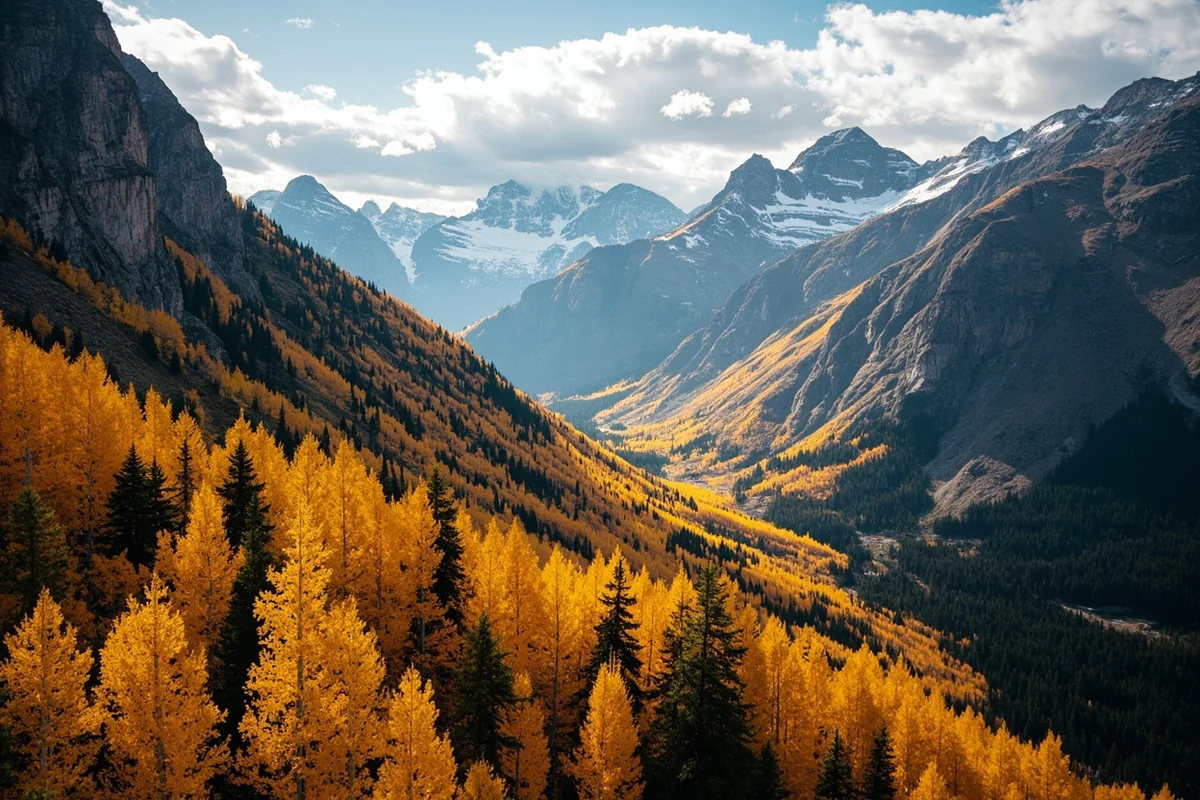
My personal favorite season for Montana helicopter tours. The larch trees turn brilliant gold in late September, creating visual contrast that makes summer greens look monotonous by comparison.
Cooler air also means denser atmosphere and better helicopter performance. Pilots can reach higher altitudes more efficiently.
I flew over the Swan Range in early October and watched the color transition from green valley floors to golden mountainsides to snow-capped peaks — all visible in a single sweeping view.
Winter (December-March)
Winter helicopter tours aren’t as common, but operators around Big Sky and Whitefish offer them when conditions permit. The snow-covered landscape transforms Montana into something ethereal.
On a February flight near Whitefish, the shadows cast by afternoon sun across fresh powder created geometric patterns that looked almost artificial in their precision.
The challenge: weather cancellations increase dramatically. I had one winter tour postponed three times before conditions aligned.
Spring (April-May)
Transitional spring brings mixed conditions. Lower elevations green up while peaks remain snow-covered, creating interesting visual contrasts. However, unpredictable weather makes this the riskiest season for schedule reliability.
What to Wear and Bring
Proper preparation ensures you get the most from your helicopter tour. After several flights, I’ve refined my personal checklist.
Clothing Essentials
Dress in layers regardless of season. Helicopters aren’t always climate-controlled, and you’ll want options. Dark, non-reflective clothing photographs better and reduces glare in images.
Avoid loose scarves, dangling jewelry, or anything that might catch in controls or create wind chaos during boarding with rotors spinning.
Comfortable, flat shoes matter more than you’d think. Helipad surfaces vary, and you’ll want stable footing when boarding in prop wash.
Photography Gear
I bring a mirrorless camera with a versatile zoom (24-105mm range works perfectly). Helicopters provide constantly changing distances to subjects, so zoom flexibility beats prime lenses here.
Bring a polarizing filter to cut glare from lakes and rivers. A UV filter protects your lens from dust during boarding.
Most importantly: secure your neck strap before takeoff. I watched another passenger’s lens cap fly out an open window during our banking turn over Lake McDonald.
What Not to Bring
Leave the tripod — there’s no space and no need. Avoid large bags that create cabin clutter. Some operators restrict loose items entirely for safety.
Combining Helicopter Tours With Other Montana Experiences
A helicopter tour makes an excellent centerpiece for a broader Montana adventure. I often combine flights with ground-based activities that let me explore the areas I’ve seen from above.
For wildlife enthusiasts, pairing a helicopter tour with Montana nature tours creates complementary perspectives. Spotting grizzlies from the air, then tracking their habitat at ground level with a naturalist, deepens understanding of both experiences.
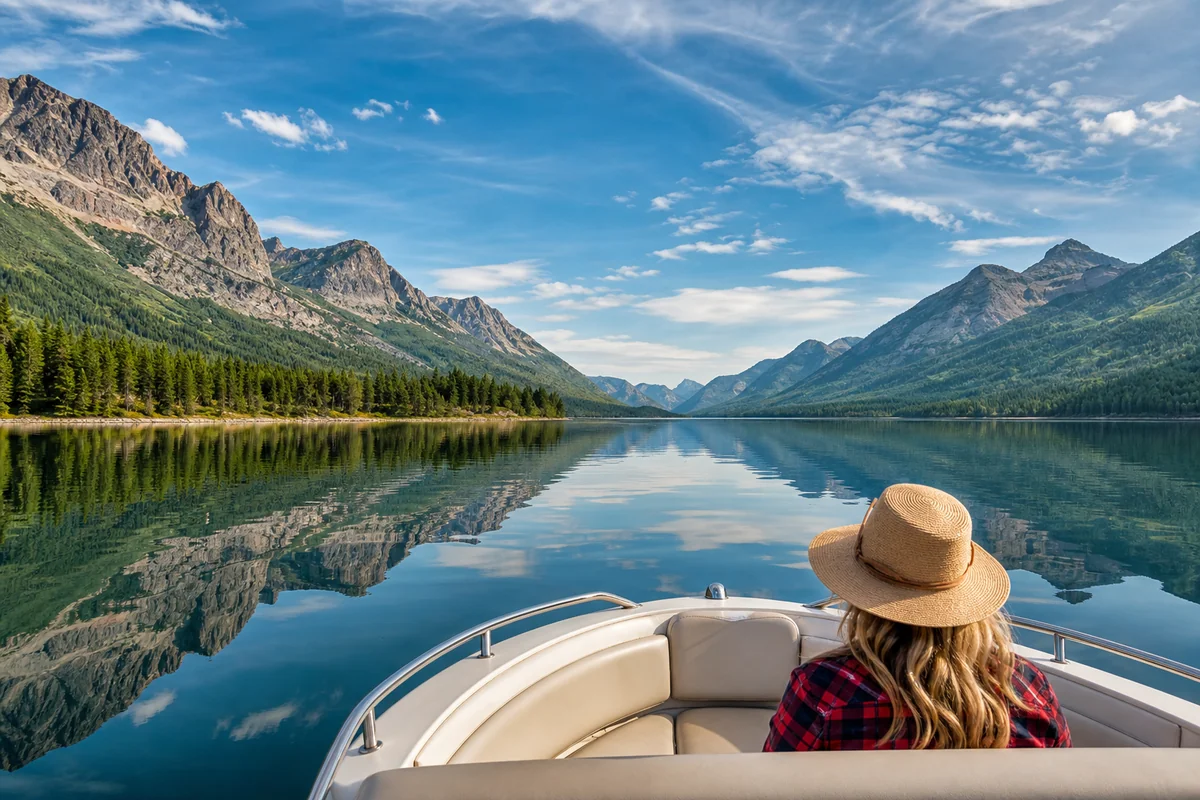
Water lovers might consider adding Montana boat tours to their itinerary. Several of the rivers and lakes visible from helicopter tours offer exceptional floating experiences.
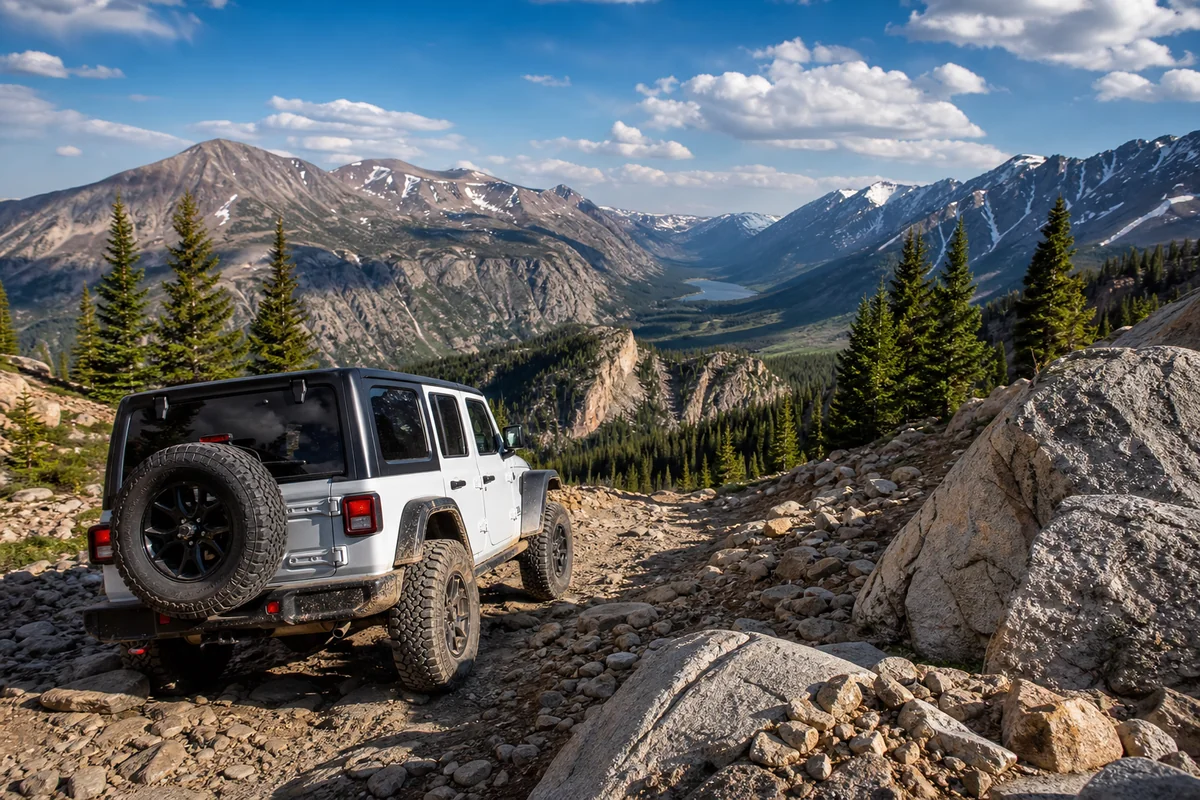
For adventure seekers, combining aerial views with Montana Jeep tours or UTV tours provides access to backcountry terrain you’ve spotted from above.
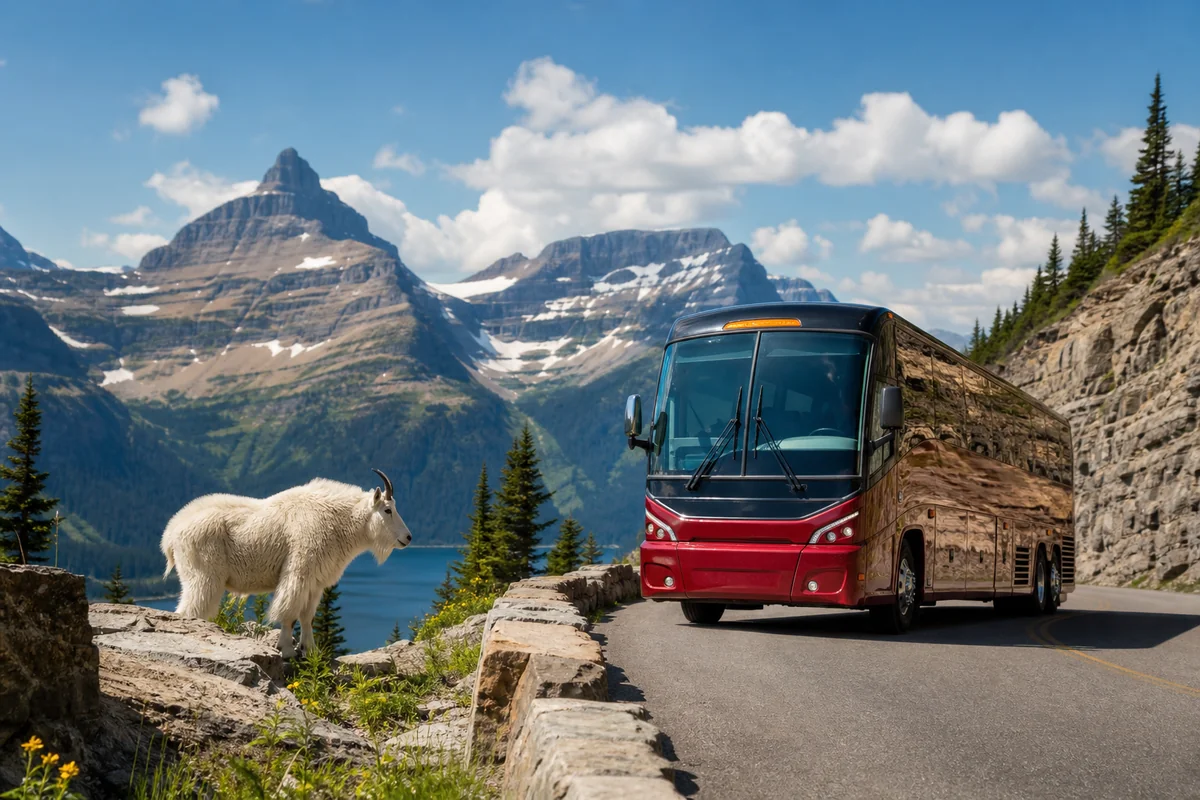
Those planning extended Montana road trips might integrate Montana bus tours for comfortable group transportation between helicopter tour regions.
Special Interest Helicopter Tours
Beyond standard scenic flights, Montana operators offer specialized tours catering to specific interests.
Photography-Focused Tours
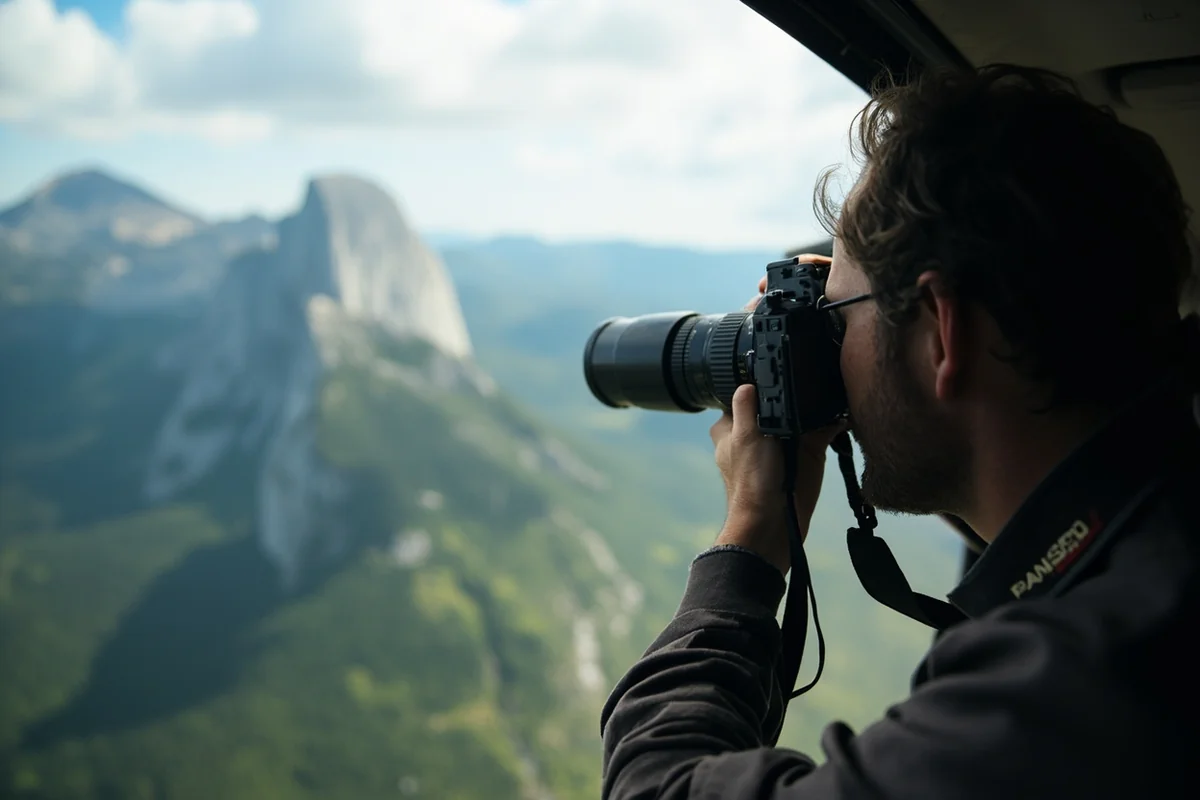
Several operators offer dedicated photography flights with doors-off configurations (weather permitting), slower approach speeds near subjects, and pilots trained to position for optimal shooting angles.
I took a doors-off photography flight over Glacier last August. The unobstructed views justified the higher price and the considerable chill at altitude. The resulting images were dramatically better than those from enclosed-cabin flights.
Wildlife Spotting Tours
Some operators specialize in aerial wildlife surveys. These tours fly systematic patterns over known wildlife corridors, with pilots trained to spot and safely approach animal sightings.
On a wildlife-focused flight in the Bob Marshall Wilderness, we spotted two separate wolf packs, several moose, and a black bear sow with cubs — all within 90 minutes. Ground-based birding tours can complement these aerial wildlife experiences.
Heli-Fishing Adventures
For anglers, helicopter access unlocks Montana’s most remote trout waters. Operators fly you to backcountry rivers where you’ll be the only angler for miles in any direction.
These trips typically run $2,000+ for full-day experiences, but for serious fly fishers, accessing unfished waters justifies the premium.
Winter Skiing and Snowboarding
Montana’s heli-skiing industry, while smaller than British Columbia’s, offers serious backcountry access. Several operators near Big Sky and Whitefish provide guided skiing packages that include safety equipment, avalanche training, and full-day powder access.
Accessibility and Physical Requirements
Helicopter tours can accommodate many visitors with mobility limitations, but understanding requirements in advance prevents surprises.
Most operators have weight limits around 250-300 pounds per passenger, though some aircraft accommodate heavier guests. Be honest when booking — these limits exist for safety and performance reasons.
Passengers must be able to climb into the aircraft, typically a 2-3 foot step up, sometimes with minimal handholds. Some operators have step stools available.
Visitors with anxiety about flying should know that helicopter flight often feels more stable than small fixed-wing aircraft. The ability to hover and move in any direction creates smoother transitions than the banking turns of airplanes.
I flew with a passenger who was terrified of conventional aircraft but found helicopter flight comfortable. The continuous rotor noise masks engine changes that trigger anxiety in some fliers.
Costs and Booking Strategies
Understanding pricing patterns helps you maximize value.
Price Factors
Tour length obviously drives cost, but aircraft type also matters. Newer Airbus or Robinson helicopters command premium pricing over older aircraft.
Group size affects per-person rates. Most helicopters seat 3-4 passengers (excluding pilot), and some operators discount per-person rates when you fill the aircraft.
Season significantly impacts pricing. Expect 20-30% higher rates during peak summer weeks compared to shoulder seasons.
Money-Saving Strategies
Booking direct with operators (rather than through hotel concierges or tour aggregators) often saves 10-15%. The middleman markup is real.
Weekday flights frequently cost less than weekend slots. I’ve saved $100+ by shifting my booking from Saturday to Tuesday.
Some operators offer standby rates for flexible travelers willing to fly on short notice when cancellations occur. I’ve scored a 40% discount this way, though it required staying close to the helipad with bags packed.
Consider slightly off-peak timing. Early June before school ends and late September after Labor Day offer excellent conditions with lower demand.
What’s Included (and What’s Not)
Most tours include pre-flight briefings, headsets for pilot narration, and basic photography assistance. Some higher-end operators include champagne or snacks for longer flights.
Gratuities aren’t usually included. I tip pilots $20-50 depending on tour length and service quality — they work hard to create memorable experiences.
Ground transportation to helipads varies by operator. Many provide pickup from nearby hotels, but confirm this when booking.
Comparing Helicopter Tours to Other Montana Aerial Experiences
Montana offers several ways to see the state from above. Understanding alternatives helps determine if helicopter tours are right for you.
Hot Air Balloons
Balloon rides near Bozeman and Missoula offer serene, quiet flight but zero directional control. You go where the wind takes you, which means less predictable scenery.
I’ve done both, and helicopters provide far more comprehensive coverage of specific attractions. Balloons win for peaceful ambiance but lose for targeted sightseeing.
Small Airplane Tours
Fixed-wing aircraft cost less per flight hour and cover more distance, but can’t hover over points of interest or navigate tight mountain terrain safely at low altitudes.
For broad landscape overviews, airplanes work fine. For intimate mountain exploration, helicopters are vastly superior.
Paragliding and Hang Gliding
These adventure sports offer incredible personal flying experiences but require training (or tandem flights with instructors) and provide minimal wildlife or landmark viewing.
They’re adventure activities, not sightseeing tours. Different purposes entirely.
Environmental Considerations
Helicopter tours carry environmental impacts worth considering. I think about this with every flight I take.
Noise disrupts wildlife, particularly during sensitive seasons. Reputable operators follow voluntary approach distances and avoid known nesting areas. I specifically ask operators about their wildlife protocols.
Fuel consumption is real. A typical hour-long helicopter tour burns 30-40 gallons of aviation fuel. If environmental impact concerns you, consider this alongside the experience value.
Some operators participate in carbon offset programs. I’ve opted into these when available, adding modest cost but addressing some environmental guilt.
Making Your Reservation
The booking process varies by operator, but some universal tips apply.
Call directly rather than relying solely on online booking systems. Phone conversations reveal operator professionalism and allow you to ask specific questions.
Request specific pilots if you’re booking a longer tour. Experienced pilots with storytelling skills dramatically enhance the experience.
Confirm cancellation policies carefully. Weather-related cancellations should always receive full refunds, but policies for passenger-initiated cancellations vary.
Get confirmation in writing. I’ve had verbal agreements fall through — always get written confirmation with tour details, pricing, and policies.
What Happens on Tour Day
Knowing the typical flow reduces day-of anxiety.
Before Takeoff
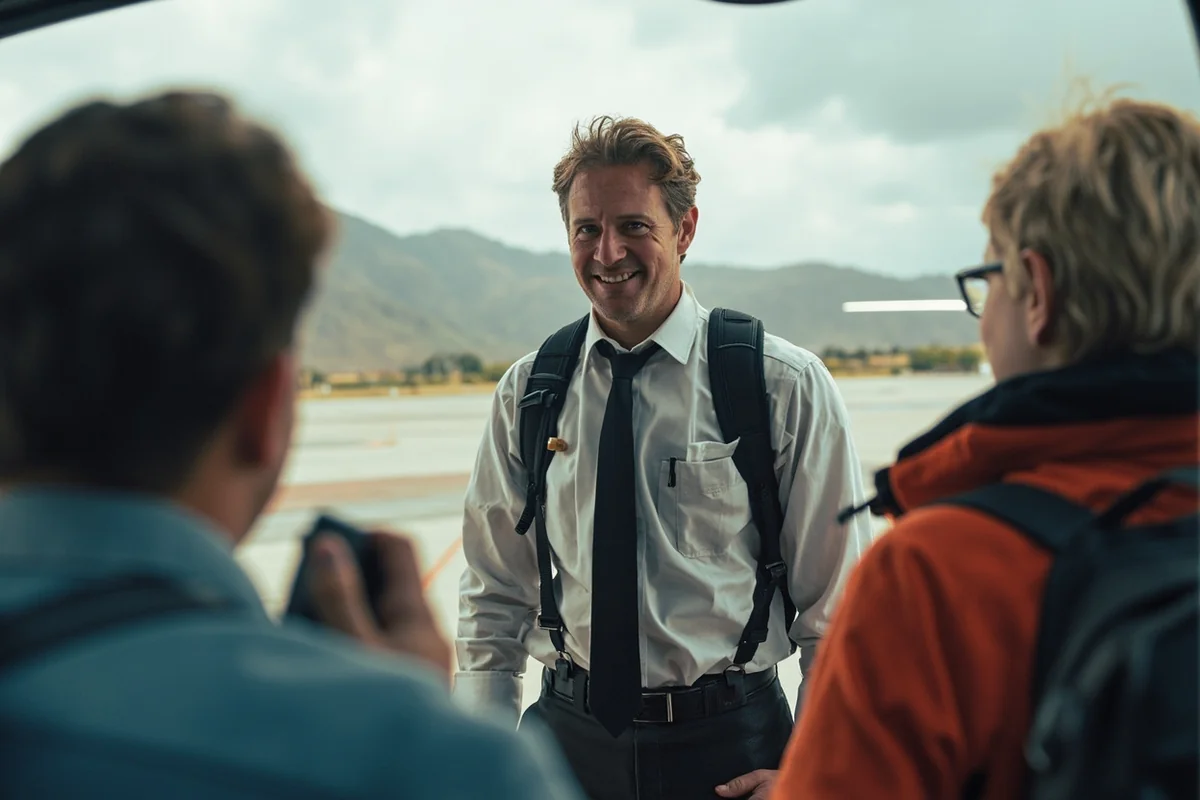
Arrive 15-20 minutes before scheduled departure. You’ll complete a brief safety orientation, sign liability waivers, and receive headset instructions.
Pilots typically discuss the planned route and ask about any specific interests or photography priorities. This is your chance to request detours to features that particularly interest you.
Weight and balance calculations happen before boarding. Passengers may be assigned specific seats based on weight distribution. Don’t take offense — it’s physics, not preference.
During the Flight
Pilots narrate throughout, pointing out landmarks, wildlife, and geological features. Feel free to ask questions — the headset mic allows two-way communication.
The first few minutes feel novel; after that, you’ll settle into the experience. Remember to look in all directions, not just forward. Some of the best views appear beside or behind you.
After Landing
Most operators offer brief post-flight discussions and photo opportunities with the aircraft. This is when tips are appropriate if you’ve had a great experience.
For ground-based alternatives to complement your aerial adventure, consider Montana motorcycle tours or dirt bike tours that let you explore roads visible from your flight.
History buffs might pair helicopter tours with Montana range tours exploring the state’s ranching heritage. For a completely different pace, Montana train tours offer leisurely ground-level perspectives through similar mountain terrain.
And if you want something completely unexpected, Montana’s chocolate tours prove the state has more to offer than just stunning landscapes.
Final Thoughts: Is a Montana Helicopter Tour Worth It?
After numerous flights across Montana’s diverse landscapes, I can say definitively: yes, with caveats.
If budget is extremely tight, consider shorter tours or save for a future trip when you can afford a meaningful duration. The 15-minute teaser flights feel more frustrating than fulfilling.
If you’re visiting during peak summer season and haven’t booked in advance, you may face limited availability. Plan ahead.
If you prioritize authentic Montana experiences over checking boxes, a helicopter tour delivers something no other activity can replicate. Seeing this massive, wild state from above fundamentally changes how you understand its scale and beauty.
The Montana I thought I knew from ground level was a fraction of the Montana I discovered from 2,000 feet. That perspective shift alone justified every dollar I spent on helicopter tours here.
Your Montana trip deserves at least one aerial component. Whether you choose a 30-minute glacier overflight or a full-day backcountry adventure, you’ll return to earth with memories that outlast any photograph.
Frequently Asked Questions
How much do helicopter tours in Montana cost?
Montana helicopter tours typically range from $150-$350 per person for shorter 30-minute scenic flights, while extended tours over Glacier National Park or remote wilderness areas can cost $400-$800 per person. I recommend booking directly with local operators for the best rates, and keep in mind that private charters for groups of 4-6 passengers often offer better per-person value.
What is the best time of year to take a helicopter tour in Montana?
The best time for Montana helicopter tours is late June through September when weather conditions are most stable and visibility is exceptional. Summer months offer stunning views of wildflower meadows and turquoise alpine lakes, while early fall brings golden larch trees and fewer crowds. I’d avoid spring months due to unpredictable weather and reduced visibility from lingering haze.
Can you take a helicopter tour over Glacier National Park?
Yes, several operators offer helicopter tours near Glacier National Park, though flights cannot land within park boundaries due to National Park Service regulations. Tours typically depart from Whitefish or Kalispell, located about 25-30 miles from the park entrance, and provide breathtaking aerial views of the Going-to-the-Sun Road, glacial valleys, and the Continental Divide.
What should I wear and bring on a Montana helicopter tour?
Wear dark, non-reflective clothing to reduce glare in photos, and bring layers since temperatures drop at higher elevations even in summer. I always recommend wearing closed-toe shoes, bringing sunglasses, and leaving loose items like hats secured or at home. Most operators provide noise-canceling headsets, but you’ll want to bring your camera or phone fully charged.
Are Montana helicopter tours safe for people afraid of heights?
Montana helicopter tours are generally well-tolerated even by those with mild height anxiety because the enclosed cabin and smooth flight create a surprisingly secure feeling different from standing at an overlook. Pilots are experienced with nervous passengers and maintain constant communication throughout the flight. I suggest starting with a shorter 20-30 minute tour to test your comfort level before booking longer excursions.
Where do most Montana helicopter tours depart from?
Most Montana helicopter tours depart from Whitefish, Kalispell, and West Yellowstone for access to Glacier and Yellowstone regions, while Bozeman and Missoula offer tours over the surrounding mountain ranges. These departure points are easily accessible, with Kalispell being about 120 miles north of Missoula and West Yellowstone sitting right at the park’s western entrance. I recommend choosing your departure location based on which wilderness areas you most want to see from above.
Do I need to book Montana helicopter tours in advance?
Yes, I strongly recommend booking Montana helicopter tours at least 2-4 weeks in advance during peak summer season, as popular morning time slots with optimal lighting fill up quickly. Same-day bookings are sometimes possible during shoulder seasons in May or October, but availability is limited. Most operators require a deposit and offer flexible rebooking policies in case of weather cancellations.