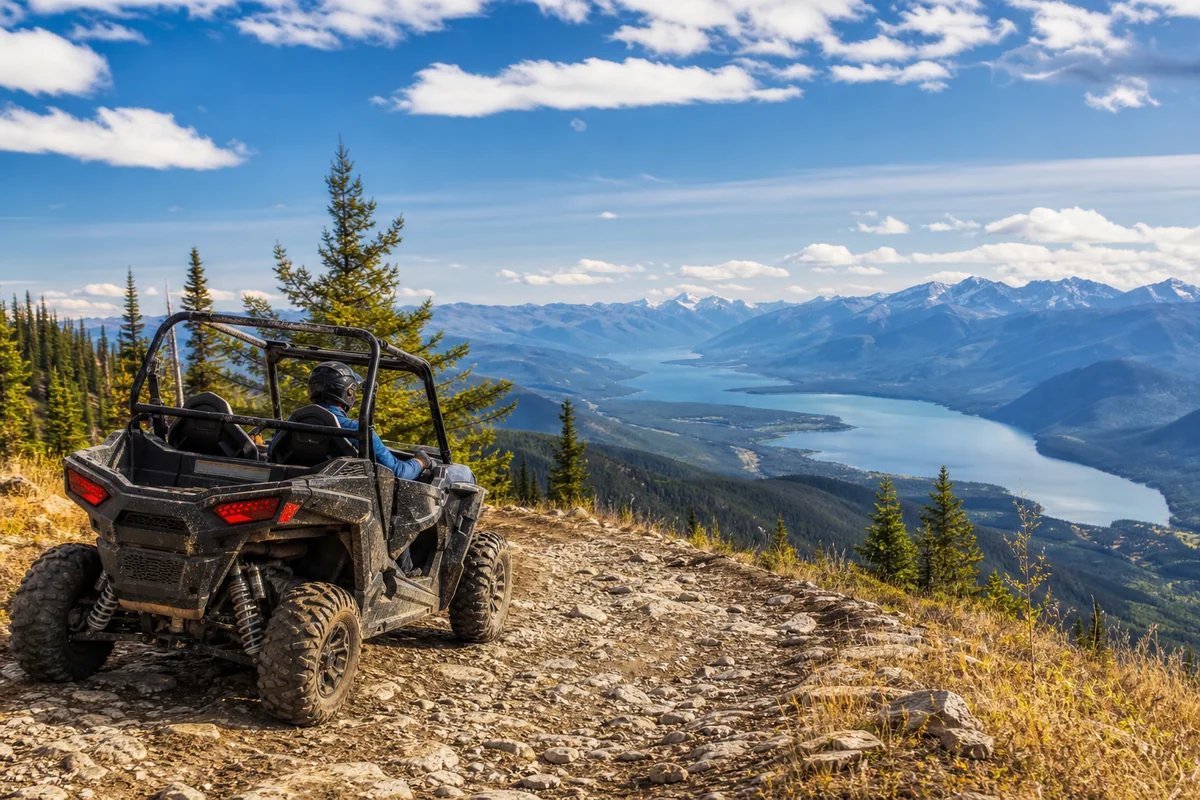
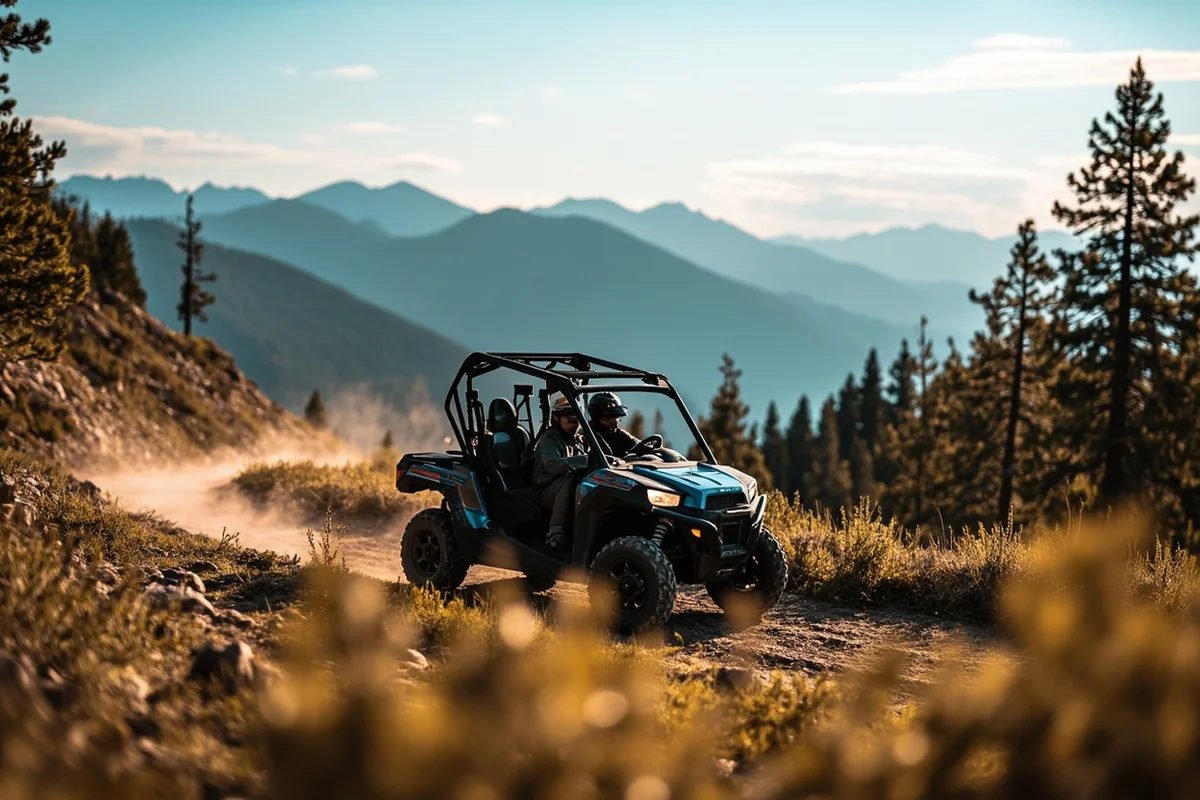
The first time I crested a ridgeline outside Whitefish in a Polaris RZR, engine rumbling beneath me and the entire Flathead Valley spreading out like a watercolor painting below, I understood why Montana is called Big Sky Country.
That moment—mud on my boots, wind in my face, and not a single paved road in sight—changed how I experience this state forever.
If you’ve been exploring Montana Tours and want something more visceral than a bus window or hiking trail, UTV tours deliver an adrenaline-charged way to access terrain that most visitors never see.
While Montana helicopter tours offer aerial perspectives and Montana Jeep tours provide classic off-road thrills, there’s something uniquely immersive about piloting your own side-by-side through the backcountry.
- Montana UTV tours range from 2-hour beginner rides to full-day backcountry expeditions costing $150-$600+ per person
- Best regions: Whitefish/Flathead area, Bozeman/Big Sky, Helena National Forest, and Glacier Country
- Peak season runs mid-June through September; book 2-4 weeks ahead for summer dates
- No experience necessary—most operators provide full training, but a valid driver’s license is required
- Dress in layers, bring a bandana for dust, and wear closed-toe shoes you don’t mind getting dirty
- Wildlife sightings are common—I’ve spotted elk, moose, and black bears on various rides
Liked this article?
Add Roaming Montana as a preferred source so you see more of our articles and guides on Google.
Why UTV Tours Are Montana’s Best-Kept Secret
When I first started writing about Montana adventures, I focused on the obvious—Glacier National Park hikes, fly fishing on the Madison River, skiing at Big Sky Resort. But after a guide named Jake convinced me to try a UTV excursion through the Flathead National Forest two summers ago, I became a convert.
UTVs (Utility Task Vehicles), also called side-by-sides, are essentially souped-up golf carts built for serious terrain. They seat two to six passengers, feature roll cages, seat belts, and often have roofs for weather protection.
The magic isn’t just the vehicle—it’s the access. These machines take you deep into Montana’s 30+ million acres of public land, reaching alpine meadows, ghost towns, and overlooks that cars can’t touch and hikers would need days to reach.
During my visit to the Stillwater State Forest last September, our group covered 45 miles in five hours. We stopped at three pristine mountain lakes, watched a moose cow with her calf from a safe distance, and ate lunch on a ridgeline overlooking the Cabinet Mountains.
That same trip on foot would have taken three days minimum. By UTV, we were back in town for dinner.
Top Montana UTV Tour Regions (Ranked by Experience)
I’ve ridden UTVs in five different Montana regions over the past three years. Each offers something distinct, and your choice should depend on what kind of adventure you’re after.
Whitefish and Flathead Valley: Best Overall Experience
This is my top recommendation for first-timers and experienced riders alike. The trail systems here wind through dense evergreen forests, open meadows, and up to stunning viewpoints of Glacier National Park’s peaks.
On a recent trip last July, I booked with a local operator running a half-day tour into the Stillwater State Forest. Our guide knew every switchback, every hidden waterfall, and exactly where to stop for photos that would make friends back home jealous.
The terrain here varies dramatically—you’ll encounter smooth forest service roads, rocky creek crossings, and technical sections that get your heart pumping. Elevation gains are significant, often climbing from 3,000 feet to over 6,000 feet.
Bozeman and Big Sky: Most Diverse Terrain
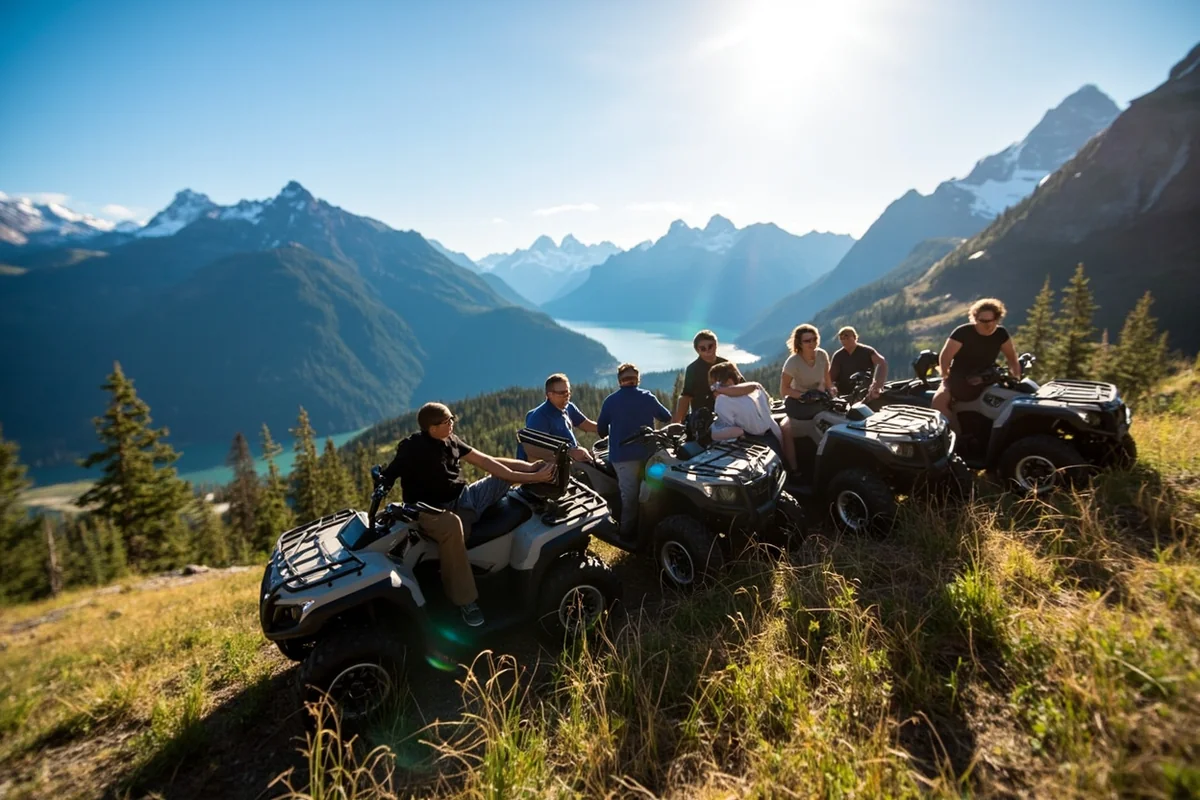
If you’re already visiting Big Sky Resort or Yellowstone National Park, this region offers convenient UTV access with spectacular scenery.
I spent three days exploring trails south of Bozeman during my visit in August, and the landscape shifts kept surprising me. One hour we’d be in sagebrush country that felt like Wyoming, the next we’d climb into alpine terrain with wildflowers carpeting every meadow.
The Gallatin National Forest has an extensive trail network, and several operators run tours that skirt the edges of Yellowstone. You won’t enter the park by UTV (motorized vehicles are restricted there), but the surrounding wilderness is equally impressive.
Helena National Forest: Best for Ghost Town Hunting
Montana’s mining history is everywhere in the Helena region, and UTV tours here often include stops at abandoned mining camps and ghost towns that you’d never find on your own.
When I was there in June, our guide took us to the remains of a silver mining operation that peaked in the 1880s. Stone foundations, rusted equipment, and an old safe still sat where miners left them over a century ago.
The trails here tend to be wider and less technical than the Whitefish area, making this a solid choice for nervous first-timers who want history alongside their adventure.
Seeley-Swan Valley: Most Secluded
Tucked between the Mission Mountains and the Swan Range, this area feels genuinely remote. During my tour here, we didn’t see another soul for four hours.
The trails follow old logging roads and forest service routes, passing crystal-clear lakes where you might be the only human visitors that week. If solitude matters to you, prioritize this region.
Libby and the Yaak: Most Rugged
This northwestern corner of Montana is wild in every sense. Grizzly bear territory, minimal cell service, and trails that will test both machine and driver.
I’d only recommend Libby-area tours for experienced off-roaders or those booking with guides who know the terrain intimately. The rewards are real though—I’ve never felt more remote anywhere in the lower 48.
What to Expect on Your First Montana UTV Tour
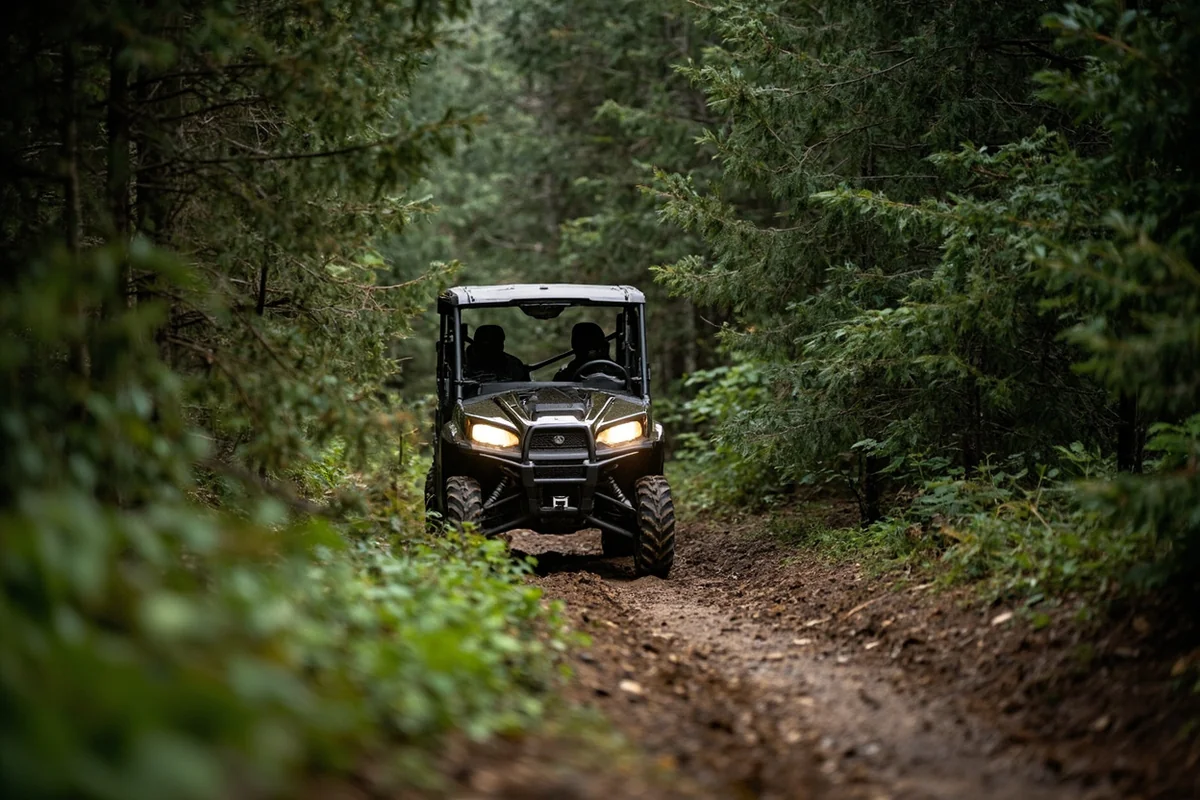
Walking into a UTV outfitter for the first time can feel intimidating. Those machines look serious. But every guided tour I’ve taken has started with a thorough orientation that calms the nerves.
Pre-Ride Briefing
Expect 15-30 minutes of instruction before you touch the throttle. Guides cover vehicle controls, hand signals used on the trail, safety protocols, and terrain-specific tips.
On my first tour outside Whitefish, our guide spent extra time explaining how to handle steep descents—engine braking, proper body positioning, and why you never ride the brakes downhill. That advice proved valuable about an hour later when we dropped 800 feet down a switchback trail.
The Vehicles Themselves
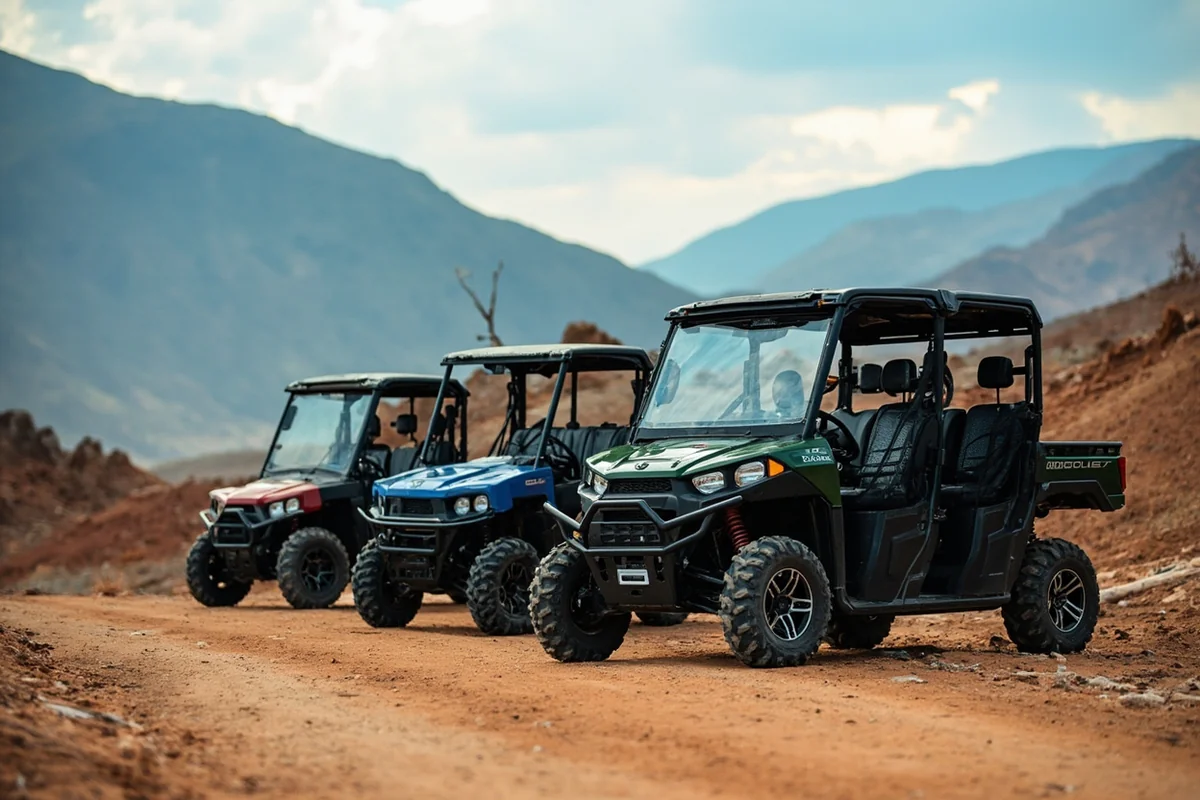
Most Montana operators use either Polaris RZR or Can-Am Maverick models. Both are excellent machines with similar capabilities.
You’ll typically have a choice between two-seater and four-seater vehicles. If you’re traveling as a couple, the two-seater feels more nimble and sports-car-like. Families or groups of friends should opt for the larger models.
All tour vehicles come equipped with roll cages, seat belts, and usually a roof. Helmets are mandatory with every reputable operator.
Driving Dynamics
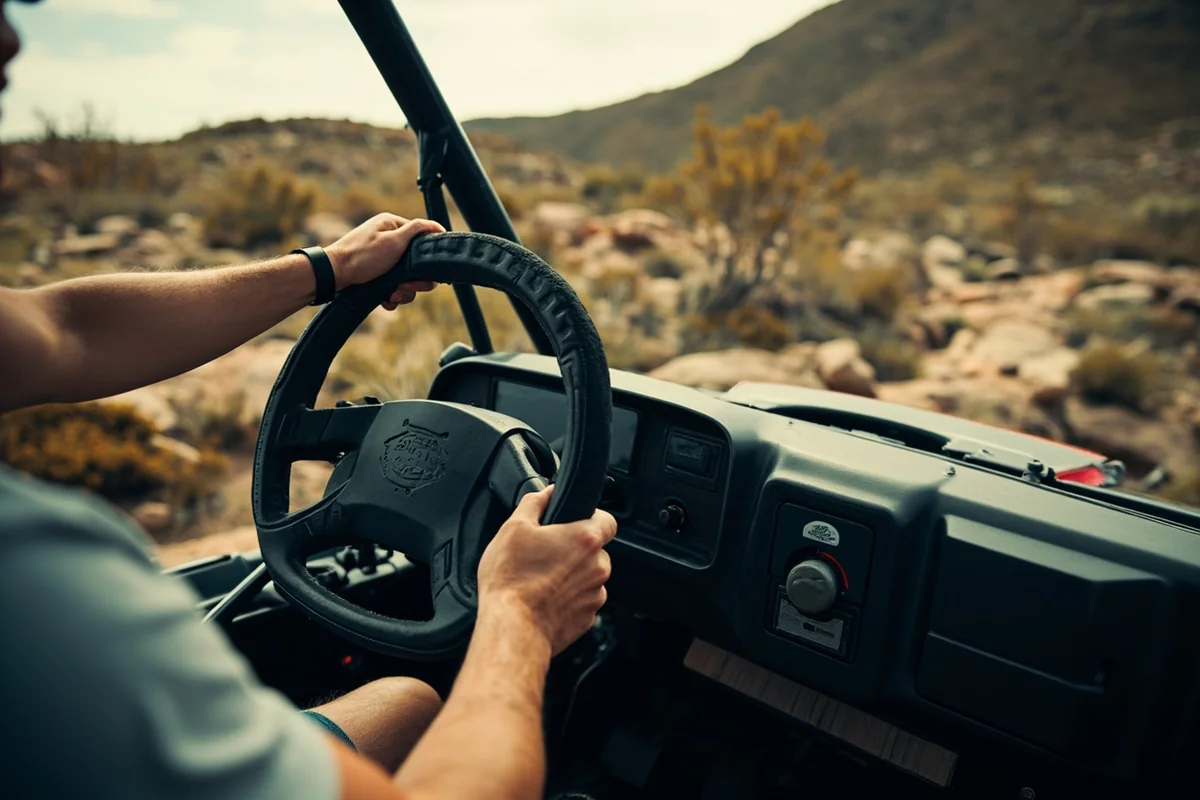
If you can drive a car, you can drive a UTV. The controls are identical—steering wheel, gas pedal, brake pedal. The difference is in how the vehicle responds to rough terrain.
Your first few minutes will feel bumpy and unfamiliar. By the 30-minute mark, you’ll be grinning and pushing harder. Every single person I’ve ridden with has had this same arc.
I recommend starting conservatively. There’s no shame in letting experienced riders pass you on wider trails. Find your comfort zone before testing its edges.
Physical Demands
UTV touring isn’t exactly strenuous, but it’s more physical than sitting in a car. You’ll grip the steering wheel through rough sections, brace yourself on dips and climbs, and your core gets a low-grade workout from stabilizing your body.
I wouldn’t call it exhausting, but I’m always pleasantly tired after a full-day tour. People with back problems should mention it to guides—they can often choose smoother route options.
Montana UTV Tour Operators: Personal Recommendations
Finding the right outfitter matters enormously. I’ve had spectacular experiences and mediocre ones, and the difference comes down to guide quality, equipment maintenance, and route selection.
What Makes a Great Operator
After numerous tours, I look for several things before booking:
- Fleet age and condition: Machines should be current models (within 2-3 years), clean, and well-maintained. Worn tires and cracked windshields are red flags.
- Guide knowledge: The best guides know natural history, local lore, and can identify wildlife and plants. The mediocre ones just drive.
- Group sizes: I prefer tours capped at 6-8 vehicles maximum. Larger groups mean more waiting, more dust, and less personal attention.
- Included gear: Good operators provide helmets, goggles, and often gloves. Some include snacks, water, and lunch on longer trips.
Questions to Ask Before Booking
When I was there researching this article, I called a dozen operators with the same questions. Their answers revealed a lot:
“What’s your vehicle fleet?” Operators proud of their equipment will tell you exact models and model years.
“How long has your lead guide worked these trails?” Experience matters. The guide who’s run the same routes for five years will show you things a first-season employee won’t know exist.
“What’s your cancellation policy for weather?” Montana weather shifts fast. Good operators reschedule for free when conditions turn dangerous.
“What’s the maximum group size?” If they hesitate or give a vague answer, keep calling.
Price Ranges Across Montana
| Tour Length | Typical Price Per Person | What’s Included |
|---|---|---|
| 2 Hours | $150-$200 | Vehicle, guide, helmet, basic orientation |
| Half Day (4 hours) | $250-$350 | Above + snacks, water, more remote terrain |
| Full Day (6-8 hours) | $400-$550 | Above + lunch, extensive backcountry access |
| Multi-Day Expedition | $600+/day | Camping gear, meals, guide throughout |
Prices typically cover the vehicle, so a couple sharing a two-seater might pay $300-$400 total rather than per person. Ask about this when booking—the pricing structures vary.
Best Times of Year for Montana UTV Tours
Timing your UTV adventure correctly can mean the difference between an epic experience and a disappointing one.
Peak Season: Mid-June Through September
This window offers the most reliable conditions. Snow has melted from most trails, wildflowers bloom at higher elevations through July, and afternoon thunderstorms are usually brief.
When I visited in late July, the weather cooperated beautifully—morning starts around 55°F warming to mid-70s by afternoon. Trails were dry but not dusty, and the long daylight hours meant full-day tours felt leisurely rather than rushed.
The tradeoff is crowds. Book at least three weeks ahead for weekend departures during peak summer. Weekday availability is usually better.
Shoulder Seasons: May and October
Early May and late October offer lower prices and smaller groups, but come with caveats.
In May, high-elevation trails may still have snow patches. I attempted a tour near Seeley Lake in mid-May once, and we had to turn back when the trail became impassable at 5,500 feet. Lower elevation routes remained enjoyable though.
October brings fall colors that make the aspens glow gold against evergreen forests—genuinely stunning. But temperatures drop into the 30s and 40s, and early snowstorms can cancel trips entirely.
What About Winter?
Some operators offer winter UTV tours, but these are specialty experiences requiring heated cabs, tracks instead of tires, and significant cold-weather gear. I haven’t done one yet, but friends who have describe it as magical—groomed snowmobile trails provide access, and the silence of a snow-covered forest is profound.
What to Wear and Bring on a UTV Tour
Packing correctly makes a huge difference in comfort. I learned some of these lessons the hard way.
Essential Clothing
- Layers: Mountain temperatures can swing 30 degrees between shaded valleys and sunny ridges. I always bring a fleece or light down jacket even in summer.
- Long pants: Jeans or hiking pants protect against brush, bugs, and UV exposure. Shorts leave you vulnerable.
- Closed-toe shoes: Sturdy sneakers at minimum, hiking boots ideally. Sandals are a no-go.
- Bandana or neck gaiter: Critical for dusty conditions. Pull it over your nose and mouth when following other vehicles.
- Sunglasses: Non-negotiable. Goggles are better if your operator doesn’t provide them.
What Operators Usually Provide
Most guided tours include helmets, and many offer goggles and gloves. Some provide waterproof jackets for unexpected rain.
Always ask what’s included when booking. Showing up without sunglasses because you assumed they’d be provided ruins mornings.
Personal Items to Pack
- Sunscreen (SPF 30+, reapply at lunch)
- Lip balm with SPF
- Water bottle (even if water is provided, having your own is convenient)
- Camera with strap (phones fly out of pockets—ask me how I know)
- Small daypack for extra layers
- Cash for guide tips (10-20% is customary for excellent service)
Wildlife Encounters on Montana UTV Trails
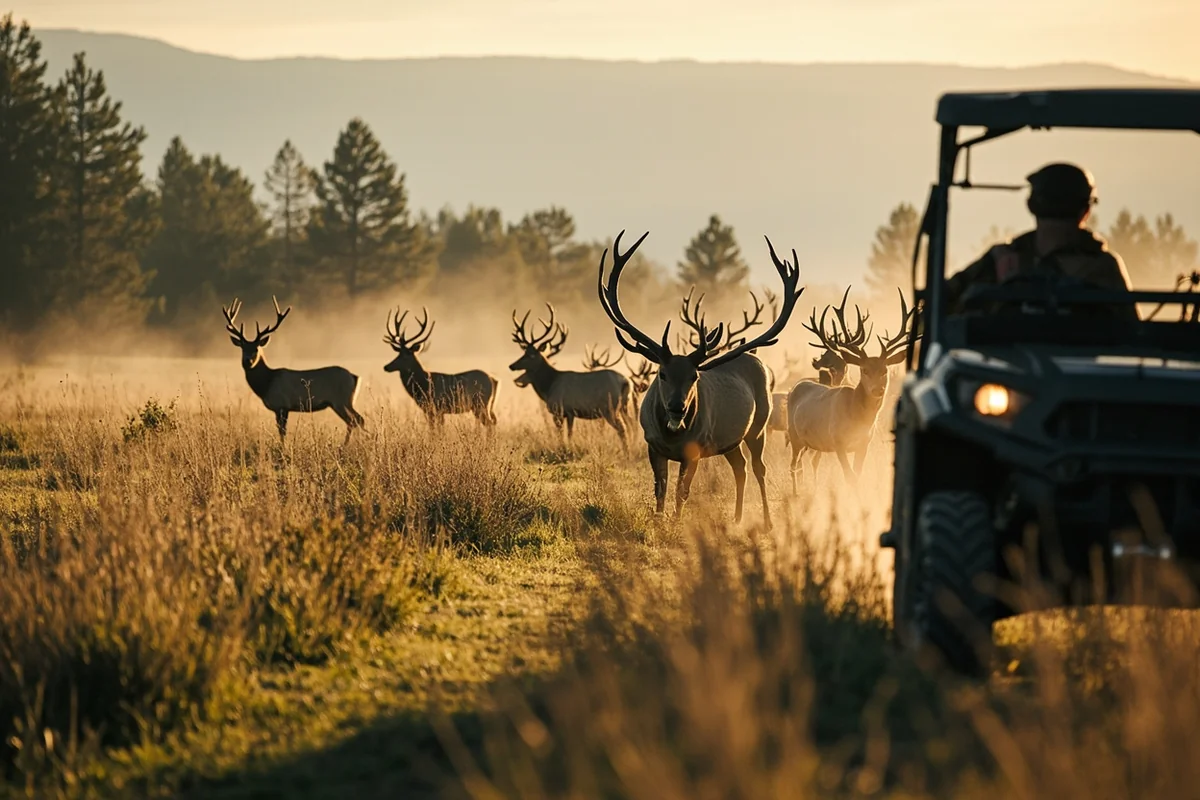
One unexpected bonus of UTV touring is wildlife. The noise doesn’t scare animals as much as you’d expect—they’re used to mechanical sounds from logging equipment, ATVs, and ranch vehicles.
On my various Montana UTV trips, I’ve seen:
- Elk (frequently—they’re everywhere in the right habitat)
- Mule deer and white-tailed deer (almost guaranteed)
- Moose (twice, both near water sources)
- Black bears (three sightings over multiple trips)
- Coyotes, foxes, and countless bird species
If wildlife viewing is a priority, mention it when booking. Good guides know where animals concentrate at different times of day and can adjust routes accordingly.
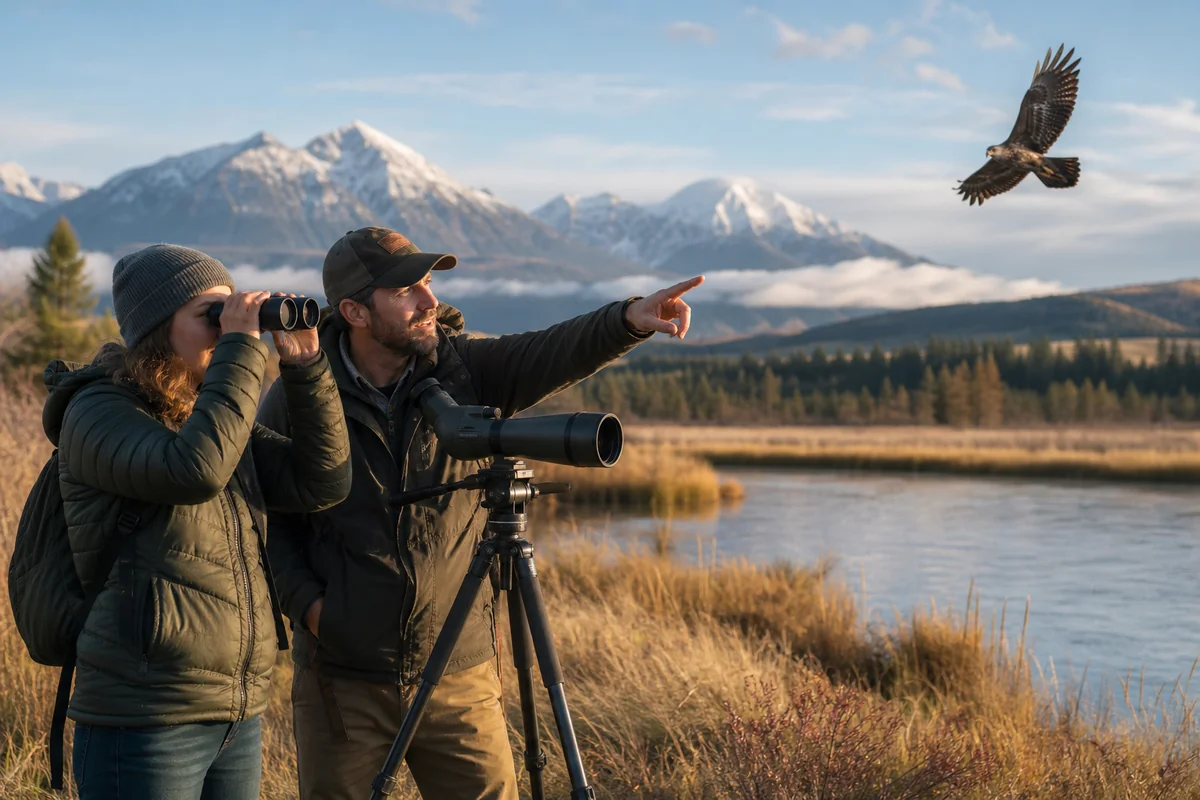
For serious wildlife enthusiasts, consider combining a UTV tour with other experiences like Montana birding tours or Montana nature tours—each offers different perspectives on the state’s incredible biodiversity.
Comparing UTV Tours to Other Montana Adventures
How does UTV touring stack up against other ways to explore Montana? After trying most options, here’s my honest assessment.
UTV vs. Jeep Tours
Both are motorized backcountry experiences, but they feel different. Jeeps offer more weather protection and a classic aesthetic. UTVs feel sportier and can often access narrower trails.
I prefer UTVs for summer adventures and Jeeps when weather looks iffy. Montana Jeep tours also tend to accommodate more passengers per vehicle, making them better for larger family groups.
UTV vs. Dirt Bike Tours
Montana dirt bike tours are more physically demanding and require riding skill. UTVs are accessible to anyone who can drive.
If you’re an experienced motorcyclist seeking thrills, dirt bikes deliver. For couples, families, or casual adventurers, UTVs win on accessibility.
UTV vs. Horseback Riding
Horses go where machines can’t—designated wilderness areas prohibit motorized vehicles. But UTV tours cover more ground and don’t require any equestrian experience.
I love both. When I want to feel connected to Montana’s ranching heritage and move slowly through the landscape, I choose horses. When I want distance and adrenaline, I choose UTVs.
UTV vs. Boat Tours
Totally different experiences, obviously. Montana boat tours excel on Flathead Lake, along the Missouri River, and other waterways. UTVs own the mountains and forests.
Many visitors combine both during a week-long Montana trip—water one day, backcountry the next.
Self-Guided UTV Rentals vs. Guided Tours
You can rent UTVs without a guide in Montana. Here’s what I’ve learned about when that makes sense and when it doesn’t.
When to Choose Self-Guided
If you have extensive off-road experience, know the area, and want to set your own pace, rentals work well.
Rental rates typically run $300-$500 per day depending on vehicle model. You’ll need to provide your own transportation to trails and handle any mechanical issues yourself.
I’ve rented UTVs twice in Montana—both times in areas I’d previously explored with guides. Having that prior knowledge made navigation and route selection much easier.
When Guides Are Worth It
For first-time UTV riders, first-time visitors to an area, or anyone prioritizing wildlife and local knowledge, guided tours deliver significantly more value.
Guides know which trails are washed out, where bears have been spotted recently, and which overlook has the best light at 4 PM. That intelligence takes years to accumulate.
They also handle the logistics—vehicle maintenance, permits, insurance, first aid if something goes wrong. On a guided tour, you just show up and drive.
Safety Considerations and Honest Risks
I believe in being straight about risks. UTV touring is generally safe with reputable operators, but it’s not risk-free.
Common Incidents
The most frequent problems I’ve witnessed: rollovers (usually from driver error on steep terrain), minor collisions when following too closely, and thrown passengers who weren’t wearing seat belts properly.
All three are preventable. Listen to your guide’s safety briefing. Maintain distance. Keep your belt snug.
Environmental Hazards
Afternoon thunderstorms hit Montana mountains regularly in summer. Lightning on exposed ridges is genuinely dangerous, and flash flooding can make creek crossings impassable.
Good operators monitor weather constantly and will modify routes or cut trips short when necessary. Don’t give them grief about it—they’re keeping you safe.
Wildlife encounters rarely turn dangerous, but give all animals space. A moose protecting a calf can charge, and bears are always wild animals. Follow your guide’s lead.
Mechanical Breakdowns
Machines break. I’ve been on one tour where a UTV developed transmission problems 15 miles from the trailhead.
Quality operators carry satellite communication devices, basic tools, and have protocols for these situations. We doubled up in another vehicle and rode back slightly cramped but otherwise fine.
Ask about breakdown procedures when booking. Operators who get uncomfortable with the question might not have good answers.
Combining UTV Tours With Other Montana Experiences
Most visitors to Montana have limited time and want to pack in multiple experiences. UTV touring combines well with several other activities.
Multi-Day Itinerary Ideas
If you’re spending a week in the Whitefish/Glacier area, consider this flow that I’ve personally tested:
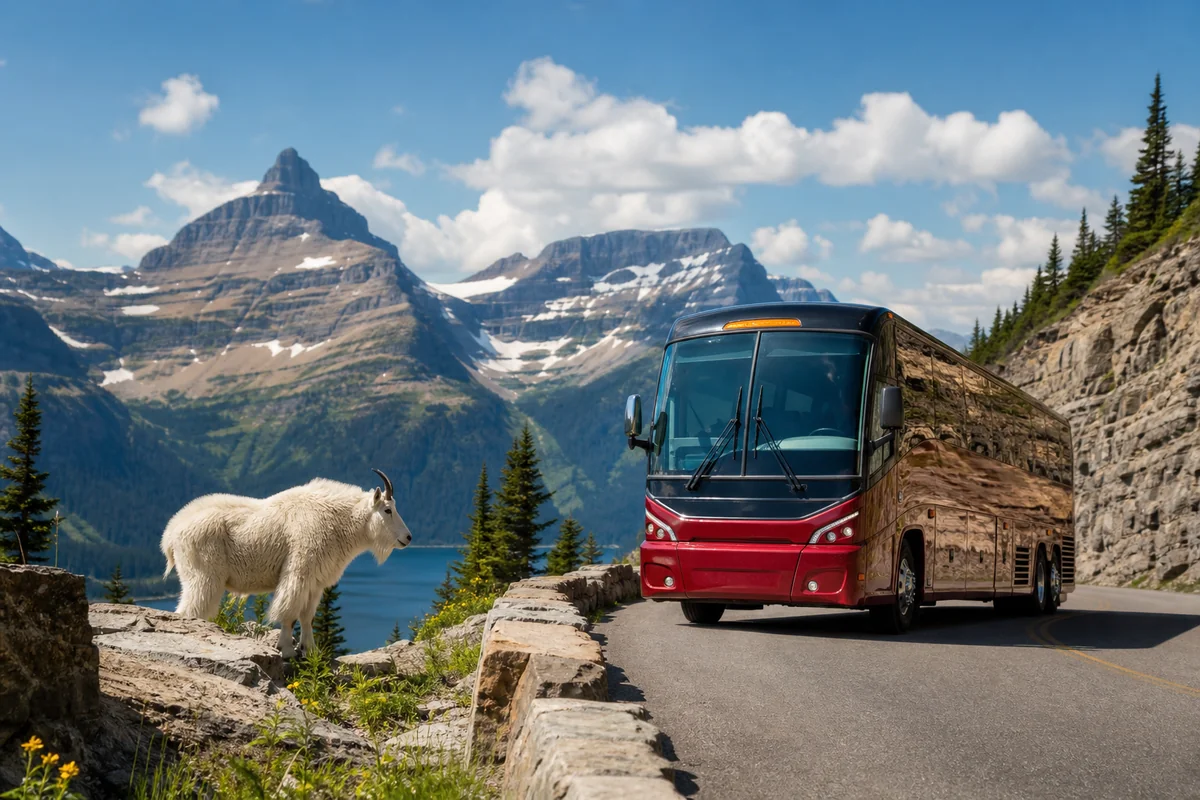
Day one: Arrive, settle in, easy evening. Day two: Montana bus tour or shuttle through Glacier’s Going-to-the-Sun Road for orientation. Day three: Full-day UTV tour into the Flathead National Forest. Day four: Recovery day—easy hike, town exploration. Day five: Water activity like kayaking or a boat tour on Flathead Lake.
This pacing prevents burnout while hitting different ecosystems and adventure styles.
Unique Combination Tours
Some operators offer combination packages—UTV to a remote lake followed by kayaking, or UTV touring paired with a backcountry cookout.
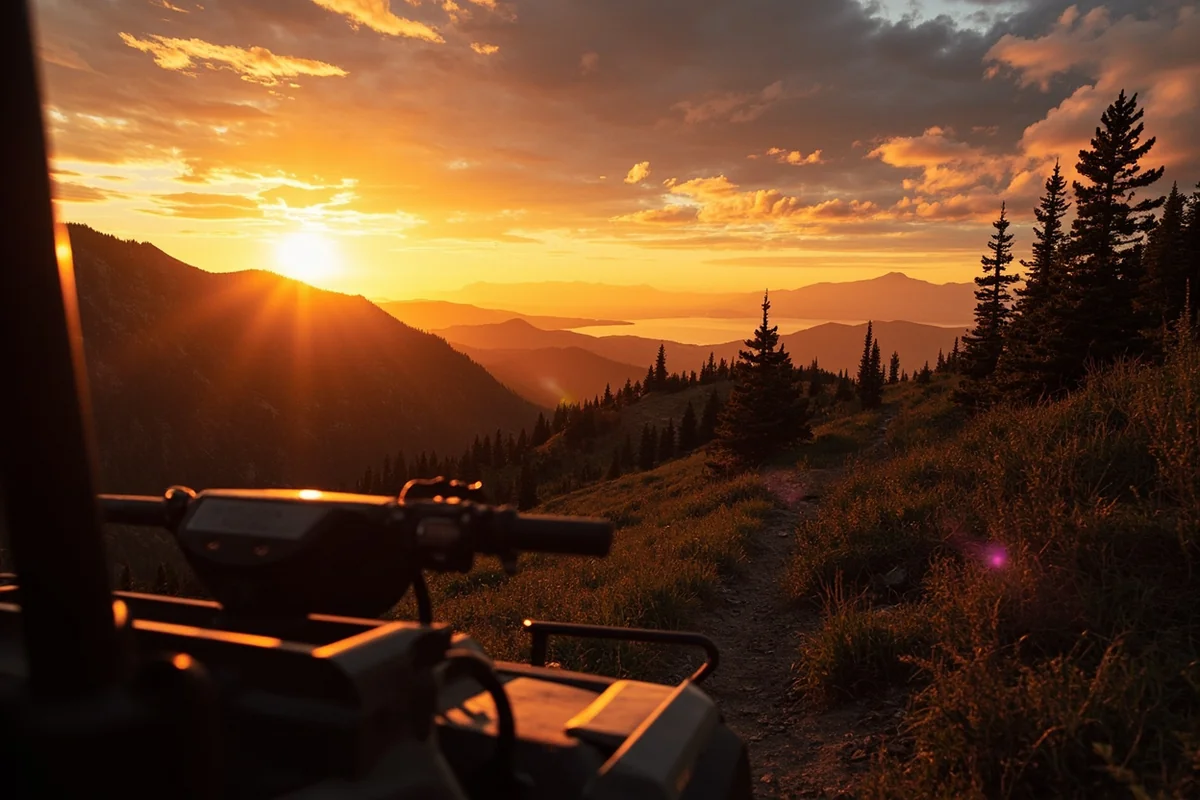
I did a sunset UTV tour last summer that ended at a ridgeline where the outfitter had staged a gourmet dinner. Watching the sun drop behind the peaks while eating elk tenderloin prepared over open flame was one of Montana’s more memorable evenings.
For visitors interested in Montana’s culinary scene, even unexpected options like the Montana chocolate tour create interesting contrasts—adrenaline in the morning, artisan treats in the afternoon.
Practical Planning and Booking Tips
After multiple Montana trips, here’s the booking and planning advice I wish I’d had initially.
How Far in Advance to Book
Peak summer weekends: 3-4 weeks minimum, sometimes more for popular operators.
Weekdays in summer: 1-2 weeks usually suffices.
Shoulder seasons: Often available same-week, sometimes same-day.
Deposits and Cancellations
Most operators require deposits of 25-50% at booking. Full payment is typically due 24-48 hours before your tour.
Cancellation policies vary widely. Some offer full refunds up to 48 hours out, others are stricter. Weather cancellations by the operator should always include refund or reschedule options.
Read the fine print before paying.
Getting There
Most UTV outfitters operate from small towns or rural areas without public transportation. You’ll need a rental car to reach them.
Some Whitefish-area operators offer pickup from town lodging—ask when booking if you’d prefer not to drive.
For visitors flying in, Glacier Park International Airport (FCA) in Kalispell provides the closest access to northwestern Montana’s UTV terrain. Bozeman Yellowstone International (BZN) serves the southern regions well.
Accommodations Near UTV Destinations
I always stay in the closest town to my morning departure point rather than commuting from a more distant city. Early starts are common, and nobody wants a 90-minute drive before an adventure begins.
In the Whitefish area, downtown Whitefish and Columbia Falls both offer excellent lodging options within 20-30 minutes of most operators.
Near Bozeman, staying in Big Sky puts you closer to mountain trails, while downtown Bozeman offers more dining and nightlife options with a slightly longer drive.
Why Montana UTV Tours Beat Other Destinations
I’ve driven UTVs in Arizona, Colorado, Utah, and Montana. Montana wins, and it’s not particularly close.
The combination of public land access, trail variety, and relatively light traffic creates something special. In busier UTV destinations like Moab, you’re often sharing trails with dozens of other vehicles. On my Montana tours, we’ve sometimes gone hours without seeing another group.
Montana’s trail systems also benefit from less commercial development. You won’t find tacky attractions along routes—just wilderness, wildlife, and views that justify the drive.
The guides here tend to be genuine outdoor enthusiasts rather than seasonal workers cycling through jobs. That passion shows in how they share the landscape.
If you’re considering a dedicated UTV trip somewhere in the American West, Montana should top your list.
Related Montana Touring Experiences
UTV tours represent just one slice of Montana’s touring options. Depending on your interests, other guided experiences might complement or substitute for backcountry driving.
The Montana train tours offer scenic routes through mountain passes with zero effort required—perfect for the day after an intense UTV session.
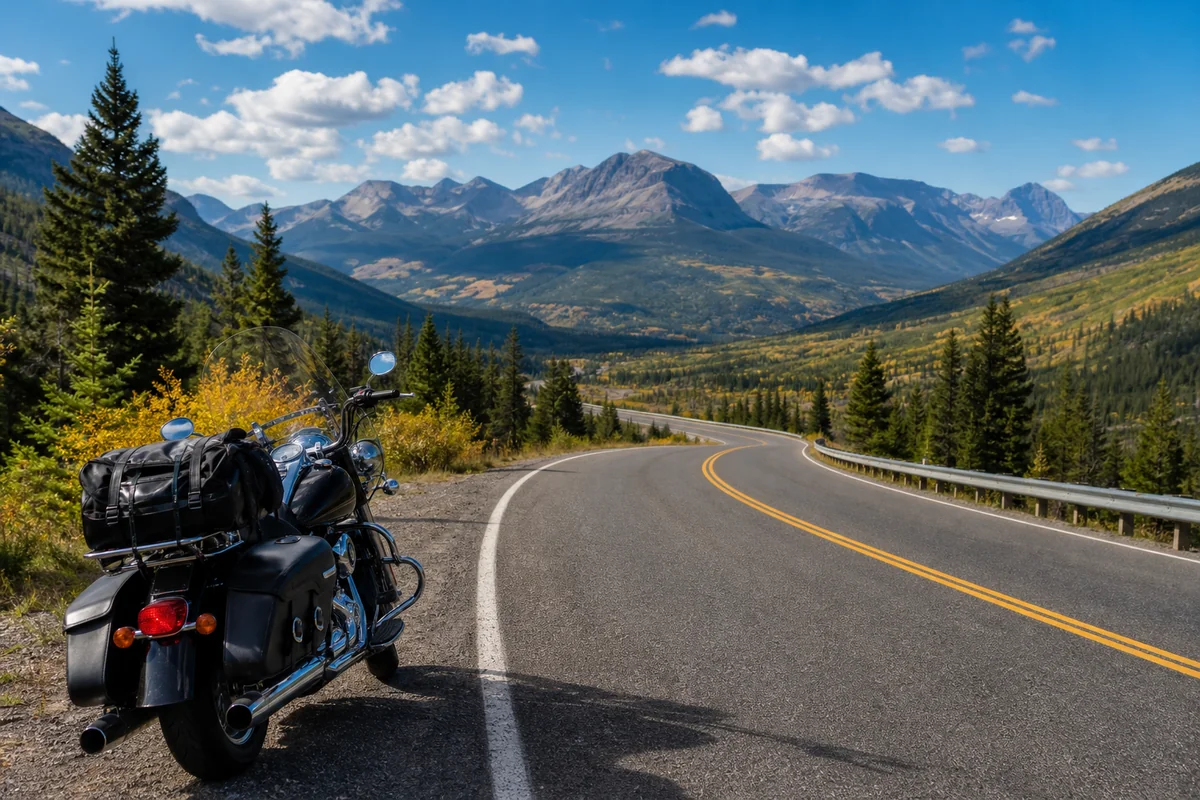
Montana motorcycle tours appeal to riders who want paved adventure along legendary routes like the Going-to-the-Sun Road and Beartooth Highway.
For those seeking ranching heritage, a Montana range tour provides insight into the state’s cattle culture that you won’t find on mountain trails.
Whatever combination you choose, Montana rewards exploration. The state is simply too big and too varied to see from one vantage point.
Final Thoughts From the Trail
Every time I climb into a UTV in Montana, I’m struck by the same realization: this state is built for exploration, and these machines are built for this state.
The access is unmatched. The terrain is varied and dramatic. The guides know their craft. And the moments—cresting a ridge, spotting a moose, pulling over to photograph wildflowers nobody else will see that day—those moments accumulate into the kind of trip you’ll remember for years.
If you’ve been curious about UTV touring, Montana is the place to try it. Start with a half-day tour from a reputable operator, bring layers, embrace the dust, and trust that the landscape will exceed your expectations.
It did for me, and I keep going back.
Frequently Asked Questions
How much do UTV tours in Montana typically cost?
Montana UTV tours generally range from $150 to $350 per person for a half-day guided adventure, while full-day excursions can run $400 to $600 depending on the outfitter and trail difficulty. I’ve found that most tours include the UTV rental, helmets, and a guide, but you’ll want to confirm fuel costs are included before booking. Group discounts are often available for parties of four or more.
What is the best time of year to go on a UTV tour in Montana?
The prime season for Montana UTV tours runs from late May through early October when trails are dry and mountain passes are accessible. I recommend July and August for the best weather conditions and wildflower viewing in alpine meadows. Early fall offers stunning golden larch trees and fewer crowds, though some high-elevation trails may close after the first snowfall.
Do I need a driver’s license to operate a UTV on Montana trails?
Yes, you’ll need a valid driver’s license to operate a UTV on Montana trails, and most tour operators require drivers to be at least 18 years old. Passengers typically need to be at least 6 years old, though age requirements vary by outfitter. Some companies offer quick training sessions before hitting the trails if you’ve never driven a side-by-side before.
What should I wear and bring on a Montana UTV tour?
Wear closed-toe shoes, long pants, and layers since mountain temperatures can drop 20-30 degrees from the valley floor. I always bring sunglasses, sunscreen, a bandana for dust, and a rain jacket even on clear days. Most outfitters provide helmets and goggles, but bring your own water bottle and snacks for longer adventures.
Where are the best UTV trails and tour locations in Montana?
The most popular Montana UTV tour destinations include the Flathead Valley near Glacier National Park, the Bitterroot Mountains outside Missoula, and the Crazy Mountains east of Bozeman. Whitefish and Columbia Falls offer spectacular backcountry trails with mountain and lake views within 30 miles of town. For desert terrain, check out the Pryor Mountains near Billings for a completely different riding experience.
Are Montana UTV tours suitable for beginners with no off-road experience?
Absolutely—most Montana UTV tour companies offer beginner-friendly routes with patient guides who provide thorough instruction before you start. These introductory trails typically feature wider paths, gentler grades, and fewer technical obstacles while still showcasing incredible scenery. I’d recommend booking a 2-3 hour tour for your first experience to get comfortable before committing to a full-day adventure.
Can I bring my own UTV to ride trails in Montana instead of booking a tour?
Yes, Montana has hundreds of miles of trails open to personal UTVs, though you’ll need to register your vehicle with Montana Fish, Wildlife & Parks and purchase a non-resident OHV sticker for around $25. Popular self-guided riding areas include Garnet Ghost Town trails and the Thompson Falls area in western Montana. I still recommend hiring a local guide your first time out since cell service is spotty and trails aren’t always well-marked.
Sources