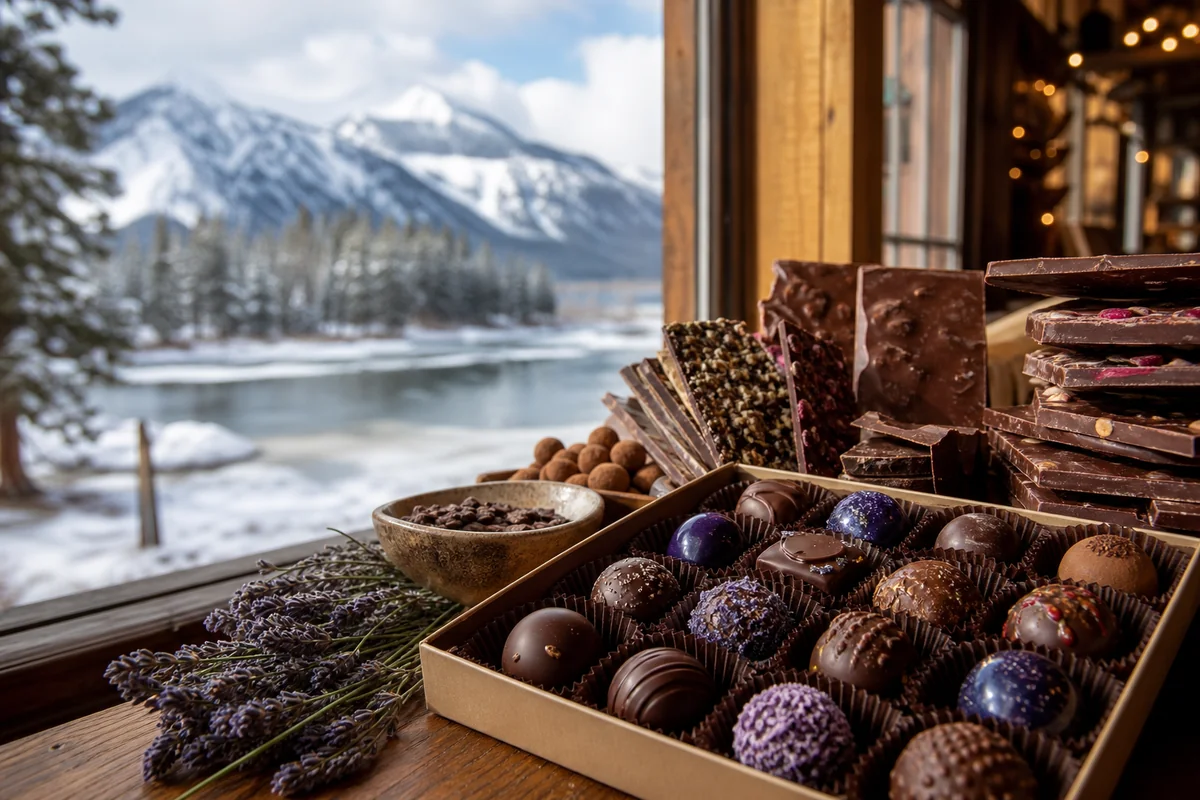
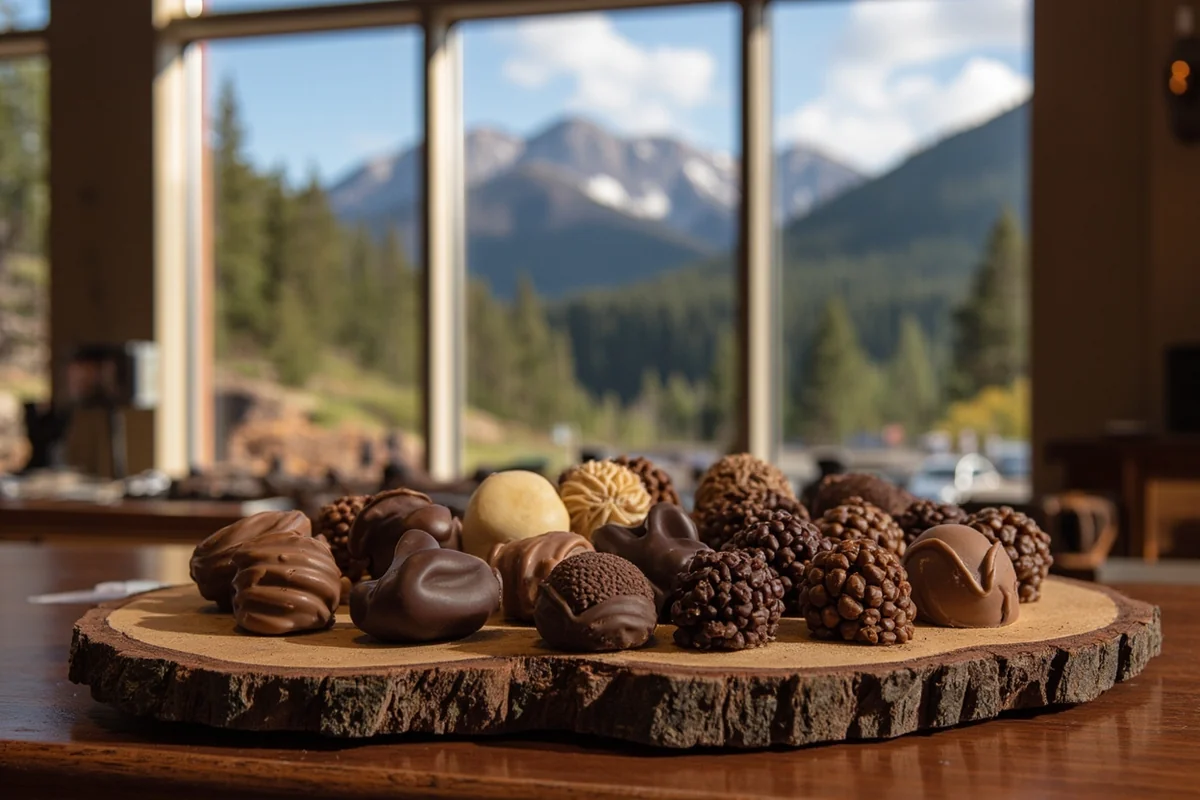
The moment I bit into a lavender-infused dark chocolate truffle at a tiny shop in Whitefish, watching snow fall on the mountains through the window, I realized Montana had been hiding an entire world of artisan chocolate I never knew existed. That single bite changed my entire approach to exploring Big Sky Country—suddenly, every small town became a potential treasure hunt for handcrafted confections.
Most travelers come to Montana for the obvious reasons: Glacier National Park, fly fishing, and wide-open wilderness. But after years of exploring every corner of this state through various Montana tours, I’ve discovered that following the chocolate trail reveals a completely different side of Montana—one filled with passionate artisans, unexpected flavor combinations, and stories that connect you to local communities in ways that hiking trails simply can’t.
- Montana’s chocolate scene spans from Whitefish to Billings, with over 15 notable artisan chocolatiers worth visiting
- Best time to tour: September-November (fall flavors) or February (Valentine’s specials)
- Budget approximately $50-100 for tastings and purchases across a full day
- Self-guided tours work best—most shops are within walking distance of downtown areas
- Don’t miss: Sage & Cedar Chocolates in Bozeman, Sweet Peaks in Missoula, and Posh Chocolat in Whitefish
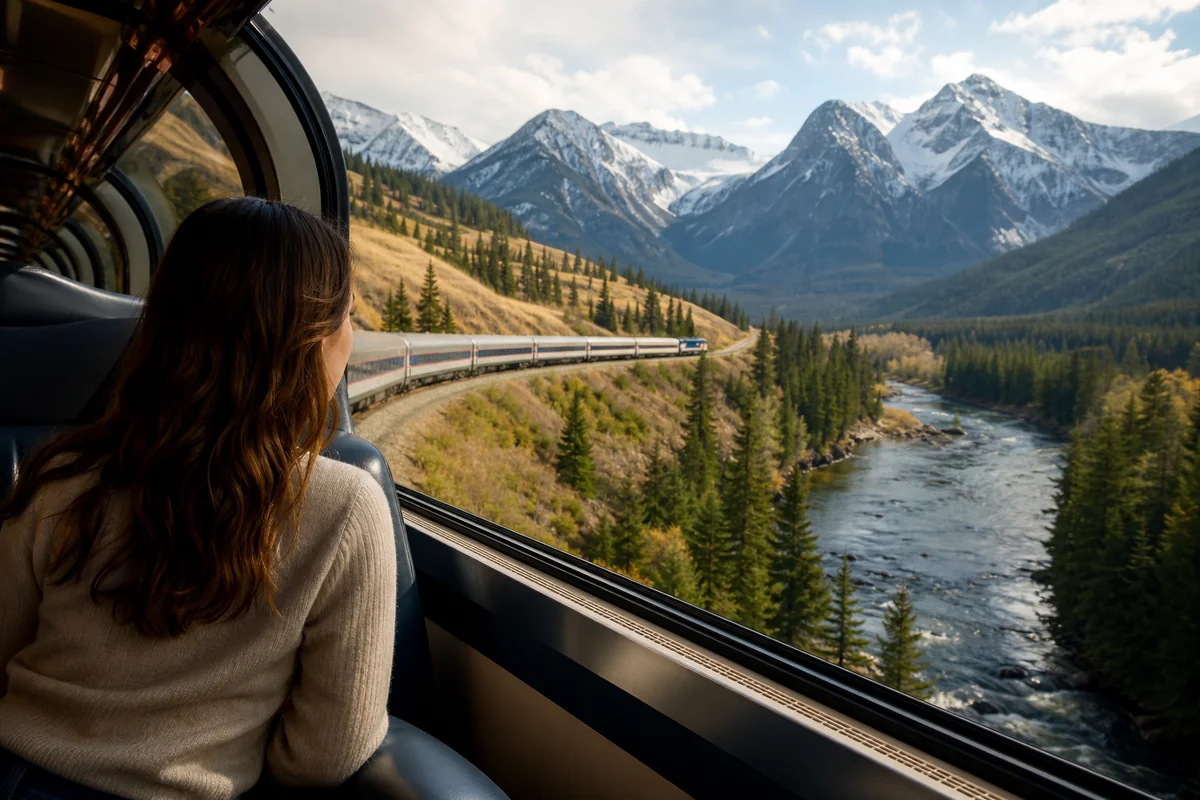
- Combine with other adventures like Montana train tours for a multi-dimensional trip
Liked this article?
Add Roaming Montana as a preferred source so you see more of our articles and guides on Google.
Why Montana for Chocolate? The Unexpected Sweet Spot
I’ll admit, when someone first suggested I explore Montana’s chocolate scene, I was skeptical. This is cowboy country, after all—shouldn’t I be writing about beef jerky?
But here’s what I discovered during my extensive sweet research last autumn: Montana’s isolation has actually created something special. Without the pressure to conform to coastal trends, local chocolatiers have developed genuinely unique flavor profiles that reflect the land around them.
Think huckleberry everything (obviously), but also wild sage-infused ganache, local honey caramels, and even chocolate made with Montana grain. These aren’t gimmicks—they’re authentic expressions of place that you simply cannot find elsewhere.
Planning Your Montana Chocolate Tour: The Complete Breakdown
When to Go
Timing matters more than you’d think for a chocolate tour. I’ve done this route in multiple seasons, and each offers something different.
Late September through November is my personal favorite. The fall harvest brings limited-edition flavors—apple cider caramels, pumpkin spice truffles, and the best huckleberry selections of the year. Plus, the crowds have thinned dramatically from summer tourism.
February, predictably, is when shops go all-out for Valentine’s Day. If you visit during the first two weeks of the month, you’ll find expanded selections and special offerings not available any other time.
Summer works if that’s when you’re visiting anyway, but be warned: chocolate and hot cars don’t mix. I learned this the hard way when a beautiful box of truffles turned into an expensive blob during a July road trip to Glacier.
How Long You’ll Need
A proper Montana chocolate tour requires at least three full days if you want to hit the major regions. Here’s how I typically structure it:
Day one covers Missoula and the western corridor. Day two tackles the Highway 93 route through the Flathead Valley up to Whitefish. Day three heads east to Bozeman and Helena.
That said, even a single day in any of these areas can be incredibly rewarding. During my most recent trip last fall, I spent just one afternoon in Bozeman and still managed to visit four shops and discover a new favorite chocolatier.
Budget Considerations
Here’s the honest breakdown of what I spent during my last comprehensive tour:
| Expense Category | Typical Cost |
|---|---|
| Tastings (most shops offer free samples) | $0-15 |
| Personal purchases per shop | $15-35 |
| Gifts and souvenirs | $50-150 |
| Coffee/hot chocolate pairings | $5-8 per stop |
| Gas for self-guided tour | $60-100 depending on route |
Total for three days: I typically spend around $300-400, including gifts for friends back home. You could easily do it for less if you’re disciplined—which I am absolutely not when it comes to artisan chocolate.
The Western Montana Chocolate Trail
Missoula: Where It All Begins
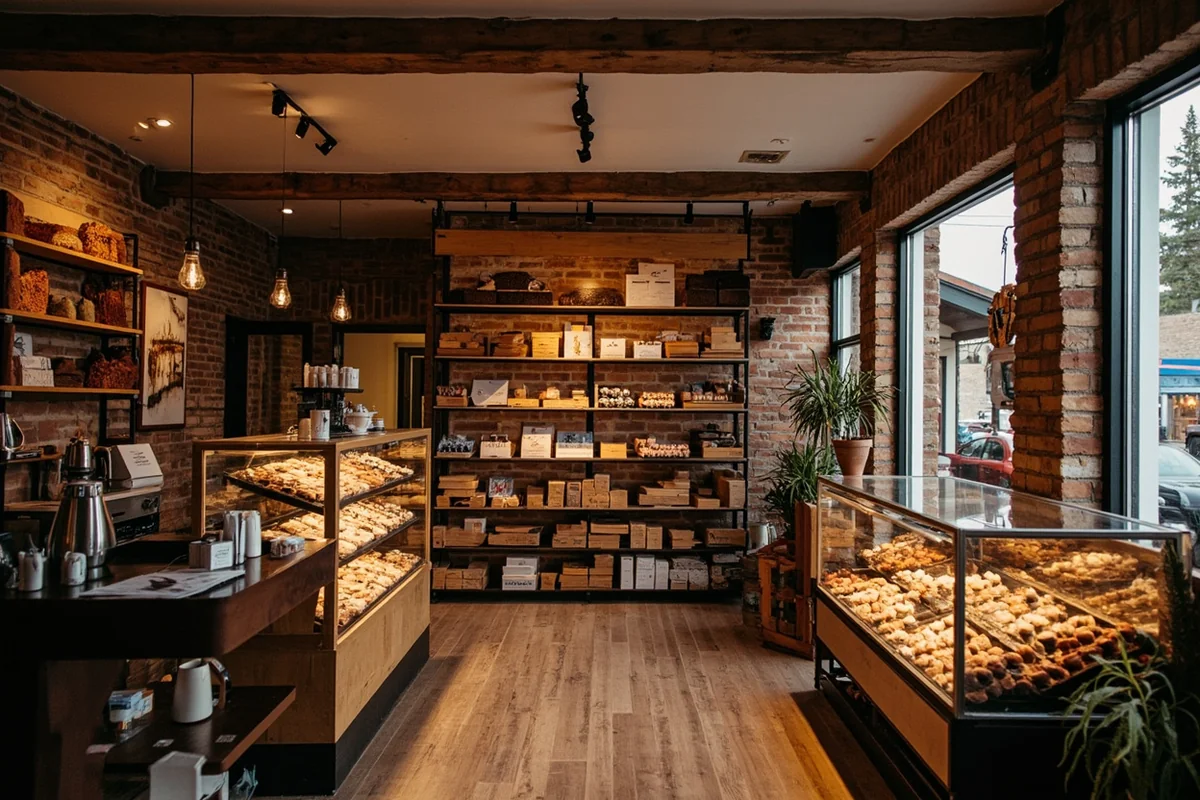
Missoula is the natural starting point for any Montana chocolate adventure, and it’s where I typically begin my tours. The downtown area alone has several excellent options within walking distance of each other.
Posh Chocolat on Higgins Avenue was my first stop during my visit last October. The owner, who I spent nearly an hour chatting with, sources cacao from small farms in Ecuador and Peru. Their signature “Montana Mud” truffle—dark chocolate with espresso and a hint of local honey—is worth the drive to Missoula alone.
What surprised me most was their drinking chocolate. It’s made by melting actual chocolate into steamed milk, not from a powder, and the difference is immediately apparent. I ordered it “medium” intensity and wished I’d gone for “dark.”
Sweet Peaks Ice Cream isn’t strictly a chocolatier, but their chocolate-focused seasonal flavors deserve mention. When I was there last fall, they had a dark chocolate and huckleberry swirl that perfectly captured Montana’s essence. The chocolate base uses high-quality Belgian chocolate, which elevates it above typical shop ice cream.
The Missoula Farmers Market (Saturdays, May through October) often features small-batch chocolate makers who don’t have permanent storefronts. I’ve discovered some of my favorite truffles from vendors who only appear during market season.
Side Trip: The Bitterroot Valley
If you have extra time, the Bitterroot Valley south of Missoula holds hidden gems. During a fall road trip last year, I stumbled upon a small chocolate shop in Hamilton that wasn’t in any guidebook.
The owner had relocated from Denver specifically to pursue artisan chocolate making in a slower-paced environment. Her caramels, made with cream from a local dairy, were the best I’ve ever tasted—period.
This is the magic of Montana chocolate hunting: the best discoveries often happen when you wander without a rigid plan. Don’t be afraid to pull over when you see a hand-painted “Chocolates” sign.
The Flathead Valley: Montana’s Chocolate Heartland
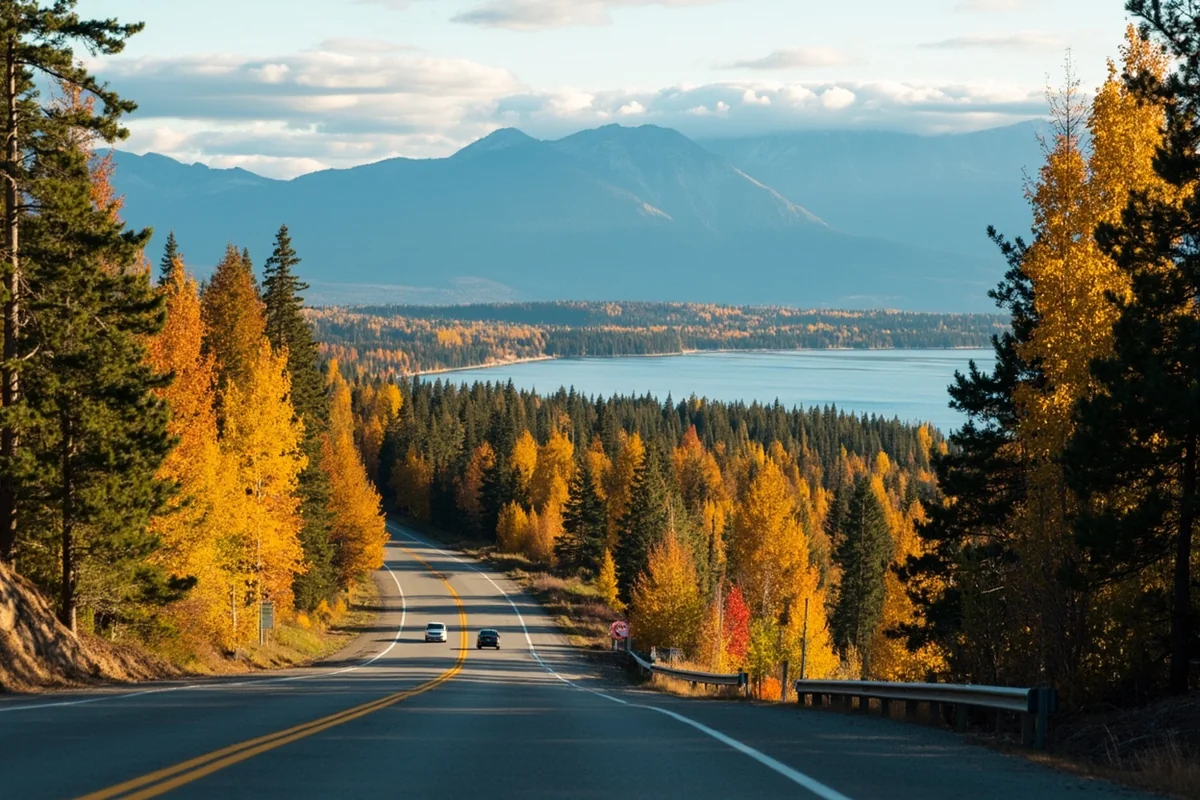
The drive from Missoula to Whitefish along Highway 93 is stunning any time of year, but it’s especially beautiful in fall when the larch trees turn gold. I recommend taking your time and stopping in every small town along the way. This stretch is also excellent for combining with Montana nature tours since the scenery is spectacular.
Polson and Flathead Lake
Polson sits at the southern tip of Flathead Lake, and while it’s better known for cherries, the chocolate scene has quietly developed.
The Chocolate Mill operates seasonally but offers some of the most creative flavors I’ve encountered. During my summer visit two years ago, they had a cherry-balsamic truffle that I still think about regularly.
The owners explained that they deliberately create flavors that pair with local wines, which gave me an idea I’d never considered: a Montana chocolate and wine tasting combo. If you’re traveling with a partner who might not share your chocolate enthusiasm, this pairing approach keeps everyone happy.
Kalispell: The Unsung Hero
Most tourists blow through Kalispell on their way to Glacier or Whitefish, which is a mistake. The historic downtown has several chocolate-adjacent shops worth exploring.
Montana Coffee Traders in Kalispell isn’t primarily a chocolate shop, but they carry locally made chocolate bars and truffles alongside their excellent coffee. I’ve found some of my best souvenirs here—chocolate-covered espresso beans made in-state that travel well and make perfect gifts.
The antique malls downtown occasionally have vintage chocolate molds and Montana chocolate company memorabilia. I found a gorgeous 1920s candy box from a long-defunct Butte chocolatier that now sits in my kitchen.
Whitefish: The Crown Jewel
Whitefish is where Montana’s chocolate scene reaches its peak, and it’s where I’ve spent the most time over the years.
Posh Chocolat Whitefish (sister to the Missoula location) has a larger selection and, in my opinion, a more impressive atmosphere. The exposed brick and mountain views create a perfect setting for lingering over a tasting flight.
Their seasonal collections are exceptional. The holiday box I purchased last December featured flavors like gingerbread, eggnog, and peppermint bark that struck the perfect balance between festive and sophisticated.
The Sweet Shoppe on Central Avenue focuses more on classic candies and nostalgic treats, but their hand-dipped chocolates shouldn’t be overlooked. The chocolate-covered Oreos might sound basic, but they use high-quality coating and the execution is flawless.
I recommend visiting Whitefish on a weekday if possible. Summer weekends get extremely crowded, and you’ll spend more time waiting in line than actually enjoying chocolate. During my most recent weekday visit last October, I had unhurried conversations with shop owners and discovered backstories that weekend crowds don’t allow time for.
Bozeman: University Town Sophistication
Bozeman’s food scene has exploded in recent years, and chocolate is no exception. Montana State University brings a youthful energy that pushes local chocolatiers toward innovation.
Downtown Bozeman’s Chocolate Cluster
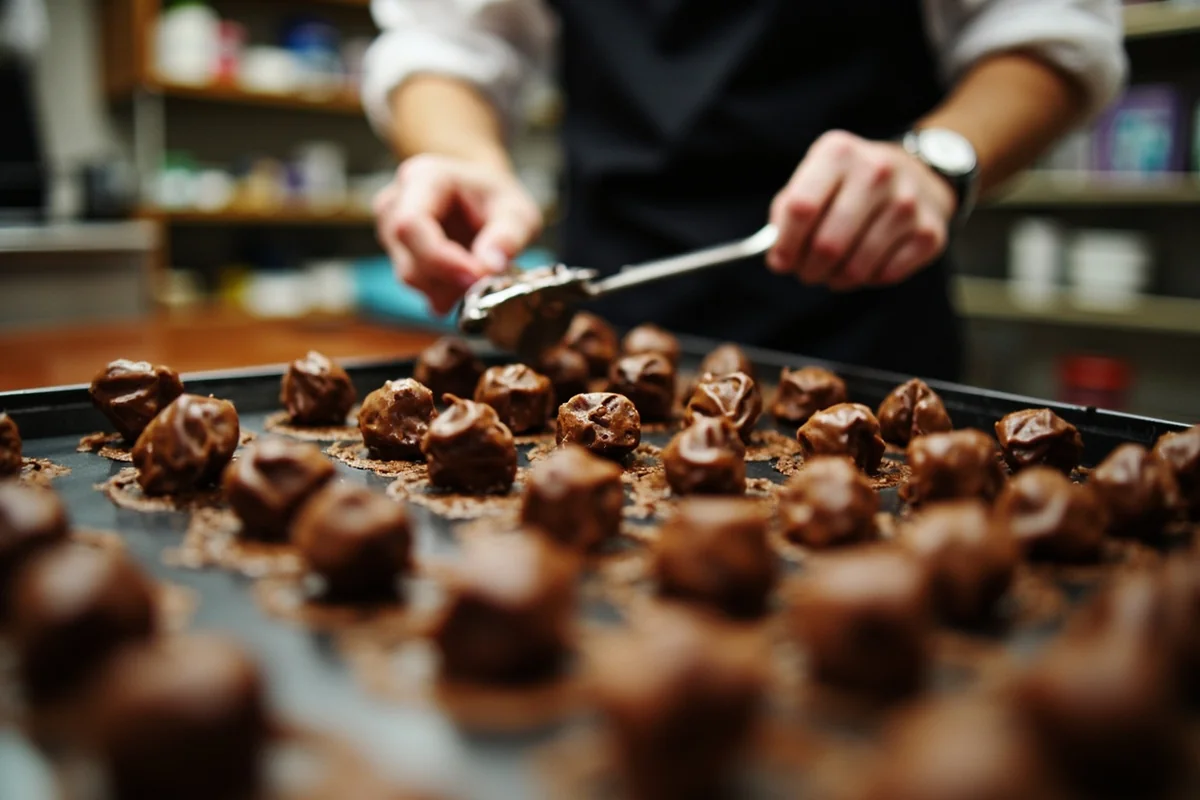
Sage & Cedar Chocolates is my top recommendation in Bozeman and possibly my favorite chocolatier in the entire state. Owner-operated and focused exclusively on high-end truffles and bonbons, this shop demonstrates what’s possible when someone dedicates their entire career to perfecting one thing.
Their “Montana Terroir” collection features flavors sourced exclusively from Montana ingredients: local honey, huckleberries, sage from the surrounding hills, and grain from Montana farms. During my visit last fall, the owner walked me through their sourcing process, explaining how each ingredient connects to a specific Montana producer.
The shop itself is tiny—maybe 400 square feet—but every detail has been considered. The minimalist display cases highlight the chocolate rather than competing with it.
La Chatelaine Chocolat Co. takes a more traditional French approach. Their ganaches are silky and sophisticated, and the presentation echoes Parisian chocolate shops. I particularly love their espresso truffle, which uses locally roasted beans.
Beyond Downtown
The Bozeman area has several chocolate opportunities outside the immediate downtown core. If you’re exploring the Gallatin Valley anyway, perhaps on your way to Big Sky, keep your eyes open for farm stands and small producers.
Last summer, I found a woman selling homemade chocolate bark at a roadside stand near Four Corners. She’d been making it for her church for years before realizing people would actually pay for it. Her peanut butter bark, made with peanut butter from another local producer, was exceptional.
This type of discovery is what makes chocolate touring in Montana so rewarding. The official shops are great, but the unofficial producers often create the most memorable bites.
Helena: Capital City Sweets
Helena doesn’t get the tourist attention of Bozeman or Whitefish, which actually works in your favor. During my visit last spring, I had shops almost entirely to myself.
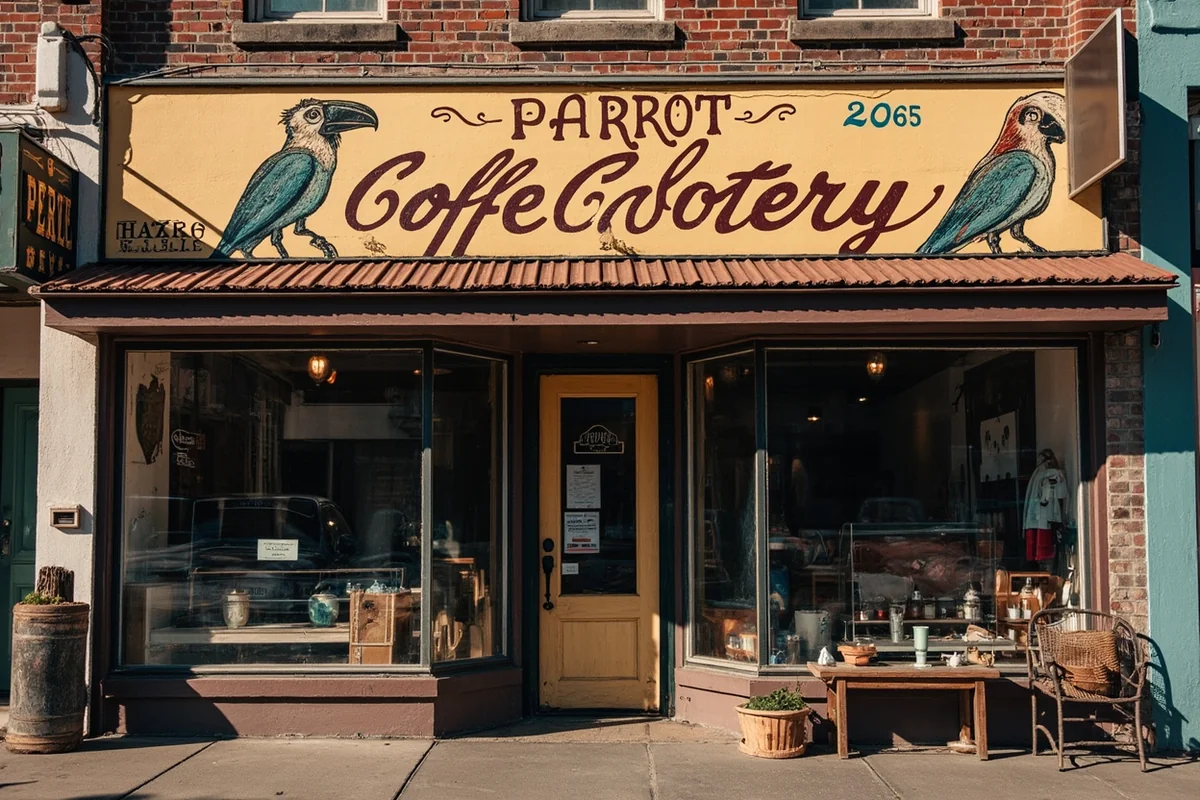
The Parrot Confectionery isn’t modern or trendy—it’s a genuine time capsule. Operating since 1922, this downtown Helena institution still makes candy the same way they did a century ago.
Their hand-dipped chocolates won’t win awards for innovation, but they offer something equally valuable: authenticity. Sitting at the counter eating a chocolate phosphate, I felt connected to generations of Montanans who’d done exactly the same thing.
The Parrot isn’t trying to compete with the artisan chocolatiers. They’re preserving something that would otherwise be lost, and that matters.
Eastern Montana: The Road Less Chocolated
Most chocolate tours stick to western Montana, but I’ve found worthwhile stops in the eastern part of the state. If you’re already heading that direction—perhaps for Montana range tours or to explore the prairie landscapes—don’t assume you’ll be chocolate-deprived.
Billings
Wilcoxson’s Ice Cream in Billings has been making chocolate-dipped ice cream bars since 1912. While not a chocolatier in the traditional sense, their hand-dipped bars represent Montana chocolate history.
The Billings downtown area has a few small candy shops worth exploring. During my drive across the state two summers ago, I found a shop on Montana Avenue selling house-made truffles that rivaled anything in western Montana.
The eastern Montana chocolate scene is less developed but growing. Local chocolate makers are emerging, and in another five years, this section of the guide might need significant expansion.
Practical Tips From Hard-Won Experience
Transportation
A self-guided driving tour gives you the most flexibility, and I strongly recommend it. Montana’s distances are significant—Missoula to Whitefish is about two hours, Missoula to Bozeman is closer to three—so plan accordingly.
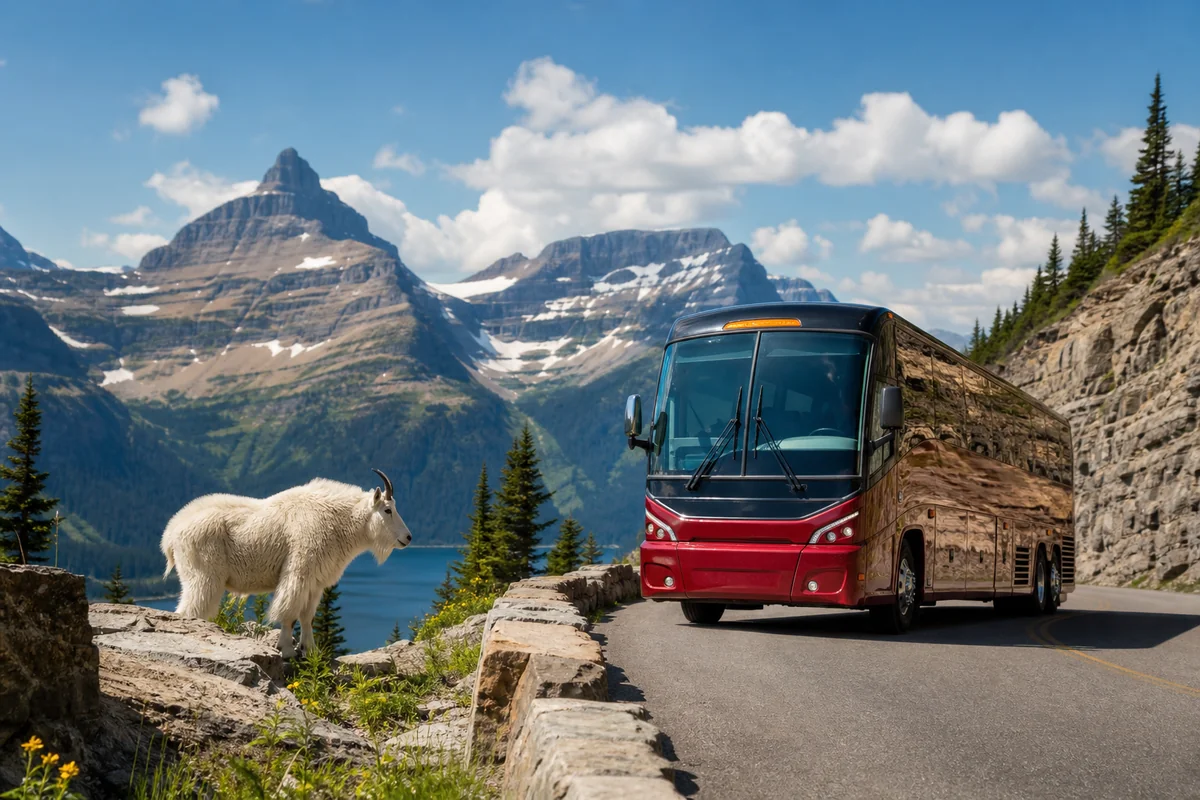
That said, if you’re combining chocolate stops with other activities, consider alternatives. The Montana bus tours that run between major cities often stop in downtown areas where chocolate shops cluster.
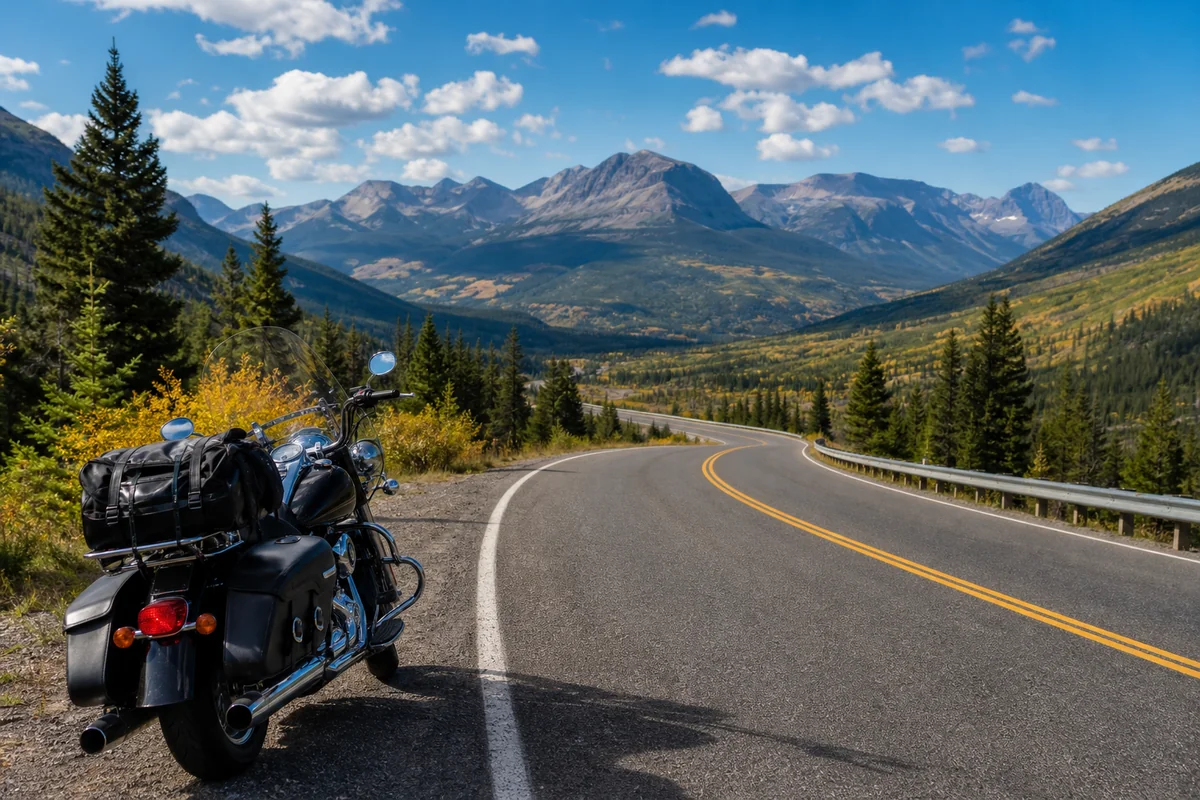
For the adventurous, Montana motorcycle tours let you cover serious ground while enjoying the scenery. Just bring a hard-sided saddlebag for your chocolate purchases—soft bags plus warm chocolate equals disaster.
Keeping Your Chocolate Safe
Montana summers get hot, and chocolate melts. This seems obvious, but I’ve seen too many travelers lose their purchases to car interiors that reached 120 degrees while they were hiking.
Bring a small cooler with ice packs. Most shops will provide insulated bags if you ask, but don’t rely on this—bring your own just in case.
If you’re shipping chocolate home (several shops offer this), wait until you’re at your last stop and consolidate everything. Shipping costs are reasonable, and it eliminates the worry of temperature control entirely.
Making the Most of Tastings
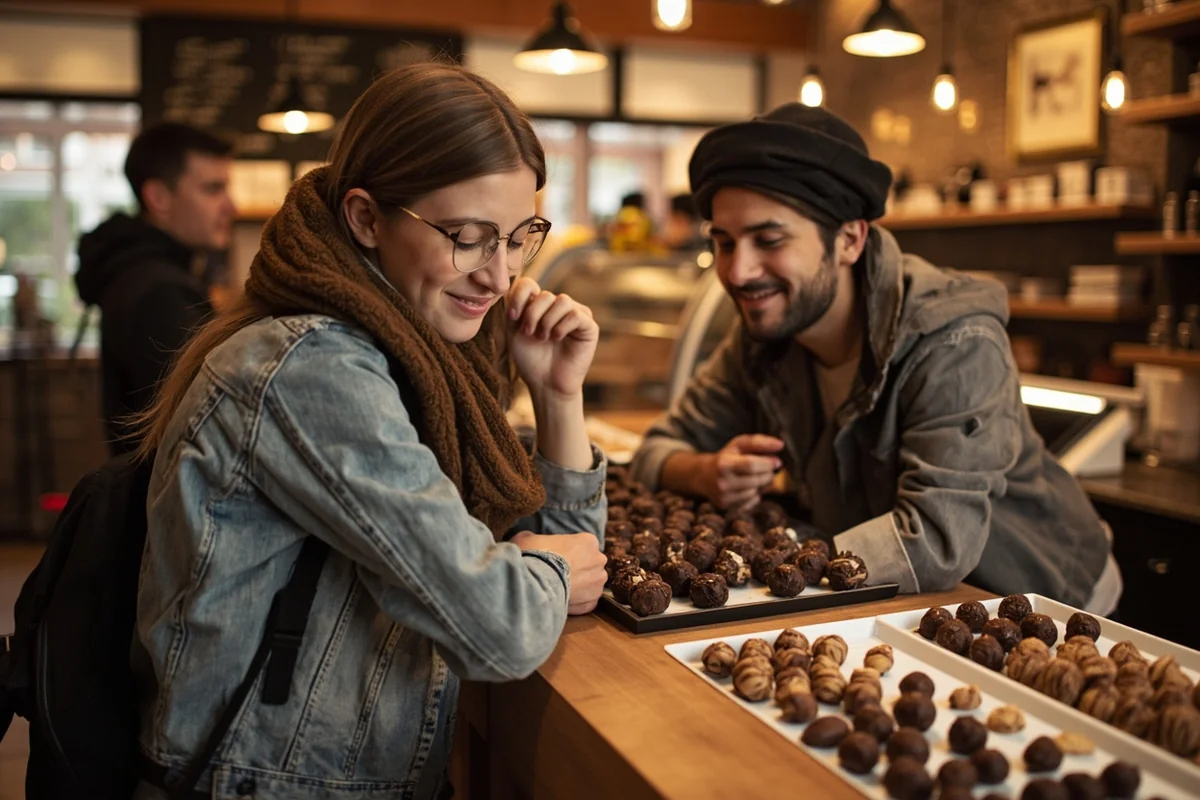
Most Montana chocolatiers welcome questions and will happily discuss their process if you show genuine interest. During slow periods, I’ve had 30-minute conversations about cacao sourcing, tempering techniques, and flavor development.
Start with lighter flavors and work toward darker, more intense chocolates. Cleanse your palate with water between tastings—many shops provide this automatically.
Don’t feel obligated to buy something at every stop. Good chocolatiers would rather you make one thoughtful purchase than feel pressured into buying mediocre items. That said, if someone has spent 15 minutes walking you through their collection, buying something is simply polite.
Combining Chocolate with Other Montana Adventures
A chocolate tour pairs beautifully with other Montana experiences, and I rarely do a chocolate-focused trip without combining it with something else.
Montana birding tours work particularly well—birding requires early mornings, leaving afternoons free for chocolate shopping when most shops are fully operational.
For the more adventurous, Montana helicopter tours in the Glacier area offer spectacular views, and you can easily schedule a landing in time for afternoon chocolate shop hours.
Montana Jeep tours and Montana UTV tours access backcountry areas that cars can’t reach. Plan these in the morning, clean up at your hotel, then hit the chocolate trail with a worked-up appetite.
If water is more your style, Montana boat tours on Flathead Lake make an excellent pairing with the Polson-to-Whitefish chocolate route.
Even Montana dirt bike tours can be combined—after a morning of riding, you’ll have earned those extra calories.
The Future of Montana Chocolate
Montana’s chocolate scene is evolving rapidly. Every time I visit, new shops have opened and existing ones have expanded their offerings.
Several chocolatiers I’ve spoken with are experimenting with bean-to-bar production—controlling the entire process from raw cacao to finished product. This represents the next frontier for Montana chocolate.
The farm-to-table movement has also influenced local chocolate makers. More producers are seeking Montana-grown ingredients beyond the obvious huckleberries: local mints, artisanal salts from Montana producers, and even experimental cacao cultivation in greenhouses.
I expect that within five years, Montana will have a nationally recognized chocolate trail similar to wine regions. Getting here now, before that explosion, means experiencing something still authentic and unpolished.
My Personal Recommendations
After years of exploring Montana’s chocolate landscape, here are my can’t-miss recommendations:
Best Overall Experience: Sage & Cedar Chocolates, Bozeman. The combination of quality, atmosphere, and owner engagement creates something special.
Best Historic Stop: The Parrot Confectionery, Helena. For pure Montana nostalgia, nothing compares.
Best Innovation: Posh Chocolat, Whitefish. Their seasonal collections push boundaries while remaining accessible.
Best Hidden Gem: Honestly, it changes every trip. Keep your eyes open for hand-painted signs in small towns—that’s where magic happens.
Best Value: Montana Coffee Traders, Kalispell. Great quality at fair prices, plus excellent coffee to pair.
Final Thoughts: Why This Tour Matters
Montana chocolate tourism isn’t just about eating sweets—though the eating part is admittedly excellent. It’s about connecting with people who’ve dedicated their lives to creating something beautiful in a place they love.
Every chocolatier I’ve met has a story. Some escaped corporate careers. Others continued family traditions. A few simply fell in love with Montana’s landscapes and decided they wanted to translate that love into something tangible.
When you bite into a huckleberry truffle made by someone who hand-picked those berries from a mountainside, you’re tasting Montana in a way that no photograph or postcard can capture.
That’s what makes this tour worth taking. The chocolate is the excuse. The connections are the reason.
Start planning your own Montana chocolate adventure. The state’s sweetest secrets are waiting to be discovered—one truffle at a time.
Frequently Asked Questions
What is a Montana Chocolate Tour and where can I find one?
A Montana Chocolate Tour takes you through the state’s best artisan chocolate shops and craft confectionaries, primarily found in cities like Missoula, Bozeman, Helena, and Whitefish. I’ve found that most tours are self-guided driving routes connecting 4-8 chocolatiers within 50-150 miles, though some towns offer organized walking tours during summer months.
How much does a Montana chocolate tasting tour cost?
Most individual chocolate shop tastings run $5-$15 per person, while organized group chocolate tours in Montana typically cost $45-$85 per person including samples at multiple locations. If you’re doing a self-guided chocolate road trip, budget around $30-$50 per person for tastings plus your gas and meal expenses along the way.
What is the best time of year to take a chocolate tour in Montana?
Fall and winter (October through March) are ideal for Montana chocolate tours since chocolates hold up better in cooler temperatures and many shops release seasonal flavors. I’d avoid mid-summer road trips if you’re buying chocolate to take home, as temperatures can exceed 90°F and melt your purchases even with air conditioning.
Which Montana towns have the best artisan chocolate shops?
Missoula leads the pack with spots like Posh Chocolat and The Sweet Palace, while Bozeman offers excellent options including La Châtelaine Chocolat Co. Whitefish has become a hidden gem for chocolate lovers, and don’t skip Helena’s historic downtown where several confectionaries have operated for decades.
Can I combine a Montana chocolate tour with other activities?
Absolutely—I always recommend pairing chocolate stops with Montana’s craft brewery trail, local coffee roasters, or scenic drives through Glacier Country. Many chocolate shops sit near hiking trailheads, farmers markets, and historic downtown districts, making it easy to build a full day trip around your sweet tooth.
What should I bring on a self-guided chocolate tour in Montana?
Pack a cooler with ice packs for transporting your chocolate purchases, especially if driving between towns in warmer months. Bring cash since some smaller artisan shops don’t accept cards, comfortable walking shoes for downtown browsing, and a notebook to track your favorite flavors for future orders.
Are Montana chocolate tours suitable for families with kids?
Yes, most Montana chocolatiers welcome families and many offer kid-friendly options like hot cocoa, chocolate-dipped treats, and even hands-on truffle-making classes for children over 8. I suggest calling ahead to ask about family workshops, as shops in Bozeman and Missoula occasionally run weekend chocolate-making sessions during peak tourist season.