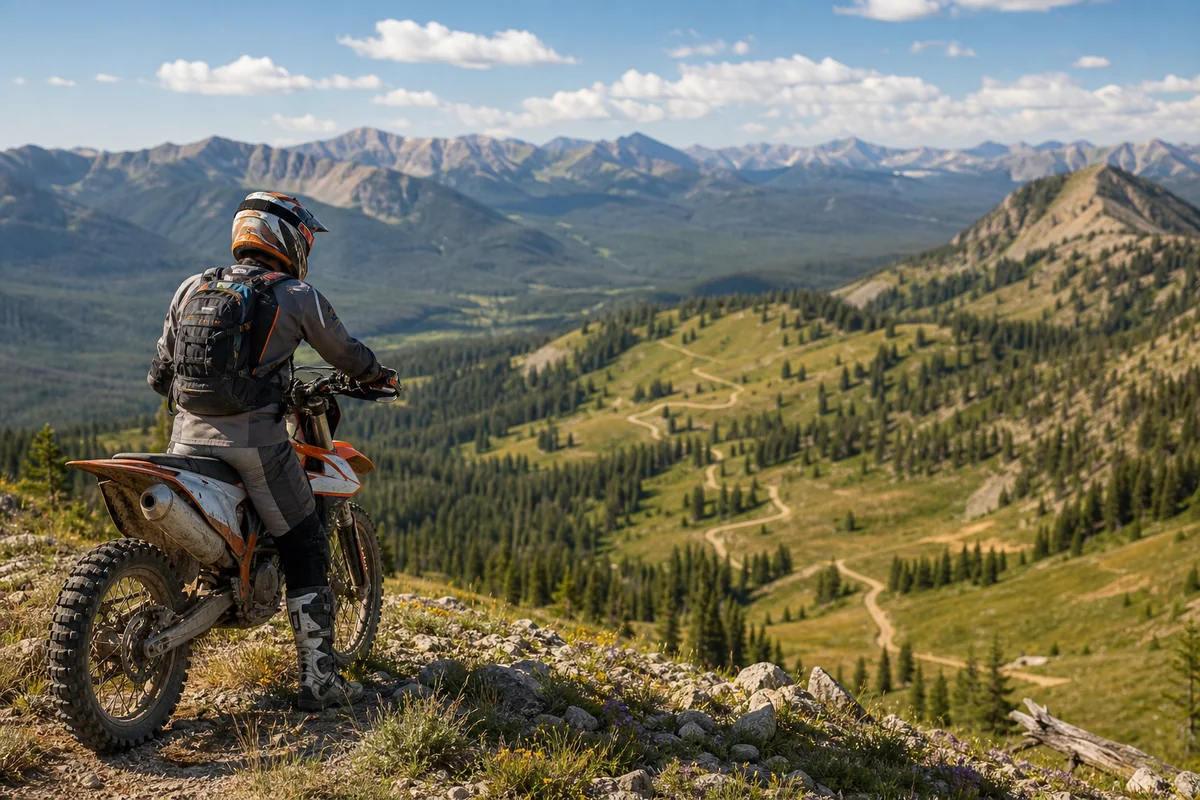
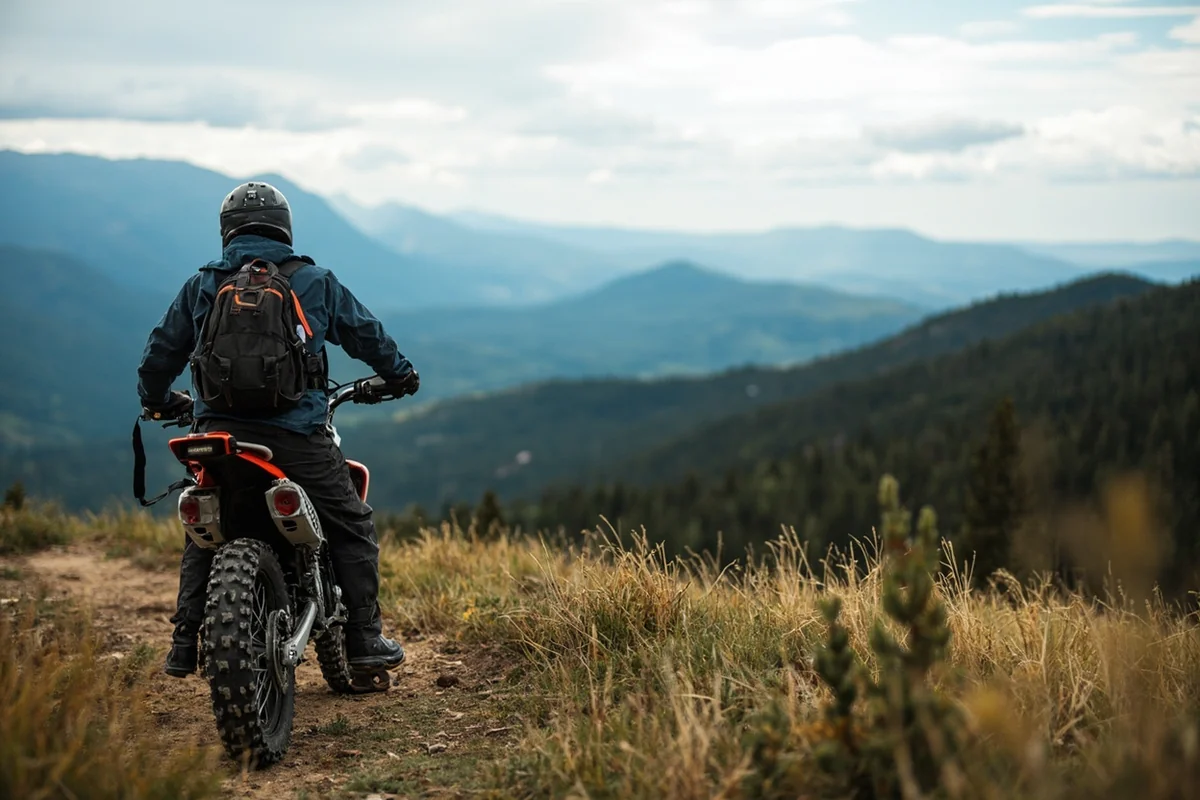
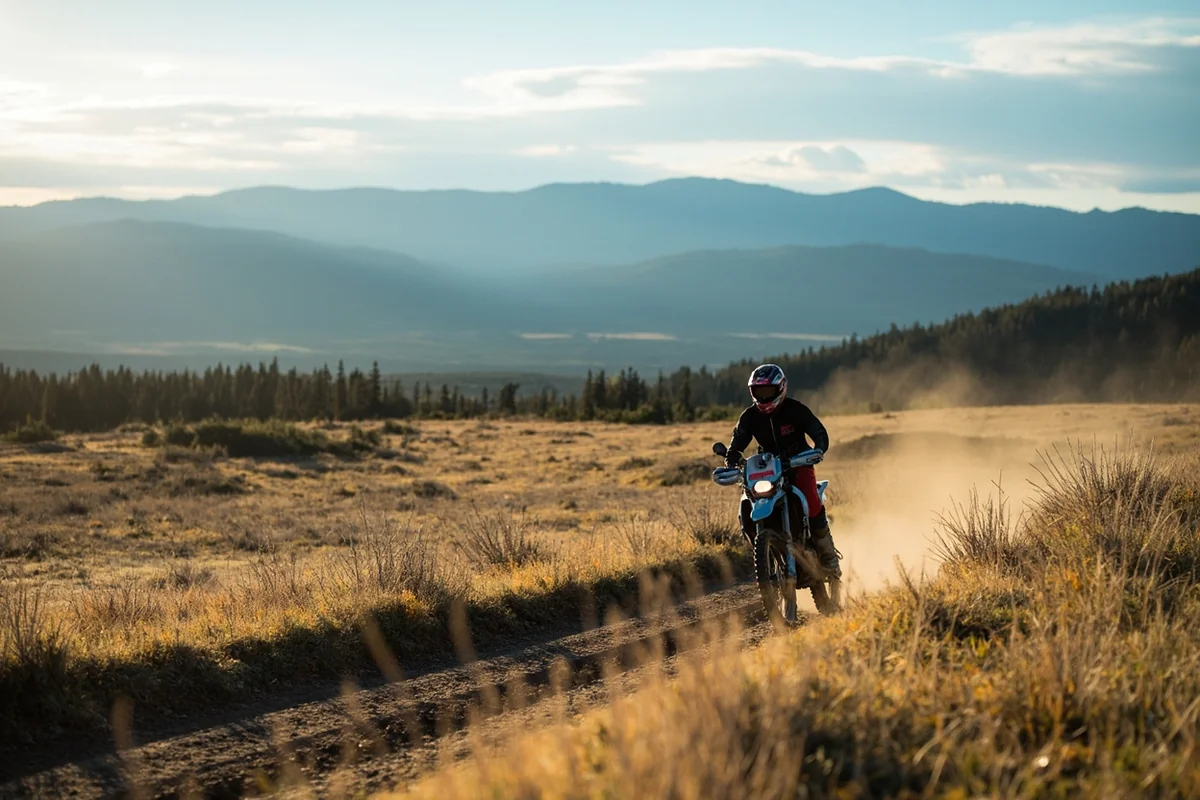
The moment my front tire crested the ridgeline above the Swan Valley last August, I understood why riders travel thousands of miles to experience Montana dirt.
Below me stretched an endless tapestry of alpine meadows, evergreen forests, and single-track trails that seemed to disappear into the horizon—all accessible only by two wheels and a willingness to get dirty.
If you’re exploring Montana tours, dirt biking offers something no other adventure can match: the raw, unfiltered experience of Big Sky Country at its most remote and beautiful.
- Montana offers world-class dirt bike touring from May through October, with peak conditions in July-August
- Tour prices range from $200-$500 per day depending on duration and inclusions
- Popular regions include the Swan Valley, Bitterroot Mountains, Lolo National Forest, and areas near Glacier National Park
- Both guided tours and self-guided rentals are available for all skill levels
- Expect single-track, forest service roads, and high-altitude alpine riding
- Book 4-6 weeks in advance for peak summer season
Liked this article?
Add Roaming Montana as a preferred source so you see more of our articles and guides on Google.
Why Montana Is a Dirt Bike Paradise
Montana contains over 27 million acres of public land—more than any state except Alaska. For dirt bike riders, this translates to thousands of miles of legal, maintained trails crossing terrain that ranges from rolling prairie to jagged mountain peaks.
During my three years of exploring Montana’s off-road network, I’ve logged rides through eleven different national forests. Each offers a completely different character, from the tight, technical tree runs of the Kootenai to the wide-open ridge roads of the Beaverhead-Deerlodge.
What makes Montana unique isn’t just the quantity of trails—it’s the quality of isolation. On my week-long tour through the Bob Marshall Wilderness Complex boundary last summer, I saw exactly four other riders over five days. Compare that to destination riding areas in Colorado or Utah, and you’ll understand the appeal.
The state’s relatively low population density means trail systems rarely feel crowded. Even popular routes like those around Seeley Lake or the Garnet Range see moderate traffic compared to similar terrain elsewhere.
Best Dirt Bike Tour Operators in Montana
After riding with five different outfitters and interviewing several more, I can share honest assessments of what each brings to the table. While Montana’s bike tourism scene is smaller than some western states, the operators who do exist tend to be passionate locals with deep knowledge of their riding areas.
Montana Dirt Bike Adventures (Missoula Area)
Based out of Missoula, this outfit specializes in multi-day tours through the Bitterroot and Lolo National Forests. I joined their three-day intermediate tour in September and was impressed by both the bike quality (late-model KTM 350 EXC-Fs and Honda CRF450Xs) and the guide’s encyclopedic trail knowledge.
Owner Dave runs a tight operation. Groups are capped at six riders, and the support vehicle follows forest roads to meet you at designated checkpoints with fuel, snacks, and mechanical support.
Expect to pay around $450 per day, which includes the bike rental, all meals, and either camping or cabin accommodation depending on the package. It’s not cheap, but the all-inclusive nature means you show up with your gear bag and nothing else.
Big Sky Single Track
Operating primarily in the Helena-Great Falls corridor, Big Sky Single Track focuses on day tours that access some of the state’s most technical riding. Their “Gates of the Mountains” tour remains one of my favorite single-day experiences in Montana.
The terrain here is rockier and more exposed than the heavily forested western regions. You’ll climb limestone ridges with views of the Missouri River canyon before descending through tight switchbacks that demand solid clutch control.
Day rates run $275-350 depending on bike selection. They maintain a fleet ranging from beginner-friendly Yamaha TTR230s to expert-level KTM 300 XC-Ws for the experienced rider who wants a two-stroke challenge.
Glacier Dirt Tours
This newer operation runs tours on the western and southern fringes of Glacier National Park. Note that you cannot ride motorized vehicles inside the park itself, but the surrounding Flathead National Forest offers spectacular alternatives.
Their signature route follows old logging roads and connecting single-track through terrain where grizzly sightings are common. Yes, you’ll carry bear spray. Yes, you’ll use the buddy system for bathroom breaks. The guides take wildlife safety seriously, which I appreciated.
Pricing falls around $300 per day, with multi-day packages dropping to about $250 daily. If you’re combining a Glacier visit with dirt biking, this is your best bet for geographic convenience.
Self-Guided Rental Options
Not everyone wants a guide looking over their shoulder. Several Montana shops offer straight bike rentals with GPS-loaded routes for independent exploration.
Hellgate Motorsports in Missoula provides daily rentals starting around $200, with detailed route suggestions and downloadable GPX tracks. During my most recent visit, they had a fleet of dual-sport and enduro bikes available, though the pure dirt bike selection was limited to a handful of CRF250Xs and one older YZ250FX.
In Kalispell, Flathead Powersports offers similar arrangements with slightly better availability in peak season. Expect to leave a significant security deposit—usually $1,000-2,000 on a credit card.
For riders who prefer exploring at their own pace, rentals make sense. Just understand that you’re responsible for any mechanical issues or getting yourself unstuck when you bury the bike in a bog (speaking from personal experience on a particularly embarrassing afternoon near Holland Lake).
Understanding Montana’s Riding Regions
Montana’s geography divides naturally into distinct riding zones, each with unique characteristics. Choosing the right region for your skill level and preferences will make or break your trip.
Western Montana: The Forest Zone
This region—roughly from the Idaho border east to the Continental Divide—offers the most diverse and technical single-track in the state. The Lolo National Forest alone contains over 700 miles of designated motorized trails.
Terrain varies from valley-floor forest roads to high-altitude ridge runs approaching 8,000 feet. Tree coverage is dense, keeping temperatures reasonable even in August, but also meaning trails can stay muddy well into July after a wet spring.
The Rattlesnake Wilderness boundary area north of Missoula provides excellent intermediate riding with consistent trail maintenance. Meanwhile, the fish Creek drainage near Superior offers more advanced terrain with creek crossings and sustained rocky climbs.
I’ve found the best riding window runs from mid-June through early October, though higher elevation routes may not clear until July.
Southwest Montana: Mining Country
The Butte-Anaconda-Philipsburg triangle sits on former mining land, much of which has reverted to public ownership. Old mining roads create a network of relatively well-maintained routes connecting to more technical single-track.
The Garnet Range north of Drummond deserves special mention. This quasi-ghost town region features trails winding past abandoned mining structures with genuine historical interest. Just don’t disturb any structures—they’re protected, and locals take that seriously.
Elevation generally sits lower here than in the western forests, making this region accessible earlier in the season. I’ve had good rides in the Garnet area as early as late May.
Northern Montana: Glacier Adjacent
Riding near Glacier means stunning scenery but also extra considerations. Trails through the Flathead National Forest offer alpine environments with mountain goat sightings common on exposed ridges.
Wildlife density here is significant. During my three-day tour last August, we spotted two black bears, heard a grizzly moving through brush, and saw wolf tracks crossing our route. Guides in this region carry bear spray and satellite communicators as standard equipment.
The Whitefish Range and the northern portion of the Swan Range provide the most accessible touring. Trails tend toward moderate difficulty with occasional technical sections.
Central and Eastern Montana
The prairie regions of central and eastern Montana offer a completely different experience. Here, you’ll find ranching communities, endless horizons, and a riding style more similar to desert terrain than mountain forests.
The Big Snowy Mountains and Little Belt Mountains provide surprising alpine terrain in an otherwise gentle landscape. These areas see far fewer visitors than the western ranges, offering genuine solitude.
Organized tours in this region are rare, making self-guided exploration the primary option. County road systems and forest service routes provide legal access, but you’ll need solid navigation skills and careful fuel planning—gas stations get sparse quickly.
What to Expect on a Guided Tour
Since you’re reading this, you’re probably considering your first Montana dirt bike tour. Let me walk through what a typical guided experience looks like, based on my recent three-day intermediate tour through the Bitterroot.
Day Before: Orientation and Setup
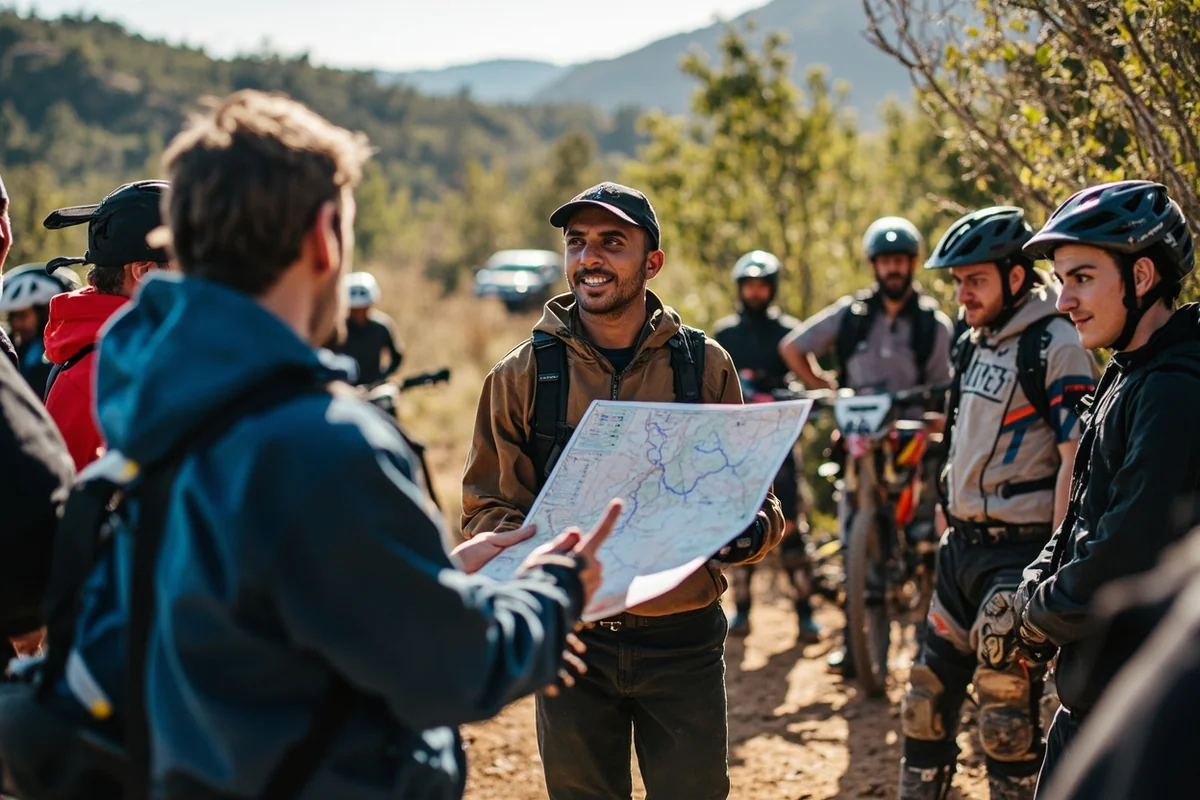
Most tours include an evening orientation the night before you ride. For mine, this meant meeting at the outfitter’s shop in Missoula around 5 PM. We spent an hour going over bikes, adjusting suspension for each rider’s weight, setting handlebar and lever positions, and doing a quick skills assessment in the parking area.
The guide wanted to see everyone ride before hitting real trails. Nothing fancy—just basic figure-eights, stops, and slow-speed control. This helps them gauge the group’s true skill level and adjust route difficulty accordingly.
We covered logistics: what to bring each day (hydration pack, layers, personal snacks), what the support vehicle carried (lunch, fuel, tools, first aid), and emergency procedures. The satellite messenger system meant help was always available, but cell service was non-existent for 90% of our route.
Daily Riding Pattern
Each morning started around 8 AM with bikes loaded on a trailer and a short drive to the day’s trailhead. Typical daily distances ran 60-80 miles, but that translates to 5-7 hours of actual riding time when you factor in terrain difficulty.
We rode in a line formation with the guide leading and the support driver’s radio-equipped position sweeping behind. Stops happened naturally at viewpoints, water crossings, and technical sections where the guide wanted to demonstrate line choice.
Lunch breaks lasted about an hour, giving bikes and bodies time to cool down. The support vehicle carried chairs, shade tarps, and enough food to feed a construction crew. I appreciated the planning—by noon, my arms were jelly and my appetite enormous.
Afternoon riding typically included the day’s most challenging terrain, when the group had warmed up and gelled together. We’d finish back at the vehicle between 4-5 PM, load up, and return to our accommodation.
Accommodation Options
Tours offer varying lodging arrangements. Mine included two nights in a forest service cabin—rustic but comfortable, with propane heat and surprisingly good beds. Other operators use camping, lodge partnerships, or return to town each night.
Cabin-based tours add logistical complexity but provide real rest between demanding ride days. After six hours in the saddle on rocky single-track, I wanted a shower and a mattress, not a sleeping pad.
If you’re considering a camping-based tour, honestly assess your recovery needs. The riding itself is exhausting; adding camping duties might be too much unless you’re in excellent condition.
Skill Level Considerations
Tour operators use terms like “beginner,” “intermediate,” and “advanced,” but these labels mean different things to different people. Here’s what they typically mean in Montana context.
Beginner Tours
These stick primarily to forest service roads and wide, well-maintained trails. You’ll encounter some loose gravel, gentle grades, and easy water crossings. If you can ride a dirt bike comfortably in a parking lot, you can handle beginner terrain.
Expect speeds averaging 15-25 mph with minimal technical features. The focus is on scenery and experience rather than challenging your abilities.
Intermediate Tours
This is where most visitors should aim. Intermediate routes mix forest roads with single-track, include moderate rocky sections, steeper grades, and water crossings that might require picking a careful line.
You should be comfortable standing on the pegs for extended periods, managing loose surfaces at moderate speeds, and recovering from minor slides without panic. If you’ve been riding off-road regularly for at least a full season, intermediate terrain is usually appropriate.
Advanced Tours
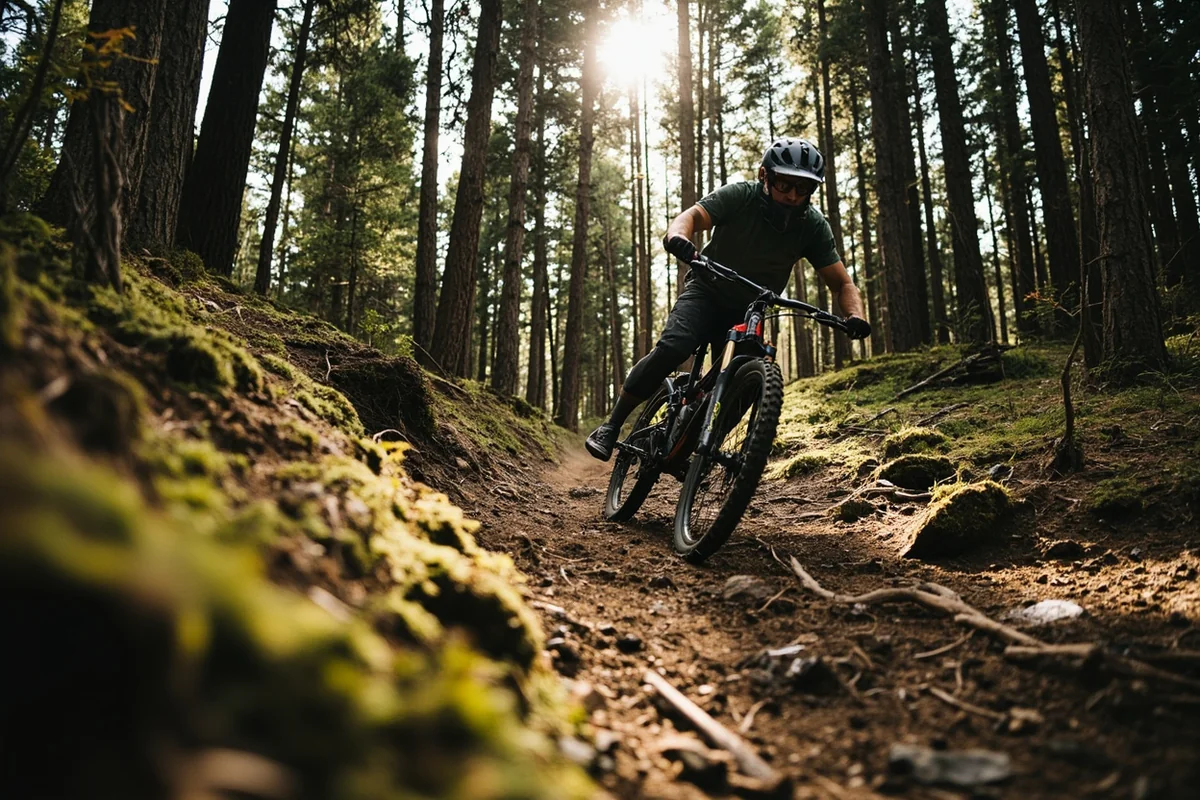
These routes feature sustained technical sections: tight tree lines with exposed roots, loose rock gardens, significant elevation changes, and conditions where a fall means a challenging recovery.
Advanced tours assume you can handle your bike instinctively, know your limits, and can self-rescue from most situations. Operators are selective about who they take on these routes—expect a real skills assessment before departure.
Essential Gear and Packing
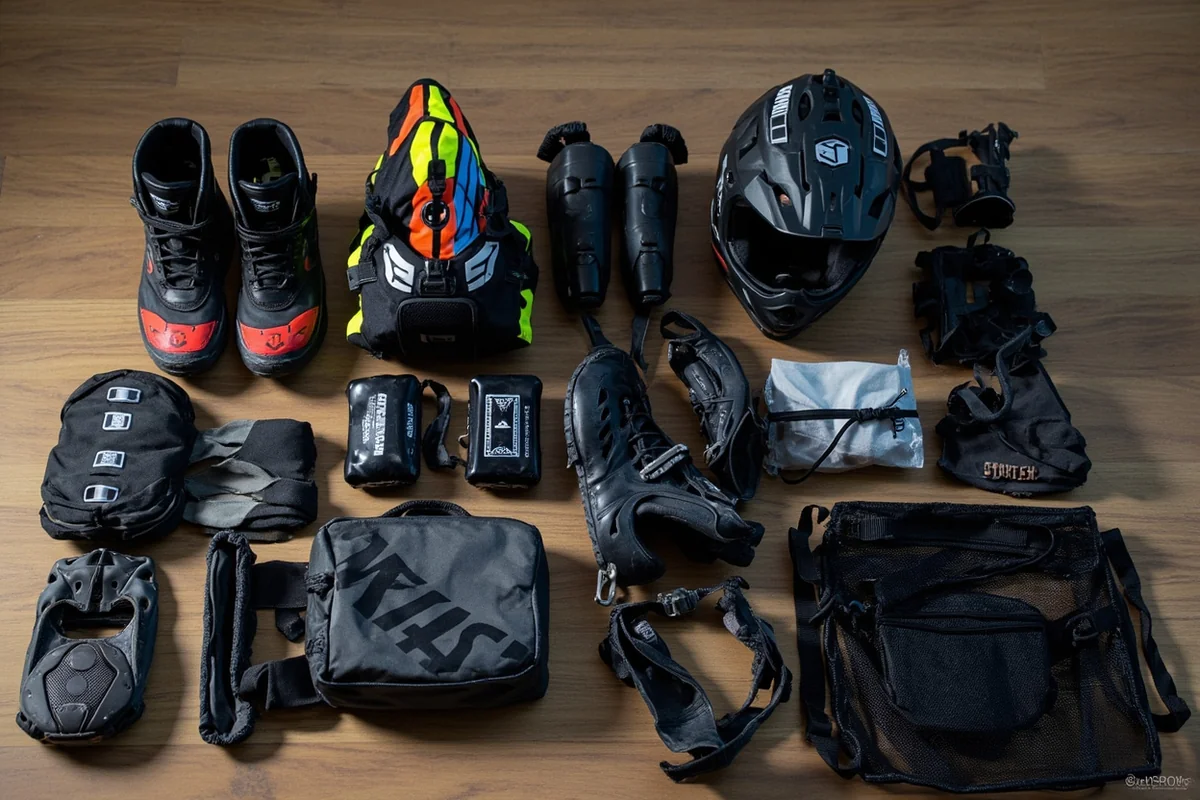
Whether you’re joining a guided tour or renting for self-guided exploration, certain gear is non-negotiable in Montana’s backcountry.
| Category | Required Items | Notes |
|---|---|---|
| Safety Gear | DOT helmet, goggles, chest protector, knee guards, boots | Most tours provide rentals; bring your own for best fit |
| Riding Apparel | Jersey, pants, gloves, moisture-wicking base layers | Pack layers—temps swing 40°F between valley and ridge |
| Hydration | 3L hydration pack minimum | Altitude increases fluid needs significantly |
| Navigation | GPS unit or phone with offline maps, paper backup | Cell service is unreliable; don’t depend on it |
| Emergency | First aid kit, satellite messenger, bear spray | Guided tours typically provide; verify in advance |
| Tools | Tire repair kit, multi-tool, spare levers, zip ties | Self-guided riders must be self-sufficient |
Temperature variability catches many visitors off-guard. I’ve started mornings in the Swan Valley at 45°F and ended the same day on a sun-baked ridge at 85°F. Layering systems and a vest that fits under your chest protector solve most comfort issues.
Practical Planning: Timing, Budget, and Logistics
Best Time to Visit
The riding season runs roughly mid-May through mid-October, but conditions vary enormously across this window.
Late May through June offers green landscapes and moderate temperatures but lingering snow at higher elevations and potentially muddy trails from spring runoff. Lower elevation routes in the Garnet Range and central regions are accessible earliest.
July and August represent peak season with the best overall conditions. High elevation routes clear, temperatures are warm but manageable, and daylight extends past 9 PM. This is also when tours book up fastest—reserve 4-6 weeks ahead for your preferred dates.
September brings cooling temperatures, changing foliage, and thinner crowds. Many experienced riders consider this the ideal month. Trails are dry, bugs have largely disappeared, and operators may offer shoulder-season discounts.
October is hit or miss. Early October can offer excellent riding; late October often brings snow to higher elevations. Check conditions carefully and have backup plans.
Budget Breakdown
Plan your Montana dirt bike tour budget around these typical costs:
Guided day tours run $200-350 per day depending on the operator and bike provided. Multi-day guided packages typically offer some discount, averaging $250-450 daily with accommodation and meals included.
Self-guided rentals start around $175-250 per day for the bike alone. Add fuel, food, and your own lodging.
Flights to Montana vary by season and origin. The main airports are Missoula, Kalispell, Bozeman, and Helena. Missoula typically offers the best access to western riding areas.
Gear rentals, if needed, add $50-100 daily for a complete protection package.
A realistic three-day guided tour budget looks like this: $1,200-1,500 for the tour itself, $300-500 for flights, $100-200 for incidentals, totaling roughly $1,600-2,200. Self-guided options can cut costs to around $1,000-1,500 for a similar trip length.
Getting There and Around
Most visitors fly into Missoula (MSO) for western Montana riding. The airport is small but efficient, with rental cars available from major agencies. Kalispell’s Glacier Park International (FCA) serves northern routes near Glacier.
You’ll need a vehicle to reach trailheads and tour departure points. If you’re shipping your own bike, several transport services handle Montana routes—expect $500-800 depending on origin.
Some tour operators offer airport pickup packages that eliminate the need for a rental car if you’re staying exclusively with them. Ask when booking.
Wildlife and Safety Considerations
Riding in Montana means sharing space with large wildlife. This isn’t abstract—it will affect your ride.
Grizzly bears inhabit significant portions of western and northern Montana. Tours in these areas include bear safety briefings, and you should carry bear spray in an accessible location. A chest-mounted holster works well for quick access while riding.
Moose present arguably greater danger for dirt bikers. They’re enormous, unpredictable, and commonly found in the wet meadow terrain where trails frequently run. Give any moose extreme space—they’re not the docile animals they appear in photographs.
Mountain lions exist throughout the state but rarely cause problems for groups making noise. Solo riders should be more alert.
On my Bitterroot tour, we practiced what to do if encountering wildlife on a narrow trail: stop immediately, kill the engine, and wait quietly for the animal to move. Running a loud motor past a startled bear or moose creates danger for everyone.
Trail hazards beyond wildlife include downed timber, particularly after winter, and summer afternoon thunderstorms that can turn trails to mud within an hour. Start early in the day during monsoon season (typically late July through August) to avoid getting caught in afternoon storms.
Alternative Montana Adventure Options
Dirt biking isn’t for everyone, and Montana offers numerous other ways to explore its backcountry. If you’re traveling with a group of mixed interests, consider combining your bike tour with other activities.
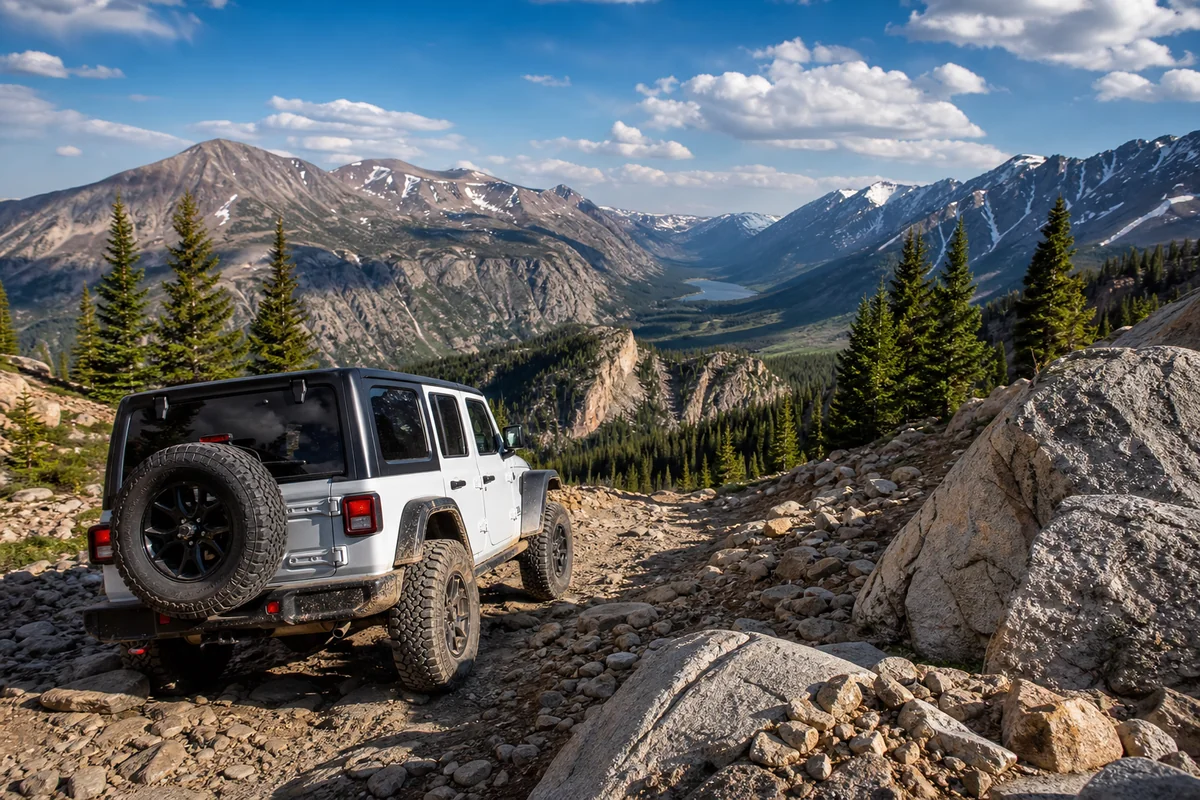
For riders who want four wheels instead of two, Montana UTV tours access similar terrain with a gentler learning curve. The Montana Jeep tours offer another stable alternative through rugged country.
Street riders might prefer Montana motorcycle tours, which stick to paved scenic routes while still delivering mountain views and freedom.
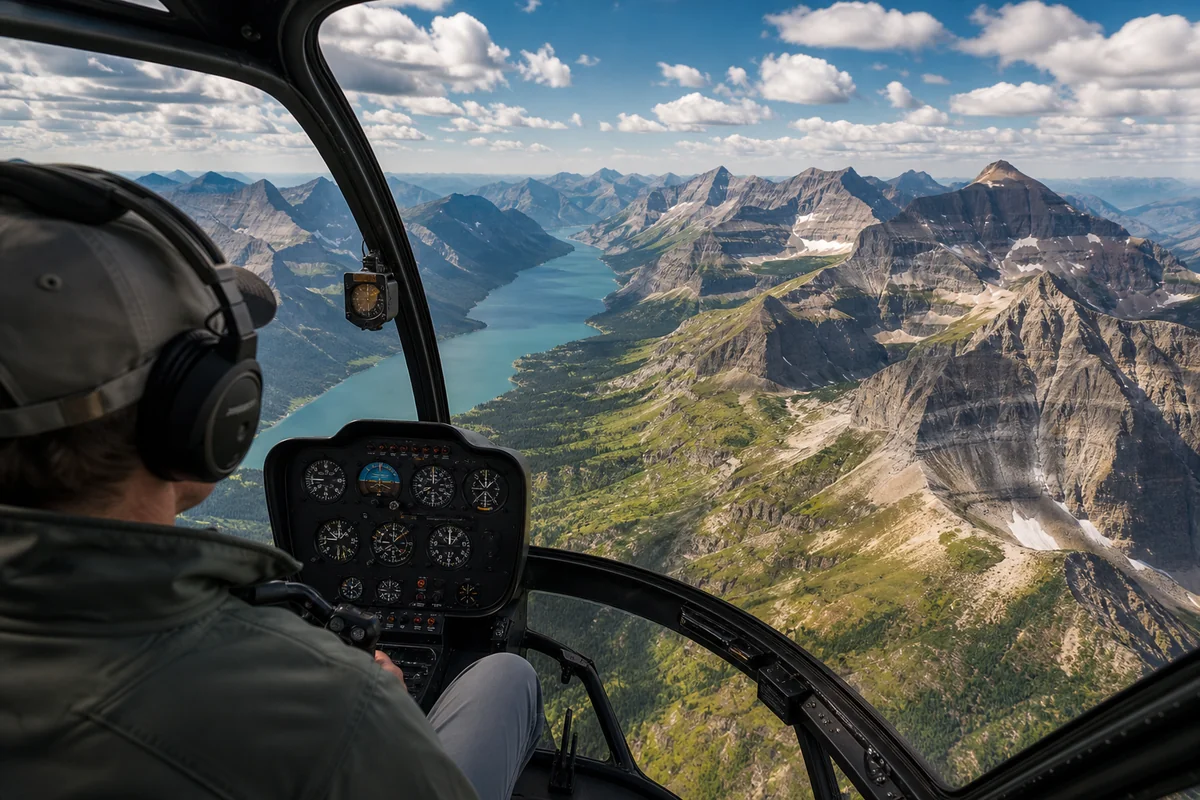
Non-riding companions can fill their days with Montana nature tours or birding tours while you hit the trails. Those wanting dramatic aerial perspectives should look into helicopter tours over the mountains.
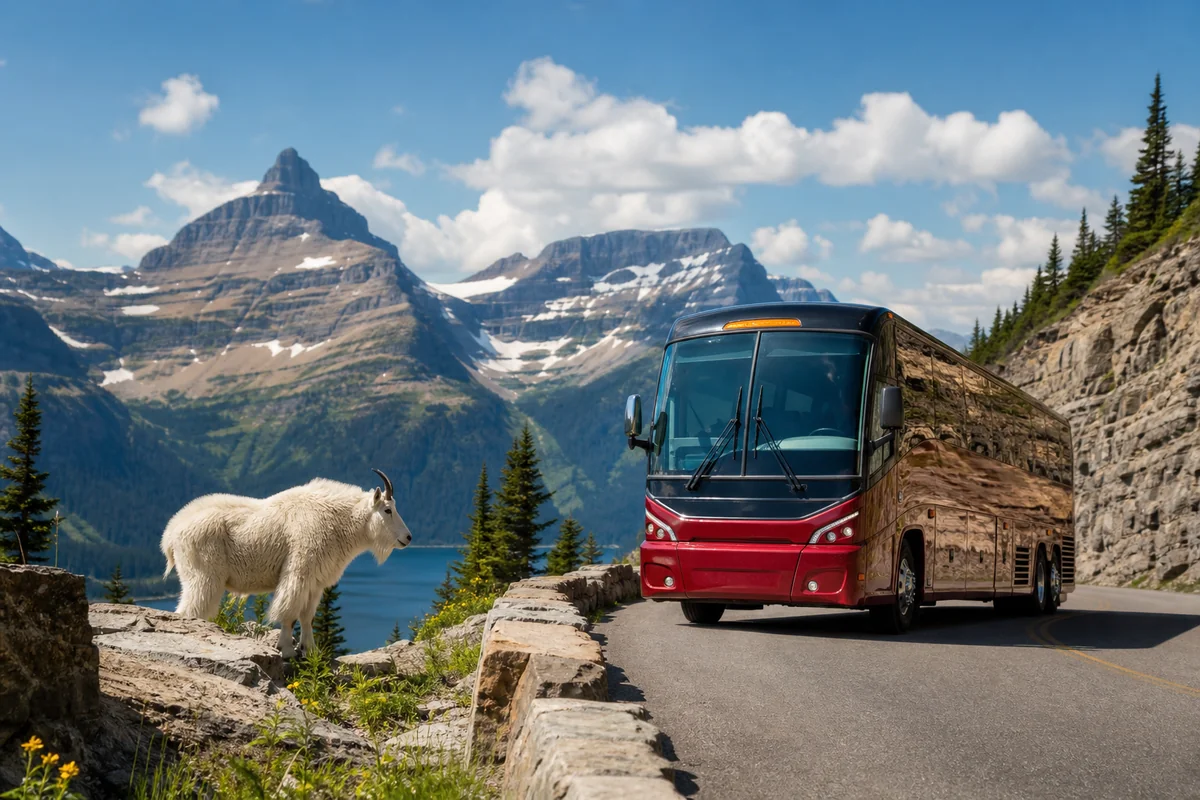
For a completely different pace, Montana train tours offer relaxed sightseeing through historic routes. The Montana Range tour provides insight into working ranch life, while bus tours handle the logistics for those who prefer group travel.
And yes, even a Montana chocolate tour or a boat tour might balance out those dusty days in the saddle.
Local Etiquette and Trail Stewardship
Respect for Montana’s land and communities will determine whether dirt biking remains welcome here. Take these considerations seriously.
Stay on designated motorized trails. Montana’s trail system includes many routes open only to non-motorized use—these designations exist for reasons, and violating them creates problems for all riders. Check motor vehicle use maps (MVUMs), available free from forest service offices, before assuming any route is legal.
Yield to horses and hikers. When encountering other trail users, stop your engine if possible, move to the downhill side, and let them pass. A spooked horse with a dirt bike approaching from behind creates real danger.
Pack out absolutely everything. This seems obvious, but I’ve seen enough energy bar wrappers and abandoned parts on Montana trails to know the message needs repeating.
Close gates behind you. Many trails cross private land with easements. An open gate can scatter cattle worth tens of thousands of dollars. Check every gate and leave it as you found it.
Noise considerations matter in camp and near communities. Montana residents generally support recreation, but early morning starts and late evening riding near homes create friction that eventually results in access restrictions.
Making the Most of Your Trip
After many trips to Montana specifically for dirt biking, I’ve developed a few approaches that maximize the experience.
Book shoulder season if possible. September particularly delivers the best combination of conditions, availability, and value. You’ll have trails largely to yourself and operators happy to see business.
Combine riding with rest days. Even strong riders benefit from breaking up consecutive days of technical trails. Use rest days to explore nearby towns, soak in hot springs (try the ones near Lolo), or just let your body recover.
Arrive a day early. Adjusting to altitude takes time, and starting your tour already tired from travel creates a tough first day. Build in buffer time.
Talk to locals. Montana’s riding community is welcoming to visitors who approach respectfully. Bars and restaurants near popular riding areas often have regulars happy to share trail recommendations over a beer.
Document conditions for future trips. I keep notes on every route—when I rode it, conditions encountered, fuel consumption, standout features. This builds a personal database that makes subsequent trips more efficient.
Final Thoughts
Montana dirt bike touring isn’t the cheapest adventure you can plan, nor the most accessible. But for riders willing to invest the time and resources, it delivers experiences impossible to find elsewhere in the lower 48.
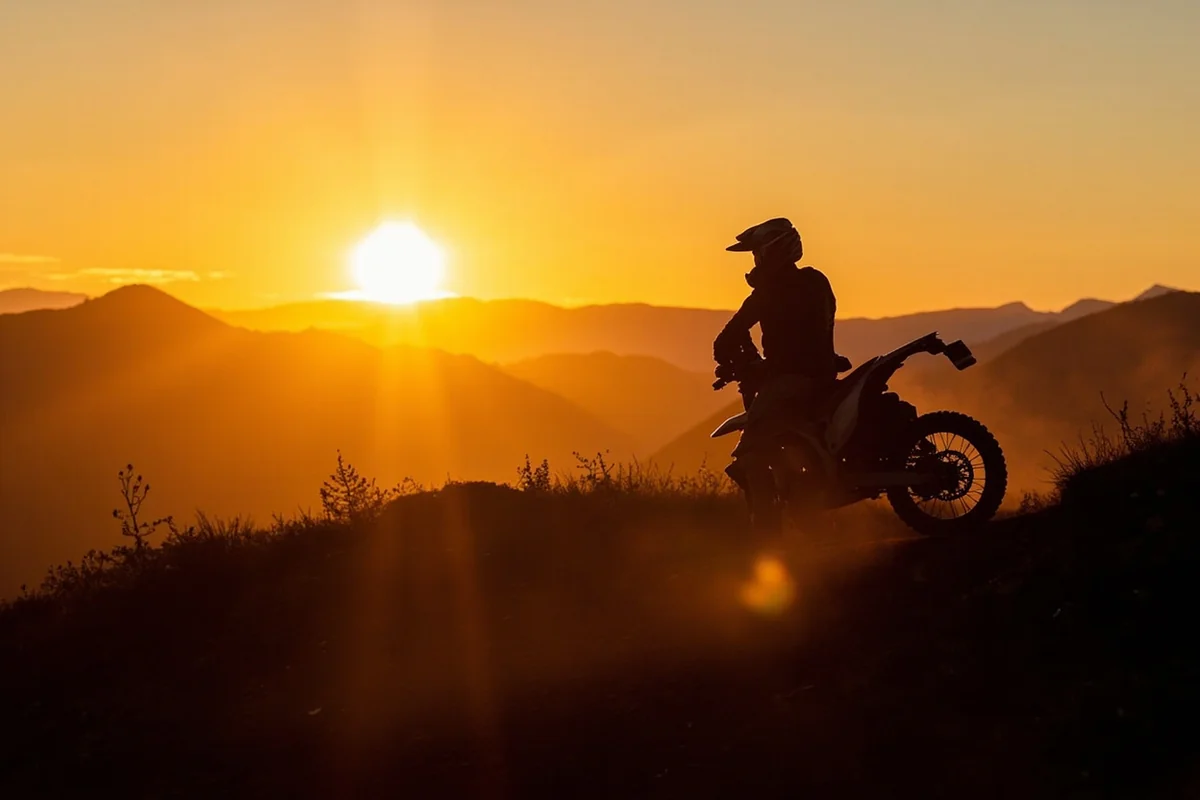
The combination of vast public land, stunning terrain diversity, and genuinely uncrowded trails creates something special. On that ridgeline above Swan Valley, watching the sun drop toward the Missions while my bike cooled beneath me, I understood why some riders build their entire year around these trips.
Whether you join a guided tour or piece together your own adventure with rentals and GPS tracks, Montana will challenge and reward you in equal measure. The trails are waiting—and they’re better than the photos suggest.
Frequently Asked Questions
What is the best time of year to go on a dirt bike tour in Montana?
The best time for Montana dirt bike tours is late May through early October when trails are dry and accessible. I recommend July and August for the most consistent weather, though September offers stunning fall colors and fewer crowds on popular backcountry routes.
How much does a guided dirt bike tour in Montana cost?
Guided dirt bike tours in Montana typically range from $250-$450 per day depending on the outfitter and trail difficulty. Multi-day backcountry adventures with camping can run $1,200-$2,500 for 3-5 days, which usually includes bike rental, gear, meals, and an experienced guide.
Do I need dirt biking experience to join a Montana off-road motorcycle tour?
Most Montana dirt bike tour companies offer beginner-friendly options with basic riding instruction before hitting the trails. However, intermediate trails through mountain terrain require clutch control and standing riding skills, so I’d suggest at least 5-10 hours of prior off-road experience for those routes.
What should I pack for a dirt bike tour in Montana’s backcountry?
Bring layered clothing since Montana mountain temperatures can swing 30-40 degrees in a single day, plus quality riding boots, gloves, and moisture-wicking base layers. I always pack a hydration pack, sunscreen, bug spray, and a basic first aid kit even when the outfitter provides most gear.
Where are the best dirt bike trails and tour locations in Montana?
The most popular dirt bike tour areas include the trails near Glacier National Park’s borders, the Bitterroot Mountains outside Missoula, and the rugged terrain around Helena National Forest. The Big Sky area and routes through the Beartooth Mountains near Red Lodge offer incredible alpine riding with 50+ mile loop options.
Can I bring my own dirt bike on a Montana off-road tour or do I need to rent?
Most guided tour operators allow you to bring your own bike and will adjust pricing accordingly, typically saving you $100-$150 per day. If you’re flying into Montana, renting makes more sense since outfitters provide well-maintained bikes suited to local terrain along with support vehicles for breakdowns.
Are permits required for dirt biking on Montana public lands and national forest trails?
Dirt bikes on Montana national forest trails require a current OHV sticker, which costs $17.50 for non-residents and is valid for the calendar year. Some wilderness areas are completely off-limits to motorized vehicles, so guided tours are helpful since operators know exactly which trails are legal and open each season.
Sources