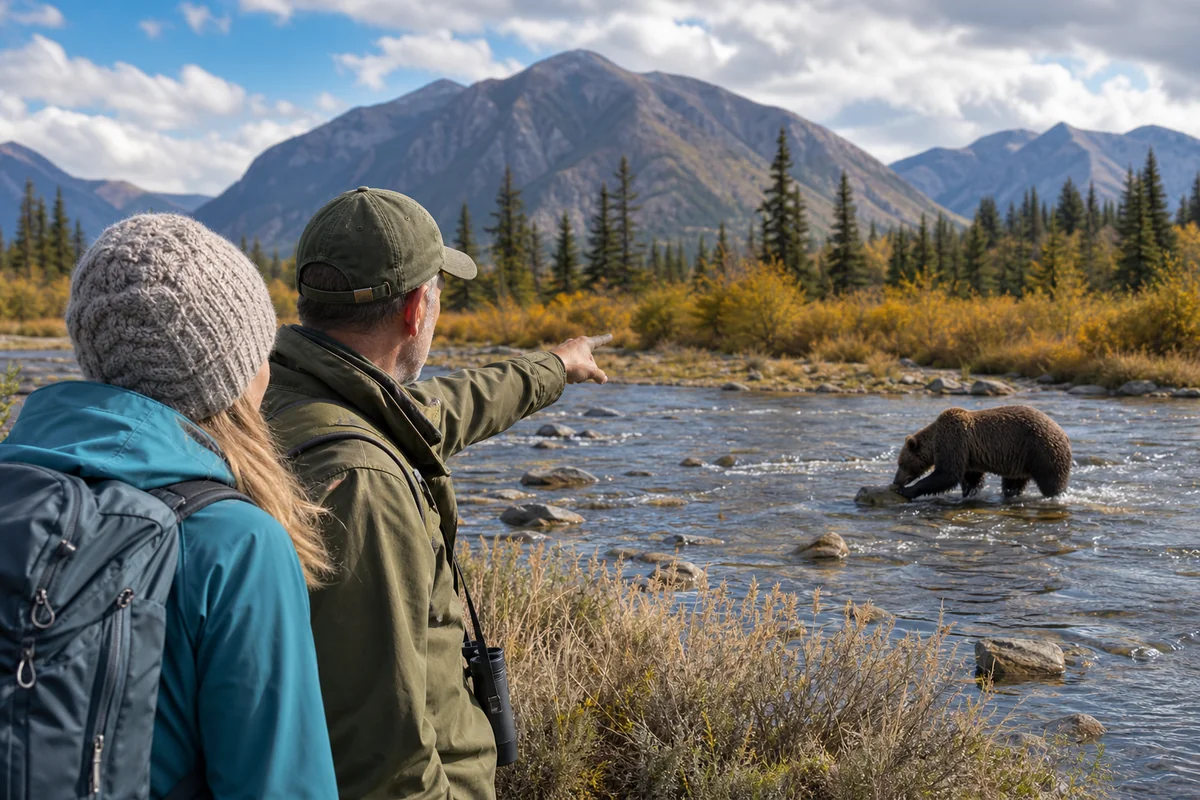
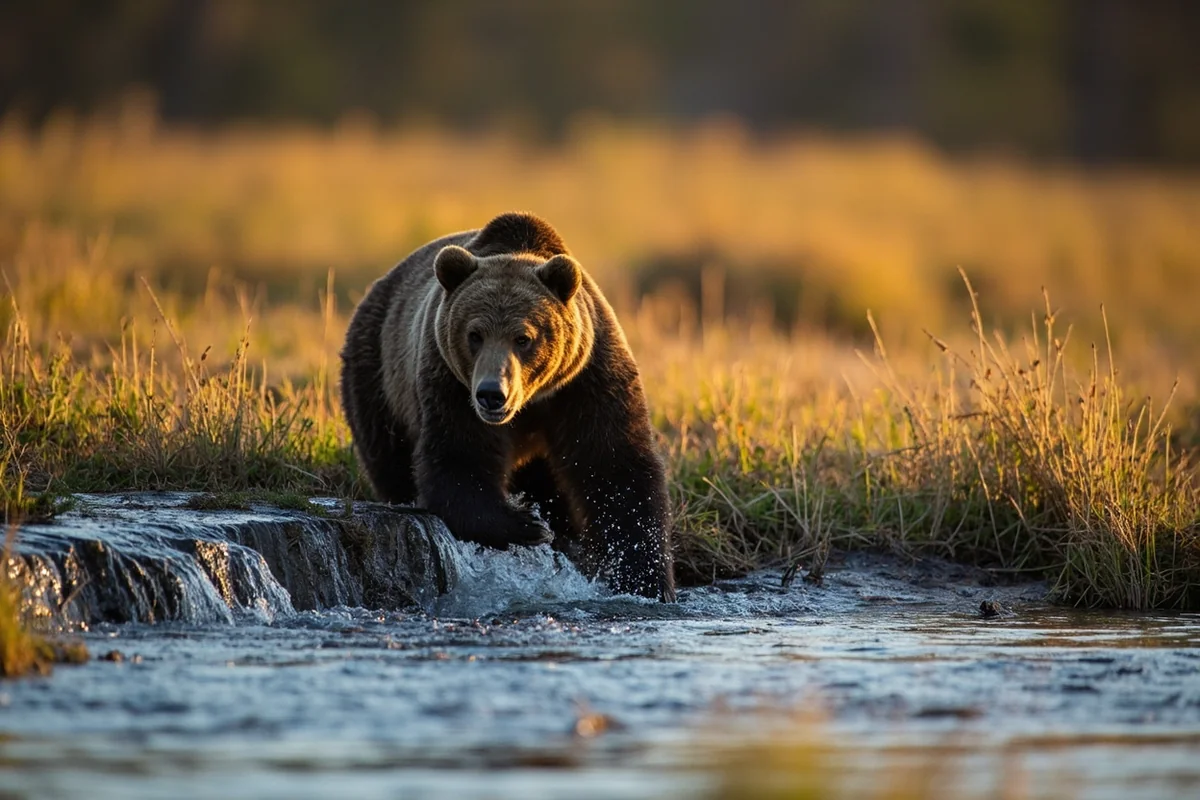
Last September, I watched a grizzly bear flip rocks along the Lamar River while our guide whispered facts about its feeding habits—and I realized this single moment justified every penny I’d spent on that nature tour.
Montana’s wilderness is staggering in scale, but having an expert beside you transforms a scenic drive into a masterclass in ecology, geology, and survival.
If you’re exploring Montana Tours for the first time, nature-focused experiences offer the deepest connection to Big Sky Country.
Unlike self-guided adventures where you might drive past a wolf pack without noticing, guided nature tours put you in the right place at the right time with someone who knows exactly where to look.
- Montana nature tours range from $75 half-day wildlife watches to $400+ multi-day backcountry expeditions
- Peak wildlife viewing happens at dawn and dusk—book early morning or evening tours
- Spring and fall offer fewer crowds and more active wildlife than summer
- Private tours cost more but allow flexible pacing and personalized routes
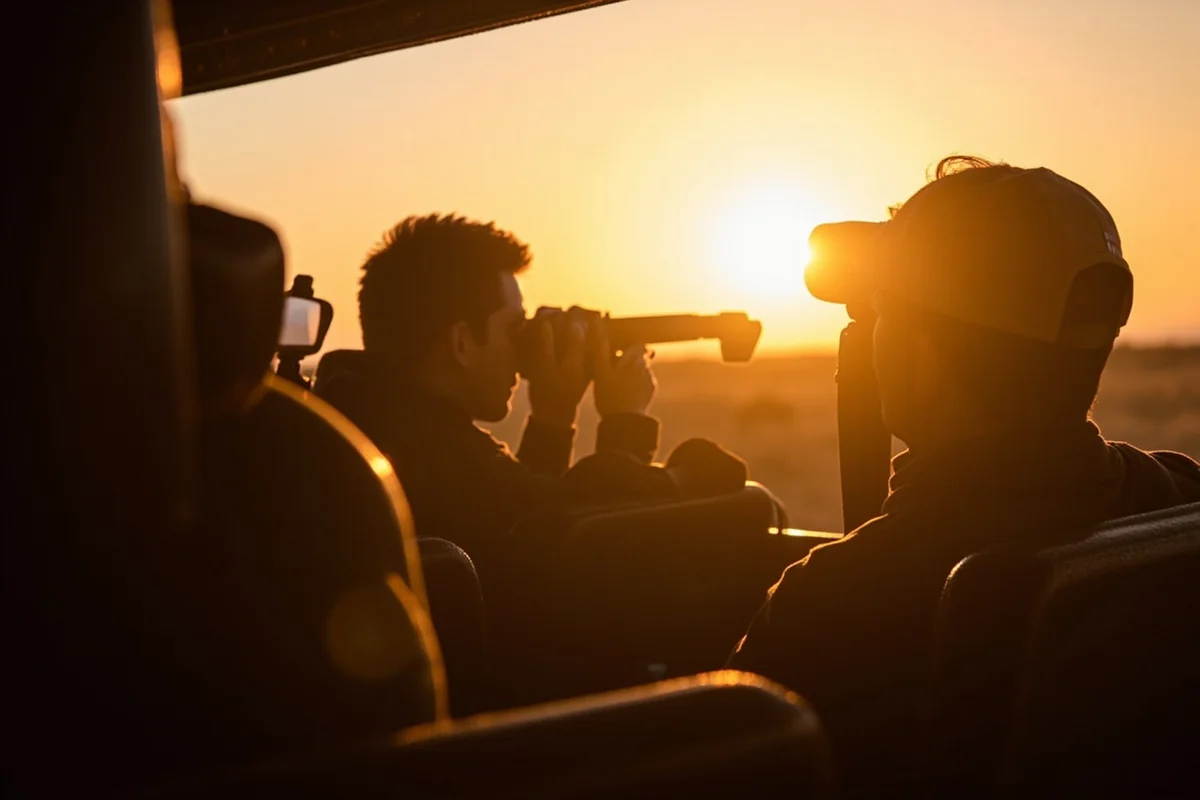
- Guides provide spotting scopes, binoculars, and often transportation from your hotel
- Book 2-4 weeks ahead for peak season, especially Yellowstone-adjacent tours
Liked this article?
Add Roaming Montana as a preferred source so you see more of our articles and guides on Google.
What Makes Montana Nature Tours Different From DIY Exploration
I’ll be honest—when I first moved to Montana, I thought guided tours were for tourists who couldn’t handle adventure on their own. After joining dozens of them over the past five years, I’ve completely changed my mind.
The difference between driving through Glacier National Park solo and experiencing it with a naturalist guide is like the difference between reading a menu and eating the meal. Guides don’t just show you where animals are; they explain why they’re there, what they’re doing, and how to interpret their behavior.
During my first guided tour in the Paradise Valley, our guide spotted a golden eagle from over a mile away. I’d been scanning the same ridge for twenty minutes and missed it entirely. That’s not luck—it’s thousands of hours of field experience.
The Knowledge Gap Is Real
Most visitors to Montana can identify an elk or a bison. But can you tell the difference between a coyote and a wolf at 400 yards? Do you know why grizzlies congregate near certain streams in late summer, or which meadows hold the healthiest populations of native wildflowers?
Naturalist guides spend years building this knowledge. Many hold degrees in wildlife biology, botany, or ecology. Some have worked for the National Park Service or state wildlife agencies before transitioning to guiding.
On a recent trip through the Greater Yellowstone Ecosystem, my guide had literally radio-collared some of the wolves we were watching. He knew their pack histories, their hunting territories, and which individuals had dispersed from other groups. That level of insight simply isn’t available in any guidebook.
Equipment and Access
Quality nature tours provide professional-grade equipment that would cost thousands to purchase yourself. I’m talking about Swarovski spotting scopes, high-powered binoculars, and specialized photography gear.
Some outfitters also have access to private lands adjacent to public areas. During a Montana Range Tour I took last year, we accessed a working cattle ranch that bordered national forest land. The wildlife viewing there was exceptional because animals moved freely between protected and private areas without the visitor pressure found in parks.
Types of Montana Nature Tours Worth Booking
Nature tours in Montana aren’t one-size-fits-all. The right choice depends on your interests, physical ability, and how much time you have. Here’s what I’ve learned from trying most of them.
Wildlife Safari Tours
These are the most popular nature tours in Montana, and for good reason. You’ll spend hours in a vehicle—usually a modified van or SUV with pop-up tops or large windows—scanning for wildlife while a guide provides context and education.
Wildlife safaris work best in the Greater Yellowstone Ecosystem and the areas surrounding Glacier National Park. Tours typically run 4-8 hours and follow established routes known for animal activity.
I’ve taken wildlife safaris in every season, and each offers something different. Winter tours feature wolves hunting elk in deep snow. Spring brings newborn bison calves and grizzlies emerging from hibernation. Summer means bears fishing for cutthroat trout, while fall showcases the elk rut with its eerie bugling.
The best wildlife safari I’ve experienced was a full-day tour focused on predators in the Lamar Valley. We watched the Junction Butte wolf pack for nearly an hour before they disappeared into the timber. Later that afternoon, we found a grizzly sow with cubs only a hundred yards from the road.
Guided Nature Hikes
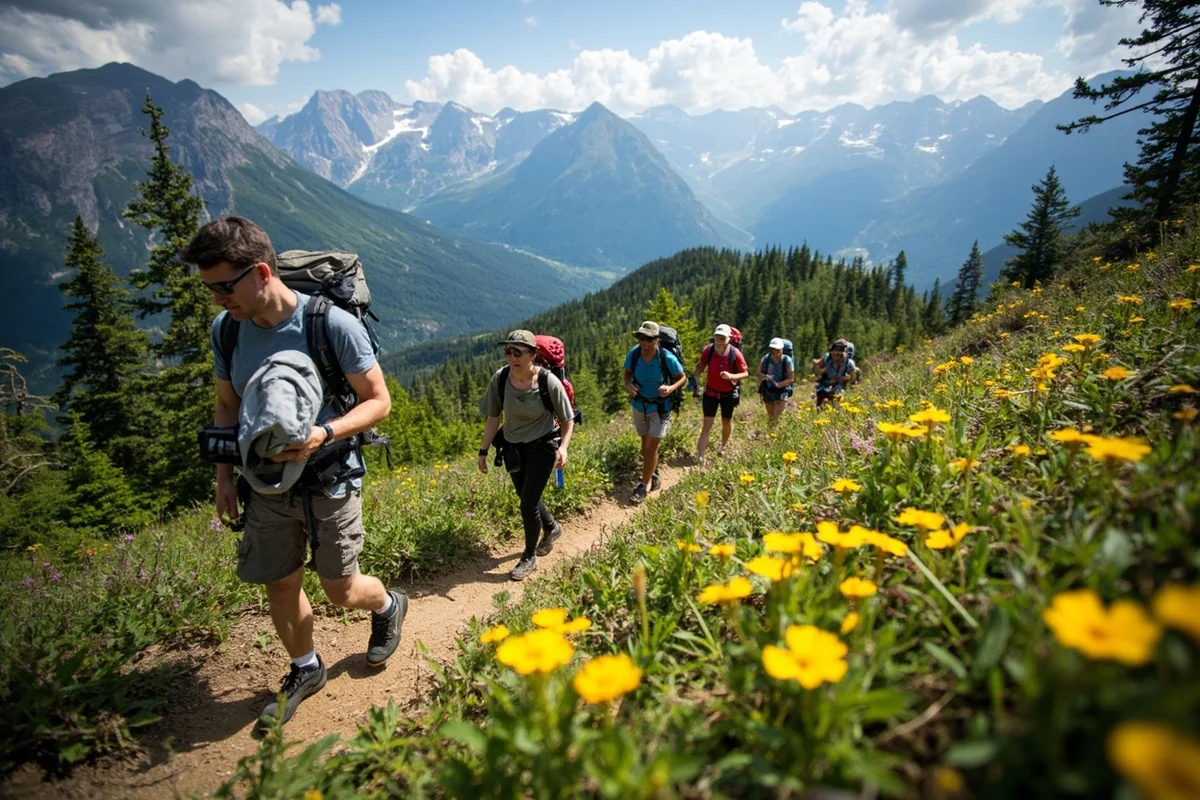
If sitting in a vehicle feels too passive, guided nature hikes combine physical activity with education. These range from easy interpretive walks on paved trails to strenuous backcountry expeditions.
What sets a guided hike apart from hiking solo is the depth of interpretation. A good naturalist guide can spend ten minutes explaining a single wildflower—its pollination strategy, its relationship with specific insects, its medicinal uses by indigenous peoples, and why it grows in this particular microhabitat.
Last summer, I joined a guided hike to Grinnell Glacier in Glacier National Park. The trail is spectacular enough on its own, but our guide stopped every few hundred yards to discuss glacial geology, alpine ecology, and climate change impacts. By the time we reached the glacier, I understood what I was seeing in a way I never could have alone.
For those interested in birds specifically, Montana Birding Tours offer specialized hikes focused on finding and identifying the state’s 400+ bird species.
Boat-Based Nature Tours
Montana’s rivers and lakes host incredible wildlife that’s often invisible from shore. Boat tours provide access to these aquatic ecosystems and the animals that depend on them.
Montana Boat Tours come in many forms—float trips on the Yellowstone River, motorboat excursions on Flathead Lake, and kayak expeditions through wetland areas. Each offers a different perspective on Montana’s natural world.
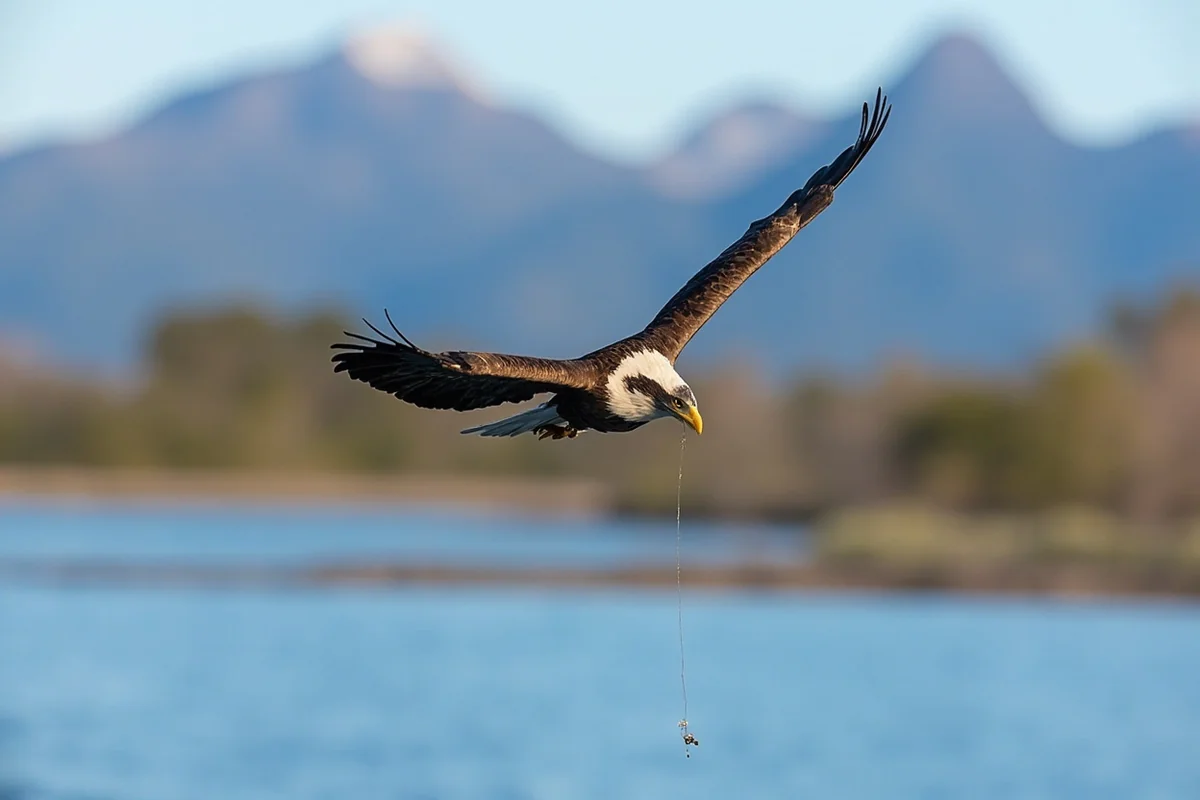
I took a float trip on the Madison River last August specifically to watch ospreys and bald eagles fishing. From the water, we had front-row seats to aerial hunts that would have been impossible to see from the bank. Our guide maneuvered the drift boat silently, allowing us to approach wildlife without disturbance.
Multi-Day Wilderness Expeditions
For the deepest nature immersion, multi-day tours venture into Montana’s backcountry. These trips combine camping, hiking, and wildlife observation into comprehensive wilderness experiences.
I spent four days in the Bob Marshall Wilderness with an outfitter who packed all our gear on mules. We covered terrain that most visitors never see—pristine meadows, crystalline lakes, and mountain passes where grizzly tracks outnumbered human footprints.
Multi-day expeditions cost more and require greater physical fitness, but they deliver an intimacy with wild Montana that day trips simply can’t match. You’ll wake up to elk grazing outside your tent and fall asleep to the howling of wolves.
Best Regions for Montana Nature Tours
Montana encompasses 147,000 square miles of diverse landscapes. Not all areas offer equal tour options, so knowing where to focus your search matters.
Greater Yellowstone Ecosystem
This remains the premier destination for nature tours in Montana, and probably in all of North America. The combination of Yellowstone National Park, surrounding national forests, and private ranches creates an unbroken wilderness larger than some states.
Gardiner and Cooke City serve as the main bases for Yellowstone-adjacent tours. From either town, you can access the Lamar Valley, often called America’s Serengeti for its wildlife density.
I prefer Gardiner for its wider range of outfitters and accommodations, but Cooke City puts you closer to the Lamar Valley’s eastern sections, where wolf and bear activity tends to peak.
The Paradise Valley, stretching north from Gardiner along the Yellowstone River, offers excellent nature tours on private ranches. Wildlife here includes everything found in the park plus species like pronghorn and white-tailed deer that prefer the valley’s lower elevations.
Glacier National Park Region
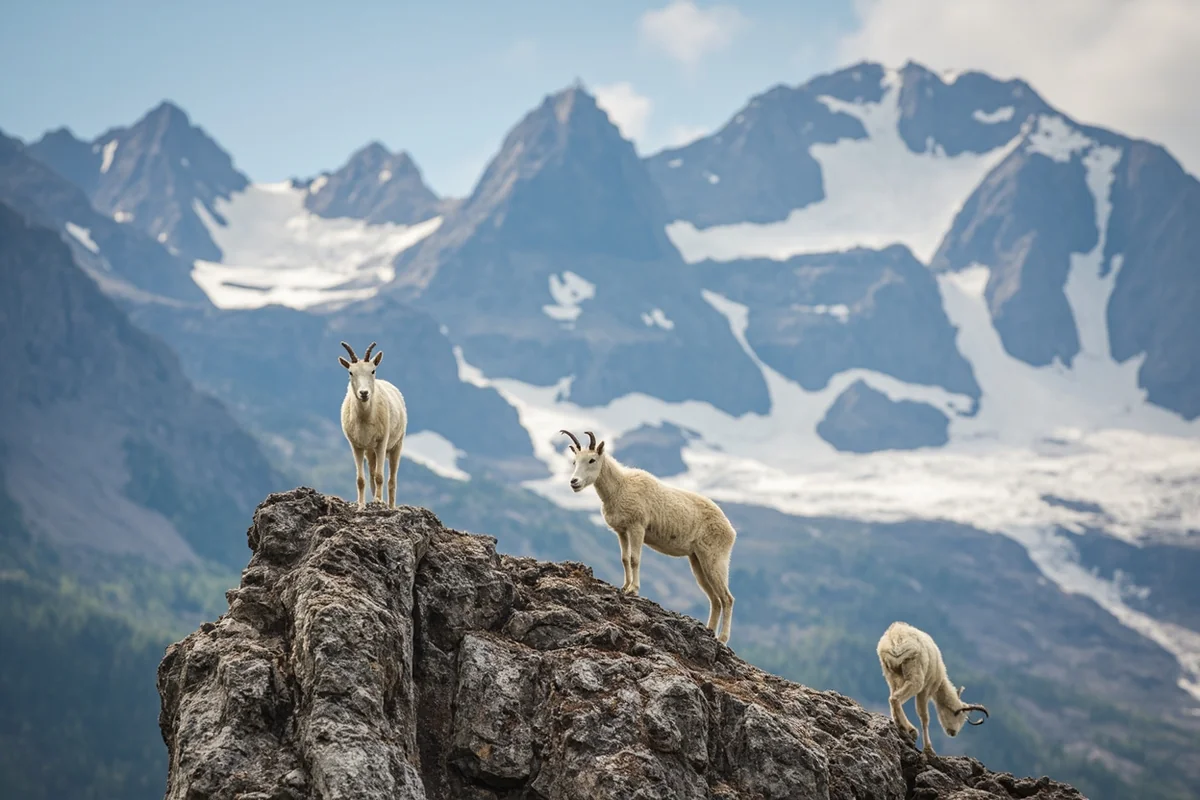
Glacier’s alpine ecosystems support wildlife communities found nowhere else in the lower 48. Mountain goats, bighorn sheep, and ptarmigan thrive at elevations above 7,000 feet, while dense forests harbor grizzlies, black bears, and elusive wolverines.
Nature tours in Glacier tend toward hiking rather than vehicle-based safari formats. The park’s narrow roads and limited wildlife viewing pullouts make vehicle tours less effective than in Yellowstone.
The town of Whitefish offers the most tour options, though West Glacier and East Glacier also host outfitters. I’ve found that staying on the eastern side of the park provides better wildlife viewing, as lower visitor numbers mean less animal disturbance.
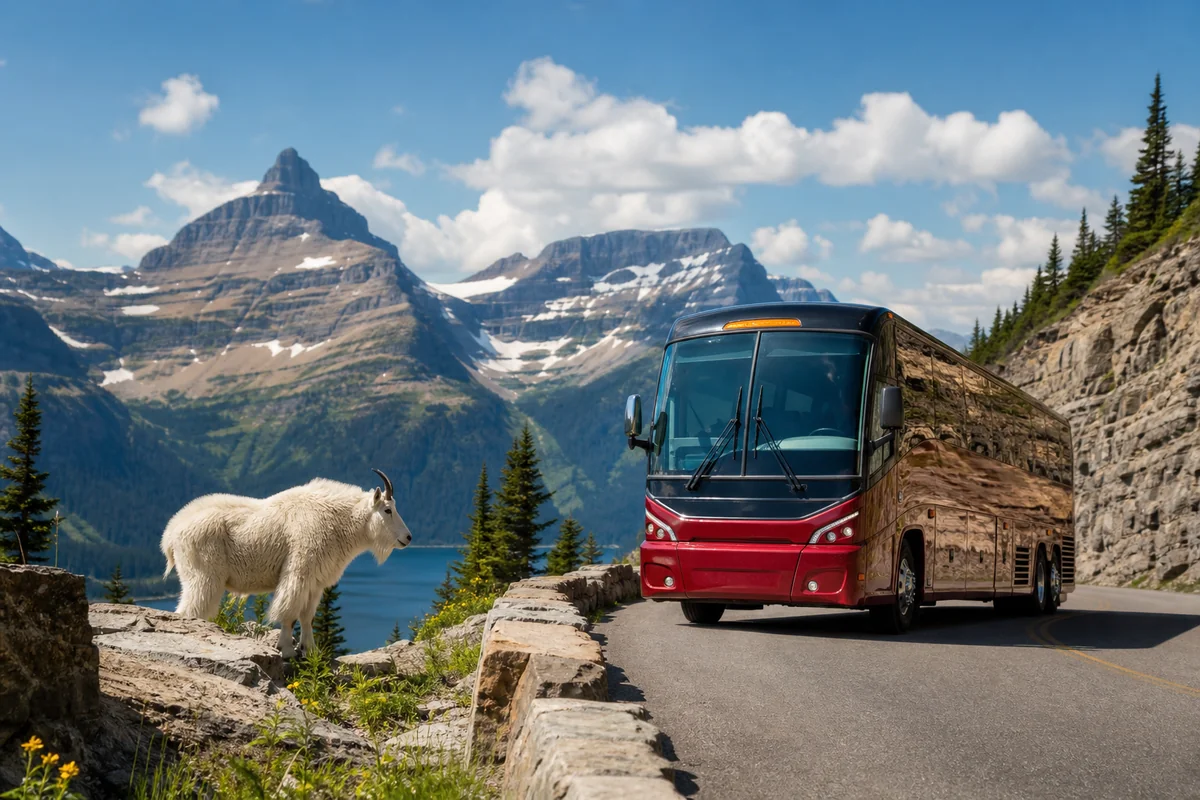
For those who want to experience Glacier’s wilderness without extensive hiking, Montana Bus Tours along the Going-to-the-Sun Road offer stunning scenery and interpretive narration.
Montana’s Prairie Ecosystems
Most visitors focus on mountains, but Montana’s eastern prairies support unique wildlife communities that deserve attention. Pronghorn, prairie dogs, burrowing owls, and ferruginous hawks inhabit these grasslands.
The Charles M. Russell National Wildlife Refuge sprawls across 1.1 million acres of prairie and Missouri River breaks. This is one of the last places in America where you can experience the Great Plains as Lewis and Clark encountered them.
I took a guided tour through the CMR refuge last spring during prairie dog pupping season. We watched hundreds of pups emerge from their burrows for the first time while golden eagles circled overhead. It was a glimpse of an ecosystem that once stretched from Texas to Canada.
Choosing the Right Tour Operator
Not all nature tour operators deliver equal experiences. Over the years, I’ve learned to evaluate outfitters based on several key factors.
Guide Qualifications
Ask about your guide’s background before booking. The best naturalist guides have formal education in biology or ecology, plus years of field experience in Montana specifically.
Certifications matter too. Look for guides certified by organizations like the Yellowstone Forever Institute or the Glacier Institute. These programs require extensive training in natural history, safety, and interpretation techniques.
During my visit to the National Bison Range a few years ago, I took a tour led by a retired wildlife biologist who’d spent thirty years studying the bison herd. His depth of knowledge transformed a casual wildlife viewing into a graduate seminar on ungulate ecology.
Group Size
Smaller groups mean better experiences. I refuse to book tours with more than eight participants because larger groups are louder, slower, and less flexible.
Private tours cost significantly more but eliminate the group dynamic entirely. If you’re serious about photography or have specific wildlife you want to target, a private guide is worth the investment.
Equipment Quality
Reputable outfitters provide high-quality optics—spotting scopes in the 60-80mm range and binoculars with at least 8x magnification. Some also offer camera setups for digiscoping through spotting scopes.
Ask what equipment is included before booking. I once joined a budget tour where the “binoculars” were cheap birding glasses with scratched lenses. It made the entire experience frustrating.
Vehicle Comfort
For full-day safari tours, the vehicle matters. You’ll spend 6-8 hours inside, so comfort counts.
The best outfitters use modified vans or SUVs with elevated seats, pop-up roofs, and large windows. Climate control, charging ports, and ample legroom make long days bearable.
What to Expect on Your Tour
Knowing what a typical nature tour day looks like helps set appropriate expectations.
Timing and Schedules
Most wildlife tours start early—often before sunrise. Animals are most active during the hours after dawn and before dusk, so expect wake-up calls as early as 4:30 AM during summer.
A typical full-day wildlife safari might run from 5:00 AM to 1:00 PM, then resume from 4:00 PM to 9:00 PM. The midday break allows for rest, meals, and avoiding the least productive wildlife viewing hours.
Half-day tours usually focus on either morning or evening. Morning tours are more popular, but I’ve had excellent luck with evening tours when other visitors have already left the field.
Pace and Flexibility
Good nature tours follow wildlife, not schedules. If your group encounters a wolf pack making a kill, the guide should stay and observe rather than rushing to the next stop.
This flexibility is one of guided tours’ greatest advantages over self-exploration. Guides know when to wait and when to move, maximizing productive wildlife viewing time.
During my most memorable tour, we spent nearly three hours watching a grizzly bear hunting ground squirrels. A rigid schedule would have pulled us away after thirty minutes, but our guide recognized this was a rare behavioral display worth documenting.
Physical Requirements
Vehicle-based tours require minimal physical fitness—you’ll need to walk short distances from parking areas to viewing spots, but nothing strenuous.
Guided hikes range from easy to extremely demanding. Always ask about trail distances, elevation gains, and terrain before booking. Be honest about your fitness level; struggling on a difficult hike ruins the experience for you and slows down the group.
For those seeking adventure without extreme physical demands, Montana Jeep Tours and Montana UTV Tours offer off-road access to remote areas while keeping you seated.
Practical Information Table
| Tour Type | Duration | Price Range | Best Season | Physical Level |
|---|---|---|---|---|
| Wildlife Safari (half-day) | 4-5 hours | $150-$250 | Year-round | Easy |
| Wildlife Safari (full-day) | 8-12 hours | $300-$450 | Year-round | Easy |
| Guided Nature Hike (half-day) | 3-5 hours | $75-$150 | May-October | Moderate |
| Guided Nature Hike (full-day) | 6-10 hours | $150-$275 | June-September | Moderate-Difficult |
| Boat-Based Nature Tour | 3-6 hours | $100-$300 | May-September | Easy |
| Multi-Day Wilderness Expedition | 3-7 days | $400-$600/day | June-September | Moderate-Difficult |
| Private Wildlife Tour | 4-12 hours | $500-$900 | Year-round | Easy-Moderate |
Seasonal Considerations
Montana’s nature tours change dramatically with the seasons. Each offers unique opportunities and challenges.
Spring (April-May)
Spring is my favorite season for nature tours, though it’s often overlooked by visitors. Wildlife emerges from winter dormancy hungry and active. Grizzly bears dig for roots and scavenge winter-killed carcasses. Newborn bison calves take their first wobbly steps.
Migratory birds flood back into Montana’s wetlands, making spring ideal for birding-focused tours. I’ve seen sandhill cranes, trumpeter swans, and dozens of warbler species during April and May tours.
The downside is unpredictable weather. Spring snowstorms can close mountain roads and limit tour access. Pack layers and prepare for anything.
Summer (June-August)
Peak tourist season brings the most tour options but also the largest crowds. Wildlife remains active but often moves to higher elevations to escape heat and visitors.
Early summer (June) offers the best combination of good weather, accessible trails, and active wildlife. By August, many animals have retreated to cooler, more remote areas.
Book summer tours well in advance—popular outfitters fill weeks ahead. I recommend securing your reservations at least a month before travel dates.
Fall (September-October)
Fall rivals spring as my preferred nature tour season. The elk rut brings dramatic wildlife behavior, with bulls bugling and sparring across mountain meadows. Grizzly bears enter hyperphagia, feeding up to 20 hours daily before hibernation.
Autumn colors transform Montana’s landscapes into photography paradise. Aspen groves glow golden, and the slant of fall light creates spectacular conditions for wildlife viewing.
Crowds thin dramatically after Labor Day, yet many tour operators continue running trips through October. This is the sweet spot for serious nature enthusiasts.
Winter (November-March)
Winter nature tours focus almost exclusively on the Greater Yellowstone Ecosystem, where wildlife concentrates in lower-elevation valleys. This is prime time for wolf watching, as packs hunt elk weakened by deep snow.
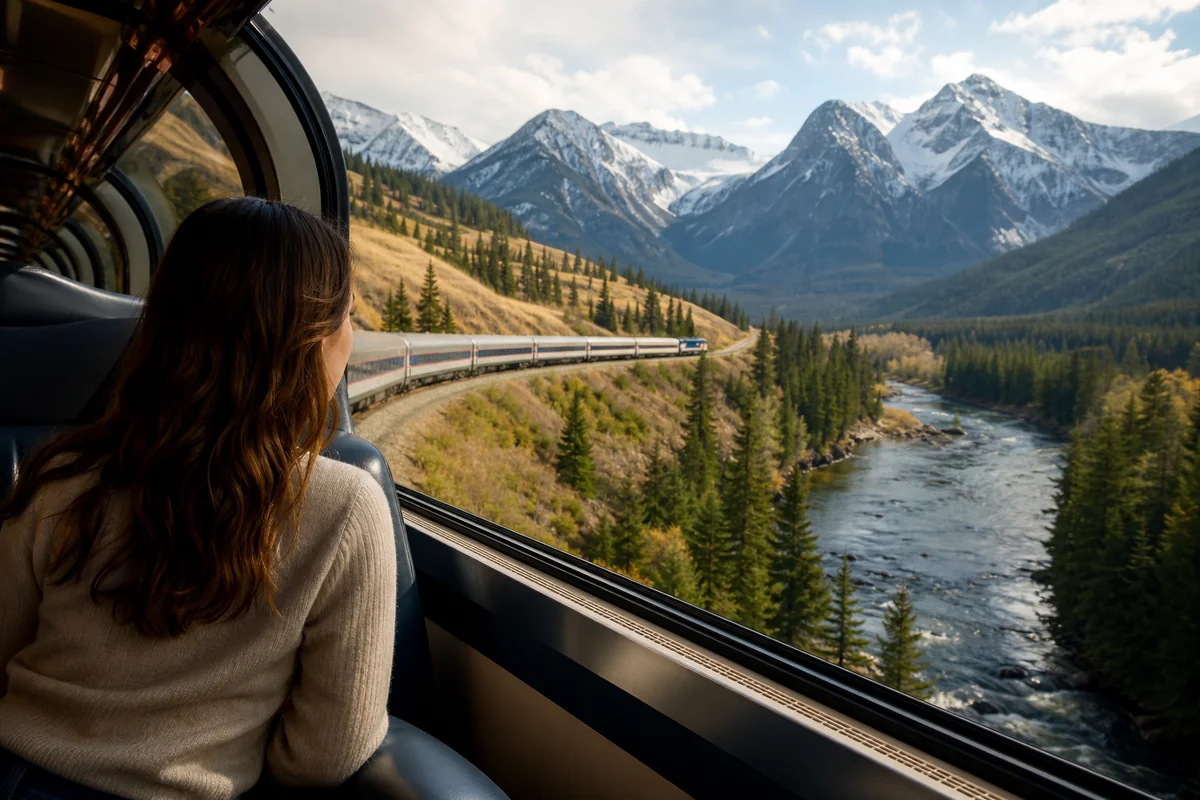
Montana Train Tours offer a unique winter perspective, carrying passengers through snowy landscapes where vehicle access becomes difficult.
Winter tours require serious cold-weather gear. Temperatures regularly drop below zero, and you’ll spend hours outdoors in extreme conditions. But watching a wolf pack take down an elk in knee-deep powder? Absolutely unforgettable.
What to Bring on Your Nature Tour
Even with gear provided by outfitters, you’ll need to prepare properly for a Montana nature tour.
Clothing Essentials
Montana weather changes rapidly, even in summer. I always dress in layers and pack more than I think I’ll need.
Essential items include a waterproof jacket, warm fleece or down layer, moisture-wicking base layers, and sturdy hiking shoes. Even vehicle-based tours involve walking on uneven terrain, so leave the sandals at home.
In winter, add heavy insulated boots, hand warmers, a balaclava, and expedition-weight base layers. You’ll thank yourself at 5:00 AM when it’s 15 below.
Personal Optics
Most tours provide binoculars and spotting scopes, but having your own optics ensures they’re properly adjusted for your eyes. I bring my personal 10×42 binoculars on every tour, even when the outfitter provides equipment.
For photography, bring the longest lens you own. Wildlife viewing distances vary widely, but 400mm is the minimum for serious wildlife photography in Montana.
Food and Water
Some tours include meals or snacks, but many don’t. Always bring water (at least a liter) and energy-dense snacks like nuts, dried fruit, or granola bars.
Coffee addicts should note that most early-morning tours don’t stop for caffeine. I travel with a thermos of hot coffee for those 5:00 AM departures.
Combining Nature Tours With Other Montana Experiences
A well-planned Montana trip weaves nature tours into a broader itinerary. Here’s how I typically structure my recommendations for visiting friends.
Start with a full-day or multi-day nature tour focused on wildlife. This establishes context for everything else you’ll see during your trip.
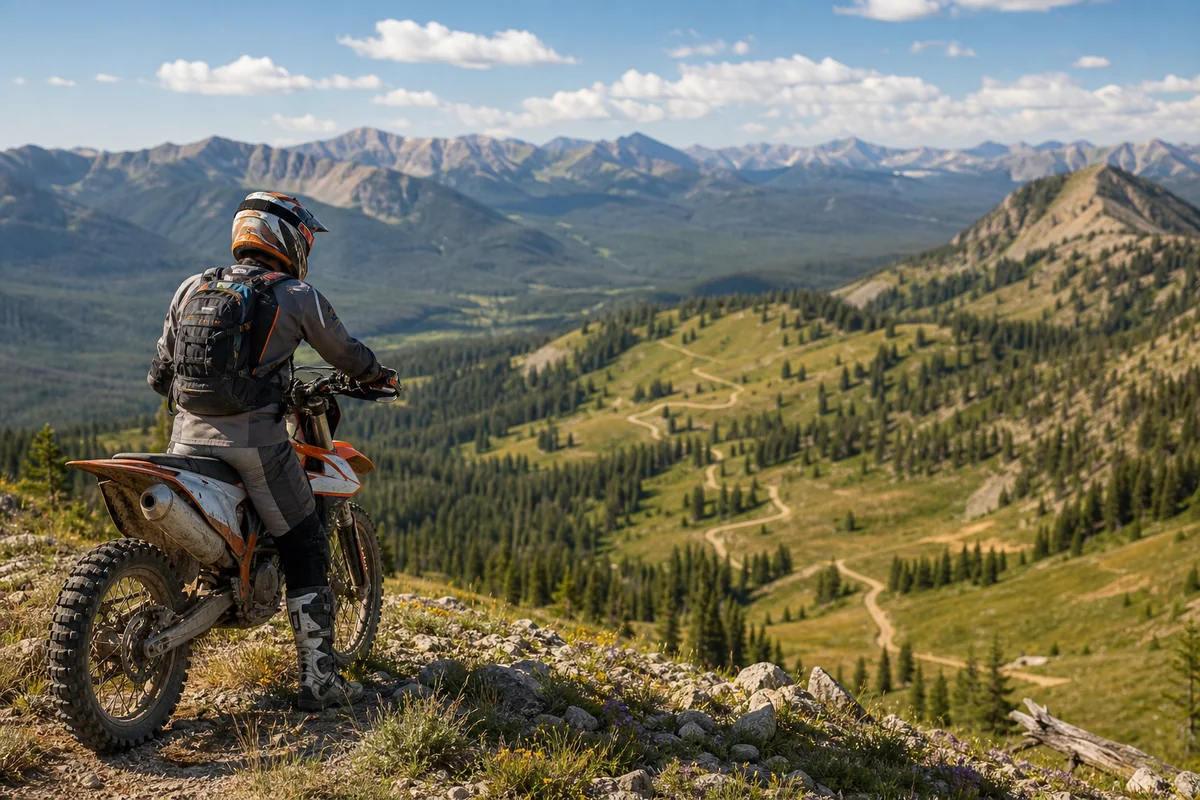
Add active adventures that complement the nature focus. Montana Motorcycle Tours and Montana Dirt Bike Tours cover ground quickly while keeping you connected to the landscape.
Balance outdoor intensity with unique cultural experiences. Montana Chocolate Tours might seem unrelated to nature, but they offer insight into Montana’s local food culture and provide a relaxed counterpoint to early-morning wildlife viewing.
For aerial perspectives on the landscapes you’ve explored at ground level, Montana Helicopter Tours reveal how ecosystems connect across vast distances.
Booking Tips and Avoiding Common Mistakes
After years of booking nature tours in Montana, I’ve learned what works and what doesn’t.
Book Early, Especially for Peak Season
Popular outfitters fill their calendars months in advance. For summer and fall tours, I recommend booking at least 4-6 weeks ahead. Winter wolf tours are even more competitive—book 2-3 months out.
Private tours require even more lead time because guides need to block entire days for single clients.
Read Reviews Carefully
Online reviews reveal patterns that marketing materials hide. Pay attention to comments about guide knowledge, wildlife sightings, and group management.
Negative reviews mentioning rushed schedules, oversized groups, or poor guide communication are red flags. One bad experience won’t define an outfitter, but consistent complaints suggest systemic problems.
Communicate Your Interests
When booking, tell the outfitter exactly what you hope to see and do. If you’re a photographer, mention it—some guides can adjust routes and timing for better light. If you have mobility limitations, share them honestly so the guide can plan accordingly.
The best tours happen when guides understand their clients’ priorities before the trip begins.
Don’t Overschedule
I see visitors try to cram too many activities into limited time. A full-day wildlife safari followed by an evening boat tour followed by an early-morning hike leads to exhaustion, not enrichment.
Leave buffer days between intensive tours. You’ll enjoy each experience more and have energy to process what you’ve seen.
My Top Recommendations for First-Time Visitors
If you’ve never taken a nature tour in Montana, here’s where I’d start.
For wildlife diversity and relatively easy access, book a full-day Lamar Valley safari based out of Gardiner. This single tour can deliver wolves, grizzly bears, bison, elk, pronghorn, and dozens of other species.
For alpine ecosystems and stunning scenery, choose a guided hike in Glacier National Park. The Grinnell Glacier Trail or Highline Trail offer world-class experiences with manageable difficulty.
For something different from the typical tourist circuit, arrange a private tour through Montana’s prairie ecosystems. The wildlife here—pronghorn, ferruginous hawks, burrowing owls—represents a distinctly American landscape that most visitors never explore.

Final Thoughts
Montana’s wild places are accessible without guides—the national parks and forests welcome all visitors, and self-exploration offers its own rewards. But nature tours unlock dimensions of this landscape that casual visitors miss entirely.
The guide who points out wolf tracks in fresh snow, explains why grizzlies den on north-facing slopes, or identifies a rare bird by its song alone—that person transforms sightseeing into understanding.
I’ve spent hundreds of hours on Montana nature tours over the past decade, and I still learn something new every time. Whether you’re a first-time visitor or a returning enthusiast, professional naturalist guides will show you a Montana you didn’t know existed.
The wilderness that awaits here is among the finest on Earth. See it right.
Frequently Asked Questions
What is the best time of year to book a Montana nature tour?
The best time for Montana nature tours depends on what you want to see—late spring through early fall (May to September) offers the most wildlife activity and accessible trails, while winter tours provide stunning snow-covered landscapes and opportunities to spot wolves and elk. I recommend booking summer tours 2-3 months in advance, as popular Glacier and Yellowstone area tours fill up quickly.
How much do guided nature tours in Montana typically cost?
Montana nature tour prices range from $75-$150 per person for half-day wildlife watching excursions to $300-$500 for full-day guided adventures with transportation and meals included. Multi-day backcountry tours with camping can run $1,000-$2,500 depending on duration and group size. I’ve found that small group tours (6-8 people) offer the best value for personalized experiences.
What should I pack for a Montana wildlife and nature tour?
Pack layers regardless of season—Montana weather changes fast, and temperatures can drop 30°F between morning and afternoon even in summer. Essential items include sturdy hiking boots, binoculars, sunscreen, a rain jacket, and bear spray if your tour doesn’t provide it. Most tour operators recommend bringing a camera with zoom capability since you’ll often spot wildlife from 50-100 yards away.
Are Montana nature tours suitable for beginners and families with kids?
Absolutely—many Montana outfitters offer family-friendly nature tours designed for all fitness levels, including scenic wildlife drives and easy 1-2 mile interpretive hikes. Kids as young as 5 can enjoy most van-based wildlife tours in areas like Lamar Valley or the National Bison Range. I suggest looking for tours that specifically mention ‘beginner-friendly’ or ‘all ages welcome’ in their descriptions.
What wildlife can I expect to see on a Montana nature tour?
Montana nature tours commonly feature sightings of grizzly bears, black bears, moose, elk, bison, wolves, and bald eagles depending on location and season. Tours near Yellowstone’s northern boundary have some of the highest wolf-spotting success rates in the lower 48 states. Your guide’s local knowledge dramatically increases your chances—I’ve seen wildlife on 90% of guided tours versus maybe 50% when exploring solo.
How far in advance should I book a Montana nature tour during peak season?
For peak summer months (June through August), I recommend booking popular Glacier National Park and Yellowstone-area nature tours 8-12 weeks in advance, especially for small group or sunrise wildlife tours. Last-minute availability is sometimes possible midweek, but weekend tours and anything involving boat access or backcountry permits books out quickly. Shoulder seasons like September offer easier booking with 2-4 weeks notice.
Do Montana nature tours include transportation from nearby cities?
Many Montana nature tour operators offer hotel pickup from gateway towns like Bozeman, Whitefish, Missoula, and West Yellowstone, typically included in the tour price or for a small $20-$50 fee. If you’re flying into larger airports, expect a 2-4 hour drive to most tour departure points—Bozeman to Yellowstone is about 90 miles, while Kalispell to Glacier is roughly 30 miles. I always confirm pickup logistics when booking since some tours only meet at trailheads.
Sources