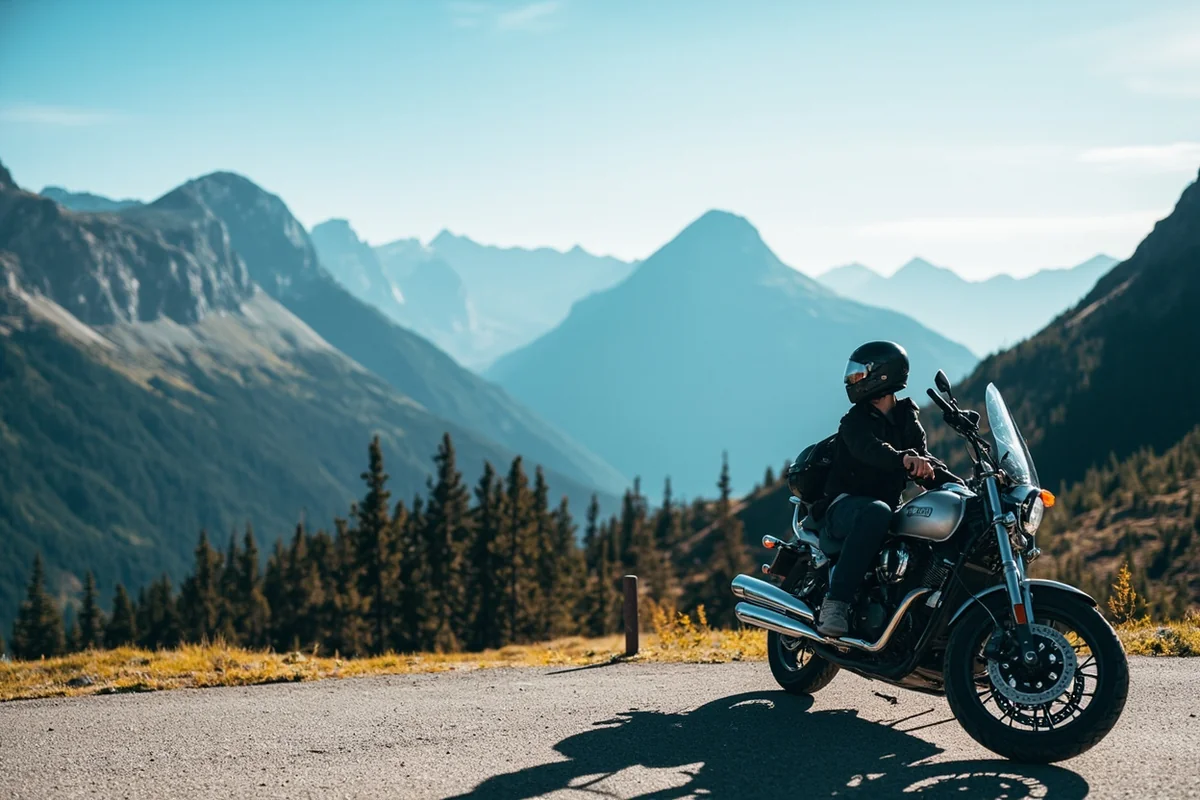
- Peak riding season runs mid-June through September, with July and August offering the best conditions
- Going-to-the-Sun Road opens to motorcycles earlier than cars—usually by mid-June
- The Beartooth Highway is consistently rated America’s most scenic motorcycle route
- Expect to pay $250–$500/day for guided tours, $150–$300/day for quality rentals
- Book accommodations in gateway towns 2–3 months ahead for summer rides
- Fuel stops can be 80+ miles apart—always top off when you can
Liked this article?
Add Roaming Montana as a preferred source so you see more of our articles and guides on Google.
Why Montana Ranks as America’s Premier Motorcycle Destination
After logging over 15,000 miles across Montana on various trips since 2018, I’ve developed some strong opinions about why this state stands apart. It’s not just the scenery—though that alone would be enough—it’s the entire riding ecosystem that makes Montana special. The roads here were built for utility, not tourism. They follow rivers, climb mountain passes, and cut through valleys in ways that create natural, flowing riding experiences. There are no artificially manufactured “scenic loops” designed to move tourist traffic. Montana’s speed limits reflect its vastness. On many rural highways, you’ll find 70 mph limits, and the famous “reasonable and prudent” standard still influences how roads are patrolled. Law enforcement here understands that motorcyclists need to ride their own line through corners.The Traffic Factor
During my most recent trip last summer, I rode the entire length of Highway 2 from Browning to Glasgow—nearly 300 miles—and counted fewer than 50 vehicles traveling in my direction. That kind of solitude simply doesn’t exist in most states anymore. Even the “busy” routes like Going-to-the-Sun Road offer experiences that compare favorably to riding in other regions. Yes, you’ll encounter traffic in Glacier National Park during peak season, but it moves slowly and predictably, allowing you to focus on the incredible scenery rather than aggressive drivers.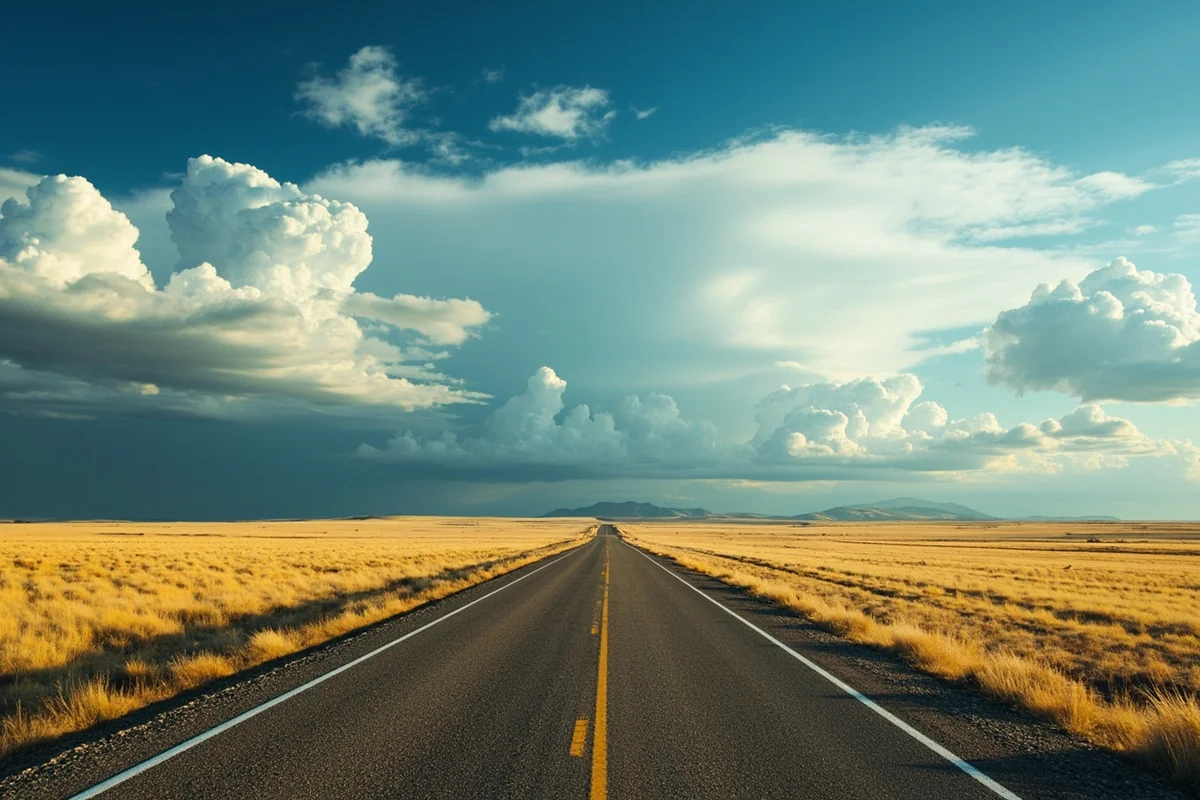
The Essential Montana Motorcycle Routes You Need to Ride
Over multiple trips, I’ve ridden nearly every paved road in Montana that’s worth mentioning. Here’s my honest assessment of the routes that deserve your time—and a few that are overhyped.Beartooth Highway (US-212)
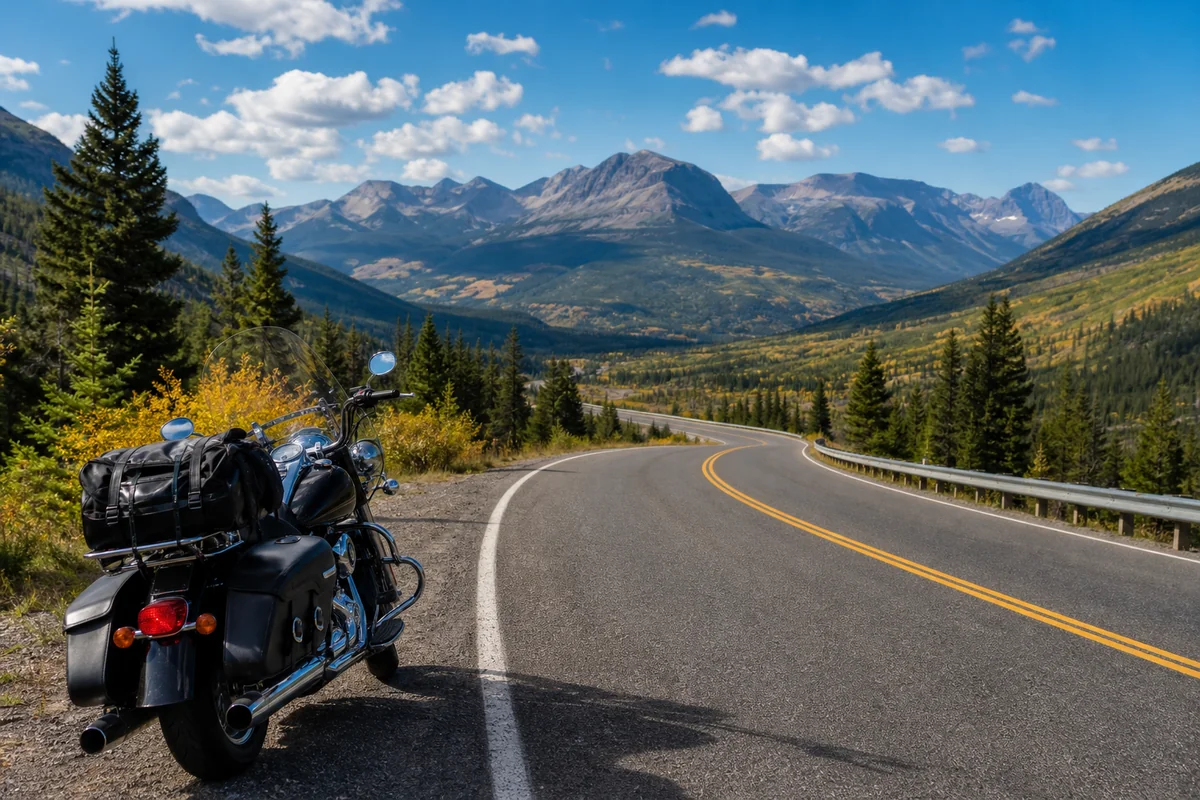
Let’s start with the obvious one. The Beartooth Highway connecting Red Lodge to Cooke City is legitimately the most spectacular motorcycle road I’ve ever ridden—and I’ve done the Tail of the Dragon, Deals Gap, and the Pacific Coast Highway. What makes the Beartooth special isn’t just the 10,947-foot summit or the 13 switchbacks on the Montana side. It’s the way the road constantly reveals new vistas, the alpine tundra that makes you feel like you’ve ridden to another planet, and the varied terrain that keeps you engaged for the full 68 miles. On my ride last August, temperatures dropped from 78°F in Red Lodge to 41°F at the summit in under an hour. Snow lingered in patches despite it being mid-summer. I watched a mountain goat navigate a cliff face about 50 yards from my bike while I caught my breath at a pullout. **Practical tips from experience:** – Start from Red Lodge for the best ascent experience – Leave early morning (before 8 AM) to avoid RV traffic – The road typically opens late May and closes by mid-October – Gas up in Red Lodge—there’s nothing until Cooke City – Plan 3–4 hours minimum, though you’ll want moreGoing-to-the-Sun Road
Glacier National Park’s famous road deserves its reputation, but I need to be honest about something: it’s not primarily a motorcycle road. The curves are tight, the exposure is extreme, and you’ll be sharing pavement with tourists who are more focused on scenery than their mirrors. That said, there’s a secret that experienced Montana riders know: motorcycles are often allowed through before the road fully opens to traffic. During my June 2022 trip, I was able to ride the full 50-mile route while snow plows were still clearing the upper sections. The temporary closures lifted for bikes days before cars were permitted. The Logan Pass section, climbing to 6,646 feet, features cliff faces dropping hundreds of feet just inches from your tires. If heights affect you, this road will test your composure. I’m not ashamed to admit I stopped twice just to steady my nerves.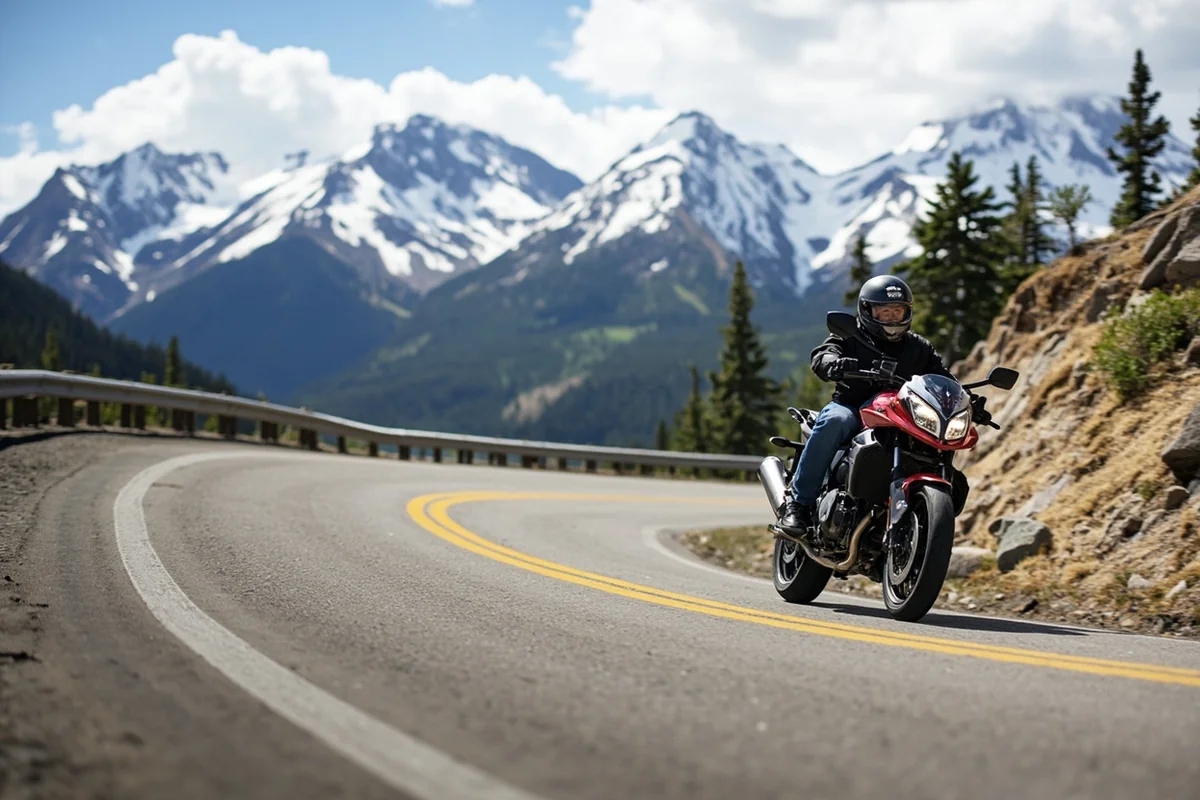
Chief Joseph Scenic Highway (WY-296)
Technically starting in Wyoming, this road connects seamlessly with the Beartooth for an incredible loop route. I mention it because most Montana motorcycle tour operators include it in their itineraries, and for good reason. The Dead Indian Summit section offers 27 miles of mountain riding that rivals anything on the Beartooth. During my traverse last summer, I encountered a massive bison herd that had decided the highway shoulder was the perfect grazing spot. I spent 20 minutes watching them while my engine cooled.Highway 200: The Underappreciated Gem
If I could only ride one Montana road, it wouldn’t be the famous ones—it would be Highway 200. This east-west route crosses the entire state, roughly following the Clark Fork and Blackfoot Rivers through terrain that’s straight out of “A River Runs Through It.” The section between Missoula and Great Falls passes through genuine working Montana—ranches, small towns, and landscapes that feel unchanged since homesteading days. I’ve stopped at bars in towns like Ovando and Drummond where I was the only non-local, and the conversations I’ve had at those places taught me more about Montana than any guidebook.Routes Worth Mentioning (With Caveats)
**Highway 93 (Missoula to Kalispell):** Beautiful but increasingly commercial. The Flathead Lake section is stunning, but traffic has grown noticeably worse each year I’ve ridden it. **Highway 89 (Livingston to Glacier):** Perhaps the most consistently scenic route in the state, passing through Paradise Valley with the Absaroka Range looming to the east. My favorite sections are between Livingston and Gardiner, where the Yellowstone River provides a constant companion. **Highway 2 (Glacier’s southern border):** The perfect alternative to Going-to-the-Sun when you want scenery without the crowds. The route through Marias Pass reaches 5,216 feet and offers Glacier views without park entrance fees.Guided Montana Motorcycle Tours: What to Expect and Who to Choose
Not everyone wants to plan their own route, and Montana’s guided motorcycle tour industry has matured significantly in recent years. I’ve participated in two guided tours and extensively researched others. Here’s what I’ve learned.Types of Tours Available
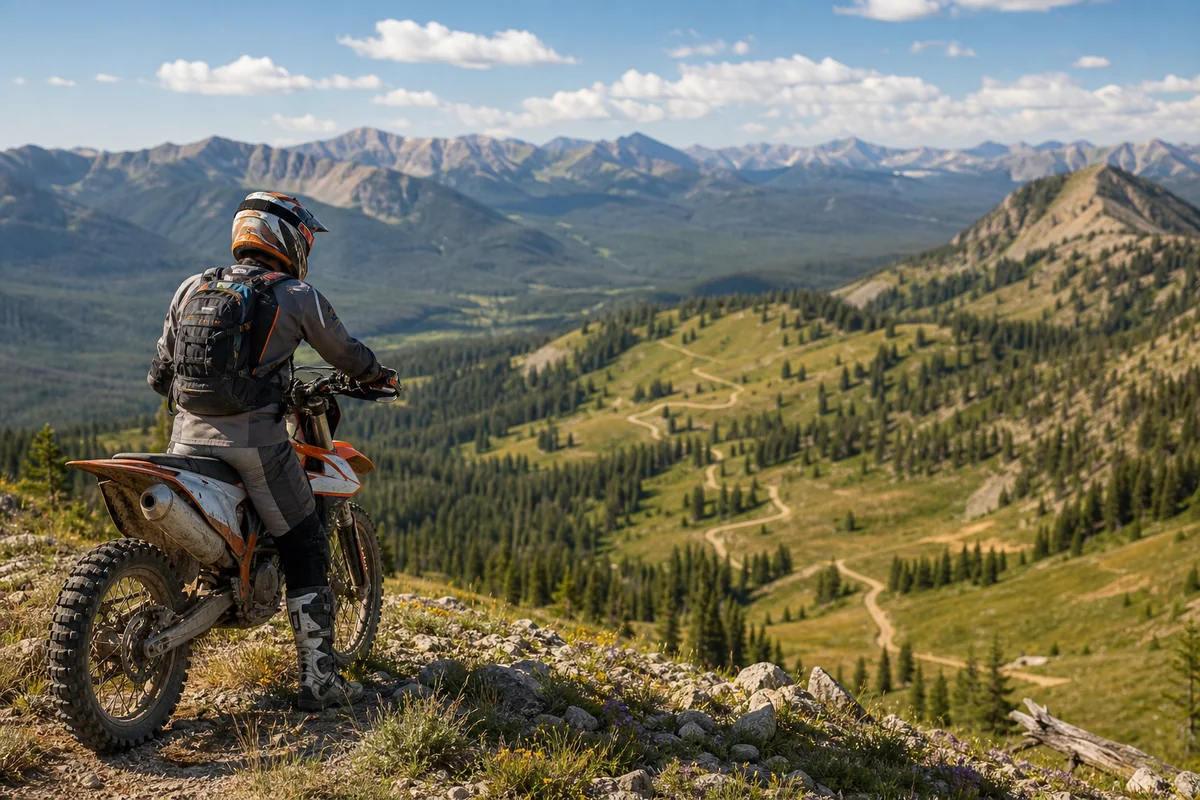
**Support-Van Tours:** You ride your own bike while a support vehicle carries luggage, provides mechanical assistance, and scouts for problems. This is my preferred format because it preserves the independence of motorcycling while eliminating logistical headaches. **All-Inclusive Tours:** These provide the motorcycle, accommodations, meals, and a guide who rides with the group. Ideal for out-of-state visitors or international travelers who can’t bring their own bikes. **Self-Guided Tours:** Operators plan routes, book hotels, and provide GPS tracks, but you ride independently. Good for experienced riders who want local expertise without a group dynamic. If off-pavement adventure appeals to you, consider exploring Montana dirt bike tours, which access backcountry terrain that paved-road tours can’t reach.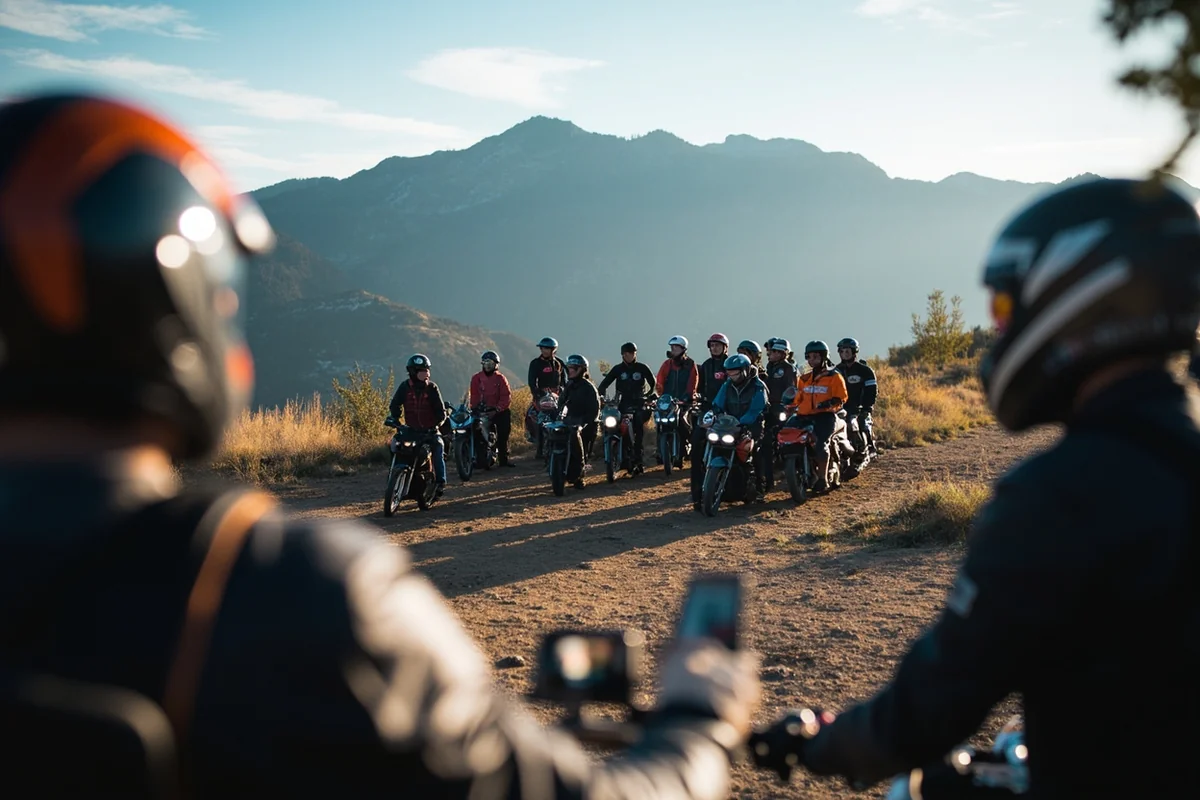
Reputable Operators I’ve Encountered
**Montana Motorcycle Tours (Bozeman-based):** I rode their “Big Sky Loop” three years ago. Four days covering roughly 800 miles through Yellowstone, Beartooth, and Paradise Valley. The guides were actual Montana residents with decades of local riding experience—not transplants reading from scripts. What impressed me most was their flexibility. When afternoon thunderstorms threatened on day two, our guide rerouted us through the Boulder River Valley instead of the planned Highway 89 segment. We added an extra 30 miles but avoided getting drenched. **Wild West Motorcycle Tours (Great Falls):** Specializes in the Hi-Line region and the Rocky Mountain Front. They access roads that most tourists never find—gravel county roads through ranch country that feel like private property but aren’t. **Glacier Motorcycle Adventures (Columbia Falls):** Focused specifically on the Glacier region with single-day and multi-day options. Their local knowledge of road conditions and traffic patterns is exceptional.Guided Tour Pricing Realities
| Tour Type | Daily Rate | Typical Inclusions |
|---|---|---|
| Support-Van (Own Bike) | $250–$350/day | Guide, luggage transport, emergency support, route planning |
| All-Inclusive | $400–$600/day | Motorcycle, fuel, lodging, some meals, guide, insurance |
| Self-Guided | $150–$250/day | Route planning, GPS tracks, hotel bookings, 24/7 support line |
| Premium/Luxury | $700+/day | BMW/Harley late-models, upscale lodging, gourmet meals, small groups |
Renting a Motorcycle in Montana: Honest Advice
If you’re flying into Montana and need a bike, here’s what I’ve learned about the rental market.Where to Rent
**Billings:** The largest selection, with multiple Harley-Davidson dealers offering rentals. EagleRider has a presence here, providing the most streamlined experience for out-of-state visitors. **Missoula:** Good options including adventure bikes if you want something more versatile than a cruiser. I rented a Triumph Tiger here in 2021 and was pleased with the condition and service. **Bozeman:** Growing rental market catering to Yellowstone visitors. Expect to pay premium prices during July and August—I’ve seen rates 40% higher than shoulder season. **Great Falls and Helena:** Limited options. If these are your entry points, book well in advance or consider riding up from Billings or over from Missoula.Rental Realities
Expect to pay between $150 and $300 per day depending on the bike, season, and rental duration. Week-long rentals typically include one or two free days. Insurance matters enormously in Montana. The state’s minimum liability coverage ($25,000/$50,000) is inadequate for serious accidents. I always purchase maximum coverage through the rental company, even though it adds $30–$50 per day. Most rentals include basic roadside assistance, but coverage diminishes the further you travel from paved roads. If you’re planning any gravel exploration, verify exactly what’s covered and what’s excluded.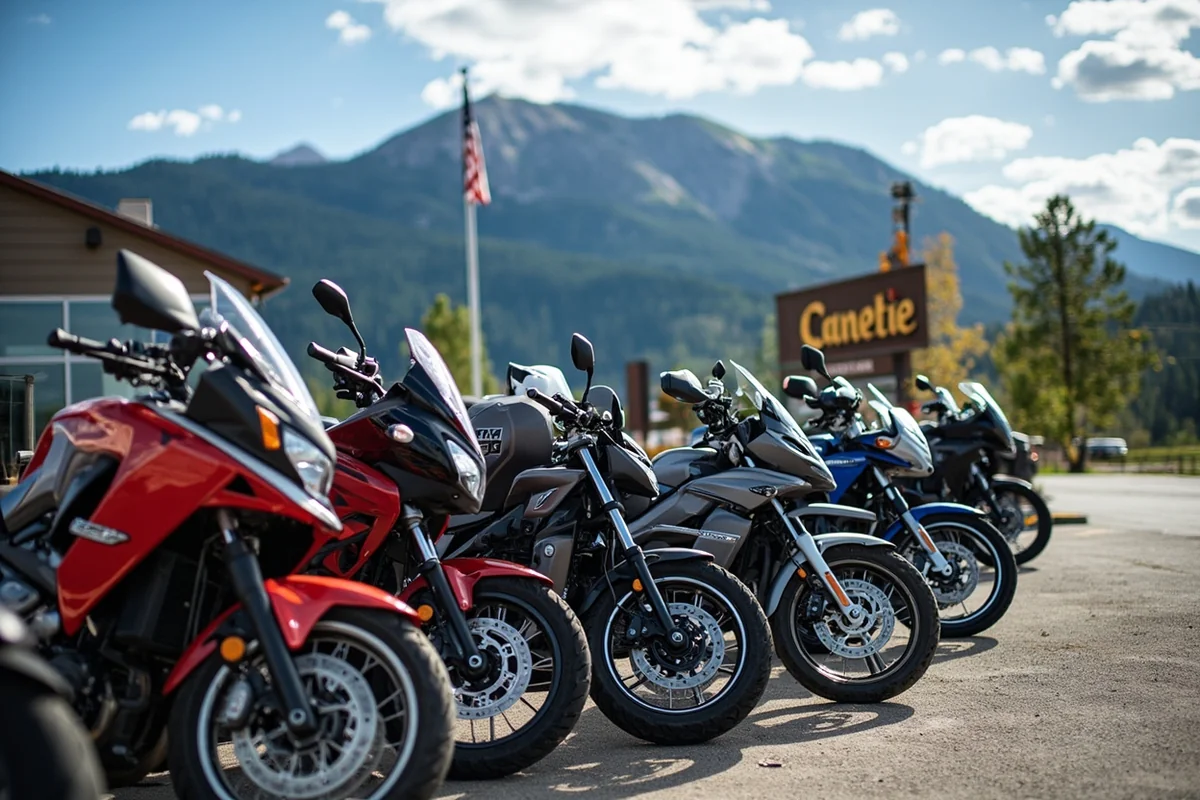
Planning Your Montana Motorcycle Adventure: Practical Details
The logistics of a Montana motorcycle trip require more consideration than most states. Here’s what I’ve learned to pay attention to.Timing Your Trip
**June:** High-elevation roads are just opening, wildflowers are peaking, days are longest. Expect afternoon thunderstorms and the possibility of snow at altitude. This is my personal favorite month for riding Montana. **July:** Prime season. All roads are open, weather is most stable. Also the most crowded month, particularly around Glacier and Yellowstone. **August:** Similar conditions to July with slightly shorter days. Wildfire smoke can become an issue in late August—I’ve had trips significantly impacted by visibility and air quality. **September:** My second-favorite month. Crowds thin dramatically after Labor Day, fall colors begin, and elk rut provides wildlife viewing opportunities. Some high-elevation roads may close after early snowstorms. **May and October:** Shoulder seasons with unpredictable conditions. Only for flexible, experienced riders willing to adapt plans.Fuel Planning
This is where Montana tests unprepared riders. I always carry a supplementary fuel container when riding remote eastern routes. The longest gaps I’ve personally encountered: – Highway 200 between Lewistown and Jordan: 82 miles with no services – Highway 2 between Malta and Glasgow: 70 miles – Various routes on the Rocky Mountain Front: 60+ miles My rule is simple: if my tank drops below half, I fill up at the next opportunity regardless of the price.Accommodation Strategy
Montana’s lodging market has tightened considerably in recent years. For summer rides, I now book everything 2–3 months in advance. **Gateway towns with good motorcycle lodging:** – **Red Lodge:** Multiple options walking distance to restaurants and the Beartooth Highway starting point – **West Yellowstone:** Tourist-heavy but convenient for Yellowstone loops – **Whitefish:** Upscale options near Glacier with good dining – **Bozeman:** The most developed lodging market in southwestern Montana – **Livingston:** Affordable alternative to Bozeman with better character I’ve learned to embrace small-town motels in places like Ennis, Choteau, and Browning. They’re often family-owned, motorcycle-friendly, and offer local knowledge that chain hotels can’t match. For a different perspective on Montana’s landscapes, consider combining your motorcycle adventure with helicopter tours for aerial views of terrain you’ve ridden.What to Wear and Bring: Lessons From Experience
Montana’s weather demands serious gear consideration. I’ve made mistakes here and learned from them.Essential Gear
**Layering system:** Temperatures can swing 40°F in a single day of riding. I bring a mesh jacket with a waterproof liner, plus a separate insulated layer for high-altitude portions. **Rain gear:** Not optional. Montana thunderstorms develop quickly and can be intense. Even in August, I’ve been caught in hailstorms above 8,000 feet. **Eye protection:** Bring multiple shields or transitions lenses. Morning fog, afternoon brightness, and potential night riding all demand different approaches. **Boots:** Full-height boots, period. The one time I wore shorty boots in Montana, I stepped off my bike onto a rock that gave way, twisting my ankle. Proper boots would have prevented that.What to Pack Beyond Gear
– First aid kit with space blanket – Basic tool kit appropriate to your bike – Tire repair kit and small compressor – Paper maps (phone service is unreliable throughout rural Montana) – Physical copy of important numbers and documents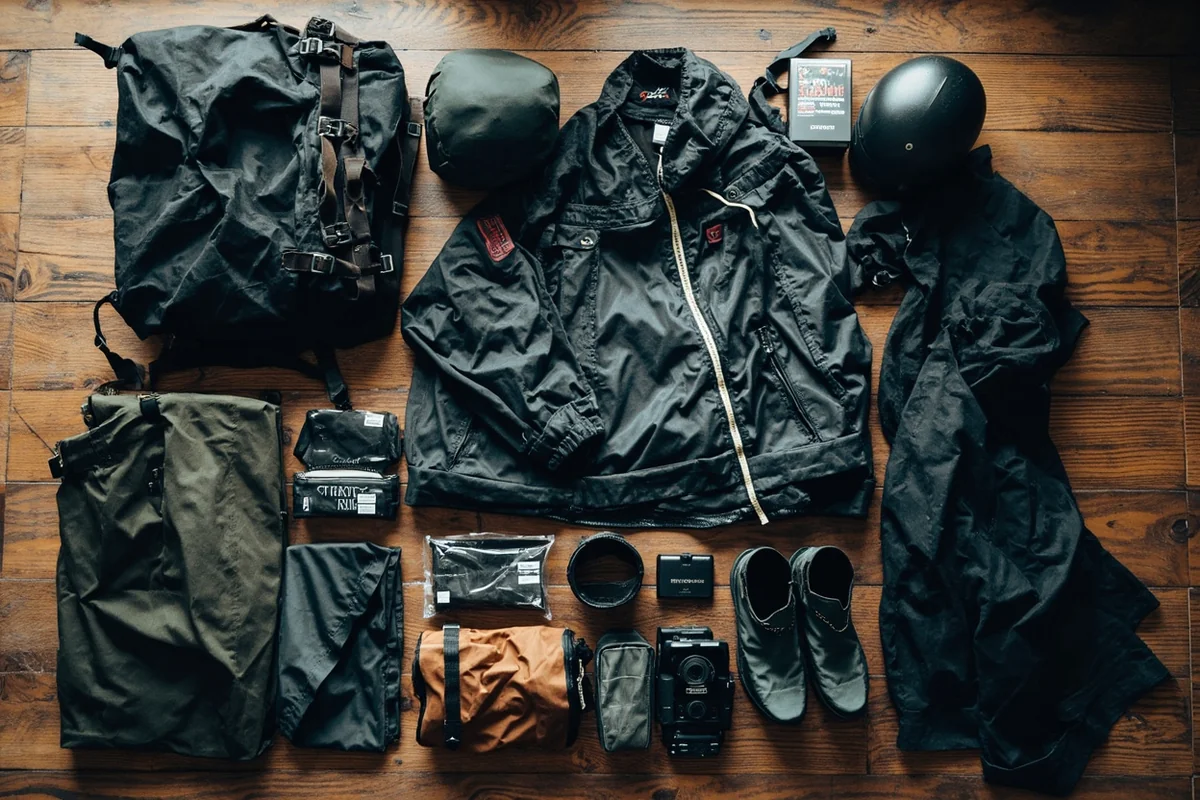
Safety Considerations Specific to Montana
Montana presents unique hazards that riders from other regions may not anticipate.Wildlife
In 15,000+ miles of Montana riding, I’ve had close encounters with deer (countless times), elk (twice), moose (once), bison (several times in Yellowstone), and a grizzly bear (once, on Highway 89 near Choteau). Dawn and dusk are the most dangerous times. I simply don’t ride between 5 PM and 8 PM during summer months if I can avoid it. The wildlife activity combined with challenging lighting creates unacceptable risk. Cattle guards are ubiquitous on rural roads. They’re usually marked, but take them seriously—especially when wet, they’re slippery.Weather
Lightning is common during afternoon thunderstorms. If you see storms building, get off exposed ridge roads. The Beartooth Highway’s summit is particularly dangerous during electrical storms. Hail can appear with minimal warning. During a ride through the Judith Basin last summer, marble-sized hail caught me in the open. I pulled under a highway bridge and waited 15 minutes until it passed—my helmet took some hits that would have been dangerous at speed.Road Conditions
Chip seal surfaces are common on Montana’s secondary roads. They offer less grip than asphalt, particularly when new. I reduce my lean angles accordingly. Cattle and open range signs mean exactly what they say. I’ve come around curves to find livestock standing in the middle of the road.Building a Multi-Day Itinerary: My Proven Approaches
After multiple Montana motorcycle trips, I’ve developed some itinerary frameworks that work well.The Classic Big Sky Loop (5–7 days)
Start in Bozeman → Paradise Valley (Highway 89) → Gardiner → Yellowstone (Northeast entrance to Cooke City) → Beartooth Highway → Red Lodge → Boulder River Road back to Bozeman. This loop covers approximately 450 miles but deserves at least five days to fully appreciate. Add side trips to Ennis, Virginia City, and the Madison Valley for a complete southwestern Montana experience.The Glacier and Rocky Mountain Front (4–5 days)
Start in Great Falls → Highway 89 north to Choteau and Browning → West Glacier → Going-to-the-Sun Road → Highway 2 west to Kalispell → Highway 93 south to Missoula → Highway 200 east back to Great Falls. This is my favorite loop for riders who want to see Glacier without the full tourist immersion. The Rocky Mountain Front section—particularly the stretch between Augusta and Choteau—is dramatically underrated.The Eastern Plains Experience (3–4 days)
Most motorcyclists ignore eastern Montana entirely. Their loss. Start in Billings → Highway 87 to Roundup → Highway 200 to Lewistown → Highway 191 north to Malta → Highway 2 to Fort Peck → Highway 24 back to Billings via Glendive. This is emptiness motorcycling—big sky, wheat fields, small towns, and roads that seem to extend forever. It’s meditative riding that rewards a different mindset than mountain passes. For wildlife enthusiasts, Montana birding tours can complement your motorcycle trip, particularly in the prairie regions where raptor species are abundant.Combining Motorcycling With Other Montana Experiences
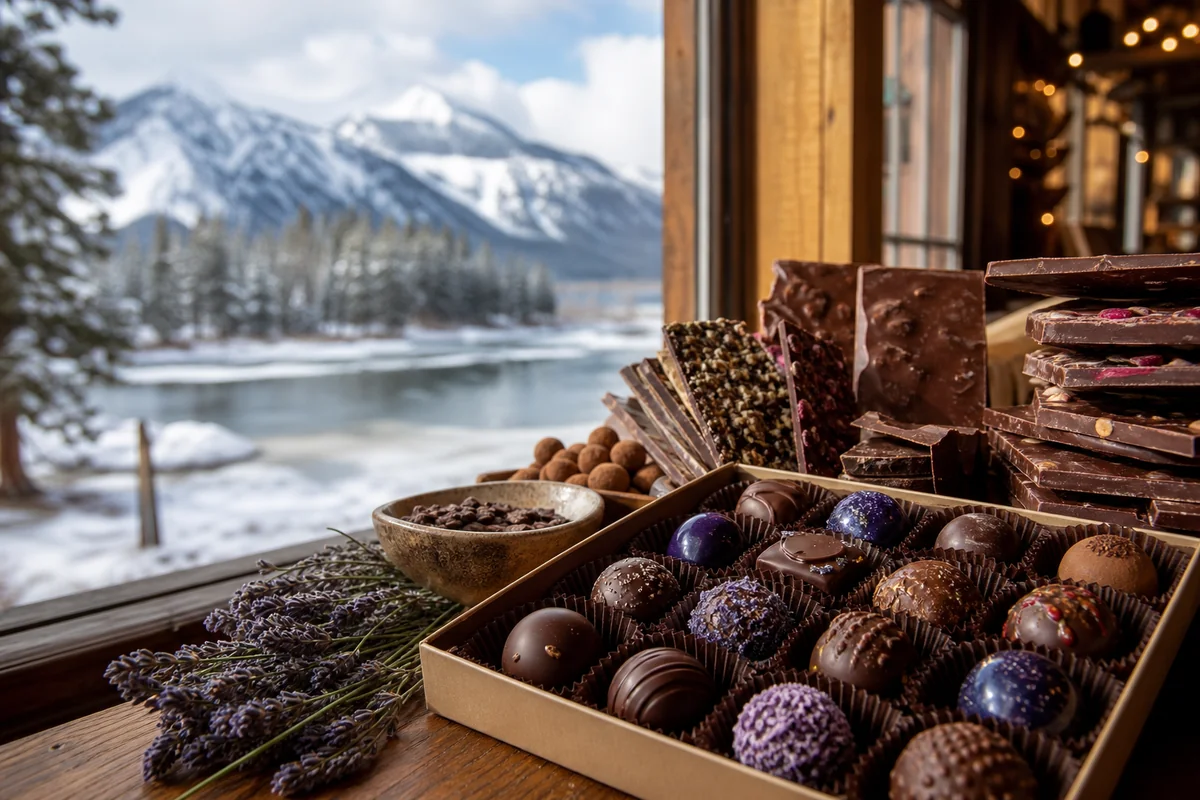
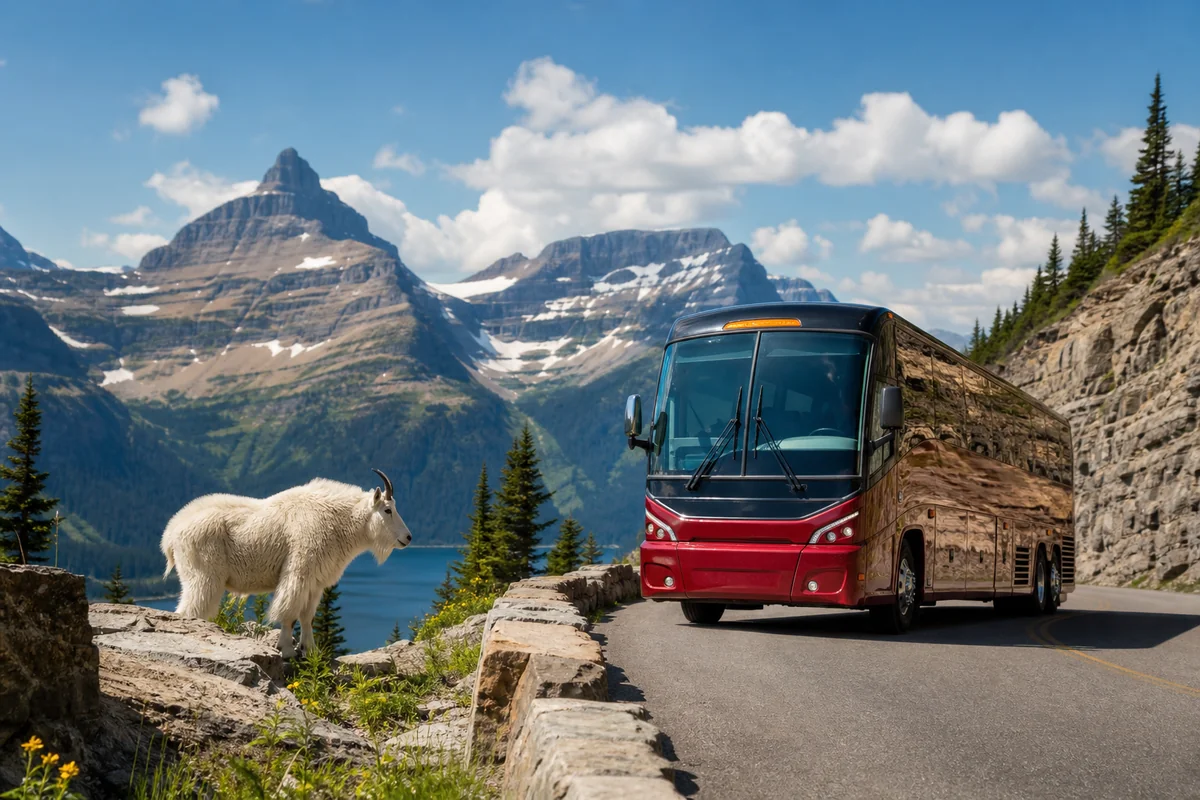
A motorcycle trip doesn’t have to be exclusively about riding. Montana offers numerous experiences that complement a moto-journey. During my trips, I’ve consistently found that days off the bike enhance rather than detract from the overall experience. Spending an afternoon on a Montana boat tour on Flathead Lake, for example, provided perspectives on the landscape that riding alone couldn’t offer. Nature tours in Yellowstone or Glacier add educational depth to the scenery you’re passing. After a guided wolf-watching excursion in Lamar Valley, I saw the landscape differently—understanding the ecosystem added meaning to the miles. For a genuinely unique experience, Montana’s chocolate tour offers an unexpected culinary adventure in towns like Missoula and Bozeman. I’ve stopped at artisan chocolatiers that rival anything I’ve experienced in larger cities. Train tours offer another perspective—I took the Empire Builder across the Hi-Line one direction and rode my motorcycle back the other, experiencing the same landscape from entirely different viewpoints. And if you’re traveling with non-riders, bus tours provide comfortable options for them to experience similar routes while you ride independently, meeting up at destinations.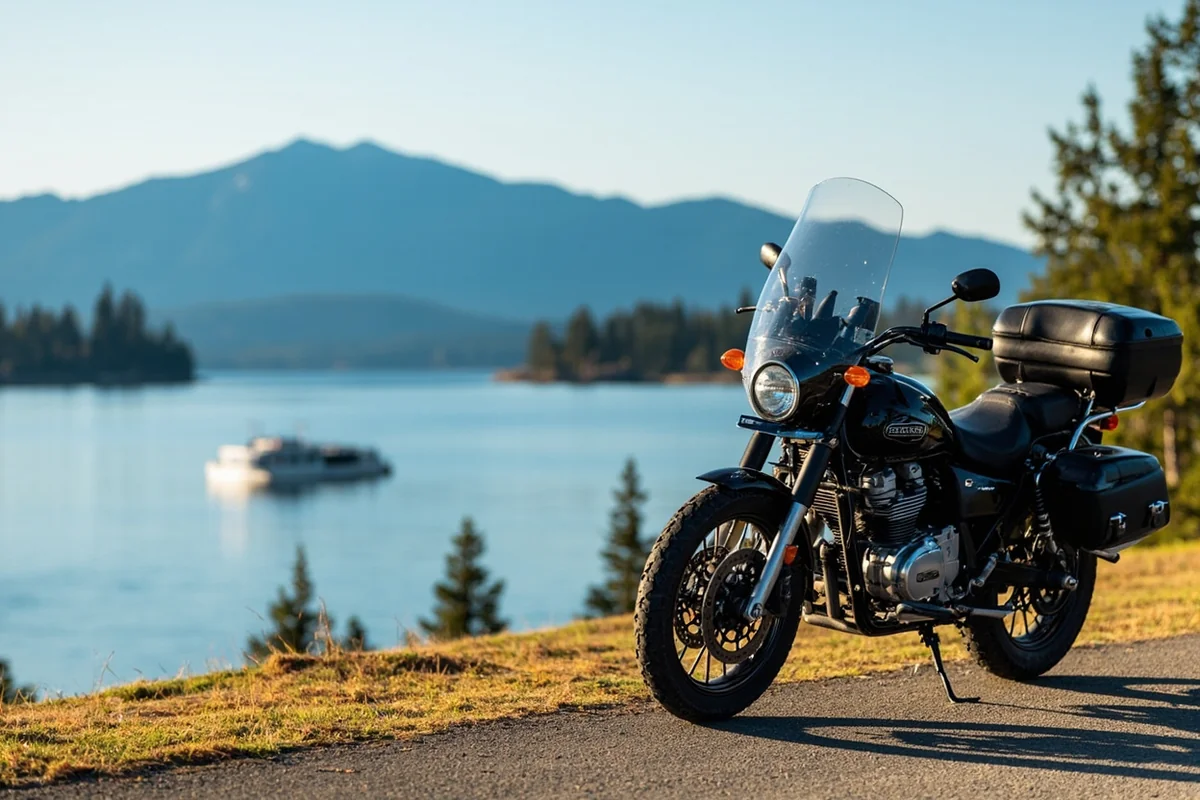
Budgeting Your Montana Motorcycle Trip
After multiple trips, here’s what I actually spend: **Daily averages for a solo, self-guided trip:** – Fuel: $25–$40 (depending on bike and mileage) – Lodging: $100–$200 (varies dramatically by location and season) – Food: $50–$80 (restaurant meals, occasional grocery stops) – Park entrance fees: $7–$15 (averaged across trip days) – Miscellaneous: $20–$30 (souvenirs, unexpected stops, small repairs) **Total:** $200–$365 per day for a quality experience Budget-conscious riders can reduce costs significantly by camping (Montana’s National Forest campgrounds average $10–$20/night) and cooking meals. My most affordable Montana trip ran about $90/day including fuel.Common Mistakes I’ve Made (So You Don’t Have To)
**Underestimating distances:** Montana is bigger than it looks on maps. The state spans 559 miles east to west—roughly equivalent to the distance from New York City to Columbus, Ohio. Plan realistic daily mileage. **Overpacking:** My first Montana trip, I brought enough gear for two weeks in Alaska. Now I travel with half that amount and use laundry services in towns. **Ignoring shoulder season conditions:** An October trip found me waiting out snow in Cooke City for two days. Beautiful scenery, but my timing could have been better. **Expecting consistent phone service:** Major carriers have good coverage in towns but spotty-to-nonexistent coverage in rural areas. Download offline maps and don’t depend on real-time navigation. **Skipping the unscenic routes:** Some of my most memorable Montana moments happened on roads I’d never have chosen based on scenery alone. The conversations in small-town diners, the unexpected wildlife encounters, the genuinely local experiences—these often occur away from the postcard routes.When to Book and How Far Ahead
For summer guided tours (June–August), I recommend booking 3–4 months in advance. Popular operators fill their July departures by March. Rentals should be secured 2–3 months ahead for peak season. I’ve seen last-minute riders unable to find bikes in Bozeman during August. Lodging in gateway communities (West Yellowstone, Gardiner, Whitefish, Red Lodge) often sells out months ahead for peak summer dates. The earlier you book, the more options you’ll have. Shoulder season (May, September, early October) offers more flexibility, but you’re trading weather certainty for availability.Final Thoughts: What Montana Motorcycle Riding Actually Feels Like
After all the practical information, I want to return to why riders keep coming back to Montana. There’s a particular quality of light here that photographers call “Montana gold”—something about the thin air and wide skies that makes late afternoon luminous in ways I haven’t experienced elsewhere. Riding through that light, with no destination pressure and roads that invite you to take just one more corner, creates experiences that stay with you. During my most recent trip last summer, I found myself on a gravel county road in the Bears Paw Mountains, completely unplanned. I’d stopped to check my GPS and realized I was at least 40 miles from the nearest town in any direction. The silence was absolute. No engine noise, no wind, no traffic hum—just grasshoppers and the occasional meadowlark. That moment—standing next to my bike, drinking from a water bottle, surrounded by nothing but Montana—represented everything I come here to find. The state doesn’t need to be oversold. It simply needs to be ridden. For riders exploring the Montana range country, those moments of profound solitude are the payoff for miles of commitment. If you’re serious about a Montana motorcycle adventure, start planning now. Pick your dates, book your accommodations, and prepare yourself for roads that will stay with you long after you’ve returned home. The miles are waiting.Frequently Asked Questions
What is the best time of year to take a motorcycle tour in Montana?
The ideal riding season for Montana motorcycle tours runs from late May through mid-September, when mountain passes are clear and daytime temperatures range from 70-85°F. I recommend July and August for the most reliable weather, though June offers stunning wildflowers and fewer crowds on popular routes like Going-to-the-Sun Road.
How much does a guided motorcycle tour in Montana typically cost?
Guided Montana motorcycle tours typically range from $250-$400 per day, which usually includes a support vehicle, experienced guide, and mapped routes through scenic areas like Glacier National Park or the Beartooth Highway. Self-guided tour packages with pre-planned itineraries and lodging reservations run $150-$250 daily, while motorcycle rentals alone average $150-$300 per day depending on the bike model.
What are the most scenic motorcycle routes in Montana for touring?
The Beartooth Highway is consistently ranked among America’s most spectacular rides, climbing to nearly 11,000 feet over 68 miles of switchbacks. Going-to-the-Sun Road in Glacier National Park offers 50 miles of jaw-dropping mountain scenery, while the lesser-known Big Hole Valley loop provides 200+ miles of open ranch country with minimal traffic and authentic Old West towns.
Do I need a special motorcycle license to ride in Montana as an out-of-state visitor?
Your valid motorcycle endorsement or license from any US state is fully recognized in Montana, so no additional permits are required. However, Montana law requires all riders under 18 to wear a helmet, while adult riders can choose whether to wear one. I always recommend bringing your physical license and proof of insurance, as cell service can be spotty in remote riding areas.
What should I pack for a multi-day Montana motorcycle tour?
Layer your gear since Montana mountain temperatures can swing 40 degrees in a single day, and pack rain gear even in summer when afternoon storms roll through quickly. Essential items include a hydration system, sunscreen, clear and tinted helmet visors, and a basic tool kit for remote stretches where services are 50+ miles apart. I also recommend bringing a tire repair kit and portable air compressor since some of the best routes pass through areas with no cell coverage.
Are there motorcycle-friendly hotels and campgrounds along Montana’s touring routes?
Montana has excellent motorcycle-friendly accommodations, with many hotels offering covered parking, bike wash stations, and early breakfast options for dawn departures. KOA campgrounds near Glacier and Yellowstone cater specifically to touring riders with secure parking and tent sites starting around $35-$50 per night. Small-town motels along routes like Highway 200 often provide the best value at $80-$120 nightly and genuine Montana hospitality.
How do I prepare my motorcycle for Montana’s high-altitude mountain passes?
Before tackling passes like Beartooth at 10,947 feet, ensure your bike is tuned properly since carbureted motorcycles may run lean at altitude and fuel-injected bikes adjust automatically. Check your brake pads and fluid levels thoroughly because you’ll encounter steep descents lasting 10-15 miles. I also recommend filling up whenever you see a gas station, as some stretches between towns can exceed 80 miles with no services.
Sources