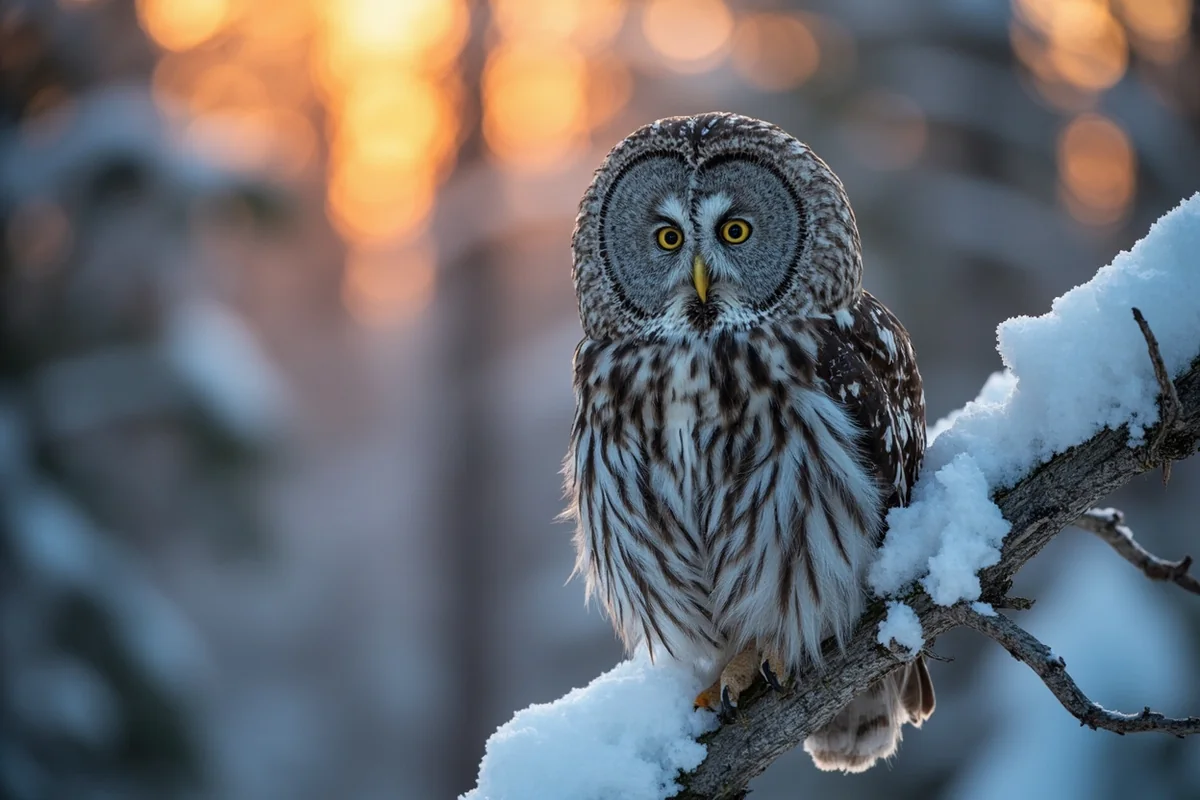
I’ll never forget the moment a Great Gray Owl swooped silently past my head during a predawn tour near Glacier National Park—close enough that I felt the air displacement from its massive wingspan.
That single encounter, guided by a local expert who knew exactly where this elusive owl hunted at first light, convinced me that Montana birding tours offer something you simply cannot replicate on your own.
Montana’s diverse ecosystems—from high-alpine tundra to prairie grasslands—support over 430 bird species, making it one of North America’s premier birding destinations.
Whether you’re exploring the many Montana tours available or specifically seeking winged wildlife, this guide covers everything I’ve learned from years of chasing birds across Big Sky Country.
- Montana hosts 430+ bird species across five distinct ecological regions
- Peak birding seasons: May-June for songbirds, March-April for waterfowl migration, January-February for owls
- Top tour operators include Montana Audubon, Glacier Guides, and Big Sky Bird Tours
- Half-day tours start around $150/person; multi-day expeditions range $1,200-$3,500
- Freezout Lake, Bowdoin NWR, and the Centennial Valley offer the most concentrated species diversity
- Book spring/summer tours 2-3 months in advance; owl tours often sell out 6 months ahead
Liked this article?
Add Roaming Montana as a preferred source so you see more of our articles and guides on Google.
Why Montana Deserves a Spot on Your Birding Bucket List
During my first guided birding trip to Montana in 2019, I was skeptical. I’d birded extensively throughout the Southwest and thought I knew what to expect from western states.
I was completely wrong.
Montana sits at the intersection of multiple flyways and encompasses five major ecosystems: prairie grasslands, mountain conifer forests, alpine tundra, wetland marshes, and sagebrush steppe. This diversity creates habitat for species you won’t find together anywhere else in the Lower 48.
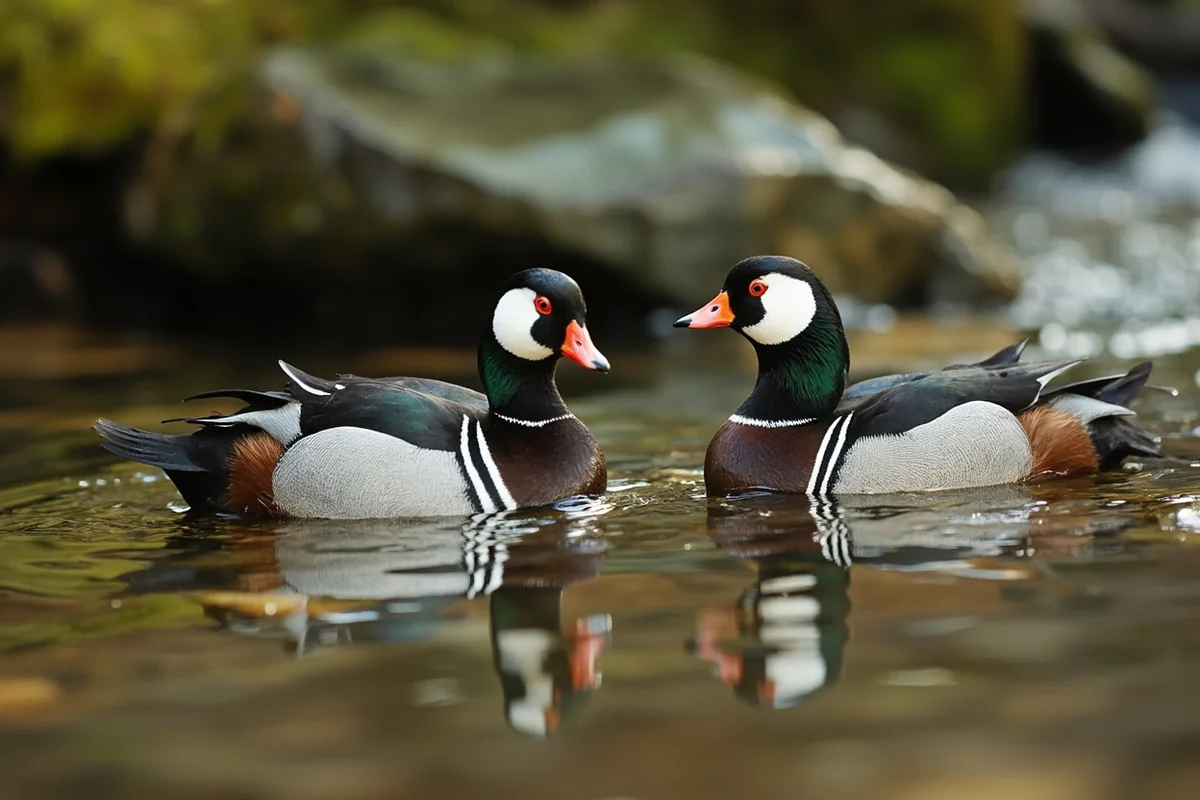
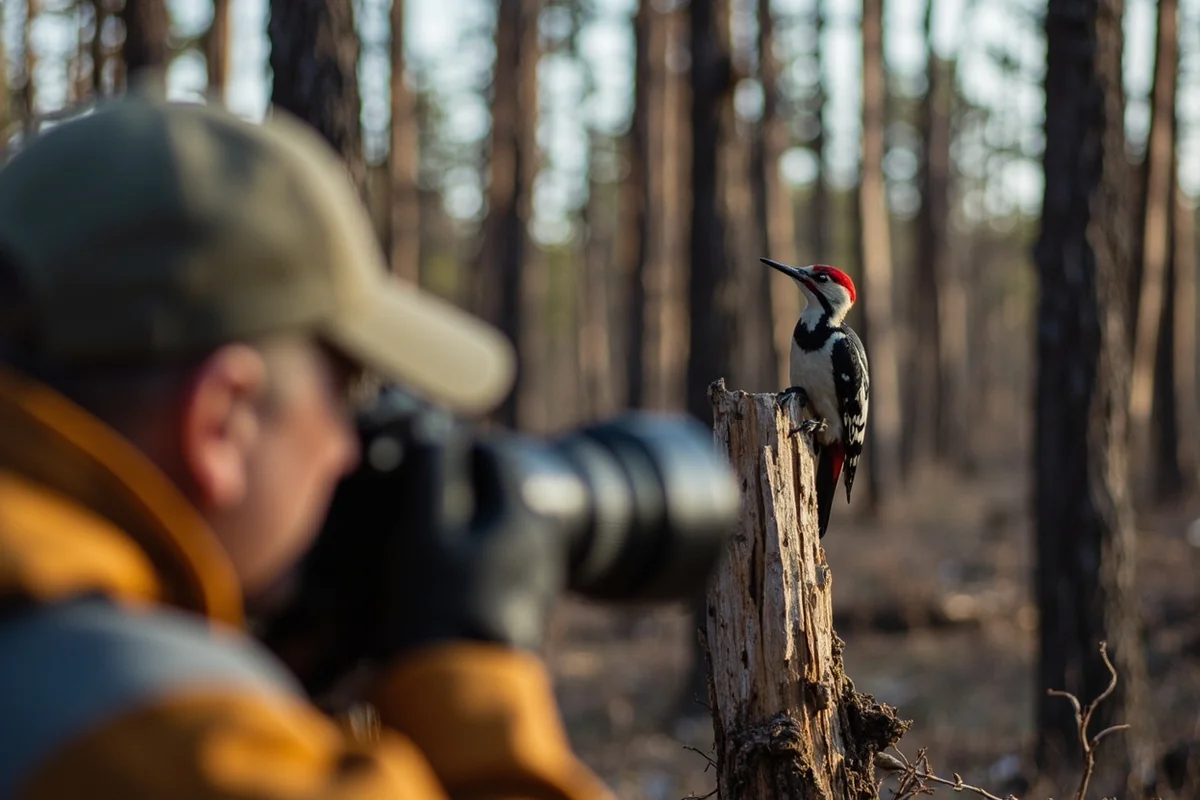
On a single three-day tour last June, I logged Sprague’s Pipits in the eastern prairies, Harlequin Ducks along mountain streams near Glacier, and Black-backed Woodpeckers in a recent burn area outside Missoula.
My guide, Marcus, had been leading tours for 22 years and still got genuinely excited when we spotted a nesting pair of Boreal Owls—a species he called “the unicorn of Montana birding.”
Species You Can Only Find Here (Or Very Few Other Places)
Montana serves as critical breeding habitat for several species with extremely limited U.S. ranges. These are the birds that serious listers travel specifically to Montana to see.
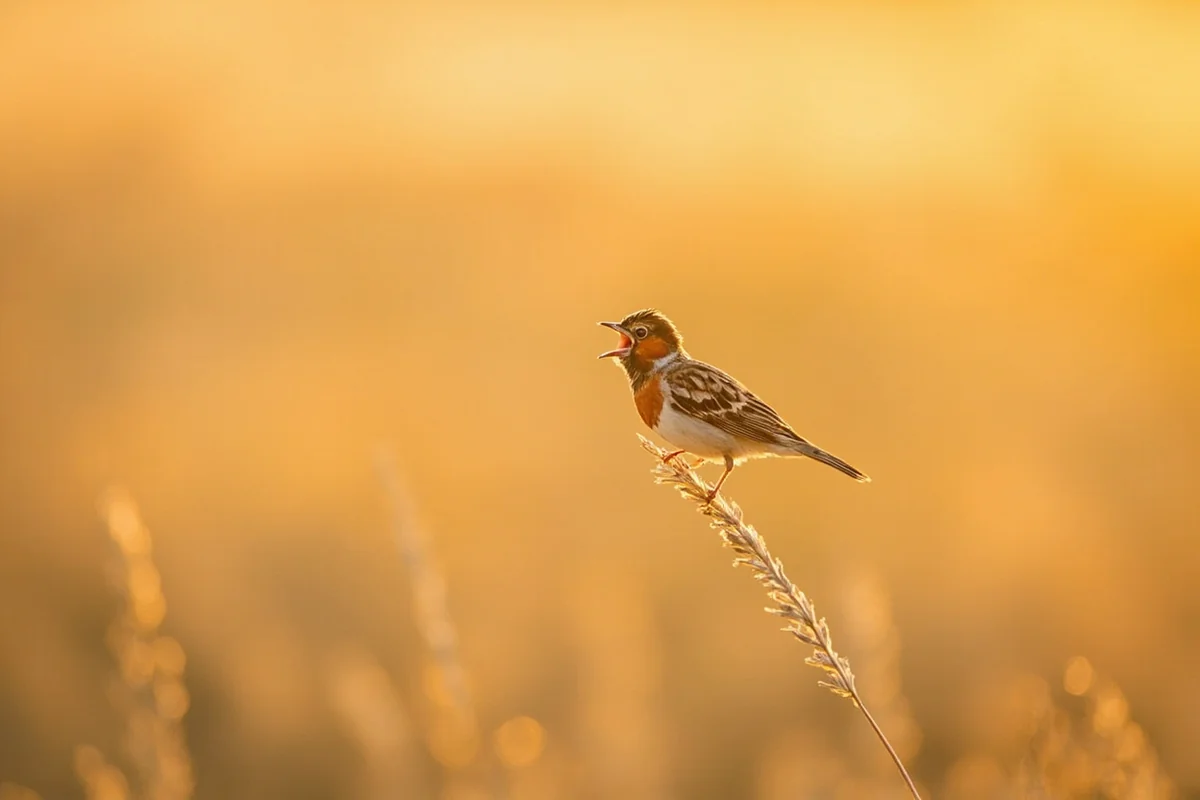
The Sprague’s Pipit breeds almost exclusively in the northern Great Plains, with Montana’s grasslands representing some of its healthiest remaining habitat.
I spent two summers trying to find this bird on my own before a tour guide brought me to a specific patch of mixed-grass prairie near Malta where we watched one performing its spectacular aerial display—hovering 300 feet up while singing continuously.
**Chestnut-collared Longspurs** share this prairie habitat, and both species are becoming increasingly difficult to find as grasslands disappear. A knowledgeable guide doesn’t just find them; they understand the specific grazing conditions, grass heights, and weather patterns these birds prefer.
The **Black Rosy-Finch** represents Montana’s alpine specialty. During my winter tour along the Beartooth Highway (before seasonal closure), we found a mixed flock of all three rosy-finch species at a single feeder station maintained specifically for researchers. Without my guide’s connection to the research team, I’d never have known that spot existed.
The Best Montana Birding Tours: Operators I’ve Actually Used
I’ve taken tours with seven different operators across Montana over the past five years. Here’s my honest assessment of the ones worth your time and money.
Montana Audubon Tours
Montana Audubon runs educational trips that double as citizen science opportunities. Last spring, I joined their “Wings Across the Big Sky” multi-day tour that covered the Hi-Line from Havre to Glasgow.
What impressed me most was the scientific rigor. Our guide, Janet, had us recording eBird checklists at every stop, and she explained how our sightings contributed to regional population monitoring.
We found 127 species over four days, including a Baird’s Sparrow that had us all belly-crawling through shortgrass prairie to get a look.
The pace is deliberately slow—sometimes frustratingly so for type-A birders—but you learn an incredible amount. Prices run around $1,200-$1,800 for their signature multi-day trips, not including lodging.
Glacier Guides Birding Expeditions
For Glacier National Park specifically, Glacier Guides offers the most comprehensive birding-focused tours I’ve found. Their guides hold permits for areas with restricted access, which proved invaluable during my June trip when they took us to a Harlequin Duck*nesting site along McDonald Creek that regular visitors can’t approach.
Their half-day tours ($175) work well if you’re already staying in the park and want expert help finding specific targets. The full-day excursions ($350) venture into backcountry areas where you might spot **White-tailed Ptarmigan** and other high-altitude specialties.
Big Sky Bird Tours (Private Custom Tours)
When I brought my father—a lifelong birder with mobility limitations—to Montana, we hired Big Sky Bird Tours for a private three-day experience. Owner and guide Tim adjusted everything around my dad’s needs, including positioning our vehicle so he could spot birds without extensive walking.
These custom tours aren’t cheap ($500-800/day), but for specialized needs or very specific target species, they’re worth considering. Tim’s network of local contacts helped us find a **Great Gray Owl** nest that wasn’t on any public radar.
Bitterroot Audubon Field Trips
For budget-conscious birders, local Audubon chapter field trips offer exceptional value. Bitterroot Audubon runs free monthly outings in the Missoula/Bitterroot Valley area that are open to visitors.
I joined their Lewis and Clark Caverns trip last September and was blown away by the expertise of volunteer leaders who knew every hawk migration hotspot, every reliable woodpecker territory, and every secret wetland.
They’re also connected to the broader Montana nature tours community and can point you toward additional wildlife experiences.
Seasonal Guide: When to Book Your Montana Birding Tour
Timing matters enormously in Montana birding. The state’s extreme seasonal variation means you’ll see completely different species depending on when you visit.
Spring Migration (Late March–Early June)
Spring is magic. Period.
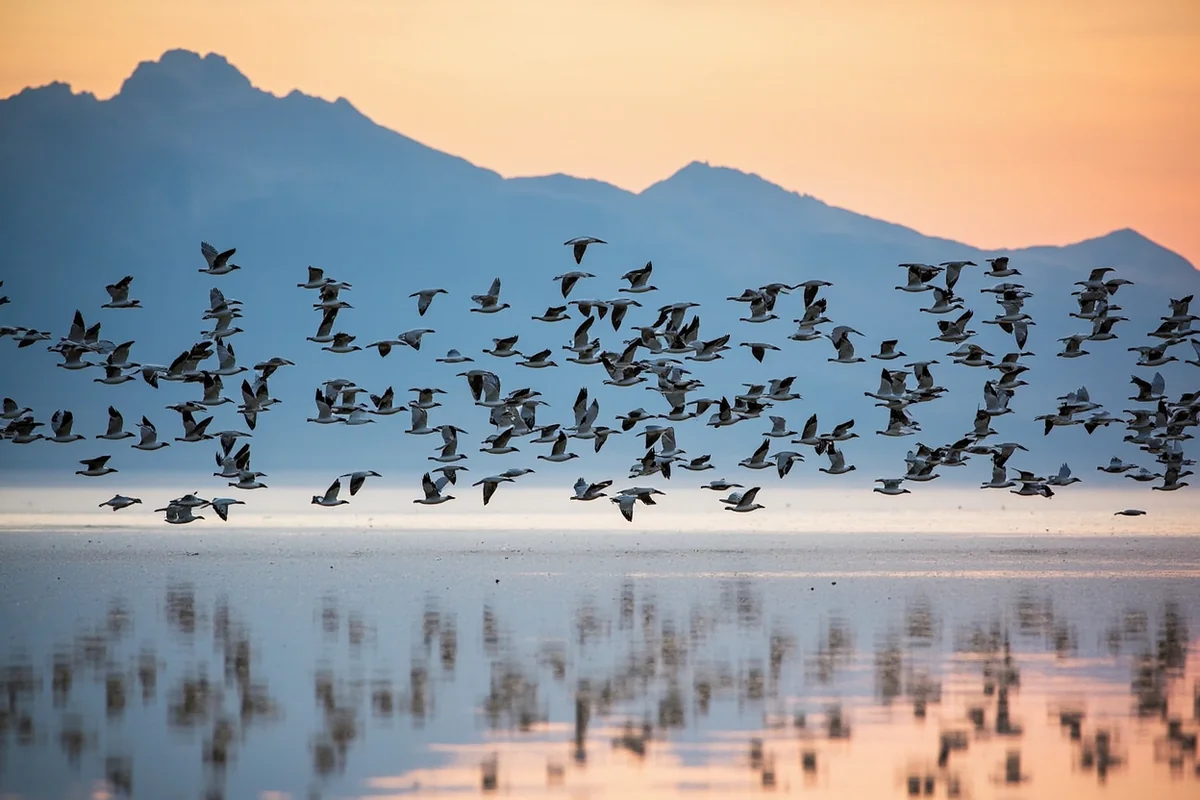
The Freezout Lake waterfowl migration in late March typically brings 300,000+ Snow Geese and thousands of Tundra Swans through a single wetland complex near Choteau.
I’ve done this tour twice, and both times I stood slack-jawed watching wave after wave of white geese lift off at dawn.
Tours during this window focus on the staging wetlands along the Rocky Mountain Front. Temperatures can range from 25°F to 60°F on the same day, so layering is essential.
My guide packed hand warmers in his scope bag—a small detail that made a huge difference during our 5:00 AM lake watches.
By May, songbird migration peaks. Warblers flood the river bottoms, and you can reasonably see 15-20 warbler species in a single morning along the Yellowstone River.
I recommend the Bighorn Canyon tours for late May—they combine excellent migrant diversity with chances at Peregrine Falcons nesting on the canyon walls.
Summer Breeding Season (June–July)
Summer tours target breeding specialties and alpine species. This is prime time for Montana’s signature birds: Black-backed Woodpeckers, Sprague’s Pipits, and Gray-crowned Rosy-Finches.
During my July tour on the Beartooth Plateau, we hiked above 10,000 feet specifically to find **White-tailed Ptarmigan**—a bird that requires true alpine habitat.
Our guide had GPS waypoints for territories where birds had been seen in previous years, and sure enough, we found a female with chicks in almost exactly the same boulder field where she’d nested the year before.
The heat can be brutal on the prairies (I’ve birded in 95°F+ on the Hi-Line), but mornings are productive. Most summer tours start at dawn and finish by noon.
Fall Migration (August–October)
Fall hawk migration through the Bridger Mountains creates spectacular viewing from mid-September through October. The Bridger Bowl Hawk Watch, monitored by volunteers, tallies 10,000+ raptors annually.
Tours during this period often combine raptor watching with shorebird stops at places like Ninepipe Reservoir. I did a fall tour last year that logged 14 raptor species, including multiple Ferruginous Hawks kettling over the Gallatin Valley.
The colors are stunning too—think golden larches contrasting against evergreen slopes, with raptors riding the thermals above.
Winter Specialty Tours (November–February)
Winter birding in Montana is cold, beautiful, and surprisingly productive. Owl tours are the main draw.
Great Gray Owls become more visible as they hunt along forest edges, and specialized guides know the reliable territories.
My January owl tour near Seeley Lake started at 3:00 PM (sunset comes early) and lasted until well after dark. We found three Great Gray Owls, two Northern Pygmy-Owls, and a Boreal Owl that remains the highlight of my Montana birding career.
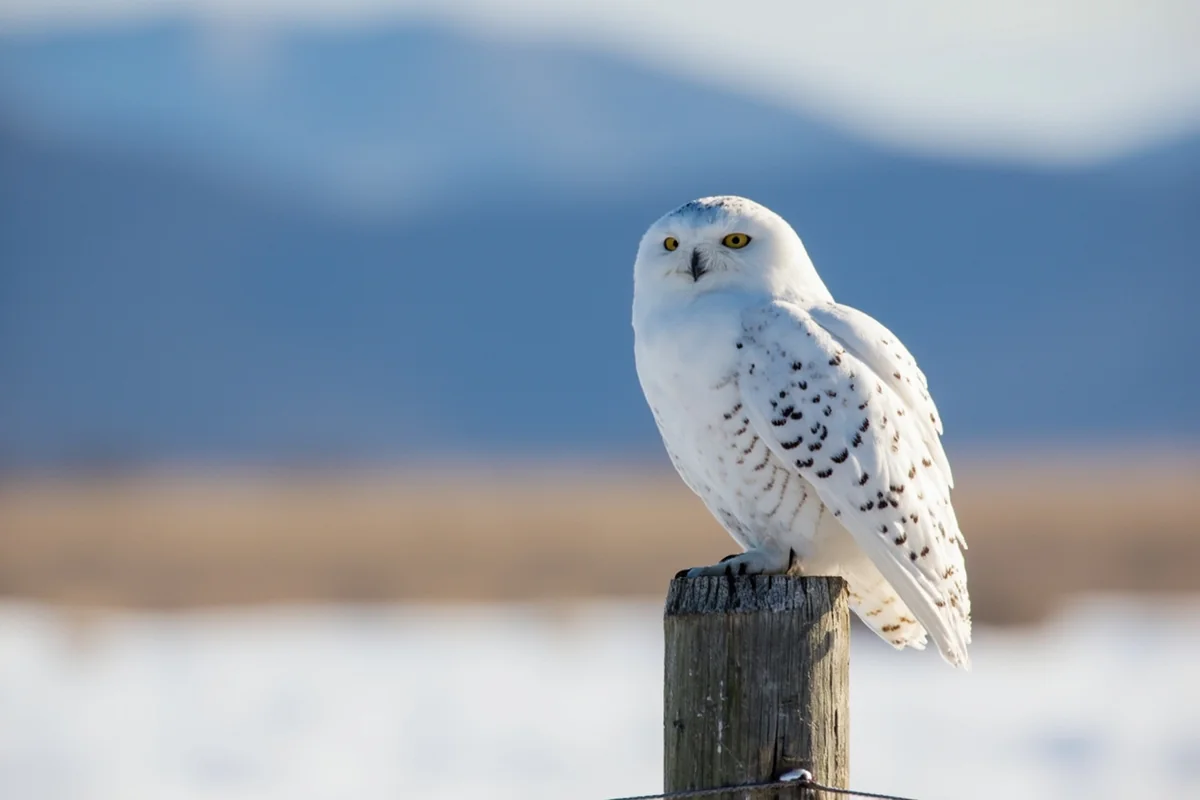
Winter also brings irruptive species like Snowy Owls, Bohemian Waxwings, and Common Redpolls to Montana. Tour operators monitor eBird reports and adjust itineraries based on what’s showing up.
| Season | Primary Focus | Key Locations | Average Temps |
|---|---|---|---|
| Spring (Mar-Jun) | Waterfowl migration, songbird migration | Freezout Lake, Bowdoin NWR, Missouri River | 30-65°F |
| Summer (Jun-Jul) | Breeding specialists, alpine species | Beartooth Plateau, Hi-Line prairies, Glacier NP | 55-90°F |
| Fall (Aug-Oct) | Raptor migration, shorebirds | Bridger Mountains, Ninepipe, Lee Metcalf NWR | 35-70°F |
| Winter (Nov-Feb) | Owls, winter finches, irruptive species | Seeley-Swan Valley, Missoula, Great Falls | -10-35°F |
Top Birding Tour Destinations Across Montana
After covering thousands of miles on various tours, I’ve developed strong opinions about which areas deliver the most rewarding experiences.
Glacier National Park Region
Glacier offers spectacle and specialties. The combination of stunning scenery and genuine target species makes it feel like cheating—you’re getting a nature tour and a birding tour simultaneously.
My most productive Glacier tour focused on the west side, starting at Fish Creek Campground at dawn for woodpeckers. We found Black-backed Woodpecker within 30 minutes (the burn scar near Apgar is reliable), then moved to McDonald Creek for Harlequin Ducks.
The alpine areas require some hiking, but Going-to-the-Sun Road opens birding opportunities that don’t demand backcountry skills. At Logan Pass, patient scanning of rocky slopes often reveals White-tailed Ptarmigan, and American Pipits are abundant near the visitor center.
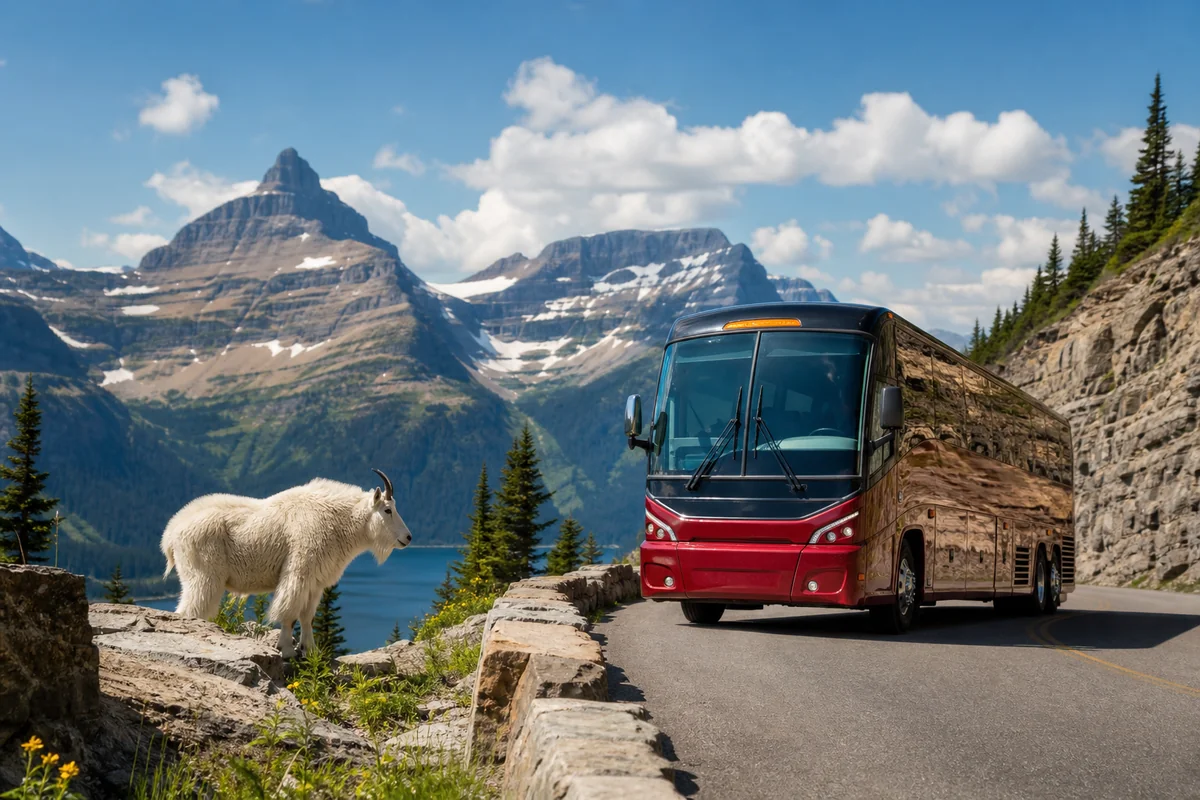
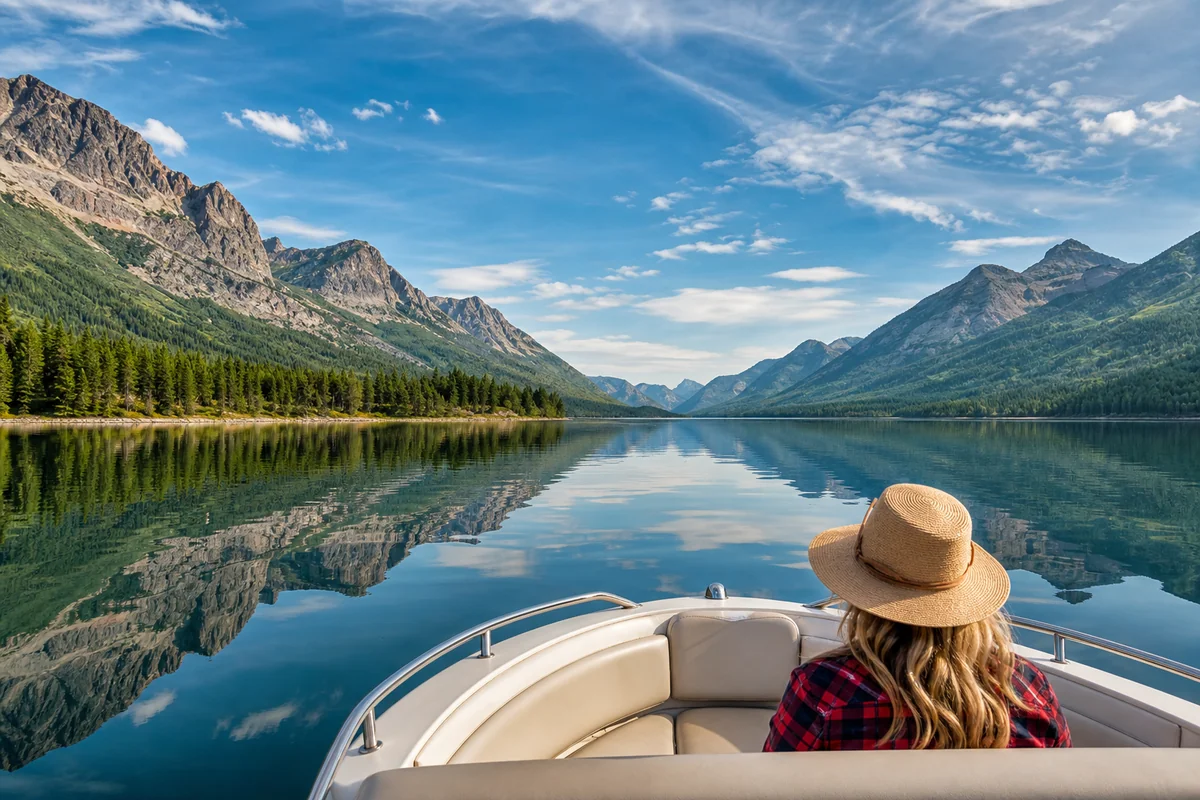
Consider combining your birding tour with other Glacier experiences—the park offers everything from Montana boat tours on Lake McDonald to bus tours along the historic Going-to-the-Sun Road.
The Hi-Line Prairie
This region—the northern tier of Montana along Highway 2—doesn’t get the tourism love of Glacier or Yellowstone, but for birders, it’s hallowed ground.
The Bowdoin National Wildlife Refuge near Malta hosted my most species-rich single day in Montana: 83 species including 17 species of ducks and four grebe species.
The prairie dog towns around the refuge support Burrowing Owls, and the surrounding grasslands hold Sprague’s Pipits and both longspur species.
Getting out here independently is possible but exhausting. The drives between productive areas are long, and knowing where to stop requires local knowledge. Tours handle the logistics and typically access private lands that dramatically increase your species potential.
The Centennial Valley
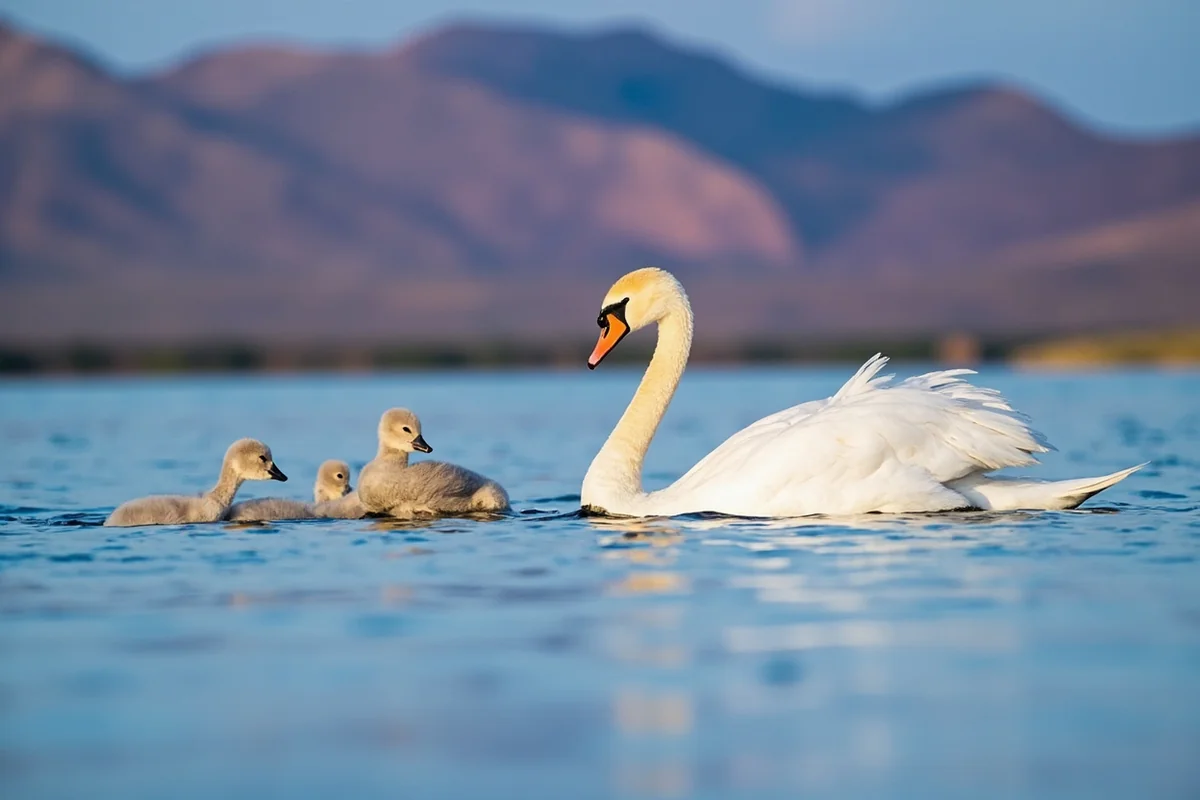
This remote valley in southwestern Montana, accessed via rough gravel roads, feels like stepping back in time. The Red Rock Lakes National Wildlife Refuge here was established in 1935 to protect Trumpeter Swans, and the population has thrived.
My tour to the Centennial Valley last August found 67 species in two days, including close encounters with nesting Trumpeter Swans**, Sandhill Cranes with colts, and a Short-eared Owl hunting at dusk.
The sage flats held Sage Thrashers and Brewer’s Sparrows, while the riparian areas produced multiple Wilson’s Phalaropes.
The road conditions make this area challenging to visit without local guidance—our tour vehicle was a high-clearance 4WD, which proved necessary after a rainstorm turned sections to mud.
Some visitors prefer the more adventurous approach offered by Montana Jeep tours or UTV tours to access remote wildlife areas.
Yellowstone’s Montana Gateway
The Montana portion of Yellowstone and the Paradise Valley corridor offer excellent birding, especially for raptors and mountain species.
Tours typically start from Gardiner or Livingston and combine Yellowstone entry with stops at accessible spots like the Yellowstone River fish ladder (American Dippers year-round) and the Gallatin Range foothills. During my fall tour, our guide knew a Peregrine Falcon eyrie visible from a roadside pullout—not publicized anywhere but known to local guides.
The Lamar Valley, while famous for wolves and bison, also produces excellent birding. I’ve seen **Gray Jays**, **Clark’s Nutcrackers**, and numerous raptors along this corridor. Spring brings Mountain Bluebirds in stunning numbers.
What to Expect on a Guided Montana Birding Tour
If you’ve never done a formal birding tour, here’s what typically happens based on my experiences.
Pace and Style
Montana birding tours generally move slowly, with frequent stops. On a half-day tour, you might visit 4-6 locations with 30-60 minutes of focused birding at each.
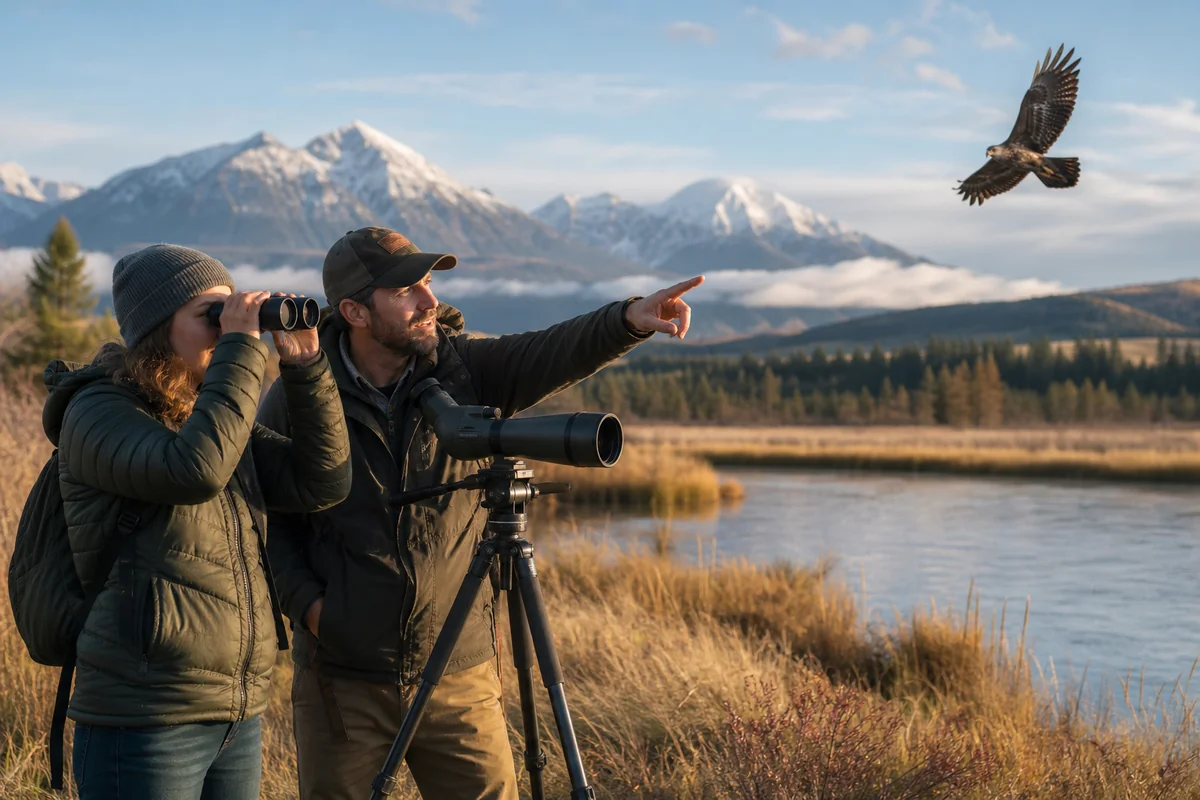
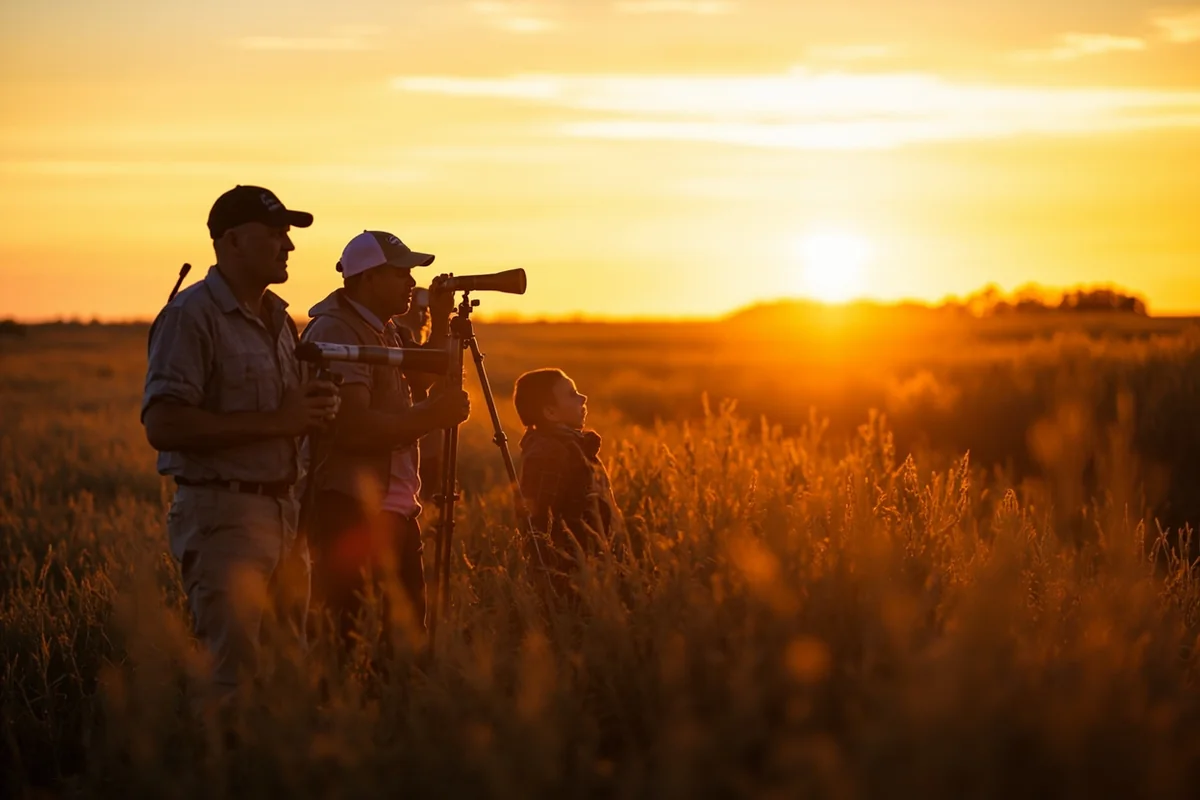
Guides carry spotting scopes and set them up for everyone to view difficult species. Good guides also play back recordings sparingly—a controversial practice in birding—and will ask before using calls to attract birds.
I appreciate guides who balance productivity with education. My best experiences included detailed explanations of bird behavior, habitat requirements, and conservation challenges, not just “there’s the bird, check it off.”
Group Dynamics
Public tours typically cap at 6-10 participants. Smaller groups mean more scope time and more personalized guidance, but they also fill quickly during peak seasons.
Skill levels vary widely on group tours. I’ve been on trips with complete beginners and world-class listers alike. Good guides manage this by ensuring everyone sees the bird before moving on while keeping advanced birders engaged with subtle details.
If group dynamics concern you, private tours eliminate the issue entirely.
Physical Requirements
Most Montana birding tours are surprisingly accessible. The majority of my tour time has been spent standing near vehicles or walking on maintained trails.
However, some specialty targets require effort. My White-tailed Ptarmigan tour involved a 2-mile hike at 10,000+ feet elevation with 400 feet of elevation gain. The Great Gray Owl territory we visited required trudging through knee-deep snow.
Always ask about physical requirements before booking. Reputable operators will be honest about what’s involved.
Essential Gear for Montana Birding Tours
Even though tour operators provide spotting scopes, you’ll want to come prepared. Here’s what I’ve learned to pack after years of Montana birding.
Optics
Bring the best binoculars you own. Montana’s big skies and open landscapes favor higher magnification (10×42 preferred over 8×42), but either works.
If you don’t own binoculars, some operators provide loaners—ask when booking. Don’t skip this detail; you’ll be frustrated watching others see birds you can’t identify.
Clothing Layers
Montana weather changes rapidly. On a June tour last year, we started in fleece jackets at 45°F and stripped down to t-shirts by noon when it hit 78°F.
I always pack: base layer, midweight fleece, wind-resistant outer layer, rain shell, sun hat, warm beanie (yes, even in summer for early mornings). Moisture-wicking fabrics handle the temperature swings better than cotton.
Footwear
Waterproof hiking boots serve most tours well. For prairie birding, the grass often holds morning dew, and you’ll appreciate dry feet.
Alpine tours demand sturdy boots with ankle support. I’ve seen ill-prepared visitors struggle on rocky terrain while others comfortably scanned for ptarmigan.
Other Essentials
- Sunscreen and sunglasses: Montana’s high elevation means intense UV exposure.
- Water and snacks: Tours often run longer than scheduled when birds are active.
- Field guide: The Sibley Guide to Birds or Merlin app on your phone help with quick reference.
- Notebook or eBird app: Track your sightings while details are fresh.
Pricing and Value: What Montana Birding Tours Actually Cost
Let’s talk money honestly.
Half-Day Tours
Expect $125-$200 per person for 4-5 hours of guided birding. This typically includes guide services, transportation during the tour, and use of spotting scopes.
You’ll usually meet at a designated location (often your hotel or a public parking area), and the tour returns you to the same spot.
Full-Day Tours
Full-day options run $250-$400 per person. These 8-10 hour excursions cover more territory and typically include a packed lunch.
The longer format works best for birders with specific targets since you’ll have time to visit multiple habitats.
Multi-Day Expeditions
Comprehensive tours lasting 3-7 days range from $1,200 to $3,500 or more, depending on inclusions. Some packages cover everything (lodging, meals, transportation from a gateway city), while others require you to arrange your own accommodations.
Montana Audubon’s tours fall on the lower end since they use modest lodging. Premium operators offering lodge stays and smaller groups charge accordingly.
Is It Worth It?
After guiding myself for years and then trying organized tours, I’ve concluded that guided birding delivers exceptional value for Montana specifically.
The state is huge, and productive birding areas are often separated by hours of driving. Local guides know not just where birds occur, but where they’re occurring right now. They have current intel from personal scouting, eBird reports, and networks of local contacts.
On my DIY trips, I’d average perhaps 40-60 species over a long weekend. With guides, that number consistently exceeds 100. For serious birders, that efficiency justifies the cost.
For casual birders or those looking to diversify their Montana experience, birding tours pair well with other activities. You might spend mornings birding, then explore one of Montana’s unique offerings like a chocolate tour or an afternoon helicopter tour for scenic views.
Booking Tips and Practical Advice
Based on lessons learned (sometimes the hard way), here’s how to ensure a smooth Montana birding tour experience.
Book Early for Peak Seasons
Spring waterfowl tours at Freezout Lake and winter owl tours sell out months in advance. I tried booking a February Great Gray Owl tour in December and found everything full until mid-March.
For May-June songbird tours and summer alpine trips, 2-3 months advance booking usually works. But for winter specialties or the March goose migration, book 4-6 months ahead.
Communicate Your Targets
Before your tour, email the operator with your specific goals. A good guide will tailor the experience toward your priorities when possible.
When I told Big Sky Bird Tours that Black-backed Woodpecker was my top target, they built the itinerary around recently burned areas and started earlier to maximize our chances at that species.
Ask About Cancellation Policies
Montana weather can cancel or modify tours, especially in winter. Understand the operator’s policy before booking—most reputable companies offer full refunds for weather cancellations they initiate, but you’ll want clarity on what happens if *you* need to cancel.
Consider Combining Tours
If you’re planning multiple days in Montana, mixing birding with other tour types keeps things varied. The Montana train tours offer scenic transportation between regions, and range tours in the eastern prairies introduce you to landscapes where birding often proves rewarding.
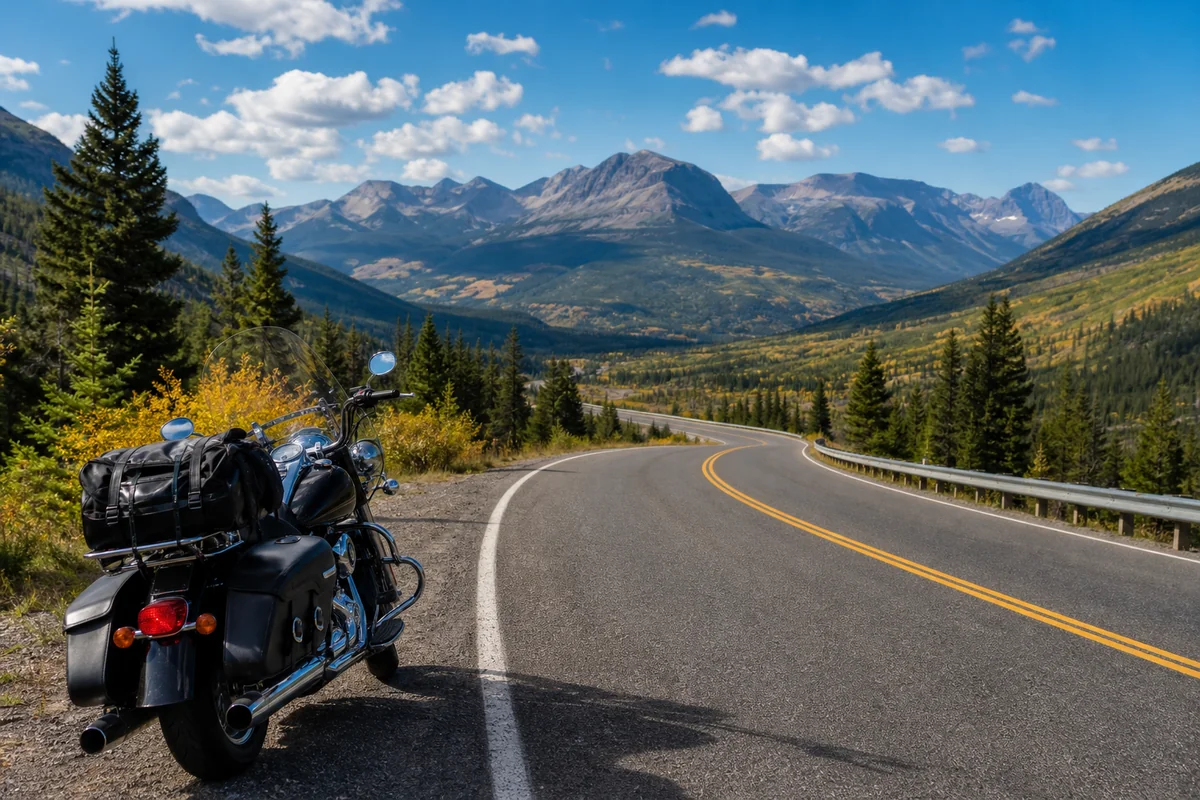
Adventure seekers might alternate birding mornings with dirt bike tours or motorcycle tours through scenic areas in the afternoons.
Conservation and Ethical Birding
Montana’s birds face genuine pressures, and responsible touring practices matter.
Prairie Bird Decline
Species like Sprague’s Pipit and Chestnut-collared Longspur have experienced dramatic population drops as native grasslands convert to agriculture. When guides take you to see these birds, you’re often visiting some of the last intact habitat in their range.
Good tour operators minimize disturbance by keeping appropriate distances and avoiding nest sites. They also often contribute to conservation through donations or direct participation in monitoring programs.
Playback Ethics
Using recorded bird songs to attract birds for viewing is controversial. During breeding season, excessive playback can disrupt territorial behavior and nesting success.
Ask your tour operator about their playback policy. I respect guides who use it sparingly or not at all, even when it means working harder to find birds naturally.
Supporting Local Conservation
Several tour operators donate portions of their fees to conservation organizations like Montana Audubon or the Rocky Mountain Elk Foundation (which despite its name conserves extensive bird habitat).
Choosing these operators means your tour dollars directly support habitat protection.
Final Thoughts: Why I Keep Coming Back
After dozens of birding trips across North America, Montana remains my favorite destination. The combination of spectacular landscapes, remarkable species diversity, and genuinely passionate local guides creates experiences that stay with me.
That Great Gray Owl swooping past my head? That moment happened because a guide positioned us perfectly, knowing the bird’s hunting pattern from years of observation. The Boreal Owl at midnight in the Seeley-Swan Valley? Our guide knew the forest road where they’d been calling for three winters running.
Montana birding tours transform good trips into great ones. They connect you with knowledge accumulated over decades, access to private lands and restricted areas, and the efficiency of local expertise in a vast landscape.
Whether you’re chasing a specific lifer, introducing someone to birding, or simply wanting to experience Montana’s wild side beyond the postcard views, a guided birding tour delivers. Book early, bring layers, and prepare to be amazed by what Big Sky Country holds in its skies.
Frequently Asked Questions
What is the best time of year for birding tours in Montana?
The best time for Montana birding tours is late May through early July when migratory species arrive and breeding activity peaks. I’ve found that spring migration (April-May) offers incredible diversity, while winter tours near Glacier National Park provide rare opportunities to spot Great Gray Owls and Boreal Chickadees.
How much do guided birding tours in Montana typically cost?
Guided Montana birding tours typically range from $150-$300 per person for full-day excursions, while multi-day specialty tours can cost $1,500-$3,000 including lodging and meals. Half-day tours average $75-$150 and are perfect if you’re combining birding with other Montana activities.
What rare bird species can I see on Montana birding tours?
Montana birding tours offer chances to spot rare species like Harlequin Ducks, Black-backed Woodpeckers, Sprague’s Pipits, and the elusive Boreal Owl. The prairie regions are hotspots for Mountain Plovers and Chestnut-collared Longspurs, while Glacier National Park hosts White-tailed Ptarmigan at higher elevations.
What should I bring on a Montana birding tour?
I always recommend bringing layered clothing since Montana temperatures can swing 30-40 degrees in a single day, plus sturdy waterproof hiking boots and quality binoculars (8×42 works great). Don’t forget sunscreen, insect repellent for mosquito-heavy wetland areas, a field guide to Rocky Mountain birds, and a spotting scope if you own one.
Where are the best locations for birding tours in Montana?
The top Montana birding destinations include Freezout Lake Wildlife Management Area (spectacular snow goose migration), Bowdoin National Wildlife Refuge, and the Bitterroot Valley for forest species. Glacier National Park offers alpine specialties, while the prairies near Medicine Lake attract grassland birds you won’t find elsewhere in the US.
Are Montana birding tours suitable for beginners?
Absolutely—most Montana birding tour operators welcome beginners and provide loaner binoculars along with patient instruction on identification techniques. I’ve taken several newcomers who appreciated that guides point out birds by habitat and behavior, not just appearance, making it a genuinely educational experience.
How far in advance should I book a Montana birding tour?
For peak season tours (May-July) and specialty trips targeting rare species like Great Gray Owls, I recommend booking 2-3 months in advance since group sizes are intentionally small. Off-season tours and private excursions often have availability with just 1-2 weeks notice, especially in September through November.
Sources