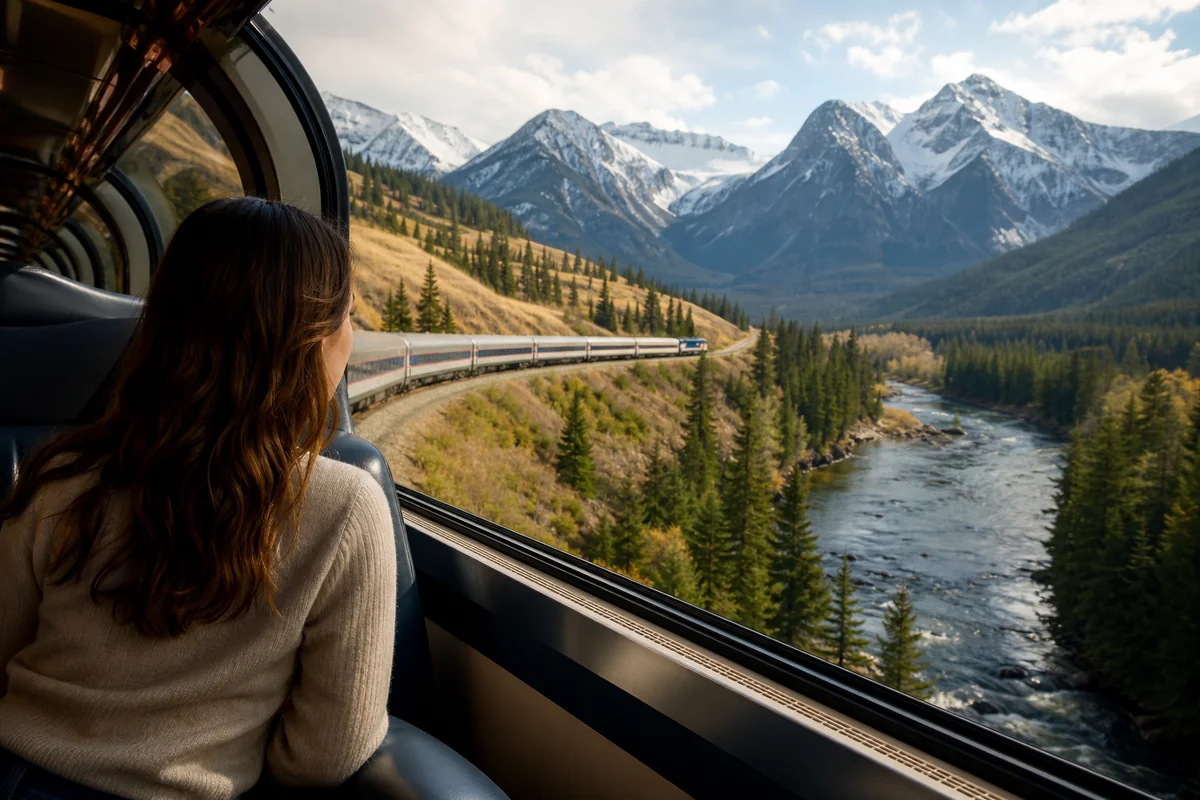
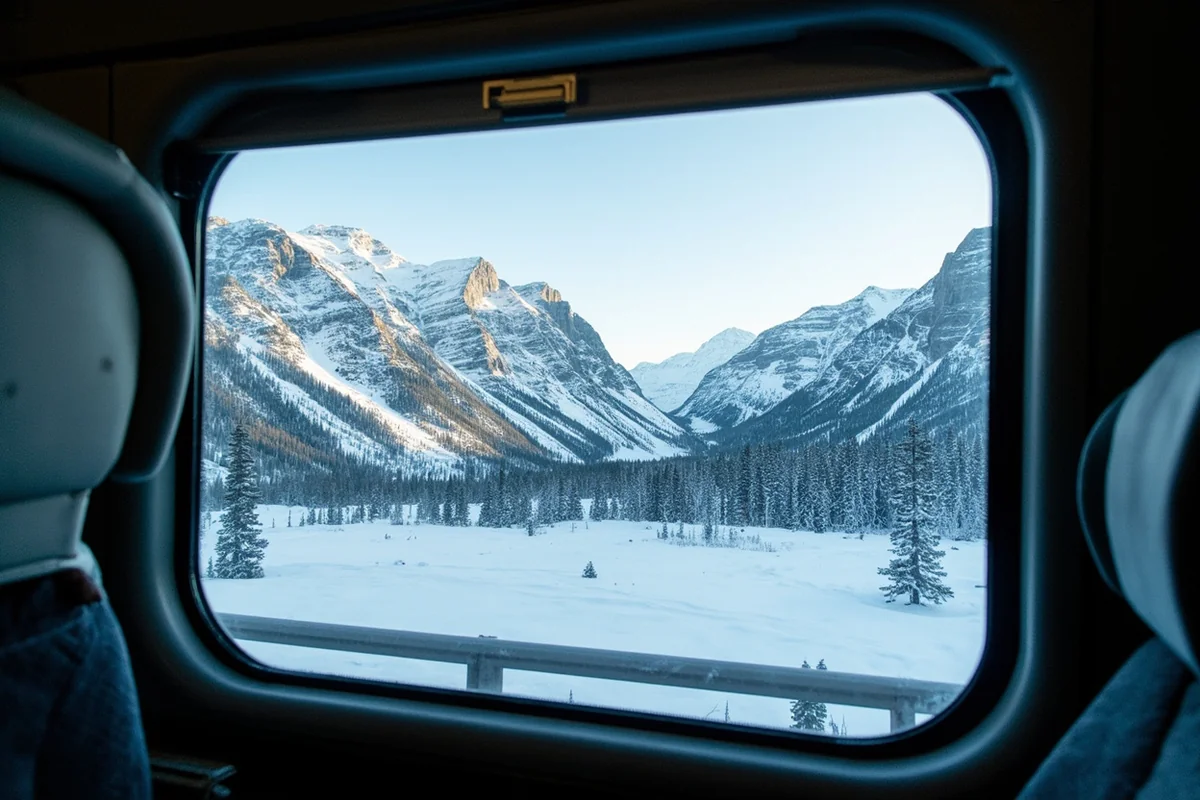
The moment our train rounded the bend at Marias Pass and I caught my first glimpse of Glacier National Park’s snow-capped peaks through the observation car window, I understood why travelers have been riding these rails for over a century.
There’s something almost meditative about watching Montana’s vast landscapes unfold at 50 miles per hour—fast enough to cover serious ground, slow enough to actually absorb the beauty.
Train travel in Montana offers a completely different perspective than any other form of Montana tours you might consider. While I’ve explored this state by car, foot, and even helicopter, there’s an unhurried magic to rail travel that keeps drawing me back.
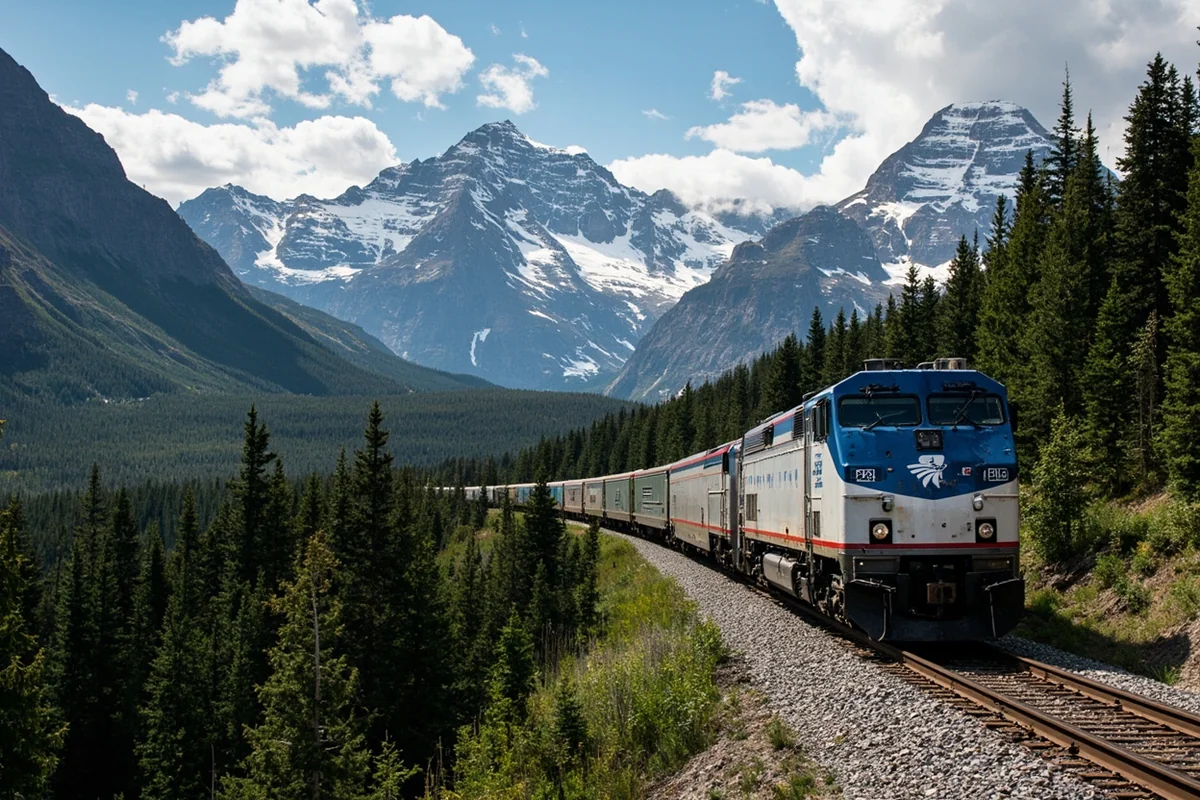
- The Empire Builder is Montana’s main passenger train, crossing the state’s northern tier with stops in 12 communities
- Best windows for scenery: southbound seats heading west, northbound seats heading east
- Peak season (June-September) requires booking sleeper cars 2-3 months ahead
- Charlie Russell Chew Choo and other heritage railways offer unique seasonal experiences
- Budget roughly $89-$450+ depending on class and distance
- Fall colors (late September) provide arguably the most stunning views
Liked this article?
Add Roaming Montana as a preferred source so you see more of our articles and guides on Google.
Why Montana Train Travel Deserves Your Attention
I’ll be honest—when I first started exploring Montana, trains weren’t even on my radar. I was focused on Jeep tours through the backcountry and boat tours on pristine lakes. But after a friend insisted I try the Empire Builder, my perspective completely shifted.
Montana’s relationship with railroads runs deep. The Great Northern Railway literally built many of the towns you’ll pass through, and the state’s tourism industry was born when railroad companies started promoting Glacier National Park to wealthy East Coast travelers in the early 1900s.
Today, that heritage lives on through both modern Amtrak service and several heritage railways that offer glimpses into Montana’s railroad past.
The Empire Builder: Montana’s Crown Jewel of Rail Travel
The Empire Builder is Amtrak’s flagship long-distance route through Montana, and it’s the train experience most visitors will encounter. Running daily between Chicago and Seattle/Portland, it crosses 550 miles of Montana terrain.
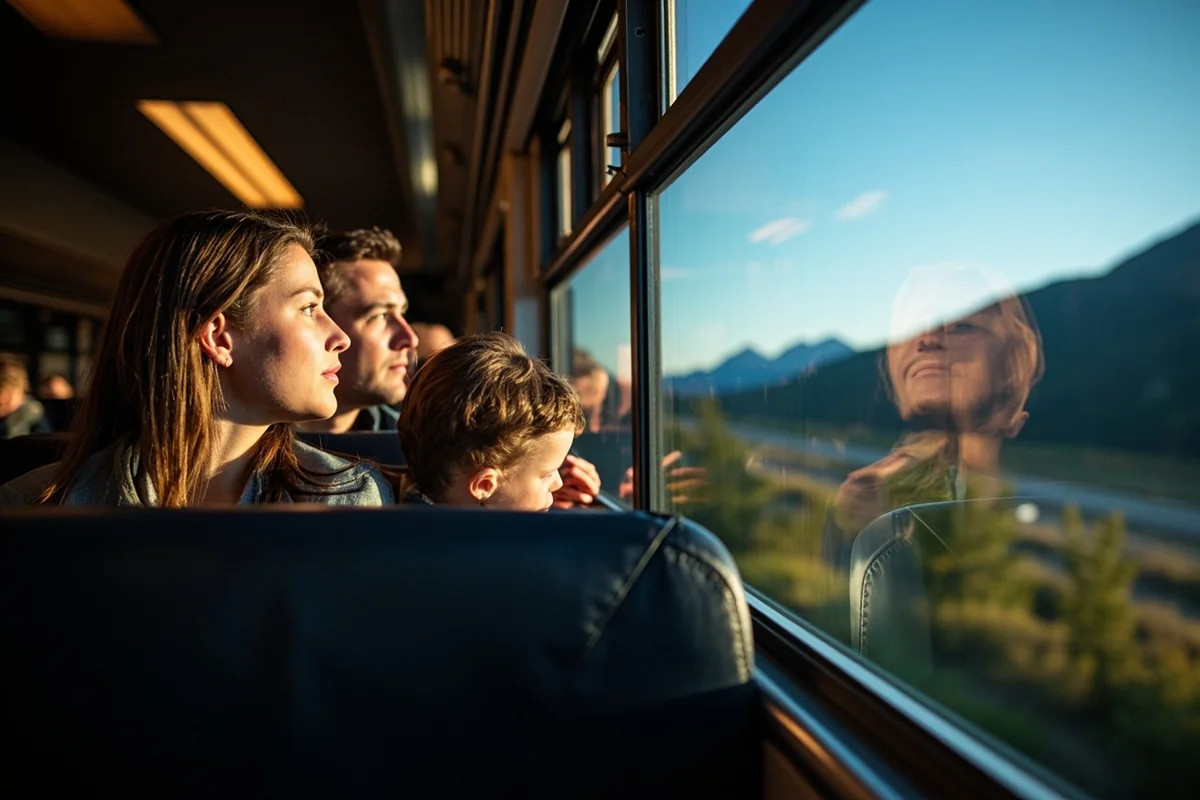
During my most recent trip last summer, I boarded in East Glacier Park and rode westward to Whitefish. Those four hours gave me a perspective on Glacier’s southern boundary I simply couldn’t get any other way.
Montana Stations Along the Empire Builder
The train makes 12 stops across Montana, and each offers different possibilities:
| Station | Notable Features | Best For |
|---|---|---|
| Wolf Point | Fort Peck Reservoir nearby | Anglers, fossil hunters |
| Glasgow | Northeastern Montana hub | Birding enthusiasts |
| Malta | Great Plains Dinosaur Museum | Families, paleontology buffs |
| Havre | Underground Havre tours | History lovers |
| Shelby | Gateway to Canadian border | Cross-border travelers |
| Cut Bank | “Coldest spot in the nation” | Adventure seekers |
| Browning | Blackfeet Nation headquarters | Cultural experiences |
| East Glacier Park | Glacier NP southeast entrance | Park visitors (summer only) |
| Essex | Izaak Walton Inn, flag stop | Rail fans, hikers |
| West Glacier | Main Glacier NP entrance | Park visitors |
| Whitefish | Ski resort, charming downtown | Year-round travelers |
| Libby | Kootenai National Forest | Outdoor enthusiasts |
Choosing Your Seating Class
I’ve ridden the Empire Builder in both coach and a roomette, and my honest assessment is that both have their place.
Coach class works well for shorter segments (under 6 hours). The seats are spacious—much more generous than airplane seats—and recline significantly. During my trip from Whitefish to West Glacier, coach was perfectly comfortable.
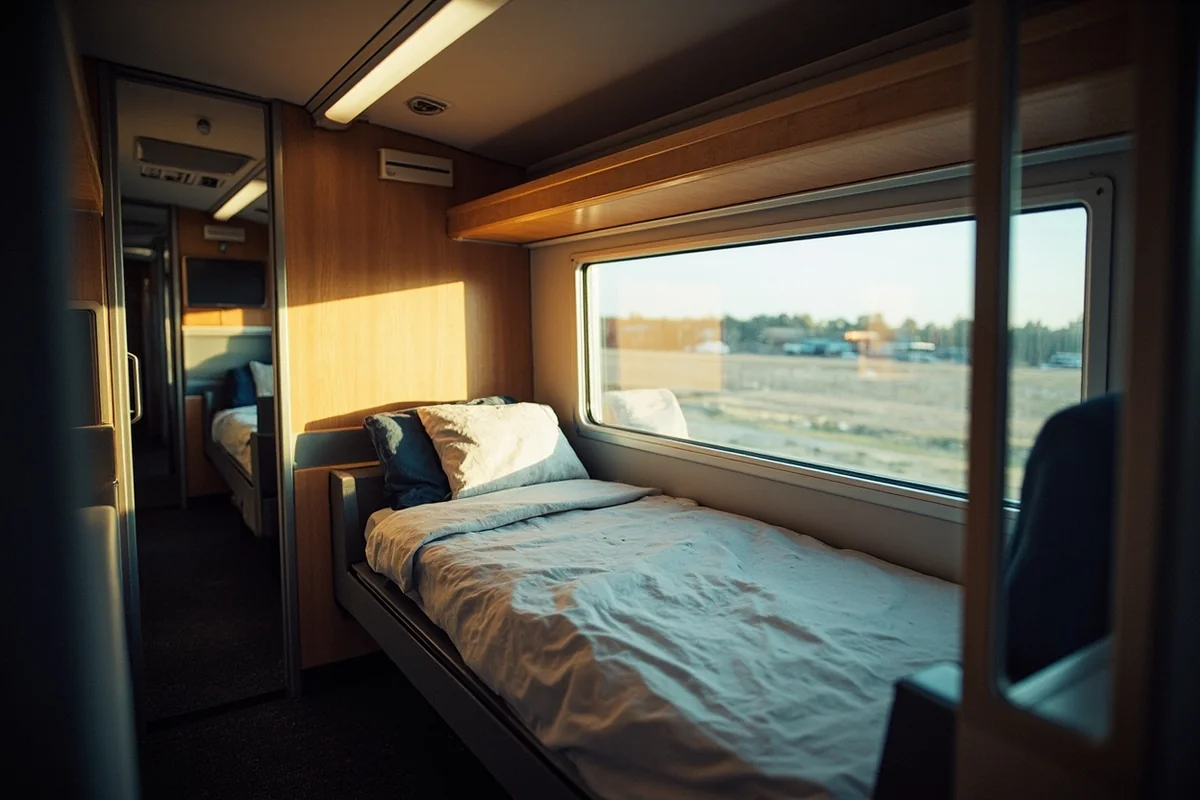
Roomettes become essential for overnight journeys. When I rode from St. Paul to Whitefish, having a private space with a bed that converted from the seats made the 15-hour Montana crossing genuinely enjoyable rather than exhausting.
Bedrooms are worth the splurge for couples or anyone wanting the full classic train experience. They include private bathrooms and more space to stretch out.
The Scenic Highlights Mile by Mile
Based on multiple trips, here’s what to watch for as you cross Montana from east to west:
Miles 0-150 (Wolf Point to Malta): The Hi-Line stretches before you—vast prairie that seems to extend forever. I found this section mesmerizing despite its apparent simplicity. Watch for pronghorn antelope, which I spotted three different times on my last eastbound journey.
Miles 150-300 (Malta to Havre): The terrain begins showing subtle shifts. The Bears Paw Mountains appear to the south. This is excellent territory for birding enthusiasts—the grasslands support incredible raptor populations.
Miles 300-400 (Havre to Browning): The Rocky Mountain Front emerges dramatically on the southwestern horizon. On a clear day, I could see the mountains from nearly 100 miles away—a testament to Montana’s legendary visibility.
Miles 400-500 (Browning to Essex): This is the money stretch. The train climbs toward Marias Pass, the lowest route through the northern Rockies. Glacier National Park’s peaks dominate the southern view, and I spotted mountain goats on the cliffs during my September trip.
Miles 500-550 (Essex to Libby): You’ll descend through dense forests along the Middle Fork of the Flathead River. The river access here is remarkable—I’ve seen rafters waving at the train from their boats below.
Heritage Railways and Specialty Train Experiences
Beyond Amtrak, Montana offers several unique train experiences that showcase the state’s railroad heritage in ways you won’t find on regular passenger service.
Charlie Russell Chew Choo Dinner Train
This might be the most uniquely Montana train experience available. Operating out of Lewistown in the state’s geographic center, the Charlie Russell Chew Choo runs along a historic branch line through some of Montana’s most authentic ranch country.
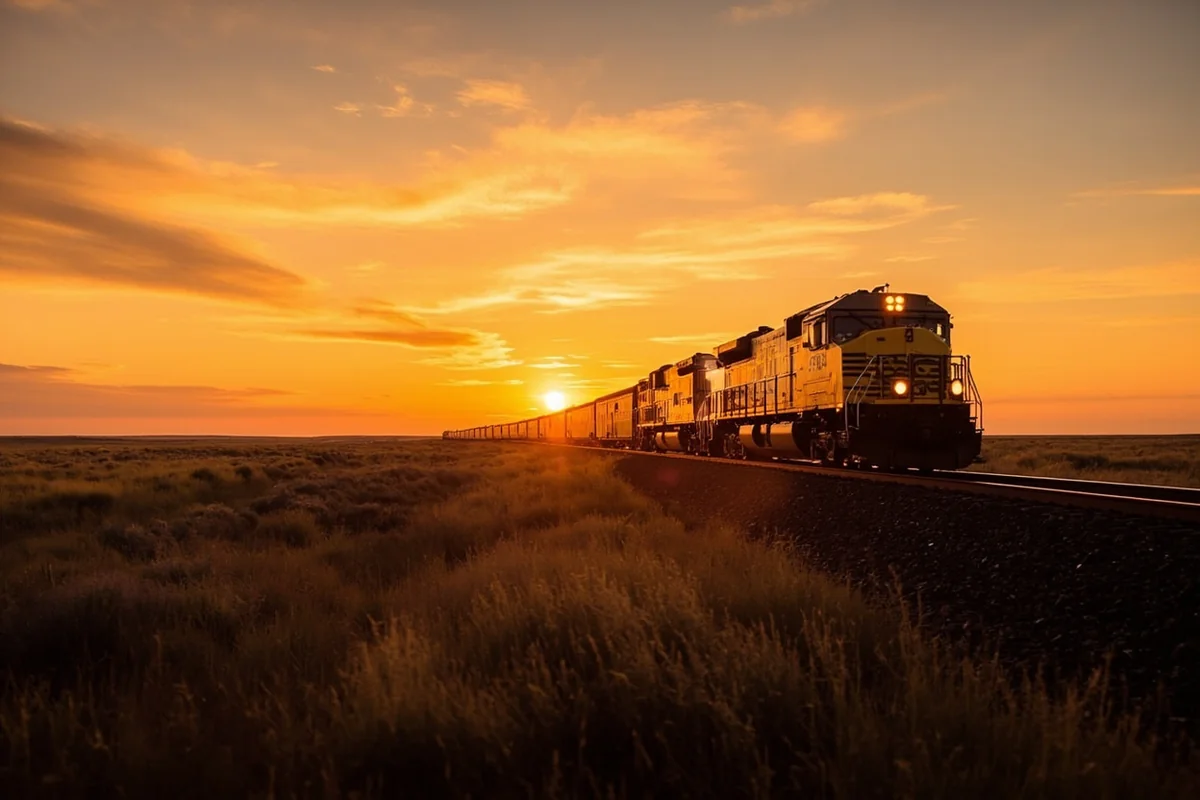
When I took this ride two summers ago, I was struck by how different it felt from any other train experience. You’re eating a prime rib dinner while crossing working cattle ranches, and the train actually stops for staged “robbery” encounters with actors on horseback.
The 3.5-hour journey covers about 28 miles and includes views of the Judith Mountains. What surprised me most was how genuinely good the food was—this isn’t tourist-trap quality dining.
Practical details:
- Runs May through September on select Saturdays
- Reservations required, often sells out weeks ahead
- Cost: approximately $95-115 per person including dinner
- Departs from Kingston Junction (near Lewistown)
Alder Gulch Shortline Railroad
For history buffs visiting Virginia City, this narrow-gauge heritage railway offers a glimpse into Montana’s mining past. The short ride connects Virginia City to Nevada City, two remarkably preserved ghost towns.
I rode this during a range tour through southwestern Montana and found it to be a perfect complement to exploring the historic towns on foot. The 1.5-mile journey takes about 20 minutes and uses vintage rolling stock.
The experience is modest compared to longer excursions, but the authenticity is genuine. These cars actually hauled ore and supplies during Montana’s gold rush era.
Yellowstone Valley Railroad
Operating near Laurel (just outside Billings), this excursion railway offers rides on restored vintage equipment. The focus here is more on rail-fan enthusiasm than scenic touring, but I found the equipment itself fascinating.
During my visit, volunteers explained the restoration process for their diesel locomotives and passenger cars. If you’re traveling with kids interested in how trains work, this is an excellent educational stop.
Planning Your Montana Train Journey
After multiple train trips across Montana, I’ve developed strong opinions about timing, booking, and preparation.
Best Times to Ride
Late September: This is my personal favorite. Fall colors are emerging, summer crowds have thinned, and the weather is usually stable. The golden larch forests near Essex are spectacular from the train during this window.
June through mid-July: The mountains still have significant snow coverage, creating dramatic contrast. Wildflowers carpet the meadows visible from the train. However, this is also peak season, so book early.
Winter: Don’t dismiss it. I took a February trip and found the snow-covered landscape genuinely magical. Fewer tourists mean easier conversation with train staff, who shared stories and pointed out wildlife I would have missed otherwise.
Booking Strategies That Actually Work
Amtrak’s reservation system can be frustrating, so here’s what I’ve learned:
Book 11 months ahead for summer roomettes. I’m not exaggerating—the best accommodations on popular summer dates sell out almost immediately when they become available.
Set fare alerts. Amtrak occasionally runs sales, and I’ve saved 20-30% by booking during promotional periods. The Guest Rewards program is also worth joining for points accumulation.
Consider boarding at smaller stations. West Glacier and East Glacier are the most desirable stops, but Whitefish has better amenities and more reliable cell service for making changes. Essex is a flag stop (train only stops if someone’s getting on or off), which appeals to rail fans.
Build flexibility into your schedule. The Empire Builder has a historically mixed on-time performance. On my last trip, we arrived in Whitefish 2 hours late. I recommend not scheduling tight connections with other transportation.
What to Bring Aboard
Based on experience, here’s what makes train travel through Montana more comfortable:
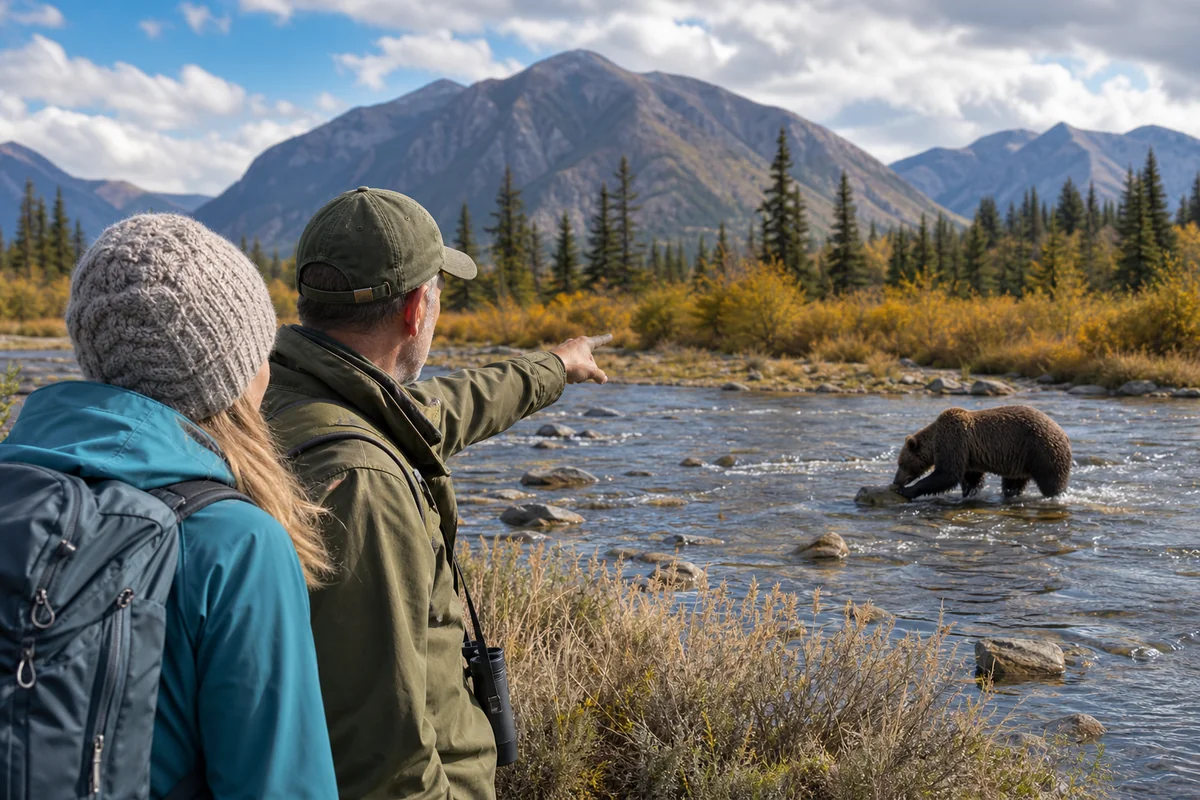
- Binoculars: Essential. Wildlife sightings happen at distance, and you’ll want magnification for mountain goats, eagles, and bears along the route.
- Layers: Train car temperatures vary significantly, and mountain passes are cooler than the prairie.
- Snacks and beverages: The café car is adequate but limited. On my overnight trip, I was glad to have backup provisions.
- Offline entertainment: Cell service is nonexistent across large stretches of Montana’s Hi-Line.
- Camera with charged batteries: You’ll take more photos than you expect.
Combining Train Travel with Other Montana Experiences
The beauty of Montana’s train network is how well it integrates with other adventures. Here’s how I’ve combined rail travel with broader Montana itineraries.
Train + Glacier National Park Itinerary
This is the classic combination, and I’ve done it multiple times.
- Day 1: Arrive by train in East Glacier Park (seasonal) or Whitefish. If Whitefish, shuttle or rental car to the park area.
- Days 2-4: Explore Glacier. The Going-to-the-Sun Road is the obvious highlight, but I also recommend the Many Glacier area and boat tours on Lake McDonald.
- Day 5: Take the train from your arrival point to the opposite side of the park (or depart Montana entirely).
The train gives you flexibility that flying doesn’t. You can see completely different landscapes on your inbound and outbound journeys.
Train + Heritage Town Loop
For a deeper Montana cultural experience, consider this route I took last fall:
- Days 1-2: Train to Havre, explore the remarkable Havre Beneath the Streets underground tour.
- Day 3: Rental car south to Lewistown.
- Day 4: Charlie Russell Chew Choo dinner train.
- Day 5: Drive to Helena or Great Falls, return rental car.
- Day 6: Train departure from Shelby or another Hi-Line station.
This itinerary hits Montana’s agricultural heartland, which most tourists miss entirely.
Multi-Modal Adventure Combinations
Train travel pairs beautifully with other Montana touring options. After my most recent rail trip, I connected with a UTV tour in the Flathead Valley—the contrast between relaxed train travel and backcountry off-road adventure was perfect.
Similarly, I know travelers who’ve combined train arrivals with motorcycle tours starting in Whitefish, or nature tours around Glacier.
The key is using the train for the long-haul transportation and then exploring more intensively around specific destinations.
Practical Considerations and Honest Assessments
I want to give you realistic expectations rather than just promotional enthusiasm.
What Train Travel Does Better Than Alternatives
Scenery absorption: You simply see more from a train than from a car you’re driving. The observation car’s large windows and elevated position provide views you can’t replicate.
Environmental comfort: No cramped airline seats, no highway fatigue. On longer journeys, the ability to walk around is significant.
Social atmosphere: I’ve met fascinating people on Montana trains—wildlife researchers, retired railroad workers, European tourists on bucket-list trips. The dining car encourages conversation.
Carbon footprint: For environmentally conscious travelers, trains produce significantly lower emissions per passenger-mile than flying.
Where Train Travel Falls Short
Flexibility: The train runs once daily in each direction. Miss it, and you’re waiting 24 hours.
Coverage: Montana’s passenger rail only covers the northern tier. If you want to explore Yellowstone, Bozeman, Missoula, or Billings, the train won’t get you there.
Time: The train takes significantly longer than driving. Whitefish to East Glacier is about 4 hours by rail versus 1.5 hours by car.
Cell connectivity: If you need to work while traveling, the Hi-Line has extended dead zones.
Cost Analysis
Here’s honest pricing based on my recent experiences:
- Coach seat (short segment, e.g., Whitefish to West Glacier): $15-30
- Coach seat (Montana crossing, e.g., Wolf Point to Whitefish): $89-150
- Roomette (Montana crossing): $250-450
- Bedroom (Montana crossing): $400-700+
Prices fluctuate based on demand and booking timing. Peak summer rates can be 40% higher than shoulder season.
Compare this to driving costs (gas, vehicle wear, your time) or flying plus rental car (flights to Montana airports aren’t cheap), and train travel is often competitive—especially for solo travelers.
Beyond the Window: Engaging with Montana’s Railroad Heritage
If trains genuinely interest you, Montana offers ways to deepen that experience beyond simply riding.
The Museum of the Rockies in Bozeman has exhibits on railroad history’s role in Montana development. I spent longer there than I planned because the connection between rails and regional growth was more complex than I’d understood.
Browning’s Museum of the Plains Indian offers perspectives on how railroads affected indigenous communities—a less celebratory but important part of the story.
The Izaak Walton Inn at Essex deserves special mention. This lodge was built by the Great Northern Railway in 1939 for train crews, and it remains a shrine to railroad heritage. Even if you’re not staying overnight, the lobby is worth a visit. They also rent restored cabooses and locomotives as overnight accommodations, which I’ve added to my bucket list.
Rail fans will appreciate the numerous abandoned trestles, tunnels, and grade markers visible from the train—remnants of the original Great Northern engineering. The train crew on my last trip pointed out several that I would have missed otherwise.
Connecting Points and Onward Travel
For travelers using trains as part of larger journeys, here are connection insights:
Seattle/Portland: The Empire Builder continues west from Montana through Washington, terminating at both cities on alternating cars. This makes Pacific Northwest combinations seamless.
Chicago: The eastern terminus offers connections to Amtrak’s national network—you can theoretically reach Montana by rail from anywhere in the country.
Canadian connections: While not direct, Shelby’s proximity to the border makes combinations with VIA Rail’s Canadian routes possible with planning.
Within Montana, rental cars are available in Whitefish and Shelby. Shuttle services connect Glacier Park stops to park lodges during summer. Bus tours from Whitefish can also connect train travelers to broader Montana experiences.
For more adventurous combinations, some travelers I’ve met arranged dirt bike tours or even culinary experiences around their rail itineraries.
Final Thoughts from the Rails
There’s a particular moment on the Empire Builder I think about often. We’d just crested Marias Pass, the highest point on the route, and the late afternoon light was painting Glacier’s peaks gold.
I was sitting in the observation car with a glass of wine, talking with a couple from Germany who’d been planning this trip for years.
The husband said something that stuck with me: “In Europe, trains are how we move between places. In America, train travel is the destination itself.”
He was right. Montana train tours aren’t about efficiency—they’re about experiencing a landscape at a pace that lets you actually feel it. The wheat fields stretching to infinity, the sudden drama of mountains rising from prairie, the wildlife appearing unexpectedly alongside the tracks.
If you have the time, this is how Montana was meant to be seen.
Frequently Asked Questions
What is the best train tour to take in Montana?
The Empire Builder operated by Amtrak is Montana’s most iconic train tour, traveling 550 miles across the state with stunning views of Glacier National Park and the Rocky Mountains. I’d also recommend the Charlie Russell Chew Choo dinner train near Lewistown for a unique 56-mile round-trip experience through central Montana’s scenic landscapes.
How much do Montana train tours cost?
Amtrak’s Empire Builder through Montana ranges from $80-$300+ depending on your route and whether you book coach or a sleeper car. Specialty excursion trains like the Charlie Russell Chew Choo typically cost $85-$125 per person including a meal, while private scenic railway experiences can run $150-$400 for premium packages.
What is the best time of year to take a scenic train ride in Montana?
Late June through mid-September offers the best weather and visibility for Montana train tours, especially for viewing Glacier National Park from the Empire Builder. I prefer early September when fall colors begin appearing and summer crowds thin out, though winter trips offer magical snow-covered mountain scenery if you don’t mind shorter daylight hours.
Can you see Glacier National Park from a train in Montana?
Yes, the Amtrak Empire Builder runs directly along the southern border of Glacier National Park, offering spectacular views of snow-capped peaks, alpine meadows, and pristine wilderness. The stretch between East Glacier Park and West Glacier stations is considered one of the most scenic train routes in America, and I recommend sitting on the left side heading west for the best views.
What should I pack for a Montana train tour?
Bring layers since Montana temperatures can swing 30+ degrees in a single day, plus a good camera with extra batteries for wildlife and mountain photography. I always pack snacks and a refillable water bottle since onboard options can be pricey, and don’t forget binoculars for spotting elk, deer, and bears from the observation car.
How long does the Empire Builder train take to cross Montana?
The Empire Builder takes approximately 12-14 hours to travel across Montana, covering around 550 miles from the North Dakota border to Idaho. I found the overnight option comfortable with a sleeper car, though many travelers prefer the daytime westbound route to maximize the daylight views through Glacier National Park’s stunning terrain.
Are there luxury or dinner train experiences in Montana?
The Charlie Russell Chew Choo offers Montana’s premier dinner train experience, featuring a Western-themed murder mystery or live entertainment while traveling through the Judith Basin near Lewistown. Operating seasonally from May through December, tickets run $85-$125 and include a full dinner, making it a memorable evening excursion I highly recommend booking 2-3 weeks in advance during peak summer months.