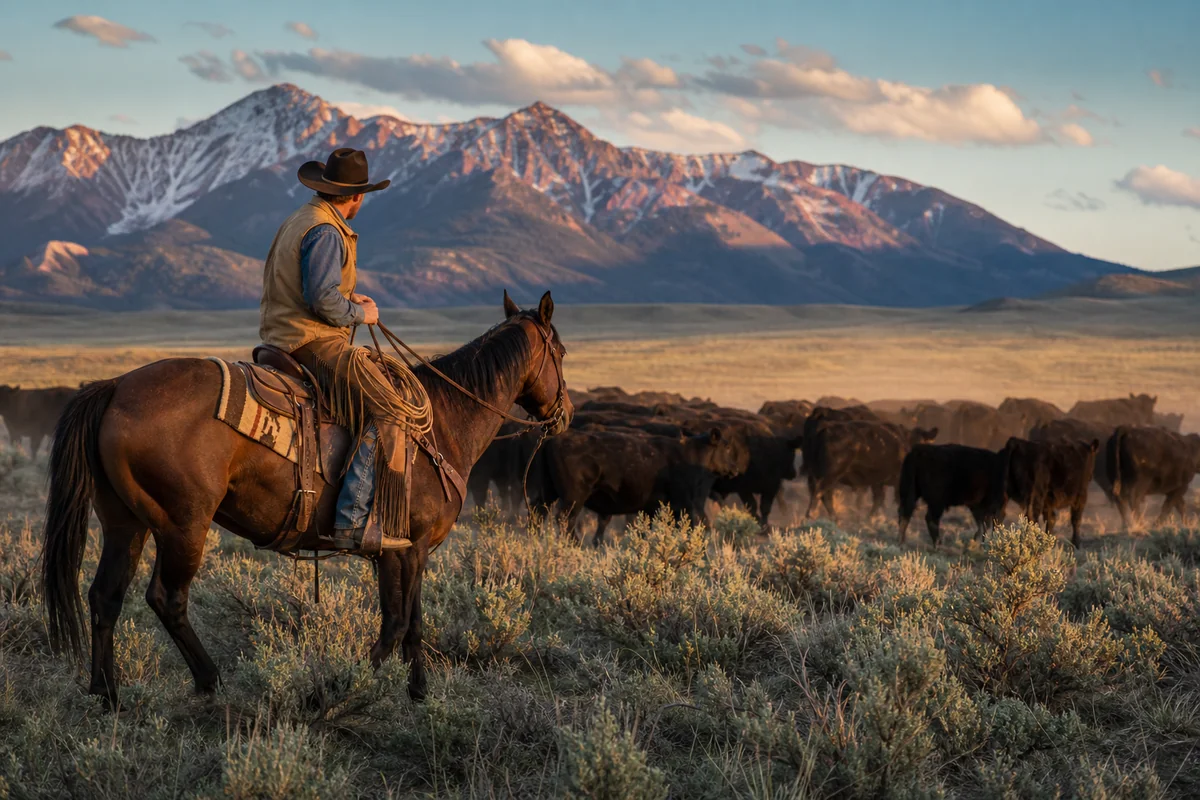
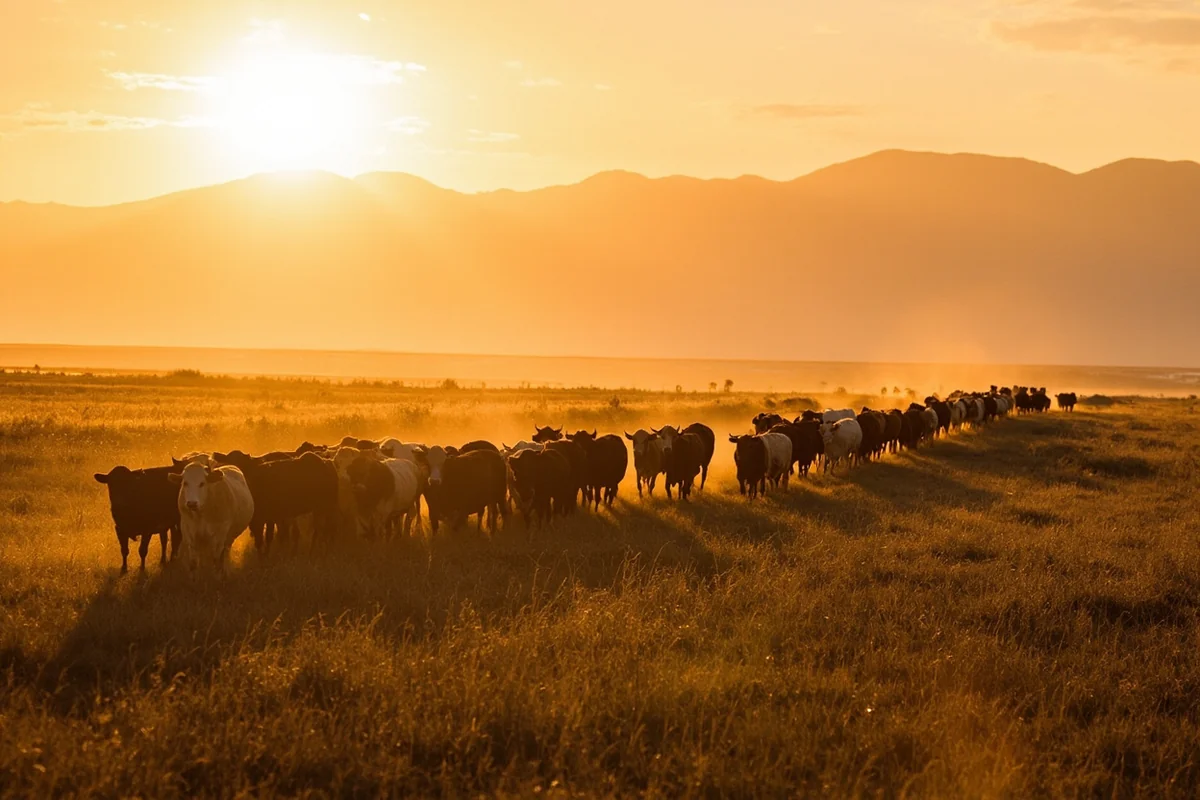
The morning I watched a herd of 200 Black Angus cattle thunder across a sagebrush flat near Livingston, with the Absaroka Mountains glowing pink behind them, I understood why people travel thousands of miles for this experience.
That primal sound of hooves on Montana earth, the whistle of real working cowboys, and the dust rising into crisp mountain air—it connected me to a version of the American West I thought only existed in movies.
If you’re researching Montana tours, range tours deserve special consideration because they offer something increasingly rare: genuine participation in a living agricultural tradition.
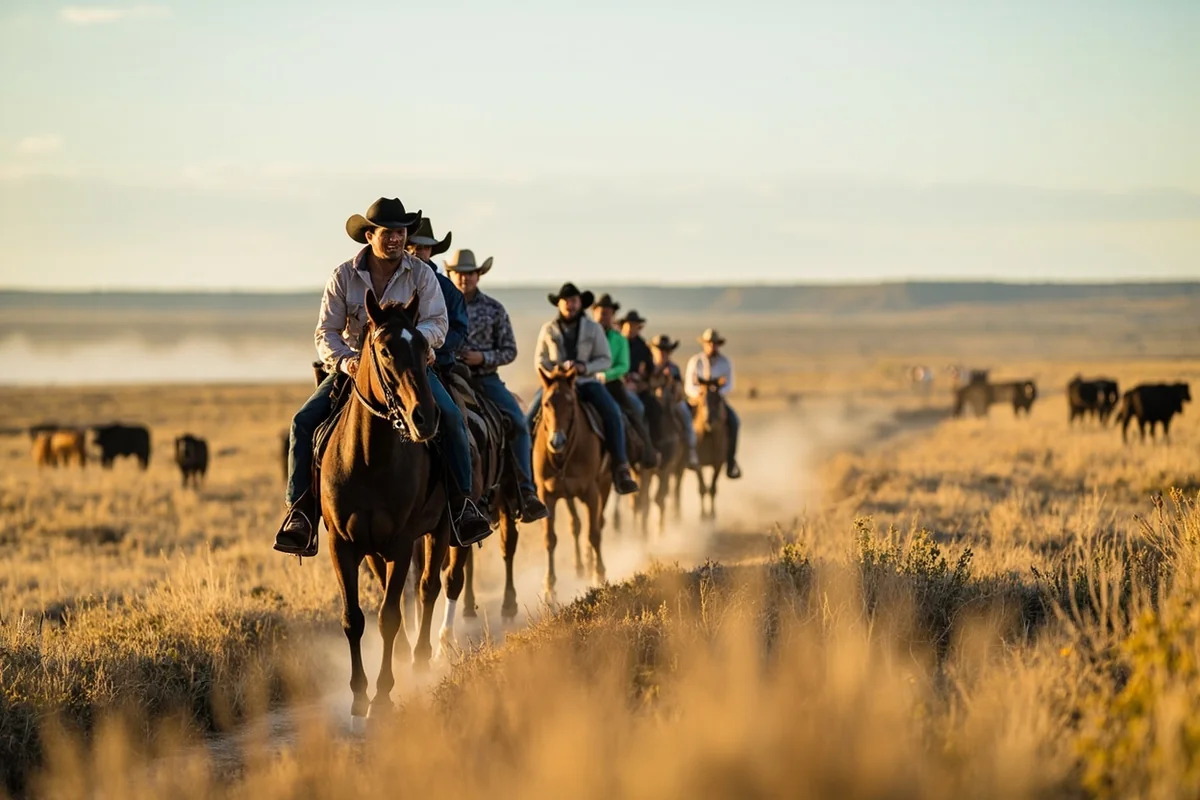
Unlike passive sightseeing experiences, these tours put you on horseback alongside real ranchers doing real work on land their families have worked for generations.
- Montana range tours typically run from late May through September, with peak cattle drive season in June and September
- Expect to pay $150-400 for day tours, $1,200-3,500 for multi-day cattle drive experiences
- No riding experience required for most tours—ranches match horses to skill levels
- Book 2-3 months ahead for summer weekends and popular cattle drive dates
- Best regions: Paradise Valley, Missouri Breaks, Hi-Line country, and the Rocky Mountain Front
- Pack layers, sunscreen, and a good attitude—weather changes fast and so do cattle
Liked this article?
Add Roaming Montana as a preferred source so you see more of our articles and guides on Google.
What Exactly Is a Montana Range Tour?
Let me clear up some confusion I see in online forums constantly. A range tour isn’t just horseback riding, though horses are usually involved. It’s an immersive experience on working cattle ranches where you actually participate in—or closely observe—the day-to-day operations of raising livestock on Montana’s vast open ranges.
During my three-day stay at a ranch outside of Big Timber last summer, I helped move cattle between summer pastures, learned to check fence lines on horseback, and watched a ranch hand demonstrate calf roping techniques that have barely changed in 150 years. The rancher, whose great-grandfather homesteaded the property in 1889, explained how they still use many traditional methods because, frankly, they work better than modern alternatives in this terrain.
Types of Range Tours Available
I’ve experienced several different formats, and they serve very different travel needs:
Half-Day Ranch Experiences (3-4 hours): Perfect if you’re passing through on a road trip. These typically include a ranch tour, short horseback ride, and sometimes a demonstration of roping or herding techniques. I did one of these near Ennis on a whim during a Yellowstone trip, and it was a wonderful afternoon.
Full-Day Working Ranch Tours (6-8 hours): You’ll actually participate in ranch work—moving cattle, checking water sources, or helping with seasonal tasks. These include a hearty ranch lunch and give you a genuine taste of the cowboy lifestyle.
Multi-Day Cattle Drives (2-7 days): The ultimate experience. You live on the range, sleep under stars or in tent camps, and move cattle significant distances between pastures. I did a four-day drive near the Missouri Breaks in September, and it genuinely changed how I think about food, work, and connection to land.
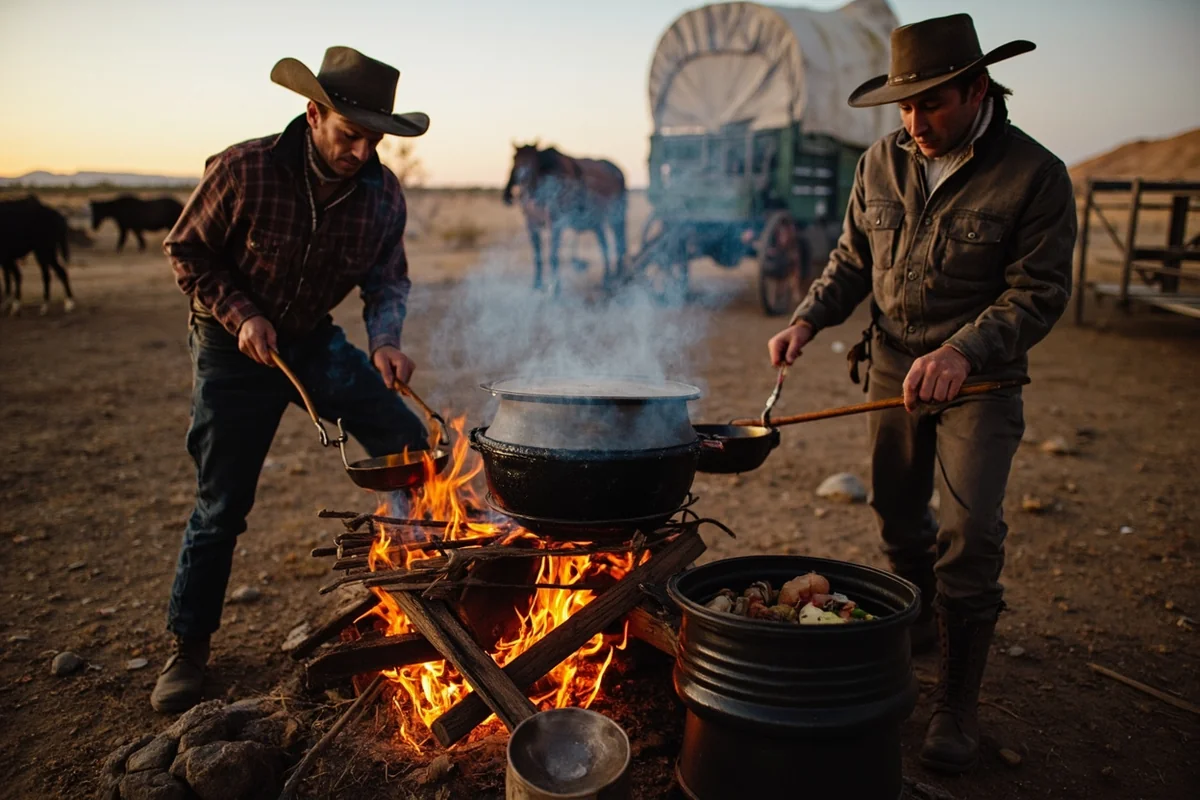
Chuck Wagon Dinner Tours: If riding isn’t your thing, several ranches offer evening experiences with authentic chuck wagon meals, cowboy music, and storytelling. The one I attended near Bozeman featured a 90-year-old former rodeo champion who told stories that had the whole group crying with laughter.
Best Regions for Range Tours in Montana
I’ve explored range experiences across the state, and different areas offer distinctly different vibes. Here’s my honest assessment after visiting ranches in each region.
Paradise Valley
Running south from Livingston to Yellowstone’s north entrance, Paradise Valley offers the most photogenic range experiences. The Absaroka Mountains create a dramatic backdrop, and several historic ranches here have been welcoming guests for decades.
When I rode with a cattle outfit near Emigrant last June, the scenery was almost distractingly beautiful. Snow-capped peaks, the Yellowstone River glinting in the distance, and wildflower meadows that made every photo look professionally edited.
The trade-off? This area is busier than more remote regions, and you’ll likely encounter other tourist groups.
Missouri Breaks
This is where I’d send anyone wanting the most authentic, isolated range experience. The Missouri Breaks region in central Montana looks like time stopped in 1880. Dramatic badlands, sparse population, and ranches that operate almost exactly as they did a century ago.
My cattle drive here felt genuinely remote—no cell service, no other visitors, just our group of eight guests, four real cowboys, and about 300 head of cattle moving through landscape that Lewis and Clark described in their journals. It’s not luxurious, but it’s unforgettable.
Rocky Mountain Front
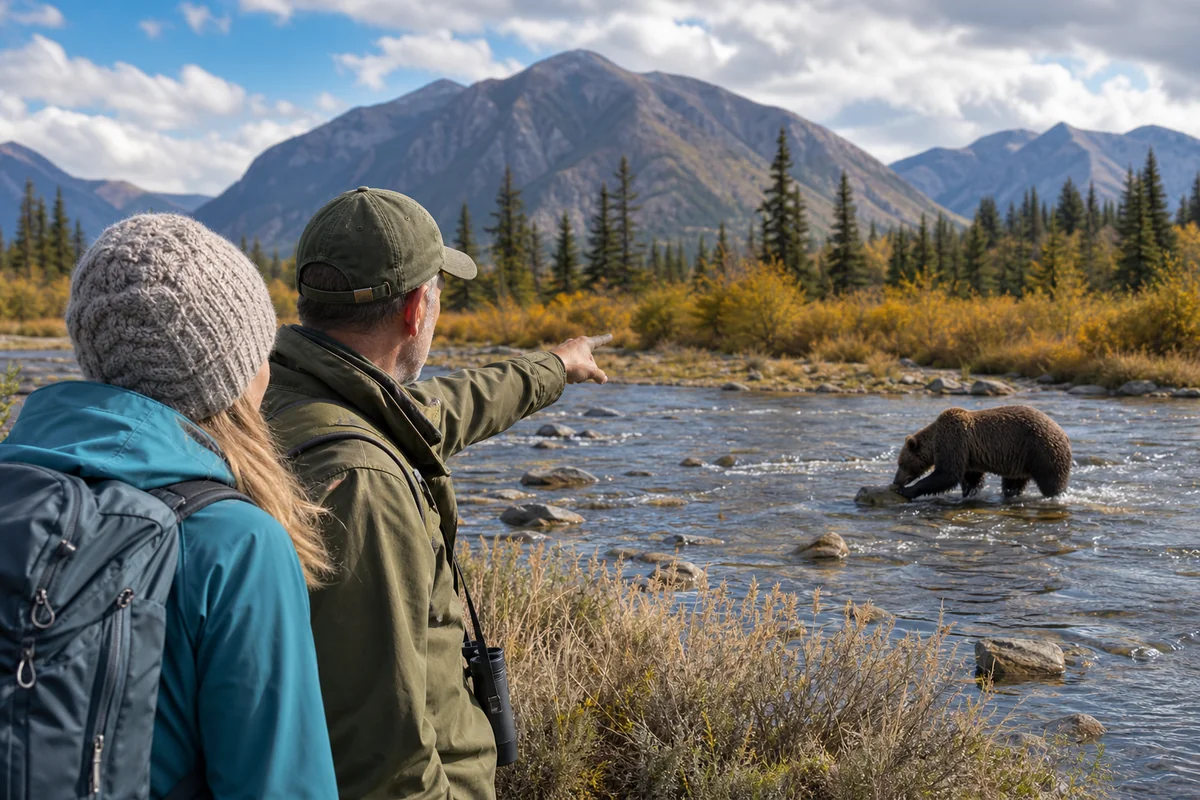
The dramatic wall of mountains west of Great Falls creates one of the most stunning backdrops you’ll find anywhere. Ranches along the Front offer incredible wildlife viewing alongside range work—I spotted grizzlies twice during a three-day tour near Choteau.
This region works well combined with visits to Glacier National Park, just an hour or two north. Several travelers I met were doing exactly that, splitting their Montana trip between park touring and ranch life.
Hi-Line Country
The northern tier of Montana along Highway 2 remains overlooked by most tourists, which is exactly why I love recommending it. Ranches here tend to be larger, prices lower, and experiences more personal because operators aren’t overwhelmed with guests.
During my stay at a family ranch near Malta, I was the only guest for two days. The family essentially adopted me, and I learned more about cattle ranching from their dinner table conversations than from any organized tour.
What to Expect on Your First Range Tour
I remember being nervous before my first range experience. Would I embarrass myself on a horse? Would real cowboys think I was ridiculous? Would I be totally out of my element?
Here’s the truth: every rancher I’ve met loves sharing their lifestyle with newcomers. They’re patient teachers, and they’ve seen every type of beginner imaginable. Your willingness to try matters far more than your skill level.
A Typical Day on a Working Ranch Tour
Based on my experiences across multiple ranches, here’s what a full-day tour usually looks like:
5:30-6:00 AM: Wake up to coffee already brewing. Ranch mornings start early because cattle need tending before the day heats up. Don’t expect to sleep in—but trust me, you won’t want to miss these quiet morning moments.
6:30 AM: Breakfast. I’m talking serious fuel—eggs, bacon, biscuits with gravy, maybe steak. You’ll burn these calories, I promise.
7:30 AM: Head to the barn for horse assignment. Experienced wranglers match horses to riders based on skill level. My first horse, a steady quarter horse named Biscuit, could probably have completed the day’s work without me. That’s intentional—they want you safe and comfortable.
8:00 AM – 12:00 PM: Morning work. This might involve moving cattle between pastures, checking fence lines, or other seasonal tasks. The cowboys explain everything as you go.
12:00 PM: Lunch break, often packed sandwiches eaten in the saddle or during a rest stop with views you’d pay money just to see.
1:00 – 4:00 PM: Afternoon work or return to the ranch for additional activities. Some ranches offer roping lessons, barn tours, or visits with calves during this time.
5:00 PM: Return to barn, unsaddle and brush your horse. This wind-down time is surprisingly satisfying—you’ve worked together all day.
6:30 PM: Dinner. Ranch cooking is hearty and delicious—think beef (obviously), potatoes, fresh vegetables from kitchen gardens, and homemade desserts.
Practical Planning Information
Let me give you the specifics I wish someone had told me before my first range tour.
| Tour Type | Duration | Price Range | Skill Level |
|---|---|---|---|
| Half-Day Ranch Visit | 3-4 hours | $75-150 | Beginner |
| Full-Day Working Tour | 6-8 hours | $175-300 | Beginner-Intermediate |
| Chuck Wagon Dinner | 3-4 hours (evening) | $65-125 | None required |
| 2-Day Cattle Experience | Overnight | $400-700 | Beginner-Intermediate |
| Multi-Day Cattle Drive | 3-7 days | $1,200-3,500 | Some experience preferred |
Best Times to Visit
Timing matters significantly for range tours. Here’s my season-by-season breakdown:
Late May – Early June: Spring cattle drives move herds to summer pastures. This is peak wildflower season with emerald-green grass, though weather can be unpredictable with occasional snow at higher elevations.
July – August: Prime tourist season. Weather is warmest and most stable, but this isn’t peak ranch work season. Tours focus more on general ranch operations and horseback riding.
September: My personal favorite. Fall roundups and cattle drives bring herds down from summer range. Aspens turn gold, crowds thin, and the light is magical for photography. I’ve done three September range trips and haven’t been disappointed yet.
October: Late season with unpredictable weather but intimate experiences. Some ranches offer special hunting-season programs combining hunting and ranching activities.
What to Pack
From hard experience, here’s my proven packing list:
- Boots with a heel: Essential for riding. Your running shoes will slip through stirrups. I recommend breaking in new boots for at least a week before your trip.
- Long pants: Jeans work fine. The saddle will rub bare skin raw in about an hour.
- Layers: Montana mornings can be 40°F and afternoons 85°F. I pack a fleece, light jacket, and enough shirts to adjust throughout the day.
- Wide-brim hat: Not optional. The Montana sun at high altitude is intense. A baseball cap leaves your ears and neck exposed.
- Sunscreen and lip balm with SPF: Apply multiple times. I’ve watched visitors turn lobster-red despite warnings.
- Bandana: Useful for dust, sun protection, and about a dozen ranch tasks.
- Gloves: Leather work gloves prevent blisters from reins and protect your hands during ranch work.
Choosing the Right Range Tour for You
After experiencing various operations across Montana, I’ve developed a framework for matching travelers with their ideal range experience.
For First-Timers and Families
Look for established guest ranches with dedicated dude ranch programs. These operations specialize in introducing newcomers to ranch life with high safety standards and patient staff. Paradise Valley and the Gallatin Valley near Bozeman have several excellent options.
I’d particularly recommend half-day or full-day experiences for your first outing. You can always book a longer trip later once you know you love it.
Kids generally do wonderfully on range tours—horses, cattle, and outdoor adventure appeal to most children. Many ranches offer special youth programs during summer months. When I visited a family ranch near Dillon, the rancher’s grandchildren were teaching a group of city kids how to rope fence posts, and everyone was having a blast.
For Adventure Seekers
If you want authentic challenge, seek out working ranches in the Missouri Breaks or Hi-Line regions that offer genuine cattle drive participation. These experiences are physically demanding—long days in the saddle, sleeping in camps, and actually contributing to real ranch work.
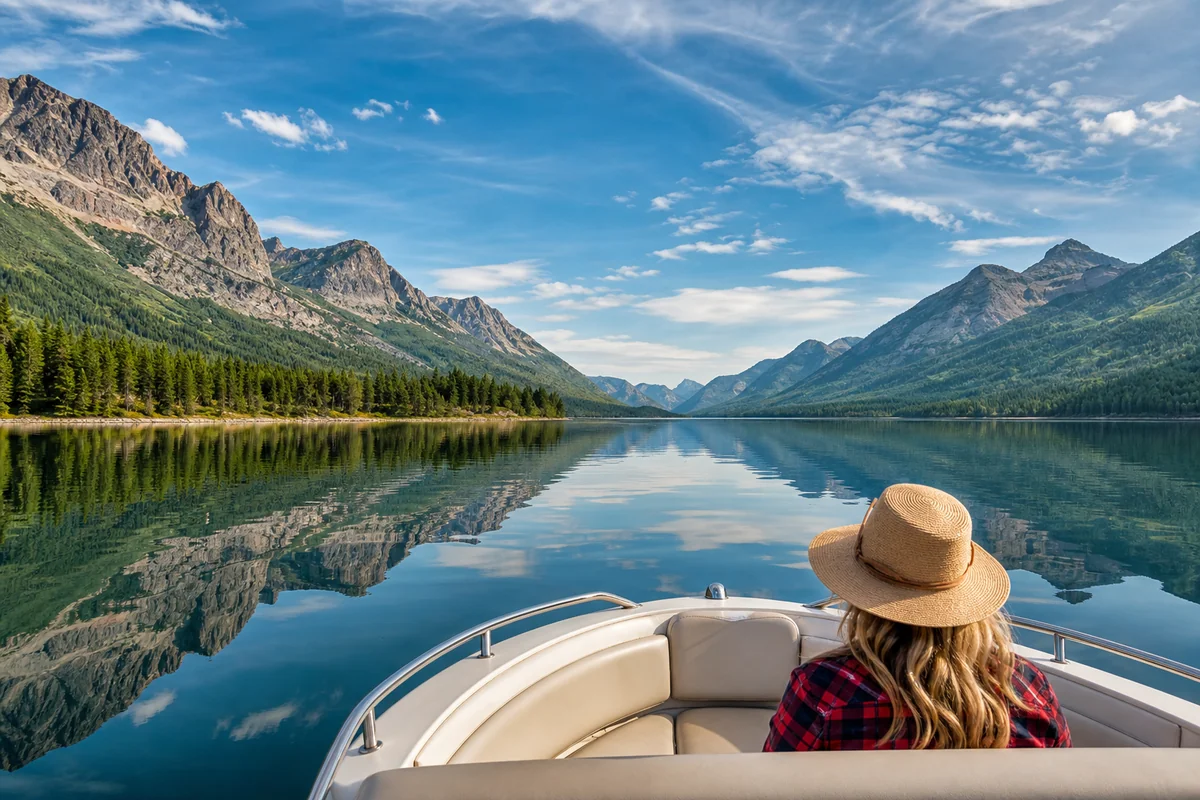
I’d also suggest combining a range tour with other Montana adventures. After my Missouri Breaks cattle drive, I spent two days on a Montana boat tour on the wild Missouri River, which created an incredible contrast between land and water perspectives of the same landscape.
For Photographers
Magic hour on Montana rangeland is genuinely extraordinary. If photography is your priority, choose ranches that allow morning departures early enough for sunrise light, and discuss your goals with operators in advance.
One photographer friend of mine specifically books September range tours for the combination of golden aspens, active cattle work, and low-angle autumn light. She’s sold prints from those trips that paid for the experience several times over.
For aerial perspectives, consider pairing your ground-level range experience with a Montana helicopter tour to capture the scale of the landscape from above.
Beyond Horseback: Alternative Range Experiences
Not everyone wants to or can ride horses, and that’s perfectly fine. Several operators have developed range experiences that don’t require equestrian skills.
Vehicle-Based Ranch Tours
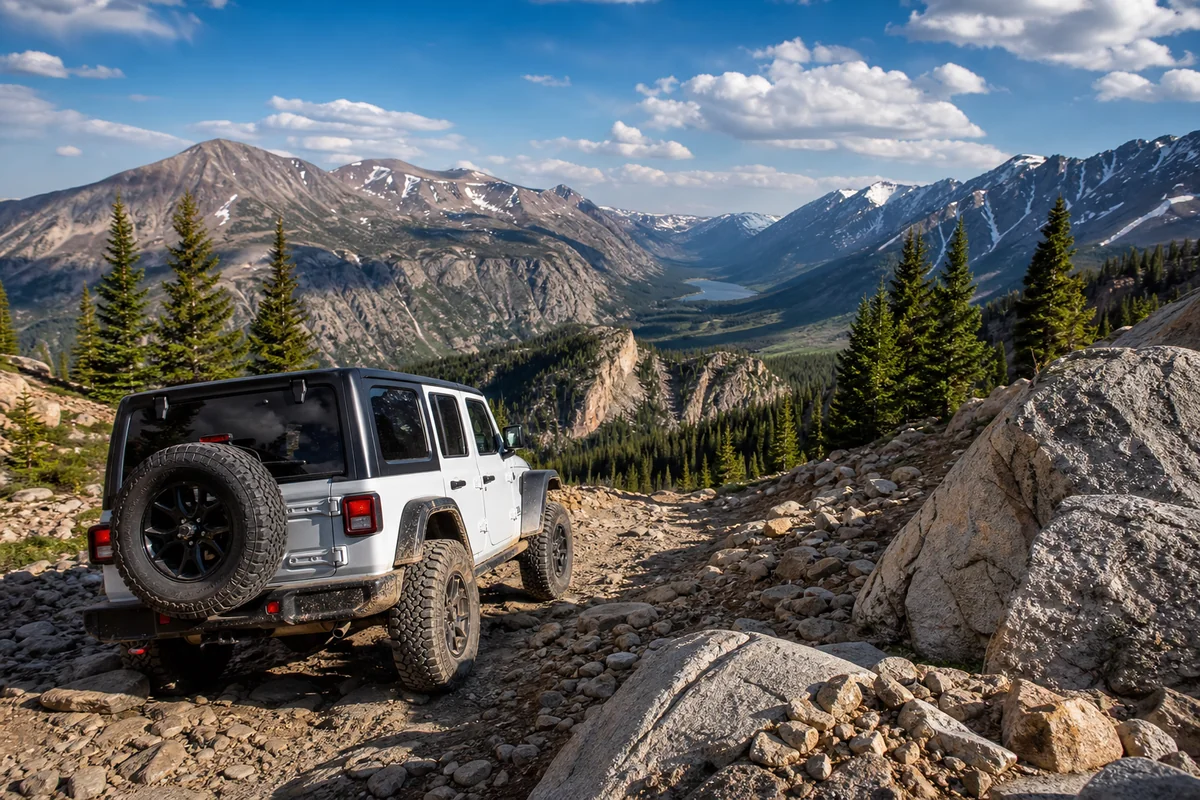
Some ranches offer Jeep tours or UTV tours across their properties. During my visit to a ranch near Lewistown, I toured 10,000 acres by UTV with the ranch manager, accessing viewpoints impossible to reach on horseback due to terrain.
This format works well for travelers with mobility limitations, those who aren’t comfortable on horses, or anyone who simply prefers four wheels.
The experience isn’t identical to horseback—you’re observing rather than participating in traditional ranch work—but the landscape access and conversations with ranchers are equally valuable.
Chuck Wagon and Dinner Programs
These evening experiences have become increasingly popular, and I understand why. The ranch near Bozeman I mentioned earlier hosts chuck wagon dinners three nights a week during summer, complete with authentic Dutch oven cooking, live cowboy music, and a breathtaking mountain backdrop.
I’ve taken several friends with zero interest in horses to these dinners, and every one left with new appreciation for ranch culture. The food is genuinely outstanding—there’s something about cooking over an open fire that transforms simple ingredients.
Wildlife Viewing and Range Access
Working ranches often provide exceptional wildlife habitat, and some operators offer nature tours focused on the animals sharing ranch land. I’ve seen more wildlife on Montana ranches than in some designated wildlife areas—pronghorn, elk, mule deer, coyotes, and an astonishing variety of birds.
A ranch near Augusta partners with a local wildlife biologist to offer specialized naturalist tours identifying the dozens of species that benefit from well-managed rangeland.
Understanding Montana Ranch Culture
One thing I appreciate about range tours is the opportunity to understand an often-misunderstood way of life. Montana ranchers aren’t characters from a Western movie—they’re running complex businesses while managing land that many have stewarded for multiple generations.
The Economics of Modern Ranching
During conversations over ranch dinners, I’ve learned how challenging cattle ranching has become economically. Weather extremes, market fluctuations, land costs, and the never-ending work make this a difficult industry.
Many ranches offer tours specifically because they need the supplemental income. Understanding this context makes me approach these experiences with appropriate respect—you’re not visiting a theme park, you’re entering someone’s home and livelihood.
Conservation and Land Stewardship
I’ve been surprised by how much Montana ranchers talk about conservation. Well-managed grazing actually benefits grassland ecosystems, and many ranch families feel profound responsibility for their land.
One fifth-generation rancher near White Sulphur Springs showed me a creek restoration project his family had completed, explaining how the improved riparian habitat had brought back native cutthroat trout.
His grandfather would have considered that creek just a water source for cattle; he saw it as an ecosystem to nurture.
These conversations have permanently changed how I think about the relationship between agriculture and conservation. It’s far more nuanced than the simple opposition often portrayed in media.
Combining Range Tours with Other Montana Experiences
Most visitors to Montana are exploring multiple attractions, and range tours integrate well with other regional experiences.
Yellowstone and Glacier Connections
Several Paradise Valley ranches offer multi-day packages combining ranch experiences with Yellowstone day trips. This works surprisingly well—spending mornings on the range and afternoons exploring thermal features creates wonderful variety.
Similarly, ranches along the Rocky Mountain Front pair naturally with Glacier National Park visits. After the intensity of park crowds, the quiet solitude of ranch life feels especially restorative.
Montana’s Scenic Trains
For a completely different perspective, consider linking a range experience with a Montana train tour. The Empire Builder route along the Hi-Line passes through ranching country, and several guests I’ve met on range tours arrived or departed via Amtrak, creating an epic journey combining rail and ranch.
Off-Road Adventures
If you’re traveling with a group of mixed interests, pairing range tours with other adventure activities works well. One family I met at a guest ranch had divided their week—parents did the cattle experience while their adult sons explored dirt bike tours and motorcycle tours in the nearby mountains. They reconnected each evening to share stories.
Montana’s bus tours also work well for travelers who want comfortable transportation between range experiences in different regions without the hassle of renting vehicles.
Booking Tips and Practical Advice
Let me share what I’ve learned about booking range tours successfully.
Timing Your Reservation
For peak season (June-August) and especially for multi-day cattle drives, book 2-3 months in advance. Popular operations with limited capacity fill up quickly, particularly on weekends.
Shoulder seasons (May and September) offer more flexibility, though specific dates for cattle drives are often fixed by practical requirements—the cattle move when they need to move, not when tourists prefer.
Questions to Ask Before Booking
Based on my experiences, these questions help identify the right fit:
- What’s the maximum group size? Smaller groups generally mean better experiences.
- Will we work alongside actual ranch hands or is this a separate tourist program?
- What happens in bad weather? Good ranches have contingency plans.
- What’s the riding difficulty level, and can you accommodate true beginners?
- Are meals included, and can you accommodate dietary restrictions?
- What’s your cancellation policy?
Managing Physical Expectations
I won’t sugarcoat this: range tours can be physically demanding. A full day in the saddle uses muscles you didn’t know you had, and you’ll likely be sore afterward. This is normal and worthwhile.
If you have physical limitations or concerns, be upfront when booking. Every reputable operator can adjust activities to accommodate different fitness levels, but they need to know your situation in advance.
For my Missouri Breaks cattle drive, one participant in our group was in his seventies with hip issues. The wranglers simply gave him the smoothest horse and adjusted his tasks, and he had an incredible experience. Honesty upfront makes everything work better.
The Deeper Value of Range Experiences
I want to end with why I think range tours offer something increasingly precious in our modern world.
In an age of screens and instant gratification, spending time with people who measure success in generations rather than quarters, who work physically hard for modest returns, and who feel genuine connection to specific pieces of earth—it recalibrates something important.
After my first cattle drive, I returned home to Chicago and noticed how different everything felt. The pace seemed frantic. Food seemed disconnected from its origins. Time spent outdoors felt insufficient.
These experiences don’t require you to become a rancher yourself. But they offer perspective on different ways of living, and for me at least, that perspective has been genuinely valuable.
When I watch videos of Montana rangeland now, I can smell the sage after rain, feel the rhythm of a horse beneath me, and hear the low calls of cattle settling for the night. These sensory memories are among my most treasured travel souvenirs, far more meaningful than any photograph or souvenir.
Whether you choose a half-day introduction or a week-long cattle drive, I believe you’ll find something worthwhile in Montana’s range country. The landscape is extraordinary, the work is honest, and the people who’ve dedicated their lives to this land have stories worth hearing.
For those interested in other unique Montana experiences, consider exploring Montana’s chocolate tour scene for a completely different but equally authentic taste of local culture and craftsmanship.
Pack your boots, book your spot, and go see what Montana’s ranchers have been working to preserve for more than a century. I’ll be back again this September, helping move cattle under that impossibly big sky, and I hope you’ll discover this experience for yourself.
Frequently Asked Questions
What is a Montana Range Tour and what will I see?
A Montana Range Tour takes you through the state’s iconic open prairies, rolling grasslands, and mountain foothills where cattle ranches and wildlife roam freely. You’ll typically see bison herds, pronghorn antelope, wild horses, and stunning views of the Rocky Mountain Front. I found it’s one of the best ways to experience authentic Western ranch country without needing to book a full dude ranch stay.
When is the best time to take a Montana Range Tour?
The best time for a Montana Range Tour is late May through early October when weather is mild and wildlife is most active. I recommend late September for fewer crowds and stunning fall colors across the rangeland. Spring tours in May and June are ideal for seeing newborn calves and foals on working ranches.
How much does a Montana Range Tour cost per person?
Montana Range Tours typically cost between $75 and $200 per person for half-day experiences, while full-day tours with meals run $250 to $400. Private guided tours or those including horseback riding components can reach $500 or more. I suggest booking directly with local outfitters at least two weeks in advance for the best rates.
What should I bring on a Montana Range Tour?
Bring layered clothing even in summer since Montana range country can swing 30 degrees in a single day. I always pack sturdy closed-toe shoes, a wide-brimmed hat, sunscreen, binoculars for wildlife spotting, and a refillable water bottle. Don’t forget your camera with extra battery packs since cell service is often nonexistent in remote rangeland.
How long do Montana Range Tours typically last?
Most Montana Range Tours last between 3 and 8 hours depending on the itinerary and distance covered. Half-day tours usually cover 40-60 miles of rangeland while full-day excursions can span over 100 miles across multiple ranches and viewpoints. I’d recommend a full-day tour if you’re driving from out of state to make the most of your trip.
Are Montana Range Tours suitable for families with kids?
Yes, most Montana Range Tours welcome families and children ages 6 and up do well on vehicle-based tours. Many outfitters offer kid-friendly options that include stops at working ranches where children can see farm animals up close. I’d suggest choosing a shorter half-day tour for younger kids to avoid restlessness on long drives through remote terrain.
Where do most Montana Range Tours depart from?
Most Montana Range Tours depart from gateway towns like Bozeman, Great Falls, Missoula, or small ranching communities along Highway 89 near the Rocky Mountain Front. Bozeman is roughly 90 miles north of Yellowstone, making it easy to combine a range tour with a national park visit. I recommend staying overnight in the departure town since most tours begin early around 7 or 8 AM.
Sources