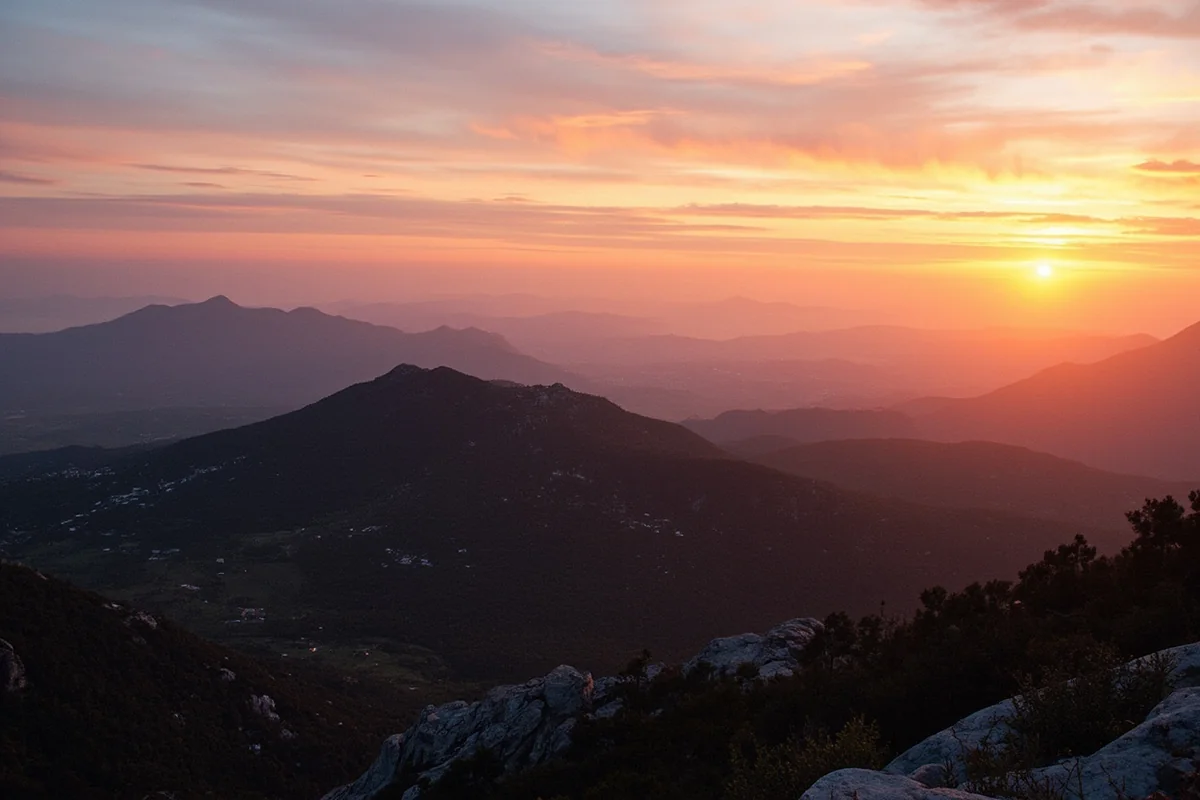
I was standing at the top of Mount Helena last October, watching the sunrise paint the Elkhorn Mountains in shades of amber and rose, when it hit me — Montana’s capital city might be the state’s most underrated destination.
While visitors flock to Bozeman or chase Glacier-fed waters near Whitefish, Helena quietly offers something equally compelling: a gold rush history you can literally walk through, wilderness access minutes from downtown, a cultural scene that punches well above its weight for a city of 34,000 — and in 2025, a brand-new state history museum that’s already one of the finest in Montana. Give Helena two full days. It will surprise you.
Quick Answer — Things to Do in Helena MT
Helena’s essential experiences: walk Last Chance Gulch (where four prospectors struck gold in 1864), tour the Montana Heritage Center (brand new in 2025 — Montana’s flagship state history museum), visit the Montana State Capitol and Cathedral of St. Helena, ride the Great Northern Carousel (carved by a Disney World artist), dig for sapphires at Spokane Bar Mine, take the Last Chance Tour Train, explore Reeder’s Alley, visit the Archie Bray Foundation ceramics center, and spend an evening on Helena’s 7-brewery crawl. Budget 2–3 days.
- Helena is the perfect midpoint between Yellowstone (3.5 hours) and Glacier National Park (2.5 hours)
- The Montana Heritage Center reopened in December 2025 — the most significant new Montana attraction of the year
- 9 items on the current page barely scratches the surface of Montana’s capital city — 25 activities here
- Free things: Montana Heritage Center, Holter Museum, Archie Bray Foundation, Montana State Capitol tour, Mount Helena trails
- Events in 2026: Helena SeptemberFest (Sept 11–13), Last Chance Stampede & Fair (Travis Tritt + Daughtry)
- Best visited: May–September for outdoor access; December–March for Great Divide skiing
Liked this article?
Add Roaming Montana as a preferred source so you see more of our articles and guides on Google.
Why Helena Rewards More Than a Rest Stop
During the gold rush era, Helena briefly held the distinction of having more millionaires per capita than anywhere else in the world — a staggering fact for what was then a remote mountain mining town.
Those millionaires built the Cathedral of St. Helena, the Carroll Mansion, and dozens of ornate Victorian homes that still line the streets today. The wealth was real, the ambition was enormous, and the architecture remains.
Modern Helena carries that legacy in an understated way. It’s a state capital with a small-city soul — welcoming, affordable, and genuinely curious about its visitors.
During my three visits over the past two years, I’ve watched strangers get invited to locals’ weekend hiking groups and bartenders write out handwritten lists of favorite restaurants on bar napkins. That’s Helena.
For lodging and practical city details, see my Helena, Montana city guide. For RV travelers, see my Helena RV parks guide.
Helena’s strategic position: Exactly 2.5 hours from Glacier National Park and 3.5 hours from Yellowstone’s north entrance. No other Montana city is this well-positioned as a two-park base camp. Yet most travel guides treat it as a rest stop. That’s the central underestimation this guide corrects.
All 25 Things to Do in Helena MT
History & Architecture:
- Walk Last Chance Gulch — the original gold strike, now a pedestrian mall
- Montana Heritage Center — Montana’s flagship state museum (new 2025!)
- Montana State Capitol — free tours of the 1902 Greek Classical landmark
- Cathedral of St. Helena — Gothic Revival masterpiece with 230 stained glass windows
- Original Governor’s Mansion — 1888 Queen Anne-style historic house museum
- Old Fire Tower (Guardian of the Gulch) — 1876, one of only 5 still standing in the US
- Reeder’s Alley — historic brick buildings from the 1860s miners’ era
- Pioneer Cabin — Helena’s oldest home (1864), on the National Register
Tours: 9. Last Chance Tour Train — narrated summer tour of Helena’s landmarks 10. Guided walking tours — Gold Rush era, Victorian architecture, and more
Museums & Culture: 11. Holter Museum of Art — always free, Montana artists 12. Archie Bray Foundation — world-class ceramic arts on a historic brickyard (free) 13. Montana National Guard Museum — free, Thursdays only 14. ExplorationWorks — hands-on science center for families 15. Myrna Loy Center for the Performing Arts
Unique Experiences: 16. Great Northern Carousel — 37 animals carved by a Disney World artist 17. Spokane Bar Sapphire Mine — dig for Montana sapphires
Outdoor: 18. Mount Helena City Park — 80+ miles of trails, IMBA Silver Ride Center 19. Gates of the Mountains boat tour on the Missouri River 20. Broadwater Hot Springs — 10 minutes west of downtown
Events: 21. Helena SeptemberFest — Soap Box Derby (Sept 11–13, 2026) 22. Last Chance Stampede & Fair — PRCA rodeo, Travis Tritt + Daughtry (summer) 23. Symphony Under the Stars
Food, Drink & Shopping: 24. Helena’s 7-brewery crawl + Gulch Distillers 25. Parrot Confectionery — candy shop since 1922
History and Architecture
1. Walk Last Chance Gulch ⭐
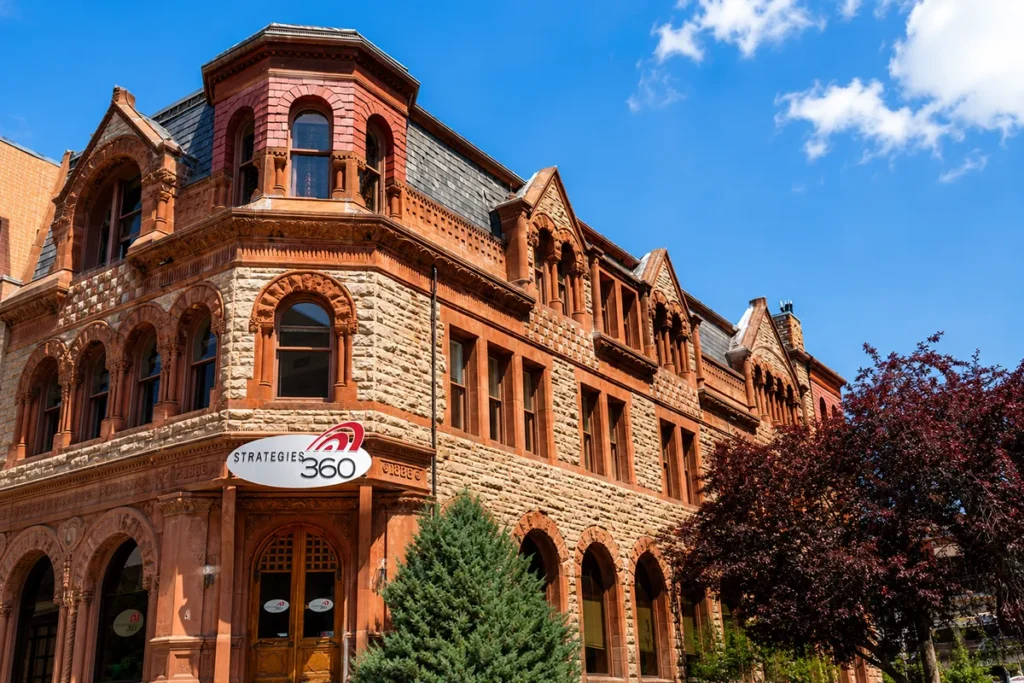
The story of Helena starts here: in 1864, four dejected prospectors made a pact to try one last creek before abandoning Montana. They struck gold. Over the next four years, that single gulch produced $19 million in gold — and spawned the city that grew into Montana’s capital.
Today Last Chance Gulch is a pedestrian walking mall threading through downtown Helena’s historic core. The creek itself was paved over long ago, but the brick buildings, galleries, restaurants, and independent shops that line it carry a genuine 19th-century character. Walk its full length and find the markers that identify the original gold discovery site.
Last Chance Gulch is the starting point for every Helena visit. Everything else radiates from here.
2. Montana Heritage Center ⭐ (New 2025)

Here is the single most significant addition to Helena’s attraction landscape in a generation: the Montana Heritage Center, Montana’s flagship state history museum, which reopened in December 2025 after years of construction.
helenamt.com leads their entire website with it: “Montana’s Museum — captures the grandeur of the Treasure State by celebrating its natural features, diverse cultures, and the stories of our past… expanded museum exhibits, educational classrooms, a public event center, an enhanced research center, and a café, along with an outdoor courtyard and rooftop terrace.”
TripAdvisor now includes it in their top Helena attractions listing. The museum houses the Montana Historical Society’s permanent collections — everything from prehistoric Montana and Indigenous nations through the fur trade, gold rush, cattle era, and the 20th century — in state-of-the-art displays designed for modern visitor engagement. Located just a few steps from the Capitol building.
Cost: [Verify current admission at montanahistoricalsociety.org.]
Hours: [Verify current — museum reopened December 2025.]
Address: 225 N Roberts Street, Helena.
The Montana Heritage Center is the reason a two-night Helena visit now justifies a full day of indoor cultural activity regardless of weather.
3. Montana State Capitol ⭐
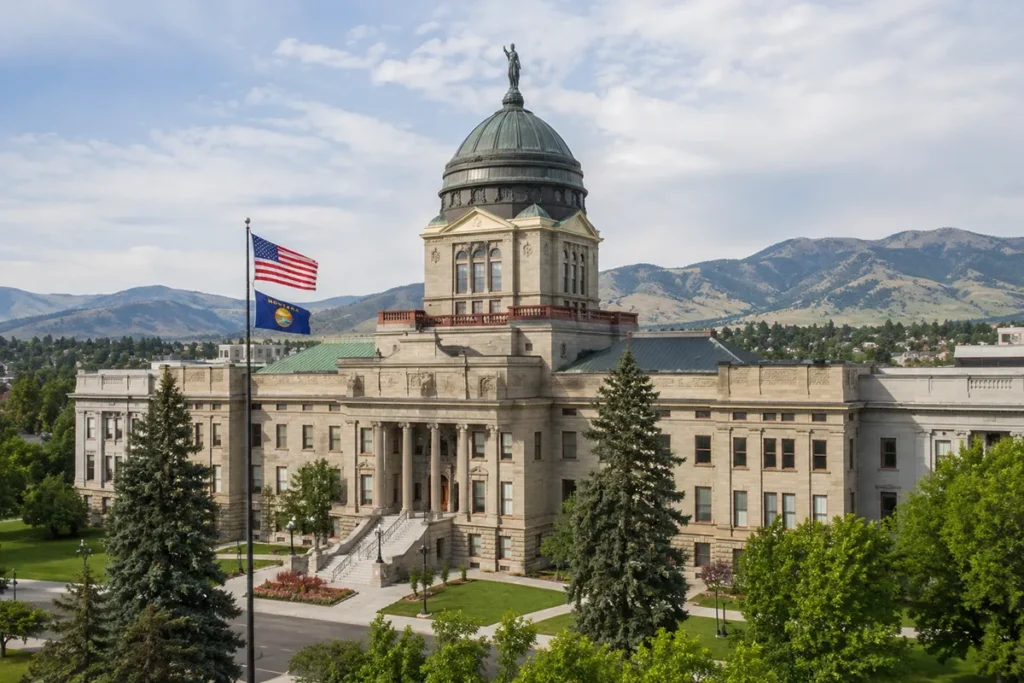
The 1902 Montana State Capitol is a Greek Classical landmark in American civic architecture — a copper dome visible from across the valley, a grand rotunda, and original murals by Charles M. Russell that represent some of his most ambitious work.
The “People’s House” is free and open daily (Mon–Fri 7am–6pm; Sat–Sun 9am–3pm) for self-guided tours. Official guided tours are available for school groups and civic delegations.
The Governor’s Reception Room and Hall of Governors (portraits of every Montana governor since statehood) are open to visitors when not in official use. For a kid-friendly twist, a scavenger hunt option is available — ask at the Capitol information desk.
Don’t leave without checking the Russell murals in the House Chamber — they’re more impressive in person than in photographs.
4. Cathedral of St. Helena ⭐

The twin Gothic spires of the Cathedral of St. Helena are visible from across the city — a 230-stained-glass-window masterpiece modeled after Vienna’s Votivkirche and completed in 1914. The Cathedral is widely considered among the finest examples of Gothic Revival architecture in the American West.
A TripAdvisor reviewer captures it perfectly: “I’ve been to countless churches in the US and Europe and I don’t think I’ve ever seen more stained glass in a church.”
Self-guided tours run Tuesday–Thursday 1:00–3:00 PM. The exterior is worth stopping for even outside tour hours — the twin spires frame a photograph that makes Helena look like a European city.
Address: 530 North Ewing Street. Phone: (406) 442-5825.
5. Original Governor’s Mansion
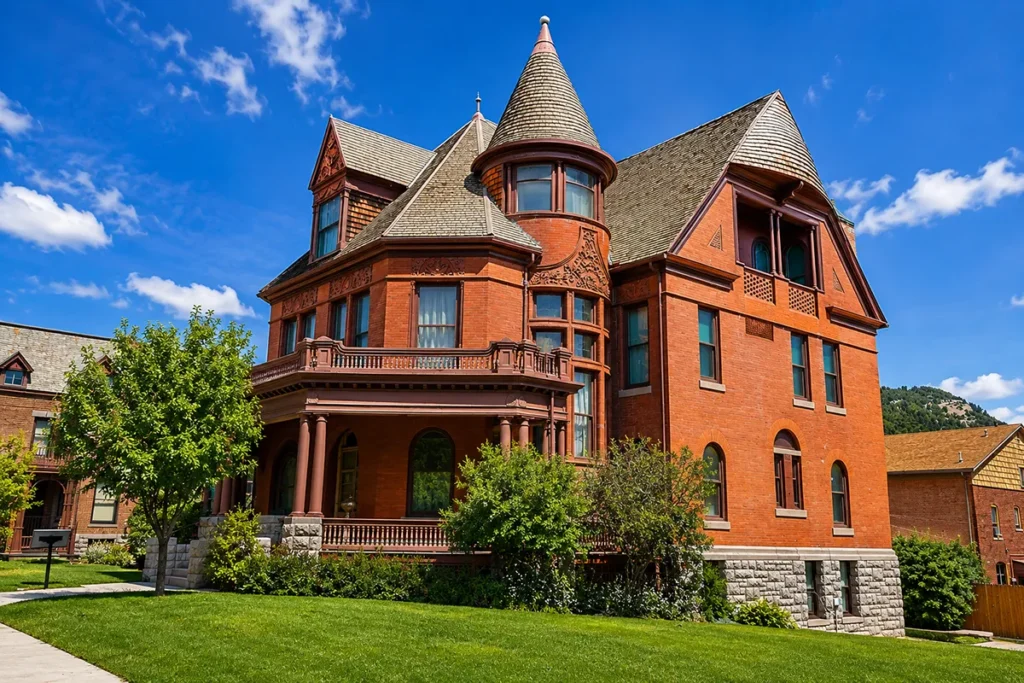
Built in 1888 by entrepreneur William Chessman, the Original Governor’s Mansion is a three-story Queen Anne-style historic house that served as Montana’s official governor’s residence from 1913 through 1959 — housing nine First Families before a new residence was built.
Now carefully restored by the Montana Historical Society, guided tours run Tuesday–Saturday at Noon, 1pm, 2pm, and 3pm from May 15 through September 15.
Address: 301 North Ewing Street. Cost: [Verify current admission.] The tour runs approximately 45 minutes and gives the most detailed picture of early Montana political culture available anywhere in Helena.
6. Old Fire Tower — Guardian of the Gulch
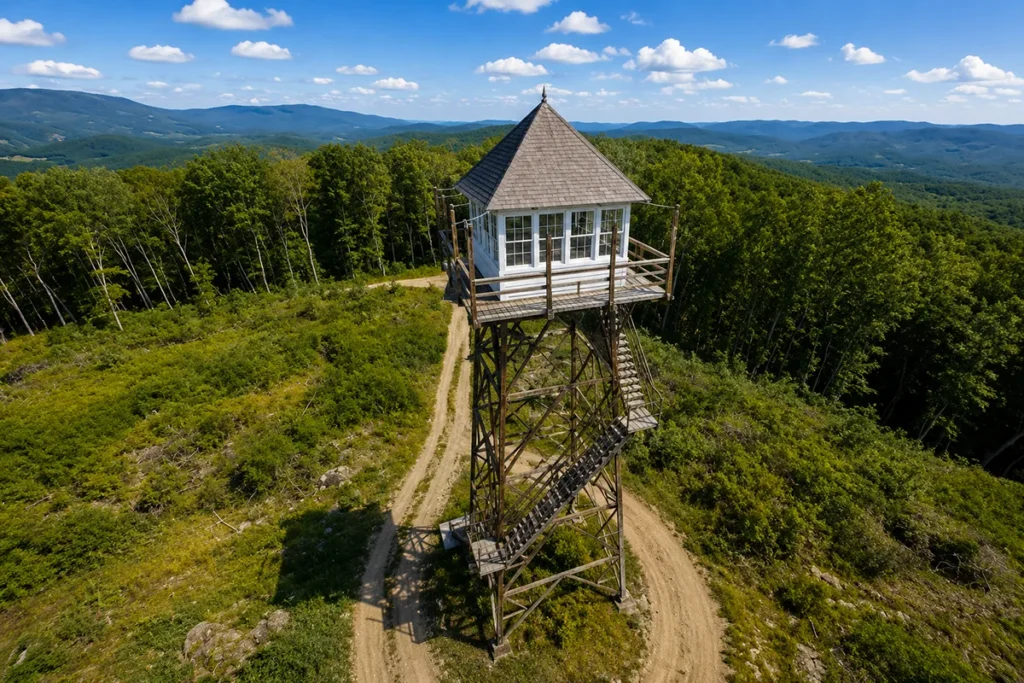
Dating to 1876, the Old Fire Tower atop a downtown hill is one of only five original wooden fire towers still standing in the United States. It has watched over Helena since before Montana was a state. visittheusa.com singles it out as a Helena landmark worth seeking.
The tower is visible from Last Chance Gulch and provides a compelling visual exclamation point on Helena’s skyline. Access to the tower structure itself varies — the surrounding park area is always accessible.
7. Reeder’s Alley
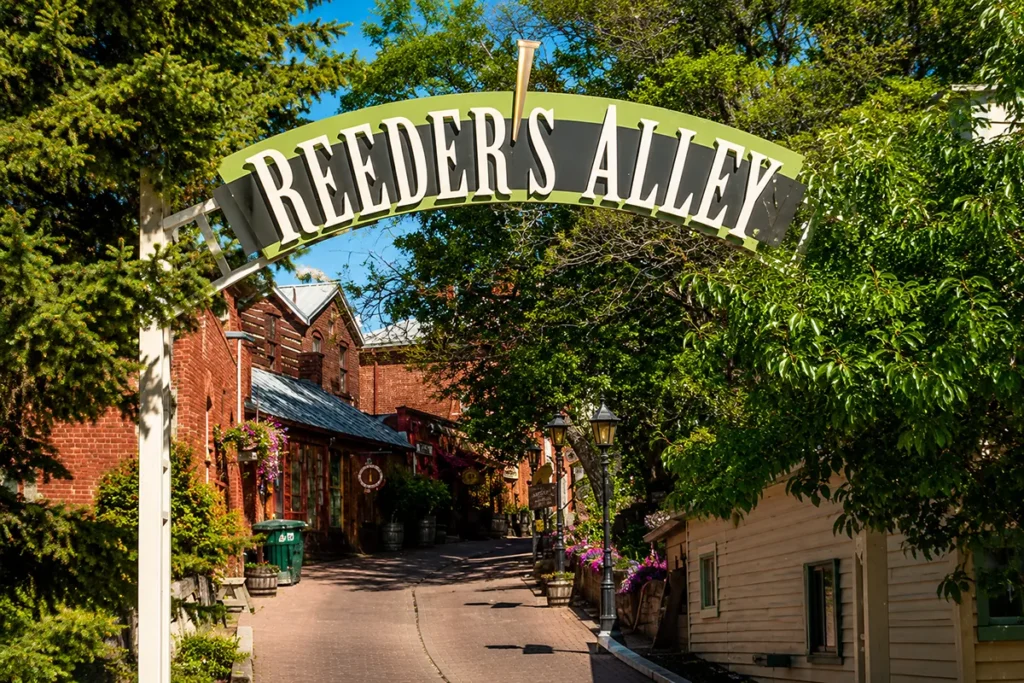
A short walk from Last Chance Gulch, Reeder’s Alley preserves a cluster of brick buildings from the 1860s and 1870s that housed Chinese laborers and miners during Helena’s gold rush boom.
The narrow alley character and stone construction create one of the most atmospheric historic streetscapes in Montana. The on-site Craft of Montana visitor center and shops make it a natural 30-minute stop.
8. Pioneer Cabin
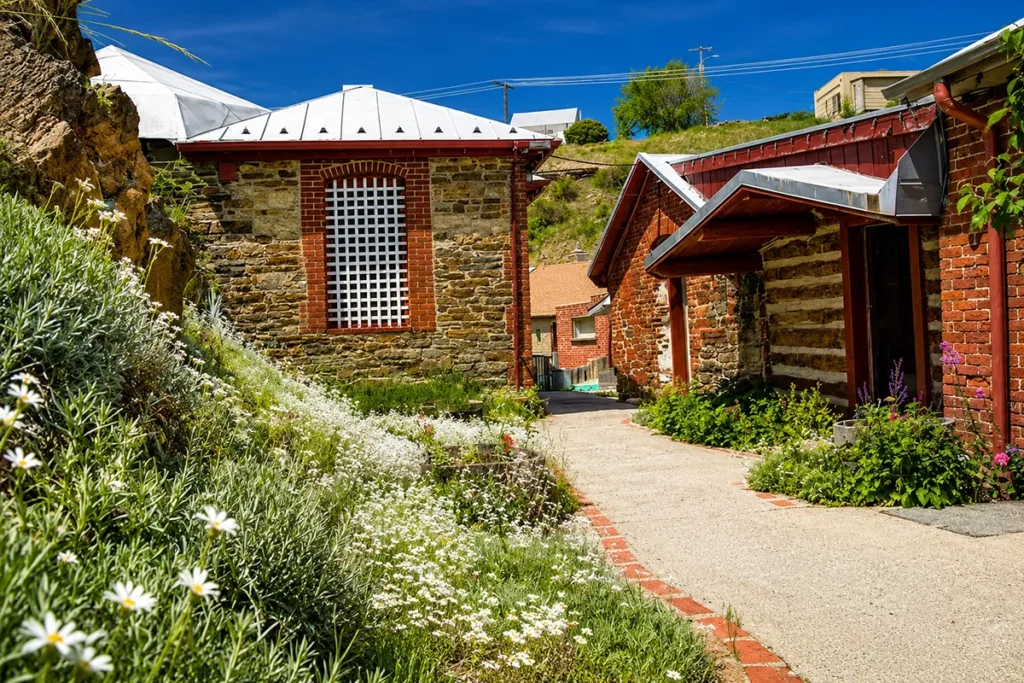
Helena’s oldest surviving structure — a two-room log cabin built in 1864 by Wilson Butts when gold was discovered nearby. Listed on the National Register of Historic Places. Located in Pioneer Park, which also has picnic tables and a small children’s playground.
The cabin’s interior (when open) contains original furnishings including a red rocking chair, sewing machine, and decorative stove. epic7travel.com correctly identifies this as a must-stop for history enthusiasts.
Tours Worth Booking
9. Last Chance Tour Train ⭐
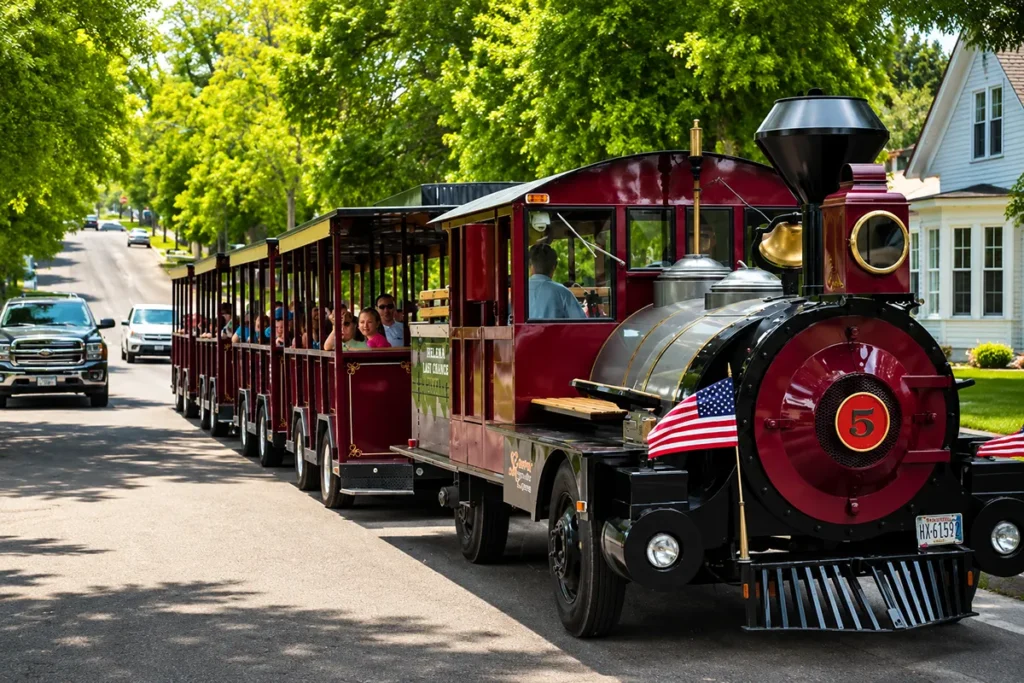
The Last Chance Tour Train is southwestmt.com’s first recommendation for Helena — and for good reason. A narrated, roughly hour-long summer tour departs from the Montana Historical Society Museum and covers Helena’s most prominent landmarks by open-air train car.
The route includes: the Guardian of the Gulch fire tower, the Cathedral of St. Helena, the Montana State Capitol, the historic mansion district, and Last Chance Gulch itself. The narration provided by guides who know Helena’s history deeply makes this the single most efficient way to orient yourself to the city on a first visit — after which you’ll know exactly which sites to revisit on foot.
Season: Summer.
Departure point: Montana Historical Society Museum.
[Verify current schedule and pricing at lctours.com or by calling the Helena tourism office.]
10. Self-Guided Walking Tours
helenamt.com offers “Listen to the history of Helena at your own pace” through audio walking tours downloadable via the app or website. The Victorian mansion district, in particular, rewards a slow self-guided walk with a historical narrative — the concentration of Gilded Age architecture within a few blocks of downtown is one of Helena’s most distinctive assets.
Museums and Culture
11. Holter Museum of Art
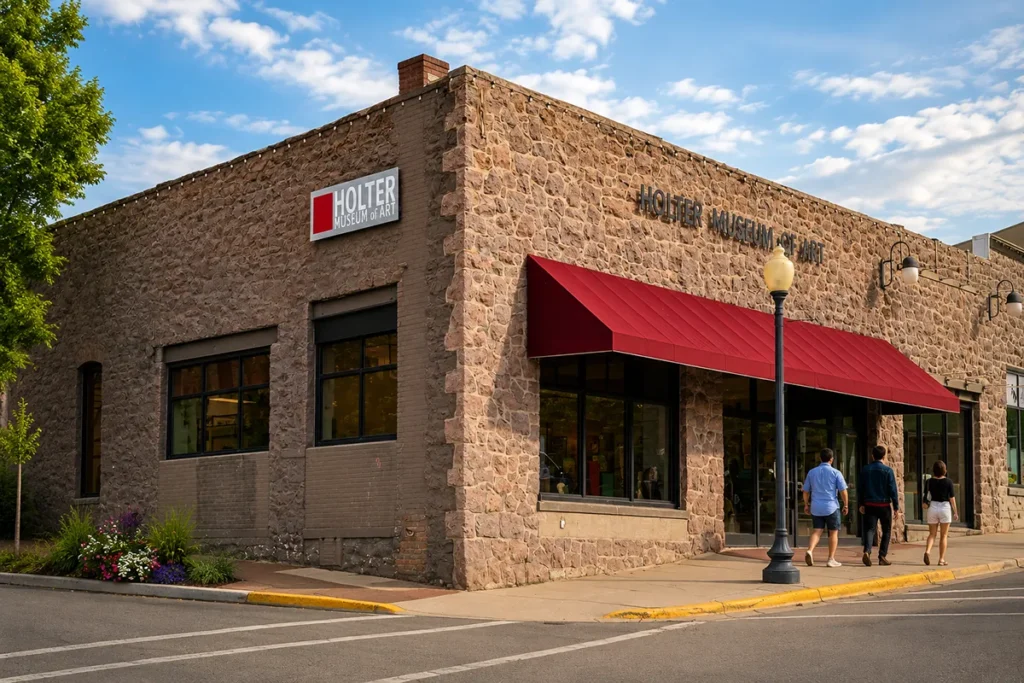
Helena’s primary fine art museum, the Holter Museum of Art is always free — one of the best values in Montana. The permanent collection emphasizes Montana and regional artists; rotating exhibitions bring national-level contemporary art to Helena on a regular basis.
The Holter sits on Lawrence Street, an easy walk from Last Chance Gulch. Budget 45–90 minutes.
12. Archie Bray Foundation ⭐
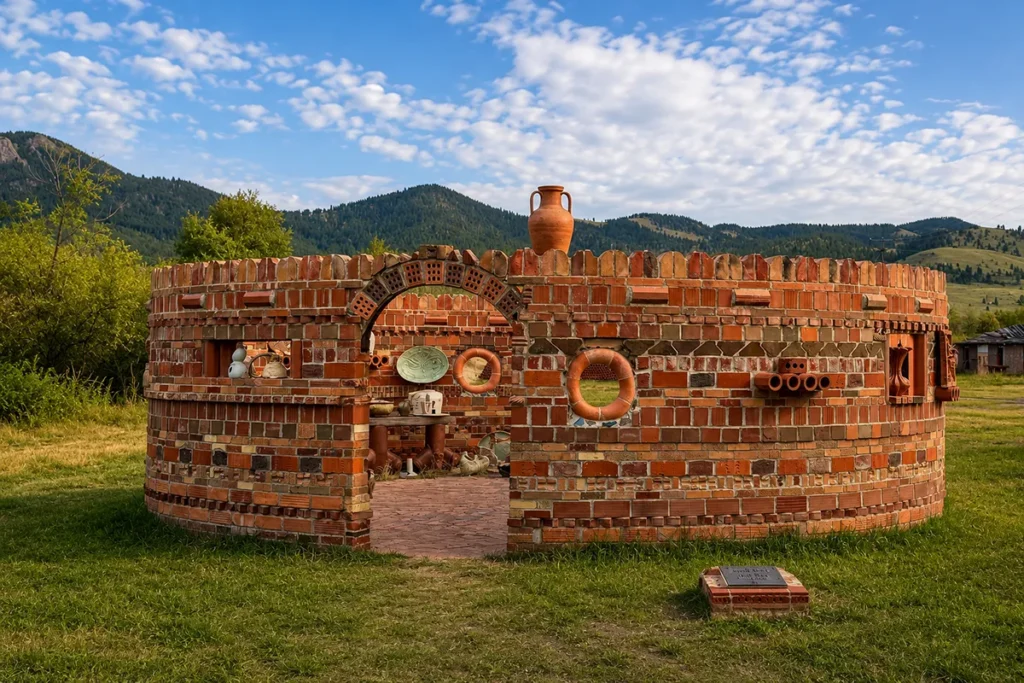
Here is the Helena cultural institution that most travel blogs miss entirely — and montanadiscovered.com correctly identifies as “easily one of the most unusual things to do in Helena.”
The Archie Bray Foundation is a 70-year-old ceramic arts institute situated on the grounds of the Western Clay Manufacturing Company — a brick-making facility listed on the National Register of Historic Places.
The brickyard kilns, the clay dust, and the industrial archaeology of the site create an extraordinary setting for some of the country’s finest contemporary ceramic art.
Exhibitions rotate frequently and are always free and open to the public. Working resident artists can often be observed at work in the studios. The combination of industrial heritage and serious contemporary art is completely unlike anything else in Montana.
Address: 2915 Country Club Avenue, Helena.
Hours: [Verify current — typically open during daylight hours.]
13. Montana National Guard Museum
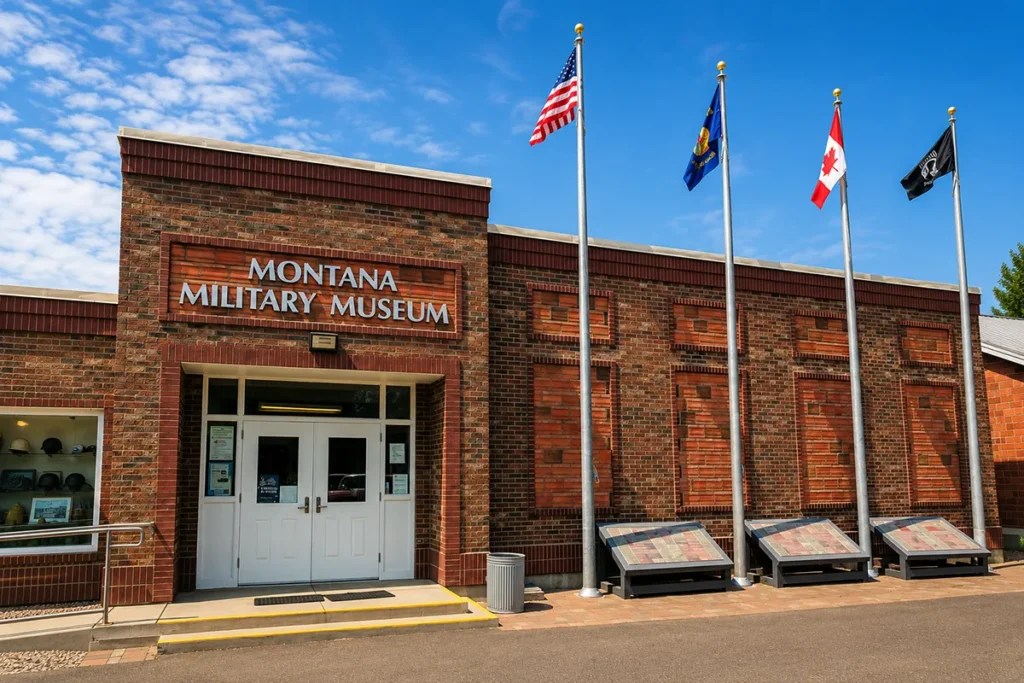
A free, distinctive museum that montanadiscovered.com specifically recommends: “information on everything from the Vietnam War to Desert Storm, profiles of prominent Montana soldiers, a display on women’s service units in WWII, and the story of sled and pack dogs at the Camp Rimini War Dog Reception and Training Center near Helena.”
Two things to know: open Thursdays only and requires a photo ID to enter. Free.
14. ExplorationWorks
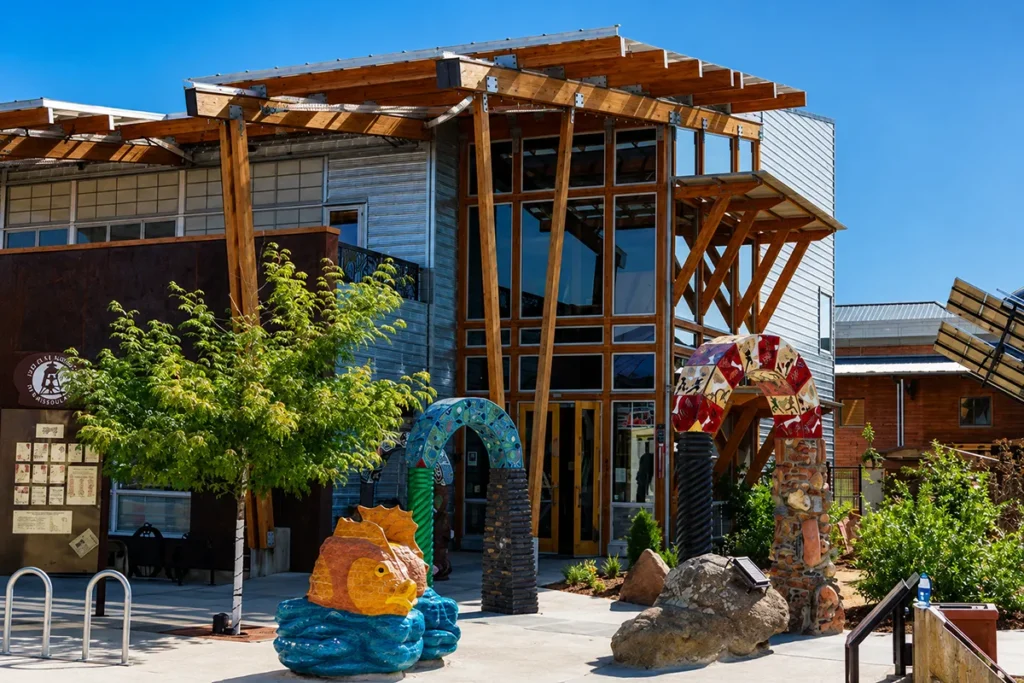
Helena’s hands-on science center for families, with interactive STEM exhibits, a planetarium, and programming designed for children ages 3–12. A reliable rainy-day anchor for family visits. The current page covers this well; it remains one of Helena’s strongest family attractions.
15. Myrna Loy Center for the Performing Arts

Named for Myrna Loy, the Helena-born actress who rose to Hollywood fame in the 1930s and 1940s, this performing arts venue hosts a varied calendar of film screenings, live music, dance, and theater performances throughout the year. The current page covers this well.
Unique Helena Experiences
16. Great Northern Carousel ⭐
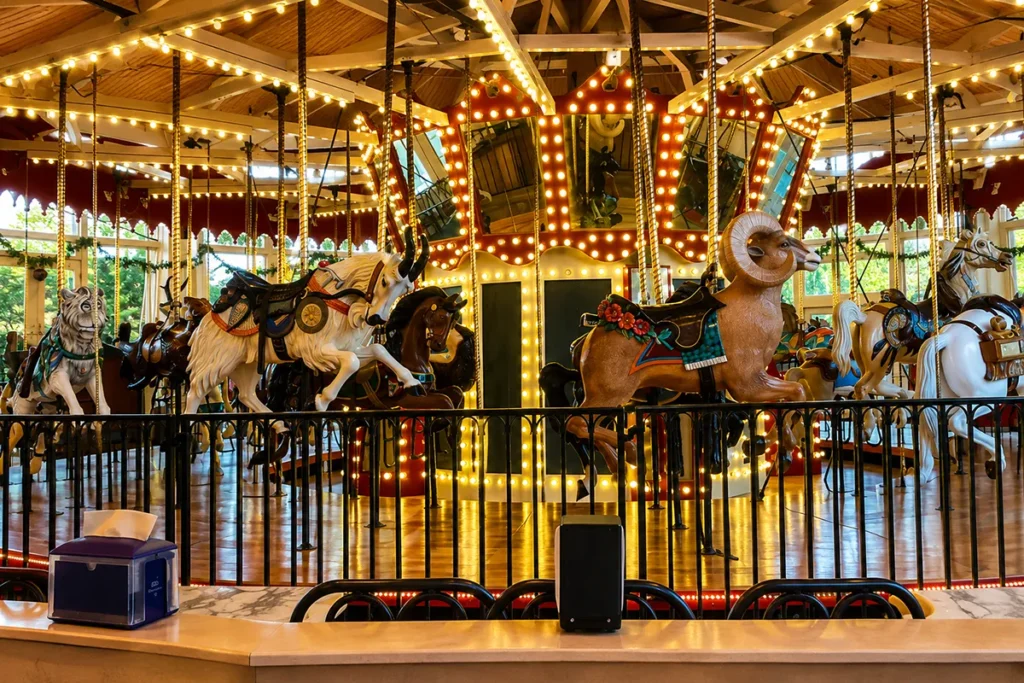
This is the Helena experience that most visitors stumble on by accident and remember for years. The Great Northern Carousel is not an ordinary merry-go-round. It features:
- 37 unique Montana animals hand-carved by a craftsman trained at Walt Disney World
- 14 Helena-themed scenic rounding boards
- Original stained glass artwork
- 24 flavors of ice cream served immediately after your ride
destinationmontana.com: “The National Carousel Association said it is the finest carousel in the nation if not one of the finest in the world.”
Riders choose their mount from a Big Horn Sheep, Buffalo, Cutthroat Trout, Grizzly Bear, River Otter, Bobcat, Mountain Goat, Frog, Rabbit, Horse, and more. Children plan their next ride before the current one ends. Adults find the whole thing more charming than they expected.
Address: 989 Carousel Way, Helena. Hours: Mon 11am–7pm; Tue Closed; Wed–Thu 11am–7pm; Fri–Sat 11am–8pm.
17. Spokane Bar Sapphire Mine ⭐
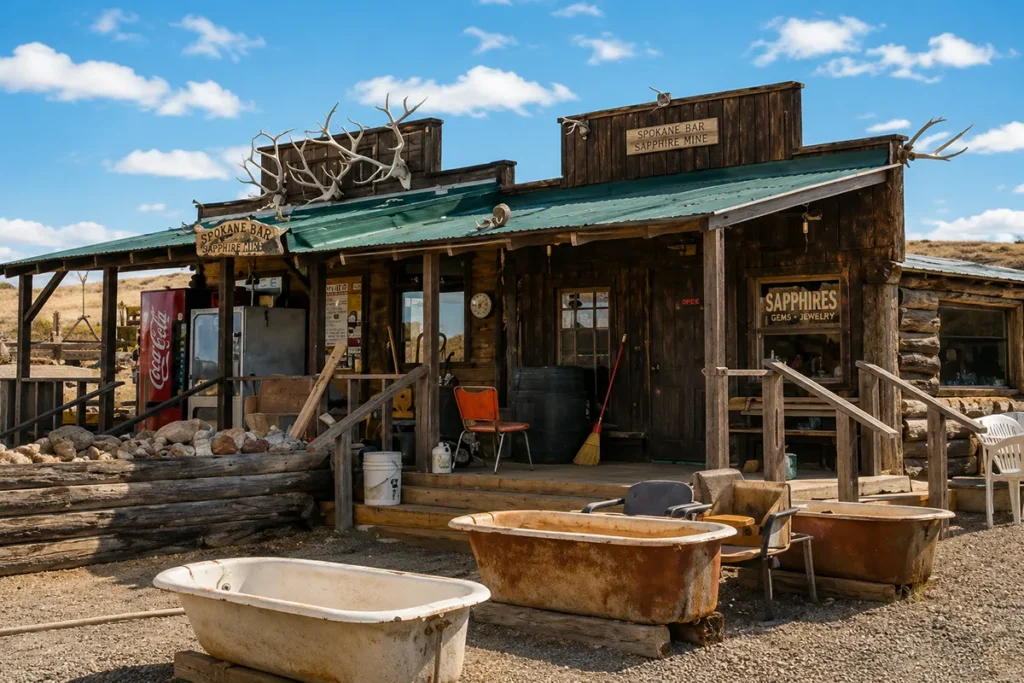
TripAdvisor’s #8 Helena attraction — and one of the most distinctive hands-on experiences in central Montana. The Spokane Bar Sapphire Mine (also operating as Gold Fever Rock Shop) allows visitors to purchase bags of sapphire-bearing gravel and screen them for genuine Montana sapphires. TripAdvisor reviewers describe purchasing “Mother Load Bags for $100” and receiving extraordinary service.
Montana is one of the world’s significant sapphire sources — the Yogo sapphire from central Montana is found nowhere else on Earth. The Spokane Bar mine gives visitors direct access to that geological heritage.
The mine also sells uncut and cut Montana sapphires, jewelry, and minerals. For the full Montana gemstone context, see my gemstone mining in Montana guide.
[Verify current pricing and hours before visiting — call ahead.]
Note: TripAdvisor also lists “Montana Blue Jewel Mine” as a nearby sapphire-mining attraction, offering a similar experience as an alternative.
Outdoor Activities
18. Mount Helena City Park — Hiking and IMBA Silver Ride Center ⭐
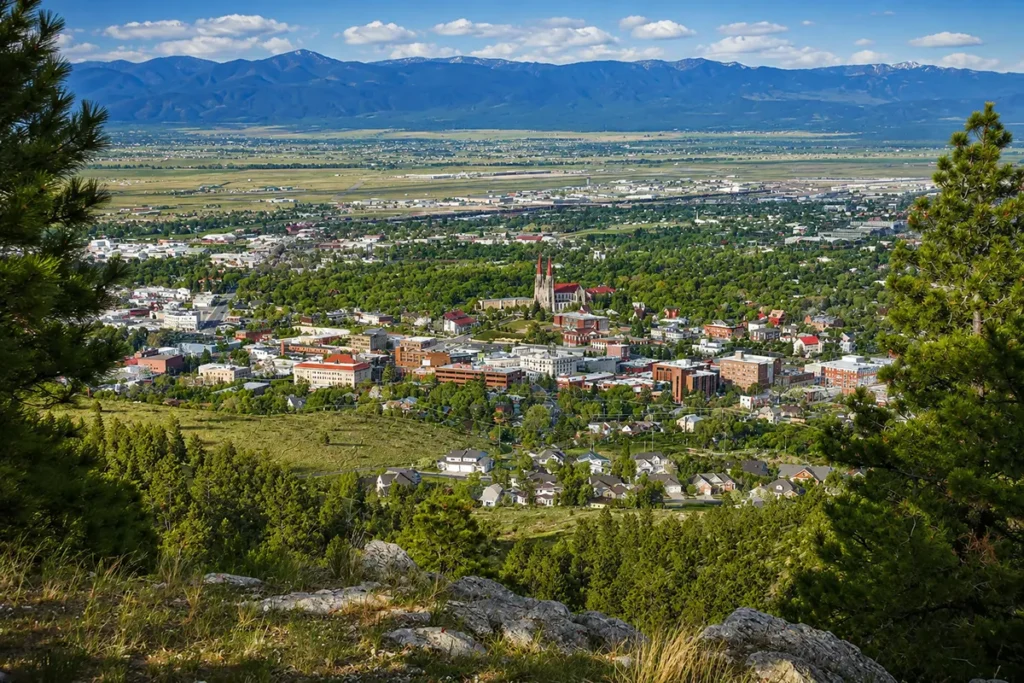
Mount Helena City Park sits one mile from Last Chance Gulch — an extraordinary piece of urban wilderness access. The park offers 80+ miles of trails for hiking, mountain biking, trail running, and snowshoeing.
A distinction worth understanding: Helena holds the IMBA Silver Ride Center designation from the International Mountain Bike Association — a formal recognition that the city’s mountain bike trail network meets standards of exceptional quality and variety.
helenamt.com leads with this claim. For dedicated mountain bikers, Helena is one of the best city-adjacent riding destinations in Montana.
For casual visitors: the Prairie Trail (2.5-mile loop) gives accessible views over the valley without serious climbing. For the full summit experience, the 1906 Trail climbs to the top in about 3 miles.
19. Gates of the Mountains Boat Tour ⭐
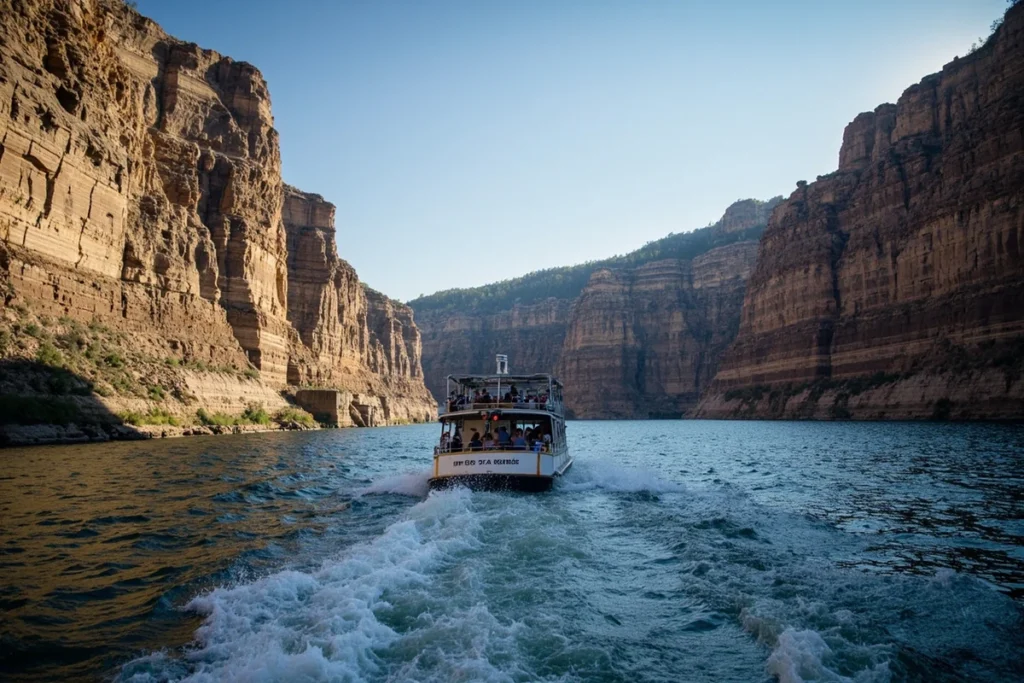
Named by Meriwether Lewis in his journal entry of July 19, 1805 — “the most remarkable cliffs that we have yet seen” — the Gates of the Mountains is a towering Missouri River canyon 20 miles north of Helena where 1,200-foot limestone cliffs rise directly from the water.
Two-hour boat tours navigate the canyon, covering Lewis & Clark history, wildlife (mountain goats and bighorn sheep on the cliffs are common sightings), and the spectacular geology. This is one of the best Lewis & Clark heritage experiences in Montana — a genuinely different mode of landscape encounter compared to driving or hiking.
Season: Summer. [Verify current tour schedule and pricing at gatesofthemountains.com.]
20. Broadwater Hot Springs ⭐
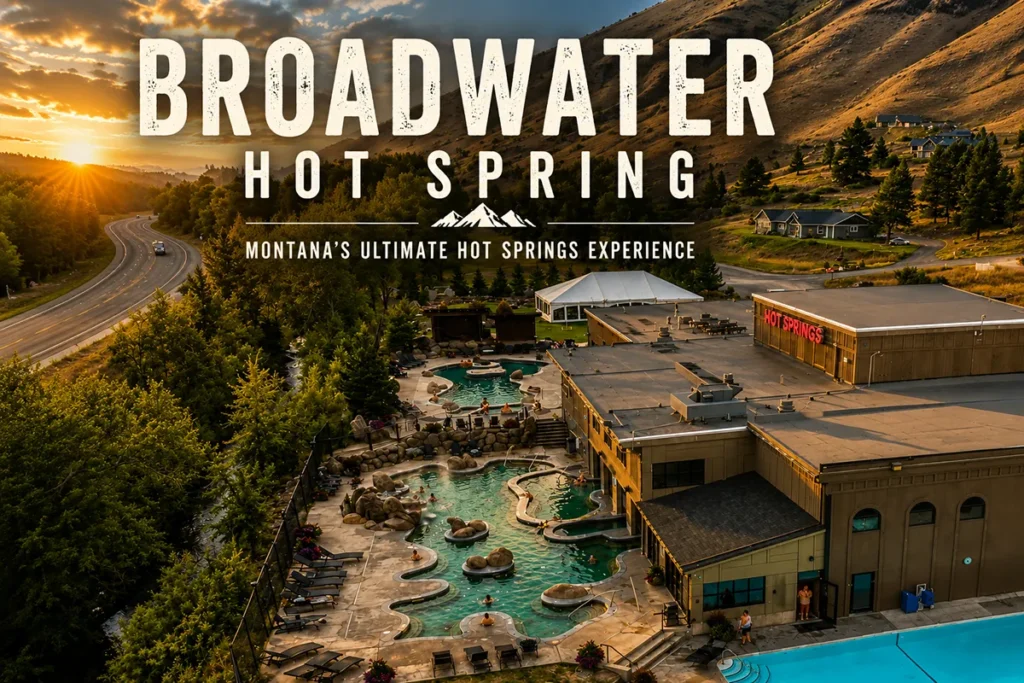
Ten minutes west of downtown Helena on US-12, Broadwater Hot Springs & Fitness is Helena’s only geothermal mineral hot springs — 7 pools, an indoor Grecian sauna, a steam room, cold plunge, and the Springs Taproom + Grill for food and drinks. Monthly “Boots & Beer” live music events (3rd Tuesday) add a social dimension.
For the full Broadwater guide with pool specs, hours, pricing, and the 45th-parallel water science, see my Broadwater Hot Springs guide.
A Helena day that ends with Broadwater — walking the Capitol and Heritage Center in the morning, Holter Museum in the afternoon, and a two-hour outdoor mineral soak in the evening — is one of the best itinerary structures I’ve found in Montana.
Helena Events: Two Signature Annual Celebrations
21. Helena SeptemberFest — September 11–13, 2026 ⭐
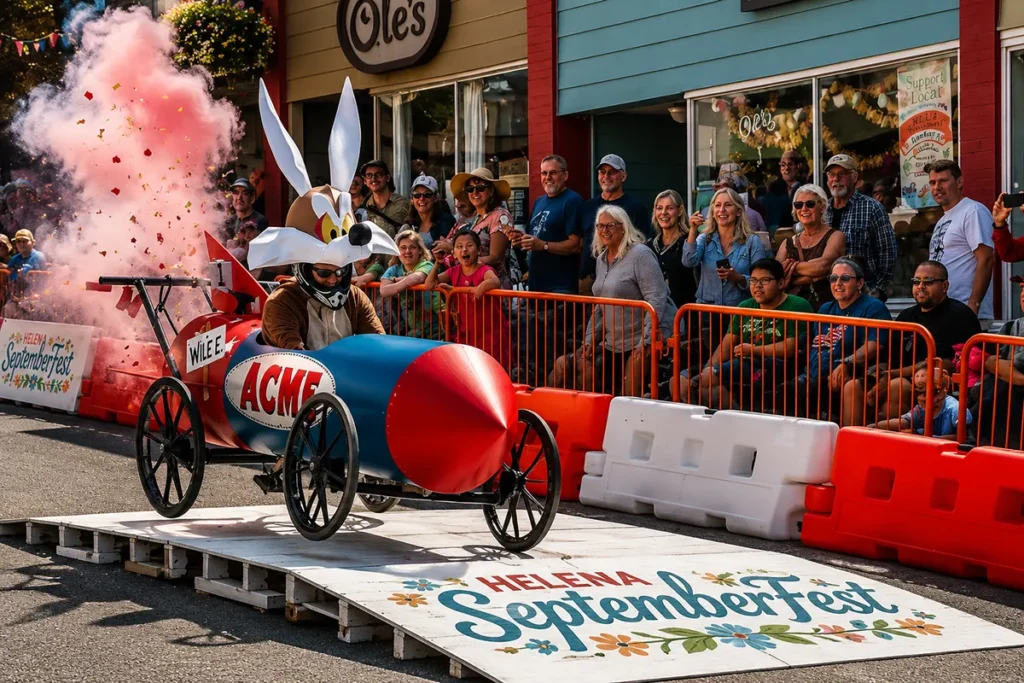
visitmt.com‘s featured Helena 2026 event. Helena SeptemberFest transforms Last Chance Gulch for a free weekend celebration centered on the Soap Box Derby — gravity-powered cars racing down Helena’s iconic 6th Avenue hill. The 2026 theme: “The Gulch Goes Galactic.”
Full event lineup: Soap Box Derby Car Show + Calcutta (Friday), Derby races down 6th Avenue (Saturday–Sunday), live music throughout, giant balloon sculptures, food, games, and family activities.
Cost: Free.
Dates: September 11–13, 2026.
Location: Last Chance Gulch, Helena.
22. Last Chance Stampede & Fair
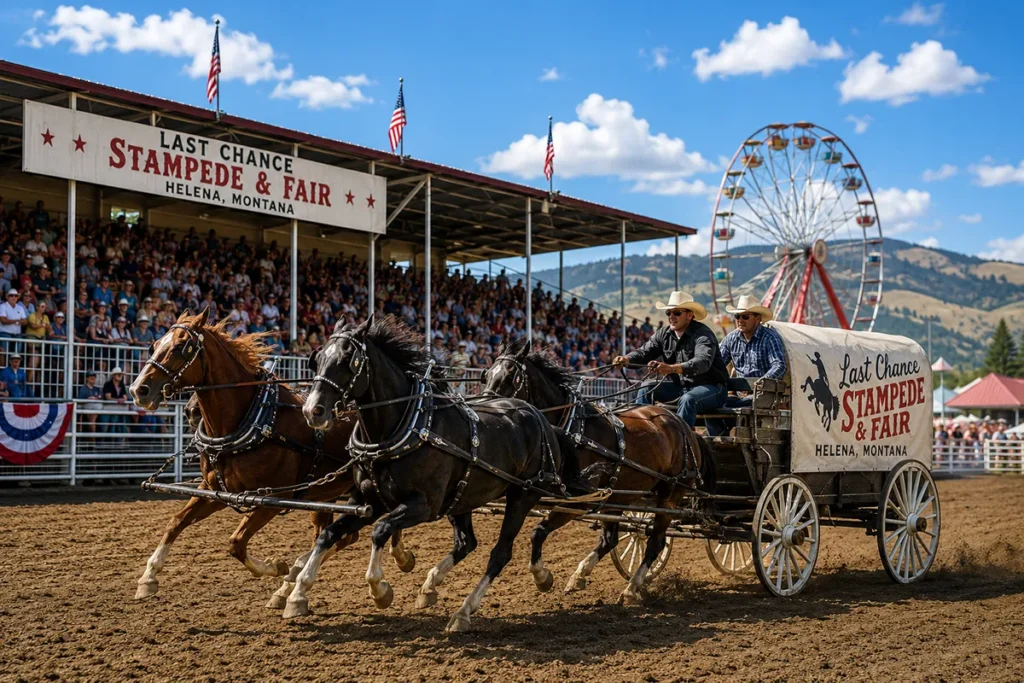
The Lewis & Clark County Fair and Stampede runs at the Fairgrounds with 3 nights of PRCA professional rodeo, 2 concerts (Travis Tritt and Daughtry in 2026), 4-H competition, carnival, vendors, and all the fair food. A genuine Montana summer county fair with serious entertainment bookings.
[Verify 2026 dates and ticket information at lccfairgrounds.com or visitmt.com.]
23. Symphony Under the Stars
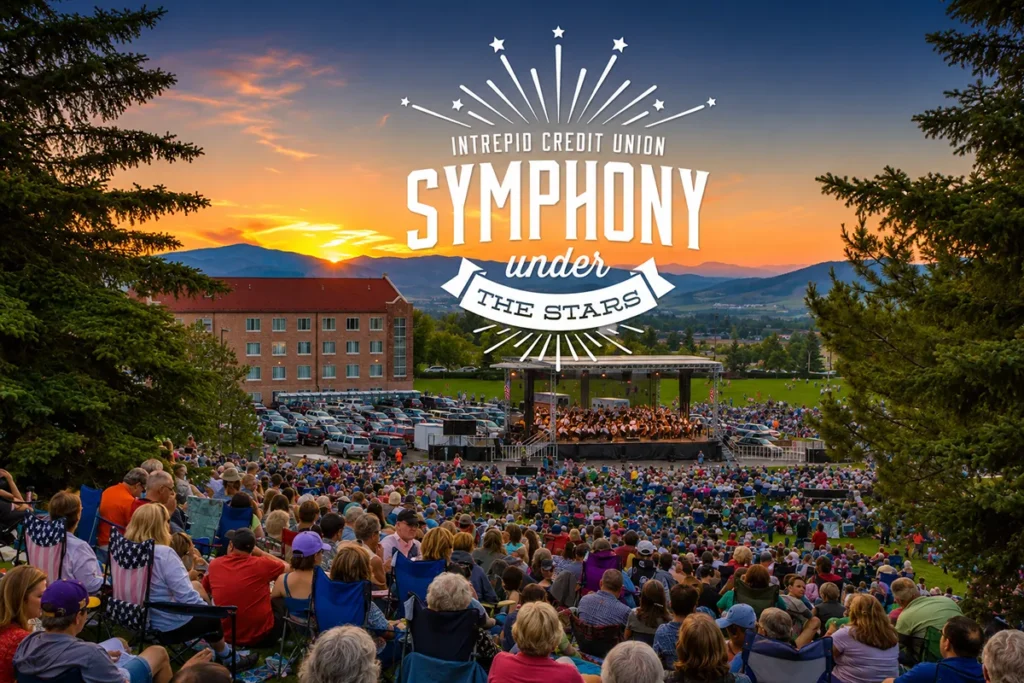
Helena’s outdoor symphony event — the Glacier Symphony or Helena Symphony Orchestra (confirm current year’s presenter) performing under the open summer sky. visittheusa.com specifically calls this out as a Helena signature event. A genuinely different evening activity that provides cultural context for Helena’s arts ambitions.
[Verify current year dates and location at helenamt.com events calendar.]
Food, Drink, and Shopping
24. Helena’s 7-Brewery Crawl ⭐
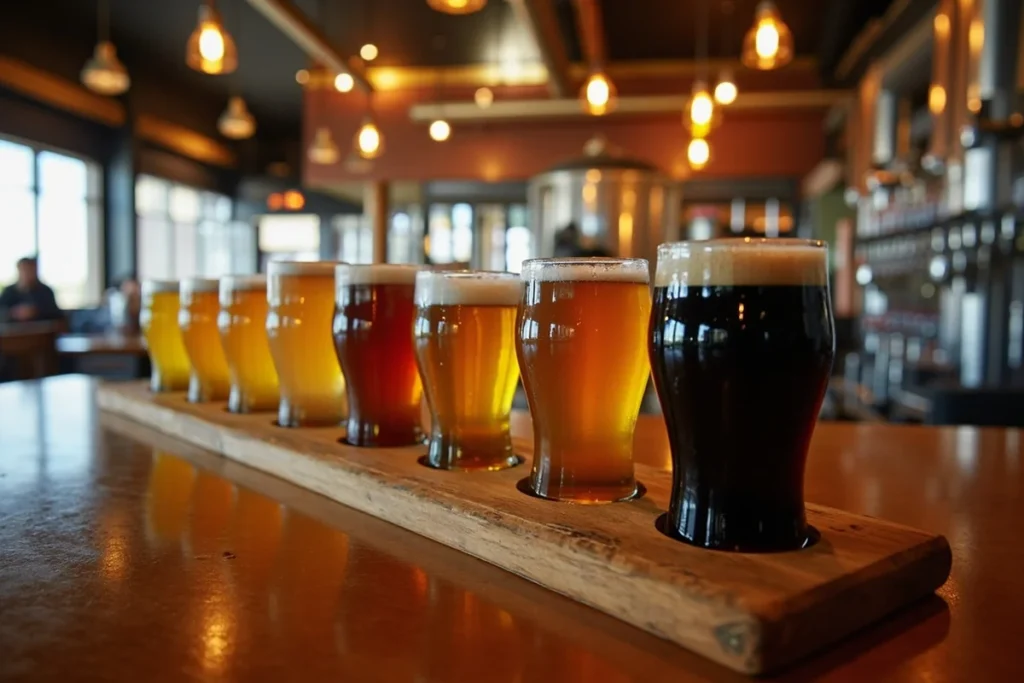
The current page mentions only Lewis & Clark Brewing Company. Helena actually has seven craft breweries — and three additional taprooms/bottle shops. For the complete guide with individual profiles, hours, and what makes each unique, see my dedicated Helena breweries guide.
The seven:
- Blackfoot River Brewing Company — roamingnearandfar.com’s top pick; second-floor balcony overlooking Last Chance Gulch, hand-pumped beer engine, free popcorn, bring pizza from Brooklyn Pizza next door
- Lewis & Clark Brewing Company — the downtown standard; frequent events, solid year-round taproom
- Ten Mile Creek Brewery — steps from Blackfoot River; good for a brewery crawl stop
- Copper Furrow Brewing — large yard and patio; “previously called Crooked Furrow”
- Mt Ascension Gastropub — brewing + full restaurant format
- Speakeasy 41 — prohibition theme, bookcase door entry, cozy and chic; temporarily closed until December 2026 while changing locations (verify status)
- Missouri River Brewing Company — newest addition; upper/lower level with outdoor patio overlooking downtown Helena and Mount Helena
Also: Gulch Distillers for cocktails; Brothers Tapworks and Headwaters Crafthouse for more Montana craft pours; Hawthorne Bottle Shop & Tasting Room for wine.
25. Parrot Confectionery ⭐
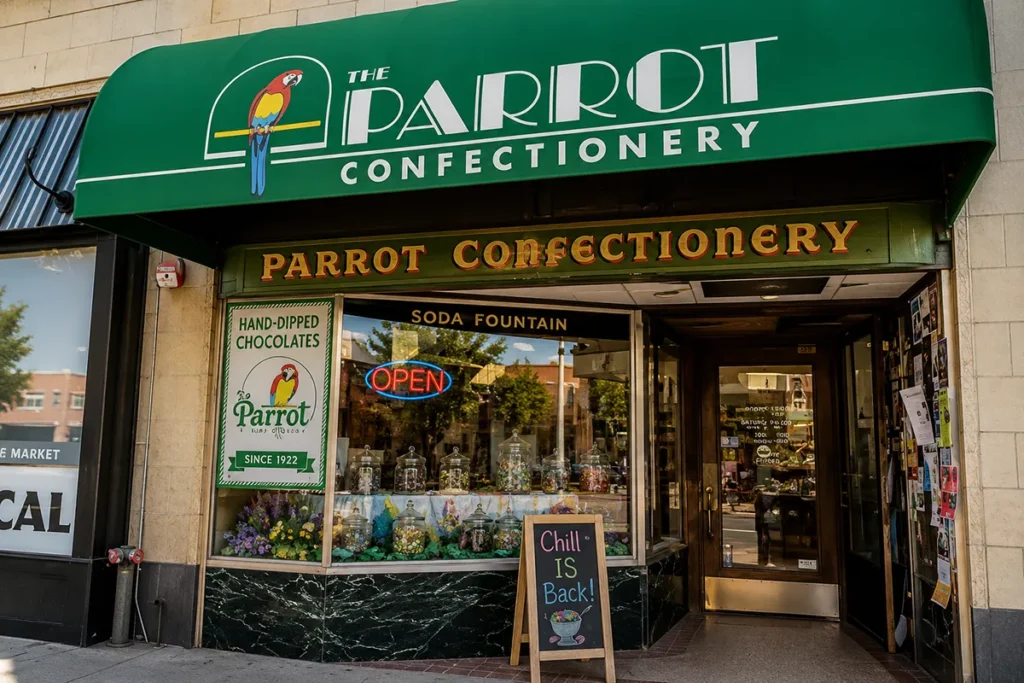
Operating since 1922, the Parrot Confectionery is Helena’s most enduring downtown institution and one of the genuinely distinctive food experiences in Montana.
The hand-dipped chocolates, specialty mints in flavors including huckleberry, clove, spearmint, sassafras, and cinnamon, and the vintage jukebox atmosphere make this a proper Helena stop.
epic7travel.com: “You can also sip on a root beer float while sitting at their bar and admiring a vintage jukebox and all the pictures and accolades decorating the walls.”
The Parrot makes a natural bookend to a Last Chance Gulch walk — stop in, order a root beer float, and watch Helena go by through the window.
Day Trips From Helena
Helena’s central Montana location makes it the most practical base camp for day trips of any city in the state.
West to the Gates of the Mountains (20 miles north) — already covered above.
East to Butte (65 miles on I-15) — one hour. The Berkeley Pit, World Museum of Mining, historic uptown district, Pekin Noodle Parlor. A full day.
North to Great Falls (90 miles on I-15) — 90 minutes. Lewis & Clark National Historic Trail Interpretive Center, C.M. Russell Museum, Electric City Water Park.
Ghost town exploration — Montana’s most famous ghost towns are within striking distance. Elkhorn Ghost Town (30 miles south), Marysville (25 miles northwest, near Great Divide Ski Area). For the full picture, see my Montana ghost towns guide.
Broadwater Hot Springs — already covered; 10 minutes west.
For Great Divide Ski Area (30 miles northwest, 100+ trails on 3 peaks, one of Montana’s most affordable ski areas), see my Montana ski resorts guide. This is Helena’s winter outdoor anchor and compares favorably to Big Sky at a fraction of the lift ticket price.
For seasonal planning across Montana, see my best time to visit Montana guide.
Things to Do in Helena by Traveler Type
For History Enthusiasts
Montana Heritage Center (new 2025), Montana State Capitol (free), Original Governor’s Mansion (tours Tue–Sat), Last Chance Tour Train (narrated overview), Reeder’s Alley, Pioneer Cabin, Old Fire Tower. Add the Gates of the Mountains boat tour for Lewis & Clark history in a dramatic landscape.
For Families
Great Northern Carousel (37 animal mounts + ice cream), ExplorationWorks science center, Pioneer Park playground + Pioneer Cabin, Last Chance Gulch pedestrian mall (ice cream at Parrot Confectionery), Mount Helena easy loop trails, Helena SeptemberFest in September.
For Outdoor Enthusiasts
Mount Helena City Park (80+ miles, IMBA Silver Ride Center designation), Gates of the Mountains boat tour, cycling Helena’s trail network, Great Divide Ski Area (winter, 30 miles northwest).
For Arts and Culture Lovers
Holter Museum of Art (free), Archie Bray Foundation (free ceramic arts on historic brickyard), Myrna Loy Center events calendar, Symphony Under the Stars, Last Chance Gulch galleries.
For Brewery/Food Lovers
Helena’s 7-brewery crawl (see full guide at Helena breweries), Parrot Confectionery (since 1922), Last Chance Gulch restaurant scene, Broadwater Hot Springs Taproom + Grill.
Free Activities
Montana Heritage Center (verify if free), Holter Museum of Art (always free), Archie Bray Foundation (always free), Montana National Guard Museum (free Thursdays), Montana State Capitol tour (free), Mount Helena trails (free), Cathedral of St. Helena exterior and self-guided tour (free), Helena SeptemberFest (free).
Practical Planning
Getting to Helena: Helena Regional Airport (HLN) serves Helena with connections through Salt Lake City, Seattle, Denver, and Minneapolis. [Verify current routes.] Helena is 65 miles north of Butte on I-15; 90 miles south of Great Falls; 115 miles east of Missoula on I-90/US-12.
How long to stay: 2 days for the essential circuit (Heritage Center, Capitol, Cathedral, Last Chance Gulch, Holter Museum, Mount Helena, one brewery evening). 3 days adds Archie Bray Foundation, Original Governor’s Mansion, Gates of the Mountains boat tour, Broadwater Hot Springs.
Downtown walkability: The core of Helena — Last Chance Gulch, Capitol, Cathedral, Original Governor’s Mansion, Holter Museum, Reeder’s Alley, Pioneer Cabin, Myrna Loy Center — is entirely walkable within 15 minutes. The Archie Bray Foundation and Broadwater Hot Springs require a car.
For seasonal context and the best time to visit Helena specifically, see my best time to visit Montana guide.
Explore More Montana Cities
Montana has a lot of ground to cover. Whether you’re building a road trip route or just curious what the next town down the highway has to offer, here are the city guides we’ve put together so far:
- Things to Do in Bozeman, Montana — Montana’s fastest-growing city, with great restaurants, the Museum of the Rockies, and easy access to Gallatin Canyon and Big Sky.
- Things to Do in Livingston, Montana — The original Yellowstone gateway; a fly fishing capital with a surprising arts scene, vintage neon downtown, and the Absaroka Mountains as a backdrop.
- Things to Do in Missoula, Montana — Western Montana’s outdoor playground, where the Clark Fork River flows through downtown and hiking, breweries, art galleries, and live music are all part of daily life.
- Things to Do in Whitefish, Montana — The gateway to Glacier National Park, with a walkable downtown, ski resort access at Whitefish Mountain, and Whitefish Lake on the edge of town.
- Things to Do in Kalispell, Montana — The commercial hub of the Flathead Valley; close to Glacier, Flathead Lake, and some of the best scenic drives in northwest Montana.
- Things to Do in Bigfork, Montana — A small arts village on Flathead Lake that punches above its size with galleries, live theater, and excellent waterfront dining.
- Things to Do in Polson, Montana — Sitting on the southern shore of Flathead Lake, Polson combines lake recreation, cherry orchards, and sweeping views of the Mission Mountains.
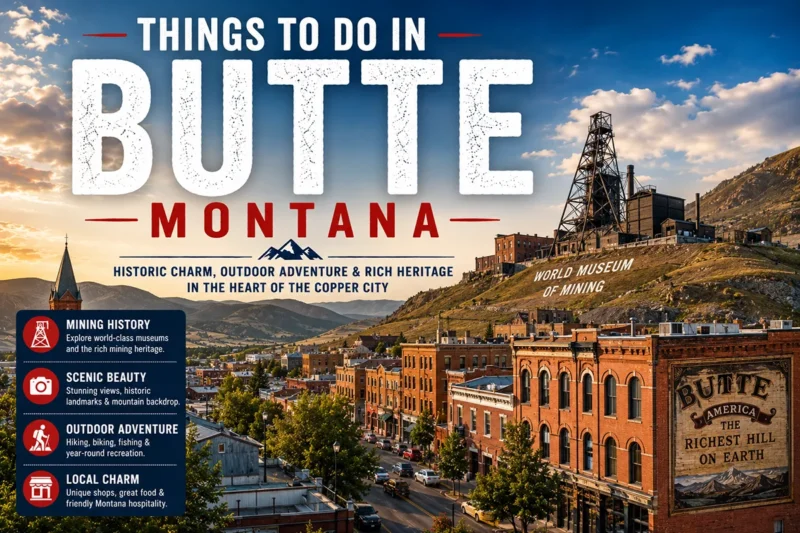
- Things to Do in Butte, Montana — One of Montana’s most historically layered cities; mining heritage, Victorian architecture, and a working-class character that’s entirely its own.
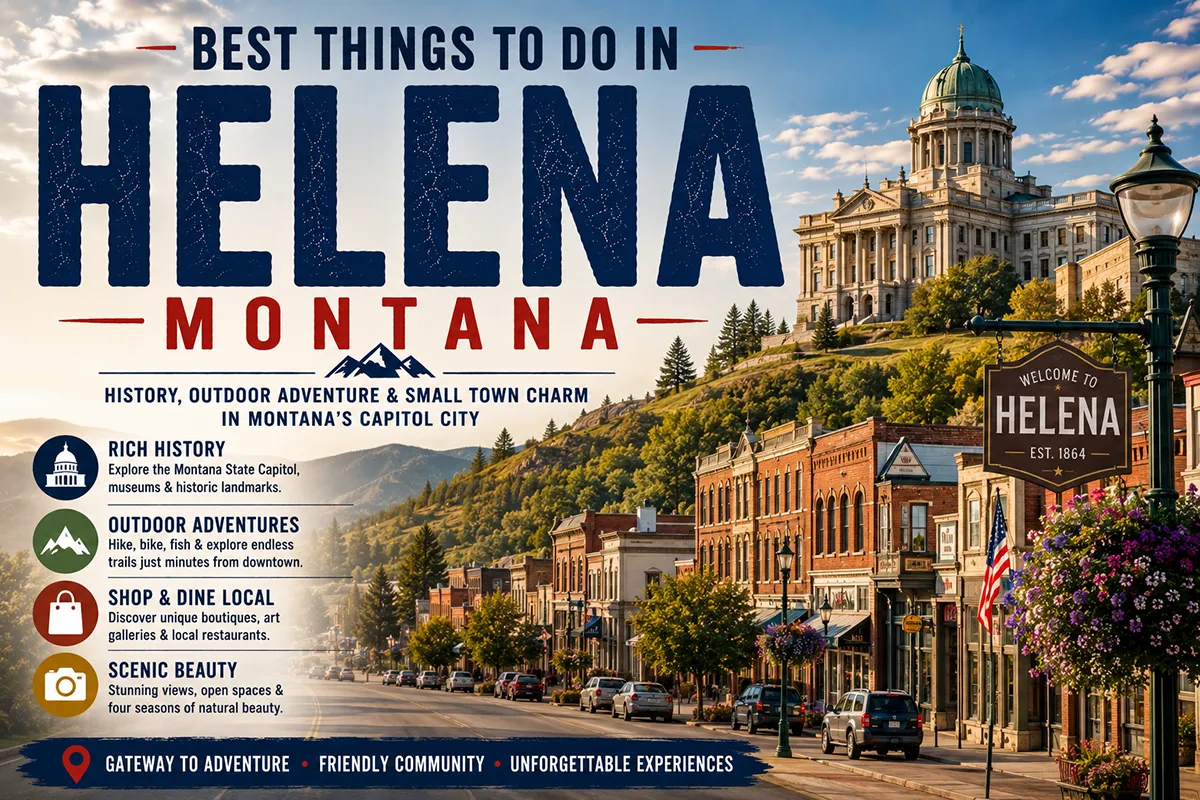
- Things to Do in Helena, Montana — Montana’s compact, walkable capital; the state capitol building, Last Chance Gulch, and the Cathedral of Saint Helena are all within easy reach downtown.
- Things to Do in Great Falls, Montana — The Electric City is home to the Missouri River’s famous waterfalls, the Lewis and Clark National Historic Trail Interpretive Center, and an impressive collection of museums.
- Things to Do in Billings, Montana — Montana’s largest city offers a mix of urban amenities, sandstone Rimrocks, vibrant breweries, family attractions, and easy access to nearby state parks and national monuments.
- Things to Do in Dillon, Montana — A quiet southwestern Montana town with serious fly fishing access on the Beaverhead River and a pace that feels far removed from the tourist trail.
- Things to Do in Hamilton, Montana — Nestled in the scenic Bitterroot Valley, Hamilton is known for hiking, fishing, historic downtown charm, and easy access to the Bitterroot Mountains.
- Things to Do in West Yellowstone, Montana — The busiest gateway to Yellowstone National Park, offering wildlife viewing, snowmobiling, museums, and year-round outdoor adventures.
- Things to Do in Gardiner, Montana — Yellowstone’s original entrance town, famous for the Roosevelt Arch, abundant wildlife, river rafting, and quick access to Mammoth Hot Springs.
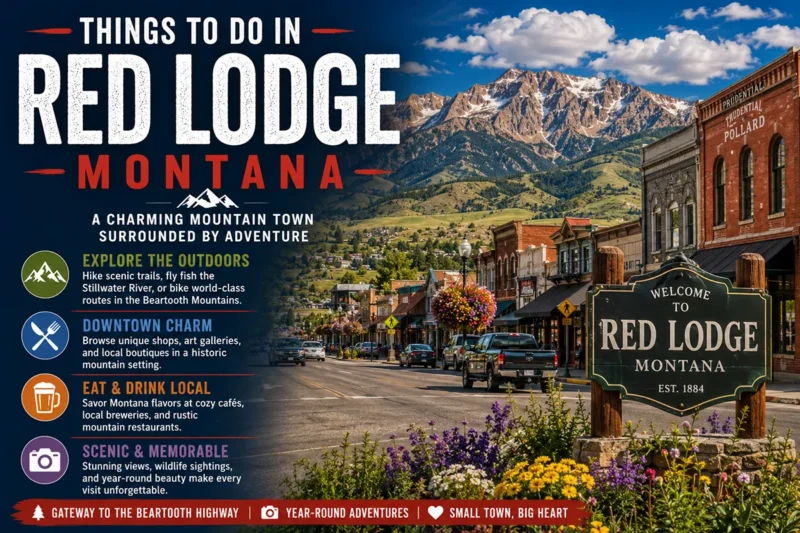
- Things to Do in Red Lodge, Montana — A charming mountain town at the base of the Beartooth Highway, known for its historic downtown, outdoor recreation, and one of America’s most scenic drives.
- Things to Do in Polebridge, Montana — Glacier’s remote northwest corner; no cell service, no power grid, a legendary bakery, and some of the most untouched backcountry in the park.
- Things to Do in Miles City, Montana — Eastern Montana’s cowboy capital, home to the Bucking Horse Sale and a historic downtown that hasn’t changed much since the cattle drives.
- Things to Do in Havre, Montana — A welcoming Hi-Line community where railroad history, underground tours, and wide-open prairie landscapes showcase a different side of northern Montana.
- Libby, Montana Guide — A timber town in the far northwest tucked along the Kootenai River, with Kootenai Falls and the Cabinet Mountains Wilderness on its doorstep.
Final Thoughts on Montana’s Capital City
Helena doesn’t announce itself. It doesn’t need to.
The Montana Heritage Center opening in December 2025 may finally give the city the museum anchor it deserved for decades. The brewery scene is genuinely excellent for 34,000 people.
The carousel is the best in the country. The Cathedral is unexpectedly magnificent. And Broadwater Hot Springs at the end of a walking-heavy day is the specific reward Helena has built into its geography.
The gold rush gave Helena its wealth, its ambition, and its architecture. Two centuries later, it’s still one of the most characterful cities in the Mountain West — and still underestimated by most visitors who drive straight through to Yellowstone or Glacier.
Take the exit. Spend two nights. You’ll see what the millionaires saw.
Questions about planning a Helena trip? Drop them in the comments.
Frequently Asked Questions
What are the best things to do in Helena MT?
Helena’s top experiences: the Montana Heritage Center (Montana’s flagship state history museum, new in 2025), walk Last Chance Gulch (original 1864 gold strike site), tour the Montana State Capitol (free), visit the Cathedral of St. Helena (230 stained glass windows), ride the Great Northern Carousel (carved by a Disney World artist), take the Last Chance Tour Train, dig for sapphires at Spokane Bar Mine, visit the Archie Bray Foundation ceramic arts center (free), and complete Helena’s 7-brewery crawl.
Is Helena Montana worth visiting?
Yes, emphatically — Helena is Montana’s most underrated destination. As the state capital with over 160 years of gold rush, Victorian, and civic history, Helena offers the Montana Heritage Center, Cathedral of St. Helena, Montana State Capitol, world-class hiking at Mount Helena, Gates of the Mountains boat tours, 7 craft breweries, Broadwater Hot Springs 10 minutes away, and a downtown walkability that most Montana cities lack. Budget 2–3 days minimum.
What is the Montana Heritage Center in Helena?
The Montana Heritage Center is Montana’s flagship state history museum, operated by the Montana Historical Society. It reopened in December 2025 after major construction, with state-of-the-art exhibits, expanded galleries, educational classrooms, a café, and an outdoor courtyard with rooftop terrace. Located steps from the Montana State Capitol in downtown Helena. It houses the Society’s permanent collections spanning prehistoric Montana, Indigenous nations, the fur trade, the gold rush, the cattle era, and the 20th century.
What is the Archie Bray Foundation in Helena?
The Archie Bray Foundation is a 70-year-old ceramic arts institute situated on the grounds of the historic Western Clay Manufacturing Company — a brick-making facility listed on the National Register of Historic Places. The Foundation houses what many consider some of the country’s finest contemporary ceramic art, with rotating exhibitions always open to the public at no charge. It’s one of the most unusual and underappreciated cultural institutions in Montana, recommended by montanadiscovered.com as one of the best things to do in Helena.
Can you dig for sapphires near Helena Montana?
Yes — the Spokane Bar Sapphire Mine (also operating as Gold Fever Rock Shop) north of Helena allows visitors to purchase bags of sapphire-bearing gravel and screen them for genuine Montana sapphires. TripAdvisor rates it among Helena’s top 10 attractions. Montana is one of the world’s significant sapphire sources; this gives visitors direct access to that heritage. See my gemstone mining in Montana guide for broader context.
What breweries are in Helena Montana?
Helena has 7 craft breweries: Blackfoot River Brewing Company (rooftop balcony over Last Chance Gulch, hand-pumped beer engine), Lewis & Clark Brewing Company, Ten Mile Creek Brewery, Copper Furrow Brewing, Mt Ascension Gastropub, Speakeasy 41 (verify current status — temporarily closed in 2026), and Missouri River Brewing Company. Plus Gulch Distillers for craft spirits, Brothers Tapworks, Headwaters Crafthouse, and Hawthorne Bottle Shop for wine. For individual profiles and hours, see my Helena breweries guide.
How far is Helena from Glacier and Yellowstone National Parks?
Helena is approximately 2.5 hours from Glacier National Park’s west entrance and 3.5 hours from Yellowstone’s north entrance at Gardiner. No other Montana city is as well-positioned between the two parks, making Helena an ideal base camp for a two-park Montana trip. Combined with its 25 in-city attractions, it justifies a 2-night stay rather than a rest stop.