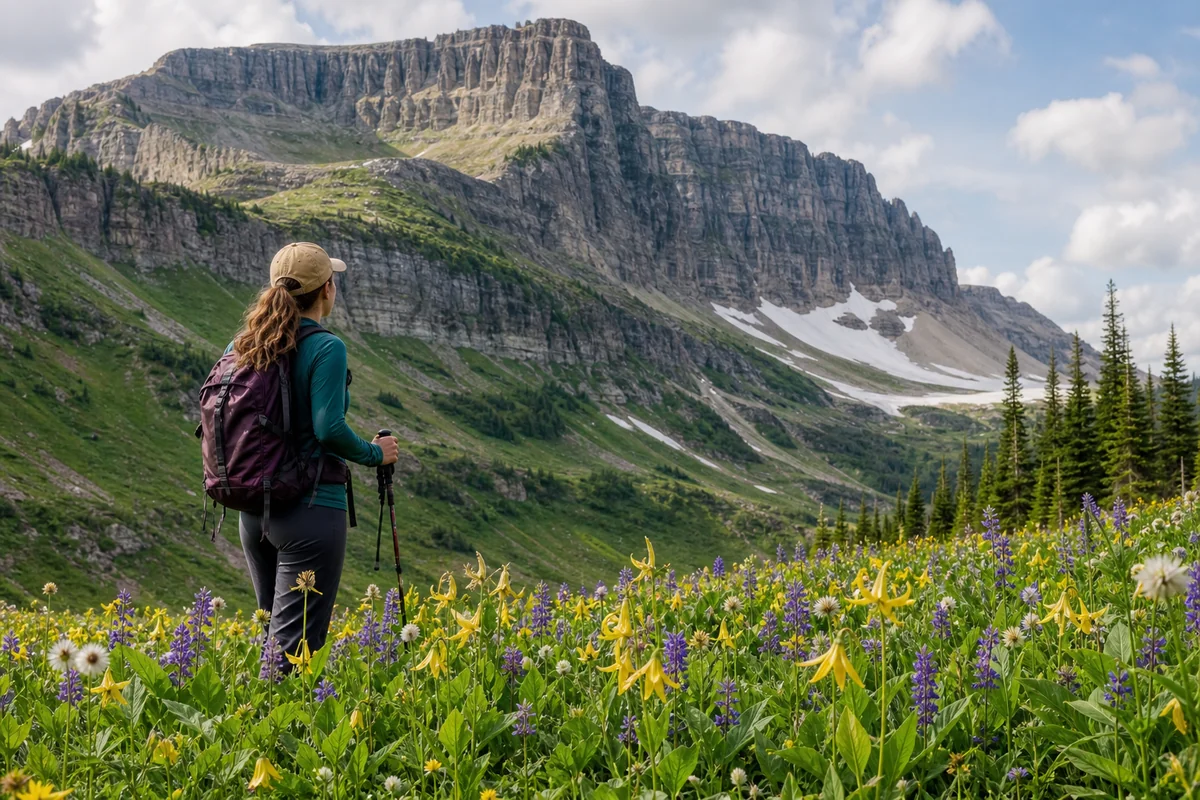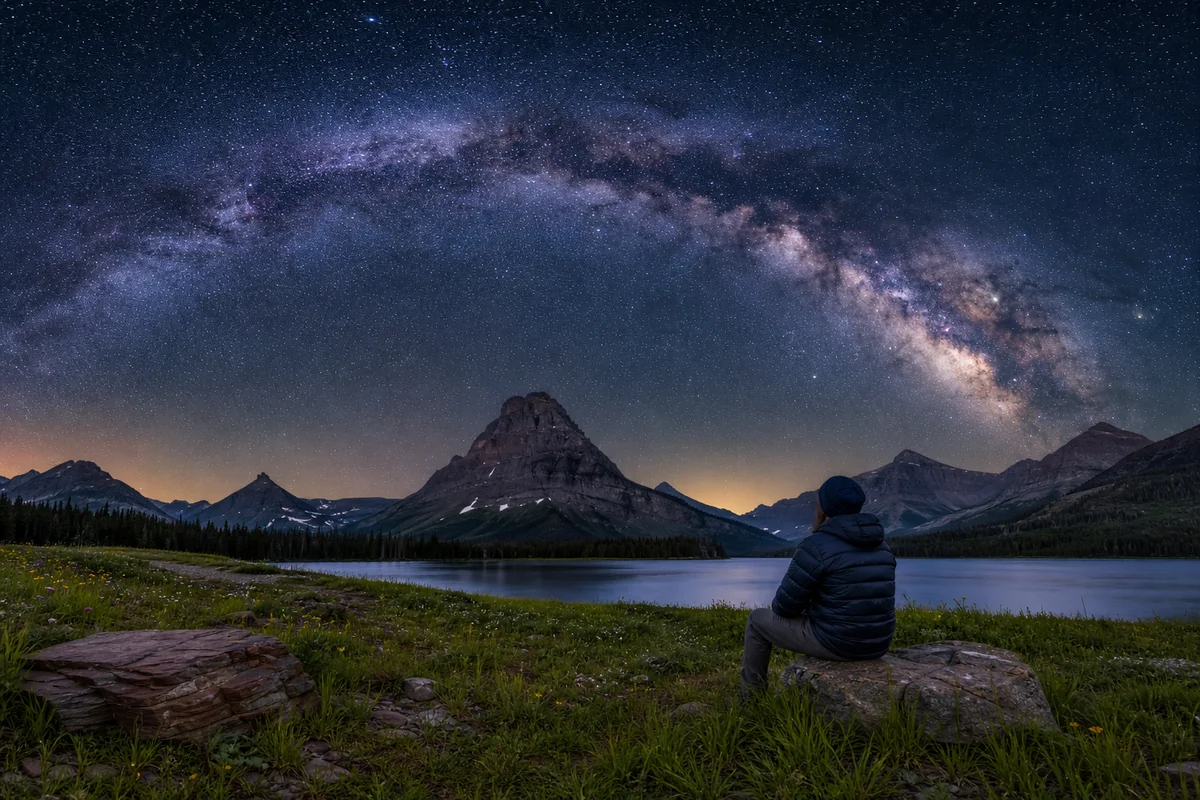
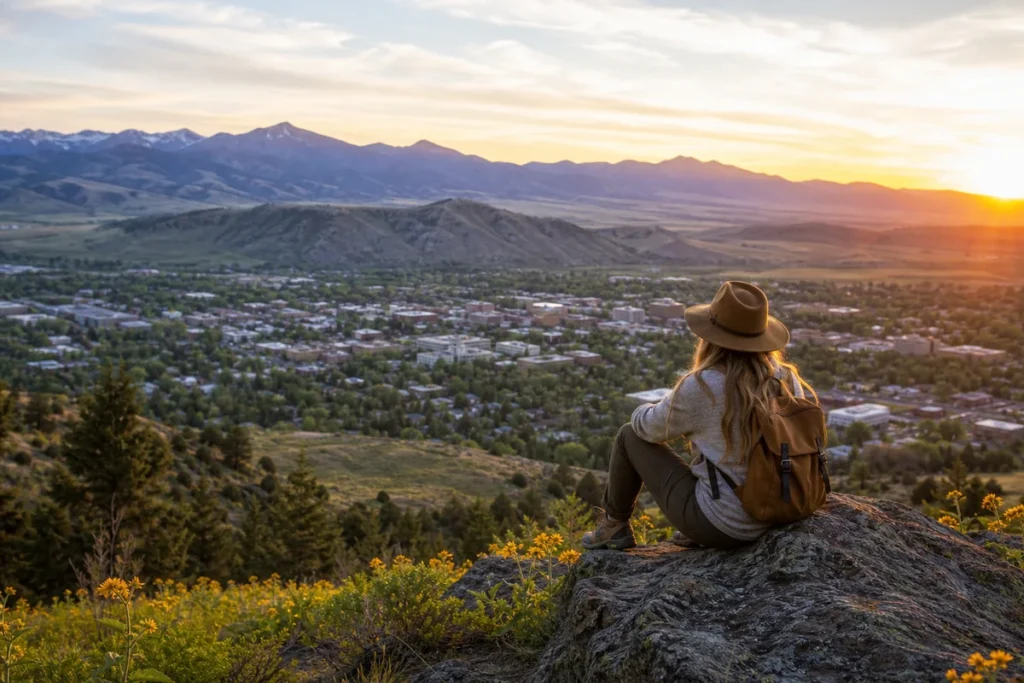
I was standing at the peak of Sacajawea Pass last summer, watching the sun drop behind the Bridger Mountains, when I realized Bozeman had completely stolen my heart.
This college town of roughly 56,000 people somehow manages to pack in world-class skiing, a thriving food scene, two genuinely excellent museums, a grizzly bear sanctuary fifteen minutes from downtown, and enough outdoor adventures to keep you busy for years — all while maintaining a laid-back Montana character that’s increasingly hard to find.
Quick Answer — Things to Do in Bozeman MT
Bozeman’s essential experiences span the Museum of the Rockies (world’s best T. rex collection), the iconic M Trail hike above town, Hyalite Canyon, the Montana Grizzly Encounter sanctuary, the American Computer & Robotics Museum, Music on Main summer concerts, the Bozeman brewery scene (MAP Brewing, Bridger Brewing, Montana Ale Works), Big Sky and Bridger Bowl skiing, Gallatin River fly fishing, Palisade Falls, and 90-minute day trips to Yellowstone’s northern range. Budget 3–5 days.
- Bozeman offers year-round outdoor activities from Big Sky skiing to Hyalite Canyon hiking and Gallatin River fly fishing
- The Museum of the Rockies is one of the finest natural history museums in the American West
- Downtown Main Street has the most concentrated restaurant and brewery scene in Montana
- Music on Main runs free Thursday evenings in July and August
- Day trips to Yellowstone via Paradise Valley take 90 minutes from downtown
- Best times: June–September for hiking and outdoor access; December–March for skiing at Big Sky and Bridger Bowl
Liked this article?
Add Roaming Montana as a preferred source so you see more of our articles and guides on Google.
Why Bozeman Is Montana’s Most Complete Destination
I’ve spent considerable time exploring Montana’s best destinations, from charming Whitefish to historic Butte. But Bozeman holds a special place because it genuinely offers something for everyone — without feeling like a tourist trap.
The town sits at 4,820 feet in the Gallatin Valley, surrounded by five mountain ranges. Montana State University anchors the community, bringing youthful energy, Division I sports, and a sophisticated cultural scene. During my visits, I’ve noticed how seamlessly outdoor enthusiasts, academics, artists, and ranchers coexist downtown.
Bozeman is now Montana’s fastest-growing city and arguably the state’s most complete travel destination.
For city-level context on lodging, dining, and neighborhood breakdowns, see my Bozeman city guide. For RV travelers, see my Bozeman RV parks guide.
All 25 Things to Do in Bozeman MT
Hiking:
- M Trail — iconic 1.6-mile loop above town
- Hyalite Canyon — waterfalls, alpine lakes, year-round recreation
- Drinking Horse Mountain — quick city trail with panoramic views
- Triple Tree Trail — local trails system south of town
- Palisade Falls — accessible waterfall hike in Hyalite
Museums:
6. Museum of the Rockies — world’s largest T. rex collection
7. American Computer & Robotics Museum — TripAdvisor’s #2 Bozeman attraction
8. Gallatin History Museum — local history in the original jailhouse
Wildlife & Nature:
9. Montana Grizzly Encounter — grizzly bear rescue sanctuary
10. Hyalite Reservoir / Lake — kayaking, fishing, camping
11. East Gallatin Recreation Area — urban park, fishing pond, walking trails
Downtown Bozeman:
12. Main Street shopping and dining
13. Bozeman Farmers Market — Tuesdays and Saturdays
14. Music on Main — free Thursday summer concerts
15. Art walks and gallery scene
Breweries & Food:
16. Bozeman brewery scene — MAP Brewing, Bridger Brewing, Montana Ale Works, Nordic Brew Works, SHINE Beer Sanctuary
17. Bozeman Spirits Distillery — downtown craft spirits
18. Best restaurants: Western Cafe, Open Range, Blackbird, PLONK
Outdoor Adventures:
19. Gallatin River fly fishing
20. Montana Whitewater — rafting, tubing, ziplining on the Gallatin
21. Mountain biking — Main Street to the Mountains Trail, Bridger Mountains
22. Rock climbing at local crags
Skiing:
23. Big Sky Resort — largest ski area in the US (45 min south)
24. Bridger Bowl — local’s mountain (18 miles north)
Events:
25. Valley View Rodeo Series; Bridger Raptor Festival (October)
Hiking In and Around Bozeman
1. The M Trail — Bozeman’s Most Iconic Hike ⭐
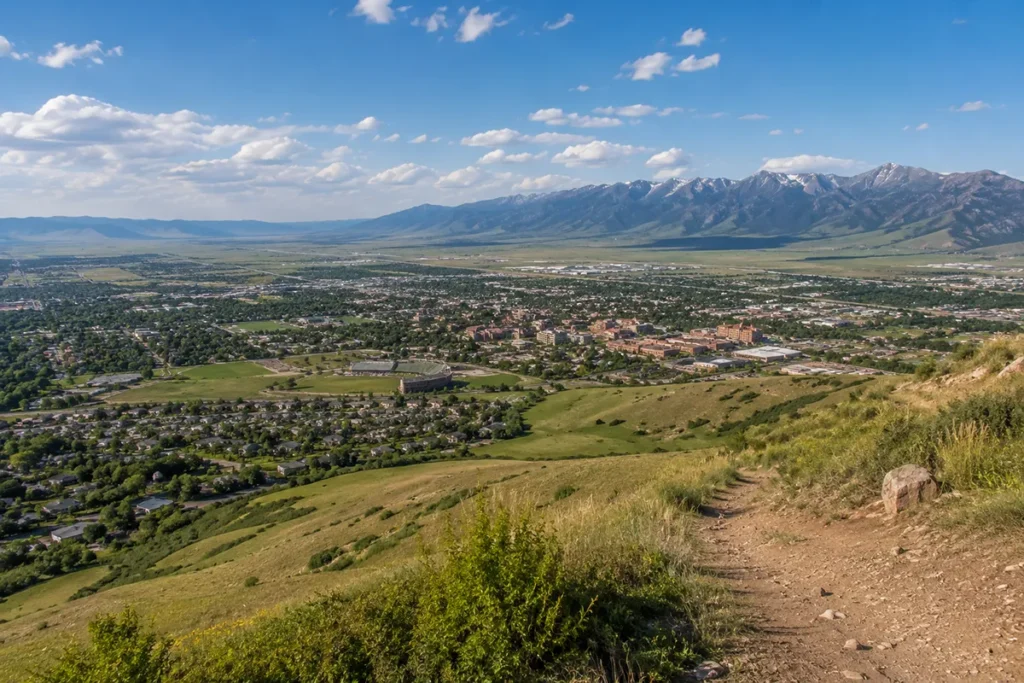
Every Bozeman guide, local recommendation, and travel blog converges on this one: the M Trail is the hike that defines Bozeman’s outdoor identity.
The 1.6-mile loop climbs the hillside immediately above town to the giant concrete letter “M” that Montana State University students first built in 1915, delivering panoramic views over the entire Gallatin Valley, the Bridger Mountains to the north, and the Gallatin Range to the south.
Two routes exist: the counterclockwise direction takes a very steep incline up then gradually returns to the lot; clockwise is easier going up but harder on the knees descending. Both routes converge at the “M” itself. I recommend counterclockwise — earn the steep climb, enjoy the cruise down.
After the M Trail, MAP Brewing at 510 Manley Drive (near “Bozeman Beach” on the East Gallatin Recreation Area) makes the perfect reward stop. Outdoor seating overlooking the water, excellent beer. This is how Bozeman locals actually spend a Tuesday evening.
Trailhead: Bridger Canyon Road, just above town. Free parking.
Distance: 1.6 miles round trip.
Difficulty: Moderate (steep sections).
2. Hyalite Canyon ⭐
Hyalite Canyon is Bozeman’s backyard wilderness — a remarkable concentration of hiking, waterfalls, alpine lakes, fishing, and year-round recreation within 15 miles of downtown.
The canyon road reaches Hyalite Reservoir (a popular kayaking and fishing destination) and continues to multiple trailheads.
Specific targets within Hyalite Canyon worth planning around:
Palisade Falls — A 80-foot waterfall accessible via a paved, accessible trail from the Palisade Falls trailhead. One of the easiest significant waterfalls in Montana. TripAdvisor lists it among Bozeman’s top attractions. See my Palisade Falls guide for trail details.
Hyalite Lake — At the upper end of the canyon, a high alpine lake reached via a 4-mile trail with 600 feet of elevation gain. Worth the drive to the upper trailhead even if you don’t hike to the lake itself — the views improve dramatically.
Hyalite Reservoir — A 12-mile drive from Bozeman, this reservoir permits kayaking, paddleboarding, fishing, and camping. Hood Creek Campsite #18 directly on the lake is a local favorite for families. Bring high-clearance vehicle for the upper road sections. Note: Grizzly bears have been spotted in this area — always carry bear spray.
3. Drinking Horse Mountain
A 2.2-mile loop accessible from the Drinking Horse trailhead off Highway 86, this trail offers 360-degree views from a ridgeline overlooking Bozeman and the Gallatin Valley — notably less crowded than the M Trail despite delivering comparable views. Particularly beautiful in early morning before the valley fills with summer haze.
4. Triple Tree Trail System
A network of singletrack trails on the south side of Bozeman, popular with both hikers and mountain bikers. Multiple route options from 1 to 10+ miles. Less scenic than the Bridger Mountains but significantly more accessible for a quick weekday evening loop.
5. Sacajawea Peak, Bridger Mountains
For more serious hikers: Sacajawea Peak (9,665 ft) in the Bridger Mountains north of Bozeman is a full-day objective with roughly 3,700 feet of elevation gain and stunning 360-degree views from the summit.
Best attempted from late July through early September when snow has cleared. A demanding but highly rewarding day hike for experienced hikers.
Museums Worth Your Time
6. Museum of the Rockies ⭐
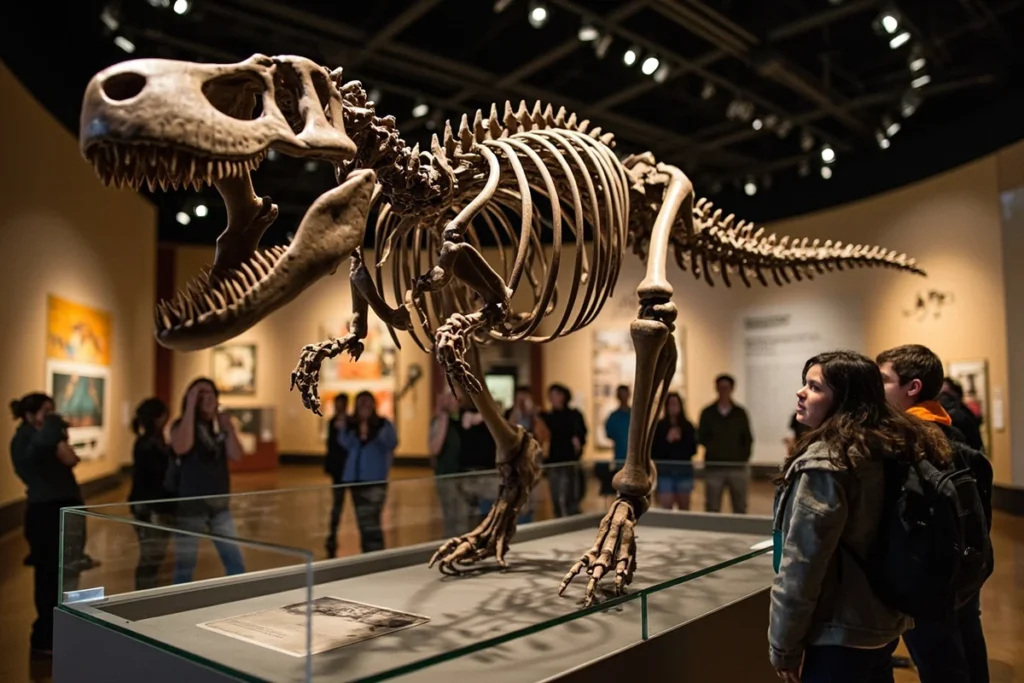
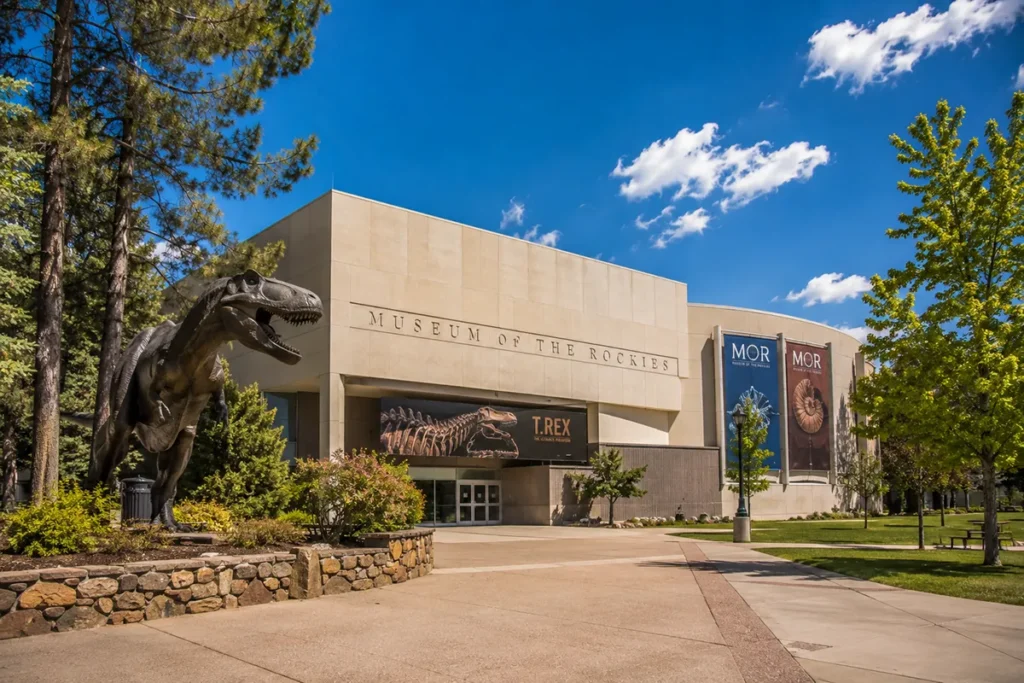
The Museum of the Rockies is a Smithsonian-affiliated institution at Montana State University housing one of the world’s most significant collections of dinosaur fossils — including the largest T. rex skull ever discovered.
Paleontologist Jack Horner, who advised on the Jurassic Park films, built this collection over decades.
The museum covers more than dinosaurs: permanent exhibits include Lewis and Clark in the Rocky Mountains, the Northern Plains Indigenous heritage, fur traders and mountain men, and the living history of the Northern Rockies.
The Taylor Planetarium uses state-of-the-art projection for space programs throughout the day.
For families with young children, the hands-on education area is excellent; guided 1-hour docent tours are particularly effective for younger visitors who can’t read the exhibit panels independently.
Cost: ~$15–20/adult; discounted for children and seniors.
Address: 600 W. Kagy Blvd (on MSU campus).
Hours: Verify at museumoftherockies.org.
Closed: Major holidays.
7. American Computer & Robotics Museum ⭐
TripAdvisor’s #2 Bozeman attraction, and one that surprises nearly every visitor who actually goes. Harvard biologist Edward O. Wilson called it “inch for inch, the best museum in the world” — and the collection backs up that claim.
What you’ll find: An original Apple 1 computer donated and signed by Steve Wozniak, an Apollo Space Mission guidance computer (fraction of the computing power of a modern smartwatch), an original ENIAC component, original American Civil War telegrams, an industrial robot, and a remarkably complete sweep of computing history from its mechanical predecessors to early personal computers.
It’s small — plan 45–90 minutes — but dense. Located at 2023 Stadium Drive, half a mile from the Museum of the Rockies on the MSU campus edge. Closed Mondays.
Cost: Small admission fee.
Perfect rainy day activity.
8. Gallatin History Museum
Located in downtown Bozeman in the original 1911 county jail building, the Gallatin History Museum incorporates the actual jail cells into its exhibits — a distinctive presentation device that makes the frontier history feel immediate.
The collection covers early Bozeman settlement, the area’s agricultural and mining history, and rotating exhibits on Montana themes.
Walking distance from Main Street, which makes it easy to combine with a lunch stop before or after. Free admission on certain days; typically very affordable.
Wildlife & Nature
9. Montana Grizzly Encounter ⭐
Fifteen minutes east of Bozeman, Montana Grizzly Encounter is an AZA-accredited rescue sanctuary housing grizzly bears that cannot be released into the wild.
Visitors observe bears in an open viewing area — much closer than any natural encounter allows — while interpretive staff teach about grizzly behavior, ecology, and the importance of coexistence.
The bears at the sanctuary have names and distinct personalities: the educational programs include anecdotes about each animal. The facility also works with schools and conservation organizations. For visitors who want close grizzly viewing without the 4 AM Yellowstone alarm, this is the practical choice.
Cost: ~$12.50/adult; discounts for children, seniors, military. |
Distance: ~15 minutes east of downtown.
Hours: [Verify current hours at grizzlydiscovery.com.] Closed Mondays.
10. East Gallatin Recreation Area
An urban park on the east side of Bozeman with a fishing pond, walking trails, “Bozeman Beach” (a small beach on the Gallatin River), and picnic facilities. MAP Brewing sits adjacent — the trail network connects directly to the brewery.
A practical destination for a morning walk or bike ride that ends at a brewery patio for lunch.
Downtown Bozeman: Main Street and Beyond
11. Explore Main Street ⭐
Main Street Bozeman is where locals actually spend time, which says everything about its authenticity.
Unlike many Western city main streets that have gradually become tourist-only, Bozeman’s Main Street retains a genuine local character — independent bookstores, clothing boutiques (Schnee’s, Vargo’s Jazz City, outdoor retailers), restaurants ranging from dive to fine dining, and sidewalk patios that stay busy through late October.
The street is particularly vibrant on Friday Art Walk evenings (monthly) and throughout the summer festival season. Walk from the Rialto to the Emerson Cultural Center — about 10 blocks — to cover the core of downtown.
12. Bozeman Farmers Market ⭐
Bozeman’s farmers markets run Tuesday and Saturday throughout summer and early fall. The Saturday market is the larger — local produce, artisan food vendors, live music, and food trucks.
simplyawesometrips.com specifically notes: “You can find great food trucks and music!” — it’s as much a social event as a shopping destination.
The Tuesday evening market is smaller and more relaxed, often with a community gathering character that feels distinctly Bozeman.
Location: Bogert Park (Saturday) and various downtown locations (Tuesday).
Season: Late spring through fall.
13. Music on Main ⭐
Every Thursday evening in July and August, Music on Main fills downtown Bozeman’s Main Street with free live music.
The event is visit-bozeman.com’s top listed summer activity and simplyawesometrips.com specifically calls it out: “You can enjoy the free ‘Music on Main’ event every Thursday night in July/August.”
Local and regional bands, food vendors, and a crowd that includes everyone from families to MSU students. No tickets, no reservations — just show up and find a sidewalk.
Season: July–August, Thursday evenings. Cost: Free.
14. Art Walks and Gallery Scene
Bozeman has a legitimate arts community anchored by the Emerson Cultural Center (multiple galleries and studios in a converted school building), the Valhalla Meadery and gallery spaces, and rotating gallery nights.
The BoZone (bozone.com) is Bozeman’s comprehensive arts and events calendar — the correct tool for knowing what’s happening on any given weekend.
Breweries, Food & Drink
15. Bozeman Brewery Scene ⭐
Bozeman has one of the strongest craft brewery concentrations in Montana. For the complete brewery-by-brewery guide, see my Bozeman breweries guide.
The essential stops:
MAP Brewing (510 Manley Drive) — Adjacent to “Bozeman Beach” on the East Gallatin Recreation Area. The outdoor patio overlooking the water is the most scenically positioned brewery patio in Bozeman. Opens at noon. Bike-accessible from the trail system.
Bridger Brewing — Rooftop patio directly across from Montana State University. Great for post-M Trail pints and a ringside seat to student Bozeman life.
Montana Ale Works — Sustainable brewery and restaurant in a historic railroad building; serves craft cocktails alongside beer.
SHINE Beer Sanctuary + Bottle Shop — Downtown, 30+ beers on tap, outdoor space, with a burrito/taco shop inside.
Nordic Brew Works — Newer addition, distinctive Nordic aesthetic, worth a stop on a brewery circuit.
16. Bozeman Spirits Distillery
Downtown Bozeman’s craft distillery produces whiskey, vodka, gin, and rum on-site in the historic downtown district. Tours of the distilling operation are available; the tasting room is a good stop for non-beer drinkers on a brewery crawl. TripAdvisor lists it among Bozeman’s top downtown experiences.
17. Bozeman Restaurants
Bozeman’s food scene has expanded dramatically since 2015 and now rivals cities significantly larger. For the complete pizza breakdown, see my best pizza in Bozeman guide.
The essentials:
Western Cafe — A Western-style diner on Main Street serving traditional breakfast and lunch. In continuous operation for decades; beloved by locals and visitors equally.
PLONK — Wine bar with well-made cocktails and excellent small plates. Excellent happy hour (3–5 PM daily and late night). The most sophisticated bar experience on Main Street.
Blackbird Kitchen — Wood-fired pizzas and more in a beautiful, design-forward space. Downtown.
MAP Brewing — Doubles as a solid food destination alongside the brewery experience.
Open Range — Upscale Montana steakhouse; quality beef, full wine list.
Red Tractor Pizza — Laid-back neighborhood pizza joint with Montana beers on tap and occasional live music. West Main location, slightly off the tourist center.
For Bozeman’s full pizza landscape, my dedicated pizza guide covers the ranking in detail.
Outdoor Adventures Beyond Hiking
18. Fly Fishing the Gallatin, Madison, and Yellowstone Rivers
Bozeman is surrounded by three world-class trout fisheries:
Gallatin River — Flows south through the canyon on US-191 toward Big Sky and Yellowstone. Excellent whitewater character with technical rainbow trout fishing.
Madison River — Accessible via Ennis (45 min southwest). One of Montana’s most celebrated rivers for large brown trout and dry fly fishing.
Yellowstone River — North of Livingston via Paradise Valley. Cutthroat and brown trout in a stunning mountain corridor.
For guided trips, see my Montana guided tours guide for outfitters based in the Bozeman area. Full-day rates average $500–600.
19. Montana Whitewater: Rafting and Tubing the Gallatin
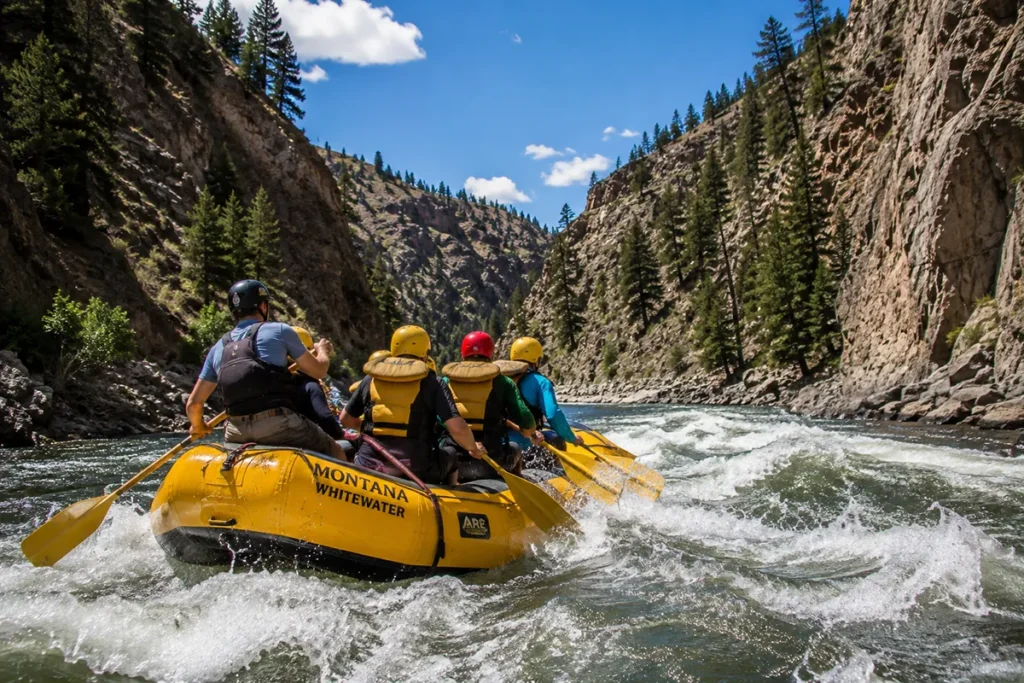
Montana Whitewater is the premier outfitter for Gallatin River rafting, tubing, and ziplining. The Gallatin Canyon south of Bozeman offers Class II–III whitewater depending on the section, with stunning rock canyon scenery. Half-day and full-day trips available.
Madison River Tubing offers a mellower alternative — floating downstream in tubes, renting paddleboards and kayaks. A popular summer afternoon activity for groups and families.
Both outfitters are 30–45 minutes south of downtown on US-191.
20. Mountain Biking
The Main Street to the Mountains Trail connects downtown Bozeman to the Bridger Mountains on a dedicated multi-use path — a signature piece of Bozeman’s trail infrastructure. Additional singletrack throughout the Bridger Mountains and the Triple Tree system provides trail miles for every ability level.
The East Gallatin Recreation Area trail system is entirely flat and beginner/family friendly.
21. Rock Climbing
The Gallatin Canyon and Bridger Mountains harbor rock climbing crags ranging from beginner top-rope routes to serious multi-pitch adventures. visitmt.com specifically lists rock climbing as a top Bozeman activity. Local shops like Northern Lights Trading Company on Main Street stock gear and can provide current beta on accessible crags.
Skiing: Big Sky and Bridger Bowl
22. Big Sky Resort ⭐
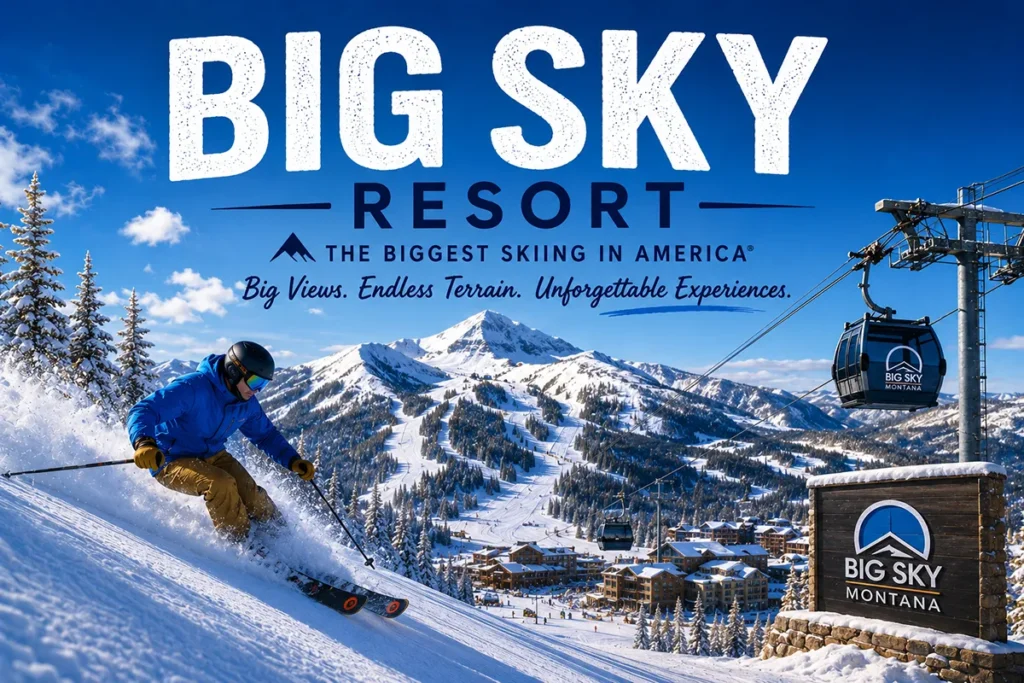
Big Sky Resort, 45 miles south on US-191, combines with Moonlight Basin to form the largest ski area in the United States at 5,850 acres. The terrain accommodates all ability levels but the expert terrain — Lone Peak’s steep north face, the steep couloirs of the South Wall — is world-class.
The resort village at Big Sky offers slope-side lodging, restaurants, and activities beyond skiing (mountain biking, scenic gondola, hiking in summer). For comparative Bozeman-area skiing, see my Montana ski resorts guide.
For summer visitors, the Lone Peak Tram to the 11,166-foot summit provides the highest easily-accessible viewpoint in southwest Montana.
Distance from Bozeman: 45 miles south on US-191. Season: Typically December–April.
23. Bridger Bowl
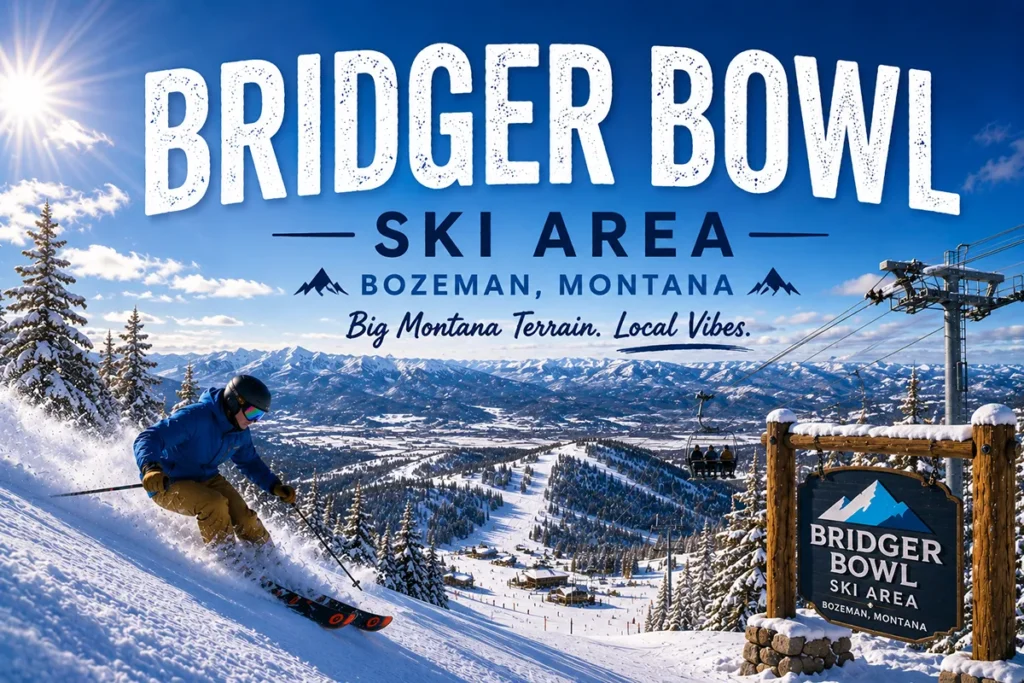
While Big Sky gets the national headlines, Bridger Bowl (18 miles north of Bozeman in the Bridger Mountains) is the choice of the ski-every-weekend Bozeman local.
As a non-profit community mountain, Bridger Bowl operates with lift ticket prices significantly below Big Sky, a collegial atmosphere, and excellent terrain quality — particularly “The Ridge,” an extreme terrain zone that commands genuine respect.
Bridger Bowl is where MSU students ski, where Bozeman families buy season passes, and where you’ll meet the people who actually live here. Exactly the right choice for a visitor who values authentic Montana ski culture over resort amenities.
Distance from Bozeman: 18 miles north on Bridger Canyon Road.
Season: December–April (typically).
Events and Seasonal Highlights
24. Summer Events Calendar
Bozeman’s summer event density is higher than its size would suggest:
Music on Main (July–August, Thursdays) — Free outdoor concerts downtown. The signature Bozeman summer event.
Friday Art Walks — Monthly gallery walks through downtown studios and exhibition spaces.
Valley View Rodeo Series — visitmt.com features this as a top Bozeman activity; bull riding, bronc riding, calf roping, barrel racing at a local venue.
MSU Bobcat Athletics — Montana State plays Division I football, and the energy on game days transforms the downtown. The MSU Bobcat football games at Bobcat Stadium draw 20,000+ fans.
406 Flea Market — Vintage and sustainable goods market with community character.
The BoZone (bozone.com) is the authoritative local events calendar — check it a week before your visit for current programming.
25. Fall: Bridger Raptor Festival (October)
Every October, the ridgeline above the Bridger Bowl ski area becomes one of North America’s premier raptor migration observation points.
The Bridger Raptor Festival celebrates the annual hawk and eagle migration with guided ridge hikes, educational programs, and hundreds of raptors visible in a single morning when conditions align.
Species include golden eagles, Cooper’s hawks, sharp-shinned hawks, and occasional rare sightings. visitmt.com specifically calls this out as a Bozeman seasonal highlight. The ridge hike is moderate (4 miles round trip) and the payoff on an active migration day is extraordinary.
Day Trips From Bozeman
Bozeman’s location makes it the single best base in Montana for day trips to major destinations.
Yellowstone National Park (90 minutes via Paradise Valley)
Drive south on US-89 through Paradise Valley to Gardiner and the park’s North Entrance. The corridor itself — Yellowstone River, Absaroka Range peaks, hay fields, and working ranches — is one of Montana’s most beautiful scenic drives.
Inside the park, the Lamar Valley (2 more hours from Gardiner) holds the best wildlife viewing in the lower 48: wolves, grizzlies, bison, and elk in a concentrated wildlife corridor. See my Lamar Valley wildlife guide and Yellowstone wolf watching guide for the specific strategy.
Chico Hot Springs, Paradise Valley (45 minutes)
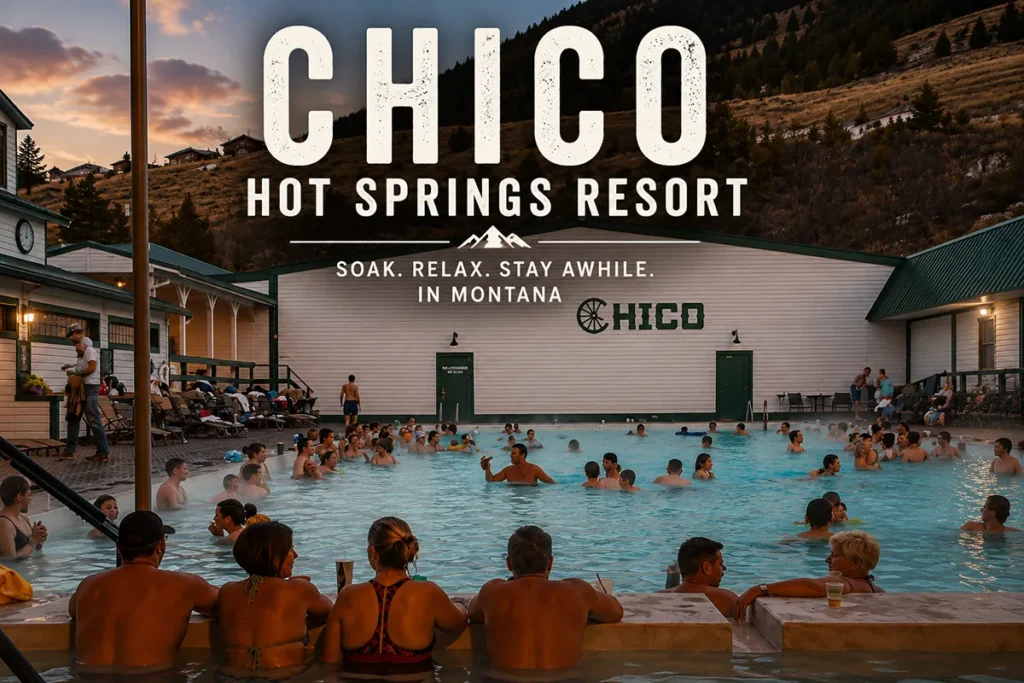
The most beloved hot springs resort in Montana sits 45 miles south of Bozeman in Paradise Valley. The outdoor pool holds steady at 96°F year-round; the Chico Saloon has live music most weekends; the restaurant is one of the best in rural Montana. An afternoon at Chico Hot Springs after a morning on the Gallatin is a genuinely perfect Bozeman day.
Livingston (25 minutes east)
Livingston is 25 miles east on I-90 — a genuine Montana small town with an independent arts scene, Dan Bailey’s legendary fly shop, and an Absaroka Mountain backdrop that stops traffic. Easier and cheaper than Bozeman without sacrificing authenticity. Worth a half-day.
Ousel Falls, Big Sky (45 minutes)
On the drive to Big Sky, Ousel Falls near the Big Sky Resort area is a 90-minute round-trip hike to a 40-foot waterfall in the Gallatin Canyon. Easy trail, legitimate payoff, natural pairing with a Big Sky brewery visit afterward.
Things to Do in Bozeman by Traveler Type
For Families
- Museum of the Rockies (docent tours for non-readers; hands-on education area)
- Montana Grizzly Encounter (guaranteed grizzly viewing; educational)
- Palisade Falls (paved, accessible trail to a real waterfall)
- East Gallatin Recreation Area (flat trails, fishing pond, “Bozeman Beach”)
- Music on Main (free, outdoor, all ages)
- Bozeman Farmers Market (food, music, community)
For Outdoor Enthusiasts
- M Trail (start here to orient visually to the valley)
- Hyalite Canyon (waterfalls, lakes, serious hiking, camping)
- Sacajawea Peak (full-day summit objective)
- Gallatin River fly fishing or whitewater with Montana Whitewater
- Mountain biking on the Main Street to the Mountains Trail
- Rock climbing in Gallatin Canyon
For Beer and Food Lovers
- MAP Brewing (the scenery + beer combination)
- Bridger Brewing (rooftop patio)
- SHINE Beer Sanctuary (30 taps, burritos)
- Western Cafe (classic Montana breakfast)
- PLONK (best cocktail bar on Main Street)
- Friday Art Walks (combines gallery browsing with wine)
See my Bozeman breweries guide for the complete Bozeman craft beer landscape.
For History and Culture
- Museum of the Rockies (paleontology + Northern Plains history)
- American Computer & Robotics Museum (technology history)
- Gallatin History Museum (local history in the original jail)
- MSU campus walking tour (historical architecture)
- Emerson Cultural Center (galleries, studio tours)
For Winter Visitors
- Big Sky Resort (largest ski area in the US)
- Bridger Bowl (local mountain, affordable, excellent terrain)
- Snowshoeing in Hyalite Canyon (trails open year-round)
- Chico Hot Springs after a ski day (45 min south)
- Museum season: fewer crowds at both museums
- Montana Grizzly Encounter is open year-round
Practical Planning
Getting to Bozeman: Bozeman Yellowstone International Airport (BZN) is Montana’s most connected airport with direct flights from most major US hubs — the right airport for anyone visiting southwest Montana or Yellowstone.
How long to stay: 3 days minimum for a meaningful Bozeman visit covering the Museum of the Rockies, M Trail, downtown, one brewery evening, and a day trip to Yellowstone or the Gallatin Canyon. 5 days allows all of the above plus Hyalite Canyon, Chico Hot Springs, and Livingston.
A car is required for everything except downtown and the M Trail. The BZN airport has all major rental agencies.
For timing guidance, see my best time to visit Montana guide.
Explore More Montana Cities
Montana has a lot of ground to cover. Whether you’re building a road trip route or just curious what the next town down the highway has to offer, here are the city guides we’ve put together so far:
- Things to Do in Bozeman, Montana — Montana’s fastest-growing city, with great restaurants, the Museum of the Rockies, and easy access to Gallatin Canyon and Big Sky.
- Things to Do in Livingston, Montana — The original Yellowstone gateway; a fly fishing capital with a surprising arts scene, vintage neon downtown, and the Absaroka Mountains as a backdrop.
- Things to Do in Whitefish, Montana — The gateway to Glacier National Park, with a walkable downtown, ski resort access at Whitefish Mountain, and Whitefish Lake on the edge of town.
- Things to Do in Kalispell, Montana — The commercial hub of the Flathead Valley; close to Glacier, Flathead Lake, and some of the best scenic drives in northwest Montana.
- Things to Do in Bigfork, Montana — A small arts village on Flathead Lake that punches above its size with galleries, live theater, and excellent waterfront dining.
- Things to Do in Butte, Montana — One of Montana’s most historically layered cities; mining heritage, Victorian architecture, and a working-class character that’s entirely its own.
- Things to Do in Helena, Montana — Montana’s compact, walkable capital; the state capitol building, Last Chance Gulch, and the Cathedral of Saint Helena are all within easy reach downtown.
- Things to Do in Dillon, Montana — A quiet southwestern Montana town with serious fly fishing access on the Beaverhead River and a pace that feels far removed from the tourist trail.
- Things to Do in Polebridge, Montana — Glacier’s remote northwest corner; no cell service, no power grid, a legendary bakery, and some of the most untouched backcountry in the park.
- Things to Do in Miles City, Montana — Eastern Montana’s cowboy capital, home to the Bucking Horse Sale and a historic downtown that hasn’t changed much since the cattle drives.
- Libby, Montana Guide — A timber town in the far northwest tucked along the Kootenai River, with Kootenai Falls and the Cabinet Mountains Wilderness on its doorstep.
Final Thoughts on Bozeman
Bozeman earns its growing reputation — and the city backs up the hype with genuine depth across every category. The Museum of the Rockies alone justifies a stop. The M Trail’s view over the valley explains in one panorama why people move here. The MAP Brewing patio makes you understand why they stay.
Whatever brought you to Montana, Bozeman makes a compelling case to linger.
Questions about planning a Bozeman trip? Drop them in the comments.
Frequently Asked Questions
What are the best things to do in Bozeman MT?
Bozeman’s essential experiences: hike the M Trail (1.6-mile loop above town, panoramic views), visit the Museum of the Rockies (world-class T. rex collection and paleontology), tour the Montana Grizzly Encounter sanctuary (close-up grizzly bear viewing 15 min from downtown), explore Hyalite Canyon (waterfalls, lakes, alpine trails), catch Music on Main (free Thursday concerts in July–August), and day trip to Yellowstone via Paradise Valley (90 min drive). Add MAP Brewing’s patio for the quintessential Bozeman evening.
How far is Bozeman from Yellowstone National Park?
Bozeman is approximately 90 miles from Yellowstone’s North Entrance at Gardiner, Montana — roughly a 1.5-hour drive south on US-89 through Paradise Valley. The Lamar Valley (the best wildlife viewing in the lower 48) is about 2.5–3 hours from Bozeman via the North Entrance. West Yellowstone’s entrance is approximately 90 miles as well via US-191 through the Gallatin Canyon.
What is the M Trail in Bozeman?
The M Trail is a 1.6-mile hiking loop above Bozeman that climbs to the large concrete “M” representing Montana State University, built by MSU students in 1915. The hike delivers panoramic views over the Gallatin Valley, the Bridger Mountains, and downtown Bozeman. Two routes: counterclockwise (steep up, gradual down) or clockwise (easier ascent, harder descent). The trailhead is on Bridger Canyon Road immediately above town. Free parking.
What is the best brewery in Bozeman Montana?
MAP Brewing (510 Manley Drive) gets the most consistent recommendations for its scenic location overlooking “Bozeman Beach” on the East Gallatin Recreation Area — the outdoor patio is exceptional in summer. Bridger Brewing has a rooftop patio across from MSU. Montana Ale Works is the most established downtown option. SHINE Beer Sanctuary has the largest tap selection (30+). For the complete guide, see my Bozeman breweries guide.
What is the Montana Grizzly Encounter near Bozeman?
Montana Grizzly Encounter is an AZA-accredited grizzly bear rescue and educational sanctuary about 15 minutes east of Bozeman near Emigrant. The sanctuary houses bears that cannot be returned to the wild; visitors observe them in an open viewing area at close range while interpretive staff provide educational programming. Admission is approximately $12.50 for adults. Closed Mondays. It’s TripAdvisor’s third most-visited attraction in Bozeman.
Is Bozeman Montana worth visiting?
Yes, emphatically — Bozeman is Montana’s most complete destination city. The combination of the Museum of the Rockies, world-class outdoor recreation (Hyalite Canyon, M Trail, Gallatin River, Big Sky skiing), a legitimate brewery and restaurant scene, and position as the best gateway city for Yellowstone’s northern range makes it uniquely versatile. Budget 3–5 days; the city rewards time better than a rushed 1-day stop.
What skiing is near Bozeman Montana?
Two excellent options: Big Sky Resort (45 miles south) combines with Moonlight Basin to form the largest ski area in the United States (5,850 acres) — significant expert terrain, resort village, and the Lone Peak Tram for non-skiers. Bridger Bowl (18 miles north) is the local community mountain — significantly more affordable, excellent terrain quality, and an authentic non-resort atmosphere that Bozeman residents prefer. See my Montana ski resorts guide.