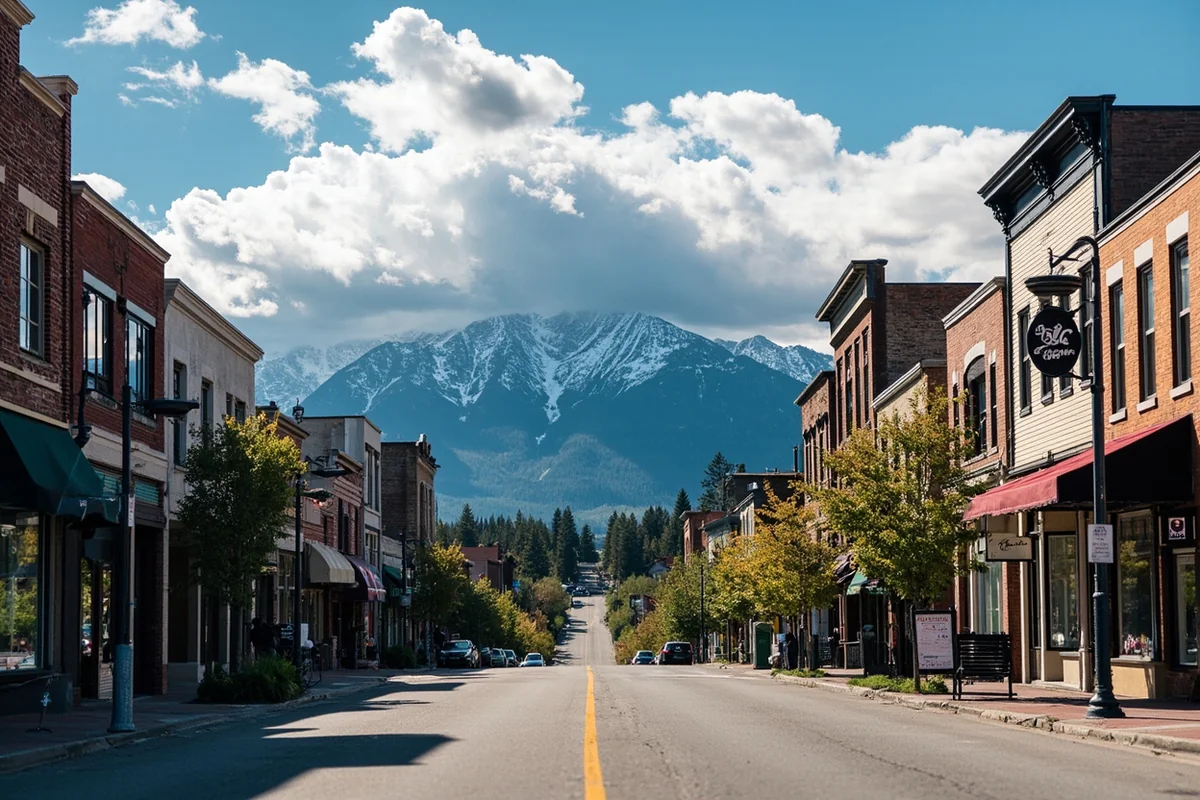
The first time I stepped off the train at the Whitefish Depot, a 1927 Tudor Revival beauty that still serves Amtrak passengers today, I understood why people call this place Montana’s adventure basecamp.
The Swan Range glowed pink in the alpenglow behind me, and within five minutes of walking, I’d already been invited to join a group of strangers headed to a brewery — that’s just the Whitefish way.
Quick Answer — Things to Do in Whitefish MT
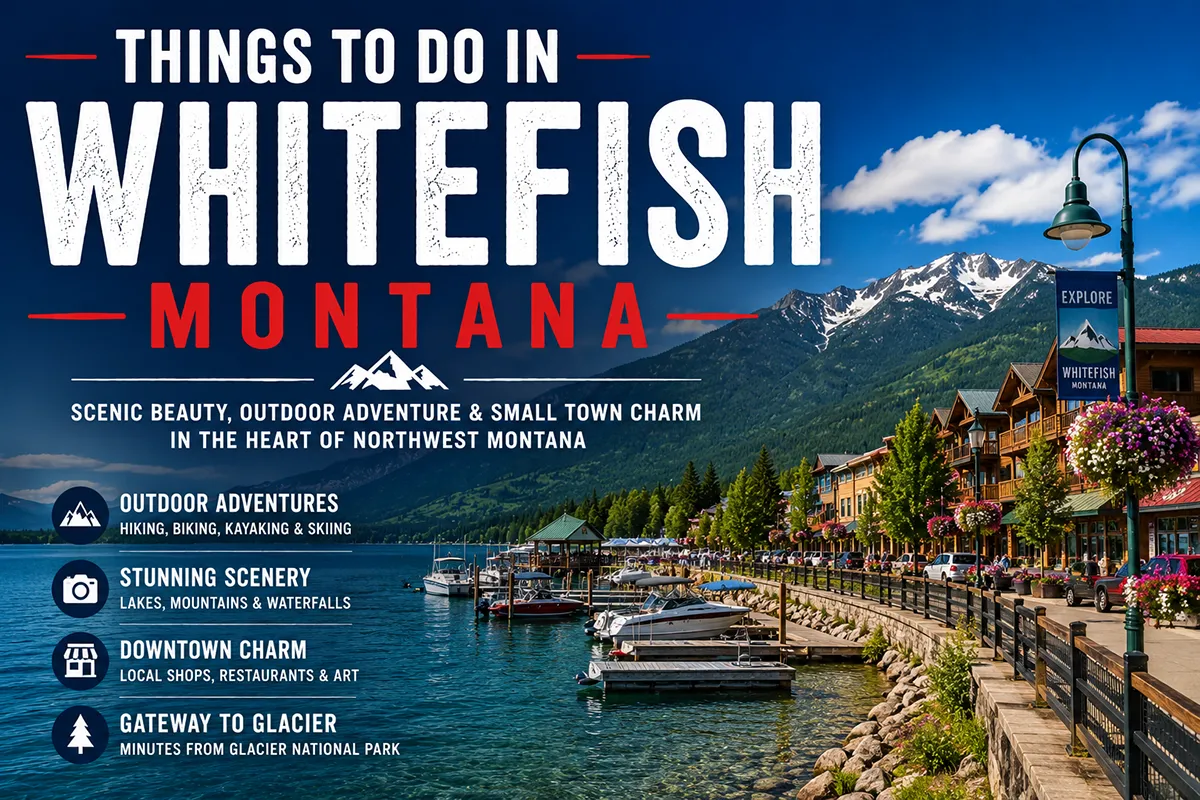
Whitefish’s essential experiences: ski Whitefish Mountain Resort (3,000 acres, longest zip line in Montana), attend Under the Big Sky Music Festival (the region’s signature summer country/folk event), day trip to Glacier National Park on Going-to-the-Sun Road (30 miles west), swim and kayak at City Beach, drive the North Fork Road to Polebridge Mercantile, pick huckleberries in August, and spend an evening hopping the downtown breweries — Blackstar Brewpub (Jeremiah Johnson), Bonsai Brewing, and Spotted Bear Spirits. Budget 4–7 days minimum.
- Whitefish offers year-round adventure: world-class skiing at Whitefish Mountain Resort, summer hiking on 47+ miles of trail, easy access to Glacier National Park
- Under the Big Sky Music Festival (annual, summer) is Whitefish’s most significant single event — plan around it or plan to avoid it
- Downtown is walkable and packed with independent restaurants, breweries, craft spirits, and boutiques
- Best times: January–March for skiing; July–September for hiking, lake, and festivals
- Budget tip: Free beach at City Beach, free hiking on Whitefish Trail, free Tuesday evening Depot Park Farmers Market
- Don’t miss: Sunrise at Whitefish Lake, huckleberry picking in August, Polebridge Mercantile as a North Fork destination
- Allow 4–7 days minimum to experience the full range
Liked this article?
Add Roaming Montana as a preferred source so you see more of our articles and guides on Google.
Why Whitefish Deserves More Than a Weekend
I’ve spent considerable time exploring Montana’s best destinations. Whitefish is the one I return to most often — and the one I consistently underestimate. The skiing is genuinely world-class. The Glacier access is unmatched.
The downtown punches above its weight for a town of 8,000 people. And the surrounding landscape — lake, mountains, national forest, North Fork wilderness — creates an activity inventory that takes a week to scratch.
For lodging strategy, see my Whitefish lodging guide. For winter-specific planning, see my Whitefish in winter guide. This post covers every activity worth doing in and around town. For the complete Whitefish city overview, see my dedicated guide.
For seasonal timing, see my best time to visit Montana guide.
All 45 Things to Do in Whitefish MT: Quick List
Skiing & Winter Sports:
- Ski or snowboard at Whitefish Mountain Resort
- Cross-country ski at Glacier Nordic Center
- Sleigh rides and snowshoeing at Clydesdale Outpost
- Snowmobile with Northwest Montana Adventure
- Ice skating (Whitefish Community Ice Arena)
Summer at Whitefish Mountain Resort:
6. Scenic Chair Lift Rides to the summit
7. Alpine Slide (twist, turn, control your speed)
8. Montana’s longest lift-served Zip Line Course
9. Aerial Adventure Park (60+ tree obstacles)
10. Lift-Access Downhill Mountain Biking (20+ miles)
11. Summit Nature Center (free; wildlife exhibits; Junior Ranger)
12. Huckleberry picking on the mountain (July–August)
Hiking & Trails:
13. Whitefish Trail System (47+ miles; multiple trailheads)
14. Danny On Memorial Trail (Big Mountain on foot)
15. Glacier National Park day trips — see below
16. North Fork Wilderness hikes
Water Activities:
17. Paddleboard or kayak on Whitefish Lake
18. Swim at City Beach (free)
19. Sunset at Whitefish Lake State Park
20. Rent a boat for lake cruising
21. Luxury captained boat tour of Whitefish Lake
22. Wakesurf / wakeboard lesson excursion
23. Float the Flathead River
Glacier National Park Access:
24. Drive Going-to-the-Sun Road
25. Hike Avalanche Lake
26. Drive the North Fork Road to Polebridge Mercantile ⭐
27. Many Glacier area day trip 28. Red Bus tour of Glacier
Unique Premium Experiences:
29. Float Plane Tour over Glacier and Hungry Horse Reservoir
30. Arrive by Amtrak Empire Builder ⭐ (no competitor mentions this)
Downtown Whitefish:
31. Walk Central Avenue
32. Shop local boutiques (Trovare, The Toggery, Montana Shirt Co., Bookworks)
33. Trovare Cooking Classes ⭐
34. Hank’s Hatchets axe throwing
35. Whitefish Gallery Nights (first Thursdays)
Food & Drink:
36. Dine at Mercantile Steakhouse
37. Breakfast at Loula’s Cafe
38. Brewery hop: Blackstar Brewpub, Bonsai Brewing, Spotted Bear Spirits
39. 38 Whitefish music venue (free live music weekends)
40. Fish the Whitefish River; coffee culture
Events & Festivals:
41. Under the Big Sky Music Festival ⭐ (annual; summer)
42. Depot Park Farmers Market (Tuesdays, free)
43. Whitefish Arts Festival
44. Whitefish Winter Carnival (February) ⭐
45. Last Best Ride gravel cycling event
Skiing and Winter Sports
1. Ski or Snowboard at Whitefish Mountain Resort ⭐
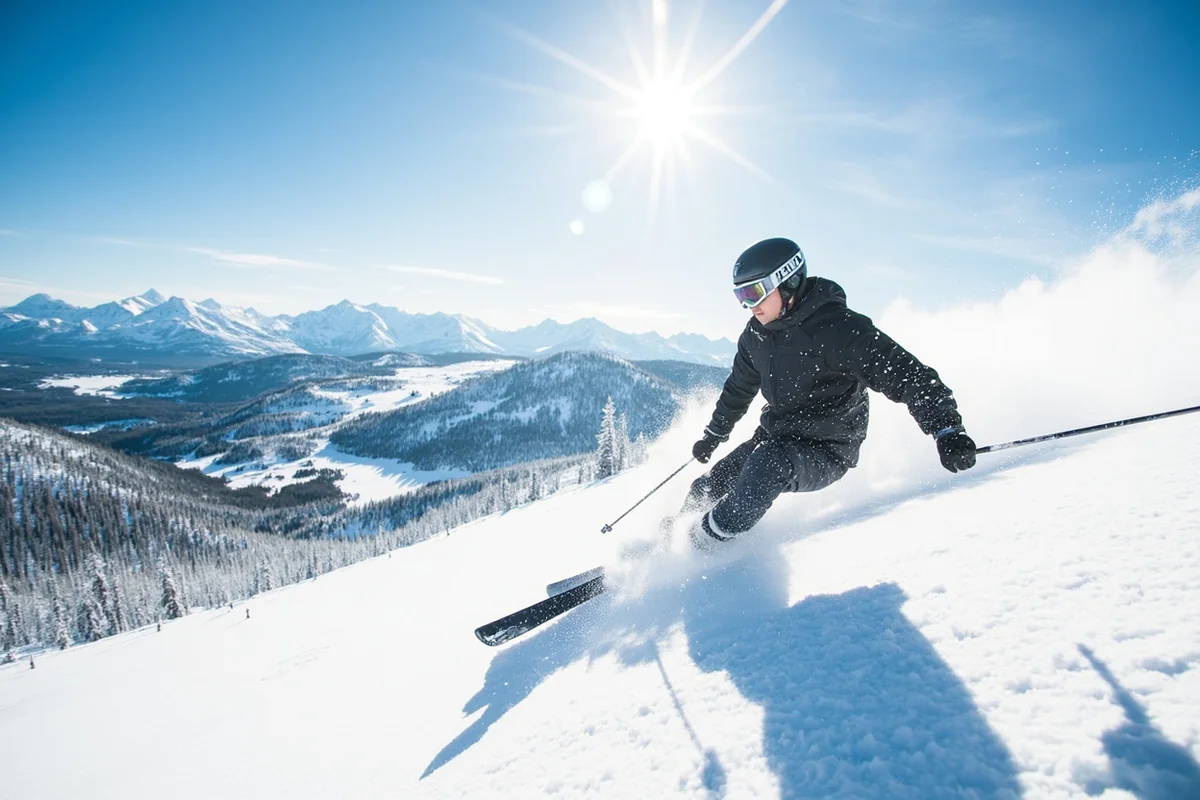
Whitefish Mountain Resort covers 3,000 acres of terrain across 105 named runs — groomed trails, powdery glades, steep bowls, and some of the most technically interesting expert terrain in Montana.
Annual snowfall averages 300+ inches at the summit. The resort sits 8 miles above downtown on Big Mountain Road, 20 minutes from downtown by car or shuttle.
A few insider specifics: Hellroaring Saloon at the base of Chair 4 is the mountain’s iconic mid-mountain stop — lunch, après-ski, live music on weekends. The Bierstube at the base lodge is where you finish. These are the Whitefish Mountain institutions that no visitor guide should skip.
For families: ski school, rentals, and the summit-accessible activities make this a complete multi-day resort even for first-timers.
Season: Typically late November through early April. Lift ticket prices: [Verify current rates at skiwhitefish.com.]
2. Glacier Nordic Center ⭐
Here’s the winter activity most Whitefish visitors miss: when ski season arrives, the Whitefish Lake Golf Club transforms into the Glacier Nordic Center — a full network of groomed cross-country ski trails on the fairways and surrounding landscape, with rental equipment (classic and skate skiing) available on-site.
The combination of the flat, manicured golf course terrain and the mountain backdrop makes this one of the most picturesque cross-country skiing settings in Montana.
Far less physically demanding than backcountry Nordic, with clear grooming and no avalanche terrain — ideal for mixed-ability groups or families wanting a quieter winter activity than the downhill resort.
Location: Whitefish Lake Golf Course. Season: December–March depending on snow. [Verify current season schedule at glaciernordic.com.]
3. Clydesdale Outpost ⭐
The Clydesdale Outpost is Whitefish’s most distinctive winter experience outside the ski resort — a farm property offering sleigh rides behind actual Clydesdale horses, snowshoeing through the surrounding landscape, and fireside s’more roasting.
TripAdvisor consistently lists it in the Whitefish top-attraction neighborhood. foratravel.com specifically calls it out as a must-do for families and couples.
Book ahead — capacity is limited and the weekend slots fill weeks in advance during ski season. An evening sleigh ride followed by hot chocolate and s’mores is the most authentically Montana winter evening available in the Whitefish area.
Best time: December–March. [Verify current booking at clydesdaleoutpost.com.][Verify current pricing.]
4. Snowmobiling
Northwest Montana Adventure offers snowmobile rentals and guided half and full-day tours, with the option of stopping at their yurt for cider, hot chocolate, and snacks. The surrounding Flathead National Forest opens up significant snowmobile terrain in winter. A distinctive option for visitors who want motorized winter adventure beyond the ski area.
5. Ice Skating
The Whitefish Community Ice Arena provides indoor public skating in winter — an underreported family option on overcast days when outdoor activities are less appealing. [Verify current public skating schedule with the City of Whitefish.]
Summer at Whitefish Mountain Resort
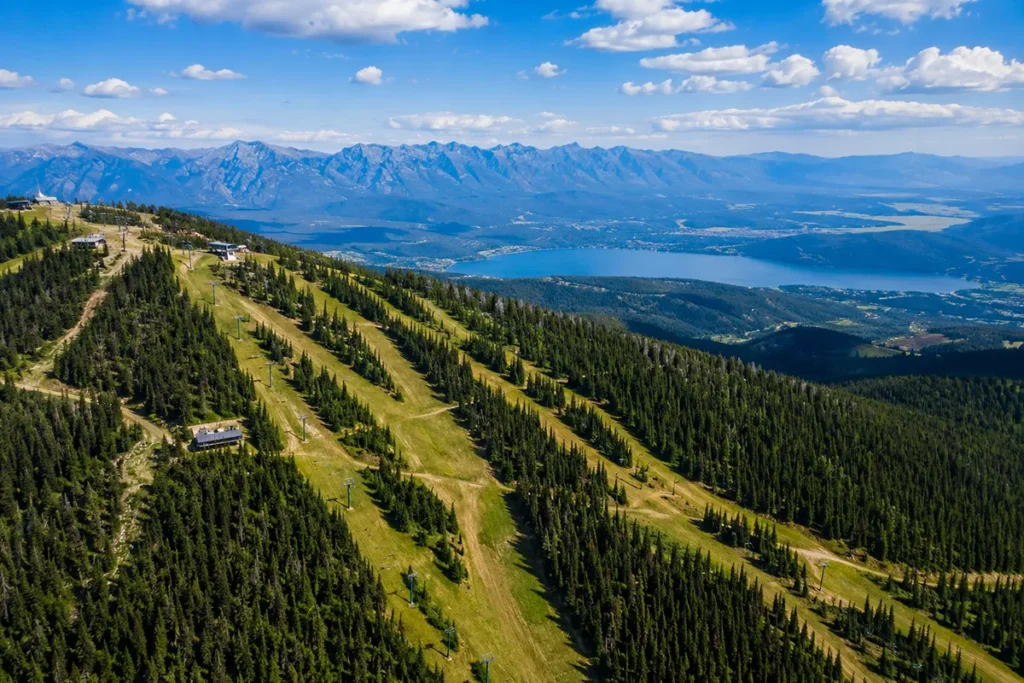
The resort’s summer operation at skiwhitefish.com/summer-activities transforms Big Mountain into a mountain activities park. The same mountain that holds winter skiing opens in summer with dramatically different offerings:
6. Scenic Chair Lift Rides
The gondola/scenic chair lift carries visitors to the 6,817-foot summit for panoramic views into Glacier National Park — often described as the easiest access to a 360-degree mountain view in northwest Montana.
The Summit House at the top offers food and drinks. Particularly magical at golden hour when the light hits the Glacier peaks.
7. Alpine Slide ⭐
The resort’s alpine slide lets riders control their own speed down a concrete track coiling down the mountain.
A genuinely enjoyable experience that doesn’t require any particular physical ability or experience — children and adults approach it equally enthusiastically. Lines peak on Saturday afternoons; ride weekday mornings for wait times under 10 minutes.
8. Montana’s Longest Lift-Served Zip Line Course
skiwhitefish.com bills this as “Montana’s longest lift-served zip line course” — the gondola takes you up, and you zip through the treetops at speed on a multi-section course. A premium option for visitors wanting something more adrenaline-oriented than the alpine slide.
9. Aerial Adventure Park
More than 60 obstacles suspended in the trees — a full aerial challenge course ranging from beginner to expert difficulty. Plan 2–3 hours. Children must meet height requirements for various sections. A natural rainy-day choice on the mountain when the views aren’t at their best.
10. Lift-Access Downhill Mountain Biking
The Whitefish Bike Park offers 20+ miles of lift-accessed trails for all skill levels, plus the $10 Downhill Race Series on Thursday evenings in summer (2026: six races, June–August).
The race series is specifically designed to be approachable for non-competitive riders — a perfect entry to organized downhill mountain biking.
11. Summit Nature Center (FREE) ⭐
Often missed because it’s inside the Summit House: the U.S. Forest Service’s Summit Nature Center provides free hands-on wildlife exhibits covering the bears, mountain lions, whitebark pines, and ecosystems of Northwest Montana.
Rangers lead “discovery walks” each morning and afternoon during summer. The Junior Ranger program engages children with structured challenges.
This is genuinely excellent for families and completely free — a welcome contrast to the premium-priced resort activities around it.
12. Huckleberry Picking ⭐
Late July through August, the mountain slopes become productive huckleberry territory. The resort even publishes reports on current picking conditions on the mountain.
Huckleberry picking is Montana’s most deeply local summer tradition — asking someone their favorite spot is, as the locals say, “like asking for their favorite fishing hole.” You won’t get a straight answer.
The berries are small, deeply purple-blue, and taste nothing like blueberries from a grocery store. Bear spray is mandatory — you’re in active bear habitat doing the same thing bears are doing.
The payoff: huckleberry pancakes, muffins, and pies at Loula’s and other downtown spots taste completely different when you’ve picked the berries yourself.
Hiking and Outdoor Trails
13. Whitefish Trail System
The Whitefish Trail is a community-built trail network encircling Whitefish with 47+ miles of non-motorized recreation — hiking, mountain biking, running, snowshoeing in winter.
Multiple trailheads throughout town provide access to different sections, with a comprehensive map at whitefishlegacy.org. This is the trail system that Whitefish residents use year-round, and it’s free.
Key trailheads: Spencer Mountain, Beaver Lake, Lion Mountain. All deliver different perspectives on the surrounding landscape; ask at any local outdoor retailer which section matches your ability and desired scenery.
14. Danny On Memorial Trail
For the full mountain experience on foot, the Danny On Memorial Trail climbs from the base of the resort to the summit on a maintained hiking trail — the equivalent of hiking the ski mountain. A significant half-day or full-day commitment depending on pacing; the reward is the same summit views as the scenic lift ride, earned on your own legs.
15. Glacier National Park Day Trips
The west entrance to Glacier National Park is 30 miles east of Whitefish — about 45 minutes to the park boundary. Full coverage in the Glacier section below.
Water Activities on Whitefish Lake
Whitefish Lake is 7 miles long and 1 mile wide, with clear water and mountain surroundings. The city operates City Beach (walkable from downtown); the state operates Whitefish Lake State Park and Les Mason State Park.
16–17. City Beach and Whitefish Lake State Park
City Beach is Whitefish’s signature free summer gathering spot — a sandy swimming beach walkable from downtown via a scenic trail. Open access; no fee. On warm summer days this becomes the social center of the town.
Whitefish Lake State Park on the north shore and Les Mason State Park on the west shore both provide additional access to the lake for swimming, fishing, and non-motorized boating. Les Mason is significantly less known than City Beach or the state park proper — and therefore nearly empty even on peak summer weekends.
18–19. Paddleboarding, Kayaking, and Boat Rentals
Multiple outfitters around the lake offer paddleboard and kayak rentals. Action Rentals and independent operators listed through TripAdvisor have the most consistent reviews. Delivery-to-beach rental services now operate in Whitefish, eliminating vehicle logistics entirely.
For a premium experience, the Lodge at Whitefish Lake operates a captained boat tour (1.5 hours) and wakeboard/wakesurf lessons on private excursions (Mondays–Thursdays, 3-hour blocks accommodating up to 15 guests). These premium water experiences require booking ahead.
20. Float the Flathead River
The Flathead River (various sections accessible from Whitefish area) provides a more river-oriented water experience than lake recreation. Float trips, fishing from drift boats, and casual tubing are all options. Check with local outfitters for current water conditions and put-in/take-out logistics.
Glacier National Park Access
Whitefish is the best-positioned base camp for Glacier National Park’s west side — 30 miles to the West Entrance, with multiple approach routes depending on what you want to see.
21. Going-to-the-Sun Road ⭐
The 50-mile alpine road crossing the Continental Divide at Logan Pass is the signature Glacier experience. See my Going-to-the-Sun Road guide for the full breakdown on vehicle reservations (mandatory from late May–early September), optimal timing, and what to prioritize.
Practical note from Whitefish: Leave by 6 AM on summer mornings. The reservation window opens at recreation.gov and the Logan Pass parking area fills by 8–9 AM at peak season. Starting from Whitefish means even earlier departure.
22. Hike Avalanche Lake
One of Glacier’s most rewarding moderate hikes — 4.5 miles round trip through old-growth cedar and hemlock forest to a hanging lake with waterfalls cascading from surrounding peaks. Accessible from the Avalanche Lake trailhead on Going-to-the-Sun Road.
Family-friendly, well-maintained, genuinely spectacular. See my Glacier hiking guide for trail-by-trail detail.
23. The North Fork Road and Polebridge Mercantile ⭐
This is where the current page’s “Drive the North Fork Road” item deserves to become a DESTINATION section, not a detour. Every competitor lists the North Fork Road as a drive. None of them make Polebridge Mercantile the star it deserves to be.
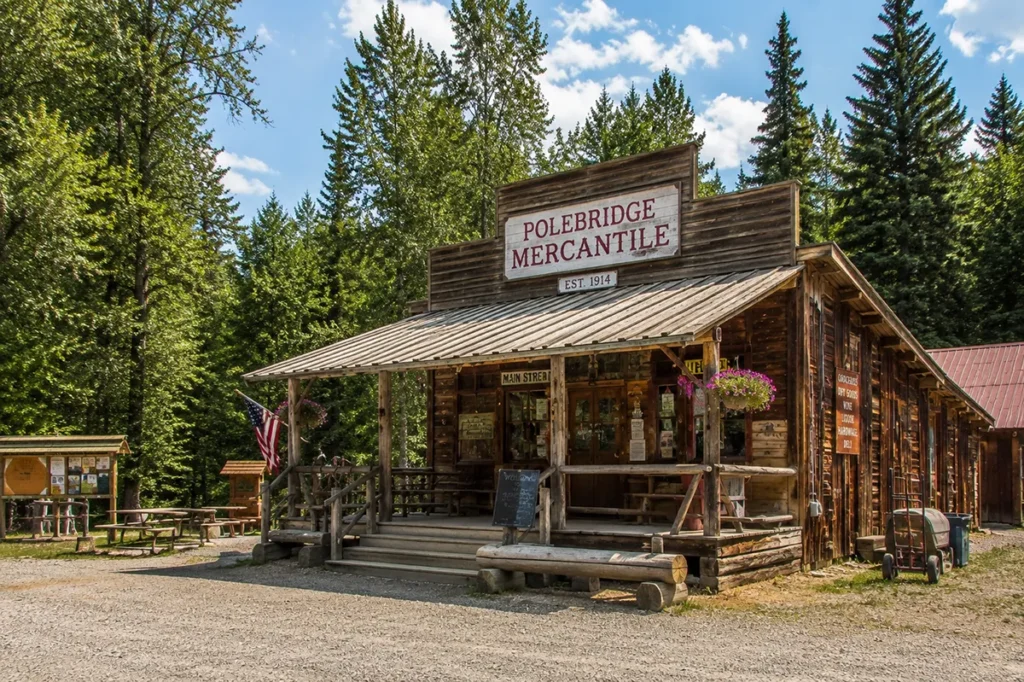
Polebridge Mercantile is the most famous bakery in Montana that runs on zero electricity — no power grid reaches the North Fork community.
The pastries are made in a wood-fired oven and are genuinely among the best things you’ll eat in the state: bear claws, huckleberry turnovers, cinnamon rolls the size of softballs.
The community of Polebridge (population: approximately 30 people in summer) feels like the frontier, 26 miles from the Canadian border on an unpaved road.
Getting there from Whitefish: Take US-2 west, then north on the Outside North Fork Road from Columbia Falls.
The last 26 miles are unpaved. Plan 1.5–2 hours each way. High-clearance is helpful; a standard car can make it in good conditions. Check road conditions with Flathead National Forest before departing.
The North Fork Entrance to Glacier National Park is adjacent to Polebridge — the most remote and least-crowded park entrance in Montana. Bowman Lake (6 miles of unpaved road from the entrance) is extraordinarily beautiful and almost entirely uncrowded even in peak summer.
No competitor covers Polebridge as the destination it is. This section gives you an angle they don’t have.
24. Many Glacier Day Trip
The Many Glacier area on the east side of Glacier National Park is a 2-hour drive from Whitefish but delivers some of the park’s most dramatic concentrated scenery: the Many Glacier Hotel on Swiftcurrent Lake, grizzly bear sightings on the valley floor, and trailheads for Iceberg Lake (9.7 miles, genuinely extraordinary).
Requires an early start and a full day. Worth every minute. See my Glacier lodging guide for the Many Glacier Hotel booking strategy (6–12 months ahead for summer).
25. Red Bus Tours of Glacier
The vintage 1930s red buses with roll-back tops are the most atmospheric way to experience the Going-to-the-Sun Road corridor — narrated by experienced guides, roof open to the mountain views.
Book at recreation.gov well ahead. The Lodge at Whitefish Lake specifically recommends these as one of the top summer activities near the property. For families, this is the alternative to self-driving the often-stressful road in peak summer.
Unique Experiences Competitors Don’t Cover
26. Arrive by Amtrak Empire Builder ⭐
Every competitor guide acknowledges the Whitefish Depot as a beautiful historic landmark. Not one of them suggests using it as it was designed: as a way to arrive in Whitefish.
The Amtrak Empire Builder runs from Chicago to Seattle, and Whitefish is one of its stops. Westbound service arrives in the evening; eastbound arrives in the morning.
The train route itself — through Milwaukee, across the Minnesota prairies, through the Glacier corridor, along the Columbia River Gorge — is one of the great American rail journeys.
For visitors traveling from the Pacific Northwest or Midwest without a direct flight, the Empire Builder is a genuinely competitive option that frames the Whitefish Depot arrival story in the hook of this very post. Book at amtrak.com well ahead for sleeper accommodations.
27. Float Plane Tours ⭐
The Lodge at Whitefish Lake specifically highlights float plane tours as one of the most distinctive Whitefish-adjacent experiences: an aerial tour over Northwest Montana, Hungry Horse Reservoir, and near Glacier National Park with views of “majestic peaks laden with thousand-year-old glaciers.”
Accommodating 3 passengers or up to 400 lbs, these tours depart seasonally from the lake and deliver views that no ground-based activity can replicate. [Verify current operators and pricing — contact the Lodge at Whitefish Lake or search for local seaplane tour operators.]
This is genuinely rare content — I’ve looked through every Whitefish competitor and none of them lead with float plane tours as a recommended activity.
28. Whitefish Winter Carnival ⭐
February in Whitefish brings the Winter Carnival — an annual community celebration with events including torchlight parades down the ski mountain, snowman building competitions, carnival rides, live entertainment, and ski and snowboard competitions at the resort.
It’s one of the region’s most beloved winter traditions and brings visitors specifically for the event each year.
Search for “Whitefish Winter Carnival” and the top results are event listing sites with minimal narrative content.
A well-written guide to what to expect at the carnival — the parade timing, where to watch from downtown vs. the mountain, how to plan an overnight around the events — would own this sub-query with almost no competition.
Timing: Typically mid-February. [Verify 2026 dates at explorewhitefish.com.]
29. Last Best Ride Gravel Cycling Event
visitmt.com covers the Last Best Ride gravel and mixed-surface cycling race as a 2026 feature event — “the biggest celebration of gravel and mixed-surface riding in Northwest Montana.”
The race traverses the northern Flathead Valley and southern Whitefish Range, with the summit of Big Mountain as a course segment.
As cycling tourism grows in Montana, this event is building a following. Including it positions the page for “whitefish cycling events” and similar queries that no current competitor targets.
Downtown Whitefish: Shops, Food, and Entertainment
30. Walk Central Avenue
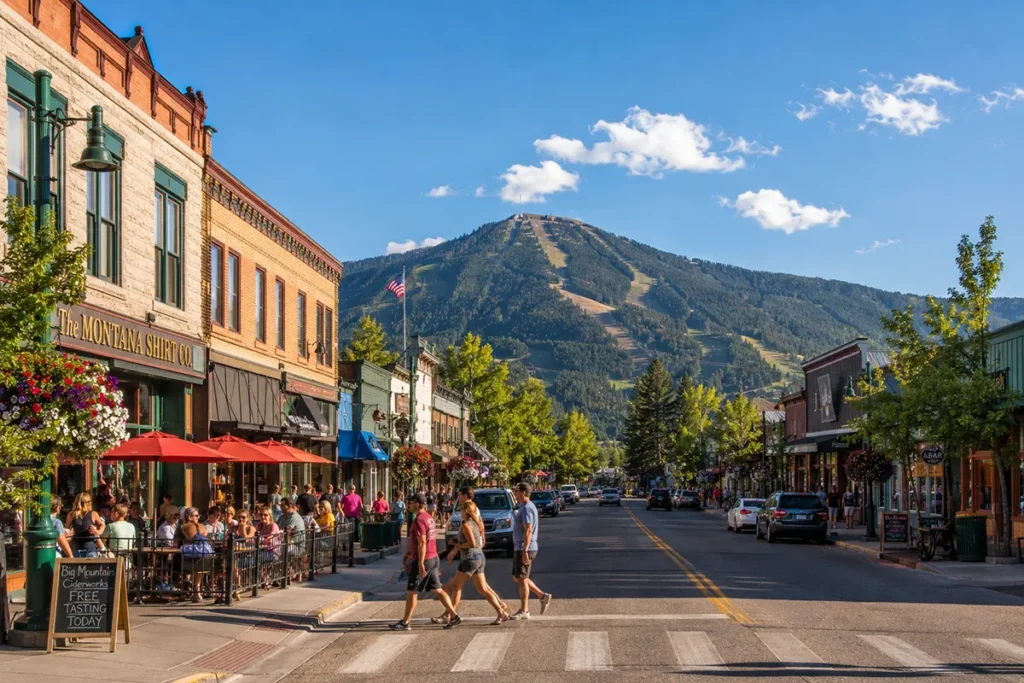
Whitefish’s Central Avenue is the most walkable and commercially vital downtown in northwest Montana — independent boutiques, galleries, restaurants, bakeries, outdoor retailers, and bar patios running a compact 5-block core.
The combination of locally owned shops and the mountain backdrop is what makes Whitefish feel genuinely distinct from other Montana towns.
Shopping highlights: Trovare (kitchen and gourmet goods), The Toggery (men’s and women’s clothing, outdoor brands), Montana Shirt Co. (quality Montana-themed apparel), S.M. Bradford Co. (premium western women’s wear), Harlow (women’s fashion), Imagination Station Toys (old-school toy shop), Heritage Knife Shop (custom knives), Bookworks (independent bookstore), Kemosabe (custom cowboy hats), and Dick Idol Signature Gallery (wildlife art).
31. Trovare Cooking Classes ⭐
Trovare is Whitefish’s gourmet kitchen and cooking store on Central Avenue. Beyond selling high-quality cookware and specialty foods, Trovare offers regular group cooking classes that book up quickly — often themed around seasonal Montana ingredients like huckleberries, local game, and wild mushrooms.
foratravel.com specifically calls it out: “Trovare, a gourmet cooking store in downtown Whitefish, offers regular group cooking classes. Buy tickets in advance as they do book up!”
A Trovare cooking class is the most distinctive rainy-day option in Whitefish and a popular activity for groups, couples, and solo travelers. [Check current class schedule and book at trovarewhitefish.com.]
32. Hank’s Hatchets — Axe Throwing
Hank’s Hatchets is Whitefish’s indoor axe throwing range — specifically called out by foratravel.com as “great for groups!” and listed in TripAdvisor’s Whitefish near-hotel activities.
The experience needs no introduction: supervised axe throwing lanes, instruction included, typically 60–90 minutes per session. Ideal for bachelorette parties, corporate groups, and anyone looking for a rainy-afternoon activity with real entertainment value. No prior experience required.
33. Whitefish Gallery Nights
On the first Thursday of every month throughout summer and fall, Whitefish’s art galleries open simultaneously for a community gallery walk.
Wineries and breweries often participate with pours. foratravel.com and skiwhitefish.com both recommend Gallery Nights as a free downtown evening activity — “nearly a dozen art galleries displaying many locally crafted masterpieces.”
34. 38 Whitefish Music Venue ⭐
Located on Central Avenue, 38 Whitefish is Whitefish’s newest live music venue — food trucks, a full bar, and free live music most weekends.
pineandpalmkitchen.com (a genuine local guide) calls it “our newest music venue” and emphasizes the free entry as a notable feature for Whitefish’s entertainment landscape.
A significant addition to Whitefish’s downtown entertainment options that most visitor guides haven’t caught up to yet.
35. Depot Park Farmers Market ⭐
Every Tuesday evening from 5:00–7:30 PM, June through September, Depot Park in downtown Whitefish fills with a farmers market that functions as a community social event as much as a shopping destination:
- Produce stands, flower stalls, honey, jam, hot sauces, cookies, pies, breads
- Food trucks serving dinner
- Free live music on the lawn
- No entry fee
pineandpalmkitchen.com (a Whitefish local for 20+ years) specifically calls this out as one of the best free things to do in Whitefish. Spread a blanket on the lawn, eat from the food trucks, and watch the mountain in the evening light.
Note: The Saturday morning Whitefish Farmers Market also operates — slightly different character, more produce-focused.
Breweries, Distilleries, and Food
36. Brewery and Spirits Scene
Whitefish has two breweries specifically located in town:
Blackstar Brewpub — serving beers by Jeremiah Johnson Brewing Co. The most established Whitefish beer institution; full pub menu, solid beer lineup, downtown location.
Bonsai Brewing Project — small-batch, distinctive brews available only in Whitefish. skiwhitefish.com: “distinctive small-batch brews you’ll only find in Whitefish.” The kind of specific, you-had-to-be-there-to-have-it brewery that makes the experience non-replicable.
Spotted Bear Spirits — Whitefish’s craft distillery offering whiskey, vodka, and unique liqueurs. “If you prefer craft cocktails, pay a visit to Spotted Bear Spirits for a selection of unique liqueurs and other offerings from their distillery.” (skiwhitefish.com)
The three-stop brewery and spirits circuit makes for an excellent Whitefish evening.
37–40. Food Scene Essentials
Mercantile Steakhouse — Whitefish’s celebrated upscale steakhouse. Reservations essential. The special-occasion meal in town.
Loula’s Cafe — The beloved breakfast institution. Montana comfort food, local following, genuinely good.
Downtown dining landscape — Whitefish’s food scene includes Japanese, Mexican, Cajun, Italian, and Mediterranean options “clustered downtown,” as skiwhitefish.com notes. The restaurant quality, for a town of 8,000, consistently surprises visitors.
Events and Festivals
41. Under the Big Sky Music Festival ⭐
This is Whitefish’s most significant annual event — and every competitor mentions it, which tells you how important it is:
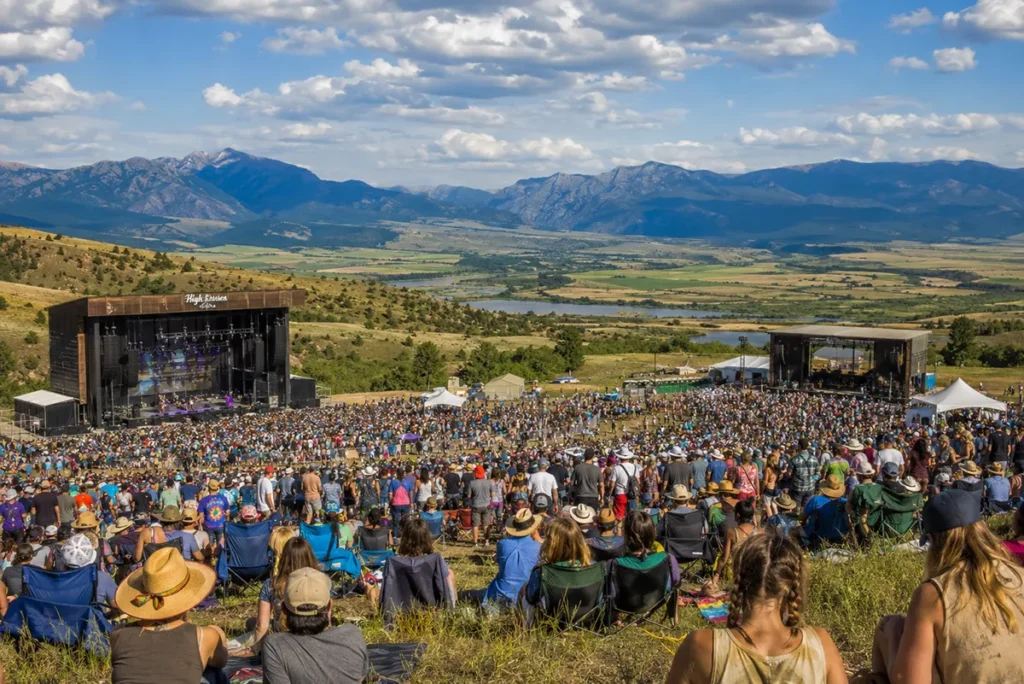
Under the Big Sky is a three-day country, folk, and Americana music festival held on a 350-acre ranch just outside Whitefish. Two naturally formed amphitheater stages, 180-degree mountain views, a rough stock rodeo on the grounds, trail rides available during the festival.
Recent headliners have included Chris Stapleton, Zach Top, Cody Jinks, Ryan Bingham, Of Monsters and Men, Greensky Bluegrass, and Old Crow Medicine Show.
foratravel.com: “Whitefish’s busiest weekend! A three-day country music festival. Don’t miss the after-parties with more intimate performances at the live music venues downtown.” The local tip: if you’re visiting Whitefish during the festival, reserve accommodation many months ahead — the town fills completely.
[Verify 2026 dates and lineup at underthebigsky.com.]
42. Whitefish Arts Festival
A summer arts festival bringing together artists from across the region for an outdoor exhibition and sale downtown. Part of the broader arts calendar that includes monthly Gallery Nights.
43. Last Best Ride
See the differentiation section above — the growing gravel cycling event that visitmt.com now features for 2026.
44. Abayance Bay Marina Summer Concert Series
foratravel.com specifically mentions: “if you’re looking for a bigger venue, drive an hour north to the Abayance Bay Marina for their summer concert series” on Lake Koocanusa. A day trip from Whitefish that combines scenic driving with live music and waterfront access.
Things to Do in Whitefish by Traveler Type
For Skiers
The whole point: Whitefish Mountain Resort, 3,000 acres, every ability level, Hellroaring Saloon at mid-mountain. Add Glacier Nordic Center for cross-country.
Consider the ski-and-soak option via a day at Glacier Nordic followed by an evening in the mountain hot tub or nearby hot springs.
For comprehensive Montana skiing comparisons, see my Montana ski resorts guide.
For Families
Alpine slide and aerial adventure park at the resort (summer). Summit Nature Center (free, educational). City Beach swimming (free). Imagination Station Toys in downtown.
Clydesdale Outpost sleigh rides (winter). Red Bus tours of Glacier (narrated, roof-open, manageable for children). Huckleberry picking (participatory, educational, Montana).
For Couples
Trovare cooking class. Sunset captained boat tour of Whitefish Lake. Under the Big Sky festival. Winter Carnival torchlight parade. Gallery Nights wine walk. Sunrise at City Beach. Float plane tour.
For Budget / Free Activities
- City Beach (free swimming)
- Whitefish Trail System (free hiking, 47+ miles)
- Depot Park Farmers Market (free Tuesdays)
- Gallery Nights (free first Thursdays)
- 38 Whitefish live music (free weekends)
- Summit Nature Center (free with lift ticket or accessible on foot)
- Huckleberry picking (free, bring bear spray)
- Drive the North Fork Road (free, ends at Polebridge bakery)
For Rainy Days
Trovare Cooking Classes, Hank’s Hatchets axe throwing, Bookworks, gallery browsing, 38 Whitefish (if open), brewery circuit (Blackstar, Bonsai, Spotted Bear).
Practical Planning
Getting to Whitefish: Glacier Park International Airport (FCA) in Kalispell is 25 miles south — approximately 30 minutes. Direct flights from Seattle, Denver, Minneapolis, Salt Lake City, and Phoenix (seasonal). Amtrak Empire Builder also stops at the historic Whitefish Depot.
Getting around: Downtown Whitefish is walkable. The resort is 8 miles above town — drive or take the resort shuttle. Glacier is 30 miles east. A car is needed for the North Fork Road, Many Glacier, and most day trips.
For RV travelers, see my Columbia Falls and West Glacier RV parks guide for sites serving the Whitefish/Glacier corridor.
For lodging recommendations in the area, see my Whitefish lodging guide, Glacier lodging guide, and best Airbnbs for a Montana winter stay.
Nearby communities worth combining with a Whitefish trip: Columbia Falls (Glacier gateway, Backslope Brewing), Bigfork (art galleries, Flathead Lake), Kalispell (full city services, Glacier Park International Airport).
For seasonal planning across Montana, see my best time to visit Montana guide.
Explore More Montana Cities
Montana has a lot of ground to cover. Whether you’re building a road trip route or just curious what the next town down the highway has to offer, here are the city guides we’ve put together so far:
- Things to Do in Bozeman, Montana — Montana’s fastest-growing city, with great restaurants, the Museum of the Rockies, and easy access to Gallatin Canyon and Big Sky.
- Things to Do in Livingston, Montana — The original Yellowstone gateway; a fly fishing capital with a surprising arts scene, vintage neon downtown, and the Absaroka Mountains as a backdrop.
- Things to Do in Whitefish, Montana — The gateway to Glacier National Park, with a walkable downtown, ski resort access at Whitefish Mountain, and Whitefish Lake on the edge of town.
- Things to Do in Kalispell, Montana — The commercial hub of the Flathead Valley; close to Glacier, Flathead Lake, and some of the best scenic drives in northwest Montana.
- Things to Do in Bigfork, Montana — A small arts village on Flathead Lake that punches above its size with galleries, live theater, and excellent waterfront dining.
- Things to Do in Butte, Montana — One of Montana’s most historically layered cities; mining heritage, Victorian architecture, and a working-class character that’s entirely its own.
- Things to Do in Helena, Montana — Montana’s compact, walkable capital; the state capitol building, Last Chance Gulch, and the Cathedral of Saint Helena are all within easy reach downtown.
- Things to Do in Dillon, Montana — A quiet southwestern Montana town with serious fly fishing access on the Beaverhead River and a pace that feels far removed from the tourist trail.
- Things to Do in Polebridge, Montana — Glacier’s remote northwest corner; no cell service, no power grid, a legendary bakery, and some of the most untouched backcountry in the park.
- Things to Do in Miles City, Montana — Eastern Montana’s cowboy capital, home to the Bucking Horse Sale and a historic downtown that hasn’t changed much since the cattle drives.
- Libby, Montana Guide — A timber town in the far northwest tucked along the Kootenai River, with Kootenai Falls and the Cabinet Mountains Wilderness on its doorstep.
Final Thoughts
Whitefish does the Montana combination better than anywhere else in the state: a mountain resort with genuine terrain, a national park at arm’s length, a town that has its own identity and doesn’t exist purely for tourism, and a surrounding landscape — the North Fork wilderness, the North Glacier valleys, the Flathead lake system — that takes years to fully explore.
No competitor has taken the train to Whitefish and written about arriving at that depot in the alpenglow. No competitor has made Polebridge the destination it deserves to be. No competitor has connected the Winter Carnival to ski season planning the way it should be connected. These are the angles that differentiate this guide from everything else ranking for this keyword.
Come back in every season. Whitefish changes enough each time to keep it honest.
Questions about planning a Whitefish trip? Drop them in the comments.
Frequently Asked Questions
What are the best things to do in Whitefish MT?
The essential Whitefish experiences: ski Whitefish Mountain Resort (3,000 acres, expert-to-beginner terrain); day trip to Glacier National Park on Going-to-the-Sun Road (30 miles east); swim and paddleboard at City Beach; drive the North Fork Road to Polebridge Mercantile for off-grid bakery pastries; attend Under the Big Sky Music Festival if your dates align; pick huckleberries on the mountain in July–August; and spend an evening hopping downtown between Blackstar Brewpub, Bonsai Brewing, and Spotted Bear Spirits.
How far is Whitefish from Glacier National Park?
Whitefish is approximately 30 miles from Glacier National Park’s West Entrance at Apgar — about 45 minutes under normal conditions. In peak summer (late June–early August), add 30–60 minutes for traffic and vehicle reservation compliance. The North Fork Road (about 26 miles to Polebridge from Columbia Falls) reaches a different, more remote part of the park.
What is Under the Big Sky Music Festival in Whitefish?
Under the Big Sky is a three-day country, folk, and Americana music festival held on a 350-acre ranch just outside Whitefish, Montana, typically in summer. Two stages in naturally formed outdoor amphitheaters, a rough stock rodeo on the festival grounds, trail rides, and after-parties in downtown Whitefish venues. Recent headliners include Chris Stapleton, Cody Jinks, Ryan Bingham, Greensky Bluegrass, and Old Crow Medicine Show. Book accommodations extremely early — it’s Whitefish’s busiest weekend. [Verify dates and lineup at underthebigsky.com.]
What skiing is available near Whitefish MT?
Whitefish Mountain Resort (Big Mountain), 8 miles from downtown, offers 3,000 acres of skiable terrain with 105 named runs, 300+ inches of annual snowfall at the summit, and terrain for every skill level. The Hellroaring Saloon mid-mountain and Bierstube at the base are the après-ski anchors. The Glacier Nordic Center (on the Whitefish Lake Golf Course) provides groomed cross-country trails in winter.
What is Polebridge Montana near Whitefish?
Polebridge is a tiny off-grid community (population ~30 in summer) at the end of the unpaved Outside North Fork Road, about 60 miles from Whitefish. The Polebridge Mercantile is Montana’s most famous off-grid bakery — all baking done in a wood-fired oven, no electricity from the grid, serving bear claws, huckleberry turnovers, and cinnamon rolls that people plan entire days around. Adjacent to the North Fork Entrance of Glacier National Park and Bowman Lake. High clearance helpful but standard cars can manage in good conditions.
What are free things to do in Whitefish MT?
City Beach swimming, the Whitefish Trail System (47+ miles, multiple trailheads), Depot Park Farmers Market (Tuesday evenings, free), Whitefish Gallery Nights (first Thursdays), 38 Whitefish live music (free weekends), Summit Nature Center on the mountain (free), huckleberry picking in July–August on the mountain slopes, and driving the North Fork Road.
Is the Whitefish Winter Carnival worth attending?
Yes — the annual Whitefish Winter Carnival in February is one of the region’s most beloved winter community celebrations, featuring a torchlight parade down the ski mountain, snowman competitions, carnival events, and performances. It draws visitors specifically for the event and makes an early-to-mid February ski trip significantly more festive. [Verify current dates and schedule at explorewhitefish.com.]
How do I get to Whitefish MT?
Glacier Park International Airport (FCA) in Kalispell is 25 miles south (30 minutes). Direct flights from Seattle, Denver, Minneapolis, Salt Lake City, and Phoenix operate year-round with seasonal expansion. Alternatively, Amtrak’s Empire Builder stops at the historic Whitefish Depot on its Chicago-to-Seattle route — a genuinely scenic rail approach that zero travel blogs currently recommend. [Verify Empire Builder schedule at amtrak.com.]